
Modern car interiors have changed dramatically over the last decade. Buttons, knobs, and physical climate controls that once filled dashboards are disappearing rapidly as automakers chase minimalist styling and larger digital displays.
Many manufacturers now place nearly every function inside touchscreen menus, including one of the most commonly used features in any vehicle: the heating and climate system.
For decades, adjusting cabin temperature required nothing more than reaching for a physical dial without taking your eyes off the road. Drivers could change fan speed, seat heating, or temperature settings almost instantly through muscle memory alone.
Today, many new vehicles force drivers to navigate touch-sensitive menus, swipe through software pages, or tap digital icons just to warm the cabin during cold weather.
Supporters of touchscreen-based controls argue that digital systems create cleaner interiors and allow manufacturers to update features through software.
Critics, however, believe removing physical climate controls creates unnecessary distraction while driving. Even simple tasks such as increasing the heat or defrosting windows can become frustrating when buried inside complicated infotainment systems.
The shift toward touchscreen-controlled climate functions has become especially common in electric vehicles and luxury cars, where manufacturers prioritize futuristic design themes.
Some companies eliminated physical buttons almost entirely, while others retained only a few shortcut controls alongside large central displays. In many cases, drivers must interact with the touchscreen repeatedly during everyday driving situations.
This list highlights ten vehicles where adjusting heating and climate settings depends heavily on the touchscreen interface. Some models still offer limited voice commands or steering wheel shortcuts, but the touchscreen remains central to operating basic cabin temperature controls.
These vehicles represent the growing industry trend toward software-driven interiors, where traditional physical controls are increasingly becoming a thing of the past.
Also Read: 10 Steering Wheel Buttons Most Drivers Never Know
1. Tesla Model 3
The Tesla Model 3 became one of the clearest examples of touchscreen-focused interior design because nearly every major vehicle function routes through the large central display. Unlike traditional cars that separate climate controls with physical buttons and knobs, the Model 3 places heating adjustments entirely inside the touchscreen interface.
Changing cabin temperature requires interacting directly with the display mounted in the center of the dashboard. Drivers tap digital icons to increase or decrease heat, adjust fan speed, control airflow direction, and activate seat heaters.
Even windshield defrost functions operate primarily through touchscreen commands rather than dedicated physical switches.
Tesla intentionally designed the interior to feel minimal and futuristic. The dashboard contains very few physical controls besides steering wheel buttons and window switches. While this creates a clean and modern appearance visually, it also means drivers depend heavily on software menus for everyday functions.
The climate interface itself remains responsive and visually impressive, but some drivers still find it distracting compared to traditional physical controls. Adjusting temperature during rough roads or heavy traffic can require more attention because there are no tactile knobs to operate by feel alone.
Tesla partially addresses this issue through voice commands. Drivers can request temperature changes verbally without touching the screen. However, many owners still interact with the display frequently because touchscreen access remains the primary climate control method.
The Model 3 also introduced features such as scheduled cabin preconditioning and remote climate activation through smartphone apps. These software-driven systems highlight Tesla’s philosophy of treating the car more like a connected digital device than a traditional automobile.
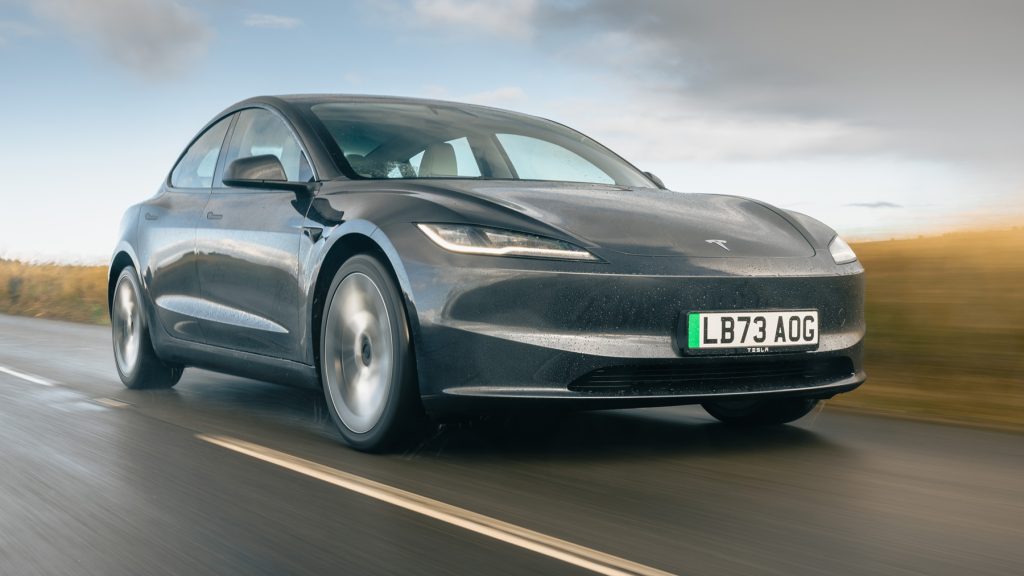
Supporters appreciate the modern simplicity and software flexibility, while critics argue that removing physical climate controls sacrificed convenience for aesthetics. Regardless of opinion, the Model 3 strongly influenced the automotive industry, and many manufacturers later adopted similar touchscreen-focused layouts.
The car became symbolic of a broader trend where climate systems increasingly operate through software rather than mechanical switches and buttons. That design philosophy continues shaping modern interiors across both electric- and gasoline-powered vehicles today.
- Engine: Dual electric motors
- Torque: 471 lb ft
- Horsepower: 450 hp
- Length/Width: 184.8 inches / 72.8 inches
2. Volkswagen ID.4
The Volkswagen ID.4 represents Volkswagen’s transition into the electric vehicle era, and its interior design follows the modern trend of replacing traditional buttons with touchscreen-based controls.
Climate adjustment functions rely heavily on the infotainment system, which has generated mixed reactions from drivers accustomed to physical controls.
At first glance, the dashboard appears sleek and uncluttered. Large digital screens dominate the cabin, while most traditional switches are absent. To adjust heating settings, drivers interact with touchscreen menus controlling temperature, airflow direction, fan speed, and seat heating functions.
Volkswagen attempted to simplify the interface visually by using touch-sensitive sliders beneath the main screen for volume and temperature changes. However, these controls are not traditional physical buttons and often require drivers to glance downward to operate them accurately, especially at night.
The ID.4’s climate system also integrates deeply with the vehicle’s software-driven energy management. Since electric vehicles depend heavily on battery efficiency, climate adjustments influence driving range more directly than in gasoline cars.
Volkswagen designed the interface to display energy consumption information alongside heating controls, reinforcing the EV-focused driving experience.
Many drivers appreciate the modern appearance and customizable digital menus, but others criticize the lack of tactile feedback. Adjusting cabin temperature while driving can feel less intuitive than simply turning a physical dial. Touch-sensitive surfaces also become harder to use quickly on uneven roads or during busy traffic situations.
Voice commands provide another option for controlling heat and airflow. Drivers can request warmer temperatures verbally, though real-world responsiveness varies depending on cabin noise and software performance.
The ID.4 reflects a major shift happening throughout the automotive industry, where software-driven interiors are replacing traditional control layouts. Volkswagen clearly prioritized futuristic presentation and digital integration over old-fashioned physical ergonomics.
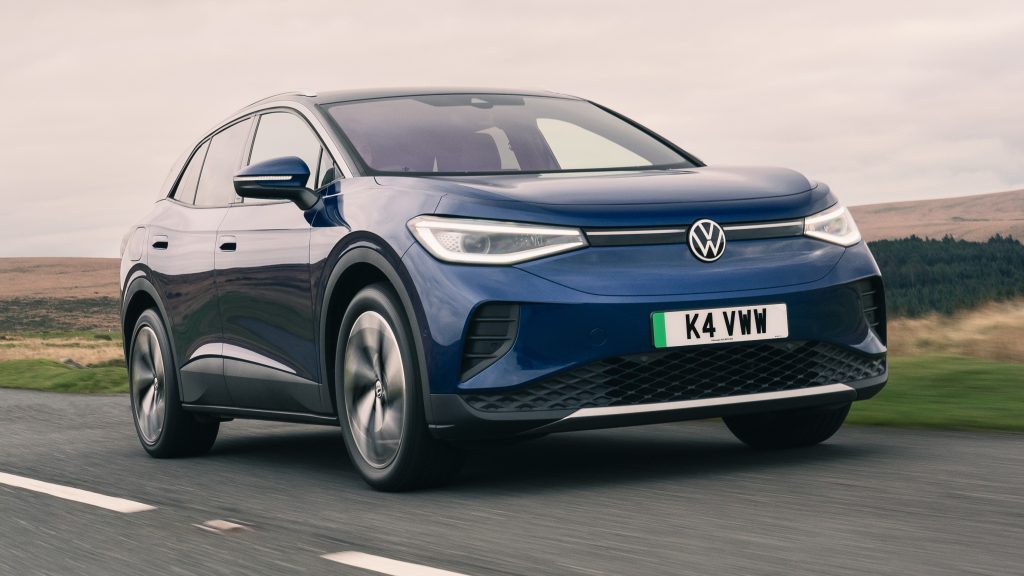
While the touchscreen climate setup may frustrate some traditional drivers, it aligns closely with the broader design philosophy behind many modern electric vehicles. The ID.4 demonstrates how manufacturers increasingly view the cabin as a digital environment centered around screens rather than mechanical controls.
- Engine: Single electric motor
- Torque: 229 lb ft
- Horsepower: 201 hp
- Length/Width: 180.5 inches / 72.9 inches
3. Volvo EX30
The Volvo EX30 embraces minimalist Scandinavian design more aggressively than almost any previous Volvo, and that philosophy extends directly into how drivers control the heating system. Traditional climate buttons are almost completely absent from the cabin, forcing most adjustments through the central touchscreen interface.
The dashboard looks extremely clean and modern because physical controls have been reduced dramatically. Temperature settings, fan speed, airflow adjustments, and heated seat functions all operate through the vertically mounted touchscreen. Drivers must tap digital menus instead of reaching for traditional knobs or switches.
Volvo designed the EX30 around simplicity and software integration, especially since the vehicle targets younger buyers comfortable with smartphone-style interfaces. The screen responds quickly and uses large icons, but drivers still need to look toward the display to make changes accurately while driving.
The heating system also connects closely with the vehicle’s energy management software. Since the EX30 is an electric SUV, cabin heating directly affects driving range during cold weather. The touchscreen shows climate-related energy information, helping drivers monitor battery consumption more carefully.
Another interesting feature involves the cabin preconditioning system. Owners can warm the interior remotely using a smartphone app before entering the vehicle. This software-focused approach reflects how modern electric vehicles increasingly rely on digital convenience rather than traditional mechanical interaction.
Volvo also integrated voice control functions to reduce touchscreen dependency slightly. Drivers can request warmer temperatures or activate defrost settings verbally. However, most detailed climate adjustments still require direct screen interaction.
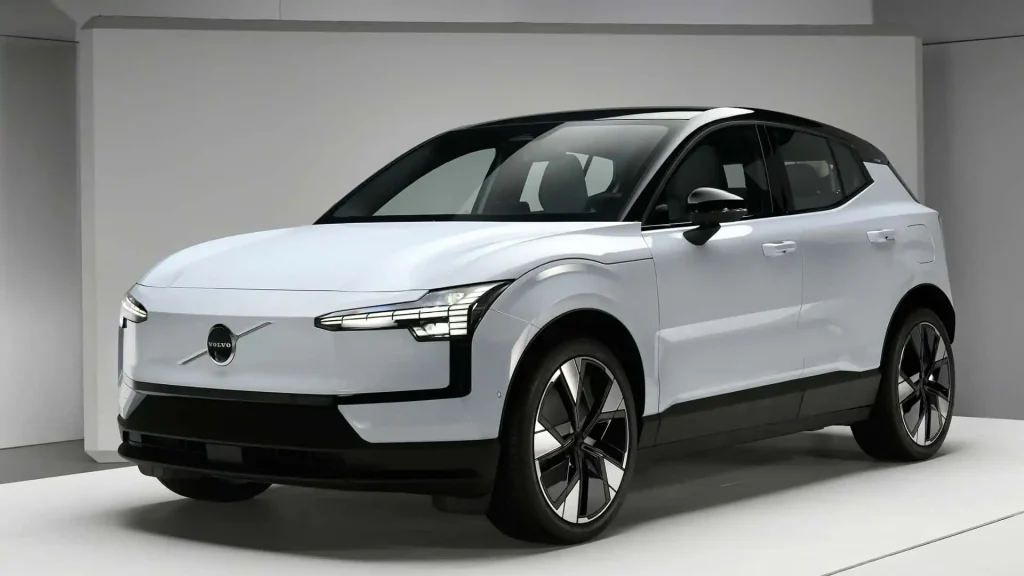
Critics argue that removing physical climate controls creates unnecessary distraction for simple tasks. Supporters appreciate the uncluttered cabin and futuristic atmosphere. Regardless of opinion, the EX30 clearly demonstrates where many manufacturers believe interior design is heading.
The vehicle represents a major shift away from the button-heavy layouts Volvo once used in older luxury models. Instead of mechanical simplicity, the EX30 prioritizes digital integration and modern presentation heavily.
The EX30 shows how even brands traditionally associated with practicality and safety are now embracing touchscreen-dominated interiors where heating adjustments rely more on software than physical controls.
- Engine: Single electric motor
- Torque: 253 lb ft
- Horsepower: 268 hp
- Length/Width: 166.7 inches / 72.3 inches
4. Mercedes-Benz EQS
The Mercedes-Benz EQS approaches interior design like a luxury technology showcase, and its climate controls reflect that futuristic vision completely. Instead of relying on traditional buttons and knobs, the EQS uses massive digital displays to manage nearly every major cabin function, including heating adjustments.
The centerpiece is the optional Hyperscreen system stretching across the dashboard. Climate controls remain permanently integrated into the lower section of the touchscreen interface, allowing drivers to adjust temperature, seat heating, airflow direction, and cabin settings digitally.
Mercedes intentionally created the EQS to feel different from conventional luxury sedans. Physical buttons are minimal because the company wanted the interior to resemble advanced consumer electronics more than traditional automotive design. The result feels visually dramatic but also heavily dependent on software interaction.
The climate menus themselves are sophisticated and highly customizable. Passengers can create personalized comfort profiles controlling temperature preferences, seat functions, and ambient lighting simultaneously. Heated armrests and advanced air filtration systems also integrate directly into the digital climate ecosystem.
Voice commands play a major role as well. Drivers can say phrases such as “I’m cold” and allow the car to adjust heating settings automatically. Mercedes designed the system to reduce manual touchscreen interaction when possible, though many users still rely on direct screen controls regularly.
The EQS also uses predictive climate management linked to navigation and battery systems. The vehicle can prepare cabin temperature intelligently before charging stops or scheduled departures, highlighting how deeply software influences the driving experience.
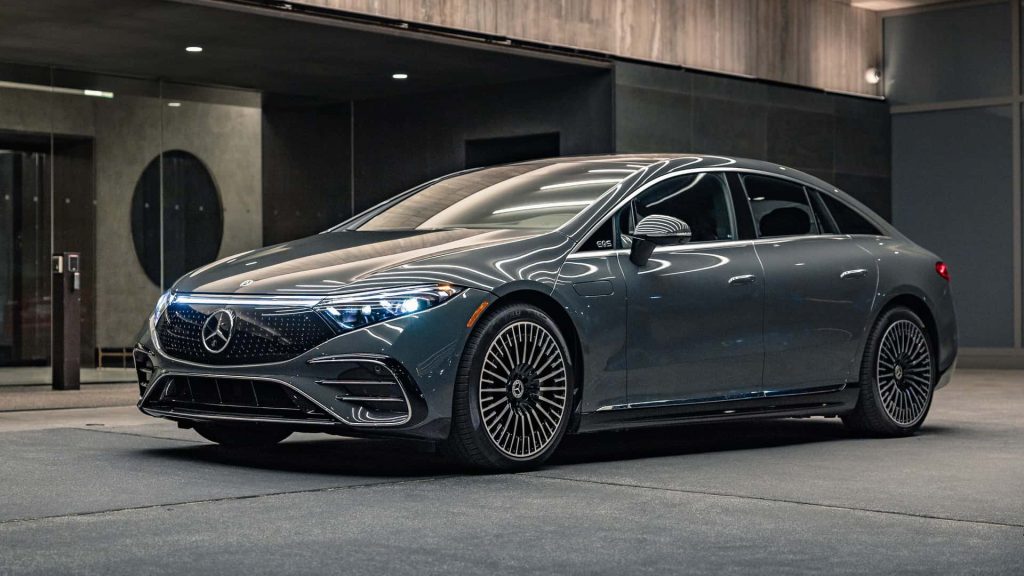
Some drivers admire the futuristic presentation and advanced customization, while others miss the simplicity of traditional climate controls. Even though touchscreen access remains visually impressive, adjusting heat through menus can require more attention than physical buttons during driving.
The EQS demonstrates how luxury brands increasingly prioritize digital immersion and visual sophistication over conventional ergonomic design. Heating controls became part of a larger software environment rather than separate physical hardware.
Mercedes used the EQS to showcase the future direction of luxury interiors, where screens dominate the cabin and climate systems operate almost entirely through digital interfaces.
- Engine: Dual electric motors
- Torque: 633 lb ft
- Horsepower: 516 hp
- Length/Width: 205.3 inches / 75.8 inches
5. Lucid Air
The Lucid Air was designed to feel more like advanced technology on wheels than a traditional luxury sedan, and its climate controls reflect that philosophy completely. Physical buttons are limited throughout the cabin, with heating and ventilation functions operating mainly through digital touchscreen menus.
The interior layout looks extremely modern and open. A large central touchscreen controls temperature settings, airflow direction, fan speed, and seat heating functions. Drivers interact with digital sliders and menu icons rather than physical knobs, creating an experience similar to using a premium tablet.
Lucid focused heavily on software integration because the Air was developed as a high-tech electric luxury car from the beginning. Climate systems connect directly with battery management features, allowing the car to optimize energy consumption while maintaining cabin comfort.
The touchscreen interface itself is visually impressive and highly responsive. Animations feel smooth, and menus appear clean and organized. However, drivers still need to take their eyes off the road briefly for many heating adjustments because there are very few tactile reference points available.
Voice control functions attempt to reduce distraction slightly. Drivers can request warmer temperatures or activate seat heating verbally, though many users still prefer interacting with the screen directly for detailed settings.
The Air also offers advanced cabin preconditioning features accessible through smartphone apps. Owners can heat the interior before entering the vehicle, which becomes especially useful during cold weather. This software-focused convenience reflects the broader direction many modern EV manufacturers are taking.
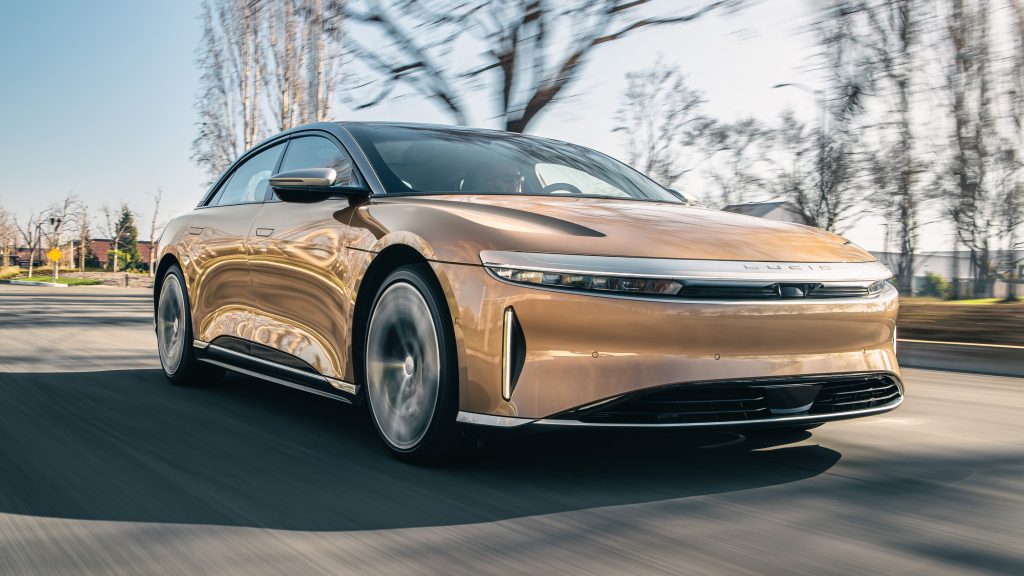
Supporters appreciate the futuristic appearance and uncluttered dashboard design. Critics argue that touchscreen dependence complicates simple tasks that once required only quick physical adjustments.
The Lucid Air represents a clear example of how luxury electric vehicles increasingly prioritize digital interaction and minimalism over traditional ergonomic design. Climate controls became part of the software ecosystem rather than independent physical systems.
- Engine: Dual electric motors
- Torque: 885 lb ft
- Horsepower: 819 hp
- Length/Width: 195.9 inches / 76.4 inches
6. Hyundai Ioniq 6
The Hyundai Ioniq 6 combines futuristic styling with a highly digital cabin layout, and its heating controls rely heavily on touchscreen interaction. Hyundai reduced the number of traditional buttons significantly compared to older models, creating an interior focused on screens and software-driven functions.
At the center of the dashboard sits a wide digital display managing infotainment and climate systems together. Drivers adjust temperature, airflow, seat heating, and ventilation settings primarily through touchscreen menus instead of dedicated physical controls.
Hyundai did include a few touch-sensitive climate shortcuts beneath the screen, but they still lack the tactile feedback traditional knobs provide. Drivers often need to glance down while making adjustments, especially during nighttime driving or heavy traffic conditions.
The Ioniq 6 also integrates climate management closely with battery efficiency systems. Since heating affects electric driving range directly, the interface displays energy consumption information related to cabin temperature settings. This creates a more connected relationship between comfort and vehicle efficiency.
Another modern feature involves remote climate activation through smartphone apps. Owners can warm the cabin before entering the vehicle, helping improve comfort while also preparing the battery system during colder weather.
The cabin design itself feels clean and futuristic because of the reduced button count. Hyundai clearly wanted the Ioniq 6 to compete visually with other technology-focused EV interiors rather than traditional gasoline-powered sedans.
Voice commands are available for basic heating adjustments, allowing drivers to request temperature changes verbally. Still, the touchscreen remains central to operating most climate functions.
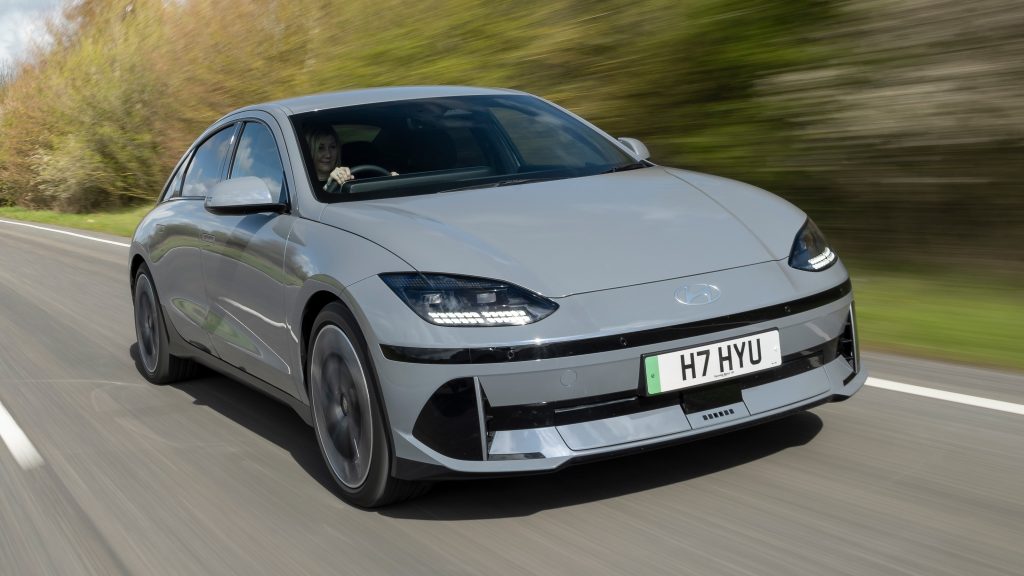
Some drivers appreciate the sleek digital presentation and customizable software interface. Others believe removing physical climate controls made simple tasks unnecessarily complicated during everyday driving.
The Ioniq 6 demonstrates how mainstream manufacturers are increasingly adopting touchscreen-focused layouts once seen mainly in luxury or experimental electric vehicles. Climate systems are becoming deeply integrated into larger digital ecosystems where software controls nearly every cabin function.
- Engine: Dual electric motors
- Torque: 446 lb ft
- Horsepower: 320 hp
- Length/Width: 191.1 inches / 74 inches
7. Rivian R1T
The Rivian R1T was designed as a modern adventure truck packed with advanced technology, and its climate controls follow the growing trend of touchscreen-focused operation. Traditional physical buttons are extremely limited inside the cabin, meaning drivers rely heavily on the central display for heating and ventilation adjustments.
The dashboard layout looks clean and futuristic, with a large horizontal touchscreen dominating the interior. Temperature settings, fan speed, seat heating, steering wheel heating, and airflow direction all operate primarily through software menus rather than dedicated controls.
Rivian wanted the R1T to feel modern and highly connected, almost like a premium consumer electronics product. The touchscreen responds quickly and uses clear graphics, but drivers still need to interact visually with the display for many routine climate adjustments.
The truck also integrates heating functions closely with battery management systems. Since the R1T is fully electric, climate usage affects range directly. Drivers can monitor energy consumption related to cabin heating through the interface, helping them balance comfort and efficiency during longer trips.
Another advanced feature involves remote climate preparation through the Rivian smartphone app. Owners can warm the cabin before entering, which becomes especially useful during cold weather or outdoor adventures.
Voice controls help reduce touchscreen dependency slightly. Drivers can request temperature changes verbally, though many settings still require direct screen interaction for full customization.
The R1T’s approach reflects a major shift happening across the automotive industry, where even rugged utility vehicles are becoming software-centered experiences. Rivian prioritized digital integration and minimalist design rather than traditional truck ergonomics filled with buttons and switches.
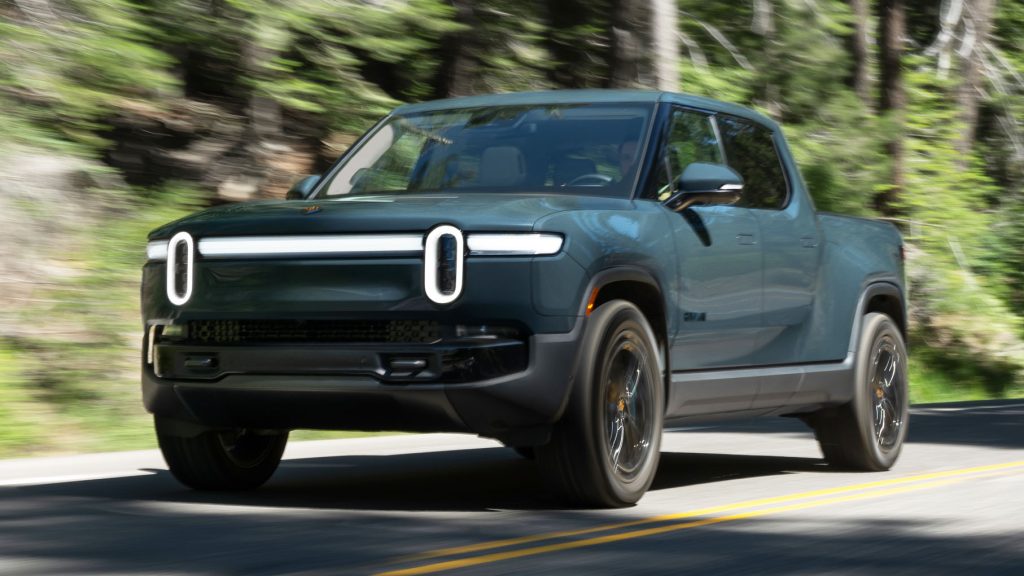
Supporters appreciate the modern atmosphere and clean interior appearance. Critics argue that touchscreen-controlled climate systems feel less practical in demanding driving situations such as rough trails or heavy traffic.
The R1T demonstrates how electric trucks increasingly blend adventure-focused capability with technology-heavy cabin design, where climate control becomes part of a larger digital ecosystem.
- Engine: Quad electric motors
- Torque: 908 lb ft
- Horsepower: 835 hp
- Length/Width: 217.1 inches / 79.3 inches
8. Polestar 2
The Polestar 2 takes a minimalist Scandinavian approach to interior design, and that philosophy extends directly into how drivers operate the heating system. Physical climate controls are largely absent, with most adjustments handled through the vertically mounted touchscreen interface in the center of the dashboard.
The cabin feels clean and modern because buttons have been reduced dramatically. Drivers use touchscreen menus to control temperature, airflow, fan speed, seat heating, and defrost settings. The system relies heavily on software interaction rather than tactile controls.
One unique aspect of the Polestar 2 is its Android Automotive operating system integration. Google-based software powers much of the infotainment and climate management experience, making the interface feel closer to a smartphone or tablet than a traditional car dashboard.
Voice commands through Google Assistant help simplify some tasks. Drivers can request warmer temperatures or activate heated seats verbally without touching the screen. However, detailed climate adjustments still depend heavily on the touchscreen itself.
The Polestar 2 also uses intelligent climate preconditioning features connected to navigation and charging schedules. The car can automatically warm the cabin and prepare the battery before departure, improving efficiency during cold weather.
The touchscreen layout remains visually attractive and responsive, but some drivers still prefer traditional knobs for simple adjustments while driving. Touchscreen interaction requires more visual attention, particularly during rough roads or heavy traffic.
Polestar intentionally designed the interior to feel futuristic and uncluttered. The company avoided filling the dashboard with physical controls, focusing instead on digital simplicity and software-driven functionality.
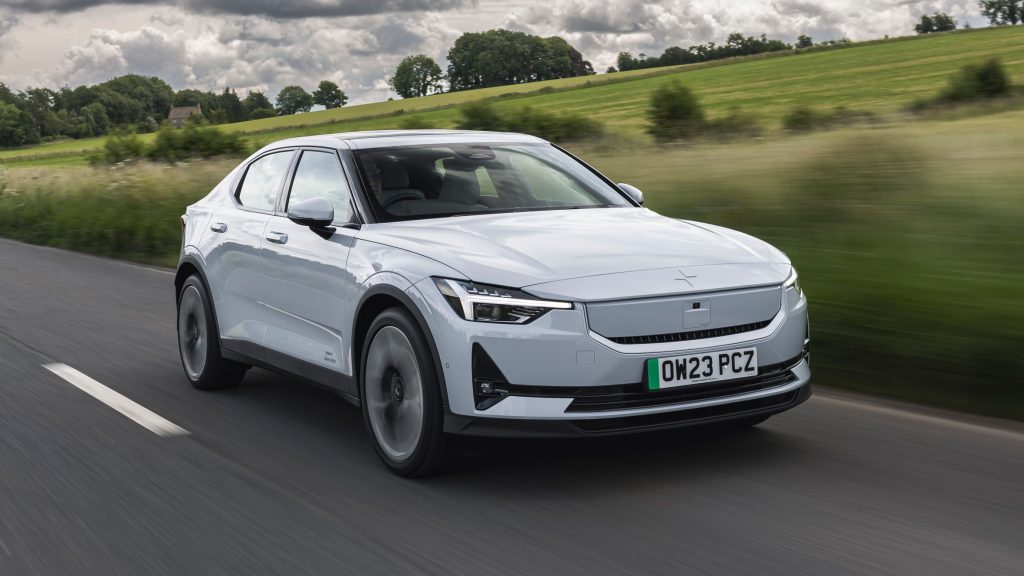
The Polestar 2 reflects how modern electric vehicles increasingly treat climate systems as integrated software features rather than separate hardware controls. It represents a clear example of the automotive industry moving steadily toward screen-dominated cabin environments.
- Engine: Dual electric motors
- Torque: 546 lb-ft
- Horsepower: 421 hp
- Length/Width: 181.3 inches / 73.2 inches
9. BMW iX
The BMW iX represents BMW’s vision of a fully digital luxury SUV, and its heating controls depend heavily on touchscreen interaction. Traditional climate buttons are almost completely absent from the dashboard, replaced by software-based menus integrated into the large curved display system.
The interior feels futuristic immediately after entering the cabin. Temperature adjustments, seat heating, airflow direction, and fan controls all operate through the touchscreen interface. BMW designed the cabin to appear clean and minimal, avoiding the button-heavy layouts older luxury vehicles once used.
The iX also integrates climate systems closely with energy management software. Because the SUV is fully electric, cabin heating directly affects driving range. Drivers can monitor energy consumption and optimize comfort settings through the digital interface.
Voice commands help reduce touchscreen dependency slightly. BMW’s voice assistant can raise the cabin temperature or activate heated seats using spoken commands. However, most detailed climate functions still require direct interaction with the screen.
Another advanced feature is remote cabin preparation through smartphone apps. Owners can warm the interior before entering, improving comfort during cold mornings while preparing the battery system simultaneously.
The curved display itself looks visually impressive and responds quickly, but some drivers still miss traditional physical knobs for quick adjustments during driving. Touchscreen interaction requires more visual attention compared to tactile controls.
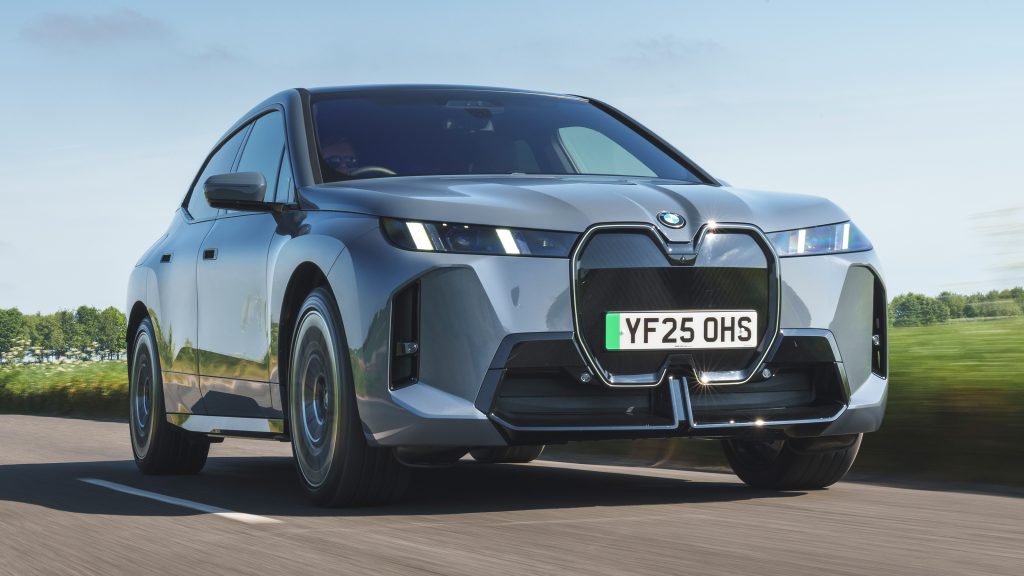
BMW clearly designed the iX as a showcase for modern luxury technology rather than traditional ergonomics. The SUV demonstrates how digital interfaces are increasingly replacing physical climate systems across premium electric vehicles.
- Engine: Dual electric motors
- Torque: 749 lb ft
- Horsepower: 516 hp
- Length/Width: 195 inches / 77.4 inches
10. Fisker Ocean
The Fisker Ocean embraces modern minimalist design heavily, and its climate controls rely almost entirely on the central touchscreen. Physical buttons are kept to a minimum, making software interaction essential for adjusting heating and ventilation settings.
The dashboard centers around a large rotating touchscreen that controls temperature, airflow, fan speed, seat heating, and defrost functions. Fisker wanted the cabin to feel sleek and technology-focused, following the design direction popular among newer electric vehicle manufacturers.
The ocean’s heating system also integrates closely with battery management and efficiency monitoring. Drivers can view how climate settings influence driving range directly through the interface, helping balance comfort with energy use.
Remote climate activation through smartphone connectivity adds another layer of convenience. Owners can preheat the cabin before entering, which is especially useful in colder weather conditions.
The touchscreen itself provides sharp graphics and smooth animations, but climate adjustments still require visual interaction rather than quick tactile movements. Critics argue this makes simple heating changes more distracting while driving.
Voice commands are available for basic temperature adjustments, though many drivers still depend on the screen for precise control. The Ocean reflects the broader shift toward software-centered cabin experiences where digital displays replace traditional physical interfaces.
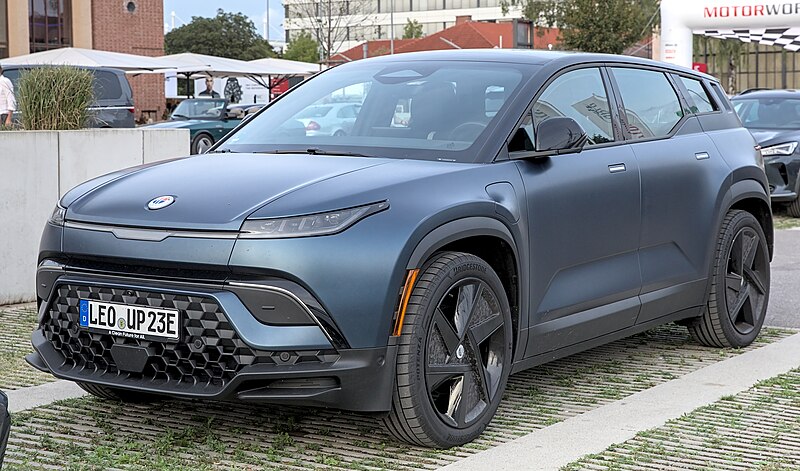
Fisker designed the Ocean to feel modern, environmentally conscious, and highly connected. Its touchscreen-dependent climate controls demonstrate how rapidly the automotive industry continues moving toward fully digital interiors.
- Engine: Dual electric motors
- Torque: 543 lb ft
- Horsepower: 564 hp
- Length/Width: 188 inches / 78 inches
Also Read: 8 Cars With the Highest Number of Owner Complaints Filed With NHTSA
