
When buying a car, most people focus on fuel efficiency, engine performance, safety ratings, comfort, or technology features. However, one of the most underrated yet extremely important aspects of a vehicle is its turning radius.
A car with a short turning radius can make daily driving significantly easier, especially in crowded cities, tight parking spaces, narrow streets, and busy urban environments.
Whether you are driving through packed marketplaces, squeezing into compact parking lots, or making U-turns on narrow roads, a vehicle with excellent maneuverability can save time, reduce stress, and improve driving confidence.
Turning radius refers to the smallest circular turn a car can make. It is usually measured in feet or meters from curb to curb. A smaller turning radius means the vehicle can turn more sharply and requires less space to complete a turn.
This characteristic is especially valuable for city drivers, ride-sharing professionals, delivery operators, senior citizens, and new drivers who may struggle with large vehicles in confined spaces. Compact hatchbacks, city cars, and some modern electric vehicles are often engineered with shorter wheelbases and advanced steering systems to improve maneuverability.
In recent years, automakers have invested heavily in steering technology, lightweight platforms, and urban-focused vehicle designs. As cities become more congested and parking spaces continue to shrink, consumers are paying closer attention to practical driving features rather than just horsepower and styling. Cars with short turning radiuses are now becoming increasingly attractive for urban households and drivers who prioritize convenience over sheer size.
Another reason why turning radius matters is safety. Vehicles that can maneuver quickly in tight conditions reduce the risk of minor collisions, curb damage, and parking accidents.
Drivers can more easily avoid obstacles, navigate construction zones, and handle difficult road layouts. This becomes even more beneficial in older cities where roads were not designed for modern large vehicles.
This article ranks the top 10 cars with the shortest turning radius available in recent years. The rankings are based on maneuverability, engineering design, practicality, and urban driving performance.
Each car on this list excels in tight turning capabilities while also offering reliability, efficiency, and ease of use. From compact hatchbacks to innovative electric vehicles, these vehicles demonstrate how intelligent engineering can make everyday driving smoother and more efficient.
Also Read: 8 Cars That Are Nearly Impossible to Steal
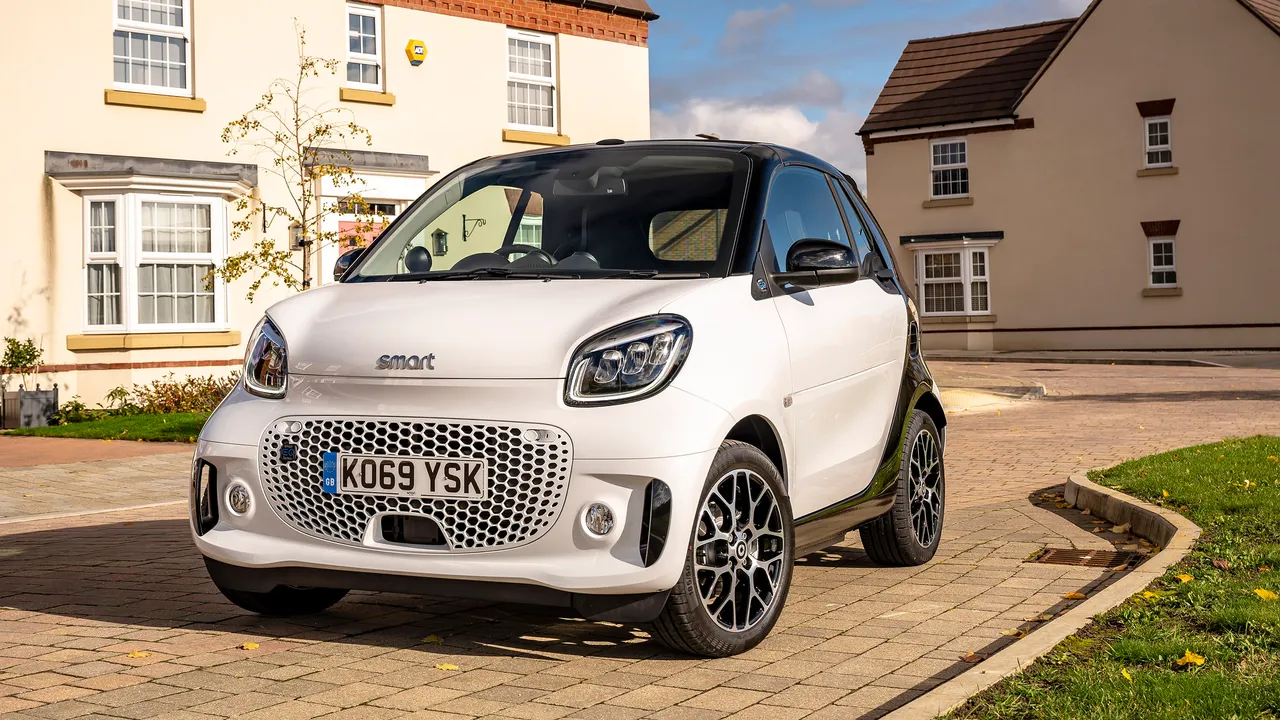
- Engine: 0.9L turbocharged 3 cylinder / Electric variant available
- Horsepower: 89 hp
- Torque: 100 lb ft
- Length: 106.1 inches
- Width: 65.5 inches
1. Smart Fortwo
The Smart Fortwo has long been considered the king of urban maneuverability. Designed specifically for city driving, this tiny two-seat vehicle offers one of the smallest turning circles in the automotive world.
Its incredibly compact dimensions allow it to navigate narrow streets and cramped parking spaces that would challenge even small hatchbacks. Drivers living in densely populated cities often appreciate the freedom the Smart Fortwo provides when dealing with heavy traffic and limited parking options.
One of the biggest reasons for the Fortwo’s exceptional turning radius is its extremely short wheelbase. The car’s compact design enables the front wheels to turn at aggressive angles, creating remarkably sharp steering capabilities.
U-turns that might require three-point maneuvers in larger cars can often be completed effortlessly in a single movement with the Smart Fortwo. This level of maneuverability makes the car ideal for urban commuting and city errands.
Despite its small size, the Smart Fortwo also offers a surprisingly modern driving experience. Recent versions include touchscreen infotainment systems, smartphone integration, safety technology, and decent cabin comfort for short trips. Although it is not designed for large families or long highway drives, it fulfills its purpose as a dedicated city car exceptionally well.
Fuel economy is another major advantage. Lightweight construction and efficient engines allow the Smart Fortwo to deliver impressive mileage, reducing operating costs for daily commuters. Electric variants further improve urban practicality by offering silent operation and zero tailpipe emissions, making them suitable for environmentally conscious drivers.
The Smart Fortwo proves that smaller vehicles can provide huge advantages in urban environments. Its incredibly tight turning radius remains one of the best in the industry, securing its place at the top of this ranking.
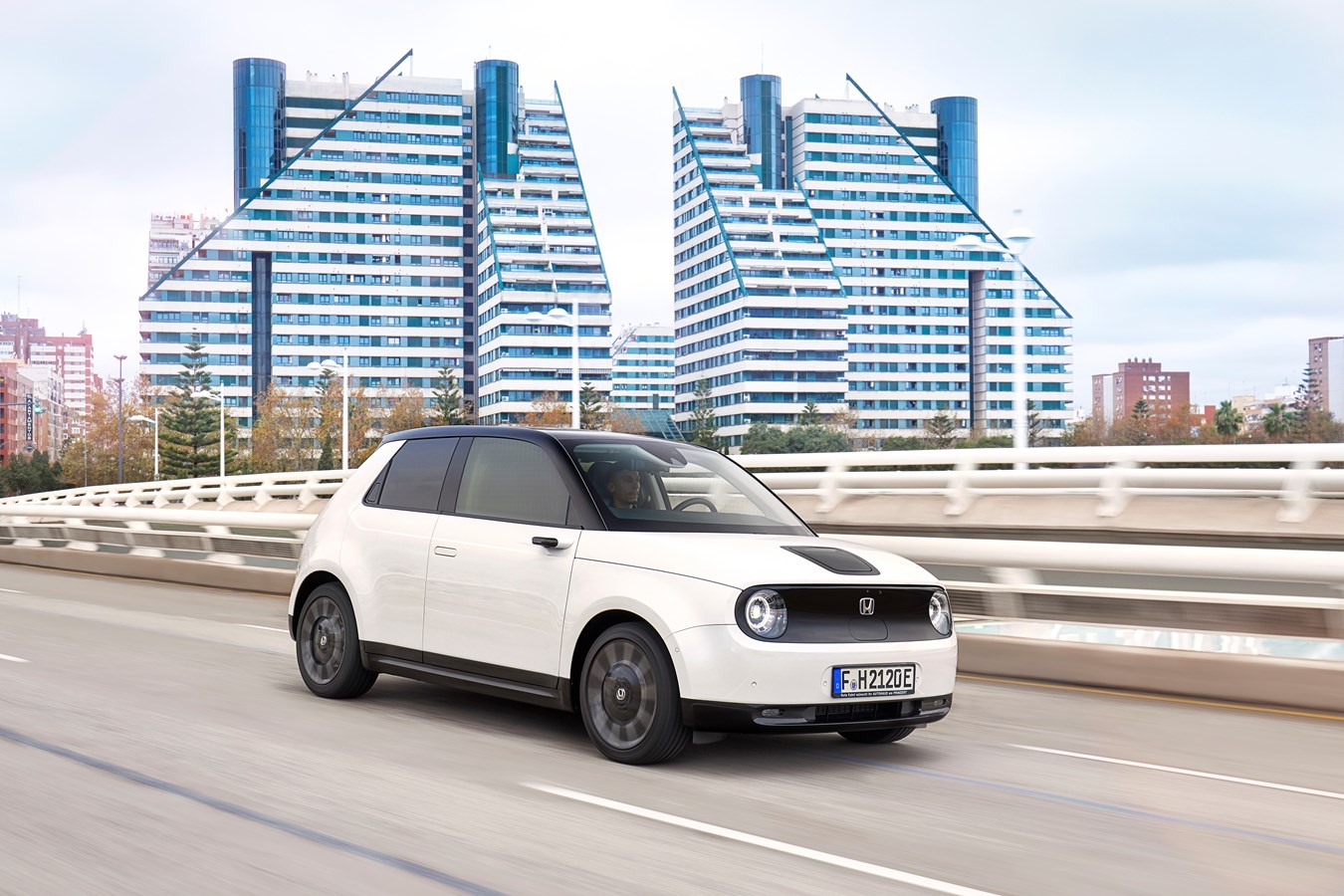
- Engine: Single electric motor
- Horsepower: 134 hp or 152 hp depending on variant
- Torque: 232 lb ft
- Length: 153 inches
- Width: 68.9 inches
2. Honda e
The Honda e is a modern electric hatchback designed with city life in mind. One of its standout features is its remarkably tight turning radius, which rivals some of the smallest city cars available today. Honda engineered this vehicle specifically for urban mobility, focusing heavily on maneuverability, ease of driving, and compact dimensions.
The Rear Wheel Drive layout of the Honda e contributes significantly to its turning performance. Because the front wheels are not responsible for power delivery, they can turn more sharply, allowing the car to achieve tighter turns. This engineering decision gives the Honda e an advantage over many Front Wheel Drive competitors in crowded city settings.
Inside the cabin, the Honda e features a futuristic design filled with digital displays, premium materials, and advanced technology.
The dashboard spans multiple screens, creating a high-tech atmosphere rarely seen in small hatchbacks. Drivers benefit from advanced parking assistance systems, cameras replacing traditional side mirrors, and intuitive controls designed to simplify urban driving.
The compact size of the Honda e also makes parking significantly easier. In crowded metropolitan areas where parking spaces are extremely limited, drivers can maneuver the car into tight spots without excessive steering adjustments. This practical advantage enhances convenience during daily commutes and shopping trips.
Performance is smooth and responsive thanks to its electric powertrain. Instant torque allows quick acceleration in traffic while maintaining excellent efficiency. Combined with its outstanding turning radius, the Honda e delivers one of the most refined urban driving experiences currently available in the electric vehicle market.
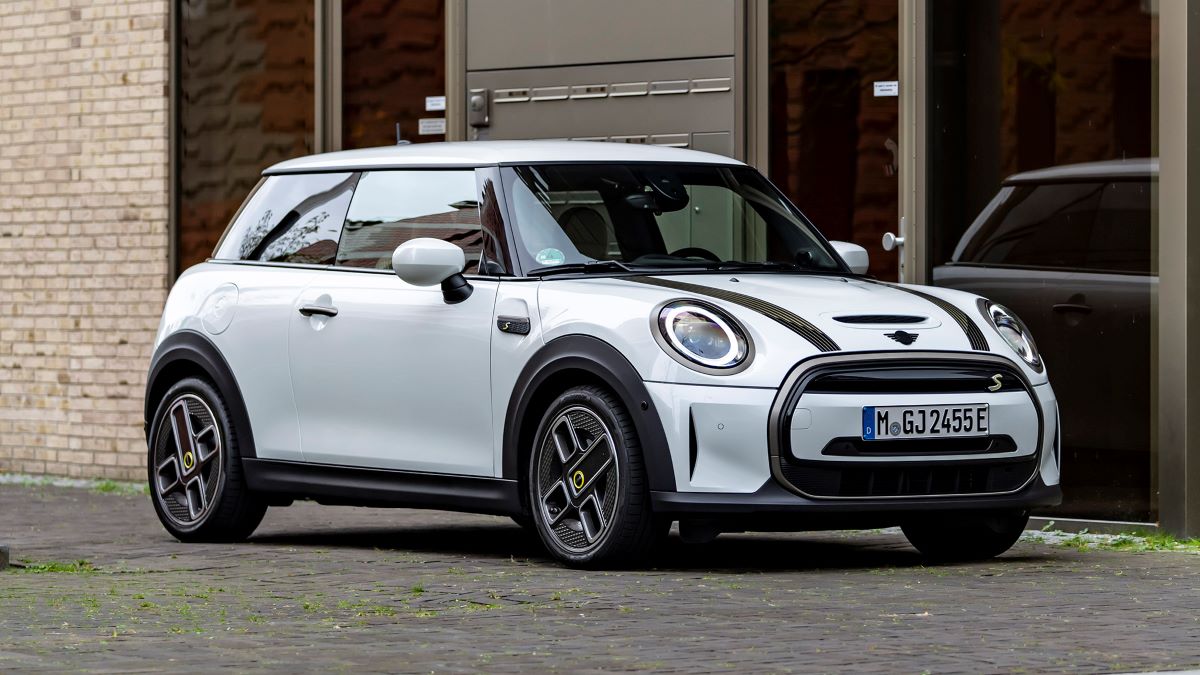
- Engine: 1.5L turbocharged 3 cylinder
- Horsepower: 134 hp
- Torque: 162 lb ft
- Length: 151.1 inches
- Width: 68 inches
3. MINI Cooper
The MINI Cooper has built a global reputation for its agile handling and compact dimensions. Inspired by the original classic Mini, modern versions continue to prioritize maneuverability and urban practicality. One of the car’s strongest qualities is its short turning radius, which allows drivers to navigate tight corners and congested city roads with confidence.
The MINI Cooper’s steering system is highly responsive and precise. Drivers often describe the vehicle as feeling nimble and playful, especially in urban environments. This responsiveness enhances the car’s ability to perform quick turns and tight parking maneuvers without requiring excessive effort.
Another factor contributing to the MINI Cooper’s excellent turning capability is its relatively short wheelbase. The compact structure helps reduce the space needed for directional changes, making the vehicle ideal for busy downtown districts and narrow residential streets. Drivers who frequently encounter difficult parking conditions often appreciate the MINI’s easy handling characteristics.
Beyond maneuverability, the MINI Cooper also offers premium styling and upscale interior quality. Unlike many small cars focused purely on affordability, the MINI targets buyers who want personality, design, and driving enjoyment. The cabin features stylish materials, customizable lighting, and modern infotainment systems that enhance the ownership experience.
The MINI Cooper also delivers energetic engine options ranging from efficient turbocharged three-cylinder units to high-performance variants. This balance between practicality and fun makes it one of the most versatile compact cars available. Its sharp turning radius further enhances its reputation as an excellent urban vehicle.
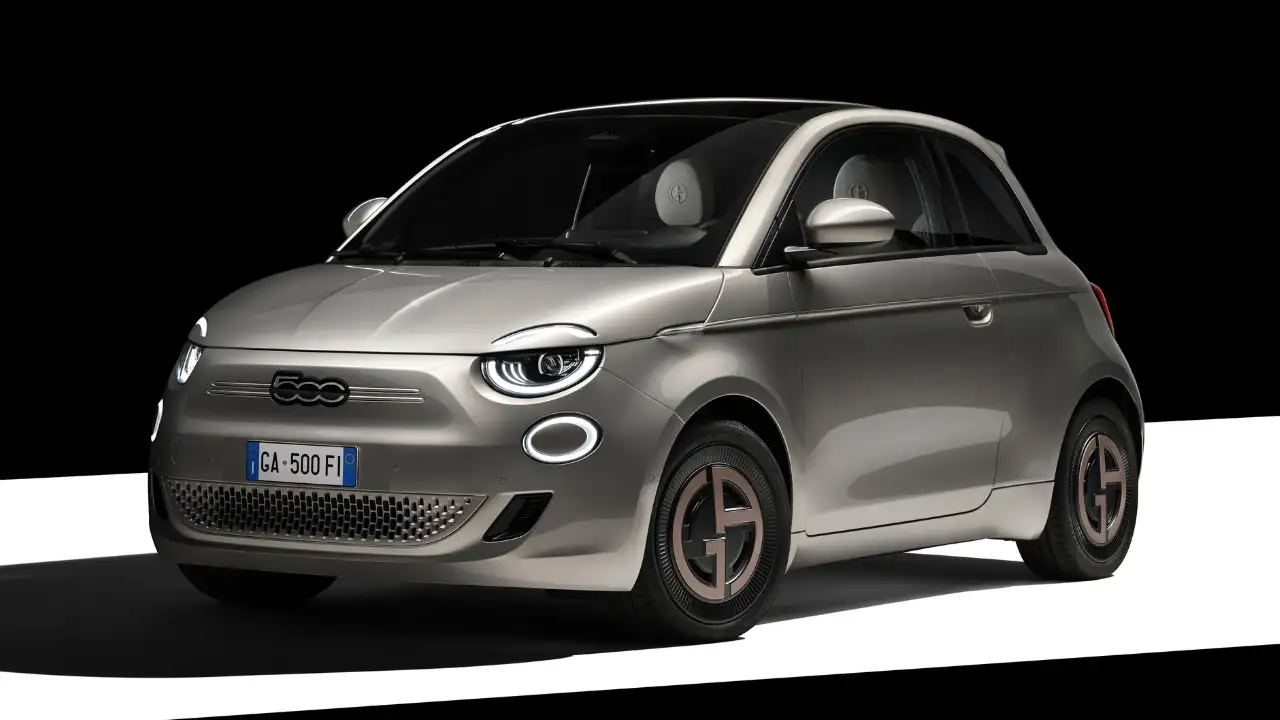
- Engine: 1.2L inline 4 / Electric variant available
- Horsepower: 69 hp
- Torque: 75 lb ft
- Length: 139.6 inches
- Width: 64.1 inches
4. Fiat 500
The Fiat 500 is another iconic city car known for its compact dimensions and excellent maneuverability. Inspired by classic European microcars, the modern Fiat 500 blends retro styling with practical urban functionality. Its short turning radius makes it especially useful for driving through crowded city centers and fitting into tight parking spaces or garages.
The compact body of the Fiat 500 allows drivers to confidently maneuver through narrow roads and congested traffic. Parallel parking becomes easier due to the vehicle’s small footprint and responsive steering system. Many drivers find the Fiat 500 especially suitable for older urban areas where streets were designed long before modern SUVs became common.
The car’s lightweight construction contributes to nimble handling and efficient steering response. Tight corners and quick directional changes can be executed smoothly without feeling unstable or difficult to control. This agility improves driving confidence in dense urban traffic.
Inside, the Fiat 500 offers a stylish cabin with modern technology and youthful design elements. While rear seat space may be limited, the car provides enough comfort for daily commuting and short trips. Infotainment systems, smartphone connectivity, and customizable color schemes help attract younger buyers seeking individuality.
Fuel efficiency is another strong point. The Fiat 500’s small engines consume relatively little fuel, making ownership affordable for city residents. Electric versions of the Fiat 500 further improve efficiency while maintaining the excellent turning capabilities that make the model so popular in urban markets.
- Engine: 1.0L inline 3
- Horsepower: 67 hp
- Torque: 67 lb ft
- Length: 117.3 inches
- Width: 66.1 inches
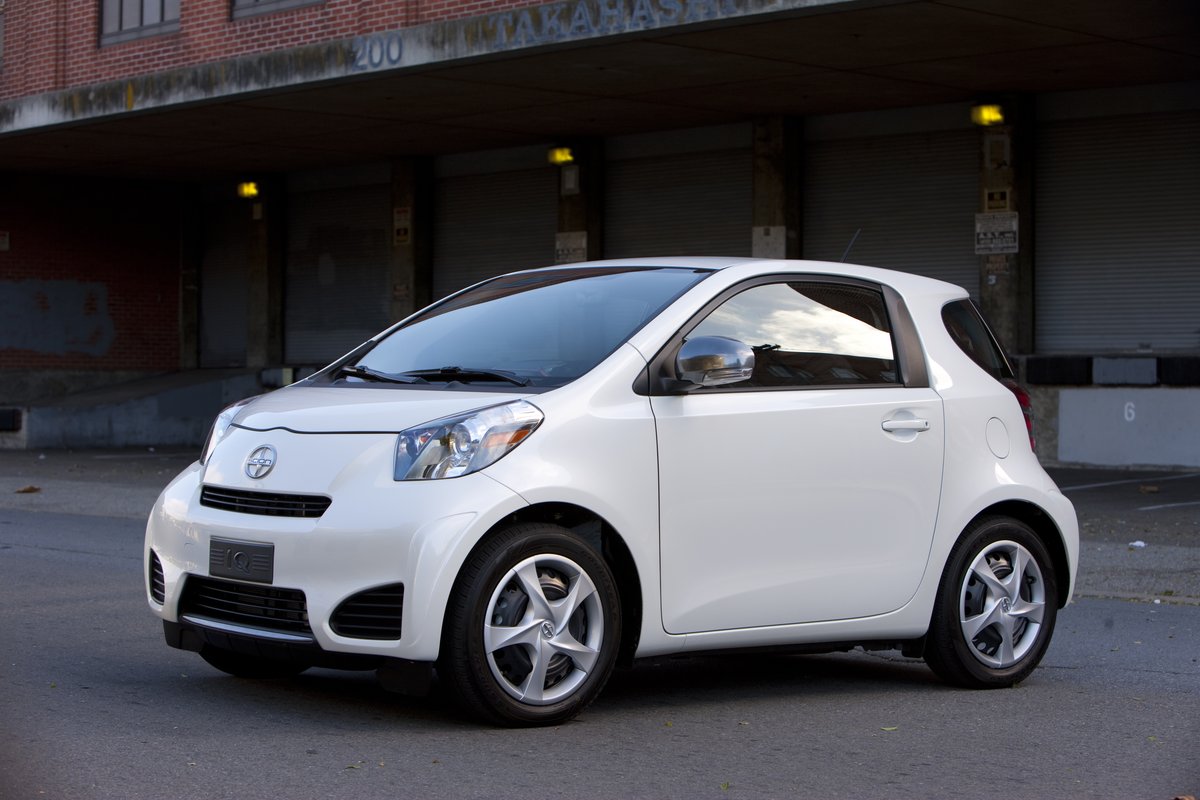
5. Toyota iQ
The Toyota iQ was designed specifically to maximize maneuverability while maintaining practicality in an extremely compact package. Although production ended in several markets, the vehicle remains highly respected for its engineering innovation and urban usability. Its tiny turning radius makes it one of the most maneuverable cars Toyota has ever produced.
The Toyota iQ achieved its compact dimensions through creative engineering solutions. Components such as the fuel tank and drivetrain were positioned strategically to maximize cabin space while minimizing vehicle length. This allowed the car to remain exceptionally small without sacrificing basic passenger comfort.
One of the standout characteristics of the Toyota iQ is its ability to perform U-turns in remarkably limited spaces. Drivers can navigate narrow alleyways, crowded parking structures, and busy intersections with minimal difficulty. This makes the vehicle highly attractive for city residents dealing with challenging traffic conditions daily.
Despite its small exterior, the Toyota iQ offers surprisingly efficient use of interior space. Clever seating arrangements and smart packaging solutions create more room than many drivers initially expect. Although not ideal for large families, the car comfortably handles typical urban transportation needs.
Toyota’s reputation for reliability also adds value to the iQ. Owners often report low maintenance costs and dependable long-term performance. Combined with excellent fuel economy and a class-leading turning radius, the Toyota iQ remains an impressive example of urban-focused automotive design.
Also Read: 8 Car Mods That Actually Raise Resale Value
- Engine: 1.2L inline 4
- Horsepower: 83 hp
- Torque: 90 lb ft
- Length: 141.7 inches
- Width: 62.4 inches
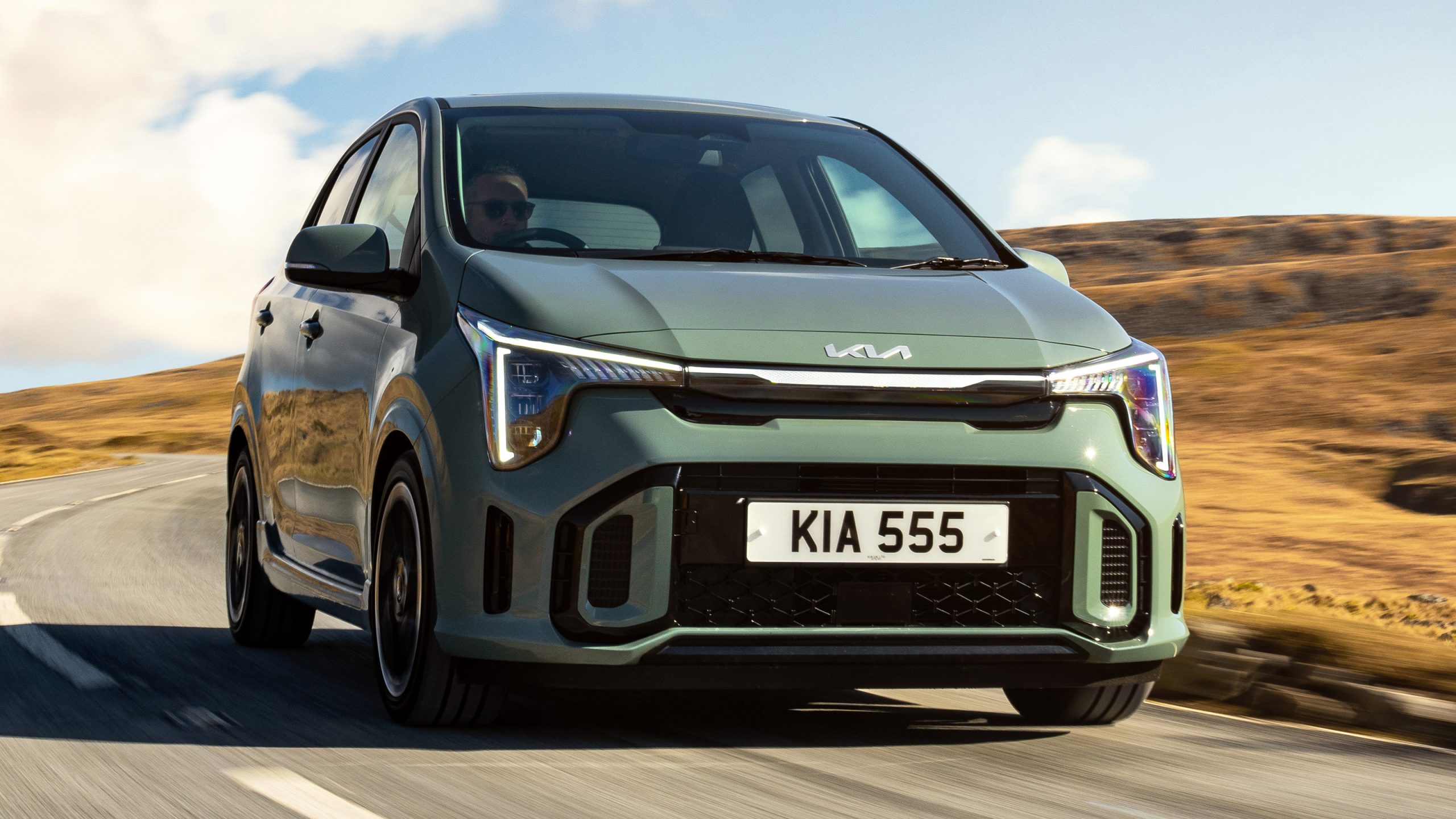
6. Kia Picanto
The Kia Picanto has become one of the most practical and maneuverable city cars in many global markets. Compact dimensions and light steering make it easy to handle in crowded environments. Its short turning radius helps drivers perform parking maneuvers and navigate narrow streets efficiently.
Kia designed the Picanto primarily for urban transportation. The small wheelbase and compact body structure allow the vehicle to make tight turns with ease. Drivers who frequently travel through busy city roads appreciate how effortlessly the Picanto handles confined spaces.
The steering system is tuned for low-speed comfort and convenience. Turning the wheel requires minimal effort, making the car suitable for beginners and older drivers alike. This user-friendly driving experience enhances confidence during difficult parking situations and congested traffic conditions.
Inside the cabin, the Kia Picanto offers impressive practicality considering its small footprint. Modern infotainment features, decent passenger space, and useful storage compartments improve day-to-day usability. The car also benefits from attractive pricing, making it accessible to budget-conscious buyers.
Fuel efficiency remains another important advantage. Small engines and lightweight construction help minimize fuel consumption while maintaining responsive urban performance. The combination of affordability, maneuverability, and low operating costs makes the Kia Picanto one of the best city cars currently available.
- Engine: 1.2L inline 4 mild hybrid
- Horsepower: 82 hp
- Torque: 79 lb ft
- Length: 145.7 inches
- Width: 65.4 inches
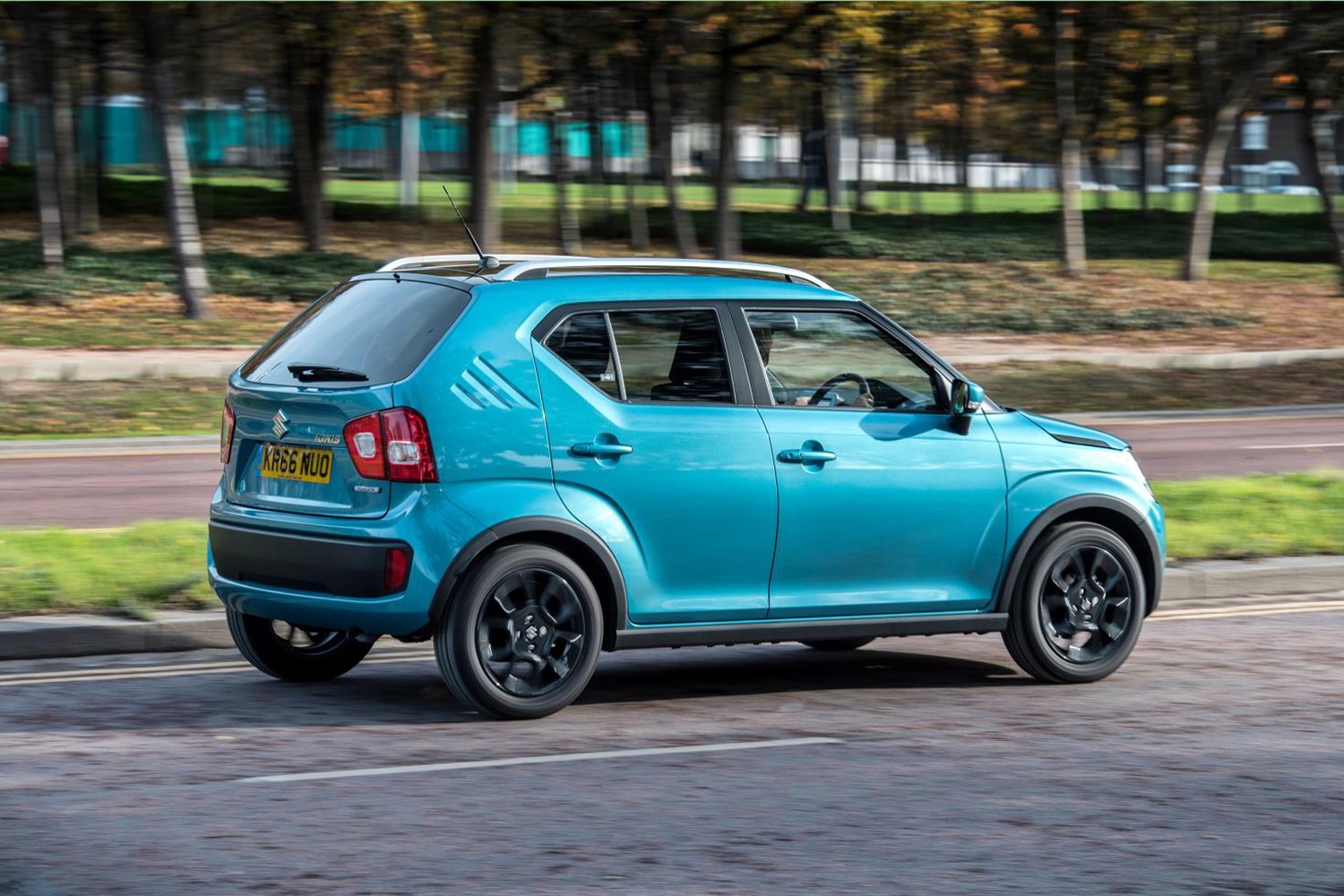
7. Suzuki Ignis
The Suzuki Ignis combines compact dimensions with crossover-inspired styling, creating a unique urban vehicle with excellent maneuverability. Despite its slightly taller design, the Ignis maintains a short turning radius that allows it to navigate tight environments comfortably.
One of the reasons for the Ignis’s strong turning performance is its lightweight platform. Suzuki engineers focused on reducing weight while maintaining structural rigidity, improving steering response, and agility. Drivers often find the car surprisingly nimble for a vehicle with crossover characteristics.
The elevated seating position also provides better visibility compared to many traditional hatchbacks. This improved viewpoint helps drivers judge distances more accurately during parking and low-speed maneuvers. Combined with the car’s compact size, the result is excellent urban usability.
Inside, the Suzuki Ignis delivers a practical and functional cabin with modern features and flexible seating arrangements. Although compact externally, the car offers respectable headroom and cargo space for everyday activities. Its quirky design and distinctive appearance also help it stand out in crowded markets.
The Ignis is particularly popular in regions with narrow roads and congested urban infrastructure. Its ability to combine SUV-inspired styling with hatchback maneuverability gives it broad appeal among city drivers seeking practicality and individuality.
- Engine: 1.0L inline 3
- Horsepower: 64 hp to 113 hp depending on trim
- Torque: 70 lb ft to 147 lb ft
- Length: 141.1 inches
- Width: 64.6 inches
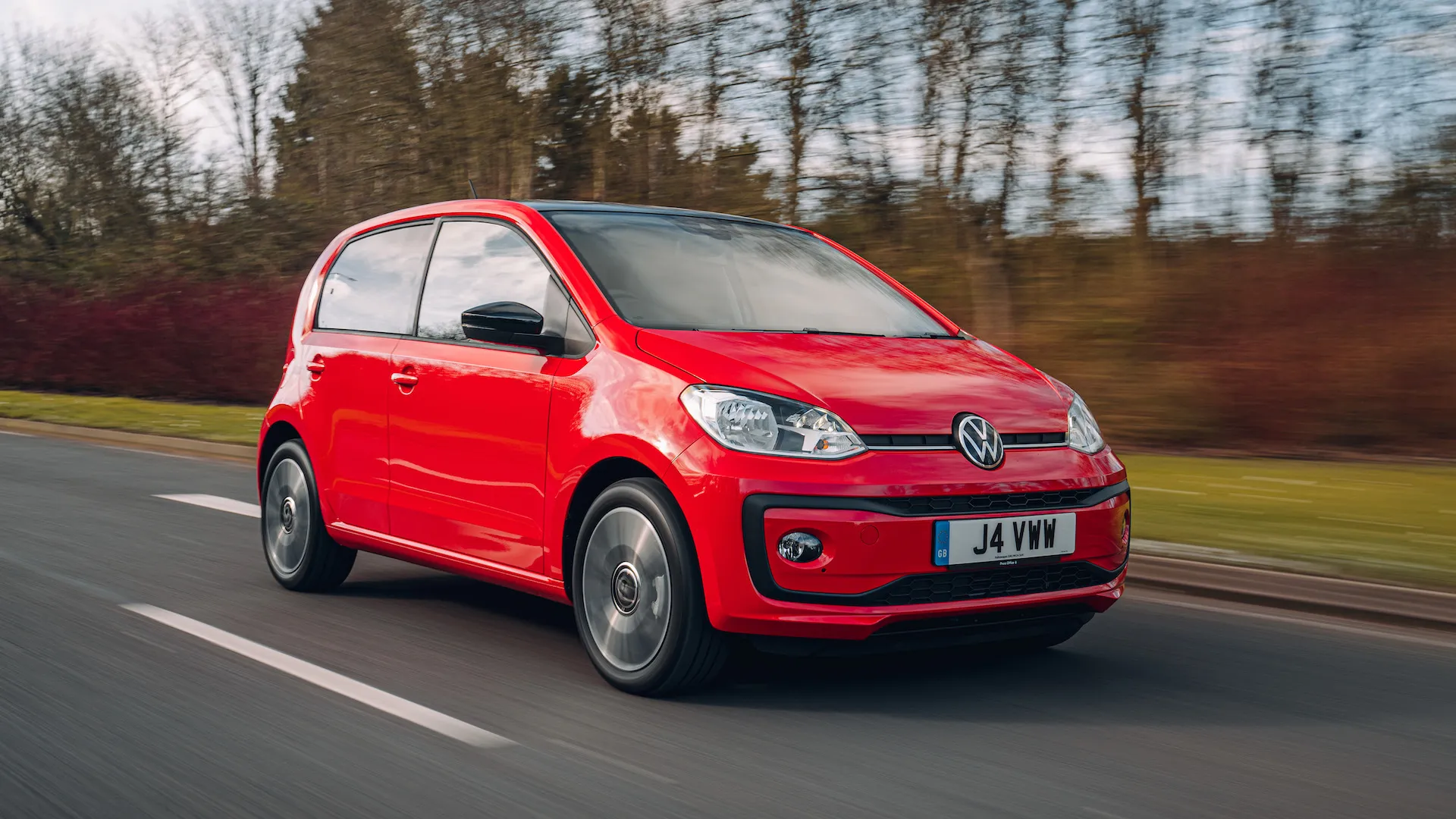
8. Volkswagen Up
The Volkswagen Up is a well-engineered city car that prioritizes practicality, simplicity, and maneuverability. Its short turning radius allows drivers to navigate urban environments with minimal stress, making it one of Volkswagen’s most efficient city-oriented vehicles.
The Up features compact dimensions and responsive steering, enabling smooth handling in tight conditions. Parking in crowded spaces becomes much easier due to the car’s small footprint and predictable driving behavior. Drivers can confidently perform quick directional changes without excessive steering input.
Volkswagen focused heavily on build quality and refinement during the development of the Up. Unlike some budget city cars, the Up feels solid and mature on the road. Cabin materials, noise insulation, and suspension tuning contribute to a surprisingly premium driving experience for a vehicle in this class.
Efficiency is another major strength. Small displacement engines deliver good fuel economy while maintaining enough power for urban commuting and occasional highway driving. Electric variants such as the e Up further improve efficiency while retaining excellent maneuverability.
Safety features also helped the Volkswagen Up stand out in the compact car segment. Strong crash test performance and advanced driver assistance systems increased consumer confidence, particularly among younger and first-time buyers. Combined with its excellent turning radius, the Up remains one of the best-engineered city cars of recent years.
- Engine: 1.0L inline 3
- Horsepower: 65 hp
- Torque: 67 lb ft
- Length: 142.8 inches
- Width: 64.4 inches
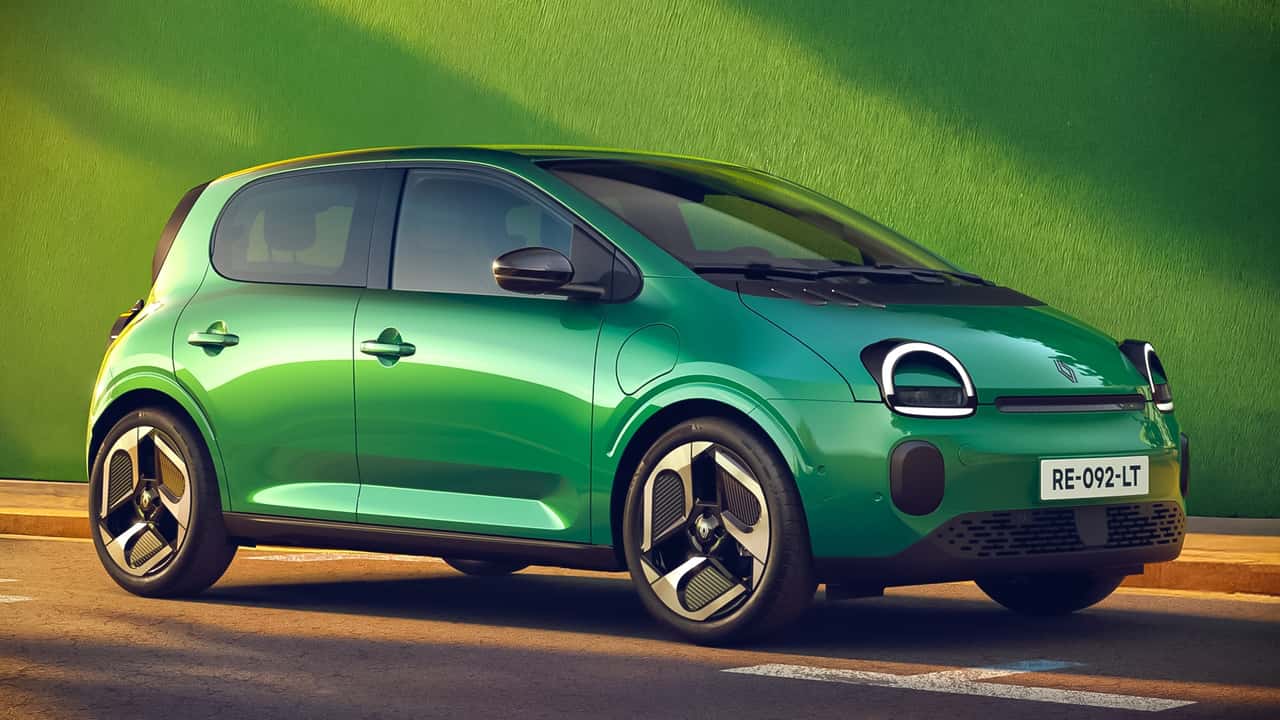
9. Renault Twingo
The Renault Twingo is famous for its unique engineering and exceptional maneuverability. Modern versions utilize a rear engine and rear wheel drive layout, allowing the front wheels to turn at sharper angles compared to conventional front wheel drive hatchbacks. This results in an incredibly tight turning radius ideal for urban driving.
The Twingo’s maneuverability makes it particularly effective in European city centers where roads are often narrow and heavily congested. Drivers can execute U-turns and parking maneuvers in spaces that would challenge larger vehicles. This urban friendliness has made the Twingo highly popular in many crowded metropolitan areas.
The compact body dimensions further improve ease of use. The vehicle occupies very little road space while maintaining a surprisingly spacious cabin relative to its size. Clever interior packaging allows passengers to travel comfortably despite the car’s small exterior footprint.
Renault also focused on affordability and efficiency. Small engines provide economical operation while keeping maintenance costs manageable. This makes the Twingo attractive for young professionals, students, and city dwellers seeking practical transportation solutions.
Modern technology features such as touchscreen infotainment systems, smartphone integration, and driver assistance features further enhance the ownership experience. Combined with its industry-leading turning capabilities, the Renault Twingo remains one of the most maneuverable production cars available.
- Engine: 1.2L inline 4
- Horsepower: 83 hp
- Torque: 84 lb ft
- Length: 145.7 inches
- Width: 66.7 inches
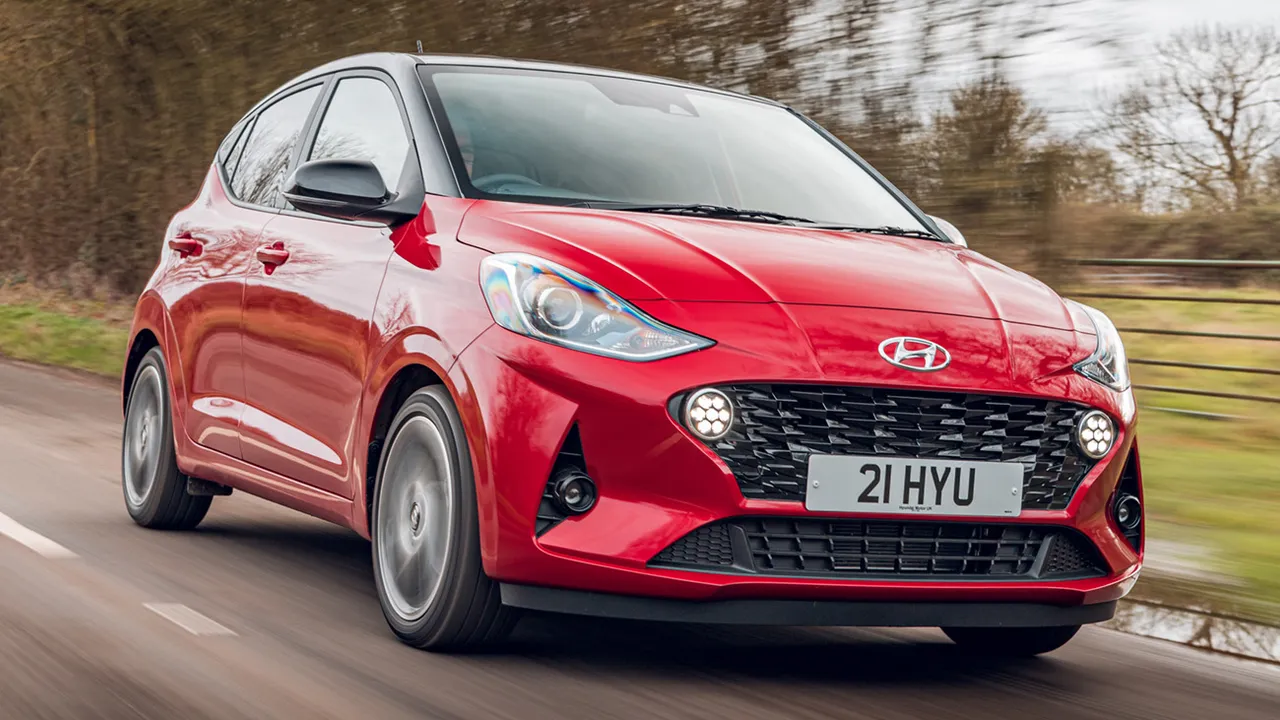
10. Hyundai i10
The Hyundai i10 rounds out this ranking thanks to its excellent balance of practicality, maneuverability, affordability, and comfort. Designed primarily for urban transportation, the i10 offers a tight turning radius that helps drivers confidently navigate congested streets and parking areas.
The compact dimensions of the Hyundai i10 make it highly suitable for city life. Drivers can easily maneuver through traffic and fit into smaller parking spaces without difficulty. The steering system is light and responsive, reducing driver fatigue during daily commuting.
Unlike some small city cars that prioritize compactness over comfort, the Hyundai i10 provides a surprisingly spacious interior. Passenger room, cargo capacity, and seating comfort exceed expectations for a vehicle in this segment. This practicality makes the i10 suitable not only for city use but also for occasional longer journeys.
Technology and safety features have improved significantly in recent generations. Touchscreen infotainment systems, connectivity options, parking cameras, and advanced safety systems increase convenience and driver confidence. Hyundai’s strong warranty programs also contribute to the model’s popularity in many global markets.
Fuel efficiency and reliability remain major selling points. Economical engines keep ownership costs low while maintaining dependable performance. The Hyundai i10 demonstrates how a compact car can successfully combine maneuverability, comfort, affordability, and modern technology in a highly practical package.
