
Buying a brand-new truck feels like the right move until the numbers hit you all at once. A new full-size truck regularly stickers above $55,000 to $70,000, and that is before any dealer markup, add-on packages, or destination charges that push the final out-the-door number even higher.
Trucks have become luxury purchases by price, even when they are bought for entirely practical purposes, and the depreciation curve on a new pickup is steep enough that the first owner absorbs the biggest financial hit in the vehicle’s entire ownership life.
Here is where the smart money often goes: the used truck market. A two to four-year-old pickup truck from a reputable manufacturer frequently offers 80 to 90 percent of a new truck’s capability for 55 to 70 percent of its price. Features that were cutting-edge when new are still fully functional.
Powertrains with 30,000 to 60,000 miles on them are barely broken in on platforms known for longevity. Warranties on certified pre-owned examples extend protection into the ownership window that matters most. Not every truck earns this recommendation equally. Some trucks age better than others.
Some platforms have known reliability issues that make a used example a financial risk rather than a value opportunity. Others have proven themselves across hundreds of thousands of miles and millions of owners, building a track record of durability that makes a well-maintained used example a genuinely safe buy.
This page covers eight trucks that specifically reward the used buyer. Each one is chosen based on depreciation rate, powertrain reliability, parts availability, real-world owner longevity data, and the practical ownership math showing that buying used is a smarter financial decision than buying new for these specific models.
Whether you use a truck for work, weekends, towing, or daily commuting, these eight give you the best case for buying used in the current market.
1. Toyota Tacoma TRD Off Road 4WD (2016 to 2020)
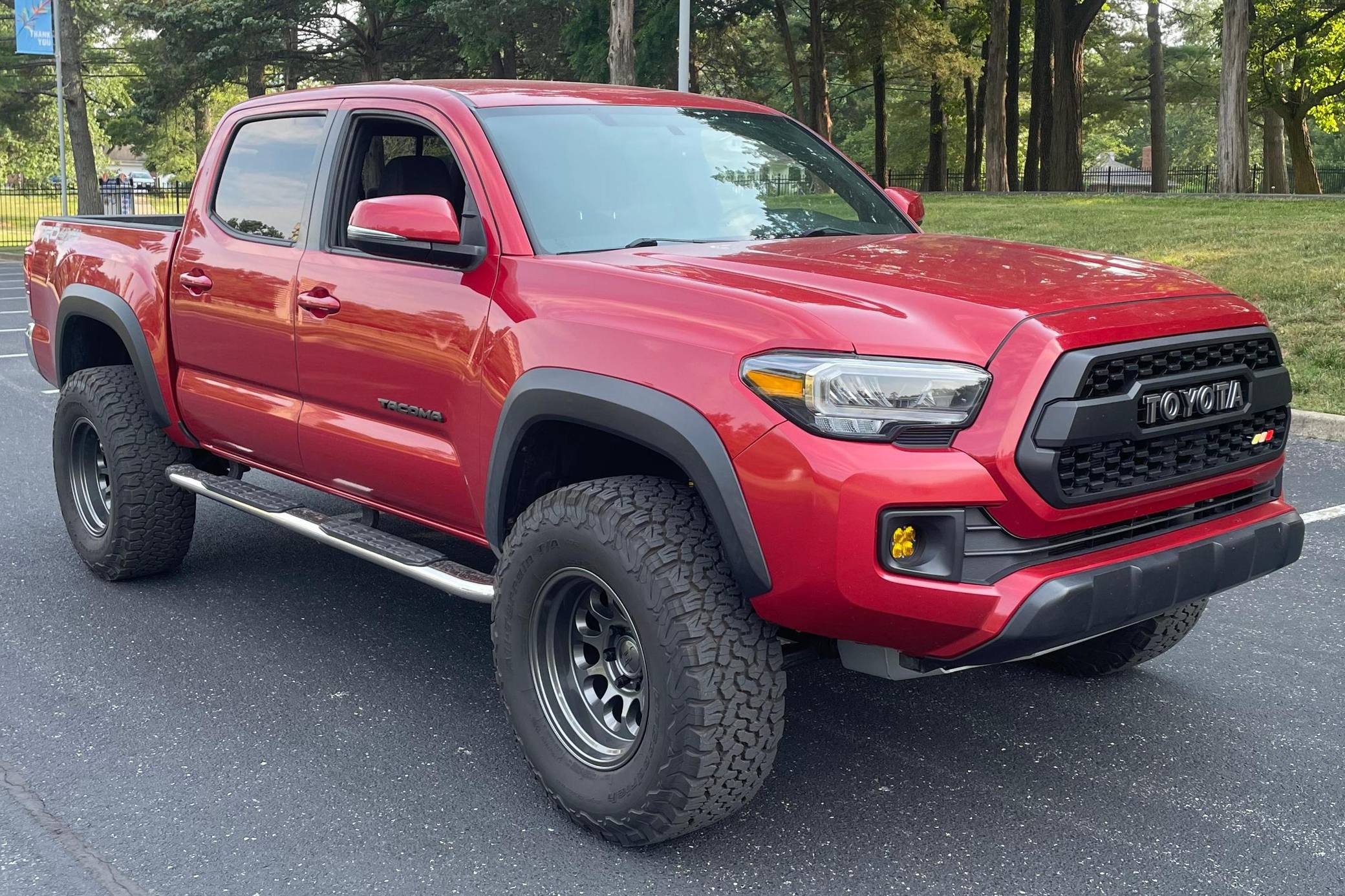
Toyota Tacoma has remained firmly established within the midsize pickup category for an extended period, and this consistency directly influences its performance within the used vehicle market. Demand for this model remains high, resulting in resale figures that differ sharply from typical depreciation patterns.
A 2018 Tacoma TRD Off Road 4WD with approximately sixty thousand miles frequently appears in private listings between thirty-two thousand and thirty-eight thousand dollars. Such pricing reflects only a modest reduction from the original showroom figure and confirms the strength of buyer confidence attached to this vehicle.
This price stability is rooted in mechanical dependability rather than market hype. The 3.5 litre V6 petrol engine paired with a six-speed automatic gearbox has built a strong reputation for durability under varied operating conditions. Owners and independent technicians regularly document service life exceeding two hundred thousand miles when basic maintenance routines are observed.
Absence of a timing belt replacement schedule removes one common long-term cost, while lack of recurring internal engine failures at moderate mileage adds further assurance. Routine servicing typically involves oil changes, gearbox fluid replacement, and differential maintenance, all of which remain affordable and accessible at most repair centres.
Four Wheel Drive performance in this generation reinforces its standing among used buyers. The electronically controlled transfer case and locking rear differential perform reliably within mileage ranges commonly seen on resale units. Component supply through Toyota dealerships and aftermarket distributors remains extensive, ensuring repairs do not require rare parts or excessive waiting periods.
Should an owner encounter drivetrain concerns, resolution tends to be straightforward due to the widespread availability of compatible components. Structural condition deserves thoughtful attention during inspection. Earlier Tacoma generations attracted scrutiny due to premature frame corrosion, leading to manufacturer intervention.
Improvements introduced from 2016 onward addressed coating quality and corrosion resistance. Buyers in regions where winter road treatment involves salt should still examine the undercarriage closely, though the risk level remains lower than earlier models. A professional inspection that assesses frame rails, suspension mounting points, and cross members remains advisable before purchase.
Market values for this generation commonly range between thirty thousand and forty thousand dollars, influenced by mileage, trim specification, and service documentation. A brand-new 2025 Tacoma TRD Off-Road 4WD carries a showroom price closer to $42,000 or $44,000.
Selecting a carefully maintained 2018 example at around thirty-three thousand dollars delivers immediate savings exceeding nine thousand dollars, while offering a platform whose reliability profile has already been confirmed through extended use rather than projected through early ownership reports.
2. Ford F-150 XLT SuperCrew 4WD With 5.0L V8 (2015 to 2019)
Ford’s introduction of aluminium alloy body construction for the F-150 beginning in 2015 prompted widespread debate. Concerns surrounding panel repair costs, structural strength, and long-term resilience under demanding work conditions dominated early discussions.
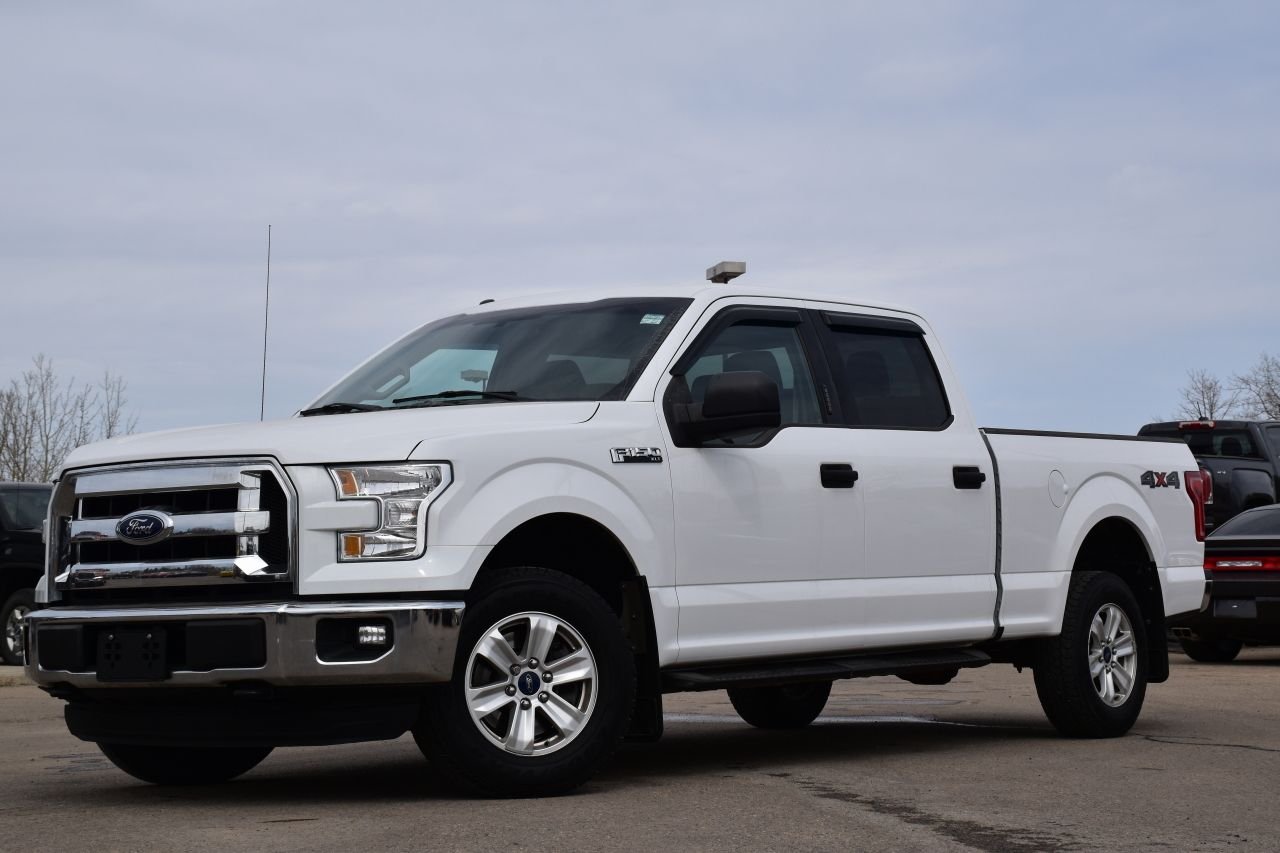
Several years of real-world operation have since provided clarity. A 2016 to 2019 F 150 XLT SuperCrew 4WD equipped with the naturally aspirated 5.0-litre V8 now stands as a dependable used truck choice for buyers seeking strength without excessive acquisition cost.
The selection of the 5.0 litre V8 engine carries particular relevance within this generation. While turbocharged alternatives deliver strong output, the naturally aspirated configuration offers mechanical simplicity that appeals to long-term ownership planning.
At mileage levels between eighty thousand and one hundred twenty thousand miles, where affordability improves, reduced exposure to turbocharger servicing contributes to predictable maintenance costs. Buyers intending extended ownership rather than short-term use often prioritise this attribute.
Capability figures reinforce its practicality. Payload ratings approach two thousand pounds, while towing capacity reaches approximately eleven thousand pounds, depending on configuration. Such figures comfortably support common uses such as recreational towing, light commercial hauling, and household transport needs.
Importantly, these ratings remain valid on properly maintained high-mileage examples because they reflect structural engineering limits rather than new vehicle condition alone. Aluminium body construction introduces advantages in corrosion-prone regions. Panels resist rust formation, reducing long-term structural concerns often associated with steel bodies exposed to winter road treatments.
Surface damage may lead to oxidation, yet this does not compromise panel integrity in the same manner as steel corrosion. A northern climate truck showing cosmetic wear without structural degradation often presents a stronger purchase proposition than comparable steel-bodied alternatives of similar age.
Used pricing enhances its appeal. Clean examples of this generation with documented maintenance history typically sell between twenty-eight thousand and thirty-five thousand dollars. New model equivalents begin well above forty-five thousand dollars. This price separation allows buyers to secure a proven design with established service records while retaining substantial capital savings.
For individuals prioritising function, durability, and controlled ownership costs, this F-150 generation represents a rational and dependable used market option.
Also Read: 4 Trucks Assembled in the US vs 4 That Just Claim to Be
3. Ram 1500 Laramie Crew Cab 4WD (2013 to 2018)
Ram’s fourth-generation 1500, produced from 2009 to 2018, is a platform that used truck buyers revisit repeatedly in online discussions because its combination of features, ride quality, and powertrain options represents a value density that the current generation’s pricing makes difficult to justify.
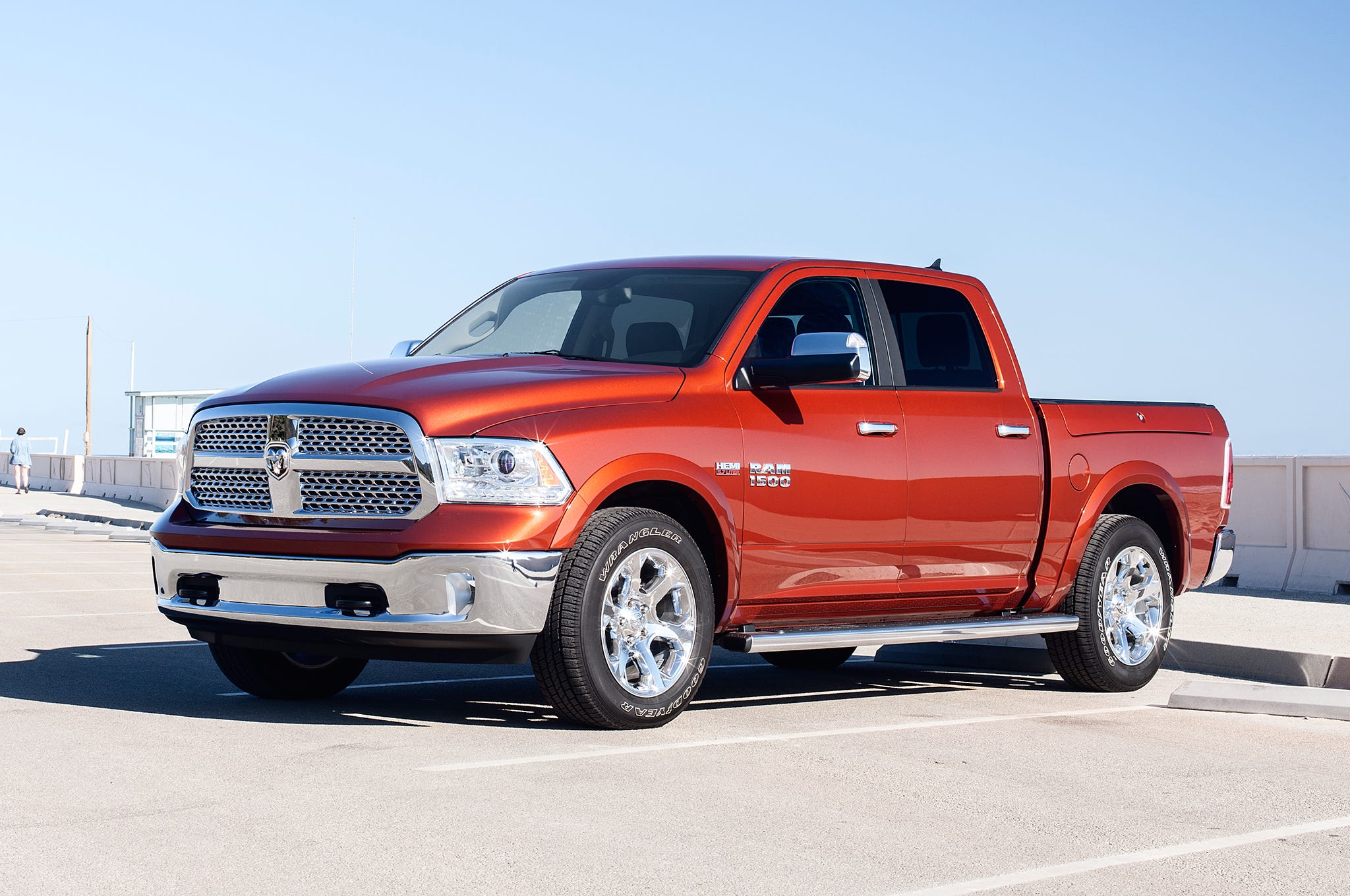
A 2015 to 2018 Ram 1500 Laramie Crew Cab 4WD with 70,000 to 100,000 miles is available in the private market for $28,000 to $38,000, and a clean example with service history represents one of the more enjoyable full-size truck experiences available at that price.
Coil-spring rear suspension, a feature that Ram introduced to the full-size truck segment and that competitors have not broadly adopted, produces a ride quality on the Ram 1500 that reviewers and owners consistently describe as the most car-like of any full-size pickup.
For buyers who use their truck primarily for daily commuting and occasional hauling rather than sustained heavy-duty work, that ride quality difference is a real daily quality-of-life advantage that does not diminish with mileage if the suspension components have been maintained.
Powertrain options in this generation include the 5.7-liter HEMI V8 with the eTorque mild hybrid system in later years, and the 3.6-liter Pentastar V6 for buyers who prefer lower fuel consumption. Owners have documented 5.7-liter HEMI engines regularly reaching 200,000 miles without internal failures on maintained examples, and the engine’s cast-iron block construction is known for durability under extended use.
HEMI tick, a valve train noise that some examples develop, is a known phenomenon worth checking during inspection, but it is generally a maintenance issue rather than a catastrophic reliability concern when addressed properly. Interior quality in the Laramie trim is genuinely impressive for a truck of this age.
Premium leather seating, a well-appointed center console, and the Uconnect infotainment system that was among the most user-friendly in the segment during this period all hold up well and still feel current enough to be pleasant daily. For a buyer who values interior comfort alongside truck capability, the Laramie trim used in this price range delivers a premium experience at a non-premium price.
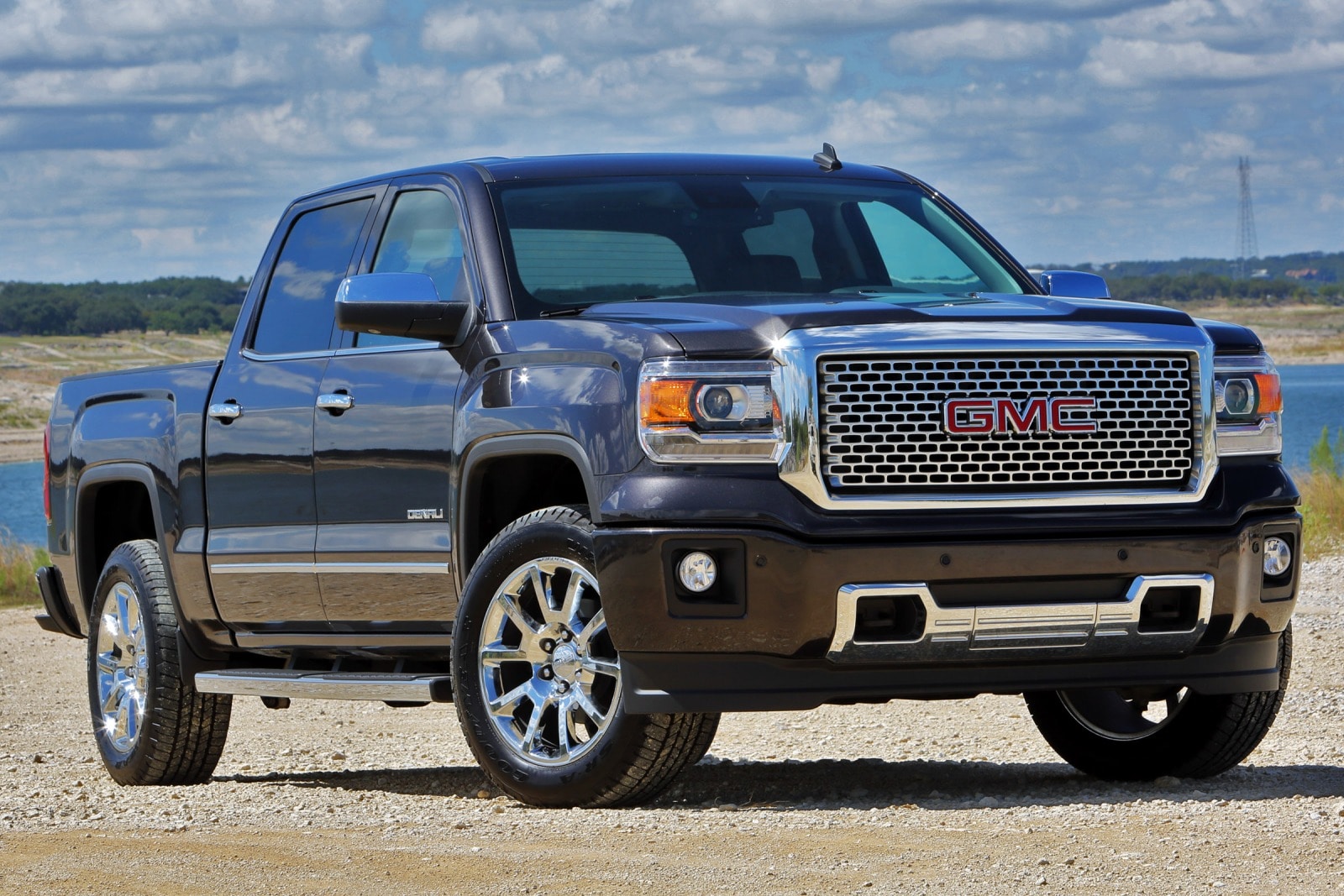
4. GMC Sierra 1500 SLT Crew Cab 4WD With 6.2L V8 (2014 to 2018)
GMC’s Sierra 1500 and Chevrolet Silverado share a platform, but the Sierra’s slightly more premium interior positioning and available 6.2-liter EcoTec3 V8 option have given it a specific appeal among used truck buyers who want maximum naturally aspirated V8 power in a full-size pickup at a used price.
A 2016 to 2018 GMC Sierra 1500 SLT Crew Cab 4WD equipped with the 6.2-liter V8 and 8-speed automatic transmission represents a powertrain combination that remains genuinely impressive and is now accessible at used pricing that would have seemed impossible when these trucks were new.
GM’s 6.2-liter EcoTec3 V8 produces 420 horsepower and 460 lb-ft of torque in this generation, numbers that make it one of the most powerful naturally aspirated half-ton truck engines available in the American market in any era. Towing capacity with this engine reaches approximately 12,000 to 12,500 pounds in properly equipped configurations, and the 8-speed automatic’s gear spacing maximizes both efficiency at highway cruise speeds and torque availability at low rpm for pulling.
This is a powertrain combination that buyers looking for maximum towing capability from a used half-ton truck will not find bettered by many alternatives at comparable prices. GM’s EcoTec3 family of engines uses active fuel management, which deactivates cylinder pairs at light load for fuel economy improvement. This system has generated documented concerns from some owners about carbon buildup on intake valves and occasional AFM-related lifter failures on high-mileage examples.
Buyers should ask about any service history related to AFM and consider having a pre-purchase inspection to evaluate the engine’s current health, specifically in this area. Examples that have had the AFM system disabled through a tune or a factory update and that show clean valve train behavior are preferable at higher mileage.
Private market pricing for clean SLT Crew Cab 4WD examples with the 6.2L V8 and 80,000 to 120,000 miles runs approximately $33,000 to $42,000. Finding the 6.2-liter engine specifically requires targeted searching, as most Sierra 1500s of this generation were sold with the smaller 5.3-liter V8, but the premium the 6.2L commands in the used market reflects genuine demand from buyers who know what they are looking for.
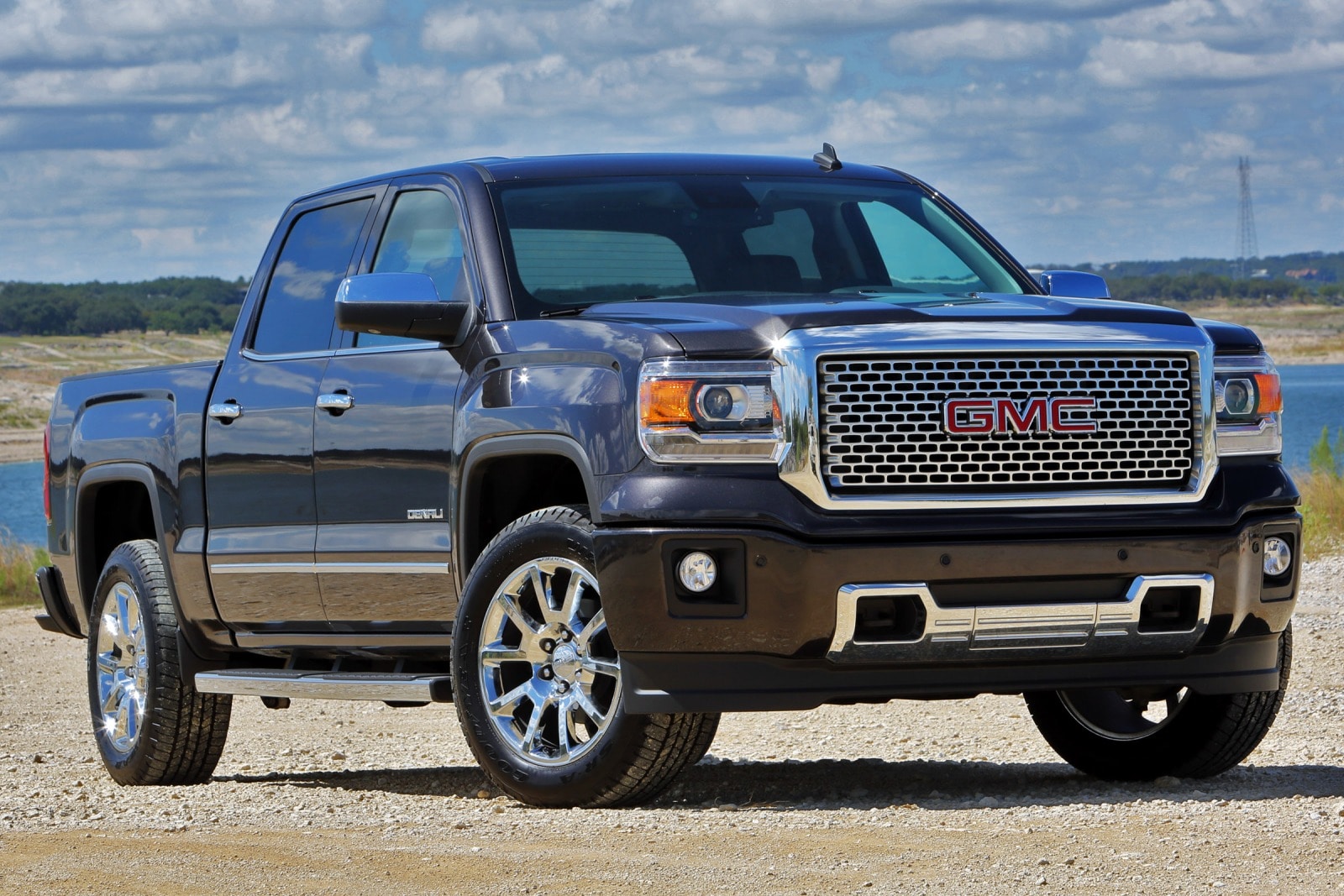
5. Toyota Tundra SR5 Double Cab 4WD With 5.7L V8 (2014 to 2021)
Toyota Tundra from this production period stands as a strong reference point for buyers whose primary concern is durability rather than novelty. This generation benefited from a long production run that allowed Toyota to refine details gradually while keeping its mechanical foundation unchanged.
The result is a full-size pickup that has built trust through years of predictable service rather than frequent redesigns. Buyers entering the used market encounter a vehicle whose strengths are already well established rather than still being evaluated. Market pricing reflects this confidence.
Examples from 2016 to 2019 in SR5 Double Cab Four Wheel Drive form, equipped with the 5.7 litre V8 engine and showing mileage between seventy thousand and one hundred thousand, commonly appear within the thirty-two thousand to forty-two thousand dollar range.
These figures appear firm because demand remains steady, especially among buyers who value dependability more than interior presentation or advanced infotainment features. Payment reflects proven service life rather than novelty appeal. At the center of this reputation sits the 3UR FE 5.7 litre V8 engine.
This naturally aspirated iron block design delivers strong torque across the rev range and avoids forced induction systems that often introduce long-term maintenance exposure. Reports from long-term owners and service technicians repeatedly show these engines operating well beyond two hundred thousand miles without internal repairs when routine maintenance schedules are followed. Reaching three hundred thousand miles on the original engine is treated as realistic rather than exceptional within ownership communities.
Supporting components reflect the same design philosophy. The six-speed automatic transmission fitted to this generation shows consistent performance across high mileage use without frequent rebuild requirements. Transfer case function and differential assemblies also display high resistance to wear, especially when fluid services are carried out at sensible intervals.
Toyota’s approach of building drivetrain parts with generous tolerances relative to rated loads contributes directly to this outcome. Attention should still be paid to structural condition. Trucks operated in northern regions where road salt is common require careful frame inspection, particularly around rear crossmembers and suspension mounting points.
Corrosion exposure varies widely depending on climate history, making inspection essential rather than optional. Units sourced from southern or southwestern regions often show cleaner underbody conditions and may justify broader search efforts for buyers located in corrosion-prone states.
Financial logic further supports this model. Purchasing a 2018 example at approximately thirty-five thousand dollars with eighty-five thousand miles offers a remaining service life that may reasonably exceed two hundred thousand additional miles under normal use.
When spread across that projected lifespan, the cost per mile of remaining service compares very favourably with new truck purchases whose pricing must be absorbed over a shorter practical ownership window. This balance of acquisition cost and service expectancy continues to define the appeal of this Tundra generation.
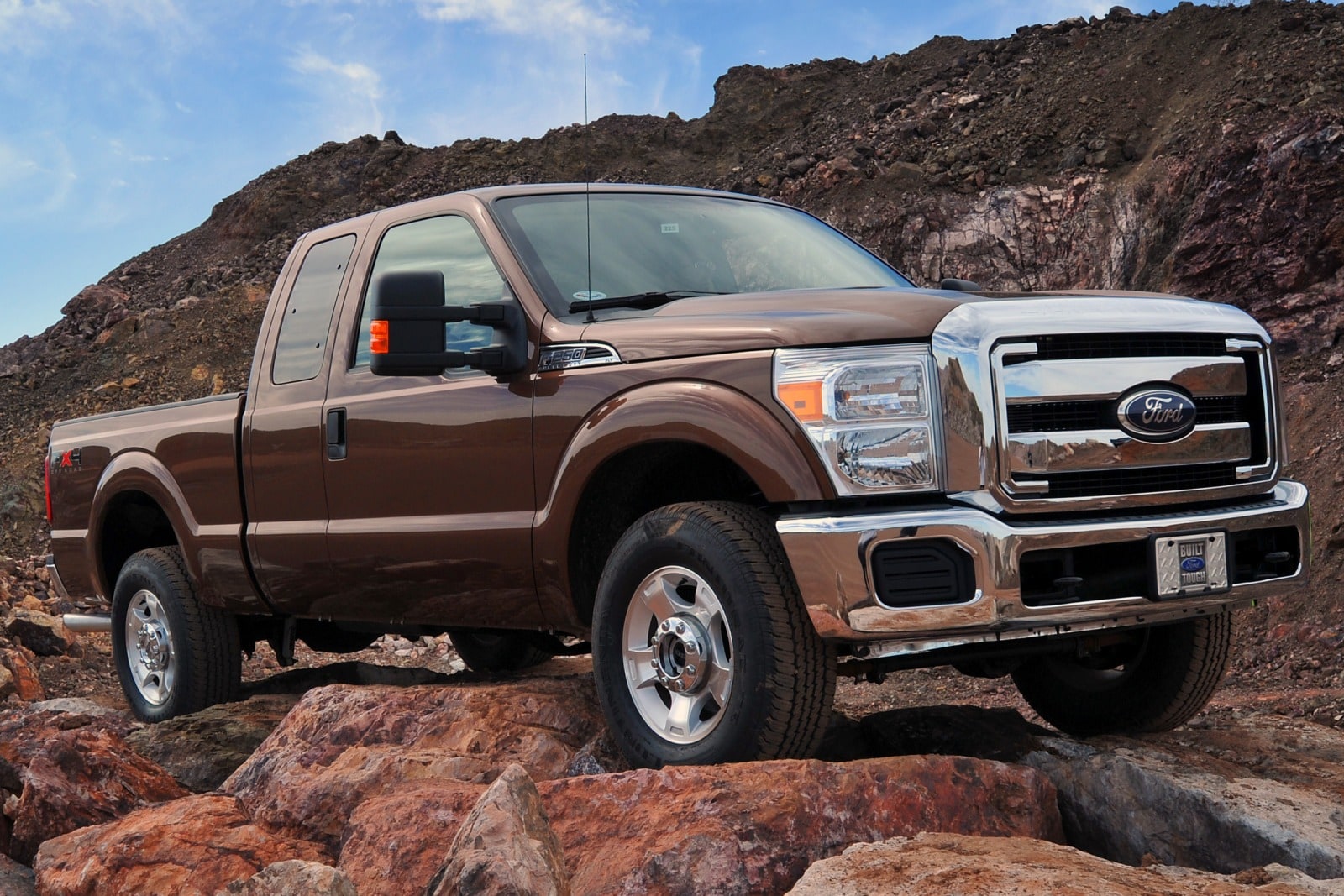
6. Ford F-250 Super Duty XLT Crew Cab 4WD With 6.7L Power Stroke Diesel (2015 to 2019)
Heavy-duty pickup ownership follows a different economic pattern from half-ton truck purchases. Buyers are often motivated by clear functional needs such as large trailers, construction equipment, or sustained payload demands rather than lifestyle preferences. New pricing for modern heavy-duty trucks places them outside the reach of many operators, which makes the used market an important entry point for accessing genuine work capacity.
Within this space, the 2015 to 2019 Ford F-250 Super Duty equipped with the 6.7 litre Power Stroke diesel occupies a practical middle ground. Used examples in XLT Crew Cab Four Wheel Drive specification, showing mileage between eighty thousand and one hundred twenty thousand, typically transact between thirty-eight thousand and fifty-two thousand dollars.
That pricing grants access to towing ratings approaching twenty thousand pounds and payload capacity exceeding three thousand pounds, figures that sit far beyond the reach of half-ton platforms. The third-generation 6.7-litre Power Stroke diesel introduced refinements that addressed weaknesses seen in earlier versions.
Updates to turbocharger design, fuel system management, and internal component durability improved long-term stability when maintenance schedules are respected. Service records from fleet operators and vocational users demonstrate that this engine responds well to sustained use, with numerous examples exceeding four hundred thousand miles in demanding applications.
Diesel ownership does require informed evaluation. Emissions-related systems such as the diesel particulate filter, exhaust gas recirculation hardware, and selective catalytic reduction components require periodic attention. Vehicles subjected primarily to short urban trips may encounter issues if regeneration cycles are not completed regularly.
Buyers should therefore favour units with evidence of mixed use that includes consistent highway operation. A thorough inspection that reviews fault codes, pressure readings, and system status can prevent unexpected expenses after purchase. Transmission and drivetrain components in this Super Duty generation also display strong resilience.
Automatic transmissions paired with the Power Stroke engine show reliable behaviour under load when fluid servicing has been performed at appropriate intervals. Axles, transfer cases, and suspension components are designed to operate under commercial conditions, offering confidence to buyers who depend on their truck for revenue generation rather than casual use.
When evaluated as a tool rather than a status item, this Super Duty configuration presents a clear value proposition. Acquisition cost remains substantially lower than new equivalents, while delivered capability remains unchanged. Buyers who require true heavy-duty performance without absorbing current new truck pricing will find this generation particularly suitable when condition and service history align.
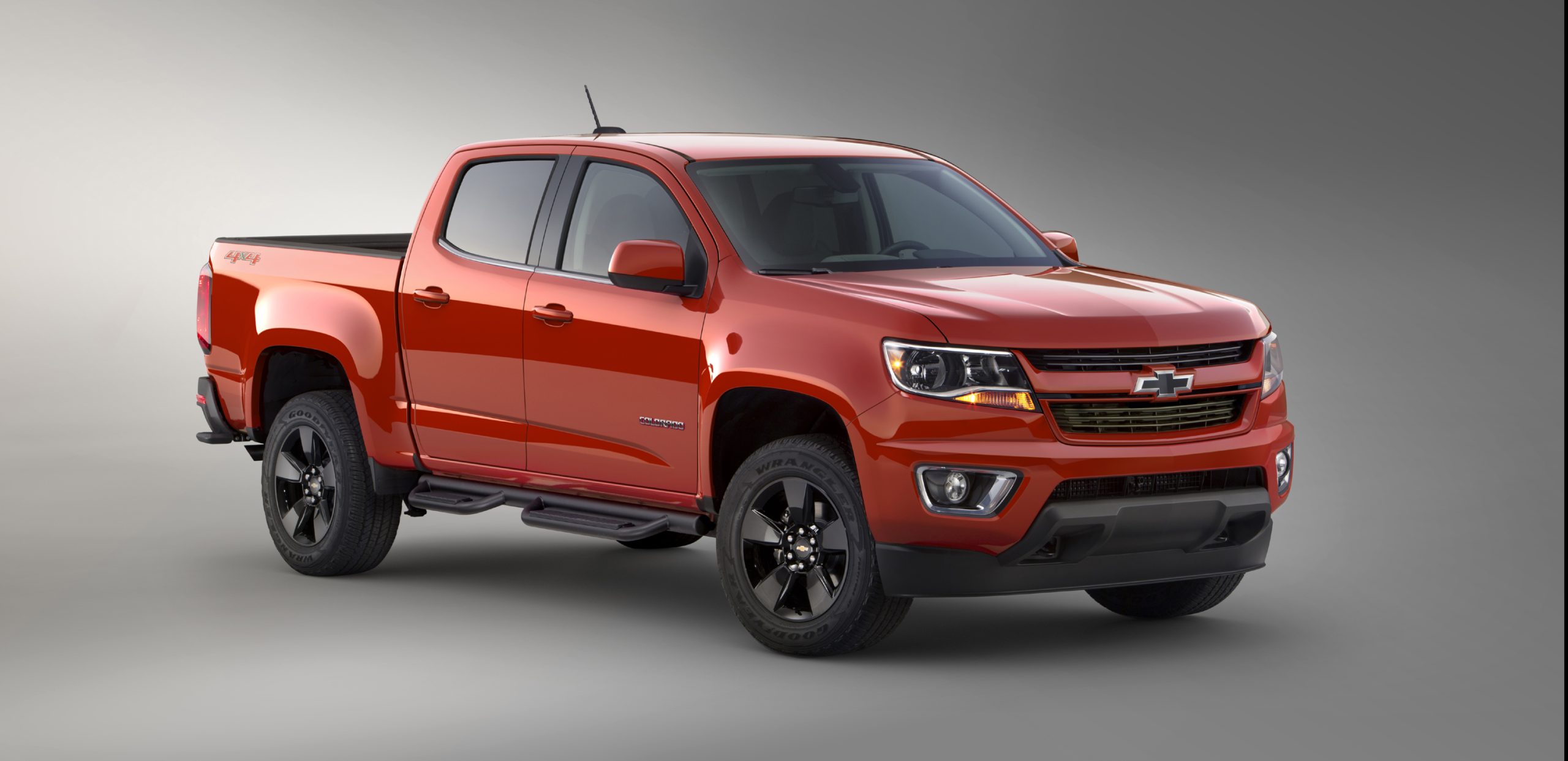
7. Chevrolet Colorado Z71 Extended Cab 4WD (2015 to 2019)
General Motors revived the Colorado nameplate in 2015 after a production gap, and the second-generation Colorado arrived as a meaningfully improved vehicle over its predecessor. A 2016 to 2018 Chevrolet Colorado Z71 Extended Cab 4WD with the 3.6-liter V6 and 60,000 to 90,000 miles has settled into a used market price range of $22,000 to $30,000 that makes it one of the most accessible entry points for a capable, proven 4WD midsize truck in the current market.
GM’s 3.6-liter V6 in this generation Colorado produces 308 horsepower and 275 lb-ft of torque, which is more power than most daily-use truck buyers need and is delivered with reasonable fuel economy in the 17 to 25 miles per gallon range. Owners of this powertrain have reported consistent operation to 150,000 miles and beyond with oil changes and routine care, and parts availability from GM’s dealer network and aftermarket suppliers is comprehensive.
Z71 trim adds a factory off-road suspension package with Rancho shock absorbers, skid plates protecting the engine, transfer case, and fuel tank, and a locking rear differential. For a buyer who needs light off-road capability for hunting access roads, camping, or rural property access, the Z71’s factory protection and traction components represent a more capable setup than a base truck would provide, without the cost of aftermarket upgrades.
At $25,000 for a clean 2017 Colorado Z71 Extended Cab 4WD, a buyer is accessing a four-wheel-drive midsize truck with proven reliability, factory off-road equipment, and a payload capacity of approximately 1,500 to 1,560 pounds at a price that is $15,000 to $20,000 below a comparable new Colorado.
For buyers whose truck use is moderate and whose budget requires practical management, this used Colorado delivers genuine utility at a genuinely accessible price.
Also Read: 8 Pickup Trucks With More Than 400bhp
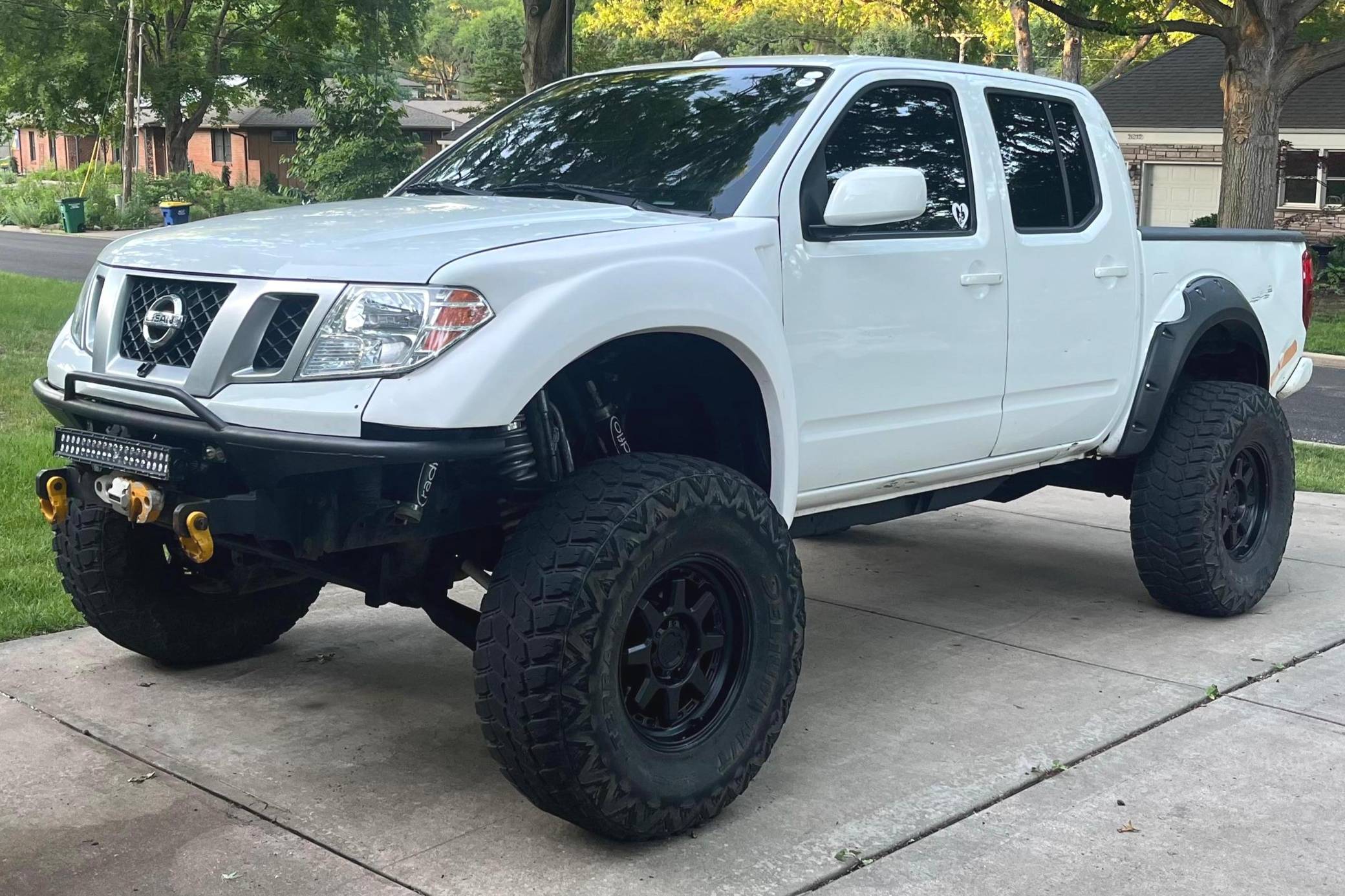
8. Nissan Frontier Pro-4X Crew Cab 4WD (2017 to 2021)
Nissan’s previous-generation Frontier ran largely unchanged from 2005 to 2021, an extraordinarily long production run for a vehicle in a segment where annual updates are the norm. That longevity was occasionally criticized by reviewers who noted the truck’s aging interior, modest feature set compared to competitors, and lack of technological advancement across the model run.
What that same longevity produced, largely without comment, was one of the most extensively proven powertrain and platform combinations in the midsize truck segment. A 2018 to 2021 Nissan Frontier Pro-4X Crew Cab 4WD with the 4.0-liter V6 and 60,000 to 90,000 miles appears in the used market for $28,000 to $36,000.
Nissan’s VQ40DE 4.0-liter V6 is an engine with over 15 years of continuous production and real-world reliability data behind it by the time these model years entered service. Owner reports consistently document this engine operating past 200,000 miles without internal failures, and the simplicity of its port-injection design avoids the intake valve carbon deposit concerns associated with direct-injection alternatives.
For a buyer who wants a proven off-road-capable midsize truck at a used price, finding a Pro-4X with documented service history represents an excellent combination of platform maturity and off-road specification. Reliability data specific to the Frontier platform’s transmission is worth noting: the 5-speed automatic in earlier years of this generation has a more established track record than the 6-speed automatic introduced in 2012.
Both have generally performed adequately with proper fluid maintenance, but buyers seeking maximum confidence should request transmission fluid service records as part of the pre-purchase history review.
