
Cars today are no longer just mechanical systems built for basic transportation from point A to point B. They are evolving into intelligent digital platforms that can analyze road conditions while also responding to the needs and behavior of the driver.
One of the most important developments in this transformation is the rise of driver monitoring cameras. These are inward-facing cameras installed inside the cabin that are specifically designed to observe the driver’s eyes, head position, and attention level.
The main goal of these systems is safety. Even though advanced driver assistance systems have made highways and city driving easier, they still require human supervision in most cases.
Drivers can become distracted by mobile phones, fatigue, conversations, or even simple inattention. A driver monitoring camera helps detect these situations in real time and alerts the driver before a risky situation becomes an accident. In some advanced systems, the car can even slow down or stop itself if the driver fails to respond.
Over the past decade, major automobile manufacturers have integrated driver-facing cameras into their vehicles as part of larger safety suites.
These systems often use infrared technology so they can track eye movement even at night or in low light conditions. Unlike traditional dash cameras that record the road, these internal cameras are focused entirely on the driver’s behavior. This allows the car to build a real-time understanding of whether the driver is engaged, drowsy, or distracted.
Luxury brands were among the first to introduce these technologies, but they have now expanded into mainstream and even budget-friendly vehicles.
Companies like Tesla, BMW, Mercedes-Benz, Ford, General Motors, Toyota, Nissan, Hyundai, Kia, Volvo, and Lucid have all adopted some form of driver monitoring camera system. Each manufacturer implements it differently depending on their level of autonomous driving capability and safety philosophy.
In many cases, these cameras work together with steering sensors, lane detection systems, and adaptive cruise control to form a complete driver assistance ecosystem. For example, if a car detects that the driver is not looking at the road while using semi-autonomous driving features, it may issue warnings, reduce functionality, or request immediate driver takeover.
This article explores 10 cars and brands that use driver-facing cameras as part of their safety and semi-autonomous driving systems. Each section breaks down how the system works, what makes it unique, and how it contributes to safer driving experiences.
These technologies represent a major step toward the future of transportation, where human attention and machine intelligence work side by side to reduce accidents and improve road safety.
Also Read: 8 Car Mods That Actually Raise Resale Value
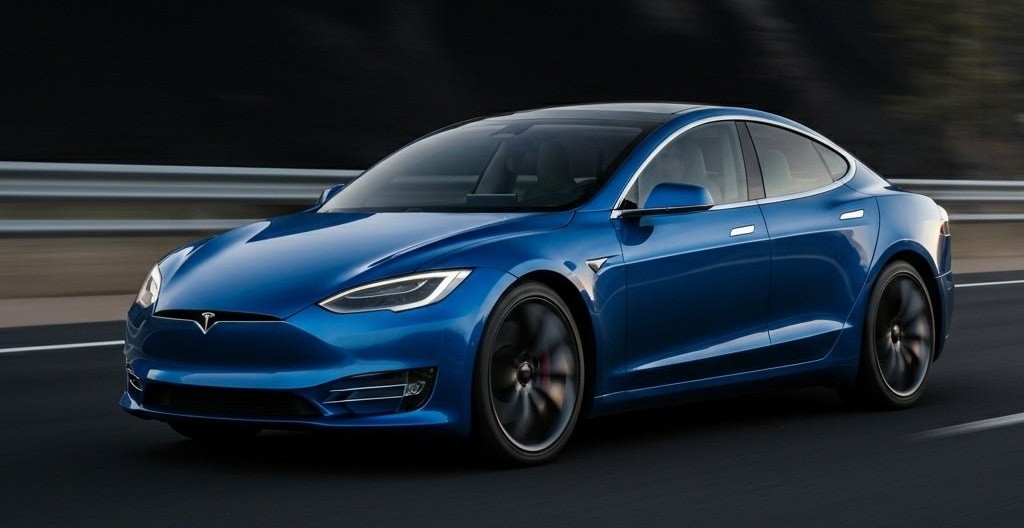
1. Tesla Vehicles
Tesla’s cabin camera system is one of the most talked-about driver monitoring technologies in modern cars, and it is deeply integrated into the company’s Autopilot and Full Self Driving ecosystem. The camera is positioned above the rearview mirror and faces directly toward the driver and front cabin.
Unlike traditional dash cameras that focus on recording external road activity, this system is entirely designed to observe human behavior inside the vehicle. Its purpose is to understand whether the driver is alert, attentive, and actively supervising the driving system at all times.
The camera uses advanced computer vision algorithms to interpret subtle details such as eye movement, head orientation, and gaze direction. This allows the system to determine whether the driver is looking at the road or distracted by other activities like a phone or passenger interaction.
Over time, Tesla has improved the accuracy of this system through software updates that refine detection logic and reduce false positives while increasing sensitivity in high-risk driving scenarios.
One of the most important aspects of Tesla’s driver monitoring approach is its enforcement strategy. When the system detects inattention, it does not rely only on gentle reminders.
Instead, it escalates warnings progressively, starting with visual alerts on the central display, followed by audible warnings, and eventually limiting or disabling Autopilot features if the driver continues to ignore prompts. This layered enforcement model ensures that the driver remains engaged even during long highway drives.
Tesla also uses the cabin camera as part of its broader fleet learning strategy. While privacy protections are in place, anonymized data from attention monitoring helps improve AI models across millions of vehicles.
This allows Tesla to refine how the system detects distraction patterns under different lighting conditions, driving environments, and user behaviors. The result is a continuously evolving safety system that improves without requiring hardware changes.
Another key element is misuse prevention. Some drivers attempt to bypass steering wheel torque sensors using devices that simulate hand pressure.
Tesla’s camera system helps counter this by verifying visual attention, making it significantly harder to rely on automation without actual engagement. This dual verification system of steering input and visual monitoring strengthens safety compliance.
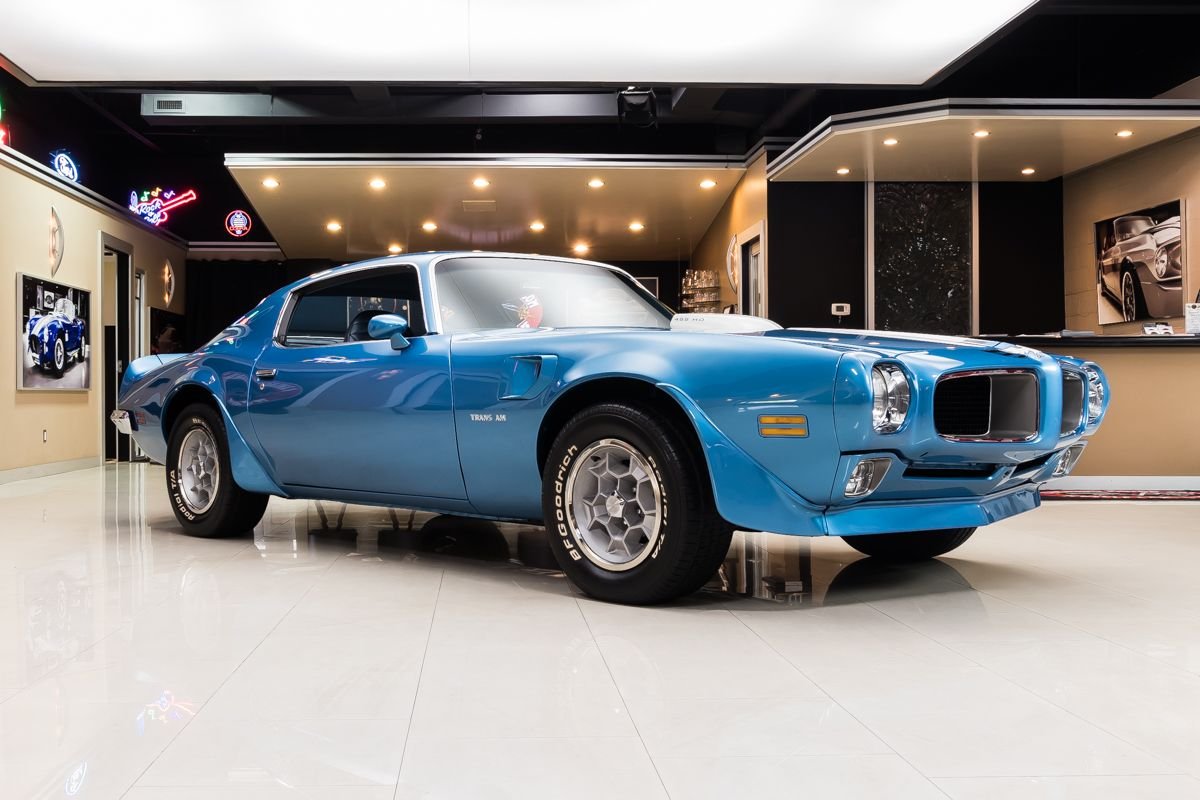
2. General Motors
General Motors’ Super Cruise system is widely recognized as one of the most advanced hands-free driving technologies currently available, and its driver monitoring camera plays a central role in ensuring safe operation.
The system is available in Cadillac, Chevrolet, and GMC vehicles, and it is designed specifically for controlled highway environments. Unlike many semi-autonomous systems, Super Cruise places strict emphasis on driver attention, even when the vehicle is handling steering and speed control.
The driver monitoring camera is mounted on the steering column and uses infrared illumination to track eye movement in real time. This allows the system to function effectively during night driving or in situations where the driver is wearing sunglasses.
The focus is not just on whether the driver is looking forward, but whether their gaze remains consistently aligned with the driving direction over time. This continuous tracking is essential for maintaining system activation.
Super Cruise is heavily dependent on this camera because it forms part of the system’s permission structure. Without confirmed driver attention, hands-free mode cannot be activated or sustained.
This means the camera is not an optional safety enhancement but a mandatory requirement for system operation. It acts as a gatekeeper that determines whether automation can be safely engaged at any moment.
The system also uses progressive warning stages when distraction is detected. Initial alerts appear on the instrument cluster, followed by audible warnings if the driver does not respond. If inattentiveness continues, Super Cruise gradually reduces assistance capability and eventually disengages completely. This ensures a controlled transition back to manual driving rather than a sudden system shutdown.
General Motors combines driver monitoring data with high-definition map information and radar sensors to create a layered safety system.
While maps ensure the vehicle understands the road environment, the camera ensures that the human driver remains an active participant. This dual system approach allows Super Cruise to maintain one of the strongest safety reputations in the hands-free driving segment.
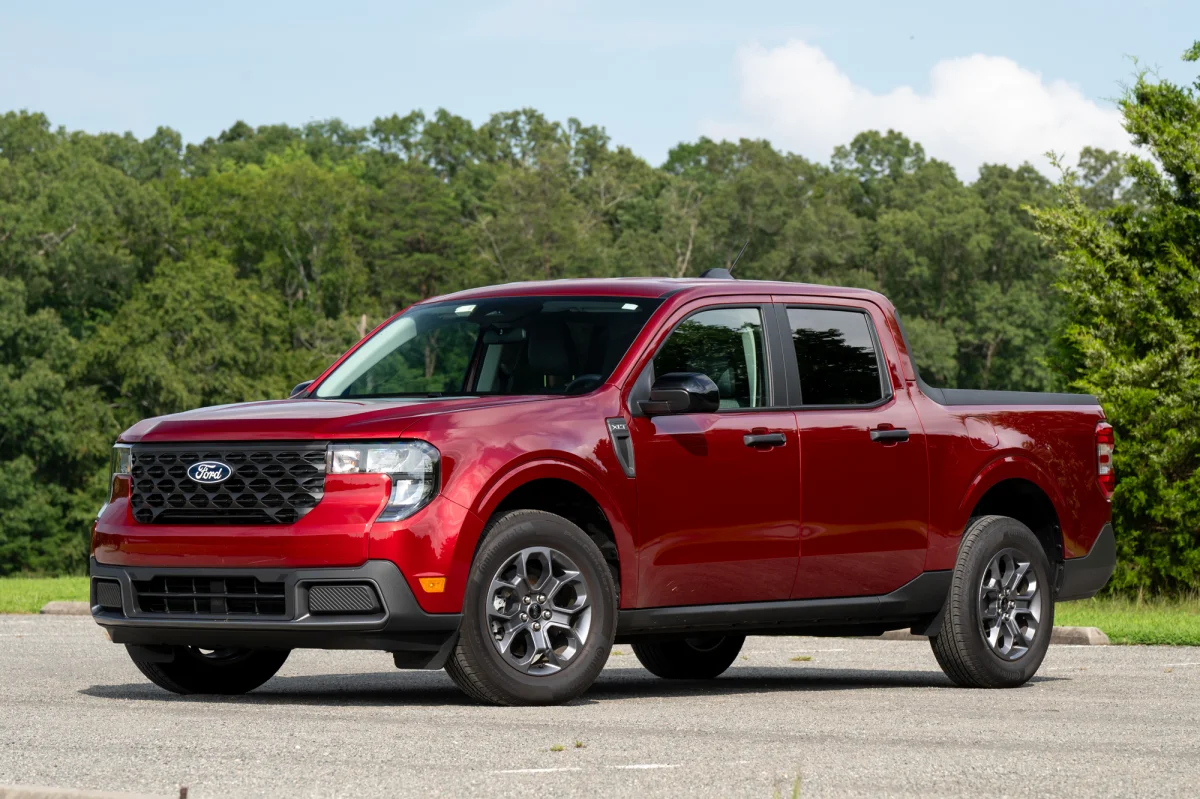
3. Ford
Ford BlueCruise is designed to provide hands-free driving capability on designated highways, and its driver monitoring camera is a critical component that ensures safe usage.
The system is available in vehicles such as the Ford Mustang Mach-E and Ford F-150 Lightning, and it operates in predefined highway zones known as Blue Zones. These zones are carefully mapped areas where the system has been validated for safe operation.
The driver monitoring camera is positioned on the steering column and uses infrared technology to track eye position and head orientation. This allows it to function reliably in both daylight and nighttime conditions.
The system continuously checks whether the driver is visually engaged with the road ahead, even when hands are removed from the steering wheel. This ensures that physical relaxation does not lead to mental disengagement.
BlueCruise relies heavily on this camera because it enables true hands-free driving while still enforcing attention responsibility. The system allows drivers to experience reduced physical workload, especially during long highway commutes, but it does not allow full disengagement. The camera ensures that drivers remain mentally present and ready to take control instantly if required.
When the system detects that the driver is distracted or looking away for too long, it triggers a structured warning sequence. This begins with visual alerts on the digital instrument cluster, followed by audio warnings.
If the driver does not respond, BlueCruise gradually reduces its assistance level and eventually suspends hands-free functionality. This staged response helps avoid sudden disruptions while maintaining safety.
Ford continuously improves BlueCruise through over-the-air software updates. These updates refine attention detection algorithms, expand mapped highway coverage, and improve system responsiveness. As a result, the driver monitoring system becomes more accurate over time, reducing false alerts and improving long-term usability.
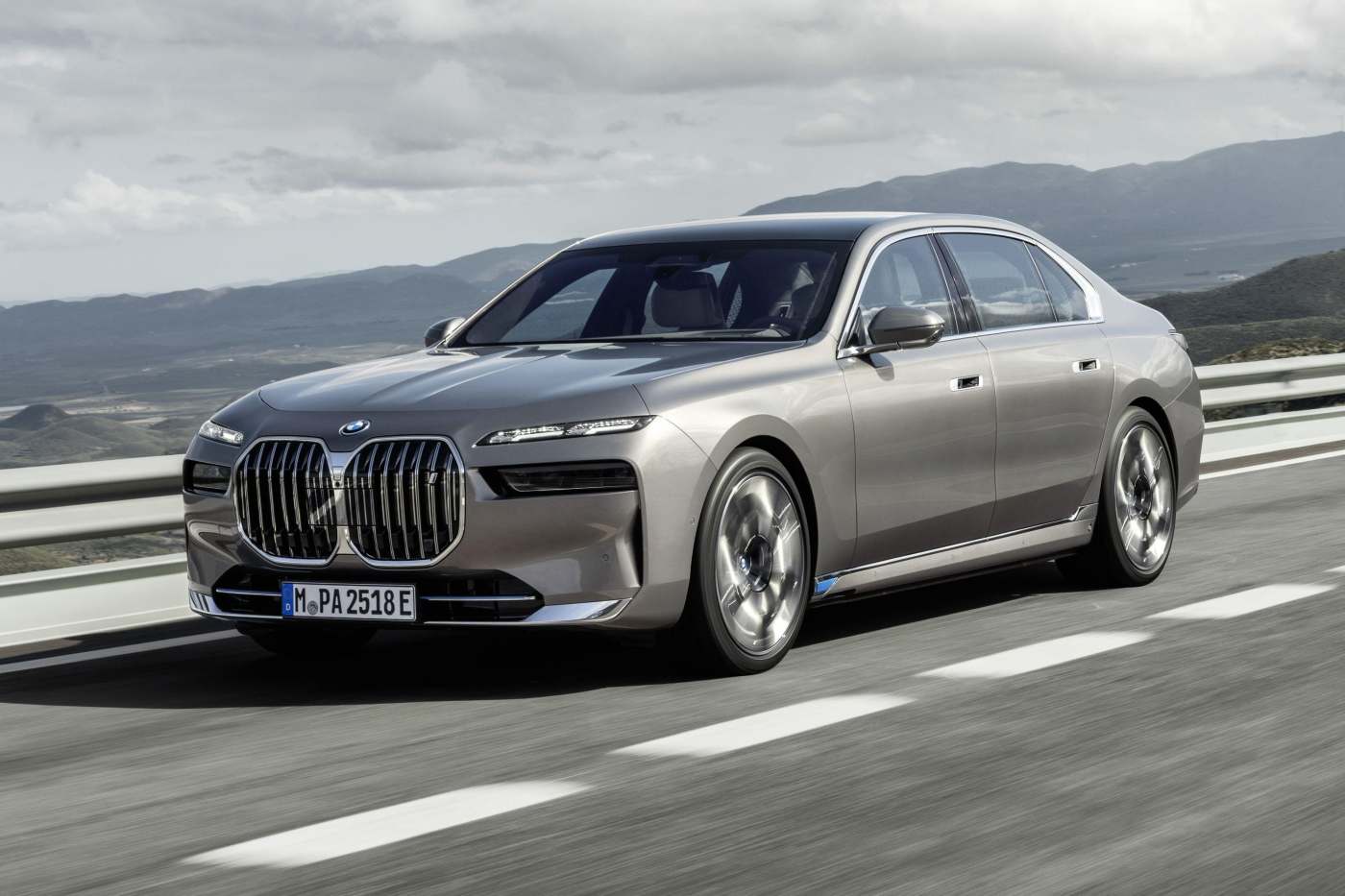
4. BMW
BMW integrates advanced driver monitoring systems into its electric vehicles, like the iX and i7, focusing on combining luxury driving comfort with high levels of safety intelligence. The system is designed to support semi-autonomous driving while ensuring that the driver remains fully engaged with the road environment. It plays a crucial role in BMW’s Driving Assistant Professional package.
The driver monitoring camera is typically placed within the instrument cluster area and uses infrared technology to track eye movement and head direction. This allows it to maintain accurate performance regardless of lighting conditions, including nighttime driving. The system is engineered to detect both short-term distraction and longer-term loss of attention.
BMW places strong emphasis on driver comfort, which means its monitoring system is designed to be less intrusive while still highly effective. Instead of constant aggressive alerts, the system evaluates behavior over time and responds in a more measured way. This ensures that drivers are not overwhelmed by unnecessary warnings during normal driving conditions.
If the system detects sustained distraction, it escalates its response in stages. Initial warnings are subtle and appear in the digital cockpit. If the driver continues to ignore them, the system introduces steering wheel feedback and eventually disables semi-autonomous features until attention is restored. This structured escalation helps maintain control without abrupt interruptions.
BMW also uses driver monitoring data to detect fatigue trends during long journeys. By analyzing eye movement consistency and reaction time, the system can identify early signs of drowsiness. This allows it to intervene before the driver reaches a critical state of reduced awareness, enhancing long-distance driving safety.
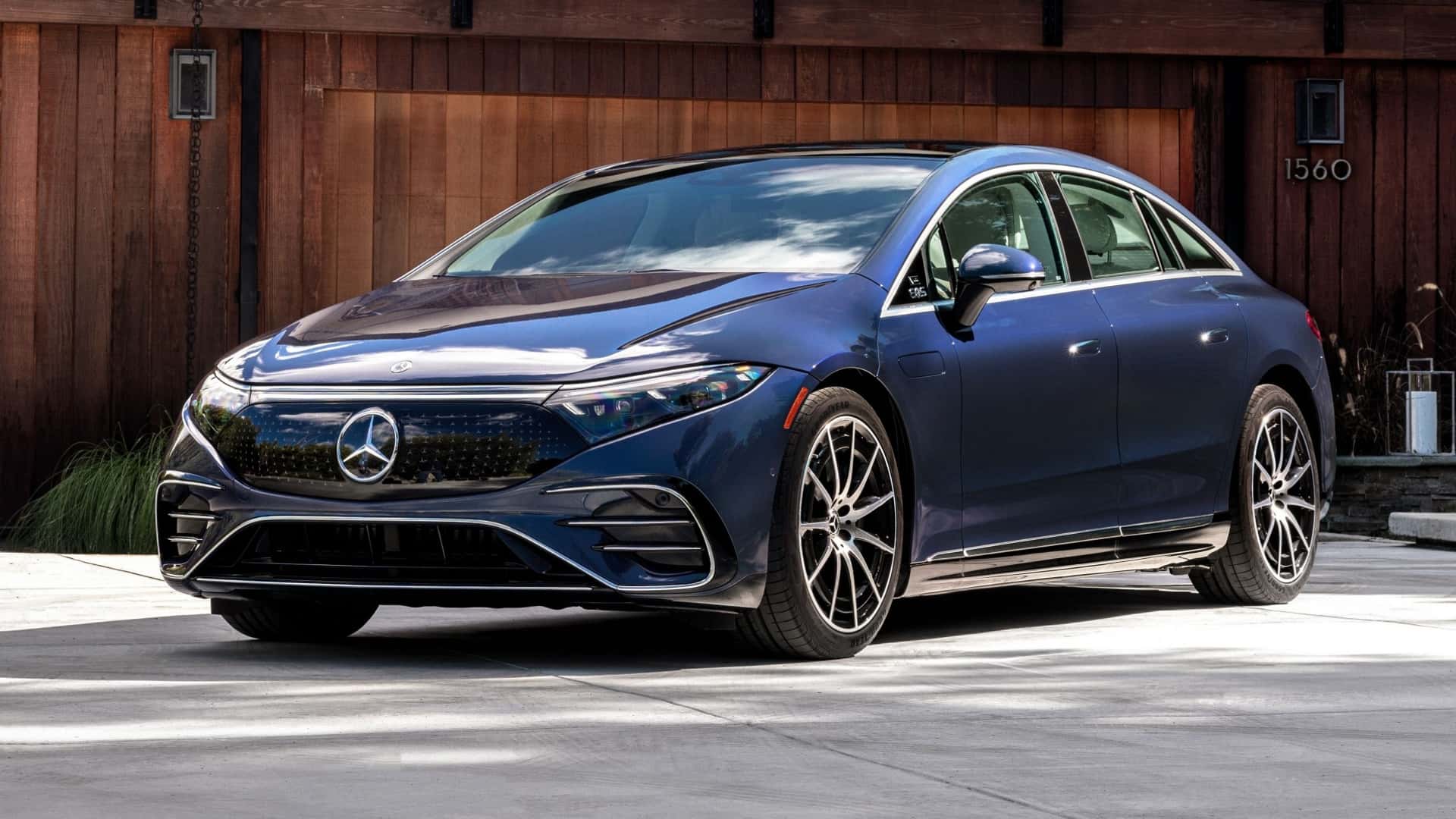
5. Mercedes-Benz
Mercedes-Benz Drive Pilot system represents one of the most advanced forms of conditional automation available in production vehicles, and its driver monitoring camera is a legally required safety component. The system is currently available in high-end models such as the S-Class and EQS, and it operates under specific highway conditions where Level 3 automation is permitted.
The driver-facing camera ensures that the driver remains ready to take control of the vehicle when prompted, even though the system is capable of handling many driving tasks independently. This creates a unique situation where the car is actively driving itself, but the human driver must still remain attentive and prepared to intervene if necessary.
The system continuously tracks eye position, head orientation, and driver alertness. Unlike lower-level systems, Drive Pilot must meet strict regulatory standards that require reliable detection of driver readiness. This makes the camera a critical compliance tool as well as a safety feature.
Mercedes also integrates redundant monitoring systems alongside the camera. These include steering input sensors and system status checks that collectively ensure driver readiness is accurately assessed. This multi-layer verification approach reduces the risk of false assumptions about driver attention.
If the system detects that the driver is not responsive or fails to meet attention requirements, it initiates a controlled response. This can include escalating warnings, gradual system disengagement, and, in extreme cases, safely bringing the vehicle to a complete stop. This ensures that even in failure scenarios, the vehicle maintains safety and stability.
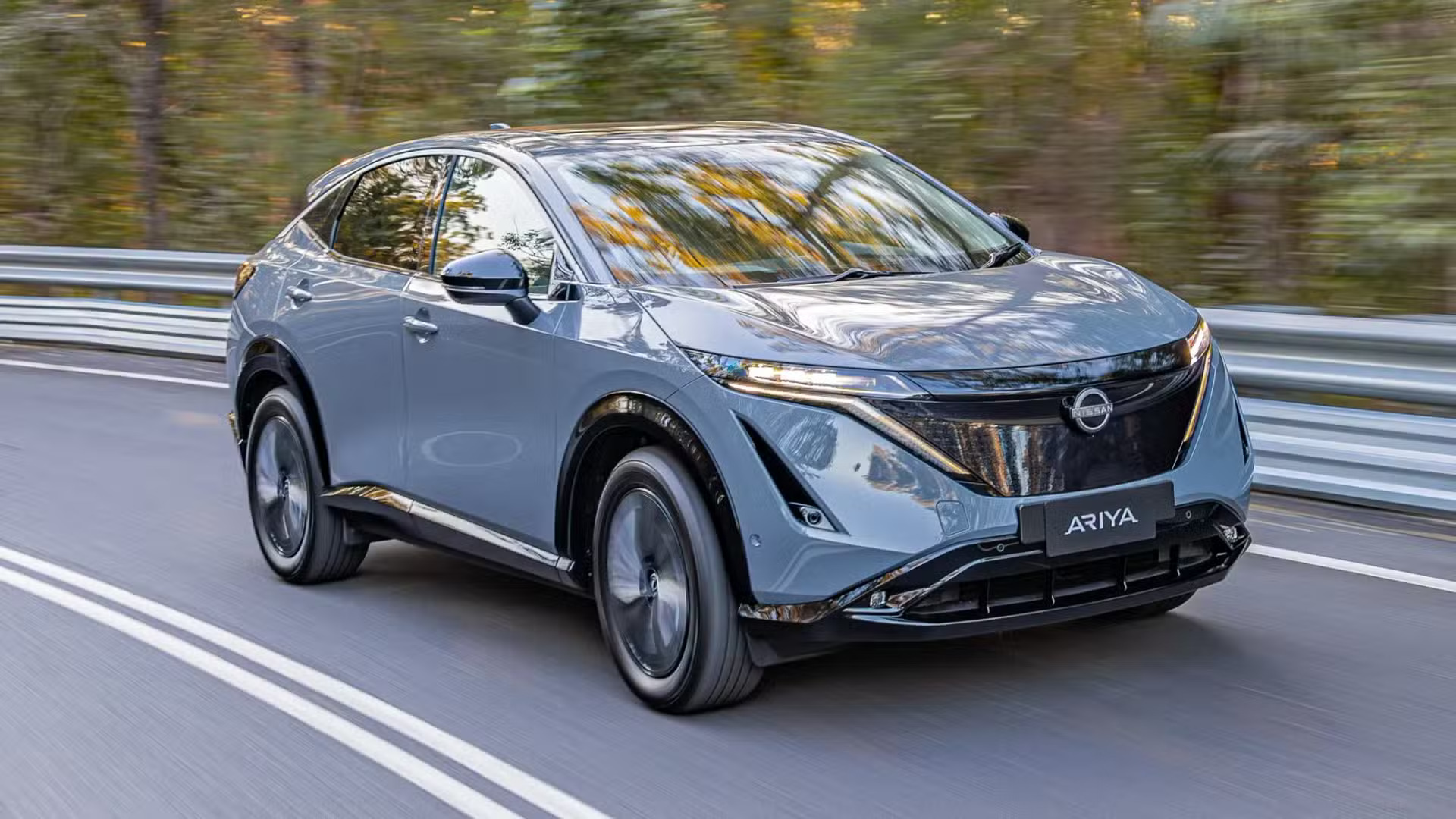
6. Nissan
Nissan ProPILOT 2.0 is designed as a semi-autonomous highway driving system, and its driver monitoring camera plays a central role in maintaining safety and preventing overreliance on automation.
The system is available in select models like the Nissan Ariya and certain Skyline variants in specific markets. It allows hands-free driving under controlled highway conditions, but only when the driver remains fully attentive and ready to intervene at any moment.
The driver monitoring camera is positioned near the steering column and uses infrared technology to track eye direction and head movement.
This setup allows it to operate effectively in different lighting conditions, including night driving and direct sunlight. The system continuously evaluates whether the driver’s gaze is aligned with the road ahead, which is critical during autonomous highway cruising.
Unlike basic driver alert systems that only detect inactivity, Nissan’s system actively compares driver attention with road complexity. If the vehicle enters a more demanding driving situation, such as lane merges or traffic density changes, the system expects higher attention levels. If the driver is not responsive during these moments, alerts are triggered immediately.
The warning system is designed in multiple stages. It begins with visual prompts on the dashboard, followed by audible alerts if the driver does not pay attention. If distraction continues, the system gradually reduces automation assistance and may fully disengage ProPILOT 2.0 until the driver regains focus. This ensures a controlled transition back to manual control.
Nissan’s philosophy with this system is to encourage responsible use of semi-autonomous driving. The driver monitoring camera ensures that convenience does not turn into complacency, making it a key safeguard in the company’s broader strategy for highway safety automation.
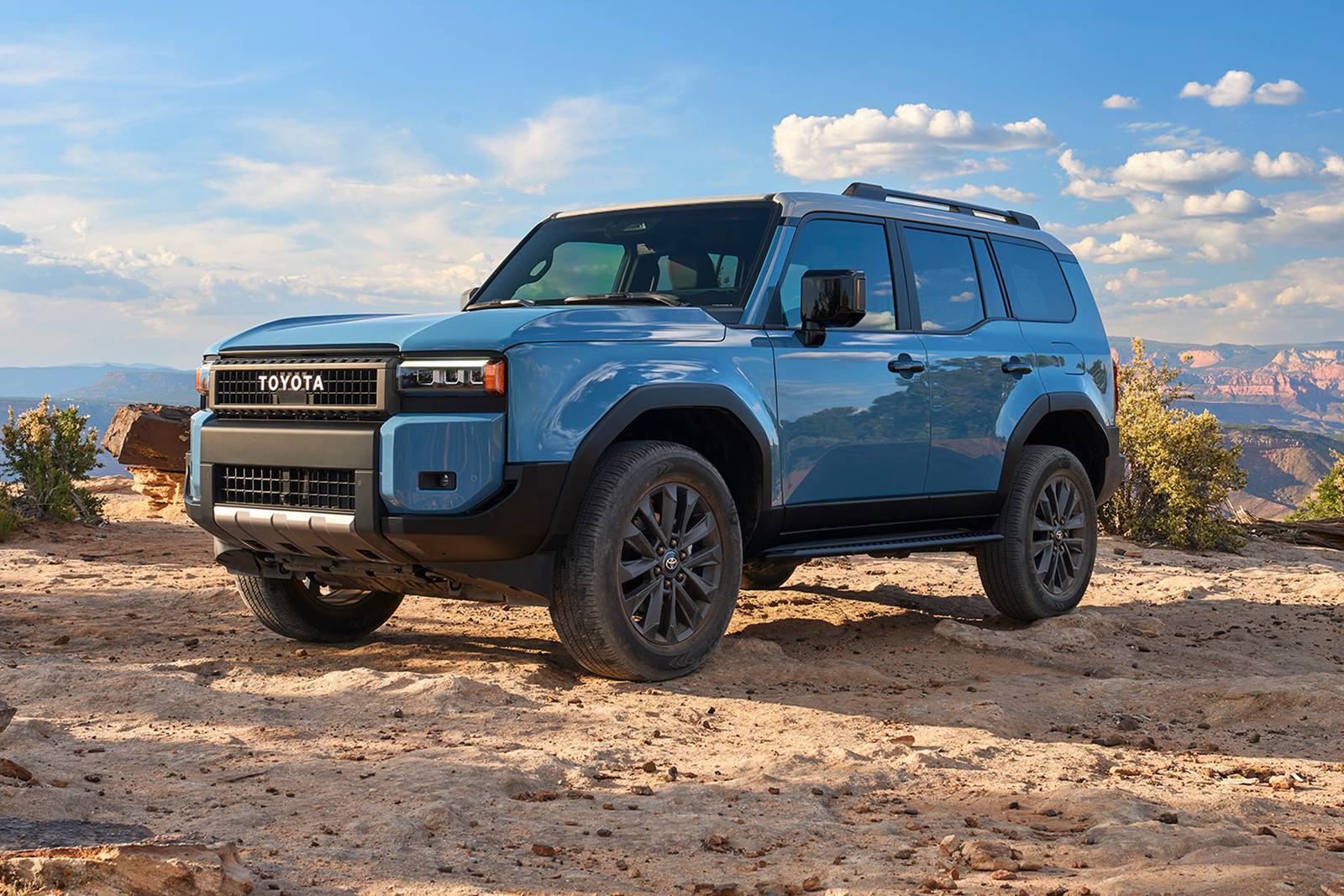
7. Toyota
Toyota Safety Sense includes a driver attention monitoring system that focuses on improving everyday road safety across a wide range of vehicles.
Unlike luxury-focused systems, Toyota’s approach is designed for mass adoption, making driver monitoring accessible in both budget and mid-range models. The goal is to reduce accidents caused by distraction and fatigue in normal driving conditions.
In more advanced Toyota models, a driver-facing camera is used to monitor eye movement and head orientation. This allows the system to detect whether the driver is actively paying attention to the road or becoming distracted by external factors such as mobile devices, passengers, or in-cabin distractions. The system is designed to be subtle but effective.
Toyota’s monitoring system also places strong emphasis on fatigue detection. By analyzing blinking patterns, eyelid movement, and reaction delays, the system can identify early signs of drowsiness. This is particularly useful during long highway journeys where driver fatigue is a major safety risk factor.
When inattentiveness is detected, the system issues warnings through a combination of audio alerts and dashboard notifications. These alerts are intentionally designed to be clear but not overly aggressive, ensuring that the driver is reminded without unnecessary stress or interruption. The focus is on prevention rather than punishment.
Toyota integrates this driver monitoring technology with other Safety Sense features such as lane departure alert, adaptive cruise control, and pre-collision systems. Together, these systems create a comprehensive safety net that helps drivers avoid common road accidents even without advanced autonomous driving capabilities.
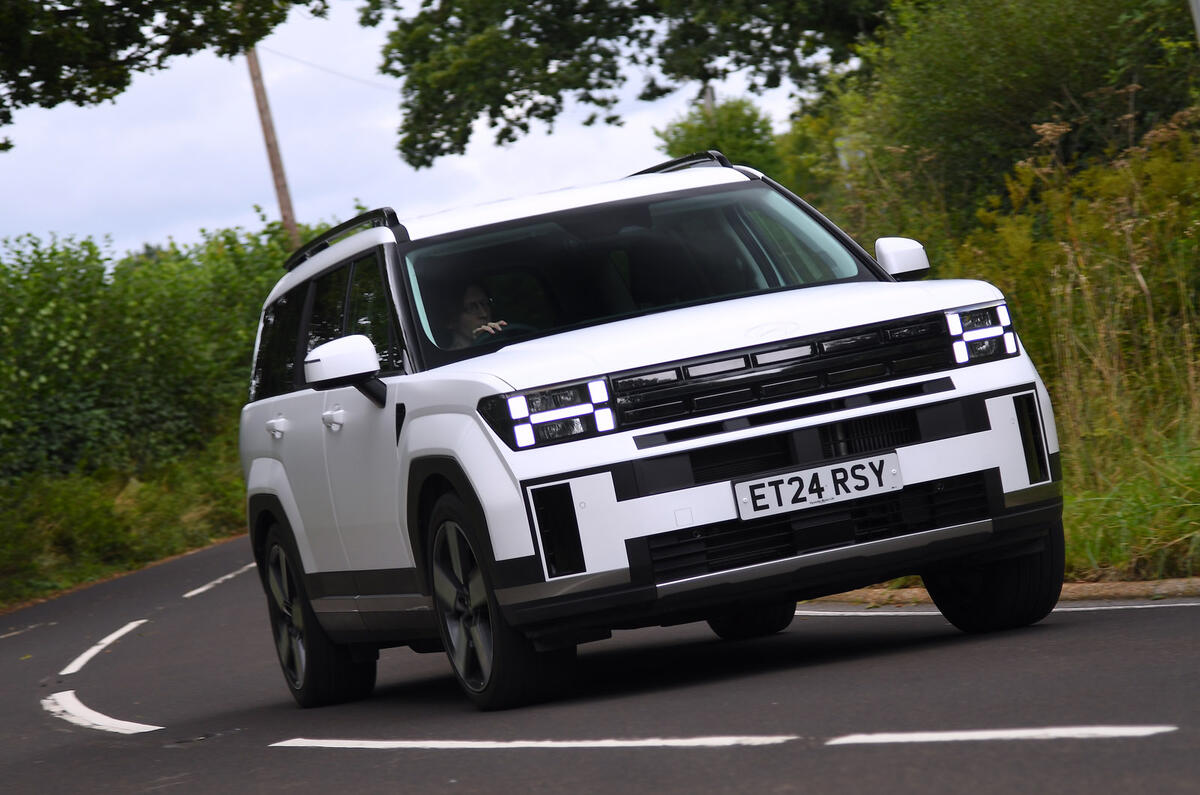
8. Hyundai And Kia
Hyundai and Kia have rapidly expanded their SmartSense driver assistance technology, and driver monitoring cameras play an important role in their more advanced systems. These features are particularly prominent in vehicles equipped with Highway Driving Assist 2, which provides semi-autonomous highway driving capabilities under specific conditions.
The driver monitoring camera is typically located on the steering column or dashboard area, depending on the model. It uses infrared sensing to track eye position and head orientation in real time. This allows the system to function reliably regardless of lighting conditions or whether the driver is wearing glasses or sunglasses.
During active driving assistance, the system continuously verifies that the driver is visually engaged with the road. If the driver’s attention shifts away for too long, the system immediately intervenes with alerts. This ensures that even when the vehicle is assisting with steering and acceleration, the driver remains mentally active.
Hyundai and Kia systems are also designed to respond quickly to repeated distraction behavior. If the driver continues to ignore warnings, the system reduces assistance levels or disables highway driving support entirely. This escalation ensures that safety is maintained even when user behavior is inconsistent.
A key advantage of Hyundai and Kia’s approach is their focus on bringing this technology into mainstream vehicles. By integrating driver monitoring into mid-range segments, they are helping normalize advanced safety systems across a much wider population of drivers, not just luxury buyers.
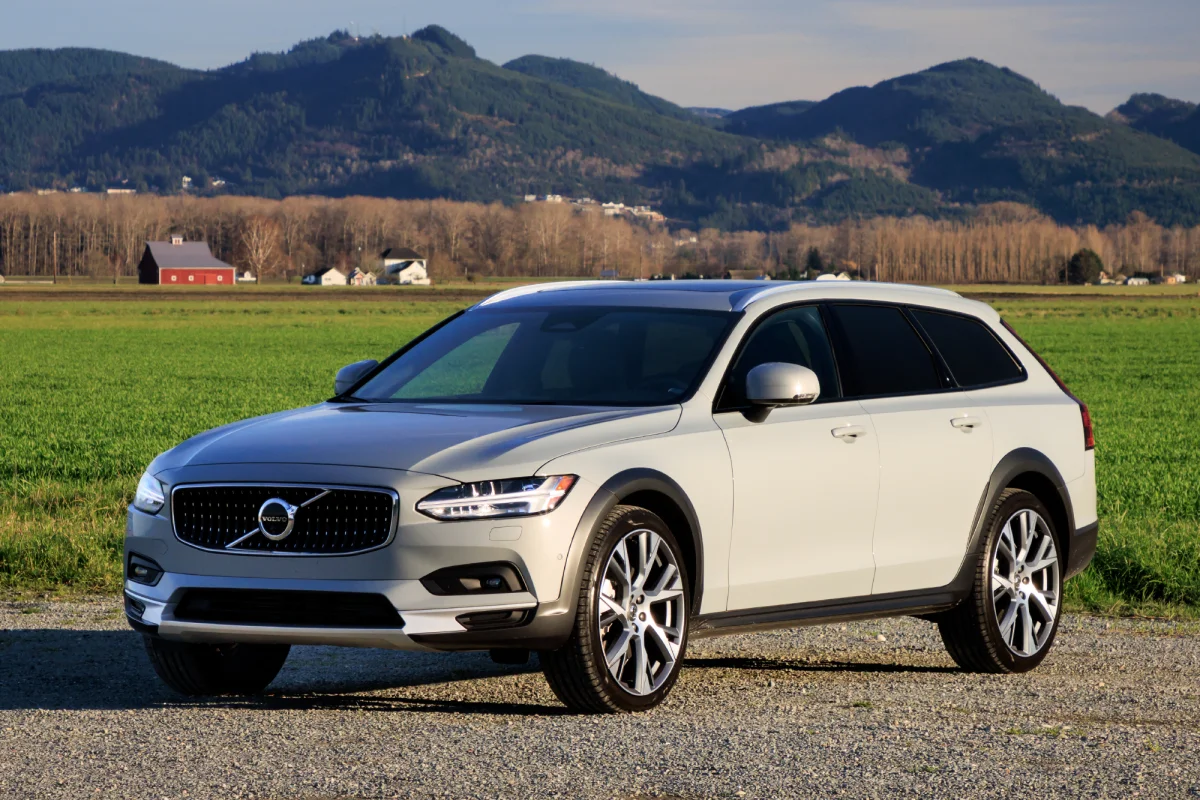
9. Volvo
Volvo EX90 represents one of the safest implementations of driver monitoring technology in the automotive industry. Volvo has long been known for its commitment to road safety, and the EX90 takes this philosophy further by combining interior driver monitoring with advanced external sensing systems such as lidar and radar.
The driver monitoring camera in the EX90 is part of a larger interior sensing suite designed to understand driver condition in real time. It tracks eye movement, head position, and behavioral patterns that indicate distraction or fatigue. Unlike simpler systems, it is designed to detect subtle changes that may indicate declining alertness before it becomes dangerous.
Volvo’s system places strong emphasis on detecting impairment caused by fatigue or medical conditions. If the driver shows signs of severe drowsiness or is unresponsive for an extended period, the system escalates its response beyond warnings. It can gradually slow the vehicle and safely guide it to a stop on the side of the road if necessary.
The integration of driver monitoring with external sensors allows the EX90 to maintain full environmental awareness. While the exterior sensors understand the road and surrounding traffic, the interior camera ensures that the human driver is still capable of responding appropriately. This dual-layer safety approach is central to Volvo’s design philosophy.
Volvo’s long-term vision is to eliminate serious road injuries and fatalities entirely. The EX90 driver monitoring system is a key part of that vision, ensuring that human limitations are continuously accounted for in every driving scenario.
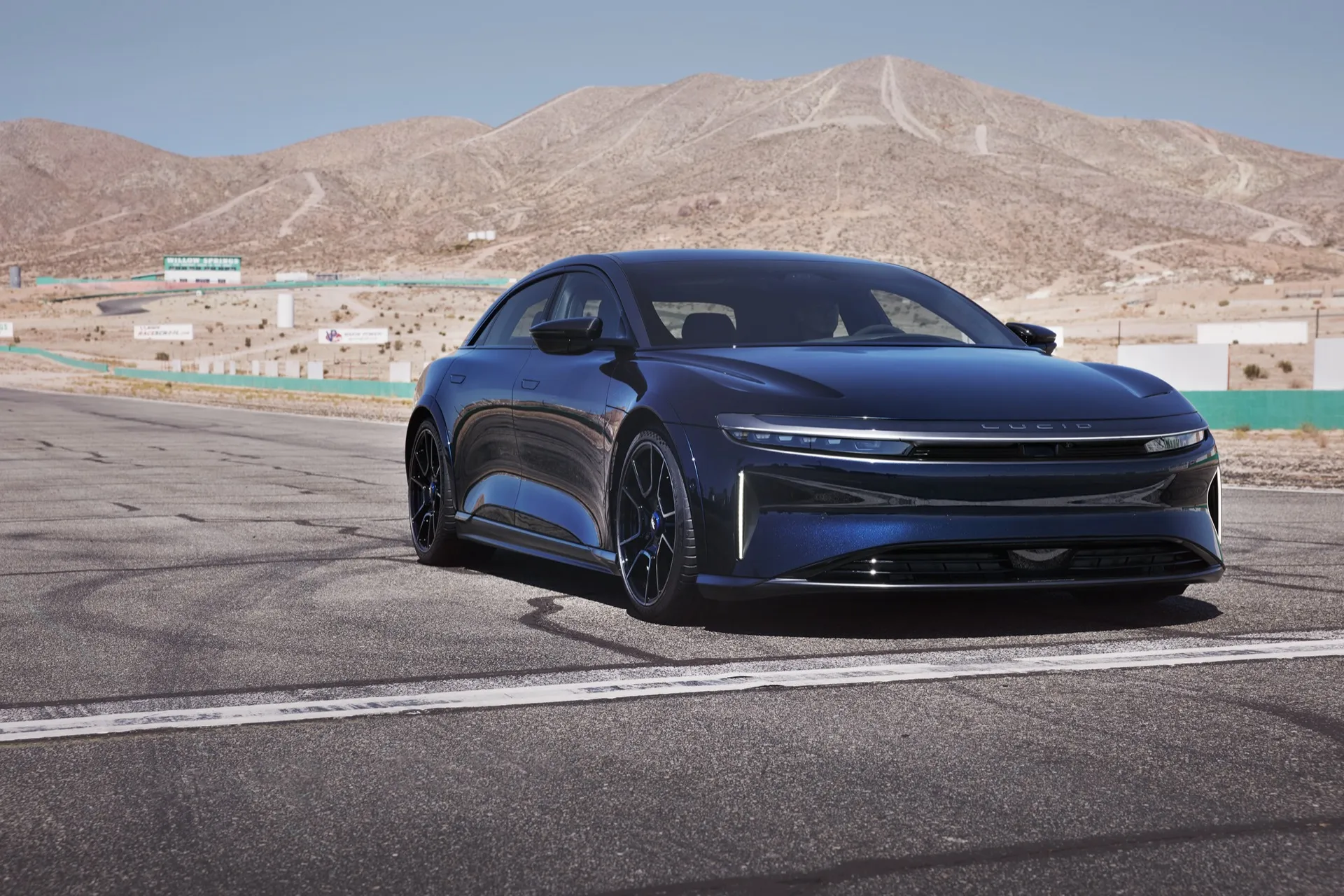
10. Lucid
Lucid Air incorporates a driver monitoring camera as part of its advanced DreamDrive system, which is designed to support semi-autonomous driving while maintaining strict safety oversight. As a newer entrant in the electric vehicle market, Lucid has built driver monitoring directly into its core system architecture rather than adding it as an afterthought.
The camera continuously tracks driver attention during the use of advanced assistance features such as adaptive cruise control and lane centering. It evaluates whether the driver is visually engaged with the road and ready to intervene if necessary. This ensures that even in relaxed driving conditions, attention is not lost.
Lucid’s system also benefits from high-resolution sensor fusion. By combining camera data with radar, lidar, and ultrasonic sensors, the vehicle creates a highly detailed understanding of both external road conditions and internal driver behavior. This improves the accuracy of distraction detection.
When the system detects inattentiveness, it triggers immediate alerts designed to regain driver focus quickly. These alerts escalate if necessary, ensuring that prolonged distraction does not continue during active driving assistance. Assistance levels may also be reduced until attention is restored.
Lucid positions driver monitoring as a foundational safety feature rather than a supplementary system. This reflects its broader strategy of building advanced electric vehicles that prioritize both performance and intelligent safety systems from the ground up.
