
Recovering from a hip replacement is a major milestone that can dramatically improve quality of life, but it also comes with a period of physical adjustment where certain everyday movements require more care and planning. One of the most commonly underestimated challenges during recovery is entering and exiting a vehicle.
While walking and basic mobility may improve quickly after surgery, hip flexion, twisting, and low seating positions can still create discomfort or even risk strain on the healing joint. For many individuals, regaining the ability to drive comfortably is closely tied to independence, making vehicle choice an important part of post-surgery lifestyle planning.
The ideal vehicle for someone with a hip replacement is not necessarily the most expensive or most advanced model, but rather one that aligns with human ergonomics and reduces unnecessary stress on the hip joint.
Seat height plays a crucial role because it determines how much bending is required when sitting down or standing up. Vehicles that are too low force deep hip flexion, while those that are too high may require climbing, both of which can be uncomfortable during recovery. The best designs allow a smooth, almost level transition from standing to sitting.
Modern automotive engineering has made significant progress in improving comfort and accessibility across multiple segments. Features such as adjustable seat height, power lumbar support, wide door openings, and memory seat settings are now available even in mid-range vehicles.
These features are especially beneficial for individuals recovering from orthopedic procedures because they allow fine adjustments that accommodate daily variations in stiffness, swelling, or fatigue.
Ride quality is another critical factor that often gets overlooked. A smooth suspension system reduces impact from road bumps and vibrations that travel through the body and can irritate sensitive joints.
Combined with well-padded seats that distribute body weight evenly, this creates a driving experience that feels stable and controlled rather than physically demanding. Over time, this can help reduce fatigue and increase confidence behind the wheel.
Choosing the right vehicle after a hip replacement is about restoring independence safely and comfortably. The vehicles in this list are selected not only for their ergonomic strengths but also for their reliability, ease of use, and long-term practicality.
Each model offers a different balance of features, but all are designed in ways that make driving less physically stressful and more supportive for individuals in recovery.
Also Read: 8 Car Mods That Actually Raise Resale Value
- Engine: 2.5L 4-cylinder / 3.5L V6 (varies by trim)
- Horsepower: 203 hp (2.5L) / 301 hp (V6)
- Torque: 184 Nm (2.5L) / 267 Nm (V6)
- Length: ~4,885 mm
- Width: ~1,840 mm
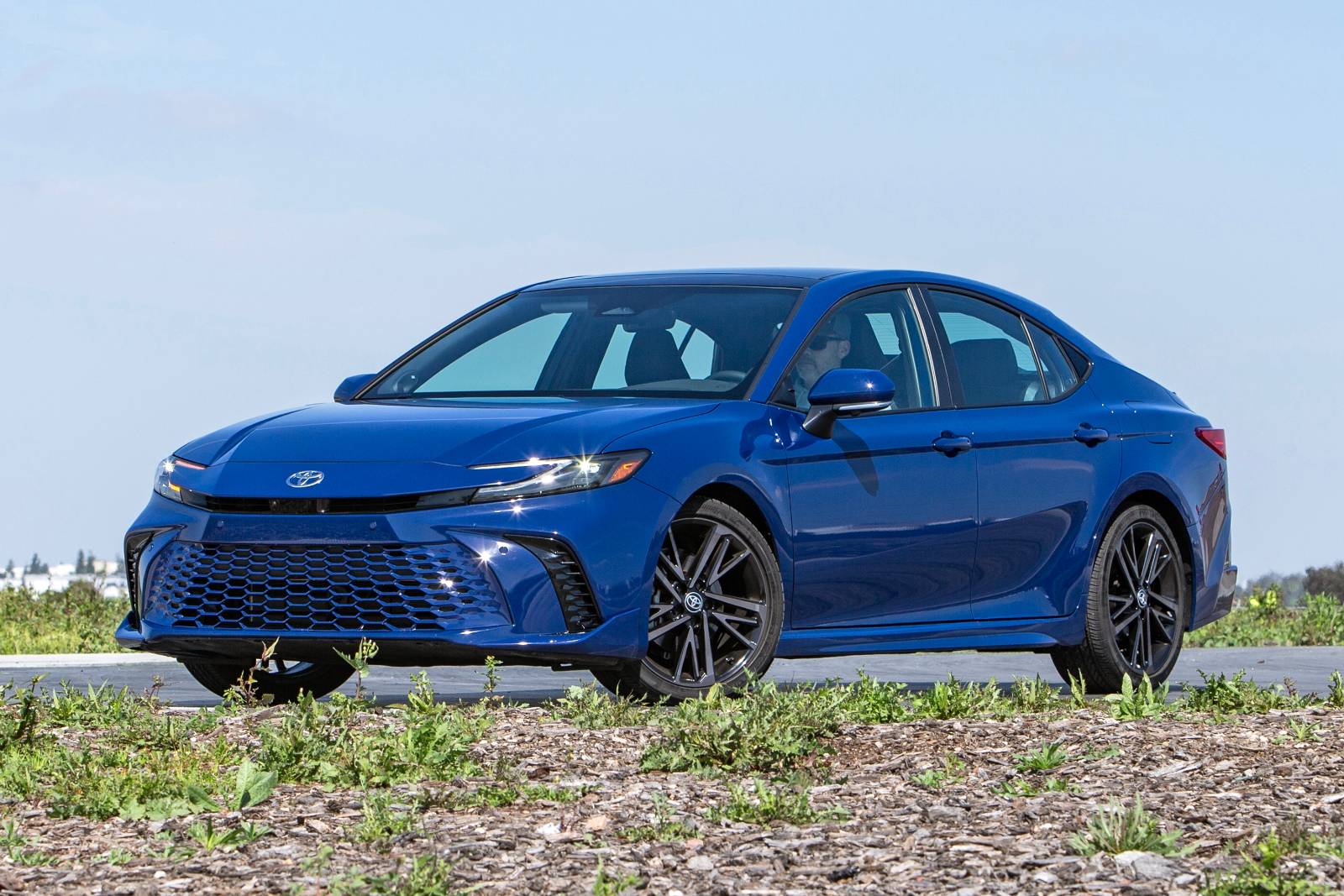
1. Toyota Camry
The Toyota Camry is widely recognized for its strong balance of comfort, reliability, and accessibility, making it one of the most suitable sedans for individuals recovering from hip replacement surgery.
One of its biggest advantages is its moderate seat height, which allows most drivers to sit down without needing to drop too low or lift themselves upward. This neutral positioning is especially helpful during recovery when controlled movement is essential to avoid strain on the hip joint.
Another important aspect of the Camry is how its seat design supports the body during entry and exit. The seat cushions are firm enough to provide stability while still offering soft enough padding to reduce pressure points.
This balance is important because overly soft seats can make it harder to rise, while overly firm seats may cause discomfort during longer drives. The Camry achieves a middle ground that supports both mobility and comfort.
The door opening geometry also plays a significant role in ease of use. The Camry’s doors open wide enough to allow a smooth leg swing motion, which reduces the need for twisting at the hip. This is particularly important because rotational movements are often restricted or uncomfortable during early recovery stages. The cabin layout supports a more linear movement pattern, which feels safer and more controlled.
Driving comfort extends beyond just entry and seating. The Camry’s suspension system is tuned to absorb road imperfections effectively, which minimizes vibrations reaching the hips and lower back. This smooth ride quality reduces fatigue during longer journeys, making it ideal for people who may need frequent medical visits or daily commuting while recovering.
Finally, the Camry’s long-term reliability and low maintenance requirements make it a practical choice. For someone recovering from surgery, the last thing needed is mechanical stress or frequent repairs. The Camry’s reputation for durability ensures consistent performance, making it a dependable mobility partner during and after recovery.
- Engine: 1.5L turbo / 2.0L hybrid system
- Horsepower: 192 hp (turbo) / 204 hp (hybrid)
- Torque: 192 Nm / 335 Nm (system combined approx)
- Length: ~4,970 mm
- Width: ~1,860 mm
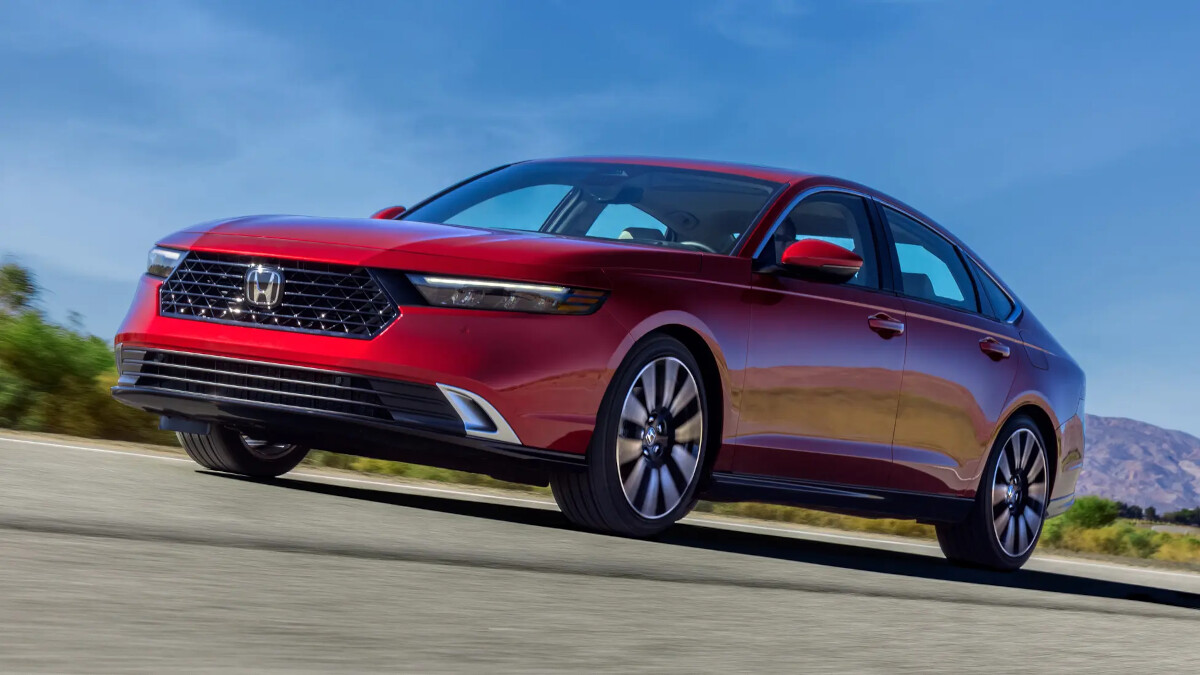
2. Honda Accord
The Honda Accord is another highly suitable mid-size sedan for drivers with hip replacements, offering a slightly more spacious and sport-oriented design while still prioritizing comfort and ergonomics.
One of its standout features is its well-balanced seat height, which allows users to transition between standing and sitting with minimal strain on the hip joint. This is particularly beneficial during the early stages of recovery when controlled movement is crucial.
Inside the Accord, the cabin space is thoughtfully designed to support natural leg movement. The wide door openings and generous interior clearance allow drivers to rotate their legs into the vehicle without excessive twisting. This reduces the risk of discomfort or sudden strain, which can be a concern after hip surgery. The flat floor design further enhances ease of movement.
Seat comfort is another strong point of the Accord. The seats are engineered to provide even weight distribution across the hips and thighs, reducing localized pressure. This helps maintain comfort during both short trips and longer drives. Higher trims also include power-adjustable seating, allowing drivers to fine-tune their position for optimal support and minimal hip stress.
The suspension system of the Accord contributes significantly to ride comfort. It is designed to absorb uneven road surfaces smoothly, preventing sharp jolts from reaching the body. This is particularly important for individuals recovering from joint surgery, as sudden impacts can cause discomfort or hesitation while driving.
In addition to physical comfort, the Accord offers advanced driver assistance systems that reduce cognitive and physical strain. Features such as adaptive cruise control and lane support help make driving less demanding, allowing users to focus more on posture and comfort rather than constant vehicle control adjustments.

- Engine: 2.5L flat-4 / 2.4L turbo flat-4
- Horsepower: 182 hp / 260 hp
- Torque: 239 Nm / 376 Nm
- Length: ~4,870 mm
- Width: ~1,875 mm
3. Subaru Outback
The Subaru Outback stands out as one of the most practical crossover wagons for individuals recovering from hip replacement surgery due to its elevated seating position and accessibility focused design. Unlike lower sedans, the Outback allows drivers to sit down with a gentle downward motion rather than a deep drop, significantly reducing stress on the hip joint.
The vehicle’s door openings are wide and tall, which plays a major role in ease of entry. This design allows drivers to swing their legs into the cabin without having to twist their hips excessively. During recovery, this can make a noticeable difference in comfort and confidence when getting in and out of the vehicle.
The seating position in the Outback is upright and supportive, which encourages good posture and reduces strain on the lower body. The seats are firm enough to provide stability but cushioned enough to prevent pressure buildup in the hip area. This balance helps maintain comfort even on longer journeys.
Ride quality is another strength of the Outback. Its suspension system is tuned to handle rough roads while maintaining stability, which is especially helpful for individuals who want predictable motion without sudden jolts. The standard All Wheel Drive system also enhances stability, reducing body tension while driving.
Finally, the Outback’s versatility makes it suitable for both urban and rural environments. Whether used for daily errands or longer trips, its combination of comfort, space, and accessibility makes it a dependable option for those prioritizing hip-friendly vehicle design.
- Engine: 2.5L 4-cylinder / hybrid variants
- Horsepower: 203 hp (petrol) / 219 hp (hybrid)
- Torque: 184 Nm
- Length: ~4,600 mm
- Width: ~1,855 mm
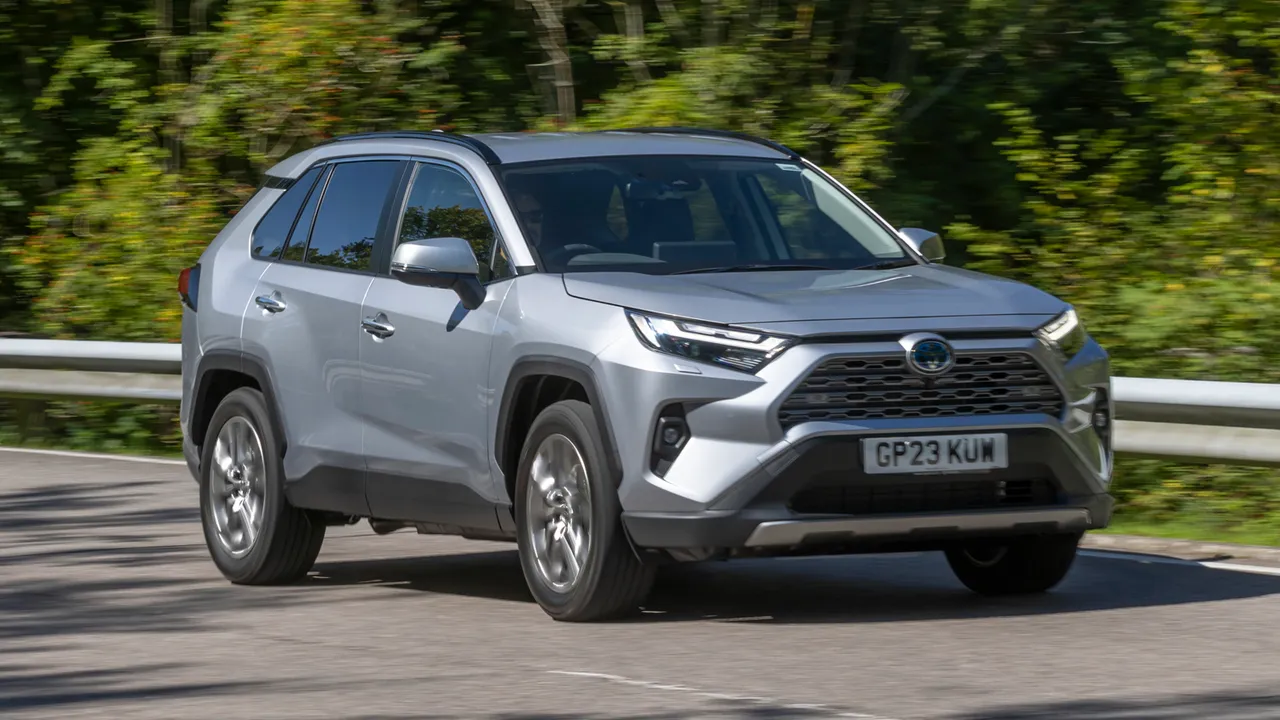
4. Toyota RAV4
The Toyota RAV4 is one of the most popular compact SUVs globally, and its design naturally supports individuals recovering from hip replacement surgery due to its elevated seating position and easy accessibility. The seat height is one of its strongest advantages, allowing drivers to sit down and stand up with minimal bending, which reduces stress on the hip joint.
The interior layout of the RAV4 is designed to maximize space efficiency. Wide door openings and a spacious cabin allow for smoother leg movement during entry and exit. This reduces the need for twisting or awkward positioning, which can be uncomfortable during recovery.
Seating comfort in the RAV4 is well-balanced, with supportive cushioning that helps distribute weight evenly across the hips. Many trims include power-adjustable seats, enabling users to adjust height and tilt to achieve the most comfortable position for their recovery stage.
The suspension system is tuned for comfort and stability, making the ride smooth even on uneven roads. This reduces vibration transfer to the hips and lower back, helping to minimize fatigue during longer drives.
The RAV4 combines practicality, comfort, and reliability, making it one of the most accessible compact SUVs for individuals seeking long-term mobility support after hip replacement surgery.
- Engine: 1.5L turbo / hybrid system
- Horsepower: 190 hp / 204 hp (hybrid)
- Torque: 243 Nm / ~335 Nm (hybrid system)
- Length: ~4,700 mm
- Width: ~1,866 mm
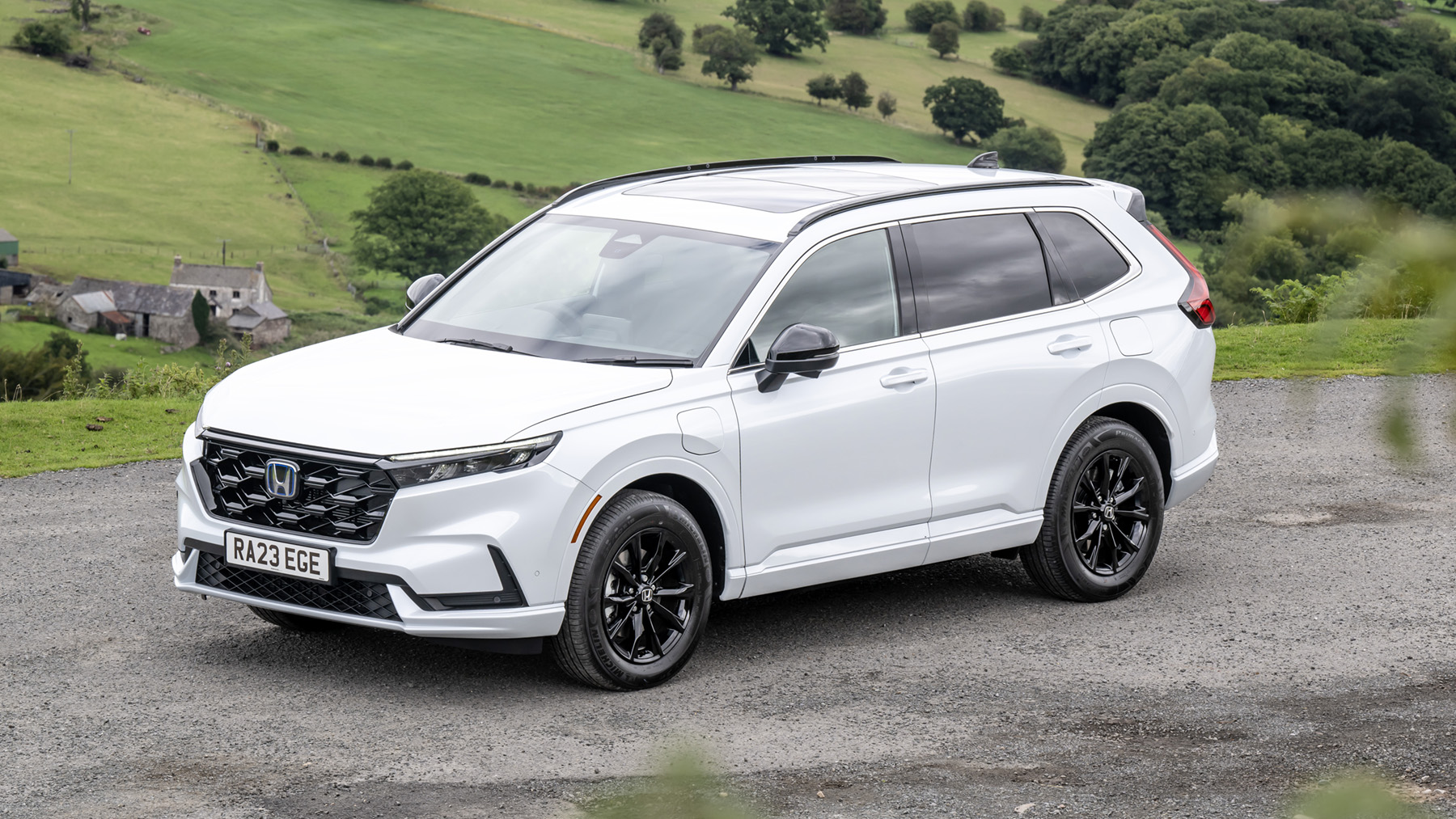
5. Honda CR-V
The Honda CR V is widely regarded as one of the most comfortable compact SUVs for individuals recovering from hip replacement surgery due to its excellent ergonomics and user-friendly design. Its seat height allows for a natural sitting motion that does not require deep bending, which is essential for reducing strain on the hip joint.
The cabin space in the CR-V is generous, offering wide door openings and a tall interior profile. This makes it easier to rotate the legs into the vehicle without twisting the hip, which is often one of the most sensitive movements during recovery.
Seating comfort is one of the CR-V’s strongest features. The seats provide balanced cushioning and support, helping maintain proper posture and reduce pressure on the hips. Adjustable seating options allow users to fine-tune their position for maximum comfort.
Ride quality is smooth and stable, which helps reduce discomfort caused by road vibrations. This is particularly beneficial for individuals who may be sensitive to sudden movements during recovery.
The CR-V combines accessibility, comfort, and reliability in a way that makes it one of the most practical choices for post surgery mobility support.

- Engine: 2.0L NA / 2.5L petrol / hybrid options
- Horsepower: 156–187 hp (petrol) / ~226 hp (hybrid)
- Torque: ~192–265 Nm
- Length: ~4,640 mm
- Width: ~1,865 mm
6. Hyundai Tucson
The Hyundai Tucson is designed with a strong focus on modern ergonomics and driver comfort, making it a highly suitable option for individuals recovering from hip replacement surgery.
One of its most important advantages is its well-balanced seat height, which allows drivers to lower themselves into the seat without excessive bending. This reduces strain on the hip joint and helps create a smoother, more controlled entry and exit experience during recovery.
The interior of the Tucson is built with space efficiency in mind, offering a wide cabin that makes movement inside the vehicle easier.
This is particularly helpful when rotating the legs into position, as the extra room reduces the need for twisting or sudden adjustments. For someone recovering from surgery, this can significantly improve comfort and confidence when getting in and out of the vehicle.
Seat design in the Tucson also plays a key role in comfort. The seats are shaped to support the natural curvature of the body, distributing weight evenly across the hips and thighs. This helps reduce localized pressure that can otherwise cause discomfort during longer drives. Many trims include adjustable seating functions, allowing drivers to fine-tune height and tilt based on their recovery stage.
Ride quality is another strong advantage of the Tucson. Its suspension system is tuned to absorb road imperfections effectively, preventing harsh vibrations from reaching the body. This smooth ride helps reduce fatigue and minimizes unnecessary stress on sensitive joints, which is particularly important during the healing phase after hip surgery.
The Hyundai Tucson combines accessibility, comfort, and modern design features in a way that makes it an excellent choice for individuals seeking a supportive driving experience during hip replacement recovery. Its balance of ergonomics and practicality ensures long-term usability without compromising comfort.
- Engine: 2.0L / 2.5L petrol / hybrid
- Horsepower: 187 hp / ~227 hp (hybrid)
- Torque: ~178–350 Nm (varies by version)
- Length: ~4,660 mm
- Width: ~1,865 mm
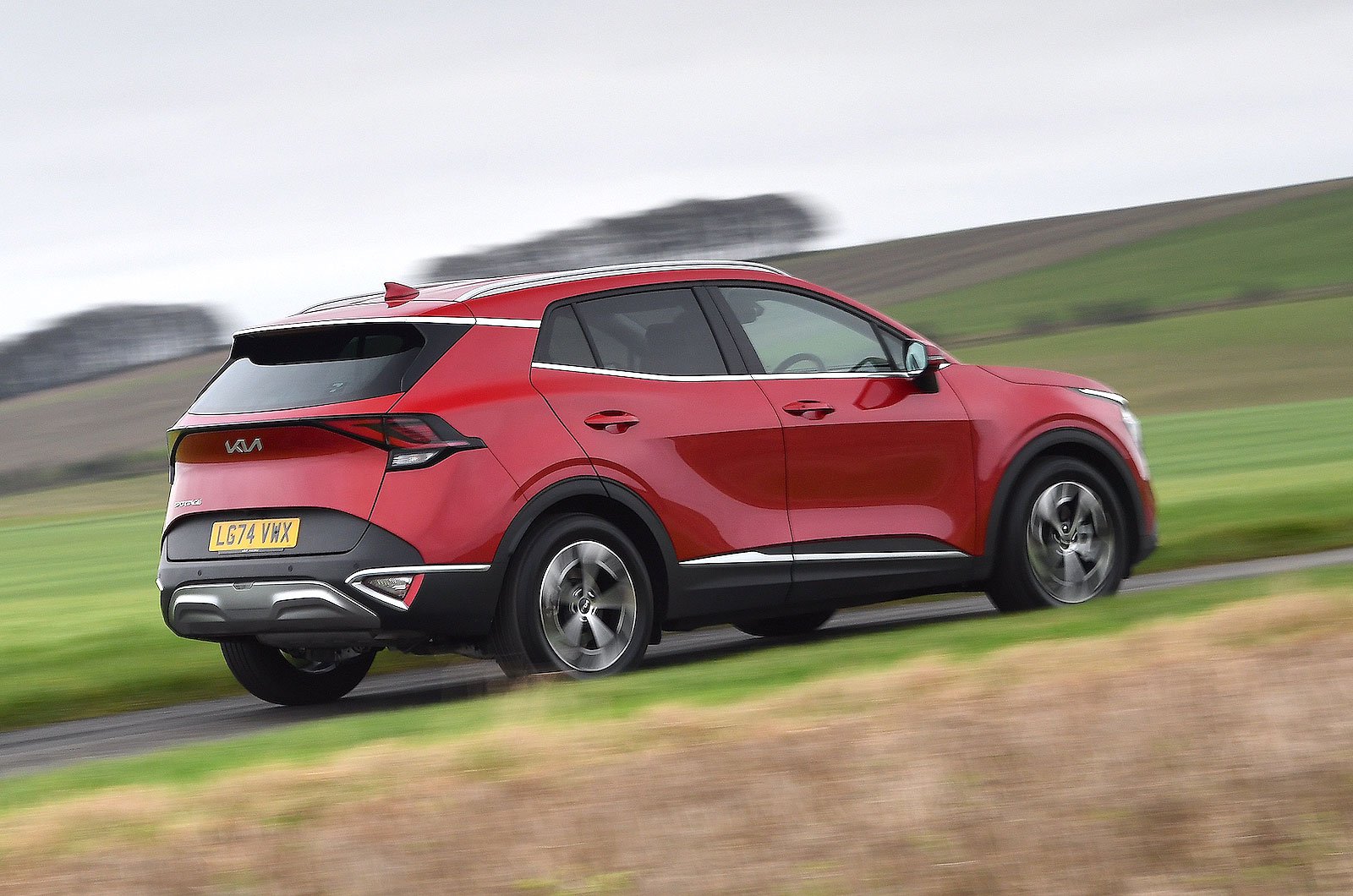
7. Kia Sportage
The Kia Sportage offers a well-thought-out blend of comfort, accessibility, and modern interior design, making it a strong contender for drivers recovering from hip replacement surgery.
One of its most beneficial features is its supportive seating position, which allows users to transition between standing and sitting with reduced hip strain. This helps make daily driving more manageable during the recovery period.
The cabin layout of the Sportage is designed to maximize usable space, which plays an important role in reducing movement difficulty. Wide door openings and a well-structured interior allow drivers to swing their legs into the cabin without excessive twisting. This is particularly important for protecting the hip joint from unnecessary rotational stress during recovery.
Seat comfort in the Sportage is another highlight. The seats are engineered with a focus on lumbar and hip support, helping maintain proper posture during driving. This reduces pressure buildup in sensitive areas and helps prevent discomfort during longer journeys. The cushioning is firm enough to support mobility while still being soft enough for extended comfort.
The driving experience in the Sportage is smooth and controlled, thanks to its well-tuned suspension system. It absorbs bumps and uneven road surfaces effectively, reducing impact on the hips and lower body. This contributes to a more stable and predictable ride, which is especially valuable during post-surgery recovery.
The Kia Sportage provides a balanced combination of ergonomic seating, smooth ride quality, and accessible design. These features make it a practical and supportive vehicle for individuals who need extra comfort and stability while regaining full mobility after hip replacement surgery.

- Engine: 1.5L turbo / 2.0L turbo / hybrid
- Horsepower: 181–250 hp (up to ~210 hp hybrid system)
- Torque: 240–380 Nm
- Length: ~4,610 mm
- Width: ~1,880 mm
8. Ford Escape
The Ford Escape is a practical and user-friendly compact SUV that offers several advantages for individuals recovering from hip replacement surgery. Its seat height is one of its most important features, as it allows drivers to enter and exit the vehicle with minimal hip flexion. This helps reduce strain and makes daily driving significantly more comfortable during recovery.
Inside the Escape, the cabin is designed to provide a good balance of space and accessibility. Wide doors and a well-organized interior layout make it easier to move the legs into position without twisting the hips. This is especially important during the early stages of recovery when movement may still be limited or sensitive.
The seats in the Ford Escape are designed for everyday comfort, with supportive cushioning that helps distribute body weight evenly. Many versions include adjustable seating options that allow drivers to modify seat height and angle. This customization is particularly useful for individuals recovering from surgery, as comfort needs may change over time.
The suspension system in the Escape is tuned to provide a smooth and stable ride. It reduces the impact of road irregularities, helping to minimize vibration transfer to the hips and lower back. This contributes to a more comfortable driving experience, especially on longer trips or uneven road surfaces.
The Ford Escape combines accessibility, comfort, and practicality in a way that makes it a reliable choice for individuals recovering from hip replacement surgery. Its user-friendly design supports safe and comfortable mobility during daily use.
- Engine: 2.5L NA / 2.5L turbo
- Horsepower: 187 hp / 227–256 hp
- Torque: 252 Nm / up to 434 Nm
- Length: ~4,575 mm
- Width: ~1,840 mm
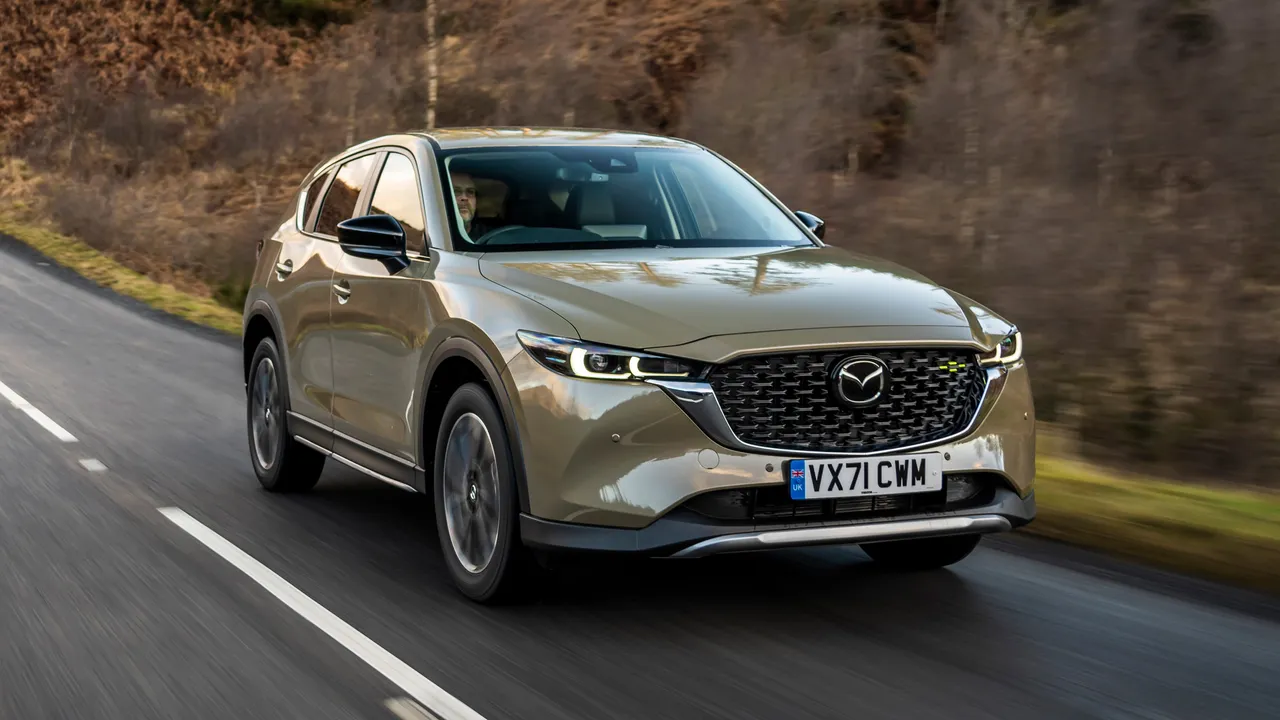
9. Mazda CX-5
The Mazda CX-5 is known for its refined design and driver-focused interior, making it a strong option for individuals recovering from hip replacement surgery. One of its key strengths is its naturally supportive seating position, which allows drivers to enter and exit the vehicle with reduced strain on the hip joint. This controlled movement is essential during recovery.
The interior of the CX-5 is designed with attention to ergonomics and comfort. The cabin layout is intuitive and spacious enough to allow smooth leg movement when entering or exiting the vehicle. This reduces the need for twisting, which can otherwise cause discomfort for individuals with recent hip surgery.
Seat design in the CX-5 is particularly well executed, offering firm yet comfortable cushioning. The seats are shaped to support proper posture, which helps distribute weight evenly and reduce pressure on the hips. This is beneficial for both short trips and longer drives, where sustained comfort becomes important.
Ride quality is another strong feature of the CX-5. Its suspension system is tuned to provide stability and smoothness, reducing the impact of bumps and road imperfections. This helps minimize stress on the hip joint and contributes to a more relaxed driving experience.
The Mazda CX-5 combines ergonomic seating, smooth ride quality, and a well-designed interior layout. These qualities make it a dependable and comfortable choice for individuals recovering from hip replacement surgery who want both comfort and driving enjoyment.
- Engine: 2.5L flat-4
- Horsepower: ~180 hp
- Torque: ~239 Nm
- Length: ~4,640 mm
- Width: ~1,815 mm
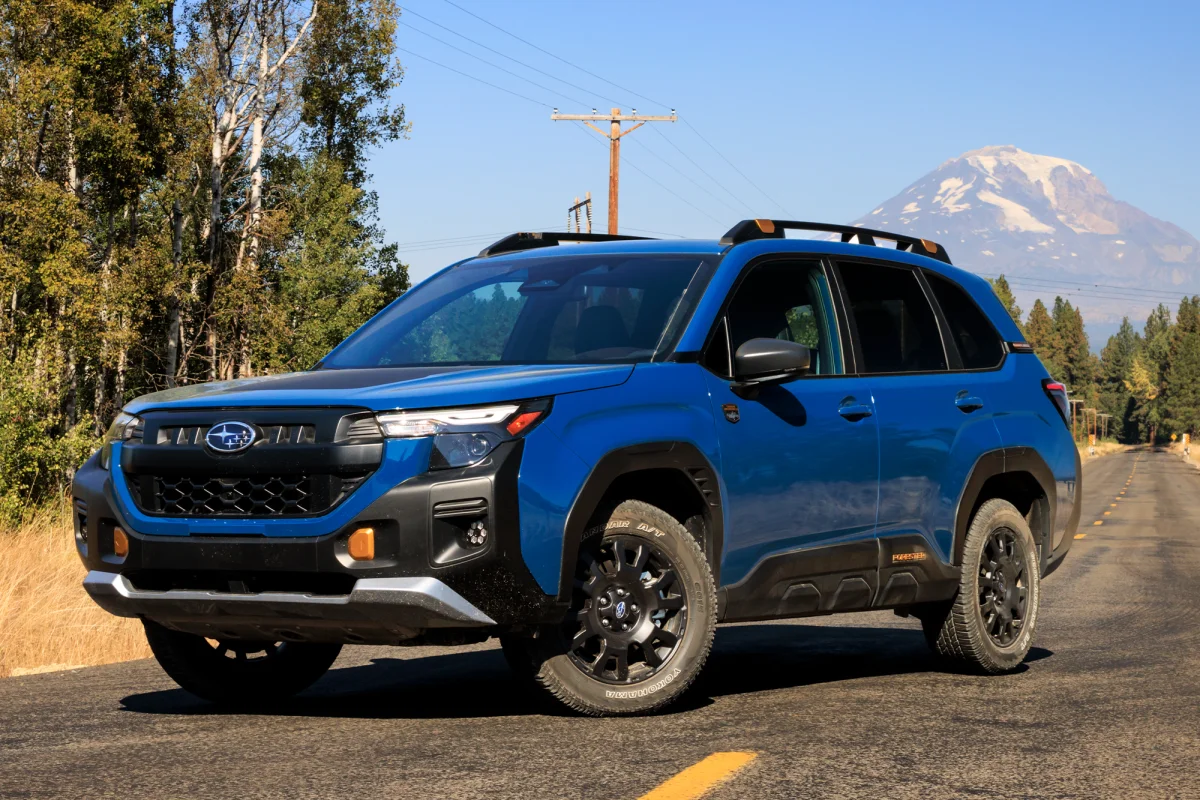
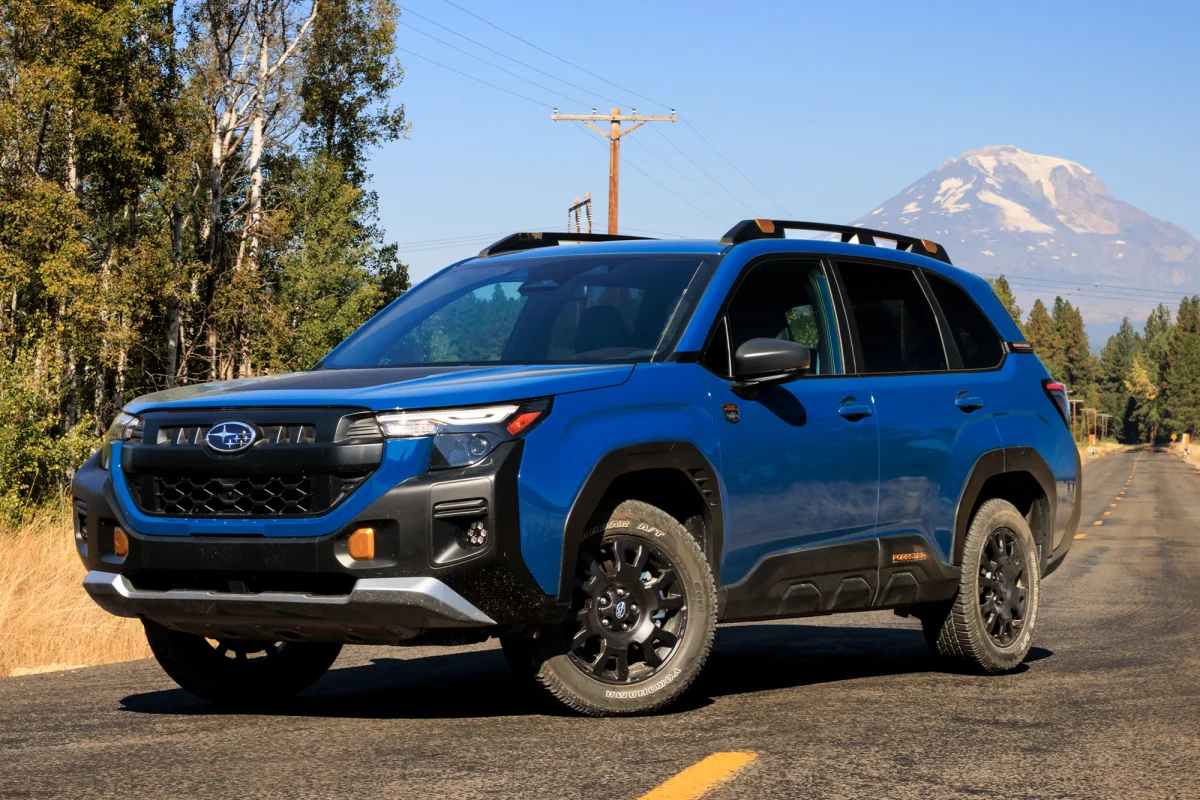
10. Subaru Forester
The Subaru Forester is widely regarded as one of the most accessible compact SUVs for individuals recovering from hip replacement surgery due to its practical design and strong emphasis on ease of use.
One of its most important features is its upright seating position, which allows drivers to sit down and stand up with minimal hip bending. This greatly reduces strain on the joint during recovery.
The cabin of the Forester is exceptionally spacious, with a tall roofline and wide door openings that make entry and exit much easier. This generous space allows for smoother leg movement into the vehicle, reducing the need for twisting or awkward positioning. For individuals recovering from surgery, this can make a significant difference in daily comfort.
Seat comfort in the Forester is designed for long-term usability. The seats provide strong support for the lower back and hips, helping maintain proper posture during driving. This reduces fatigue and helps prevent discomfort during longer trips or extended periods behind the wheel.
Ride quality in the Forester is smooth and stable, making it suitable for a variety of road conditions. The suspension system absorbs bumps effectively, reducing impact on sensitive joints and providing a more comfortable driving experience. This stability is especially beneficial during recovery when the body is more sensitive to movement.
The Subaru Forester offers a strong combination of accessibility, comfort, and reliability. Its thoughtful design makes it an excellent choice for individuals recovering from hip replacement surgery who need a practical and supportive vehicle for daily use and long-term mobility.
