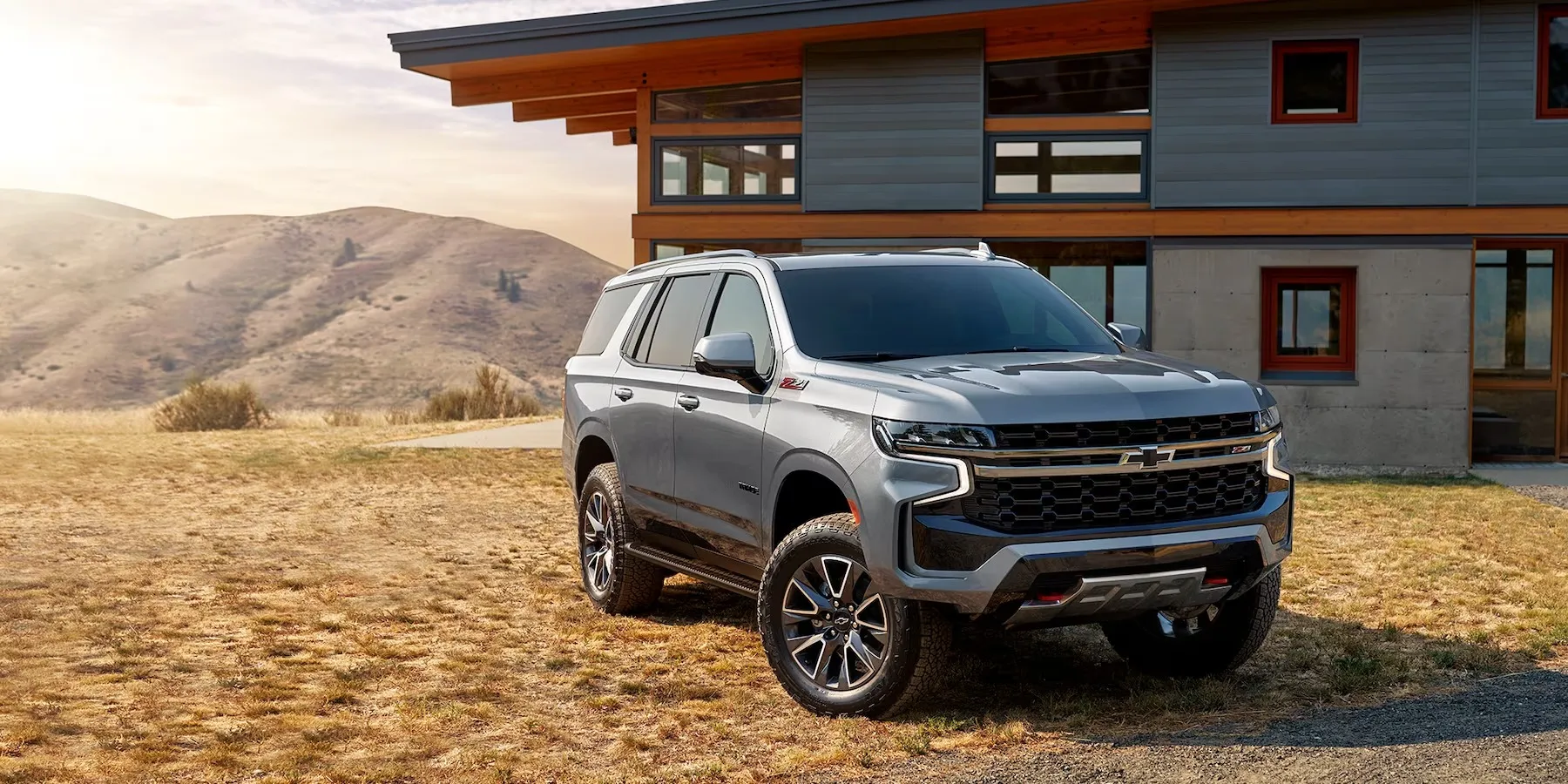
Overlanding has grown into one of the most popular outdoor lifestyles in recent years, combining long-distance travel, remote camping, and self-reliant exploration into a single adventure-driven experience.
Unlike traditional off-roading, which often focuses on short, technical trail runs, overlanding is about endurance, comfort, reliability, and the ability to travel far from civilization while carrying everything needed to survive and thrive off-grid. Because of this, choosing the right vehicle is arguably the most important decision an aspiring overlander can make.
For many enthusiasts, buying a brand-new purpose-built overland vehicle is not financially realistic. This is where the used market becomes incredibly valuable. Many of the best overlanding rigs ever built are now available second-hand, often with proven reliability, massive aftermarket support, and decades of real-world testing in harsh environments.
Vehicles like the Toyota Land Cruiser, Jeep Wrangler, and Toyota 4Runner have become legendary not just because of marketing, but because they have repeatedly demonstrated durability in deserts, mountains, forests, and arctic conditions across the globe.
A strong overlanding platform must balance several key factors. Reliability is the most critical, since breakdowns in remote areas can quickly turn dangerous. Off-road capability is equally important, but it must be paired with comfort for long highway drives and adequate cargo space for camping gear, water storage, recovery equipment, and sleeping setups.
Fuel efficiency, maintenance costs, and parts availability also play a huge role, especially when traveling internationally or through rural regions where specialized repairs may not be possible.
Another important aspect is aftermarket support. The best overlanding rigs have extensive ecosystems of modifications, including suspension lifts, roof racks, skid plates, bumpers, winches, drawer systems, and overland camping accessories. This allows owners to slowly build their vehicles over time rather than needing a fully equipped expedition rig from day one.
In this article, we will explore the 10 best used overlanding rigs you can buy today. Each vehicle has been selected based on reliability, real-world performance, modifiability, and community trust.
From compact trail runners to full-size expedition platforms, this guide will help you understand which rigs deliver the best value for your budget and travel style. Whether you are planning weekend camping trips or multi-week cross-country expeditions, these vehicles represent some of the most capable and proven overlanding platforms ever produced.
Also Read: 8 Car Mods That Actually Raise Resale Value
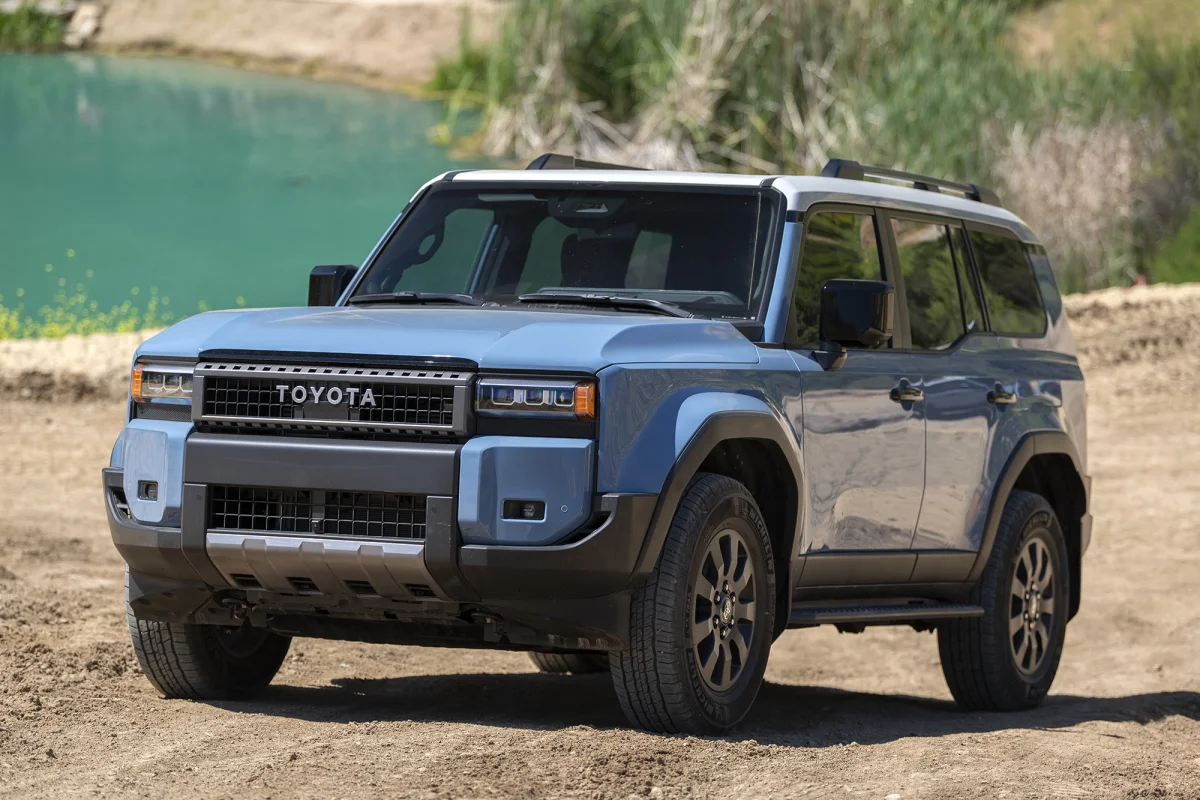
- Engine: 5.7L V8 (common J200 generation)
- Horsepower: 381 hp
- Torque: 401 lb-ft
- Length: 194.9 inches (approx)
- Width: 78 inches (approx, without mirrors)
1. Toyota Land Cruiser
The Toyota Land Cruiser stands as one of the most respected and time-tested overlanding platforms in automotive history. It has earned a global reputation for being nearly indestructible, capable of surviving extreme environments where most vehicles would fail.
From the deserts of Africa and the Middle East to the rugged mountain passes of South America and the remote outback of Australia, the Land Cruiser has consistently proven itself as a dependable expedition vehicle. This reputation is not based on marketing hype but on decades of real-world use by military forces, humanitarian organizations, explorers, and overlanding enthusiasts who depend on it for survival in isolated regions.
Its engineering philosophy prioritizes durability over complexity, which is one of the key reasons it remains so reliable even after hundreds of thousands of kilometers.
One of the strongest advantages of the Land Cruiser is its heavy-duty construction and drivetrain design. Built on a traditional body-on-frame platform, it uses reinforced suspension components, strong axles, and a drivetrain designed to handle constant stress without failure.
Many models include locking differentials, advanced traction control systems, and low-range gearing that allow it to tackle extremely difficult terrain such as deep sand, rocky climbs, river crossings, and muddy trails.
Unlike many modern SUVs that rely heavily on electronics, the Land Cruiser retains a mechanical simplicity that makes it easier to repair in remote areas where advanced diagnostic tools may not be available. This simplicity, combined with rugged engineering, is one of the core reasons it is considered the benchmark for overlanding reliability.
Despite its strengths, the Land Cruiser does come with one major consideration in the used market, and that is cost. Even older models tend to retain high resale value due to strong demand and limited supply.
However, this high cost is often justified by the vehicle’s longevity and low risk of catastrophic mechanical failure when properly maintained. Many owners consider it a long-term investment rather than a simple vehicle purchase, since a well-maintained Land Cruiser can last for decades and retain significant value over time.
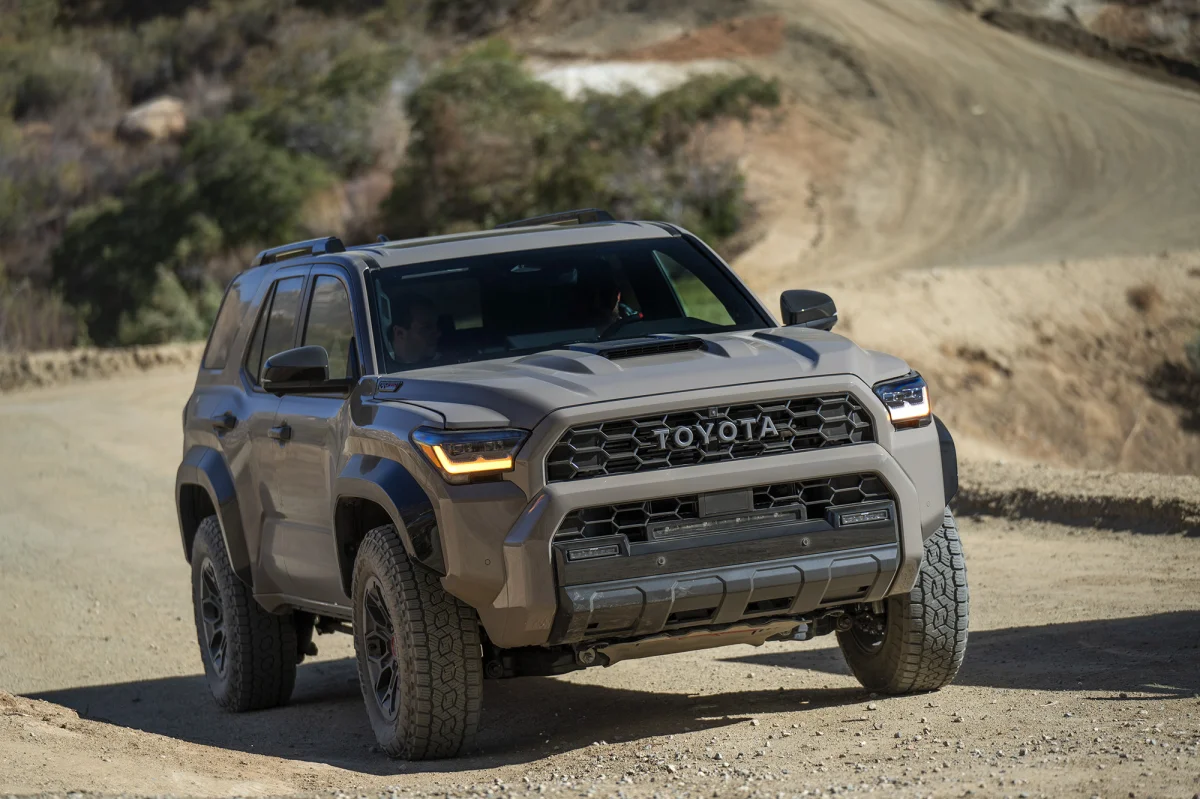
- Engine: 4.0L V6
- Horsepower: 270 hp
- Torque: 278 lb-ft
- Length: 190.2 inches
- Width: 75.8 inches
2. Toyota 4Runner
The Toyota 4Runner is one of the most popular mid-size SUVs in the overlanding community, particularly in North America, where it has developed a reputation for being both extremely reliable and highly capable off-road.
Built on a traditional body-on-frame platform, it shares many of the durability characteristics found in Toyota’s truck lineup, making it significantly stronger than typical crossover SUVs. Over the years, the 4Runner has become a favorite among adventurers who want a balance of off-road performance, daily usability, and long-term reliability without entering the higher price bracket of full-size expedition vehicles.
One of the defining features of the 4Runner is its exceptional balance between size, capability, and practicality. It is compact enough to maneuver through narrow forest trails, tight mountain roads, and desert tracks, yet large enough to support serious overlanding setups such as rooftop tents, interior sleeping platforms, and modular storage systems.
This versatility allows owners to use it both as a daily driver and as a dedicated adventure vehicle without needing multiple cars. The cargo area is spacious enough to carry essential camping equipment, recovery gear, water storage, and food supplies, making it ideal for multi-day off-grid trips.
Reliability is one of the strongest reasons the 4Runner is so widely trusted in the overlanding world. Many examples routinely exceed 300,000 miles or more with only routine maintenance. The engine and transmission combinations are known for their durability and resistance to major mechanical failure, even under heavy load or harsh driving conditions.
This reliability is especially important for overlanding, where breakdowns in remote areas can become expensive or dangerous. The 4Runner’s mechanical simplicity also makes it easier to service in rural regions where advanced repair facilities may not be available.
The Toyota 4Runner is widely considered one of the best entry-to-mid-level overlanding platforms available in the used market. It is ideal for individuals or small groups who want a dependable, easy-to-maintain, and highly customizable vehicle that can handle both daily driving and serious off-road expeditions without compromise.
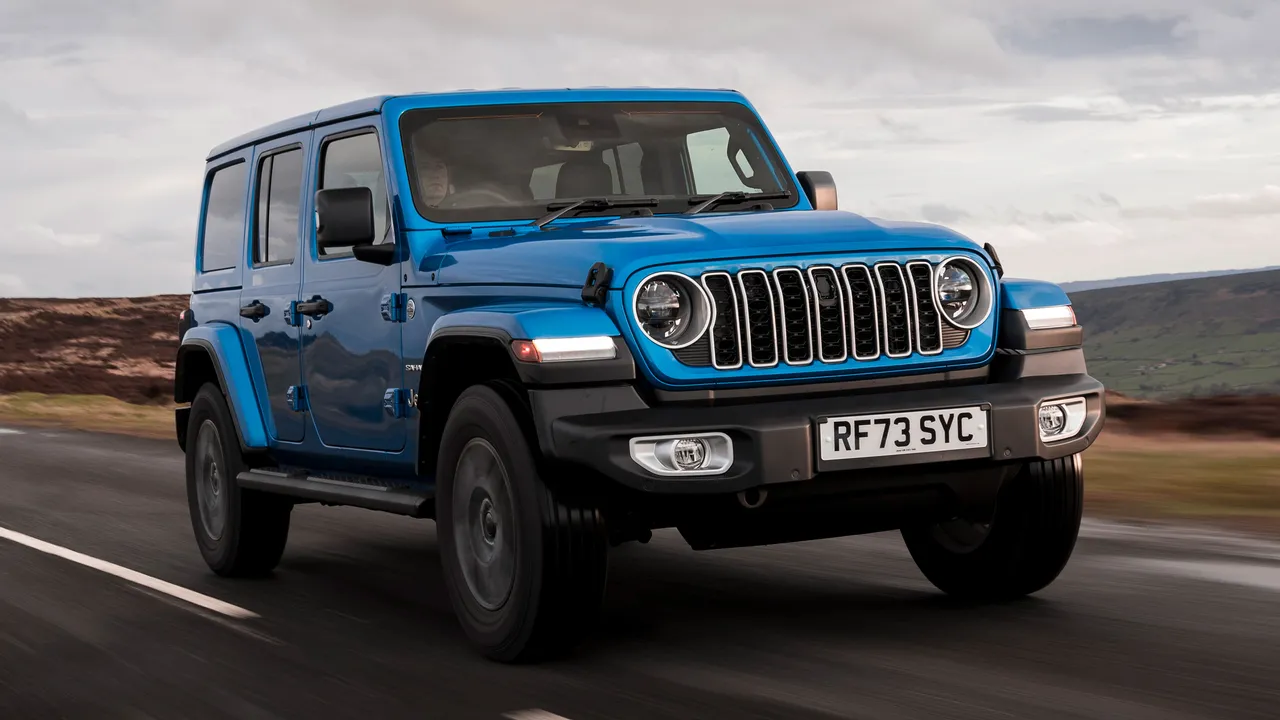
- Engine: 3.6L V6 (JL generation common)
- Horsepower: 285 hp
- Torque: 260 lb-ft
- Length: 166 to 188 inches (varies by 2-door and 4-door)
- Width: 73.8 inches
3. Jeep Wrangler
The Jeep Wrangler is one of the most iconic off-road vehicles ever produced and has maintained its reputation as a highly capable overlanding platform for decades.
It is designed with a clear focus on terrain performance, making it especially popular among adventurers who prioritize trail capability over highway comfort or cargo space. Its instantly recognizable design, removable doors, and open-air driving experience have made it a symbol of freedom and exploration in the automotive world. For overlanders, it offers a unique combination of rugged engineering and customization potential that is difficult to match.
At the core of the Wrangler’s appeal is its exceptional off-road performance. It is engineered with features such as solid axles, high ground clearance, short wheelbase dimensions, and advanced four-wheel-drive systems that allow it to excel in technical terrain. This includes rock crawling, steep hill descents, uneven trails, and loose surfaces such as sand or gravel.
The Wrangler is often considered one of the most capable factory-built off-road vehicles available without modification, which makes it an excellent foundation for overlanding builds that prioritize extreme terrain capability.
Another defining characteristic of the Wrangler is its modular and highly customizable design. Almost every component of the vehicle can be modified or upgraded, including suspension systems, bumpers, fenders, lighting, tires, and roof configurations.
The aftermarket industry for the Wrangler is one of the largest in the world, offering endless possibilities for personalization. This allows owners to build anything from a lightweight weekend trail rig to a fully equipped expedition vehicle capable of long-term remote travel. The ability to evolve the vehicle over time is one of its strongest selling points.
Despite these drawbacks, the Jeep Wrangler remains one of the most capable and exciting overlanding platforms available in the used market. It is best suited for drivers who value trail performance, customization freedom, and open-air adventure experiences over long-distance comfort and maximum storage capacity.
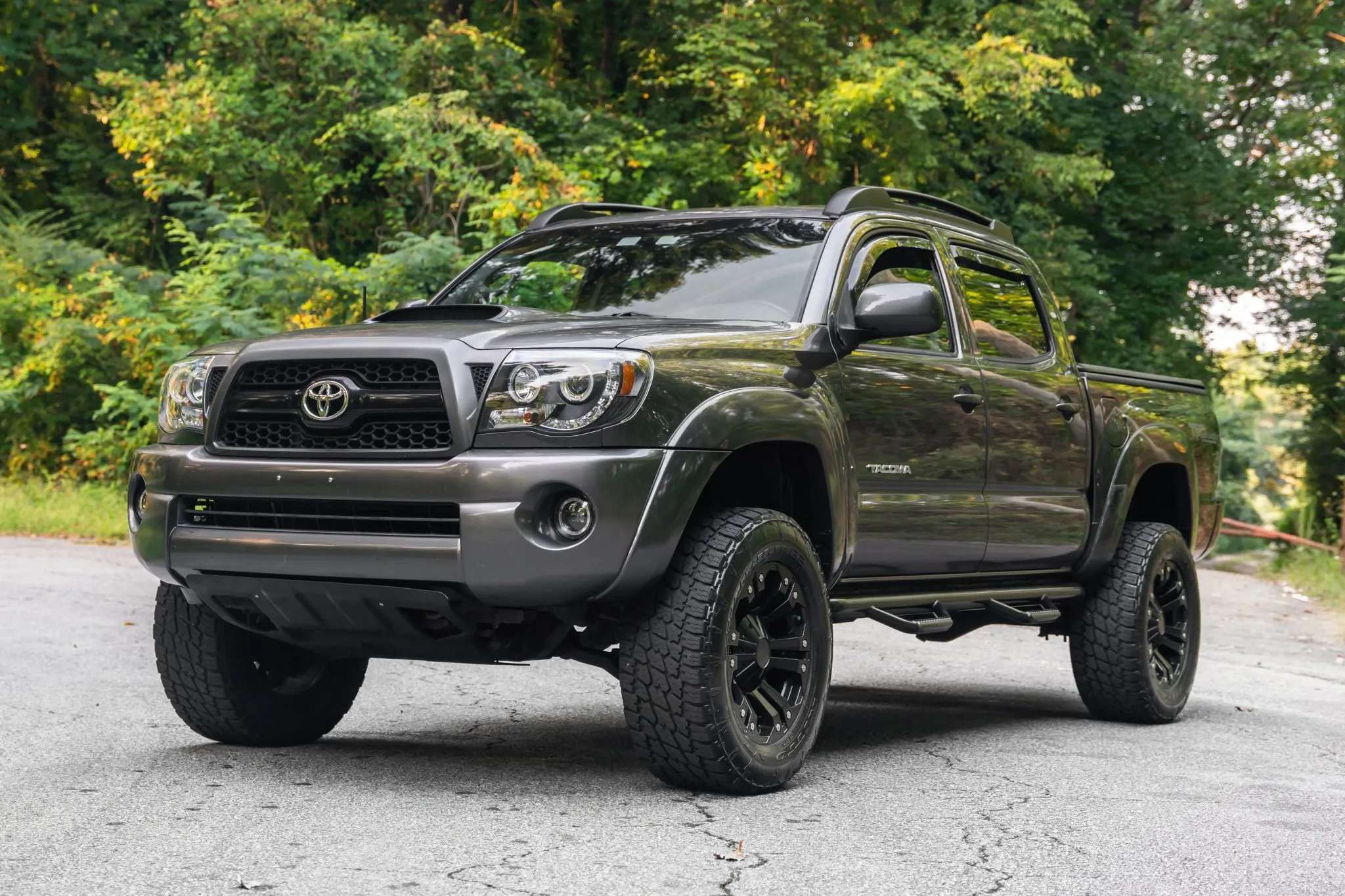
- Engine: 3.5L V6
- Horsepower: 278 hp
- Torque: 265 lb-ft
- Length: 212 to 225 inches (depends on cab and bed)
- Width: 74 to 76 inches
4. Toyota Tacoma
The Toyota Tacoma is one of the most widely used mid-size pickup trucks in the overlanding community and has earned a strong reputation for durability, versatility, and off-road capability. It is particularly popular in North America, where its combination of reliability and compact size makes it ideal for both daily driving and adventure travel. Built on a robust body-on-frame platform, the Tacoma is designed to handle heavy loads, rough terrain, and long-term use without significant mechanical issues when properly maintained.
One of the biggest advantages of the Tacoma is its pickup truck configuration, which provides exceptional flexibility for overlanding setups. The open bed allows users to customize storage systems, install drawer modules, mount rooftop tents over bed racks, and carry fuel or water containers securely.
This modularity is especially valuable for overlanders who prefer external storage solutions rather than relying solely on interior cargo space. The ability to separate sleeping areas, cooking gear, and recovery equipment makes the Tacoma a highly organized and efficient expedition platform.
Another key strength of the Tacoma is its long-term reliability and strong resale value. Toyota’s reputation for building durable vehicles is well reflected in the Tacoma, with many examples lasting well beyond 300,000 miles with routine maintenance.
This makes it a safe investment for overlanders who want a vehicle that will hold its value over time while remaining dependable in remote conditions. The high resale value also reflects strong market demand, which can be beneficial when upgrading or selling the vehicle in the future.
The Toyota Tacoma is an excellent choice for solo travelers, couples, or small adventure groups who need a compact yet highly capable overlanding platform. Its combination of modular design, proven reliability, and strong aftermarket support makes it one of the most practical and widely respected mid-size trucks in the overlanding world.
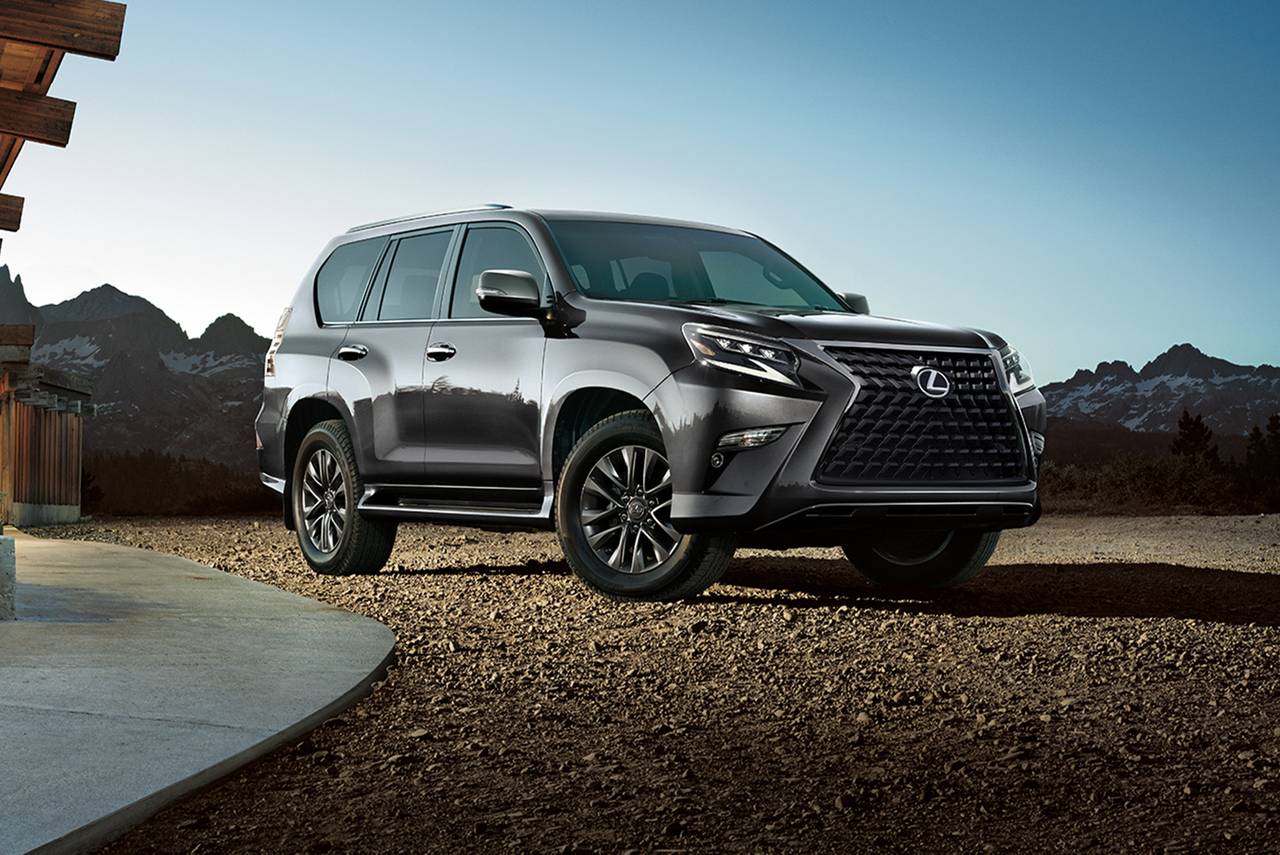
- Engine: 4.6L V8
- Horsepower: 301 hp
- Torque: 329 lb-ft
- Length: 192.1 inches
- Width: 74.2 inches
5. Lexus GX 460
The Lexus GX 460 is one of the most underrated yet highly capable overlanding platforms available in the used SUV market. Built on the same rugged foundation as Toyota’s global off-road vehicles, it combines serious off-road capability with the luxury and comfort expected from the Lexus brand. This unique combination makes it especially appealing to overlanders who want a capable expedition vehicle without sacrificing interior refinement and long-distance comfort.
At its core, the GX 460 is built on a body-on-frame chassis, which gives it the structural strength required for demanding off-road conditions. It is equipped with a full-time four-wheel-drive system, low-range gearing, and available electronic suspension systems that enhance its ability to navigate rough terrain.
Despite its luxury appearance, it shares much of its engineering DNA with vehicles designed for extreme global use, making it far more capable than many buyers initially assume.
The GX 460 is powered by a durable V8 engine known for its longevity and reliability when properly maintained. This engine is designed for consistent performance rather than extreme power output, which contributes to its long lifespan and low mechanical failure rate. For overlanding, this reliability is crucial, as it ensures the vehicle can handle long-distance travel under varying load conditions without significant risk of breakdown.
One of the most interesting aspects of the GX 460 is its value in the used market. Because it is marketed as a luxury SUV rather than an off-road vehicle, it is often overlooked by overlanding enthusiasts. This results in lower used prices compared to similarly capable Toyota platforms, making it one of the best value propositions in the overlanding world. Buyers essentially gain Land Cruiser-level capability in many respects at a significantly lower entry cost.
The Lexus GX 460 is an ideal choice for overlanders who prioritize comfort, reliability, and capability in a single package. It bridges the gap between luxury travel and rugged expedition performance, making it one of the most balanced and underrated overlanding rigs available today.
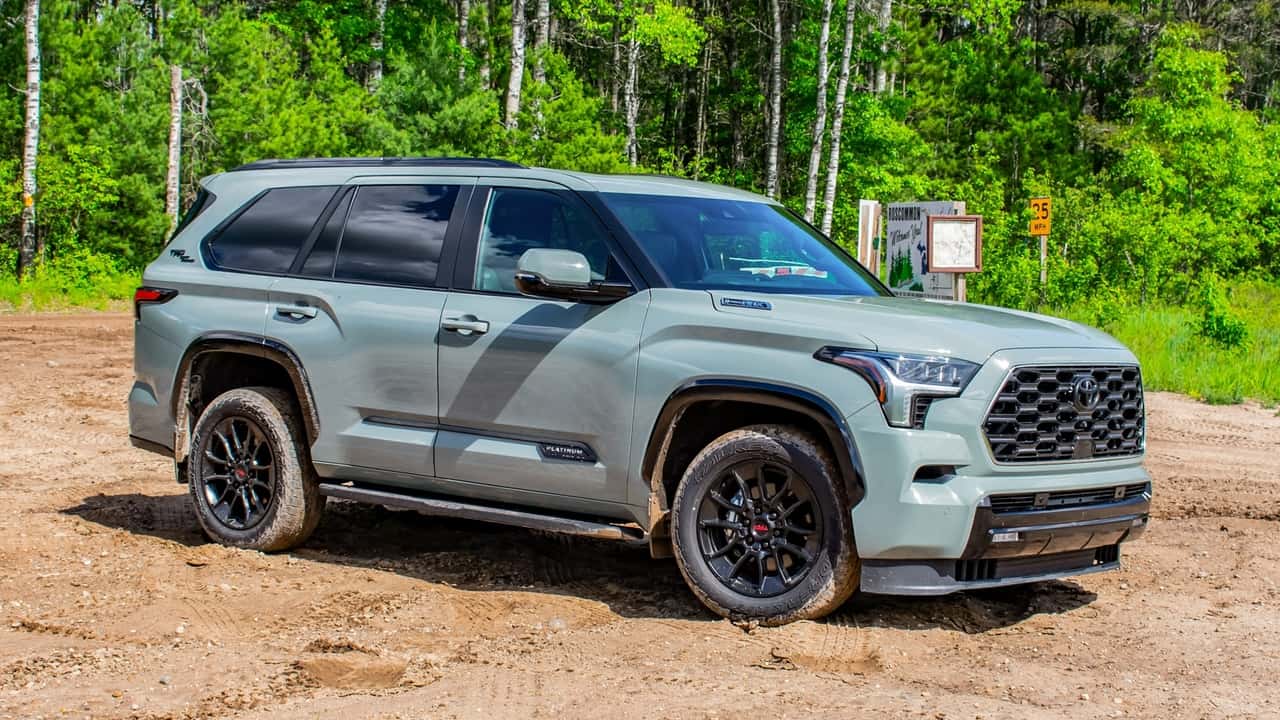
- Engine: 5.7L V8
- Horsepower: 381 hp
- Torque: 401 lb-ft
- Length: 205.1 inches
- Width: 79.9 inches
6. Toyota Sequoia
The Toyota Sequoia is one of the most capable full-size SUVs in Toyota’s lineup and has quietly earned a strong reputation in the overlanding world due to its combination of space, durability, and long-distance comfort.
Built on a body-on-frame platform, it shares engineering principles with Toyota’s truck-based vehicles, which gives it the strength required to handle heavy loads, rough terrain, and extended travel without compromising structural integrity.
While it is often seen as a family-oriented SUV, experienced overlanders recognize it as a highly underrated expedition platform capable of carrying large amounts of gear and passengers across long distances in demanding environments.
One of the most important strengths of the Sequoia is its massive interior space. Unlike mid-size SUVs that require careful packing strategies, the Sequoia allows for a much more relaxed and flexible approach to overlanding storage.
It can comfortably accommodate sleeping platforms, full camp kitchens, water storage systems, recovery gear, and luggage for multiple passengers without feeling cramped. This makes it especially useful for family-based overlanding trips or group expeditions where comfort and space are priorities.
The third row seating can also be removed or folded to create a flat cargo area, significantly increasing usable space for extended travel setups.
On the road, the Sequoia delivers a comfortable and stable driving experience, especially on highways and long stretches of pavement between off-road destinations. Its large wheelbase improves stability at high speeds, while its suspension system absorbs road imperfections effectively, reducing driver fatigue during long travel days.
This comfort advantage becomes particularly important during multi-day overlanding trips where driving hours can accumulate quickly. The cabin is also designed with passenger comfort in mind, offering ample legroom and supportive seating for extended journeys.
Despite its size, the Sequoia still offers respectable off-road capability, especially when equipped with the right tires and suspension upgrades. While it may not be as nimble as smaller SUVs on tight technical trails, it performs well in desert terrain, forest roads, and moderate off-road conditions.
With proper preparation, it can serve as a highly capable expedition vehicle for those who prioritize space, comfort, and reliability over extreme rock crawling ability.
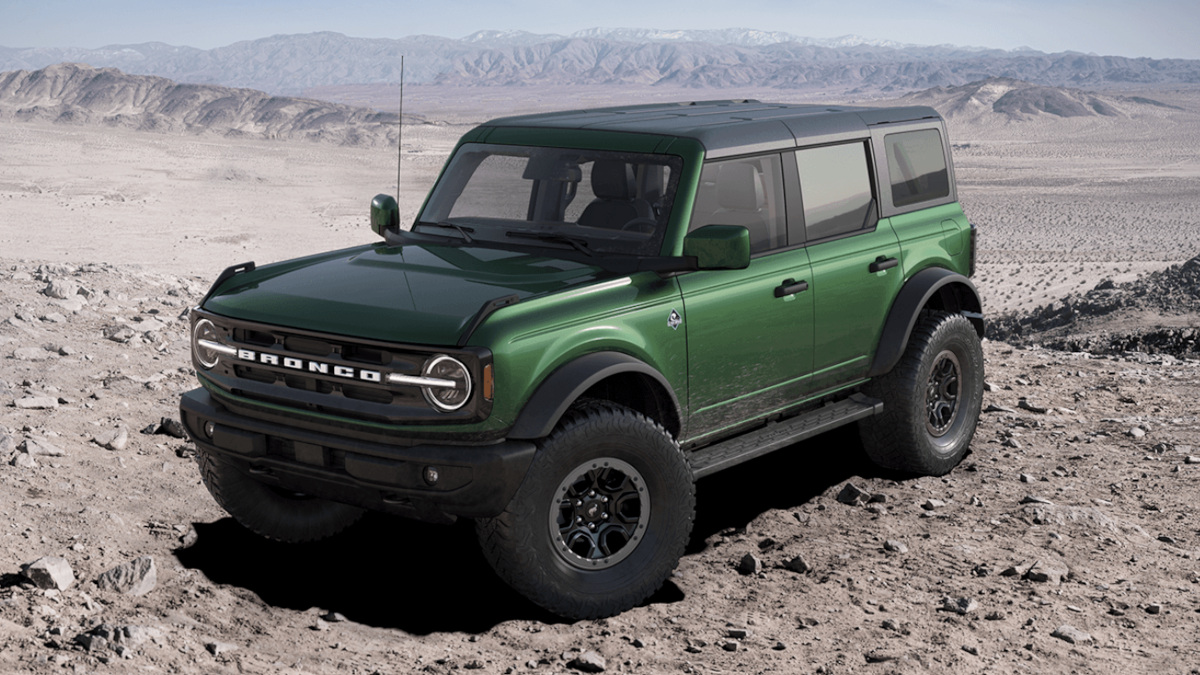
- Engine: 2.7L EcoBoost V6 (common overland choice)
- Horsepower: 315 hp
- Torque: 410 lb-ft
- Length: 189 to 198 inches (varies by trim)
- Width: 75.9 inches
7. Ford Bronco (Used Modern Models)
The modern Ford Bronco has quickly reestablished itself as one of the most exciting entries into the overlanding and off-road SUV market. Designed with direct inspiration from its classic predecessors, the new Bronco blends modern technology with rugged engineering, creating a platform that appeals to both traditional off-road enthusiasts and newer overlanders looking for a versatile and capable vehicle.
Its design philosophy focuses on modularity, terrain adaptability, and user-friendly customization, making it a strong competitor in the mid-size adventure vehicle category.
One of the standout aspects of the Bronco is its advanced off-road engineering. It features multiple terrain driving modes, advanced Four Wheel Drive systems, and available locking differentials that significantly improve traction in challenging environments.
The suspension system is designed to handle uneven terrain, high articulation demands, and sudden surface changes, making it well-suited for desert trails, mountain passes, and muddy forest roads. These capabilities allow the Bronco to perform confidently in conditions where many traditional SUVs would struggle, especially when properly equipped with all-terrain tires and basic recovery gear.
Another major advantage of the Bronco is its strong focus on modular design and customization. Much like the Jeep Wrangler, it offers removable doors and roof panels, allowing for an open-air driving experience that enhances the sense of exploration during overlanding trips.
This modularity extends beyond aesthetics, as the Bronco is also designed to support a wide range of aftermarket modifications, including suspension lifts, armor protection, roof racks, lighting systems, and overlanding storage solutions. This flexibility makes it possible for owners to gradually build their ideal expedition setup over time rather than investing heavily at once.
While still relatively new in the used market compared to older legends like the Land Cruiser or 4Runner, the Bronco has quickly gained traction among overlanding communities. Its combination of modern engineering, strong off-road capability, and expanding aftermarket support makes it an excellent choice for those who want a balance between tradition and innovation in their overlanding rig.
- Engine: 4.0L V6
- Horsepower: 261 hp
- Torque: 281 lb-ft
- Length: 178.7 inches
- Width: 72.8 inches
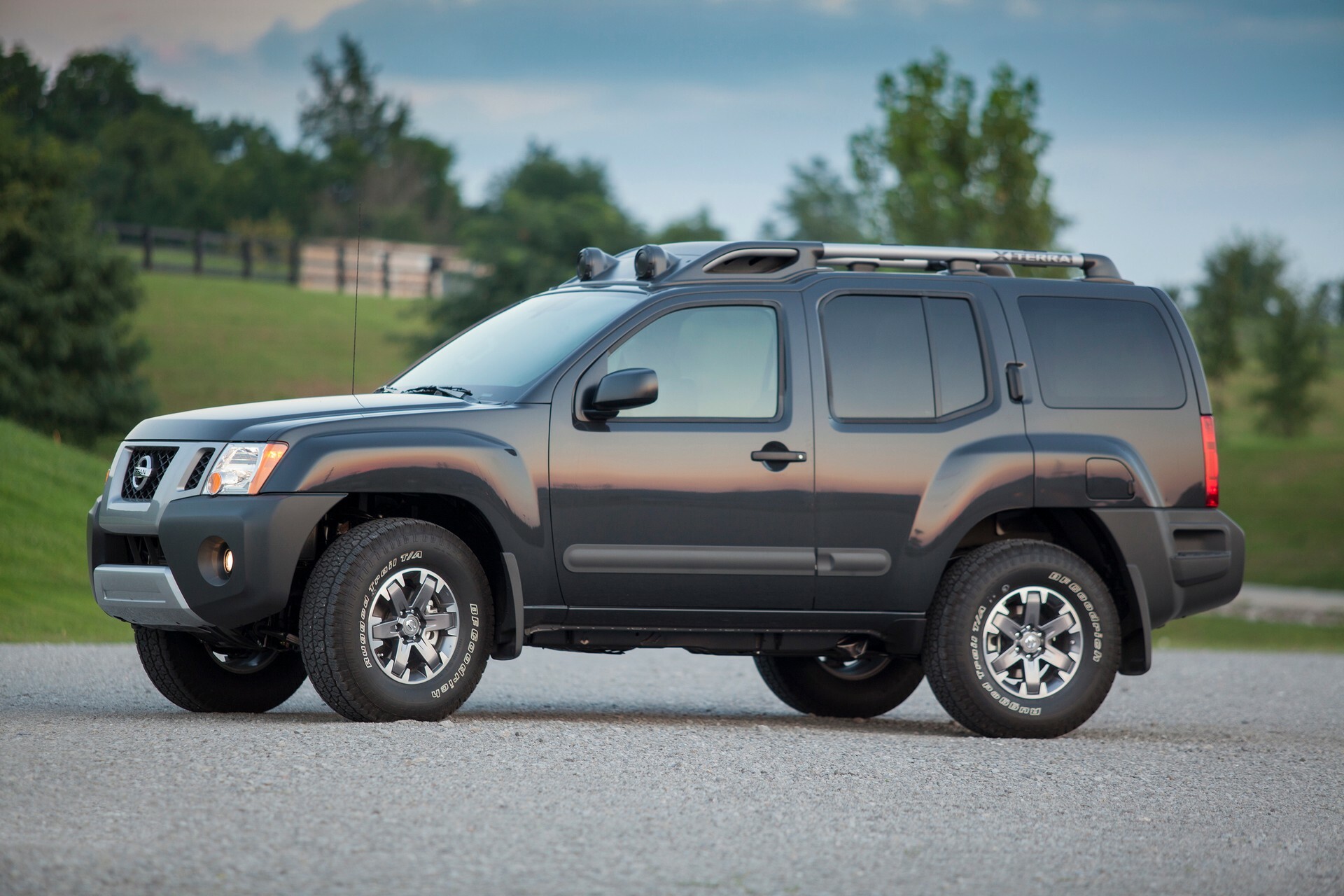
8. Nissan Xterra
The Nissan Xterra is one of the most underrated overlanding vehicles available in the used market and has developed a loyal following among budget-conscious off-road enthusiasts.
Built with a straightforward, rugged design philosophy, the Xterra was originally intended as a no-nonsense SUV for outdoor adventure, which makes it naturally well-suited for overlanding applications. Its body-on-frame construction and simple mechanical layout contribute to its durability and ease of maintenance, especially in remote or rural environments.
One of the key advantages of the Xterra is its affordability. Compared to Toyota and Jeep alternatives, used Xterras are often significantly less expensive while still offering strong off-road capability.
This makes it an excellent entry point for individuals who want to get into overlanding without making a large financial investment. Despite its lower price point, it still provides a solid foundation for building a capable expedition vehicle with the right modifications such as suspension upgrades, all-terrain tires, and protective armor.
The interior of the Xterra is designed with utility in mind, offering practical storage solutions and a layout that supports outdoor activities.
It includes features such as roof storage compartments and configurable cargo space that make it easier to organize camping gear and recovery equipment. While it does not offer luxury features, its functional design aligns well with the needs of overlanders who prioritize practicality over comfort.
The Nissan Xterra remains one of the best budget-friendly overlanding rigs available. It is ideal for beginners or those looking for a reliable secondary adventure vehicle that can handle off-road conditions without requiring a high upfront investment or expensive modifications.
- Engine: 5.3L V8
- Horsepower: 355 hp
- Torque: 383 lb-ft
- Length: 210.7 inches
- Width: 81 inches
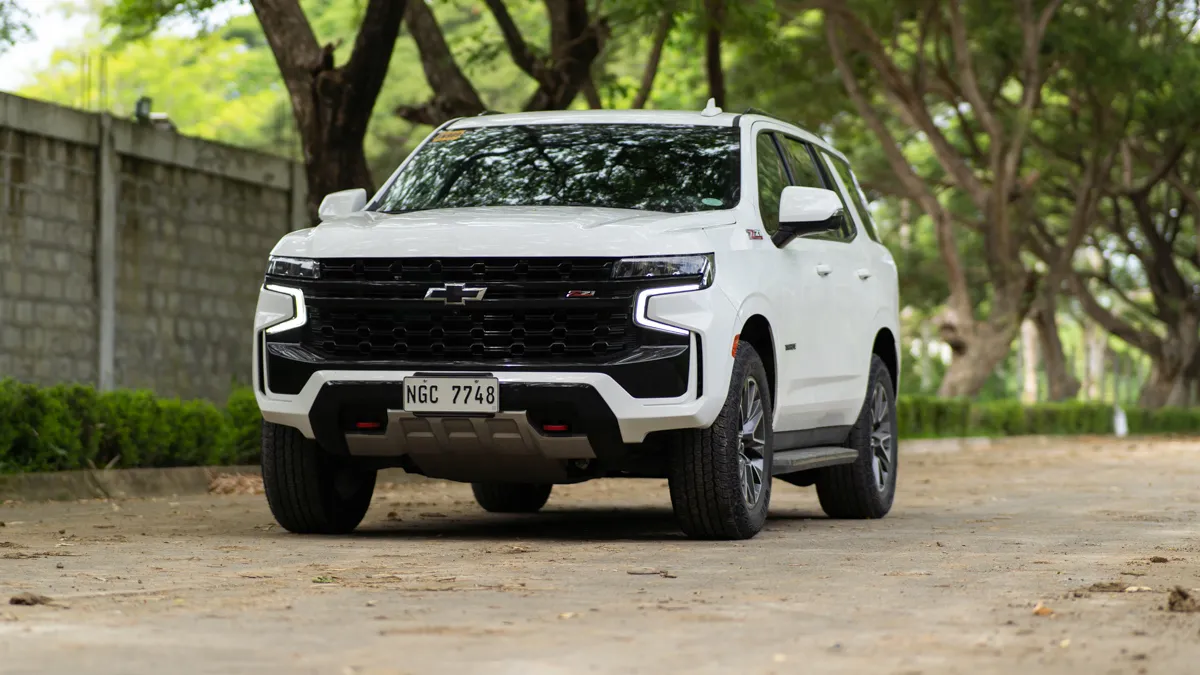
9. Chevrolet Tahoe Z71
The Chevrolet Tahoe Z71 is a full-size SUV that offers a unique combination of power, space, and off-road capability, making it a strong contender in the overlanding world for those who need maximum interior room and towing capacity.
Built on a body-on-frame platform, the Tahoe is designed for heavy-duty use, which gives it the structural strength required for long-distance travel with full loads of passengers and equipment. The Z71 package specifically enhances its off-road performance, making it more capable than standard trim versions.
Performance is another strong point of the Tahoe Z71. It is typically equipped with a powerful V8 engine that delivers strong torque and towing capability, making it suitable for pulling trailers, boats, or additional gear.
This towing strength adds an extra layer of versatility for overlanders who want to carry motorcycles, small campers, or extra supplies. The engine is designed for durability and long-term use under load, which aligns well with the demands of overland travel.
The Z71 off-road package enhances the Tahoe’s capability with features such as upgraded suspension, skid plates, and improved traction systems. While it is not designed for extreme rock crawling, it performs well on gravel roads, desert terrain, forest tracks, and moderate off-road environments. Its large size provides stability on highways, making it comfortable for long-distance travel between remote destinations.
The Chevrolet Tahoe Z71 is best suited for overlanders who prioritize space, comfort, and towing capability. It is an excellent choice for families or groups who want a dependable full-size platform capable of handling both highway travel and moderate off-road conditions with ease.
- Engine: 3.8L V6 (varies by market/generation)
- Horsepower: 215 hp
- Torque: 248 lb-ft
- Length: 188 to 191 inches
- Width: 73 inches
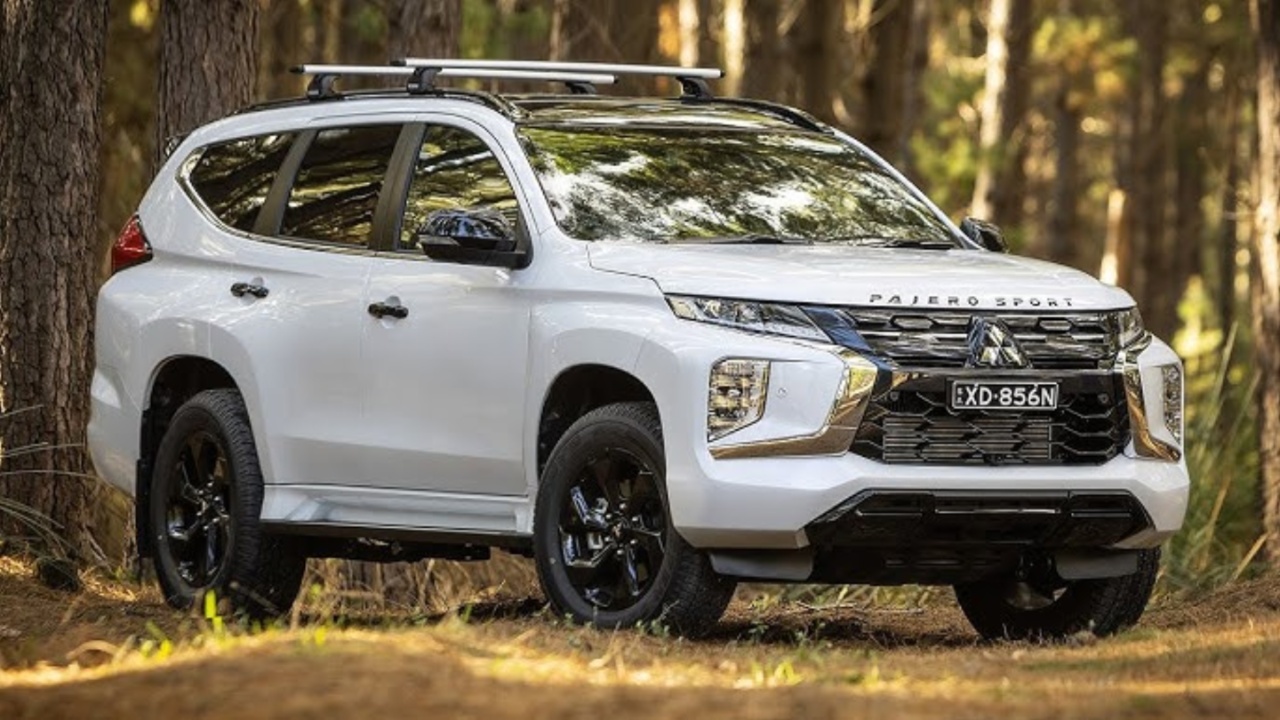
10. Mitsubishi Montero
The Mitsubishi Montero, also known in some markets as the Pajero, is a highly respected yet often overlooked overlanding vehicle that has proven itself in some of the toughest rally and expedition environments in the world.
It has a long history of participation in endurance events such as the Dakar Rally, which highlights its durability and off-road engineering. Built with a strong body-on-frame structure and advanced Four Wheel Drive systems, the Montero is designed to handle long-distance travel in harsh conditions with minimal mechanical issues.
One of the key strengths of the Montero is its balance between affordability and capability. In many used markets, it is significantly cheaper than comparable Toyota or Jeep models, making it an attractive option for budget-conscious overlanders.
Despite its lower price, it offers impressive off-road performance and reliability when properly maintained. This combination makes it one of the best value-based expedition vehicles available for those who want serious capability without a high financial barrier.
Durability is another strong point of the Montero. Its engines and drivetrain components are designed for long-term use under demanding conditions, making it suitable for extended overlanding trips. With regular maintenance, it can handle high-mileage travel without significant performance degradation. This reliability is especially important for remote travel, where mechanical support may not be readily available.
The Mitsubishi Montero is an excellent hidden gem in the overlanding world. It is best suited for travelers who want a capable, proven, and affordable expedition vehicle that can handle a wide range of environments without requiring a premium investment.