
Compact crossovers have become one of the most competitive segments in the automotive market because they combine practicality, fuel efficiency, manageable size, and everyday comfort in a single package. For many buyers, these vehicles replace traditional sedans while also avoiding the bulk and expense of larger SUVs.
They are expected to handle commuting, family duties, shopping trips, and long drives with equal ease. However, despite appearing similar on the surface, compact crossovers can differ dramatically in quality, reliability, comfort, and long-term ownership satisfaction.
Some compact crossovers stand out because they manage to balance nearly every important factor well. They provide comfortable interiors, strong safety features, practical cargo space, smooth driving manners, and dependable engineering.
These vehicles often become popular not because of flashy marketing, but because owners consistently find them easy to live with over time. They deliver value in ways that continue to matter years after the purchase.
At the same time, there are compact crossovers that fail to meet expectations in key areas. Certain models struggle with poor interior quality, underwhelming performance, limited comfort, questionable reliability, or outdated technology.
In some cases, the issues are not obvious during a short test drive but become frustrating during long-term ownership. Buyers may be attracted by styling or pricing only to realize later that compromises were made in areas that affect daily use.
This contrast is important because compact crossovers are often purchased as long-term family vehicles. A poor choice can lead to constant frustration, while the right one can provide years of dependable service with minimal complaints.
This article focuses on both sides of the category. First, it highlights compact crossovers that genuinely stand out as worthwhile purchases because of their balance, practicality, and real-world strengths. Then it shifts to models that are harder to recommend due to weaknesses that significantly affect the ownership experience.
Understanding these differences can help buyers look beyond marketing and focus on the qualities that truly matter in everyday driving.
Also Read: 10 Pickups Built Stronger Before the Aluminium Body Switch
5 Compact Crossovers Worth Buying
A great compact crossover is not defined by a single feature. The best models succeed because they combine comfort, reliability, practicality, and usability in a way that feels complete. The vehicles in this section stand out because they consistently deliver strong ownership experiences rather than excelling in only one area.
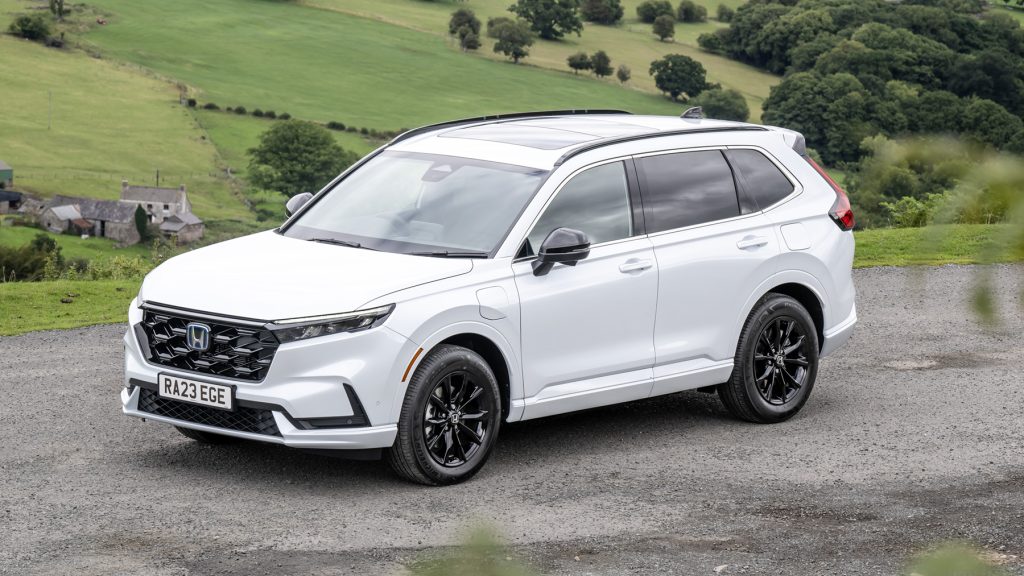
1. Honda CR-V
The Honda CR-V has remained one of the strongest choices in the compact crossover segment because it understands exactly what most buyers need from a daily vehicle. Instead of focusing on dramatic styling or unnecessary complexity, it delivers practicality and comfort in a way that consistently works well in real-world use.
One of the CR-V’s biggest strengths is interior packaging. The cabin feels spacious without making the vehicle difficult to manoeuvre in urban environments.
Rear passengers receive generous legroom, and the cargo area is large enough to handle family trips, groceries, or everyday hauling without frustration. The layout feels thoughtfully arranged rather than simply designed to impress during a showroom visit.
Ride comfort is another reason this crossover deserves recognition. The suspension absorbs rough roads smoothly, helping the vehicle remain composed during longer drives. At the same time, steering remains predictable and easy to manage, making the CR-V approachable for a wide range of drivers.
Reliability also plays a major role in why this vehicle is worth buying. Honda has built a reputation for durable engineering, and the CR-V continues that tradition with strong long-term ownership satisfaction. Maintenance costs are generally manageable, and the vehicle tends to age gracefully when properly cared for.
Another important detail is visibility and ease of use. The cabin design creates a clear outward view, reducing stress during parking and traffic-heavy driving. Controls are intuitive, which helps the vehicle feel comfortable almost immediately after getting behind the wheel.
This crossover is included because it represents balance done correctly. The CR-V may not chase trends aggressively, but it consistently succeeds in the areas that matter most to everyday owners.
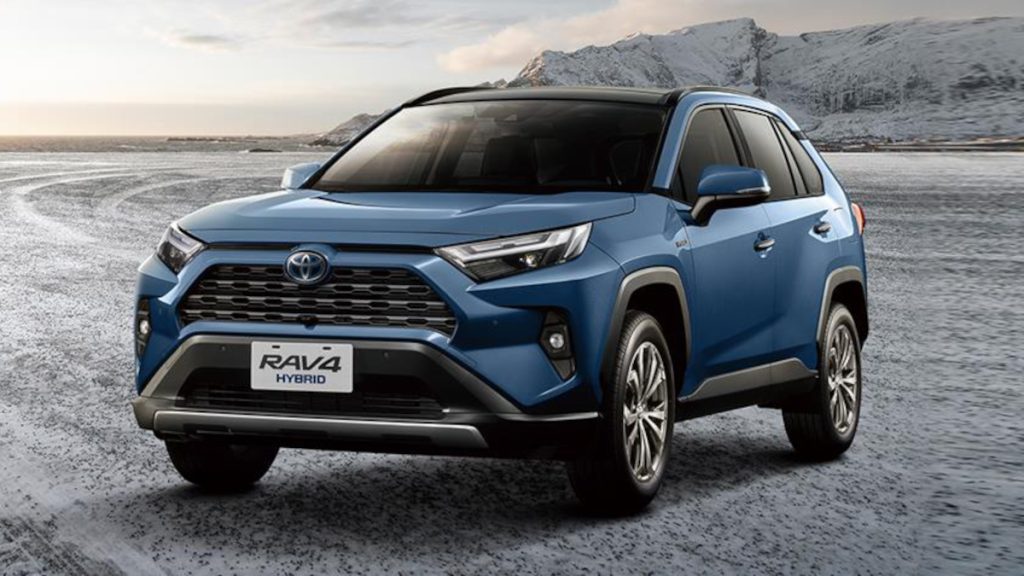
2. Toyota RAV4
The Toyota RAV4 approaches the compact crossover segment with a different personality from the CR-V. While practicality remains central to its appeal, the RAV4 combines that usefulness with a tougher and more confident design that attracts buyers looking for something slightly more rugged without sacrificing daily comfort.
Durability is one of the strongest reasons this crossover continues to perform well in the market. Toyota’s reputation for reliability is reflected clearly in the RAV4, making it a vehicle many owners keep for long periods without major concerns. This long-term dependability is especially important in a segment where buyers often prioritize low-stress ownership.
The driving experience focuses on consistency rather than excitement. The suspension handles uneven roads effectively, and the vehicle remains stable at highway speeds. While it is not intended to feel sporty, it delivers predictable behavior that suits commuting and family travel very well.
Interior practicality also deserves attention. Storage spaces are positioned intelligently throughout the cabin, and the rear cargo area provides enough flexibility for luggage, outdoor equipment, or daily errands. The rear seats fold easily, helping the vehicle adapt to changing needs without complication.
Another reason this crossover stands out is the availability of efficient hybrid versions. These models improve fuel economy significantly while maintaining the same practicality that makes the standard RAV4 appealing. For buyers covering large distances regularly, that efficiency becomes a meaningful advantage over time.
This SUV belongs in this section because it combines reliability, practicality, and versatility into a package that works well for many different lifestyles. The RAV4 succeeds not by excelling in one dramatic way, but by remaining consistently dependable across nearly every aspect of ownership.
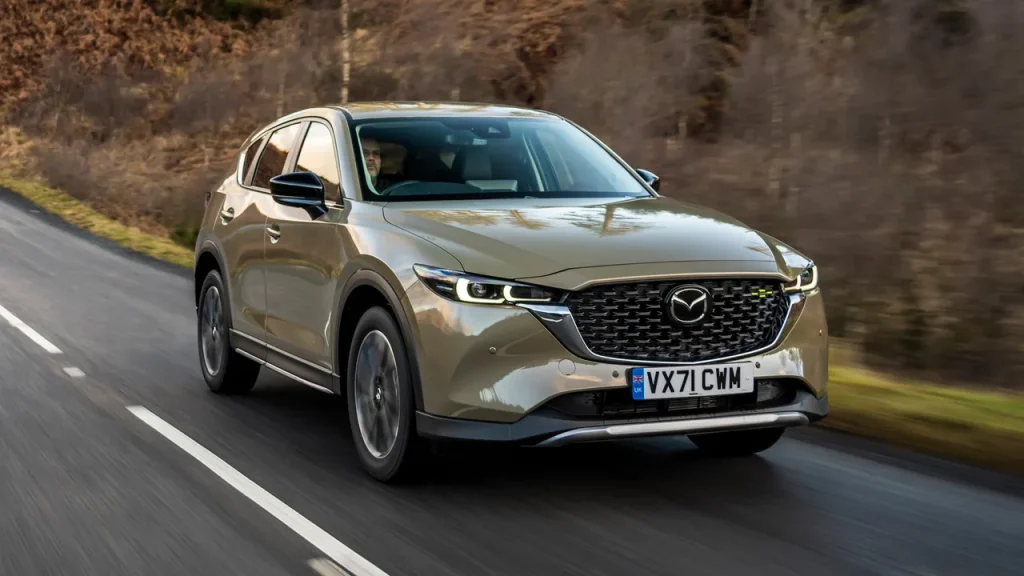
3. Mazda CX-5
The Mazda CX-5 takes a noticeably different approach from many compact crossovers because it prioritizes driver engagement without sacrificing practicality. While most vehicles in this segment focus almost entirely on utility, the CX-5 manages to make everyday driving feel more refined and connected, which is a major reason it continues to attract loyal buyers.
From the moment you begin driving, the steering response stands out. It feels more precise than what is typically expected in this category, giving the vehicle a sense of composure through corners and during highway lane changes. Instead of feeling detached from the road, the CX-5 responds in a way that feels controlled and natural.
Interior quality is another major strength. Mazda designed the cabin with a level of detail that often feels closer to premium vehicles than mainstream compact crossovers. Materials feel solid, controls operate smoothly, and the layout avoids unnecessary clutter.
Rather than overwhelming the driver with excessive design elements, the cabin creates a calm and mature atmosphere.
Comfort also deserves recognition. The seats provide strong support during long trips, and road noise is kept impressively low for the segment. This helps the CX-5 feel more substantial and refined during daily use, especially compared to rivals that prioritize cost-cutting over cabin isolation.
The reason this crossover is included here goes beyond styling or driving feel alone. It offers a combination that many buyers struggle to find: practicality paired with genuine refinement. The cargo area remains useful, the rear seats are comfortable enough for regular family use, and reliability has remained competitive.
This vehicle belongs in this section because it proves that compact crossovers do not need to feel dull to be practical. The CX-5 delivers everyday usefulness while still making the driving experience feel engaging and thoughtfully engineered.
4. Subaru Forester
The Subaru Forester succeeds by focusing on visibility, functionality, and confidence in changing road conditions. It does not chase aggressive styling trends or luxury pretensions. Instead, it delivers a straightforward ownership experience that appeals strongly to buyers who value practicality above flashiness.
One of the most noticeable strengths is its excellent outward visibility. The large windows and upright body design provide a clear, wide view in almost every direction, making parking, highway driving, and tight urban navigation much simpler.
Unlike many modern crossovers that prioritize styling over sightlines, the Forester maintains a more open and practical design that helps drivers feel more aware of their surroundings and more in control in everyday situations.
Another major advantage is the standard all-wheel drive system. Subaru has long emphasized traction and stability, and the Forester benefits greatly from that expertise. Rain, snow, gravel, and rougher roads feel less intimidating because the vehicle maintains composure in conditions where some front-wheel drive rivals begin to struggle.
Interior practicality is equally important to its appeal. The cabin offers generous headroom and rear-seat comfort, making it well-suited for families or taller passengers. Cargo space is also shaped efficiently, allowing larger items to fit without awkward compromises.
Ride quality leans toward comfort rather than sportiness. The suspension absorbs uneven pavement effectively, helping the Forester feel relaxed during longer journeys. This easygoing character makes it particularly appealing for buyers who prioritize comfort and confidence over sharp handling.
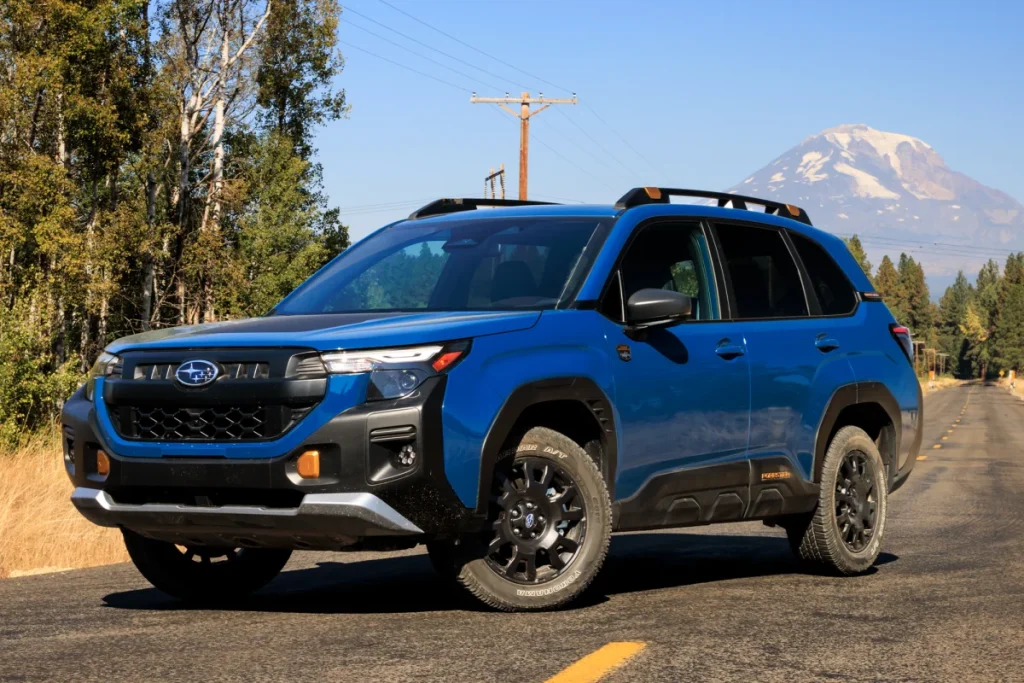
This crossover earns its place because it understands its purpose clearly. The Forester focuses on visibility, safety, traction, and usability in a way that creates strong long-term satisfaction for owners who value dependable practicality.
5. Hyundai Tucson
The Hyundai Tucson has grown into one of the most well-rounded compact crossovers in the segment because it combines modern styling, strong practicality, and impressive technology without feeling excessively expensive.
It manages to appeal to a wide range of buyers by balancing comfort, efficiency, and usability in a way that feels current without becoming complicated.
One of the strongest aspects of Tucson is its interior presentation. Hyundai designed the cabin to feel modern and spacious, using clean lines and a layout that gives the vehicle a more upscale atmosphere than many buyers expect in this category.
The materials and fit create a sense of quality that helps the Tucson compete strongly against more established rivals.
Passenger comfort also plays a major role in its appeal. Rear-seat space is generous, allowing adults to sit comfortably during longer trips. The seats themselves provide good support, while the suspension tuning helps absorb rough pavement effectively. This combination makes the vehicle feel relaxed during daily commuting and highway travel.
Technology integration is another reason this crossover deserves recognition. Infotainment systems are responsive, safety features are comprehensive, and driver assistance technology is implemented in a way that feels useful rather than intrusive.
Hyundai has improved significantly in this area, making the Tucson feel competitive with vehicles costing considerably more.
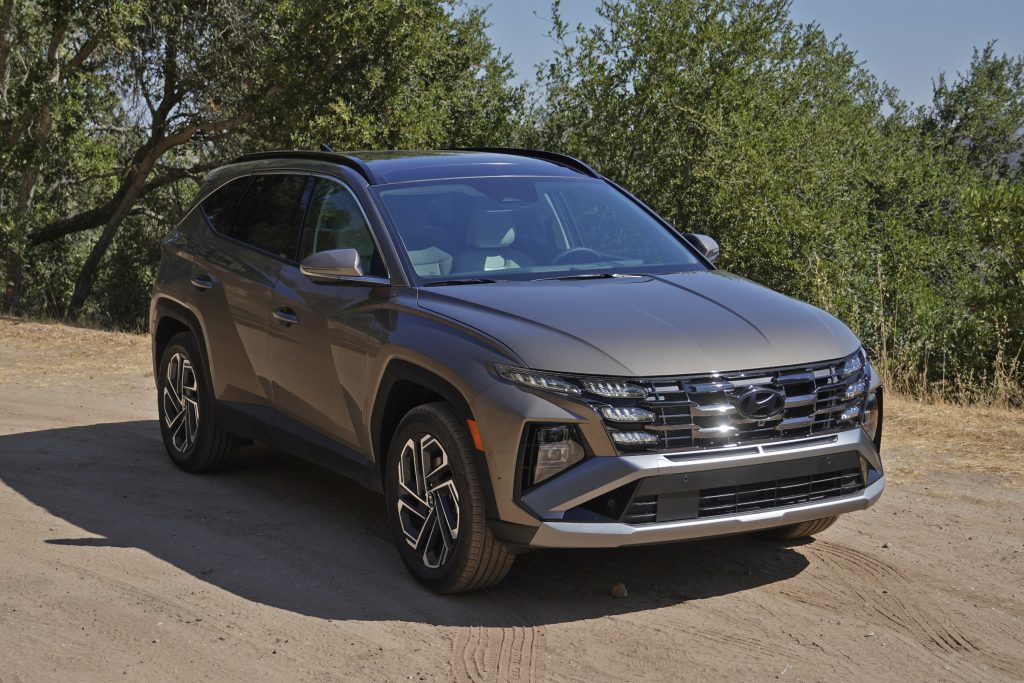
Efficiency adds further value. Available hybrid versions deliver strong fuel economy without sacrificing practicality or comfort. Buyers looking to reduce running costs while still maintaining crossover versatility benefit greatly from this balance.
This SUV belongs in the “worth buying” category because it successfully combines modern design, comfort, technology, and practicality into a package that feels complete. The Tucson demonstrates how far compact crossovers have evolved and why thoughtful execution matters more than simply relying on brand reputation.
5 to Avoid
Not every compact crossover delivers the balanced ownership experience buyers expect from this segment. Some models may attract attention through styling, low pricing, or marketing, yet they struggle in areas that become increasingly important over time.
Weak reliability, poor interior quality, limited comfort, outdated technology, or disappointing driving refinement can significantly reduce long-term satisfaction.
One common issue is cost-cutting in critical areas. Certain crossovers appear competitive on paper but reveal weaknesses once driven regularly. Hard interior materials, excessive road noise, uncomfortable seating, or underpowered drivetrains may not stand out immediately during a short test drive, but they can become frustrating during everyday ownership.
Reliability concerns are another major factor. Compact crossovers are often purchased as family vehicles expected to provide years of dependable service.
When mechanical problems, electrical issues, or inconsistent build quality enter the picture, ownership costs and inconvenience can rise quickly. Buyers in this segment usually prioritize peace of mind, making reliability especially important.
Driving dynamics also matter more than many people realise. A crossover does not need to feel sporty, but poor ride quality, weak acceleration, or vague steering can make daily commuting less enjoyable. Vehicles that fail to deliver refinement in these areas often feel outdated compared to stronger competitors.
Technology implementation can create problems as well. Infotainment systems that respond slowly, poorly designed controls, or driver assistance features that behave inconsistently can negatively affect the ownership experience even if the vehicle looks modern from the outside.
The models in this section are included because they struggle to compete effectively against stronger rivals in ways that directly impact long-term usability. While some may still appeal to certain buyers, they come with compromises significant enough to make other compact crossovers far easier to recommend.
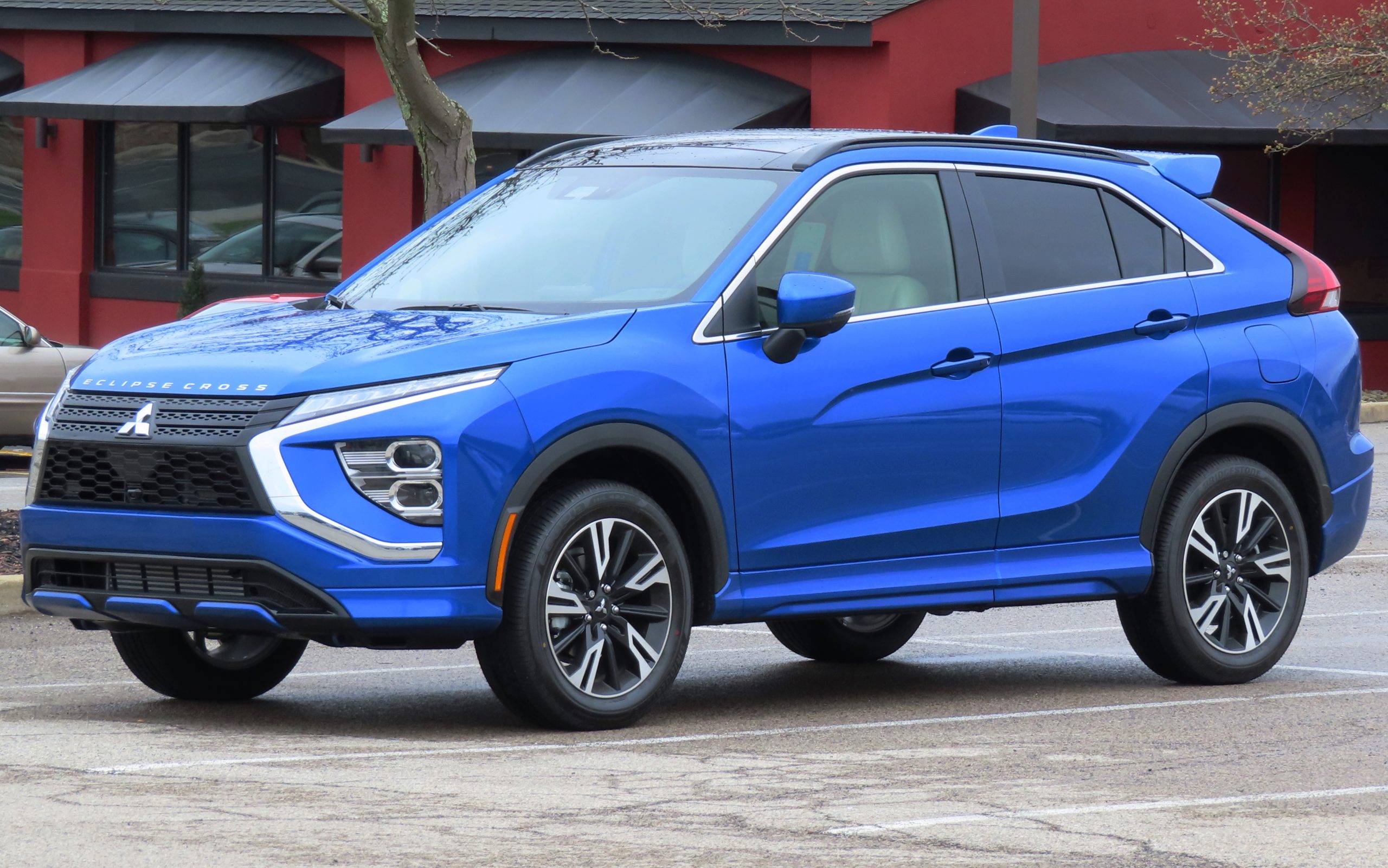
1. Mitsubishi Eclipse Cross
The Mitsubishi Eclipse Cross enters a highly competitive segment with bold styling and a recognizable name, but once the initial appearance fades, several weaknesses begin to affect the ownership experience. In a category filled with refined and practical alternatives, the Eclipse Cross struggles to stand out for the right reasons.
One of the biggest concerns is the driving experience itself. The engine and transmission combination often feels less responsive than competitors, especially during highway acceleration or when carrying passengers and cargo.
Instead of delivering smooth power, the drivetrain can feel strained, which reduces confidence during everyday driving situations.
Interior quality is another area where compromises become apparent. While the cabin layout attempts to look modern, many materials feel less refined than what buyers now expect in this segment. Hard surfaces and inconsistent design details prevent the interior from feeling as polished as rivals that cost a similar amount.
Rear visibility also creates frustration for some drivers. The split rear window design limits how clearly the driver can see behind the vehicle, making reversing and parking feel less natural. While cameras help compensate for this issue, the visibility still feels unnecessarily restricted compared to competitors with cleaner designs.
Cargo practicality is decent, but the full cabin does not use space as effectively as stronger alternatives in the segment. Rear passenger comfort can also feel tighter than expected, particularly during longer trips where rivals provide noticeably better room and support.
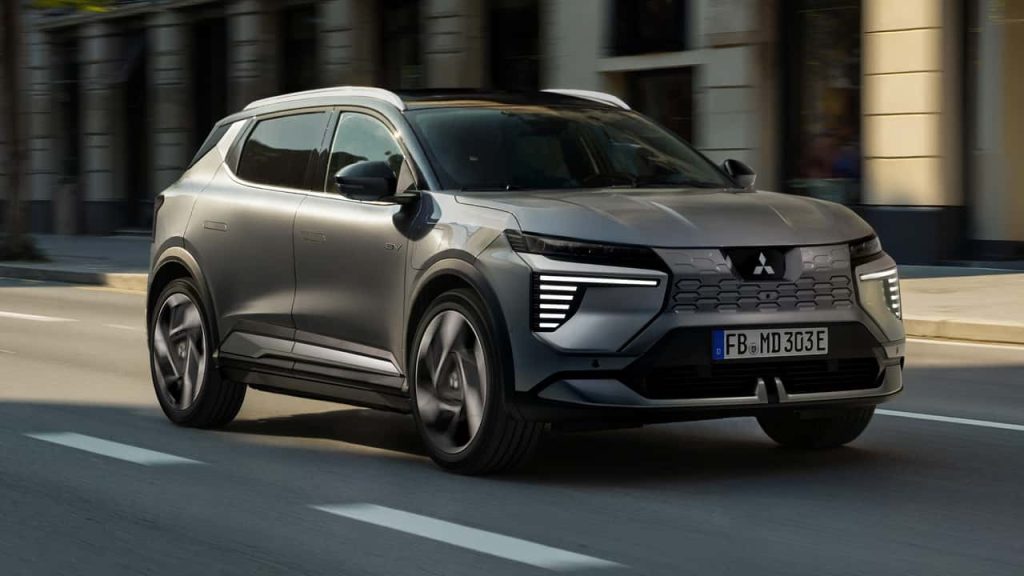
This crossover is included because it represents a vehicle that struggles to keep pace with segment leaders in several important areas simultaneously. The Eclipse Cross is not unusable, but with so many stronger compact crossovers available, it becomes difficult to justify choosing it over more refined and dependable competitors.
2. Jeep Compass
The Jeep Compass benefits from rugged styling and strong brand recognition, but those strengths often create expectations that the vehicle struggles to satisfy during long-term ownership. While it looks capable and modern from the outside, several underlying issues prevent it from competing comfortably with stronger compact crossovers.
Ride refinement is one of the first weaknesses many drivers notice. The suspension can feel unsettled on rough roads, transmitting more harshness into the cabin than expected for a vehicle in this category. Instead of feeling composed and comfortable, the Compass sometimes feels less polished than its key rivals.
The powertrain also creates mixed impressions. Acceleration can feel underwhelming, particularly when merging onto highways or carrying extra weight. The engine does its job adequately in normal conditions, but it lacks the smooth and confident character buyers often expect from modern compact crossovers.
Interior execution presents another challenge. Some trims offer attractive design touches, but the full consistency of material quality and fit does not always match the standards set by competitors. Small details throughout the cabin can make the vehicle feel less refined than alternatives from Honda, Toyota, or Mazda.
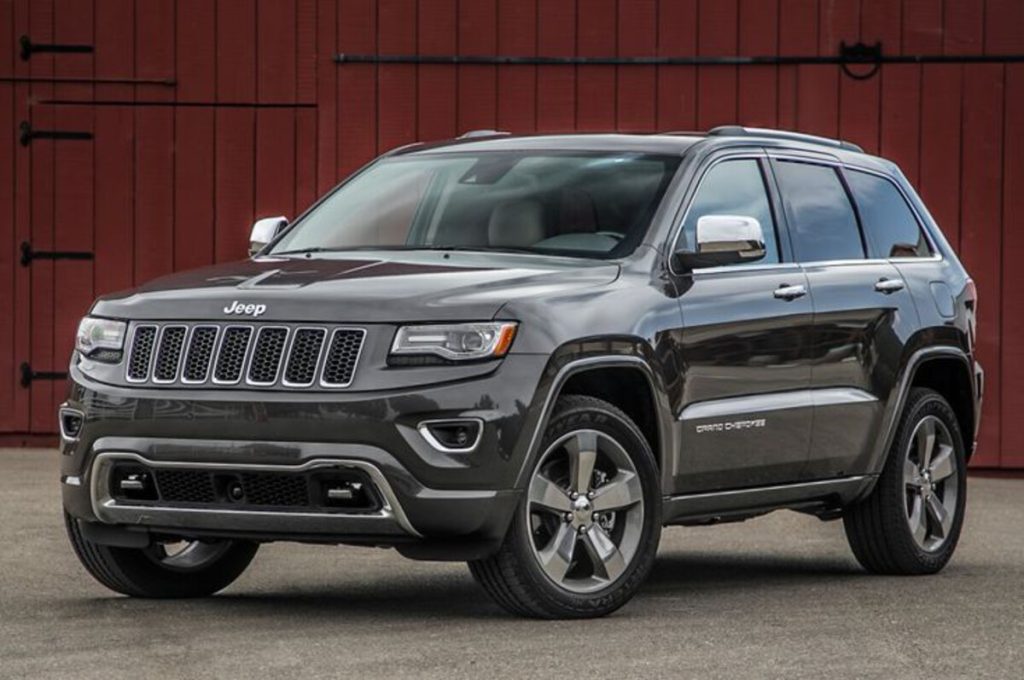
Reliability concerns have also affected the Compass’s reputation over time. Owners have reported issues involving electronics and drivetrain components more frequently than in some rival models. In a segment where dependability is one of the most important priorities, that reputation becomes difficult to ignore.
This SUV belongs in this section because it demonstrates how styling and branding alone are not enough to guarantee a satisfying ownership experience. The Compass may appeal visually, but too many compromises emerge once the vehicle is evaluated beyond first impressions.
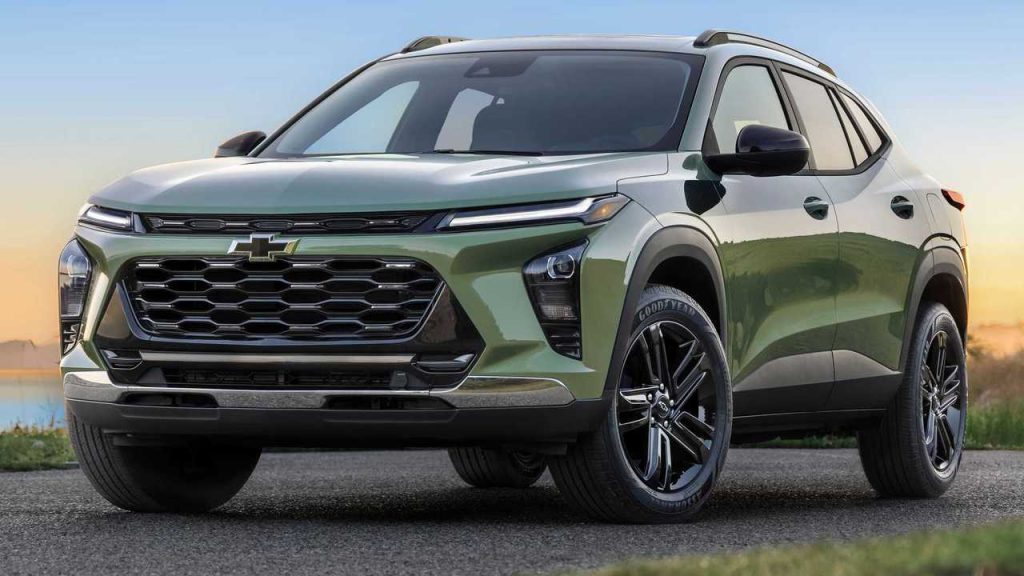
3. Chevrolet Trax
The Chevrolet Trax attracts attention because of its affordable pricing and approachable size, but once it is compared closely with stronger compact crossovers, its shortcomings become much harder to ignore. While it may suit basic transportation needs, the compromises in refinement and capability place it behind many rivals in the segment.
One of the biggest issues lies in the driving experience. The engine delivers limited performance, especially during highway merging or overtaking. Under heavier acceleration, the powertrain can feel strained and noisy, making the vehicle seem less composed than competitors with smoother and more responsive setups.
Cabin refinement also reveals clear cost-cutting. Although newer versions improved styling and technology, many interior materials still feel inexpensive when touched regularly. Hard plastics dominate key areas, and road noise becomes more noticeable at highway speeds, reducing comfort during longer drives.
Passenger space is acceptable for shorter trips, but rear-seat comfort is not as accommodating as what stronger compact crossovers provide. Taller passengers may begin to notice the tighter dimensions over time, especially during extended journeys where extra legroom and support matter more.
Another limitation is the vehicle’s long-term value proposition. Buyers may initially be attracted by the lower purchase price, yet some competitors offer stronger reliability reputations, better fuel efficiency, and higher resale value. Over several years of ownership, those advantages can become more important than upfront savings alone.
This crossover appears in this section because it highlights how affordability can sometimes come with compromises that affect everyday satisfaction. The Trafullfills basic transportation duties, but compared with the strongest vehicles in this category, it feels less refined, less capable, and less rewarding to own long-term.
4. Nissan Kicks
The Nissan Kicks was designed to provide an inexpensive entry into the crossover market, but in doing so, it sacrifices several qualities that buyers increasingly expect from modern compact SUVs. While it performs adequately in city driving, its weaknesses become more apparent once expectations rise beyond basic commuting.
Performance is one of the clearest concerns. The engine struggles under heavier acceleration, particularly during highway driving, where stronger power delivery becomes important. The vehicle feels most comfortable at lower speeds, but outside urban environments, the limited performance can leave drivers wanting more confidence.
The ride quality also reflects its budget-oriented positioning. On smoother roads, the suspension behaves reasonably well, yet rougher pavement quickly introduces more cabin disturbance than competitors typically allow. This reduces the sense of refinement that many buyers now expect even in affordable crossovers.
Interior design focuses heavily on simplicity, but the execution lacks the polish found in stronger rivals. Some controls and materials feel outdated, and while technology features are present, the cabin does not create the same sense of quality or durability offered by segment leaders.
Cargo space and fuel economy remain practical advantages, though they are not enough to fully offset the compromises elsewhere. Buyers who spend most of their time in crowded city environments may appreciate the compact dimensions, but those looking for a more balanced all-around vehicle will likely find stronger alternatives.
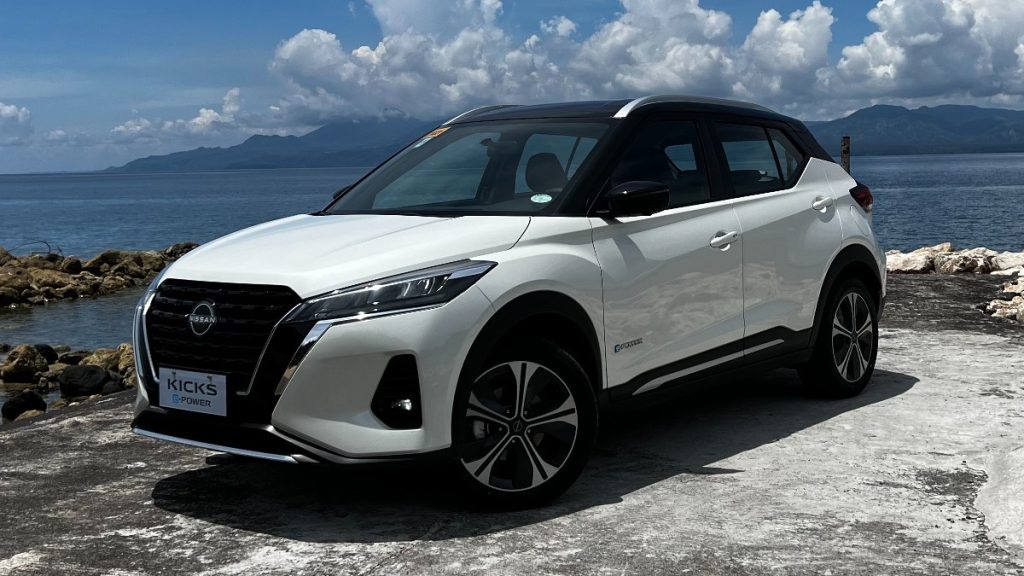
This SUV is included because it demonstrates how focusing too heavily on affordability can leave important gaps in comfort, performance, and refinement. The Kicks serves basic transportation needs, but it struggles to deliver the well-rounded ownership experience that defines the best compact crossovers.
5. Ford EcoSport
The Ford EcoSport entered the compact crossover segment at a time when demand for smaller SUVs was rapidly increasing, but despite arriving in a popular category, it struggled to match the refinement and practicality offered by stronger competitors.
While its compact dimensions made it easy to manoeuvre in crowded urban environments, too many compromises limited its appeal during everyday ownership.
One of the first weaknesses drivers noticed was the interior space. Although the EcoSport was marketed as a practical crossover, the cabin often felt tighter than expected, especially in the rear seats. Passengers sitting in the back encountered limited legroom and a more confined environment compared to rivals that used their dimensions more efficiently.
The driving experience also failed to leave a strong impression. The suspension could feel unsettled on uneven roads, and highway stability was not as reassuring as that of many competing crossovers. Instead of feeling composed and refined, the EcoSport sometimes felt more like an older subcompact vehicle that had simply been raised higher from the ground.
Engine performance added another layer of disappointment. Acceleration was modest, particularly when the vehicle was loaded with passengers or cargo. During highway merging or overtaking, the drivetrain often felt strained rather than confident. Combined with noticeable engine noise, this reduced comfort on longer drives.
Interior quality further highlighted the vehicle’s age. Some materials and design elements felt outdated even when compared to similarly priced alternatives. While the infotainment system offered modern features, the cabin itself lacked the polish and refinement buyers increasingly expected in this segment.
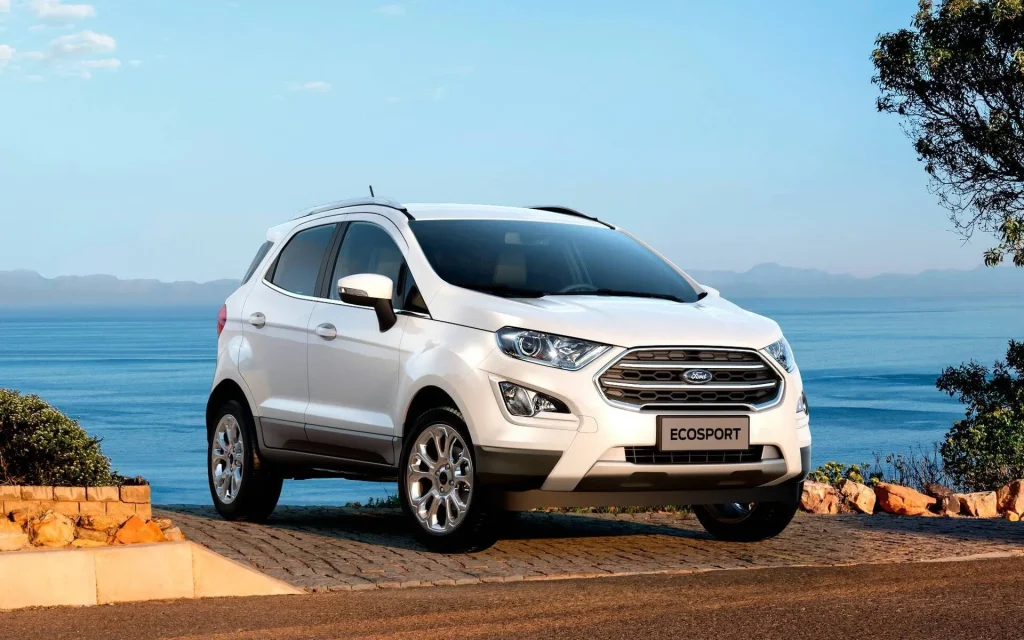
Another unusual characteristic was the side-hinged rear door. While distinctive, it could become inconvenient in tighter parking situations where opening space was limited. This detail reflected a broader issue with the EcoSport, where certain design choices felt less practical in real-world daily use.
This crossover is included because it struggled to compete effectively in a segment filled with more refined, spacious, and better-balanced alternatives. The EcoSport offered city-friendly size and basic crossover versatility, but too many weaknesses prevented it from becoming an easy recommendation for long-term ownership.
Also Read: 8 Cars Worth Owning Near Yellowstone Tourist Routes
