Electric trucks have moved from being niche experiments to serious alternatives to traditional gasoline and diesel pickups. Just a few years ago, many buyers viewed electric trucks as futuristic machines that looked impressive on paper but struggled to match the capability, durability, and practicality that truck owners expect.
Today, that perception is changing rapidly. Advances in battery technology, charging infrastructure, towing capability, and software integration have allowed several manufacturers to create electric trucks that genuinely compete with conventional pickups in everyday use.
At the same time, not every electric truck has reached the level of maturity that buyers deserve. Some models entered the market with ambitious promises but have faced challenges related to production quality, driving range under load, software reliability, or real-world practicality.
In a segment where customers often depend on their vehicles for work, recreation, and long-distance travel, these shortcomings can make a significant difference.
That is why separating the strongest offerings from the less convincing ones has become increasingly important. A good electric truck should do more than simply eliminate fuel stops.
It should provide dependable performance, a useful range, comfortable driving manners, and the kind of utility truck buyers expect. Whether it is hauling equipment to a jobsite, towing a trailer for a weekend trip, or serving as a daily commuter, the vehicle must perform consistently across a wide range of conditions.
This article looks at both sides of the market. First, we examine four electric trucks that have proven themselves worthy of consideration.
These are vehicles that demonstrate how far the segment has progressed and why many buyers are beginning to take electric pickups seriously. After that, we turn to four trucks that still need further refinement before they can be recommended without hesitation.
The goal is not to criticize innovation or praise technology blindly. Instead, it is to identify which electric trucks currently offer the best balance of capability, value, and reliability and which ones still appear to be works in progress.
For buyers considering the switch to an electric pickup, understanding this distinction can make the difference between a satisfying ownership experience and a frustrating one.
4 Electric Trucks Worth Buying
Electric trucks have evolved from ambitious concepts into genuine alternatives to traditional pickups. Improvements in battery technology, charging speeds, towing capability, and vehicle software have allowed manufacturers to create trucks that can handle real-world demands while offering the advantages of electric propulsion.
Instant torque, reduced operating costs, quiet driving characteristics, and innovative storage solutions have made these vehicles increasingly attractive to both recreational users and working professionals.
Not every electric truck on the market delivers the same level of capability, however. Some models stand out because they successfully combine performance, practicality, reliability, and day-to-day usability.
These are the trucks that prove electric power is no longer an experiment but a viable solution for many buyers. They can tow, haul, commute, and travel long distances while providing technology and convenience features that are often difficult to find in conventional pickups.
The trucks featured in this section have earned recognition because they offer a balanced ownership experience. Rather than focusing on a single headline-grabbing statistic, they deliver strength across multiple categories.
Whether it is an impressive range, advanced off-road capability, innovative cargo solutions, or dependable performance, each model brings something meaningful to the segment.
As more consumers consider transitioning away from gasoline-powered trucks, identifying the strongest options becomes increasingly important. The vehicles highlighted here demonstrate the progress electric pickups have made and show why many truck buyers are beginning to embrace electrification.
They represent some of the most convincing examples of what the modern electric truck can achieve when engineering, practicality, and customer needs come together successfully.
1. Ford F-150 Lightning
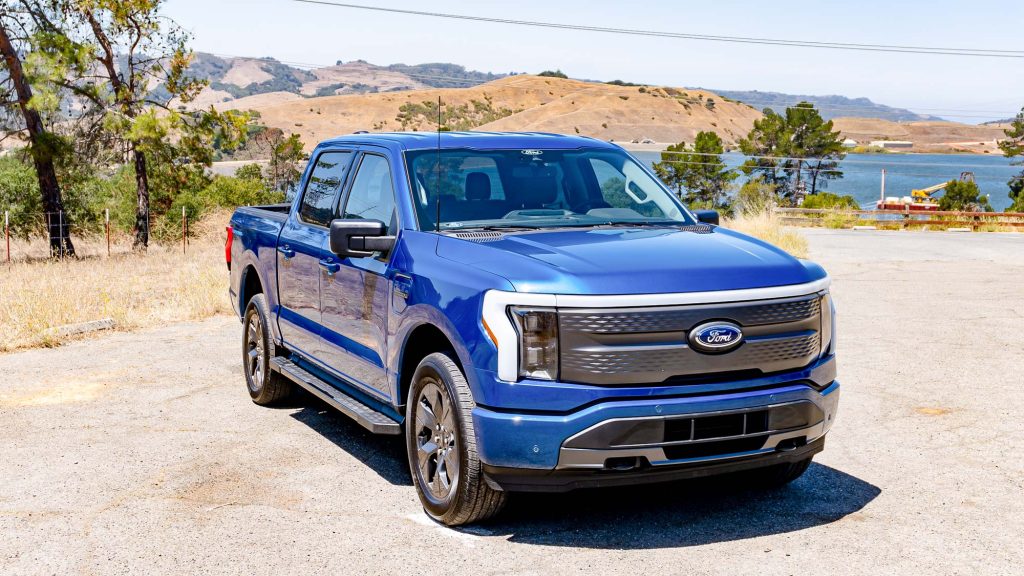
The Ford F-150 Lightning deserves a place near the top of any electric truck discussion because it successfully translates the strengths of America’s best-selling pickup into an electric format without losing sight of what truck buyers actually want.
Rather than creating something radically different, Ford focused on preserving the familiar usability and capability that made the F-150 successful for decades.
One reason this truck stands out is its balanced approach. Some electric vehicles prioritize technology at the expense of practicality, while others focus heavily on performance numbers. The Lightning manages to combine both.
Drivers receive instant torque, quick acceleration, and quiet operation while still enjoying a truck that feels ready for work duties. Whether transporting tools, carrying building materials, or handling family responsibilities, the vehicle adapts well to different roles.
Another reason for including the Lightning is its thoughtful design. The front trunk provides a large, secure storage area that traditional pickups cannot offer because of their combustion engines.
For contractors and outdoor enthusiasts, this extra cargo space can become surprisingly useful. The truck also offers vehicle-to-home and vehicle-to-equipment power capabilities, making it more versatile than many competitors.
Its driving experience deserves attention as well. Despite its size, the Lightning feels refined and composed. The low-mounted battery pack helps improve stability, reducing some of the body movement often associated with full-size pickups. Highway cruising is comfortable, while city driving benefits from the smooth power delivery that electric motors provide.
Ford’s extensive dealer network is another advantage. Buyers generally have easier access to service and support compared with owners of newer startup brands. That peace of mind remains valuable when purchasing a relatively new type of vehicle.
The Lightning is included here because it represents one of the most complete electric truck packages currently available. It delivers useful capability, modern technology, strong performance, and familiar truck functionality without forcing buyers to compromise heavily in any single area.
Specifications
- Engine: Dual Electric Motors
- Torque: 775 lb ft
- Horsepower: 580 hp
- Length/Width: 232.7 inches / 80 inches
2. Rivian R1T
Where the Ford F-150 Lightning succeeds through familiarity, the Rivian R1T earns recognition by approaching the truck segment from a completely different perspective.
Instead of targeting traditional work truck buyers first, Rivian built a vehicle aimed at adventure seekers who want premium features, impressive off-road capability, and cutting-edge engineering.
The R1T feels unlike any pickup currently on the market. Its design emphasizes versatility, allowing owners to transition from urban commuting to wilderness travel with minimal effort. Adjustable air suspension, advanced traction systems, and substantial ground clearance help the truck tackle difficult terrain while maintaining comfort on paved roads.
A major reason for highlighting the R1T is its engineering sophistication. The truck demonstrates what can happen when a manufacturer develops an electric vehicle platform from the ground up rather than adapting an existing gasoline truck architecture.
This dedicated approach contributes to excellent packaging, efficient use of interior space, and strong performance characteristics.
Performance remains one of the R1T’s defining traits. Acceleration is astonishing for a vehicle of its size, yet it never feels like speed is its only purpose.
The truck’s handling is surprisingly controlled, creating a driving experience that feels more refined than many traditional pickups. This combination of athleticism and comfort makes it attractive to buyers who may never have considered a truck previously.
The cabin also deserves recognition. Premium materials, modern technology, and thoughtful storage solutions help justify the vehicle’s premium positioning. Rather than feeling industrial, the interior creates an upscale environment suitable for long journeys.
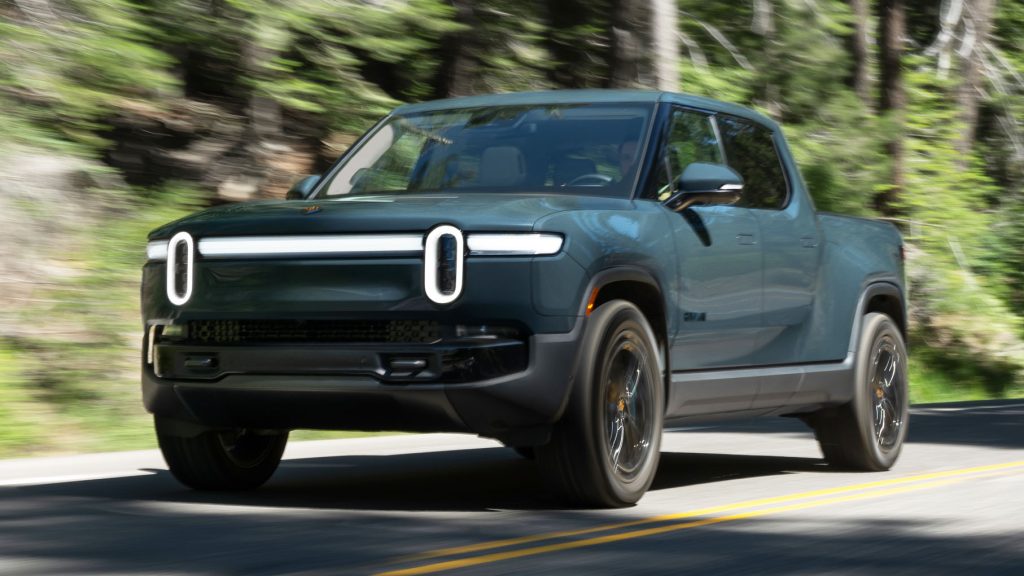
I am including the Rivian R1T because it demonstrates how electric trucks can expand beyond conventional expectations. It proves that a pickup can be luxurious, technologically advanced, highly capable off-road, and enjoyable to drive without sacrificing utility.
Few vehicles blend these qualities as effectively, making the R1T one of the strongest electric truck purchases available today.
Specifications
- Engine: Quad Electric Motors
- Torque: 908 lb ft
- Horsepower: 835 hp
- Length/Width: 217.1 inches / 79.3 inches
3. Chevrolet Silverado EV
The Chevrolet Silverado EV takes a different route toward success. Rather than emphasizing extreme adventure capability or relying on a familiar existing platform, Chevrolet focused on creating an electric truck capable of addressing one of the biggest concerns among pickup buyers: range.
For many truck owners, range anxiety remains a significant obstacle to adopting an electric vehicle. Long highway drives, towing responsibilities, and work-related travel often require confidence that the vehicle can cover substantial distances.
The Silverado EV enters this conversation with one of the most ambitious range targets in the segment, helping remove a major psychological barrier for potential buyers.
Another factor that makes this truck worth buying is its innovative packaging. Chevrolet’s flexible cargo solutions increase usefulness in ways that traditional pickups cannot always match.
The available midgate design allows longer items to be transported while preserving the security and convenience of an enclosed cabin. This feature creates practical advantages for contractors, outdoor enthusiasts, and homeowners handling large projects.
Unlike some competitors that rely heavily on futuristic styling, the Silverado EV balances modern design with recognizable pickup proportions. That familiarity may appeal to customers who want advanced technology without feeling like they are driving an experimental concept vehicle.
Inside, the truck offers a spacious cabin designed around contemporary expectations. Large digital displays, connectivity features, and driver assistance technologies contribute to a modern ownership experience. Yet the vehicle’s core mission remains utility rather than novelty.
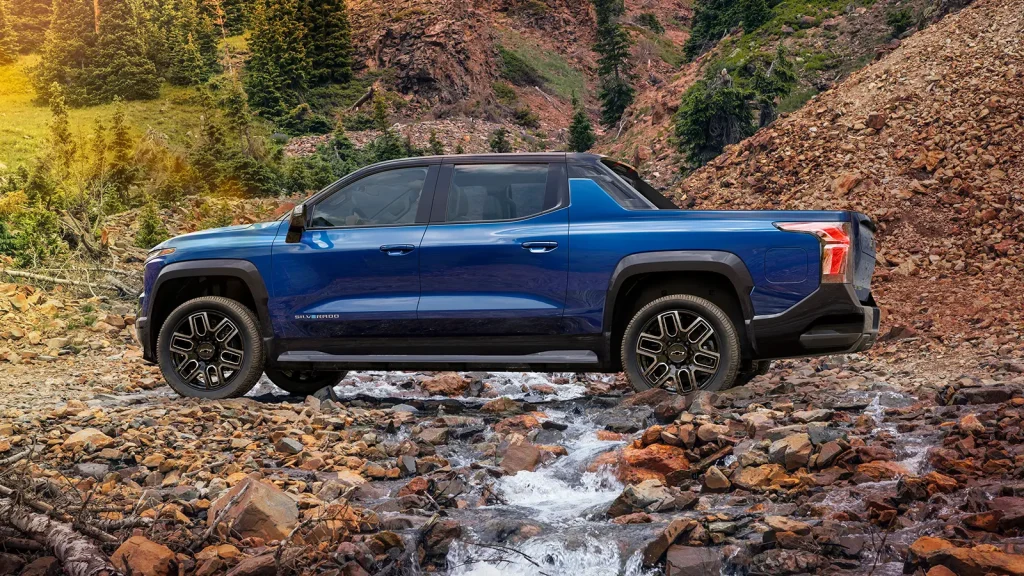
I am writing about the Silverado EV because it represents a thoughtful answer to several common electric truck criticisms. Its focus on driving range, versatility, and everyday practicality addresses concerns that often prevent truck owners from embracing electrification.
Instead of chasing headlines through radical design alone, Chevrolet concentrated on solving real customer problems.
That practical philosophy makes the Silverado EV one of the most compelling electric pickups available, particularly for buyers who prioritize distance capability and cargo flexibility.
Specifications
- Engine: Dual Electric Motors
- Torque: 785 lb-ft
- Horsepower: 754 hp
- Length/Width: 233.1 inches / 83.8 inches
4. GMC Hummer EV Pickup
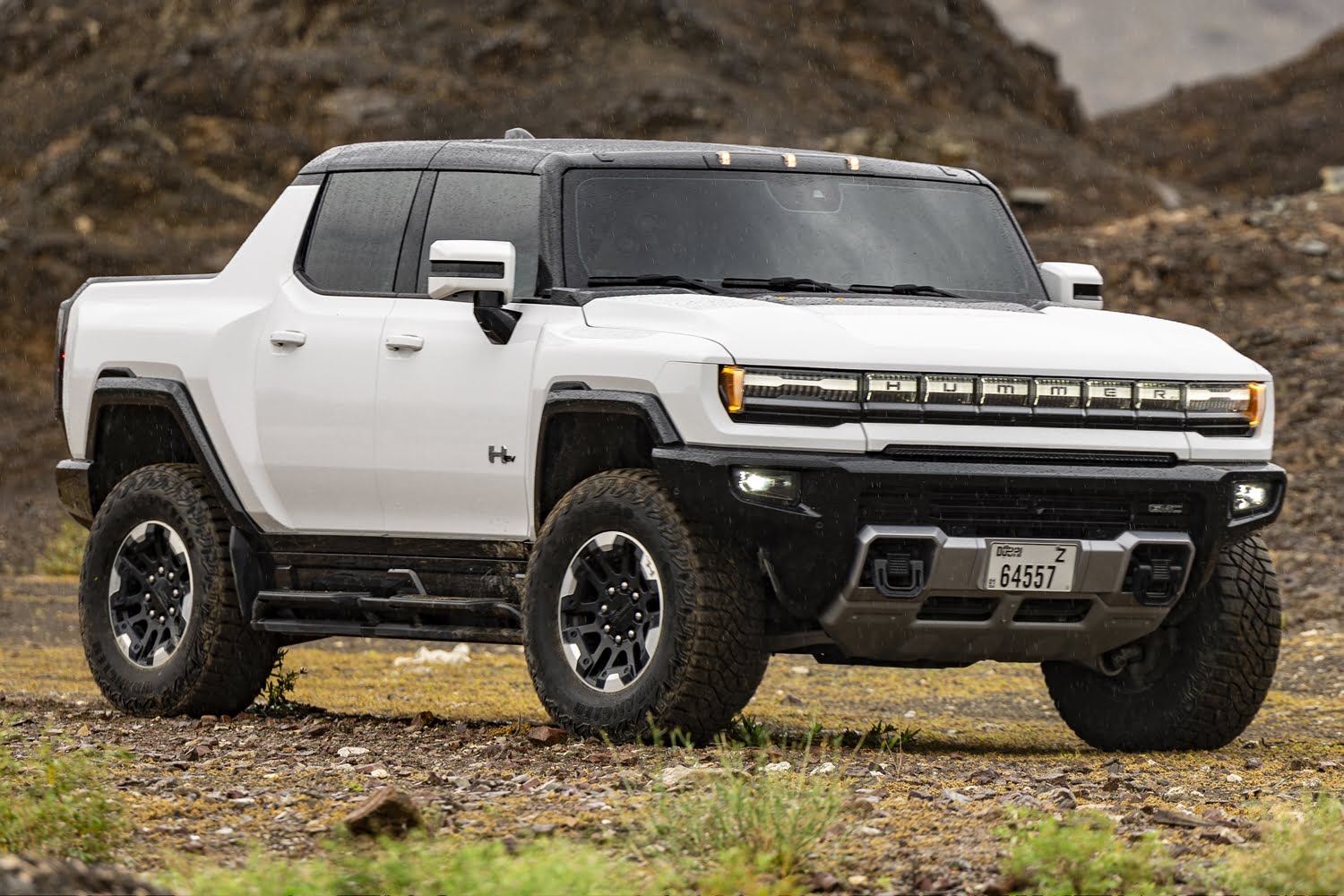
The GMC Hummer EV Pickup occupies a unique position in the electric truck segment. It is not built primarily as a workhorse, nor is its focus centered on efficiency. Instead, it functions as a technological showcase, highlighting what modern electric vehicle engineering can achieve when traditional limitations are pushed aside.
At first glance, the Hummer EV’s size and weight may seem excessive. Yet dismissing it solely for those reasons would ignore the remarkable capabilities hidden beneath its massive exterior. This truck was created to make a statement, and in many respects it succeeds.
Its off-road capability is among the most impressive in the segment. Features such as CrabWalk, advanced suspension systems, and substantial ground clearance allow the vehicle to tackle terrain that would challenge many conventional trucks. The engineering required to achieve this level of performance is genuinely impressive.
The Hummer EV also changes perceptions regarding electric vehicle power. Acceleration figures that once belonged exclusively to sports cars are now achievable in a full-size truck weighing several tons. While such performance may not be necessary, it demonstrates the extraordinary potential of electric propulsion.
What earns the truck a place on this list is not simply its power. It is the confidence with which GMC executed a difficult concept. The vehicle feels substantial, capable, and technologically advanced. Owners seeking a unique truck experience will find very few alternatives capable of delivering the same combination of presence and capability.
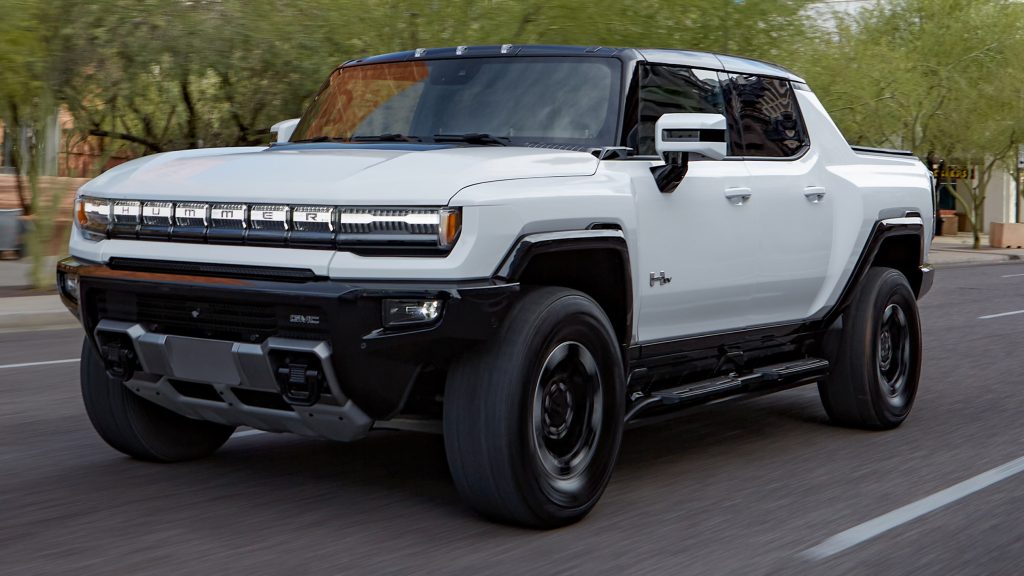
I chose to include the Hummer EV because it showcases the ambitious side of electric truck development. While not the most rational purchase in every circumstance, it succeeds at delivering exactly what it promises: a bold, highly capable, and unforgettable driving experience.
For buyers who want something extraordinary rather than merely practical, the Hummer EV Pickup stands among the most impressive electric trucks currently on sale.
Specifications
- Engine: Three Electric Motors
- Torque: 11,500 lb ft (wheel torque quoted by GMC)
- Horsepower: 1,000 hp
- Length/Width: 216.8 inches / 86.7 inches
4 Electric Trucks That Aren’t Ready
The electric truck segment is growing rapidly, but rapid growth often brings growing pains. While some manufacturers have successfully developed capable and dependable electric pickups, others have struggled to transform ambitious ideas into fully refined products.
In many cases, exciting concepts, impressive specifications, and bold promises generated enormous attention long before customers gained real-world experience with the vehicles.
Building a successful truck requires much more than producing strong acceleration figures or futuristic styling. Truck buyers expect durability, reliability, practical utility, service support, and consistent performance under demanding conditions.
When any of those elements fall short, even the most innovative vehicle can become difficult to recommend. This is particularly true in the pickup segment, where many owners rely on their vehicles for work, travel, towing, and other demanding tasks.
The trucks discussed in this section are not necessarily failures. Several introduced new ideas, advanced technologies, or unique design philosophies that helped push the industry forward. However, they remain examples of vehicles that have not yet achieved the level of maturity expected from the best products in the market.
Production challenges, quality concerns, infrastructure limitations, uncertain long-term support, or unrealized development plans have prevented them from reaching their full potential.
Examining these trucks is important because it highlights the difference between innovation and execution. A vehicle can generate excitement and still require significant improvement before becoming a truly dependable purchase.
By understanding where these models fall short, buyers can make more informed decisions while gaining a clearer picture of the challenges manufacturers face in the rapidly evolving world of electric trucks.
1. Tesla Cybertruck
Few vehicles in recent memory have generated as much attention as the Tesla Cybertruck. Its angular stainless steel body, unconventional styling, and ambitious performance claims ensured that it would become one of the most discussed vehicles of the decade.
Yet attention and readiness are not always the same thing, which is why the Cybertruck belongs in this section rather than among the strongest electric truck purchases.
The first challenge involves practicality. The truck’s distinctive design certainly helps it stand out, but it also creates compromises that many traditional truck owners may find difficult to accept. Visibility, bed accessibility, and certain aspects of day-to-day usability differ significantly from conventional pickups.
Buyers looking for a straightforward work vehicle may discover that the Cybertruck requires adjustments in how they use and interact with their truck.
Another concern is consistency. Early ownership reports highlighted issues ranging from fit and finish concerns to software-related quirks.
While software updates can address some problems, truck buyers typically expect durability and reliability from day one. In a market where vehicles often serve as tools rather than toys, that expectation becomes especially important.
The Cybertruck’s towing and hauling abilities appear impressive on paper, but like many electric trucks, range can decline significantly when carrying heavy loads or towing trailers.
Because Tesla positioned the vehicle as a revolutionary truck, expectations were exceptionally high. Real-world performance has not always matched the excitement generated before launch.
There is also the matter of repairability. The vehicle’s unique construction methods and unconventional body materials may create challenges when repairs become necessary. Some owners could face longer repair times or more limited service options compared with established pickup models.
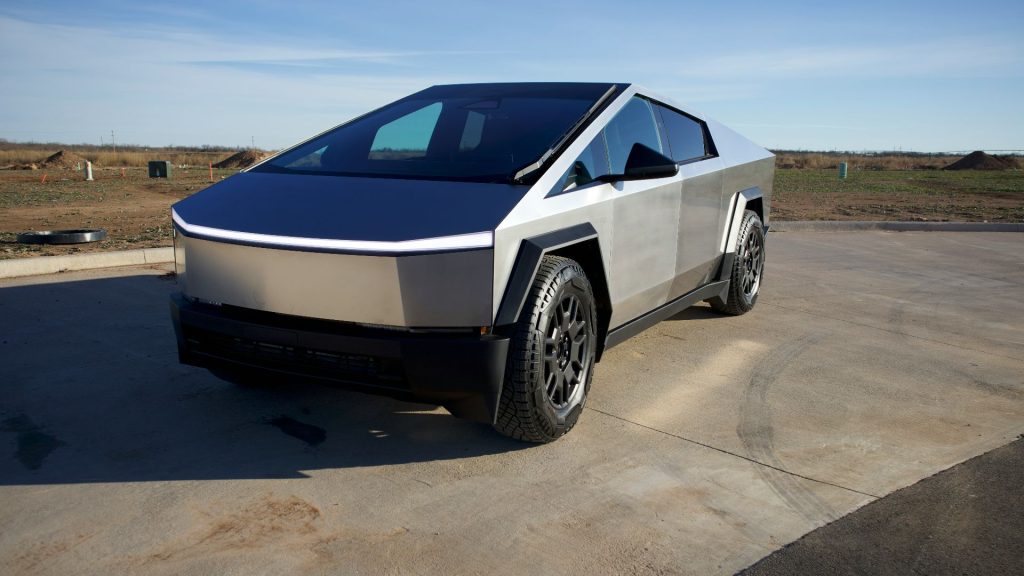
I am including the Cybertruck here, not because it lacks innovation. In fact, it may be one of the most innovative trucks ever built. The issue is that innovation alone does not guarantee maturity. The truck still feels like a product that is evolving through real-world customer experiences rather than one that has fully settled into a refined and proven package.
For buyers willing to embrace experimentation, the Cybertruck may remain appealing. For those seeking a dependable truck experience with fewer unanswered questions, waiting for further refinement may be the wiser decision.
Specifications
- Engine: Dual Electric Motors
- Torque: 740 lb ft
- Horsepower: 600 hp
- Length/Width: 223.7 inches / 79.9 inches
2. Lordstown Endurance
The story of the Lordstown Endurance serves as a reminder that bringing a truck to market is far more difficult than introducing an exciting prototype. The vehicle entered the spotlight with ambitious plans to become a serious electric work truck competitor, but the path from concept to successful production proved far more challenging than expected.
Unlike established manufacturers that possess decades of manufacturing experience, supplier relationships, and dealer networks, Lordstown faced the difficult task of building an automotive business while simultaneously developing a new vehicle. That combination created obstacles that eventually affected confidence in the truck itself.
One of the reasons this truck appears in the “aren’t ready” category is uncertainty. Truck buyers often prioritize stability. They want reassurance that parts, service, warranty support, and future updates will remain available for years.
Questions surrounding the company’s financial position and production capacity made it difficult for many customers to feel secure about making such a significant purchase.
The Endurance also faced scrutiny regarding whether its innovative hub motor design could withstand the demands of commercial truck usage over long periods. While the technology attracted attention, it remained largely unproven in the environments where work trucks spend much of their lives.
Another challenge involved competition. By the time the Endurance attempted to establish itself, major manufacturers were introducing increasingly capable electric pickups backed by extensive resources and support networks. Competing against companies with massive production capabilities is difficult even under ideal circumstances.
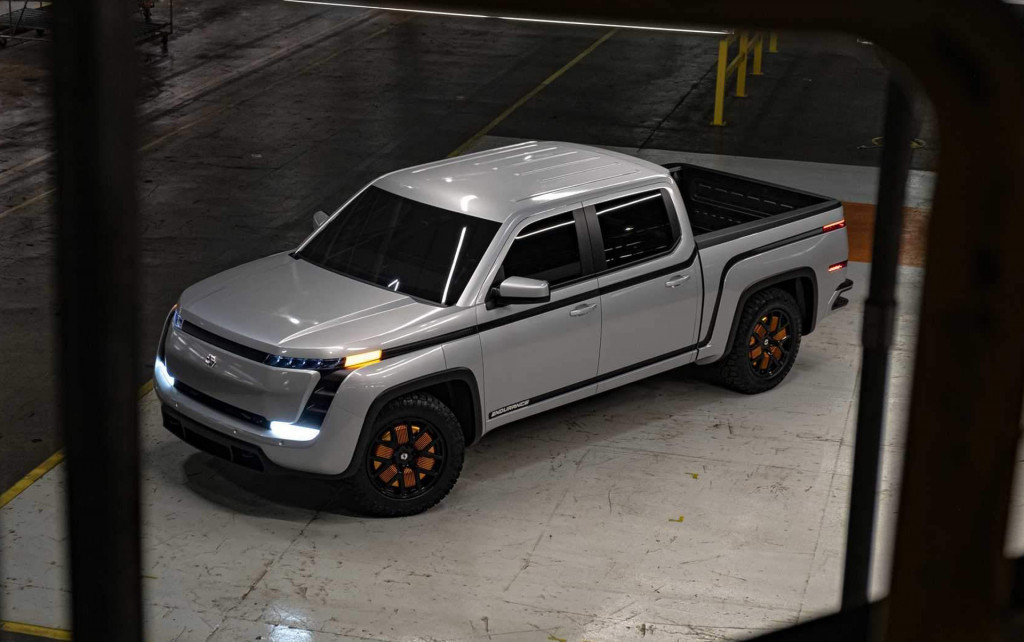
I am discussing the Endurance because it illustrates the difference between a promising idea and a market-ready product. The truck contained interesting concepts and ambitious goals, but buyers require more than innovation. They need confidence in long-term ownership, support, and reliability.
For that reason, the Endurance never reached the level of maturity necessary to challenge the best electric trucks on the market. Its story remains an important chapter in the evolution of electric pickups, but it also highlights the risks associated with entering a highly competitive segment before every critical piece is fully in place.
Specifications
- Engine: Four In-Wheel Electric Motors
- Torque: 4,400 lb ft (wheel torque)
- Horsepower: 550 hp
- Length/Width: 231.7 inches / 80.5 inches
3. Bollinger B2
The Bollinger B2 represents one of the most interesting electric truck concepts ever proposed. Designed with an emphasis on ruggedness, simplicity, and off-road utility, it appeared to offer a refreshing alternative to increasingly luxurious modern pickups. However, promising concepts do not automatically become successful products.
The B2 attracted attention because of its utilitarian philosophy. Flat body panels, impressive ground clearance, and a highly functional layout suggested a vehicle built for serious outdoor use rather than an urban image. Enthusiasts appreciated the truck’s straightforward approach and its willingness to prioritize capability over fashion.
Unfortunately, the journey from concept to production proved extremely difficult. Manufacturing delays, shifting business priorities, and changes in company strategy prevented the truck from achieving the momentum needed to become a realistic purchase option for most consumers.
Pricing also became a significant obstacle. As development costs increased, the truck’s projected cost moved far beyond what many buyers were willing to pay. A vehicle aimed at practicality suddenly faced the challenge of competing in a price range occupied by luxury products.
What makes the B2 feel unfinished is not necessarily the engineering concept itself. In many respects, the idea was compelling. The problem lies in the fact that customers never received the widespread production and support structure required to transform that concept into a dependable ownership experience.
I chose to include the Bollinger B2 because it demonstrates how difficult it can be to translate enthusiasm into a sustainable automotive product. The truck generated excitement among off-road enthusiasts and those seeking something different, yet it remained closer to a vision than a fully established market contender.
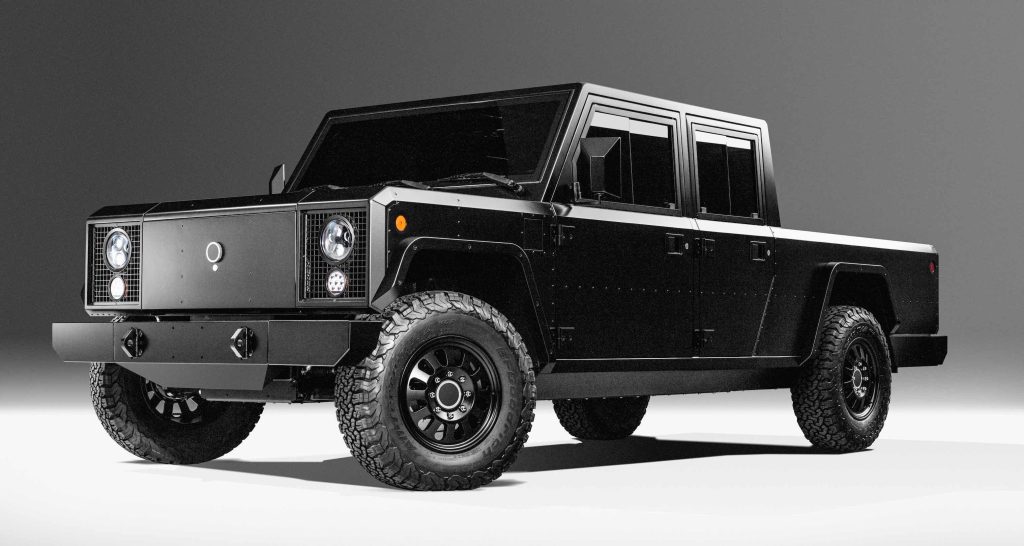
Had circumstances unfolded differently, the B2 might have become one of the most distinctive electric trucks available. Instead, it remains an example of potential that never fully reached its destination.
Specifications
- Engine: Dual Electric Motors
- Torque: 668 lb ft
- Horsepower: 614 hp
- Length/Width: 207 inches / 77 inches
4. Nikola Badger
The Nikola Badger entered public discussion surrounded by ambitious promises and considerable publicity. On paper, the truck appeared capable of challenging established manufacturers through a combination of electric and hydrogen fuel cell technology.
The concept attracted interest because it suggested exceptional driving range and rapid refueling possibilities.
However, a truck cannot be judged solely by projected specifications. The Badger struggled because it never advanced into a meaningful production reality. While renderings and announcements generated headlines, buyers ultimately require actual vehicles, manufacturing plans, service networks, and long-term support.
The absence of a production model remains the primary reason for placing the Badger in this category. A truck may possess remarkable theoretical capabilities, but those advantages mean little if customers cannot purchase and use the vehicle in the real world.
Hydrogen technology itself presents additional challenges. Although hydrogen offers potential benefits, fueling infrastructure remains limited compared with traditional gasoline stations and even modern electric charging networks. Any truck relying heavily on that ecosystem faces significant adoption hurdles.
Another factor worth mentioning is consumer confidence. High-profile controversies surrounding the company affected public perception and raised questions regarding the feasibility of certain claims. Trust plays a major role in vehicle purchasing decisions, particularly when buyers are considering new technologies.
I am writing about the Nikola Badger because it represents one of the clearest examples of a truck that generated excitement before establishing a solid foundation.
The concept encouraged discussion about alternative propulsion technologies and future transportation possibilities, which is valuable. Yet the distance between concept and customer ownership remained enormous.
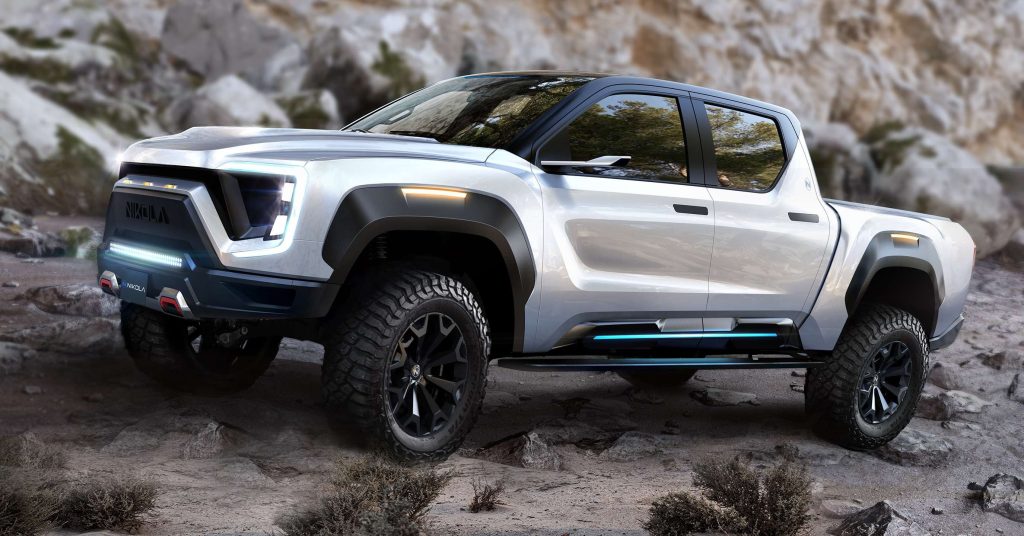
As a result, the Badger never progressed far enough to be considered a genuine competitor to production electric trucks. It serves as a reminder that successful vehicles require more than bold promises.
They need execution, infrastructure, and long-term commitment. Until those elements exist, a truck remains an interesting idea rather than a ready product.
Specifications
- Engine: Electric Motor with Hydrogen Fuel Cell Range Extender
- Torque: 980 lb ft
- Horsepower: 906 hp
- Length/Width: 232 inches / 80 inches
Also Read: 8 Cars With the Best Visibility Out the Windshield