
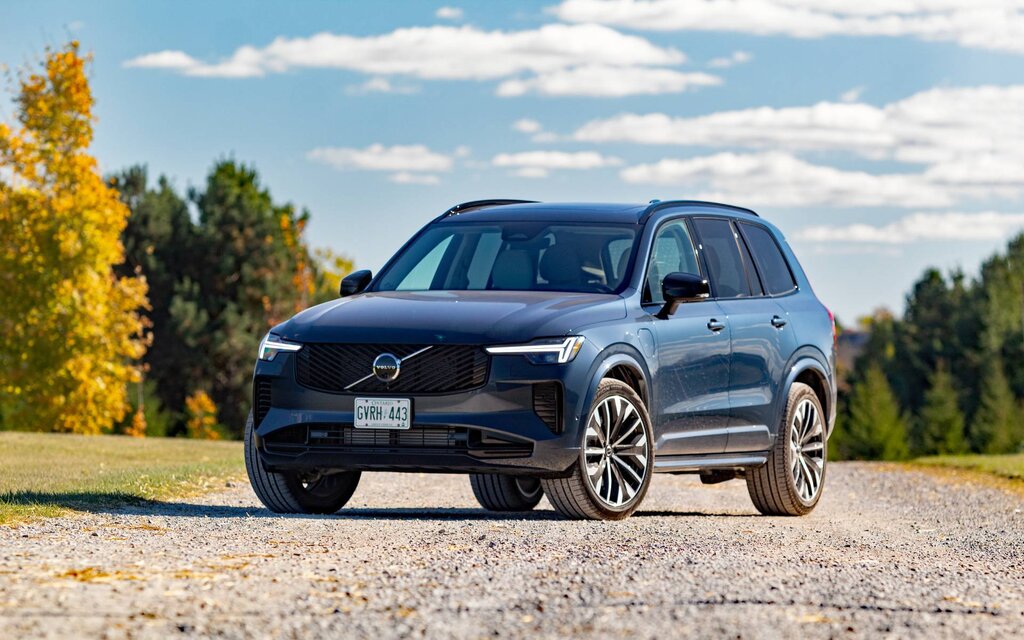
Choosing a car with excellent windshield visibility is more important than many buyers initially realize, especially for daily driving, highway commuting, and urban navigation. Good forward visibility reduces blind spots, improves reaction time, and makes driving less stressful in heavy traffic or poor weather conditions.
It also plays a key role in safety because the clearer and wider your field of view is through the windshield, the earlier you can detect pedestrians, cyclists, road hazards, and sudden traffic changes.
In modern automotive design, however, visibility has become somewhat compromised in many vehicles due to styling trends such as sloping rooflines, thicker pillars for crash safety, larger infotainment screens placed high on the dashboard, and smaller window openings for aerodynamic efficiency.
Despite these trends, there are still several vehicles on the market that prioritize outward visibility as a core design strength. These models typically feature large glass areas, upright seating positions, thin A pillars, and thoughtfully designed dashboards that reduce obstruction in the driver’s line of sight.
Vehicles like the Subaru Forester, Honda CR-V, and Toyota RAV4 are frequently praised for their commanding forward view and minimal blind spots, making them popular among families and new drivers alike. Similarly, models such as the Mazda CX-5 and Volvo XC90 balance design aesthetics with practical visibility considerations, offering drivers a confident and controlled driving experience.
Even compact options like the Kia Soul demonstrate how clever boxy design can dramatically improve windshield sightlines, while rugged vehicles like the Jeep Wrangler take visibility to another level with near-vertical glass and removable structural elements.
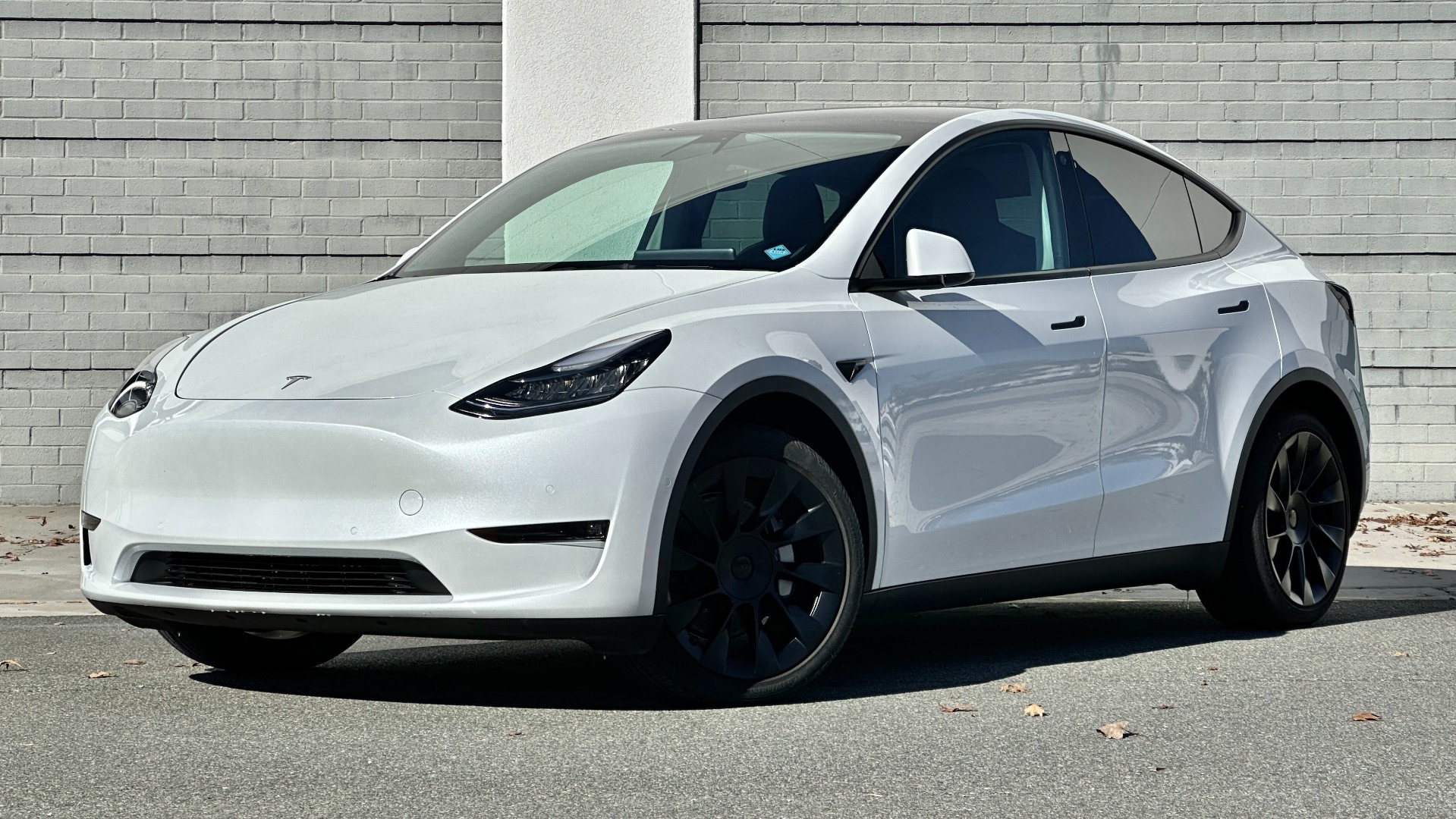
Meanwhile, newer aerodynamic crossovers such as the Tesla Model Y attempt to balance futuristic styling with functional visibility through elevated seating and expansive glass surfaces. This article explores eight vehicles known for offering some of the best windshield visibility in the automotive market, explaining how their design choices impact real-world driving comfort, safety, and awareness.
Whether you are a first-time buyer, a city commuter, or someone who simply values confidence behind the wheel, understanding which cars excel in forward visibility can help you make a smarter and safer purchasing decision.
Also read: 10 Cars Where the Cheaper Option Was Always the Smarter One
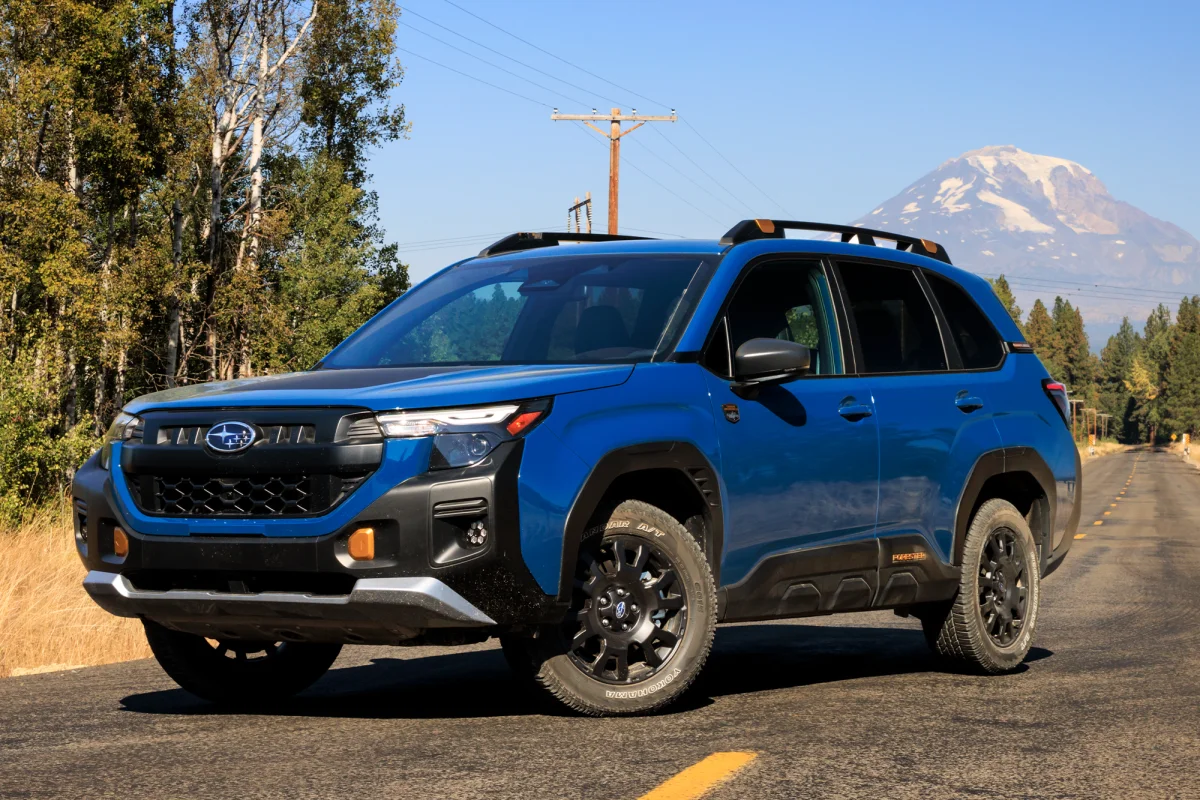
- Engine: 2.5L naturally aspirated flat-4
- Horsepower: 182 hp
- Torque: 176 lb-ft (239 Nm)
- Length: ~4,625 mm
- Width: ~1,815 mm (without mirrors)
1. Subaru Forester
The Subaru Forester is widely regarded as one of the best vehicles for forward visibility in the compact SUV segment. Its design philosophy strongly emphasizes practicality, and this is immediately noticeable when sitting in the driver’s seat.
The windshield is tall and upright, and the dashboard sits relatively low, allowing an unobstructed view of the road ahead. Large side windows and thin front pillars further enhance the feeling of openness, reducing the sense of confinement that many modern SUVs create.
One of the key strengths of the Forester is its greenhouse design, which refers to the glass area surrounding the cabin.
The Forester’s greenhouse is exceptionally large compared to competitors, allowing drivers to easily monitor surrounding traffic and pedestrians without needing to constantly adjust their seating position. This is particularly helpful in tight urban environments or crowded parking areas where spatial awareness is crucial.
Another important factor is the seating position. The Forester provides a slightly elevated yet natural seating posture that aligns the driver’s eye level with the road rather than looking down at it too steeply. This reduces neck strain and improves long-distance driving comfort, especially during highway travel or long commutes.
Visibility is also enhanced by the relatively flat hood design, which helps drivers judge the front corners of the vehicle more accurately. This makes parking and maneuvering significantly easier, especially for less experienced drivers. Combined with Subaru’s emphasis on safety engineering, the Forester becomes a strong choice for those who prioritize visibility and confidence behind the wheel.
The Subaru Forester stands out because it does not sacrifice visibility for styling trends. It remains one of the most driver-friendly SUVs on the market, especially for those who want a clear and commanding view of the road in all driving conditions.
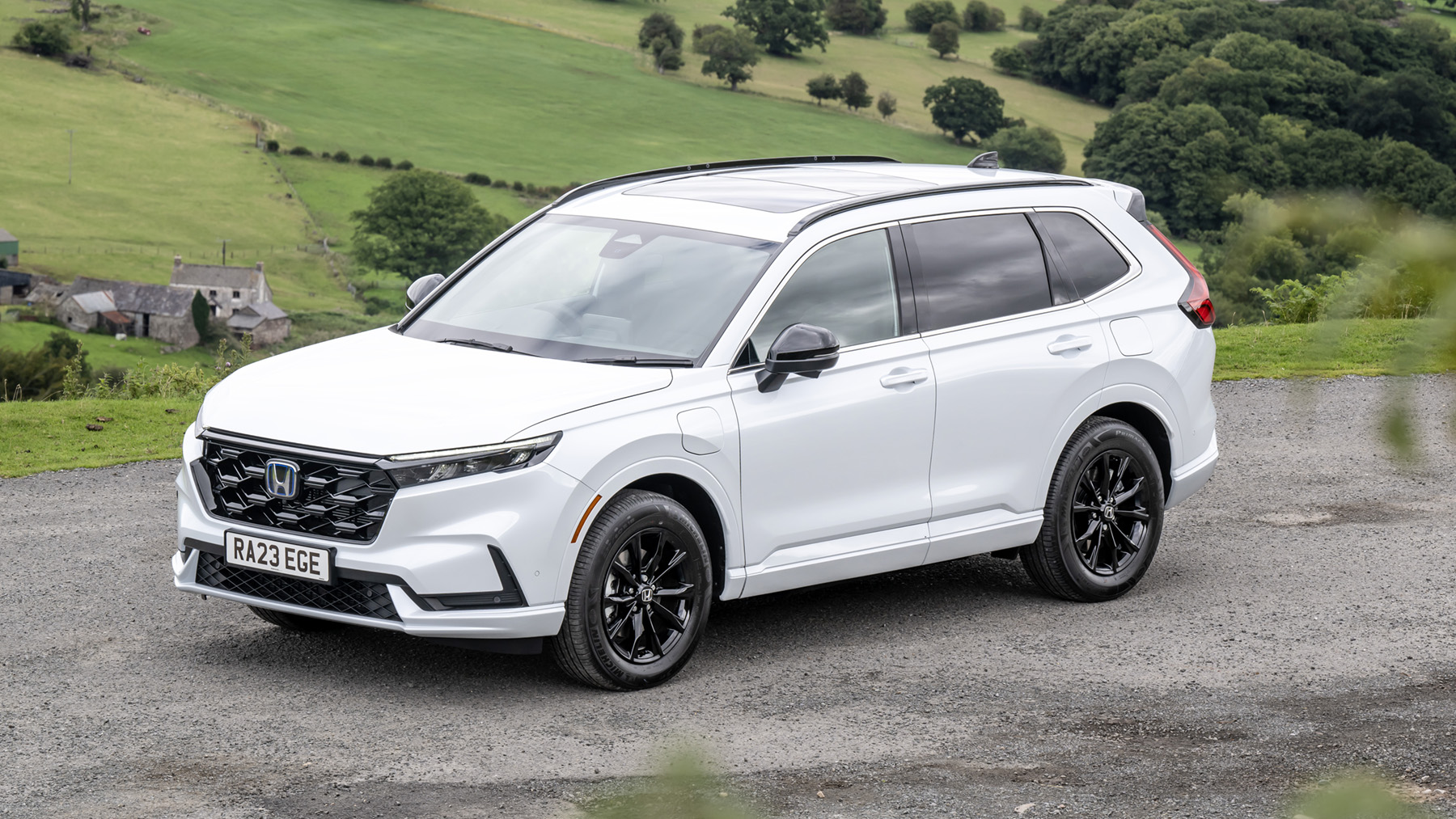
- Engine: 1.5L turbocharged inline-4 (hybrid also available)
- Horsepower: 190 hp (gas) / 204 hp (hybrid system)
- Torque: 179 lb-ft (gas)
- Length: ~4,694 mm
- Width: ~1,866 mm (without mirrors)
2. Honda CR-V
The Honda CR-V is another benchmark vehicle when it comes to windshield visibility and outward awareness. Designed with family usability and everyday practicality in mind, it offers a very natural driving position that makes it easy to see both the road and the surrounding environment.
The windshield is wide and slightly raked but still maintains excellent forward clarity, especially when compared to more aggressively styled competitors.
One of the standout features of the CR-V is its balanced dashboard layout. The instrument panel is positioned low enough to avoid obstructing the driver’s field of view, while still keeping essential controls within easy reach. This design approach helps maintain a clean visual path through the windshield, which is particularly helpful in stop-and-go traffic situations.
The side window design also contributes significantly to visibility. Large front windows and relatively thin A pillars reduce blind spots, making lane changes and intersections easier to navigate. Drivers often report feeling more confident in tight traffic conditions because of this openness.
In addition, the CR-V’s seating position provides a slight elevation that improves forward scanning distance. This allows drivers to anticipate traffic flow changes earlier, which is especially beneficial on highways and during long road trips. The cabin also feels spacious, which reduces visual fatigue over time.
The Honda CR-V excels as a visibility-focused SUV because it combines thoughtful ergonomics with practical design choices. It is not the most flashy vehicle on the road, but it consistently delivers one of the clearest and most comfortable driving views in its class.
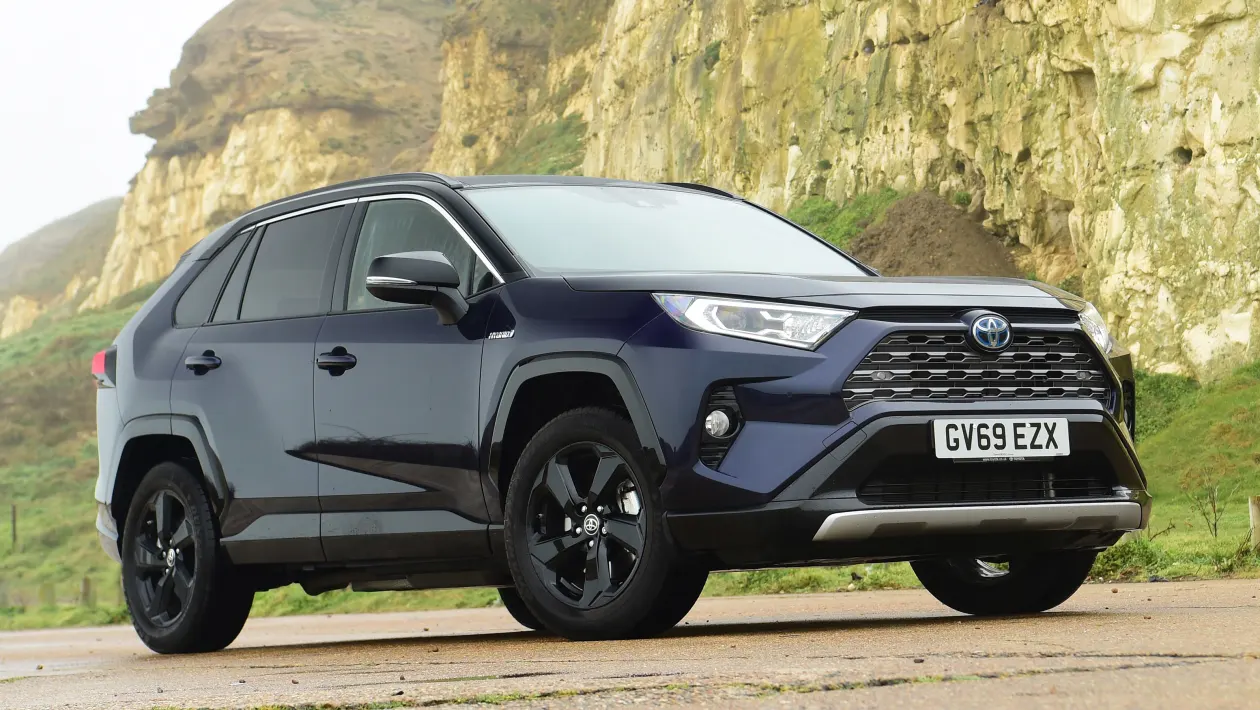
- Engine: 2.5L naturally aspirated inline-4 (hybrid variants available)
- Horsepower: 203 hp (gas) / 219 hp (hybrid)
- Torque: 184 lb-ft
- Length: ~4,600 mm
- Width: ~1,855 mm (without mirrors)
3. Toyota RAV4
The Toyota RAV4 has become one of the most popular compact SUVs in the world, and part of its success comes from its strong emphasis on driver awareness and visibility. The windshield is positioned in a way that creates a wide and open forward view, helping drivers maintain awareness of traffic conditions with minimal effort. This is especially valuable in busy city driving environments.
The RAV4 also benefits from a relatively upright cabin structure, which helps maximize glass area. Unlike more coupe-style SUVs, it avoids heavily sloped rooflines that can reduce rearward and peripheral visibility. Instead, it focuses on functional geometry that supports safe driving visibility.
Inside the cabin, the dashboard is designed to sit low and wide, which reduces visual obstruction. The driver’s seat is positioned to provide a clear line of sight over the hood, making it easier to judge distances when parking or moving through narrow roads. This improves both confidence and precision.
Another advantage is the well-placed A pillars, which are engineered to be strong for safety while still maintaining a relatively slim profile. This helps reduce the traditional blind spot area that can make turns and intersections more challenging in some vehicles.
The Toyota RAV4 delivers a highly practical visibility experience that appeals to a wide range of drivers. It blends safety, comfort, and usability into a package that consistently ranks among the best for forward windshield clarity.
- Engine: 2.5L naturally aspirated inline-4 (turbo available in some trims)
- Horsepower: 187 hp (standard) / up to 256 hp (turbo)
- Torque: 186 lb-ft (standard) / up to 320 lb-ft (turbo)
- Length: ~4,575 mm
- Width: ~1,845 mm (without mirrors)
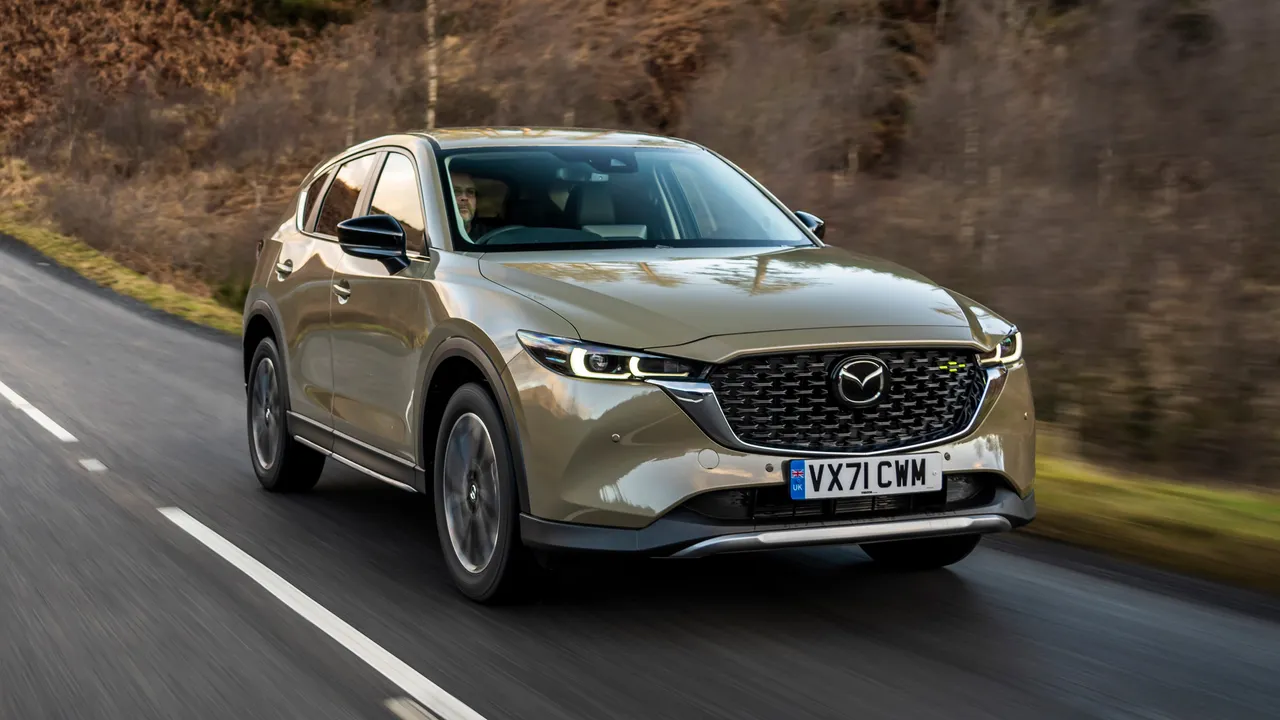
4. Mazda CX-5
The Mazda CX-5 is often praised for its premium interior feel, but it also performs strongly in terms of windshield visibility and driver focus. Mazda’s design philosophy centers on creating a connected driving experience, and visibility plays a major role in that philosophy. The windshield is shaped to offer a clean forward perspective without excessive visual clutter.
One aspect of the CX-5 is its driver-oriented cockpit layout. The dashboard is slightly angled and positioned to keep attention forward, while still minimizing obstruction. This helps the driver maintain a strong visual connection to the road ahead.
The seating position is carefully calibrated to balance comfort and visibility. Drivers sit at a height that provides good road oversight without feeling overly elevated. This creates a more engaging driving posture while still maintaining safety awareness.
Another advantage is the relatively narrow front pillar design, which helps reduce blind spots at intersections. This is particularly useful in urban environments where pedestrians and cyclists may appear suddenly from the sides.
The Mazda CX-5 offers a refined but highly functional visibility setup. It is ideal for drivers who want both driving enjoyment and strong forward awareness without sacrificing style or comfort.
Also read: 12 Cars With Bulletproof Drivetrains You Can Buy for Peanuts
- Engine: 2.0L turbocharged inline-4 mild hybrid (B5 / B6 variants)
- Horsepower: 247 hp (B5) / 295 hp (B6)
- Torque: 258 lb-ft (B5) / 310 lb-ft (B6)
- Length: ~4,953 mm
- Width: ~1,931 mm (without mirrors)
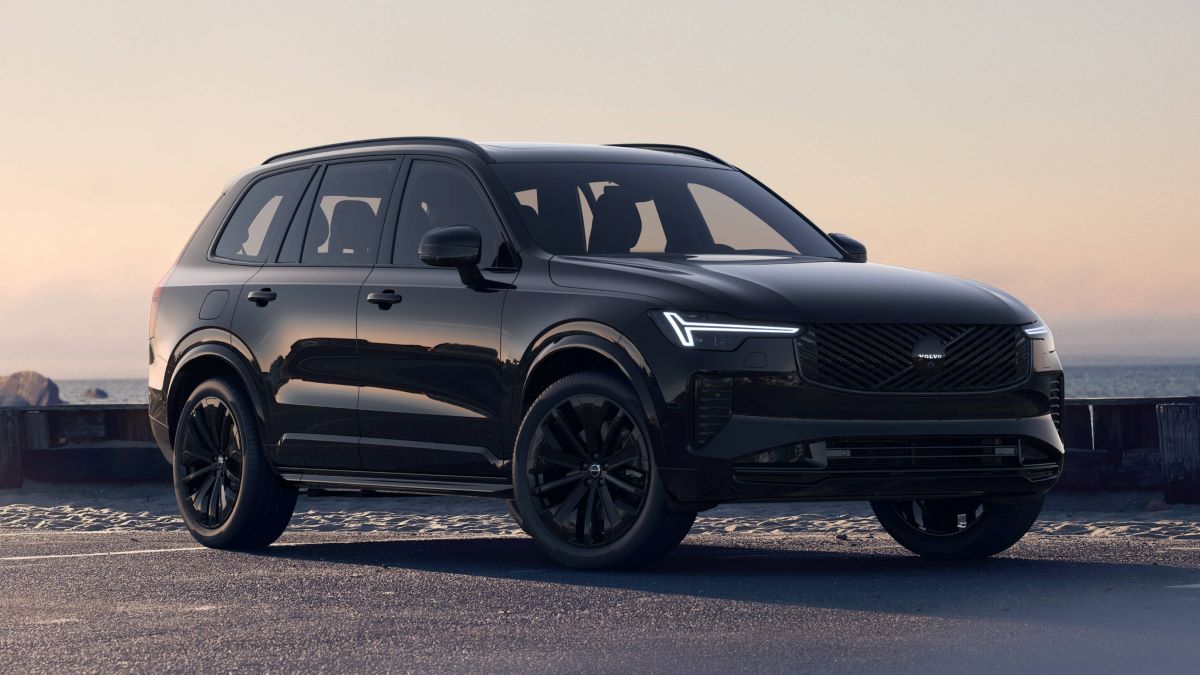
5. Volvo XC90
The Volvo XC90 is a flagship SUV known for safety innovation, and its visibility design reflects that commitment. The windshield is large and upright, providing an expansive field of view that enhances driver confidence in all conditions. Volvo has long prioritized clear sightlines as part of its safety-first engineering approach.
Inside the cabin, the XC90 uses a minimalist dashboard design that reduces visual clutter. This helps the driver focus more on the road and less on interior distractions. The placement of controls and displays is optimized to keep forward attention intact.
The seating position is elevated, giving drivers a commanding view of the road ahead. This is particularly beneficial for highway driving, where long-distance visibility is important for anticipating traffic patterns and maintaining safe following distances.
Another strength is the large side glass area, which improves peripheral awareness. This reduces the likelihood of missing objects in adjacent lanes or at intersections, enhancing situational awareness.
The Volvo XC90 stands out as one of the safest and most visibility-friendly luxury SUVs, offering drivers a clear and confident view that supports its reputation for safety excellence.
- Engine: 2.0L naturally aspirated inline-4
- Horsepower: 147 hp
- Torque: 132 lb-ft (179 Nm)
- Length: ~4,195 mm
- Width: ~1,800 mm (without mirrors)
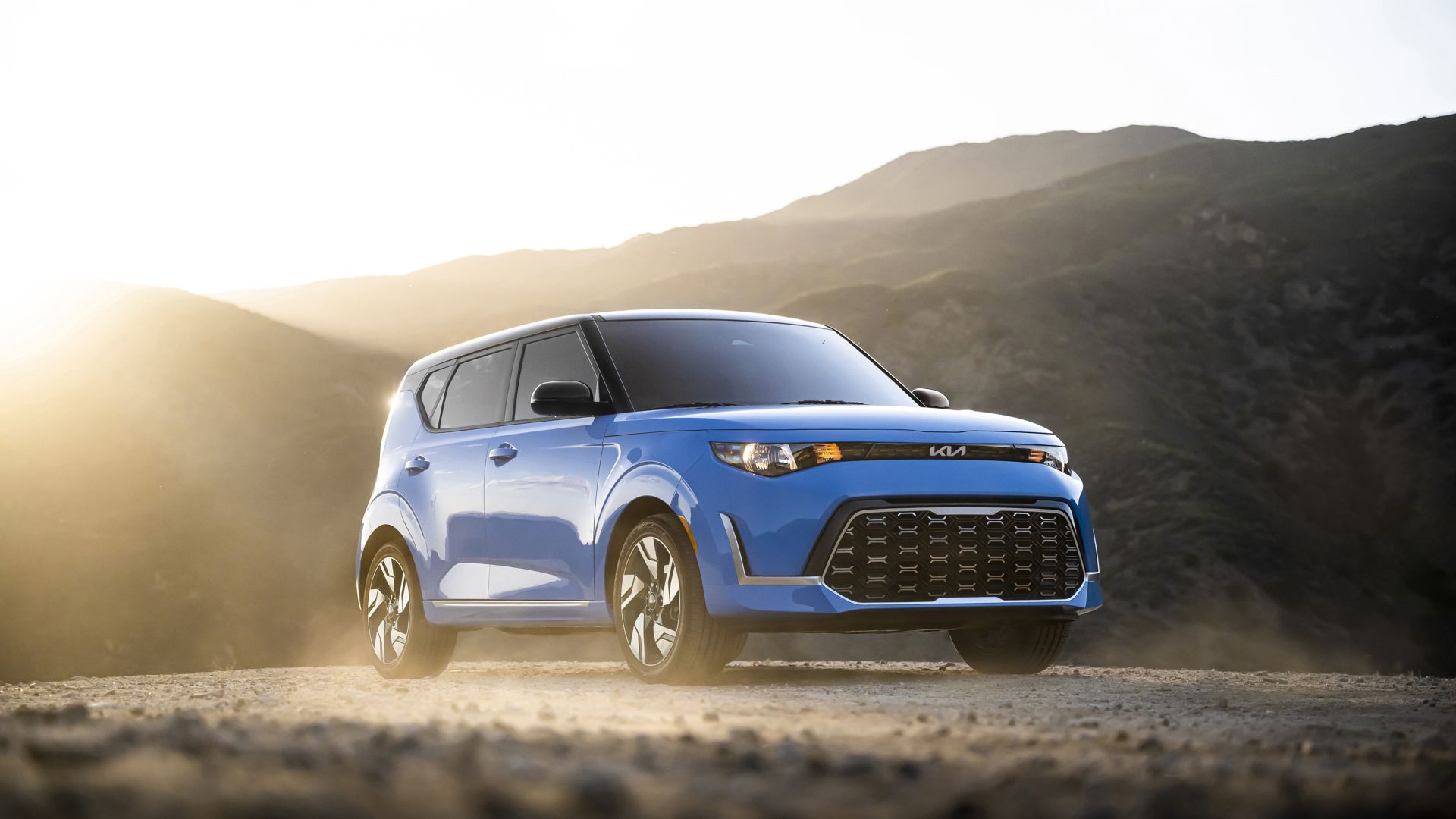
6. Kia Soul
The Kia Soul is one of the most unique vehicles on the road, and its boxy design plays a major role in its exceptional visibility. The upright windshield and squared-off roofline create a very open driving environment that feels almost panoramic compared to many modern crossovers.
One of the biggest advantages of the Soul is its large window surfaces. The near-vertical design allows for minimal distortion and maximum forward clarity, which makes it especially easy for new drivers to adapt to.
The seating position is slightly elevated but still car-like, offering a comfortable balance between visibility and maneuverability. This makes it ideal for urban environments where frequent stops and tight turns are common.
The front pillars are relatively thin compared to many competitors, which helps reduce blind spots during turns and lane changes. This contributes to a safer and more predictable driving experience in congested areas.
The Kia Soul proves that a boxy design is not outdated when it comes to visibility. It remains one of the most driver-friendly compact vehicles for clear windshield sightlines.
- Engine: 3.6L V6 (standard) / 2.0L turbo inline-4 (optional)
- Horsepower: 285 hp (V6) / 270 hp (turbo)
- Torque: 260 lb-ft (V6) / 295 lb-ft (turbo)
- Length:
- 2-door: ~4,237 mm
- 4-door (Unlimited): ~4,785 mm
- Width: ~1,877 mm (without mirrors)
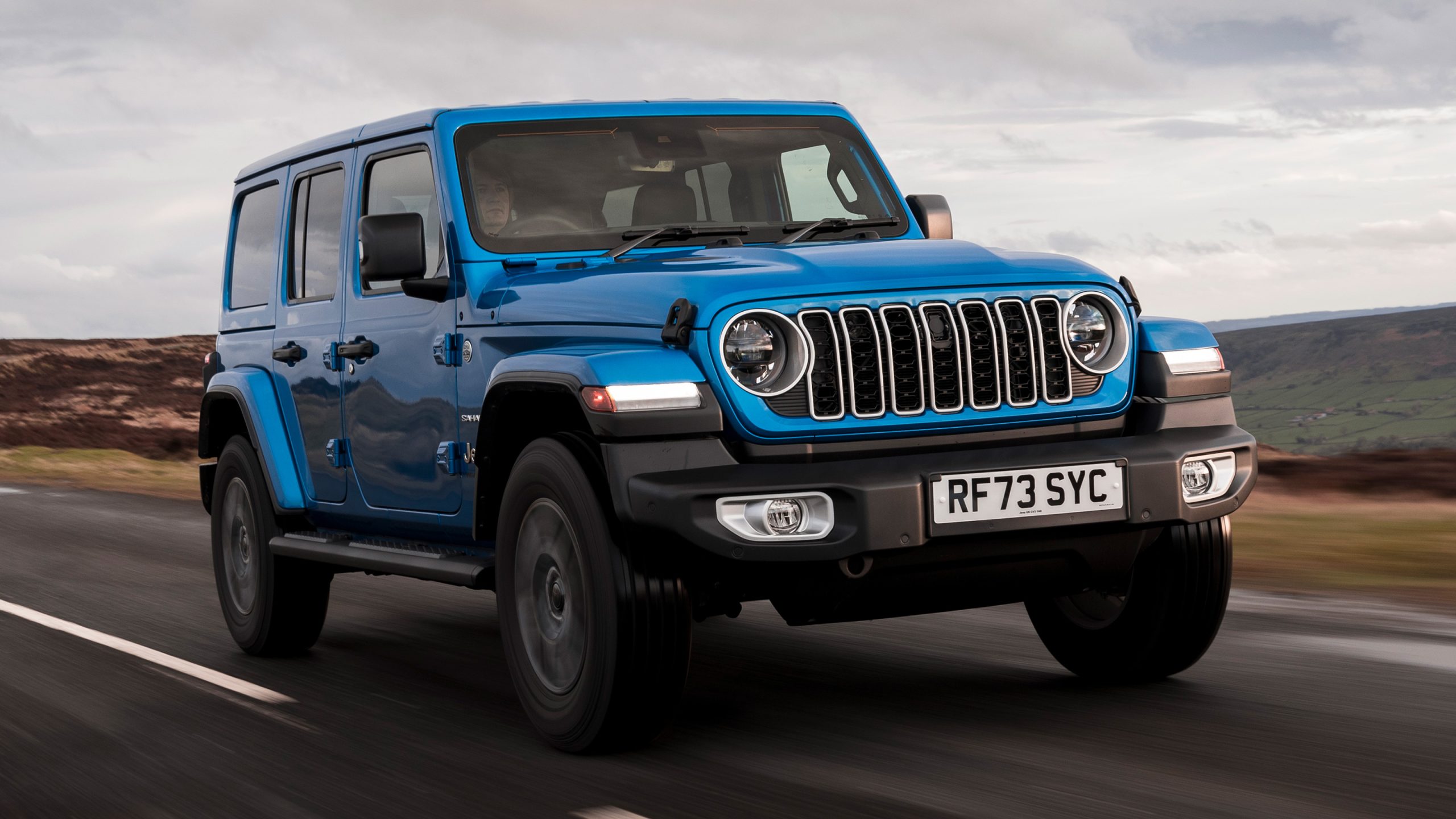
7. Jeep Wrangler
The Jeep Wrangler is designed for off-road capability, but it also provides some of the most direct and uncompromised windshield visibility available in any modern vehicle. Its upright windshield and minimal dashboard obstruction create an almost utilitarian level of forward clarity.
One of the defining features of the Wrangler is its vertical glass structure. This eliminates many of the visual distortions found in sloped windshield designs and gives drivers a very direct view of the terrain ahead.
The seating position is high and commanding, which allows drivers to see over obstacles easily. This is especially useful in off-road environments where terrain changes quickly, and visibility is critical.
Another unique factor is the removable roof and doors on many configurations, which further enhances awareness. Even when fully enclosed, the design prioritizes simplicity and visibility over aerodynamic styling.
The Jeep Wrangler offers unmatched directness in windshield visibility, making it ideal for both off-road enthusiasts and drivers who prefer an unfiltered view of their surroundings.
- Powertrain: Dual motor electric (Long Range AWD most common reference)
- Horsepower: ~384 hp (estimated system output)
- Torque: ~364 lb-ft (estimated)
- Length: ~4,751 mm
- Width: ~1,921 mm (without mirrors)
8. Tesla Model Y
The Tesla Model Y combines modern electric vehicle design with surprisingly strong forward visibility. Despite its aerodynamic shape, it uses a large windshield and elevated seating position to maintain a clear driving perspective.
One of its standout features is the expansive glass area, which creates an airy cabin environment. This reduces the sense of enclosure and helps drivers maintain awareness of surrounding conditions.
The dashboard is extremely minimal, which eliminates unnecessary visual distractions. With most controls integrated into the central screen, the forward view remains clean and unobstructed.
The seating position is high enough to provide good road visibility, especially in traffic. This helps compensate for the sloping hood design, which might otherwise reduce direct front corner visibility.
The Tesla Model Y manages to balance futuristic design with practical visibility, making it one of the more forward-thinking options for drivers who value both technology and road awareness.
