
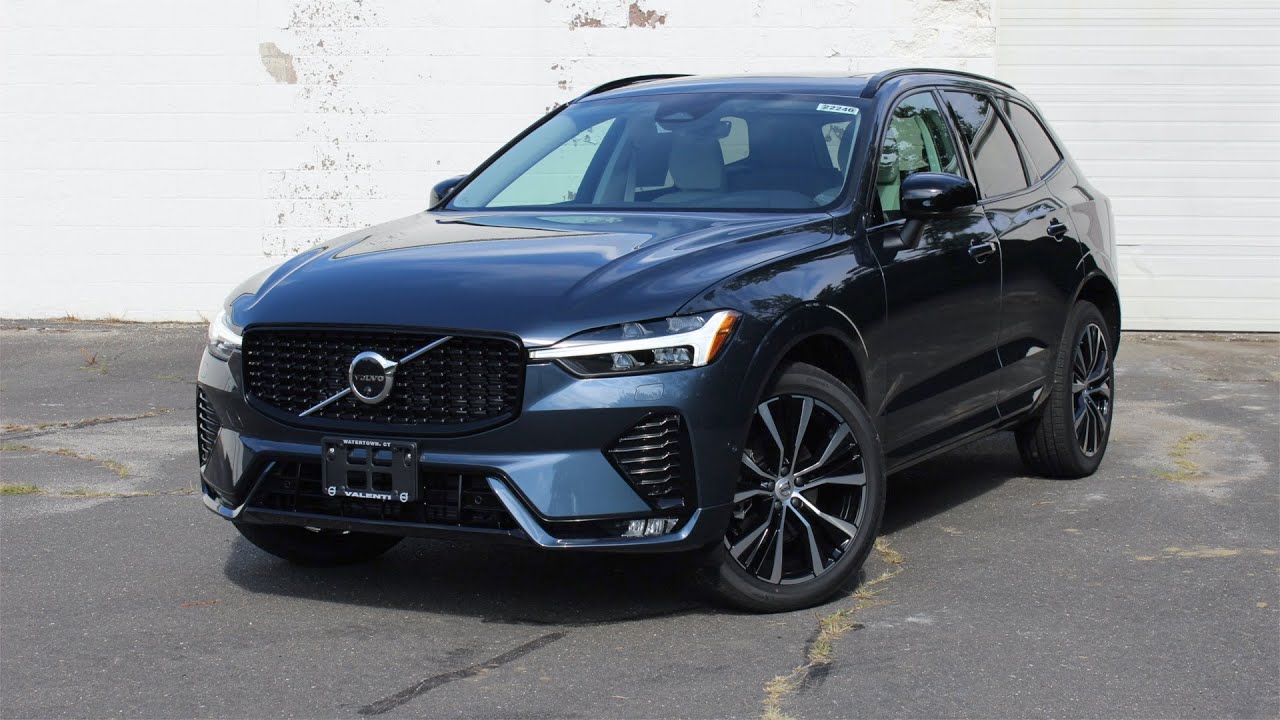
Volvo Cars has secured a major regulatory victory in the United States after receiving government approval to continue importing and selling connected vehicles despite increasingly strict rules targeting Chinese-linked automotive technology.
The decision, announced on May 27, 2026, removes a significant obstacle for the Swedish automaker as it works to expand its presence in one of the world’s most competitive vehicle markets. The approval carries importance far beyond Volvo itself.
Over the past two years, Washington has intensified efforts to restrict Chinese involvement in connected vehicle systems, citing concerns surrounding national security, data privacy, and the possibility that foreign governments could gain access to sensitive information collected by modern automobiles.
New regulations finalized under the Biden administration effectively blocked most Chinese connected vehicle technology from entering the American market, creating uncertainty for automakers with ownership ties to China. Volvo found itself directly caught in the middle of that debate.
Although the company is headquartered in Sweden and operates as a globally recognized European luxury brand, it remains majority owned by China’s Geely Holding Group. Because of that ownership structure, Volvo faced the possibility that future vehicle imports could be restricted under new US connected car regulations.
Now, after months of discussions with American officials, Volvo has received a specific authorization allowing it to continue selling connected vehicles in the United States.
For the company, the decision removes a cloud of uncertainty that had been hanging over its future growth plans.
Also Read: 10 Car Brands That Quietly Left the American Market
The Approval Comes Amid Rising US-China Automotive Tensions
The background behind Volvo’s approval reflects a much larger geopolitical battle currently reshaping the global auto industry.
Modern vehicles are no longer simply mechanical machines. They are increasingly connected digital devices equipped with cameras, sensors, wireless communication systems, cloud-based software, and advanced driver assistance technologies. These systems continuously collect and transmit enormous amounts of data.
American regulators have grown increasingly concerned that vehicles connected to companies operating under Chinese jurisdiction could potentially expose sensitive information or create cybersecurity vulnerabilities.
Those concerns led the US Department of Commerce to finalize strict rules governing connected vehicle technology linked to China and Russia. The regulations target both software and hardware integrated into connected vehicle systems.
Beginning with newer model years, automakers with significant Chinese ownership or involvement in certain technology supply chains faced the possibility of being excluded from the American market unless they received special authorization. Volvo, therefore, entered a case-by-case review process with US regulators.
According to company statements, discussions focused heavily on governance structures, data security practices, and technology oversight. American officials ultimately concluded that Volvo could continue importing and selling connected vehicles under a specific authorization framework.
The decision suggests regulators were satisfied that Volvo’s operational structure and security controls differ sufficiently from the risks targeted by the broader restrictions. That outcome was far from guaranteed.
Several lawmakers have already proposed even tougher measures that could further restrict Chinese-linked automotive companies regardless of individual approvals.
Why the Decision Matters So Much for Volvo
The United States remains one of Volvo’s most important global markets. The company sold more than 121,000 vehicles in America during 2025 despite slowing growth and broader market challenges. Many of those vehicles are imported from Europe, making continued access to the US market essential for Volvo’s long-term business strategy.
Without approval, Volvo could have faced severe disruption to its sales operations. The company has spent years investing heavily in electrification, luxury vehicle development, and American manufacturing expansion. Losing access to the US market would have created enormous financial and strategic consequences.
Instead, the authorization now allows Volvo to continue pursuing growth plans already underway. The automaker has repeatedly emphasized its commitment to increasing production inside the United States.
Its manufacturing facility in South Carolina currently assembles the fully electric EX90 SUV, and Volvo has announced plans to add more models to domestic production over the coming years. The company also intends to begin building the popular XC60 SUV in South Carolina by late 2026.
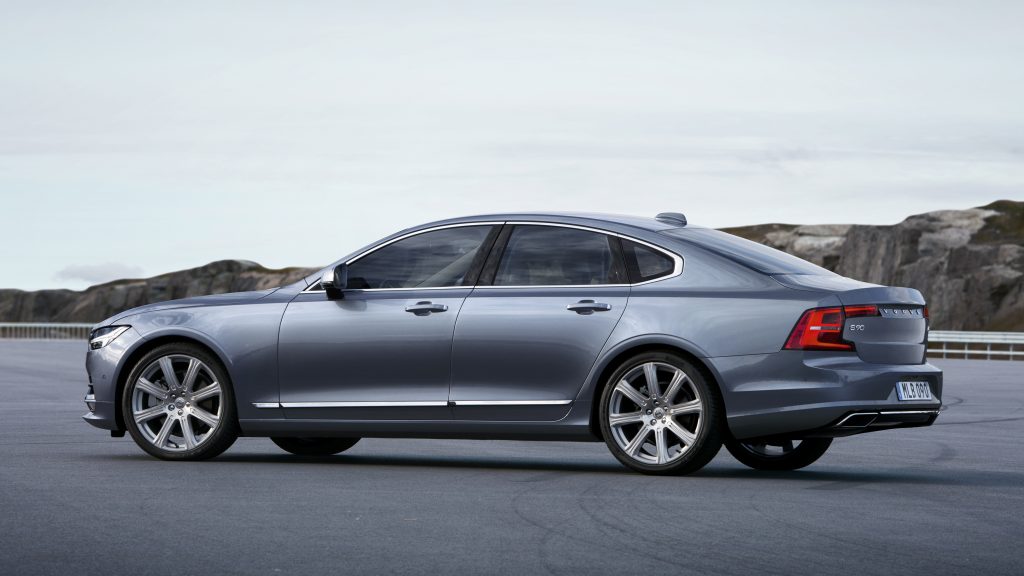
That expansion strategy aligns closely with broader industry trends. As tariffs, geopolitical tensions, and supply chain risks continue affecting global manufacturing, many automakers are moving toward regional production models where vehicles are built closer to the markets where they are sold. Volvo’s South Carolina investments fit directly into that approach.
The Decision Could Influence Other Automakers
Industry analysts are watching Volvo’s approval closely because it may provide insight into how American regulators handle similar cases moving forward. Volvo is not the only automaker operating in a complex ownership environment.
Polestar, which also maintains close ties to Geely, continues working with US authorities to comply with connected vehicle regulations. Other global manufacturers rely on technology partnerships, software suppliers, and production networks that cross multiple countries and jurisdictions.
The Volvo case demonstrates that ownership ties alone may not automatically prevent companies from receiving authorization if they can satisfy regulatory concerns regarding governance and data security.
That distinction could become increasingly important as connected vehicles grow more sophisticated.
Future automobiles will rely even more heavily on software, cloud connectivity, artificial intelligence, and autonomous driving technologies. Governments around the world are becoming more sensitive to questions involving data access, cybersecurity, and technological dependence.
As a result, automakers now face challenges extending far beyond traditional vehicle engineering.
They must also navigate complex regulatory environments where software architecture, corporate ownership, and data management practices can influence market access just as much as vehicle design or performance.
For Volvo, receiving approval represents a significant victory at a crucial moment. The company avoids a potentially damaging disruption while gaining the ability to continue expanding in the United States. Yet the broader political debate surrounding connected vehicle technology remains far from settled.
American lawmakers continue discussing stricter restrictions, and tensions involving automotive technology, cybersecurity, and international competition show little sign of easing.
For now, however, Volvo has secured the outcome it needed most. Despite increasing scrutiny surrounding Chinese-linked automotive technology, the Swedish brand will remain on American roads, continuing to sell connected vehicles while many other companies still face uncertainty about their future access to the US market.
