
Driving at night places enormous trust in a car’s headlights. No matter how advanced a vehicle may be in terms of performance, technology, or comfort, weak headlights can instantly reduce driver confidence and safety.
Poor illumination limits reaction time, hides road hazards, and increases fatigue during long nighttime drives. That is why the Insurance Institute for Highway Safety, better known as IIHS, began placing much greater attention on headlight performance in recent years.
For decades, many automakers focused heavily on styling rather than true lighting effectiveness. Some vehicles looked impressive from the outside but performed poorly during real-world nighttime testing.
IIHS changed the conversation by introducing stricter headlight evaluations that measure beam distance, glare control, visibility around curves, and performance on both high and low beams.
Manufacturers quickly realized that excellent crash scores alone were no longer enough. A vehicle now needed strong headlight performance to achieve the highest safety recognition.
Modern lighting technology has improved dramatically because of this pressure. LED systems, adaptive headlights, matrix lighting, and intelligent beam control now allow drivers to see farther while minimizing glare for other motorists.
Some vehicles can automatically adjust light patterns depending on steering angle, traffic conditions, and road elevation. The difference between average headlights and top-rated headlights can feel massive during dark highway driving or heavy rain.
Cars that receive the best IIHS headlight ratings usually combine intelligent engineering with practical usability. The strongest systems produce wide and evenly distributed illumination without creating distracting hot spots or excessive brightness for oncoming traffic. These vehicles make nighttime driving less stressful and significantly safer.
This list highlights eight cars that earned exceptional recognition from IIHS for their headlight performance. The selections come from different segments, including luxury sedans, practical family vehicles, and advanced electric cars.
Each one demonstrates how modern lighting technology can transform the driving experience after sunset and why great headlights deserve far more attention from buyers than they often receive.
Also Read: 8 Cars That Are Nearly Impossible to Steal
1. Genesis G80
The Genesis G80 has quietly become one of the most impressive luxury sedans in the market, and its excellent IIHS headlight ratings played a major role in strengthening that reputation.
Genesis approached lighting design with a clear focus on real-world usability rather than simply creating flashy visual effects. The result is a sedan that performs exceptionally well during nighttime driving conditions.
One of the first things drivers notice about the G80 is how evenly the headlights distribute light across the road. Many vehicles create overly concentrated bright spots while leaving darker areas near the edges, but the Genesis system maintains strong visibility throughout the driver’s field of vision.
This becomes especially useful on rural roads and poorly lit highways, where identifying obstacles early can make a major difference.
The adaptive LED headlight technology also contributes heavily to the car’s strong IIHS performance. As the vehicle moves through corners, the lighting pattern adjusts intelligently to illuminate the road ahead instead of remaining fixed in one direction.
This creates a far more natural nighttime driving experience because drivers can see bends and approaching curves earlier.
Genesis additionally focused on controlling glare effectively. Some modern LED systems produce harsh brightness that irritates other drivers, but the G80 manages to balance strong illumination with respectable glare control. That combination helped the sedan score highly during IIHS evaluations.
Another impressive quality is consistency during bad weather. Rain and fog often expose weaknesses in lighting systems, yet the G80 maintains excellent road visibility without excessive reflection or scattered brightness. Long nighttime highway drives feel noticeably less tiring because the headlights reduce strain on the driver’s eyes.
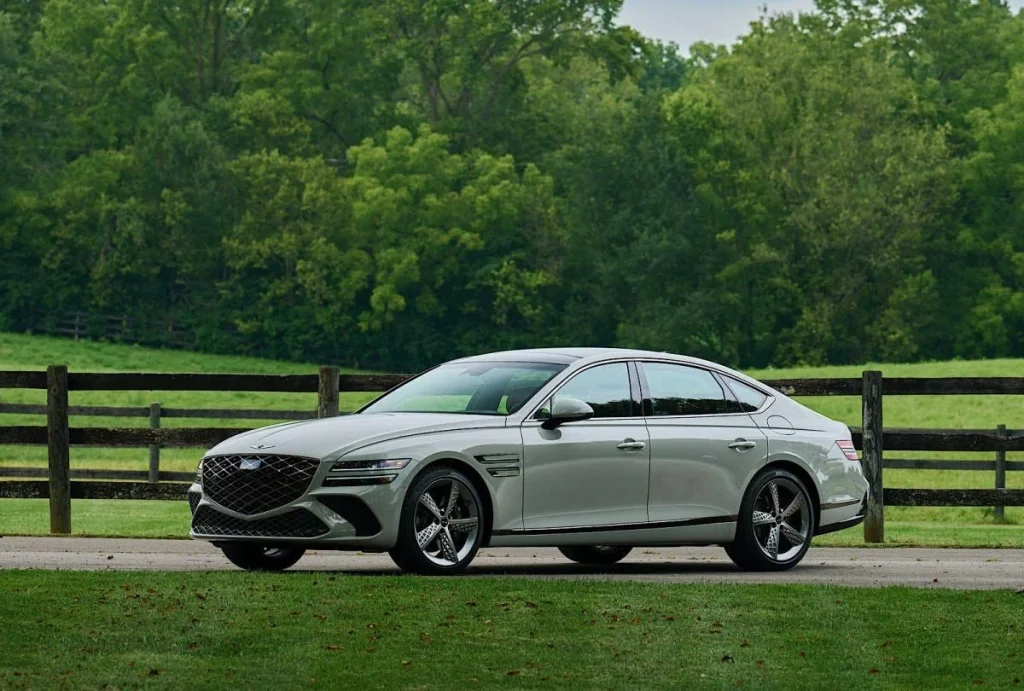
Beyond the technical advantages, the lighting design complements the sedan’s upscale personality beautifully. The signature twin-line LED appearance gives the G80 a distinctive identity while still prioritizing functionality first.
Genesis successfully proved that luxury styling and practical safety engineering can coexist without compromise.
Specifications:
- Engine: 2.5-liter turbocharged inline 4
- Torque: 311 lb ft
- Horsepower: 300 HP
- Length/Width: 196.7 inches / 75.8 inches
2. Volvo XC90
Volvo has built its modern identity around safety innovation, so it is not surprising that the XC90 earned praise for its excellent headlight performance in IIHS testing. The Swedish luxury SUV combines sophisticated lighting technology with practical visibility engineering, creating one of the most confidence-inspiring nighttime driving experiences in its class.
Instead of relying purely on aggressive brightness, Volvo engineered the XC90 headlights to produce balanced and controlled illumination. The beam pattern spreads widely across the road while maintaining strong forward projection, helping drivers identify pedestrians, animals, and road signs much earlier than in vehicles with weaker systems.
The famous Thor’s Hammer LED lighting signature is more than just a design element. Beneath the stylish appearance lies a highly capable adaptive lighting setup that actively improves visibility during changing driving conditions.
When steering through corners or entering darker roads, the headlights adjust direction and intensity to maximize illumination where it matters most.
Volvo also paid close attention to glare management. This became increasingly important as brighter LED systems became common throughout the industry.
The XC90 performs impressively in this area because it provides excellent driver visibility without excessively blinding oncoming traffic. IIHS evaluations strongly reward this balance, which helped the SUV achieve top headlight scores.
One particularly useful feature is the smooth transition between high and low beams. Many systems feel abrupt or inconsistent, but the XC90 changes lighting patterns naturally and predictably. During nighttime highway travel, this creates a calmer and more refined driving atmosphere.
The SUV’s upright seating position further enhances the effectiveness of the headlights. Drivers benefit from excellent road visibility combined with strong light projection, making long-distance travel feel more relaxed and secure. Even during harsh weather conditions, the XC90 maintains impressive illumination clarity.
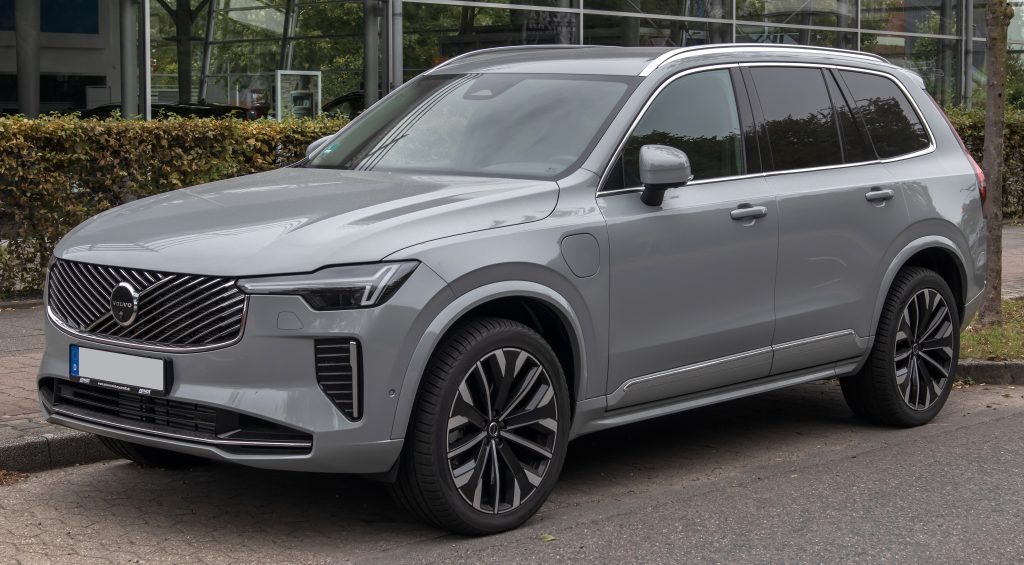
Volvo’s dedication to safety extends far beyond crash structures and airbags. The XC90 demonstrates how carefully engineered headlights can actively prevent dangerous situations before they happen, making nighttime driving significantly safer and more comfortable.
Specifications:
- Engine: 2.0-liter turbocharged and supercharged inline 4
- Torque: 295 lb ft
- Horsepower: 295 HP
- Length/Width: 195 inches / 79.1 inches
3. Toyota Camry
The Toyota Camry has long been associated with reliability and practicality, but recent generations have also earned serious respect for safety technology and nighttime visibility.
IIHS testing highlighted how dramatically Toyota improved the Camry’s headlight performance, transforming a once ordinary family sedan into one of the better illuminated vehicles in its segment.
Toyota approached the Camry’s lighting system with an emphasis on consistency and driver confidence. The LED headlights produce a clean and evenly distributed beam pattern that performs well on both city streets and dark highways.
Drivers are able to spot lane markings, signs, and roadside obstacles earlier without constantly straining their eyes during nighttime travel.
A major strength of the Camry’s headlights is their balance. Some modern systems prioritize intensity so heavily that they create excessive glare for other motorists. Toyota instead tuned the beam carefully to maintain strong forward visibility while avoiding unnecessary harshness. This helped the sedan earn favorable IIHS evaluations in glare control tests.
The adaptive lighting functions further improve usability. During curved roads or changing elevations, the headlights adjust naturally to maintain illumination ahead of the vehicle rather than leaving dark blind spots near corners. Drivers often notice this advantage most during rural driving, where road lighting is limited.
Toyota also designed the headlights to function effectively in poor weather. Rain-soaked highways and foggy conditions can quickly expose weak lighting systems, but the Camry maintains respectable visibility without producing overwhelming reflections from wet pavement. That quality makes the sedan feel dependable in a wide range of driving situations.
Interestingly, the Camry achieves this performance without relying on overly complicated luxury technology. Toyota focused on practical execution and real-world usability instead of unnecessary visual gimmicks. The result is a lighting system that quietly performs its job extremely well every single night.
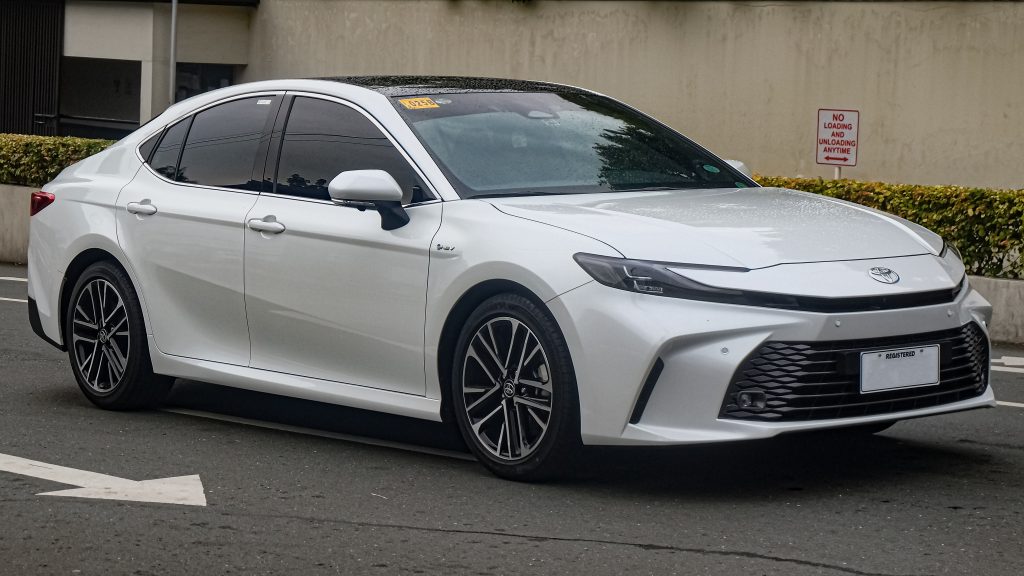
For buyers seeking a dependable midsize sedan with strong IIHS headlight ratings, the Camry proves that excellent nighttime safety is not limited only to expensive luxury vehicles.
Specifications:
- Engine: 2.5-liter naturally aspirated inline 4
- Torque: 184 lb ft
- Horsepower: 203 HP
- Length/Width: 192.1 inches / 72.4 inches
4. Acura MDX
The Acura MDX combines premium comfort with advanced safety engineering, and its highly rated headlights became one of the SUV’s most impressive strengths during IIHS evaluations.
Acura invested heavily in lighting technology for the MDX, creating a system that performs exceptionally well during nighttime driving while also complementing the vehicle’s upscale personality.
The Jewel Eye LED headlights immediately stand out visually, but their functionality matters far more than their appearance. Acura designed the system to deliver wide and uniform road illumination rather than narrow concentrated brightness. This allows drivers to maintain awareness of both the road ahead and the surrounding environment during dark conditions.
One area where the MDX excels is corner visibility. The adaptive lighting system responds smoothly to steering input, directing illumination into curves before the vehicle fully enters them. This creates a more natural and confident driving experience on winding roads because drivers can identify upcoming obstacles and lane changes much earlier.
IIHS testing also rewarded the MDX for controlling glare effectively. Bright headlights can easily become dangerous if they blind approaching drivers, but Acura balanced intensity carefully to avoid excessive harshness. The SUV manages to provide strong visibility without feeling aggressive toward other traffic.
Another impressive characteristic is the quality of the light itself. Some LED systems produce cold and uneven illumination that can feel tiring during long drives, but the MDX maintains a cleaner and more comfortable lighting tone. Nighttime highway travel feels less stressful because the driver’s eyes do not constantly struggle to adjust.
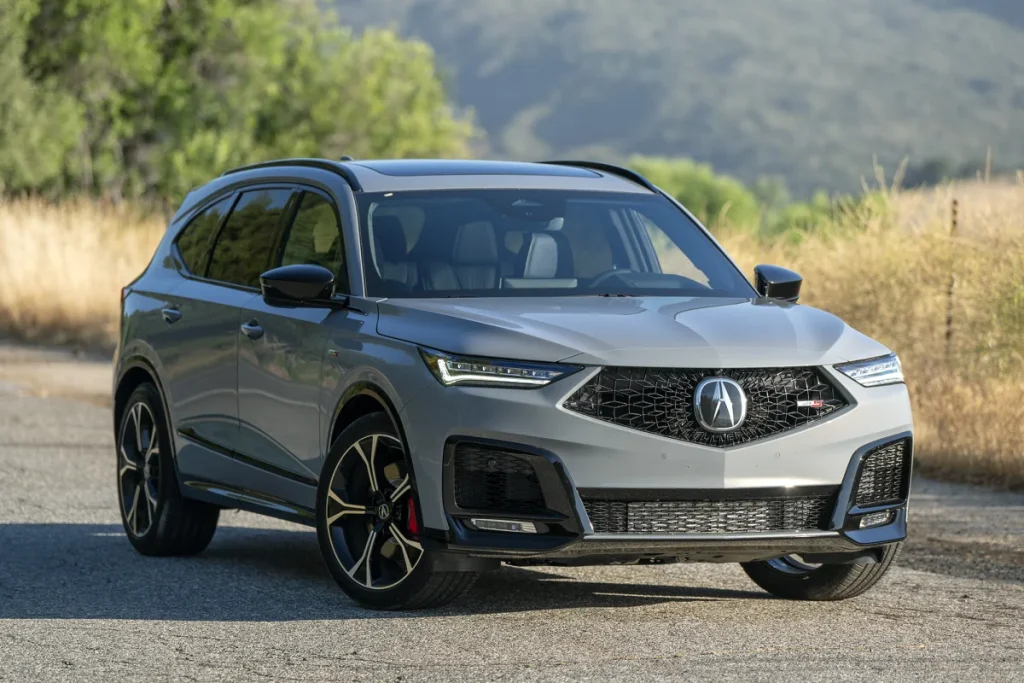
The upgraded driving position further enhances the effectiveness of the headlight system. Combined with excellent visibility from the cabin, the lighting creates a strong sense of awareness in difficult nighttime conditions. Rain, fog, and poorly lit suburban roads become easier to navigate confidently.
Acura successfully blended luxury styling with serious functional engineering in the MDX. Its excellent IIHS headlight ratings demonstrate that thoughtful lighting design can dramatically improve everyday safety while still contributing to a premium driving experience.
Specifications:
- Engine: 3.5-liter naturally aspirated V6
- Torque: 267 lb ft
- Horsepower: 290 HP
- Length/Width: 198.4 inches / 78.7 inches
5. Hyundai Palisade
The Hyundai Palisade emerged as one of the most successful three-row SUVs in recent years because it combined premium comfort, family practicality, and advanced safety technology at a highly competitive price. Among its many strengths, the Palisade also gained recognition for its impressive headlight performance in IIHS testing.
Hyundai clearly understood that large family vehicles need strong nighttime visibility because these SUVs are often used for long highway trips and late evening driving.
One reason the Palisade performed so well is the quality of its LED projection system. Instead of creating narrow beams focused only on the center of the road, the headlights provide wide coverage that helps illuminate surrounding lanes and roadside areas.
This becomes extremely valuable during rural driving, where animals, cyclists, or poorly marked road edges can appear suddenly in low light conditions.
The SUV’s adaptive high beam technology also improves usability significantly. Many drivers dislike constantly switching between high and low beams on dark roads, especially during long journeys.
The Palisade handles this process intelligently, automatically adjusting brightness based on surrounding traffic while maintaining excellent forward visibility whenever possible. This feature reduces fatigue and helps drivers stay focused during nighttime travel.
Another important detail is the smoothness of the illumination pattern. Some vehicles produce uneven lighting with distracting hot spots or dark gaps, but Hyundai tuned the Palisade’s headlights carefully to create a more natural visual field.
Drivers experience less strain because the road appears evenly illuminated rather than excessively bright in certain sections.
The Palisade additionally handles poor weather conditions impressively well. Heavy rain often causes excessive glare and reflection with badly calibrated headlights, but Hyundai’s setup maintains clarity without overwhelming the driver’s vision.
Foggy highways and wet urban roads feel far less stressful behind the wheel of the Palisade than they do in many competing SUVs.
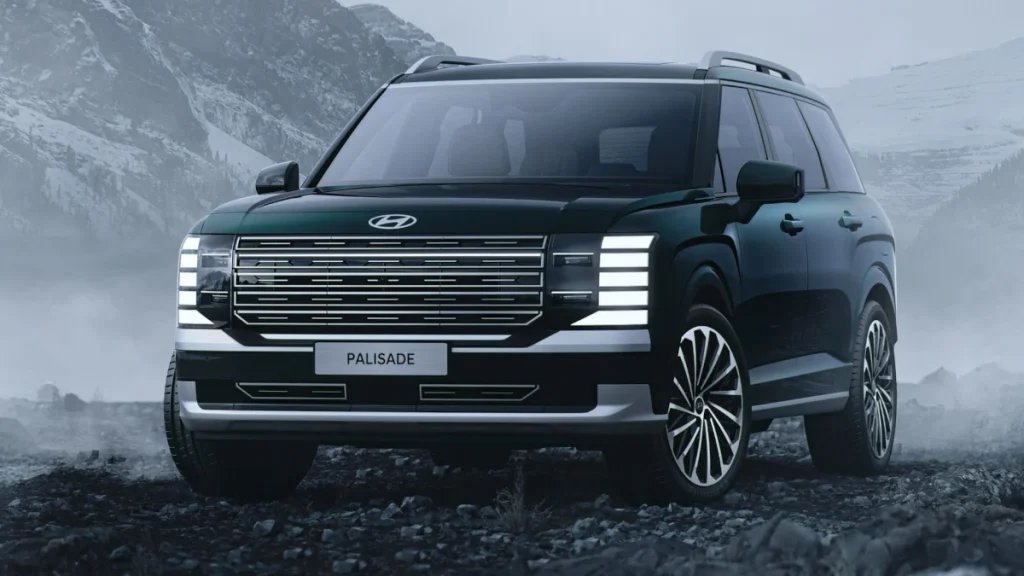
Inside the cabin, the relaxed seating position and quiet ride quality complement the strong headlight system perfectly. Families traveling at night benefit from a calmer and more reassuring driving environment.
Hyundai successfully proved that practical family vehicles can deliver premium quality nighttime visibility without requiring luxury brand pricing.
Specifications:
- Engine: 3.8-liter naturally aspirated V6
- Torque: 262 lb ft
- Horsepower: 291 HP
- Length/Width: 196.1 inches / 77.8 inches
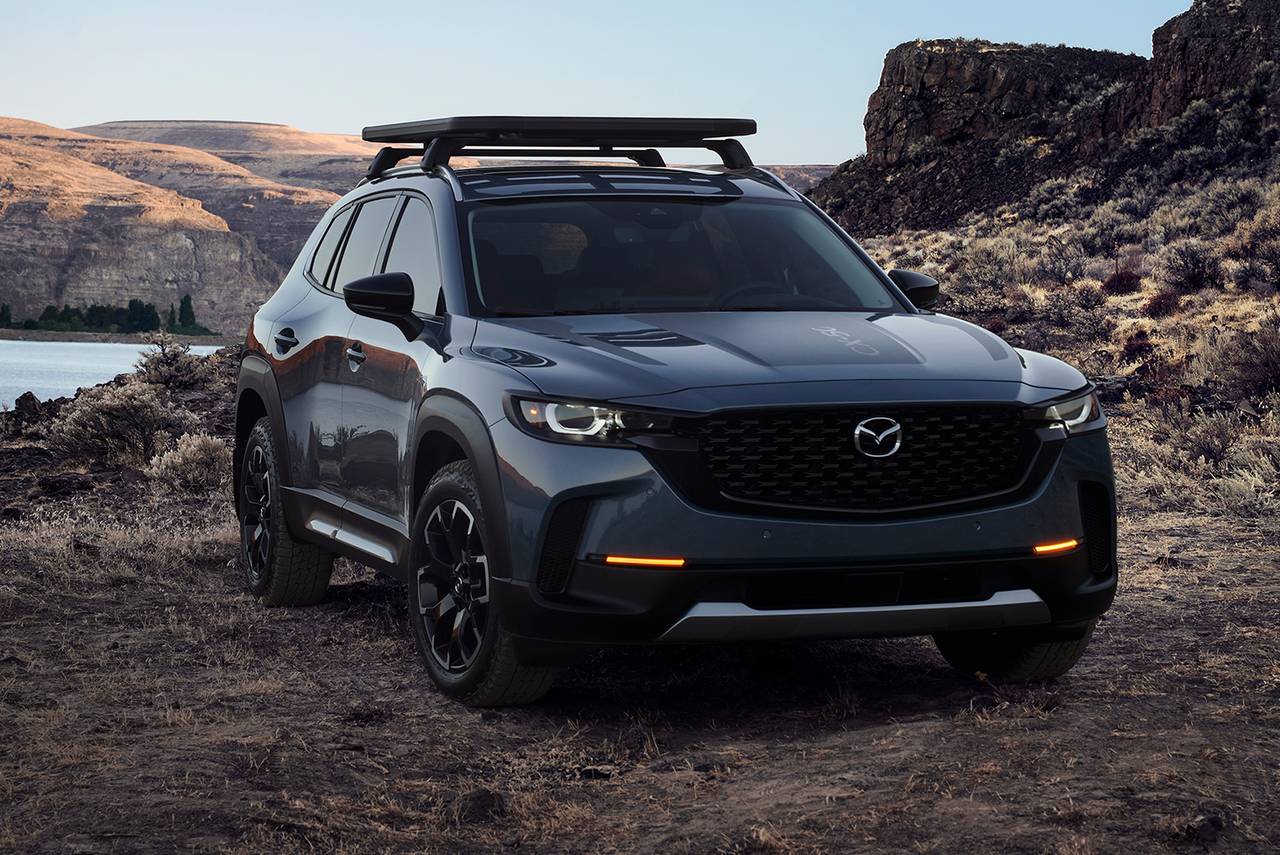
6. Mazda CX-50
Mazda has built a reputation for designing vehicles that feel more refined and engaging than their price tags suggest, and the CX-50 continues that philosophy beautifully.
While the SUV earns praise for its handling and interior quality, its highly rated headlights are another major reason it performed strongly in IIHS evaluations. Mazda focused heavily on real-world visibility instead of simply maximizing brightness numbers.
The CX-50 uses a sophisticated LED lighting system that produces clean and focused illumination across a broad area of the road. Drivers immediately notice how easy it becomes to identify lane markings, road signs, and roadside objects during nighttime travel. The lighting pattern feels controlled and confidence-inspiring rather than harsh or scattered.
Mazda also tuned the headlights with a strong emphasis on natural visibility. Instead of overwhelming the driver with excessively bright foreground lighting, the system projects illumination farther down the road where reaction time matters most.
This approach reduces eye fatigue during long drives and creates a more relaxed nighttime driving experience.
Cornering visibility represents another standout quality. The CX-50 responds smoothly when entering bends, helping illuminate the path ahead more effectively than basic fixed headlight systems. On twisting roads, this added visibility makes the SUV feel safer and more predictable after dark.
The IIHS particularly values glare management, and Mazda performed very well in this category. Some modern SUVs use powerful LED systems that unintentionally blind other motorists, but the CX-50 balances intensity carefully. Drivers receive strong visibility without creating excessive discomfort for oncoming traffic.
The SUV’s slightly rugged design also matches its practical lighting performance nicely. Whether driving through suburban streets, mountain roads, or rainy highways, the CX-50 maintains impressive clarity under varying conditions. Wet pavement reflections remain controlled, and visibility stays consistent even during difficult weather.
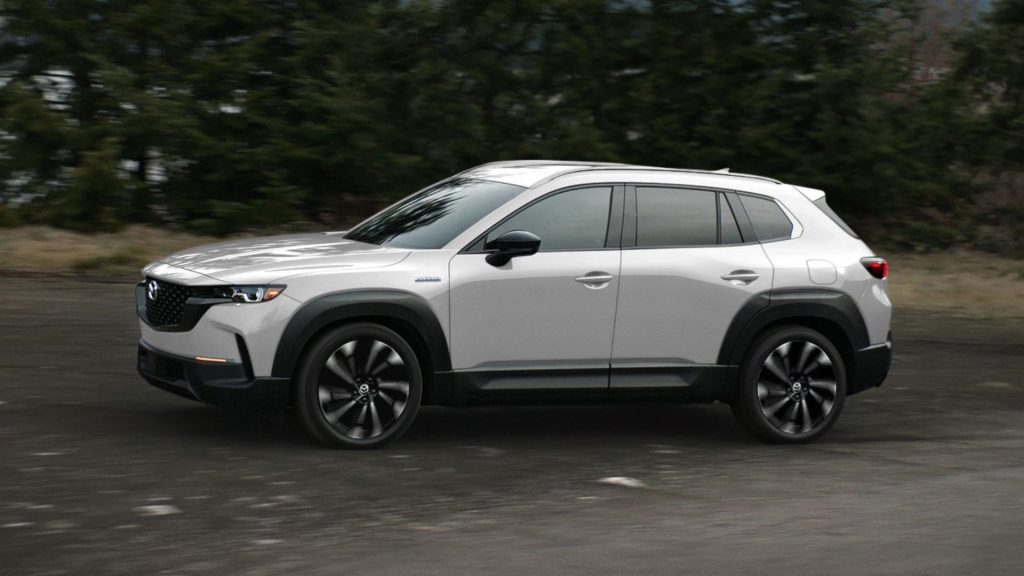
Mazda’s attention to detail becomes obvious once the sun goes down. The CX-50 demonstrates that excellent headlights are not just luxury features reserved for high-end vehicles. Thoughtful engineering and careful calibration can make a midsize crossover feel significantly safer and more premium during nighttime driving.
Specifications:
- Engine: 2.5-liter turbocharged inline 4
- Torque: 320 lb ft
- Horsepower: 256 HP
- Length/Width: 185.8 inches / 75.6 inches
7. Subaru Outback
The Subaru Outback has earned a loyal following for decades because it blends wagon practicality, crossover capability, and strong safety engineering into one extremely versatile package.
While many buyers initially focus on the Outback’s all-wheel-drive system and rugged personality, its excellent headlight performance became another major reason it scored highly in IIHS evaluations.
Subaru clearly designed the lighting system with real-world usability in mind, especially for drivers who regularly travel through dark rural roads or difficult weather conditions.
One of the Outback’s strongest qualities is how effectively its LED headlights illuminate the edges of the road. Many vehicles focus heavily on forward beam distance while neglecting peripheral visibility, but Subaru engineered the Outback to provide wide coverage that helps drivers identify hazards earlier.
This becomes especially important in wooded areas where animals can suddenly appear near the roadside during nighttime driving.
The steering-responsive headlight system significantly improves corner visibility as well. As the driver turns the wheel, the headlights pivot naturally to illuminate upcoming curves instead of remaining fixed straight ahead.
This creates a more reassuring driving experience on winding roads because the driver gains extra time to react to obstacles, sharp turns, or uneven pavement conditions. The feature feels subtle during casual driving, yet its usefulness becomes extremely obvious on dark back roads.
Subaru also deserves credit for maintaining strong visibility without producing excessive glare. Modern LED systems are often criticized for blinding oncoming traffic, particularly in taller crossovers and SUVs.
The Outback manages brightness carefully, balancing effective illumination with responsible beam control. This combination helped the vehicle perform strongly during IIHS glare evaluations.
Weather performance is another area where the Outback shines. Rain, snow, and fog can severely reduce visibility at night, but Subaru calibrated the lighting system to minimize reflection and maintain clarity under difficult conditions.
Drivers frequently praise how stable and predictable the headlights feel during long winter drives or mountain travel, where lighting conditions constantly change.
The upgraded seating position further enhances the experience. Combined with the large windshield and strong outward visibility, the Outback creates a confident and comfortable nighttime driving environment.
Drivers feel less fatigued because the lighting system reduces strain on the eyes while improving awareness of surrounding conditions.
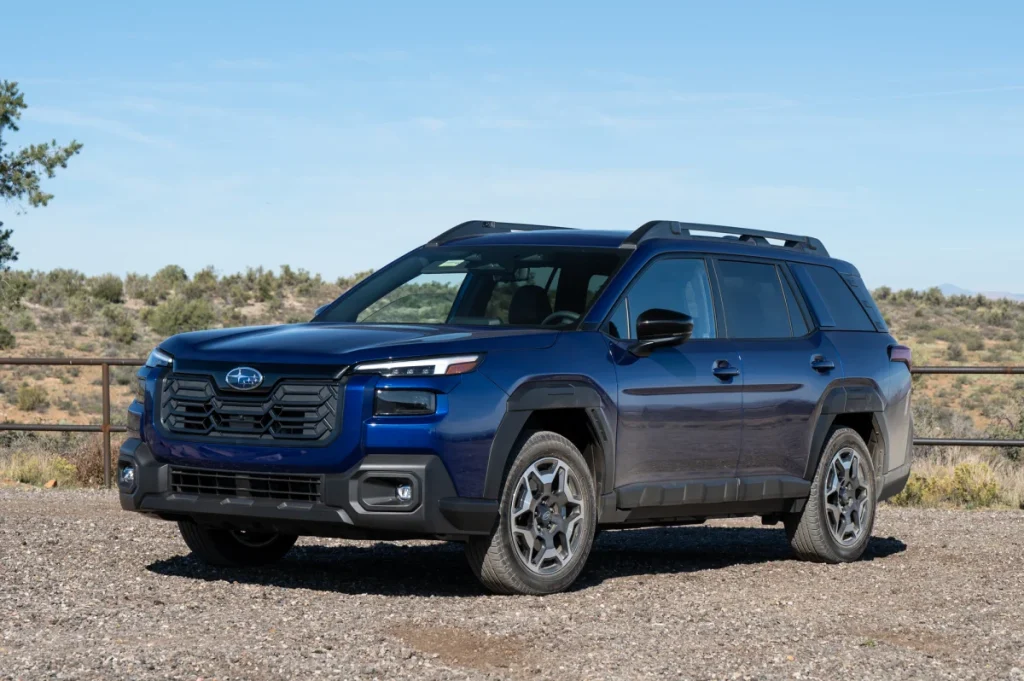
Subaru’s dedication to practical safety engineering is clearly reflected in the Outback’s headlight design. Instead of prioritizing flashy styling alone, the company focused on creating headlights that genuinely improve driver confidence after sunset.
That attention to real-world functionality helped make the Outback one of the most respected family adventure vehicles in modern automotive history.
Specifications:
- Engine: 2.4-liter turbocharged flat 4
- Torque: 277 lb ft
- Horsepower: 260 HP
- Length/Width: 191.9 inches / 74.6 inches
8. Lexus RX
The Lexus RX has long represented comfort, refinement, and dependability in the luxury SUV market, but recent generations have also gained serious recognition for exceptional nighttime visibility.
Lexus invested heavily in advanced lighting technology for the RX, helping the SUV achieve excellent IIHS headlight ratings while further strengthening its reputation as a premium family vehicle built around safety and driver comfort.
At first glance, the RX headlights immediately stand out because of their sharp and elegant design. However, the real achievement lies in how effectively the system performs during actual nighttime driving.
Lexus engineered the LED headlights to produce smooth and evenly distributed illumination across the road surface without relying on excessively harsh brightness. Drivers benefit from excellent forward visibility while maintaining a calm and comfortable visual experience.
One particularly impressive feature is the adaptive lighting functionality. During turns and curved roads, the headlights adjust intelligently to direct illumination where the vehicle is heading rather than leaving dark areas near corners.
This creates a more natural feeling during nighttime driving because the road ahead remains visible even on winding routes. Drivers can identify lane changes, curves, and roadside objects much earlier than they could with traditional fixed headlights.
Lexus also performed extremely well in glare management, which remains one of the most important parts of IIHS headlight testing. Bright headlights can improve visibility for the driver while simultaneously creating dangerous conditions for other motorists if not calibrated carefully.
The RX manages to deliver strong road illumination without aggressively blinding approaching traffic, demonstrating the precision behind Lexus engineering.
Long-distance comfort represents another major advantage. Some LED systems create overly intense foreground lighting that becomes tiring after several hours behind the wheel. The RX avoids this issue by maintaining a softer and more balanced light pattern.
Combined with the SUV’s quiet cabin and smooth ride quality, nighttime highway driving feels significantly more relaxing.
The headlight system also performs admirably in bad weather conditions. Wet pavement reflections remain controlled, and visibility stays consistent during rain or fog. This reliability gives drivers greater confidence during difficult nighttime journeys where unpredictable conditions can quickly become stressful.
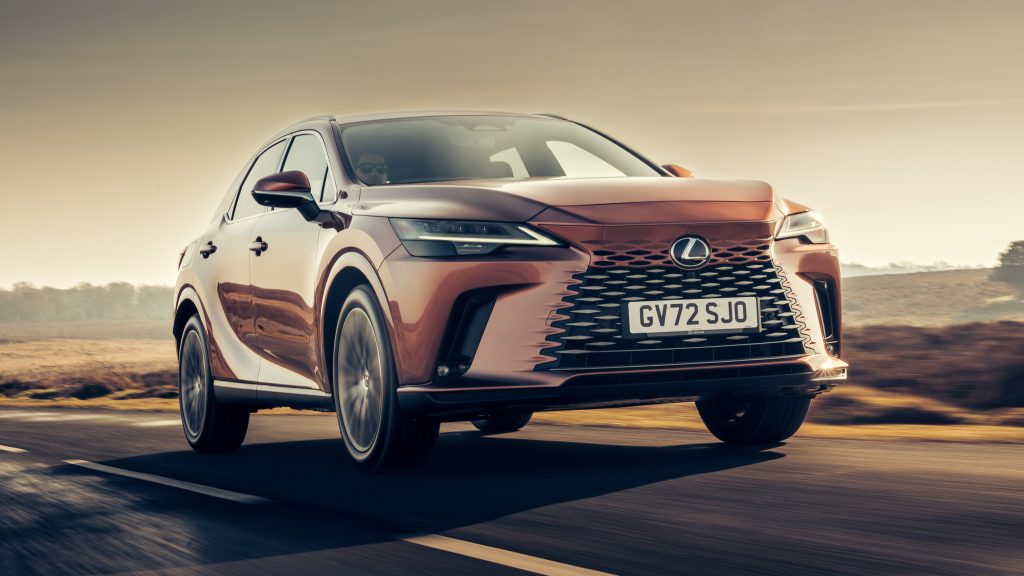
Lexus successfully combined luxury aesthetics with genuine functional safety in the RX. The SUV proves that excellent headlights are about much more than appearance or brightness alone.
Proper calibration, beam control, adaptive functionality, and long-term driver comfort all contribute to making the RX one of the best-illuminated luxury SUVs recognized by IIHS.
Specifications:
- Engine: 2.4-liter turbocharged inline 4
- Torque: 317 lb ft
- Horsepower: 275 HP
- Length/Width: 192.5 inches / 75.6 inches
Also Read: 8 Cars With the Highest Number of Owner Complaints Filed With NHTSA
