
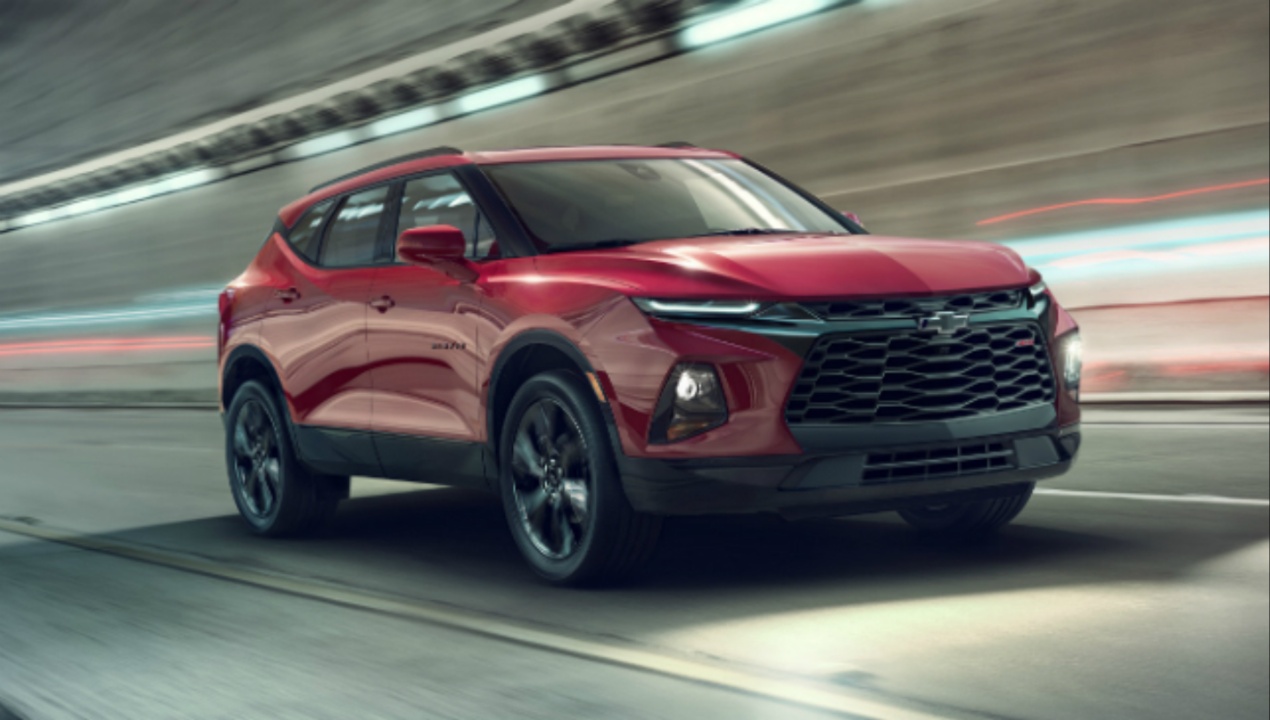
Many car buyers assume that a vehicle that looks rugged, muscular, and heavily built will automatically provide excellent protection in a crash. Large grilles, aggressive bodywork, tall ride heights, and imposing dimensions often create a sense of security. Unfortunately, appearance and actual crash performance are not always the same thing.
Modern vehicle safety depends on much more than size. Engineers must carefully design crumple zones, passenger safety cages, airbag systems, seatbelt pretensioners, and impact energy management structures.
A vehicle may look incredibly tough from the outside, but if its structure cannot effectively absorb and redirect crash forces, occupants may face greater risks during a collision.
This became especially apparent as organizations such as the Insurance Institute for Highway Safety and the National Highway Traffic Safety Administration introduced increasingly demanding crash tests.
Vehicles that once seemed sturdy were exposed to evaluations involving small overlap impacts, side collisions, roof strength measurements, and rollover protection. In some cases, models with intimidating styling performed surprisingly poorly.
Many of the vehicles on this list were not necessarily unsafe by the standards of their time. Some were even popular sellers with loyal owners. However, when subjected to real-world crashes or modern testing methods, they demonstrated weaknesses that contradicted their tough image.
Structural intrusion, poor occupant protection, inadequate side impact performance, and unstable crash behavior contributed to disappointing results.
The purpose of this article is not to criticize these vehicles unfairly but to illustrate an important lesson. Safety cannot be judged by appearance alone. Some compact sedans outperform large SUVs in crash tests, while certain rugged-looking vehicles fail to deliver the protection buyers expect.
The following cars earned reputations for looking strong and durable but revealed significant shortcomings when involved in crashes or subjected to demanding safety evaluations. Their stories serve as reminders that engineering matters far more than appearances when occupant protection is at stake.
Also Read: 10 Hidden Features in Hyundai Cars That Add Real Value
1. Jeep Wrangler (JK Generation)
The Jeep Wrangler has long been associated with toughness. Its upright stance, exposed hinges, removable doors, aggressive tires, and military-inspired appearance create the impression of a vehicle capable of surviving almost anything.
For decades, buyers have viewed the Wrangler as one of the toughest vehicles available. Yet crash testing revealed a different reality.
The JK generation Wrangler was engineered primarily for off-road performance. Its solid axles, body-on-frame construction, and exceptional trail capability made it a favorite among enthusiasts. However, those same design priorities created compromises when it came to on-road crash protection.
One of the most discussed concerns involved frontal crash performance. During certain crash evaluations, the Wrangler exhibited structural behaviors that raised questions about occupant protection.
While many modern vehicles are designed to absorb crash energy progressively through carefully engineered crumple zones, the Wrangler’s traditional architecture did not always manage impact forces as effectively.
Another issue involved rollover risk. The vehicle’s tall profile and relatively narrow track width increased its vulnerability compared with many passenger cars. Although modern electronic stability systems helped reduce the likelihood of rollovers, the physical characteristics of the design remained a factor.
Side impact protection also lagged behind some competitors. Vehicles developed primarily for everyday road use often benefited from more advanced side structure engineering and additional protective technologies. The Wrangler’s removable doors and unique construction created challenges that were not easily addressed.
What makes these shortcomings particularly surprising is the Wrangler’s image. Few vehicles project strength more convincingly. Drivers often feel secure because of the commanding seating position and rugged design. Yet crash protection depends on much more than visual toughness.
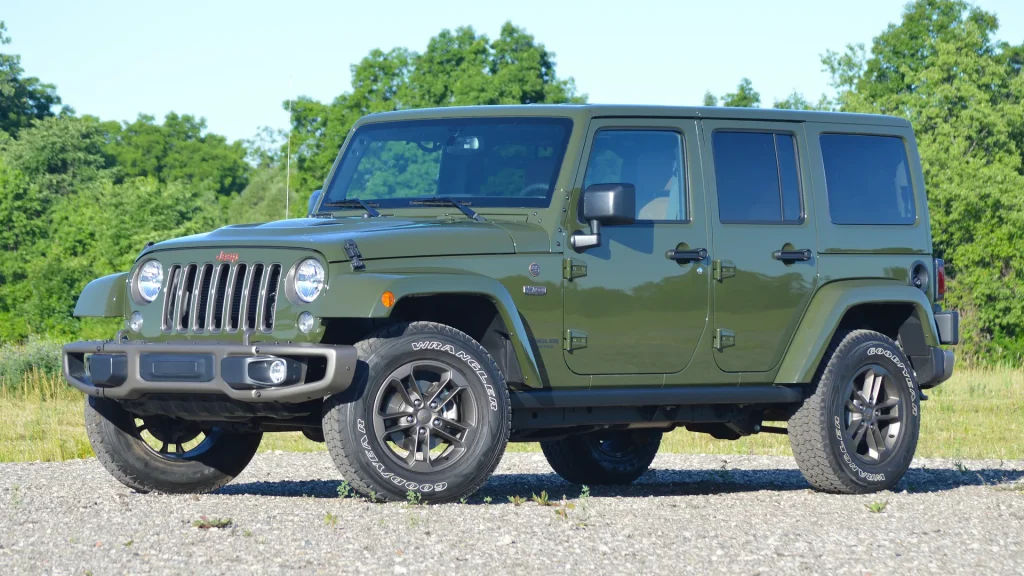
The Wrangler continues to excel in off-road environments where few vehicles can compete. Its capability in difficult terrain remains legendary. However, buyers sometimes assume that off-road durability automatically translates into superior crash safety, and that is not necessarily true.
Modern generations have introduced improvements, but the JK Wrangler remains a notable example of a vehicle whose rugged appearance exceeded its crash performance reputation. It demonstrated that surviving harsh trails and protecting occupants during collisions are two very different engineering challenges.
Specifications
- Engine: 3.6L Pentastar V6
- Torque: 260 lb ft
- Horsepower: 285 hp
- Length/Width: 164.3 in / 73.7 in
2. Hummer H2
Few vehicles have ever looked tougher than the Hummer H2. Inspired by military vehicles and featuring massive dimensions, huge tires, and unmistakable styling, it projected an image of near invincibility. To many observers, the H2 appeared capable of crushing almost anything in its path.
That perception helped make the vehicle popular during the early 2000s. Buyers loved its commanding presence and unmistakable road presence. However, the H2’s size and appearance often created assumptions about safety that were not fully supported by crash performance data.
One issue stemmed from the vehicle’s origins. The H2 was based on a modified truck platform rather than a purpose-built modern safety architecture. While this provided durability and towing capability, it did not necessarily deliver the sophisticated crash energy management systems found in newer vehicle designs.
Large vehicles often benefit from mass advantages in certain collision scenarios, but that does not guarantee excellent occupant protection. Safety engineers focus heavily on how crash forces are absorbed and redirected. In some evaluations, the H2 struggled to match the performance of newer vehicles that incorporated more advanced structural engineering.
The vehicle’s high center of gravity also presented challenges. Larger SUVs traditionally face greater rollover concerns than lower passenger cars. While electronic stability control reduced risks, the basic physics associated with height and weight remained important considerations.
Another factor involved outdated safety expectations. During the period when the H2 was introduced, crash testing standards were less demanding than many modern evaluations. As safety requirements evolved, older vehicle designs often appeared less impressive when compared with newer competitors.
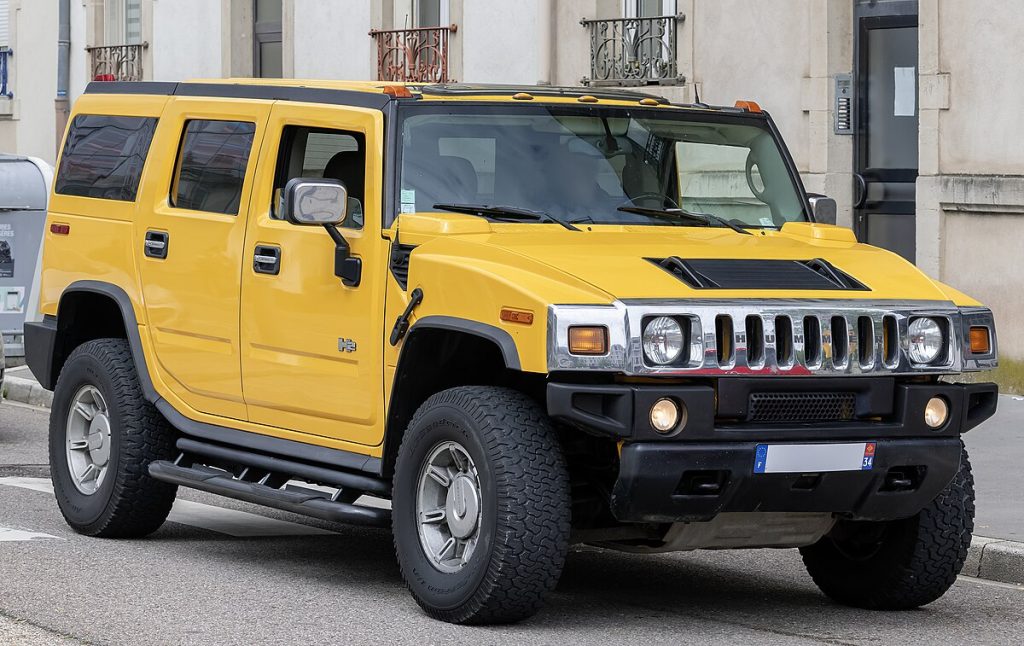
What makes the H2 an interesting case is the contrast between perception and reality. Its military-inspired appearance suggested unmatched toughness. Yet true crash protection depends on engineering details invisible to most consumers.
Owners often appreciated the vehicle’s durability, towing strength, and unique character. Those qualities helped establish a loyal following. Nevertheless, crash performance highlighted limitations that buyers might not expect from something that looked so formidable.
The Hummer H2 remains one of the clearest examples of a vehicle whose intimidating appearance created assumptions about safety that were not always supported by objective crash evaluations.
Specifications
- Engine: 6.0L V8 or 6.2L V8
- Torque: Up to 417 lb-ft
- Horsepower: Up to 393 hp
- Length/Width: 203.5 in / 81.2 in
3. Nissan Xterra
The Nissan Xterra built its reputation on adventure. Roof-mounted gear baskets, chunky fender flares, raised ground clearance, and rugged marketing campaigns made it one of the most recognizable off-road-oriented SUVs of its era.
Buyers viewed it as a vehicle designed for camping trips, mountain trails, and outdoor lifestyles. From a visual standpoint, the Xterra looked ready to tackle almost anything.
Beneath that adventurous image, however, crash performance revealed limitations that became more apparent as safety standards evolved. The Xterra was engineered during a period when many midsize SUVs still prioritized durability and utility over sophisticated crash energy management.
While it offered strong mechanical components and dependable capability, occupant protection did not always match its tough exterior appearance.
One concern involved side impact protection. Earlier versions of the Xterra lacked some of the advanced structural reinforcements and airbag technologies that later became common throughout the industry.
As crash testing became more demanding, the vehicle struggled to keep pace with newer designs developed specifically around improved occupant safety.
The body-on-frame construction that contributed to the Xterra’s rugged reputation also introduced compromises. While this setup benefited towing and off-road use, it did not always provide the same level of crash energy absorption seen in some unibody crossovers.
Modern crash engineering increasingly favors designs capable of distributing impact forces more effectively.
Another issue was rollover risk. Like many traditional SUVs of the period, the Xterra sat higher than passenger cars and carried a higher center of gravity. Stability control systems helped reduce danger in later years, but the vehicle’s proportions still presented challenges compared with lower vehicles.
What makes the Xterra noteworthy is how convincing its rugged image was. Many owners associated its durability with safety, assuming that a vehicle capable of surviving difficult terrain would naturally excel in accidents. Crash testing demonstrated that these qualities are not always connected.
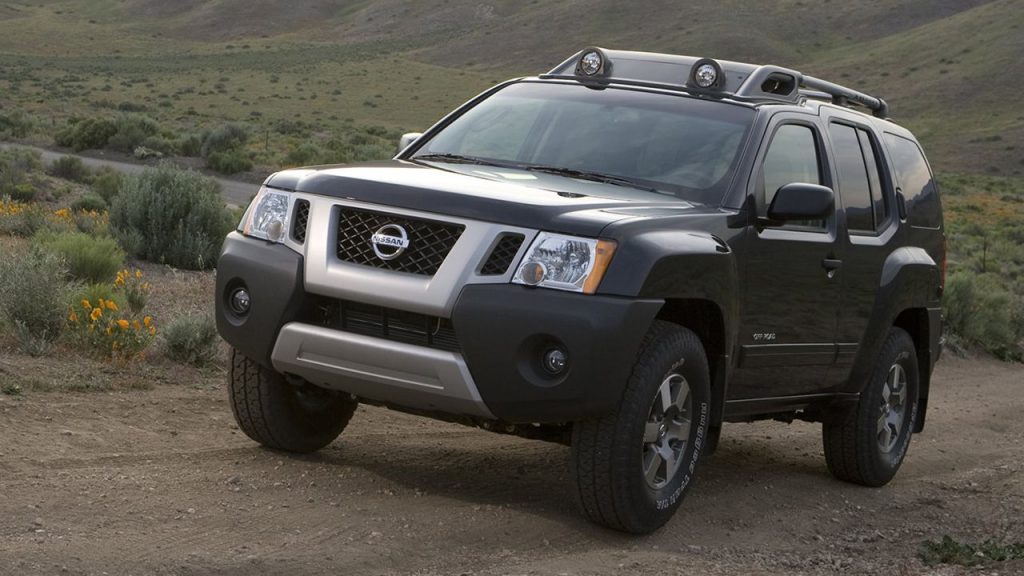
The Xterra remained a dependable and capable SUV throughout its production life. Yet its performance in safety evaluations served as a reminder that off-road toughness and crashworthiness are separate engineering objectives. A vehicle can excel in one area without necessarily leading the segment in the other.
For consumers, the Xterra became an important example of why safety ratings deserve as much attention as styling, capability, and reputation.
Specifications
- Engine: 4.0L V6
- Torque: 281 lb ft
- Horsepower: 261 hp
- Length/Width: 178.7 in / 72.8 in
4. Chevrolet Avalanche
The Chevrolet Avalanche was one of the most distinctive vehicles of the early 2000s. Combining characteristics of an SUV and a pickup truck, it featured bold styling, a large front end, and substantial dimensions that projected strength from every angle.
On the road, the Avalanche appeared massive and secure, leading many buyers to assume it offered exceptional crash protection.
The vehicle certainly possessed impressive utility. Its innovative midgate system allowed owners to expand cargo space, making it practical for work and recreation. Yet despite its size and versatility, crash performance revealed weaknesses that challenged assumptions created by its appearance.
The Avalanche shared much of its engineering with other General Motors full-size trucks and SUVs of the era. While these platforms were durable and capable, they originated before many of today’s advanced crash safety requirements became standard. As testing procedures evolved, certain structural shortcomings became more noticeable.
Side impact performance represented one area where newer vehicle designs began surpassing older truck-based models. Engineers increasingly focused on protecting occupants from larger and heavier striking vehicles, requiring stronger structures and more advanced restraint systems. The Avalanche’s architecture reflected an earlier approach to vehicle safety.
The vehicle’s weight often created a false sense of security. Many consumers believe heavier automatically means safer, but crashworthiness depends on how effectively a vehicle manages collision forces. Structural integrity, airbag deployment, and occupant compartment protection are often more important than sheer mass.
Another factor involved compatibility with smaller vehicles. As safety engineering advanced, manufacturers paid greater attention to how vehicles interacted during crashes. Older truck-based platforms were not always optimized for these increasingly sophisticated requirements.
Despite these concerns, the Avalanche remained popular because of its practicality and unique design. Owners appreciated its versatility and road presence. However, objective crash evaluations highlighted that visual toughness does not guarantee superior occupant protection.
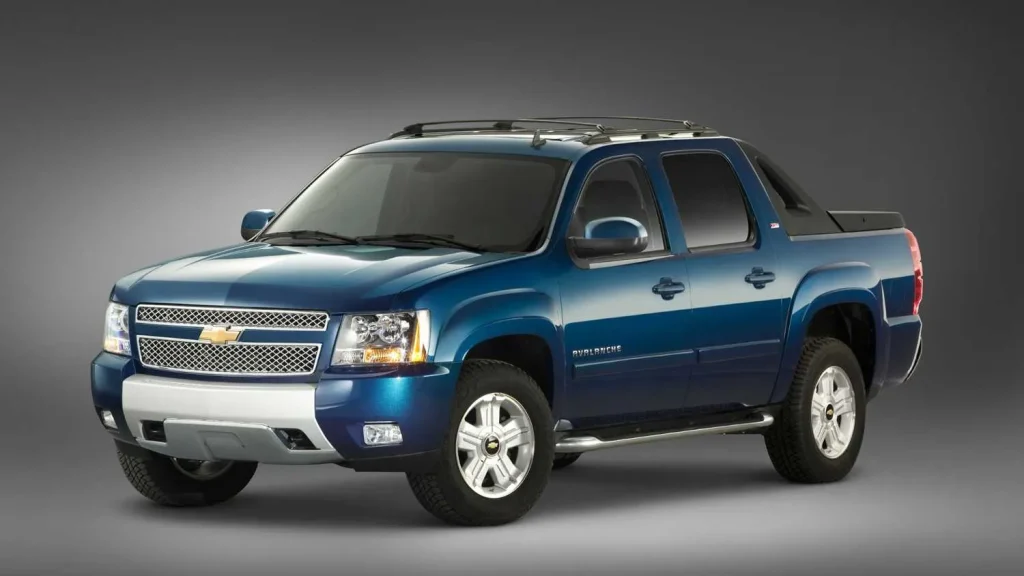
The Avalanche serves as an interesting example of a vehicle whose size and styling suggested exceptional safety. In reality, its crash performance reflected the limitations of the era in which it was developed. That contrast between appearance and measured results makes it a fitting entry on this list.
Specifications
- Engine: 5.3L V8 or 6.0L V8
- Torque: Up to 380 lb-ft
- Horsepower: Up to 366 hp
- Length/Width: 221.3 in / 79.1 in
5. Ford Excursion
If vehicle size alone determined safety, the Ford Excursion would have been nearly unbeatable. Introduced as one of the largest SUVs ever sold to the public, it towered over most vehicles on the road.
Its massive grille, enormous body, and heavy-duty truck roots gave it an intimidating presence that few competitors could match. Many buyers assumed that such a gigantic vehicle would automatically provide exceptional protection during a crash.
The Excursion was built on Ford’s Super Duty truck platform, a foundation designed primarily for towing, hauling, and durability. Those strengths made it popular among families with large trailers and owners who needed serious capability. However, engineering a vehicle for heavy-duty work is not the same as engineering it for modern crash performance.
One challenge involved the vehicle’s age and design philosophy. The Excursion arrived before many advanced crash safety innovations became widespread.
Compared with newer SUVs developed around more demanding crash standards, its structure reflected an earlier era of vehicle engineering. As testing methods evolved, some of their weaknesses became more noticeable.
The SUV’s enormous weight could provide advantages in certain collision scenarios, but weight alone does not guarantee occupant safety. Engineers are increasingly focused on energy absorption, controlled deformation, and occupant compartment protection. These factors often matter more than sheer size when evaluating crashworthiness.
Another concern involved handling and accident avoidance. The Excursion’s dimensions and high center of gravity made emergency maneuvers more challenging than in smaller vehicles. Preventing a collision is a major part of vehicle safety, and the SUV’s size sometimes worked against it in this area.
The vehicle also faced rollover concerns common to many large truck-based SUVs. Although its sturdy construction created an impression of invincibility, rollover dynamics remained an important consideration because of its height and weight distribution.
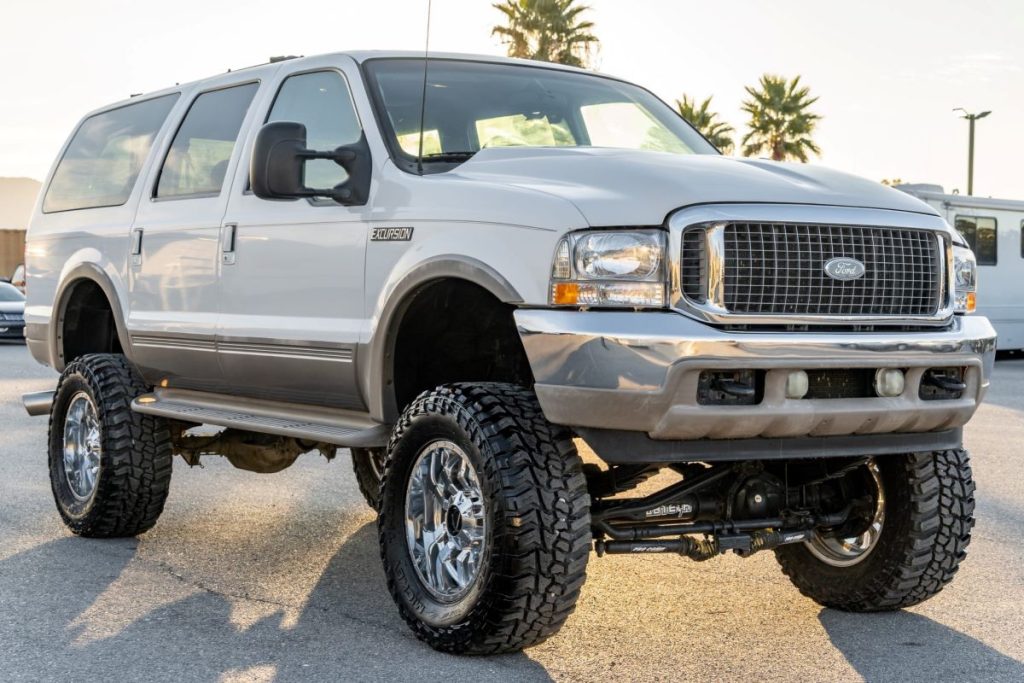
What makes the excursion noteworthy is the contrast between perception and reality. Drivers frequently felt secure because they sat high above traffic inside one of the biggest vehicles available. Yet crash protection depends on sophisticated engineering rather than physical size alone.
The Excursion remains respected for its towing capability and durability, but its safety performance serves as an important reminder that a vehicle’s imposing appearance does not always translate into superior crash outcomes. Looking tough and performing well in a crash are not necessarily the same thing.
Specifications
- Engine: 5.4L V8, 6.8L V10, or 7.3L Power Stroke Diesel V8
- Torque: Up to 525 lb ft
- Horsepower: Up to 310 hp
- Length/Width: 226.7 in / 80.0 in
6. Dodge Nitro
The Dodge Nitro was designed to look aggressive from the moment it arrived in showrooms. Its boxy profile, muscular wheel arches, upright stance, and bold front fascia gave it the appearance of a miniature military vehicle. Compared with many softer-looking crossovers of the time, the Nitro projected confidence and toughness.
Marketing materials emphasized its rugged image, attracting buyers who wanted an SUV that stood out from the crowd. Yet despite its bold styling, crash evaluations painted a less impressive picture. Beneath the aggressive exterior, the Nitro struggled to achieve the safety reputation many buyers expected.
One issue involved side impact performance. As crash testing became increasingly demanding, the Nitro failed to distinguish itself against competitors that incorporated more advanced structural reinforcements and occupant protection systems. Some rival vehicles simply adapted more effectively to evolving safety expectations.
The Nitro also shared architecture with the Jeep Liberty, a platform that prioritized utility and ruggedness. While this design delivered certain advantages in durability and towing, it was not always optimized for the highest levels of crash energy management.
Modern crossover designs increasingly emphasized passenger protection through carefully engineered crumple zones and reinforced occupant compartments.
Another factor was accident avoidance. Compared with some competitors, the Nitro lacked the refined driving dynamics that can help drivers react effectively during emergencies. Responsive handling and stability are important components of safety because they can help prevent collisions before they occur.
The SUV’s styling created particularly high expectations. Its appearance suggested a vehicle capable of shrugging off impacts without difficulty. However, real crash protection depends on structural engineering hidden beneath the bodywork. Consumers often cannot judge these characteristics simply by looking at a vehicle.
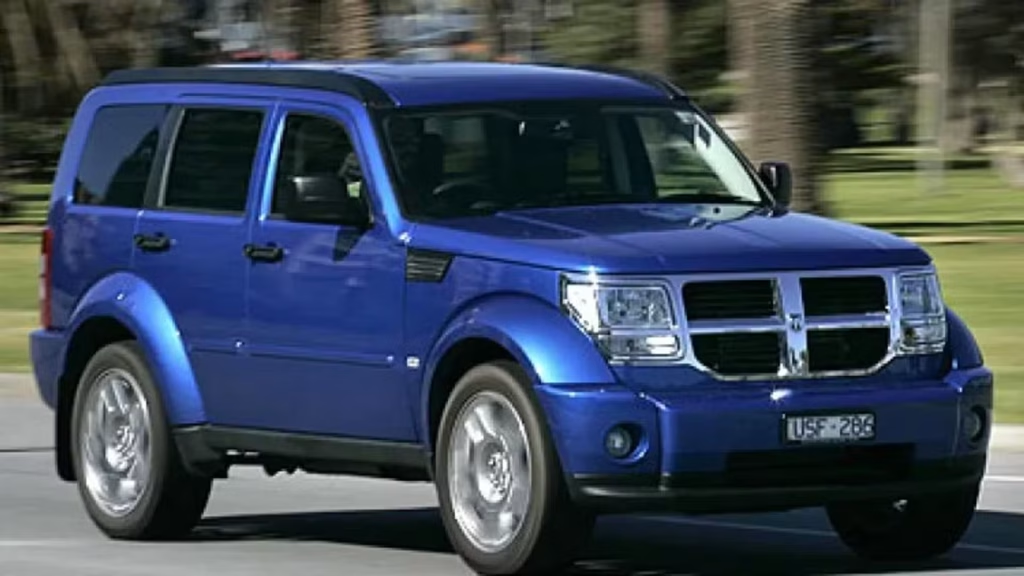
The Nitro’s market life was relatively short, and it never achieved the long-term success enjoyed by some competitors. Safety performance was not the only reason, but it certainly did not help the vehicle stand out in a crowded segment.
Today, the Dodge Nitro remains a useful example of how appearance can be misleading. Its bold design projected strength and durability, yet crash evaluations revealed limitations that contradicted the image presented by its rugged exterior.
Specifications
- Engine: 3.7L V6 or 4.0L V6
- Torque: Up to 265 lb-ft
- Horsepower: Up to 260 hp
- Length/Width: 178.9 in / 73.1 in
7. Suzuki XL7
The Suzuki XL7 was marketed as a rugged family SUV with genuine utility. Its raised ride height, large body, and truck-inspired styling gave buyers the impression that it was built to handle difficult conditions while keeping passengers safe. To many consumers, it looked far tougher than the average family vehicle.
However, crash testing revealed that the XL7 did not always live up to those expectations. While it offered practicality and decent passenger space, its structural performance lagged behind many competitors as safety standards became more demanding.
In certain evaluations, occupant protection was not as strong as buyers might have assumed based on the vehicle’s appearance.
Part of the issue stemmed from its design era. Automotive safety technology was advancing rapidly, and newer rivals incorporated stronger passenger compartments, additional airbags, and more sophisticated crash energy management systems. The XL7 struggled to match those improvements.
Its SUV shape also contributed to a perception of security. Drivers often felt safer because they sat higher above traffic. Yet, seating position alone does not determine crash outcomes. The ability of a vehicle to absorb impact forces and protect occupants remains far more important.
The XL7 served many families well and earned praise for versatility, but safety evaluations highlighted a gap between image and performance. Its rugged styling suggested a vehicle prepared for anything, while crash results indicated that competitors often provided better occupant protection.
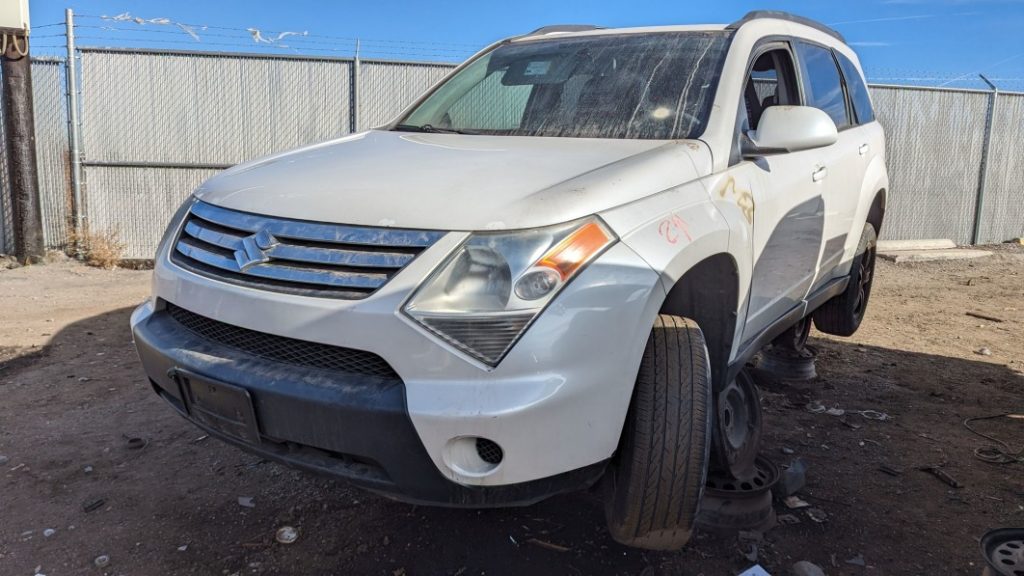
The model remains a reminder that visual toughness can be misleading. A vehicle may appear durable and substantial, yet true crash safety depends on engineering hidden beneath the body panels.
Specifications
- Engine: 3.6L V6
- Torque: 243 lb ft
- Horsepower: 252 hp
- Length/Width: 188.0 in / 72.0 in
8. Isuzu Ascender
The Isuzu Ascender looked exactly like the kind of SUV buyers associated with strength and dependability during the 2000s. Its tall stance, broad front end, and truck-based appearance created confidence among drivers seeking a family vehicle with a rugged personality.
Built on General Motors’ midsize SUV platform, the Ascender offered respectable towing capability and useful cargo space. Yet when discussions turned to crash safety, the vehicle was less impressive than its appearance suggested. As testing standards evolved, the Ascender began showing its age compared with newer crossover designs.
One challenge involved side impact protection. Automotive manufacturers were rapidly improving structural reinforcement and airbag technology during this period. Vehicles developed later often delivered stronger results because they benefited from newer engineering approaches. The Ascender struggled to keep pace with those advancements.
Its size also created assumptions that were not always accurate. Many buyers equate larger vehicles with superior safety, but crash performance depends heavily on structural design. Strong occupant compartments, controlled crumple zones, and advanced restraint systems frequently matter more than exterior dimensions.
Another issue was rollover risk, a concern shared by many traditional SUVs of the era. The higher center of gravity that contributed to the Ascender’s commanding driving position also introduced challenges during emergency maneuvers.
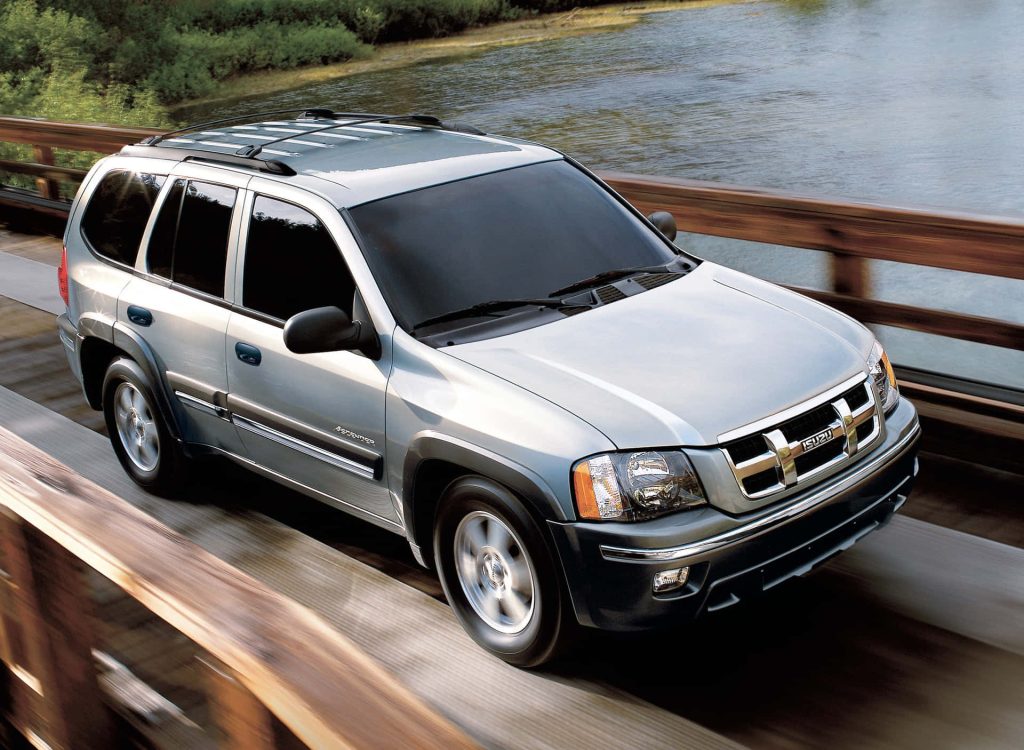
Although the Ascender provided practicality and capability, crash evaluations revealed limitations hidden beneath its tough exterior. The vehicle looked ready for any challenge, yet objective testing showed that appearance alone could not guarantee excellent occupant protection.
Its story reinforces an important lesson for car buyers: always rely on crash data and safety ratings rather than visual impressions when evaluating a vehicle’s ability to protect passengers.
Specifications
- Engine: 4.2L Inline 6 or 5.3L V8
- Torque: Up to 330 lb-ft
- Horsepower: Up to 300 hp
- Length/Width: 191.8 in / 74.7 in
9. Mitsubishi Raider
The Mitsubishi Raider entered the pickup market with bold styling intended to attract buyers who wanted a truck that looked strong and capable. Large wheel arches, a muscular front fascia, and a tall stance helped it project a rugged image. At first glance, the Raider appeared ready for demanding work and rough conditions.
Despite that tough appearance, the truck’s crash performance never became one of its strongest selling points. Developed through a partnership with Dodge and sharing much of its engineering with the Dakota, the Raider relied on a platform that was already facing increasingly demanding safety standards.
As competitors introduced newer designs with improved crash structures, the Raider struggled to stand out.
One of the biggest misconceptions among truck buyers is that a sturdy body automatically equals excellent safety. The Raider demonstrated that durability and crash protection are not always the same thing. A vehicle can be tough enough for hauling and towing while still falling behind in occupant protection during severe collisions.
The truck’s size often created a sense of confidence among drivers. Sitting higher than many passenger cars can make a vehicle feel safer, but crashworthiness depends on structural engineering, restraint systems, and impact energy management. These factors are largely invisible to consumers when viewing a vehicle on a dealership lot.
Although the Raider offered practical utility and respectable capability, safety evaluations highlighted limitations that contrasted with its aggressive styling. Buyers expecting class-leading crash protection based solely on appearance often found that other pickups performed better.
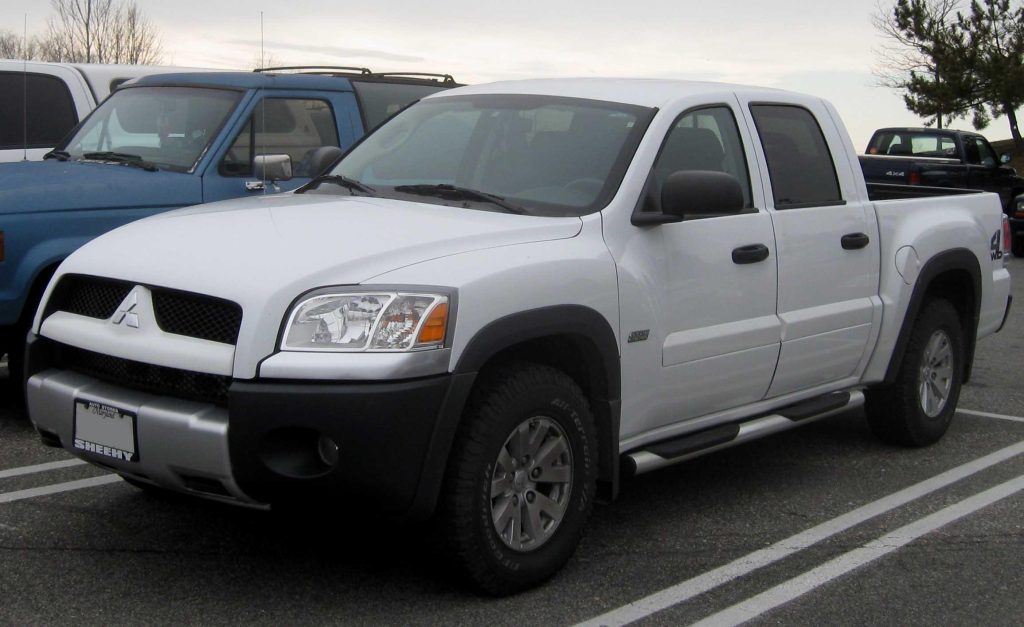
The Raider remains an example of how visual toughness can create expectations that real-world crash performance does not always support. Its bold design attracted attention, but safety results revealed that looking rugged and protecting occupants are separate challenges.
Specifications
- Engine: 3.7L V6 or 4.7L V8
- Torque: Up to 314 lb-ft
- Horsepower: Up to 302 hp
- Length/Width: 218.8 in / 71.7 in
10. Chevrolet Blazer (1995 to 2005)
The Chevrolet Blazer was one of the most recognizable SUVs of its era. Its squared-off styling, upgraded driving position, and truck-based construction gave it an image of strength that appealed to families and outdoor enthusiasts alike.
During the late 1990s and early 2000s, many buyers viewed it as a durable vehicle capable of handling both daily commuting and weekend adventures.
However, as crash testing became more sophisticated, the Blazer revealed weaknesses that were not obvious from its exterior. While it appeared solid, safety evaluations exposed shortcomings in occupant protection compared with newer vehicle designs.
This was particularly noticeable as manufacturers began focusing more heavily on advanced crash structures and improved restraint systems.
The Blazer’s body-on-frame construction contributed to its rugged reputation, but that same architecture did not always deliver the crash energy management seen in more modern vehicles. Competitors increasingly adopted designs intended to absorb and redirect impact forces more effectively, helping reduce injury risks during collisions.
Rollover concerns also affected the model. Like many traditional SUVs from the period, the Blazer’s higher center of gravity created challenges that lower passenger cars generally avoided. Safety technology improved over time, but the vehicle’s basic proportions still influenced its behavior.
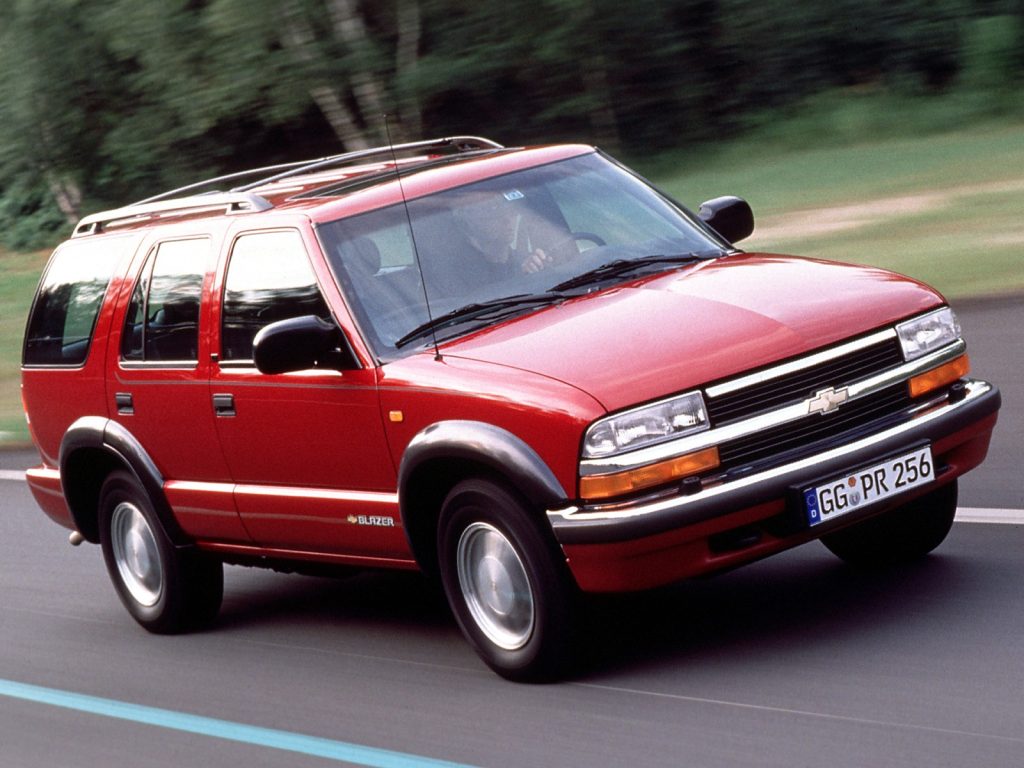
What makes the Blazer notable is how convincing its image was. Many drivers associated its truck-based design with superior protection. Yet objective testing showed that appearance and crash performance do not always align.
The Chevrolet Blazer remained popular because of its practicality, affordability, and versatility. Nevertheless, it serves as a classic example of a vehicle that looked far tougher than its crash performance suggested. For buyers, it reinforced the importance of studying safety ratings rather than relying solely on visual impressions.
Specifications
- Engine: 4.3L V6
- Torque: 250 lb ft
- Horsepower: 190 hp
- Length/Width: 183.2 in / 67.8 in
Also Read: 9 Hidden Features in Kia Models Owners Never Discover
