
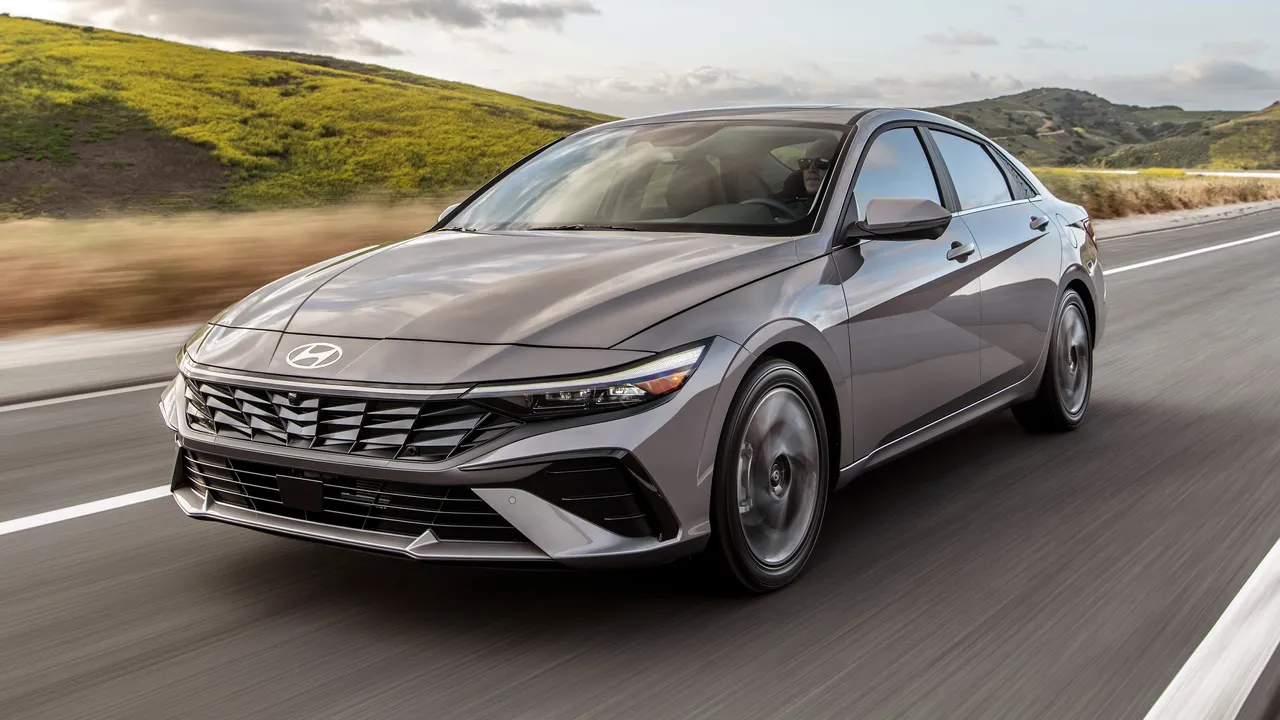
Hyundai has spent the last decade transforming its vehicles from simple transportation tools into technology-packed machines loaded with convenience, safety, and comfort features.
While buyers often focus on visible highlights such as touchscreen infotainment systems, premium interiors, fuel economy, or stylish exterior designs, many Hyundai vehicles include lesser-known functions that quietly improve the ownership experience every day.
These hidden features are not always emphasized in advertisements or showroom presentations. Some are buried inside menus, while others work automatically in the background.
Yet they can save time, increase safety, improve comfort, and make daily driving noticeably easier. In many cases, owners use their Hyundai for years before discovering some of these capabilities.
Another reason these features deserve attention is that many competitors reserve similar technology for expensive
. Hyundai has made a habit of bringing advanced functionality to mainstream buyers at reasonable prices.
Whether it is a smart convenience system that helps when loading groceries, a safety feature that protects passengers, or an intelligent climate-control function that improves cabin comfort, these additions create genuine value beyond the sticker price.
The best hidden features are the ones that solve everyday problems. They do not necessarily attract attention during a test drive, but they become useful every week. Small details such as automatically preventing battery drain, monitoring rear-seat occupants, or allowing remote vehicle operation can significantly improve ownership satisfaction over time.
This article highlights ten hidden Hyundai features that many drivers overlook. Each one demonstrates Hyundai’s focus on practical innovation rather than technology for technology’s sake.
Some of these features appear in popular SUVs, while others are found in sedans and electric vehicles. Together, they show how Hyundai continues to add meaningful functionality that benefits real-world drivers and passengers.
Also Read: 8 Cars That Were Discontinued in 2026
1. Hyundai Santa Fe: Smart Power Tailgate
One of the most practical hidden features available in the Hyundai Santa Fe is the Smart Power Tailgate. Unlike traditional power liftgates that require pressing a button or waving a foot under the bumper, Hyundai’s system works in a surprisingly simple way.
If the driver approaches the rear of the vehicle with the key fob in their pocket and stands behind the tailgate for a few seconds, the system automatically opens the cargo area.
This feature becomes particularly useful when both hands are occupied. Parents carrying strollers, shoppers handling multiple grocery bags, or travelers managing luggage often find themselves struggling to access the cargo area. Instead of setting items down to find a key or press a button, the tailgate opens automatically.
What makes the system valuable is its reliability. Hyundai designed the feature to recognize proximity rather than complicated gestures. Audible alerts and flashing lights notify the driver before the tailgate opens, helping prevent surprises.
The benefit extends beyond convenience. Frequent use of a cargo area can become less physically demanding because users no longer need to reach for handles or buttons repeatedly throughout the day. During bad weather, minimizing the time spent standing outside the vehicle can also be appreciated.
Many owners are unaware that the opening speed and operating preferences can be adjusted through the vehicle settings menu. Drivers can customize the experience to match their needs.
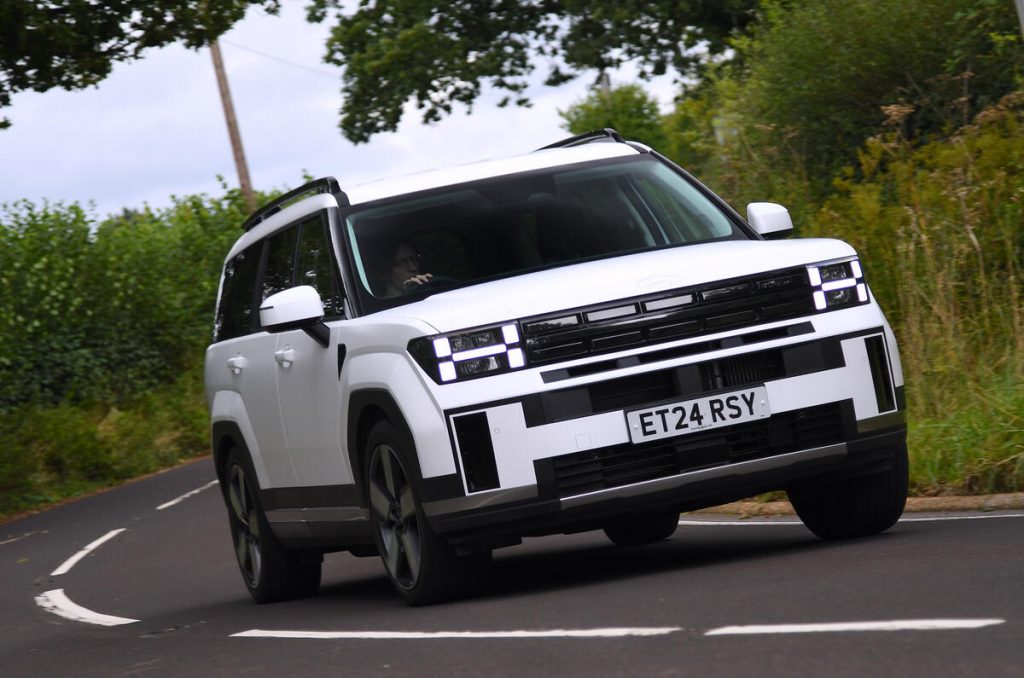
In family-oriented vehicles such as the Santa Fe, cargo accessibility plays a major role in everyday practicality. Hyundai’s Smart Power Tailgate may not receive as much attention as larger technology features, but it provides value every time the cargo area is used.
For drivers who regularly transport sports equipment, luggage, groceries, or household items, this hidden capability becomes one of the most appreciated features in the vehicle.
Specifications
- Engine: 2.5L Turbocharged Inline 4
- Torque: 311 lb-ft
- Horsepower: 277 hp
- Length/Width: 190.2 in / 74.8 in
2. Hyundai Tucson: Remote Smart Parking Assist
The Hyundai Tucson includes a feature that many owners discover only after spending months with the vehicle. Remote Smart Parking Assist allows the SUV to move forward or backward while the driver stands outside using the key fob.
Imagine arriving at an extremely narrow parking space. Getting out after parking could become difficult, especially when neighboring vehicles leave little room to open doors. With this system, the driver can exit before parking completely and then command the Tucson to move into the space automatically.
The feature is equally useful when returning to the vehicle. If another car parks too closely, the Tucson can be instructed to move out of the space before the driver enters. This reduces frustration and makes tight urban parking situations easier to manage.
Hyundai developed the technology with multiple safety measures. Sensors continuously monitor surrounding objects, and the vehicle stops automatically if obstacles are detected. Because movement occurs at very low speeds, the system remains controlled and predictable.
Many people initially view the feature as a novelty. However, after using it in crowded parking garages, apartment complexes, or busy shopping centers, its practical value becomes clear. It addresses a common problem that drivers face regularly.
The technology also highlights Hyundai’s strategy of introducing advanced features once associated with premium luxury brands. Instead of limiting innovation to expensive flagship models, Hyundai has brought useful parking assistance to mainstream buyers.

For drivers living in dense cities where parking spaces continue to shrink, Remote Smart Parking Assist can reduce daily stress. It transforms challenging parking situations into simple tasks and adds convenience that extends far beyond occasional use.
Specifications
- Engine: 2.5L Inline 4
- Torque: 182 lb-ft
- Horsepower: 187 hp
- Length/Width: 182.7 in / 73.4 in
3. Hyundai Palisade: Rear Occupant Alert
Family vehicles are expected to provide space, comfort, and safety, but the Hyundai Palisade includes a hidden feature that addresses a concern many drivers never anticipated until it became a serious topic. The Rear Occupant Alert is designed to remind drivers to check the back seats before leaving the vehicle.
At first glance, the feature seems simple. After the engine is turned off and the driver opens the door, a message appears reminding them to look in the rear seating area. However, Hyundai expanded the system beyond a basic notification. On certain versions, sensors can detect movement inside the cabin after the vehicle has been locked.
If movement is detected, the Palisade can activate the horn and send notifications through Hyundai’s connected services. This extra layer of protection is especially valuable for families with young children or pet owners who frequently travel with animals.
What makes the feature notable is that it addresses a real-world issue rather than adding technology for marketing purposes. Modern life can be busy and distracting.
People often follow routines, and unexpected schedule changes can occasionally lead to dangerous oversights. Hyundai developed a solution that works quietly in the background while requiring almost no effort from the driver.
The system also proves useful for those who regularly transport sports equipment, backpacks, shopping bags, or other items stored in the rear seats. A quick reminder can prevent belongings from being forgotten overnight.
Unlike flashy infotainment upgrades, Rear Occupant Alert rarely becomes a selling point during a dealership visit. Yet many owners later identify it as one of the most meaningful technologies in the vehicle because of the peace of mind it provides.
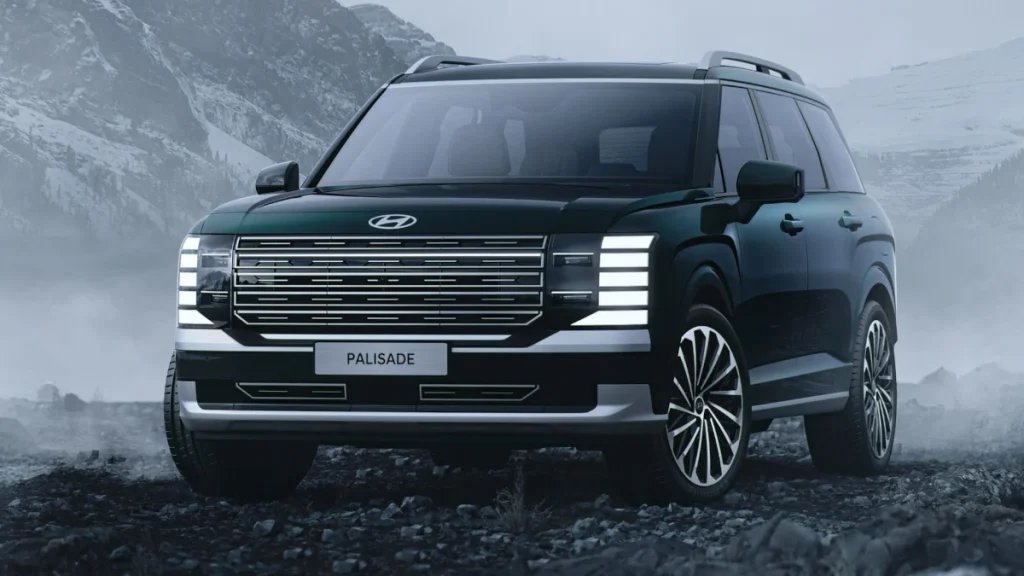
In a large three-row SUV such as the Palisade, where rear passengers can easily be out of the driver’s immediate view, this hidden feature adds another layer of awareness and protection. It represents Hyundai’s focus on practical safety innovations that deliver value every day.
Specifications
- Engine: 3.8L V6
- Torque: 262 lb-ft
- Horsepower: 291 hp
- Length/Width: 196.7 in / 77.8 in
4. Hyundai Ioniq 5: Vehicle-to-Load (V2L) Function
Electric vehicles are often judged by range, charging speed, and performance figures. The Hyundai Ioniq 5 offers all three, but one of its most valuable hidden features is something many owners do not fully appreciate until they need it. Hyundai’s vehicle-to-load system effectively turns the vehicle into a large portable power source.
Using a dedicated adapter and onboard electronics, the Ioniq 5 can supply electricity to external devices. This means the vehicle can power laptops, electric grills, camping equipment, power tools, portable refrigerators, and numerous household appliances.
The usefulness of the system becomes clear in situations where conventional power sources are unavailable. Campers can enjoy electrical convenience far from established facilities. Contractors can operate tools at remote job sites. During power outages, homeowners can keep essential devices functioning until electricity is restored.
Inside the cabin, additional power outlets allow passengers to charge equipment without relying solely on USB ports. The capability essentially transforms the vehicle into a mobile energy station.
An interesting aspect of V2L is that it changes how people think about electric vehicles. Instead of simply consuming electricity, the car can also provide it when needed. This broadens the vehicle’s role beyond transportation.
Owners who enjoy outdoor adventures often find themselves using the feature repeatedly. Weekend trips become more convenient because portable generators may no longer be necessary. The system operates quietly and eliminates many of the drawbacks associated with traditional fuel-powered equipment.
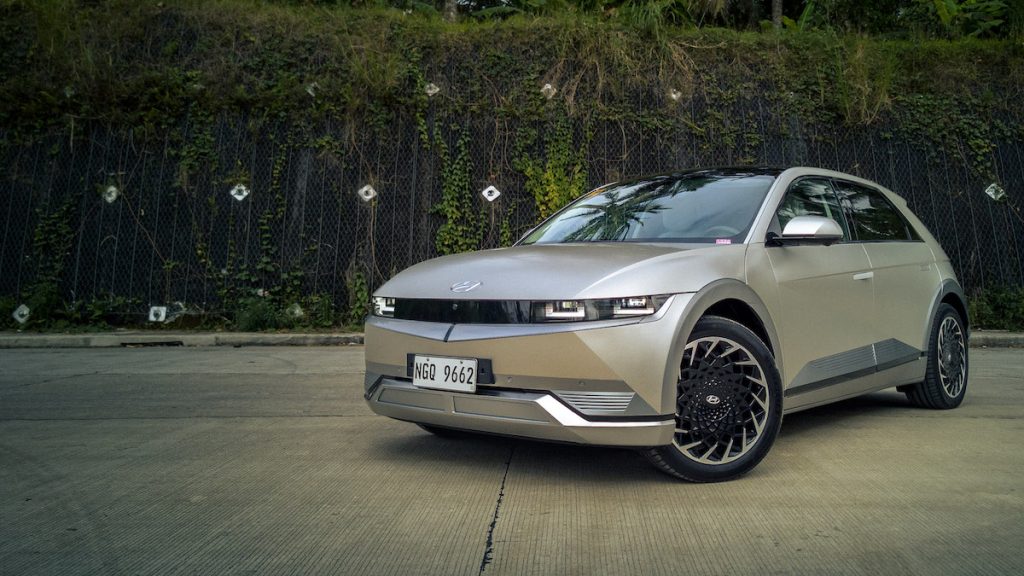
Hyundai included this functionality without making it the centerpiece of the vehicle’s design, which is why some owners overlook it. Yet, among the many advanced technologies available in the Ioniq 5, Vehicle-to-Load stands out as one of the most versatile and genuinely useful.
Its value appears not during routine commuting but during unexpected situations where portable power suddenly becomes extremely important.
Specifications
- Engine: Dual Electric Motors
- Torque: 446 lb-ft
- Horsepower: 320 hp
- Length/Width: 182.5 in / 74.4 in
5. Hyundai Elantra: Safe Exit Warning
Many safety systems focus on preventing collisions while the vehicle is moving, but Hyundai recognized that danger can still exist after the car has stopped. The Hyundai Elantra includes a hidden feature called Safe Exit Warning, designed to protect occupants when opening doors in traffic.
The concept is straightforward yet highly effective. Radar sensors monitor approaching vehicles, bicycles, and other traffic from behind. If someone inside the Elantra attempts to open a door while another road user is approaching, the system issues a warning.
Urban environments are where this technology proves most beneficial. Busy streets often place parked vehicles directly next to active traffic lanes.
Drivers and passengers can become distracted by phones, conversations, shopping bags, or simply the rush of daily activities. Opening a door at the wrong moment can create a dangerous situation for everyone involved.
What separates Safe Exit Warning from traditional blind-spot monitoring is its focus on the moments after parking. Most safety systems stop being relevant once the vehicle is stationary. Hyundai extended protection into a phase of driving that many manufacturers historically ignored.
Parents transporting children particularly appreciate the feature. Young passengers may not always remember to check for approaching traffic before exiting. The warning system adds a safeguard that can help prevent accidents.
The technology works automatically and requires no special activation from the driver. Once enabled, it continuously monitors surrounding conditions whenever appropriate. Because it operates in the background, many owners forget it exists until they hear the warning for the first time.
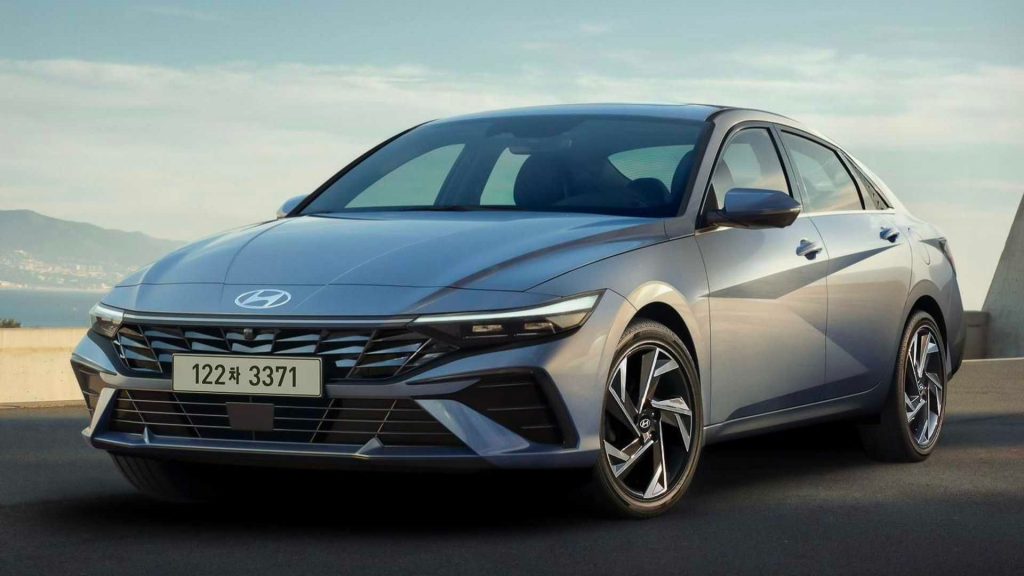
The Elantra demonstrates that valuable innovation does not always involve larger screens or more horsepower. Sometimes the most meaningful advancements are those that address everyday risks with intelligent solutions.
Safe Exit Warning is one of those technologies. It may only activate occasionally, but when it does, it has the potential to prevent costly damage, injuries, or dangerous encounters with passing traffic. That practical benefit gives the feature genuine value beyond its technical sophistication.
Specifications
- Engine: 2.0L Inline 4
- Torque: 132 lb-ft
- Horsepower: 147 hp
- Length/Width: 184.1 in / 71.9 in
6. Hyundai Kona: Driver Attention Warning
Long commutes, heavy traffic, and late-night journeys can gradually reduce a driver’s focus. Recognizing this reality, Hyundai equipped the Kona with a hidden feature known as Driver Attention Warning. While it does not receive the same publicity as adaptive cruise control or large touchscreen displays, it can be surprisingly useful during daily driving.
The system continuously evaluates driving behavior. Steering inputs, lane positioning, and various operational patterns are analyzed to determine whether the driver’s attention level may be decreasing. If signs of fatigue or distraction appear, the vehicle displays a warning suggesting a break.
Unlike older safety technologies that react only after a problem occurs, driver attention warning attempts to identify issues before they become dangerous. That proactive approach is what makes the feature noteworthy.
Consider a lengthy highway journey. Hours of repetitive driving can cause concentration to fade even when a driver does not feel particularly tired. Small mistakes begin to appear, such as inconsistent lane positioning or delayed reactions. The Kona’s monitoring system can recognize these subtle indicators and provide a timely reminder.
Another advantage is that the feature works regardless of driving experience. Professional drivers, commuters, and occasional motorists can all experience fatigue. The technology serves as an extra layer of awareness that remains active throughout the trip.
Many owners initially dismiss the system as unnecessary. Yet after receiving a warning during a genuinely tiring drive, they often gain a greater appreciation for its purpose. It functions as a digital co-driver that quietly monitors conditions in the background.
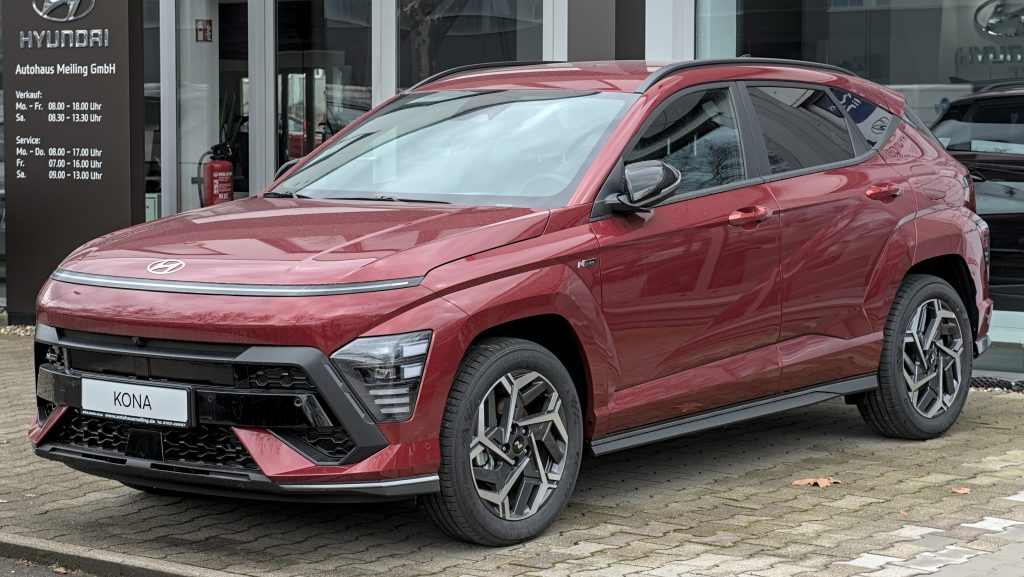
The Kona’s Driver Attention Warning reflects Hyundai’s broader commitment to preventive safety. Rather than waiting for a dangerous situation to develop, the vehicle encourages responsible driving habits before risks escalate.
For a compact crossover aimed at practical everyday transportation, this hidden capability delivers meaningful value. It supports safer travel, encourages breaks when needed, and helps drivers remain more attentive throughout their journeys.
Specifications
- Engine: 1.6L Turbocharged Inline 4
- Torque: 195 lb-ft
- Horsepower: 190 hp
- Length/Width: 171.3 in / 71.9 in
7. Hyundai Sonata: Remote Start With Climate Control
Stepping into a vehicle that is already comfortable can make a noticeable difference during extreme weather. The Hyundai Sonata includes a hidden convenience feature that goes beyond a standard remote start system.
Through Hyundai’s connected technology, owners can remotely start the engine while also setting cabin climate preferences before entering the car.
Many drivers are familiar with remote starting, but fewer realize that the Sonata allows customized temperature preparation. During hot summer afternoons, the air-conditioning system can begin cooling the cabin before departure. In colder months, heating functions can help create a warmer interior before the driver reaches the vehicle.
The feature becomes particularly valuable when the car has been parked outdoors for extended periods. Anyone who has entered a vehicle after hours in direct sunlight understands how uncomfortable interior temperatures can become. The same applies to freezing winter mornings when seats, steering wheels, and cabin surfaces feel icy.
What makes Hyundai’s implementation stand out is the level of control available through connected services. Drivers can configure settings remotely rather than accepting a one-size-fits-all startup routine. This allows the vehicle to adapt to individual preferences and changing weather conditions.
The technology also contributes to convenience in busy daily schedules. Instead of spending the first few minutes of a journey waiting for the cabin to reach a comfortable temperature, occupants can begin driving in a more pleasant environment immediately.
Another benefit involves windshield visibility. During cold conditions, preconditioning can help reduce frost accumulation and improve visibility more quickly than starting the vehicle only after entering.
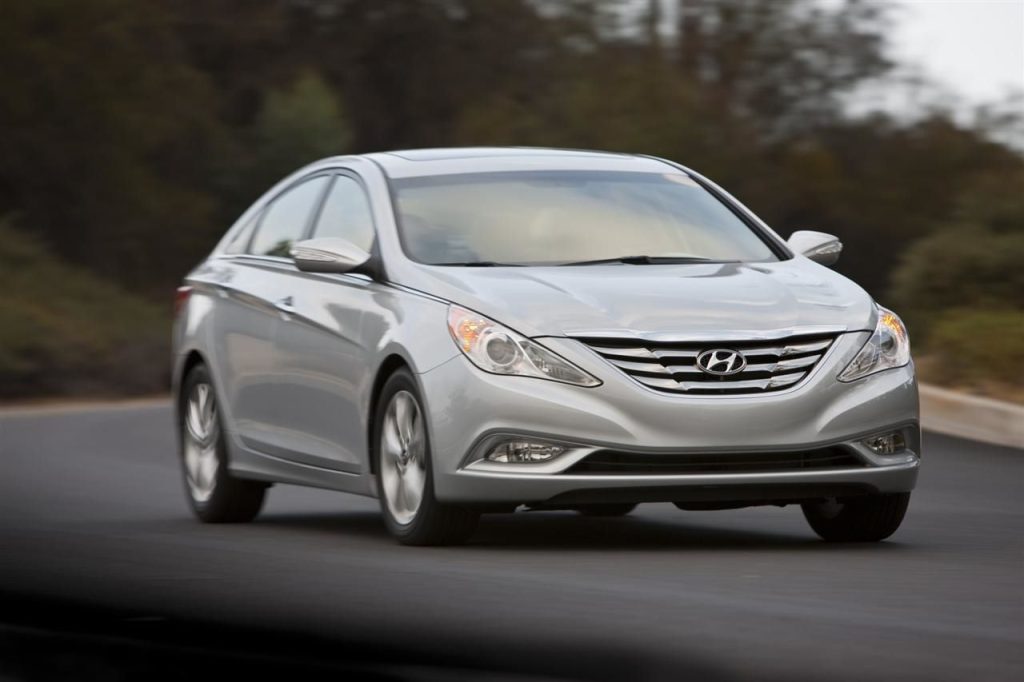
Although many owners focus on the Sonata’s styling, fuel efficiency, and technology package, this climate-focused remote start capability often becomes one of the most frequently used features. It enhances comfort every season and requires minimal effort from the driver.
Rather than being used only occasionally, it often becomes part of a daily routine, demonstrating how small technological conveniences can significantly improve long-term ownership satisfaction.
Specifications
- Engine: 2.5L Inline 4
- Torque: 181 lb-ft
- Horsepower: 191 hp
- Length/Width: 193.3 in / 73.2 in
8. Hyundai Venue: Automatic Headlight Delay Function
The Hyundai Venue is one of Hyundai’s smallest vehicles, yet it includes a hidden feature that provides practical benefits every day. The automatic headlight delay function keeps the headlights illuminated for a short period after the driver exits and locks the vehicle.
At first, this may seem like a minor convenience. In reality, it can greatly improve safety and visibility in dark environments. Parking lots, apartment complexes, rural driveways, and poorly lit streets often require drivers to walk some distance after leaving the vehicle.
The delayed lighting helps illuminate the path ahead rather than plunging the area into darkness immediately.
Unlike handheld flashlights or smartphone lights, the vehicle’s headlights provide broad illumination across a larger area. This can help drivers identify obstacles, uneven surfaces, puddles, or other hazards while walking away from the car.
The system operates automatically, requiring no additional action from the owner. Once activated through the vehicle settings, it functions consistently whenever needed. Because it works quietly in the background, many venue owners forget it exists until they park somewhere particularly dark.
The feature also adds a sense of security. Well-lit surroundings can make drivers and passengers feel more comfortable when returning home late at night or moving through unfamiliar places.
Interestingly, this technology has existed in premium vehicles for years, but Hyundai has incorporated it into an affordable compact crossover. That approach reflects the brand’s philosophy of delivering useful features across multiple price segments rather than reserving them exclusively for expensive models.

The Automatic Headlight Delay Function may not influence a buying decision by itself. It lacks the excitement of a powerful engine or a large infotainment screen. However, it represents the type of thoughtful engineering that owners appreciate repeatedly throughout the life of the vehicle.
Small details often make the biggest difference in everyday usability, and this feature is an excellent example of that principle.
Specifications
- Engine: 1.6L Inline 4
- Torque: 113 lb-ft
- Horsepower: 121 hp
- Length/Width: 159.1 in / 69.7 in
9. Hyundai Ioniq 6: Battery Conditioning System
Electric vehicle owners quickly learn that charging performance can vary depending on battery temperature. Hyundai addressed this challenge through a hidden feature in the Ioniq 6 known as Battery Conditioning.
While many drivers focus on range figures and charging speeds, this technology works behind the scenes to help the vehicle achieve more efficient fast-charging performance.
The system prepares the battery before arriving at a compatible fast-charging station. Using navigation data and battery monitoring, the vehicle can warm or adjust battery conditions so that charging begins under more favorable circumstances.
Since lithium-ion batteries perform best within specific temperature ranges, this preparation can reduce charging delays and improve charging consistency.
For drivers who regularly travel long distances, the benefit becomes especially noticeable. A charging stop is often planned around a schedule, and every minute saved can contribute to a smoother journey.
Rather than arriving with a battery that is too cold or otherwise outside its ideal operating window, the conditioning system helps optimize readiness before the charging session begins.
Many owners are unaware that this process is taking place because it operates automatically. There is no dramatic visual display or obvious indication that the vehicle is working in the background. Yet the effect can be significant during real-world road trips.
The feature also highlights how modern electric vehicles depend on sophisticated software as much as hardware. Hyundai’s engineers recognized that charging performance is not determined solely by charger capability.
Battery preparation plays a crucial role, and intelligent management can improve the ownership experience without requiring any additional effort from the driver.
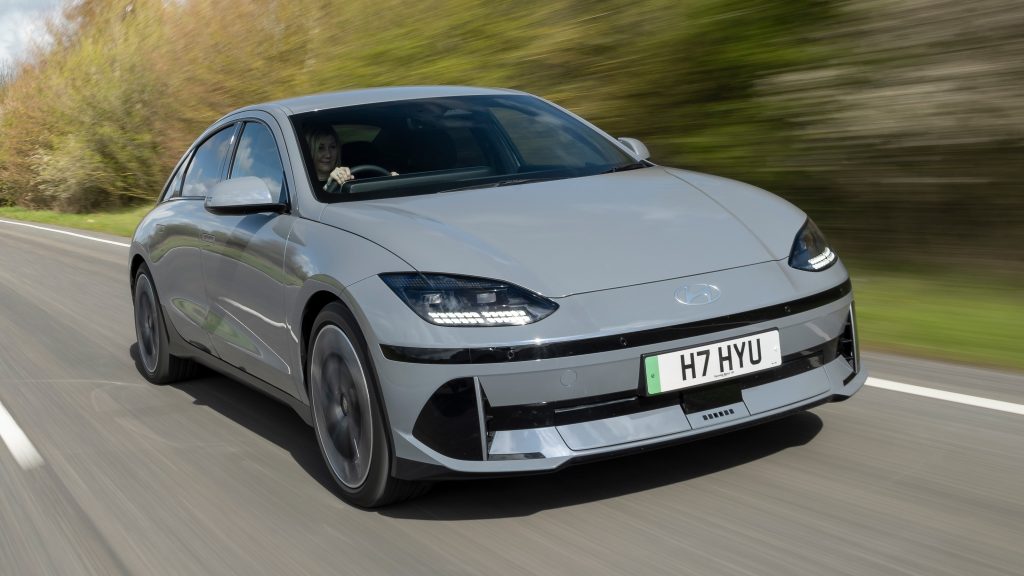
Another advantage involves consistency. Drivers gain a more predictable charging experience across varying environmental conditions, helping reduce uncertainty during longer journeys.
The Ioniq 6 has earned attention for its aerodynamic design and impressive efficiency, but battery conditioning remains one of its most valuable hidden capabilities. It quietly improves one of the most important aspects of EV ownership by helping drivers spend less time waiting and more time on the road.
Specifications
- Engine: Dual Electric Motors
- Torque: 446 lb-ft
- Horsepower: 320 hp
- Length/Width: 191.1 in / 74.0 in
10. Hyundai Creta: Air Purification Monitoring System
Air quality has become an increasingly important consideration for drivers, particularly in heavily populated urban environments. The Hyundai Creta includes a hidden feature that many owners overlook despite its daily usefulness.
The vehicle’s Air Purification Monitoring System helps maintain cleaner cabin air while providing information about interior air quality conditions.
Unlike traditional climate-control systems that simply circulate air, this technology actively monitors and manages cabin conditions. Depending on the model and market configuration, the system can display air-quality information and work alongside advanced filtration components to improve the cabin environment.
The value becomes apparent during congested traffic conditions. Urban roads often expose vehicles to dust, exhaust emissions, and airborne pollutants. By helping maintain cleaner interior air, the system contributes to a more comfortable driving experience for occupants.
Families frequently spend substantial time inside their vehicles during commuting, school runs, shopping trips, and weekend travel. Better air management can enhance comfort during these extended periods. Drivers may not notice the system every moment it operates, but they often appreciate the fresher cabin atmosphere it helps maintain.
Another reason the feature stands out is its passive operation. There is no learning curve and no special routine required. Once active, the system continuously monitors conditions and assists with maintaining cabin air quality.
Hyundai’s decision to include such technology reflects changing customer priorities. Modern vehicles are expected not only to transport passengers safely but also to create a more pleasant environment inside the cabin. Features focused on wellness and comfort are becoming increasingly relevant.
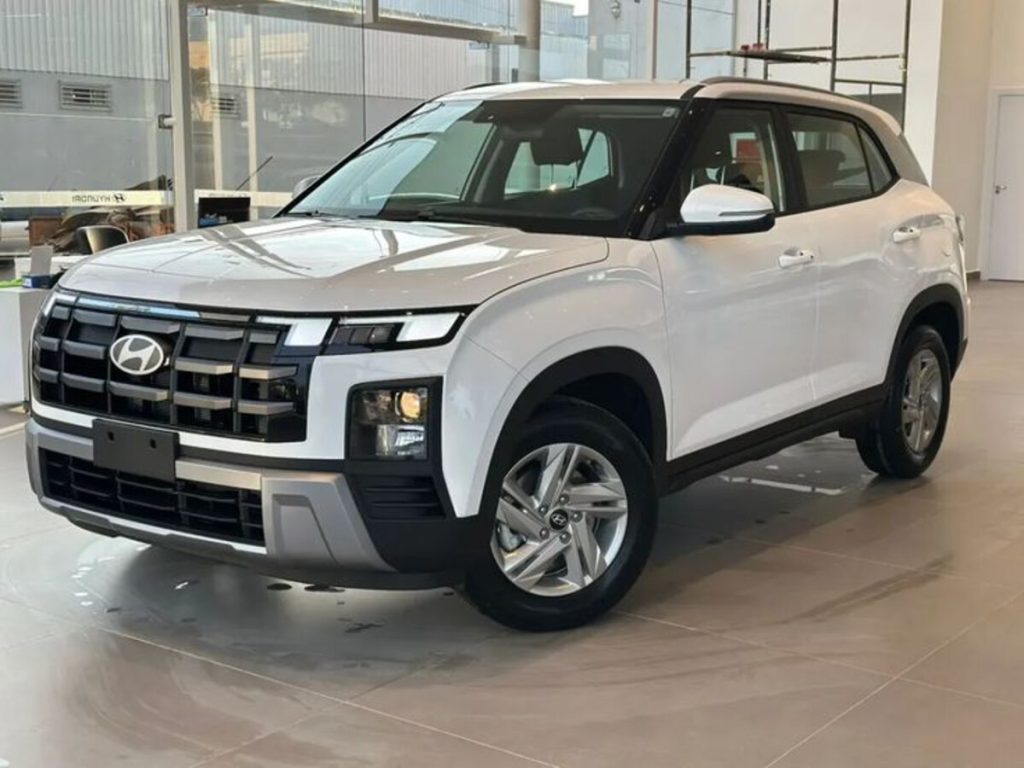
The Creta’s air purification monitoring system demonstrates how hidden value can come from technology that receives little attention during a showroom visit. While buyers often compare horsepower figures and infotainment features, air-quality management can influence daily comfort for years.
Its contribution may be subtle, but the cumulative benefit becomes meaningful over thousands of miles of driving and countless hours spent inside the vehicle.
Specifications
- Engine: 1.5L Naturally Aspirated Inline 4
- Torque: 106 lb-ft
- Horsepower: 115 hp
- Length/Width: 169.3 in / 70.9 in
