The idea of a car’s performance being fixed by its hardware alone is no longer accurate. In many modern vehicles, the real deciding factor is factory software. Engineers often design engines, electric motors, and drivetrains with more capability than what is available to the driver at launch.
That extra performance is then shaped and restricted through electronic control systems. These digital limits influence how much power is delivered, how quickly it arrives, and what maximum speed the vehicle can safely reach. Manufacturers apply these restrictions for several practical reasons, including meeting emissions rules, protecting components from wear, improving safety, and separating performance tiers within their lineup.
In some cases, software also becomes part of the business model, allowing performance to be unlocked later through upgrades or subscriptions. The eight cars in this list demonstrate how widespread this practice has become, showing that modern performance is no longer just engineered in metal but carefully managed in code.
1. Nissan GT-R (JDM)
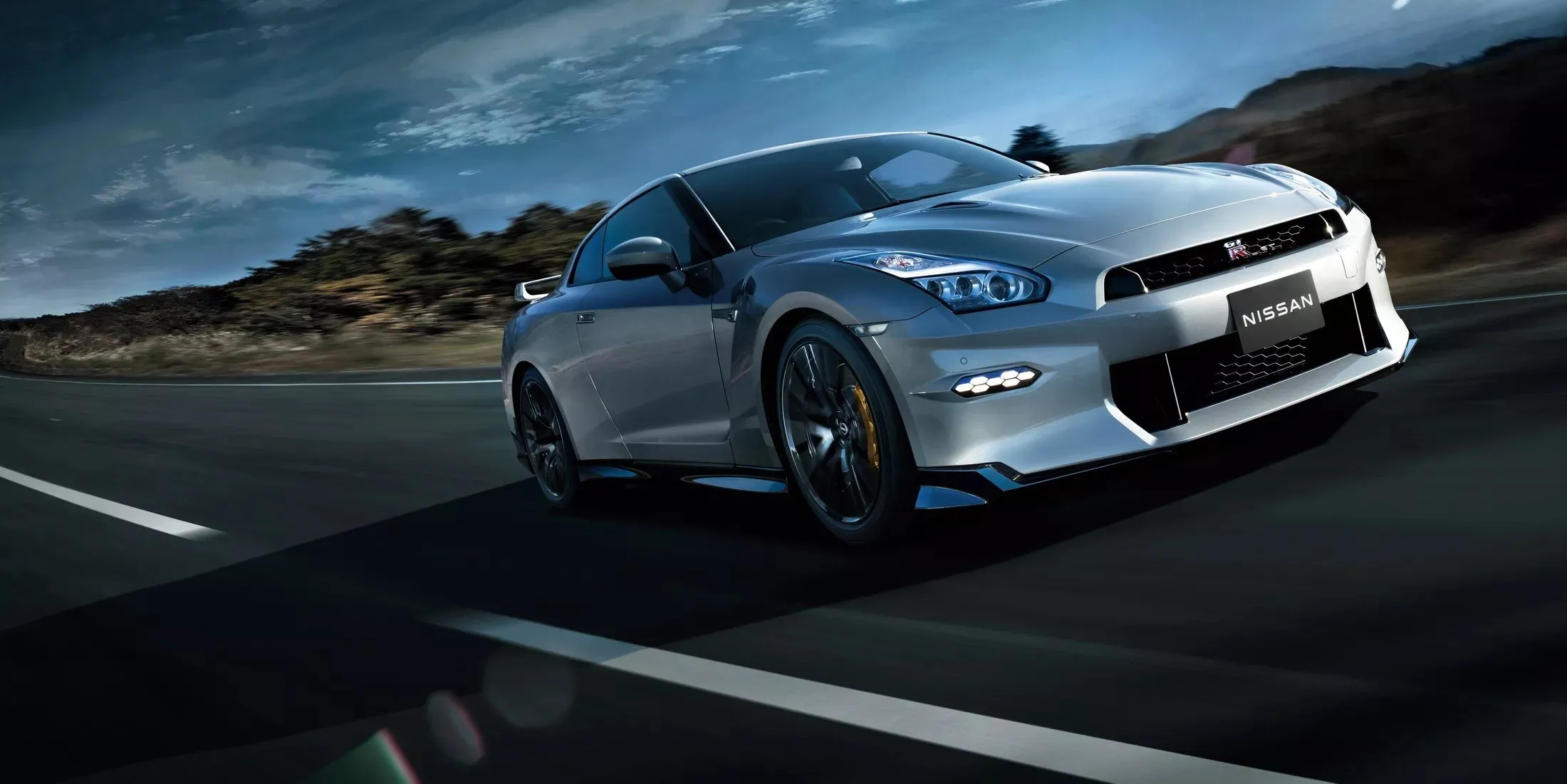
The Japanese Domestic Market Nissan GT-R is a prominent example of how regulation influenced high-performance car design in Japan. For many years, Japanese manufacturers followed a voluntary “Gentlemen’s Agreement” coordinated through the Japan Automobile Manufacturers Association.
This agreement introduced two major restrictions for domestic performance vehicles: a horsepower cap of about 280 PS (roughly 276 hp) and an electronic top speed limiter set at 180 km/h (112 mph). These limits were intended to improve road safety and prevent an escalating competition for extreme performance on public roads.
Even with these restrictions in place, the GT-R was engineered with far greater capability than its road-legal limits suggest. Its mechanical foundation includes the VR38DETT 3.8-liter twin-turbo V6 engine and the ATTESA all-wheel-drive system, both designed to support speeds exceeding 315 km/h. As a result, the limitation exists in the software rather than in the physical performance of the vehicle.
A defining feature of early JDM GT-R models is the GPS-linked speed control system. The car continuously monitors its location, and when it detects entry into a sanctioned racing circuit in Japan, it automatically disables the speed limiter. On public roads, the 180 km/h restriction remains active, but on approved tracks, the vehicle can access its full performance capability. This system allows compliance with regulations while still enabling full use of the car in controlled environments.
Since its release in 2008, the GT-R has seen continuous development. Power output has increased from around 473 hp in early versions to more than 560 hp in later models. Nissan also refined key systems such as suspension tuning, steering response, and braking performance. The result is a car capable of accelerating from 0 to 62 mph in about 2.7 seconds while still being usable in daily driving, although comfort and fuel economy remain secondary priorities.
The GT-R also contributed significantly to the evolution of performance all-wheel drive systems. Its AWD technology demonstrated that high-power engines could deliver both extreme acceleration and strong traction control. Alongside cars like the Porsche 911 Turbo and Audi R8, it helped shape modern expectations for supercar performance.
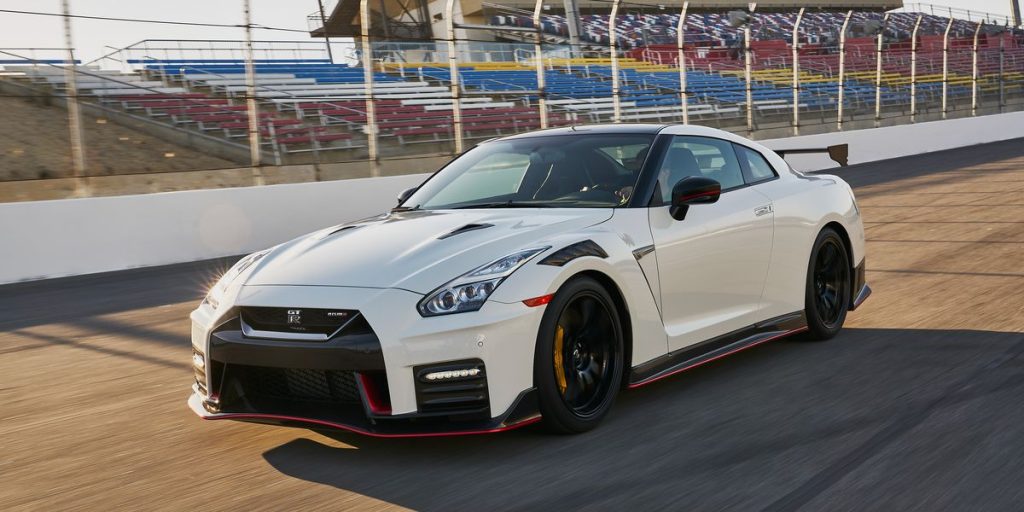
- Engine: 3.8L twin-turbocharged V6 (VR38DETT)
- Horsepower: 565 hp (standard) / 600 hp (NISMO trim)
- Torque: 467 lb-ft (637 Nm) (standard) / 481 lb-ft (652 Nm) (NISMO trim)
- Length: 4,650–4,709 mm (183.1–185.4 in)
- Width: 1,895 mm (74.6 in)
2. BMW M4
The BMW M4 is a high-performance coupe that combines advanced engineering with deliberate software restrictions. From the factory, its top speed is electronically limited to 250 km/h (155 mph). This restriction is tied to a long-standing informal agreement among German manufacturers aimed at improving safety on high-speed roads, particularly the Autobahn.
Despite this limitation, the M4 is mechanically capable of much higher performance thanks to its twin-turbocharged 3.0-liter inline-six engine. Depending on the variant, output ranges from 473 horsepower in the base model to over 500 horsepower in Competition versions, with even higher figures when all-wheel drive is added. Without software limits, the car’s acceleration and top speed would exceed its factory settings significantly.
BMW uses these electronic controls for several practical reasons. One major factor is drivability. In lower gears, the engine management system restricts torque to maintain traction, especially since the M4 is capable of sending large amounts of power to the rear wheels. Without this control, the car would be difficult to handle in everyday driving conditions, particularly in rain or on low-grip surfaces.
Another reason is component protection. Software limits help preserve engine and transmission life by reducing stress during aggressive driving. Features such as launch control are also managed to prevent excessive wear on drivetrain components. Emissions regulations further influence tuning, requiring hardware such as particulate filters that naturally constrain output and exhaust flow.
BMW also structures performance through a tiered model strategy. Higher-performance variants like Competition, CS, and CSL models use more aggressive software calibration, allowing the brand to differentiate products while using similar underlying hardware.
A key feature offered to buyers is the optional M Driver’s Package, which includes a factory-approved software update that raises the top speed limiter to around 290 km/h and adds a high-performance driving course. This provides a controlled way to access more of the car’s capability without aftermarket modifications.
In testing, the M4 Competition can accelerate from 0 to 60 mph in as little as 2.8 seconds, making it one of the fastest cars in its class. It also includes adaptive suspension, adjustable driving modes, and advanced infotainment through BMW’s iDrive system.
The M4 balances sport-focused design with modern comfort, offering digital displays, advanced driver assistance systems, and everyday usability, though rear space and cargo capacity remain limited compared to larger models.
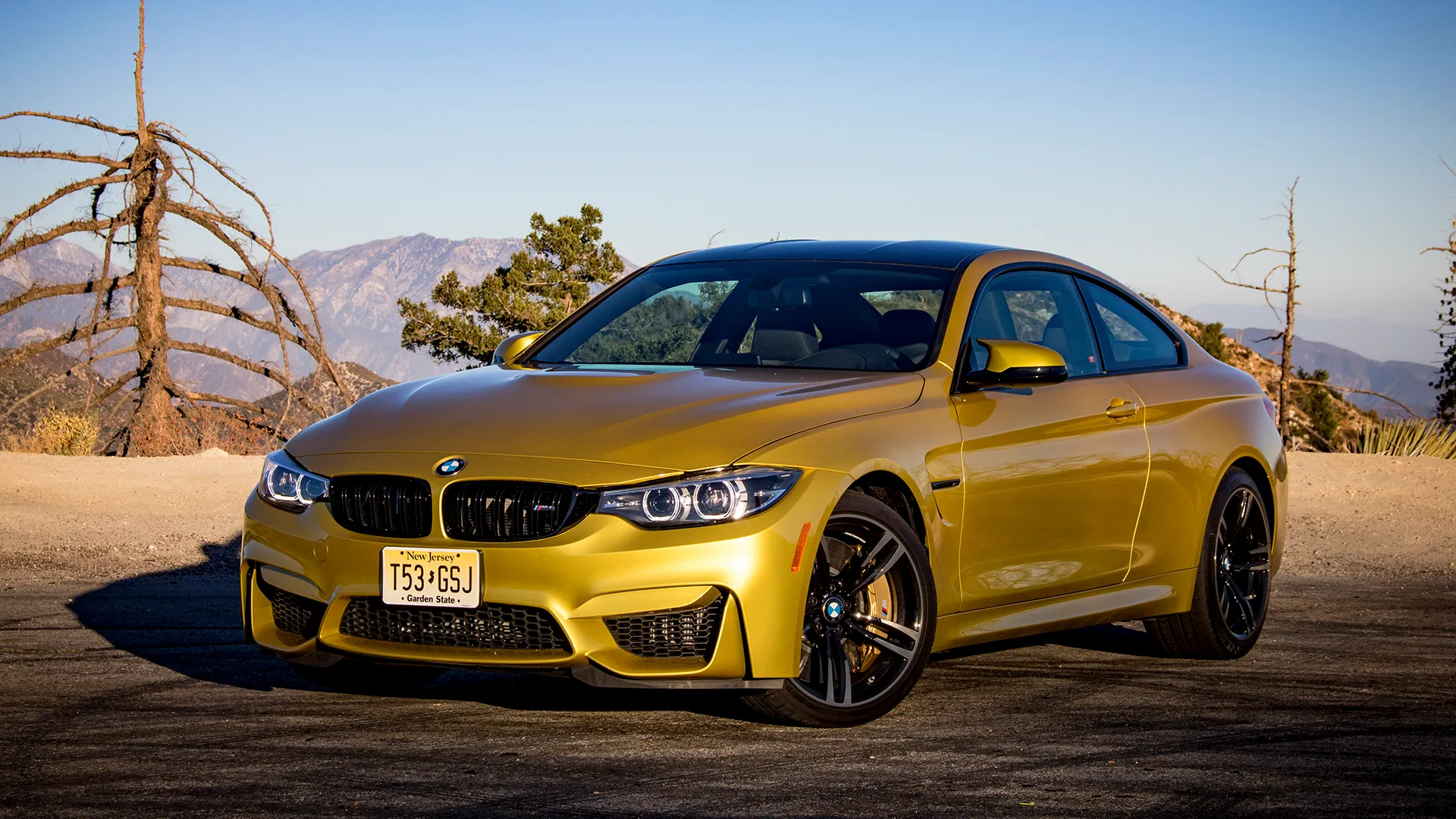
- Engine: 3.0L twin-turbo inline-6 (S58)
- Horsepower: 473 hp (standard M4) / 503–523 hp (M4 Competition) / 543 hp (M4 CS)
- Torque: 406 lb-ft (550 Nm) (standard M4) / 479 lb-ft (650 Nm) (Competition & CS)
- Length: 189.0 in (4,801 mm)
- Width: 74.3 in (1,887 mm) (mirrors folded) / 81.9 in (2,081 mm) (including mirrors)
3. Volkswagen Golf R
The Volkswagen Golf R is built around the highly capable EA888 2.0-liter turbocharged engine, but its factory software intentionally restricts its full performance potential. Volkswagen uses conservative ECU and transmission tuning to control output, manage emissions, and maintain clear performance separation between models within the Volkswagen Group lineup.
From the factory, the Golf R produces around 328 horsepower and 295 lb-ft of torque, paired with a seven-speed dual-clutch transmission and a sophisticated 4Motion all-wheel-drive system. This setup already delivers strong real-world performance, including a 0 to 60 mph time of about 4.1 seconds. However, the underlying hardware is capable of significantly more power than the stock calibration allows.
A major reason for these restrictions is engine and drivetrain protection. The ECU is programmed to reduce boost under extreme heat or stress conditions, helping prevent damage and maintain reliability across global markets with varying fuel quality and climates. Torque limits are also enforced to protect the DSG transmission and all-wheel-drive components from excessive wear.
Market positioning is another key factor. The Golf R sits below Audi performance models like the S3 and RS3 within the Volkswagen Group hierarchy. Software tuning ensures it does not overlap too closely with these higher-priced vehicles, while also maintaining a performance gap above the Golf GTI. This controlled separation helps preserve brand structure and pricing strategy.
Emissions compliance further influences tuning decisions. Restrictive software helps the engine meet strict global emissions and fuel economy standards, even if it limits peak performance. Additional electronic systems, including stability control and torque vectoring, also intervene to maintain safety in everyday driving conditions.
Top speed is electronically limited to around 155 mph in standard form, with higher limits available through optional performance packages. Even with traction and stability systems reduced, the ECU continues to manage torque delivery to prevent loss of control.
Because the EA888 engine is highly robust, aftermarket tuning is extremely popular. ECU and TCU software upgrades from tuners can unlock 50 to 100+ additional horsepower without mechanical changes, highlighting how much potential is reserved by factory settings.
The Golf R blends practicality with performance focus, featuring sport seats, digital displays, and advanced infotainment systems, while maintaining the familiar five-seat hatchback layout.
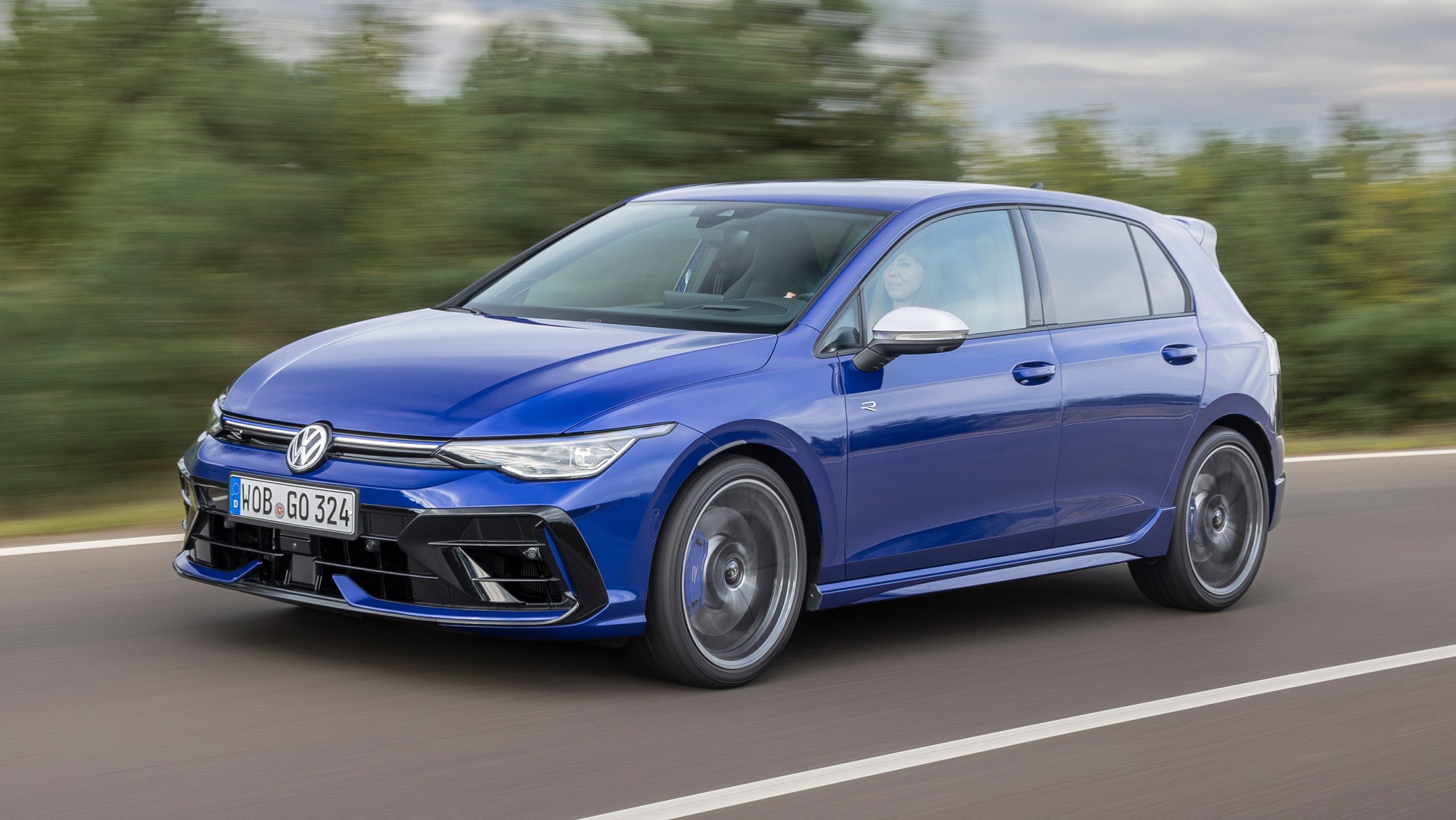
- Engine: 2.0L turbocharged inline-4 (TSI)
- Horsepower: 328 hp
- Torque: 295 lb-ft (420 Nm)
- Length: 168.9–169.1 in (4,290–4,296 mm)
- Width: 70.4 in (1,789 mm)
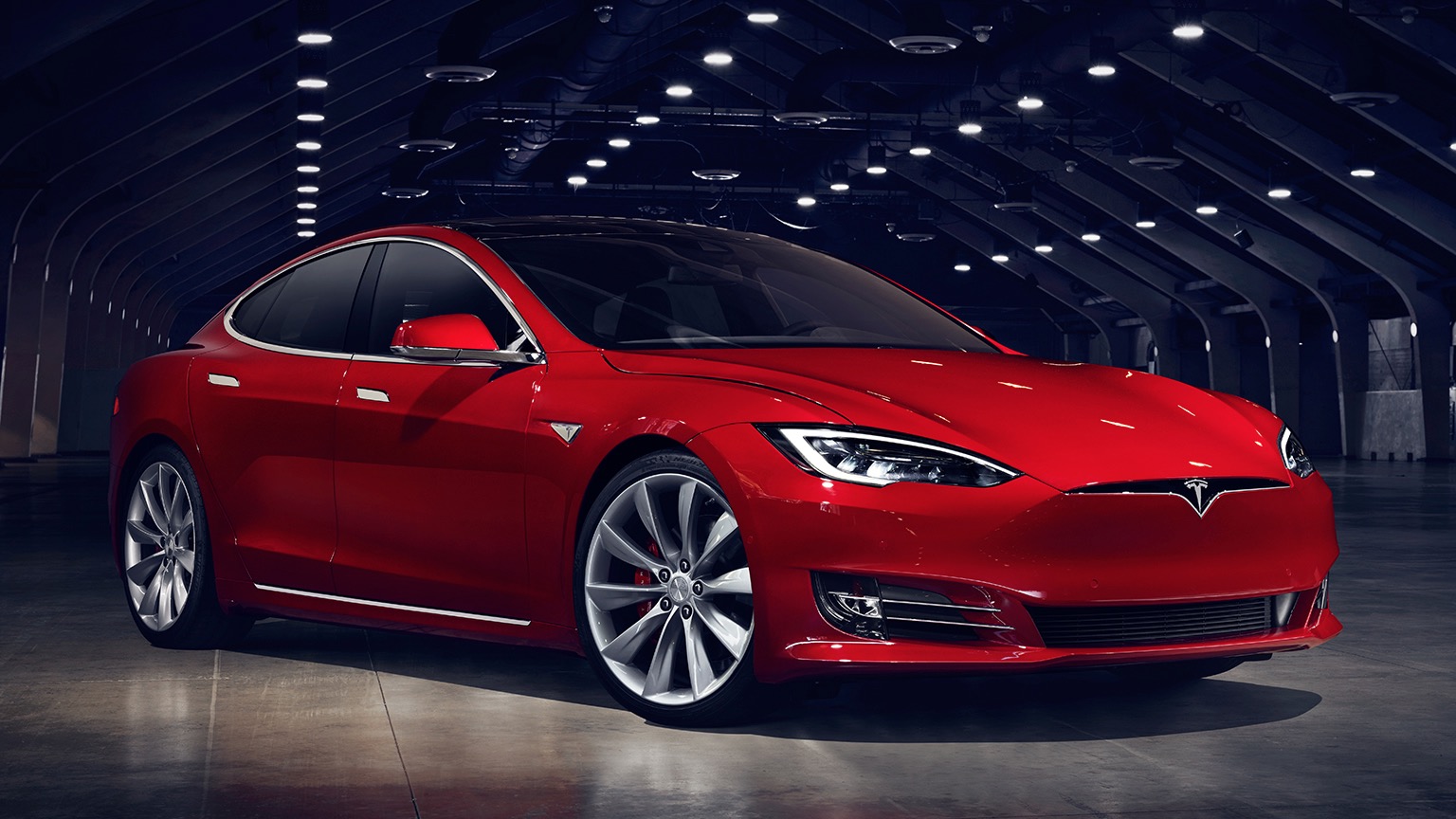
4. Tesla Model S 75D
The Tesla Model S 75D shows how electric vehicles can use software to control performance, range, and product pricing while relying on shared hardware. In many cases, Tesla installed battery packs with higher physical capacity than what the 75D model was allowed to access. Software restrictions were then applied to limit usable energy, creating different trim levels from the same underlying components.
This strategy helps Tesla simplify manufacturing by reducing the number of unique battery configurations needed across its lineup. It also lowers production costs and streamlines logistics. At the same time, it enables a tiered pricing model where customers can purchase additional range or performance later through paid software upgrades delivered over the air.
Battery limitation is also tied to long-term durability. By restricting access to full capacity, the system reduces stress on battery cells and helps slow degradation over time. This improves lifespan consistency and ensures more stable performance across years of use, especially under varying charging habits and environmental conditions.
Performance is similarly governed by software. Early versions of the Model S 75D were limited to about 5.2 seconds from 0 to 60 mph, even though the dual-motor setup was capable of quicker acceleration. This conservative tuning helped preserve drivetrain reliability and positioned higher-performance variants as premium alternatives. Later software updates “uncorked” the system, improving acceleration to approximately 4.2 seconds without any hardware changes.
Even after these improvements, the vehicle continues to rely on active software management. When the battery or drive components reach high temperatures, the system automatically reduces power output to prevent overheating. This thermal control is especially important during repeated high-load driving, where electric powertrains can otherwise experience rapid heat buildup.
Despite these limits, the 75D delivers strong real-world capability. It offers a substantial driving range, instant torque delivery, and smooth electric performance suitable for both city and highway use. The cabin provides generous space, advanced infotainment features, and a quiet driving experience typical of premium EVs.
The software-defined structure of the 75D illustrates how electric vehicles can balance efficiency, reliability, and market segmentation while still delivering high levels of performance when conditions allow.
- Engine: Dual Motor electric AWD (front and rear AC induction motors)
- Horsepower: 518 hp (combined system output)
- Torque: 486 lb-ft (660 Nm)
- Length: 196.0 in (4,978 mm)
- Width: 77.3 in (1,963 mm) (body) / 86.2 in (2,189 mm) (including mirrors)
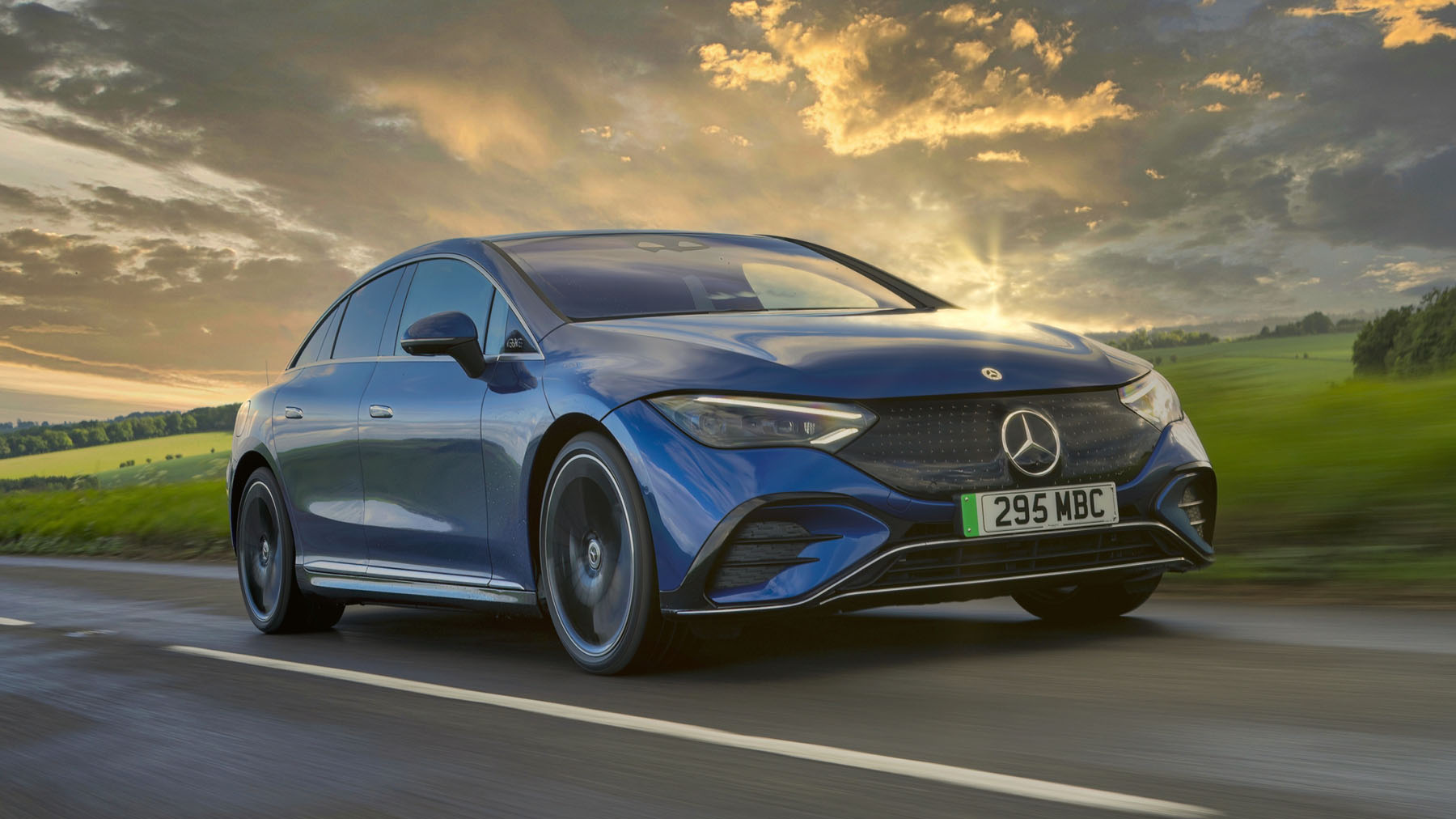
5. Mercedes-Benz EQE
The Mercedes-Benz EQE demonstrates how modern electric vehicles can use software restrictions and subscription models to control performance while creating new revenue streams. From the factory, the EQE’s electric motors are capable of higher output, but base models are intentionally limited through software to reduce performance and separate trim levels within the lineup.
A key feature of this system is the optional “Acceleration Increase” subscription offered through the Mercedes me Store. Owners can pay monthly, yearly, or a one-time fee to unlock additional performance via an over-the-air update. This software remap increases output by roughly 60 horsepower and reduces 0 to 60 mph acceleration times by about one second, effectively transforming the vehicle’s responsiveness without any hardware changes.
Mercedes-Benz uses these restrictions for several reasons. One is revenue generation through recurring digital services, reflecting a broader industry shift toward software-based vehicle monetization. Another is product segmentation, ensuring that entry-level EQE models do not overlap with higher-performance variants such as AMG versions. Performance limits also help manage battery usage and reduce thermal stress on electric motors during everyday driving.
Mechanically, different EQE variants use similar motor architectures but vary in output. Base models produce around 288 horsepower and 564 lb-ft of torque, while software unlocks can raise output to approximately 348 horsepower. Despite this potential, acceleration and tuning remain conservative in stock form, with 0 to 60 mph times around the mid-five-second range for all-wheel-drive versions.
The EQE focuses more on comfort and refinement than outright performance. Its ride quality is smooth and quiet, supported by optional air suspension and advanced noise insulation. However, its handling is less engaging compared to rivals such as the BMW i5 and Lucid Air, placing it more in the comfort-oriented luxury EV category.
Range performance is competitive, with up to about 308 miles for rear-wheel-drive versions and slightly lower figures for all-wheel-drive models. Charging speeds reach up to 170 kW, allowing a 10 to 80 percent charge in roughly 30 minutes under ideal conditions.
The EQE offers a premium cabin with large digital displays, advanced infotainment systems, and strong passenger comfort, reinforcing its role as a technology-focused luxury sedan shaped heavily by software-defined performance control.
- Engine: Single electric motor (EQE 320+) RWD / Dual electric motors (EQE 320 4MATIC) AWD / Dual AMG-enhanced electric motors (AMG EQE) AWD
- Horsepower: 315 hp (EQE 320+ / EQE 320 4MATIC) / 617–677 hp (AMG EQE)
- Torque: 416 lb-ft (EQE 320+) / 564 lb-ft (EQE 320 4MATIC) / 738 lb-ft (AMG EQE)
- Length: 196.9 in (4,946 mm)
- Width: 77.2 in (1,960 mm) (without mirrors) / 82.8 in (2,103 mm) (with mirrors)
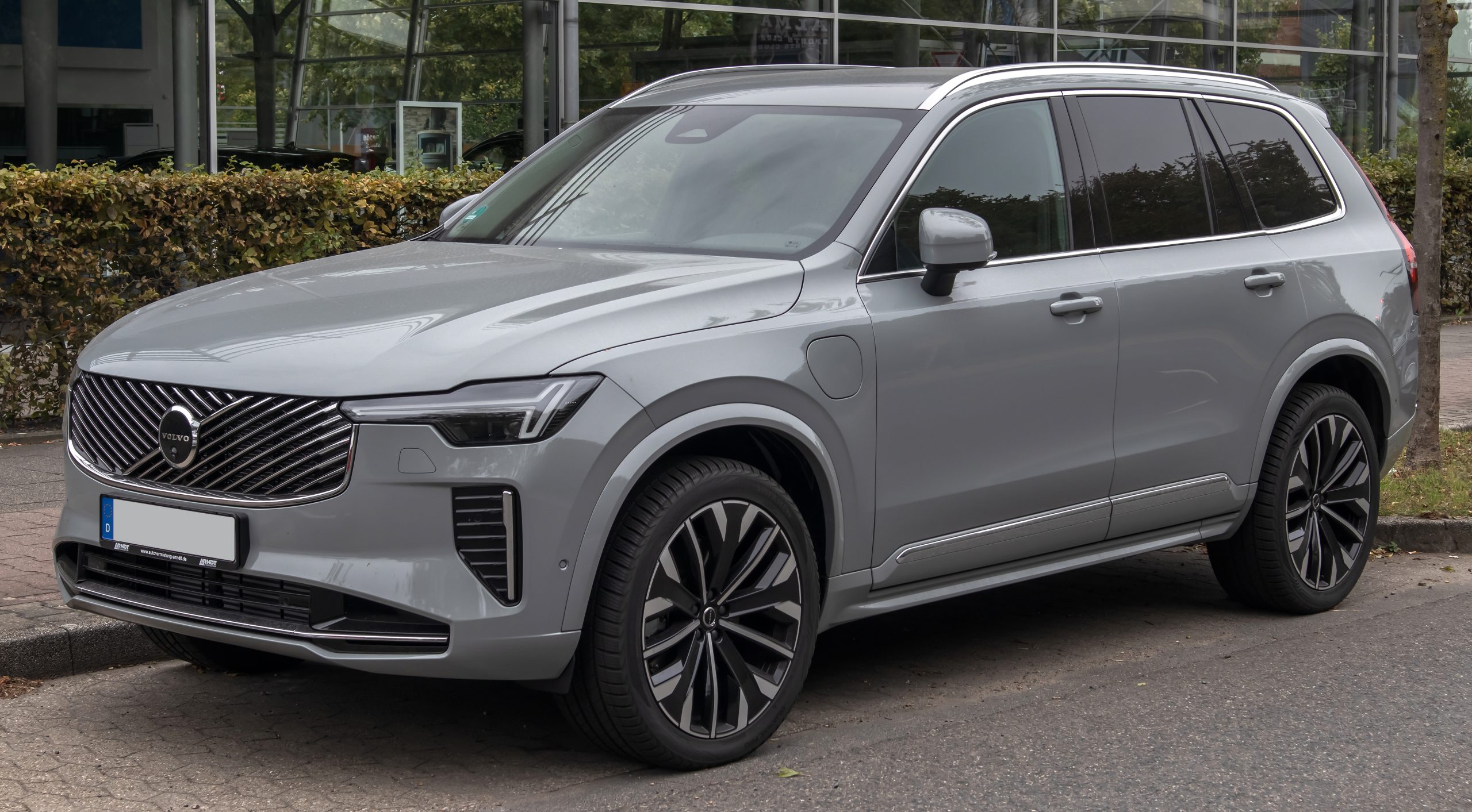
6. Volvo XC90
The Volvo XC90 is built around a strict safety-focused software philosophy that places a hard electronic limit on performance. Across all Volvo models, top speed is capped at 180 km/h (112 mph) as part of the brand’s Vision Zero initiative. This global policy is based on Volvo’s belief that, beyond this speed, crash survival becomes significantly less likely even with advanced safety systems and strong structural design.
This limitation is enforced directly through the engine control software, which prevents the vehicle from exceeding the set threshold regardless of available mechanical power. Even high-output variants, including plug-in hybrid versions with more than 400 horsepower, are restricted well before reaching their full performance potential on open roads.
Beyond the top speed cap, the XC90’s software also manages power delivery and efficiency in several ways. The throttle mapping is tuned for smooth, predictable acceleration rather than aggressive response, prioritizing comfort and control in a large three-row SUV. Hybrid and mild-hybrid systems continuously regulate energy flow, battery temperature, and drivetrain load to maintain long-term reliability and reduce wear.
A built-in safety feature called the Care Key allows owners to set even lower speed limits for specific drivers, adding another layer of control when lending the vehicle to less experienced users. This reinforces Volvo’s focus on reducing risk in everyday driving scenarios.
The Volvo XC90 is engineered with comfort and refinement as its primary priorities rather than outright performance. Its B5 and B6 mild-hybrid powertrains produce approximately 247 and 295 horsepower, respectively, both paired with an eight-speed automatic transmission and a 48-volt electrical system. Acceleration is respectable but not especially quick for the luxury SUV segment, with most versions reaching 60 mph in roughly 6.8 to 7.3 seconds.
Even the more powerful plug-in hybrid variants maintain a composed character. Volvo’s software tuning favors smooth power delivery, efficiency, and stability over aggressive acceleration, creating a driving experience that feels relaxed and predictable in everyday conditions. This approach aligns with the XC90’s role as a family-focused luxury vehicle rather than a performance-oriented SUV.
The XC90 offers a premium cabin with high-quality materials, seating for up to seven passengers, and a clean Scandinavian-inspired design. The Google-based infotainment system includes integrated navigation and voice controls, while available premium audio options enhance the experience. Safety remains a defining strength, with standard features such as adaptive cruise control, lane-keeping assistance, and automatic emergency braking supporting Volvo’s long-standing focus on occupant protection.
- Engine: 2.0L turbocharged inline-4 mild-hybrid (B5 AWD) / 2.0L turbocharged & supercharged inline-4 mild-hybrid (B6 AWD) / 2.0L turbocharged inline-4 plug-in hybrid (T8 AWD)
- Horsepower: 247 hp (B5) / 295 hp (B6) / 455 hp (T8)
- Torque: 266 lb-ft (B5) / 310 lb-ft (B6) / 523 lb-ft (T8)
- Length: 195.0 in (4,953 mm)
- Width: 84.3 in (2,140 mm) (with mirrors)
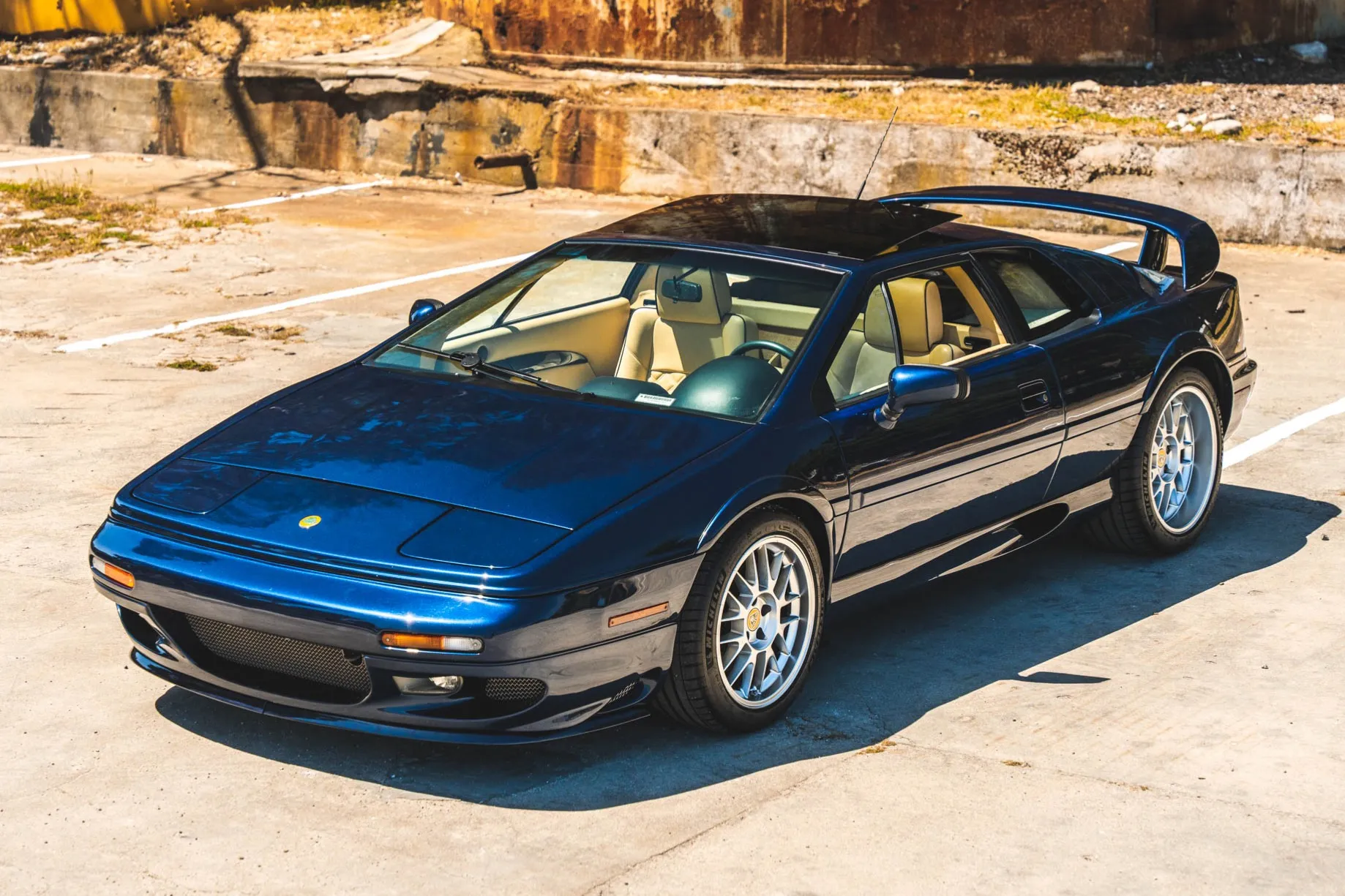
7. Lotus Esprit V8
The Lotus Esprit V8 is a striking example of how factory software was used to restrain engine output in order to protect fragile mechanical components. Although its 3.5-liter twin-turbocharged V8 was capable of producing over 500 horsepower in testing, Lotus deliberately limited the engine to around 350 horsepower through ECU tuning. This was done primarily to preserve the durability of its Renault-sourced five-speed transaxle, which could not reliably handle the engine’s full torque output.
The transmission’s limitations shaped nearly every aspect of the car’s calibration. Lotus used software to reduce boost pressure, especially in lower gears, to prevent gearbox failure, driveshaft stress, and excessive wheelspin. Without these restrictions, the drivetrain would have been prone to catastrophic failure. The ECU also varied torque delivery depending on gear and driving mode, with some maps offering slightly more aggressive performance while still maintaining mechanical safety margins.
Despite these limitations, the Esprit V8 delivered serious performance once in its usable powerband. Acceleration was strong, with 0 to 60 mph achieved in about 4.1 seconds, placing it near contemporary supercars. Top speed reached approximately 173 mph, and high-speed stability remained confident for a mid-engine sports car of its era. However, the engine’s character was highly turbo dependent, with limited low-end torque and full performance only emerging at higher revs near the 6,900 rpm redline.
Driving experience was a mix of extremes. Handling was precise and balanced, with a strong grip and predictable behavior at speed, reflecting Lotus’s chassis expertise. At the same time, everyday usability suffered due to a heavy clutch, an imprecise manual gearbox, and a cramped driving position. Steering feel was generally accurate but less consistent on rough surfaces, and ride quality became firm over sharp bumps.
Braking performance was strong, supported by Brembo hardware capable of short stopping distances under hard use. However, the car demanded effort and precision from the driver in all conditions, particularly in urban driving.
Ergonomics and visibility were notably limited, reinforcing the car’s focus on performance rather than comfort. While visually dramatic and capable of supercar-level speed, the Esprit V8 ultimately reflected a compromise between ambitious engine design and the mechanical constraints of its era.
- Engine: 3.5L twin-turbocharged 90° V8 (Type 918)
- Horsepower: 350 hp @ 6,500 rpm
- Torque: 295 lb-ft (400 Nm) @ 4,250 rpm
- Length: 171.6 in (4,414 mm)
- Width: 74.1 in (1,883 mm)
8. Ford Mustang EcoBoost
The Ford Mustang EcoBoost uses factory software to balance strong turbocharged performance with long-term reliability, emissions compliance, and drivetrain protection. From the factory, its top speed is electronically limited to around 195 km/h (121 mph), even though the 2.3-liter turbocharged engine is capable of more performance under ideal conditions.
One key reason for this limitation is hardware protection. The EcoBoost Mustang uses components such as a two-piece driveshaft and economy-focused tires that are not designed for sustained ultra-high speeds. At higher rotational speeds, the driveshaft can enter dangerous resonance conditions, so software intervention prevents the car from reaching potentially destructive ranges.
Engine longevity is another major factor. The turbocharged 2.3-liter engine operates at relatively high stress levels, so the engine control unit manages boost pressure and ignition timing to prevent overheating or long-term damage. It can also reduce power output when poor fuel quality or high temperatures are detected.
Software tuning also helps maintain Ford’s performance hierarchy. The EcoBoost model is deliberately positioned below the 5.0-liter V8 Mustang GT, ensuring that it does not match or exceed flagship performance levels within the lineup. This separation is important for branding and sales structure.
Emissions regulations further shape engine behavior. The ECU carefully controls fuel delivery, cold starts, and catalytic converter efficiency to meet global environmental standards, even if this slightly reduces peak performance.
Despite these restrictions, the EcoBoost Mustang delivers strong real-world capability. In performance testing, it can reach 0 to 60 mph in about 4.5 seconds and complete the quarter mile in roughly 13.2 seconds. Handling is precise, aided by optional performance packages that include upgraded brakes, suspension tuning, and limited-slip differentials.
However, the 10-speed automatic transmission can feel overly eager to shift, sometimes reducing driver engagement. Ride quality and fuel efficiency remain strong points, with highway range exceeding 500 miles in real-world conditions.
The car combines modern digital displays with a sport-focused design, although the infotainment system and screen layout have received mixed feedback. Despite these compromises, the EcoBoost Mustang remains a capable, efficient entry point into Mustang performance, offering strong acceleration and everyday usability within a carefully controlled software framework.
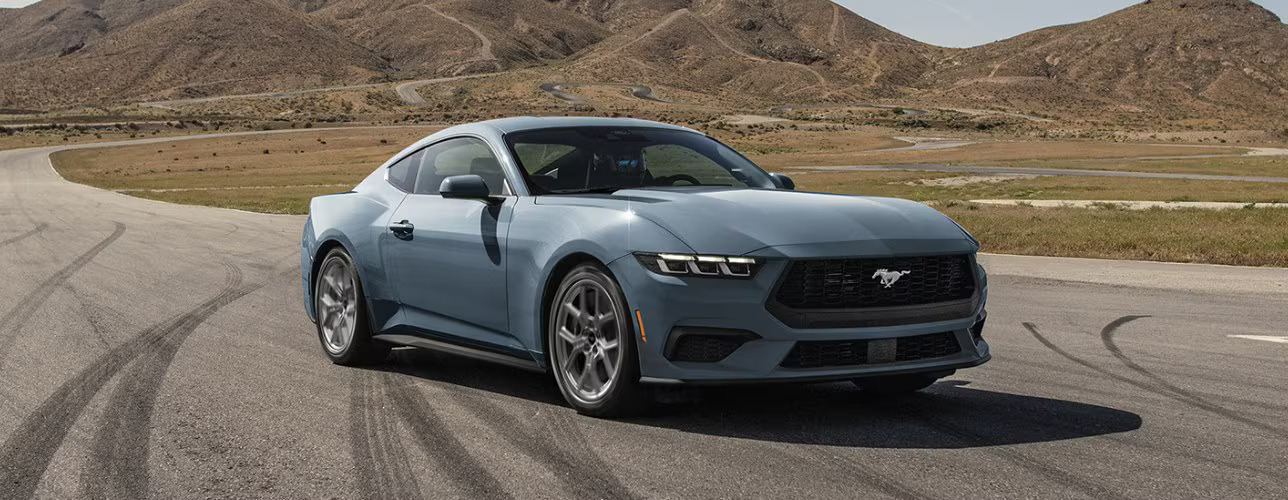
- Engine: 2.3L turbocharged inline-4 (EcoBoost)
- Horsepower: 315 hp (current models) / 310 hp (2015–2023 models)
- Torque: 350 lb-ft (475 Nm)
- Length: 189.4 in (4,811 mm)
- Width: 75.4 in (1,915 mm) (body) / 81.9 in (2,080 mm) (with mirrors)
Also read: 12 Cars That Prove Practical Doesn’t Mean Boring