
When winter blankets states like Colorado, Minnesota, Michigan, and Vermont in snow and ice, your SUV choice becomes a financial and safety decision at the same time.
Resale value in snow-prone regions behaves very differently from the national average. All-wheel drive systems, proven reliability reputations, and cold-weather engineering directly impact what dealers and private buyers will pay years down the road. An SUV that commands a premium in Phoenix may lose thousands in Minneapolis simply because it lacks confidence on slippery roads.
Snow-state buyers have learned from experience. They research reliability data, seek out models with proven AWD hardware, and reward vehicles with track records in brutal winter conditions.
Brands like Subaru have built entire identities around this loyalty. Conversely, some SUVs often rear-wheel-drive-based or plagued by cold-weather mechanical issues see accelerated depreciation in frost-belt markets.
This guide breaks down five SUVs that consistently retain strong resale value in snow states, followed by five that tend to hemorrhage value when winter arrives.
Each entry includes full specifications, a look at the engineering that drives these outcomes, and a real-world context for buyers going through the icy markets. Whether you are buying, selling, or simply planning ahead, understanding how winter geography shapes depreciation can save you thousands.
5 SUVs That Hold Value in Snow States
These exceptionally engineered vehicles feature all-wheel-drive systems with proven traction control algorithms, ground clearance adequate for snow accumulation without high-centering, and robust undercarriage protection against corrosive road salt that maintains structural integrity throughout winters in harsh climates where vehicle condition directly determines resale appeal and value retention.
Their thoughtful engineering includes galvanized steel frames with comprehensive rustproofing, drainage systems preventing water and salt accumulation in critical structural areas, and suspension geometry optimized for winter performance without sacrificing summer driving comfort that justifies year-round utility.
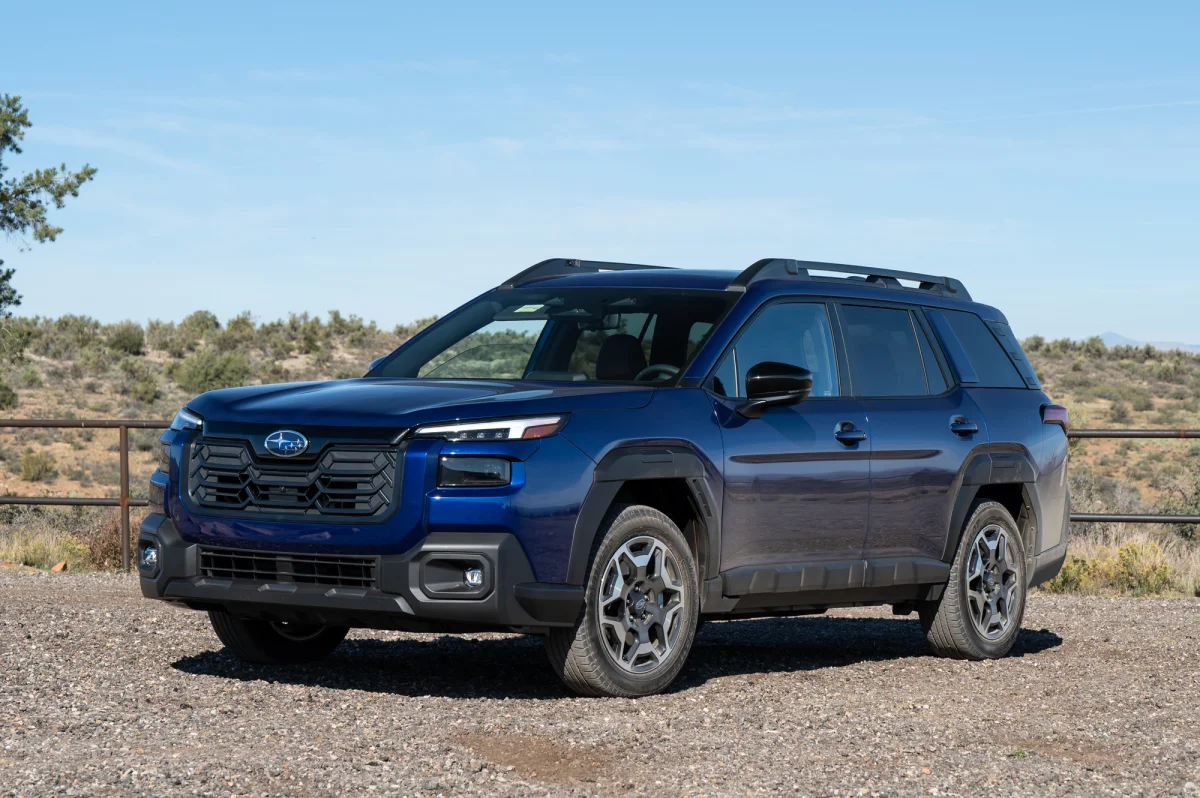
1. Subaru Outback
The Subaru Outback is the undisputed king of snow-state resale, and its dominance is rooted in engineering purpose. Subaru’s Symmetrical All-Wheel Drive system runs as a standard feature on every single Outback sold in the United States. There is no base FWD option, no costly AWD upgrade tier every buyer gets a capable, permanent all-wheel-drive system from the factory.
The Outback’s flat-four engine sits low in the chassis, contributing to a remarkably low center of gravity. This positioning, combined with the AWD system’s constant torque distribution, translates to handling characteristics that winter drivers trust deeply. The system does not require driver input to activate it is always engaged, always monitoring, and continuously distributing torque to the wheels with the most grip.
Ground clearance on the Outback measures 8.7 inches, which is exceptional for a vehicle that also qualifies as a wagon-crossover hybrid. This clearance allows the Outback to go through unplowed neighborhood streets, packed snow ruts, and lightly drifted country roads without beaching itself. Snow-state residents quickly learn that ground clearance matters as much as AWD when temperatures drop.
Specifications
- Engine: 2.5L Horizontally-Opposed 4-Cylinder (base) / 2.4L Turbocharged Flat-Four (XT trim)
- Horsepower: 182 hp (base) / 260 hp (XT)
- Torque: 176 lb-ft (base) / 277 lb-ft (XT)
- Length: 191.3 inches
- Width: 73.0 inches
Reliability ratings from J.D. Power and Consumer Reports have consistently placed the Outback in the top tier of its segment over the past decade. Subaru owners in cold climates report fewer cold-start issues, fewer suspension failures from salt-road corrosion, and mechanical longevity that competes well against European alternatives.
Dealers in Vermont, Idaho, and Colorado routinely report that used Outbacks sell faster than almost any other segment vehicle, often commanding premiums of $1,500–$3,000 above national book values.
The 2.5L naturally aspirated engine is particularly beloved for its low maintenance costs. Turbo XT models attract buyers who want confident highway passing power in mountain conditions.
Both engines handle cold starts smoothly, which contributes directly to owner satisfaction and long-term loyalty. Repeat Subaru buyers in snow states are legendary in automotive demographic research, loyalty rates often exceed 60%.
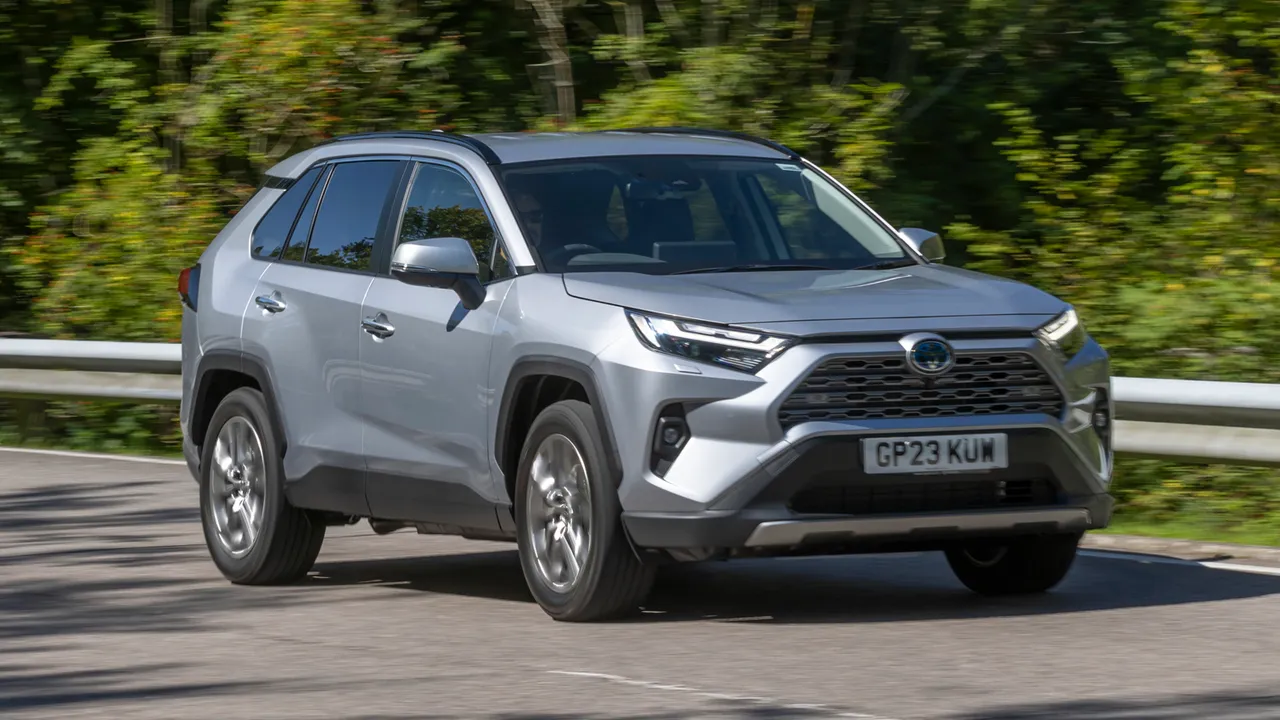
2. Toyota RAV4 (AWD Models)
The Toyota RAV4 has become the best-selling SUV in America, and its performance in snow-state resale markets reflects that dominance. AWD-equipped RAV4 models, particularly the Trail and TRD Off-Road variants, hold value exceptionally well in frost-belt regions. Toyota’s reputation for reliability provides a floor under depreciation that few competitors can match.
The RAV4’s AWD system uses a Dynamic Torque Vectoring setup on higher trims, capable of sending up to 50% of engine torque to the rear axle and further splitting it between rear wheels.
This is a notably sophisticated system for a mainstream compact SUV. In slippery conditions, the result is predictable, controlled acceleration that inspires confidence even on glazed road surfaces.
Specifications
- Engine: 2.5L Dynamic Force Inline-4 / 2.5L Hybrid with front and rear electric motors
- Horsepower: 203 hp (gas) / 219 hp combined (hybrid)
- Torque: 184 lb-ft (gas)
- Length: 180.9 inches
- Width: 73.0 inches
The RAV4 Hybrid deserves special mention for snow-state performance. Its rear electric motor provides near-instant torque to the rear wheels independently from the combustion engine.
In stop-and-go winter traffic, this arrangement gives the RAV4 Hybrid almost supernatural low-speed traction. Toyota’s hybrid technology also benefits cold-weather fuel economy, which is a significant concern in states where temperatures regularly drop below zero.
Ground clearance of 8.4 inches puts the RAV4 in solid company alongside the Outback. Toyota’s proven powertrain durability means that five- and six-year-old RAV4 examples continue to command strong prices at auction and on dealer lots. Snow-state used car markets particularly prize the XLE and TRD Off-Road trims, which package the best AWD hardware with durable, practical interiors.
Residual value data from ALG and Black Book consistently ranks the RAV4 among the top five compact SUVs for 36-month and 60-month resale. In states like Minnesota and Wisconsin, the RAV4 Hybrid AWD frequently appraises $2,000–$4,000 higher than the national average due to regional demand. Toyota’s broad dealer network also means maintenance costs stay competitive, which further protects long-term value.
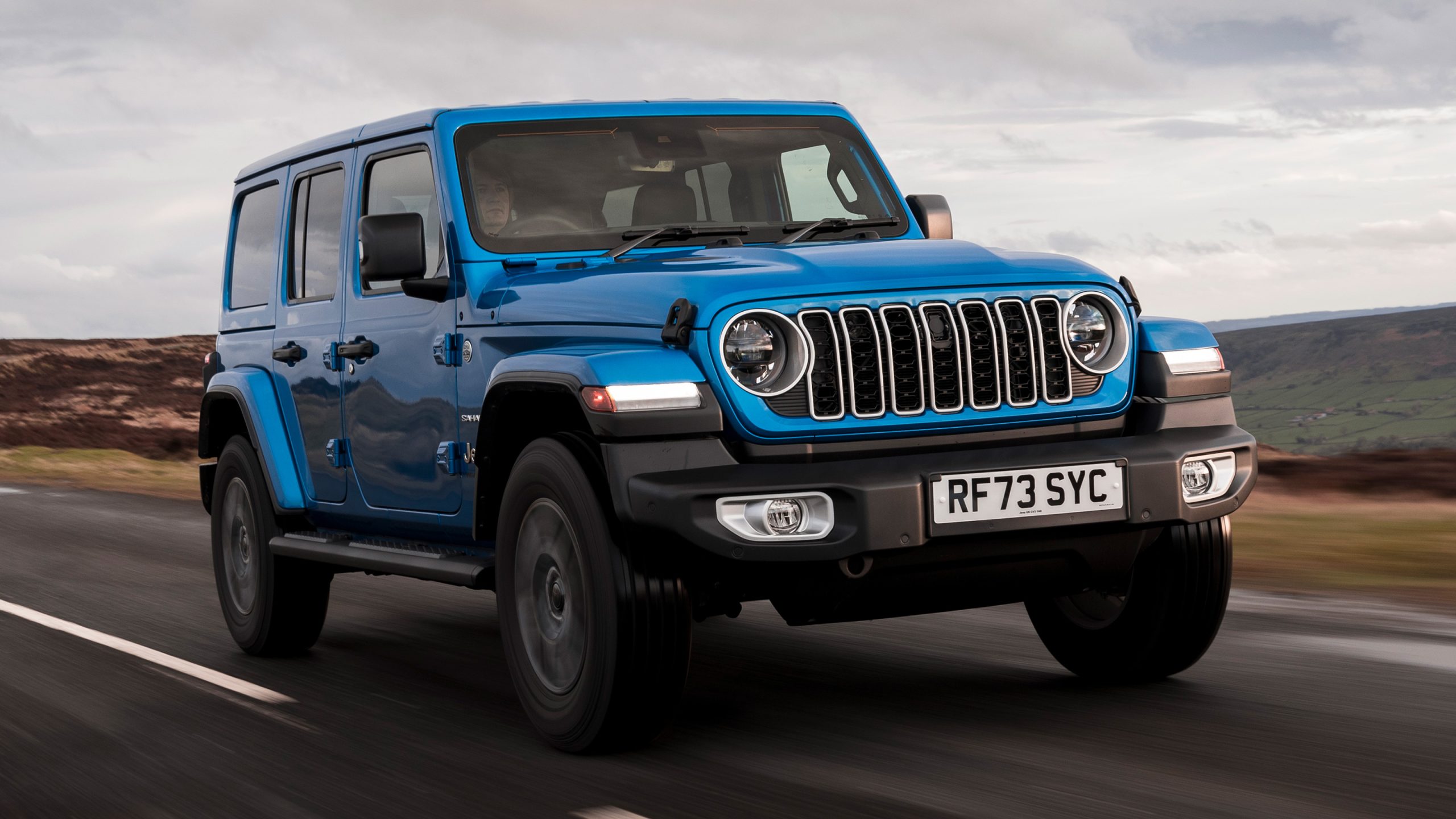
3. Jeep Wrangler
The Jeep Wrangler is perhaps the most unique entry on this list because it defies conventional depreciation logic in almost every market. In snow states, it is an absolute resale phenomenon.
Wranglers routinely top depreciation charts as the slowest-depreciating SUVs in the American market, and winter regions amplify this effect. Buyers seeking unstoppable all-weather capability are willing to pay a serious premium for a well-maintained used Wrangler.
The mechanical foundation is the reason. Wranglers offer true low-range four-wheel drive with either Jeep’s Command-Trac (part-time 4WD) or Rock-Trac systems.
These are traditional body-on-frame, solid-axle systems designed for genuine off-road use, not the electronically simulated AWD found in most crossovers. In deep snow, the kind that defeats typical crossover systems, a Wrangler simply keeps moving.
Specifications
- Engine: 3.6L Pentastar V6 / 2.0L Turbocharged Inline-4 / 3.0L EcoDiesel V6
- Horsepower: 285 hp (V6) / 270 hp (turbo 4) / 260 hp (diesel)
- Torque: 260 lb-ft (V6) / 295 lb-ft (turbo 4) / 442 lb-ft (diesel)
- Length: 188.4 inches (4-door)
- Width: 73.8 inches
Snow-state buyers also value the Wrangler’s simplicity. Mechanical systems that can be repaired at local shops rather than requiring specialized dealer service reduce long-term ownership anxiety.
The solid front and rear axles provide predictable, repairable components that experienced buyers trust. This simplicity enhances residual value because knowledgeable buyers know exactly what they are getting.
The EcoDiesel variant has built a strong following in northern snow states specifically for its torque delivery and fuel efficiency during long winter commutes.
Diesel engines handle cold weather gracefully when properly maintained, and the 442 lb-ft of torque provides exceptional pulling capability for those going through the steep, icy driveways or towing snowmobiles. Wrangler enthusiast communities in Colorado, Michigan, and New England actively maintain strong resale networks that support above-average pricing for clean examples.
4. Honda CR-V AWD
The Honda CR-V occupies a strategic position in snow-state markets because it blends impeccable reliability with capable real-world AWD performance at a price point that attracts an enormous buyer pool.
Honda’s Real-Time AWD with Intelligent Control System monitors wheel slip continuously and transfers torque rearward within 100 milliseconds of detecting front-wheel slippage. For the majority of winter driving scenarios slippery intersections, snowy highways, cold parking lots this response time is genuinely effective.
Honda’s engineering philosophy emphasizes reliability above all, and this pays enormous dividends in cold climates. The 1.5L turbocharged engine that powers most CR-V models has a strong reputation for cold-start performance.
Honda’s timing chain construction and robust transmission engineering mean that high-mileage cold-climate examples present far fewer issues than competitors of similar age. Buyers in snow states have learned to trust this reliability data, which directly supports used CR-V pricing.
The CR-V Hybrid adds a front electric motor and rear electric motor arrangement that provides excellent low-speed traction. Hybrid battery thermal management on modern Honda models is well-engineered for cold climates, maintaining battery performance at temperatures well below the threshold that degrades less sophisticated hybrid systems. Snow-state fuel economy with the hybrid remains competitive even in extreme cold.
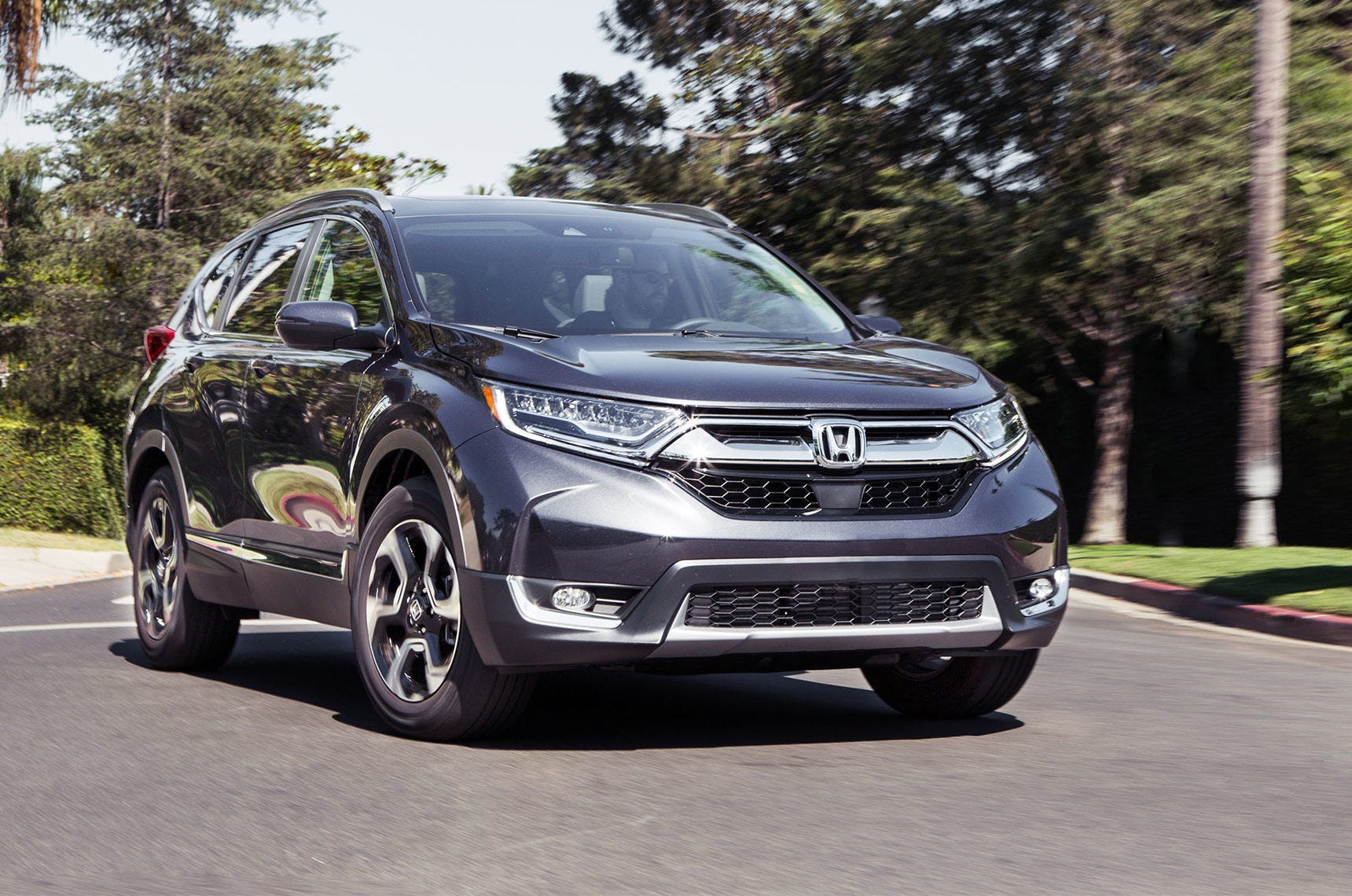
Specifications
- Engine: 1.5L Turbocharged VTEC Inline-4
- Horsepower: 190 hp (turbo gas)
- Torque: 179 lb-ft (turbo gas)
- Length: 182.1 inches
- Width: 73.0 inches
Cargo utility is another factor in CR-V snow-state value retention. With 39.2 cubic feet behind the rear seats, the CR-V accommodates ski equipment, winter emergency kits, and the bulky clothing typical of cold-climate living.
Practical interior design, durable materials, and Honda’s legendary long-term reliability combine to create a used-vehicle proposition that snow-state buyers consistently seek out and pay premiums for.
Also Read: Harley Waited Too Long to Take Electric Seriously
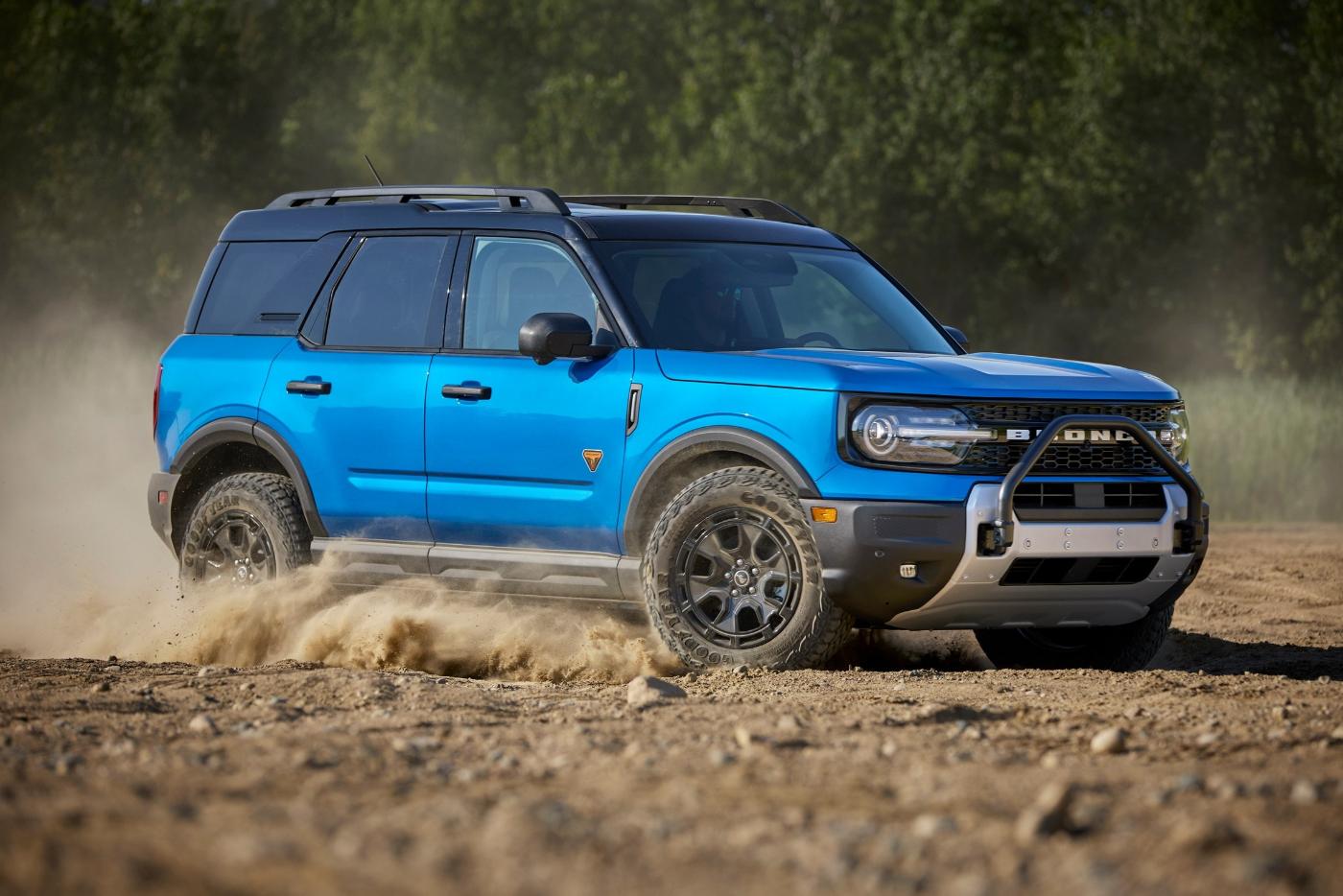
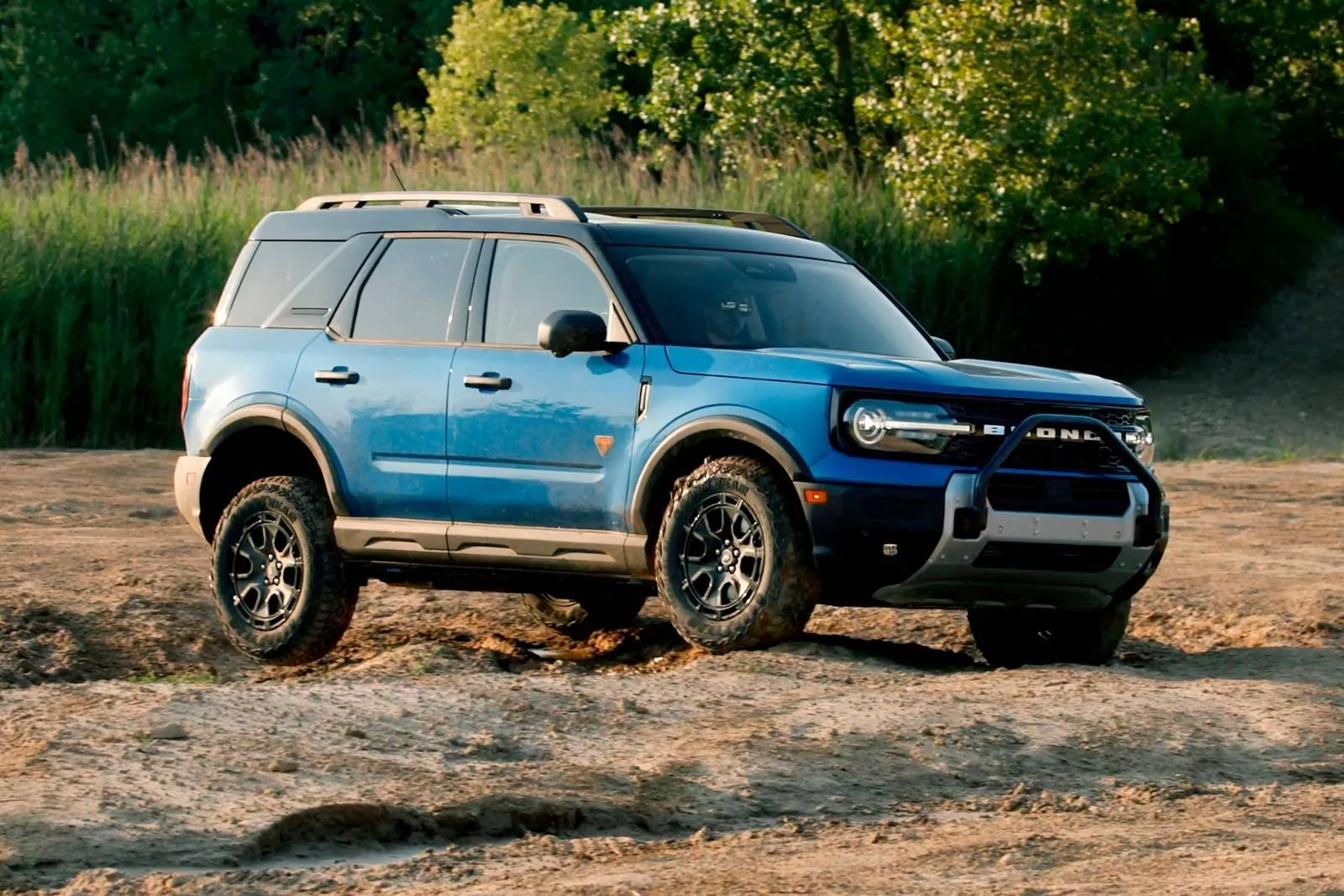
5. Ford Bronco Sport
The Ford Bronco Sport has emerged as a surprise performer in snow-state resale markets since its 2021 introduction. Despite being a relatively new nameplate, it has leveraged the iconic Bronco brand heritage alongside genuinely capable AWD hardware to build strong regional demand.
The Badlands trim in particular, equipped with Ford’s Advanced 4×4 system with two-speed transfer case, has resonated deeply with buyers in northern markets.
The Bronco Sport’s front independent and rear multi-link suspension tuning prioritizes control on variable surfaces, which translates directly to confident snow driving.
The Badlands trim adds a front limited-slip differential, a rear mechanical differential lock, and 8.8 inches of ground clearance. These specifications exceed many vehicles twice the Bronco Sport’s price, offering genuine capability in snow conditions that make competitor crossovers hesitant.
Specifications
- Engine: 1.5L EcoBoost Turbocharged Inline-3 (base) / 2.0L EcoBoost Turbocharged Inline-4 (Badlands/Outer Banks)
- Horsepower: 181 hp (1.5L) / 250 hp (2.0L)
- Torque: 190 lb-ft (1.5L) / 277 lb-ft (2.0L)
- Length: 172.7 inches
- Width: 74.5 inches
Ford’s GOAT (Goes Over Any Type of Terrain) modes include a dedicated Snow mode that adjusts throttle mapping, transmission behavior, and stability control calibration specifically for low-traction winter surfaces.
This is not merely a marketing feature, the calibration produces measurably smoother, more controlled acceleration on compacted snow compared to the standard driving mode. Snow-state buyers who test this feature during the winter months frequently report that it changes their buying decision.
The Bronco Sport’s compact footprint of just 172.7 inches makes it highly maneuverable in tight winter parking situations, a practical advantage appreciated in dense urban areas of the Northeast and Midwest.
Coupled with strong early resale data from ALG and the cult following surrounding the broader Bronco nameplate, the Sport has quickly established itself as a vehicle that rewards snow-state buyers at trade-in time.
5 SUVs That Don’t Hold Value in Snow States
These problematic vehicles suffer from all-wheel-drive systems with inadequate winter traction control, insufficient ground clearance causing high-centering in deep snow, and poor rust protection allowing accelerated corrosion that devastates resale appeal and value throughout ownership in snow states where winter capability and rust resistance directly determine buyer demand and pricing.
Their flawed engineering includes minimal rustproofing, allowing rapid salt-induced corrosion of frame and suspension components, inadequate drainage allowing water and salt accumulation in wheel wells and structural cavities, and all-wheel-drive systems with software-based traction control that malfunctions in extreme winter conditions, reducing confidence and capability.
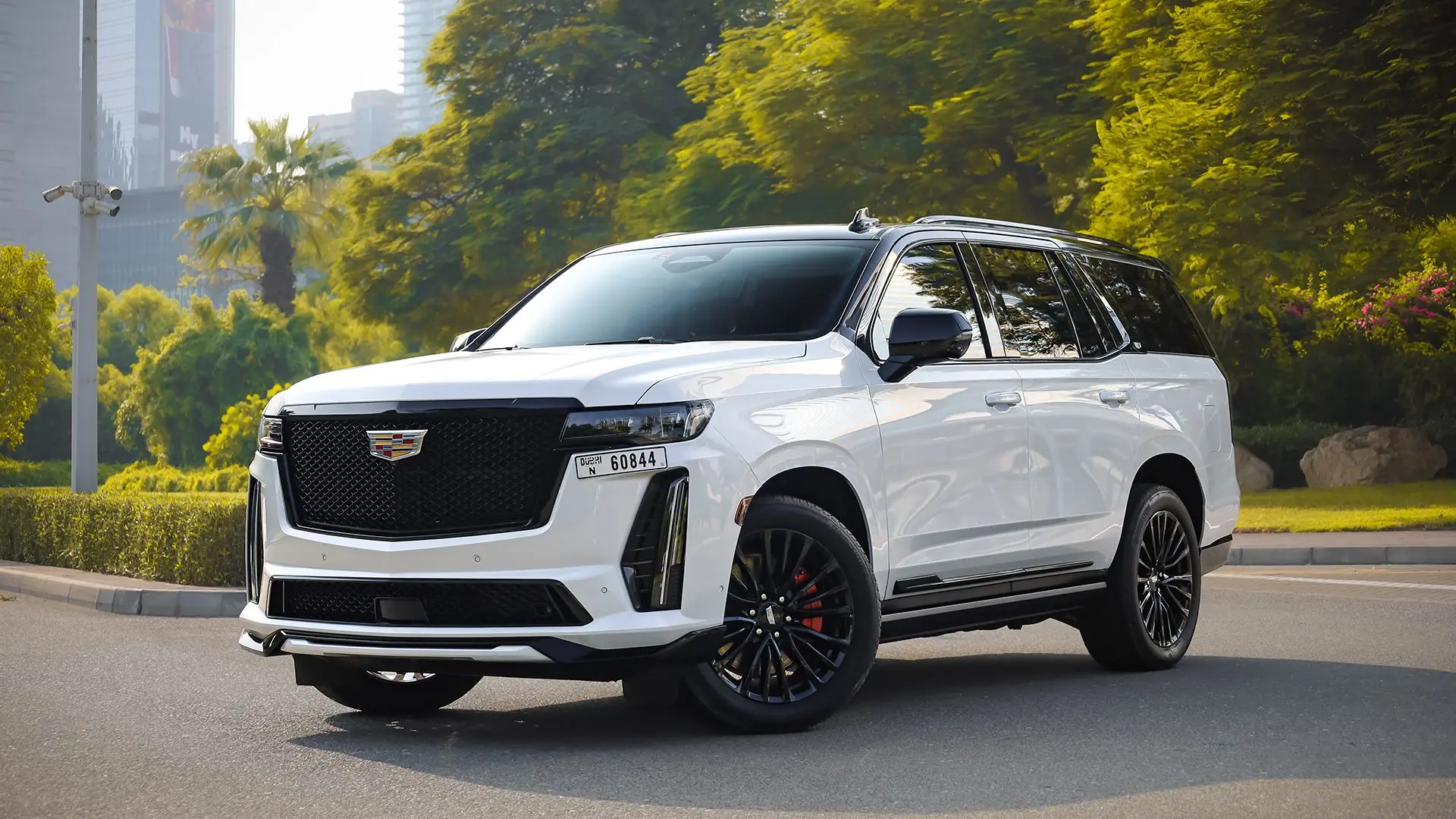
1. Cadillac Escalade (2WD / Short-Cycle Refreshes)
The Cadillac Escalade is one of America’s most prestigious SUVs, yet it suffers pronounced depreciation in snow-state markets for reasons that are both mechanical and cultural.
While AWD is available on most Escalade trims, the base rear-wheel-drive configuration is widely offered at lower price points. Snow-state buyers who research their purchases carefully often avoid the RWD variants entirely, compressing demand and accelerating price drops on the used market.
Even AWD Escalades face headwinds in northern markets. The vehicle’s enormous 211.9-inch length creates genuine maneuverability problems on narrow, snow-plowed streets typical of older Midwestern and New England cities.
Going through a cleared parking lot with 18-inch snow banks requires skill and space that most daily drivers cannot reliably achieve. Practical disadvantage translates directly to reduced demand.
Specifications
- Engine: 6.2L V8 / 3.0L Duramax Turbodiesel / 6.2L V8 with Super Cruise (higher trims)
- Horsepower: 420 hp (V8) / 277 hp (diesel)
- Torque: 460 lb-ft (V8) / 460 lb-ft (diesel)
- Length: 211.9 inches
- Width: 81.1 inches
Cadillac’s reputation for higher-than-average maintenance costs also suppresses snow-state resale. Cold climates accelerate wear on suspension bushings, brake components, and electronic systems.
An aging Escalade in a harsh winter environment can generate repair bills that deter buyers from purchasing used examples. Awareness of these costs exists broadly among snow-state buyers, creating a psychological ceiling on what the used market will support.
The Escalade’s air suspension system, while smooth and impressive in normal conditions, develops failures in cold climates at rates that concern informed buyers.
Replacement compressors and air bags carry significant labor and parts costs. Salt exposure accelerates corrosion on pneumatic system components. Buyers with winter experience know to budget for these issues, which systematically pushes down offers on trade-ins in frost-belt dealer networks.
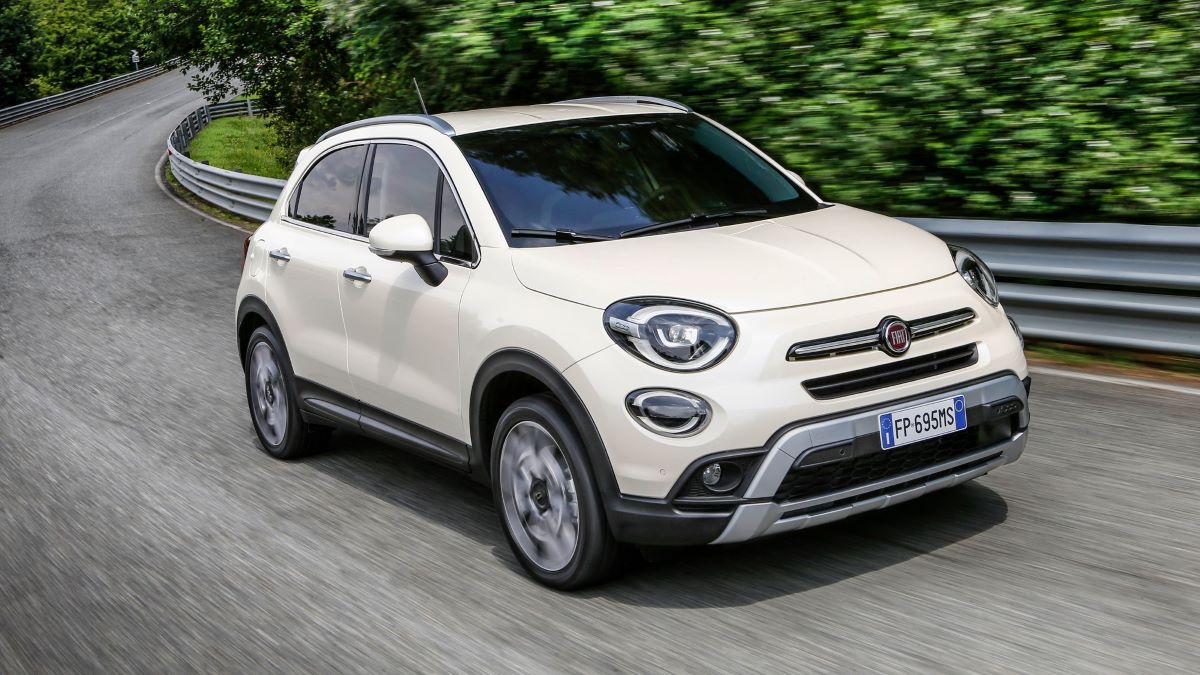
2. Fiat 500X (FWD Base Trims)
The Fiat 500X struggles in snow-state resale markets for a combination of reasons that reinforce each other in damaging ways. Front-wheel-drive base trims dominate the 500X lineup, and FWD vehicles carry a structural disadvantage in northern markets where AWD commands consistent premiums. The optional AWD system is available on higher trims but suffers from a reputation for mechanical fragility that follows the nameplate broadly.
Fiat’s reliability scores from J.D. Power and Consumer Reports have placed the 500X consistently near the bottom of its segment throughout its production run.
In cold climates, where reliability concerns are magnified by the consequences of failure on icy roads, this reputation is deeply damaging to resale pricing. Northern buyers apply heavy discounts to vehicles with uncertain reliability histories, and the 500X has been unable to escape this penalty.
Specifications
- Engine: 1.3L Turbocharged MultiAir Inline-4 / 2.4L Tigershark Inline-4 (older models)
- Horsepower: 177 hp (1.3T) / 180 hp (2.4L)
- Torque: 199 lb-ft (1.3T) / 175 lb-ft (2.4L)
- Length: 166.6 inches |
- Width: 70.8 inches
Ground clearance of just 6.8 inches on FWD trims creates practical challenges in genuine snow conditions. Once accumulation exceeds several inches, the 500X begins scraping and struggling on unplowed surfaces.
This limitation is not theoretical, it is visible and experienced, which generates online communities of frustrated snow-state 500X owners. These testimonials circulate widely and suppress buyer confidence in cold regions.
Fiat’s dealer network in snow states is considerably thinner than that of competitors like Toyota, Honda, and Subaru. Limited service access creates anxiety for buyers considering a 500X purchase, particularly for high-mileage used examples.
Parts availability concerns compound this issue. The combination of reliability uncertainty, thin dealer coverage, and FWD limitations creates a resale market in snow states that heavily discounts 500X examples relative to national book values.
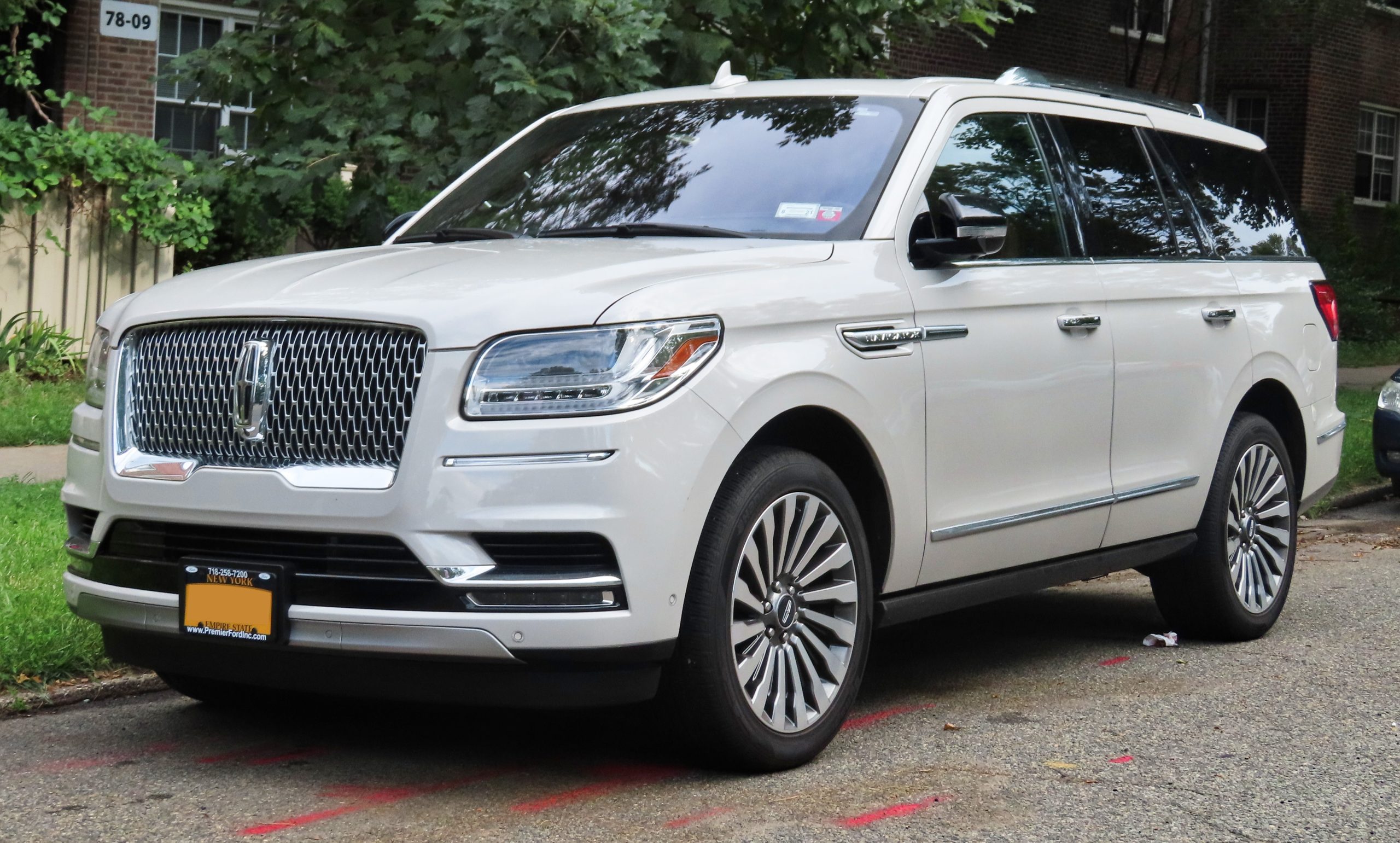
3. Lincoln Navigator (Older Air Suspension Models)
The Lincoln Navigator is a magnificent vehicle in many respects, but in snow-state resale markets, particularly for models more than four years old, it faces compounding depreciation pressures that erode value rapidly.
The Navigator’s phenomenal EcoBoost V6 delivers 510 lb-ft of torque and genuinely impressive towing capability, but the supporting systems surrounding this powertrain create vulnerabilities that northern buyers price heavily.
The air suspension system fitted to virtually all Navigators represents the single largest resale liability in cold markets. These systems develop leaks, compressor failures, and control module issues at raised rates in climates with significant freeze-thaw cycling.
A collapsed air suspension strut in February in Minnesota is not a minor inconvenience it is an emergency that can leave a family stranded in dangerous cold. Used car buyers in snow states have learned to approach air suspension vehicles with serious caution, reflected directly in appraisal values..
Specifications
- Engine: 3.5L Twin-Turbocharged V6 EcoBoost
- Horsepower: 440 hp
- Torque: 510 lb-ft
- Length: 222.8 inches
- Width: 79.9 inches
The Navigator’s 222.8-inch length creates perhaps the most extreme maneuverability challenge of any mainstream SUV in winter conditions. Snow-state parking, tight garages designed for older, smaller vehicles, and narrow historic city streets become genuinely stressful propositions.
Buyers who live through a single winter with a full-size luxury SUV in a dense snow-belt city frequently list practicality as the primary reason for trading down to a more maneuverable vehicle, flooding the used market with inventory that further suppresses pricing.
Luxury SUV operating costs in snow climates are also significantly amplified. Heated features, complex electronic systems, and premium-grade components all face accelerated wear from repeated temperature cycling. Insurance costs in northern states for large, high-value vehicles add to ownership expense.
The cumulative effect pushes buyers in these markets toward more manageable, less expensive vehicles, leaving older Navigators competing aggressively on price.
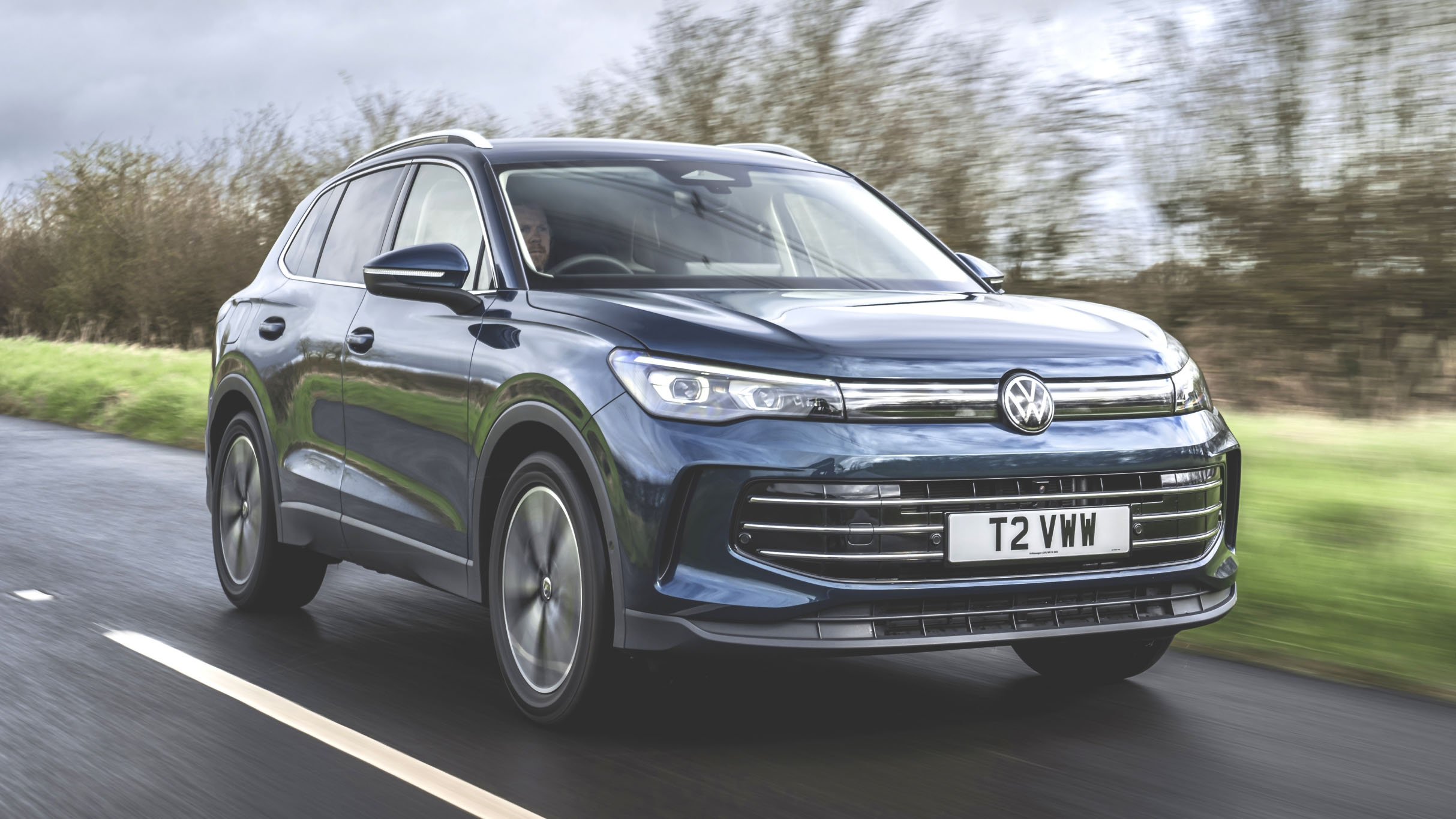
4. Volkswagen Tigun (Earlier 2.0T / FWD Models)
The Volkswagen Tiguan presents an interesting case study in snow-state depreciation because it is genuinely capable in winter when properly equipped, yet its resale performance in northern markets significantly underperforms segment peers.
The 4Motion AWD system available on most Tiguan trims provides solid all-weather capability, yet the nameplate cannot escape the weight of Volkswagen’s reliability reputation in the American cold-climate market.
Volkswagen’s cost of ownership data paints a challenging picture for buyers in frost-belt states. DSG dual-clutch transmission service intervals, timing chain maintenance concerns on earlier 2.0T engines, and the cost of maintaining German electronic systems at independent shops combine to create ownership anxiety.
Snow-state buyers are often value-focused, pragmatic shoppers who research the true cost of ownership carefully. This research consistently leads them away from VW products and toward Japanese competitors with lower maintenance profiles.
Specifications
- Engine: 2.0L TSI Turbocharged Inline-4
- Horsepower: 184 hp
- Torque: 221 lb-ft
- Length: 185.1 inches
- Width: 72.7 inches
The Tiguan’s FWD base trim compounds the problem. Entry-level Tiguans with front-wheel drive are essentially invisible in active snow-state markets. Buyers who have experienced winter with a FWD crossover are almost universally unwilling to repeat the experience.
The resulting concentration of 4Motion AWD demand means that FWD Tiguans languish on dealer lots, requiring deep discounts to move. This drags down the segment’s average residual data, which then affects 4Motion trade-in valuations in return.
VW’s dealer network density in rural snow-prone regions is meaningfully thinner than that of Toyota or Honda. A Tiguan owner in northern Minnesota may face a lengthy drive for specialized warranty or recall work.
This service accessibility gap carries real weight in markets where winter driving conditions can make lengthy service trips genuinely hazardous. Northern buyers factor this into purchase decisions, and the accumulated effect on resale is measurable.
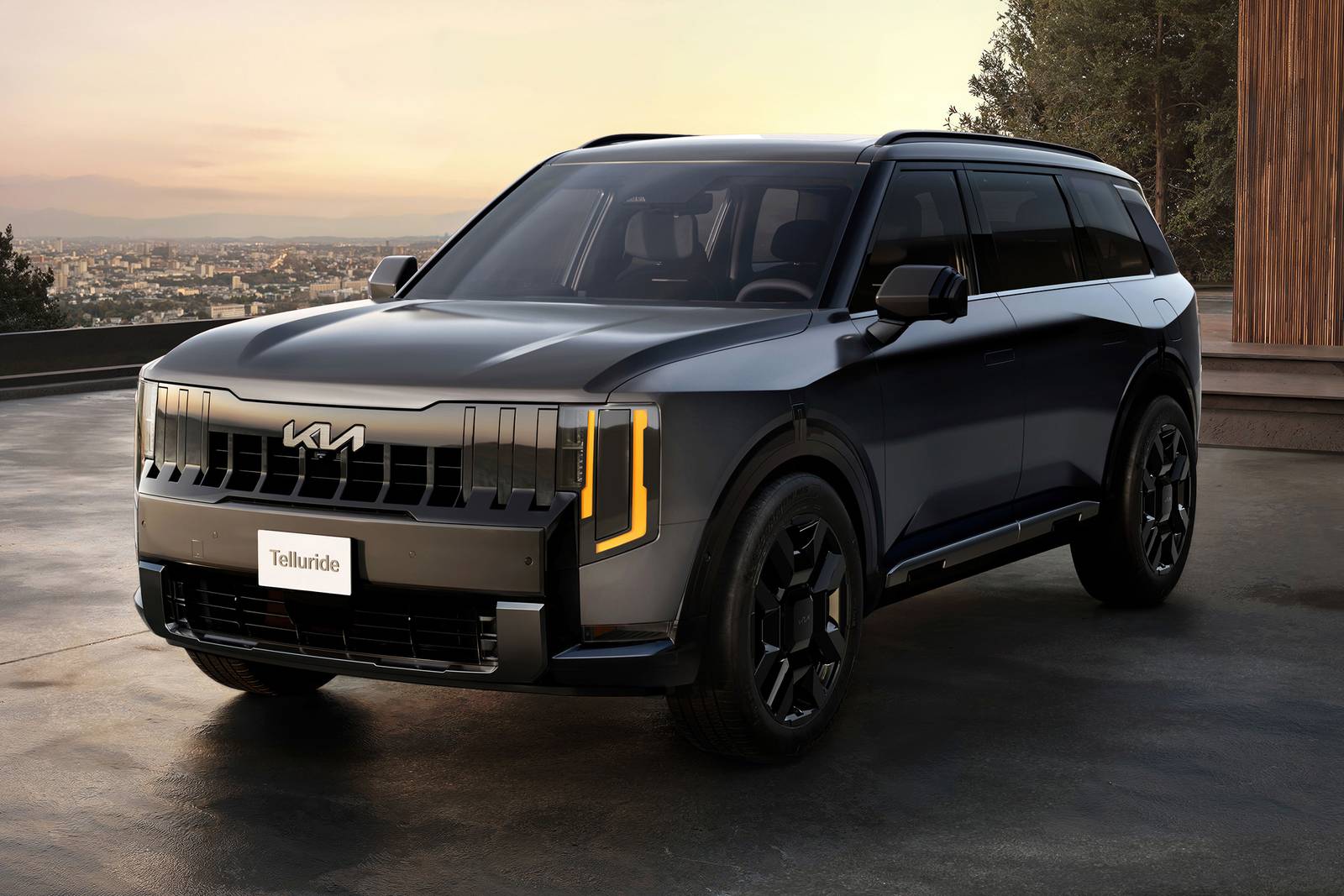
5. Kia Telluride (2WD Base Trim)
The Kia Telluride receives lavish praise deservedly for its value proposition, quality, and three-row versatility. However, the front-wheel-drive base LX trim creates a specific and consistent resale problem in snow states that the Telluride’s broader reputation cannot fully offset.
In sun-belt markets, the FWD Telluride trades within a few hundred dollars of AWD variants. In Minnesota, Colorado, or Maine, the AWD premium expands dramatically, leaving FWD examples at a significant disadvantage.
Snow-state buyers considering a used Telluride are almost uniformly seeking the AWD configuration. Dealer feedback from frost-belt regions consistently reports that FWD Tellurides sit on lots considerably longer than AWD equivalents, often requiring $1,500–$2,500 in price reduction to attract serious offers.
This differential is not present to the same degree with Subaru or Toyota products, because those brands have ensured that the majority of their inventory reaching northern markets carries standard AWD from the factory.
Specifications
- Engine: 3.8L Lambda II V6
- Horsepower: 291 hp
- Torque: 262 lb-ft
- Length: 196.9 inches
- Width: 78.3 inches
The Telluride’s 3.8L V6 is a robust, naturally aspirated engine that handles cold starts reliably and does not present the complex turbocharged cold-start oil dilution concerns found in some competitors.
In this respect, the powertrain itself is not the problem. The issue is entirely about drivetrain configuration and buyer expectations in specific geographic markets. The Telluride’s engineering quality is genuinely strong, but it is being penalized for a market strategy mismatch.
Kia’s warranty coverage, 5-year/60,000-mile basic and 10-year/100,000-mile powertrain, theoretically provides reassurance that should support used values. In practice, snow-state buyers apply a drivetrain configuration filter before warranty coverage enters the decision calculus.
A 10-year warranty on an FWD vehicle does not overcome the fundamental traction anxiety that northern drivers carry from a hard winter experience.
Until Kia either eliminates the FWD base option in northern markets or reduces its pricing significantly, FWD Tellurides will continue to underperform resale expectations in snow states.
