The modern performance car is a global citizen, but its passport gets heavily stamped at the United States border. For decades, automotive enthusiasts have operated under the assumption that the finest performance machinery arrives on American shores fully formed, packing the exact same mechanical muscle engineered in Stuttgart, Tokyo, or Munich.
The reality inside contemporary showrooms is far more compromised. Carmakers routinely build masterpieces of internal combustion, only to systematically neuter them before they ever turn a wheel on an American interstate. This isn’t a matter of minor calibration errors; it is a deliberate, highly calculated corporate strategy.
Vehicles designed to tear down the unrestricted stretches of the German Autobahn or carve through Japanese mountain passes find themselves digitally and mechanically handcuffed by the time they reach a dealership in California or Texas. To the untrained eye, the cars look identical to their global counterparts.
The body panels, the leather-wrapped steering wheels, and the badges remain unchanged. Yet beneath the aluminum and carbon fiber lies an engine bay that has been intentionally restricted, leaving buyers with a diluted version of a world-class machine.
Detuning a modern engine is no longer a simple matter of dropping a smaller carburetor onto an intake manifold or sliding a less aggressive camshaft into the cylinder head. In the era of highly integrated engine management systems, restriction is an elegant, multi-layered discipline dictated by a complex web of international policy discrepancies.
When a manufacturer pulls power from a US-bound vehicle, they are primarily reacting to three systemic pressure points: corporate average fuel economy (CAFE) standards, localized drive-by noise restrictions, and the fundamental chemical composition of American pump gas.
European and Japanese markets grade fuel quality using the Research Octane Number (RON), where premium fuel routinely sits at 98 RON. The United States utilizes the Anti-Knock Index (AKI), a different mathematical average that leaves American 93 octane and worse, California’s notorious 91 octane, significantly more volatile and prone to engine knock under high thermal loads.
To prevent catastrophic engine failure while maintaining a factory warranty, engineers are forced to rewrite the engine control unit (ECU) software. They back off ignition timing, lower target boost pressures from the turbochargers, and alter variable valve timing events.
Also, strict US drive-by acoustics testing dictates that cars must pass decibel thresholds at specific throttle openings and gear ratios. Because high-rpm exhaust flow equals horsepower, compliance often requires adding physically restrictive baffles or rewriting digital exhaust valve logic to close exactly where the engine should be breathing its best.
ALSO READ: 7 Modern Engines Famous for Their Exceptionally Quiet Operation
1. Honda Civic Type R (FL5)
The Honda Civic Type R has long been the gold standard for front-wheel-drive performance, but the current FL5 generation demonstrates just how much the US market forces a compromise in thermal management and electronic calibration. Built around the legendary K20C1 engine architecture, the FL5 was engineered to push the absolute limits of a 2.0-liter four-cylinder. However, when Honda launched the vehicle globally, a distinct hierarchy emerged in the power figures.
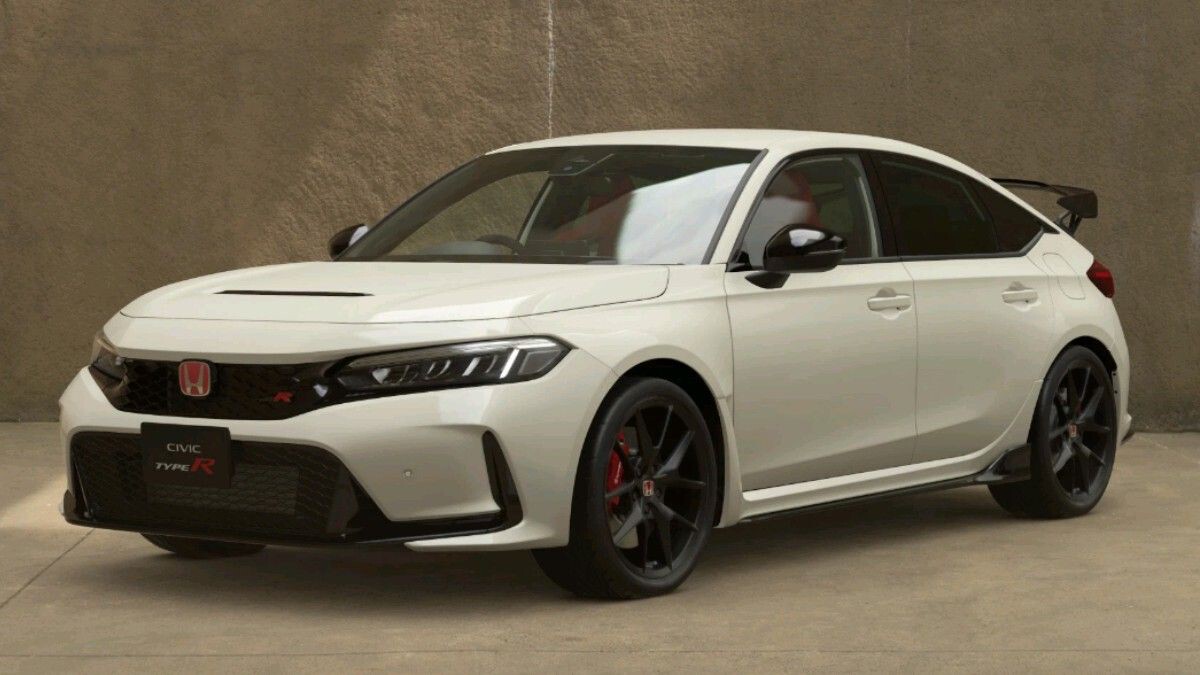
In Japan and Europe, the FL5 leaves the factory floor churning out 325 horsepower. The North American variant, despite sharing the same fundamental turbocharger geometry and intercooler core, is officially rated at 315 horsepower. The root cause of this ten-horsepower deficit lies buried deep within the ECU’s ignition maps and Honda’s compliance with strict EPA drive-by noise regulations.
Because American pump gas is highly variable in quality, Honda engineers implemented a more conservative ignition advance curve for the US market to guarantee longevity on lower-grade 91 octane fuel. Additionally, the US-spec exhaust system features an altered active exhaust valve profile. To pass domestic noise certification, the center exhaust tip valve closes earlier in the mid-range RPM band than it does on European models, creating a pocket of backpressure that slightly chokes the engine’s top-end breathing capacity.
- Engine: K20C1 2.0-Liter Turbocharged Inline-4
- Horsepower: 315 hp (US) vs. 326 hp (Global / JDM – tuned for higher 100-octane fuel)
- Torque: 310 lb-ft (US) vs. 310 lb-ft (Global)
- Dimensions: 180.9 inches (Length) × 74.4 inches (Width)
2. BMW M3 Sedan (G80)
The G80 generation BMW M3 is built around the S58 engine, a twin-turbocharged straight-six masterpiece capable of handling immense stress. Yet, when the G80 was introduced to the North American market, it faced a distinct disadvantage compared to its European brethren, driven entirely by the complex politics of emissions infrastructure.
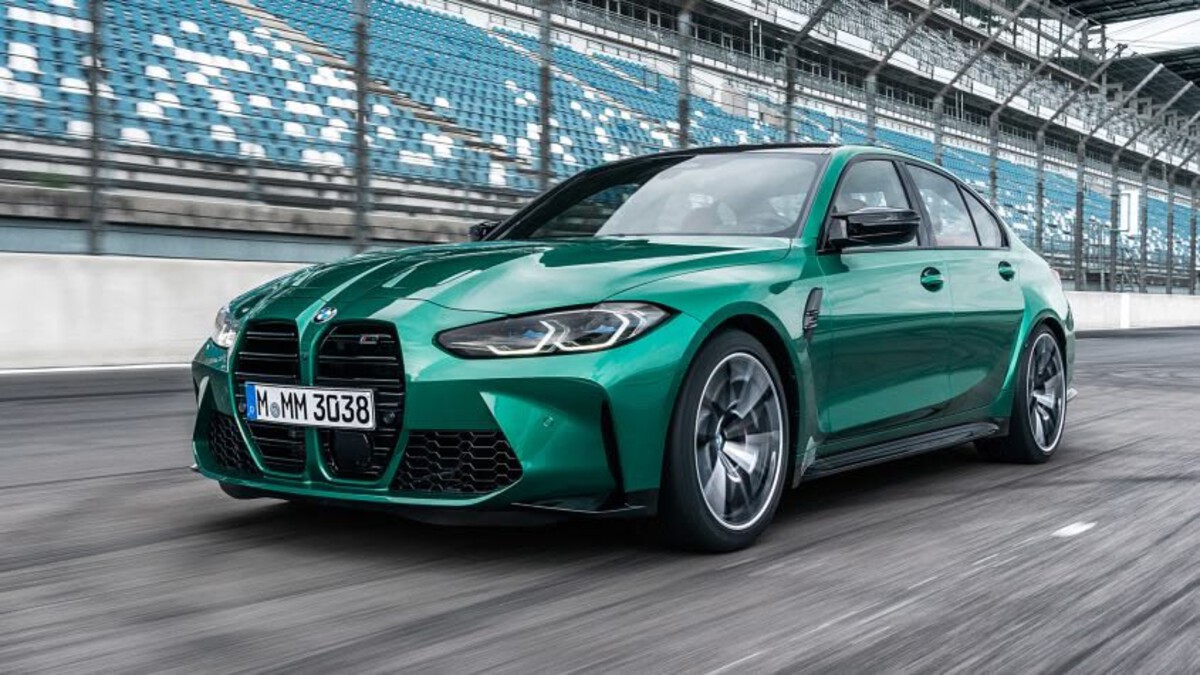
While both European and US versions of the standard Competition model claim an identical 503 horsepower on paper, the European models achieve this with an entirely different exhaust scavenging profile.
European regulations require the fitment of an Otto Particulate Filter (OPF) in the exhaust mid-section to capture fine soot particles. To offset the massive exhaust backpressure caused by the OPF, BMW engineers tuned the European S58 to run higher baseline boost pressures and more aggressive cam timing.
For the US market, BMW removed the physical OPF elements because American emissions laws prioritize nitrogen oxide emissions over fine particulate matter. However, rather than leaving the engine’s aggressive software map intact to create a lighter, more powerful US version, BMW altered the North American software.
They pulled back baseline boost targets and retarded the ignition timing to ensure the car could survive the sustained thermal stress of hot-climate American states running poor 91 octane fuel, effectively dampening the engine’s transient throttle response compared to the European specification.
- Engine: S58 3.0-Liter Twin-Turbocharged Inline-6
- Horsepower: 503 hp (US) vs. 503 hp (Global – identical peak, distinct mid-range curve delivery)
- Torque: 479 lb-ft (US) vs. 479 lb-ft (Global)
- Dimensions: 189.1 inches (Length) × 74.3 inches (Width)
3. Volkswagen Golf R (MK8)
The Volkswagen Golf R has historically been the victim of international market segregation, and the MK8 generation continues this unfortunate legacy. Powered by the fourth iteration of the EA888 2.0-liter turbocharged engine, the global version of this hot hatch is an absolute rocket, delivering massive mid-range punch. North American buyers, however, receive a version that feels distinctly lazier out of the box.

The disparity highlights the nuances of market-specific tuning. In Europe, the DSG-equipped and manual variants of the Golf R throw down a muscular 295 pound-feet of torque. In the United States, if a buyer opts for the traditional six-speed manual transmission, Volkswagen explicitly limits the torque output via software to a maximum of 280 pound-feet.
This torque reduction was a calculated financial decision by Volkswagen AG. The manual transmission assembly utilized in the MK8 is an aging architecture that was never structurally rated to handle the full torque of the updated EA888 engine under heavy, high-traction launches.
Rather than engineering a heavy-duty clutch and gearset exclusively for the North American market, the only major region that still buys manual performance wagons and hatches in sustainable volumes, Volkswagen simply altered the ECU software to trim the engine’s low-end torque delivery, protecting the fragile mechanical components at the expense of pure performance.
- Engine: EA888 Evo 4 2.0-Liter Turbocharged Inline-4
- Horsepower: 315 hp (US) vs. 315 hp (Global)
- Torque: 280 lb-ft (US Manual) vs. 295 lb-ft (Global)
- Dimensions: 168.9 inches (Length) × 70.4 inches (Width)
4. Toyota Supra (A90 – 2020 Launch)
When Toyota revived the legendary Supra badge for the A90 generation, the global automotive community rejoiced, but early American adopters were quickly met with an irritating reality. The car was co-developed with BMW, utilizing Munich’s B58 3.0-liter inline-six engine.
However, the initial batch of cars shipped to North America for the 2020 model year arrived drastically under-tuned compared to what the chassis was designed to handle.
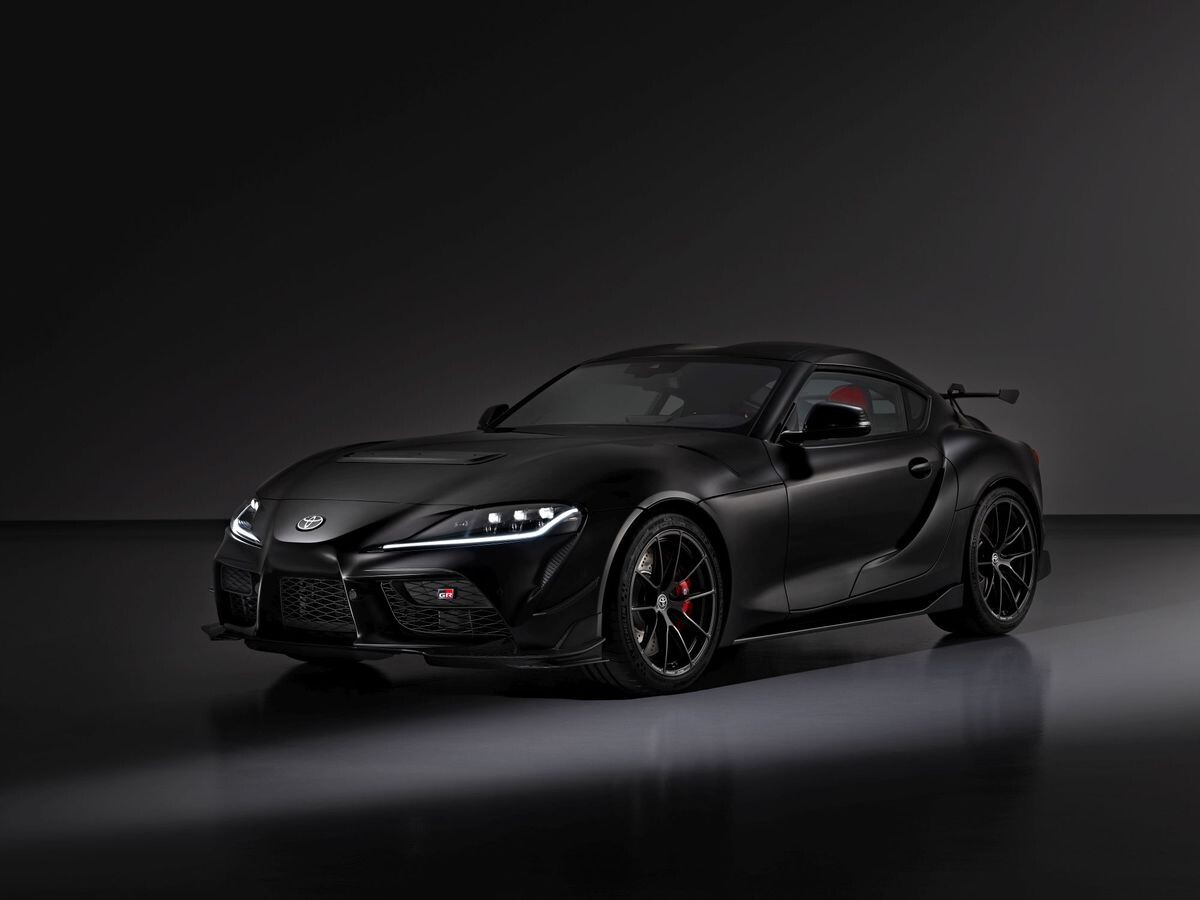
The 2020 US-spec Toyota Supra debuted with a power rating of just 335 horsepower. Toyota executives claimed this was the optimal balance for the sports car, but European markets and internal BMW platforms were already utilizing a revised version of the B58 engine pushing 382 horsepower.
The US market was intentionally held back during the initial launch phase due to supply chain allocations and regulatory certification timelines with the EPA.
The initial US cars featured an older cylinder head design with a integrated exhaust manifold that limited thermal dissipation. This forced a highly restrictive factory tune to keep emissions stable under load.
Just one model year later, Toyota updated the US market to the 382-horsepower specification, leaving initial 2020 buyers holding the bag with a severely detuned version that lacked the revised piston geometry and dual-branch exhaust manifold of the true global engine.
- Engine: B58 3.0-Liter Turbocharged Inline-6
- Horsepower: 335 hp (2020 US Spec) vs. 382 hp (Global/Later Spec)
- Torque: 365 lb-ft (US 2020) vs. 368 lb-ft (Global)
- Dimensions: 172.5 inches (Length) × 73.0 inches (Width)
ALSO READ: 10 Modern Engines With Steel Internals Designed for Heavy Towing
5. Audi RS6 Avant (C8)
The long-awaited arrival of the Audi RS6 Avant on American shores was a watershed moment for long-roof enthusiasts. For years, the US market was denied Audi’s ultimate high-performance wagon. When the C8 generation finally crossed the Atlantic, it packed a twin-turbocharged 4.0-liter V8 engine. However, the American version operates under a digital leash that changes how the car behaves when pushed to its limits.
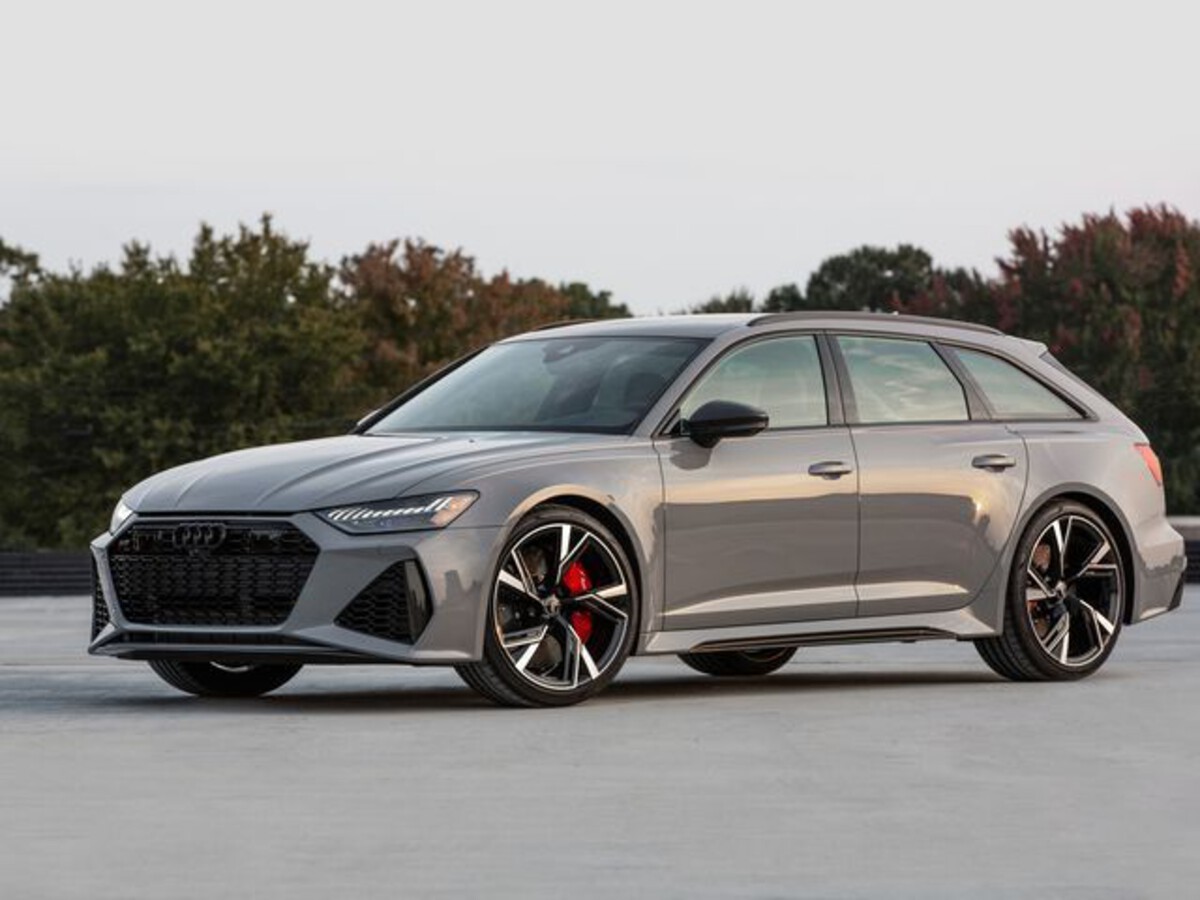
While peak output numbers remain identical to European specifications at 591 horsepower, the way the US-spec RS6 manages its power over sustained driving sequences is fundamentally altered. Due to the strict enforcement of US onboard diagnostics (OBD-II) evaporation laws and fuel system monitoring, Audi had to alter the thermal protection software for the North American market.
If the US-spec RS6 detects even a minor variance in fuel quality or sustained high exhaust gas temperatures scenarios common during spirited driving on 91 octane pump gas, the ECU aggressively pulls back ignition timing and dumps excess fuel into the cylinders to cool the combustion chambers.
This results in a noticeable drop-off in real-world horsepower during repeated hard acceleration runs. European models, tuned for more consistent high-octane fuels and less restrictive diagnostic parameters, maintain their peak power curves for significantly longer durations without entering this protective, detuned state.
- Engine: 4.0-Liter Twin-Turbocharged V8 with Mild Hybrid System
- Horsepower: 591 hp (US) vs. 591 hp (Global – distinct thermal degradation curves)
- Torque: 590 lb-ft (US) vs. 590 lb-ft (Global)
- Dimensions: 196.7 inches (Length) × 76.8 inches (Width)
6. Mercedes-AMG CLA 45 S
The Mercedes-AMG M139 engine is an engineering marvel, holding the record as the most powerful series-production four-cylinder engine in the world. It extracts an astonishing amount of energy from a 2.0-liter displacement.
When housed inside the sharp lines of the CLA 45 S, this engine is designed to be an uncompromised weapon. Yet, the American version of this platform has had its wings clipped by corporate product planners terrified of strict US emissions penalties.
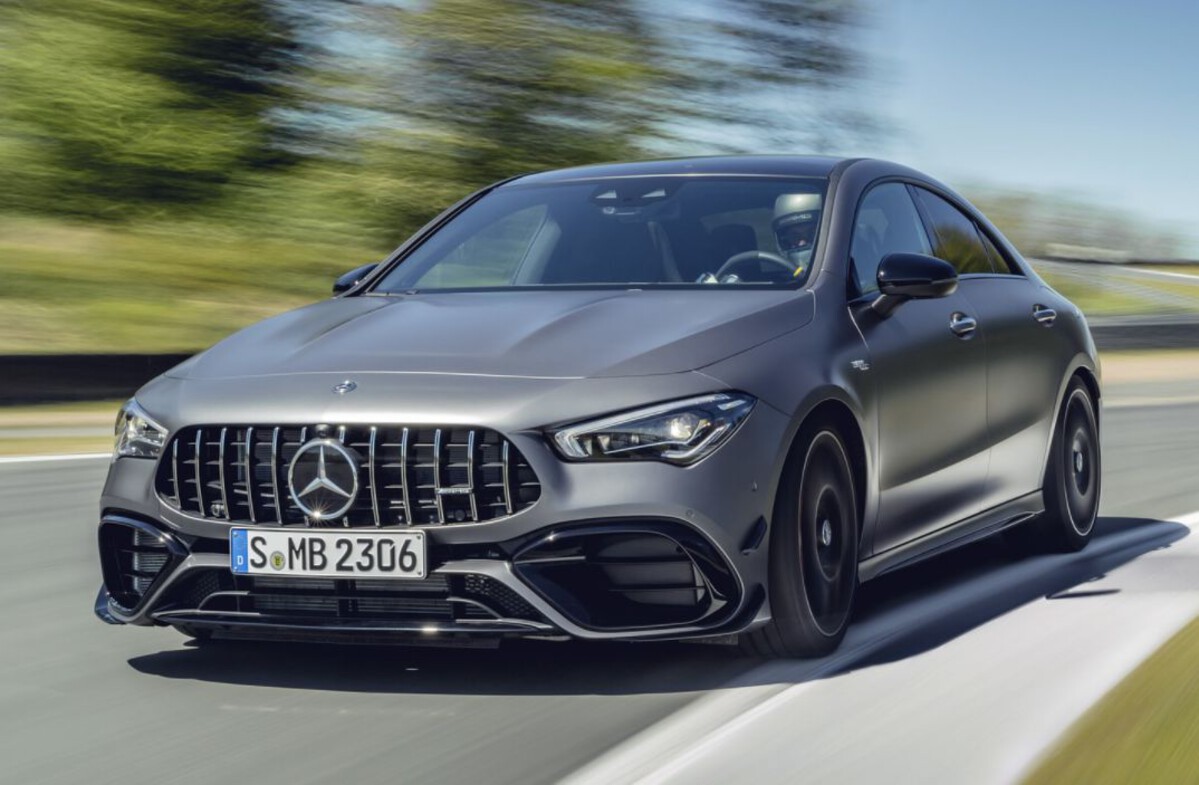
In global markets, the CLA 45 S leaves Affalterbach generating 416 horsepower. For a significant period, the United States market was denied the “S” designation entirely, receiving instead a standard base model detuned to 382 horsepower. The mechanical differences between the two units are non-existent; they utilize the exact same twin-scroll turbocharger, forged internals, and cooling architecture.
The 34-horsepower drop was entirely executed via the electronic wastegate control and software mapping. Mercedes-Benz opted to de-tune the US variant to comfortably clear the EPA’s Tier 3 Bin 30 emissions standards, which heavily penalize high-output engines that run rich mixtures at high RPMs.
Rather than redesigning the catalytic converter assembly to withstand the heat of the 416-horsepower tune while meeting these strict requirements, AMG simply turned down the electronic boost controller for American consumers.
- Engine: M139 2.0-Liter Turbocharged Inline-4
- Horsepower: 382 hp (US Base Apportionment) vs. 416 hp (Global S Spec)
- Torque: 354 lb-ft (US) vs. 369 lb-ft (Global S Spec)
- Dimensions: 184.6 inches (Length) × 73.1 inches (Width)
7. Nissan Z (RZ34)
The modern Nissan Z brought a twin-turbocharged V6 to a highly competitive price point, borrowing the VR30DDTT engine architecture from the Infiniti Red Sport lineup. The car promised a return to the unfiltered Japanese sports car experience.
However, a study of the engineering profiles reveals that the version delivered to American tracks is operating under clear restrictions compared to its domestic Japanese counterpart, known as the Fairlady Z.
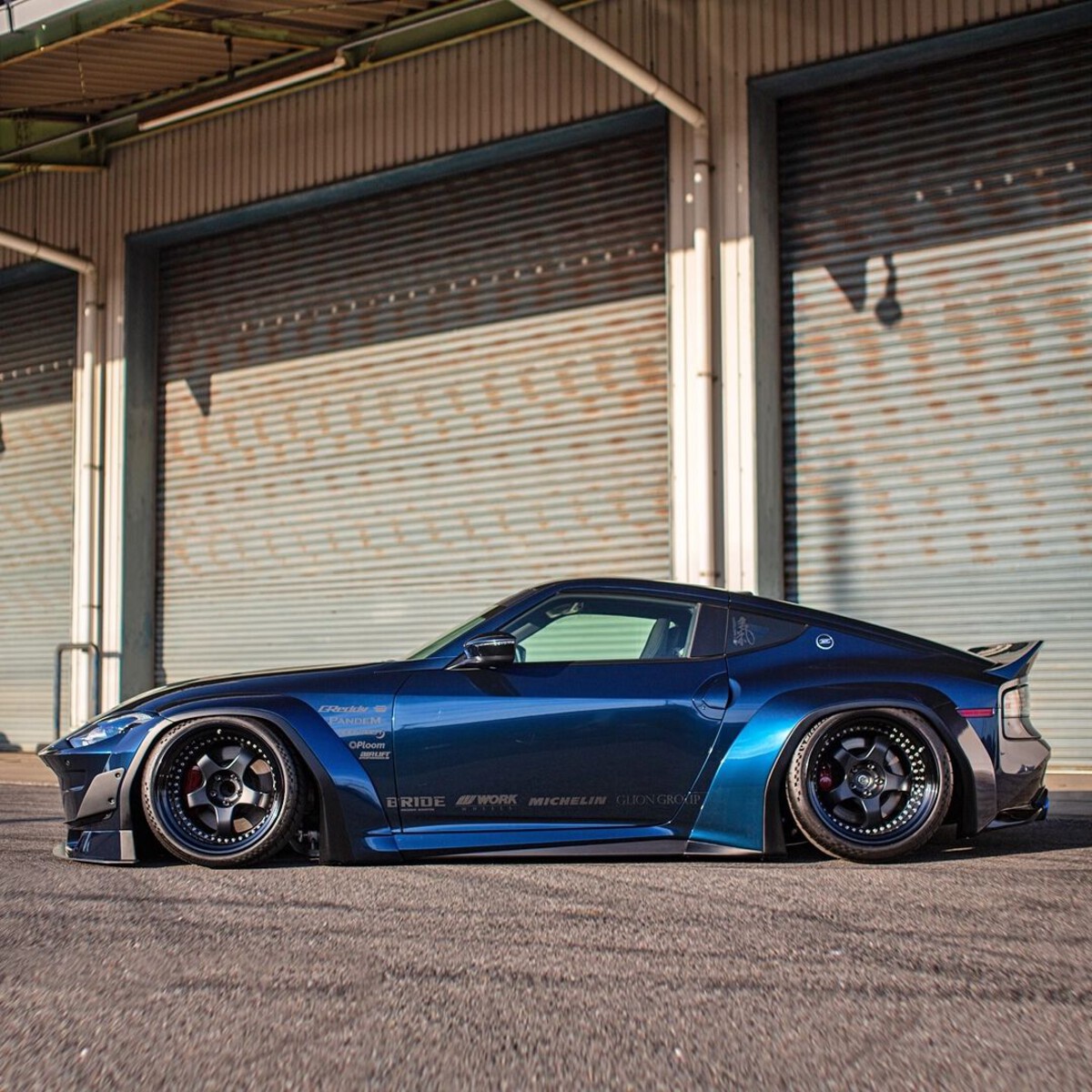
On paper, both vehicles claim 400 horsepower. However, the US-spec Z features highly conservative wastegate duty cycles in its factory map to cope with the wide geographical and temperature variances across North America. In Japan, where high-quality fuel is tightly regulated and ambient temperatures are more predictable, the engine management system allows for sharp boost spikes and sustained high-load situations.
The US-bound Z is governed by an ECU strategy that aggressively limits boost pressure the moment intake air temperatures rise even slightly above baseline.
Because the US market version lacks the robust auxiliary cooling channels found in premium global track packages, the American software tune acts as a permanent digital restrictor plate, pulling real-world power down below the 400-horsepower mark during sustained track use to avoid hitting strict US onboard diagnostic emission fault thresholds.
- Engine: VR30DDTT 3.0-Liter Twin-Turbocharged V6
- Horsepower: 400 hp (US) vs. 400 hp (global)
- Torque: 350 lb-ft
- Dimensions: 172.4 inches (Length) × 72.6 inches (Width)
ALSO READ: 7 Modern Engines With Mechanical Oil Pumps That Outlast Electronic Ones
8. Porsche 911 GT3 (992 Gen)
The Porsche 911 GT3 is a sacred instrument of automotive purism, powered by a naturally aspirated 4.0-litre flat-six engine that revs all the way to a screaming 9,000 RPM.
It is an engine born for racing, yet the versions screaming down American racetracks are carrying an invisible acoustic and physical burden forced upon them by the Federal Motor Vehicle Safety Standards (FMVSS).
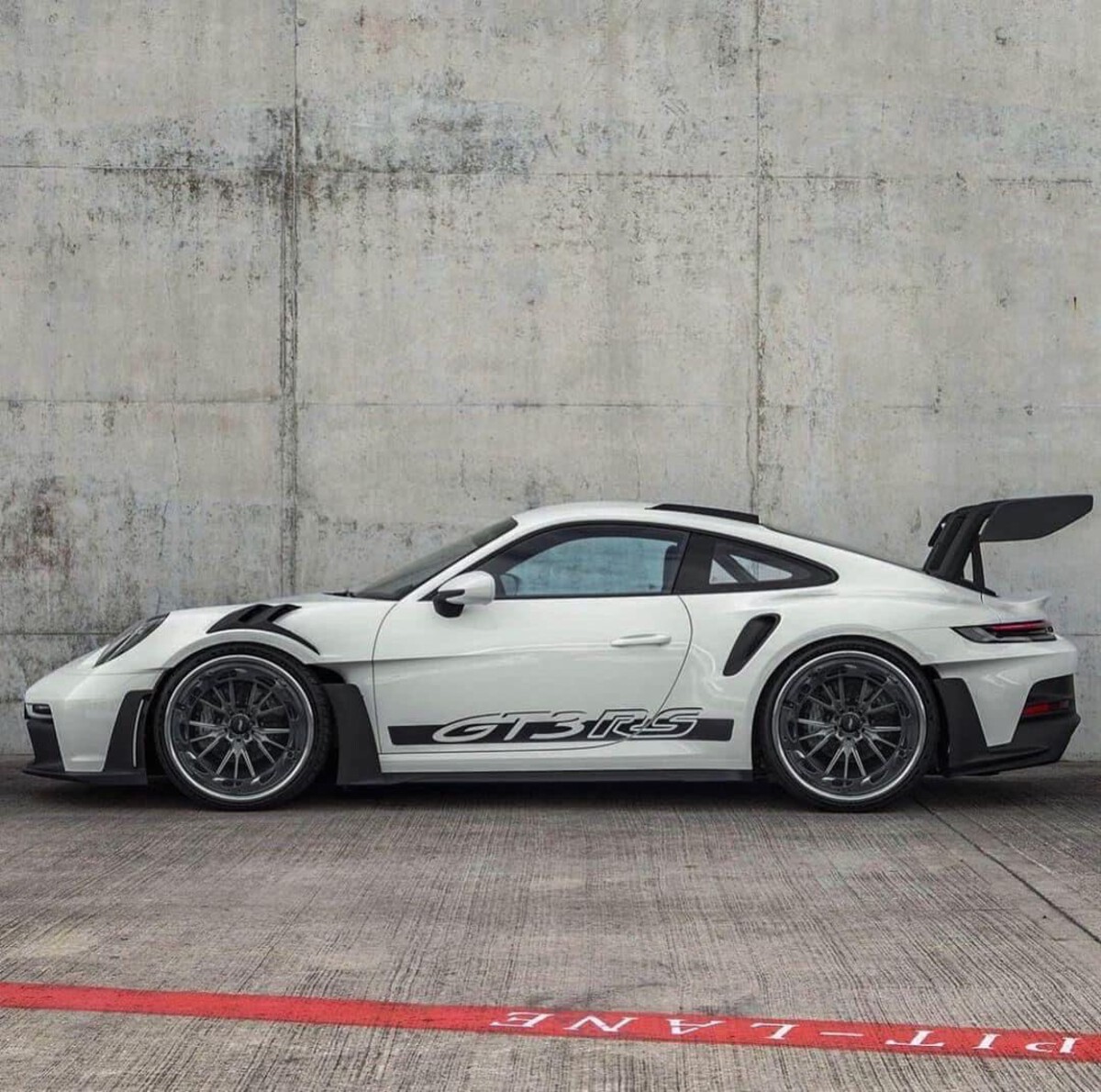
To clear the United States’ incredibly strict drive-by noise regulations, which measure sound levels from outside the vehicle at maximum acceleration, Porsche was forced to redesign the exhaust routing for North American cars.
While European cars utilise a sophisticated, thin-walled exhaust assembly designed to work alongside the continent’s particulate filters, the US variant requires a distinct, heavily insulated catalytic converter matrix with denser internal baffling.
This structural modification changes the exhaust backpressure dynamics of the 4.0-litre flat-six. To keep the engine running smoothly and reliably with this added flow restriction without destroying the emissions equipment, Porsche engineers had to adjust the high-RPM cam phasing via the VarioCam system on US models.
The result is a peak power figure that matches the global market on paper, but suffers from a minor loss in mid-range torque density and a slightly muted acoustic profile across the rev range.
- Engine: 4.0-Liter Naturally Aspirated Flat-6
- Horsepower: 502 hp (US) vs. 510 metric hp (Global)
- Torque: 346 lb-ft (US) vs. 347 lb-ft (Global)
- Dimensions: 180.0 inches (Length) × 72.9 inches (Width)
Modern automotive engineering has changed how performance limits are applied. Instead of physically restricting airflow with narrow intake runners or restrictive exhaust manifolds, modern engines are primarily controlled through software-based systems such as ECU programming, ignition timing adjustments, and conservative thermal protection strategies.
Manufacturers do not detune cars for the United States market out of malice; they do so out of regulatory survival. Caught between the strict mandates of the EPA, localized CARB legislation, and the reality of poor pump fuel, engineers are forced to leave performance on the table.
This reality has created a thriving aftermarket industry. Across the country, specialized tuning shops make a living doing one specific job: deleting factory US software maps and flashing global parameters back onto the vehicle’s ECU. For the modern enthusiast, buying a performance car is only the first step. Unlocking the true engineering masterpiece you actually paid for requires breaking the digital shackles imposed at the border.