
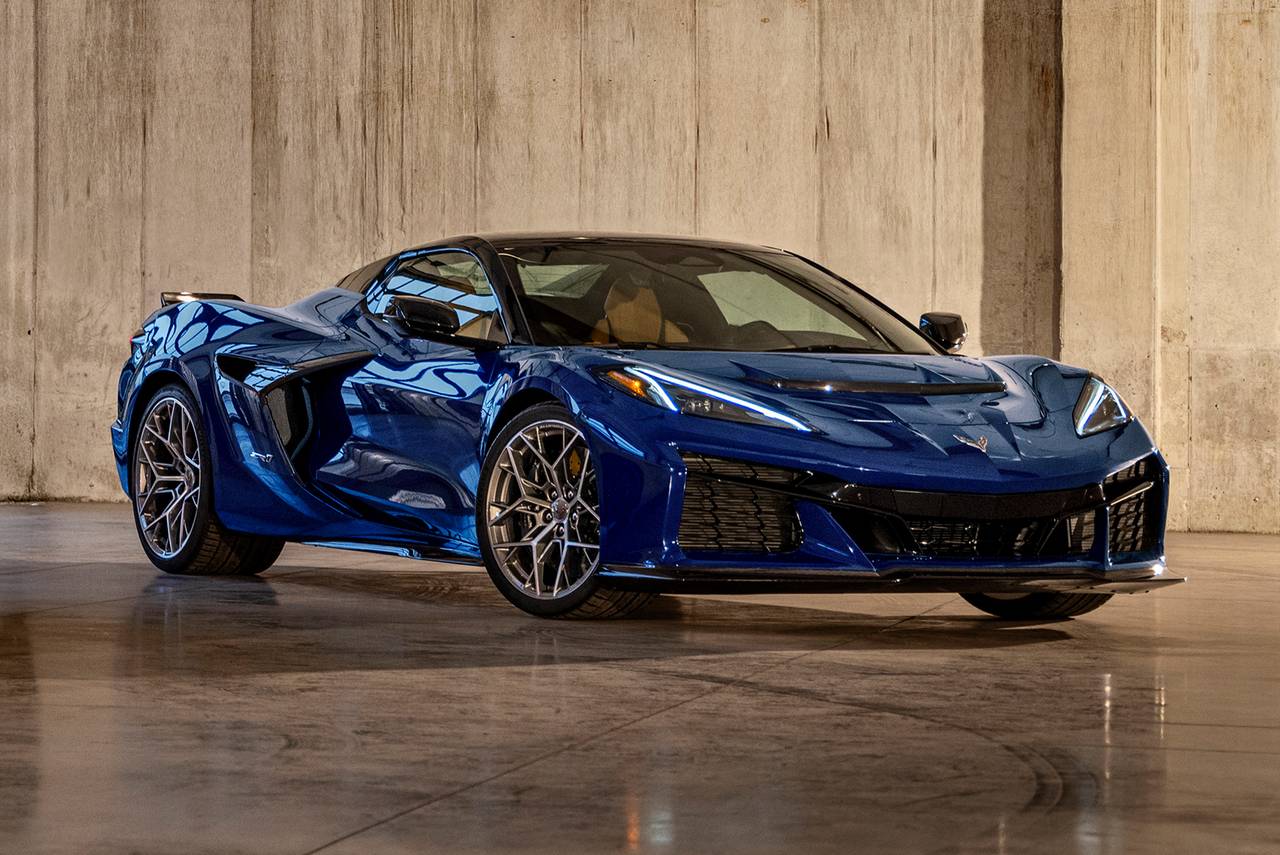
Living in the United States comes with a car-buying advantage that most Americans never fully appreciate until they talk to someone from another country who has priced the same vehicle at home. A performance car that costs $45,000 in an American showroom might carry a price tag equivalent to $75,000 or $95,000 in Australia, the United Kingdom, Singapore, or Brazil. Same car. Same engine. Same horsepower. Completely different financial reality depending on which side of the border you are standing on.
Why does this happen? Import duties, value-added taxes, luxury car taxes, emissions compliance costs, currency exchange rates, and destination charges all add to the manufacturer’s suggested retail price the moment a vehicle leaves the country where it was built or where its manufacturer is headquartered.
Some countries apply flat percentage taxes that add 30 to 50 percent to a vehicle’s cost before the buyer even considers dealer markup. Others apply tiered luxury taxes that accelerate sharply as engine displacement or vehicle price increases. A few markets apply all of these simultaneously.
American buyers benefit from several structural advantages. Domestic production of many popular performance vehicles eliminates import duties. A deep and competitive dealer market keeps margins tighter than in smaller markets where manufacturer-authorized importers operate with less competition. And the absence of a federal luxury vehicle tax means performance buyers are not penalized by their government simply for choosing a more powerful or more expensive vehicle.
This page covers ten performance cars where the American pricing advantage is most dramatic and most meaningful. For each vehicle, the US MSRP is compared against international pricing where documented data is available, and the engineering and performance story that makes each car worth discussing is covered in full.
Read this if you have ever wondered why so many international performance enthusiasts dream about the American car market. By the end, you will understand exactly why.
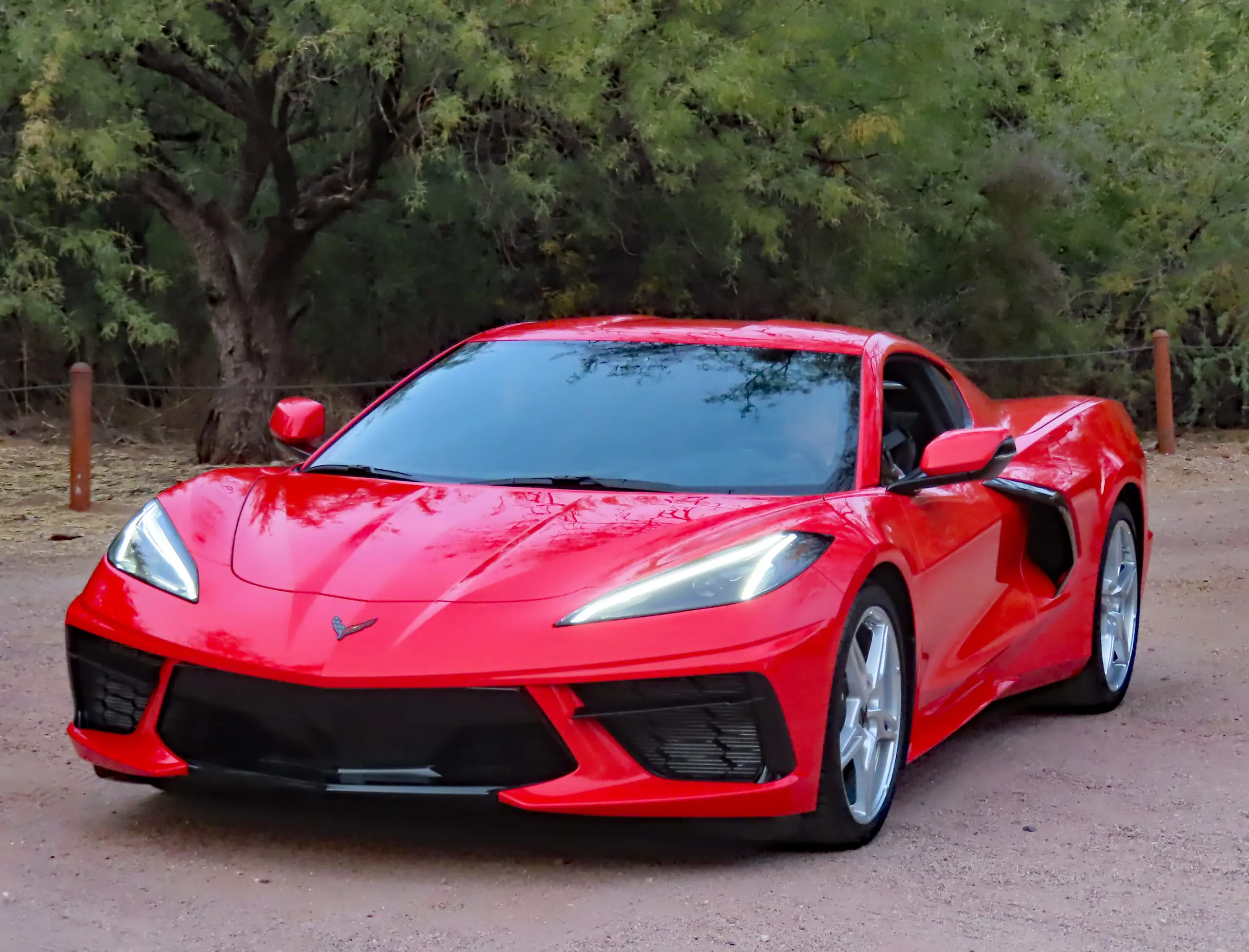
1. 2025 Chevrolet Corvette Stingray 1LT Coupe
- Engine: 6.2L naturally aspirated V8
- Horsepower: 495 hp
- Torque: 470 lb-ft
- Dimensions: Length 182.3 in, Width 76.1 in
Start with the number that anchors this entire conversation: a 2025 Chevrolet Corvette Stingray 1LT Coupe starts at approximately $67,000 in the United States. For that price, a buyer receives a mid-engine sports car with a naturally aspirated 6.2-liter V8 producing 495 horsepower, a 0 to 60 mph time of approximately 2.9 seconds with the Z51 performance package, and a driving experience that automotive journalists and independent performance evaluators consistently rate against vehicles costing two to three times as much from European manufacturers.
In Australia, the same Corvette Stingray has been listed at prices equivalent to $130,000 to $145,000 US dollars after import duties, goods and services tax, and the country’s luxury car tax, which applies a 33 percent surcharge on the value of any vehicle priced above the country’s luxury car tax threshold.
That threshold sits at a level where the Corvette’s base price is well above it, meaning Australian buyers absorb the full luxury car tax on top of import duties before a single dealer margin dollar is added. In the United Kingdom, import tariffs, value-added tax at 20 percent, and the Vehicle Excise Duty based on CO2 emissions push the Corvette Stingray into pricing territory equivalent to $95,000 to $110,000 US dollars, depending on configuration and exchange rate conditions at the time of purchase.
A British performance car buyer who wants the Corvette Stingray pays roughly 40 to 60 percent more than their American counterpart for an identical vehicle.
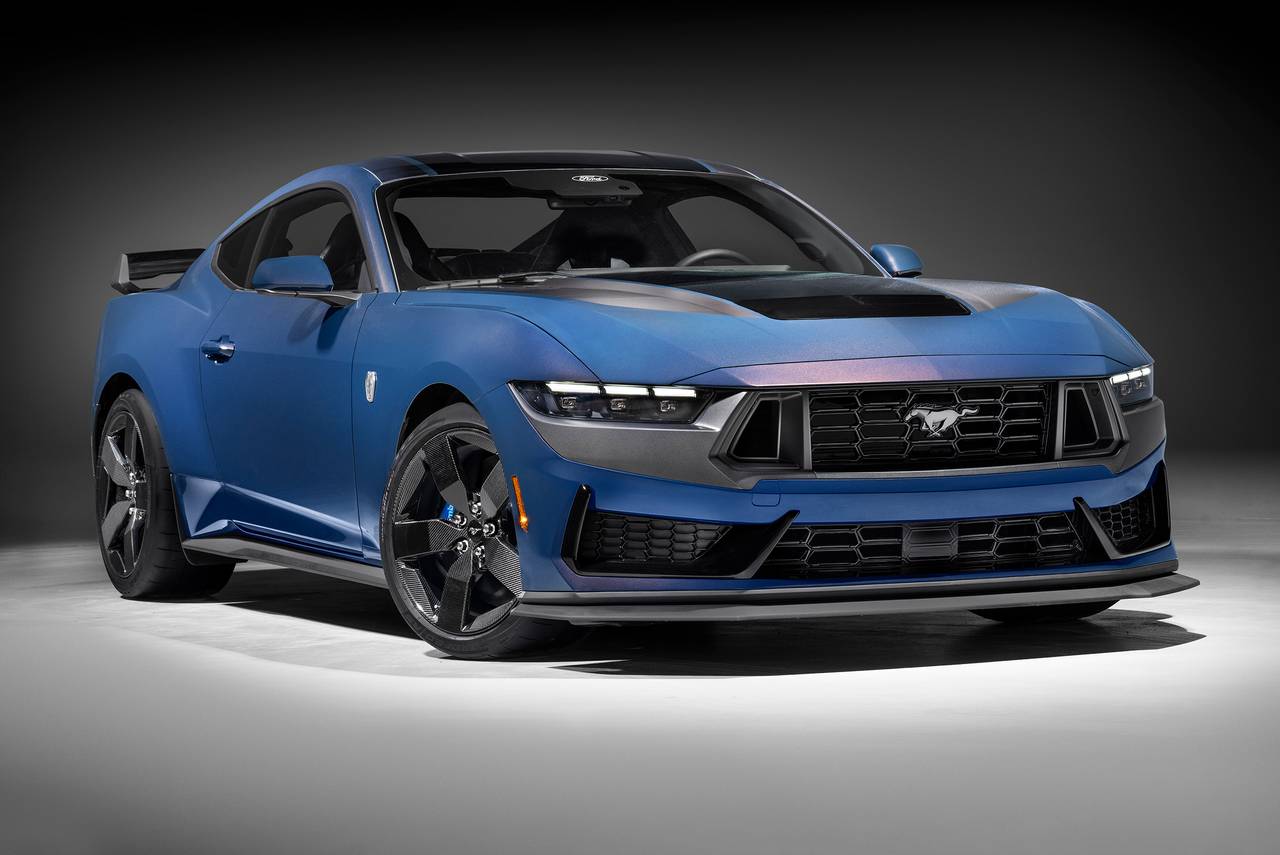
2. 2025 Ford Mustang GT Premium Fastback
- Engine: 5.0L naturally aspirated Coyote V8
- Horsepower: 486 hp
- Torque: 418 lb-ft
- Dimensions: Length 189.4 in, Width 75.4 in
Few vehicles carry as much global cultural recognition as the Ford Mustang, and the gap between that recognition and the price accessibility of the vehicle outside the United States is one of the automotive market’s most dramatic disparities. A 2025 Ford Mustang GT Premium Fastback starts at approximately $43,000 in the American market, delivering a 5.0-liter Coyote V8 producing 486 horsepower, a manual transmission option that performance purists increasingly cannot find in competing vehicles, and a style statement that turns heads in virtually every country on earth.
In Germany, where the Mustang has developed a strong enthusiast following despite being an imported American vehicle in a market dominated by domestic performance brands, pricing for the GT Premium runs equivalent to approximately $65,000 to $70,000 US dollars after import duties and value-added tax at 19 percent. A German buyer who wants the authentic American muscle car experience pays roughly 50 to 60 percent more than their American counterpart.
Brazilian buyers face a more dramatic situation. Brazil’s vehicle import structure includes an import duty of 35 percent, an industrialized products tax that varies by engine displacement and can reach 25 percent or more for performance vehicles, and a state-level sales tax (ICMS) that typically adds another 12 to 18 percent on top.
Brazilian Mustang GT pricing has historically landed in the equivalent of $90,000 to $110,000 US dollars, more than double the American price for the same vehicle. For context, Brazil’s average household income makes that figure approximately equivalent to 15 to 20 years of median gross earnings.
Australia’s luxury car tax strikes the Mustang GT Premium above its threshold, and combined with import duty and GST, Australian pricing runs approximately $75,000 to $85,000 in US dollar equivalent. Ford does assemble certain Mustang variants for regional markets through specific compliance processes, but the GT Premium in full US specification consistently commands a substantial premium over the American MSRP.
Also Read: 8 Forgotten 1990s Performance Cars Faster Than a New Tesla Plaid
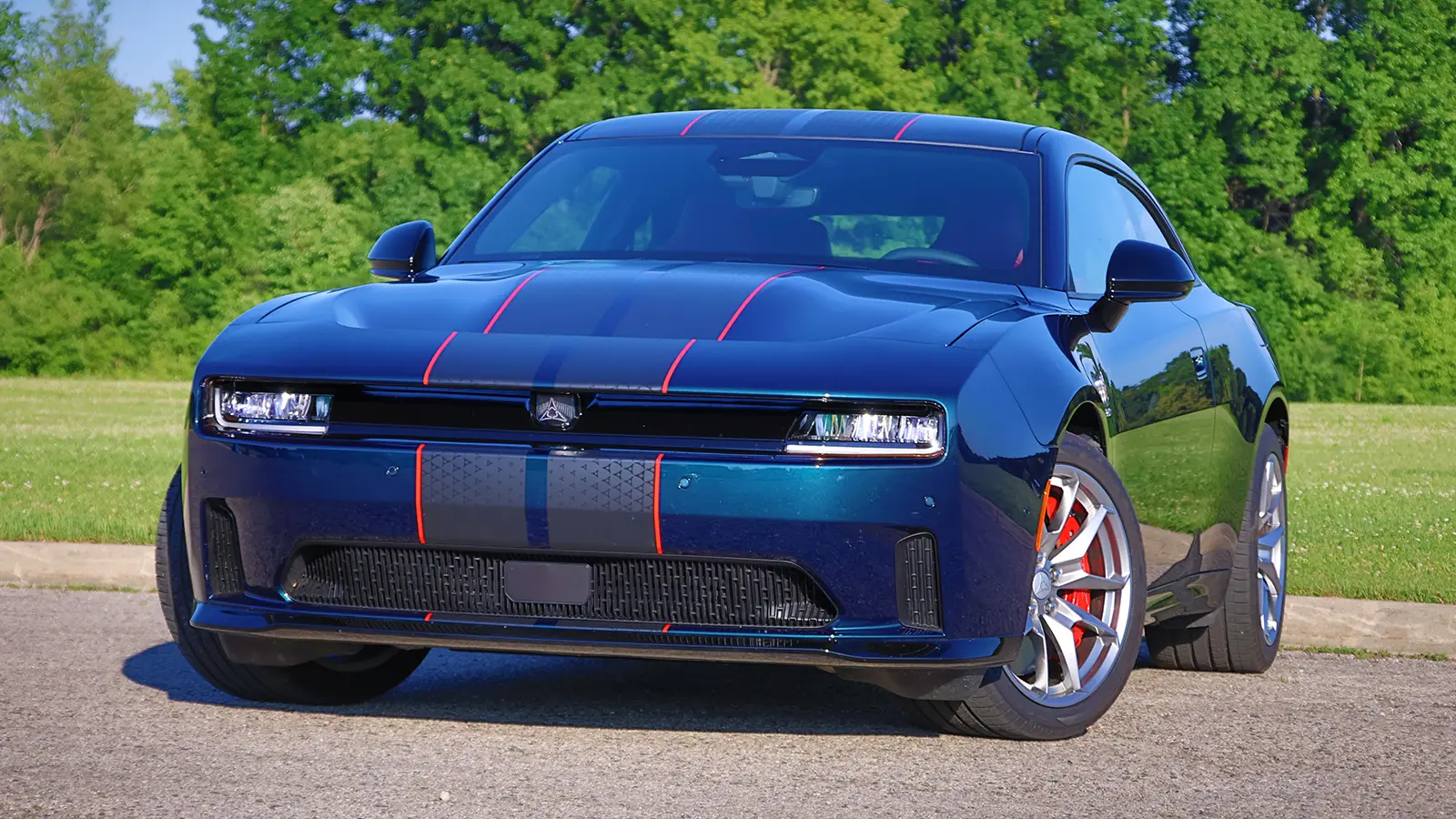
3. 2025 Dodge Challenger R/T Scat Pack Widebody
- Engine: 6.4L naturally aspirated HEMI V8
- Horsepower: 485 hp
- Torque: 475 lb-ft
- Dimensions: Length 197.9 in, Width 78.3 in
Dodge’s choice to keep the Challenger R/T Scat Pack Widebody in production for the 2025 model year reflects a very specific pricing reality within the United States. This vehicle combines a naturally aspirated 6.4-liter HEMI V8 engine producing 485 horsepower with aggressive wide body styling and factory-engineered performance hardware, yet it enters American showrooms at a starting figure close to fifty-three thousand dollars.
Within the US market, that figure places the Scat Pack Widebody within reach of a broad performance buying audience rather than limiting it to elite luxury buyers. This pricing structure works largely because of domestic manufacturing scale, lower taxation on high-displacement engines, and the absence of punitive emissions-based purchase charges.
American buyers can access a full-size V8 coupe with wide-body suspension geometry, adaptive damping, upgraded braking hardware, and unmistakable road presence without stepping into exotic or luxury territory. For this reason, the Challenger Scat Pack Widebody functions as a mainstream performance option in its home market rather than a restricted indulgence.
Outside the United States, pricing dynamics change sharply. In Australia, a combination of import duty, goods and services tax, and the country’s luxury car tax pushes the same vehicle into a bracket that resembles high-end European performance cars. The luxury car tax alone applies a steep percentage to the value exceeding the government threshold, and the Scat Pack’s base cost clears that threshold comfortably.
Once shipping, dealer margins, and compliance costs are added, the Australian showroom price climbs toward figures that would fund several alternatives with different performance philosophies. Canada presents a less severe but still meaningful increase. Provincial sales taxes, environmental surcharges in selected regions, and federal excise charges raise the purchase figure beyond the American benchmark.
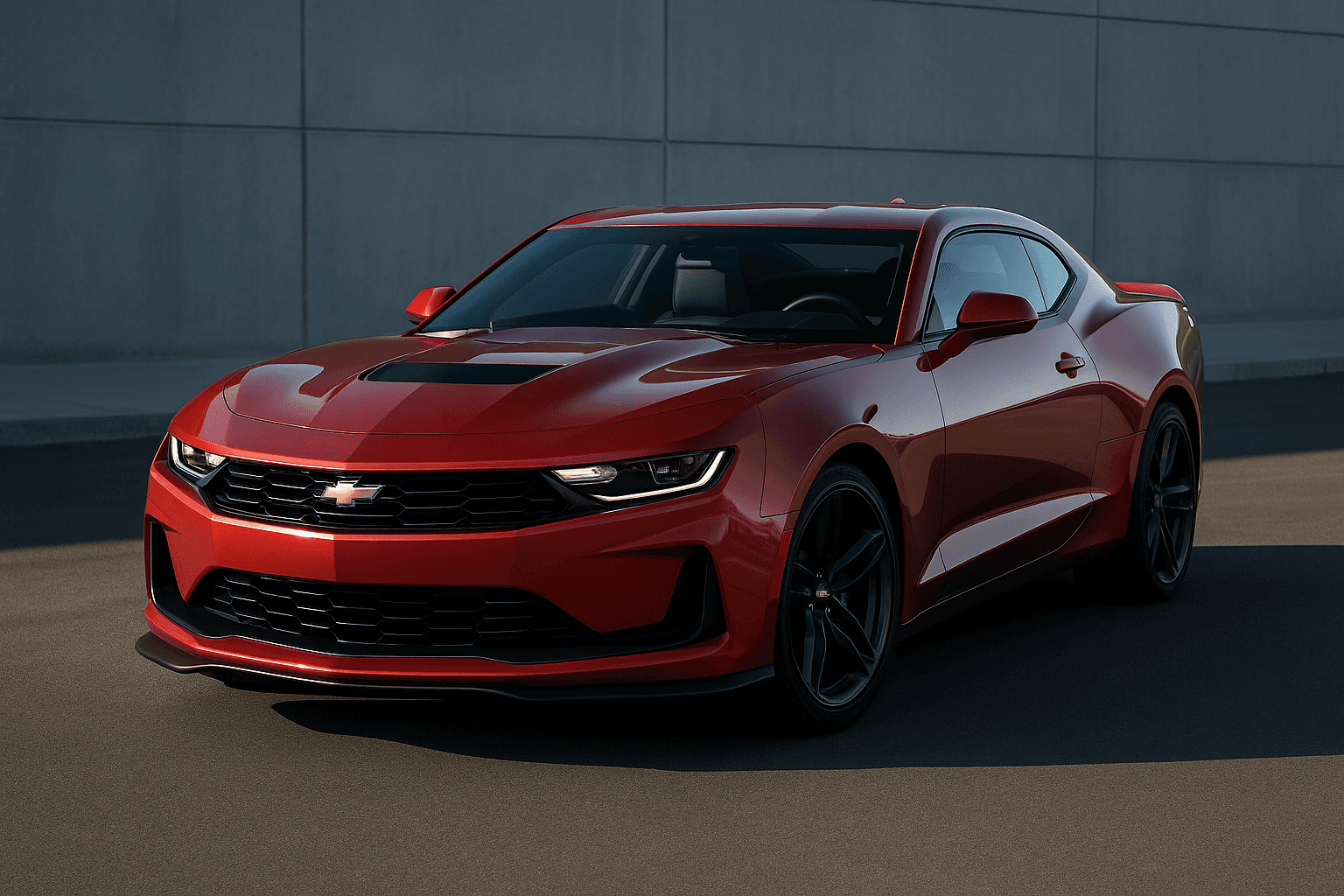
4. 2025 Chevrolet Camaro SS 1LE Coupe
- Engine: 6.2L naturally aspirated LT1 V8
- Horsepower: 455 hp
- Torque: 455 lb-ft
- Dimensions: Length 188.3 in, Width 74.7 in
The Chevrolet Camaro SS 1LE Coupe represents a focused engineering effort aimed at delivering serious circuit capability directly from the factory. The 1LE package converts the standard Camaro SS into a machine equipped for sustained track use, while its American pricing keeps it within reach of buyers who would otherwise face far higher costs for comparable performance.
With a starting range between forty-seven and fifty thousand dollars, the Camaro SS 1LE occupies a space that few global markets can replicate. At the heart of this model sits the 6.2-liter LT1 V8 producing 455 horsepower. This engine pairs with performance-focused gearing and cooling systems designed to withstand repeated high-load operation.
The 1LE specification adds Magnetic Ride Control suspension, high-capacity Brembo braking hardware, a mechanical, limited-slip differential, and a dedicated aerodynamic package. These components are installed during production rather than added later, ensuring system integration and durability.
Performance testing places the Camaro SS 1LE close to established sports cars that command much higher prices. Lap time comparisons have shown it operating near vehicles such as the Porsche 718 Cayman S, a model that costs tens of thousands more in the same market. For American buyers, this comparison highlights how domestic pricing allows access to track performance that would otherwise require a far larger financial commitment.
International buyers encounter a very different calculation. In South Korea, layered taxation applies at multiple stages of purchase. Even with reduced import duties under trade agreements, individual consumption taxes, education taxes, and acquisition fees raise the final cost substantially. Korean pricing for the Camaro SS 1LE often lands in a range that approaches luxury performance coupes rather than affordable track cars.
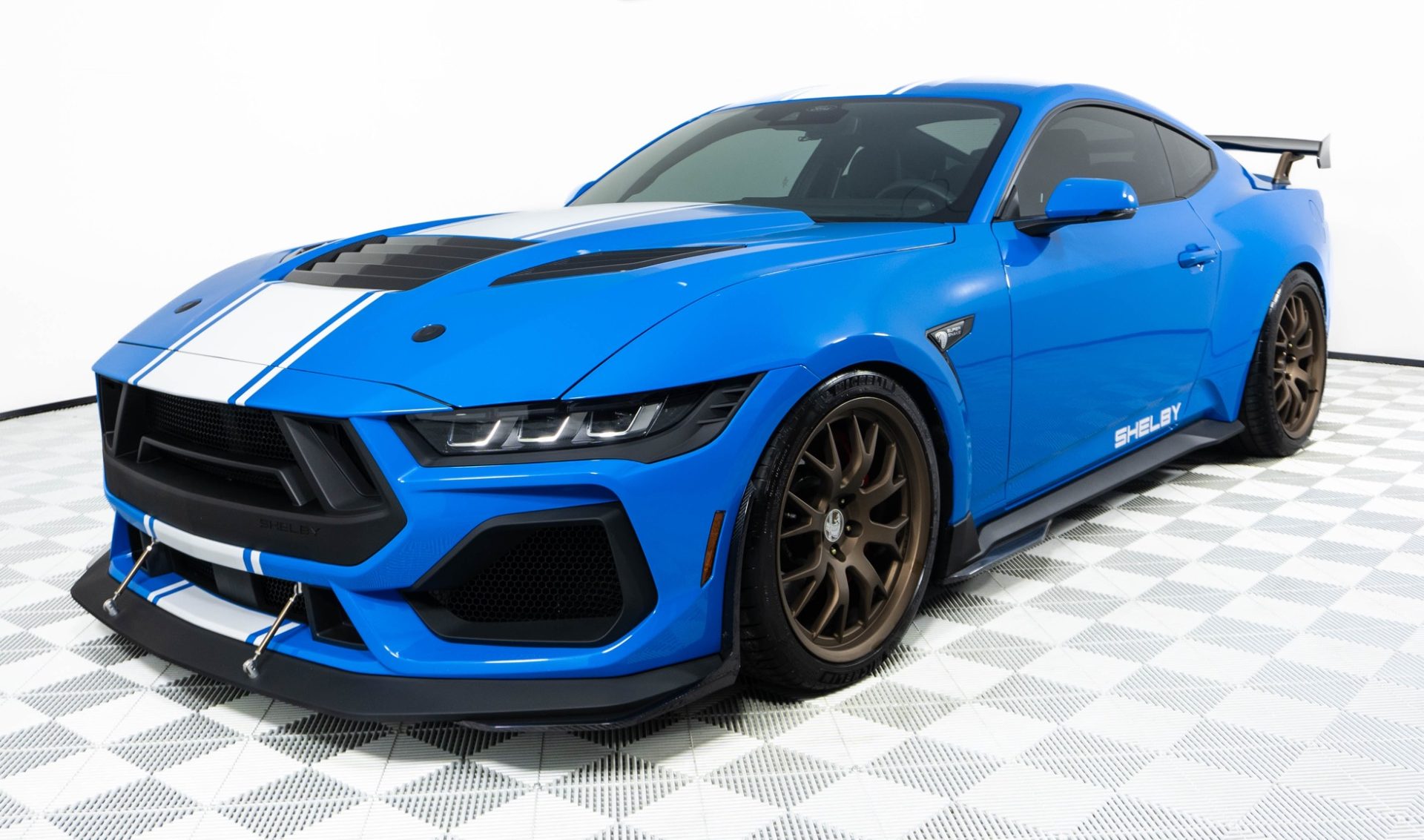
5. 2025 Ford Mustang Shelby GT500 Carbon Fiber Track Package
- Engine: 5.2L supercharged V8
- Horsepower: 760 hp
- Torque: 625 lb-ft
- Dimensions: Length 190.2 in, Width 75.9 in
At the top end of the Mustang family, the 2025 Ford Mustang Shelby GT500 with the Carbon Fiber Track Package delivers 760 horsepower from a supercharged 5.2-liter cross-plane crank V8, a 0 to 60 mph time of approximately 3.3 seconds, and a quarter-mile time in the low 11-second range in stock form.
MSRP for the GT500 in base configuration starts around $80,000, with the Carbon Fiber Track Package adding approximately $18,000 for a total approaching $98,000. For a 760-horsepower American supercar with Ford’s factory warranty, that is a price that invites global comparison.
Ferrari’s Roma Spider, which produces 612 horsepower, starts at approximately $250,000 in the United States. A Lamborghini Huracan Tecnica produces 631 horsepower at approximately $260,000. Neither vehicle reaches the GT500’s horsepower output. Both cost more than twice as much in the American market.
From a pure horsepower-per-dollar calculation, the GT500 with the Carbon Fiber Track Package produces more power per dollar spent than any exotic European sports car at any price point currently sold in the United States. International pricing amplifies this comparison to an almost surreal degree. In Australia, the Shelby GT500 reaches pricing equivalent to $150,000 to $175,000 US dollars after import duties, luxury car tax, and GST.
At that price, it overlaps with the entry level of the Ferrari market in Australia, and Australian buyers making a $150,000 performance car decision are choosing between American muscle at the high end of its tax-inflated pricing and Italian exotics at the entry end of theirs.
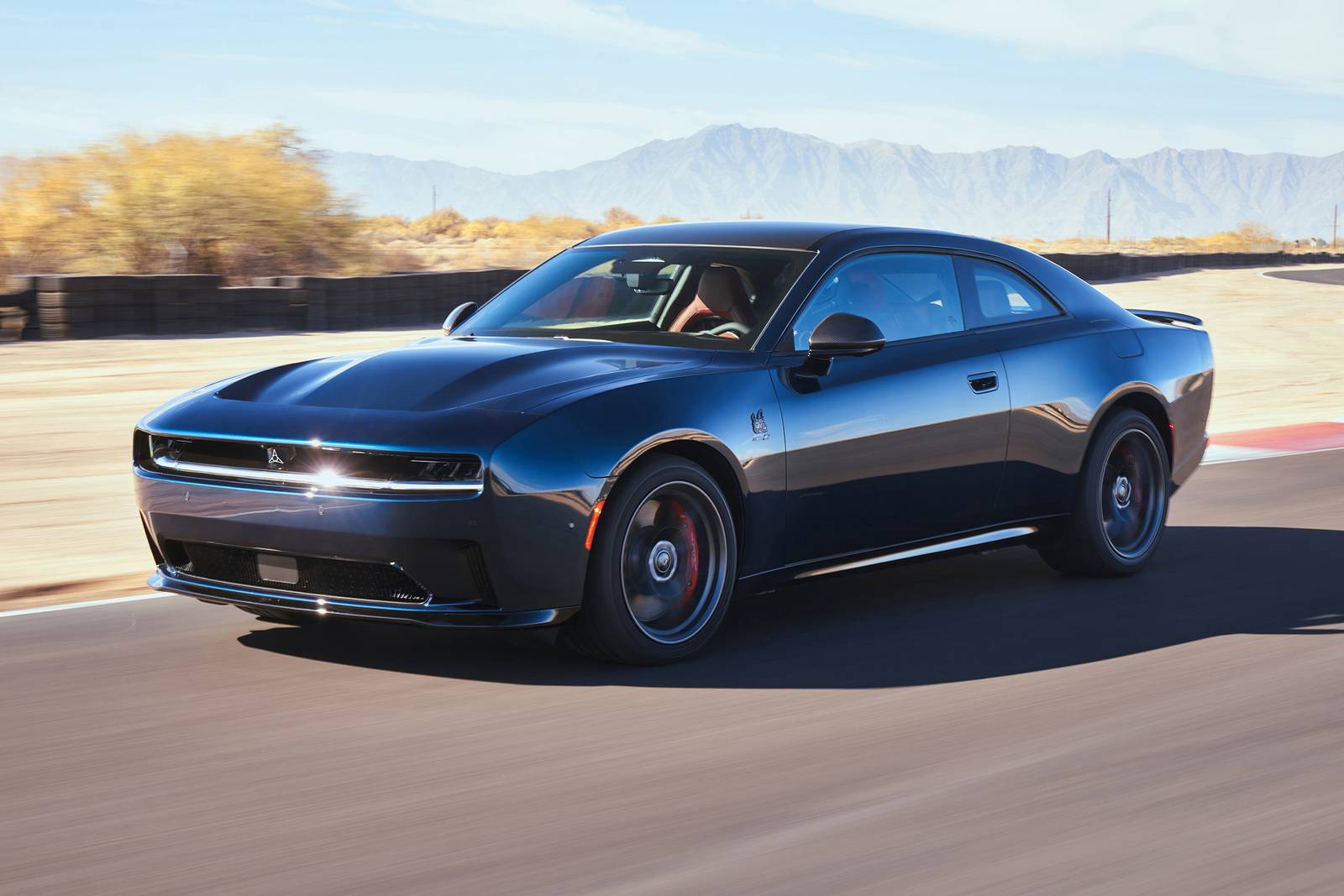
6. 2025 Dodge Charger Scat Pack Widebody RWD
- Engine: 6.4L naturally aspirated HEMI V8
- Horsepower: 485 hp
- Torque: 475 lb-ft
- Dimensions: Length 198.4 in, Width 78.3 in
A four-door sedan with 485 horsepower from a naturally aspirated 6.4-liter HEMI V8, rear-wheel drive, a factory widebody kit, and a starting price of approximately $52,000. That is the 2025 Dodge Charger Scat Pack Widebody RWD, and it represents a configuration that no other manufacturer offers at remotely comparable pricing anywhere in the world.
New Zealand provides a clear example of how dramatically pricing changes for this specific vehicle. New Zealand’s import duties, goods and services tax at 15 percent, and the absence of any domestic production credit for American performance vehicles, push the Charger Scat Pack Widebody into equivalent pricing of approximately $95,000 to $110,000 US dollars when available through authorized channels.
That figure places a four-door American muscle sedan alongside European sport sedans from BMW M and Mercedes-AMG, vehicles that are engineered as premium performance products with luxury brand positioning built into their pricing structure. South African performance buyers who want the Charger Scat Pack face import duties of approximately 25 percent on passenger vehicles, value-added tax at 15 percent, and an ad valorem excise duty on vehicles above certain price thresholds.
Combined, these charges push the Charger Scat Pack’s effective purchase price in South Africa to the equivalent of $85,000 to $100,000 US dollars, more than 60 to 90 percent above the American base price. The rand’s exchange rate against the US dollar adds additional variability that can push the effective price higher during periods of currency weakness.
For American performance sedan buyers, $52,000 for a wide-body, 485-horsepower, rear-wheel-drive four-door is a purchase that exists nowhere else on earth at comparable pricing. BMW’s M3 Competition produces 503 horsepower in a four-door xDrive configuration starting at approximately $82,000 in the United States.
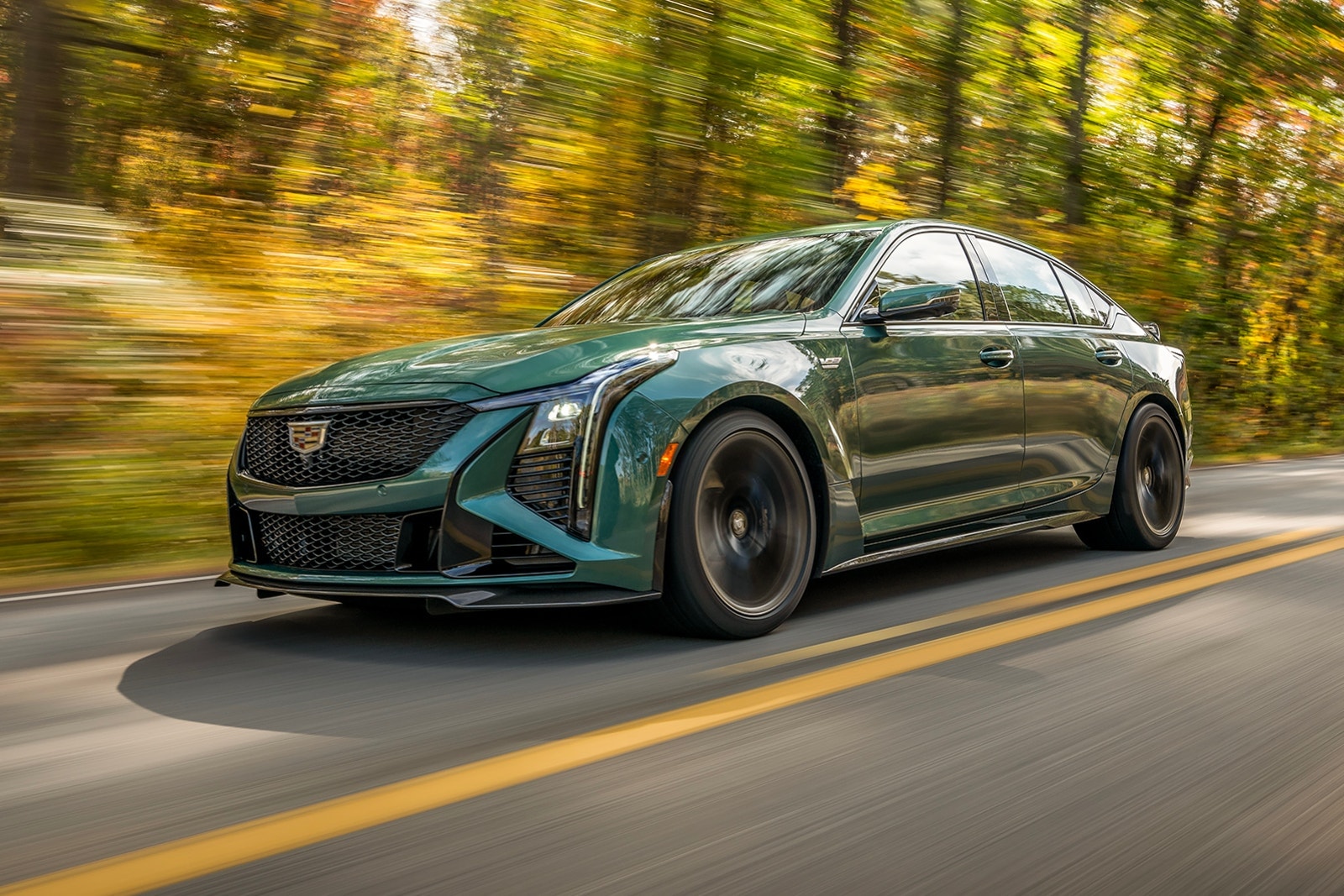
7. 2025 Cadillac CT5 V Blackwing Sedan AWD
- Engine: 6.2L supercharged V8
- Horsepower: 668 hp
- Torque: 659 lb-ft
- Dimensions: Length 194.9 in, Width 74.1 in
The 2025 Cadillac CT5 V Blackwing Sedan AWD stands as a deliberate challenge to established European performance sedans, presenting a level of mechanical ambition that reflects deep confidence in American engineering depth. General Motors positioned this model directly against premium offerings from BMW, Mercedes-Benz, and Audi, yet did so with pricing and drivetrain decisions that separate it sharply from those rivals.
At the centre of the vehicle sits a supercharged 6.2 litre V8 engine producing 668 horsepower, paired with a drivetrain layout that places driver involvement above automation. Acceleration performance reinforces this intent, with manufacturer estimates placing the sprint from rest to 60 miles per hour at about 3.4 seconds. This figure aligns closely with European competitors that rely on turbocharged engines and dual clutch transmissions.
Cadillac’s decision to offer a six-speed manual gearbox alongside its ten-speed automatic introduces a layer of driver choice absent from the BMW M5 and Mercedes AMG E63 ranges. That decision appeals strongly to experienced drivers who value mechanical connection rather than reliance on electronic management systems.
Pricing within the United States strengthens the CT5 V Blackwing’s appeal. A starting figure near ninety-two thousand dollars places it far below the BMW M5 CS, which begins near one hundred forty thousand dollars, and the Mercedes AMG E63 S 4MATIC Plus, which approaches one hundred thirty thousand dollars.
Both European vehicles deliver lower peak horsepower while demanding substantially higher financial commitment. For American buyers, this creates a rare situation where top-tier luxury performance is accessible without entering the upper reaches of premium pricing.
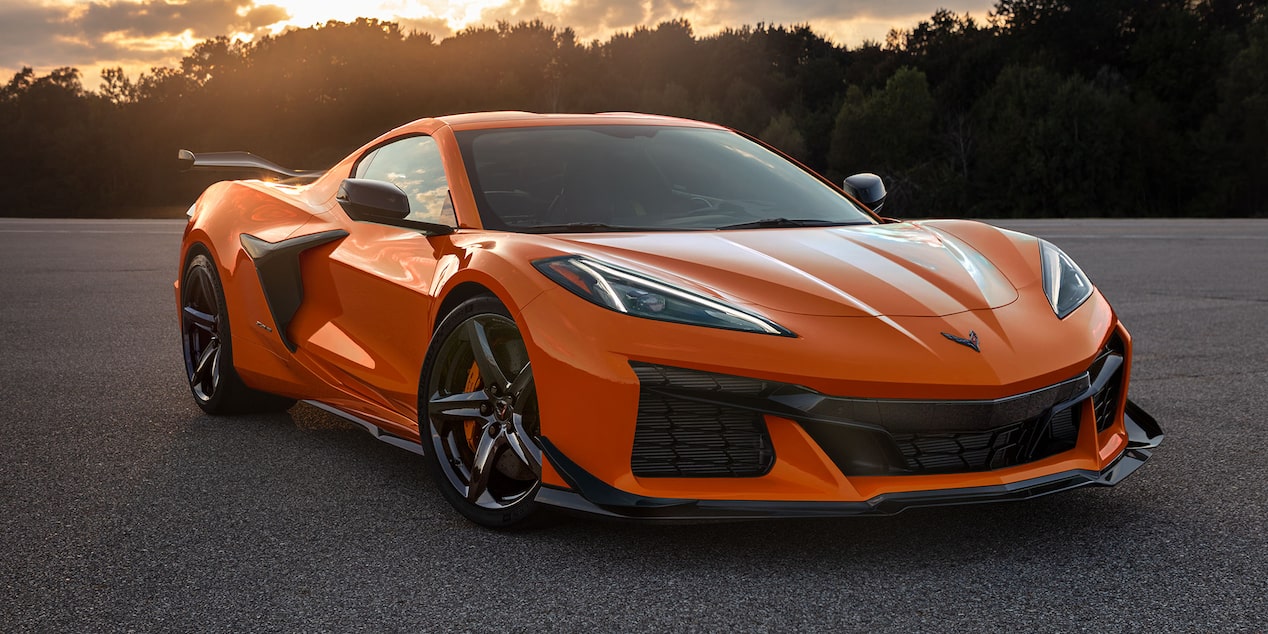
8. 2025 Chevrolet Corvette Z06 3LZ Coupe
- Engine: 5.5L naturally aspirated flat-plane V8
- Horsepower: 670 hp
- Torque: 460 lb-ft
- Dimensions: Length 184.6 in, Width 79.7 in
The 2025 Chevrolet Corvette Z06 3LZ Coupe represents a rare achievement in modern automotive engineering, where advanced mechanical design is offered at a price that remains accessible within its home market. Built on the mid-engine Corvette platform, the Z06 replaces forced induction with a 5.5-litre naturally aspirated V8 using a flat plane crankshaft. This engine revs to 8,600 revolutions per minute and produces 670 horsepower without turbochargers or electric assistance.
Such specifications place the Z06 in territory typically occupied by low-volume European supercars. The flat plane crank design allows rapid engine response and sustained high speed operation, traits traditionally associated with racing engines rather than road cars. Achieving a specific output of approximately 122 horsepower per litre, Chevrolet delivered a power unit that stands among the most advanced naturally aspirated engines fitted to a production vehicle.
In the United States, the 3LZ Coupe configuration carries a starting manufacturer-suggested retail price near one hundred twenty thousand dollars. This figure reshapes expectations within the performance market. Comparable vehicles from Ferrari and Porsche command far higher entry prices.
The Ferrari 296 GTB, using a twin turbocharged V6 combined with hybrid assistance, produces 818 horsepower and begins near three hundred thirty thousand dollars. The Porsche 911 GT3 relies on a naturally aspirated flat six producing 502 horsepower and starts close to one hundred eighty thousand dollars.
While each of these vehicles demonstrates engineering excellence, none approaches the Z06’s American pricing position. Chevrolet’s ability to offer such performance rests on domestic production in Bowling Green, Kentucky, and a market capable of absorbing higher sales volumes than traditional exotic manufacturers. This industrial scale allows costs to remain controlled without sacrificing engineering ambition.
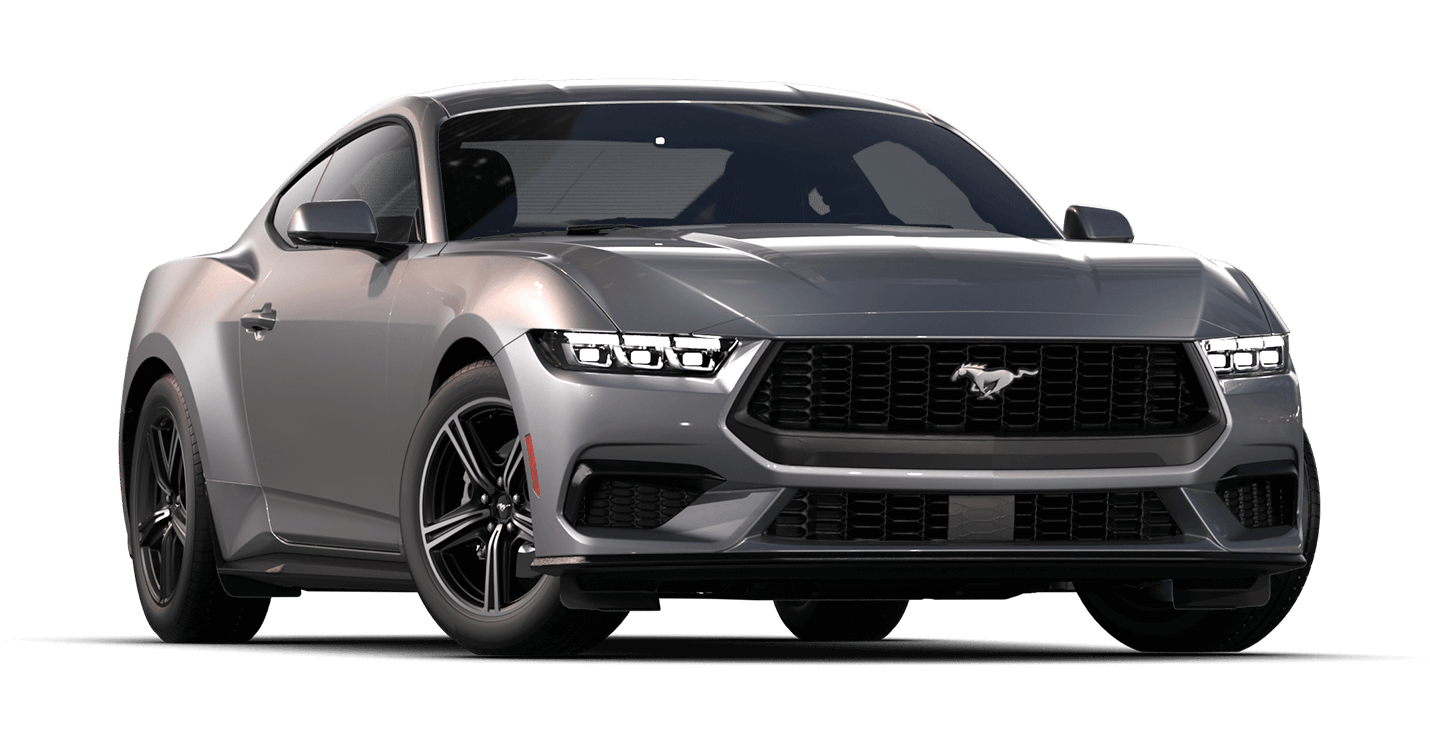
9. 2025 Ford Mustang Mach 1 Fastback
- Engine: 5.0L naturally aspirated V8
- Horsepower: 480 hp
- Torque: 420 lb-ft
- Dimensions: Length 189.4 in, Width 75.4 in
Ford’s Mach 1 designation carries weight in Mustang history, and its application to a factory track-ready package in the current generation delivers a focused, high-revving, naturally aspirated 5.0-liter Coyote V8 experience that specifically targets driving engagement over straight-line velocity.
Producing 480 horsepower with specific intake, exhaust, and cooling upgrades over the standard GT, the 2025 Ford Mustang Mach 1 Fastback starts at approximately $58,000 in the United States, carrying a Tremec 6-speed manual transmission standard alongside Mach 1-specific aerodynamic and chassis upgrades.
International enthusiasm for the Mach 1 is strong because its combination of heritage nameplate, focused performance setup, and manual transmission availability makes it a rare commodity in a world increasingly dominated by automatic and dual-clutch transmissions in performance applications.
That enthusiasm does not translate into accessible pricing outside America. European market pricing for the Mach 1 runs equivalent to $85,000 to $95,000 US dollars, a 45 to 60 percent premium over the American base. Canadian buyers, benefiting from the USMCA trade framework, typically face Mach 1 pricing that runs $8,000 to $15,000 CAD above the US equivalent after provincial taxes and the Canadian government’s excise tax on air conditioning and fuel inefficiency.
This is the smallest international price gap for the Mach 1, reflecting the trade relationship between the two neighboring markets. Mexican buyers who import from the United States directly face import duties and Mexico’s ISAN (Impuesto Sobre Automóviles Nuevos) tax, which applies rates of 2 to 17 percent based on vehicle price thresholds.
High-performance American vehicles above certain price levels hit the maximum ISAN rate, adding meaningful cost above the US base price for Mexican buyers who want factory specification vehicles.
Also Read: 8 Performance Cars With Cheaper Insurance Than You’d Expect in 2026
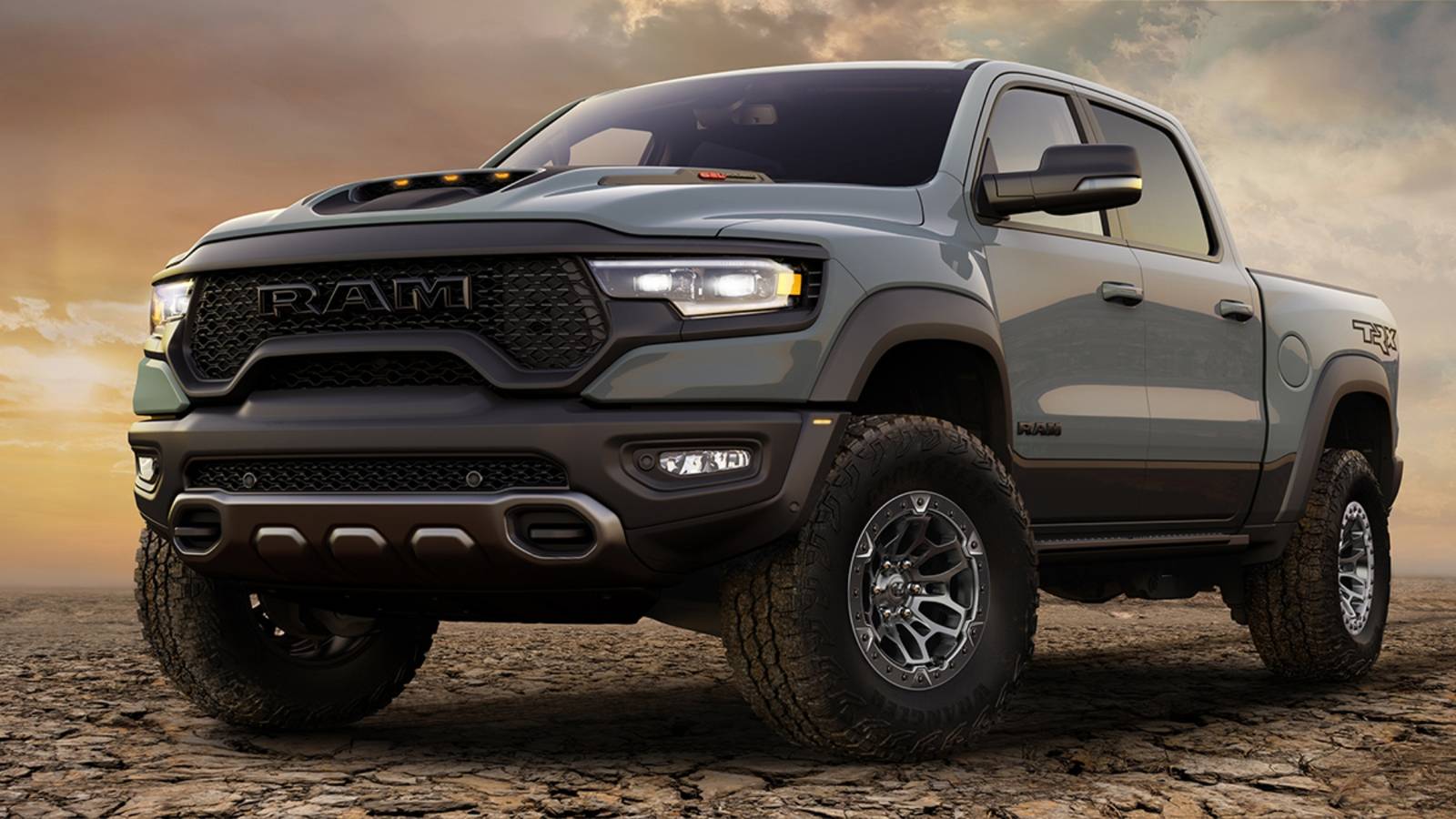
10. 2025 Ram TRX Launch Edition 4WD
- Engine: 6.2L supercharged HEMI V8
- Horsepower: 702 hp
- Torque: 650 lb-ft
- Dimensions: Length 232.9 in, Width 88.0 in
Describing the 2025 Ram 1500 TRX as simply a truck does the vehicle a disservice. A supercharged 6.2-liter HEMI V8 producing 702 horsepower, a 0 to 60 mph time of approximately 4.5 seconds with a full-size truck body, 35-inch Goodyear Wrangler Territory tires, Bilstein Black Hawk e2 adaptive dampers, and a payload capacity alongside performance that no other production vehicle category replicates.
MSRP for the TRX starts around $92,000 in the American market, which is expensive by American truck standards and extraordinary by global performance vehicle value standards. Australia’s luxury car tax, applied aggressively to a vehicle at this price and with this engine, pushes TRX pricing to the equivalent of $150,000 to $180,000 US dollars.
At $150,000, the TRX in the Australian market competes in pricing against the Porsche Cayenne Turbo GT, which produces 640 horsepower. Australian buyers choosing between a Ram TRX and a Porsche SUV on value grounds are working with a very different value calculation than American buyers who access the TRX at $92,000.
Middle Eastern markets where the TRX has found a strong following among performance and off-road enthusiasts see pricing that reflects import duties, local taxes, and dealer premiums on limited allocation vehicles. Gulf Cooperation Council countries with zero import duties on vehicles from certain trading partners have historically offered closer-to-American pricing, but the limited allocation of TRX units and strong enthusiast demand have pushed actual transaction prices well above MSRP in many regional markets.
European buyers face the TRX’s CO2 emissions as a severe pricing obstacle. At 702 horsepower from a supercharged V8, the TRX’s fuel consumption and emissions figures trigger maximum-tier CO2-based registration taxes in Scandinavian countries and in France, where the malus écologique (ecological penalty) tax can add the equivalent of $30,000 to $60,000 US dollars to a high-emissions vehicle’s registration cost.
