
Discussions about engine durability often place diesel powerplants on a pedestal, largely because of their reputation for handling extreme workloads and extended operating hours. Diesel engines are commonly associated with commercial transport, industrial machinery, and long-haul service, where reliability under constant strain is essential.
Petrol V8 engines, by comparison, are frequently linked with performance driving, sound character, and higher fuel consumption rather than long-term endurance. This perception, however, does not fully reflect the engineering reality behind several V8 designs produced over the past decades.
Several V8 engines were developed with structural strength that rivals, and in some cases exceeds, what many light and medium-duty diesel engines deliver. These engines were not built solely for short bursts of power or weekend use. Instead, manufacturers applied conservative tuning, reinforced block construction, forged internal components, and robust lubrication systems that allowed them to operate reliably under continuous load.
Many of these engines found homes in trucks, utility vehicles, luxury sedans, fleet platforms, and industrial settings where downtime carried financial consequences. The engines discussed in this list share a common philosophy rooted in mechanical discipline rather than chasing headline output figures.
Thick cylinder walls, deep skirt blocks, cross-bolted main bearings, forged crankshafts, and carefully managed cooling systems appear repeatedly across these designs. Such features reduce internal stress, stabilise rotating assemblies, and control heat distribution during extended operation.
When paired with correct servicing practices, these engines routinely deliver service lives that stretch far beyond typical expectations for petrol-powered units. Another factor contributing to their endurance lies in how manufacturers calibrated them from the factory. Instead of extracting the highest possible power, engineers often left substantial safety margins.
This allowed the engines to function well below critical stress limits during daily use. In work-focused applications, this translated into engines that tolerated long idle periods, towing duties, repeated heat cycles, and sustained highway operation without accelerated internal wear.
Brands such as Toyota, Ford, General Motors, Chrysler, and Mercedes-Benz invested heavily in engine programs where durability mattered as much as performance or refinement. The result was a collection of V8 engines capable of surviving mileage figures and workload patterns commonly associated with diesel platforms.
This page examines eight V8 engines that demonstrate how petrol engines, when engineered with strength as a priority, can stand shoulder to shoulder with many diesel counterparts in terms of structural resilience and long service life.
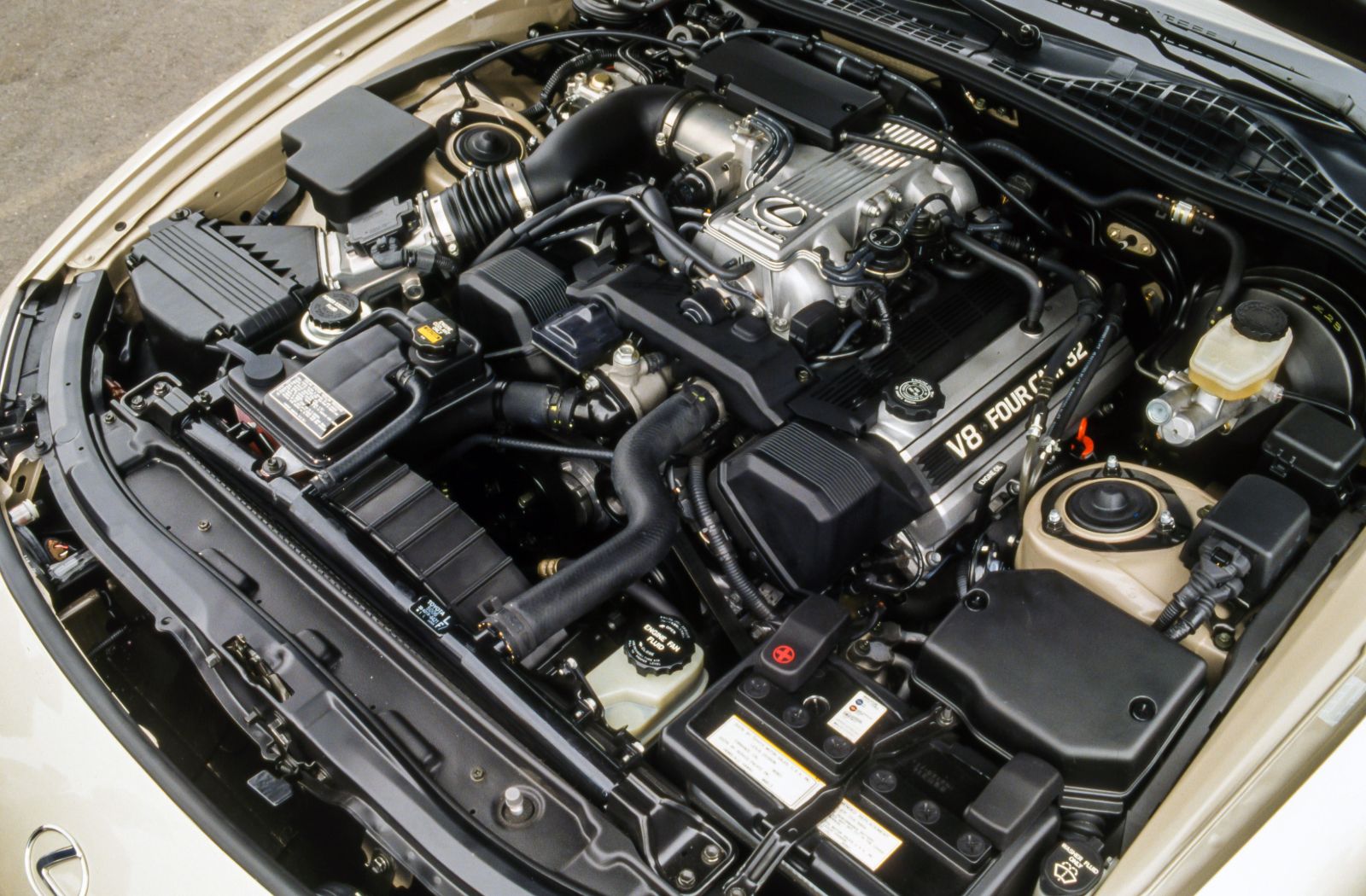
1. Toyota 1UZ-FE (4.0L)
The Toyota 1UZ-FE V8 stands as one of the clearest examples of a petrol engine engineered with durability as a primary objective rather than an incidental benefit. Developed during a period when Japanese manufacturers invested heavily in mechanical reliability, this engine was designed to meet strict refinement expectations while sustaining prolonged operation without internal degradation.
From its earliest production years, the 1UZ-FE was intended to support high mileage usage under stable load conditions, particularly in executive saloon vehicles expected to perform daily transport duties without interruption. The engine uses an aluminium cylinder block combined with carefully reinforced internal architecture. Despite the lightweight block material, structural rigidity is achieved through thick casting sections and precise machining tolerances.
This approach reduces vibration, limits thermal distortion, and preserves bearing alignment during extended engine operation. A forged steel crankshaft forms the centre of the rotating assembly, providing resistance to torsional stress as engine speed rises and falls during urban driving, highway cruising, and sustained long-distance travel.
Another contributing factor to the engine’s extended service record lies in its conservative operating parameters. Power output levels were deliberately set below the mechanical ceiling of the engine’s internal components. This margin reduces fatigue on pistons, bearings, and valve train elements, particularly during prolonged high-temperature running.
Cooling passages were designed to maintain even heat distribution across the cylinder banks, preventing localised hot spots that often accelerate wear in lesser designs. Lubrication management within the 1UZ-FE also supports long service life. Oil flow paths are configured to ensure consistent supply to crankshaft journals and camshaft surfaces during both cold starts and fully warmed operation.
When paired with the correct oil specification and routine service intervals, internal friction remains controlled even as mileage accumulates. Reports of engines exceeding three hundred thousand miles without internal rebuilds are linked directly to adherence to maintenance schedules rather than extraordinary usage patterns.
The engine achieved widespread recognition through its deployment in vehicles produced by Lexus, where smoothness, acoustic control, and dependability were mandatory requirements. In these applications, the 1UZ-FE was expected to deliver consistent performance across varying climates, traffic conditions, and driving styles.
Its ability to maintain stable idle quality, balanced power delivery, and minimal oil consumption across many years of service reinforced its reputation among technicians and fleet operators. Beyond passenger vehicles, the 1UZ-FE has also found secondary use in marine, industrial, and custom automotive installations.
Such adaptation would not occur if the engine lacked inherent strength and thermal discipline. Its capacity to operate continuously at fixed engine speeds further illustrates how its design prioritised endurance. The Toyota 1UZ-FE remains a benchmark example of how petrol V8 engines, when engineered with restraint and precision, can deliver service life figures commonly associated with diesel powerplants.
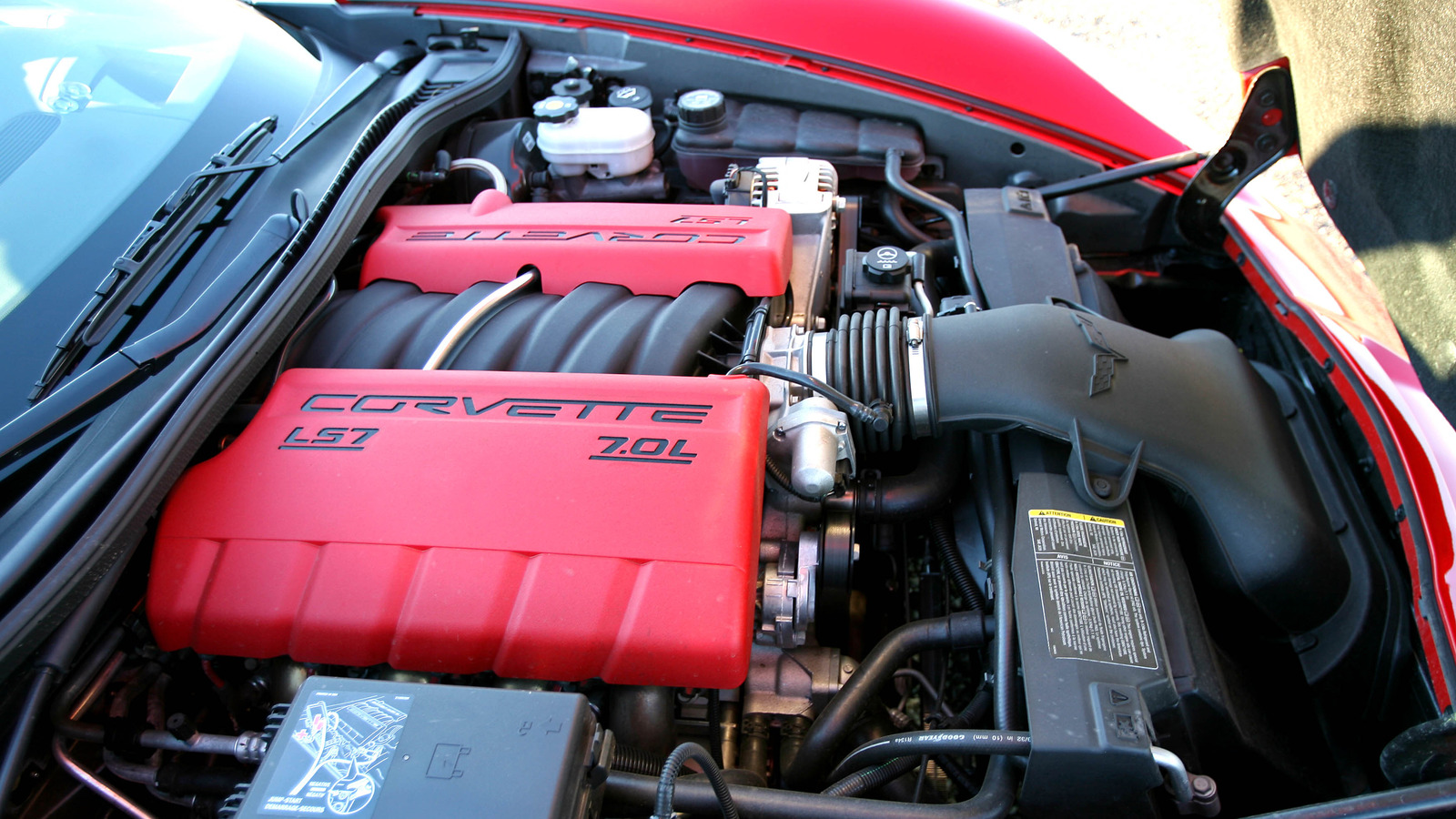
2. General Motors LS Series (LS1, LS3, LS6, LM7)
The General Motors LS engine family represents a deliberate continuation of traditional American V8 engineering principles adapted to modern manufacturing standards. These engines were developed with a focus on structural stability, service accessibility, and load tolerance, allowing them to function across a broad range of vehicle classes.
From performance saloons to commercial pickup trucks, the LS series demonstrates consistent mechanical resilience under demanding operating conditions. A defining feature of the LS architecture is its deep skirt block design. This configuration extends the block casting below the crankshaft centreline, creating a rigid cradle that stabilises the rotating assembly.
Main bearing caps are secured with vertical and horizontal fasteners, limiting crankshaft movement under high torque loads. Such construction directly contributes to reduced bearing wear and sustained oil pressure during prolonged operation. Iron block variants, including the LM7, were selected for trucks and utility vehicles due to their resistance to thermal cycling and load stress. Iron’s higher mass allows it to absorb and distribute heat more evenly during towing, hauling, and long-distance highway use.
This characteristic supports consistent cylinder sealing and minimises bore distortion when engines are subjected to repeated heavy load operation. Lubrication systems within these engines are engineered to maintain oil delivery even during extended high-speed driving or elevated engine temperature conditions.
Another aspect supporting longevity is the simplicity of the pushrod valve train layout. Fewer moving components reduce cumulative wear points and limit maintenance exposure over extended mileage. When serviced according to factory specifications, camshaft, lifter, and rocker components maintain dimensional stability across long service intervals.
This simplicity also aids diagnostics and repair, contributing to extended operational life in fleet and work vehicle settings. The LS series gained widespread adoption across vehicles produced by General Motors, where versatility and dependability were essential.
In many cases, these engines continued operating reliably even after exposure to modified output levels, provided tuning discipline and cooling capacity were preserved. Such adaptability highlights the structural headroom built into the original designs.
Also Read: 10 Strongest V8 Engines Ever Put in a Production Car
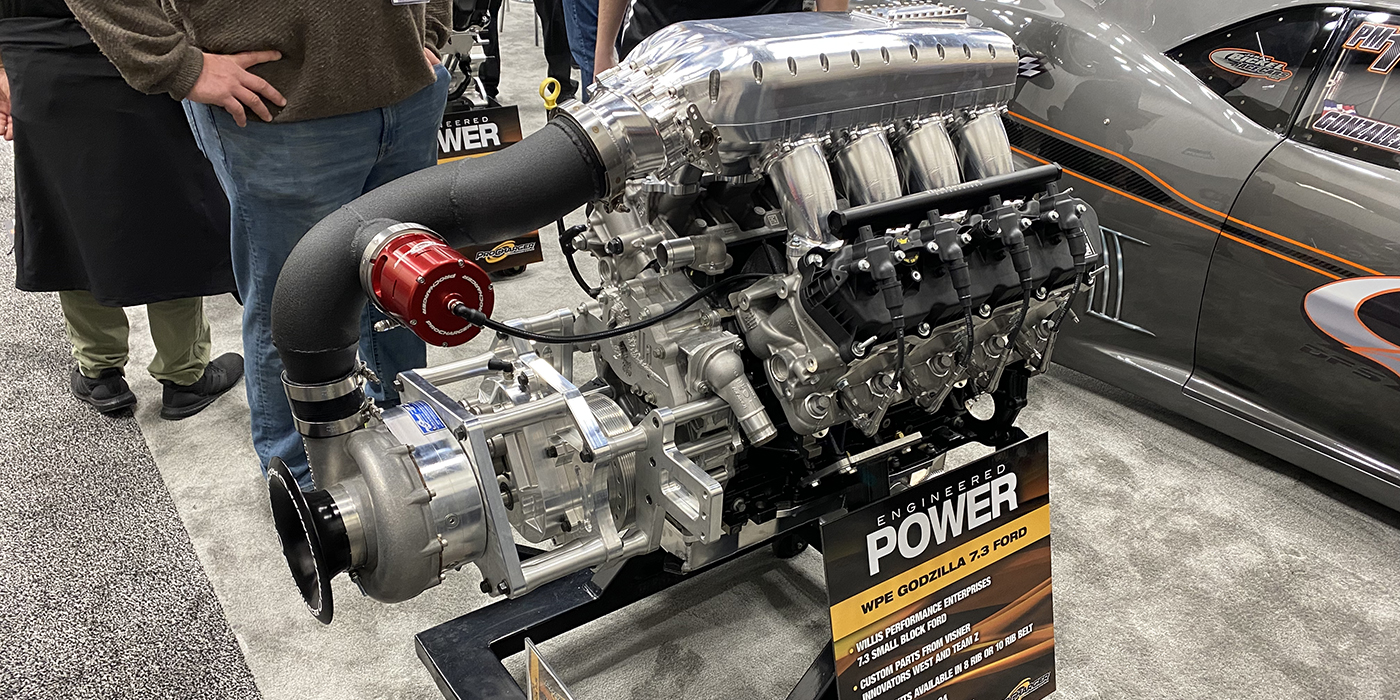
3. Ford 7.3L Godzilla V8
The Ford 7.3L Godzilla V8 was developed as a modern petrol alternative for heavy-duty commercial applications traditionally dominated by diesel engines. Its design brief emphasised endurance, predictable service requirements, and resistance to sustained mechanical stress.
Unlike high-output performance engines, this power unit was intended to support transport fleets, towing operations, and industrial service vehicles operating across long work cycles. Central to its durability is a cast iron engine block with substantial wall thickness and reinforced bearing supports.
This material choice provides resistance to heat-related distortion during extended load periods. The crankshaft is supported by robust main bearings designed to maintain alignment under high torque delivery, while forged connecting rods ensure stability during repeated combustion cycles at elevated cylinder pressures.
Piston construction within the Godzilla V8 reflects its work-focused orientation. Reinforced crown design and controlled expansion characteristics reduce wear during prolonged high-temperature operation. Compression ratios are selected to balance efficiency with thermal control, limiting internal stress while maintaining reliable power delivery. These design elements allow the engine to function for extended hours without accelerated component fatigue.
Factory calibration intentionally restrains peak output, leaving substantial mechanical margin within the engine’s operating envelope. This approach supports long idle durations, repeated stop-start cycles, and sustained towing assignments without placing excessive strain on internal components.
Cooling systems are configured to manage heat dissipation across a wide range of operating conditions, supporting stable oil temperature and consistent lubrication behaviour. Deployment across commercial vehicles produced by Ford has provided real-world validation of the engine’s design philosophy.
Fleet operators report predictable service intervals and controlled wear patterns when maintenance schedules are followed. The engine’s tolerance for extended duty cycles reflects engineering choices prioritising structural security over short-term performance gains.
The 7.3L Godzilla V8 demonstrates that modern petrol engines can be engineered to meet workload demands commonly associated with diesel units. Through conservative tuning, reinforced materials, and disciplined thermal management, it delivers dependable service across applications where reliability and uptime carry direct operational value.
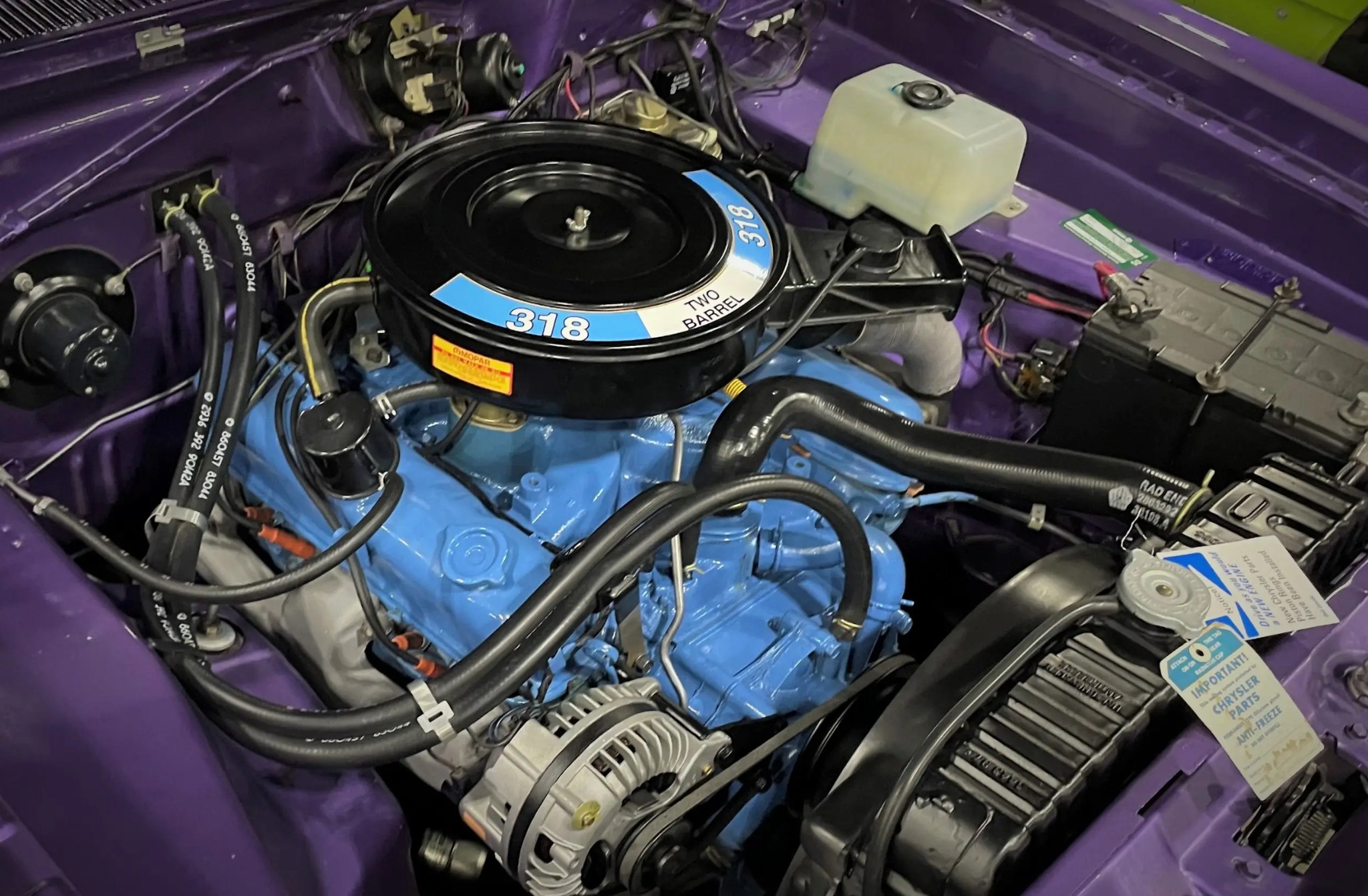
4. Chrysler 318 LA V8 (5.2L)
The Chrysler 318 LA V8 occupies a respected position in American engine history due to its reputation for long service life under demanding working conditions. Introduced during an era when mechanical durability received priority attention, this engine was engineered to deliver dependable operation across trucks, commercial vehicles, and industrial equipment.
Its continued presence in ageing fleets is not accidental, as its construction reflects a design philosophy centred on endurance rather than refinement or high output figures. At the heart of the 318 LA is a full cast-iron engine block that provides substantial resistance to heat-related distortion. Iron casting thickness was intentionally generous, allowing the block to maintain cylinder alignment during prolonged load operation and extended high-temperature use.
This structural rigidity supported consistent piston travel and bearing alignment even when vehicles were subjected to rough roads, heavy payloads, and extended travel distances without rest periods. Early production units benefited from forged steel crankshafts, a feature that strengthened the rotating assembly against torsional stress generated during hauling and towing duties.
Main bearing supports within the engine were designed with durability as a priority. The bearing caps were robustly secured, limiting crankshaft movement under load and preserving oil film stability during sustained operation. This design reduced wear accumulation across journals and bearings, contributing to the engine’s capacity to accumulate high mileage without internal rebuilds when serviced properly.
Oil delivery pathways were uncomplicated and effective, ensuring reliable lubrication even in vehicles operating outside ideal maintenance environments. Vehicles powered by the 318 LA V8 were frequently deployed on uneven surfaces and in remote areas where reliability outweighed performance expectations.
Its ability to maintain steady power delivery during long-distance travel without overheating earned trust among operators who valued consistency above refinement. The engine tolerated prolonged idling, low-speed hauling, and sustained highway driving without exhibiting rapid internal fatigue.
Continued parts availability has supported the engine’s longevity in service. Replacement components remain accessible through aftermarket channels, allowing ageing vehicles to remain operational without prohibitive costs. This accessibility reinforces the engine’s practicality long after production ceased.
Through vehicles produced by Chrysler, the 318 LA demonstrated that conservative engineering choices could produce petrol engines capable of service lives often associated with diesel alternatives.
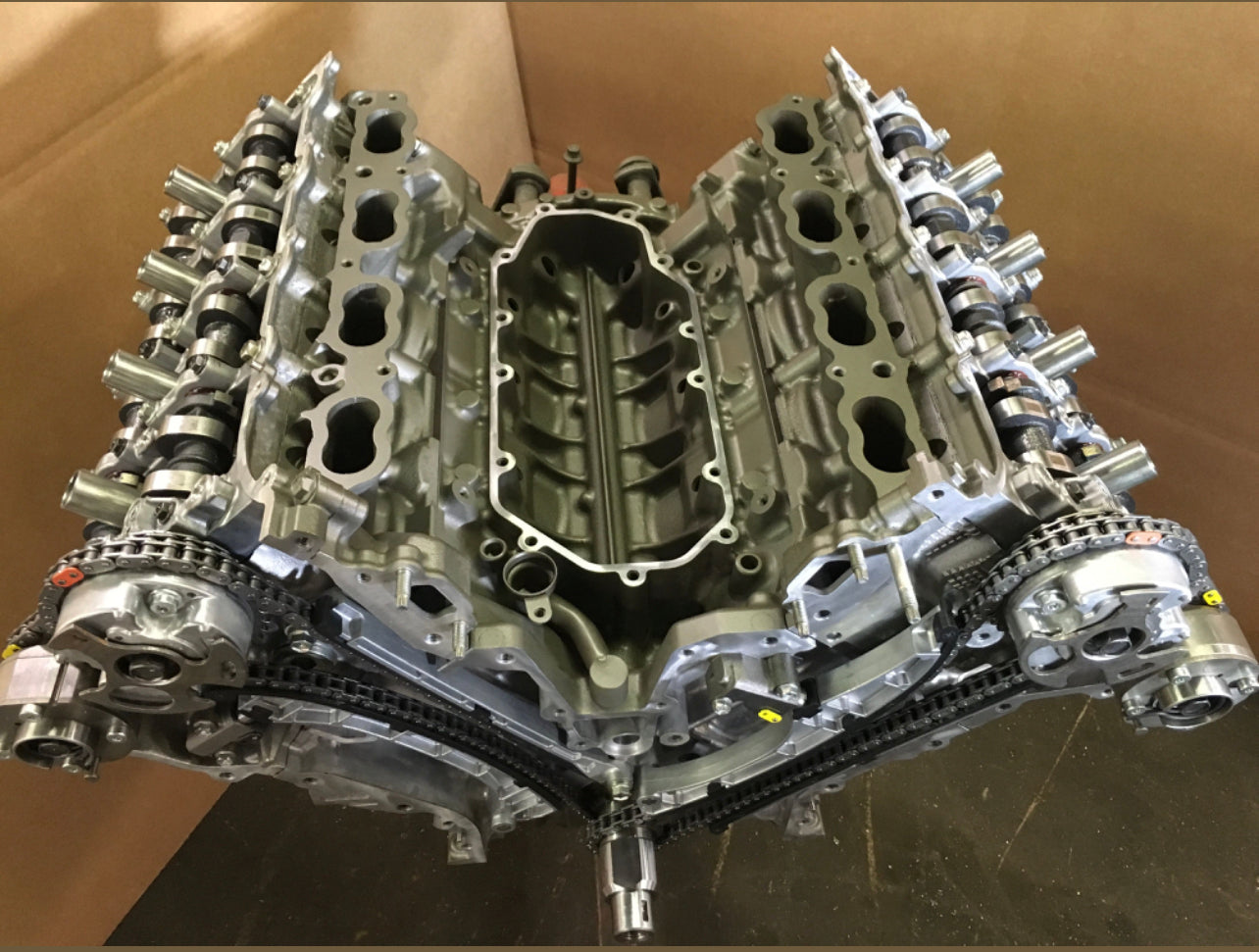
5. Toyota 3UR-FE (5.7L)
The Toyota 3UR-FE V8 was developed to meet the demanding requirements of heavy load transport in large pickup trucks and full-size sport utility vehicles. Designed to operate reliably across varied climate conditions and extended duty cycles, this engine reflects Toyota’s focus on mechanical stability and controlled thermal behaviour.
Its engineering priorities centre on load tolerance, cooling efficiency, and sustained operational reliability rather than short-term performance output. A reinforced engine block forms the foundation of the 3UR-FE. While aluminium is used to manage weight, structural reinforcement is achieved through thick casting sections and iron cylinder liners that preserve bore stability under high combustion pressures.
This arrangement allows the engine to manage sustained towing assignments without distortion that could compromise piston sealing or oil control. Internal cooling passages are carefully routed to distribute heat evenly across the cylinder banks, reducing thermal concentration during prolonged load operation.
The crankshaft and connecting rods are engineered to withstand repeated torque delivery cycles associated with hauling and towing. Forged steel components provide resistance to fatigue under continuous stress, while bearing surfaces are sized to maintain oil film integrity during extended periods of operation.
These elements support stable crankshaft rotation even when the engine operates near its designed load limits for long durations. The engine has proven capable across regions experiencing high ambient temperatures as well as cold climates, where cold start lubrication performance becomes critical.
Consistent oil pressure and cooling system effectiveness contribute to predictable wear patterns, allowing vehicles to accumulate high mileage without internal component failure when serviced correctly. This reliability record has supported deployment in demanding operational roles.
Applications across vehicles produced by Toyota illustrate the engine’s suitability for continuous heavy use. The 3UR-FE demonstrates how petrol V8 engines, when engineered with disciplined thermal management and structural reinforcement, can deliver durability expectations commonly assigned to diesel powerplants.
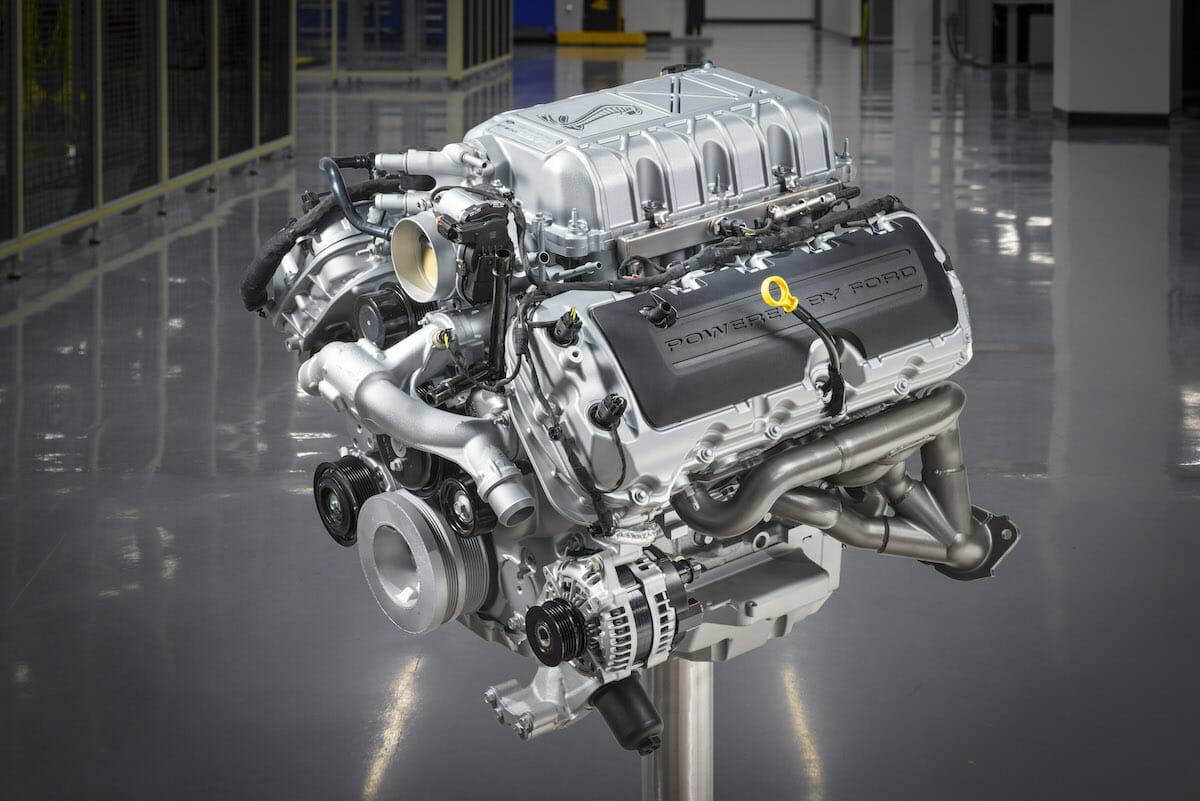
6. Ford Modular 5.4L V8
The Ford Modular 5.4L V8 represents a long-standing approach to engine design focused on shared architecture, structural rigidity, and predictable service behaviour. Developed for use across trucks, utility vans, and work-oriented vehicles, this engine was intended to support long duty cycles rather than intermittent performance demands.
Its construction reflects an emphasis on crankshaft stability, controlled lubrication, and material durability under sustained operating conditions. Depending on the variant, the engine utilises either an aluminium or iron block, both incorporating a deep skirt design that extends below the crankshaft centreline.
This structure forms a rigid lower-end assembly that supports crankshaft alignment during high-load operation. Cross bolted main bearing caps further secure the rotating assembly, limiting flex and preserving oil pressure stability during towing, hauling, and prolonged highway travel.
The crankshaft benefits from consistent bearing support, reducing wear during extended service periods. Oil delivery systems are engineered to maintain flow during varied engine speed operation, supporting both idle-intensive worksite use and continuous high-speed driving.
When oil change schedules are followed and cooling systems are maintained, internal components display controlled wear progression rather than accelerated degradation. Cylinder heads and valve train systems within the 5.4L Modular V8 were designed to manage thermal expansion predictably.
While the layout introduces additional components compared to traditional pushrod designs, adherence to service intervals preserves operational stability. Proper maintenance prevents issues related to lubrication starvation and thermal stress, allowing the engine to fulfil its intended role across demanding work environments.
Fleet operators have relied on this engine across vehicles produced by Ford due to its capacity to sustain long operational hours. Its tolerance for continuous use under load illustrates how petrol engines, when engineered with structural discipline and serviced correctly, can deliver durability figures aligned with heavy-duty expectations.
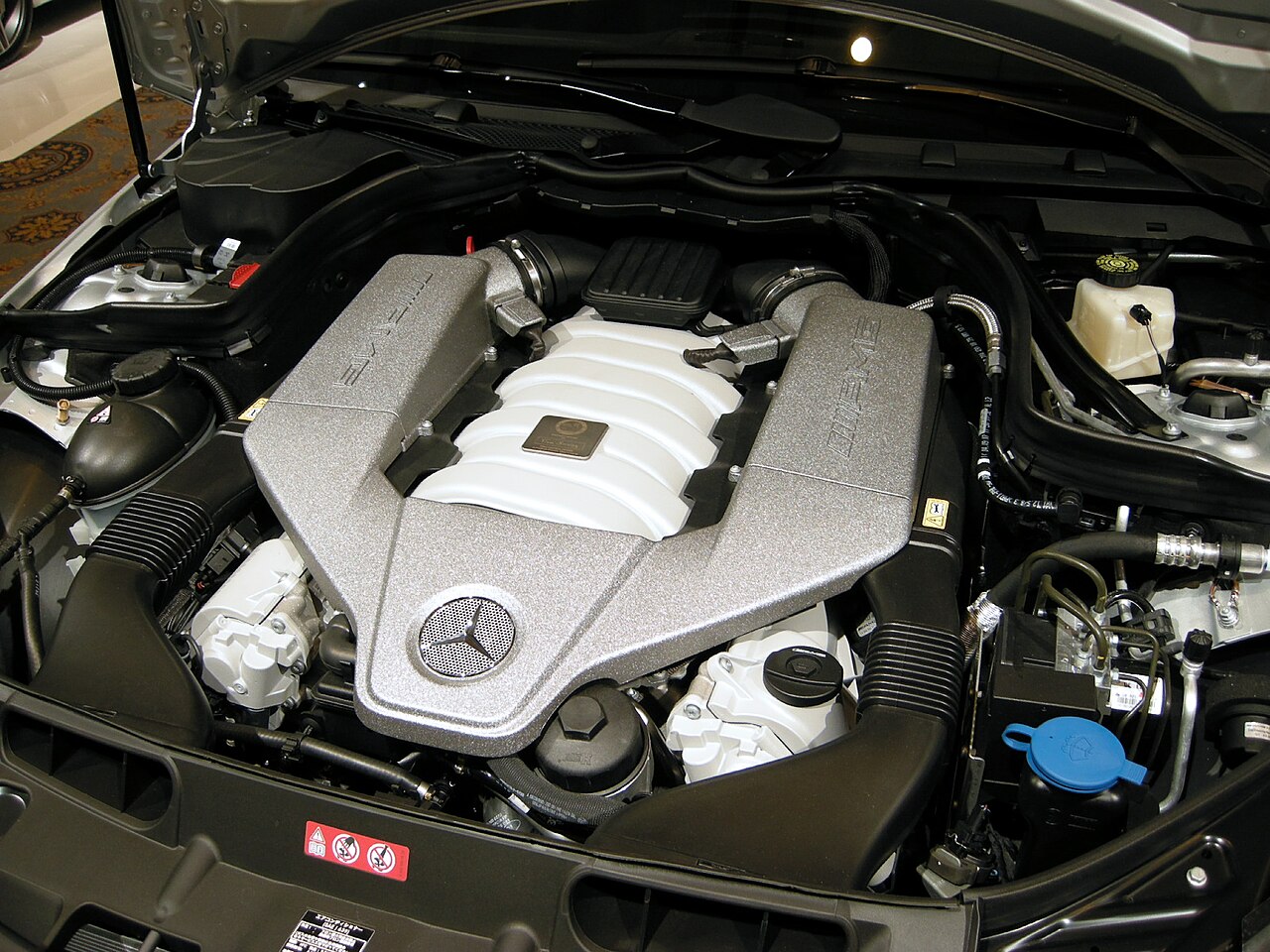
7. Mercedes-Benz M156 6.2L AMG V8
The Mercedes-Benz M156 6.2L AMG V8 represents a period in performance engineering where mechanical strength and durability were given equal priority alongside output. This engine was developed as a naturally aspirated unit at a time when forced induction was becoming more common in high-performance vehicles.
Its construction reflects a deliberate choice to rely on displacement, rotational strength, and material quality rather than auxiliary pressure systems that introduce additional heat and component stress. At the centre of the M156 is an aluminium silicon alloy block produced using a closed deck configuration. This design provides strong cylinder wall support, allowing the engine to maintain bore stability even at very high engine speeds.
The aluminium silicon composition also improves wear resistance between piston rings and cylinder walls, reducing long term degradation when lubrication schedules are maintained. This material choice balances weight reduction with structural integrity, ensuring the block can tolerate sustained high revolutions without distortion. The rotating assembly is built around a forged steel crankshaft designed to withstand continuous high rotational loads.
Forged connecting rods and carefully balanced pistons complete an assembly capable of operating at elevated engine speeds without fatigue. Unlike turbocharged engines that concentrate stress around boost events, the M156 distributes mechanical load more evenly across the operating range. This characteristic supports stable internal behaviour during repeated acceleration cycles and extended spirited driving.
The absence of turbochargers eliminates several common heat-related failure points associated with forced induction systems. There are no turbo bearings, intercoolers, or pressurised intake components to manage. This reduces thermal concentration within the engine bay and simplifies long-term ownership from a mechanical perspective.
Heat management remains focused on the combustion chambers and exhaust system, both of which are designed to handle elevated temperatures reliably. Vehicles equipped with the M156 were positioned as high-performance sedans and coupes produced by Mercedes-Benz.
These vehicles were expected to deliver consistent throttle response, smooth power delivery, and durability under repeated high-speed use. The engine’s ability to combine high rotational capability with structural endurance demonstrates how petrol V8 engines can deliver reliability levels often associated with diesel powerplants when engineered without compromise.
Also Read: 10 Cars With the Strongest Stock Engines Sold Today
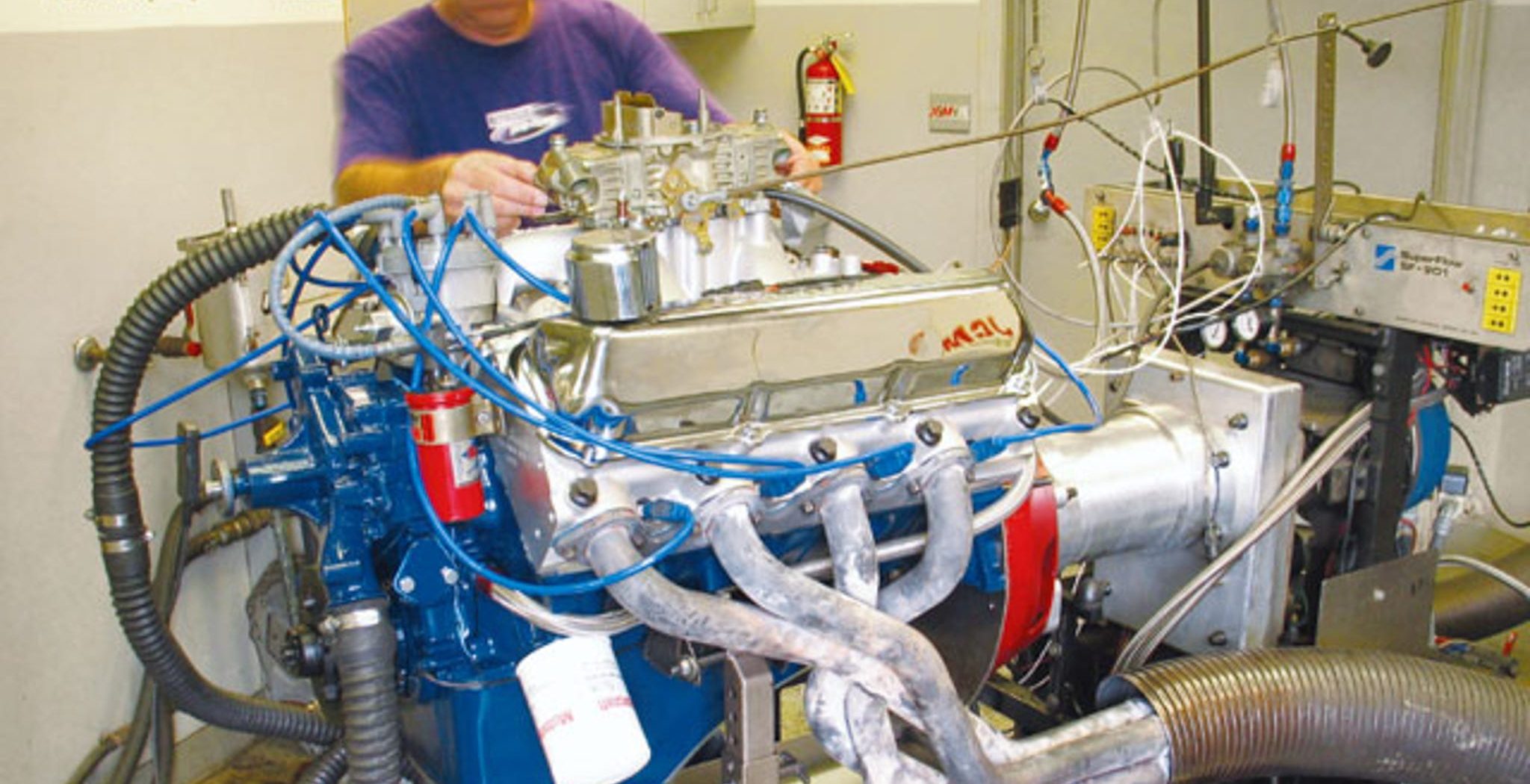
8. Ford 460 Super Cobra Jet 7.5L V8
The Ford 460 Super Cobra Jet 7.5L V8 stands as a clear example of an era where engine durability was achieved through sheer material strength and conservative stress limits. Developed primarily for competitive drag racing use, this engine was built with a level of internal reinforcement that exceeded the requirements of ordinary road vehicles. Its design philosophy prioritised torque delivery, structural rigidity, and sustained operation under extreme load.
The engine block is constructed from heavy cast iron with substantial wall thickness. This provided resistance against cylinder distortion during high combustion pressure events. Large displacement allowed the engine to generate immense torque at low engine speeds, reducing the need for high rotational stress to achieve performance goals.
This characteristic placed the mechanical burden on mass and strength rather than speed, contributing to its ability to endure severe use. Forged pistons were fitted as standard, offering resistance to heat and detonation under aggressive ignition and fuel delivery conditions.
The crankshaft and connecting rods were equally robust, designed to transmit enormous torque loads without flex. Main bearing supports were reinforced to stabilise the crankshaft during hard launches, where instantaneous torque delivery placed extreme stress on the rotating assembly.
A solid lifter camshaft system was employed to ensure precise valve operation under racing conditions. While this system required attentive adjustment, it offered reliability under high load scenarios where hydraulic systems could suffer from control issues. Valve train components were selected to withstand rapid acceleration and deceleration of engine speed without loss of timing accuracy.
Oil cooling was treated as a critical requirement rather than an afterthought. The Super Cobra Jet incorporated heavy-duty oil cooling arrangements to maintain lubrication integrity during sustained high-load operation. Oil temperature control preserved bearing surfaces and reduced viscosity breakdown during prolonged runs, allowing the engine to survive conditions that would overwhelm lighter-duty designs.
The immense torque output of the 460 Super Cobra Jet was known to place strain on surrounding vehicle structures during hard acceleration. Chassis reinforcement was often required to manage the force transmitted through the drivetrain. This reality underscored the internal strength of the engine itself, as failure points frequently appeared outside the engine rather than within it.
Applications extended beyond drag racing into industrial and heavy-duty roles where raw pulling force and mechanical endurance were required. Engines produced by Ford during this period reflected a manufacturing approach where durability was achieved through material excess and conservative design margins.
The Super Cobra Jet remains an illustration of how petrol V8 engines, when built without restraint, can rival or exceed diesel engines in structural endurance.
