The electric vehicle market has changed dramatically over the past few years. While EVs were once known for exceptionally strong resale values due to limited supply and growing consumer demand, 2025 became a very different story.
Increased production, aggressive manufacturer discounts, rapid technology improvements, and fierce competition combined to create one of the toughest depreciation environments the EV segment has ever experienced.
For many buyers, falling used EV prices created excellent opportunities. Shoppers could purchase relatively modern electric vehicles with advanced safety features, strong performance, and respectable driving range at prices that would have seemed impossible only a few years earlier.
For original owners, however, the situation was often less encouraging. Vehicles that commanded premium prices when new experienced substantial declines in market value as newer models arrived with better batteries, faster charging capabilities, and improved software.
Another factor influencing depreciation was the growing number of EV choices available to consumers. Early adopters once had only a handful of electric vehicles to consider.
By 2025, buyers could choose from compact hatchbacks, luxury sedans, pickup trucks, crossovers, and high-performance models from dozens of manufacturers. This increased competition placed downward pressure on used vehicle prices across much of the industry.
Government incentives also played an important role. In some markets, new EVs qualified for tax credits and rebates that significantly reduced transaction prices. As a result, used models often had to be discounted further to remain attractive compared to brand-new alternatives.
Not every electric vehicle suffered severe depreciation. Some maintained strong demand because of brand loyalty, proven reliability, or unique market positioning. Others experienced dramatic value losses that surprised owners and analysts alike.
The following seven EVs became some of the most notable examples of depreciation in 2025. While each remains capable in different ways, they experienced substantial declines in resale value compared with their original purchase prices.
Also Read: 8 Things Driver’s Ed Never Taught You About Modern Cars
1. Tesla Model S
Few electric vehicles have had a greater influence on the automotive industry than the Tesla Model S. When it first arrived, it completely changed public perception of EVs by proving that an electric sedan could be fast, luxurious, technologically advanced, and practical for everyday driving.
For years, the Model S maintained impressive resale values because demand consistently outpaced supply. That situation changed significantly by 2025.
One major reason behind the Model S depreciation was Tesla’s own pricing strategy. The company repeatedly adjusted new vehicle prices, sometimes by substantial amounts.
These reductions immediately affected used market values because buyers could obtain brand-new cars for far less than previous customers had paid. Existing owners suddenly found themselves competing against discounted new inventory.
Technology also played a role. Tesla has historically updated its vehicles at a rapid pace. Improvements in battery performance, software capabilities, charging efficiency, and driving range made older examples feel less competitive compared to newer versions.
While a five-year-old luxury sedan might traditionally retain strong appeal, EV buyers often place greater importance on the latest battery and charging technology.
Another challenge came from increased competition. During the Model S’s early years, very few vehicles offered comparable performance and range. By 2025, luxury EV shoppers had numerous alternatives from established premium manufacturers.
This broader selection diluted demand for older Model S examples and contributed to declining resale values.
Depreciation was especially noticeable among high-mileage vehicles. Prospective buyers became increasingly focused on battery condition, warranty coverage, and long-term maintenance costs. Even though many Model S vehicles have demonstrated impressive durability, uncertainty surrounding aging battery systems influenced market pricing.
The luxury sedan segment itself also faced pressure. Consumer preferences continued shifting toward crossovers and SUVs, reducing demand for traditional sedans. As a result, the Model S experienced depreciation pressures from both the broader luxury market and the rapidly evolving EV sector.
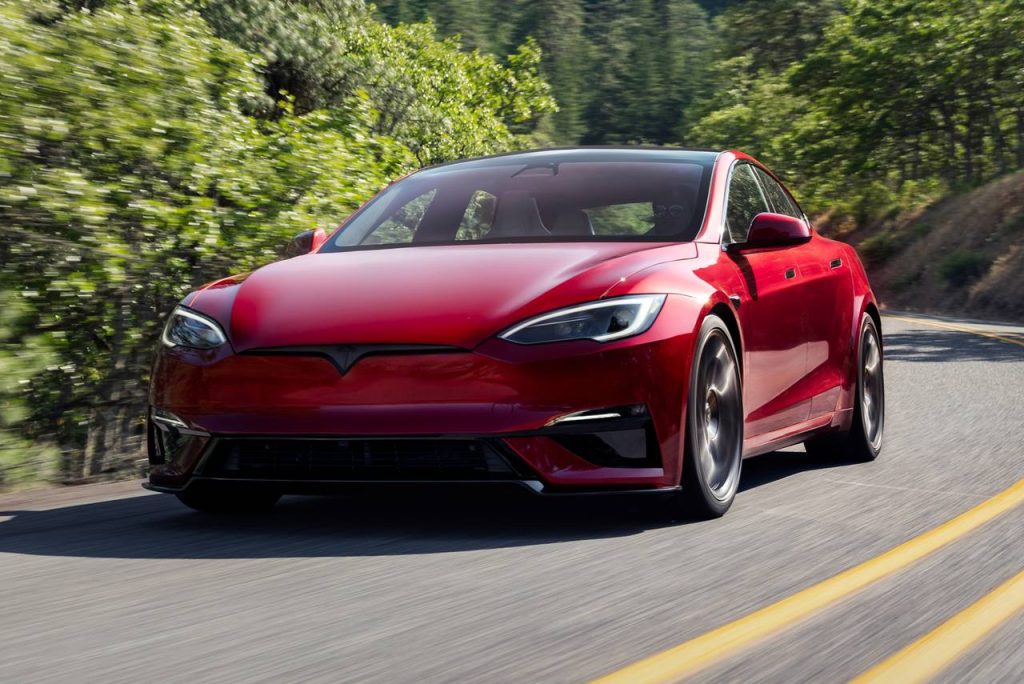
Despite these value declines, the Model S remains an impressive vehicle. Its acceleration, interior space, charging network access, and technological features continue to attract enthusiasts.
For used buyers, falling prices have transformed the Model S into a more accessible entry point into premium electric motoring. For original owners, however, 2025 highlighted just how quickly values can change in a technology-driven automotive segment.
Specifications
- Engine: Dual Motor Electric Powertrain
- Torque: Up to 1,050 lb-ft
- Horsepower: Up to 1,020 hp
- Length/Width: 197.7 in / 78.2 in
2. Porsche Taycan
Luxury performance vehicles often experience significant depreciation, but the Porsche Taycan’s decline during 2025 attracted particular attention because of its premium positioning and exceptional engineering.
Widely praised for its handling, build quality, and driving dynamics, the Taycan remains one of the most engaging electric vehicles ever produced. Yet even strong critical acclaim could not prevent substantial losses in resale value.
The Taycan entered the market carrying a high purchase price. Many examples were equipped with expensive options that pushed transaction costs far beyond the base model’s sticker price.
While these upgrades enhanced ownership satisfaction, they rarely translated into equivalent value retention on the used market. Buyers shopping for pre-owned vehicles often prioritize affordability rather than highly customized configurations.
A different factor affecting depreciation involved the pace of EV development. Battery technology advanced rapidly across the industry, and newer electric vehicles frequently arrived with improved range figures and charging performance.
Although the Taycan continued to deliver excellent real-world capability, used vehicle shoppers often compared it against newer products offering greater efficiency or lower prices.
The luxury EV marketplace also became increasingly crowded. Manufacturers that once lagged behind Tesla entered the segment with compelling alternatives. Consumers suddenly had access to a wider range of premium electric sedans and crossovers, creating more competition for used Taycan inventory.
Lease returns added another layer of pressure. Many premium vehicles enter the secondary market after completing lease terms. As larger numbers of Taycans became available, supply increased while demand remained relatively stable. Basic economics then pushed transaction prices lower.
Interestingly, the Taycan’s depreciation did not necessarily reflect dissatisfaction among owners. Many drivers continued praising its steering precision, interior craftsmanship, and performance credentials. Instead, the decline reflected broader market forces affecting expensive EVs throughout 2025.
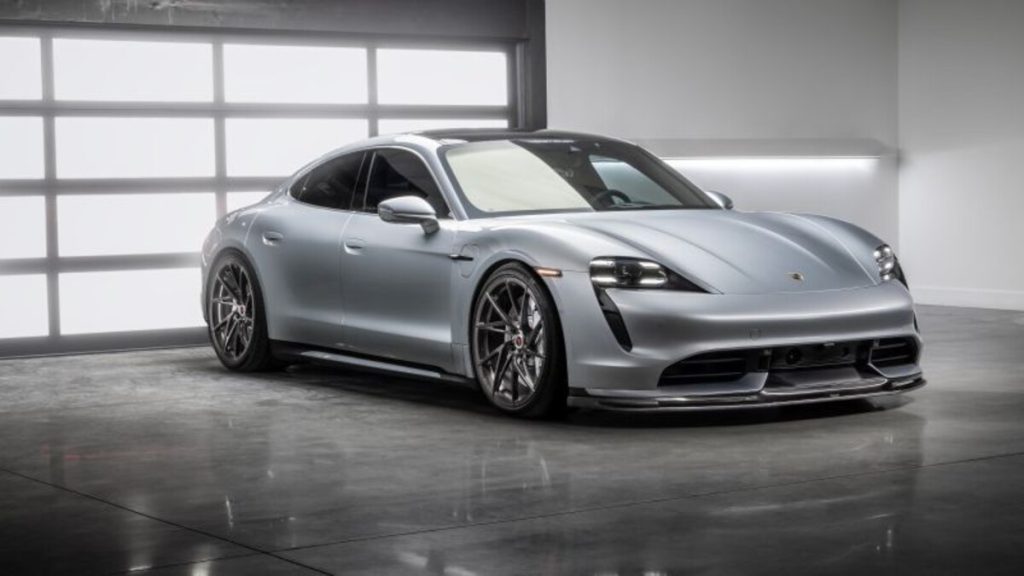
Potential buyers often viewed depreciation differently from existing owners. Someone purchasing a new Taycan at launch could face a significant value drop within a few years. A used buyer entering the market later could acquire a sophisticated performance EV at a dramatically reduced price, creating an entirely different ownership equation.
The result was one of the most striking examples of luxury EV depreciation during 2025. While the Taycan retained its reputation as a world-class electric sports sedan, its market value moved sharply downward as the EV landscape became increasingly competitive.
Specifications
- Engine: Dual Motor Electric Powertrain
- Torque: Up to 774 lb-ft
- Horsepower: Up to 750 hp
- Length/Width: 195.4 in / 77.4 in
3. Audi e-tron SUV
Long before Audi introduced the Q8 e-tron name, the original e-tron SUV represented the brand’s first major push into the modern electric vehicle market. It arrived with the refinement buyers expected from Audi, featuring a quiet cabin, excellent ride quality, premium materials, and impressive highway comfort.
Early reviews praised the vehicle’s luxurious character, and many owners appreciated how seamlessly it transitioned traditional luxury SUV customers into EV ownership. Despite those strengths, the e-tron SUV became one of the most affected electric vehicles by depreciation in 2025.
Unlike some EVs that were marketed primarily around acceleration or futuristic technology, the e-tron emphasized comfort and sophistication. While that strategy appealed to luxury buyers, it also created challenges in the used market.
As newer electric SUVs arrived with longer driving ranges and more advanced battery systems, older e-trons began looking less competitive on paper. Many shoppers focused heavily on range numbers, often overlooking the vehicle’s other qualities.
A significant contributor to falling values was the pace of technological progress within the EV industry. When the e-tron launched, its battery capacity and charging capabilities were respectable.
A few years later, competitors were offering a substantially greater range while sometimes costing less. This shift altered consumer expectations and reduced demand for earlier electric SUVs.
Depreciation was further accelerated by the vehicle’s original pricing. Luxury vehicles traditionally experience steeper value declines because their initial purchase prices include premium branding, upscale materials, and advanced features.
Once these vehicles enter the used market, buyers often become more price-conscious. The result is a sharper drop in resale value compared with mainstream models.
Another influence came from expanding competition. By 2025, luxury EV shoppers could choose from numerous alternatives produced by German, American, Korean, and Chinese manufacturers. The growing number of options meant used e-trons had to compete aggressively on price to attract buyers.
Interestingly, many owners remained highly satisfied with their vehicles despite the depreciation. The e-tron’s quiet ride, strong build quality, and comfortable seating continued to earn praise. For daily commuting and long highway journeys, it remained a highly capable electric SUV.
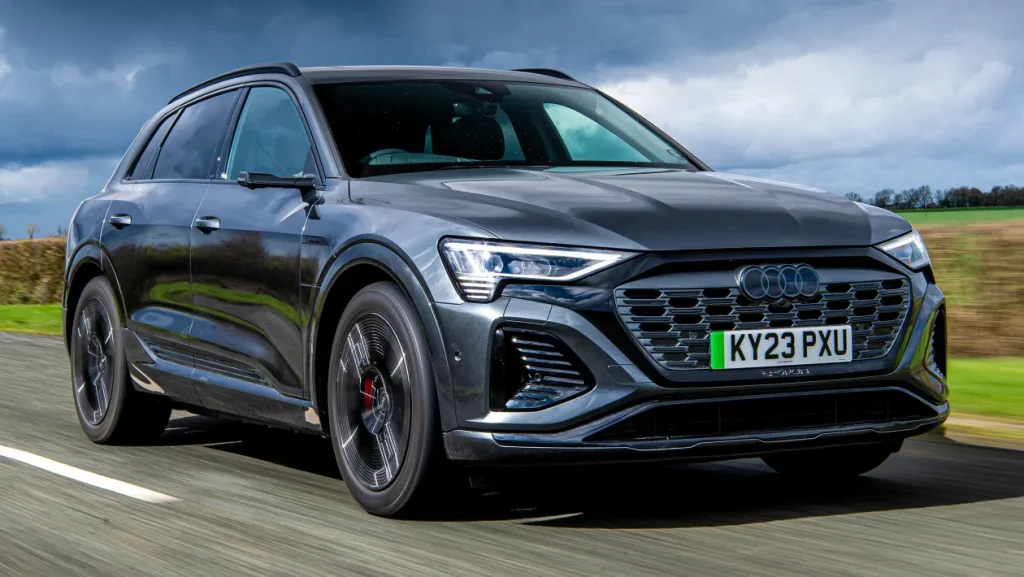
From a buyer’s perspective, falling values created an opportunity. A vehicle that once carried a premium price tag became accessible to a much larger audience. For original owners, however, the depreciation served as a reminder that first-generation luxury EVs often face unique market pressures as technology evolves.
Even with substantial value losses during 2025, the Audi e-tron SUV remained a refined and desirable electric vehicle. Its declining resale value reflected changing market dynamics more than shortcomings in the vehicle itself.
Specifications
- Engine: Dual Motor Electric Powertrain
- Torque: 490 lb ft
- Horsepower: 355 hp
- Length/Width: 193.0 in / 76.3 in
4. Jaguar I-PACE
The Jaguar I-PACE entered the electric vehicle market with considerable momentum. It quickly attracted attention for combining distinctive styling, sporty handling, premium materials, and strong performance.
In fact, many automotive journalists considered it one of the most complete electric vehicles available during its early years. It earned prestigious awards and demonstrated that traditional luxury brands could build compelling EVs.
Yet by 2025, it had become one of the clearest examples of dramatic depreciation within the electric vehicle segment.
One reason for the decline involved market visibility. Jaguar’s EV never achieved the same sales volume or public recognition as rivals from Tesla or major German manufacturers.
Lower brand presence in the EV space limited demand in the used market, particularly among buyers seeking established electric vehicle ecosystems and extensive charging support networks.
The I-PACE also faced challenges stemming from rapid advances in battery technology. Vehicles introduced just a few years later often provided longer driving ranges, improved charging speeds, and more advanced software integration.
Used buyers frequently compared specifications before making purchasing decisions, placing older models at a disadvantage despite their premium driving experience.
Unlike some competitors that received frequent hardware and software updates, the I-PACE evolved at a slower pace. As newer electric vehicles entered the market with increasingly sophisticated features, consumer attention shifted elsewhere. This reduced demand contributed directly to lower resale values.
The luxury crossover category itself became intensely competitive. Buyers could choose from a growing list of alternatives across multiple price points.
When supply increases, and consumer attention spreads among numerous models, depreciation tends to accelerate. The i-PACE found itself competing not only against new EVs but also against heavily discounted used examples from other luxury brands.
There was also the issue of the original purchase price. Vehicles that begin life with premium pricing often have more room to fall. Once warranty coverage starts shrinking and newer competitors appear, secondhand shoppers expect significant discounts before committing to ownership.
Despite its depreciation, the I-PACE retained many qualities that originally made it successful. Its handling characteristics remained among the best in the electric SUV segment. The cabin continued to feel upscale, and acceleration remained impressively strong even by modern EV standards.
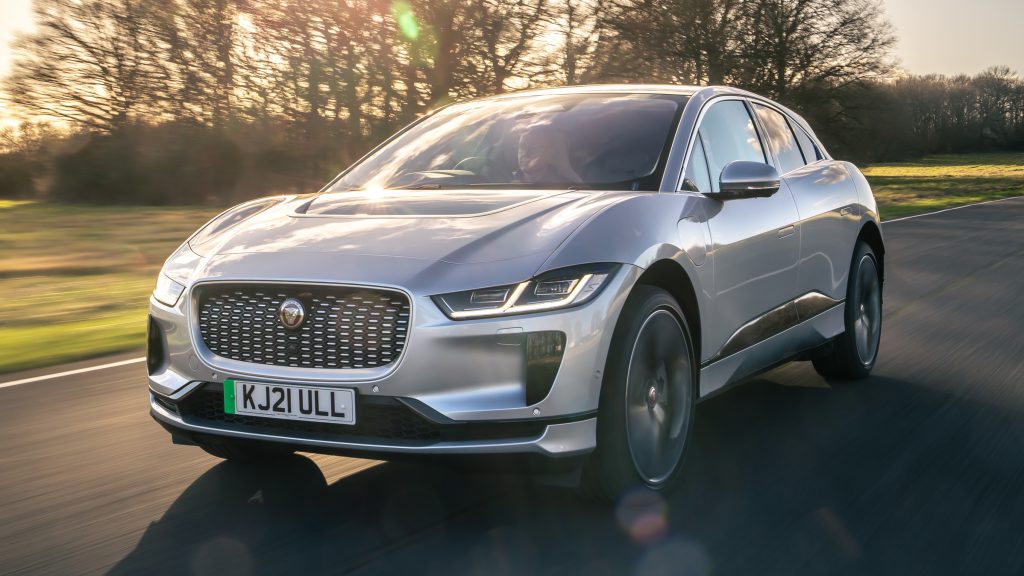
For used buyers in 2025, the vehicle represented one of the most interesting bargains in the premium electric market. What was once an expensive luxury EV could now be acquired for a fraction of its original cost. That dramatic shift explains why the I-PACE consistently appeared on lists of electric vehicles experiencing the largest value declines.
While depreciation hurt early owners, it simultaneously transformed the I-PACE into an attractive proposition for shoppers seeking luxury EV performance without paying luxury EV new car prices.
Specifications
- Engine: Dual Motor Electric Powertrain
- Torque: 512 lb ft
- Horsepower: 394 hp
- Length/Width: 184.3 in / 79.0 in
5. Mercedes-Benz EQS Sedan
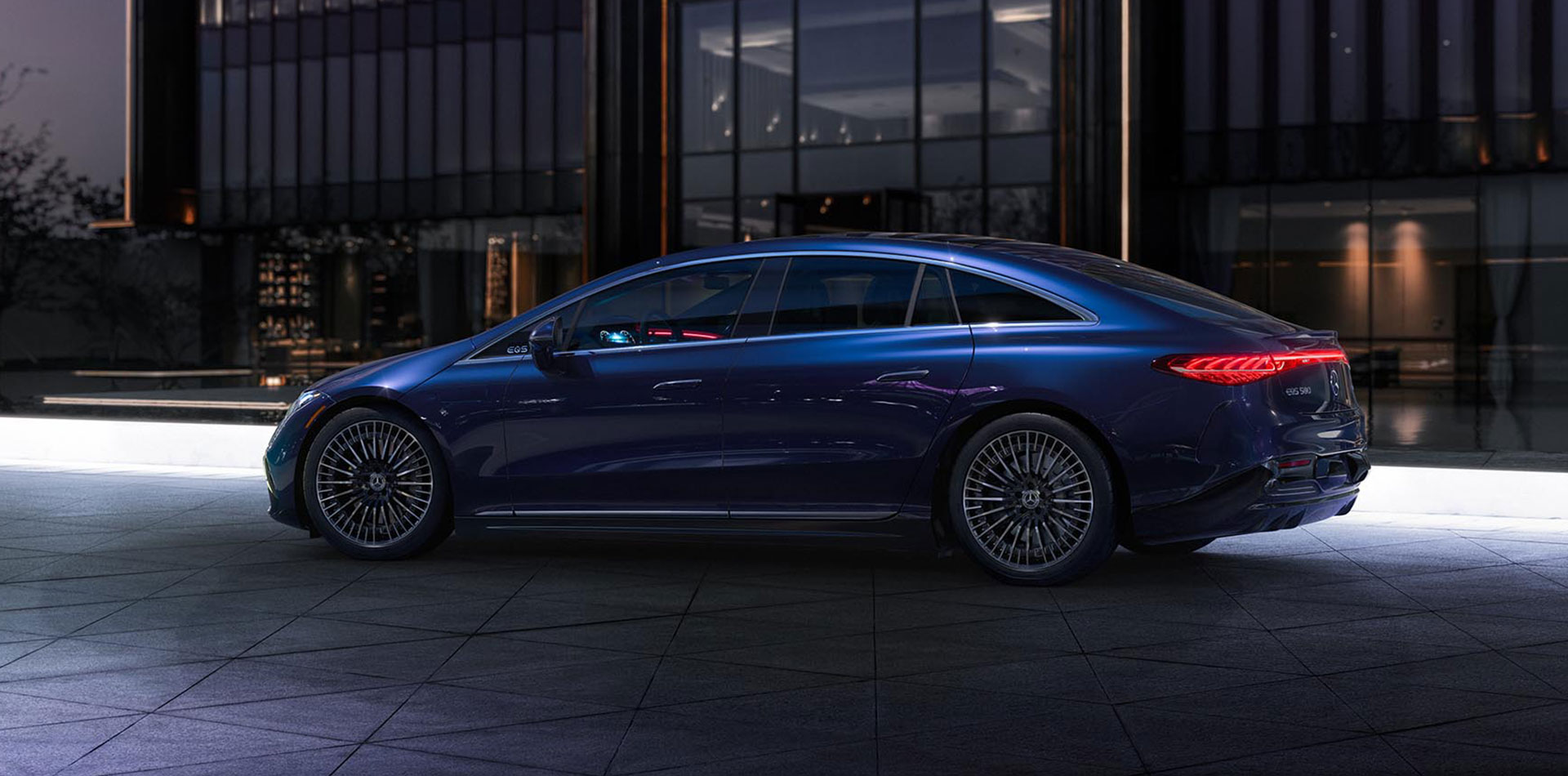
When Mercedes-Benz revealed the EQS, it was presented as the electric flagship that would define the company’s future. The vehicle arrived with extraordinary expectations because it effectively served as the battery-powered counterpart to the legendary S-Class.
Buyers expected cutting-edge technology, exceptional comfort, advanced driver assistance systems, and the highest level of luxury the brand could offer. The EQS delivered many of those qualities, yet it also became one of the EVs that experienced substantial depreciation during 2025.
The first challenge stemmed from its original pricing. Many EQS models entered the market carrying six-figure price tags, especially when equipped with desirable options and premium packages.
Luxury vehicles often lose value more rapidly than mainstream automobiles because the pool of second-hand buyers is considerably smaller. When a vehicle starts at such a high price point, even moderate percentage declines translate into enormous dollar losses.
Another factor involved changing buyer preferences. While luxury sedans continue to attract devoted customers, the market has shifted heavily toward premium SUVs and crossovers.
This trend affected the EQS because many affluent buyers preferred electric SUVs offering similar technology with a higher seating position and greater practicality. Reduced demand naturally placed pressure on used sedan values.
Technology advancement also played a significant role. The electric vehicle market evolves at a remarkable pace. Features considered groundbreaking just a few years earlier quickly become standard industry offerings.
Although the EQS remained technologically sophisticated, newer competitors arrived with improved software, updated battery systems, and fresh designs that captured consumer attention.
The vehicle’s styling generated mixed reactions as well. Some buyers appreciated its aerodynamic shape and futuristic appearance, while others preferred the more traditional proportions associated with classic Mercedes luxury sedans.
Since resale values are heavily influenced by demand, divided opinions regarding design can affect market performance over time.
An interesting aspect of the EQS depreciation story is that owner satisfaction generally remained high. Many drivers praised the vehicle’s ride quality, interior refinement, and near-silent operation.
Long-distance travel was particularly impressive thanks to the vehicle’s comfortable seating and substantial driving range. The depreciation was therefore not primarily driven by dissatisfaction but rather by broader market conditions.
Lease returns added additional inventory to the used market during 2025. As more examples became available, sellers competed more aggressively for buyers. Increased supply contributed to lower transaction prices and accelerated depreciation trends.
For shoppers entering the used market, the situation created a rare opportunity. A vehicle originally positioned at the top of the luxury EV segment suddenly became attainable at a significantly lower cost. Buyers gained access to flagship Mercedes technology without paying flagship Mercedes prices.
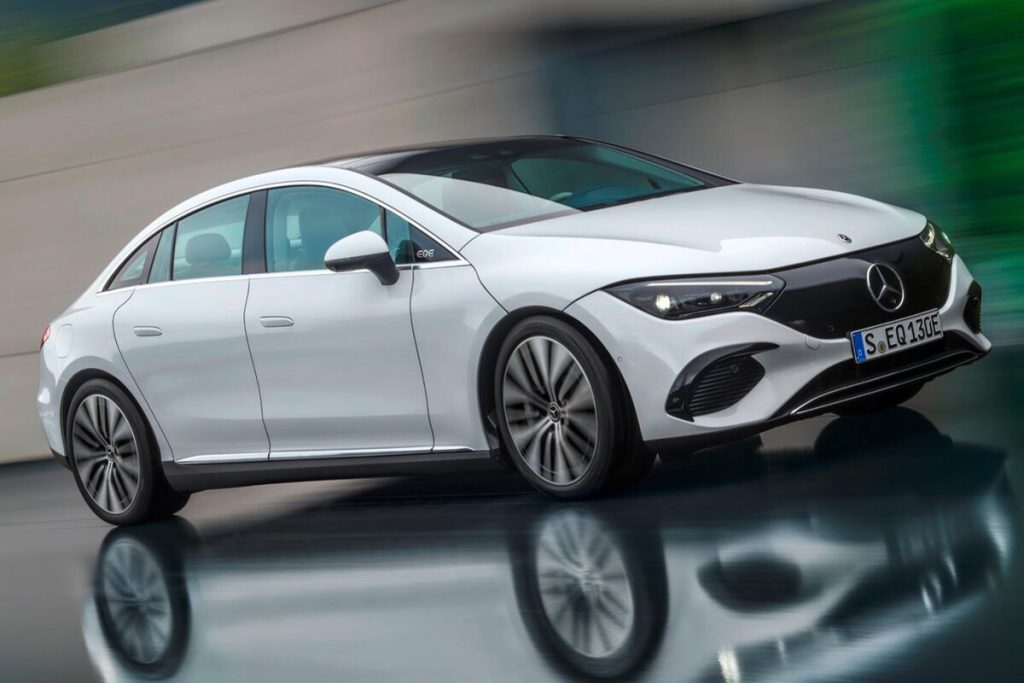
The EQS remains a showcase of engineering and luxury. Nevertheless, its experience during 2025 demonstrated how even prestigious brands are not immune to the powerful depreciation forces affecting modern electric vehicles.
Specifications
- Engine: Dual Motor Electric Powertrain
- Torque: Up to 633 lb ft
- Horsepower: Up to 516 hp
- Length/Width: 205.4 in / 75.8 in
6. Nissan LEAF
The Nissan LEAF occupies a unique place in automotive history because it helped bring electric vehicles into the mainstream long before most competitors entered the segment.
Millions of consumers were introduced to EV ownership through the LEAF, and its importance in the industry’s development cannot be overstated. Yet despite its pioneering status, the LEAF became one of the electric vehicles most heavily affected by depreciation in 2025.
Unlike luxury EVs that lost value from extremely high starting prices, the LEAF’s depreciation story followed a different path. The vehicle was designed to provide affordable electric transportation, and newer generations of EVs gradually surpassed it in several key areas.
As range expectations increased throughout the industry, older LEAF models began to appear less competitive compared with newer alternatives.
Battery technology played a central role in this situation. Early LEAF models became known for experiencing battery degradation at varying rates depending on climate and usage patterns.
Although many owners enjoyed years of reliable service, concerns regarding long-term battery health influenced buyer confidence in the used market. Prospective purchasers often paid close attention to battery condition before considering a purchase.
The EV marketplace also changed dramatically. During the LEAF’s early years, consumers had relatively few electric options. By 2025, buyers could choose from dozens of vehicles offering greater range, faster charging, and more advanced technology. Increased competition naturally affected demand for older models.
One of the most significant influences on resale values involved pricing pressure from new vehicles. Government incentives and manufacturer discounts reduced the cost of many brand-new EVs. Used LEAF models, therefore,e needed to become even more affordable to remain attractive to budget-conscious shoppers.
Consumer expectations evolved as well. Features that once impressed buyers, such as moderate driving range and basic charging capability, were no longer sufficient to stand out in a crowded market.
Modern EV buyers increasingly expect long-range batteries, rapid charging speeds, sophisticated infotainment systems, and advanced driver assistance technology.
Despite these challenges, the LEAF retained important strengths. It remained inexpensive to operate, easy to drive, and practical for urban commuting.
Many owners appreciated its simplicity and dependable daily usability. In cities and suburban areas where long-distance travel was not a priority, the LEAF continued serving its purpose effectively.
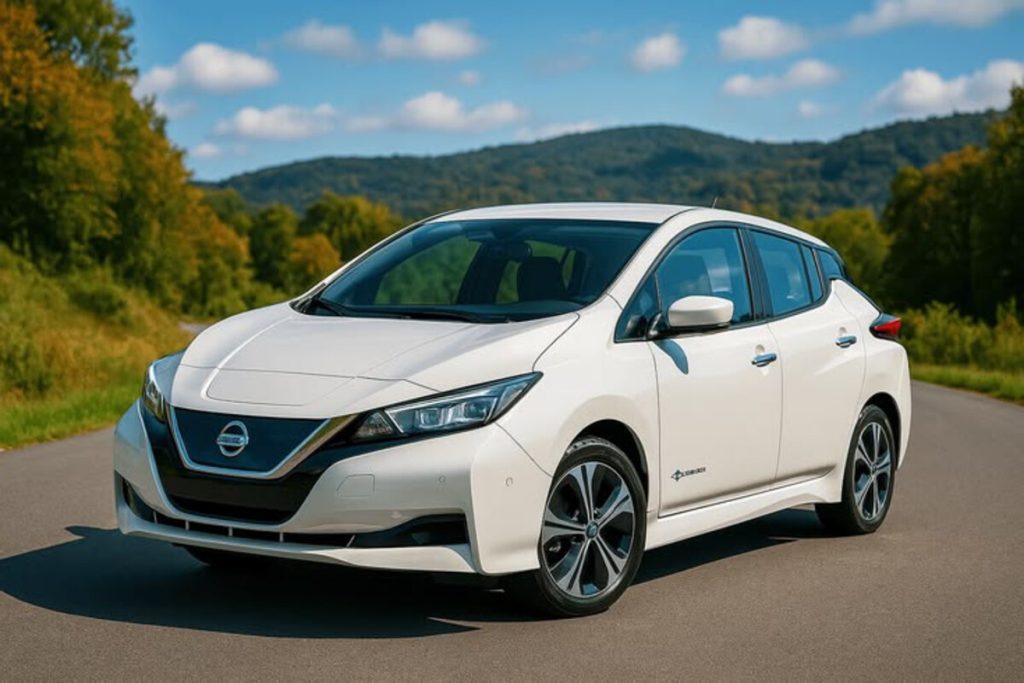
The vehicle’s depreciation was therefore less about poor quality and more about changing market expectations. What was once a revolutionary electric car eventually faced competition from products benefiting from years of technological advancement.
For used car shoppers, declining prices transformed the LEAF into one of the most affordable entry points into EV ownership. Buyers willing to accept its limitations often found tremendous value. For original owners, however, the sharp reduction in resale value made it one of the most notable depreciation stories of 2025.
Specifications
- Engine: Single Motor Electric Powertrain
- Torque: 250 lb ft
- Horsepower: 214 hp
- Length/Width: 176.4 in / 70.5 in
7. Hyundai Kona Electric
The Hyundai Kona Electric entered the market as one of the most practical and well-rounded electric vehicles available to mainstream buyers. It combined respectable driving range, compact dimensions, low operating costs, and a relatively affordable purchase price.
Many reviewers praised Hyundai for creating an EV that felt approachable rather than experimental. The Kona Electric quickly gained popularity among commuters and families seeking a realistic transition from gasoline-powered transportation.
Despite these strengths, it became one of the electric vehicles that experienced notable depreciation during 2025.
What makes the Kona Electric’s value decline particularly interesting is that the vehicle itself remained highly capable. Unlike some EVs that suffered from weak demand due to performance concerns, the Kona Electric continued to offer a useful balance of efficiency and practicality.
The depreciation was largely a reflection of broader market conditions rather than a fundamental flaw in the vehicle.
One major factor was the rapid expansion of the affordable EV segment. When the Kona Electric first arrived, relatively few competitors could match its combination of range and price.
By 2025, consumers will have access to a far larger selection of electric crossovers and compact SUVs. Increased competition gave buyers more choices and reduced the pricing power of used Kona Electric models.
Hyundai’s own progress also contributed to the situation. Newer electric vehicles from the manufacturer featured updated battery technology, more advanced software systems, faster charging capabilities, and improved interior designs. As these newer products entered showrooms, some buyers shifted their attention away from earlier Kona Electric models.
The availability of incentives on new EVs created additional pressure. When government rebates and manufacturer discounts lowered the effective cost of brand-new electric vehicles, used examples needed to become significantly cheaper to attract interest. This dynamic affected many mainstream EVs during 2025, and the Kona Electric was no exception.
Consumer expectations continued evolving as well. A few years earlier, the Kona Electric’s range figures were considered highly competitive. By 2025, many new electric vehicles will offer greater range while also delivering improved charging performance.
Buyers comparing specifications often favored the latest products, even if the real-world differences were smaller than they appeared on paper.
Another contributor involved supply growth in the used market. More lease returns and trade-ins increased the number of available vehicles. As inventory expanded, sellers frequently adjusted prices downward to remain competitive. This process accelerated depreciation and pushed market values lower than many owners anticipated.
Yet the Kona Electric retained numerous advantages. It remained easy to park, economical to operate, and efficient in daily driving. Reliability ratings generally remained favorable, and owners often praised the vehicle’s practical nature. For many households, it continued to provide everything needed from an electric crossover.
From a used buyer’s perspective, the depreciation story was actually good news. Vehicles that once commanded strong prices became much more affordable, allowing a larger group of consumers to enter EV ownership.
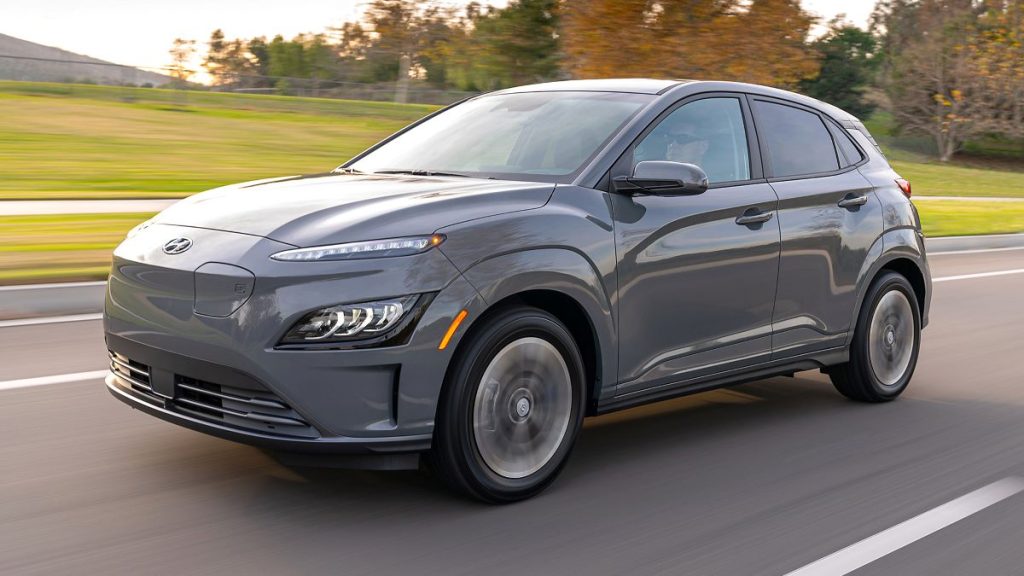
The Kona Electric, therefore,e illustrates one of the central themes of the 2025 market: rapid value declines created challenges for sellers but opened significant opportunities for buyers.
Although it ranked among the EVs that lost substantial value during the year, the Kona Electric remained a sensible and capable vehicle. Its depreciation reflected the extraordinary pace of change within the electric vehicle industry rather than any major weakness in the product itself.
Specifications
- Engine: Single Motor Electric Powertrain
- Torque: 291 lb ft
- Horsepower: 201 hp
- Length/Width: 166.0 in / 70.9 in
Also Read: 10 Hidden Features in Hyundai Cars That Add Real Value