

Many vehicle owners see 50,000 miles as a comfortable middle ground. Their car is no longer new, but it still feels far from old. The engine starts every morning, the transmission shifts smoothly, and there may be no warning lights on the dashboard.
Because everything appears normal, this mileage milestone is often overlooked. Yet experienced mechanics know that 50,000 miles is one of the most important points in a vehicle’s life when preventive maintenance can save owners thousands of dollars later.
Modern vehicles are engineered to last longer than ever before. It is no longer unusual to see cars, trucks, and SUVs surpass 200,000 miles. However, longevity rarely happens by accident. The vehicles that reach high mileage with minimal repairs are usually the ones that receive proper maintenance before problems develop.
At around 50,000 miles, several fluids, filters, and wear-related components begin approaching a stage where attention becomes increasingly valuable.
While some parts may still function adequately, they may no longer provide the same level of protection they offered when new. Waiting until symptoms appear can turn a simple service appointment into a costly repair visit.
The financial difference can be dramatic. Replacing transmission fluid is far less expensive than replacing a transmission. Servicing the cooling system costs much less than repairing an overheated engine.
Addressing brake wear early often prevents damage to rotors and calipers. These examples demonstrate why preventive maintenance remains one of the smartest investments a vehicle owner can make.
Another benefit of timely service is peace of mind. Drivers who stay ahead of maintenance schedules are less likely to experience unexpected breakdowns, expensive towing bills, or inconvenient repair delays. Their vehicles typically deliver better reliability, stronger fuel economy, and improved long-term value.
The following six service tasks stand out as particularly important around the 50,000-mile mark. None of them is a glamorous upgrade, but each has the potential to prevent costly repairs and extend the life of a vehicle.
For owners hoping to maximize reliability while minimizing expenses, these maintenance procedures deserve serious attention.
Also Read: 8 Things Driver’s Ed Never Taught You About Modern Cars
1. Engine Oil System Service and Internal Engine Inspection
Among all maintenance procedures performed throughout a vehicle’s life, engine oil service remains the most important. By the time a vehicle reaches 50,000 miles, the engine has completed millions of combustion cycles, and countless moving parts have relied on a steady supply of clean lubrication.
While routine oil changes should already be part of ownership, the 50,000-mile mark presents an opportunity to perform a more comprehensive evaluation of engine health.
Engine oil performs far more functions than many drivers realize. In addition to lubrication, it helps cool internal components, suspend contaminants, reduce friction, prevent corrosion, and protect critical engine surfaces from premature wear.
Every mile driven places demands on the oil and filter system. Even with regular maintenance, deposits can gradually accumulate, and internal components begin showing signs of age.
At this stage, a complete oil service should include more than simply draining old oil and replacing the filter. Technicians often inspect for leaks around valve covers, oil pans, timing covers, and seals. They may also evaluate the oil condition for signs of excessive contamination or abnormal engine wear.
One of the biggest advantages of a thorough inspection is early detection. Minor oil leaks can often be repaired inexpensively when caught early.
Left unattended, however, they may worsen and lead to oil starvation, gasket failures, or contamination of surrounding components. Small issues discovered at 50,000 miles frequently prevent major repairs later.
Modern engines also rely heavily on precise oil flow for systems such as variable valve timing and turbocharger lubrication. These technologies improve performance and efficiency but depend on clean oil operating within proper specifications. Neglecting maintenance can affect their operation and accelerate wear.
Driving habits influence oil condition as well. Vehicles used primarily for short trips may accumulate moisture and fuel dilution within the oil.
Heavy towing, high temperatures, and stop-and-go traffic create additional stress. A professional inspection helps determine whether maintenance intervals should be adjusted to match actual operating conditions.
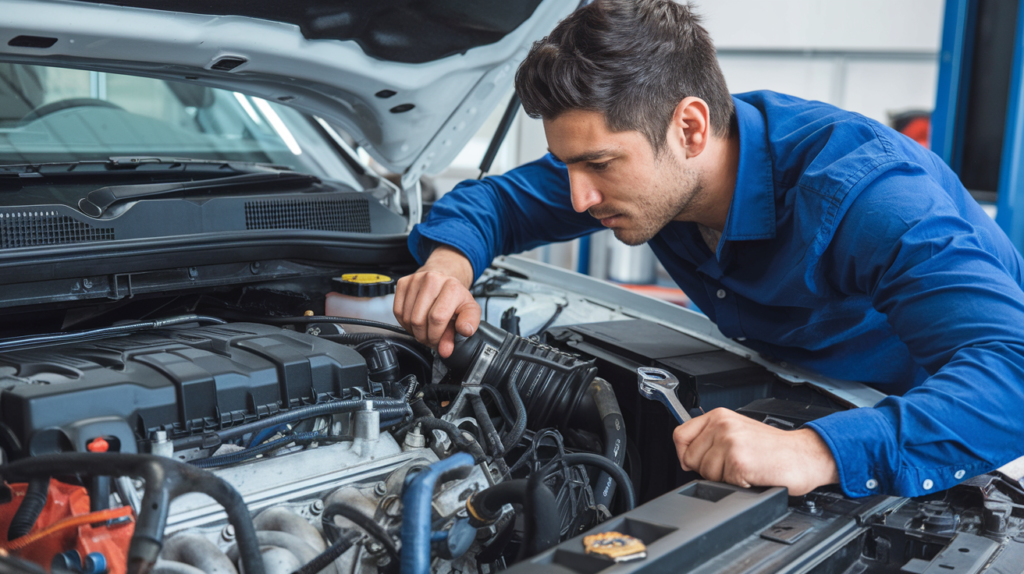
Many owners focus on visible vehicle condition while overlooking what occurs inside the engine. Yet internal wear often develops long before symptoms become obvious. A comprehensive oil service at 50,000 miles acts as a health check for the vehicle’s most expensive component.
Considering the relatively low cost involved, this service delivers exceptional value. Protecting the engine today can prevent repair bills worth thousands of dollars later. For any vehicle approaching 50,000 miles, maintaining proper lubrication and verifying engine condition should remain a top priority.
2. Transmission Fluid and Filter Service
The transmission is one of the most sophisticated mechanical systems in any vehicle. Modern automatic transmissions contain intricate hydraulic circuits, clutch packs, electronic controls, and precision-machined components that work together thousands of times during every trip.
By 50,000 miles, maintaining this system becomes increasingly important because neglected transmission service often leads to some of the most expensive repairs vehicle owners encounter.
Many drivers assume transmissions require little attention because they continue shifting normally. Unfortunately, transmission wear often develops gradually and silently. Internal components may experience increasing friction long before noticeable symptoms appear. Waiting for problems to become obvious can significantly increase repair costs.
Transmission fluid serves several critical functions simultaneously. It lubricates moving parts, dissipates heat, provides hydraulic pressure, and helps ensure smooth gear engagement.
Over time, exposure to heat and mechanical stress causes the fluid’s protective properties to deteriorate. Tiny particles from clutch materials and metal surfaces also accumulate within the fluid.
At approximately 50,000 miles, the fluid condition deserves careful evaluation. Even transmissions advertised as having “lifetime” fluid benefit from inspection because operating conditions vary widely among drivers. Vehicles used for towing, heavy traffic, mountainous terrain, or frequent stop-and-go driving place additional stress on transmission components and fluids.
A professional transmission service typically includes fluid replacement and, where applicable, filter replacement. Technicians may also inspect the transmission pan for debris that could indicate abnormal wear. Discovering potential concerns early provides an opportunity to address issues before significant damage occurs.
Heat remains one of the transmission’s greatest enemies. As fluid ages, its ability to control temperatures declines. Excessive heat accelerates wear on seals, clutch materials, and internal components. Maintaining fresh fluid helps preserve proper operating conditions and reduces long-term stress.
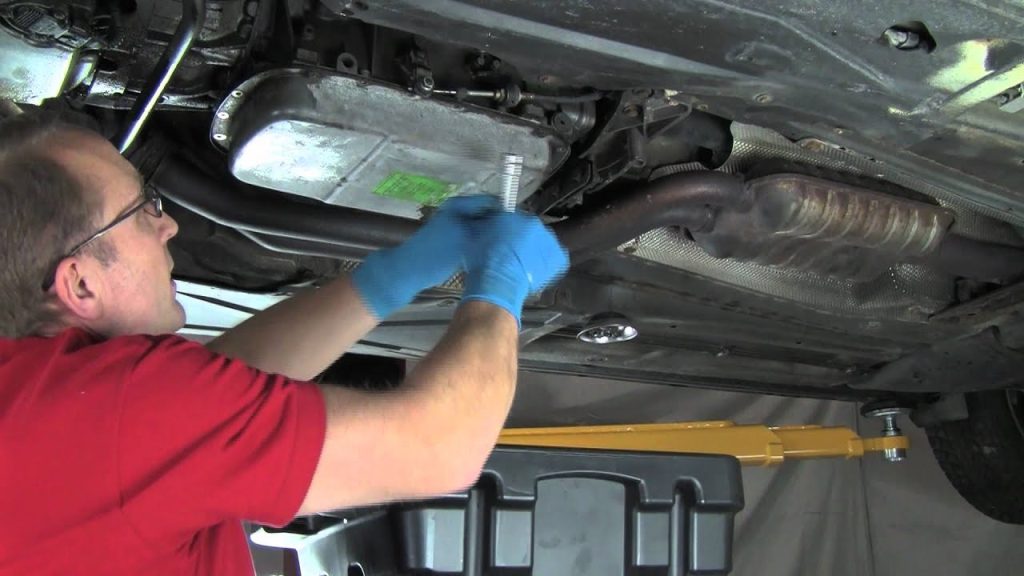
The financial benefits of preventive transmission maintenance are substantial. A fluid service costs a fraction of what owners might pay for a transmission rebuild or replacement. This difference alone makes the procedure one of the most cost-effective services available at the 50,000-mile milestone.
Drivers who prioritize transmission maintenance often enjoy smoother shifting, improved drivability, and greater confidence during long trips. More importantly, they significantly improve the likelihood that their transmission will continue operating reliably well beyond 100,000 miles.
For a component that can cost several thousand dollars to repair or replace, investing in transmission service at 50,000 miles is one of the smartest financial decisions a vehicle owner can make.
3. Cooling System Flush and Component Inspection
Most drivers pay attention to their engine’s temperature gauge only when something goes wrong. As long as the needle stays in the normal range, the cooling system rarely receives much thought.
Yet by the time a vehicle reaches 50,000 miles, the cooling system has already endured thousands of heat cycles, making this one of the most important maintenance areas for preventing expensive repairs.
An engine generates an enormous amount of heat every time fuel is burned inside the cylinders. Without a properly functioning cooling system, temperatures would rise quickly enough to damage critical components.
Coolant circulates through passages in the engine, absorbing heat and carrying it to the radiator, where it can be safely dissipated. This process occurs continuously whenever the vehicle is operating.
Although coolant is designed for long service life, it does not last forever. Over time, the additives that protect against corrosion, scale buildup, and chemical deterioration gradually lose effectiveness. Once these protective qualities begin to weaken, internal cooling system components become increasingly vulnerable.
At around 50,000 miles, a complete cooling system flush becomes a worthwhile investment. Fresh coolant restores corrosion protection and helps maintain efficient heat transfer.
The procedure also removes contaminants that may have accumulated over the years of operation. Rust particles, mineral deposits, and degraded coolant residue can reduce system performance and contribute to premature component wear.
The inspection portion of the service is equally valuable. Hoses, clamps, radiator connections, thermostat housings, and water pumps all deserve attention at this stage.
Small coolant leaks often develop slowly and remain unnoticed until a significant failure occurs. Identifying these issues early can prevent overheating events that may lead to extensive engine damage.
One particularly expensive repair that preventive cooling system maintenance helps avoid is head gasket failure. Excessive heat places tremendous stress on gaskets and engine components. Repeated overheating can warp cylinder heads and create repair bills worth thousands of dollars. A properly maintained cooling system significantly reduces that risk.
Climate conditions also play an important role. Vehicles operating in hot regions, heavy traffic, mountainous terrain, or towing situations place greater demands on cooling components. These environments accelerate wear and make regular inspections even more beneficial.
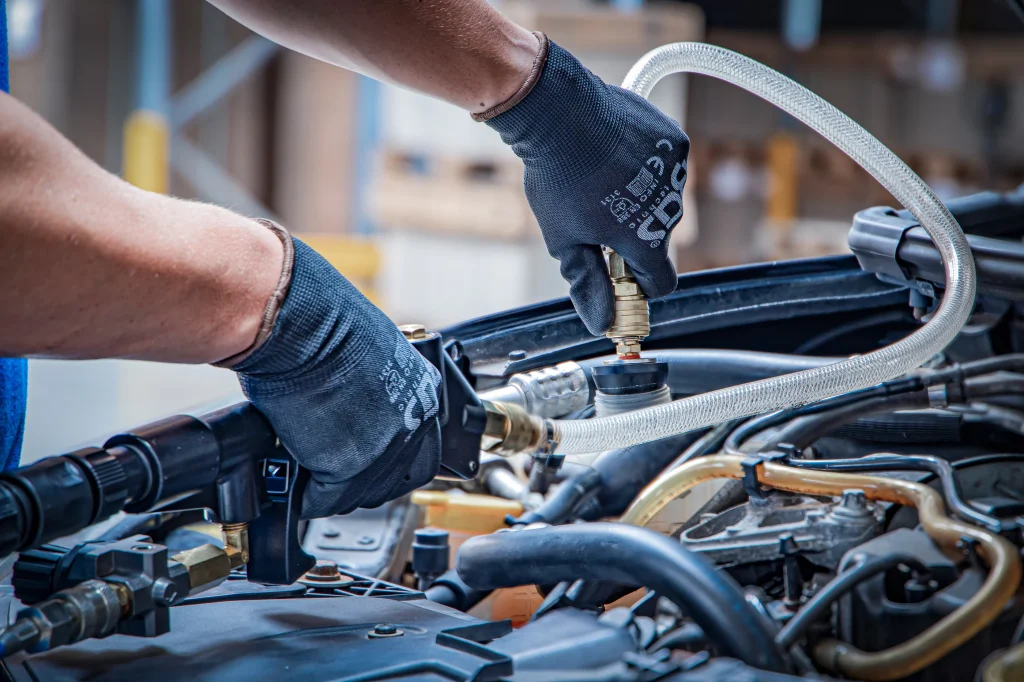
Many vehicle owners underestimate the importance of coolant because it is hidden from view. Unlike worn tyres or noisy brakes, deteriorating coolant rarely provides obvious warning signs. That is precisely why preventive service is so effective. It addresses potential problems before they have an opportunity to become major failures.
For a relatively modest maintenance cost, a cooling system flush and inspection can help protect one of the most expensive assemblies in the vehicle. Few services at the 50,000-mile mark offer a better balance between cost and long-term savings.
4. Brake System Service and Hydraulic Fluid Replacement
When discussing preventive maintenance, few services deliver as much value as a complete brake system inspection and hydraulic fluid replacement. Brakes are not simply another vehicle component.
They represent the primary safety system that drivers depend on every time they encounter traffic, changing road conditions, or unexpected hazards. At approximately 50,000 miles, many braking systems begin reaching a stage where comprehensive attention can prevent both safety concerns and expensive repairs.
Most owners are familiar with brake pads because they are wear items that eventually require replacement. However, the braking system consists of many interconnected components working together to create reliable stopping power.
Rotors, calipers, brake lines, flexible hoses, master cylinders, anti-lock braking components, and hydraulic fluid all contribute to system performance.
Brake fluid often receives less attention than it deserves. Unlike engine oil or coolant, it is rarely discussed during routine maintenance visits. Yet brake fluid undergoes a unique form of deterioration.
Because it absorbs moisture from the atmosphere over time, its chemical properties gradually change. This moisture contamination lowers the fluid’s boiling point and increases the likelihood of internal corrosion.
At 50,000 miles, replacing brake fluid can help preserve the integrity of the entire braking system. Fresh fluid improves hydraulic performance and reduces stress on expensive components.
Moisture-laden fluid, on the other hand, can promote rust inside calipers, master cylinders, and anti-lock braking modules. Repairing these components is often far more expensive than performing routine fluid service.
The inspection process provides additional benefits. Technicians evaluate pad thickness, rotor condition, hose integrity, caliper operation, and fluid quality.
Discovering uneven wear patterns may reveal suspension or alignment concerns that would otherwise go unnoticed. Early identification allows owners to address problems before they affect additional components.
Driving style significantly influences brake wear. Urban drivers who frequently stop and start may wear components much faster than motorists who spend most of their time on highways. Towing, mountainous terrain, and aggressive driving habits further increase demands on the braking system.
One advantage of preventive brake service is that it often reduces long-term costs. Replacing brake pads before they wear completely can prevent rotor damage.
Servicing caliper components before corrosion becomes severe may eliminate the need for costly replacements. These small decisions frequently save substantial amounts of money over the life of the vehicle.
Reliable braking performance also contributes to driver confidence. Knowing that the system has been inspected, serviced, and properly maintained provides reassurance during daily commuting and long-distance travel alike.
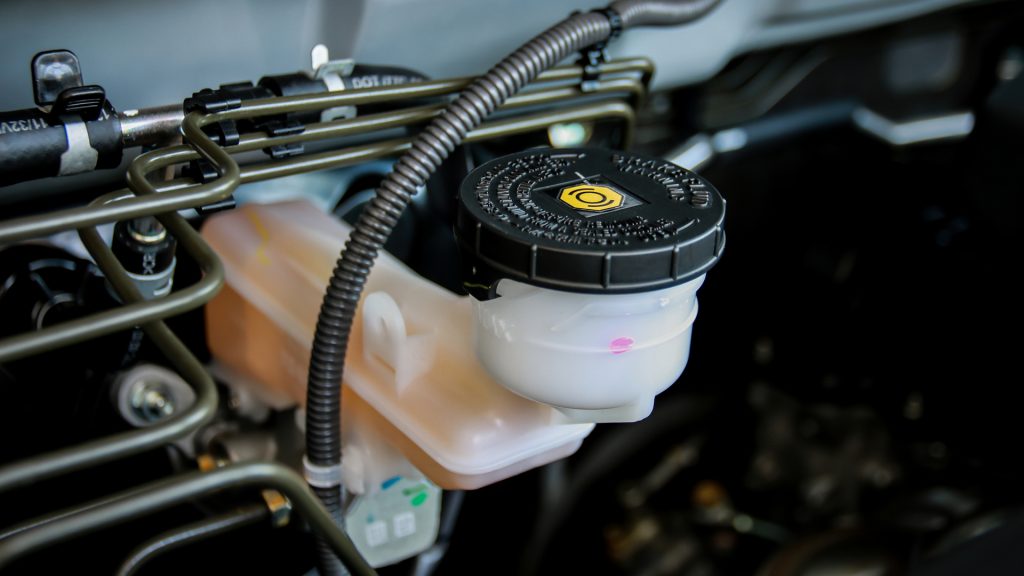
At the 50,000-mile mark, brake system maintenance should be viewed as both a safety investment and a financial safeguard. The relatively small cost of preventive service can help avoid significantly larger repair expenses while ensuring the vehicle continues to stop effectively when it matters most.
5. Spark Plug Replacement and Complete Ignition System Evaluation
By the time a vehicle reaches 50,000 miles, the engine has fired its spark plugs hundreds of millions of times. Despite carrying such an important responsibility, spark plugs are often forgotten because they remain hidden beneath engine covers and rarely attract attention until a problem develops.
Yet replacing spark plugs and evaluating the ignition system at this mileage can prevent a surprising number of expensive repairs while improving performance, fuel economy, and long-term reliability.
The combustion process inside a gasoline engine depends on precise ignition timing. Every time the pistons compress the air-fuel mixture, the spark plugs must create a strong and consistent spark.
When the plugs are new, this process happens effortlessly. As mileage accumulates, however, electrodes gradually wear, gaps widen, and efficiency begins to decline.
Many drivers assume their vehicle is operating normally because changes occur slowly. Fuel economy may decrease by a small amount each month. Acceleration might become slightly less responsive.
Engine idle quality can deteriorate gradually enough that owners simply adapt to the change without realizing it. Fresh spark plugs often reveal just how much performance has been lost over time.
The ignition system includes more than the plugs themselves. Modern vehicles rely on ignition coils, electrical connectors, wiring harnesses, and sophisticated engine management systems. During a complete inspection, technicians evaluate these components for signs of wear, corrosion, heat damage, or weakening performance.
One major benefit of ignition system service is preventing misfires. A single misfiring cylinder may seem like a minor inconvenience, but the consequences can become expensive.
Unburned fuel entering the exhaust system places additional stress on the catalytic converter. Because catalytic converters are among the most expensive emissions-related components in modern vehicles, preventing damage becomes financially important.
Turbocharged engines deserve special attention because they operate under higher cylinder pressures. These conditions require a strong and consistent spark.
Even minor ignition weaknesses can affect performance, fuel economy, and engine smoothness. Replacing worn plugs before problems develop helps maintain proper combustion under all operating conditions.
The removed spark plugs can also provide valuable clues about engine condition. Experienced technicians often analyze wear patterns, deposits, and coloration to identify potential issues.
Oil contamination, excessive carbon buildup, cooling system leaks, and abnormal combustion characteristics frequently leave evidence on spark plug surfaces.
Another advantage of timely ignition maintenance is reducing strain on other components. Ignition coils forced to compensate for worn plugs often work harder than intended. Replacing spark plugs before significant deterioration occurs may extend the life of these more expensive parts.
For many owners, spark plug replacement delivers immediate improvements. Engines often start more easily, idle more smoothly, and respond more quickly to throttle inputs. Fuel economy may improve as well, helping offset part of the service cost over time.
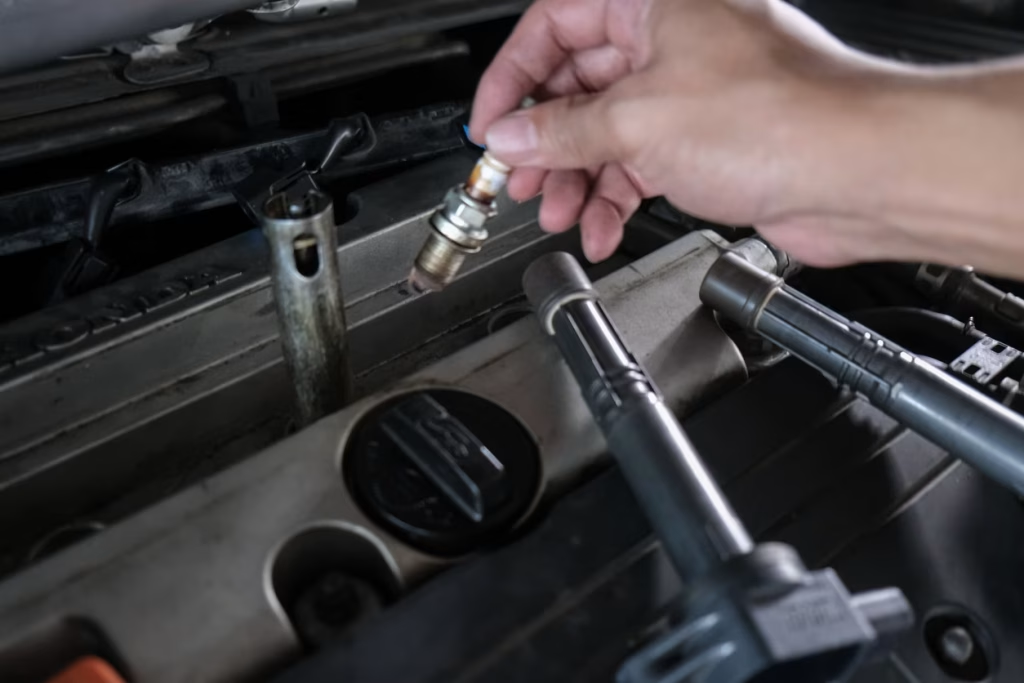
Among the maintenance procedures recommended around 50,000 miles, ignition system service stands out because it influences performance, efficiency, emissions, and reliability simultaneously.
Addressing it proactively can prevent small issues from becoming costly repairs while helping the engine continue operating at its best for years to come.
6. Differential, Transfer Case, and Driveline Service
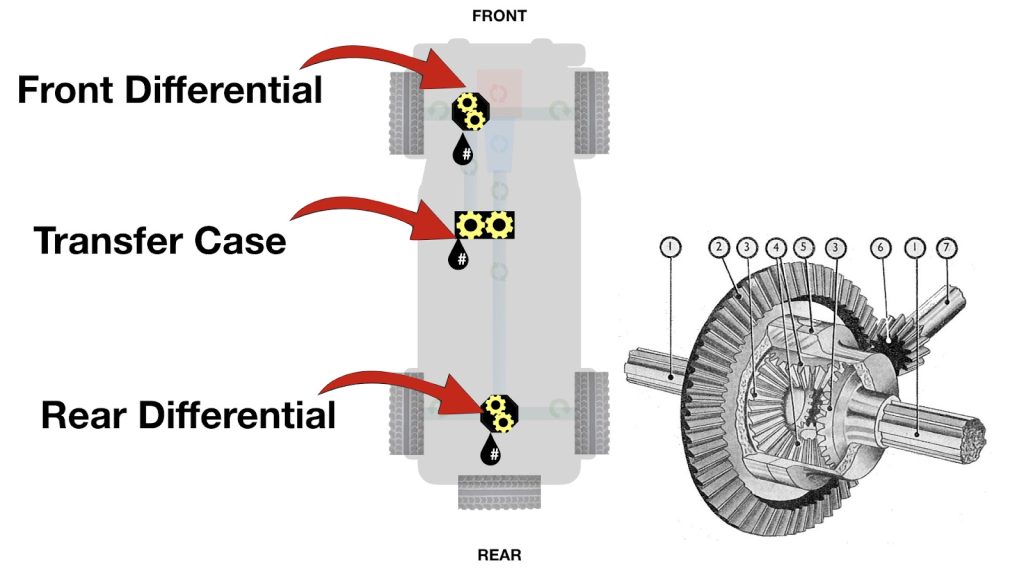
The engine may generate power, and the transmission may manage gear changes, but neither component can move a vehicle without the driveline. This network of differentials, driveshafts, transfer cases, CV joints, and related components quietly transfers power to the wheels every time the vehicle is driven.
Because these parts generally operate without drawing attention to themselves, many owners forget they require maintenance. At 50,000 miles, servicing the driveline can prevent some of the most expensive mechanical failures encountered later in a vehicle’s life.
Differentials play a particularly important role. During a turn, the wheels on the outside of the vehicle travel farther than those on the inside.
The differential allows this difference in wheel speed while continuing to distribute power effectively. Inside the differential, gears mesh under tremendous pressure whenever the vehicle accelerates, decelerates, or changes direction.
To survive these conditions, differential gears rely on specialized lubricants. These fluids reduce friction, dissipate heat, and protect metal surfaces from wear. Over time, however, the differential fluid gradually loses effectiveness. Heat cycles break down additives, and microscopic metal particles accumulate within the lubricant.
At around 50,000 miles, replacing differential fluid can significantly extend component life. Fresh lubricant restores protective properties and helps maintain smooth operation. The service also provides an opportunity to inspect for leaks, contamination, or unusual wear patterns that may indicate developing problems.
Vehicles equipped with four-wheel-drive or all-wheel-drive systems often require even greater attention. In addition to front and rear differentials, these vehicles frequently contain transfer cases that distribute power between axles.
Transfer case fluid experiences similar deterioration and benefits from periodic replacement. Because transfer cases are expensive assemblies, preventive maintenance is especially valuable.
Driveshafts, universal joints, and CV joints should also be inspected during driveline service. These components experience constant movement and load changes. Damaged boots, deteriorated seals, or excessive play may indicate wear that requires attention. Catching these issues early often prevents much larger repair bills later.
The financial logic behind driveline maintenance is compelling. Replacing differential fluid is relatively inexpensive compared with rebuilding a worn differential. Servicing a transfer case costs far less than replacing one. Preventive maintenance helps protect components specifically designed to last the life of the vehicle when properly maintained.
Driving conditions influence wear rates as well. Vehicles used for towing, hauling heavy loads, off-road driving, or frequent stop-and-go traffic place additional stress on driveline components. Owners operating under these conditions often benefit even more from timely service.
Many high-mileage vehicles remain reliable because their owners addressed maintenance beyond basic oil changes and tire rotations. Driveline service falls into this category. It may not receive much attention, but it plays a critical role in preserving long-term reliability.
By investing in differential, transfer case, and driveline maintenance at 50,000 miles, owners protect expensive mechanical components, reduce future repair risks, and help ensure smooth power delivery for many years of continued operation.
Also Read: 9 Hidden Features in Kia Models Owners Never Discover
