
For decades, Pontiac stood as one of the most exciting divisions in American automotive history. Founded in 1926 as part of General Motors, the brand built its reputation on performance, innovation, and bold styling that appealed to drivers who wanted more than basic transportation.
Pontiac became synonymous with muscle cars, high-output V8 engines, and a rebellious spirit that perfectly captured the energy of postwar American car culture. Models like the GTO, Firebird, Trans Am, and Grand Prix helped shape the golden age of performance motoring, while Pontiac engineers continuously experimented with new engine technologies that pushed the limits of power and durability.
Even after General Motors discontinued the Pontiac brand in 2010 during its corporate restructuring, many of the engines associated with Pontiac continued to live on through collector communities, motorsports, aftermarket support, and their influence on future General Motors powertrains.
What made Pontiac engines special was not simply their horsepower figures or quarter-mile times. These engines were designed with character, torque-rich performance, and mechanical simplicity that made them favorites among racers and enthusiasts. Pontiac V8 engines developed a loyal following because they could handle serious modifications while still maintaining reliability.
Many of these engines earned legendary status on drag strips and streets alike, becoming symbols of American engineering during an era when manufacturers competed fiercely for performance dominance. Even as emissions regulations tightened and the muscle car era faded in the 1970s, Pontiac engineers adapted their powerplants to survive changing market conditions while preserving much of the excitement drivers expected from the brand.
Today, Pontiac engines continue to thrive despite the disappearance of the marque itself. Restoration shops rebuild classic Pontiac blocks every day, aftermarket companies produce modern performance parts for decades-old engines, and collectors pay premium prices for original high-performance variants.
Some engines became foundations for future General Motors developments, while others gained legendary status through racing success and cultural significance. Enthusiasts continue swapping Pontiac engines into modern vehicles, proving their lasting appeal and engineering durability. In many ways, Pontiac may no longer exist as a car company, but its engines remain alive in garages, racetracks, car shows, and enthusiast communities around the world.
This article explores ten iconic Pontiac engines that managed to outlive the brand itself. These engines represent the best of Pontiac engineering across multiple eras, from the explosive muscle car years of the 1960s to the technologically advanced powerplants of the late twentieth century.
Each engine earned its place in automotive history through a combination of innovation, performance, reliability, or cultural impact. Their stories reveal why Pontiac continues to command respect among enthusiasts long after the final Pontiac rolled off the assembly line.
By examining these engines closely, it becomes clear that while the Pontiac badge may have disappeared, the spirit of Pontiac performance remains very much alive.
Also Read: 10 Cars With Insurance Premiums Lower Than a Compact Sedan
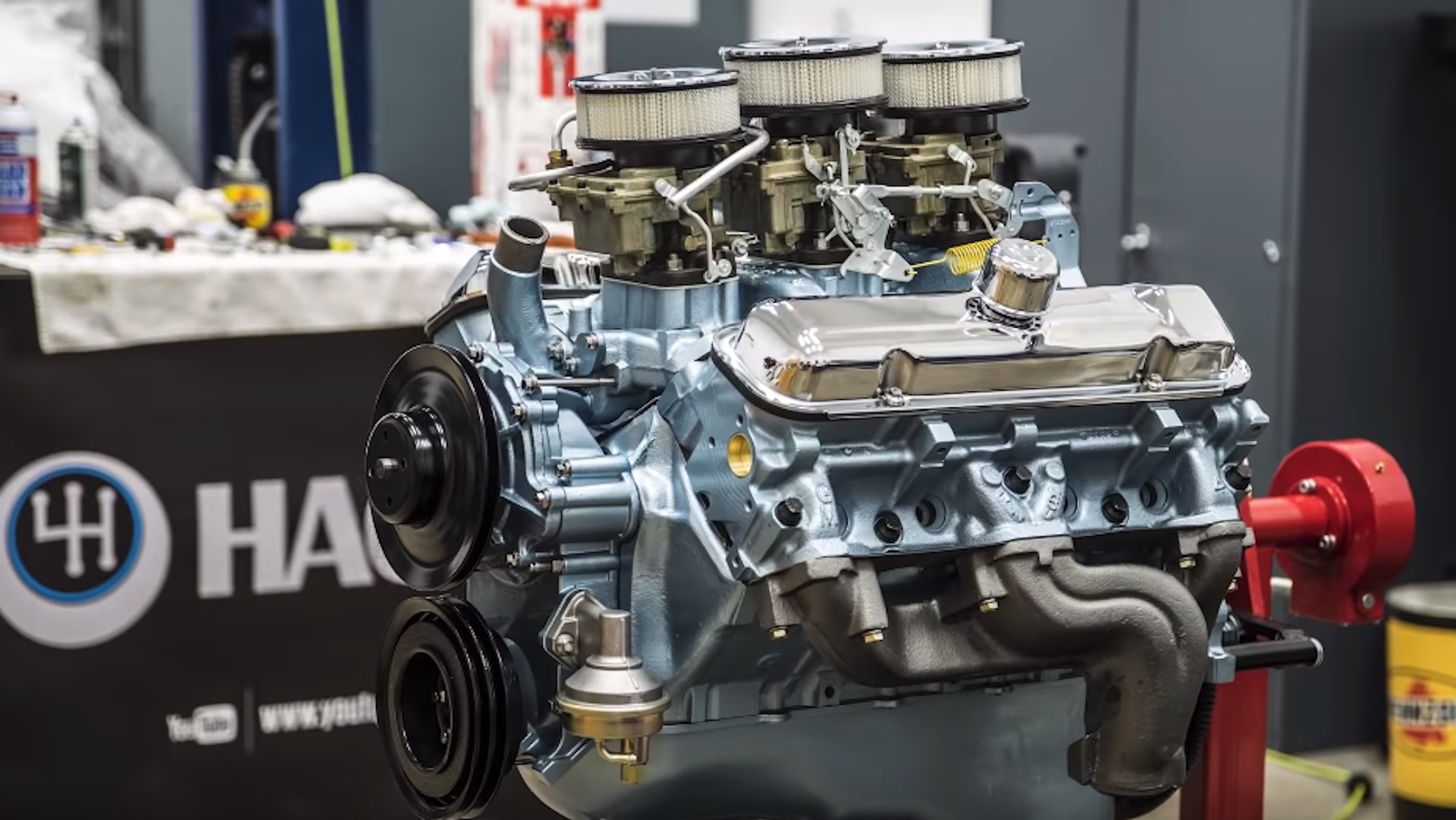
1. The Pontiac 389 V8
The Pontiac 389 V8 holds a special place in automotive history because it helped launch the muscle car revolution that transformed American performance culture during the 1960s. Introduced in 1959, the 389 was part of Pontiac’s growing family of V8 engines designed under the leadership of engineers who understood the importance of accessible performance.
The engine quickly gained recognition for its strong low-end torque, durability, and impressive tuning potential. Unlike some competitors that focused purely on horsepower figures, Pontiac engineers built the 389 to provide real-world drivability alongside serious acceleration.
The engine achieved legendary status when it powered the original 1964 Pontiac GTO, widely considered the first true muscle car. By placing the high-output 389 into the midsize Tempest platform, Pontiac created a formula that reshaped the American automotive industry.
Buyers could suddenly purchase affordable cars with big engine performance directly from dealerships. The GTO package turned the 389 into a cultural phenomenon almost overnight. With multiple carburetor setups, aggressive camshaft options, and available four-speed transmissions, the engine delivered thrilling performance that resonated with younger buyers seeking speed and excitement.
One reason the 389 outlived Pontiac itself was its incredible adaptability within the enthusiast community. Builders discovered that the engine responded extremely well to modifications. High compression cylinder heads, upgraded intake manifolds, stronger internals, and aftermarket camshafts allowed owners to extract substantial power gains without sacrificing reliability.
Decades after production ended, aftermarket suppliers continue manufacturing components specifically for Pontiac 389 builds. This ongoing support has allowed countless classic GTOs and other Pontiac models to remain on the road and competitive at vintage racing events.
Collectors also value the 389 because it represents the beginning of Pontiac’s golden performance era. Matching numbers 389-powered GTOs command significant prices at auctions, while restored engines often become centerpieces at classic car shows.
Enthusiasts appreciate the distinctive sound and torque delivery that separates Pontiac engines from Chevrolet or Ford alternatives. The engine’s historical significance ensures continued interest among restorers, historians, and collectors who view it as a milestone in American automotive development.
Beyond its direct performance legacy, the 389 influenced future engine programs throughout General Motors. Its success demonstrated that performance-oriented intermediate cars could become highly profitable, inspiring rival manufacturers to launch their own muscle car programs.
The engine essentially helped define an entire automotive category that remains deeply influential today. Even though Pontiac no longer exists, the 389 continues to symbolize the creativity, ambition, and engineering excellence that once made the brand a dominant force in American performance culture.
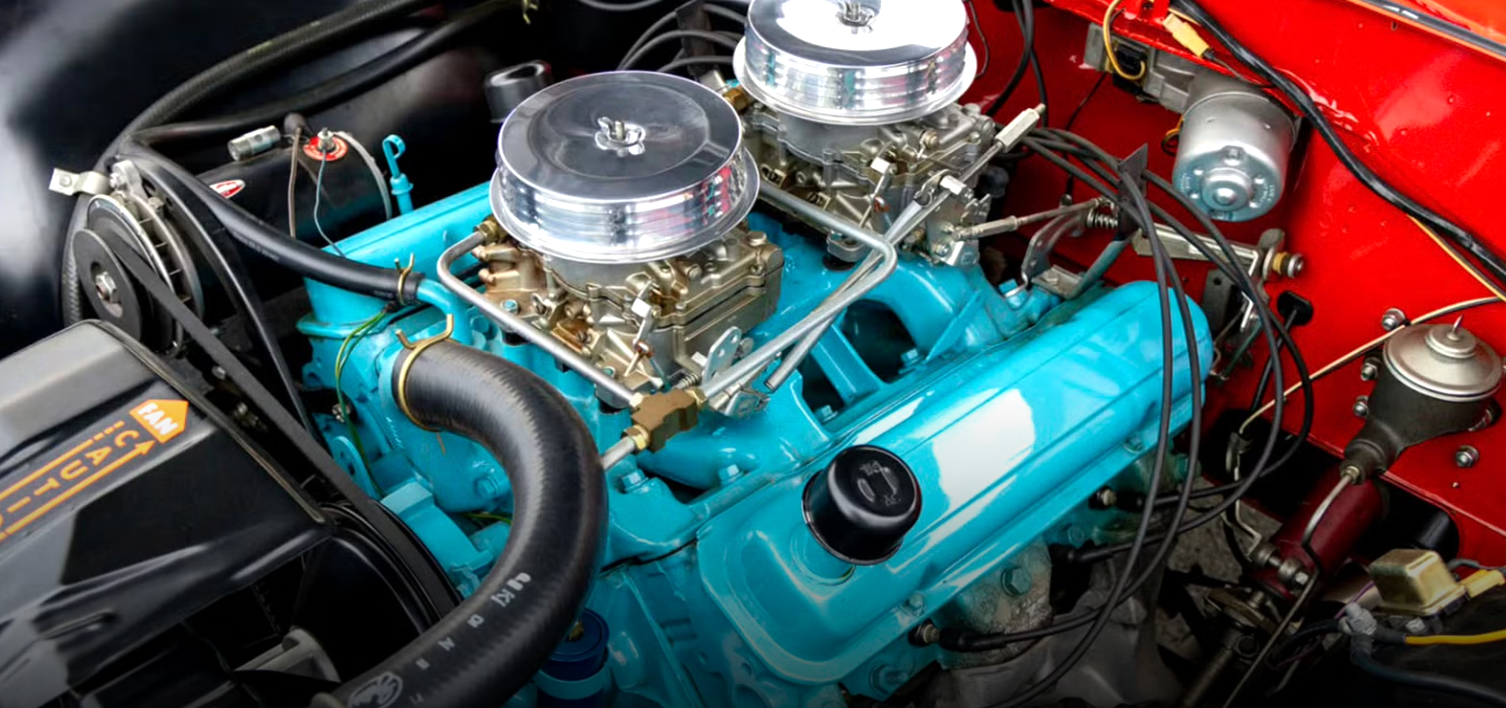
2. The 421 Super Duty Engine
The Pontiac 421 Super Duty engine emerged during an era when automakers aggressively pursued racing success to boost showroom credibility. Introduced in the early 1960s, the 421 represented Pontiac engineering at its most ambitious and uncompromising.
Designed primarily for competition, this engine featured reinforced internal components, improved airflow, stronger blocks, and high-performance tuning intended to dominate drag racing and NASCAR events. At a time when factory-backed performance programs shaped public perception, the 421 Super Duty quickly became one of the most feared engines on American racetracks.
One of the defining characteristics of the 421 Super Duty was its extraordinary strength. Pontiac engineers equipped the engine with forged crankshafts, heavy-duty connecting rods, aluminum intake manifolds, and optimized cylinder heads capable of supporting massive power output.
These improvements allowed the engine to withstand the intense stress associated with professional racing. Enthusiasts admired not only its horsepower but also its durability under demanding conditions. This combination helped establish Pontiac as a serious performance brand capable of competing against larger and more established rivals.
The 421 gained legendary status through its racing achievements. Pontiac vehicles powered by the engine achieved impressive success in drag racing circuits, often outperforming competitors with larger or more expensive setups.
The engine also played a role in stock car racing before General Motors officially withdrew factory support for motorsports. Drivers respected the engine for its broad torque curve and explosive acceleration, qualities that made Pontiac vehicles formidable both on straightaways and during sustained competition.
Long after Pontiac disappeared as a brand, the 421 Super Duty remained highly desirable among collectors and racers. Original examples became extremely rare due to limited production numbers and years of hard use in competition.
Today, authentic 421 Super Duty engines command substantial values in the collector market. Restorers spend years searching for correct parts and documentation because owning one of these engines represents a direct connection to one of the most exciting periods in American racing history.
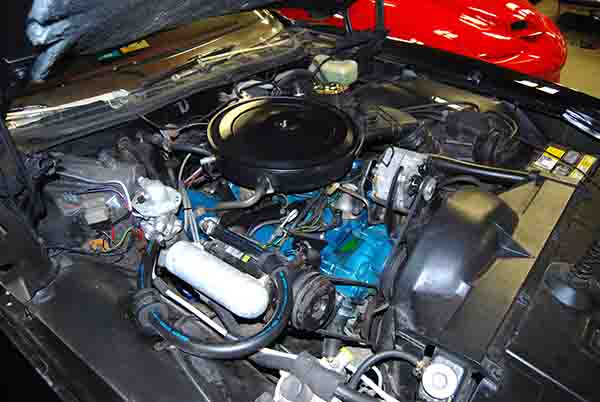
3. The Pontiac 326 V8
While larger displacement Pontiac engines often received most of the attention, the Pontiac 326 V8 played a crucial role in making performance accessible to a wider audience. Introduced in 1963, the 326 offered many of the characteristics enthusiasts loved about Pontiac engines while maintaining lower insurance costs and improved everyday drivability.
It became especially popular among younger buyers who wanted muscle car excitement without the higher expenses associated with larger engines.
The 326 was technically derived from Pontiac’s existing V8 architecture, allowing it to share many strengths with its bigger siblings. Despite its smaller displacement, the engine produced respectable power and excellent torque for its size.
Pontiac engineers tuned the 326 to provide smooth acceleration, reliable operation, and strong street performance. Available in multiple configurations, including high-output versions, the engine powered a variety of Pontiac models throughout the 1960s and early 1970s.
One reason the 326 outlived the Pontiac brand was its reputation for durability. Owners frequently reported high-mileage reliability with proper maintenance, making the engine attractive for restoration projects and vintage daily drivers.
The simplicity of its design also made repairs and modifications relatively straightforward compared to more complicated modern engines. Many enthusiasts continue rebuilding 326 engines today because they provide an authentic classic driving experience without the costs associated with rarer high-performance variants.
The engine also gained popularity in grassroots motorsports and local drag racing communities. Builders discovered that the 326 could produce impressive performance when equipped with upgraded cylinder heads, intake systems, and camshafts. Its relatively lightweight design and strong bottom end made it suitable for various forms of racing.
Even today, enthusiasts appreciate the engine as an underrated platform capable of surprising performance results when properly tuned.
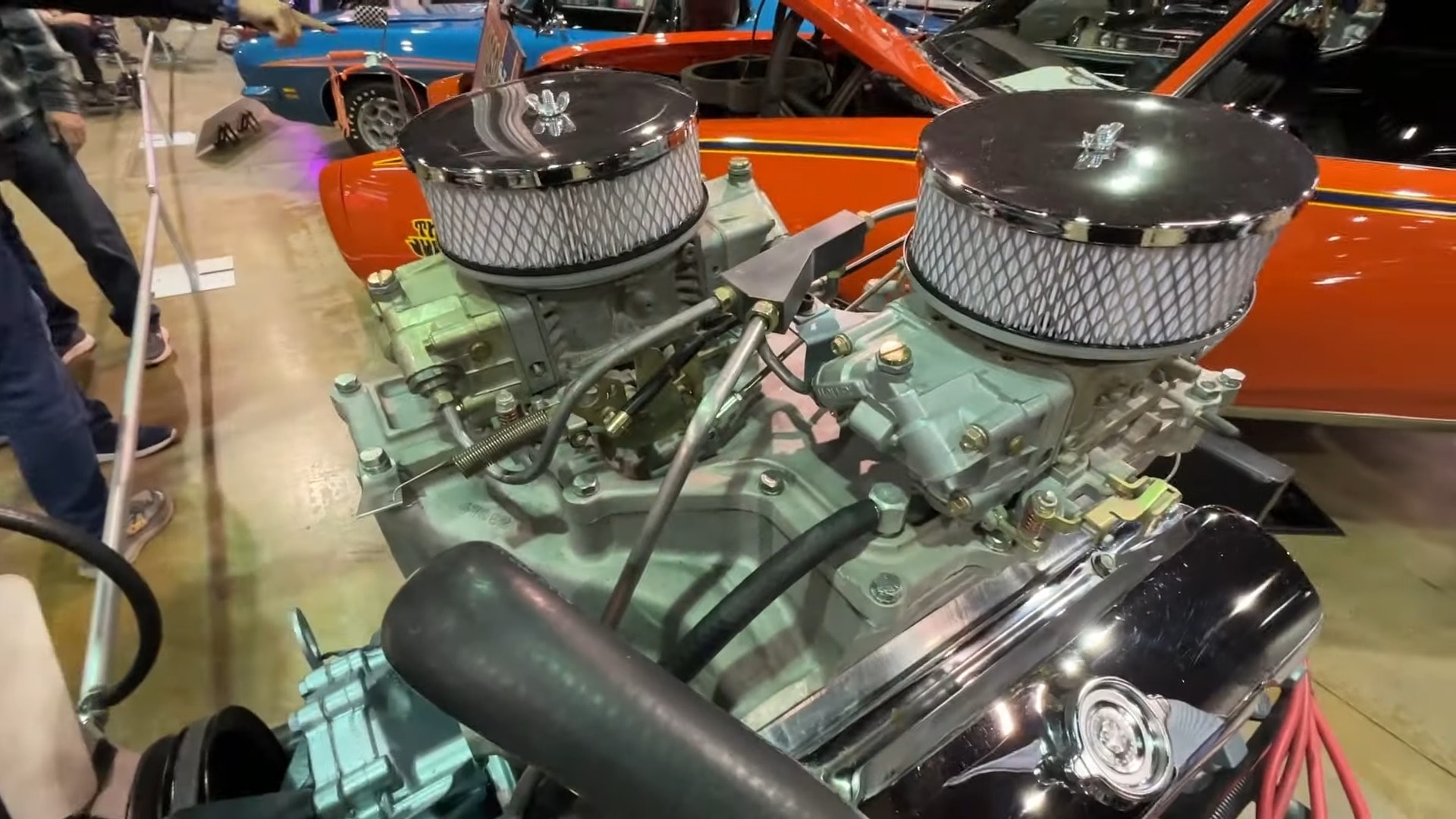
4. The Ram Air IV Engine Became the Street Performer
Among Pontiac enthusiasts, few engines inspire as much admiration as the legendary Ram Air IV. Introduced in 1969, this high-performance variant represented the pinnacle of Pontiac factory muscle during the late 1960s. Designed to maximize airflow, horsepower, and high rpm capability, the Ram Air IV became one of the most respected street engines of the entire muscle car era. Its aggressive tuning and race-inspired engineering made it an instant icon among performance enthusiasts.
What truly separated the Ram Air IV from competitors was its ability to deliver race-level excitement in production cars available directly from dealerships.
Drivers praised the engine for its explosive top-end power, distinctive exhaust note, and relentless acceleration at high rpm. Vehicles equipped with the Ram Air IV became instant collector favorites due to their rarity and impressive real-world performance. The engine helped cement Pontiac’s reputation as one of the leading performance divisions within General Motors.
Decades after Pontiac’s closure, the Ram Air IV remains one of the most sought-after American muscle car engines ever produced. Original cars equipped with authentic Ram Air IV setups command extraordinary auction prices, while enthusiasts continue replicating the engine using reproduction components and modern upgrades.
Specialty shops focus exclusively on restoring and rebuilding these engines to original factory specifications, demonstrating the enduring demand surrounding the Ram Air IV name.
5. The Pontiac 455 V8
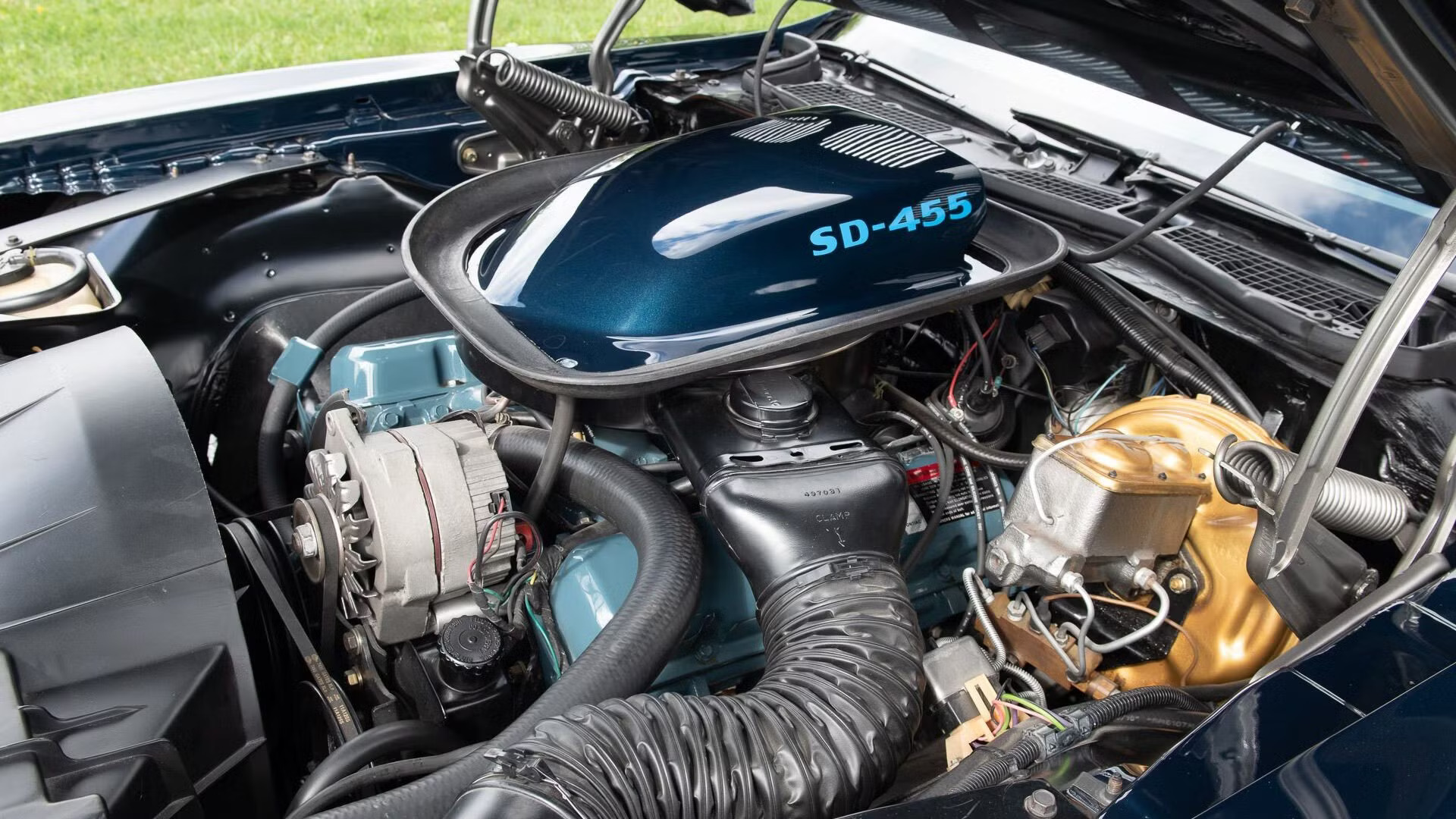
The Pontiac 455 V8 arrived at the perfect time for enthusiasts seeking massive torque and effortless acceleration. Introduced in 1970, the engine represented Pontiac’s largest displacement production V8 and quickly earned a reputation for overwhelming low-end power. While some competitors focused primarily on peak horsepower numbers, the 455 delivered immense pulling force throughout the rpm range, making it one of the most satisfying street engines of its era.
Pontiac engineered the 455 to provide strong performance in larger vehicles while still supporting high-performance applications.
The engine featured increased stroke length and displacement compared to earlier Pontiac V8s, resulting in exceptional torque output. Drivers appreciated how effortlessly the 455 accelerated heavy cars from low speeds, creating a smooth yet brutally powerful driving experience that became a hallmark of Pontiac performance during the early 1970s.
The 455 powered some of Pontiac’s most memorable vehicles, including high-performance versions of the GTO, Firebird Trans Am, and Grand Prix. Special variants like the 455 HO and Super Duty 455 elevated the engine’s status even further by incorporating improved cylinder heads, stronger internals, and enhanced breathing characteristics.
These versions delivered serious performance despite increasingly strict emissions regulations that challenged automakers during the decade.
One reason the 455 outlived Pontiac itself is its legendary reputation among drag racers and street performance enthusiasts. Builders discovered that the engine’s large displacement and strong architecture responded exceptionally well to modifications.
Also Read: 10 Cars That Survive Being Used as Daily Uber Vehicles
6. The Pontiac 301
By the late 1970s, emissions regulations and fuel economy concerns had dramatically reshaped the American automotive industry. Many performance enthusiasts believed the muscle car era was effectively over.
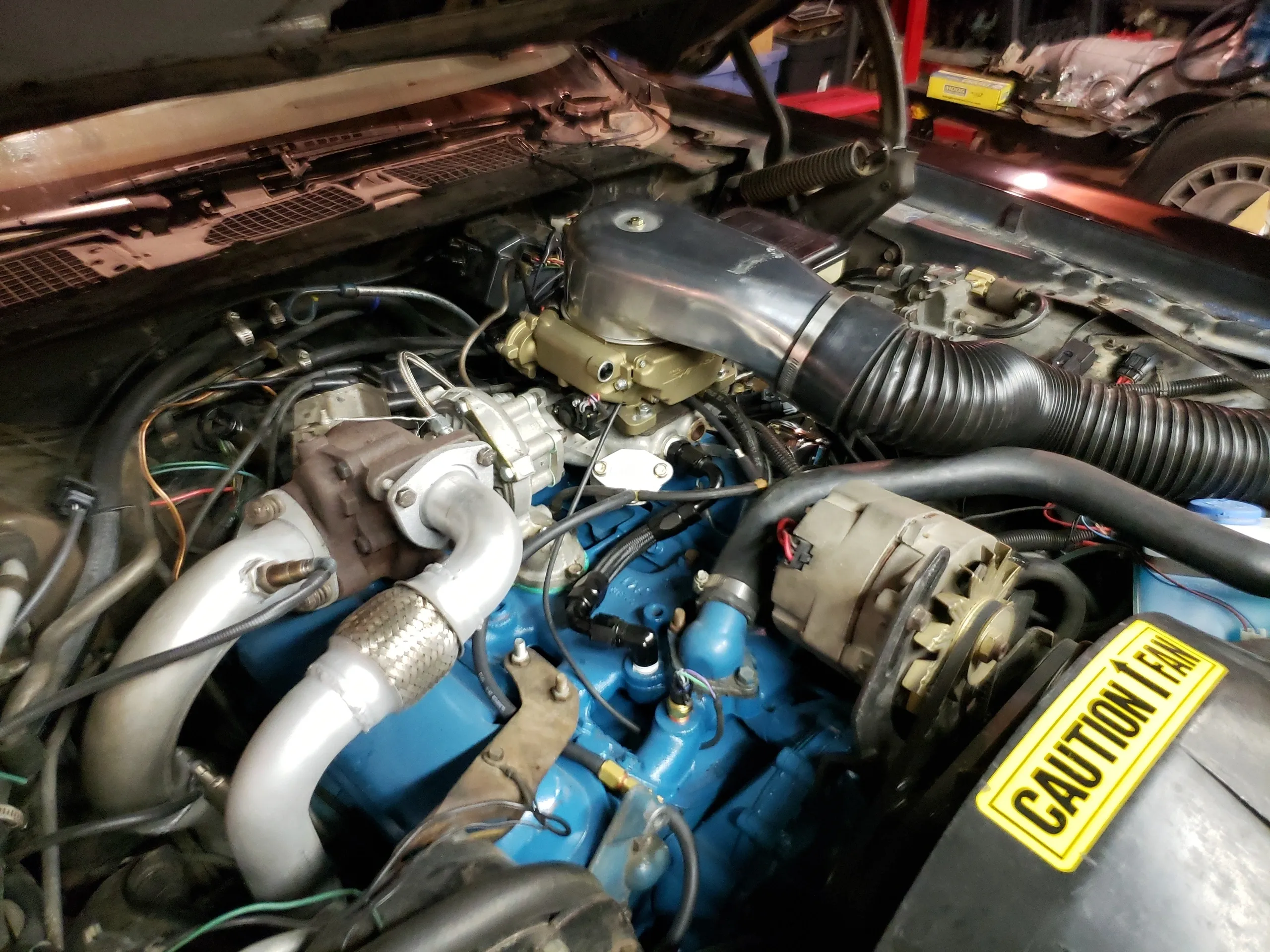
However, Pontiac engineers refused to abandon innovation completely, leading to the development of the turbocharged Pontiac 301 V8. Introduced for the 1980 model year, this engine demonstrated that forced induction could help preserve performance even during difficult regulatory conditions.
The turbocharged 301 was a bold experiment for its time. Rather than relying solely on large displacement and high compression ratios, Pontiac engineers used turbocharging technology to increase power output while maintaining compliance with emissions standards.
The 301 Turbo gained attention primarily through its use in the Pontiac Firebird Trans Am. Enthusiasts appreciated the futuristic combination of turbocharged performance and aggressive styling, especially after the model gained popularity through television and popular culture.
While some critics initially questioned the engine’s reliability and complexity, many owners found that properly maintained examples delivered enjoyable performance and respectable efficiency compared to larger naturally aspirated alternatives.
One reason the 301 Turbo survived beyond Pontiac’s demise is its historical significance as one of the earliest American turbocharged V8 engines. Collectors now recognize the engine as an important stepping stone in the evolution of modern forced induction technology.
As turbocharging became increasingly common across the automotive industry in later decades, enthusiasts began reevaluating the 301 Turbo as a pioneering effort rather than merely a compromise born from emissions restrictions.
7. The Super Duty 455
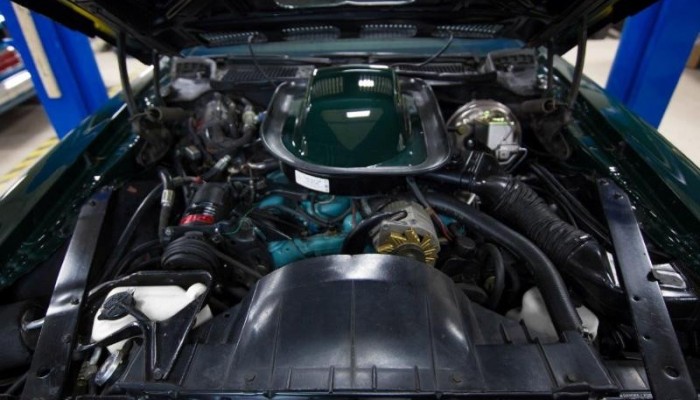
When Pontiac introduced the Super Duty 455 in 1973, the American performance industry had changed dramatically. Insurance rates were rising, emissions regulations were tightening, and many manufacturers had already abandoned serious high-performance development. Yet Pontiac engineers managed to create one final masterpiece that would become legendary among muscle car enthusiasts.
Unlike standard production engines adapted for performance use, the Super Duty 455 was engineered from the beginning with strength and durability in mind. The block featured reinforced main webs, improved oiling systems, high-strength connecting rods, and specially designed cylinder heads optimized for airflow and reliability.
These enhancements allowed the engine to withstand far greater stress than typical production V8s, making it ideal for both street use and competition environments.
Performance enthusiasts immediately recognized the significance of the Super Duty 455. Despite conservative factory horsepower ratings influenced by insurance and regulatory pressures, the engine delivered exceptional real-world performance.
The rarity of the Super Duty 455 contributed significantly to its long-term survival and legendary status. Production numbers remained relatively low due to increasing economic pressures and changing market conditions. As a result, authentic Super Duty cars became highly collectible over time.
Enthusiasts and collectors now regard these vehicles as some of the most valuable and historically important Pontiacs ever produced. Original engines command premium prices, while accurate restorations often require years of research and sourcing rare components.
8. The Pontiac Iron Duke Became an Unexpected Survivor
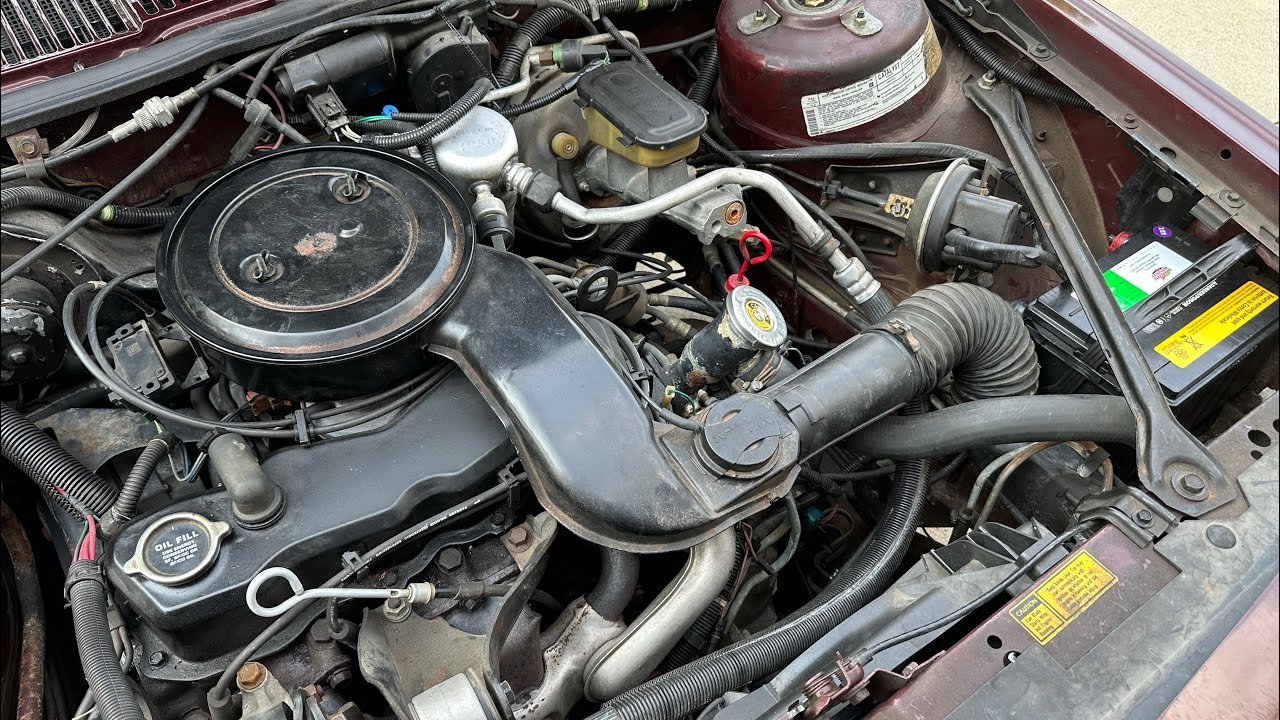
Not every Pontiac engine that outlived the brand was a fire-breathing V8. The Pontiac Iron Duke, officially known as the 2.5-liter inline four cylinder engine, became one of the most durable and widespread powerplants ever associated with General Motors.
Introduced in the late 1970s, the Iron Duke was designed primarily for reliability, fuel efficiency, and low operating costs rather than outright performance. Despite its humble purpose, the engine achieved remarkable longevity and became a fixture across multiple General Motors platforms for decades.
One reason the Iron Duke outlived Pontiac is its incredible versatility. General Motors installed variations of the engine in compact cars, midsize sedans, postal vehicles, light trucks, and even performance-oriented models like the Pontiac Fiero.
The engine adapted well to numerous applications because of its compact dimensions and robust construction. Fleet operators especially appreciated its reliability and low maintenance requirements, helping extend its production life far beyond what many expected.
The engine also developed a loyal following among hobbyists and mechanics who valued its simplicity. Unlike increasingly complicated modern engines filled with advanced electronics, the Iron Duke remained relatively easy to diagnose and repair.
Enthusiasts continue rebuilding and modifying these engines today for vintage projects, economy builds, and educational purposes. Some racers even adapted Iron Duke engines for circle track competition due to their durability and affordability.
9. The LS-Based Pontiac G8 GXP Engine
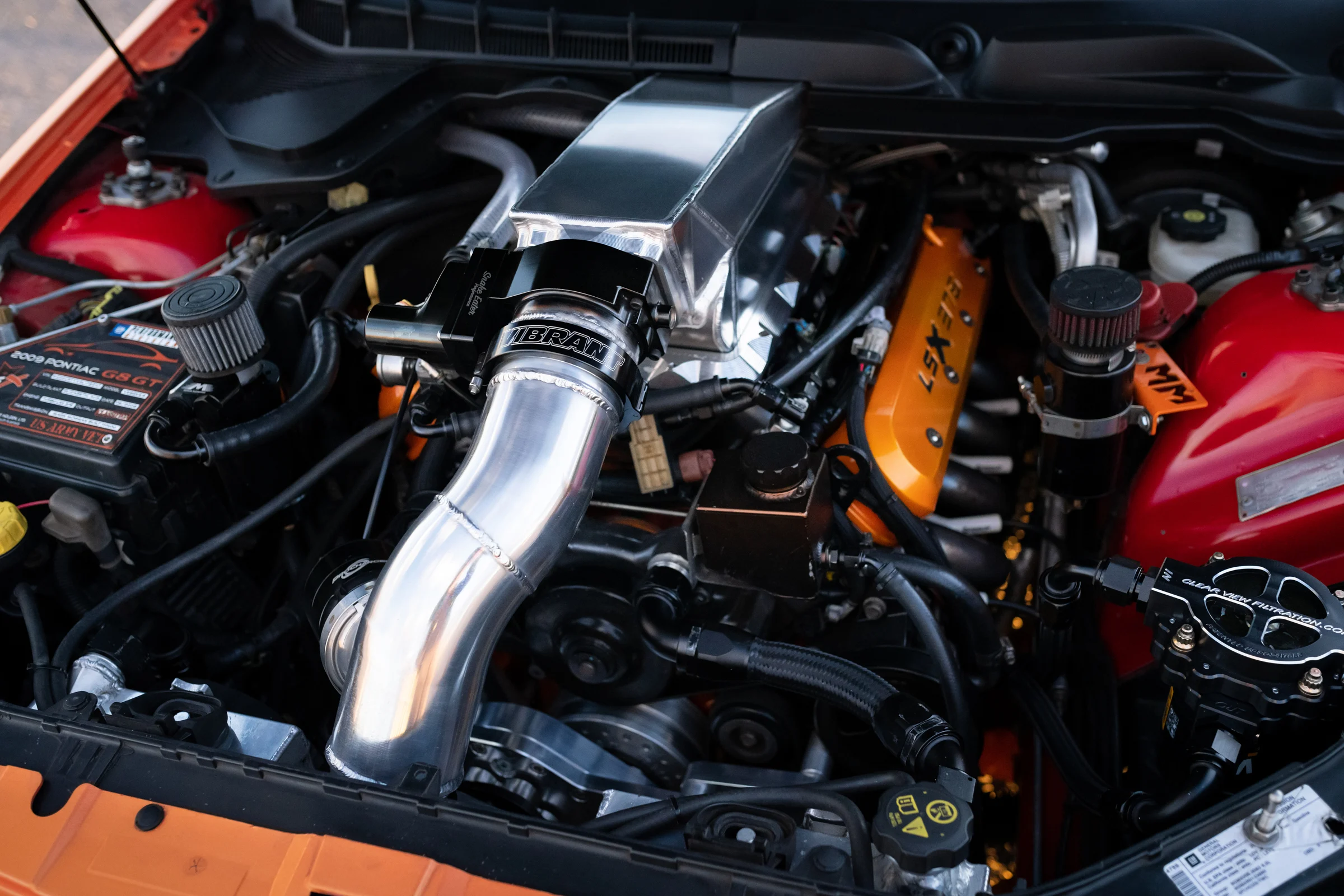
During its final years, Pontiac attempted to reinvent itself as a modern performance brand capable of competing globally. One of the clearest examples of this strategy appeared in the Pontiac G8 GXP, a high-performance sports sedan powered by a version of General Motors’ legendary LS series V8 engine.
Although technically not a traditional Pontiac-designed engine, the LS-powered G8 GXP became an important part of Pontiac’s final chapter and continued carrying the brand’s performance spirit long after production ended.
The LS engine family already possessed an outstanding reputation for power, reliability, and tuning potential by the time Pontiac introduced the G8 GXP. The specific 6.2-liter V8 used in the sedan delivered impressive horsepower and torque while maintaining modern refinement and drivability.
Paired with Rear Wheel Drive architecture and available manual transmission options, the car captured much of the excitement associated with classic Pontiac performance models while incorporating contemporary engineering advancements.
Enthusiasts quickly embraced the G8 GXP because it represented a return to authentic Rear Wheel Drive American performance. At a time when many manufacturers focused heavily on Front Wheel Drive sedans and crossover vehicles, Pontiac delivered a muscular sports sedan capable of competing with respected European alternatives.
Reviewers praised the vehicle’s balanced handling, strong acceleration, and comfortable everyday usability. Unfortunately, Pontiac’s closure shortly afterward limited the model’s production numbers and prevented further development.
The LS engine itself played a major role in helping the G8 GXP outlive the Pontiac brand. The LS platform remains one of the most popular performance engine families in automotive history, supported by enormous aftermarket development and enthusiast interest.
Owners continue modifying and racing G8 GXPs because replacement parts, tuning solutions, and performance upgrades remain widely available. This ongoing support ensures that the vehicle and its engine remain relevant years after Pontiac disappeared.
In many ways, the G8 GXP demonstrated that Pontiac still understood how to build exciting performance cars even at the very end of the brand’s existence.
10. The Pontiac 350 V8 Balanced Power and Reliability
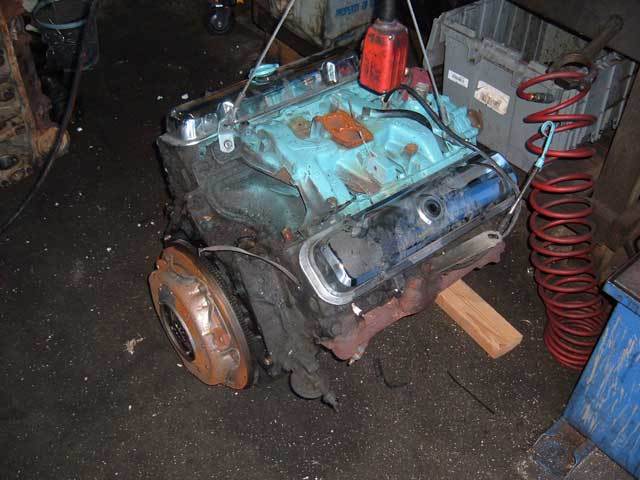
The Pontiac 350 V8 often lived in the shadow of larger and more famous Pontiac engines, yet it became one of the brand’s most successful and enduring powerplants. Introduced during the late 1960s, the engine offered an excellent compromise between performance, efficiency, and reliability. It powered a wide variety of Pontiac vehicles over the years and developed a strong reputation for smooth operation and long-term durability.
Unlike some high-strung performance engines designed primarily for racing, the Pontiac 350 excelled as an everyday street engine. It delivered respectable horsepower and torque while remaining manageable for regular commuting and long-distance driving.
Pontiac engineers tuned different versions of the engine for various applications, ranging from economical family transportation to mild performance packages. This flexibility allowed the 350 to appeal to a broad range of customers during an important period in Pontiac history.
The engine’s strong reputation for reliability contributed significantly to its survival beyond the Pontiac brand itself. Owners frequently reported impressive longevity with routine maintenance, making the 350 a favorite among classic car enthusiasts seeking dependable vintage transportation.
Its straightforward pushrod design simplified repairs and rebuilds, while widespread parts availability kept restoration costs relatively reasonable compared to rarer Pontiac engines.
Performance enthusiasts also discovered that the Pontiac 350 possessed considerable untapped potential. With upgraded cylinder heads, camshafts, intake systems, and exhaust components, the engine could produce surprisingly strong performance.
Some builders preferred the 350 because its smaller displacement allowed higher revving characteristics compared to larger Pontiac V8s. This adaptability helped maintain interest in the engine across multiple generations of enthusiasts.
