When people talk about high-mileage cars, they usually focus on engines, transmissions, or suspension systems. However, one of the most overlooked components in long-term vehicle reliability is the starter motor. The starter is responsible for turning the engine over and initiating combustion every time you turn the key or press the ignition button.
While it is a small electric motor compared to major drivetrain components, its failure can completely immobilize a vehicle. This is why understanding which cars are known for starter durability is important for drivers who plan to keep their vehicles for a very long time.
In the automotive world, reaching 250,000 miles is considered a major milestone. Many vehicles struggle to reach this point without significant repairs, but some models are engineered with reliability in mind and tend to keep their starter motors functioning well beyond this threshold.
This durability is usually not due to the starter alone, but rather a combination of efficient electrical systems, conservative engine tuning, and high-quality manufacturing standards. Vehicles with fewer electrical stresses and smoother starting cycles tend to place less strain on the starter, allowing it to last much longer than average.
Japanese manufacturers, in particular, have built a reputation for long-lasting starters and dependable ignition systems. Brands like Toyota and Honda are frequently mentioned in discussions about high-mileage reliability because they prioritize mechanical simplicity and durability over complex, failure-prone systems.
Similarly, some Lexus models, which share engineering foundations with Toyota, also demonstrate exceptional longevity in starter components. In addition, certain trucks and SUVs designed for heavy-duty use often benefit from oversized or reinforced starting systems that are built to endure repeated stress.
Environmental factors, driving habits, and maintenance routines also play a significant role in starter lifespan. For example, vehicles that are regularly maintained, driven on longer trips, and kept in moderate climates tend to experience fewer starter failures.
On the other hand, frequent short trips, extreme temperatures, and poor battery maintenance can significantly shorten starter life even in reliable cars.
This article explores 8 cars where the starter commonly lasts past 250,000 miles under proper maintenance conditions. These vehicles are known for their long-term dependability, strong engineering design, and proven track records among high-mileage owners. Each section will break down why these cars tend to maintain reliable starter performance and what makes them stand out in the long run.
Also Read: 10 Strongest V8 Engines Ever Put in a Production Car
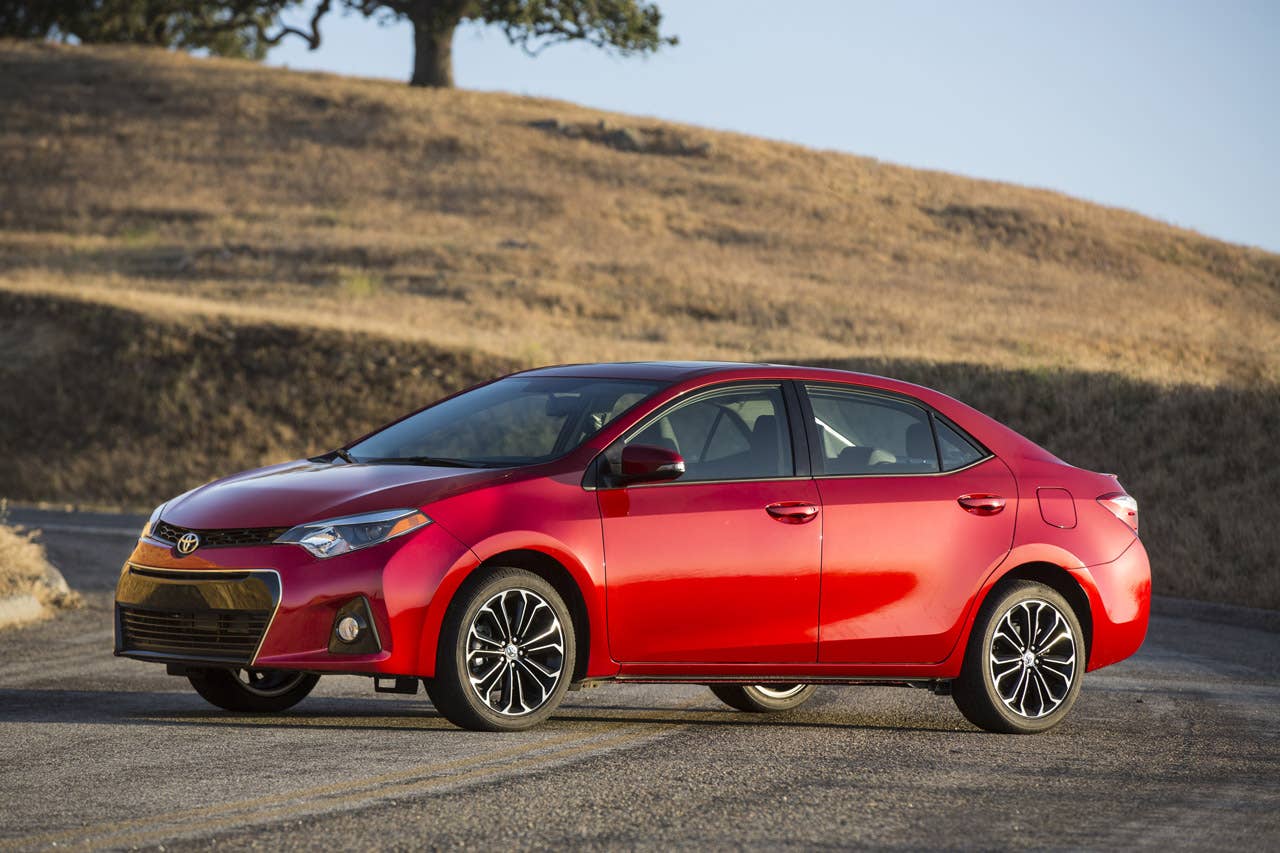
- Engine: 2.0L Dynamic Force inline 4-cylinder
- Horsepower: 169 hp
- Torque: 151 lb-ft
- Length: ~182.3 inches (4,630 mm)
- Width: ~70.1 inches (1,780 mm)
1. Toyota Corolla
The Toyota Corolla is one of the most widely recognized compact cars in the world, and its reputation for longevity extends to nearly every mechanical component, including the starter motor.
One of the main reasons the Corolla performs so well over high mileage is its simplicity. The engine design is not overly complex, and the electrical load required to start the vehicle is relatively low, which reduces long-term stress on the starter.
Another factor contributing to starter durability in the Corolla is the consistency of its manufacturing standards. Toyota has refined the Corolla platform for decades, focusing on incremental improvements rather than radical redesigns.
This stability means that weak points in earlier systems are often corrected in later models, resulting in a more reliable ignition system. Owners frequently report that original starters last well beyond 200,000 miles, and in many cases continue functioning past 250,000 miles with minimal issues.
Battery health also plays an important role in the Corolla’s starter longevity. Because the vehicle is engineered to operate efficiently, it does not require excessive cranking power to start.
This reduces strain on both the battery and starter motor. When combined with routine maintenance such as timely oil changes and electrical system checks, the starter benefits from a stable operating environment that prevents premature wear.
Driving conditions also influence performance. Many Corolla owners use their vehicles for commuting, which typically involves longer continuous drives rather than frequent short trips.
This reduces the number of start cycles over time, allowing the starter to remain in good condition for a longer period. Even in urban environments where stop-and-go driving is common, the Corolla’s efficient design helps mitigate excessive wear.
In addition, the Corolla benefits from strong global parts availability and proven mechanical architecture. Even when components age, replacement parts are inexpensive and widely accessible, allowing the vehicle to stay in service for decades without compromising starter reliability.
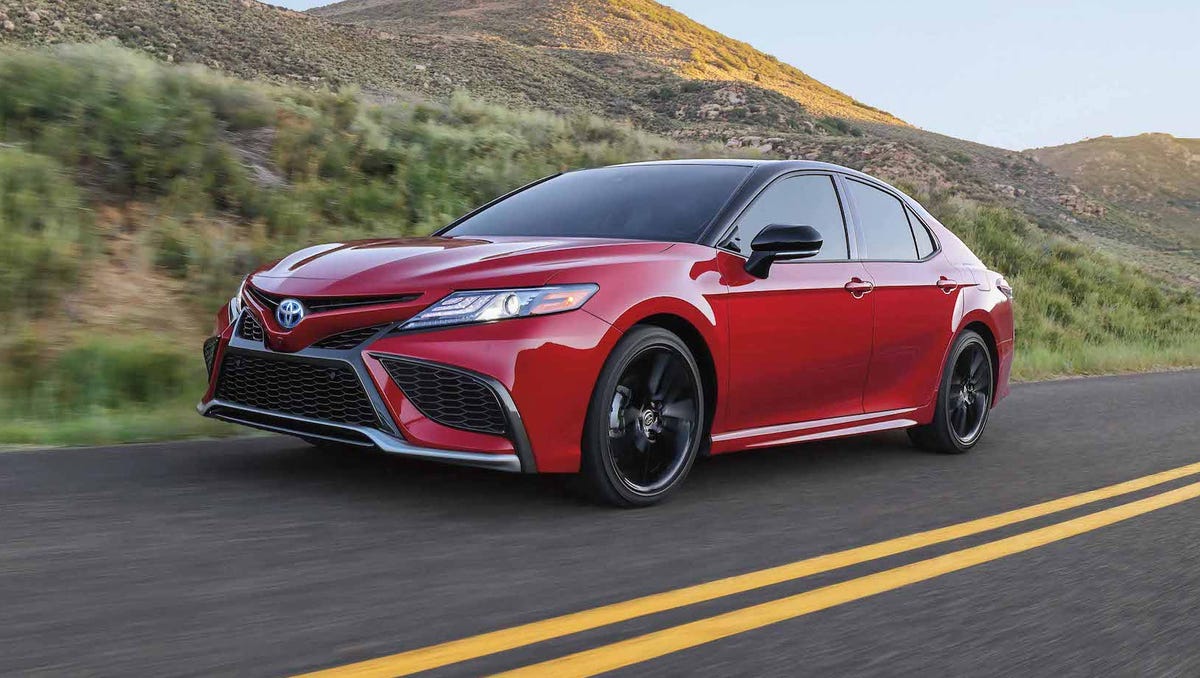
- Engine: 2.5L inline 4-cylinder / optional 3.5L V6
- Horsepower: 203 hp (I4) / 301 hp (V6)
- Torque: 184 lb-ft (I4) / 267 lb-ft (V6)
- Length: ~192.7 inches (4,895 mm)
- Width: ~72.4 inches (1,840 mm)
2. Toyota Camry
The Toyota Camry is another vehicle that consistently appears in discussions about high-mileage reliability. Known for its balance of comfort, performance, and durability, the Camry is engineered to handle years of daily use without major mechanical failures. Its starter motor is no exception, often lasting well beyond 250,000 miles when the vehicle is properly maintained.
One of the reasons the Camry’s starter lasts so long is the quality of its electrical system design. Toyota ensures that voltage delivery to the starter is stable and consistent, which reduces the likelihood of overheating or excessive wear during ignition cycles. A stable electrical system also prevents unnecessary strain on the starter solenoid, which is often a common failure point in less reliable vehicles.
The Camry’s engines are also designed to start smoothly, even in colder conditions. This reduces the amount of time the starter must engage the engine before ignition occurs. Shorter crank times translate directly into less mechanical wear on internal starter components, including the brushes and armature.
Maintenance habits play a major role in extending starter life in the Camry. Owners who regularly maintain their battery, keep terminals clean, and ensure proper engine tune often see significantly longer starter lifespan. The Camry responds well to routine care, and small preventative actions can make a major difference in long-term reliability.
Another important factor is its role as a global commuter vehicle. The Camry is widely used for highway driving, ride sharing, and long-distance travel. These usage patterns reduce excessive start cycles, which naturally extends the lifespan of the starter motor compared to vehicles used primarily for short urban trips.
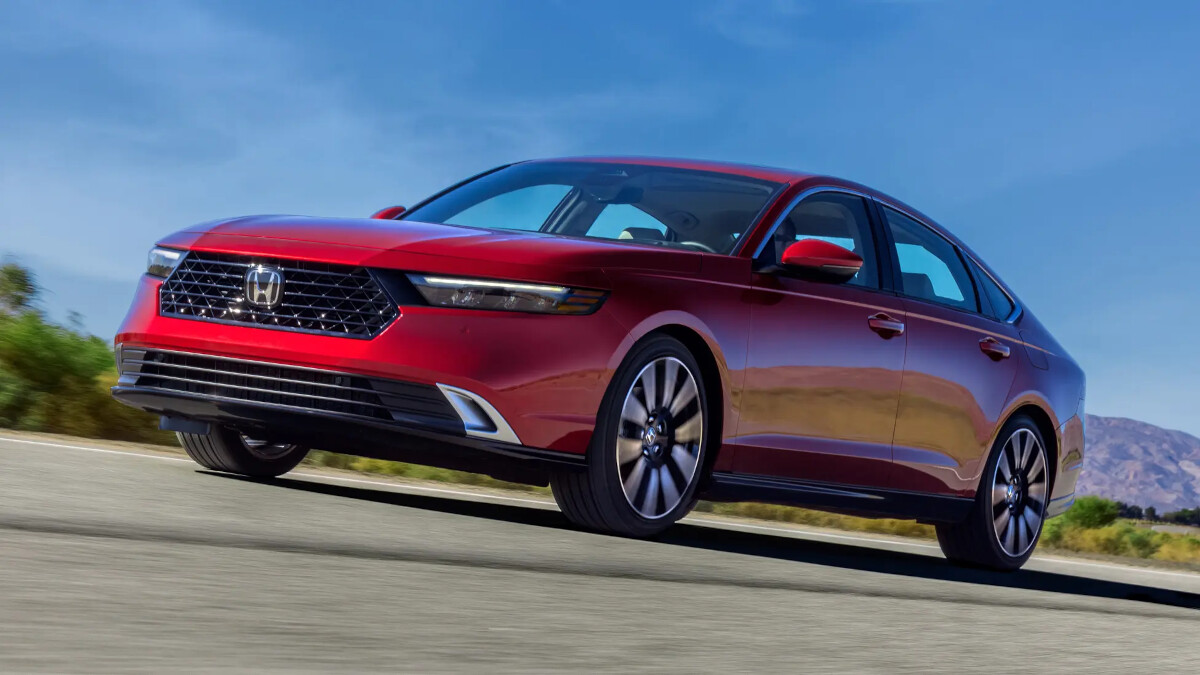
- Engine: 1.5L turbo I4 / 2.0L hybrid system
- Horsepower: 192 hp (turbo) / 204 hp (hybrid system)
- Torque: 192 lb-ft (turbo) / 247 lb-ft (hybrid system)
- Length: ~195.7 inches (4,969 mm)
- Width: ~73.3 inches (1,862 mm)
3. Honda Accord
The Honda Accord has long been regarded as one of the most dependable midsize sedans on the market. Its reputation for high mileage performance includes not only the engine and transmission but also auxiliary components like the starter motor. Many Accord owners report minimal issues even after extensive use, with starters frequently lasting well past the 250,000-mile mark.
A key reason for this durability is Honda’s focus on efficient engine design. The Accord engines are engineered to start quickly and smoothly, reducing the workload placed on the starter. Less cranking time means fewer mechanical cycles of wear, which significantly extends component life over time.
The electrical architecture of the Accord is also designed to be stable and efficient. Voltage regulation is carefully managed to ensure that the starter receives consistent power during ignition. This prevents fluctuations that could otherwise lead to premature wear or solenoid damage.
Another contributing factor is Honda’s use of high-quality starter components. Even in older Accord models, the materials used in the starter motor are known for their durability, particularly the brushes and internal windings. These components are engineered to withstand repeated use over long periods of time without rapid degradation.
The Accord also benefits from a strong maintenance culture among owners. Many drivers follow scheduled servicing closely, ensuring that battery condition, alternator output, and electrical connections remain in good shape. This consistent upkeep directly supports long starter life.
- Engine: 2.0L inline 4 / 1.5L turbo I4
- Horsepower: 158 hp (2.0L) / 180 hp (1.5T)
- Torque: 138 lb-ft (2.0L) / 177 lb-ft (1.5T)
- Length: ~184.0 inches (4,671 mm)
- Width: ~70.9 inches (1,802 mm)
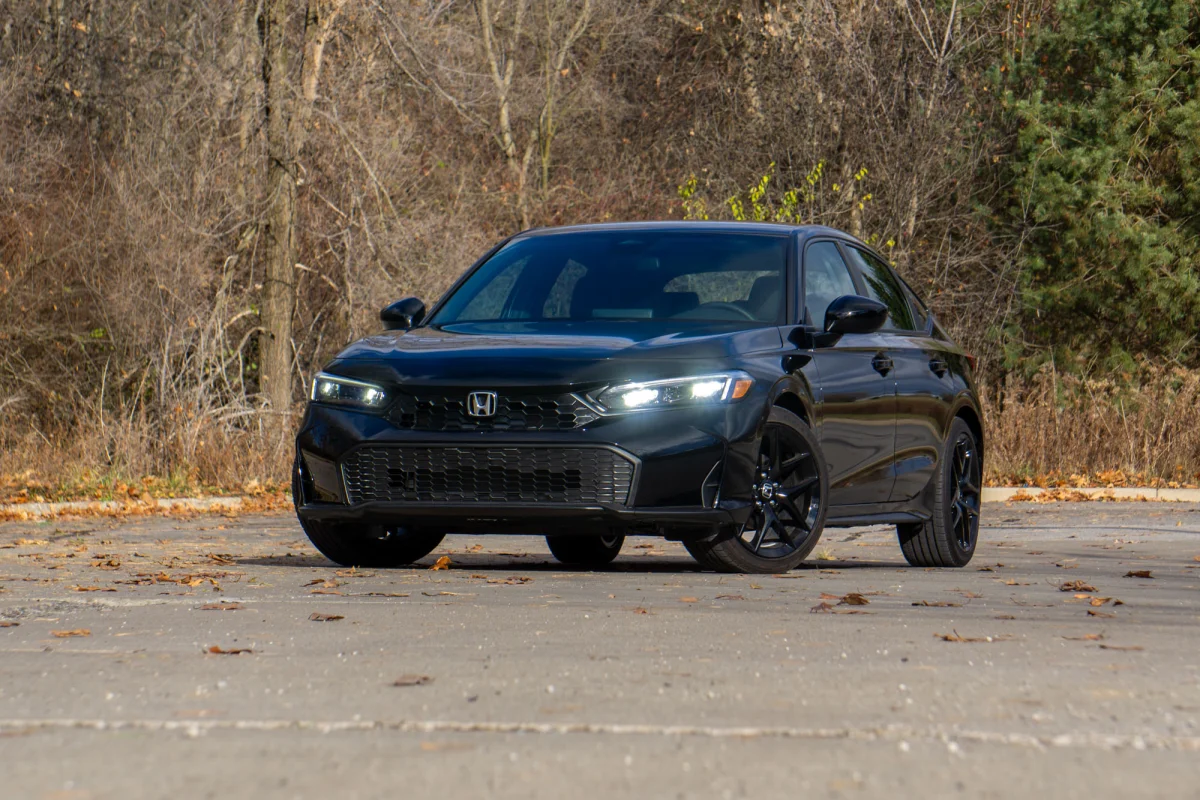
4. Honda Civic
The Honda Civic is one of the most popular compact cars globally, and its reliability record is well established. One of its standout features is the long life of its electrical and ignition components, including the starter motor. It is not uncommon for Civics to retain their original starter well beyond 250,000 miles.
The Civic benefits from a lightweight engine design that requires less energy to turn over during startup. This reduces the load placed on the starter motor each time the engine is engaged. Over thousands of cycles, this reduced load adds up to significantly less wear compared to heavier or more demanding engines.
Honda’s engineering philosophy also emphasizes efficiency and minimal friction within engine components. This means that the engine starts quickly, which shortens the duration the starter must operate. Shorter engagement time is one of the most important factors in extending starter lifespan.
Electrical system reliability in the Civic is another strong point. Stable battery performance and efficient alternator output help ensure that the starter is not exposed to voltage drops or surges. These stable conditions contribute directly to longer component life.
Another factor is the Civic’s global reputation for durability, which has led to continuous refinement over multiple generations. Each iteration improves reliability slightly, resulting in a platform where the starter system is consistently engineered for long-term endurance.
- Engine: 2.4L turbocharged inline 4 (i-FORCE / i-FORCE MAX hybrid)
- Horsepower: 278 hp (standard) / up to 326 hp (hybrid)
- Torque: 317 lb-ft (standard) / up to 465 lb-ft (hybrid)
- Length: ~213 to 226 inches (depending on bed and cab)
- Width: ~76.9 inches (1,953 mm)
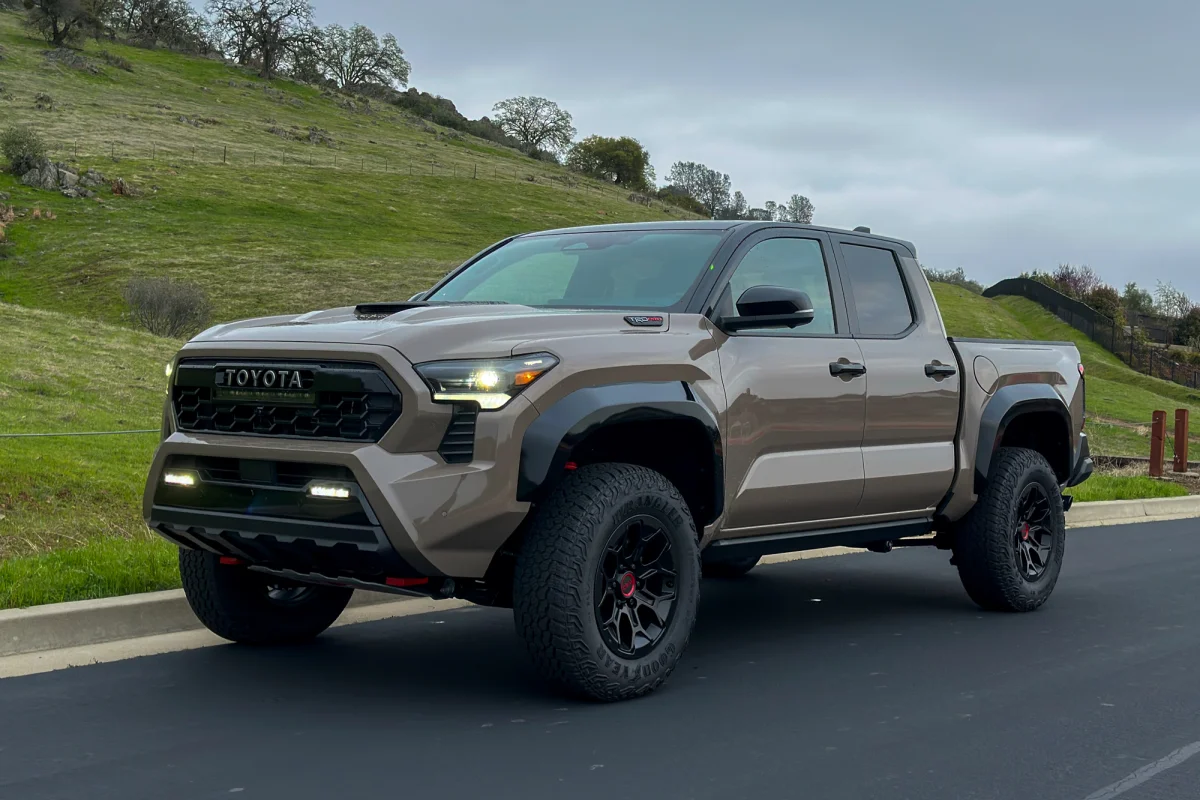
5. Toyota Tacoma
The Toyota Tacoma is a midsize pickup known for its rugged durability and long-term reliability. Unlike many trucks that experience wear quickly under heavy use, the Tacoma is engineered to handle demanding conditions while maintaining dependable performance. Its starter motor is designed with this durability in mind and frequently exceeds 250,000 miles in real-world use.
One of the main reasons for the Tacoma’s starter longevity is its robust electrical system. Trucks are often exposed to more demanding operating conditions, so Toyota equips the Tacoma with components that can withstand higher stress levels. This includes a starter motor built for repeated engagement under load.
The Tacoma’s engines are also tuned for reliability rather than extreme performance. This conservative tuning means the starter does not need to work as hard to initiate combustion. As a result, each start cycle places relatively low stress on internal components.
Environmental durability also plays a role. The Tacoma is commonly used in outdoor, off-road, or work environments, yet it maintains strong reliability due to reinforced components. Dust, heat, and vibration resistance all contribute to preserving starter life over long periods.
Additionally, the Tacoma benefits from a strong enthusiast and work truck community that prioritizes preventive maintenance. Regular servicing schedules, battery care, and electrical system checks all help ensure the starter remains functional well beyond typical expectations.
- Engine: 2.4L turbo hybrid i-FORCE MAX inline 4
- Horsepower: 326 hp
- Torque: 465 lb-ft
- Length: ~193.7 inches (4,920 mm)
- Width: ~78.0 inches (1,980 mm)
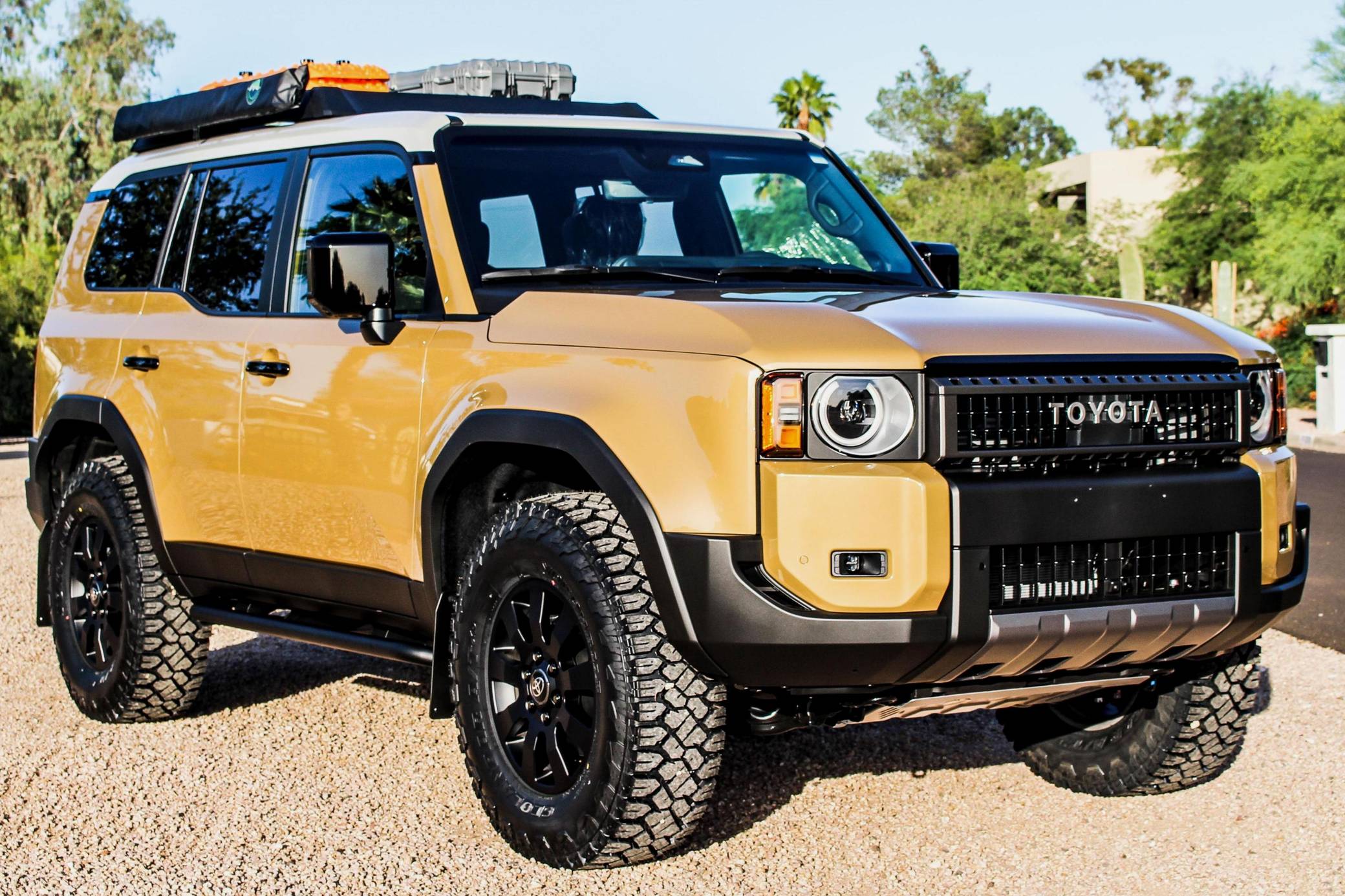
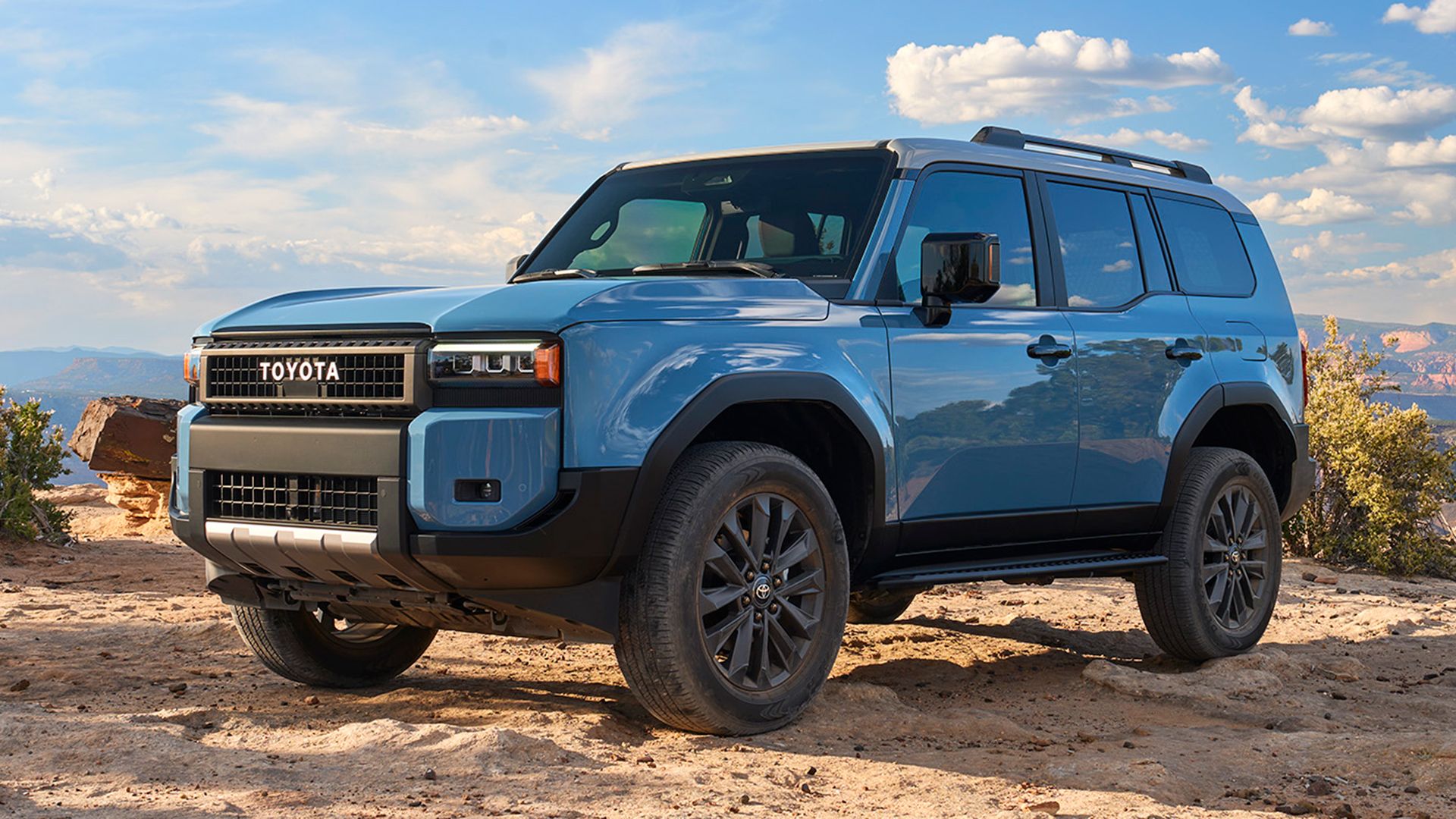
6. Toyota Land Cruiser
The Toyota Land Cruiser is widely regarded as one of the most reliable and durable SUVs ever produced, with a global reputation built on decades of real-world performance in extreme environments. Its starter motor is engineered with the same philosophy of overbuilt reliability, allowing it to function well beyond 250,000 miles in many cases.
This durability is not accidental but the result of a design approach that prioritizes long-term endurance over cost saving or lightweight engineering.
One of the most important factors behind the Land Cruiser’s starter longevity is its heavy-duty electrical system. The vehicle is designed to operate in deserts, mountains, and harsh off-road conditions where electrical stability can often be compromised in lesser vehicles.
Toyota ensures that the alternator output, battery support, and wiring systems all work together to deliver consistent voltage to the starter motor under all conditions.
The engine design also plays a significant role in reducing starter wear. Land Cruiser engines are tuned for smooth and controlled combustion rather than high-performance output.
This means the engine starts relatively easily compared to more aggressive powertrains, reducing the time and force required from the starter motor during each ignition cycle. Over hundreds of thousands of starts, this reduction in strain becomes a major factor in long-term durability.
Another key aspect is owner behavior and usage patterns. Land Cruiser owners often rely on the vehicle for long-distance travel, exploration, and remote area driving. Because of this, maintenance is typically performed with a high level of attention, often ahead of schedule rather than after problems arise. This proactive maintenance culture helps ensure that the starter system remains in excellent condition for extended periods.
Finally, the Land Cruiser benefits from Toyota’s philosophy of conservative engineering margins. Many components are built stronger than necessary for normal use, creating a buffer that allows the vehicle to absorb wear and stress over time. This engineering approach ensures that even after decades of use, the starter motor remains one of the least likely components to fail.
Also Read: 10 Cars With the Strongest Stock Engines Sold Today
- Engine: 3.4L twin-turbocharged V6
- Horsepower: 416 hp
- Torque: 442 lb-ft
- Length: ~206.1 inches (5,235 mm)
- Width: ~74.8 inches (1,900 mm)
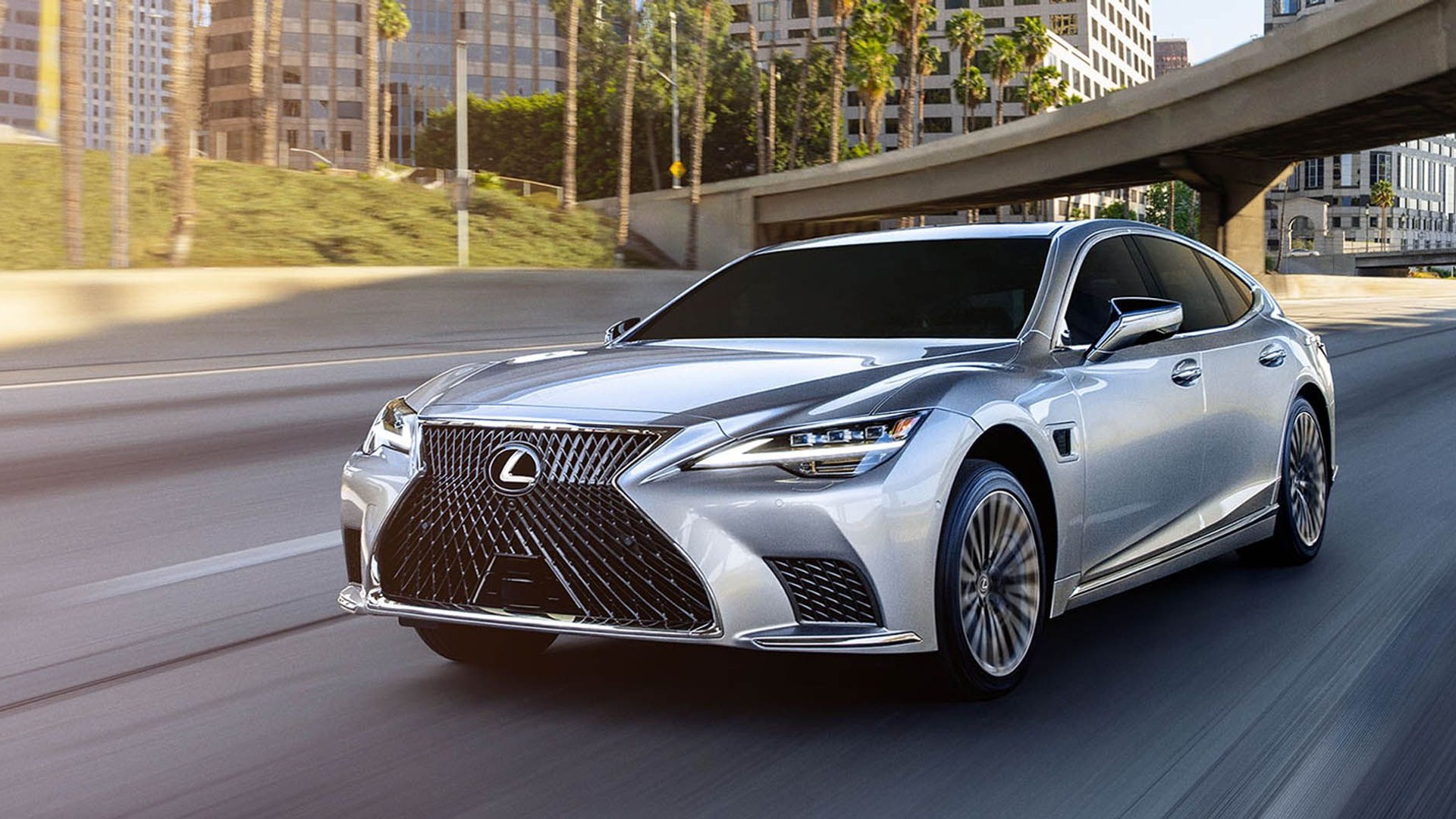
7. Lexus LS
The Lexus LS is the flagship luxury sedan of Toyota’s premium division, and it combines high-end comfort with exceptional mechanical reliability.
Despite its advanced features and sophisticated technology, it maintains a strong reputation for long-lasting components, including the starter motor. Many Lexus LS vehicles remain operational well beyond 250,000 miles when properly maintained, with the starter often requiring little to no intervention during that time.
A major reason for this reliability is the shared engineering foundation with Toyota’s most proven platforms. While the Lexus LS includes more refinement and additional technology, its core mechanical systems, including the starter, are based on Toyota’s long-established durability principles.
This means the starter benefits from decades of engineering refinement aimed at reducing wear and increasing longevity.
The LS engine is designed for smooth, quiet, and balanced operation. This smoothness directly affects starter lifespan because the engine requires less effort to turn over during ignition. A smoother start reduces mechanical shock loads on the starter motor, allowing internal components such as brushes, bearings, and armatures to last significantly longer than in more aggressively tuned engines.
Electrical stability is another key advantage of the Lexus LS. The vehicle is equipped with a highly refined electrical system that regulates voltage delivery with precision. This prevents fluctuations that could otherwise stress the starter motor or damage the solenoid. Stable electrical conditions are essential for maintaining consistent starter performance over long periods of use.
Finally, owner maintenance habits contribute significantly to longevity. Lexus LS owners typically maintain their vehicles at a higher standard due to the premium nature of the car.
Regular servicing, battery replacement at appropriate intervals, and attention to electrical health all contribute to ensuring that the starter remains functional well beyond typical mileage expectations.
- Engine: 4.0L naturally aspirated V6
- Horsepower: 270 hp
- Torque: 278 lb-ft
- Length: ~190.2 inches (4,831 mm)
- Width: ~75.8 inches (1,925 mm)
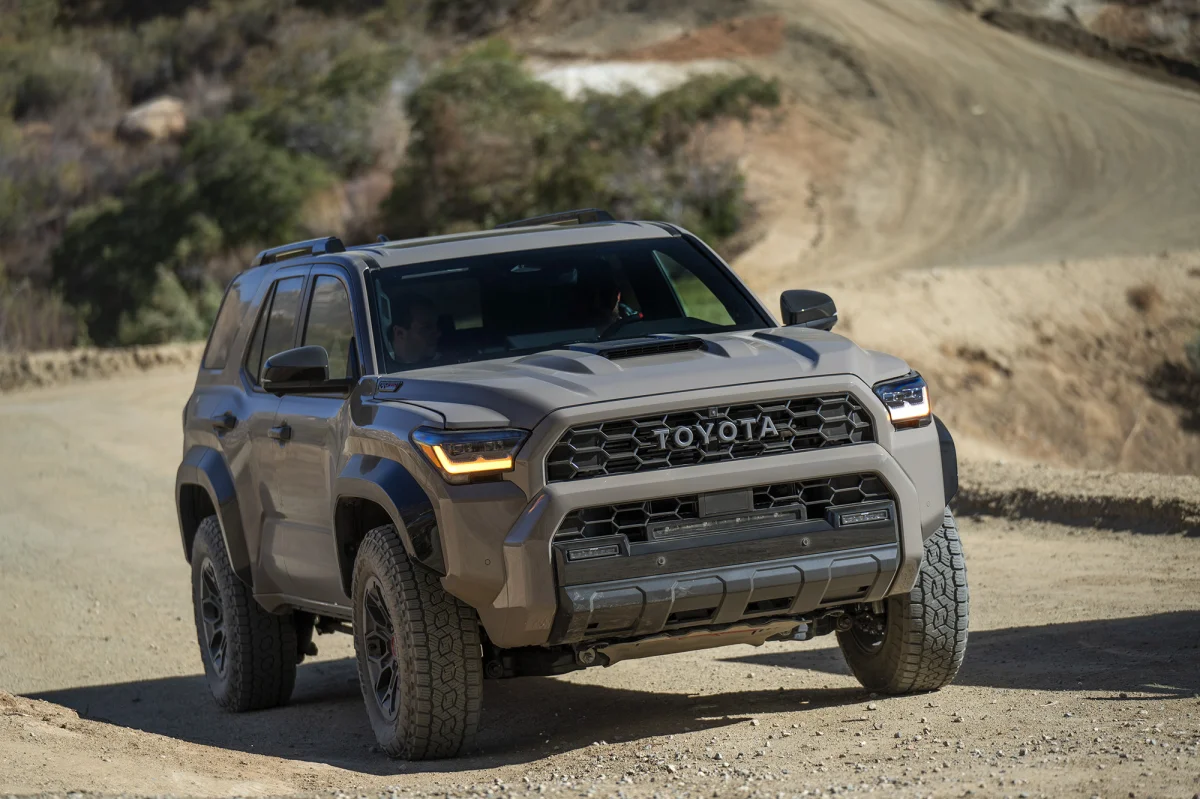
8. Toyota 4Runner
The Toyota 4Runner is a rugged midsize SUV known for its durability, off-road capability, and long-term reliability. It is one of the few remaining vehicles in its class that still uses a body-on-frame construction, which contributes to its structural strength and mechanical resilience.
The starter motor in the 4Runner is built to match this rugged design philosophy and is commonly known to exceed 250,000 miles under proper maintenance.
One of the key factors behind the 4Runner’s starter longevity is its conservative engine tuning. The engine is designed with reliability as the top priority rather than performance output. This means it operates under less mechanical stress during startup, allowing the starter motor to engage the engine more easily and with reduced wear over time.
The electrical system in the 4Runner is also engineered for durability in challenging environments. Whether exposed to extreme heat, cold temperatures, dust, or moisture, the system is designed to maintain stable voltage delivery to critical components such as the starter. This consistency is essential for preventing premature electrical wear or intermittent failures.
Another important factor is the way the 4Runner is typically used. Many owners take it off-road, tow heavy loads, or use it for long distance travel across varying terrain. Despite this demanding usage, the vehicle’s components are built to withstand stress, and the starter motor benefits from this over-engineered durability. Even under harsh conditions, failures are relatively rare when maintenance is performed correctly.
Finally, the 4Runner benefits from a strong owner community that values preventive maintenance and long-term ownership. Many drivers keep their vehicles for decades, which encourages regular servicing and proactive replacement of consumable parts. This level of care significantly contributes to the starter motor’s ability to last well beyond 250,000 miles, reinforcing the 4Runner’s reputation as one of the most dependable SUVs available.