
Rust is one of the most destructive problems that can affect a truck. While surface corrosion on body panels may be mostly cosmetic, frame rust is a completely different issue.
The frame serves as the backbone of a truck, supporting the cab, bed, suspension, drivetrain, and towing loads. Once severe corrosion begins attacking the structural frame rails, repair costs can become enormous, and in many cases, the vehicle may no longer be safe to drive.
Certain trucks have earned reputations for frame durability, surviving decades of hard work with little structural deterioration. Others have become infamous among owners, mechanics, and used truck shoppers because their frames developed significant rust problems far earlier than expected.
Road salt, coastal climates, poor drainage design, inadequate factory corrosion protection, and trapped moisture all contribute to these failures. In regions where winter roads are heavily salted, some trucks experienced frame deterioration so severe that recalls, buyback programs, and widespread lawsuits followed.
Frame rust is particularly dangerous because it often develops in areas that are difficult to inspect. Corrosion can hide inside boxed frame sections, near suspension mounting points, around fuel tank supports, and beneath skid plates.
By the time visible damage appears, the structural integrity may already be compromised. Owners frequently discover problems during routine maintenance, state safety inspections, or when suspension components begin separating from the frame itself.
For used truck buyers, understanding which models have historically struggled with frame corrosion can prevent expensive mistakes. A truck may appear clean on the outside while hiding thousands of dollars’ worth of structural damage underneath.
Careful inspections become especially important when shopping for vehicles that have spent years in snowbelt states or coastal environments.
The following trucks developed particularly strong reputations for frame corrosion issues. While not every example suffered catastrophic rust, these models became well known for frame deterioration that owners, technicians, and industry observers continue to discuss years after production ended.
Also Read: 9 Hidden Features in Kia Models Owners Never Discover
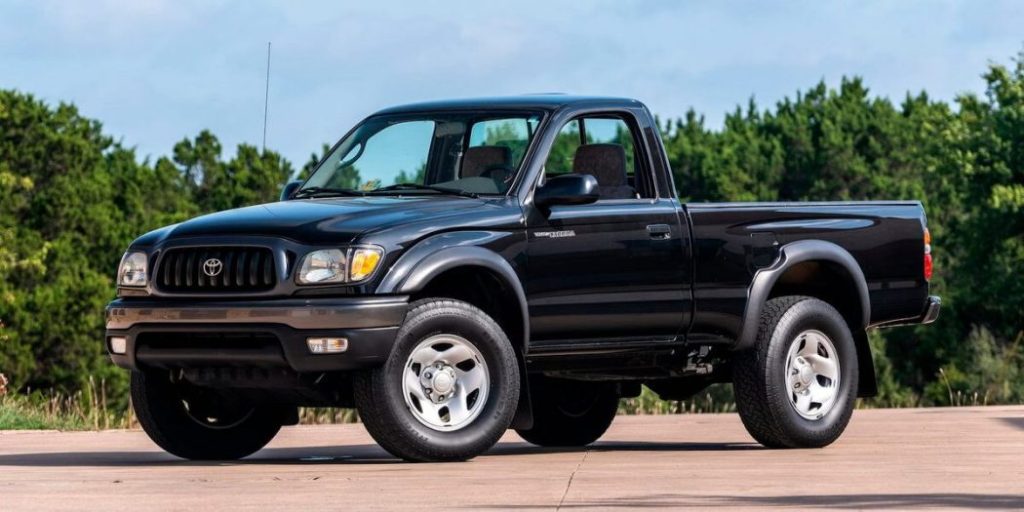
1. Toyota Tacoma (1995 to 2004)
The first-generation Toyota Tacoma earned praise for reliability, fuel efficiency, and long service life. Many examples have accumulated hundreds of thousands of miles with minimal drivetrain issues. Unfortunately, the truck’s frame became one of the most infamous rust stories in automotive history.
Owners across northern states began reporting severe corrosion that appeared much earlier than expected. The problem extended beyond ordinary surface rust. In many cases, frame rails developed holes large enough to compromise structural integrity.
Mechanics discovered trucks with significant weakening around suspension attachment points, creating serious safety concerns. Some owners reported finding rust damage severe enough to allow tools to pass through sections of the frame.
The issue became so widespread that Toyota eventually launched extensive inspection and replacement programs. Certain trucks qualified for complete frame replacements, while others were repurchased by the manufacturer. Such actions are rare in the automotive industry and demonstrate the seriousness of the corrosion problem.
A major contributor appeared to be inadequate corrosion protection combined with environmental exposure. Trucks operating in regions that used road salt during the winter months experienced accelerated deterioration.
Moisture, salt, and debris accumulated in critical areas where corrosion could progress unnoticed for years. Since many Tacoma owners relied on their trucks for outdoor recreation, towing, and work duties, exposure to harsh conditions often intensified the problem.
Another reason the Tacoma frame rust issue gained attention was the truck’s otherwise outstanding reputation. Owners expected exceptional longevity from Toyota products, making the structural failures particularly disappointing. Many vehicles remained mechanically sound even while their frames were becoming unsafe.
Today, buyers continue seeking older Tacomas because of their dependable engines and strong resale value. However, experienced shoppers carefully inspect frame rails, crossmembers, and suspension mounting areas before purchasing.
A thorough underbody examination often determines whether a truck remains a bargain or becomes a costly restoration project.
Specifications
- Engine: 2.7L Inline 4 or 3.4L V6
- Torque: Up to 220 lb ft
- Horsepower: Up to 190 hp
- Length/Width: 190.4 in / 66.5 in
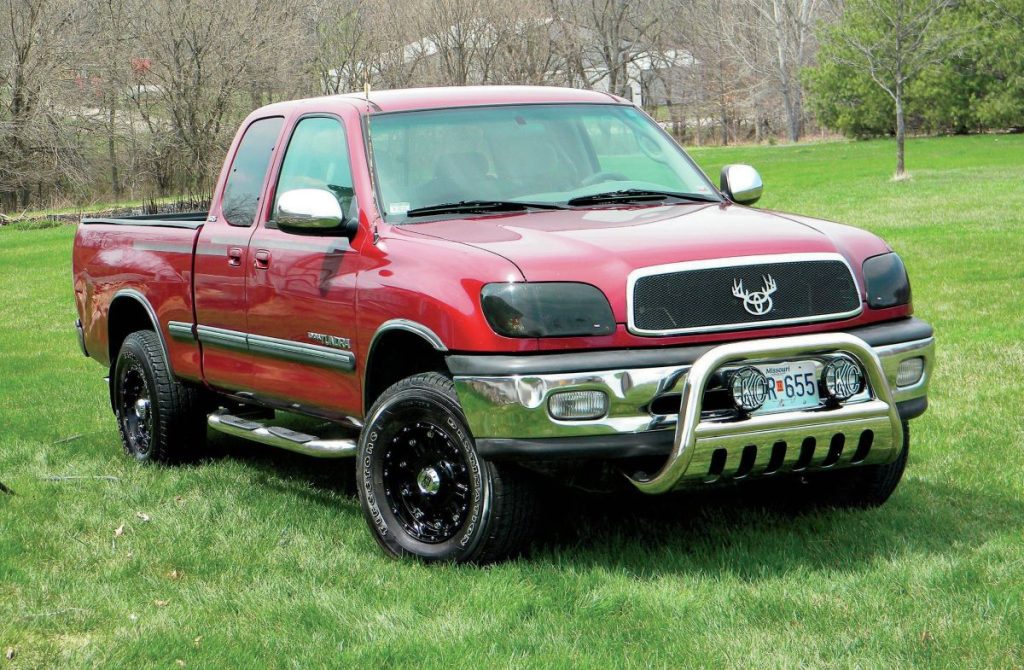
2. Toyota Tundra (2000 to 2003)
The first-generation Toyota Tundra encountered a corrosion problem that closely mirrored the challenges faced by the Tacoma. Introduced as Toyota’s entry into the full-size pickup market, the Tundra quickly developed a reputation for comfort, reliability, and smooth power delivery. Yet beneath many trucks, a different story was unfolding.
As these vehicles aged, reports of extensive frame corrosion began emerging throughout snowbelt regions. Rust often appeared in critical structural areas rather than remaining limited to cosmetic surfaces.
Owners and repair shops documented cases where large sections of the frame experienced significant deterioration. Some trucks showed alarming corrosion near suspension components and crossmembers, raising concerns about long-term safety.
Toyota ultimately acknowledged the seriousness of the issue through inspection campaigns and corrective measures. In some situations, trucks required substantial repairs, while others qualified for buyback programs. The scale of the response highlighted how deeply the corrosion problem affected certain vehicles.
One factor that made the Tundra vulnerable was the design of portions of the frame where moisture and debris could accumulate. When road salt entered these areas, corrosion accelerated.
Drivers living in northern climates frequently encountered the most severe damage because winter conditions repeatedly exposed the underbody to salt and moisture. Over time, trapped contaminants created ideal conditions for rust formation.
Interestingly, many affected Tundras remained mechanically dependable. Engines, transmissions, and drivetrains often continued operating reliably while the frame underneath suffered progressive deterioration. This created a frustrating situation for owners because the truck could still run exceptionally well despite serious structural concerns.
The Tundra’s frame rust reputation remains an important consideration in the used market. Enthusiasts frequently recommend detailed inspections before purchase, especially for vehicles originating from regions known for heavy winter road treatment.
Even well-maintained trucks deserve close examination because corrosion can advance in hidden areas that are not immediately visible.
For many buyers, frame condition ultimately matters more than mileage when evaluating an early Tundra. A rust-free example can provide years of service, while a severely corroded truck may require repairs that exceed its value.
Specifications
- Engine: 3.4L V6 or 4.7L V8
- Torque: Up to 315 lb-ft
- Horsepower: Up to 245 hp
- Length/Width: 217.5 in / 75.2 in
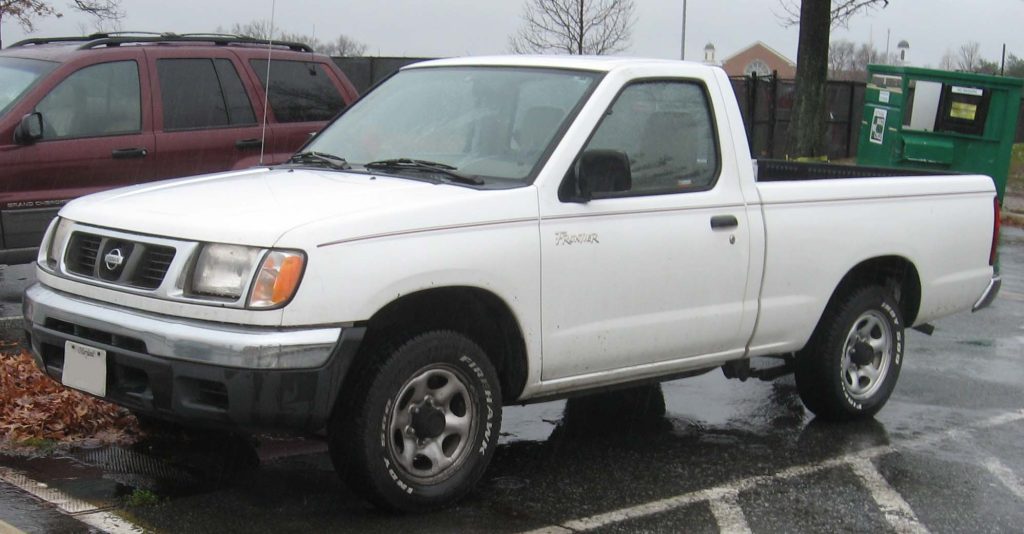
3. Nissan Frontier (1998 to 2004)
The first-generation Nissan Frontier arrived at a time when compact and midsize pickups were becoming increasingly popular among drivers who wanted utility without the bulk of a full-size truck.
The Frontier earned respect for its straightforward engineering, dependable powertrains, and reasonable ownership costs. Many examples spent their lives hauling equipment, serving as daily transportation, or handling weekend outdoor adventures.
Despite these strengths, one issue repeatedly surfaced as the trucks aged: extensive frame corrosion.
Unlike cosmetic rust that affects fenders or rocker panels, the corrosion seen on many older Frontiers often attacks structural sections underneath the vehicle. Owners in northern states and Canadian provinces began reporting frame deterioration that appeared far more severe than expected for the truck’s age.
In numerous cases, rust concentrated around crossmembers, suspension attachment points, and lower frame rails where road debris and moisture could accumulate.
The challenge became particularly noticeable in regions that relied heavily on road salt during winter. Salt water would splash into hard-to-reach areas of the frame and remain trapped for long periods.
Because some sections were difficult to inspect without lifting the truck, corrosion could continue progressing unnoticed. What initially appeared to be minor surface rust sometimes developed into deep scaling and structural weakening.
Many mechanics became familiar with Frontiers arriving for routine maintenance, only to reveal serious rust damage during inspections. Technicians occasionally discovered that suspension mounting areas had become significantly compromised.
Such deterioration raised concerns not only about repair costs but also about vehicle safety. Once structural rust reaches critical points, even otherwise dependable trucks become difficult to justify repairing.
Another reason the issue attracted attention was the Frontier’s reputation for mechanical durability. The engines and transmissions often remained functional long after corrosion began affecting the chassis.
Owners frequently faced the frustrating reality of having a truck that still ran well but required expensive frame repairs. This contrast between drivetrain longevity and frame deterioration became a recurring theme among aging examples.
Today, surviving first-generation Frontiers can still provide useful service when properly maintained. However, experienced buyers know that the frame deserves more attention than paint condition or interior wear.
Careful examination of the underbody, particularly around suspension components and crossmembers, remains essential before purchase.
The Frontier never experienced frame corrosion publicity on the same scale as certain Toyota models, yet among truck enthusiasts and repair professionals, it remains one of the pickups commonly associated with significant rust concerns. For that reason, condition matters far more than mileage when evaluating one of these older trucks.
Specifications
- Engine: 2.4L Inline 4 or 3.3L V6
- Torque: Up to 200 lb ft
- Horsepower: Up to 170 hp
- Length/Width: 183.3 in / 67.3 in
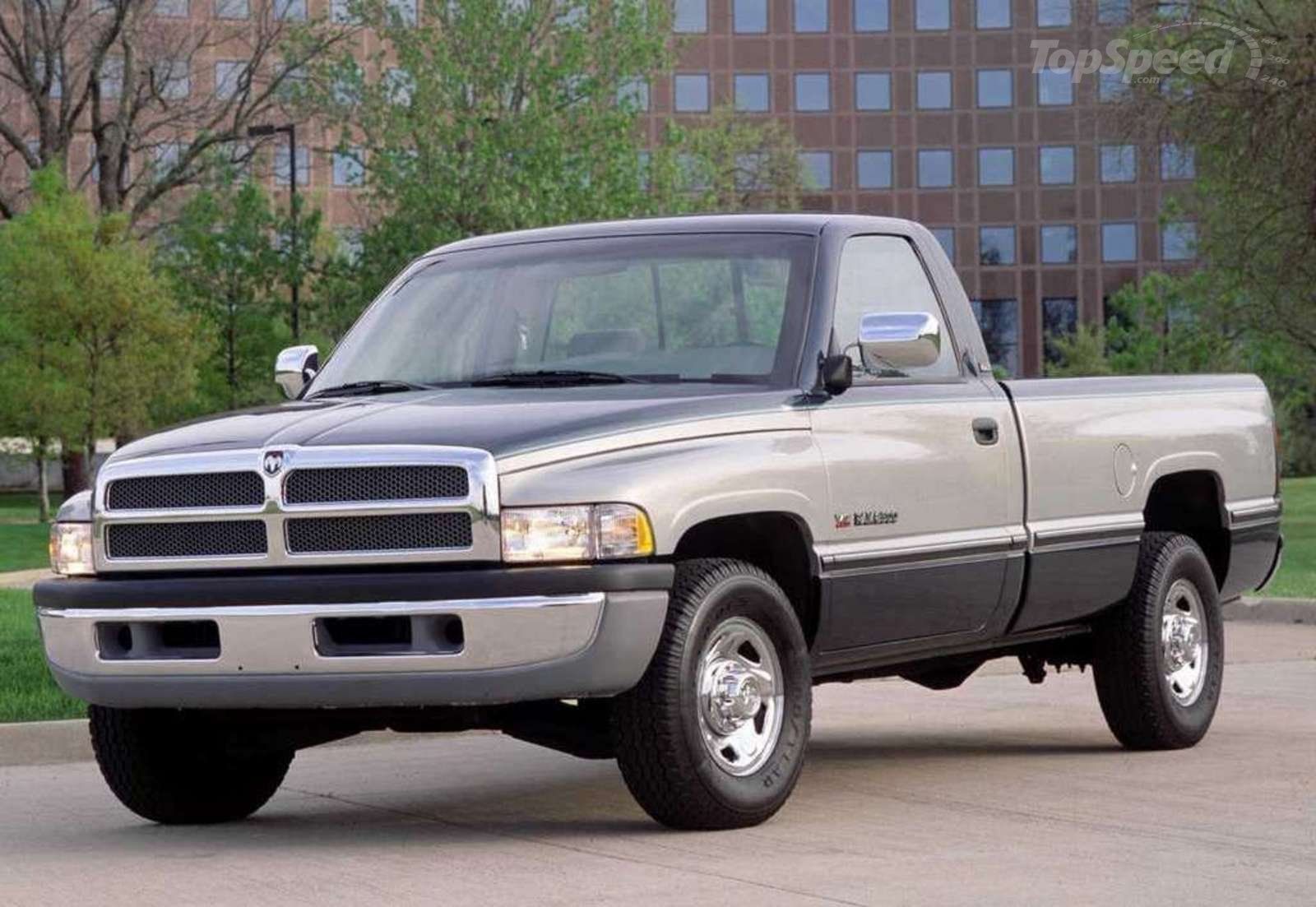
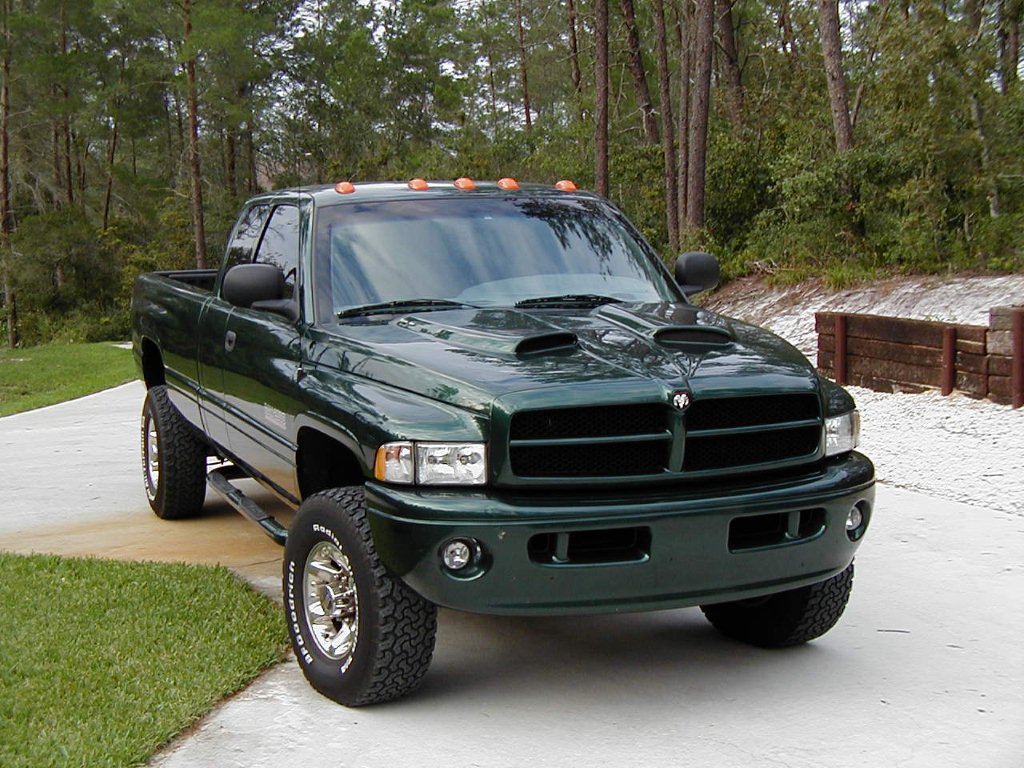
4. Dodge Ram 1500 (1994 to 2001)
When Dodge introduced the redesigned Ram for the 1994 model year, the truck industry took notice immediately. Its bold styling, large grille, and imposing stance helped redefine pickup design for an entire generation.
Sales surged, and the Ram quickly became one of the most recognizable trucks on North American roads. Yet as these vehicles accumulated years of use, many owners discovered a significant weakness hiding underneath.
Frame corrosion became a common complaint among Ram owners, especially those living in areas where snow, ice, and road salt were part of everyday winter driving. Unlike trucks that developed isolated rust spots, some Rams suffered widespread deterioration affecting multiple structural areas simultaneously.
Frame rails, rear sections, spring mounts, and crossmembers often showed signs of aggressive corrosion after years of exposure.
Part of the problem stemmed from how moisture and debris accumulated beneath the truck. Dirt mixed with salt could become trapped in pockets and seams, creating ideal conditions for rust development.
Once corrosion gained a foothold, it frequently spread beneath protective coatings and continued attacking the steel from underneath. By the time owners noticed visible damage, the deterioration was sometimes already extensive.
The rear portion of the frame became a particularly vulnerable area on many examples. Mechanics performing suspension work occasionally encountered heavily corroded mounting points and weakened structural sections.
In severe cases, towing capability and load-carrying confidence were affected because the frame no longer possessed its original strength.
What made the issue especially disappointing was the truck’s popularity among owners who regularly used their vehicles for demanding work. Construction workers, farmers, contractors, and trailer owners often relied on these trucks daily.
As a result, frame durability was not simply a cosmetic concern but a critical factor affecting the truck’s usefulness.
Not every Ram experienced severe corrosion. Trucks from dry climates frequently aged much better than those operating in the Rust Belt. Nevertheless, the model developed a reputation that continues to influence used vehicle inspections today.
Potential buyers often spend more time evaluating the underside than the exterior body panels because structural rust can dramatically change a truck’s value.
Many surviving examples remain on the road thanks to strong engines and a loyal enthusiast community. However, anyone considering one of these rams should pay close attention to frame condition.
A clean frame can make an older Ram a worthwhile purchase, while extensive corrosion can transform an affordable truck into a major financial burden.
Specifications
- Engine: 3.9L V6, 5.2L V8, or 5.9L V8
- Torque: Up to 335 lb ft
- Horsepower: Up to 245 hp
- Length/Width: 224.1 in / 79.4 in
5. Chevrolet Silverado 1500 (1999 to 2006)
The Chevrolet Silverado entered the market with enormous expectations. As the successor to the long-running C/K truck line, it represented a major step forward for General Motors in terms of ride quality, interior comfort, and everyday usability.
Buyers appreciated the truck’s broad range of engine choices, strong towing capabilities, and relatively refined driving experience. It quickly became one of the best-selling pickups in North America.
Yet as the years passed, a growing number of owners encountered a problem that often proved more serious than mechanical wear: extensive frame rust.
Unlike failures that occur suddenly, frame corrosion typically develops over many years. On numerous early Silverado models, rust began forming in areas that routinely collected moisture, dirt, and road salt.
Drivers in northern states, where winter road treatment is common, were especially likely to encounter the issue. Repeated exposure to salty slush created a harsh environment beneath the truck, gradually attacking the steel structure.
One of the most commonly discussed trouble spots involved crossmembers and rear frame sections. These components are vital because they help distribute loads throughout the chassis.
As corrosion progressed, owners sometimes discovered flaking metal, deep scaling, and weakening around mounting points. In difficult situations, structural sections became thin enough to raise legitimate safety concerns.
The problem was particularly frustrating because many Silverados remained mechanically capable long after rust began damaging the frame. The truck’s V8 engines frequently accumulated high mileage with proper maintenance.
Transmissions, differentials, and suspension components could often be repaired or replaced at reasonable cost. Structural corrosion, however, presented a different challenge. Repairing a severely rusted frame often required extensive welding, fabrication, or complete replacement of major chassis sections.
Inspection reports from mechanics commonly revealed rust hidden behind protective coatings or in areas rarely examined during routine maintenance.
Owners occasionally assumed the truck was in good condition because the body panels looked presentable, only to discover substantial deterioration underneath. This disconnect between appearance and structural health caught many buyers by surprise.
The Silverado’s popularity also contributed to the visibility of the issue. Because hundreds of thousands were sold, even a moderate corrosion rate translated into a large number of affected trucks.
Online owner communities became filled with discussions about rust prevention, frame repairs, and underbody inspections. Some owners invested heavily in rustproofing treatments to slow further deterioration, while others ultimately retired trucks that still ran well because frame repairs no longer made financial sense.
Another factor worth noting is the difference between climate regions. Silverados from dry southern states generally aged much better than those that spent years in snowbelt areas.
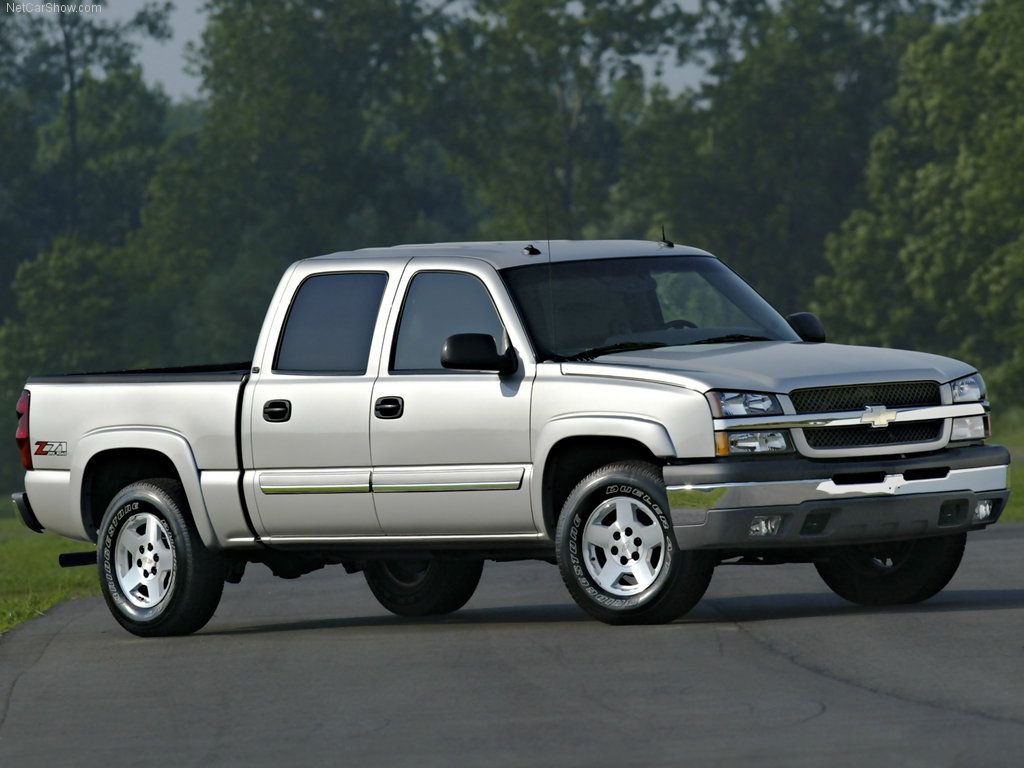
A truck from Arizona or Texas often displayed less corrosion than a similar vehicle from Michigan, New York, or Ontario. Consequently, many buyers searching for older Silverados specifically seek examples from warmer climates.
Today, the 1999 to 2006 Silverado remains a respected pickup truck thanks to its capable engines and practical design. However, experienced shoppers know that the frame deserves scrutiny.
A clean, structurally sound chassis can make the truck an excellent value. A severely corroded frame, on the other hand, can turn an otherwise dependable pickup into an expensive project with uncertain long-term prospects.
Specifications
- Engine: 4.3L V6, 4.8L V8, 5.3L V8, or 6.0L V8
- Torque: Up to 380 lb-ft
- Horsepower: Up to 300 hp
- Length/Width: 227.7 in / 78.5 in
6. Ford Ranger (1998 to 2011)
The Ford Ranger built a reputation as one of the toughest compact pickups of its era. It was simple, affordable, easy to maintain, and widely used by everyone from contractors to college students.
Many owners praised the truck’s durability, and countless examples remained in service long after their competitors disappeared from the roads. Despite those strengths, frame corrosion emerged as one of the model’s most significant long-term concerns.
The Ranger’s rust issues were not always immediately visible. In many cases, deterioration began underneath the vehicle in areas exposed to road spray, mud, and winter salt.
The rear frame sections became particularly vulnerable as years of accumulated debris trapped moisture against the metal. Because these locations were often out of sight, corrosion could advance for long periods before attracting attention.
Owners frequently discovered the problem during unrelated repairs. A truck might visit a shop for brake work, suspension maintenance, or tire replacement, only for technicians to uncover substantial rust damage underneath.
What initially appeared to be a routine service appointment occasionally turned into a conversation about structural integrity and safety concerns.
One reason the Ranger developed this reputation was its popularity in regions with harsh winters. The truck sold exceptionally well across northern parts of the United States and Canada, where road salt exposure is a yearly reality.
Over time, repeated contact with salt accelerated oxidation and weakened frame components. The process was gradual, but after a decade or more, the effects could become severe.
The rear leaf spring mounting areas often received particular attention from mechanics. These locations endure significant stress because they support the suspension system and cargo loads.
When rust attacked these points, owners faced more than cosmetic concerns. Structural weakening could affect handling characteristics, towing confidence, and long-term reliability.
Interestingly, many Rangers remained mechanically healthy despite extensive corrosion. The truck’s engines earned praise for longevity, and replacement parts were widely available.
This created a common scenario in which a Ranger still started every morning, drove reliably, and performed its duties without complaint while hidden rust slowly compromised the frame beneath it.
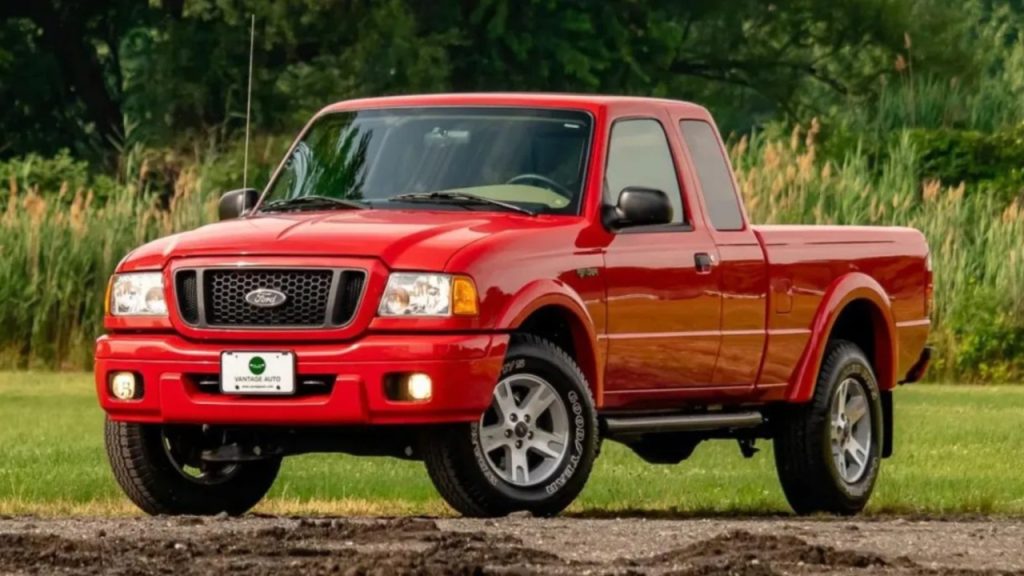
Some owners successfully extended the life of their trucks through aggressive rust prevention measures. Annual underbody treatments, regular washing during winter months, and prompt repairs of damaged coatings helped slow corrosion. Nevertheless, vehicles that spent years in severe climates often faced challenges regardless of maintenance efforts.
The Ranger’s enduring popularity means that thousands remain on the road today. Enthusiasts continue to appreciate its straightforward design and practical size.
However, when evaluating a used example, frame condition often becomes the single most important factor. Mileage, paint quality, and interior appearance matter far less if structural corrosion has already taken hold.
For buyers seeking an older Ranger, a thorough inspection underneath the truck is essential. The difference between a rust-free frame and a heavily corroded one can determine whether the vehicle provides years of dependable service or requires costly repairs shortly after purchase.
Specifications
- Engine: 2.3L Inline 4, 3.0L V6, or 4.0L V6
- Torque: Up to 238 lb ft
- Horsepower: Up to 207 hp
- Length/Width: 188.5 in / 69.4 in
Also Read: 8 Things Driver’s Ed Never Taught You About Modern Cars
