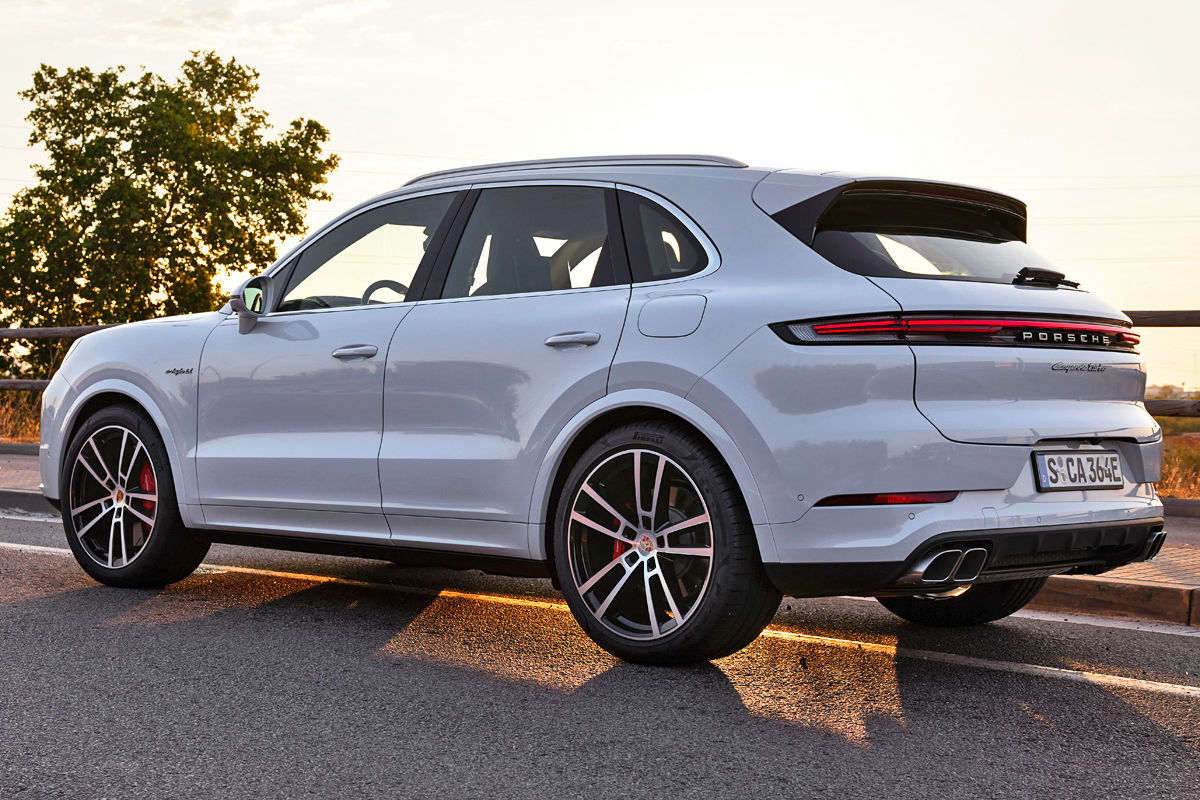
Porsche occupies a unique position in the automotive world. Few manufacturers have managed to build a reputation that combines high performance, luxury, engineering excellence, and everyday usability as effectively as Porsche.
For decades, the German automaker has produced vehicles that appeal not only to enthusiasts seeking thrilling driving experiences but also to buyers looking for premium quality and long-term value.
Whether it is a sports car capable of dominating a racetrack or an SUV designed for family duties, Porsche has consistently demonstrated an ability to blend performance with practicality in ways that many competitors struggle to match.
However, not every Porsche is created equal. While the brand enjoys a strong reputation across much of its lineup, some models have proven to be better investments than others.
Certain vehicles stand out because they offer exceptional reliability, impressive driving dynamics, strong resale values, and ownership experiences that justify their premium pricing. These are the models that continue to attract loyal buyers and remain highly desirable years after leaving the showroom.
On the other hand, there are Porsche models that deserve a more cautious approach. Some suffered from well-documented mechanical issues, while others became expensive to maintain as they aged.
In certain cases, a Porsche may carry the prestige of the badge but fail to deliver the level of satisfaction buyers expect when spending luxury car money. Understanding these weaknesses is just as important as recognizing the brand’s successes.
This article examines both sides of Porsche ownership. First, we will focus on four Porsche models that genuinely deserve consideration because they combine performance, quality, and long-term desirability.
These vehicles represent some of the best examples of what Porsche does well. After that, we will look at four Porsche models that buyers may want to avoid due to reliability concerns, ownership costs, or other significant drawbacks.
For anyone considering a Porsche purchase, knowing which models deserve attention and which ones require caution can make a substantial difference. A well-chosen Porsche can provide years of enjoyment and retain its value remarkably well, while the wrong choice can result in expensive repairs and unnecessary frustration.
Also Read: 5 Best Hybrids vs 5 Best EVs for 2026
4 Porsche Models Worth Buying
Porsche has earned a reputation that few automotive brands can match. For decades, the company has been associated with exceptional engineering, thrilling performance, premium craftsmanship, and a driving experience that consistently stands above much of the competition.
Whether producing a legendary sports car or a practical luxury SUV, Porsche has demonstrated an ability to combine excitement and everyday usability in a way that appeals to a wide range of buyers. However, not every Porsche offers the same level of value, which is why identifying the models most worthy of investment is important.
The vehicles featured in this section represent some of the strongest examples of what Porsche does best. They are models that have earned praise from enthusiasts, automotive journalists, and owners because they deliver far more than a prestigious badge.
These vehicles offer a blend of performance, comfort, reliability, practicality, and long-term desirability that helps justify their premium prices. In many cases, they continue to be highly sought after years after their introduction because they possess qualities that transcend changing automotive trends.
Another reason these Porsche models stand out is their ability to serve different types of buyers. Some appeal to drivers who want a pure sports car experience with world-class handling and precision.
Others provide family-friendly practicality without sacrificing the dynamic characteristics that define the Porsche brand. This variety demonstrates the company’s success in expanding beyond traditional sports cars while maintaining its performance-focused identity.
Buying a Porsche is often a significant financial commitment, so choosing the right model matters. A great Porsche can provide years of enjoyment, strong resale value, and a level of driver satisfaction that few vehicles can match.
The models highlighted here have proven themselves through real-world ownership experiences and continue to represent some of the smartest choices within the Porsche lineup.
The following four vehicles stand out because they successfully capture the qualities that have made Porsche one of the most respected names in the automotive world.
They are not simply desirable because they are Porsches. They are desirable because they genuinely deliver an ownership experience worthy of the brand’s reputation.
1. Porsche 911 Carrera
The Porsche 911 Carrera is more than just a sports car. It is the foundation upon which Porsche built much of its global reputation. While many performance vehicles come and go, the 911 has remained relevant for generations because it continuously evolves without abandoning the qualities that made it successful in the first place.
One of the strongest reasons to buy a 911 Carrera is its remarkable balance. Many sports cars excel in one area while sacrificing another. Some prioritize speed but become uncomfortable during daily driving.
Others focus on luxury but lose the excitement enthusiasts crave. The 911 avoids these compromises. It delivers thrilling performance while remaining practical enough for regular use.
Another factor that separates the Carrera from many competitors is its engineering refinement. Porsche has spent decades perfecting the platform, and that experience becomes obvious the moment the car starts moving.
Steering precision, braking confidence, and chassis balance create a driving experience that feels natural and rewarding. Even drivers without racing experience can appreciate how predictable and composed the vehicle feels.
The cabin also contributes to its appeal. Modern versions provide premium materials, advanced technology, and excellent build quality. Unlike some exotic sports cars that feel cramped or difficult to live with, the 911 offers a level of comfort that makes long journeys enjoyable.
Resale value is another major advantage. Many luxury performance cars lose value rapidly, but the 911 has consistently demonstrated strong demand in both new and used markets. Buyers often view it as a safer long-term investment than many alternatives.
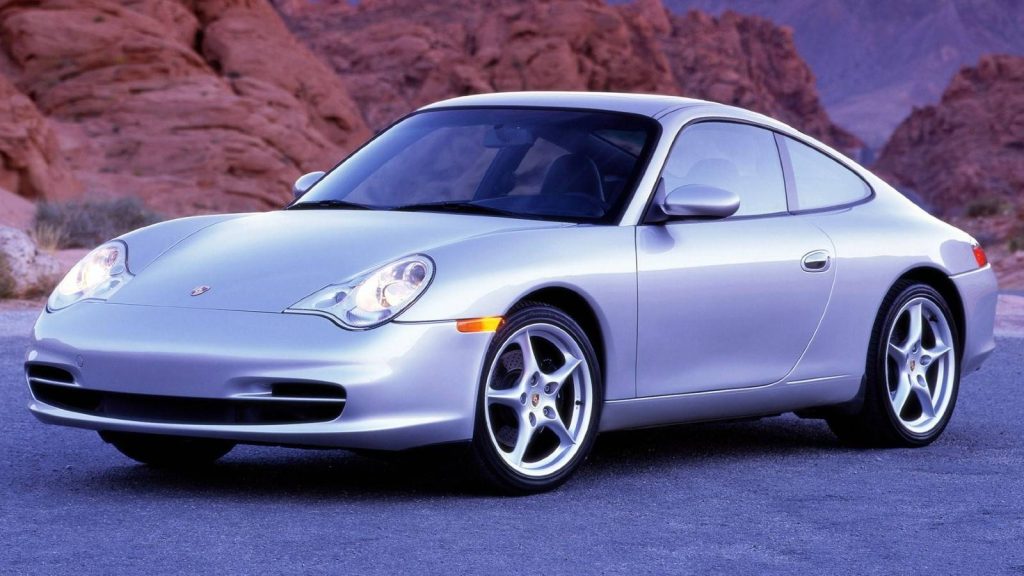
What truly makes the Carrera worth buying is its versatility. It can function as a weekend toy, a daily commuter, or a grand touring machine capable of covering long distances with ease. Few sports cars can successfully perform all three roles.
The 911 Carrera represents Porsche at its finest. It delivers performance, prestige, and practicality in a package that continues to set the benchmark for sports cars around the world.
Specifications
- Engine: 3.0L Twin Turbocharged Flat 6
- Torque: 450 Nm
- Horsepower: 379 hp
- Length/Width: 4519 mm / 1852 mm
2. Porsche Cayenne
When Porsche announced its first SUV, many enthusiasts questioned whether the company was abandoning its sports car heritage. Years later, the Cayenne has proven those concerns unnecessary. It became one of Porsche’s most successful products and helped secure the brand’s future while maintaining many of the driving characteristics customers expect.
The Cayenne deserves recognition because it transformed expectations for performance SUVs. Before its arrival, many utility vehicles focused primarily on practicality. Porsche approached the segment differently, creating an SUV that could carry passengers and cargo while still delivering engaging driving dynamics.
Families often gravitate toward the Cayenne because it combines luxury with functionality. Passenger space is generous, cargo capacity is useful, and long-distance comfort is excellent. These characteristics make it suitable for everyday responsibilities without feeling ordinary.
Driving enthusiasts appreciate a different aspect of the vehicle. Despite its size, the Cayenne handles corners with confidence and composure. The steering feels responsive, body control remains impressive, and available powertrains provide strong acceleration. The vehicle behaves more like a sports sedan than many buyers expect from an SUV.
Interior quality is another reason for its inclusion. Porsche invested heavily in creating a cabin that reflects the brand’s premium positioning. Materials feel substantial, controls operate with precision, and the design maintains a clean, sophisticated appearance.
The Cayenne also benefits from strong market demand. Buyers looking for a luxury SUV often place it near the top of their shopping lists because it successfully combines multiple strengths without major compromises. It appeals to drivers who need practicality but refuse to sacrifice performance.
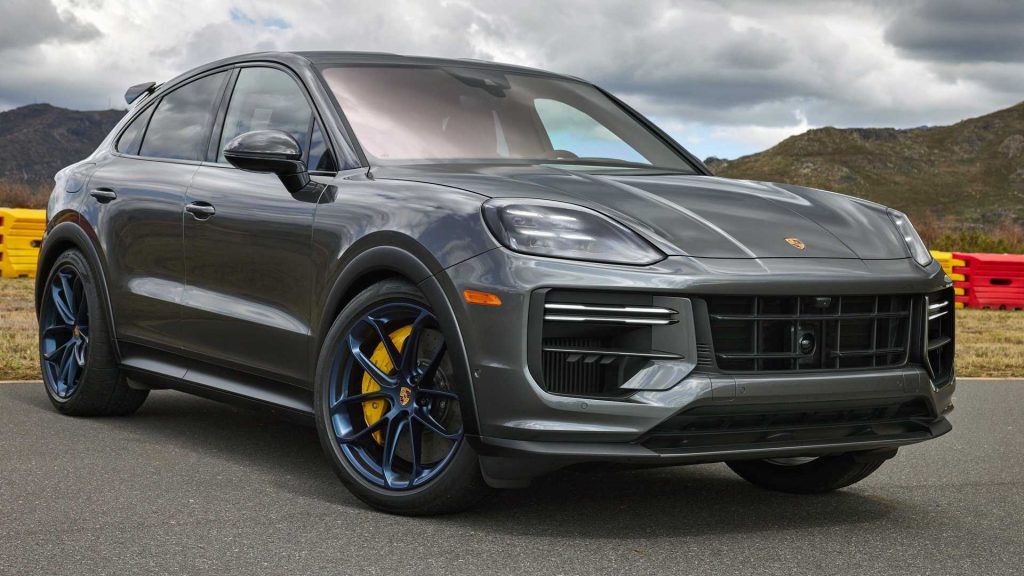
Its continued success demonstrates that Porsche understood exactly what customers wanted. The Cayenne did not simply enter the luxury SUV segment. It helped redefine it. That combination of versatility, capability, and driving enjoyment makes it one of the Porsche models most deserving of its premium price.
Specifications
- Engine: 3.0L Turbocharged V6
- Torque: 500 Nm
- Horsepower: 348 hp
- Length/Width: 4930 mm / 1983 mm
3. Porsche Cayman GTS
Not every great Porsche wears a 911 badge. In fact, many driving enthusiasts argue that the Cayman GTS represents one of the purest expressions of Porsche’s engineering philosophy.
It may not attract the same level of public attention as the iconic 911, but those who spend time behind the wheel quickly understand why the Cayman GTS has earned such a loyal following.
The first thing that stands out is balance. Thanks to its mid-engine layout, the Cayman GTS distributes weight in a way that creates exceptional handling characteristics. Entering a corner feels natural, and the car responds immediately to driver inputs. Rather than relying solely on power, it rewards precision and skill, making every drive feel engaging.
What makes the Cayman GTS particularly appealing is how approachable it remains. Some high-performance sports cars can feel intimidating or overly aggressive. The Cayman GTS takes a different path.
It delivers serious capability while remaining friendly enough for everyday driving. This combination allows owners to enjoy the vehicle on a daily basis rather than reserving it for occasional weekend outings.
The engine plays a significant role in the experience. Acceleration is strong and responsive, yet the car never feels excessive. Instead, the power complements the chassis, creating harmony between performance and control. This balance is a major reason why many enthusiasts consider the Cayman GTS one of Porsche’s finest driver’s cars.
Inside, the cabin reflects Porsche’s focus on quality. Supportive seats, premium materials, and a driver-oriented layout contribute to an environment that feels purposeful. Every control is positioned with intention, reinforcing the connection between driver and machine.
Another reason for its recommendation is the value relative to other Porsche sports cars. While still expensive, the Cayman GTS often delivers an experience comparable to significantly more costly models. Buyers receive outstanding performance without entering the highest price brackets of the Porsche lineup.
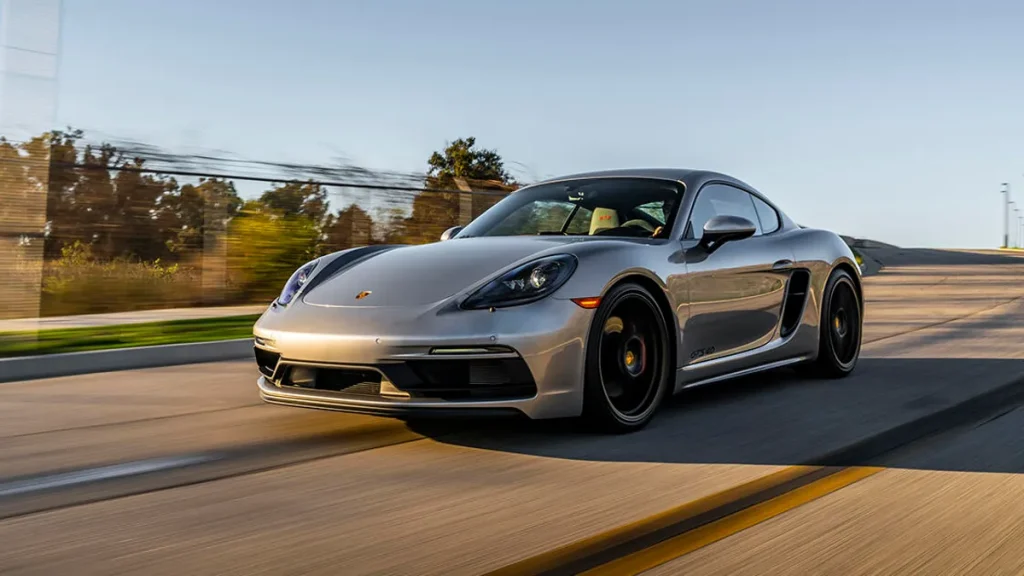
For those who prioritize driving enjoyment above all else, the Cayman GTS deserves serious consideration. It captures the essence of what makes Porsche special while maintaining a unique identity of its own.
Specifications
- Engine: 4.0L Naturally Aspirated Flat 6
- Torque: 430 Nm
- Horsepower: 394 hp
- Length/Width: 4405 mm / 1801 mm
4. Porsche Macan
Luxury compact SUVs have become one of the most competitive segments in the automotive market. Nearly every premium manufacturer offers a contender, yet the Porsche Macan continues to stand out as one of the most compelling choices available.
Its success stems from an ability to deliver everyday practicality while preserving the driving character that defines the Porsche brand.
The Macan appeals to a broad audience because it solves a common problem. Many buyers need the versatility of an SUV but still want a vehicle that feels enjoyable to drive. Porsche addressed this challenge by creating a compact crossover that behaves more like a sports sedan than a traditional utility vehicle.
Behind the wheel, the difference becomes immediately apparent. Steering response is precise, body movements are controlled, and the vehicle feels remarkably agile for its class. While competitors often focus primarily on comfort, the Macan adds an element of engagement that keeps drivers interested long after the novelty of ownership fades.
Its popularity is not based solely on performance. The cabin is another major strength. High-quality materials, excellent assembly standards, and modern technology create an environment that feels genuinely premium.
Passengers benefit from comfortable seating and a level of refinement expected from a luxury vehicle carrying the Porsche badge.
Practicality also deserves attention. Cargo space is sufficient for family use, passenger accommodations are comfortable, and the vehicle handles daily responsibilities without difficulty. This versatility broadens its appeal beyond traditional sports car enthusiasts.
Resale value remains another advantage. Demand for well-maintained Macans continues to be strong, helping protect owners from the steep depreciation that affects many luxury vehicles. Buyers often recognize the model’s reputation for combining performance and utility, which supports long-term desirability.
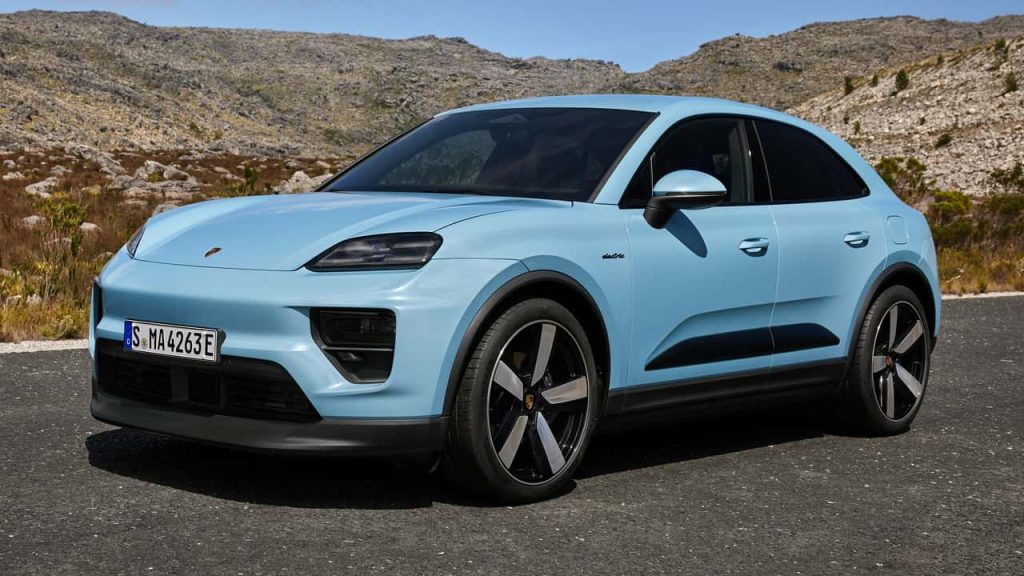
The Macan succeeds because it refuses to settle for being merely another luxury crossover. Porsche infused it with enough character to make every journey enjoyable while retaining the practicality modern buyers require. That balance is precisely why it earns a place among Porsche models worth buying.
Specifications
- Engine: 2.9L Twin Turbocharged V6
- Torque: 550 Nm
- Horsepower: 434 hp
- Length/Width: 4726 mm / 1927 mm
4 Porsche Models To Avoid
Porsche has earned one of the strongest reputations in the automotive industry, but even highly respected manufacturers produce models that fail to meet expectations.
Some Porsche vehicles have developed reliability concerns, others have become notoriously expensive to maintain, and a few simply do not offer the value buyers expect from a premium brand. These shortcomings do not necessarily make them terrible vehicles, but they do make them harder to recommend compared with stronger alternatives.
Luxury and performance cars are often judged differently from mainstream vehicles. Buyers are willing to accept higher purchase prices because they expect superior engineering, exceptional driving experiences, and long-term satisfaction.
When a model struggles to deliver those qualities consistently, disappointment can follow quickly. Repair costs are especially important because Porsche parts and labor are rarely inexpensive.
Another factor worth considering is age. Certain older Porsche models entered the market with advanced technology and impressive performance, but time has exposed weaknesses that were not obvious when they were new.
As these vehicles accumulate mileage, maintenance expenses can increase significantly, turning what appears to be an affordable used Porsche into a costly ownership experience.
The models discussed in this section are not without positive attributes. Many still offer strong performance, attractive styling, and the prestige associated with the Porsche badge.
However, their drawbacks are substantial enough to justify caution. Prospective buyers should carefully evaluate maintenance records, ownership history, and potential repair costs before making a purchase.
Understanding which Porsche models present the greatest risks can be just as valuable as identifying the best ones. A thoughtful buying decision can save thousands of dollars while ensuring that ownership remains enjoyable rather than stressful.
By recognizing the weaknesses of certain models, buyers can focus their attention on Porsches that provide a better balance of performance, reliability, and long-term value.
1. Porsche Cayenne (First Generation)
The first-generation Cayenne deserves credit for helping transform Porsche into the global powerhouse it is today. Without its commercial success, the company might not have enjoyed the same financial stability that allowed it to develop future products.
Despite this historical importance, the earliest Cayenne models are among the Porsche vehicles buyers should approach carefully.
One of the primary concerns involves maintenance complexity. Early luxury SUVs packed advanced technology into large, heavy vehicles, and the Cayenne was no exception. As these systems age, repairs can become both frequent and expensive. Air suspension components, cooling systems, and electronic features have all been known to generate costly service bills.
Engine-related issues can also become significant. While many examples have provided years of dependable service, neglected maintenance can quickly create major problems. Because repair costs are often consistent with Porsche’s premium status, even relatively minor issues may require substantial financial investment.
The vehicle’s weight creates additional wear on components such as brakes, tires, and suspension parts. Owners frequently discover that routine maintenance expenses exceed those associated with smaller Porsche models. This reality often surprises buyers attracted by low used-market prices.
To its credit, the first-generation Cayenne still offers impressive comfort, strong performance, and substantial utility. The driving experience remains enjoyable, and the cabin retains much of its premium appeal. Unfortunately, these strengths are offset by ownership costs that can escalate rapidly if maintenance has been neglected.
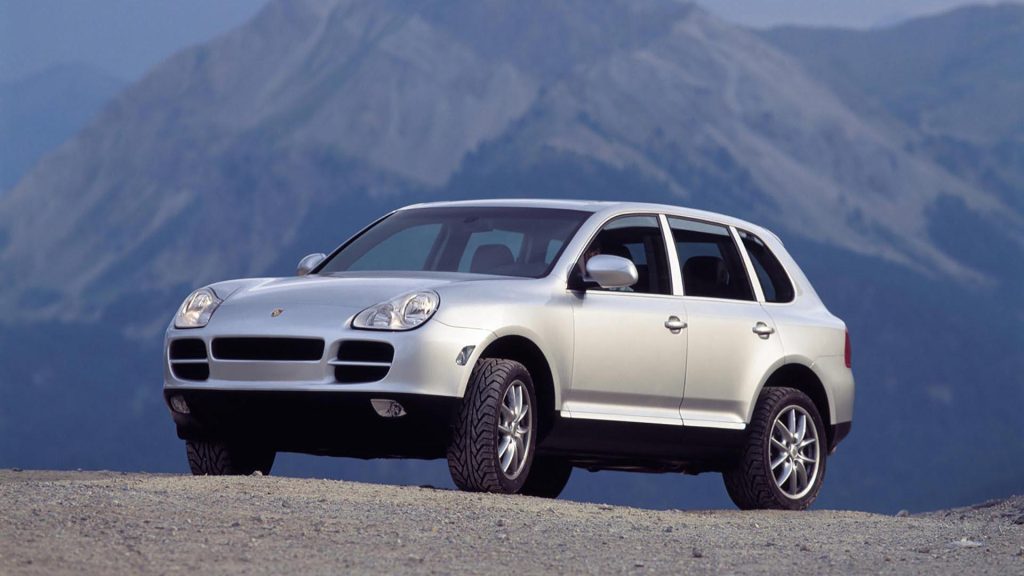
Many shoppers see an inexpensive used Cayenne and assume they have found an affordable entry into Porsche ownership. In reality, the purchase price is often only the beginning. Repair and maintenance expenses can quickly exceed expectations, making the first-generation Cayenne a risky proposition for budget-conscious buyers.
Specifications
- Engine: 4.5L V8
- Torque: 420 Nm
- Horsepower: 340 hp
- Length/Width: 4782 mm / 1928 mm
2. Porsche Boxster (986 Early Models)
The original Boxster played a crucial role in Porsche’s history by attracting new customers and helping stabilize the company’s finances. It delivered an engaging driving experience at a lower price point than the 911, making Porsche ownership accessible to a wider audience.
However, early 986-generation models carry certain concerns that prospective buyers should understand before making a purchase.
One issue dominates discussions surrounding these vehicles: the intermediate shaft bearing, commonly known as the IMS bearing. While not every car experienced failure, the problem became serious enough to damage the reputation of affected models. When failure occurred, engine damage could be catastrophic and extremely expensive to repair.
Beyond the IMS issue, age introduces additional concerns. Most early Boxsters are now decades old, meaning components such as seals, suspension parts, and cooling systems may require attention. Even well-maintained examples can generate significant maintenance costs simply because of their age.
The Boxster’s strengths are easy to appreciate. Its mid-engine layout creates excellent balance, steering feedback remains impressive, and open-top driving adds another layer of enjoyment. Many enthusiasts still consider it one of the most rewarding sports cars available for the money.
The challenge lies in separating good examples from problematic ones. A properly maintained Boxster with documented service history can be a pleasure to own. A neglected vehicle, however, can quickly become a financial burden.
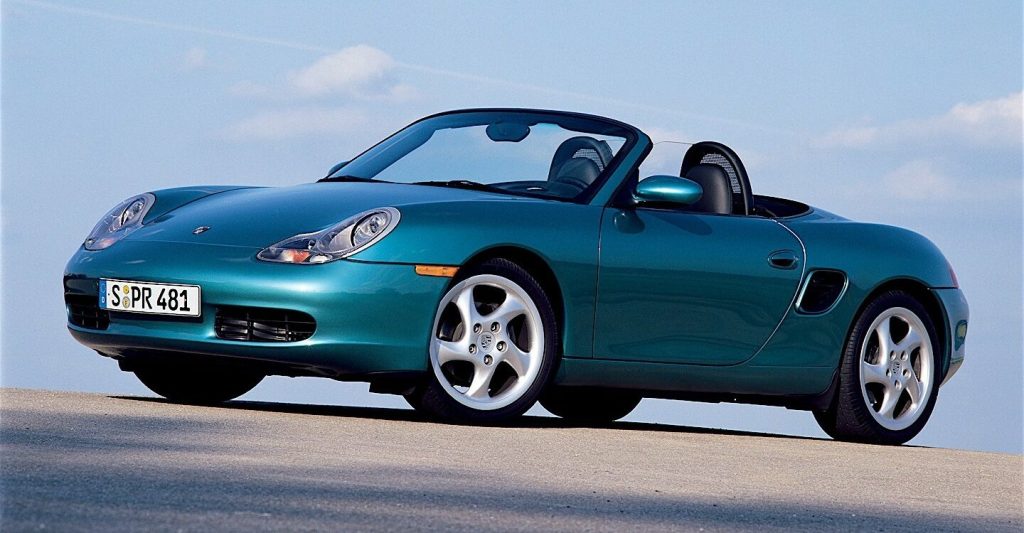
Buyers often focus on the relatively affordable purchase price while overlooking potential repair expenses. This mistake can lead to disappointment when maintenance requirements begin to accumulate.
Although the Boxster remains historically significant and enjoyable to drive, the earliest versions require careful inspection and thorough research before purchase.
Specifications
- Engine: 2.7L Flat 6
- Torque: 260 Nm
- Horsepower: 220 hp
- Length/Width: 4315 mm / 1780 mm
3. Porsche 911 Carrera (996 Generation)
Few vehicles generate as much passion among enthusiasts as the Porsche 911. However, not every generation enjoys the same reputation, and the 996 generation remains one of the most debated chapters in the model’s history.
While it introduced important advancements and helped modernize 911, several issues have prevented it from achieving the same universal admiration as many of its predecessors and successors.
One of the most common criticisms involves the engine. Like the early Boxster, certain 996 models were associated with IMS bearing concerns.
Although not every vehicle experienced failure, the possibility of significant engine damage created anxiety among owners and prospective buyers. The cost of preventative measures or repairs often becomes part of the ownership equation.
The design also divided opinion when the car was introduced. Traditional Porsche enthusiasts struggled with the distinctive headlight design, which differed significantly from previous generations. While styling preferences are subjective, the controversy affected the model’s image for many years.
Maintenance expenses further complicate ownership. Even though some 996 examples can be purchased for considerably less than newer 911s, servicing costs remain consistent with a premium performance vehicle. Suspension work, cooling system maintenance, and engine-related repairs can quickly increase ownership expenses.
Despite these drawbacks, the 996 does possess genuine strengths. Performance remains impressive, handling is engaging, and the car delivers the unmistakable rear-engine driving experience that defines the 911 lineage. Many owners enjoy their cars without major problems, particularly when maintenance has been performed properly.
The challenge for buyers lies in finding the right example. Service records, professional inspections, and documented maintenance history are essential. Without those safeguards, the apparent bargain price of a used 996 can become misleading.
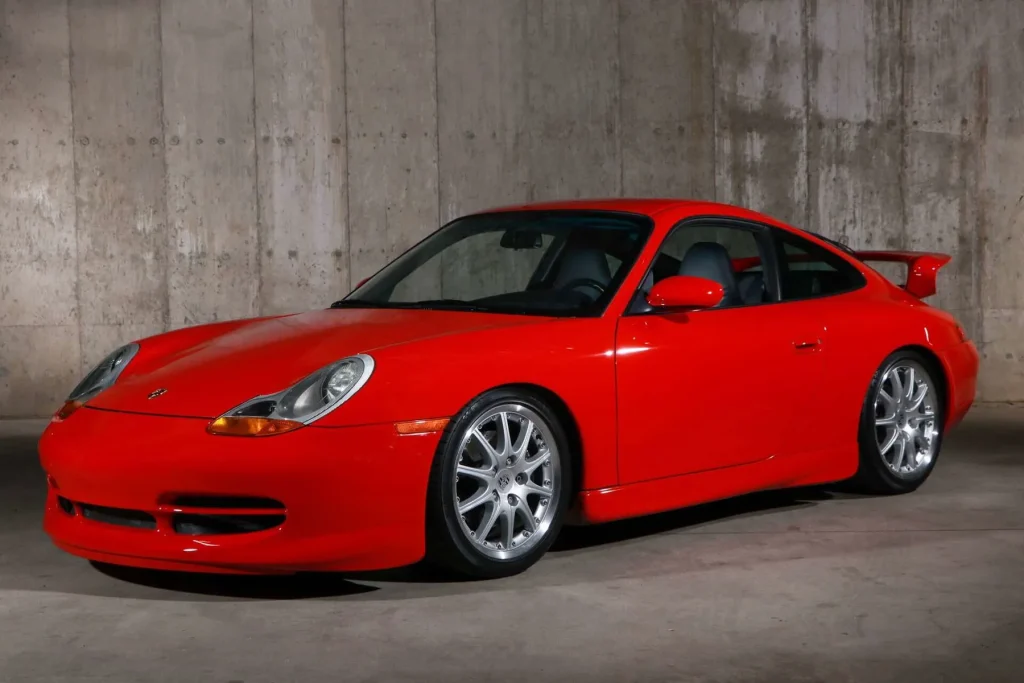
The 996 generation is not necessarily a bad sports car. In fact, it can be an enjoyable and rewarding vehicle. However, the combination of known engine concerns, maintenance costs, and divided enthusiast opinion makes it a Porsche that requires more caution than many alternatives within the brand’s history.
Specifications
- Engine: 3.4L Flat 6
- Torque: 350 Nm
- Horsepower: 296 hp
- Length/Width: 4430 mm / 1770 mm
4. Porsche Panamera (First Generation)
The Panamera represented a bold move for Porsche. The company was attempting to enter the luxury sports sedan market while maintaining the performance credentials that made the brand famous.
The result was a vehicle capable of impressive speed, excellent handling, and long-distance comfort. Unfortunately, the earliest versions of the Panamera also carried enough drawbacks to make them difficult recommendations for many used-car buyers today.
A significant factor involves depreciation. First-generation Panameras lost value rapidly compared with some other Porsche products.
This steep decline created attractive used-market pricing, but it also masked the reality that maintenance and repair costs remained firmly within luxury-car territory. Buyers often discovered that a bargain purchase price did not translate into affordable ownership.
Complexity is another concern. The Panamera was packed with advanced technology, luxury features, and sophisticated mechanical systems. As these vehicles age, electronic components, suspension systems, and various convenience features can become expensive to repair. Diagnosing issues often requires specialized equipment and experienced technicians.
Styling was also a point of contention when the vehicle debuted. While opinions have softened over time, many buyers felt the design lacked the elegance expected from a Porsche. This factor contributed to weaker demand in some segments of the market and influenced resale values.
The vehicle’s strengths are undeniable. Performance remains impressive, especially in higher-output variants. Interior comfort is excellent, and the Panamera can cover long distances with remarkable ease. It successfully blends sports-car influence with executive-sedan practicality.
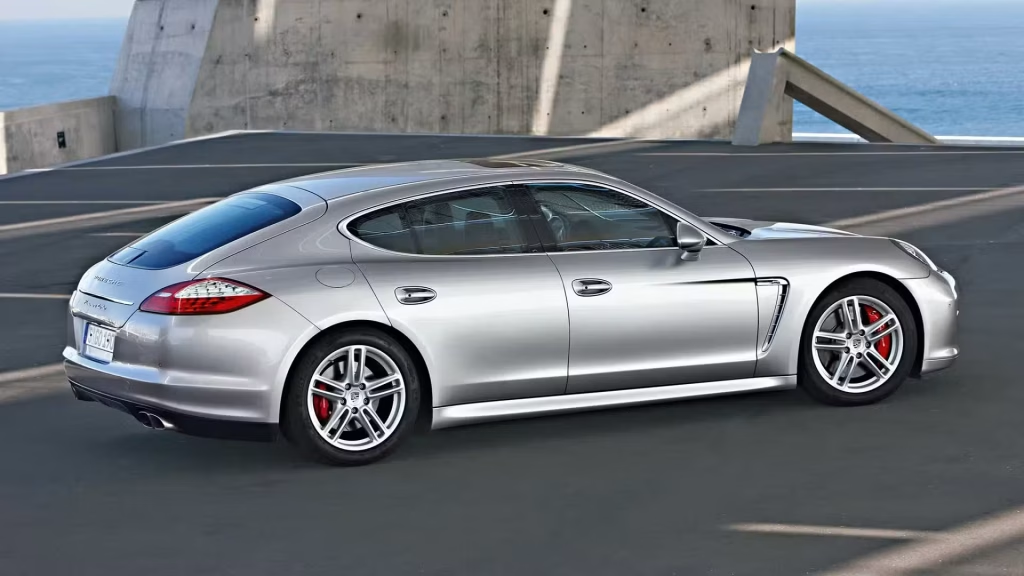
However, ownership requires realistic expectations. Maintenance costs can quickly exceed those of many competing luxury sedans, particularly when major repairs become necessary. Buyers seeking dependable, lower-cost Porsche ownership often find better options elsewhere in the lineup.
The first-generation Panamera deserves recognition for expanding Porsche’s horizons, but its depreciation, complexity, and potential repair expenses make it a model that should be approached carefully.
Specifications
- Engine: 4.8L V8
- Torque: 500 Nm
- Horsepower: 400 hp
- Length/Width: 4970 mm / 1931 mm
Also Read: 7 Essential Services Every Car Needs Around 75,000 Miles