
The automotive industry is entering one of its most competitive eras. Hybrid vehicles continue to attract buyers who want excellent fuel economy without changing their driving habits, while electric vehicles are becoming increasingly practical thanks to longer driving ranges, faster charging speeds, and expanding charging infrastructure.
For many shoppers in 2026, the biggest question is no longer whether to choose an efficient vehicle. Instead, it is whether a hybrid or a fully electric model makes more sense.
Hybrids offer a familiar ownership experience. They combine gasoline engines with electric motors to improve efficiency while eliminating concerns about charging availability.
Drivers can take long road trips, refuel in minutes, and still enjoy impressive fuel economy figures. Because of these advantages, hybrids remain extremely popular among commuters and families seeking dependable transportation.
Electric vehicles approach efficiency from a completely different direction. They eliminate gasoline consumption and deliver instant torque, quiet operation, and lower routine maintenance requirements.
Improvements in battery technology have also made modern EVs more capable than ever before. Many now provide enough range to handle daily driving and long-distance travel with confidence.
Comparing hybrids and EVs is not always straightforward because they excel in different areas. One vehicle may dominate in efficiency and convenience, while another may impress with performance, technology, or ownership costs.
That is why this article places some of the best hybrids of 2026 directly against some of the strongest EVs available. Each matchup features vehicles from similar segments, allowing a fair comparison between two different approaches to efficient transportation.
Rather than declaring hybrids or EVs universally better, these comparisons highlight the strengths and weaknesses of each contender. Some battles are decided by practicality, others by innovation, and a few by long-term value.
By the end, you’ll have a clearer picture of which technology gains the advantage in each category and which vehicle deserves the nod in its particular showdown.
Also Read: 8 Things Driver’s Ed Never Taught You About Modern Cars
1. Toyota Prius Hybrid vs Tesla Model 3
The Toyota Prius and Tesla Model 3 represent two very different visions of efficient transportation.
One relies on a refined hybrid system that has been perfected over decades, while the other embraces full electrification and the technological advantages that come with it. Both vehicles have become symbols of efficiency, but they appeal to different types of buyers.
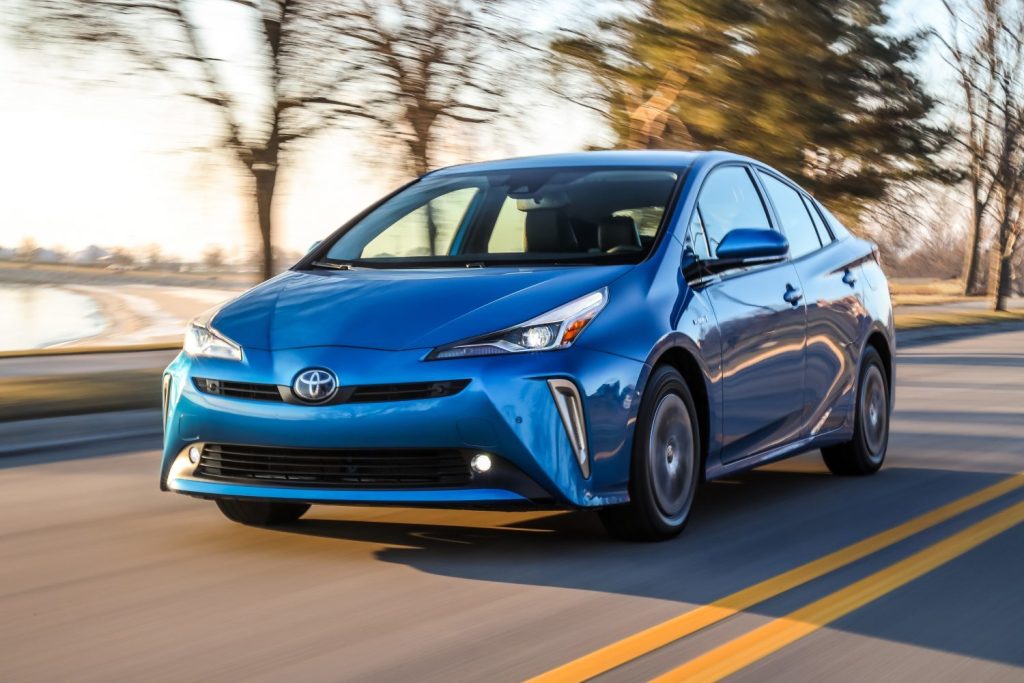
The Prius remains one of the most recognizable hybrids on the road. Toyota has continuously refined its hybrid technology, resulting in exceptional fuel economy and remarkable reliability.
Drivers appreciate the ability to achieve impressive efficiency without altering their routines. There is no need to search for charging stations or plan routes around battery levels. A quick stop at a gas station is enough to continue the journey.
Toyota has also transformed the Prius into a more attractive and enjoyable vehicle. Recent generations offer sharper styling, improved acceleration, and a more modern interior. Yet its greatest strength remains practicality. Long-distance travel is effortless, ownership costs are predictable, and maintenance requirements are familiar to most technicians.
The Tesla Model 3 approaches efficiency from a completely different perspective. Instant electric torque delivers brisk acceleration that the Prius cannot match.
The cabin feels futuristic, and Tesla’s software-focused approach provides features that many competitors still struggle to duplicate. For drivers with home charging access, daily operation can be exceptionally convenient.
Range anxiety has diminished significantly thanks to improved battery technology and Tesla’s charging network. The Model 3 also benefits from lower routine maintenance requirements because it lacks many components found in gasoline-powered vehicles.
When comparing the two, the decision depends largely on lifestyle. The Prius offers flexibility and proven dependability. The Model 3 delivers stronger performance, advanced technology, and a fully electric driving experience.
In 2026, the advantages of mature EV infrastructure and Tesla’s technological leadership give the Model 3 a slight edge. The Prius remains an excellent hybrid, but the Model 3 better represents where efficient transportation is heading.
Edge: Tesla Model 3
Toyota Prius Specifications
- Engine: 2.0L Hybrid Inline 4
- Torque: 139 lb-ft
- Horsepower: 194 hp
- Length/Width: 181.1 in / 70.2 in
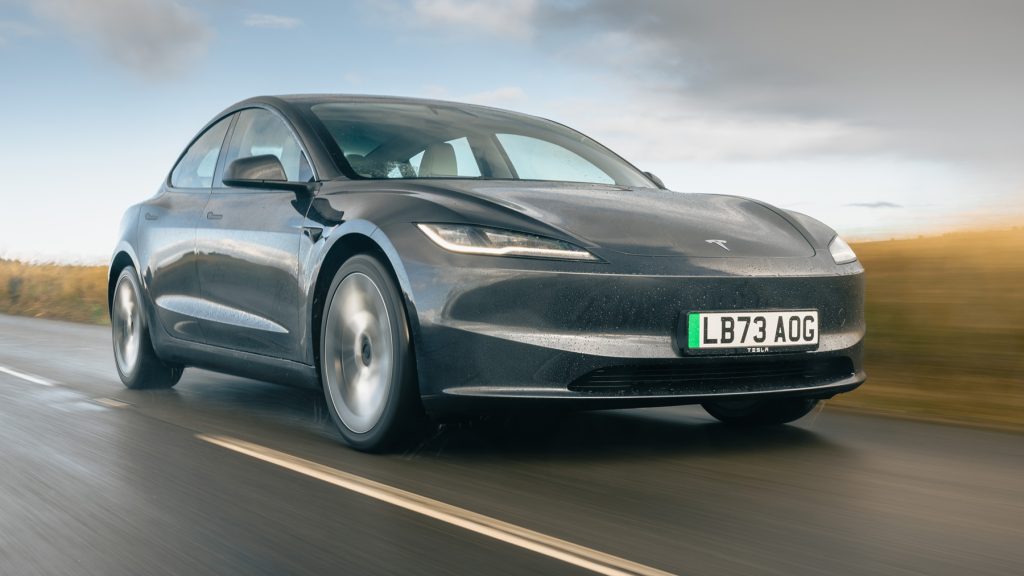
Tesla Model 3 Specifications
- Engine: Dual Electric Motors
- Torque: 376 lb-ft
- Horsepower: 510 hp
- Length/Width: 185.8 in / 72.8 in
2. Honda Accord Hybrid vs Hyundai Ioniq 6
A midsize sedan remains one of the smartest vehicle choices for many drivers, and the Honda Accord Hybrid and Hyundai Ioniq 6 showcase two very different paths toward efficiency. Both excel at daily commuting, but they achieve their goals using completely different engineering philosophies.
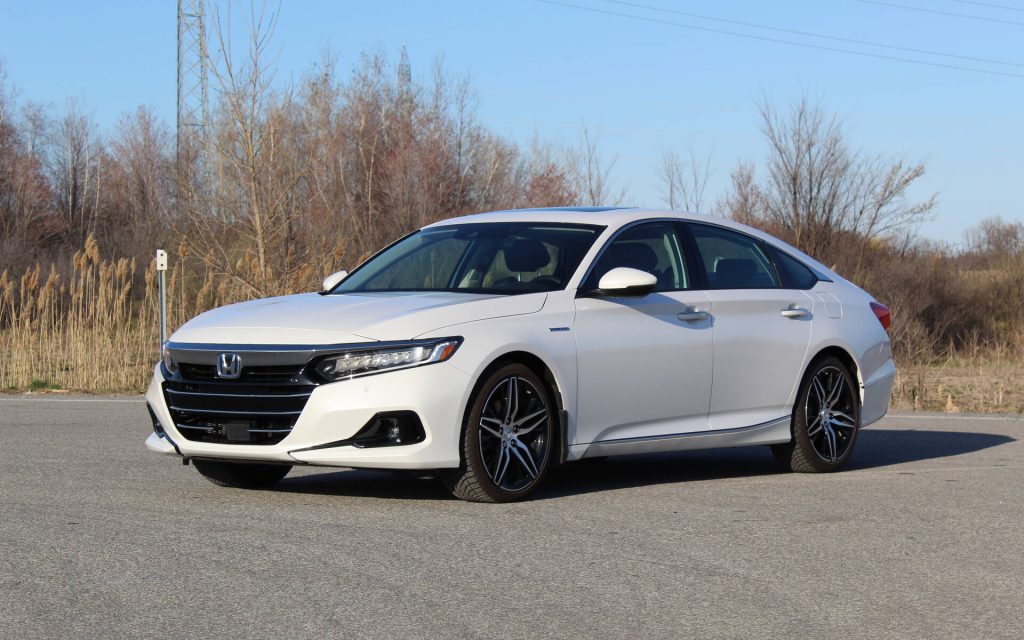
Honda designed the Accord Hybrid to feel familiar from the moment a driver gets behind the wheel. The transition between gasoline and electric power is smooth, fuel economy is excellent, and the spacious cabin makes long trips comfortable.
Unlike many efficiency-focused vehicles, the Accord Hybrid does not require sacrifices in practicality or passenger comfort.
One of the Accord Hybrid’s strongest qualities is balance. It combines impressive fuel savings with the flexibility of a traditional vehicle.
Drivers can travel hundreds of miles without considering charging availability, making it an appealing choice for people who frequently drive long distances. Honda’s reputation for durability further strengthens its case.
The Hyundai Ioniq 6 takes a more ambitious approach. Its sleek, aerodynamic shape immediately distinguishes it from conventional sedans. Every aspect of the vehicle has been designed to maximize electric efficiency, resulting in excellent range figures and strong real-world usability.
Inside, the Ioniq 6 embraces modern technology with advanced displays, digital features, and a futuristic atmosphere. Electric power provides immediate acceleration and an exceptionally quiet driving experience. Charging capabilities have also become one of Hyundai’s strongest advantages, allowing rapid battery replenishment during road trips.
This comparison is surprisingly close because both vehicles excel in everyday use. The Accord Hybrid wins on convenience and long-distance flexibility, while the Ioniq 6 delivers superior efficiency and a more advanced driving experience.
For buyers willing to embrace full electrification, the Hyundai offers enough benefits to claim victory. Its combination of range, technology, charging speed, and modern design gives it the advantage despite the Accord Hybrid’s many strengths.
Edge: Hyundai Ioniq 6
Honda Accord Hybrid Specifications
- Engine: 2.0L Hybrid Inline 4
- Torque: 247 lb-ft
- Horsepower: 204 hp
- Length/Width: 195.7 in / 73.3 in
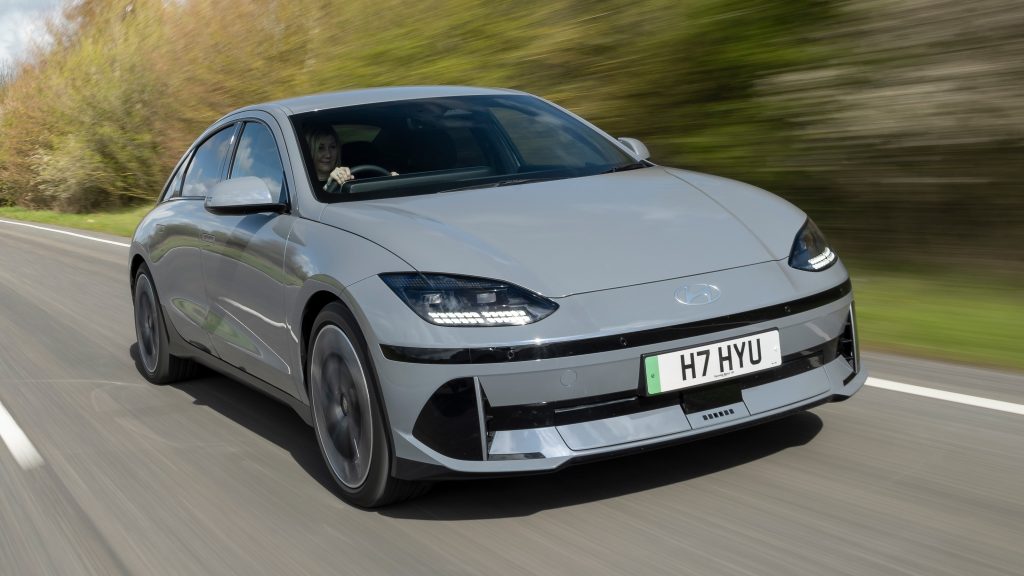
Hyundai Ioniq 6 Specifications
- Engine: Dual Electric Motors
- Torque: 446 lb-ft
- Horsepower: 320 hp
- Length/Width: 191.1 in / 74.0 in
3. Toyota Camry Hybrid vs Kia EV6
Not every comparison between a hybrid and an EV involves vehicles that serve identical purposes. Sometimes two models appeal to the same buyer despite taking very different routes to get there.
That is exactly what happens when the Toyota Camry Hybrid faces the Kia EV6. One is a proven family sedan built around efficiency and reliability, while the other is a cutting-edge electric crossover that prioritizes technology and performance alongside practicality.
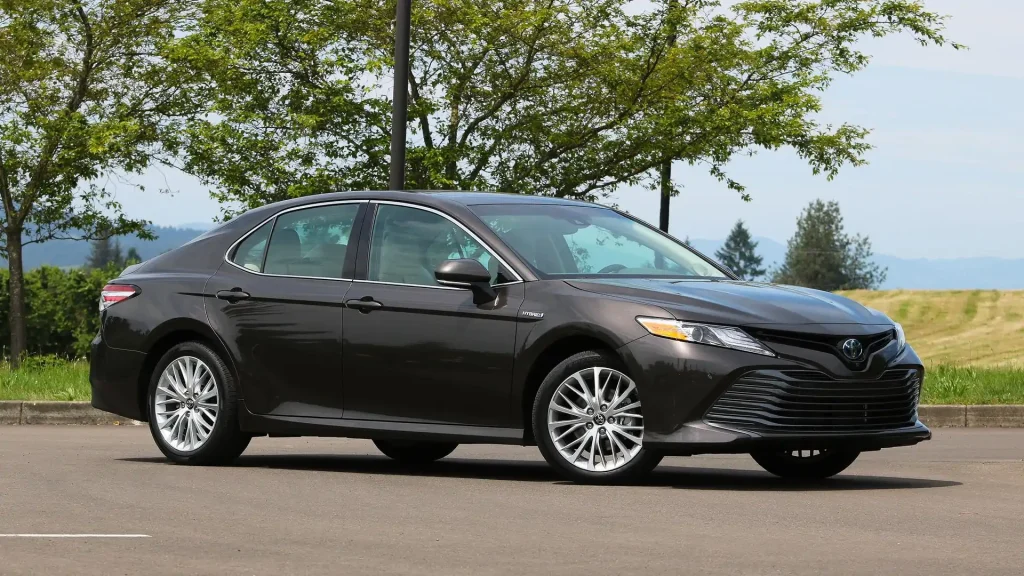
The Toyota Camry Hybrid has become a favorite among drivers who want excellent fuel economy without changing their lifestyle.
At first glance, it looks like a traditional midsize sedan, but underneath sits one of the most refined hybrid systems on the market. Toyota spent decades developing hybrid technology, and the Camry Hybrid benefits from all that experience.
A major reason for the Camry Hybrid’s popularity is its consistency. Owners know exactly what they are getting. Fuel economy is excellent, maintenance costs are generally low, and long-term durability remains one of the vehicle’s biggest selling points.
Many buyers choose the Camry Hybrid because it eliminates uncertainty. There is no need to install home charging equipment or think about charging stops during road trips. Drivers simply fuel up and continue their journey.
Another strength lies in comfort. The Camry Hybrid provides a quiet cabin, supportive seats, and a smooth ride that makes daily commuting less stressful. Rear-seat space is generous, and the trunk remains practical despite the presence of hybrid components.
Toyota also continues to benefit from strong resale values, helping owners retain more of their investment over time.
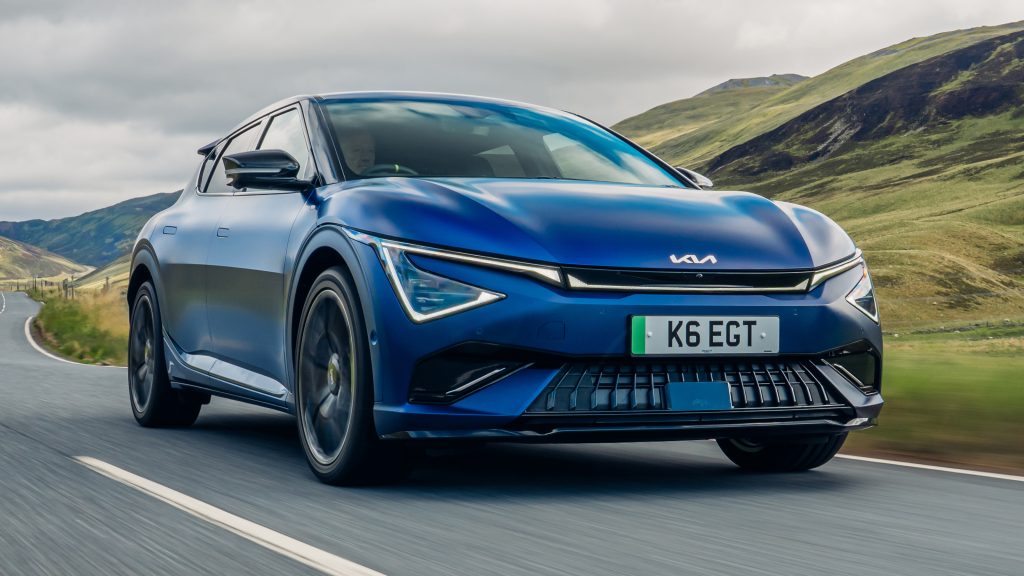
The Kia EV6 enters this matchup from a completely different angle. Rather than focusing solely on efficiency, Kia created an EV that feels exciting from the moment it moves.
Instant torque gives the EV6 rapid acceleration, and the vehicle responds with an eagerness rarely found in traditional family transportation. Even drivers who have never considered an EV often find themselves impressed after a short drive.
Technology is another area where the EV6 shines. The cabin features modern displays, advanced driver-assistance systems, and a layout that feels futuristic without becoming confusing. Kia’s dedicated electric platform also provides impressive interior space despite compact exterior dimensions.
Charging performance remains one of the EV6’s most important advantages. Its advanced electrical architecture allows some of the fastest charging speeds available in a mainstream EV. For drivers who frequently travel long distances, this capability significantly reduces downtime during charging stops.
Choosing a winner requires looking at where the market is heading. The Camry Hybrid remains one of the smartest and most dependable vehicles available, but the EV6 combines practicality, performance, technology, and charging capability in a way that feels more forward-thinking.
The Camry Hybrid wins in familiarity and long-term confidence. The EV6 wins in innovation, driving enjoyment, and future-focused design. In this matchup, the electric vehicle gains the advantage.
Edge: Kia EV6
Toyota Camry Hybrid Specifications
- Engine: 2.5L Hybrid Inline 4
- Torque: 163 lb-ft
- Horsepower: 225 hp
- Length/Width: 193.5 in / 72.4 in
Kia EV6 Specifications
- Engine: Dual Electric Motors
- Torque: 446 lb-ft
- Horsepower: 320 hp
- Length/Width: 184.8 in / 74.4 in
4. Hyundai Tucson Hybrid vs Ford Mustang Mach-E
The compact SUV segment has become the center of the automotive world. Families want versatility, commuters want efficiency, and buyers increasingly expect advanced technology.
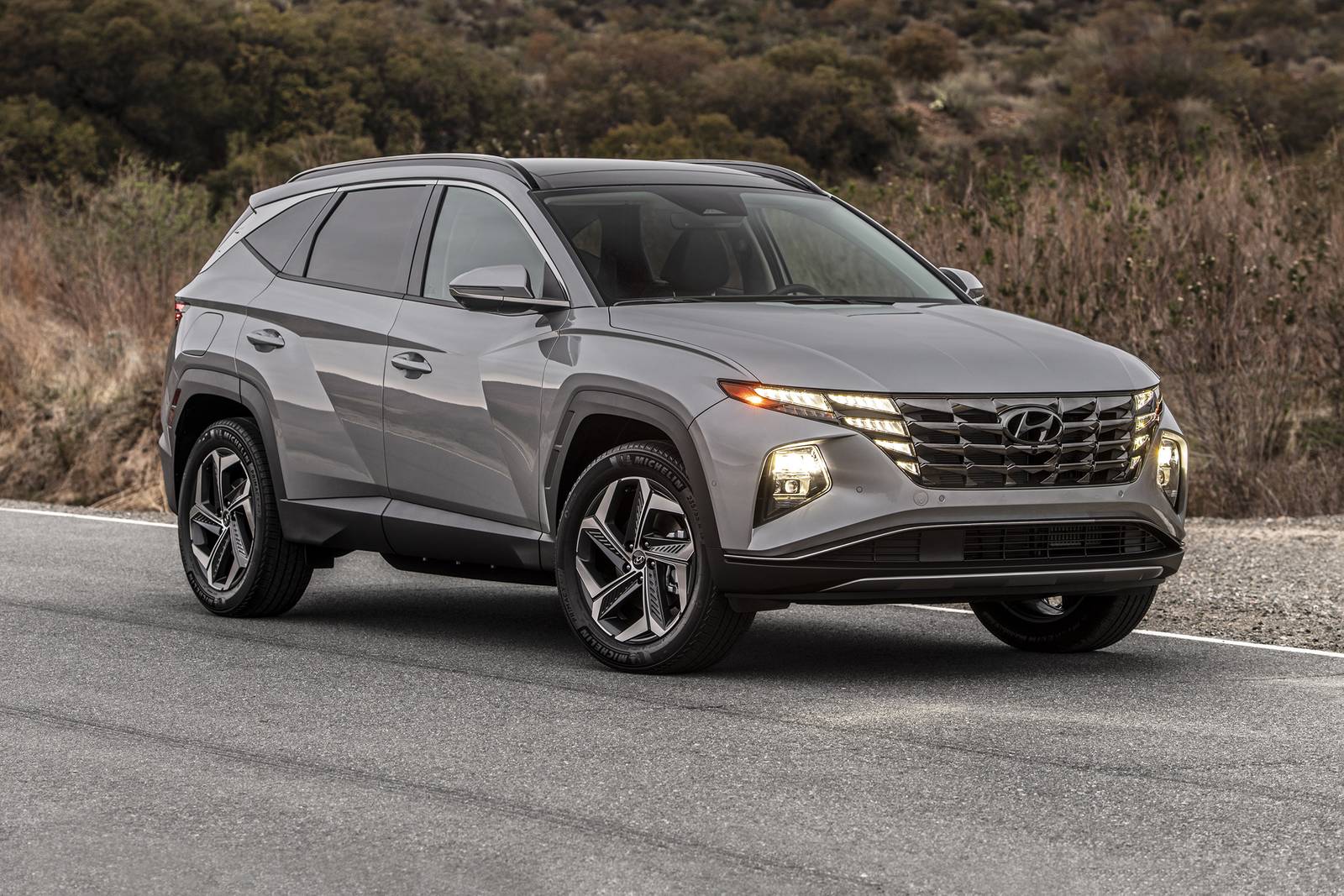
The Hyundai Tucson Hybrid and Ford Mustang Mach-E both target these demands, but they do so with radically different powertrains. One combines gasoline and electric power for maximum convenience, while the other eliminates gasoline.
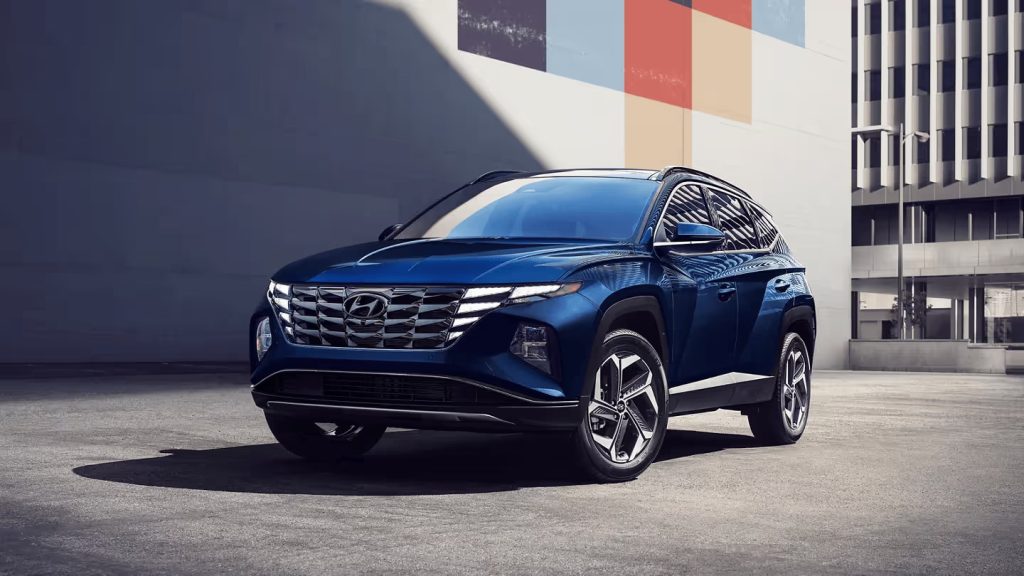
The Tucson Hybrid has quietly become one of the strongest hybrid SUVs available. Hyundai designed it to appeal to buyers who want efficiency without compromising practicality. The result is a vehicle that offers impressive fuel economy, generous interior space, and an ownership experience that feels completely natural.
What stands out most about the Tucson Hybrid is its versatility. It handles city driving efficiently, remains comfortable on highways, and provides enough cargo space for family trips, shopping runs, and outdoor adventures.
The hybrid system works seamlessly in the background, helping improve fuel economy without demanding any special attention from the driver.
Interior quality is another area where Hyundai deserves credit. The cabin feels modern and thoughtfully designed, with intuitive controls and useful technology. Passenger space is particularly impressive, making the Tucson Hybrid a strong family vehicle.
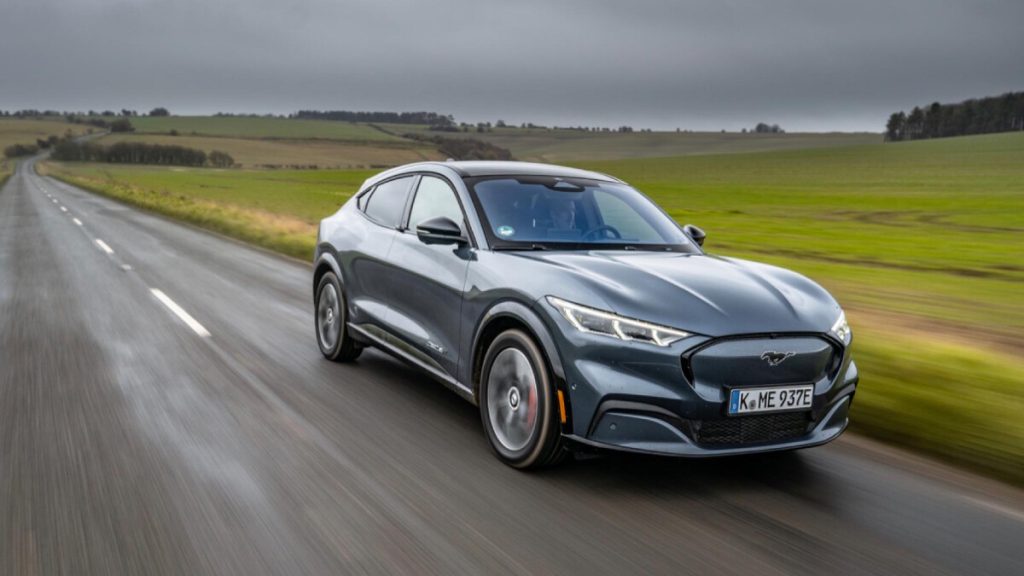
The Ford Mustang Mach-E approaches the SUV formula with a completely different personality. Despite carrying the Mustang name, it functions as a practical electric crossover. Yet it retains a sense of excitement that many family-oriented vehicles lack.
Acceleration is one of the Mach-E’s defining characteristics. Even standard versions feel quick, while higher-performance trims deliver sports-car-like thrust. The instant response of electric motors transforms everyday driving into something more engaging. At the same time, the vehicle remains spacious enough for family duties.
Technology also plays a major role in the Mach-E’s appeal. Large digital displays, sophisticated software, and advanced connectivity features create a distinctly modern environment. Ford has continued refining the platform, making it increasingly competitive against established EV rivals.
Road-trip capability has improved significantly as charging networks expand. While charging still requires more planning than refueling a hybrid, the gap continues to shrink. For many owners, the benefits of electric driving outweigh the remaining inconveniences.
This comparison comes down to practicality versus progress. The Tucson Hybrid delivers outstanding efficiency and convenience with virtually no learning curve. The Mach-E offers stronger performance, more advanced technology, and a driving experience that feels distinctly modern.
Because the purpose of this comparison is identifying the best vehicles for 2026 rather than the safest traditional choice, the Mach-E gains the nod. It captures the direction of the industry while remaining practical enough for everyday use.
Edge: Ford Mustang Mach-E
Hyundai Tucson Hybrid Specifications
- Engine: 1.6L Turbo Hybrid Inline 4
- Torque: 271 lb-ft
- Horsepower: 231 hp
- Length/Width: 182.7 in / 73.4 in
Ford Mustang Mach-E Specifications
- Engine: Dual Electric Motors
- Torque: 634 lb-ft
- Horsepower: 480 hp
- Length/Width: 186.0 in / 74.0 in
5. Toyota RAV4 Hybrid vs Chevrolet Equinox EV
The final matchup places two highly practical vehicles against one another. Unlike some comparisons where one model clearly targets a different audience, the Toyota RAV4 Hybrid and Chevrolet Equinox EV compete for many of the same buyers.
Families, commuters, and budget-conscious shoppers often find themselves considering these vehicles because both promise efficiency, practicality, and low operating costs. The difference lies in how they deliver those benefits.
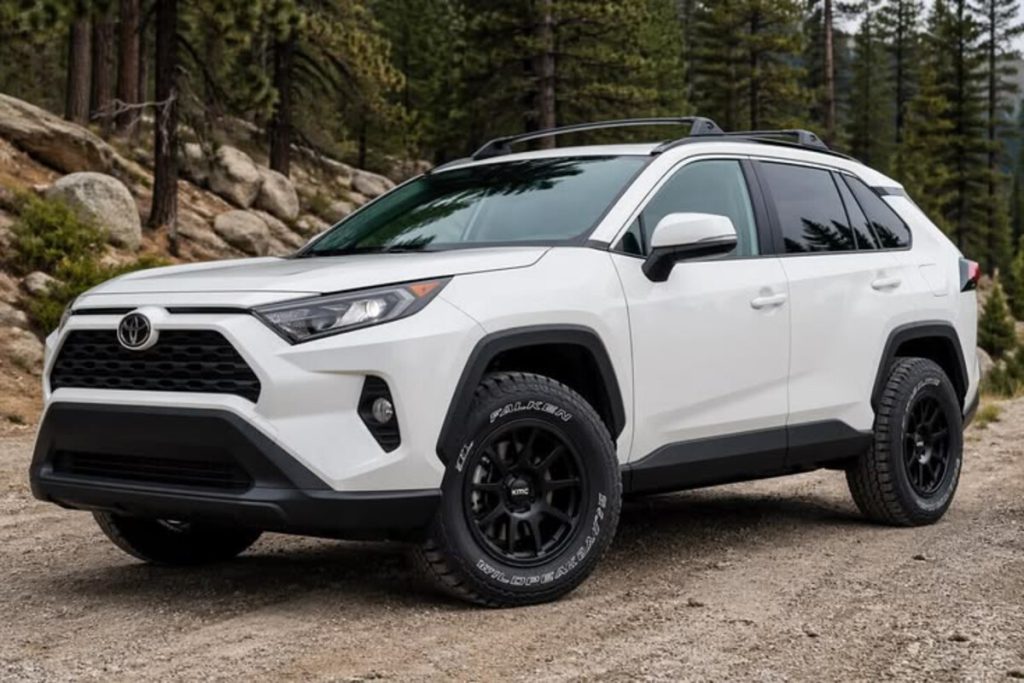
The Toyota RAV4 Hybrid enters this contest carrying one of the strongest reputations in the automotive industry. For years, the RAV4 has been among the best-selling SUVs in North America, and the hybrid version has only strengthened that position.
Buyers appreciate its ability to combine SUV versatility with fuel economy figures that would have seemed impossible in a family crossover a decade ago.
One reason the RAV4 Hybrid continues to attract such a wide audience is its balance. It does not attempt to be flashy or revolutionary. Instead, Toyota focuses on delivering a vehicle that performs every task competently.
The hybrid system operates smoothly, the cabin is practical, and ownership costs remain predictable. Drivers can tackle daily commutes, school runs, shopping trips, and long vacations without worrying about charging infrastructure or battery range.
Reliability remains another major advantage. Toyota’s hybrid technology has accumulated decades of real-world testing, creating confidence among buyers who intend to keep their vehicles for many years. Strong resale values further improve the ownership equation, making the RAV4 Hybrid a smart financial decision for many households.
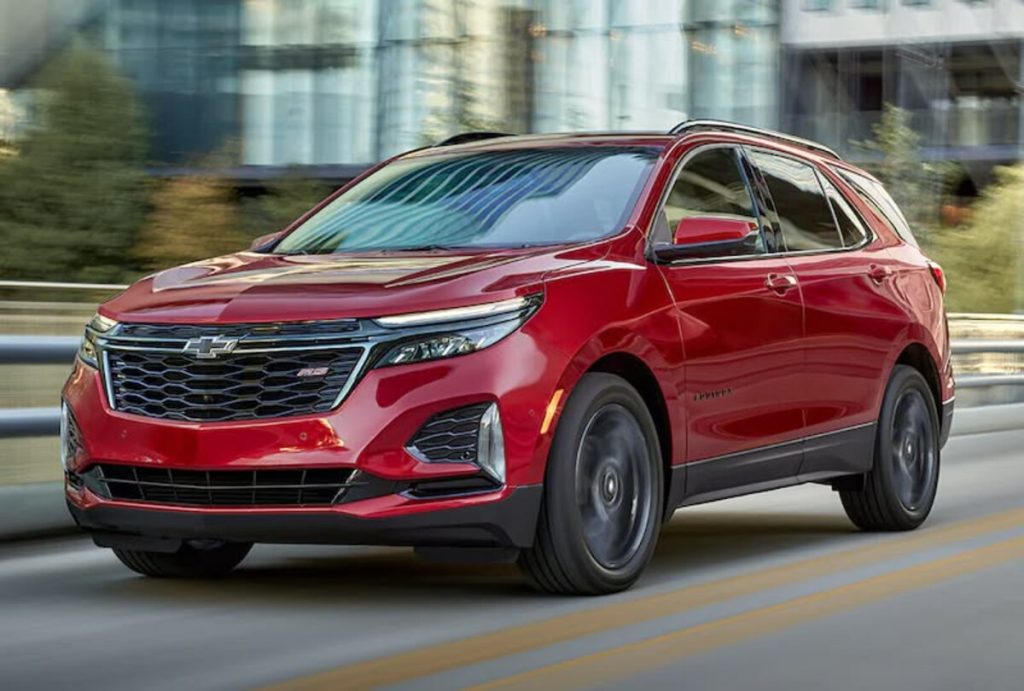
The Chevrolet Equinox EV represents a different philosophy. Chevrolet developed the vehicle to make electric transportation accessible to a broader audience.
Rather than positioning it as a premium product, the company focused on practicality and value. That strategy has made the Equinox EV one of the most important electric vehicles entering 2026.
Space utilization is one of its strongest qualities. The dedicated EV architecture allows designers to maximize interior room while maintaining manageable exterior dimensions. Passengers benefit from a spacious cabin, and cargo capacity remains competitive with traditional SUVs.
The driving experience also differs significantly from that of the Toyota. Electric torque delivers smooth and immediate acceleration, creating a refined feeling in everyday traffic. Noise levels are exceptionally low, and the absence of a gasoline engine contributes to a more relaxed atmosphere.
Cost of operation is another area where the Equinox EV shines. Drivers with access to home charging can dramatically reduce energy expenses compared with fueling a gasoline-powered vehicle. Routine maintenance requirements are also lower because fewer mechanical components require servicing.
This battle is among the closest in the article. The RAV4 Hybrid excels in reliability, flexibility, and proven long-term value. The Equinox EV counters with modern technology, lower operating costs, and a fully electric driving experience that becomes more practical every year.
For 2026, the edge goes to the Equinox EV because it delivers many of the benefits buyers expect from an SUV while embracing the future of transportation without the premium pricing that once limited EV adoption.
Edge: Chevrolet Equinox EV
Toyota RAV4 Hybrid Specifications
- Engine: 2.5L Hybrid Inline 4
- Torque: 163 lb-ft
- Horsepower: 219 hp
- Length/Width: 180.9 in / 73.0 in
Chevrolet Equinox EV Specifications
- Engine: Single Electric Motor
- Torque: 242 lb-ft
- Horsepower: 220 hp
- Length/Width: 190.6 in / 76.9 in
Also Read: 9 Hidden Features in Kia Models Owners Never Discover
