
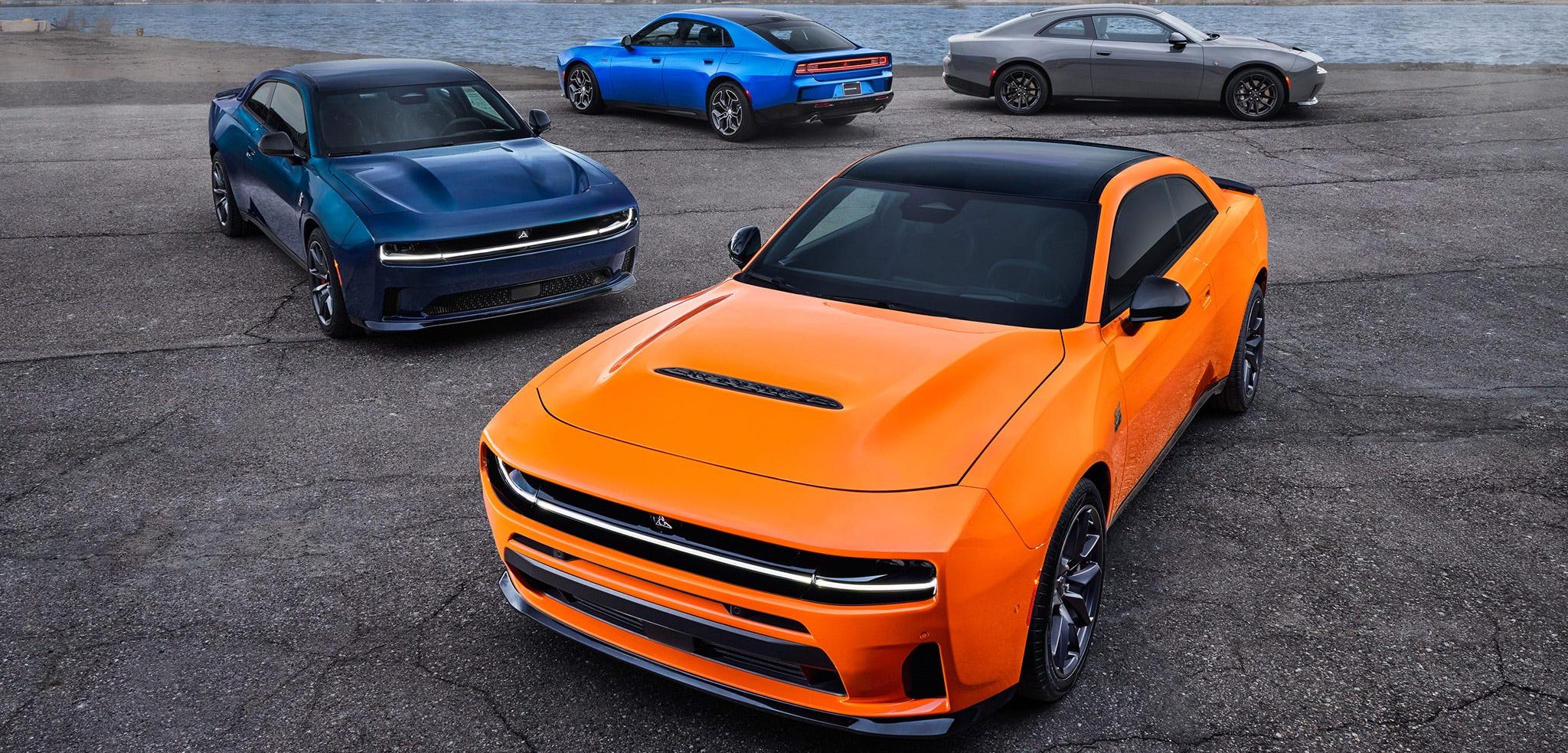
Few American cars carry a name with as much weight as the Dodge Charger. Say it out loud, and people immediately picture something muscular, loud, and unapologetically American. Since its debut in the mid-1960s, the Charger has gone through transformations that no other nameplate has experienced quite the same way.
It has been a pony car, a muscle car, a personal luxury coupe, a front-wheel-drive economy special, and a full-size rear-wheel-drive performance sedan. That range of identities tells you something important: not every Charger was a winner.
Ranking eight generations of Charger from worst to best is not an exercise in taking cheap shots at Dodge. It is an honest look at which versions of this legendary car actually delivered on the promise the name carries and which ones were products of their time in ways that history has not been particularly kind to.
Some of these rankings will be controversial. Collectors love certain cars that this list places near the bottom, and fair enough. But love and quality are different things, and this list is built on what each Charger actually delivered as a performance machine rather than what it means emotionally to the people who owned one at sixteen.
Eight Chargers. One ranking. Worst to best. Buckle up. Some of these assessments are going to start some arguments. That is kind of the point.
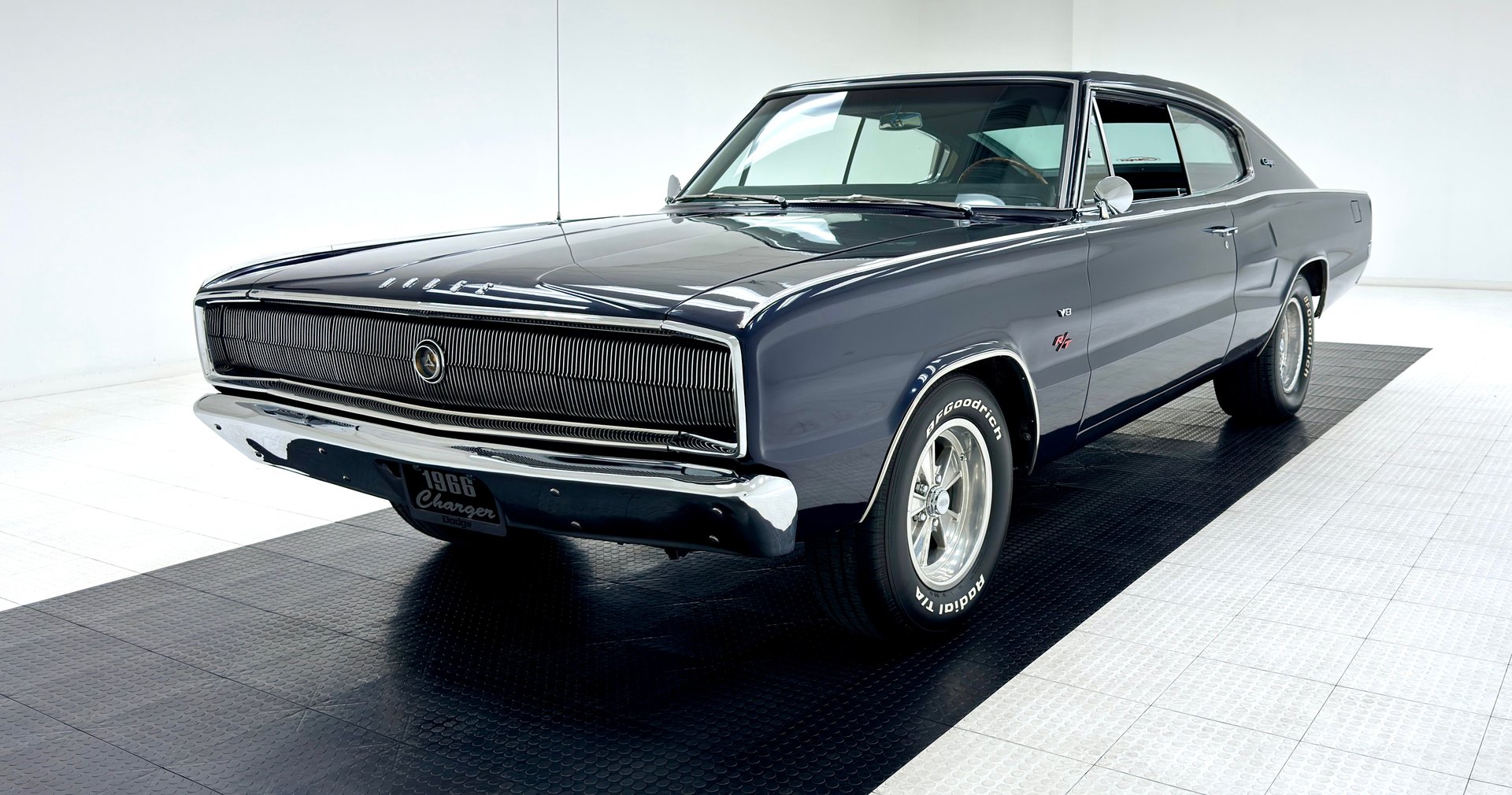
1. 1966 Dodge Charger (Worst)
- Engine: 318 V8 base, optional 361, 383, 426 Hemi V8
- Horsepower: Up to 425 hp (426 Hemi)
- Torque: Up to 490 lb-ft
- Length and Width: Approx. 203.6 in length, 75.3 in width
The 1966 Dodge Charger occupies a historic position as the first model year of the Charger nameplate. That status alone gives it attention among collectors and automotive historians. It was introduced on the B Body platform, sharing its foundation with the Dodge Coronet. Structurally, the base engineering was sound for a mid-1960s American performance-oriented vehicle. Yet, the execution did not fully align with what was expected from a performance-styled coupe carrying a premium price tag.
The exterior styling presented a fastback roof design that gave the car a distinct road presence. While visually striking, this design introduced airflow resistance that reduced efficiency at higher road speeds. During an era when straight-line acceleration defined performance reputation, this aerodynamic behaviour placed the vehicle at a disadvantage when measured against competing muscle cars that used cleaner body profiles. The styling direction favoured appearance and showroom appeal more than high-speed efficiency.
The interior arrangement used four individual bucket seats, a full-length centre console, and a rear seat system that could fold flat to create a continuous cargo area. This arrangement differentiated the model from other B Body variants available at the time. It also introduced additional weight and reduced rear passenger convenience. Rear seating access required more effort, and occupants often experienced reduced comfort compared with conventional bench seat layouts found in rival vehicles.
Engine offerings included the 318 cubic inch V8 as the base option, along with larger 361 and 383 cubic inch V8 engines. At the highest level of specification, the 426 Hemi V8 was available as a performance-focused option. That engine gave the car strong acceleration capability and placed it among the faster vehicles of its era when properly equipped.
However, the number of units ordered with this engine remained limited due to the higher cost and fuel demands. Most production examples were delivered with lower output engines, which placed everyday performance in a moderate range rather than a high-performance classification.
Market reception reflected mixed buyer response. Total production for the model year reached approximately 37300 units. That figure did not meet internal expectations set by Chrysler at the time of launch. Buyers appreciated the styling and novelty of the interior arrangement, yet many did not fully connect the vehicle with consistent high-performance delivery in standard form. The difference between visual impression and mechanical output influenced purchasing behaviour.
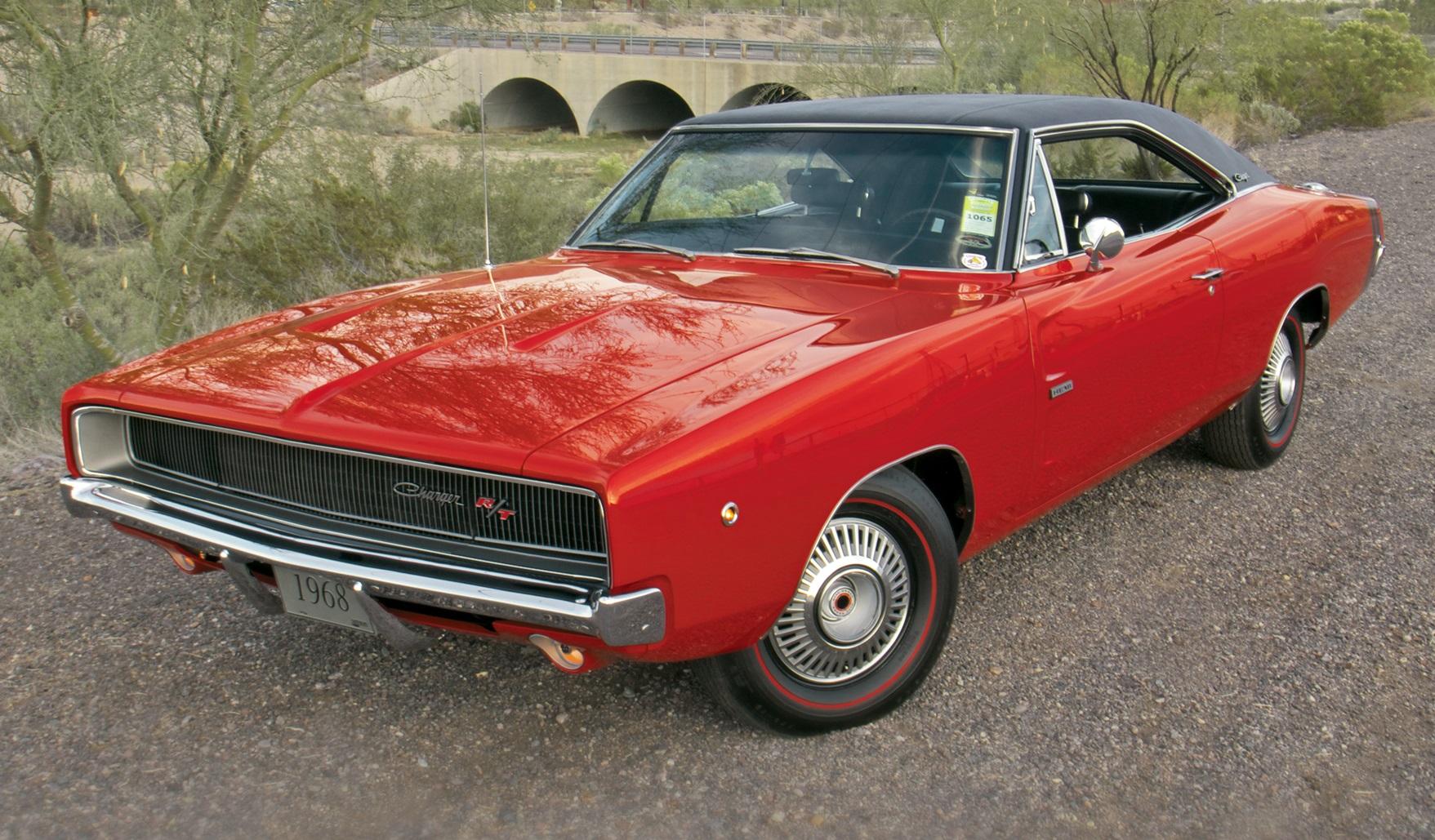
2. 1968 Dodge Charger R T 500
- Engine: 440 Magnum V8, optional 426 Hemi V8
- Horsepower: 375 hp (440), 425 hp (Hemi)
- Torque: Up to 490 lb-ft
- Length and Width: Approx. 208 in length, 76.6 in width
The 1968 Dodge Charger R T 500 was developed as a homologation special for NASCAR competition requirements. Production rules required a minimum number of road units before a manufacturer could qualify a racing version for official entry. Chrysler produced the Charger 500 to satisfy this requirement and to support its participation in high-speed oval circuit racing during that period.
The development focus centred on improving airflow efficiency at sustained high speeds. Engineers identified that the standard 1968 Charger design created resistance due to its recessed grille and rear window channel design. The Charger 500 introduced a flush-mounted front grille system and a rear window treatment that reduced airflow disruption.
These adjustments improved straight-line stability and increased speed potential on long oval circuits where airflow performance affected lap times. Despite these modifications, competitive results during NASCAR events revealed that rival manufacturers achieved stronger performance outcomes in the same racing conditions.
Ford introduced the Torino Talladega, which featured additional aerodynamic refinements that delivered higher speed consistency on superspeedway tracks. During the 1969 racing season, Ford entries recorded stronger results in several major events, which reduced the competitive advantage initially expected from the Charger 500 programme.
The street version of the Charger RT 500 carried engine options that included the 440 Magnum V8, producing 375 horsepower, and the 426 Hemi V8, producing 425 horsepower. These engines provided strong acceleration capability and placed the vehicle in a high-performance category for its time. The suspension system and chassis tuning also delivered improved road stability compared with earlier Charger models. These qualities made the street version a respected performance coupe among enthusiasts.
Production numbers remained limited due to its homologation purpose. The restricted output increased rarity and later collector interest. Vehicles equipped with the Hemi engine are especially valued due to lower production figures and stronger performance characteristics. Documentation and originality affect valuation in the collector market, with preserved examples receiving closer attention.
Also Read: 10 Used Dodge SUVs With Proven Long-Term Reliability
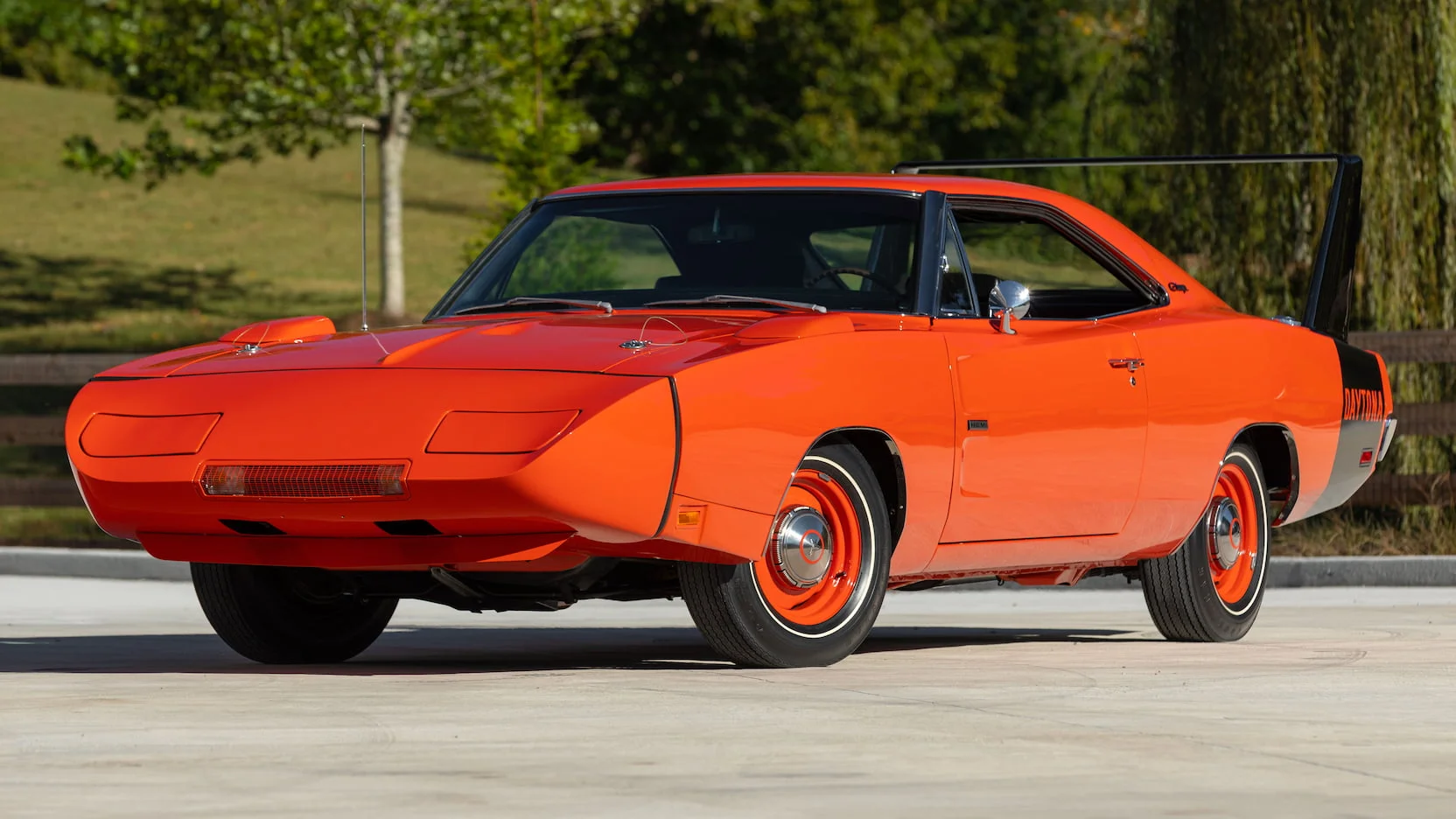
3. 1969 Dodge Charger Hemi Daytona
- Engine: 426 Hemi V8
- Horsepower: 425 hp
- Torque: 490 lb-ft
- Length and Width: Approx. 226.5 in length, 76.6 in width
Few cars in American automotive history are as visually dramatic as the 1969 Dodge Charger Hemi Daytona, and few cars have their visual drama quite so directly explained by pure engineering function. That enormous nose cone extending 18 inches ahead of the front bumper was not a styling exercise.
Those towering rear wing supports holding the wing 23 inches above the trunk lid were not a designer’s creative indulgence. Every dramatic visual element on the Daytona existed because it produced a measurable aerodynamic benefit at speeds above 150 miles per hour.
Chrysler’s response to the Charger 500’s NASCAR inadequacy was more radical than the incremental modifications that produced that homologation special. Engineers at Chrysler’s aerodynamics group developed an entirely new front-end treatment with a pointed nose cone that dramatically reduced aerodynamic drag and increased front downforce at racing velocities.
Rear wing height was dictated by the need to place the wing in undisturbed airflow above the roofline, which required the towering supports that gave the Daytona its unmistakable silhouette. Racing results confirmed the aerodynamic investment. Charlie Glotzbach qualified the Daytona at Talladega in 1969 at 199.466 miles per hour, the first closed-course qualifying run above 199 mph in NASCAR history.
Richard Petty won races in Daytona-based machinery. The aerodynamic package worked exactly as intended at the speeds it was designed for, which represents a genuine engineering success that the car’s ranking here does not dismiss. Street application of those same aerodynamic features created a car that was awkward, difficult to park, and visually overwhelming for buyers who were not racing it at superspeedway speeds.
Street Hemi Daytona’s extreme proportions made normal driving genuinely challenging, and the car’s performance at road-legal speeds did not proportionally exceed what a standard Charger R/T with the same engine produced. Buyers who wanted maximum street performance could achieve it without the nose cone and wing. Buyers who wanted the Daytona got those features as a package that only made full sense at speeds they would never legally reach.
Production of 503 street units satisfied homologation requirements and nothing more. Today, those examples are among the most valuable American muscle cars ever produced, with Hemi-powered examples trading at prices that reflect their historical importance and genuine rarity. Historical importance and street functionality are different categories, and the Daytona’s ranking here reflects that distinction honestly.
4. 1970 Dodge Charger R/T SE
- Engine: 440 Magnum V8, optional 426 Hemi V8
- Horsepower: 375 hp to 425 hp
- Torque: Up to 490 lb-ft
- Length and Width: Approx. 208 in length, 76.6 in width
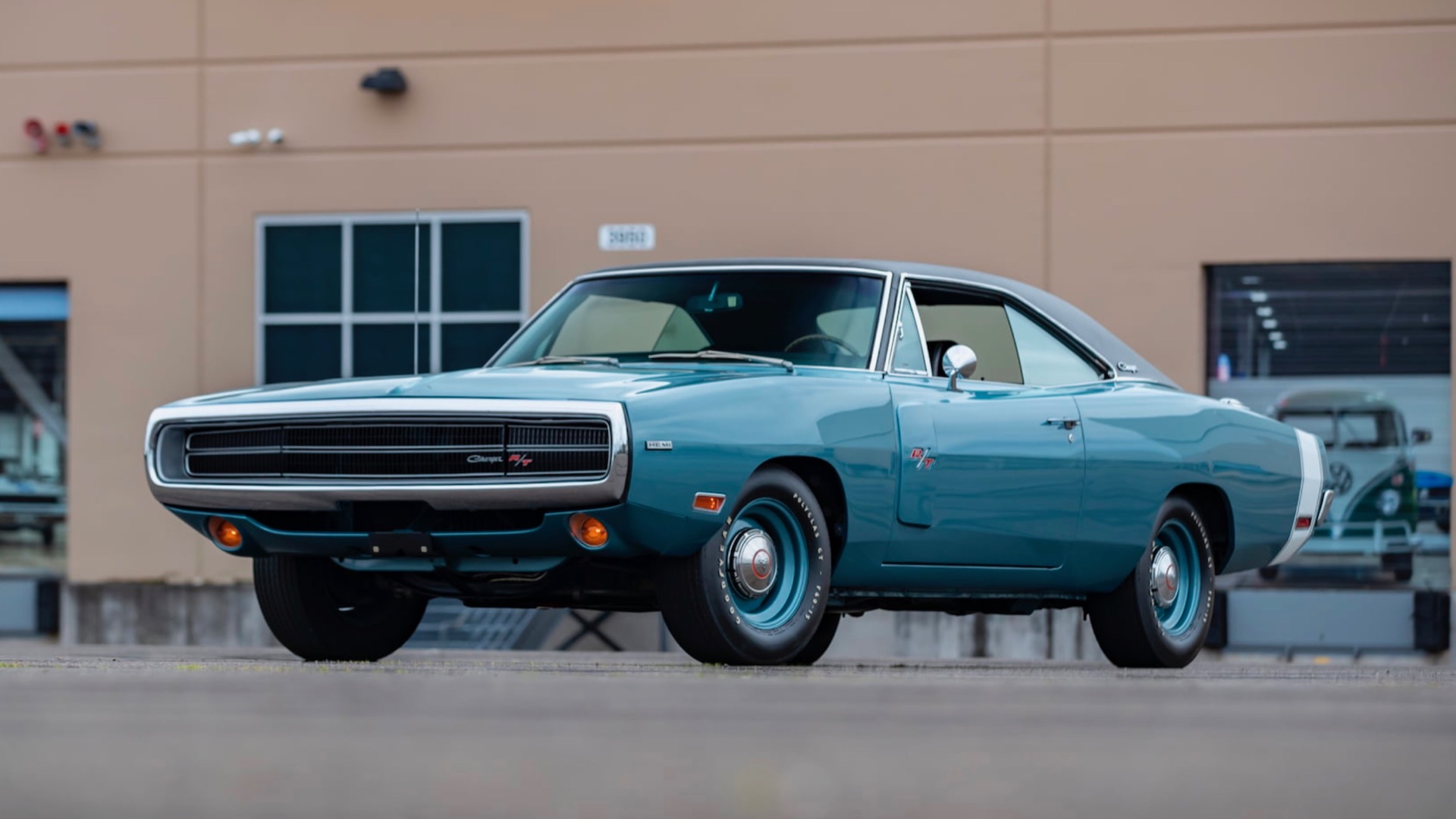
Arriving at the mid-point of this ranking brings us to a Charger that most enthusiasts would rank higher, and some would argue belongs in the top three. 1970 Dodge Charger R/T SE represents the classic B-Body Charger at its most refined and most visually mature, combining the successful 1968 redesign’s fundamental character with detail improvements that made the 1970 version the version many collectors consider the definitive expression of the design.
R/T designation identified the Road and Track performance package that brought specific powertrain and suspension upgrades beyond the standard Charger’s specification. Standard engine in R/T form was the 440 cubic inch Magnum V8 producing 375 horsepower, with the 375-horsepower Six Pack three-carburetor version and the legendary 426 Hemi available as additional options. That powertrain range gave buyers genuine performance flexibility from serious to genuinely formidable without requiring the Hemi’s premium pricing to access a fast, capable car.
SE designation added the Special Edition interior package that elevated cabin quality with leather-and-vinyl seating, a wood-grain instrument panel treatment, and additional sound insulation that distinguished the SE from standard R/T configurations.
That interior package gave the 1970 Charger R/T SE a degree of refinement that muscle car buyers of the era did not always associate with performance-focused vehicles, creating a car that could serve as comfortable personal transportation alongside its performance credentials.
Handling capability in the R/T SE benefited from the Heavy Duty suspension package that came standard with the R/T specification, providing spring and shock absorber calibration appropriate to the performance powertrain’s capabilities.
Drum brakes remained the standard stopping hardware in 1970, and that limitation is an honest weakness in the 1970 Charger R/T SE’s performance package by modern standards. Front disc brake availability as an option addressed the limitation for buyers who specified the upgrade, but drum-equipped examples struggled to stop with the confidence their engine power demanded.
Placing the 1970 Charger R/T SE at number five rather than higher reflects the honest reality that subsequent entries on this list delivered more complete performance packages. This is a car that belongs on any serious muscle car list, but it is not the best Charger ever built.
5. 1971 Dodge Charger Super Bee
- Engine: 383 Magnum V8, optional 440 and 426 Hemi
- Horsepower: Up to 425 hp
- Torque: Up to 490 lb-ft
- Length and Width: Approx. 205.4 in length, 76.9 in width
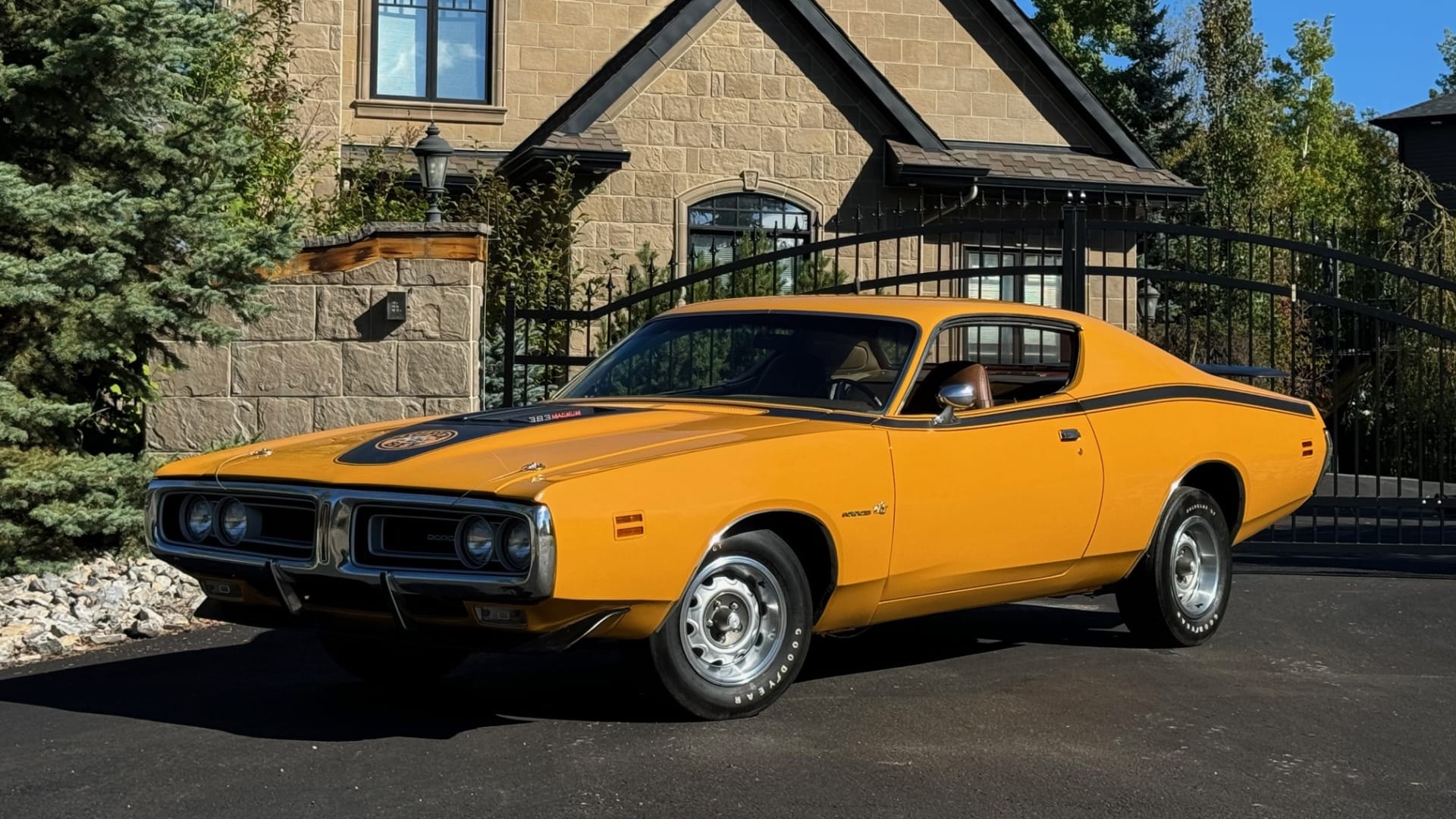
1971 Dodge Charger Super Bee holds a position within Charger production history that merits steady recognition among observers of Chrysler products from that period. The Super Bee designation was transferred from the Coronet line to the Charger body structure for the 1971 production year.
This move placed a value-oriented performance specification onto a platform that had already undergone several years of refinement since the late nineteen sixties. The result was a vehicle that combined cost-conscious performance intent with a body design that carried strong road presence within its market segment. The standard power unit for the 1971 Super Bee was the 383 cubic inch Magnum V8. Buyers seeking higher output could select the 440 cubic inch V8 in either single carburettor or multiple carburettor arrangement.
A Hemi option remained listed within official documentation, although purchase rates remained very low due to insurance pricing levels and regulatory requirements affecting fuel consumption standards introduced during that period in the United States automotive industry. Compression ratios across Chrysler engine production were reduced in 1971 in order to meet fuel compatibility rules being introduced at the federal level, which affected output figures when compared with earlier production years.
Exterior presentation for the 1971 Super Bee carried the familiar rear stripe arrangement associated with the Super Bee identity. This stripe wrapped around the rear section of the body and reinforced visual continuity with earlier Coronet-based versions of the model.
The Charger body used for this model year featured a revised front grille structure and updated rear lighting arrangement. These changes gave the vehicle a refreshed appearance while retaining structural familiarity with earlier Charger production cycles from 1968 through 1970.
Interior layout maintained a driver-oriented arrangement with clear instrument placement and functional control positioning. Seating surfaces varied depending on the trim level selected at purchase. Materials used in cabin construction reflected manufacturing standards of the period, with emphasis placed on durability under repeated daily use conditions. Space distribution within the cabin supported both front occupant comfort and rear passenger accommodation within the limits of a two-door performance-styled body structure.
Suspension configuration was tuned to provide balanced handling behaviour suitable for highway travel and general road usage across different regions. Steering response remained consistent under steady driving conditions, while braking systems varied depending on specification level.
Drum braking systems were standard for rear wheels, while front disc braking systems were available on selected configurations, depending on buyer selection and factory build specification. The 1971 Super Bee occupies a position that reflects its role during a transitional phase in American automotive production.
The period marked changes in fuel regulation policy and insurance pricing structures that affected engine specification choices across multiple manufacturers. This model represents one of the final stages where higher displacement V8 engines remained accessible within mainstream production before later regulatory requirements influenced output levels in subsequent years.
6. 1972 Dodge Charger Rallye
- Engine: 318 V8, optional 340 and 400 V8
- Horsepower: Up to 255 hp (net ratings)
- Torque: Up to 335 lb-ft
- Length and Width: Approx. 205.4 in length, 76.9 in width
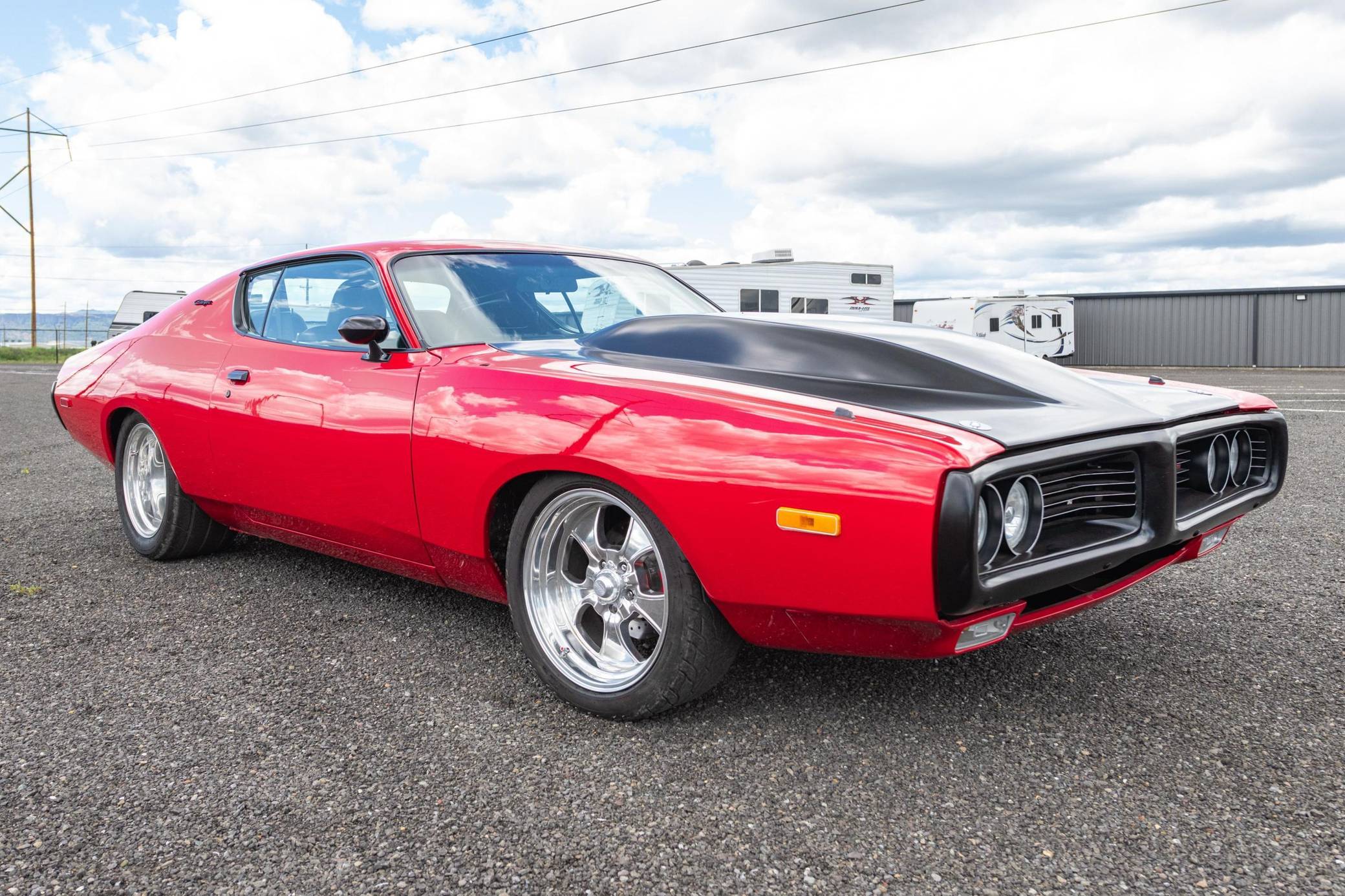
1972 Dodge Charger Rallye represents a production specification developed during a period when American automotive manufacturing was adjusting to revised fuel and emissions requirements introduced at the federal level. These requirements affected compression ratios across engine families and influenced reported horsepower figures across multiple manufacturers.
The changes applied during this period resulted in lower published output values when compared with earlier production years, even where engine displacement remained similar. The Charger Rallye package for 1972 provided a defined set of equipment upgrades intended to distinguish it from base Charger models.
These upgrades included suspension calibration changes, exterior identification markings, and interior detailing adjustments. The body design for the 1972 model year featured a more formal roof structure compared with earlier fastback designs used between 1968 and 1970. This change gave the vehicle a revised visual identity that reflected evolving design direction within Chrysler production planning.
Engine options for the 1972 Charger Rallye included the 318 cubic inch V8 as the entry-level specification. Higher output options included the 340 cubic inch V8 and the 400 cubic inch V8. These engines were rated using net horsepower measurement methods introduced during that period, which produced lower numerical values compared with earlier gross rating systems.
The 400 cubic inch engine provided stronger acceleration capability relative to smaller displacement options within the same model year range. Chassis tuning for the Rallye package included adjustments intended to improve road stability during sustained travel conditions.
Steering calibration provided controlled response during directional changes, while suspension settings supported steady vehicle behaviour during highway driving. Front disc braking systems became more widely available across the Charger range during this period, improving stopping capability compared with earlier models. Rear braking systems retained a drum configuration in most specifications.
Interior specification for the Rallye package included a revised dashboard layout with improved gauge positioning for driver visibility. Seating arrangements varied according to trim selection, with materials chosen for durability under regular use conditions. Cabin layout maintained functional control placement consistent with Chrysler design practice of the early nineteen seventies.
7. 1987 Shelby Charger GLHS
- Engine: Turbocharged 2.2L inline-4
- Horsepower: 175 hp
- Torque: 175 lb-ft
- Length and Width: Approx. 174.8 in length, 65.9 in width
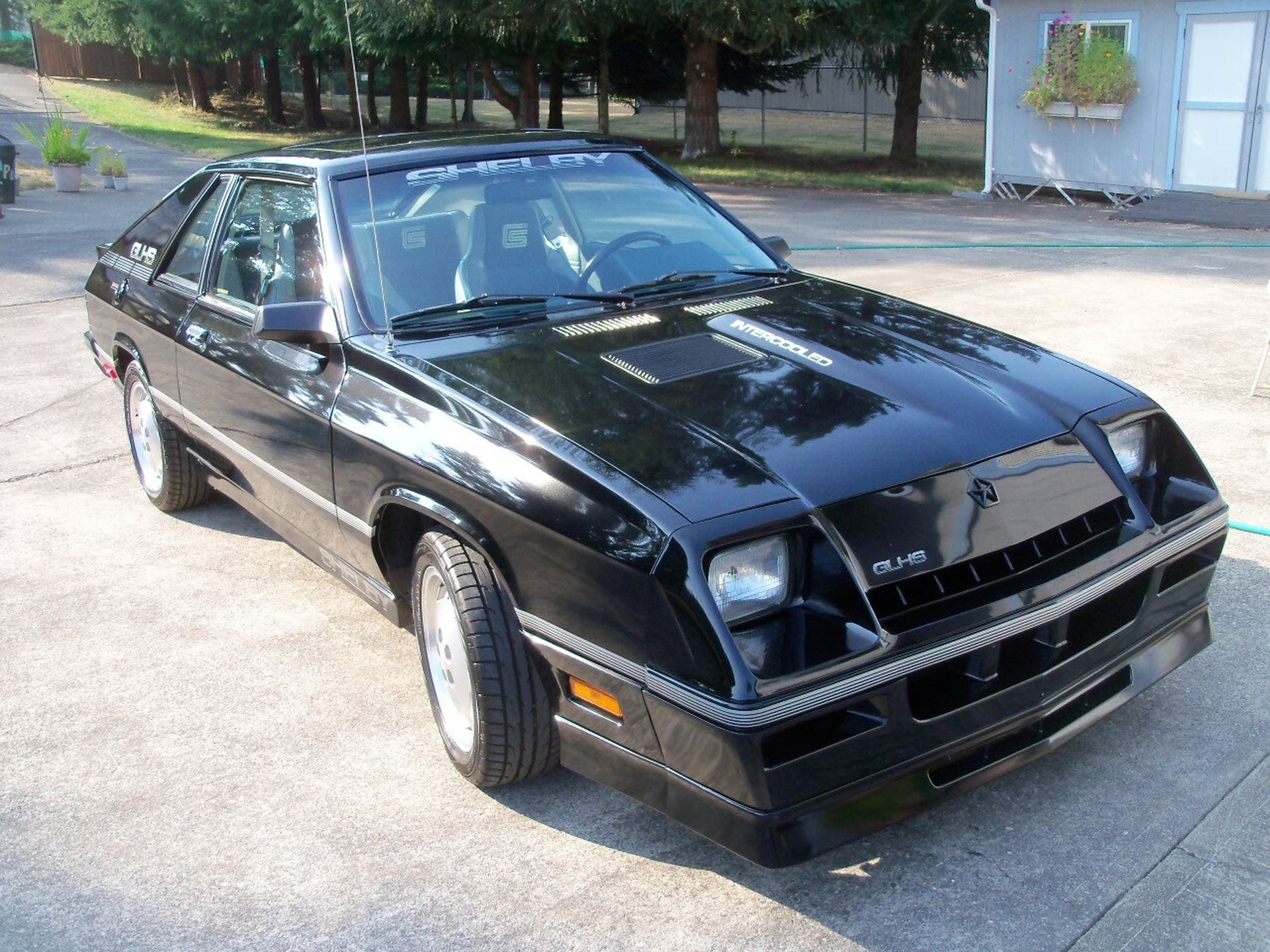
Ranking the 1987 Shelby Charger GLHS requires setting aside any preconceptions about what a Charger should be and evaluating the car for what it actually delivered. Goes Like Hell S was the meaning behind the GLHS acronym, a name that Carroll Shelby attached to the most extreme version of a front-wheel-drive compact that most muscle car traditionalists refused to take seriously. Those traditionalists were wrong, and the performance numbers that independent testing produced in 1987 proved it with numbers that a straight-faced analysis cannot dismiss.
Turbocharged 2.2-liter four-cylinder engine in the Shelby Charger GLHS produced 175 horsepower through careful development work that included a revised turbocharger setup, recalibrated engine management, and suspension modifications that helped the front-wheel-drive platform handle the power increase without the torque steer behavior that undermined lesser turbocharged front-drivers of the era.
175 horsepower in a car weighing approximately 2,400 pounds produced a power-to-weight ratio that translated into 0-60 mph acceleration times in the mid-six-second range, which was genuinely quick by 1987 American car standards, regardless of how many cylinders were involved.
Carroll Shelby’s personal involvement in the GLHS development gave the car credentials that pure Chrysler engineering alone could not have claimed. Shelby’s reputation, built through decades of performance car development starting with the original AC Cobra and extending through Ford Mustang Shelby GT350 and GT500 variants, attached an authentic performance pedigree to a car that its front-wheel-drive configuration and four-cylinder engine would otherwise have kept outside serious performance discussion entirely.
Production of approximately 1,000 units gave the Shelby Charger GLHS genuine rarity that its performance justified. Buyers who found one in 1987 and understood what they were looking at got one of the quickest American cars available at any price that year, packaged in a body that advertised its capability only to those who knew what to look for. Sleeper performance has a specific appeal that the GLHS delivered completely, and its ranking here reflects that delivery honestly.
Also Read: 7 Dodge Charger Generations Ranked by Owner Satisfaction
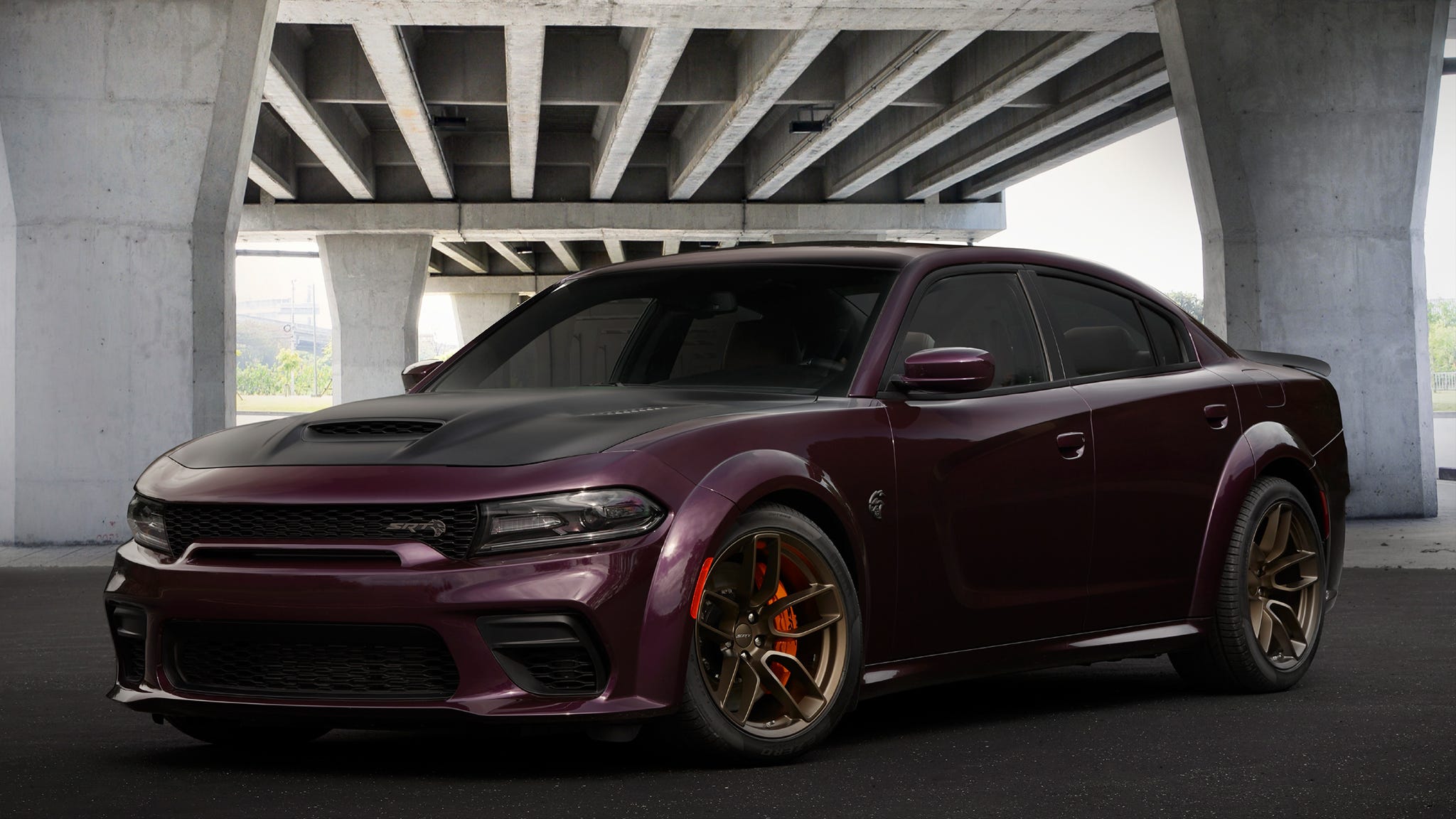
8. 2022 Dodge Charger SRT Hellcat Redeye Widebody Jailbreak (Best)
- Engine: Supercharged 6.2L V8
- Horsepower: 807 hp
- Torque: 707 lb-ft
- Length and Width: 201 in length, 78.3 in width
At the top of this ranking sits a car that requires no historical revisionism, no generous interpretation, and no context-dependent qualification to justify its position. 2022 Dodge Charger SRT Hellcat Redeye Widebody Jailbreak is the greatest Charger ever built by the most direct, honest measurement available: it is the most capable, most powerful, most thoroughly developed performance version of a nameplate that has existed for more than five decades, produced at the peak of a continuous performance development program that culminated in a supercharged V8 producing numbers that would have seemed implausible on a four-door production sedan just twenty years earlier.
Supercharged 6.2-liter Hellcat Redeye V8 engine produces 807 horsepower and 707 pound-feet of torque in standard configuration. Jailbreak designation unlocks combination options that standard trim configurations restricted, allowing buyers to configure exterior colors, interior treatments, and appearance packages previously unavailable through the standard order system.
That customization capability made the Jailbreak edition not just the most powerful Charger but the most personalized production Charger available, combining maximum performance with individual expression in a way no previous Charger offered.
807 horsepower in a four-door sedan with a functional back seat and a usable trunk is a specification that rewards examination, the more carefully it is considered. This is not a stripped-out track car with a back seat that exists for homologation purposes only.
2022 Dodge Charger SRT Hellcat Redeye Widebody Jailbreak is a genuine four-passenger vehicle that can carry adults comfortably on a road trip and then produce 0-60 mph times in the 3.5-second range at the destination. That combination of practicality and performance is unique in automotive history.
The widebody package adds 3.5 inches of total width through widened front and rear fenders that accommodate 305-width rear tires, providing the footprint necessary to put 807 supercharged horsepower onto the pavement with any degree of traction management.
Standard Charger width could not have accommodated the rear tire specification that the Redeye’s power output demands for effective straight-line performance, and the Widebody package addresses that engineering requirement while simultaneously giving the car a visual presence appropriate to its performance level.
