
Cinema has a habit of turning ordinary machines into lasting cultural objects. A car appears on screen for only a few minutes, yet decades later, people still speak about it as if it were a living character. These vehicles become tied to emotions, scenes, and memories that refuse to fade.
Posters hang on bedroom walls, model replicas sit on shelves, and auction headlines remind the public that film cars can be worth fortunes. What often goes unmentioned is that not every famous movie car ends up in a museum or a private collection. Some simply vanish.
Studio practices from earlier decades did not prioritize preservation. Cars were reused, modified, stripped for parts, or quietly sold off when filming wrapped. Paper records were thin, and few imagined future collectors would care. As years passed, ownership trails went cold. Rumors replaced facts. A handful of these machines still have no verified location today, despite ongoing searches and passionate interest.
This page focuses on ten well-known film cars that remain unaccounted for. Each one played a role in shaping film history, yet their physical whereabouts remain uncertain. Stories surrounding these vehicles range from theft to quiet disposal, with plenty of speculation along the way.
What follows is not mythology or exaggerated legend, but a grounded look at what is known, what is suspected, and why these cars continue to matter long after the cameras stopped rolling.
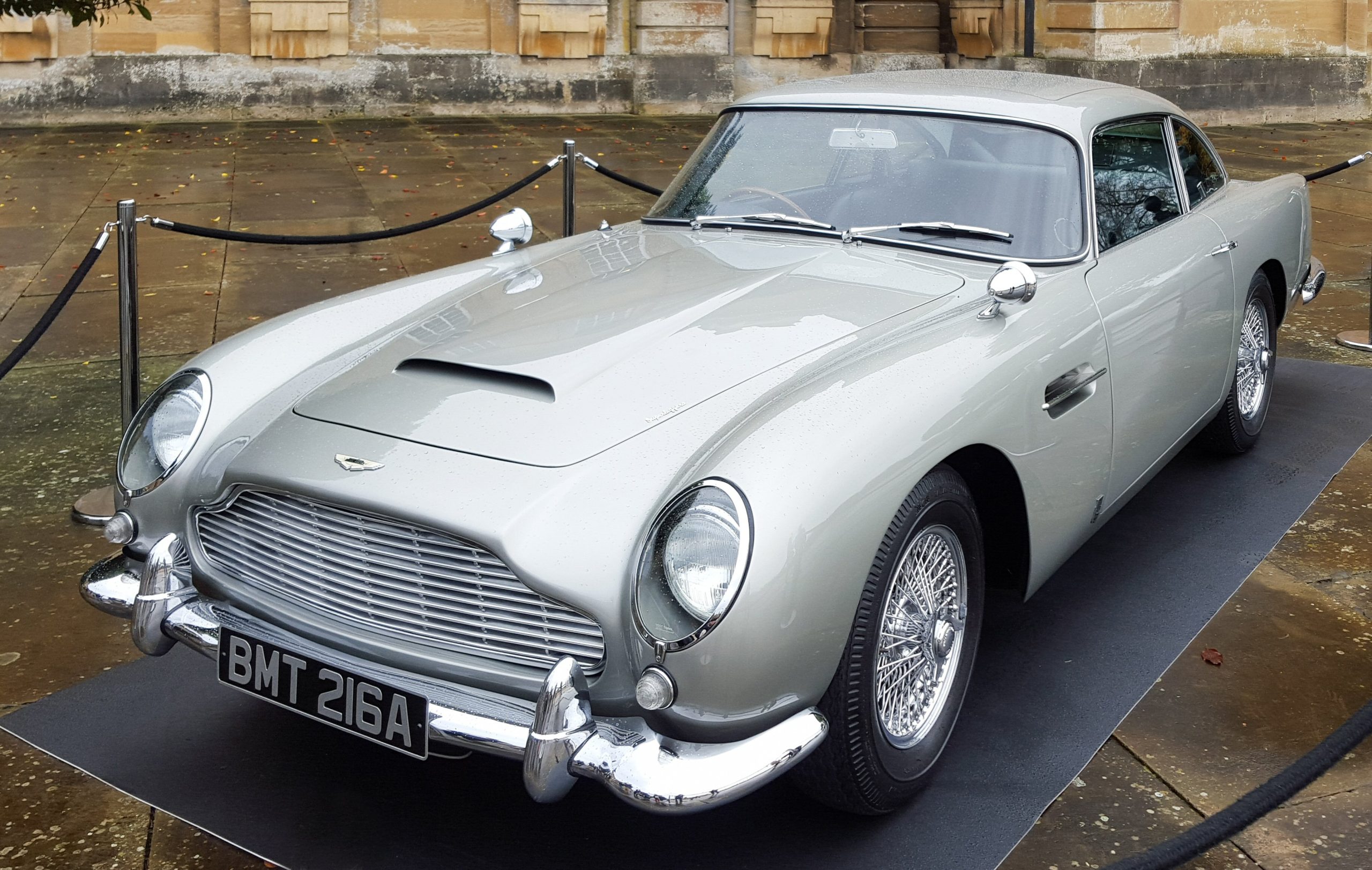
1. 1965 Aston Martin DB5 from Goldfinger
Few film vehicles carry the cultural weight of the 1965 Aston Martin DB5 associated with Goldfinger. When the car debuted alongside Sean Connery’s James Bond, it redefined what a movie car could represent. Sleek British styling paired with fictional spy equipment transformed the DB5 into an instant icon. While several DB5s were used across different Bond productions, one particular example linked directly to Goldfinger later disappeared under circumstances that still puzzle historians.
Production records show that at least two DB5s were prepared for the film. One was equipped with special effects elements, while another served for driving sequences. After filming concluded, studio attention shifted elsewhere, and detailed tracking of these cars faded. One DB5 eventually entered private ownership and was later stolen from a secure location in the late 1990s. Thieves bypassed alarms and disappeared without leaving usable leads.
Investigators believed the car was targeted deliberately, not taken at random. Its identity as a Bond vehicle made it valuable far beyond its standard market price. Despite international alerts and insurance investigations, the trail went quiet. No verified sightings followed, and no recovered parts surfaced in legal markets. The absence of noise suggested professional handling rather than casual theft.
Speculation has filled the gap ever since. Some believe the car was dismantled and sold in pieces, while others argue it was hidden intact, waiting for a future opportunity. A more dramatic theory suggests the DB5 was shipped overseas under false documentation. None of these claims has been proven. What remains clear is that one of cinema’s most recognized automobiles has not been publicly seen in decades.
The mystery persists because of the car’s fame and its clear paper trail up to the point of disappearance. Unlike studio cars that faded quietly into scrapyards, this DB5 vanished at a time when its value was already established. That fact alone keeps interest alive, as collectors and historians continue to hope the car will resurface one day.
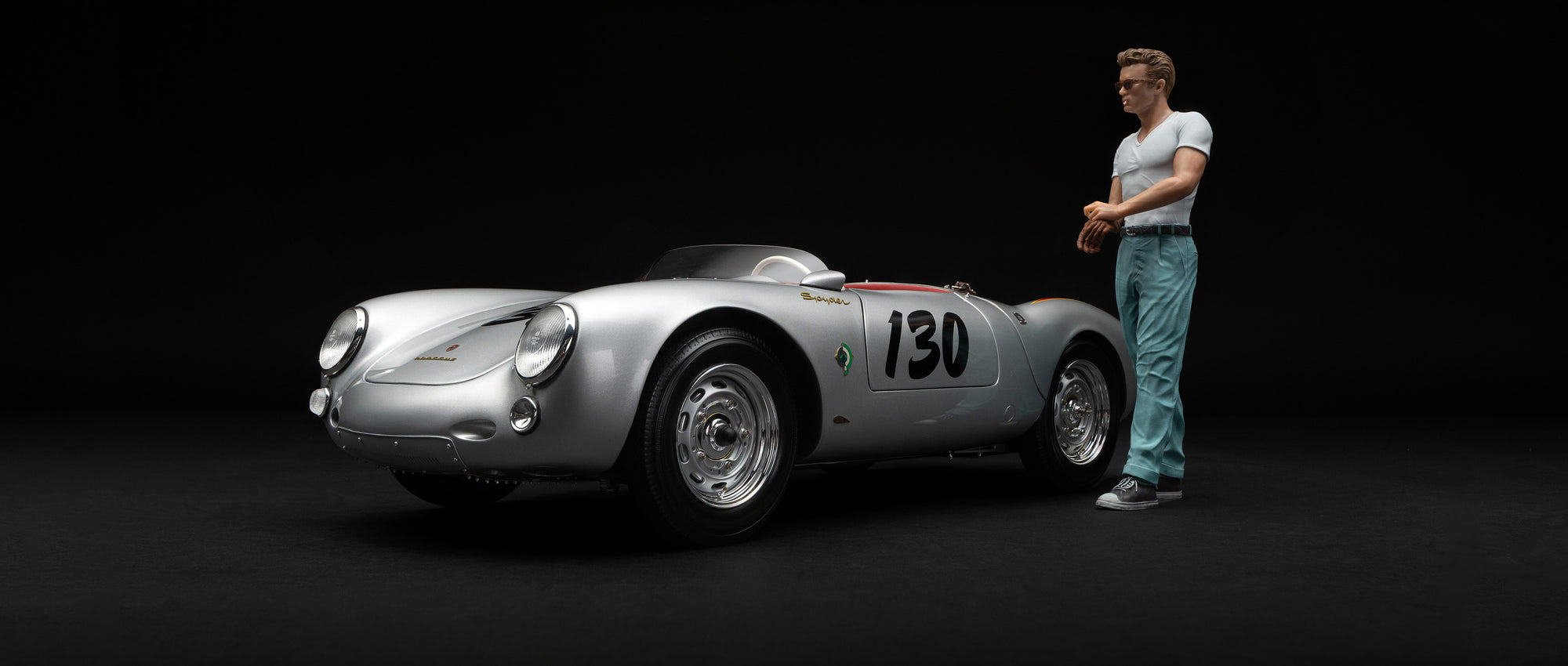
2. 1955 Porsche 550 Spyder “Little Bastard” from James Dean’s Era
No missing film-related car carries a darker reputation than the 1955 Porsche 550 Spyder known as “Little Bastard.” While not tied to a single movie production in the traditional sense, the car became inseparable from James Dean’s screen image during the Rebel Without a Cause period. Its disappearance fueled decades of speculation and cautionary tales.
After Dean’s fatal crash in 1955, the wrecked Spyder was recovered and sold to a safety researcher. What followed reads like folklore mixed with partial documentation. Parts removed from the car were reportedly involved in separate accidents, leading to injuries and deaths. These stories gained traction in popular media, amplifying the vehicle’s reputation as cursed.
At some point during a transport exhibition, the remains of the Spyder vanished. Accounts differ on how it happened. Some reports describe a locked trailer that arrived empty at its destination. Others claim the car was stolen while unattended. Official records from that period are incomplete, leaving room for doubt. No confirmed remains have surfaced since.
Skeptics argue that the Spyder was quietly disposed of, its legend exaggerated through repetition. Others maintain that the car still exists, hidden away due to fear or superstition. Regardless of belief, no museum or private collection has presented verified evidence of possession.
The car’s absence continues to draw attention because of its connection to Dean’s brief career and enduring influence. Unlike studio-owned vehicles, this Spyder moved through private hands, complicating tracking efforts. Its disappearance remains one of the most discussed unsolved cases tied to film history.
Also Read: 10 Most Iconic Cars in Movie History
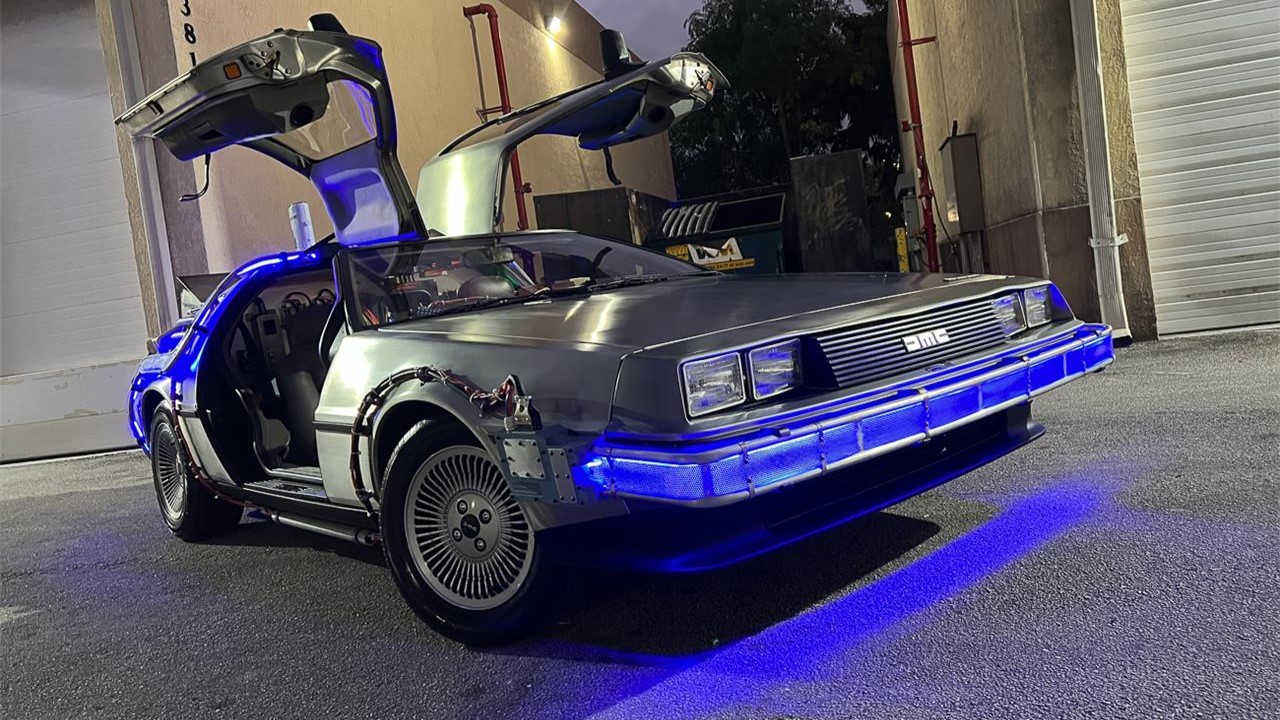
3. 1981 DeLorean DMC 12 “Hero” Chassis from Back to the Future
The DeLorean DMC 12 became a time machine in popular culture the moment Back to the Future reached theaters. Several cars were modified for filming, each serving different purposes. While some are safely displayed today, one specific hero chassis used for promotional and stunt duties has never been conclusively located.
During production, Universal Studios treated the DeLoreans as working props rather than long-term assets. After filming wrapped, certain cars were dismantled, while others were stored or sold. Documentation from that period lacks detail, making it difficult to trace individual VINs. One hero car was reportedly loaned for promotional appearances, then returned to storage.
Years later, when collectors attempted to account for every surviving DeLorean from the trilogy, discrepancies appeared. One chassis was missing from the records. No confirmed sale, destruction order, or museum acquisition explained its absence. Studio archives offered limited assistance, as paperwork from the 1980s was incomplete.
Rumors suggest the car may have been broken down for parts or modified beyond recognition. Another theory points toward private ownership under strict confidentiality. Without photographs, serial verification, or official statements, these ideas remain speculative.
Interest in this missing DeLorean persists because of its status within the franchise. Unlike background props, hero cars carry distinct modifications and screen history. Until verified proof emerges, one piece of cinematic time travel history remains unaccounted for.
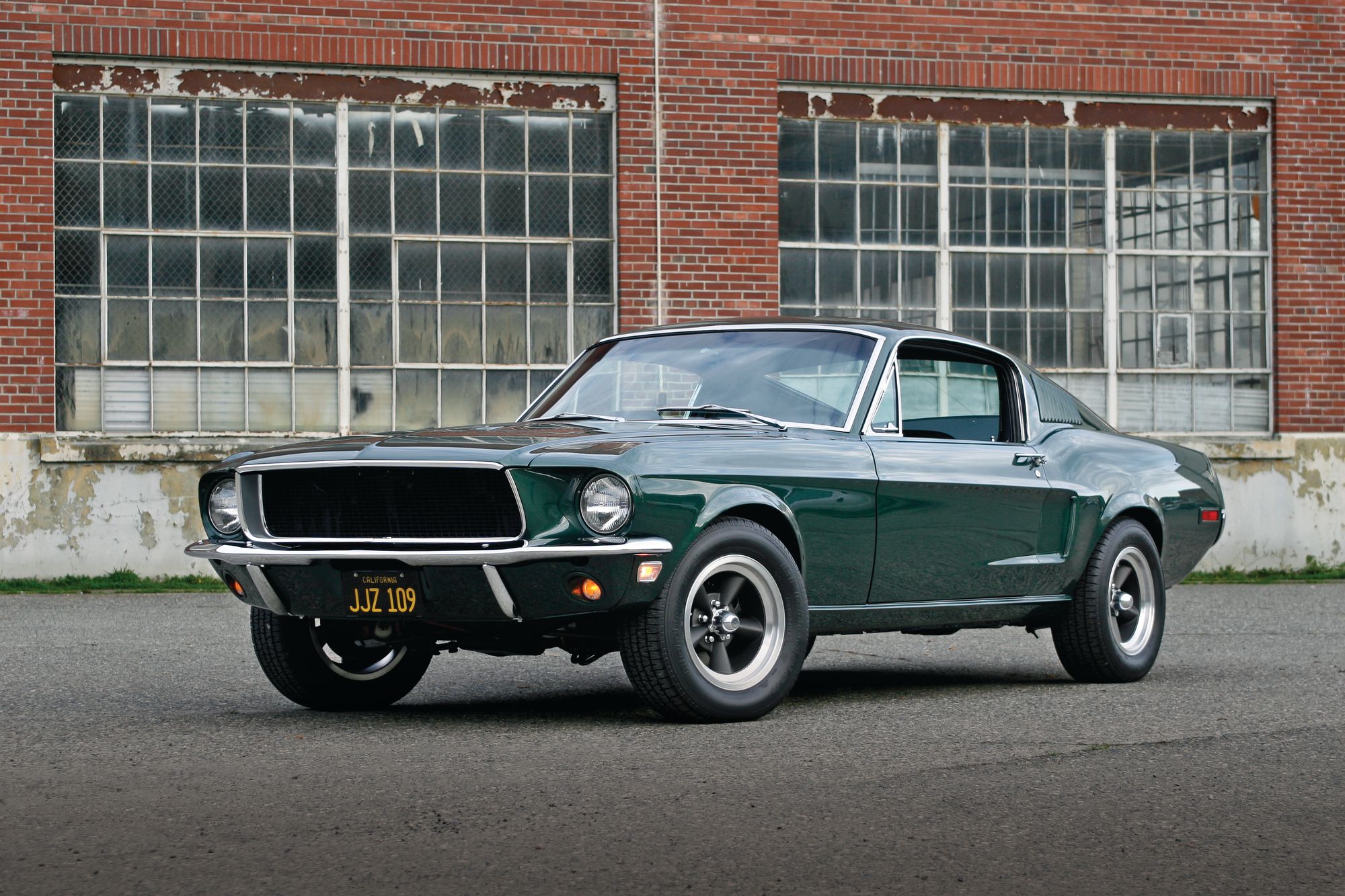
4. 1968 Ford Mustang GT Fastback Stunt Car from Bullitt
Steve McQueen’s Bullitt stands as one of cinema’s most respected action films, largely because of its grounded approach to realism and performance. Released in 1968, the film featured a lengthy car chase through the streets of San Francisco that rejected artificial tricks and studio shortcuts.
At the centre of this sequence was a dark green 1968 Ford Mustang GT Fastback, driven aggressively and filmed at real speed. To achieve this demanding sequence, production relied on two Mustangs that appeared identical on screen but served very different purposes during filming.
One vehicle was reserved for controlled shots, close framing, and scenes where visual clarity mattered more than mechanical strain. The second Mustang was assigned to intense driving duties that involved repeated high-speed runs, abrupt braking, hard suspension compression, and airborne moments caused by San Francisco’s uneven roads.
This second car absorbed the physical burden of production. Each takes increased wear on the chassis, drivetrain, and body panels. Mechanical sympathy was secondary to achieving usable footage within limited shooting schedules. Studio documents from the period suggest that the stunt Mustang sustained structural damage by the end of filming.
Repair costs, measured against the car’s perceived market value at the time, made restoration unattractive to the studio. American performance cars from the late 1960s were still viewed as replaceable consumer products rather than future collector assets. As a result, the damaged Mustang was disposed of quietly.
Reports indicate it may have been sold through a salvage channel, either as scrap metal or as a stripped project vehicle. From that point, the trail fades. No verified vehicle identification number connected to the stunt Mustang has ever been matched with a surviving car.
Unlike the hero Mustang, which retained identifiable wear patterns and unique filming details, the stunt vehicle likely lost distinguishing features through repair, modification, or dismantling. Any surviving components would have been absorbed into other vehicles without records linking them to their origin.
Car historians and collectors have spent decades reviewing registration data, scrapyard inventories, and private collections in an attempt to trace the missing Mustang. These efforts have produced speculation rather than proof. Without factory documentation or studio transfer records, claims cannot be confirmed. The passage of decades has only reduced the chances of discovery, as ownership histories grow fragmented.
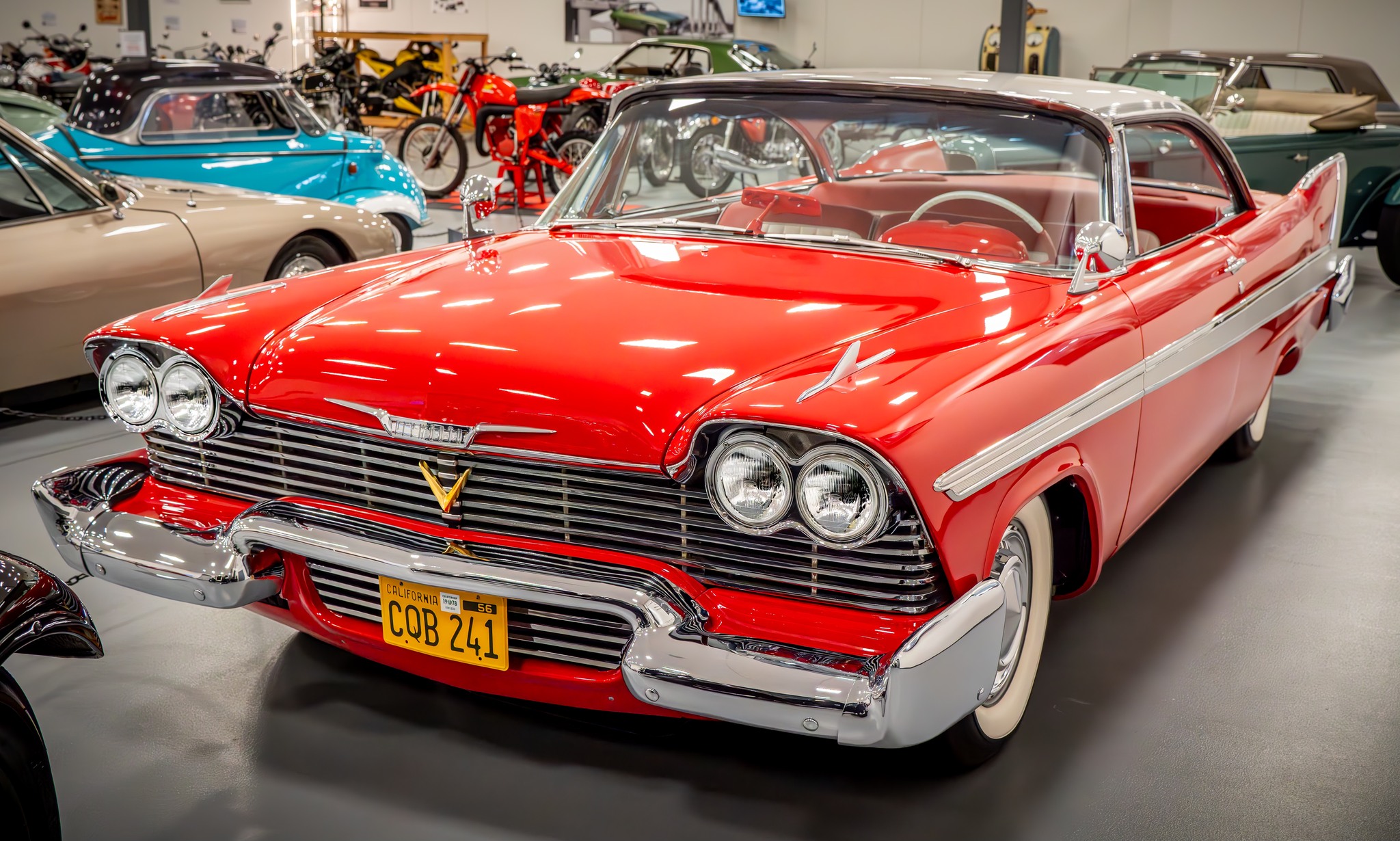
5. 1958 Plymouth Fury from Christine with Uncertain Survival
John Carpenter’s Christine, released in 1983, relied heavily on the physical presence of a 1958 Plymouth Fury to deliver its unsettling premise. The film required the car to appear both pristine and violently damaged, often within the same sequence.
To achieve this effect, production sourced multiple Fury vehicles. Some were restored for clean appearances, others were altered mechanically, and several were sacrificed during destruction scenes. This approach ensured continuity on screen while allowing demanding visual requirements to be met safely.
Studio records and crew interviews confirm that numerous cars were dismantled or crushed during filming. These actions were planned and documented, as the story demanded visible destruction. However, discussion continues regarding one particular Fury believed to have avoided that fate.
According to long-circulating accounts, a screen used car was removed from production inventory and sold rather than destroyed. No formal paperwork confirming this transaction has ever surfaced. The challenge of verification is heightened by the rarity of the 1958 Plymouth Fury itself. Only a limited number were produced, and fewer survived into the period when the film was made.
Identification depends on chassis numbers, production codes, and consistent ownership records. In this case, those materials are missing. Modifications performed for filming, such as reinforced frames or altered body panels, were often reversed later, removing further points of reference.
Collectors and restorers occasionally report discovering Fury vehicles claimed to be connected to the film. Each claim draws attention, yet none has been supported by documentation strong enough to satisfy historians. Photographs alone cannot establish provenance.
Without studio confirmation or matching identification numbers, such assertions remain unproven. The passage of time has also reduced the reliability of personal recollections tied to the production. Another explanation offered by specialists suggests the car was restored to factory appearance and returned to private use.
If this occurred, the vehicle would blend seamlessly among other surviving Furies. Owners may be unaware of its screen history, assuming it to be an ordinary classic car. A less optimistic view holds that the car was dismantled for parts during years when large American classics attracted limited market interest.
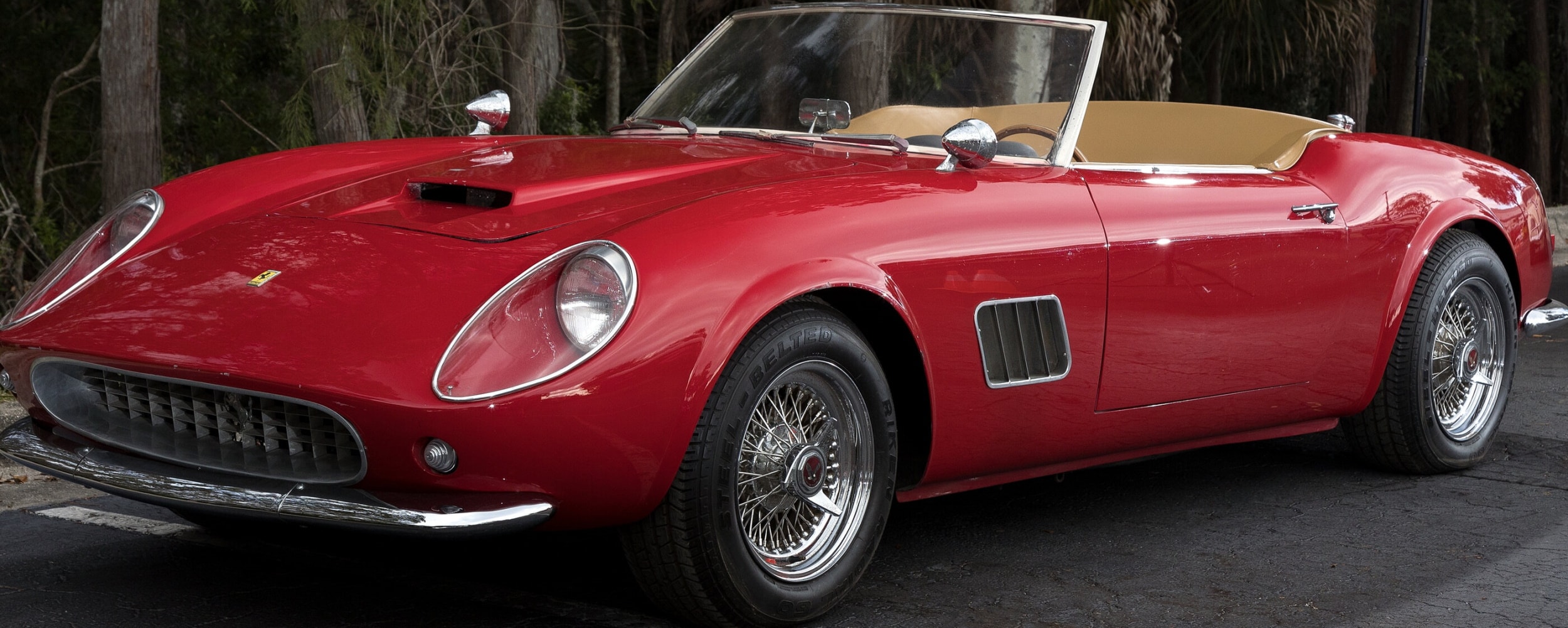
6. 1961 Ferrari 250 GT California Spyder Replica from Ferris Bueller’s Day Off
A red Ferrari soaring through the air became one of the most unforgettable moments in teen comedy history, even though the car sacrificed during filming was not a real Ferrari. For Ferris Bueller’s Day Off, producers relied on replica shells built to resemble a 1961 Ferrari 250 GT California Spyder.
Several replicas were constructed, each serving a specific role, including close-up shots, driving scenes, and the dramatic garage collapse. One of those replica bodies has never been located. Production notes confirm that more than one replica chassis existed. One survived and was later sold at auction, supported by paperwork and photographic verification.
Another shell was designated for destructive scenes and expected to be destroyed. Studio practices at the time did not demand strict tracking once filming concluded, and replica cars lacked the perceived value of authentic Ferraris. That attitude opened the door for confusion and loss.
Accounts from crew members suggest that a partially intact stunt shell was removed from storage rather than crushed. No clear sales record exists, and no scrapyard receipt has been located. Replica construction further complicates identification since these cars lacked standardized serial numbers tied to a registry. Without a traceable VIN, any surviving example could blend into private ownership unnoticed.
Collectors have surfaced claiming possession, yet none have offered documentation tying their cars directly to filming. Auction houses remain cautious, declining listings without proof. Restoration would also erase filming scars, making verification harder as years pass.
This missing replica matters because it represents a turning point in film history where illusion mattered more than authenticity. While a real Ferrari symbolized wealth on screen, a fiberglass shell paid the physical price. Until reliable evidence surfaces, one stunt replica from Ferris Bueller’s carefree joyride remains unaccounted for.
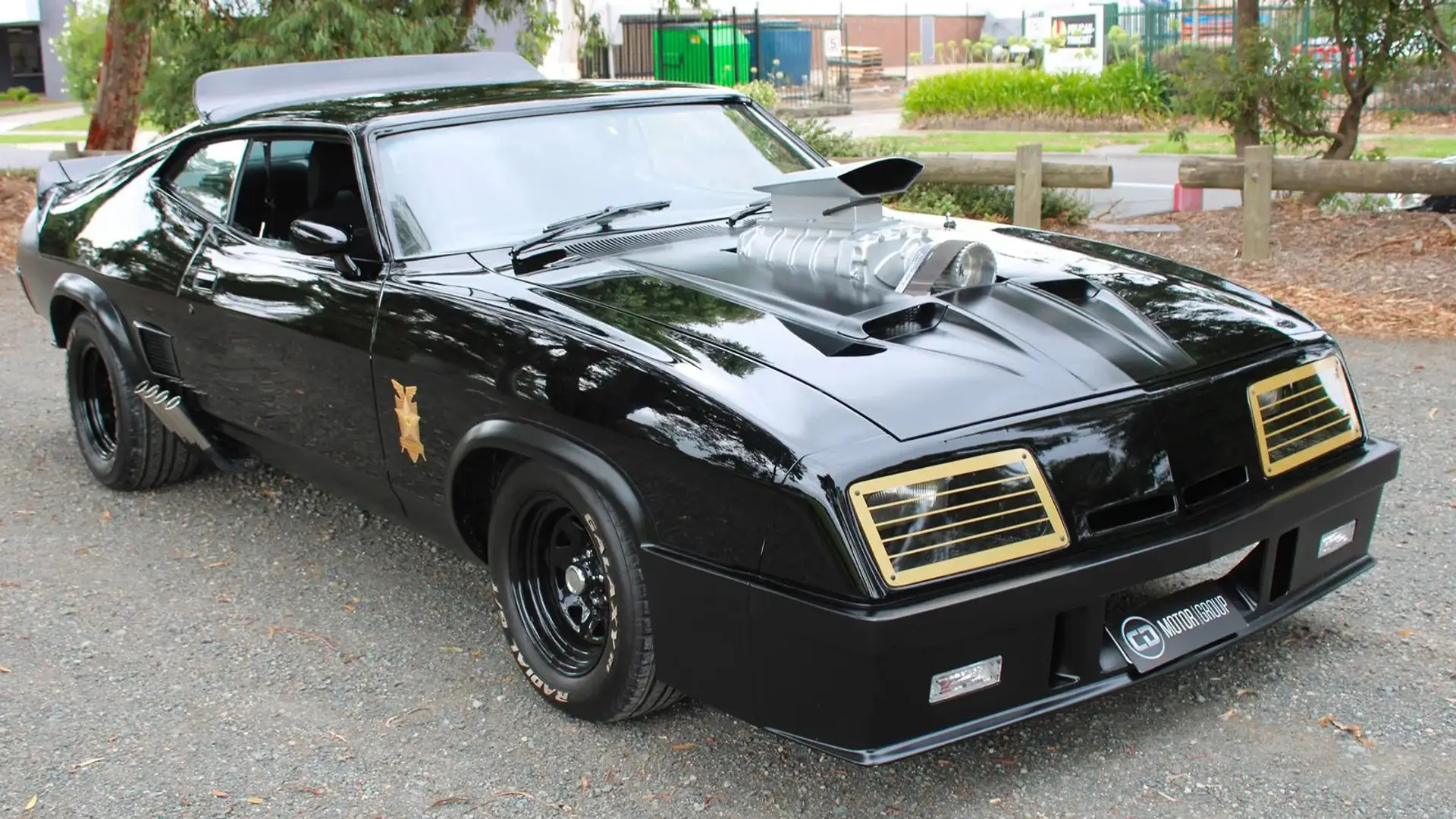
7. 1973 XB GT Ford Falcon Interceptor Promotional Car from Mad Max
Australian cinema gained international attention with Mad Max, and few vehicles captured attention like the black 1973 XB GT Ford Falcon Interceptor. Multiple Falcons were built for production, each serving a different function. Hero cars handled close shots, while others supported stunts or promotional use. One secondary promotional Interceptor disappeared after fulfilling its duties.
Public appearances following the film helped market its success. Promotional vehicles traveled between events, sometimes with minimal supervision. Documentation from those tours was informal, focusing on scheduling rather than asset tracking. After promotional obligations ended, at least one Falcon failed to return to official storage.
Stories from industry insiders suggest the car may have been sold quietly to a private buyer. Others believe it was dismantled when demand for spare parts outweighed perceived collector value. Australian muscle cars did not command high prices at the time, encouraging disposal rather than preservation.
Museums today display verified Mad Max vehicles, supported by serial confirmation. The missing promotional Interceptor lacks that chain of custody. No matching registration or chassis number has surfaced, and no photographic evidence places it after the promotional period.
Interest remains high due to the Falcon’s role in defining cinematic dystopia. Each surviving example carries cultural weight, making the absence of one particularly frustrating for historians. Until verifiable records appear, one Interceptor tied to Mad Max remains lost to time.
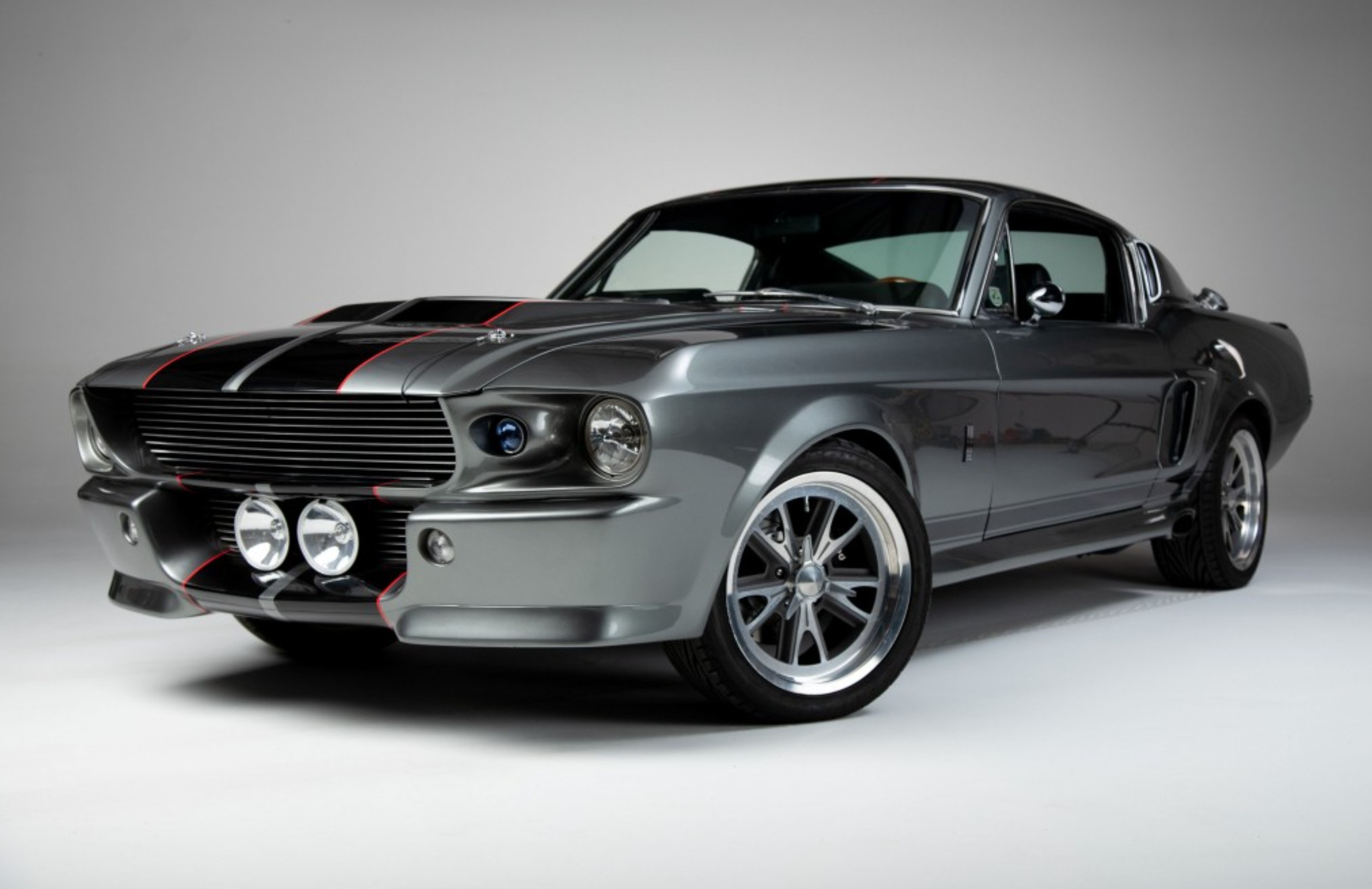
8. 1967 Shelby Mustang GT500 “Eleanor” Secondary Camera Cars from Gone in 60 Seconds
The 1967 Shelby Mustang GT500, known as Eleanor, achieved instant fame through Gone in 60 Seconds. Multiple cars were built to complete filming, including hero vehicles and secondary camera cars designed for aggressive driving and impact shots. While several examples are documented, some secondary builds have vanished.
Secondary camera cars carried lighter construction, allowing interior mounting equipment and facilitating risky maneuvers. These cars endured heavy use and often suffered damage. After production wrapped, studios focused on preserving the hero examples, leaving secondary builds vulnerable to disposal.
Legal disputes surrounding the Eleanor name later complicated matters. Ownership claims created hesitation among collectors, discouraging public display. Some cars were reportedly sold without clear provenance, while others were dismantled for parts. Paper trails grew thin as time passed.
Enthusiasts have attempted to track these Mustangs through component analysis, yet modifications blur originality. Replica builds further confuse identification, flooding the market with lookalikes. Without studio confirmation, claims remain speculative.
Missing secondary Eleanor cars matter because they contributed directly to the film’s most intense sequences. While hero cars draw attention, these background machines carry equal responsibility. Their disappearance highlights how quickly cinematic history can fade without deliberate preservation.
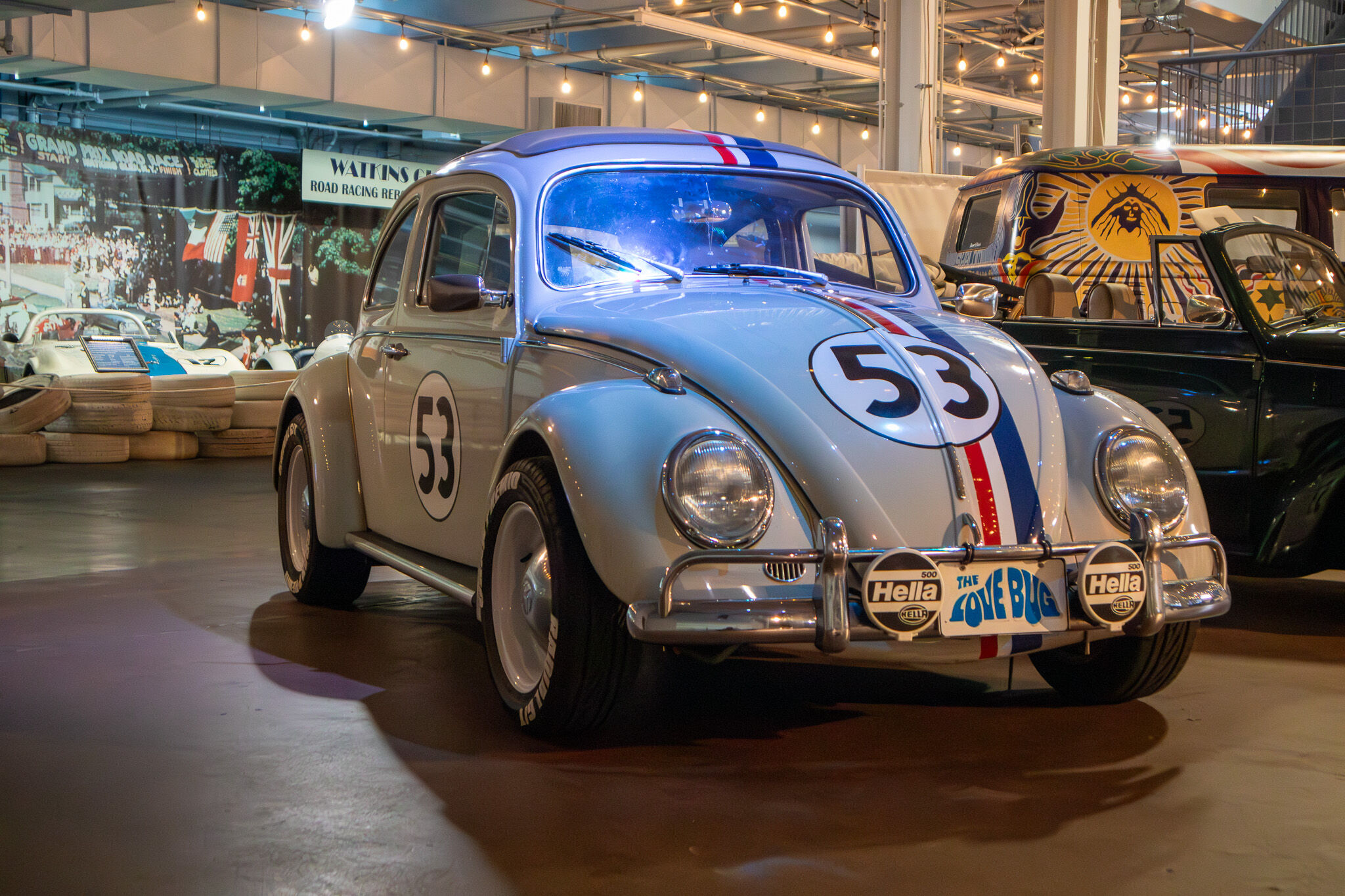
9. 1963 Volkswagen Beetle “Herbie” Background Builds from The Love Bug
Disney’s The Love Bug introduced audiences to Herbie, a white 1963 Volkswagen Beetle presented as a modest vehicle with a spirited character. For production purposes, the studio prepared many Beetles rather than relying on a single car. Each vehicle served a defined purpose, ranging from close camera work to general driving scenes.
Some were reserved for physical demands, while others simply filled background roles. This method allowed filming to proceed without delays, yet it also created confusion after production ended, since individual cars were rarely treated as unique assets.
Studio practice at the time regarded film cars as temporary equipment. Once filming concluded, attention moved quickly to the next project. The Beetles used as Herbie were not catalogued with care, and written records seldom separated hero vehicles from background builds.
After paint details and decals were removed, many cars returned to their original appearance. Dealerships and private buyers later acquired them without knowledge of their cinematic past, making future identification difficult. Background builds often lacked mechanical alterations or permanent body markings. Their purpose was visual support rather than performance.
Once stripped of stripes and racing numbers, they appeared identical to standard production Beetles of the period. During the years that followed, these cars continued ordinary service as commuter vehicles. At that time, classic Volkswagens attracted little collector attention, and few owners felt compelled to preserve them. Scrapping during routine vehicle turnover became common.
Attempts by collectors to trace missing Herbie cars face persistent obstacles. Without production logs, chassis numbers tied to filming, or studio photographs showing unique features, claims remain speculative. Restoration work further complicates matters, since replacement panels and modern paint remove aging clues.
Also Read: 10 Ordinary Cars That Sold for Insane Money at Auction
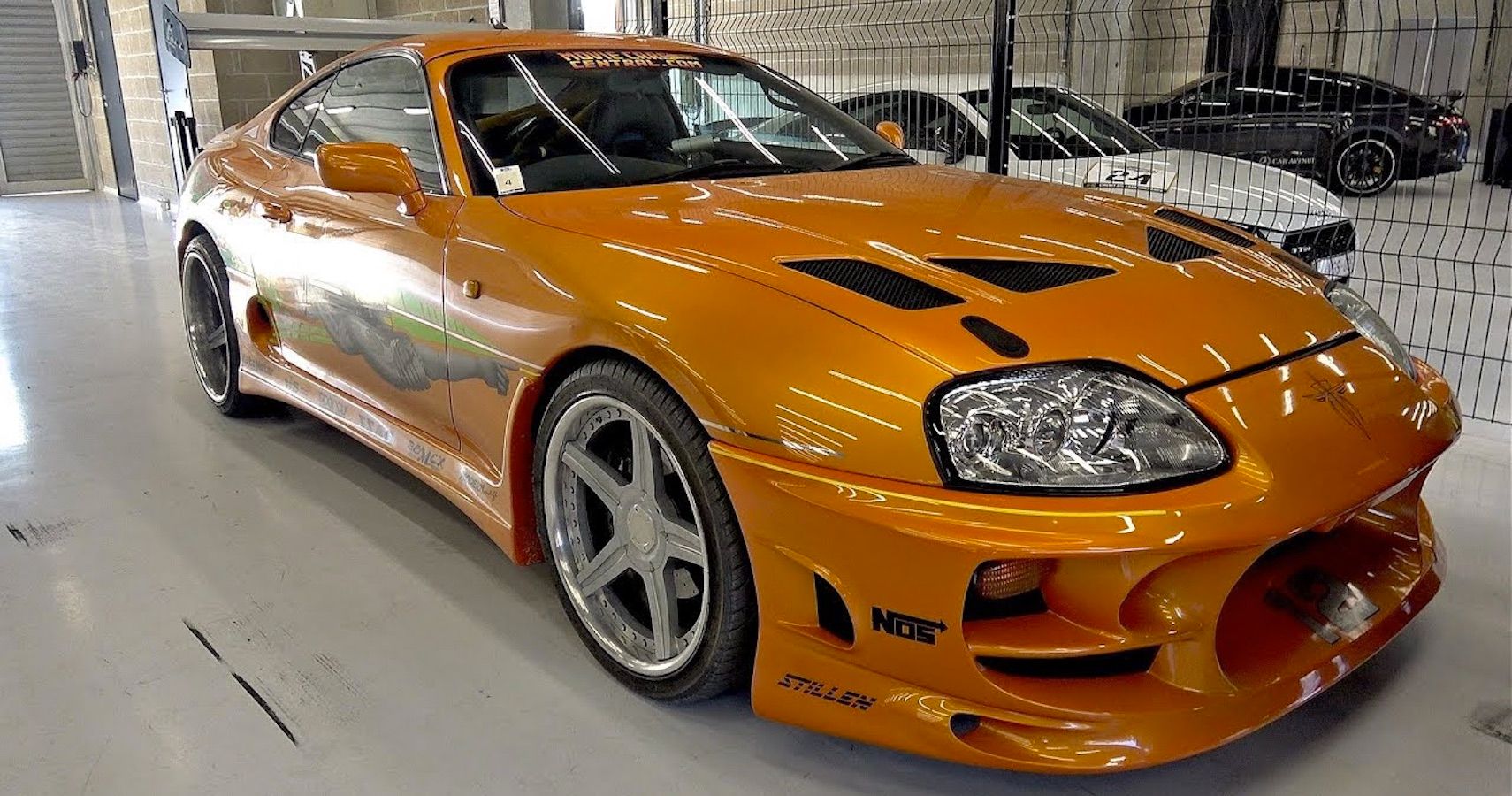
10. 1994 Toyota Supra Secondary Stunt Cars from The Fast and the Furious
The Fast and the Furious played a major role in presenting street racing culture to mainstream cinema, with the 1994 Toyota Supra positioned as a central visual element. Production required several Supras, each assigned to different filming needs. While hero cars handled close shots, secondary stunt cars performed demanding driving scenes.
These vehicles endured hard use, including aggressive acceleration, braking, and repeated takes, which increased wear and damage during filming. Budget planning influenced how these Supras were managed. Parts were often shared across cars, and repairs focused on keeping filming on schedule rather than maintaining originality.
This approach blurred distinctions between individual builds. Once production ended, studio interest in the vehicles declined. At that period, modified Japanese coupes had not yet gained strong collector demand, and their long-term value was underestimated.
Many secondary stunt cars entered public circulation through auctions or private sales. Listings highlighted engine output or aftermarket upgrades instead of screen history. Buyers purchased them for performance potential, not preservation. Subsequent owners continued modifications, changing paint schemes, interiors, and mechanical components.
With each alteration, links to the original production weakened. Documentation rarely followed the cars, leaving no reliable trail. Renewed attention toward early franchise vehicles has encouraged efforts to locate missing Supras. Enthusiasts compare photographs, examine surviving props, and study behind-the-scenes material.
Despite these efforts, confirmation remains rare. Without factory records tied to filming or studio-issued identifiers, certainty remains out of reach. Each year that passes reduces the likelihood of recovery, as vehicles age or disappear entirely.
These absent Supras hold importance because they represent the franchise’s foundation. Before later films introduced exotic cars and expanded budgets, ordinary Japanese coupes carried the story. Their loss illustrates how modern film artifacts can vanish quickly when preservation fails to match popularity. The missing stunt cars stand as quiet evidence that cinematic history requires deliberate care to endure.
