

Car auctions are usually associated with rare Ferraris, vintage Bugattis, limited production Porsches, and other exotic machines that collectors fight over for millions of dollars. Yet every so often, something unexpected happens.
A car that was once considered ordinary, affordable, or even boring suddenly attracts astonishing attention from bidders. When the hammer finally drops, the selling price leaves enthusiasts completely shocked.
These surprising sales often happen because a vehicle has an unusual story, celebrity ownership, ultra-low mileage, historical importance, or an exceptionally rare specification.
In some cases, a car becomes valuable because it represents a disappearing era of automotive history. In others, nostalgia pushes collectors to spend huge amounts on vehicles they remember from childhood or early adulthood.
The modern collector market has changed dramatically during the last decade. Cars that were once ignored at auctions are now being treated as investment pieces. Every day, hatchbacks, family sedans, station wagons, and economy cars have started commanding prices that would have seemed impossible years ago.
Buyers are no longer interested only in exotic performance machines. They increasingly want vehicles that tell a story or represent a unique moment in automotive culture.
Another reason for these surprising auction results is rarity. A car that sold in large numbers can still become extremely valuable if very few untouched examples survive. Low mileage, original paint, factory documentation, and unmodified condition often turn an ordinary vehicle into a collector obsession.
The following cars were never intended to become auction stars. Most began life as practical transportation for regular drivers. Yet because of unusual circumstances, historical significance, or collector demand, they eventually sold for extraordinary amounts of money.
Their auction prices prove that in today’s collector market, almost any vehicle can become valuable if the right story accompanies it.
Also Read: 9 Hidden Features in Kia Models Owners Never Discover
1. 1963 Volkswagen Beetle “Herbie”
Few ordinary cars have become as famous as the Volkswagen Beetle. Originally designed as affordable transportation for the masses, millions were produced across multiple decades. Most Beetles lived simple lives as economical daily drivers. One particular example, however, became a Hollywood icon and eventually achieved an auction result that stunned collectors.
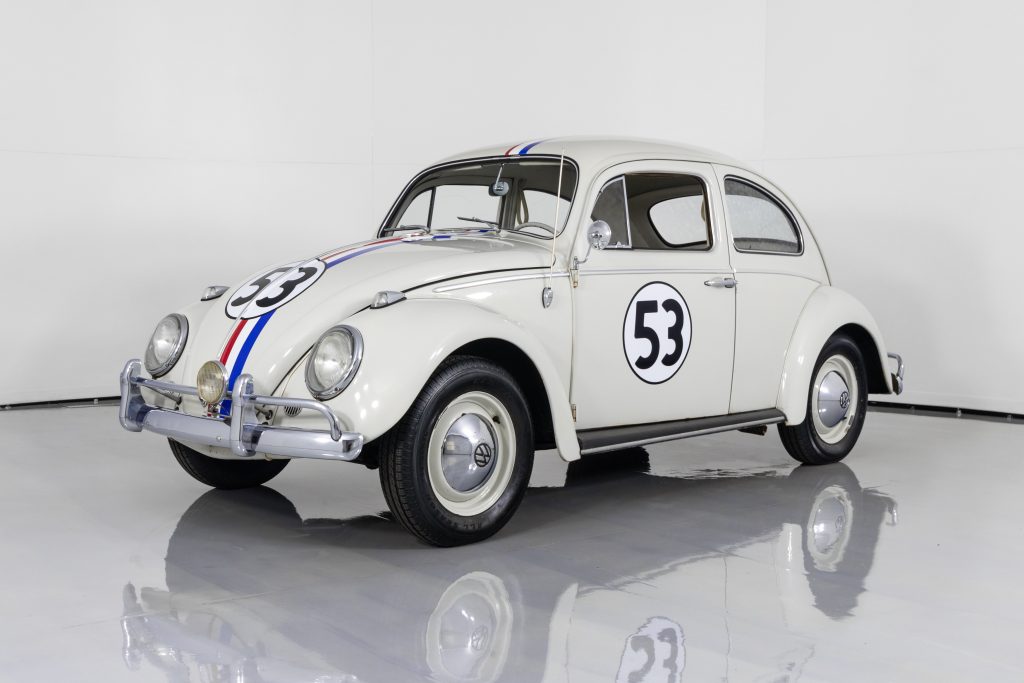
The car in question was one of the original Herbie movie cars used in Disney productions. While mechanically similar to countless other Beetles, its connection to the beloved film franchise transformed it into something far more significant.
Generations of viewers grew up watching the cheerful white Beetle with racing stripes and the famous number 53 compete in races and create mischief on screen.
Movie memorabilia has always attracted collectors, but the Herbie phenomenon occupies a special place in automotive culture. The character became far more recognizable than many exotic sports cars, allowing this otherwise humble Volkswagen to achieve celebrity status.
When the car appeared at auction, interest came not only from automotive enthusiasts but also from film collectors and Disney fans. The crossover appeal dramatically increased demand. Bidders were not simply purchasing a Beetle.
They were buying a piece of cinematic history connected to one of the most recognizable vehicles ever featured in movies.
The auction result reflected that emotional connection. The Herbie Beetle sold for an astonishing $86,250, a figure that would have purchased several pristine standard Beetles at the time. Its value had little to do with performance or engineering. Instead, nostalgia and cultural significance drove the price.
What makes this sale particularly remarkable is the beetle’s humble origins. The car was never designed as a luxury product. It lacked exotic materials, high horsepower numbers, or a limited production status. Yet its role in entertainment history upgraded it to an entirely different category.
Collectors often search for vehicles that evoke memories and emotions. The Herbie Beetle accomplished that more effectively than most supercars ever could. Its auction success demonstrated that a powerful story can sometimes be worth more than raw performance.
Even decades after the films were released, the Herbie name continues to generate excitement among enthusiasts. This extraordinary sale remains one of the clearest examples of an everyday car achieving an extraordinary auction result.
Specifications
- Engine: 1.2 L Air-Cooled Flat 4
- Torque: 61 lb ft
- Horsepower: 40 hp
- Length/Width: 160.6 in / 60.6 in
2. 1969 Volkswagen Beetle Limousine
The standard Volkswagen Beetle was created to be simple, affordable, and practical. Nobody purchasing a Beetle in the 1960s imagined it would someday become the basis for a six-figure collector vehicle. Yet one heavily modified example shattered expectations and became one of the most surprising auction stories involving an ordinary car.
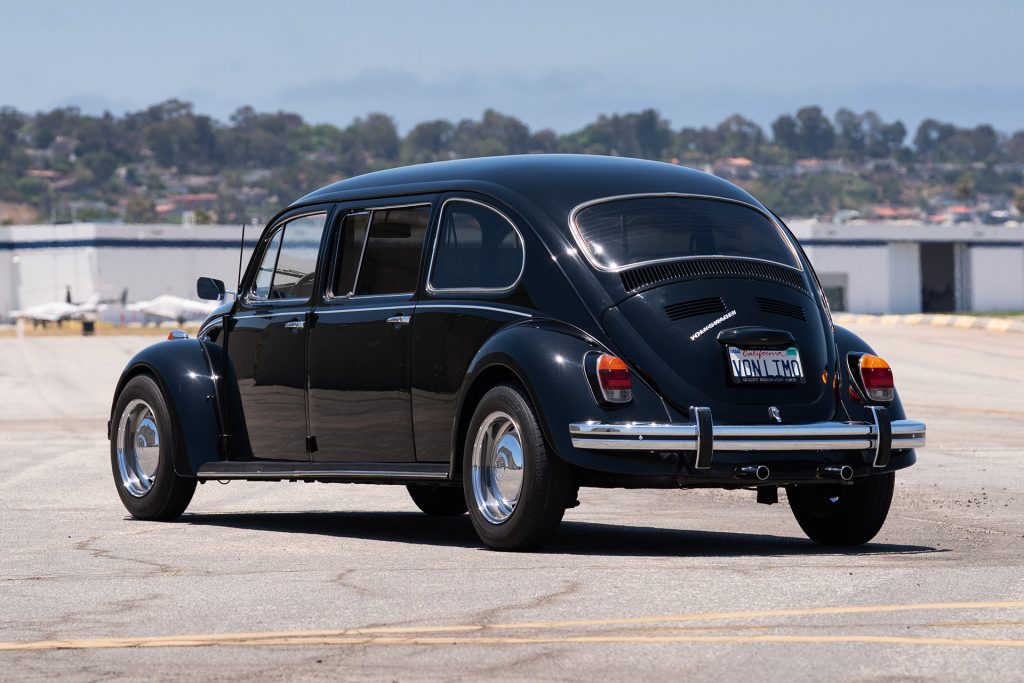
This unique vehicle began life as a 1969 Beetle before being transformed into an extravagant limousine by the famous coachbuilder Troutman-Barnes.
The conversion was unlike anything normally associated with Volkswagen ownership. The wheelbase was dramatically extended, the interior became luxurious, and the humble economy car was reinvented as a bizarre symbol of wealth and individuality.
At first glance, the idea sounds almost absurd. A limousine built from one of the cheapest cars of its era hardly seems like a recipe for collector success. However, rarity often creates value, and this custom creation became a fascinating piece of automotive history.
Collectors were drawn to the vehicle because it represented a completely different interpretation of the Beetle. It showcased the creativity and excess that characterized certain custom car projects of the period. The limousine stood out not because of performance, but because virtually nothing else existed.
When the car crossed the auction block, bidders recognized its uniqueness. The result shocked many observers. The Volkswagen Beetle limousine sold for an incredible $335,000 at auction. That figure placed it far beyond the value of even the finest conventional Beetles.
Part of the appeal came from craftsmanship. Coachbuilt vehicles often attract serious collectors because they represent specialized work that cannot easily be replicated. The limousine conversion required extensive engineering and design effort, transforming an economy car into a rolling conversation piece.
Another factor was simple curiosity. Auction audiences are frequently captivated by vehicles that challenge expectations. The Beetle limousine accomplished exactly that. It combined one of the world’s most familiar cars with a level of extravagance nobody expected.
The sale proved that collector value does not always depend on speed, luxury branding, or racing history. Sometimes a vehicle becomes valuable because it is unusual enough to stand alone.
For many enthusiasts, the Beetle limousine remains one of the strangest auction successes ever recorded. A car that began life as basic transportation eventually achieved a selling price normally associated with exotic supercars, creating one of the most memorable stories in collector car history.
Specifications
- Engine: 1.5L Air-Cooled Flat 4
- Torque: 78 lb ft
- Horsepower: 53 hp
- Length/Width: Approximately 250 in / 60.6 in
3. 1983 Volkswagen Golf GTI
The original Volkswagen Golf GTI was never created as an exotic collector machine. It was designed to be a practical hatchback with enough performance to make everyday driving enjoyable.
During the 1980s, buyers appreciated its compact size, fuel efficiency, and lively handling. Most owners treated their GTIs as daily transportation rather than future investments. Decades later, that perception changed dramatically.
As the hot hatch segment grew in popularity, enthusiasts began recognizing the importance of the first-generation GTI. It effectively created a new category of performance car by combining practicality with genuine driving excitement. Many modern sport compact vehicles trace their roots back to the formula established by the GTI.
The problem for collectors is that very few early examples survived in untouched condition. Many were modified, raced, or simply worn out after years of use. Finding a low-mileage car with original paint, factory components, and complete documentation became increasingly difficult.
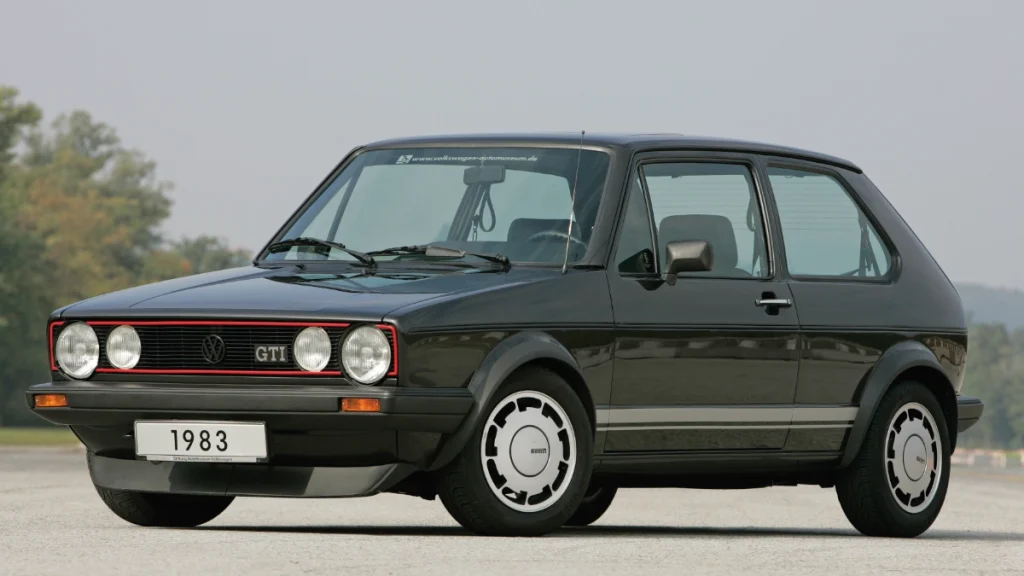
One particularly remarkable example crossed the auction block with extremely low mileage and exceptional preservation. The vehicle looked closer to a showroom display piece than a car that had spent decades on the road. Collectors immediately recognized how unusual it was to see an original GTI maintained in such pristine condition.
Bidding intensified because the car represented more than just transportation. It symbolized the birth of the hot hatch movement. For enthusiasts who grew up admiring GTIs, the opportunity to purchase such a clean survivor was incredibly rare.
When the auction ended, the car sold for approximately $87,000. That figure shocked many observers because standard first-generation Golfs were once among the most affordable used cars available. The sale demonstrated how nostalgia and rarity can transform a practical hatchback into a valuable collector’s item.
The GTI’s success also reflects changing tastes in the collector market. Younger enthusiasts increasingly value cars from the 1980s and 1990s, creating demand for vehicles that earlier generations overlooked. What was once considered ordinary commuter transportation now carries historical significance.
This extraordinary sale proved that collector demand is not limited to supercars and luxury models. Sometimes, a simple hatchback with the right history and condition can command a price that rivals far more powerful machines.
Specifications
- Engine: 1.8L Inline 4
- Torque: 100 lb ft
- Horsepower: 90 hp
- Length/Width: 146.8 in / 63.2 in
4. 1996 Chevrolet Impala SS
The Chevrolet Impala SS occupied a unique position during the 1990s. At a time when front-wheel drive family sedans dominated the market, Chevrolet produced a large rear-wheel drive sedan powered by a V8 engine.
It offered strong straight-line performance, aggressive styling, and surprising practicality. Despite its cult following, it was still fundamentally based on a mainstream full-size sedan platform.
When new, the Impala SS attracted enthusiasts looking for affordable performance. Many examples were used as daily drivers, accumulating significant mileage over the years. Because the car was not originally viewed as a future collectible, relatively few pristine examples survived.
As time passed, appreciation for the model grew substantially. Enthusiasts began viewing it as one of the last traditional American performance sedans before the market shifted toward different vehicle types. Its combination of rear-wheel drive, V8 power, and understated styling became increasingly desirable.
One exceptionally preserved 1996 Impala SS generated major attention at auction. The vehicle had remarkably low mileage and retained its factory condition.
Collectors were especially interested because unmodified examples had become difficult to find. Many surviving cars had been customized with aftermarket wheels, suspension modifications, or engine upgrades.
The auction atmosphere reflected growing nostalgia for 1990s performance vehicles. Bidders recognized that the Impala SS represented a disappearing era of American automotive design. It delivered muscle car character while remaining practical enough for everyday use.
When the final bid was accepted, the sedan sold for approximately $97,000. The result stunned many enthusiasts who remembered when these cars could be purchased for a fraction of that amount. Suddenly, a vehicle that once served as practical transportation had entered serious collector territory.
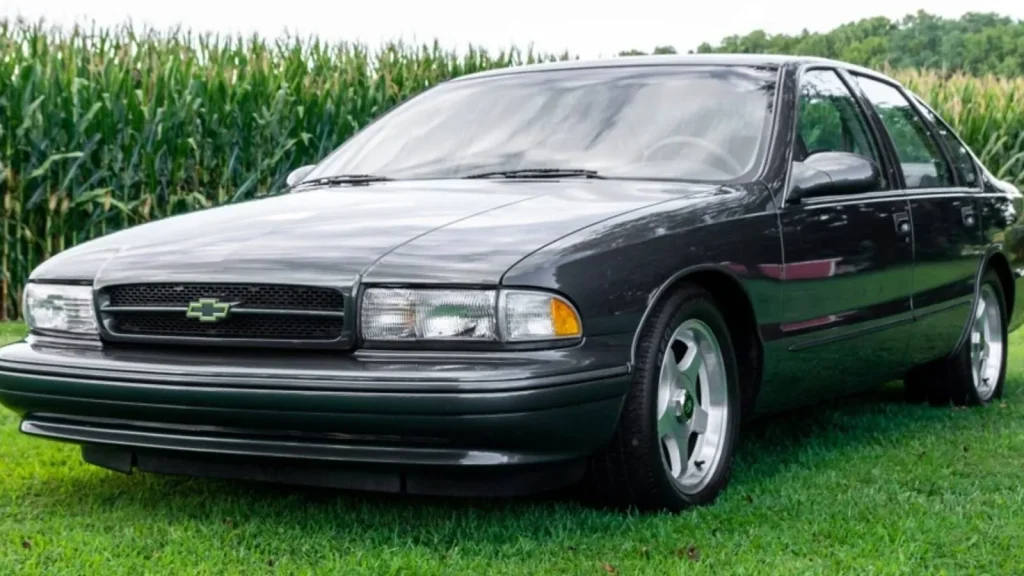
Part of the appeal came from authenticity. Buyers increasingly value vehicles that remain exactly as they left the factory. This Impala SS represented a time capsule, preserving an important chapter of General Motors performance history.
Its auction success highlighted how dramatically perceptions can change. A sedan that spent much of its life viewed as an affordable used car eventually commanded nearly six figures because of rarity, condition, and growing collector interest.
The sale remains one of the clearest examples of an everyday American performance sedan achieving an unexpectedly massive auction result.
Specifications
- Engine: 5.7L LT1 V8
- Torque: 330 lb ft
- Horsepower: 260 hp
- Length/Width: 214.1 in / 77.5 in
5. 2000 Honda Civic Si
The Honda Civic has spent most of its existence being viewed as practical transportation. Reliable, efficient, inexpensive to maintain, and widely available, it became one of the most common cars on roads around the world.
Because of that reputation, few people expected a Civic to ever attract six-figure attention at a major auction. Yet the 2000 Civic Si proved that collector markets often reward significance rather than luxury.
Among Honda enthusiasts, the Civic Si occupies a special place. Produced during the height of the sport compact movement, it delivered a combination of lightweight construction, sharp handling, and a high-revving engine that made it one of the most enjoyable front-wheel-drive cars of its era.
The car’s appeal grew even stronger after appearing in magazines, tuning culture, and automotive events throughout the early 2000s.
Unfortunately, many Civic Si models were heavily modified. Owners frequently installed aftermarket wheels, suspension upgrades, body kits, and engine modifications. While these changes reflected the car’s popularity, they also reduced the number of original examples available decades later.
One extraordinary Civic Si emerged at auction with incredibly low mileage and factory specifications intact. The vehicle represented a rare opportunity to own a completely preserved example of a car that had influenced an entire generation of enthusiasts. Collectors immediately recognized its significance.
Bidding escalated rapidly as buyers competed for what many considered one of the finest surviving Civic Si models in existence. Nostalgia played a major role. Individuals who admired the car during their younger years now had the financial resources to pursue the best examples available.
When the hammer finally fell, the Civic Si sold for approximately $74,000. The result surprised observers because the car was originally sold as an affordable sport compact rather than a premium performance vehicle. Yet rarity, condition, and historical importance combined to create extraordinary demand.
The sale also reflected broader trends within the collector market. Cars from the late 1990s and early 2000s have become increasingly desirable as enthusiasts seek vehicles connected to their formative automotive experiences. The Civic Si stands near the top of that list.
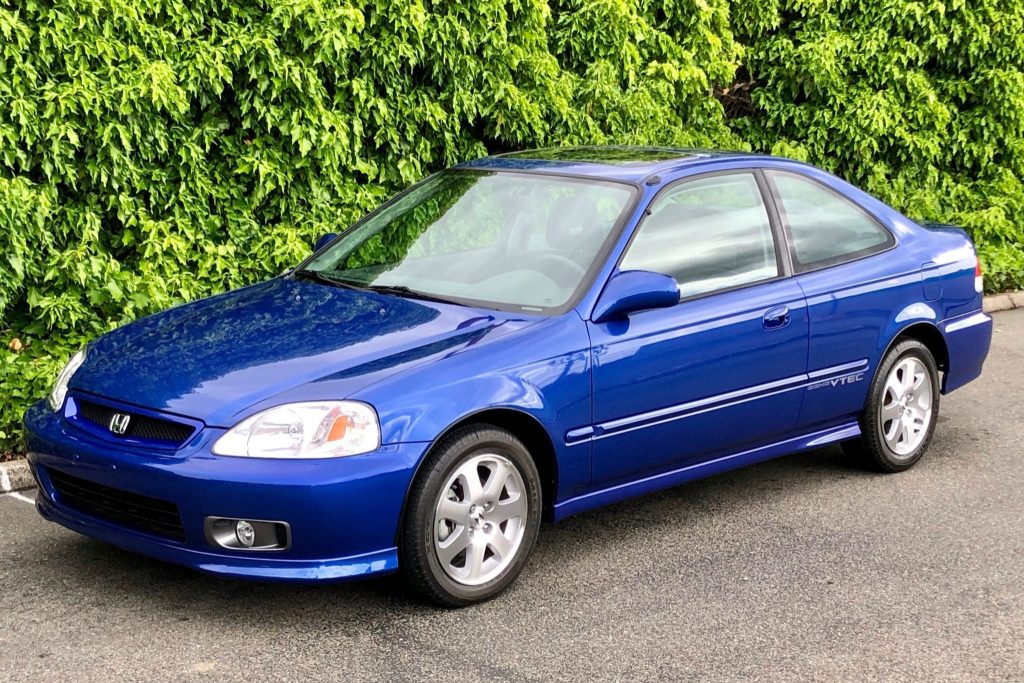
Today, the auction result is remembered as one of the strongest examples of a seemingly ordinary compact car achieving a remarkable value. It demonstrated that collector enthusiasm can upgrade even the most humble vehicles when condition and significance align perfectly.
Specifications
- Engine: 1.6L DOHC VTEC Inline 4
- Torque: 111 lb ft
- Horsepower: 160 hp
- Length/Width: 174.6 in / 67.1 in
6. 1989 Ford Taurus SHO
The original Ford Taurus transformed the American sedan market during the 1980s. Its aerodynamic styling and modern design helped redefine what a family car could be. Hidden within the Taurus lineup was something much more interesting: the Taurus SHO.
While it looked similar to an ordinary family sedan, it possessed performance credentials that few buyers expected.
Ford partnered with Yamaha to develop a sophisticated, high-revving V6 engine for the SHO. The result was a sedan capable of surprising sports cars while maintaining the practicality of a four-door commuter. Despite its impressive engineering, the SHO remained relatively affordable when new and was rarely viewed as a future collectible.
Most examples spent their lives serving daily transportation duties. Owners drove them extensively, exposing them to harsh weather, high mileage, and routine wear. As years passed, many were scrapped or neglected, dramatically reducing the number of surviving cars in exceptional condition.
One remarkably preserved 1989 Taurus SHO changed perceptions when it appeared at auction. The vehicle featured extremely low mileage and a level of originality rarely seen among performance sedans from the era. Collectors recognized that opportunities to acquire such examples had become increasingly rare.
The SHO appealed to enthusiasts because it represented an unusual chapter in Ford’s history. It combined family sedan practicality with genuine performance credentials, all while hiding its capabilities beneath understated styling. This sleeper character made it particularly appealing to collectors seeking something different.
Auction interest steadily increased as bidders competed for ownership. The car’s preservation, rarity, and historical significance created a compelling package. By the conclusion of the sale, the Taurus SHO achieved approximately $45,000, a figure far beyond what most people associate with a late 1980s Ford sedan.
While the amount may not rival exotic car auction records, it remains remarkable considering the Taurus’s origins as mainstream transportation. The result highlighted how collector values are often driven by rarity and cultural significance rather than prestige alone.
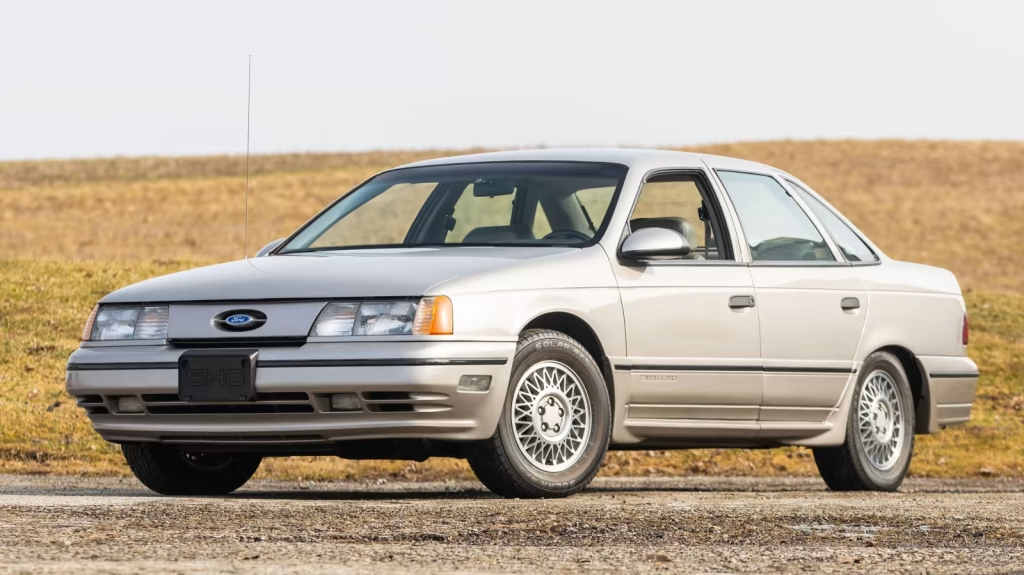
The SHO’s auction success also demonstrated growing appreciation for performance sedans that were once overlooked. Vehicles that combine practicality with surprising capability are increasingly finding favor among enthusiasts.
This sale remains a fascinating example of how an ordinary-looking family sedan can evolve into a sought-after collector car decades after leaving the showroom.
Specifications
- Engine: 3.0L Yamaha V6
- Torque: 160 lb ft
- Horsepower: 220 hp
- Length/Width: 188.4 in / 70.8 in
7. 1991 GMC Syclone
Performance trucks are common today, but in the early 1990s, the concept was almost unheard of. That is what made the GMC Syclone so special. Based on the compact GMC Sonoma pickup, it looked relatively ordinary from a distance.
Most people expected it to behave like a typical small work truck. Instead, GMC created one of the quickest production vehicles of its era.
The Syclone featured a turbocharged V6 engine paired with all-wheel drive, giving it acceleration that surprised automotive journalists and sports car owners alike. Magazine tests showed it could outrun several respected performance cars, earning a reputation as one of the most unexpected speed machines ever sold in America.
Although the truck developed a loyal following, it never became a massive commercial success. Production remained limited, and many examples were modified or heavily used. As years passed, clean original trucks became increasingly rare.
One exceptionally preserved Syclone generated major attention when it appeared at auction. The truck’s low mileage and factory condition made it stand out from most surviving examples. Collectors recognized the opportunity to own a significant piece of performance truck history.
Bidding quickly intensified, and the truck eventually sold for approximately $132,000. That figure shocked enthusiasts because the Syclone began life as a compact pickup rather than a luxury or exotic vehicle.
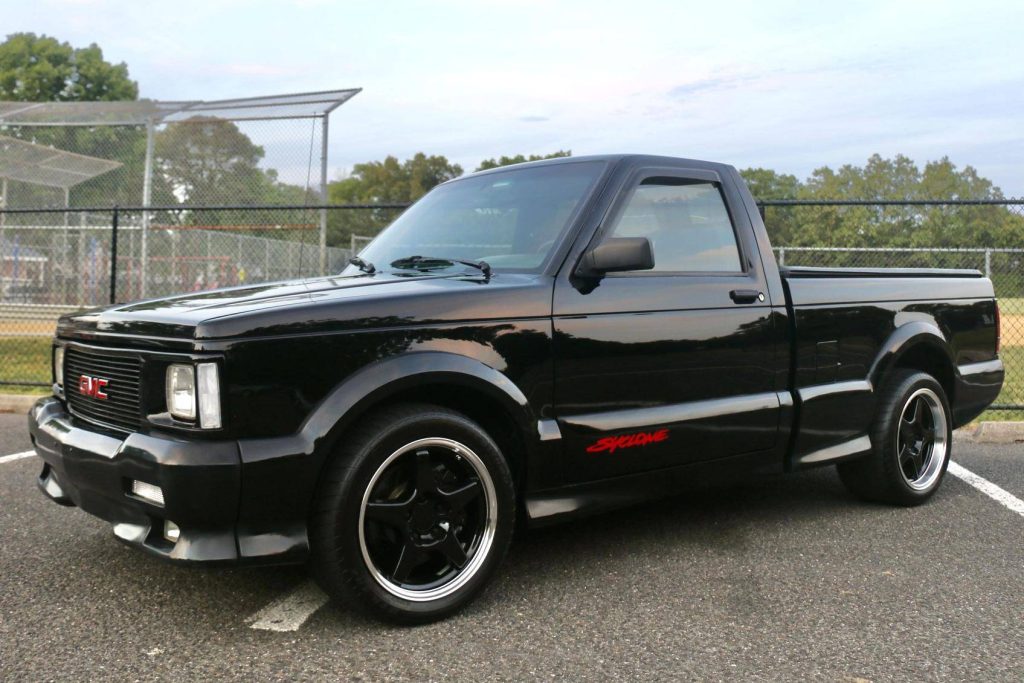
Its strong auction result reflected growing appreciation for unique 1990s performance vehicles. The Syclone represented innovation, rarity, and a willingness to challenge conventional ideas about what a pickup could be.
Those qualities transformed an ordinary-looking truck into one of the most valuable collector pickups of its generation.
Specifications
- Engine: 4.3L Turbocharged V6
- Torque: 350 lb ft
- Horsepower: 280 hp
- Length/Width: 178.2 in / 67.9 in
8. 1976 Cadillac Eldorado Convertible
The 1976 Cadillac Eldorado Convertible started life as a luxury cruiser rather than a future collector icon. It was large, comfortable, and designed for effortless highway travel.
At the time, buyers appreciated its smooth ride and premium features, but few expected it to become one of the most surprising auction success stories involving a mainstream American car.
Much of the Eldorado’s collector appeal came from Cadillac’s marketing. The company promoted the 1976 model as the final American convertible, creating enormous interest among buyers.
Many people believed government regulations would permanently end convertible production, leading some customers to preserve their cars for future value.
Although convertibles eventually returned, the story surrounding the 1976 Eldorado remained important. It represented what many collectors viewed as the end of a classic era in American automotive design. This historical significance helped separate it from countless other luxury cars of the period.
One remarkably preserved example crossed the auction block years later and immediately attracted serious attention. The vehicle featured extremely low mileage, excellent originality, and outstanding condition. Finding such a well-maintained Eldorado had become increasingly difficult because many examples were driven extensively and later neglected.
Collectors saw more than just a large luxury car. They saw a vehicle connected to an important chapter in automotive history. The combination of rarity, preservation, and historical significance created strong demand among bidders.
When the auction concluded, the Eldorado Convertible sold for approximately $165,000. The result stunned many observers because the car had originally been produced in significant numbers and was never intended to be exclusive.
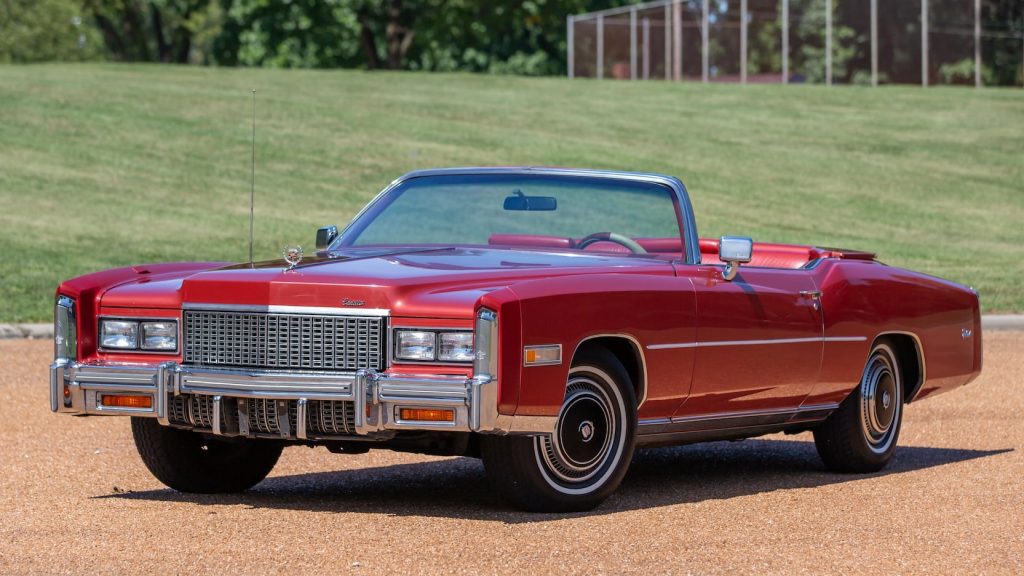
Its success demonstrated that collector value often comes from storytelling as much as engineering. The Eldorado’s place in automotive history helped transform a comfortable luxury convertible into a highly desirable collector vehicle capable of commanding an extraordinary auction price.
Specifications
- Engine: 8.2L V8
- Torque: 360 lb ft
- Horsepower: 190 hp
- Length/Width: 224.1 in / 79.8 in
9. 1987 Buick GNX
The Buick GNX was born from a relatively ordinary midsize coupe, but it became one of the most legendary American performance cars of the 1980s.
Built as a special high-performance version of the Buick Regal, the GNX combined understated styling with surprising speed. Many enthusiasts considered it one of the fastest American production cars available at the time.
Only 547 examples were produced, making the car extremely rare from the beginning. As the years passed, collectors realized that the GNX represented the peak of Buick’s turbocharged muscle car era.
Finding low-mileage, unmodified examples became increasingly difficult because many were driven enthusiastically or altered with aftermarket upgrades.
One exceptionally preserved GNX crossed the auction block and attracted intense interest from collectors. The combination of rarity, originality, and historical significance pushed bidding far beyond expectations. When the hammer finally dropped, the car sold for approximately $220,000.
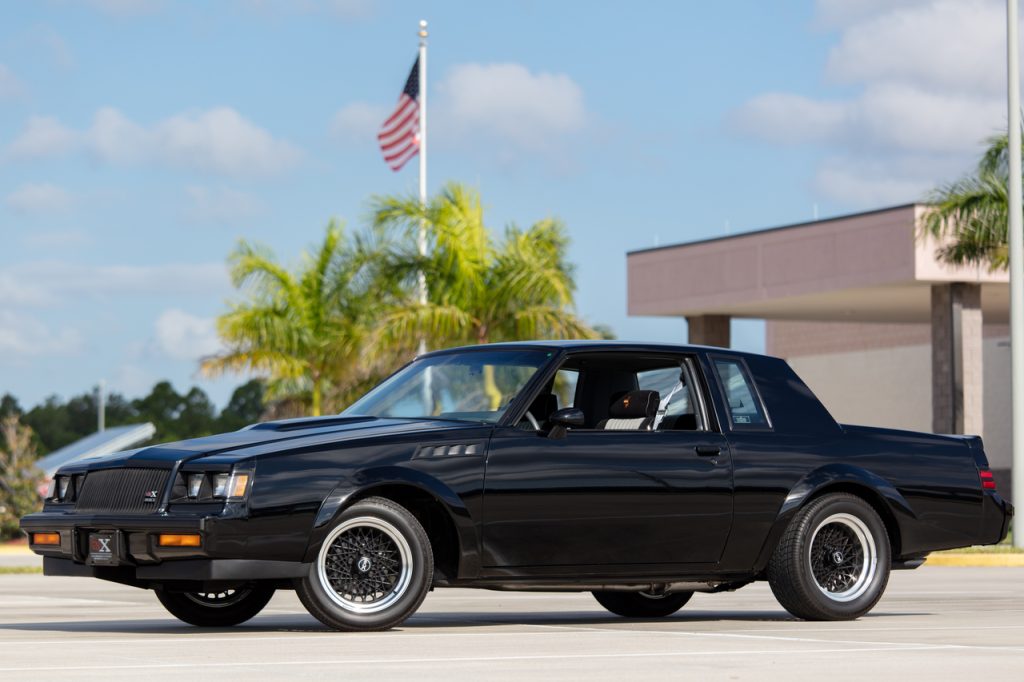
The result demonstrated how a vehicle derived from a mainstream coupe could become a highly sought-after collector item. Today, the GNX remains one of the most valuable American performance cars of its era and a reminder that even ordinary roots can lead to extraordinary auction prices.
Specifications
- Engine: 3.8L Turbocharged V6
- Torque: 360 lb ft
- Horsepower: 276 hp
- Length/Width: 200.0 in / 71.4 in
10. 1993 Ford Mustang SVT Cobra R
The Ford Mustang has always been a popular performance car, but the 1993 SVT Cobra R occupied a much more exclusive position. Created as a track-focused version of the standard Mustang, it featured performance upgrades and limited production numbers that immediately distinguished it from regular models.
Only 107 units were built, making it one of the rarest Fox Body Mustangs ever produced. Because many owners recognized its significance early, some examples were preserved with extremely low mileage. These untouched survivors became highly desirable among collectors seeking the ultimate version of the Fox platform.
A pristine Cobra R generated headlines when it appeared at auction. The vehicle’s originality, documentation, and exceptional condition made it one of the finest examples available. Collectors competed aggressively, recognizing that opportunities to purchase such a well-preserved car rarely occur.
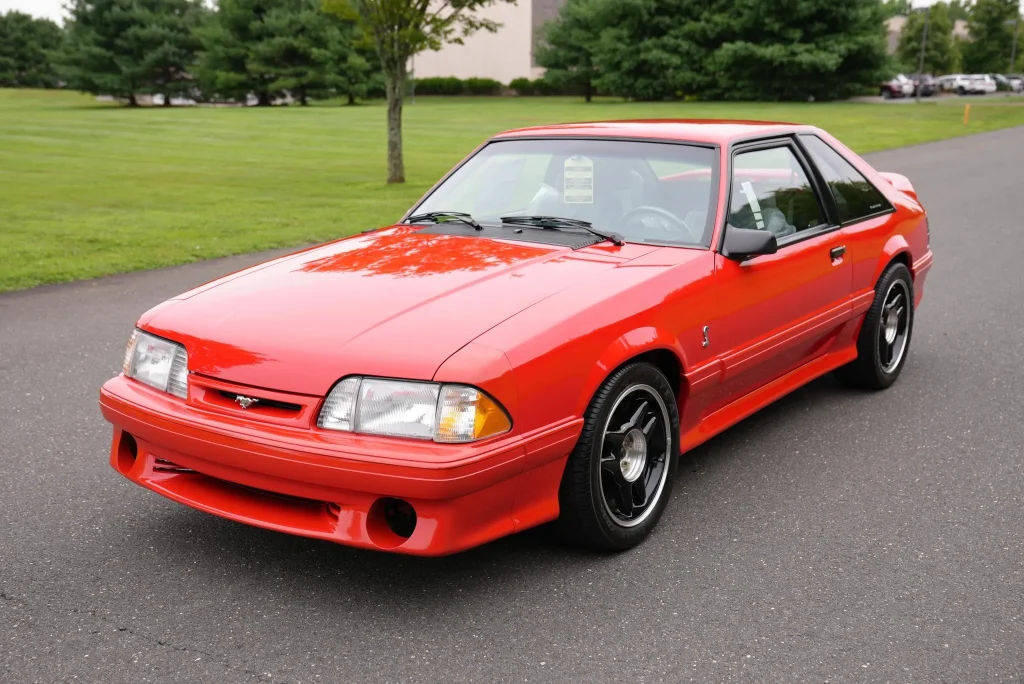
The auction concluded with a sale price of approximately $291,500, an astonishing figure for a Mustang derived from a mass-produced platform. The result reflected the growing popularity of 1990s performance vehicles and the increasing value placed on rarity.
The Cobra R’s auction success showed that limited production, historical importance, and outstanding preservation can transform a relatively ordinary performance car into a collector’s favourite worth several times its original price.
Specifications
- Engine: 5.0L V8
- Torque: 280 lb-ft
- Horsepower: 235 hp
- Length/Width: 179.6 in / 71.8 in
Also Read: 8 Things Driver’s Ed Never Taught You About Modern Cars
