The automotive industry is filled with iconic names that are recognized across the globe. Companies such as Ford, Toyota, Mercedes-Benz, and Ferrari have spent decades building reputations through innovation, performance, reliability, and design. Yet while most people are familiar with these brands, far fewer know the stories behind the names themselves.
A company name is often one of the most important decisions a business can make. It becomes the identity that customers associate with every vehicle, advertisement, racing victory, and technological breakthrough.
Some automakers chose straightforward names based on their founders, while others selected names inspired by mythology, geography, family history, or even personal relationships. In certain cases, the origin of a brand name is surprisingly emotional, reflecting friendships, partnerships, or tributes to loved ones.
The automotive world offers a fascinating mix of naming traditions. European manufacturers often drew inspiration from family surnames and engineering legacies.
Japanese companies frequently adapted names to improve pronunciation or create a stronger international identity. American brands tended to emphasize founders and entrepreneurial success stories. As a result, each name carries a unique piece of automotive history.
Understanding these origins adds another layer of appreciation to the vehicles we see every day. A badge mounted on a grille is more than a logo. It often represents a story stretching back decades or even more than a century. Behind every name is a person, an idea, or a historical moment that helped shape the company into what it is today.
In this ranking, we will look at ten major car companies and uncover the stories behind their names. Some origins are well known, while others are surprisingly obscure. Together, they reveal how a simple word can become one of the most recognizable identities in the automotive world.
Also Read: 5 Best Hybrids vs 5 Best EVs for 2026
1. Mercedes-Benz
Few automotive names sound as prestigious as Mercedes-Benz, but many people are surprised to learn that “Mercedes” was originally a person’s first name rather than the name of a founder or engineer.
The story begins with Austrian businessman and automobile enthusiast Emil Jellinek. During the late nineteenth century, Jellinek became heavily involved with the vehicles produced by Daimler-Motoren-Gesellschaft. He sold and promoted the company’s cars throughout Europe and developed a strong relationship with its leadership.
Jellinek often competed in automobile races, using the name “Mercedes” as his racing pseudonym. The name came from his daughter, Mercédès Jellinek, who was born in 1889. As his racing success grew, the name gained recognition among automotive enthusiasts.
In 1900, Jellinek negotiated an agreement for a new generation of Daimler vehicles. One condition was that the cars would carry the Mercedes name. The resulting Mercedes 35 HP became one of the most influential automobiles ever built and established the brand’s reputation.
Years later, Daimler merged with Benz & Cie., the company founded by Karl Benz. To reflect the union, the combined company adopted the name Mercedes-Benz. The new identity honored both the successful Mercedes brand and Benz’s pioneering contributions to automotive engineering.
The fascinating aspect of this story is that one of the world’s most famous automotive brands ultimately traces its origins to a young girl whose name became associated with innovation and performance.

Today, Mercedes-Benz represents luxury, technology, and engineering excellence. Yet behind the global brand is a remarkably personal story involving a father, his daughter, and a name that would become one of the most recognizable in automotive history.
2. Toyota
Toyota’s name is closely linked to its founding family, but the version recognized around the world is actually a deliberate modification of the original surname.
The company’s roots can be traced to Sakichi Toyoda, an inventor whose work in textile machinery helped establish the family’s industrial success. His son, Kiichiro Toyoda, later expanded the business into automobile manufacturing during the 1930s.
Initially, the automotive division operated under the family name “Toyoda.” However, company leaders eventually decided that a slight change would provide several advantages. The name was altered from Toyoda to Toyota before the brand officially entered the automotive market.
One reason involved writing the name in Japanese katakana. Toyota requires eight brush strokes, while Toyoda requires ten. In Japanese culture, the number eight has long been associated with prosperity and good fortune. Executives believed the simpler spelling would bring positive symbolism to the new enterprise.
The revised name also sounded cleaner and was considered easier to pronounce internationally. As the company expanded beyond Japan, this became an increasingly important factor. Toyota projected a more streamlined image while maintaining a connection to the founding family.
Unlike some automakers named directly after individuals, Toyota represents a blend of family heritage and strategic branding. The adjustment was subtle, yet it played a significant role in shaping the company’s identity.
The decision proved remarkably successful. Toyota eventually became one of the largest automakers in the world, producing millions of vehicles annually and establishing a reputation for quality and reliability.
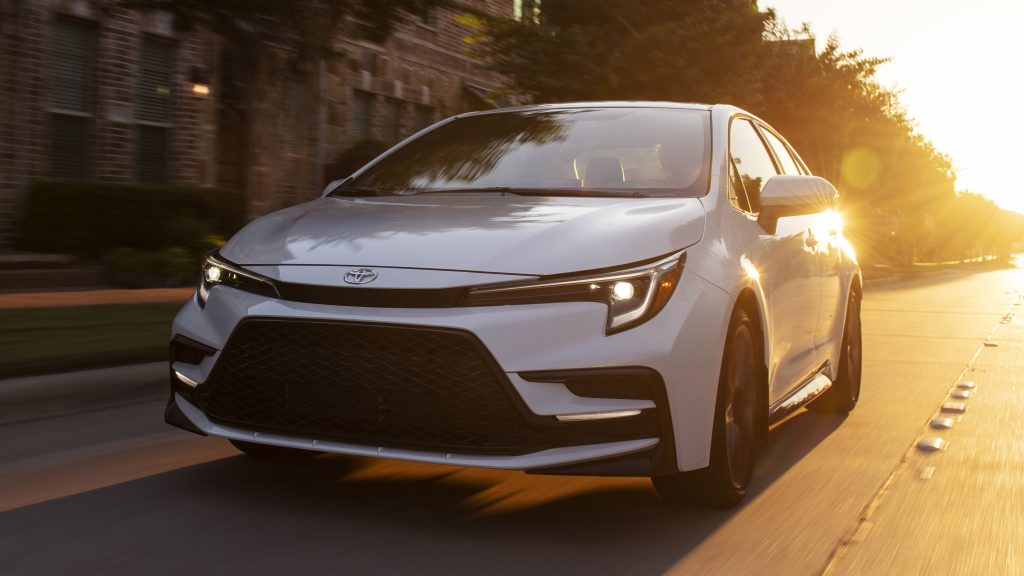
Many consumers assume Toyota is simply the founder’s surname, but the reality is more nuanced. The name reflects a thoughtful effort to balance tradition, culture, and international appeal. That combination helped create one of the strongest automotive brands ever established.
3. Ferrari
Some automotive brand names are the result of marketing studies or corporate decisions. Ferrari is different. The name comes directly from one man whose passion for racing transformed a small Italian company into one of the most celebrated automotive brands in history.
Enzo Ferrari was born in Modena, Italy, in 1898. From an early age, he developed a fascination with automobiles and motorsport. After serving in World War I, he pursued a career in racing and eventually became involved with Alfa Romeo as a driver and later as a team manager.
During the 1920s and 1930s, Ferrari built a reputation as one of Italy’s most talented racing organizers. His racing division, Scuderia Ferrari, managed Alfa Romeo competition cars and achieved significant success on European circuits. At this stage, Ferrari was not yet producing vehicles under its own name.
Everything changed after Enzo Ferrari left Alfa Romeo and established Auto Avio Costruzioni, which eventually evolved into Ferrari S.p.A. In 1947, the company introduced the Ferrari 125 S, the first car to officially wear the Ferrari badge. Rather than inventing a new brand identity, Enzo placed his surname at the center of the company.
The famous prancing horse emblem also has a remarkable history. It originated from a symbol used by World War I fighter ace Francesco Baracca. Baracca’s family later encouraged Ferrari to adopt the horse as a good luck symbol for his racing efforts.
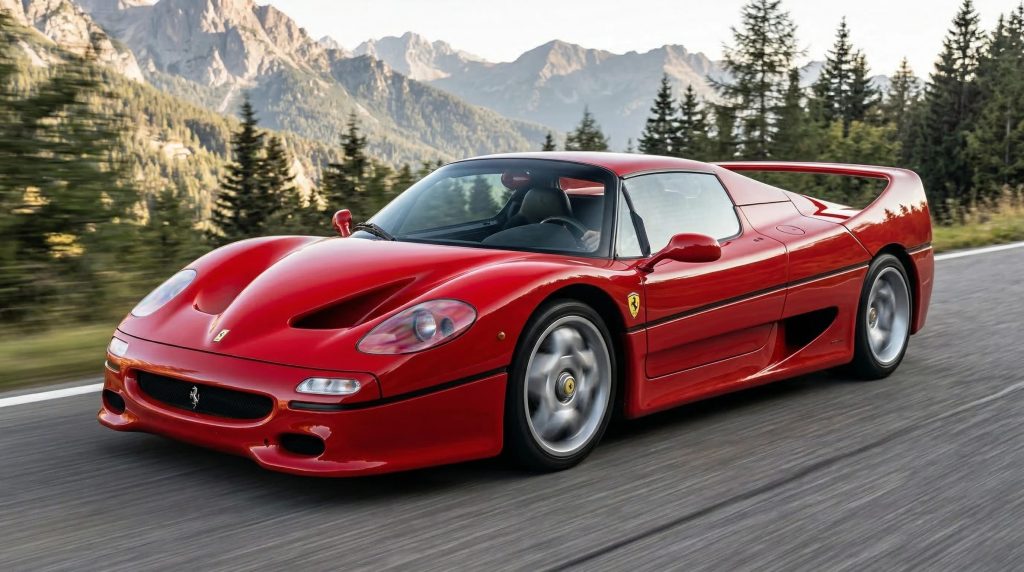
The Ferrari name became synonymous with speed, exclusivity, and motorsport excellence. Unlike many corporate brands that gradually lose their connection to their founders, Ferrari remains closely associated with Enzo Ferrari’s personality and vision.
Every Ferrari built today carries the name of the man who dedicated his life to racing. That direct connection between founder and brand is one reason the company occupies such a unique place in automotive culture.
4. Audi
Audi’s name sounds modern and distinctive, but its origins are actually rooted in a clever linguistic translation. The story begins with August Horch, a pioneering German engineer whose surname ultimately inspired one of the automotive industry’s most recognizable brands.
Horch founded his first automobile company, A. Horch & Cie., in 1899. The business achieved success, but disagreements with management eventually led him to leave the company he had created. Unfortunately, the Horch name legally remained with the original firm, preventing him from using it again for a new venture.
Faced with this challenge, Horch needed an alternative identity for his next automotive company. According to company history, the solution emerged during a discussion involving friends and business associates. Someone noted that “Horch” means “listen” or “hear” in German. Translating the word into Latin produced “Audi.”
The name solved the legal problem while preserving a connection to Horch’s original identity. Instead of abandoning his surname completely, he effectively transformed it into another language. It was a creative solution that allowed the new company to establish its own reputation.
Audi officially adopted the name in 1910, beginning a journey that would eventually make it one of Germany’s leading luxury automakers. The company later became part of Auto Union, whose famous four-ring logo represented the merger of four automotive manufacturers: Audi, Horch, DKW, and Wanderer.
What makes the Audi story particularly interesting is that the brand’s name and one of its predecessor companies essentially mean the same thing. Horch and Audi are linked by translation rather than coincidence.
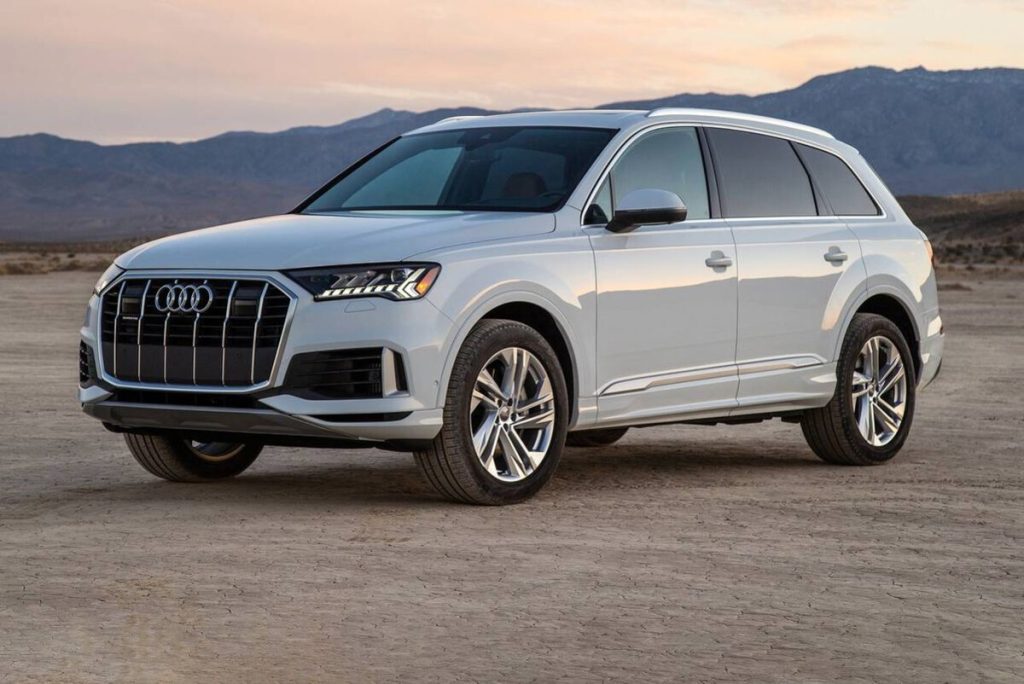
Today, Audi is associated with advanced technology, premium design, and performance engineering. Yet its name originated from a simple attempt to overcome a legal obstacle. That creative solution became the foundation for a brand recognized across the world more than a century later.
5. Volvo
Unlike many car companies named after founders or families, Volvo took its identity from a Latin word. The name is simple, memorable, and surprisingly appropriate for a company that would become famous for building durable automobiles.
The story begins in Sweden during the early twentieth century. Before Volvo became an automaker, the name was associated with a subsidiary of SKF, a major bearing manufacturer. SKF produced ball bearings that were sold around the world, and the company wanted a brand name that reflected movement and mechanical reliability.
The word “Volvo” comes from the Latin verb “volvere,” meaning “to roll.” More specifically, Volvo translates roughly to “I roll.” For a company manufacturing bearings designed to rotate smoothly, the name was a natural fit.
When SKF founders Assar Gabrielsson and Gustaf Larson decided to launch an automobile company in the 1920s, they adopted the existing Volvo name. It already carried positive associations with engineering quality and mechanical performance.
More importantly, it worked perfectly in the automotive world, where rolling motion is fundamental to transportation.
The first Volvo automobile appeared in 1927. From the beginning, the company focused on creating vehicles capable of handling Sweden’s challenging roads and climate. This emphasis on durability helped shape the brand’s identity for decades to come.
One reason the Volvo name remains effective is its simplicity. It is easy to pronounce in many languages and conveys a subtle sense of movement even to people who are unaware of its Latin origins. The word feels modern despite being rooted in an ancient language.
As Volvo developed a reputation for safety, reliability, and practical engineering, the name gained worldwide recognition. Today, millions of drivers associate Volvo with protective vehicle design and Scandinavian craftsmanship.
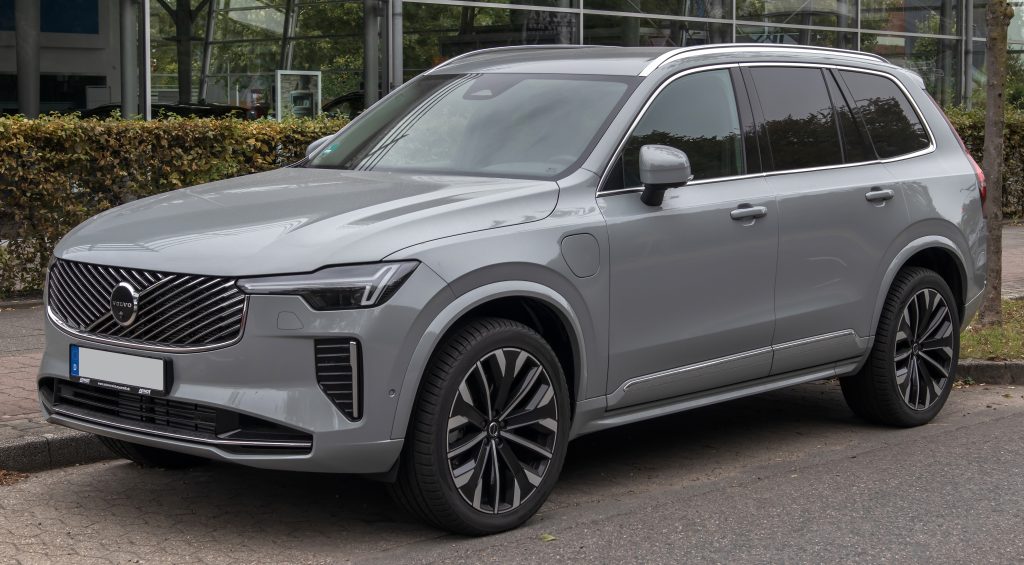
The fascinating part of the story is that a name originally intended for ball bearings proved equally successful for automobiles. More than a century later, “I roll” remains one of the most fitting names ever chosen for a transportation company.
6. Subaru
Among major automotive brands, Subaru has one of the most distinctive naming stories because its identity is connected to astronomy rather than a founder or industrial company.
The word “Subaru” is the Japanese name for the Pleiades star cluster, a group of bright stars visible in the night sky. These stars have been recognized by cultures around the world for centuries and appear in numerous myths and legends.
The connection becomes clearer when examining the company’s history. Subaru was created by Fuji Heavy Industries, a corporation formed through the merger of several separate companies. Executives wanted a name that would symbolize unity and cooperation among these businesses.
The Pleiades cluster provided the perfect metaphor. Although many stars belong to the cluster, six are particularly visible to the naked eye. Subaru adopted six stars in its logo to represent the companies that came together under the Fuji Heavy Industries umbrella.
This celestial inspiration gave the brand a unique identity from the beginning. While competitors often emphasized family names or engineering heritage, Subaru looked toward the night sky for its symbolism. The result was both memorable and meaningful.
The logo remains one of the most recognizable emblems in the automotive industry. Those six stars continue to remind enthusiasts of the company’s origins and the merger that helped create the brand.
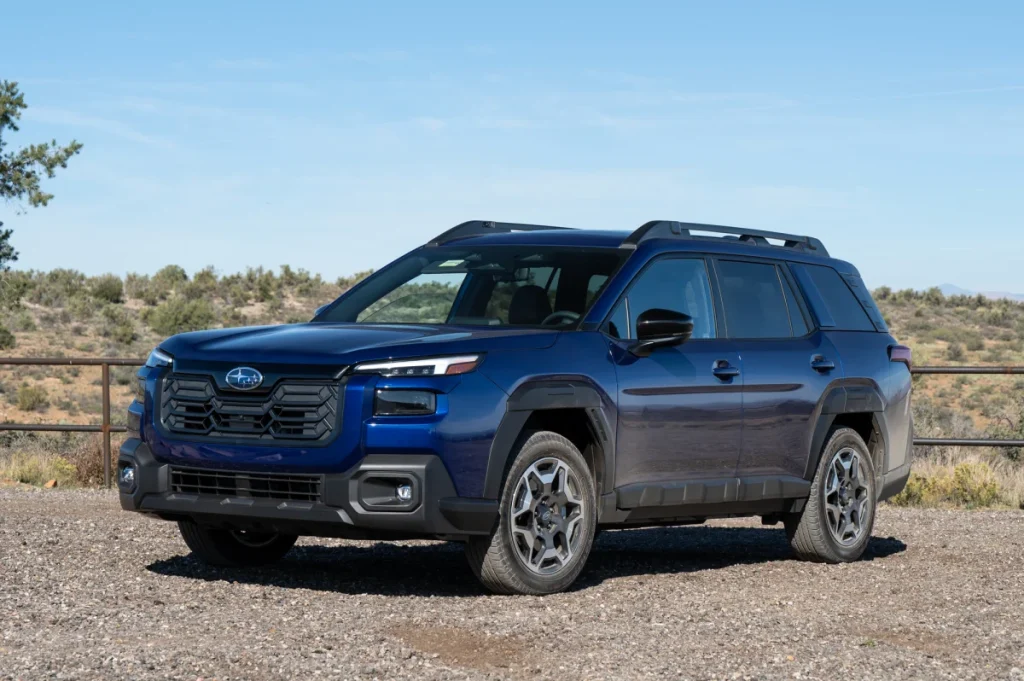
Another interesting aspect is how closely the name aligns with Subaru’s image. Many of the company’s vehicles are associated with adventure, outdoor travel, and rugged landscapes. A brand named after a star cluster naturally complements themes of discovery and journey.
Over time, Subaru became known for innovations such as all-wheel-drive technology and boxer engines. Yet despite technological changes and global expansion, the company has retained the astronomical identity that inspired its creation.
The Subaru name demonstrates that automotive branding does not always need to come from a person or place. Sometimes, a group of stars can provide the perfect symbol for a company’s ambitions and future direction.
7. Nissan
The name Nissan is short, simple, and instantly recognizable, but its origin is tied to one of Japan’s largest industrial groups rather than a single individual. Unlike many automakers that took their names from founders, Nissan emerged from the world of corporate finance and business consolidation.
To understand the story, it helps to go back to the early twentieth century. A Japanese entrepreneur named Yoshisuke Aikawa established a holding company known as Nihon Sangyo. In Japanese, the name roughly translates to “Japan Industries.”
The company invested in a variety of businesses, ranging from mining and manufacturing to transportation.
When shares of Nihon Sangyo were traded on the Tokyo stock market, investors often abbreviated the company name. The shortened form became “Ni-San,” combining characters from the words Nihon and Sangyo. Over time, this abbreviation evolved into Nissan.
As the holding company expanded its involvement in automobile manufacturing, the Nissan name became increasingly associated with vehicles. Eventually, it replaced earlier branding and emerged as the official identity of the automaker.
What makes this origin unusual is that the name did not come from a founder, engineer, or geographic location. Instead, it developed naturally through financial and business practices. A stock market abbreviation transformed into one of the most famous automotive brands in the world.
The simplicity of the name proved advantageous as Nissan expanded internationally. It was easy to pronounce, memorable, and adaptable across different languages and markets. These qualities helped the company establish a strong global presence.
Today, Nissan is known for everything from practical commuter cars to high-performance sports cars and electric vehicles. Yet few drivers realize that the brand’s name traces its roots to a Japanese holding company and a convenient shorthand used by investors nearly a century ago.

It is a reminder that some of the world’s most recognizable brands emerge from unexpected circumstances. In Nissan’s case, a practical abbreviation became the foundation of a global automotive identity.
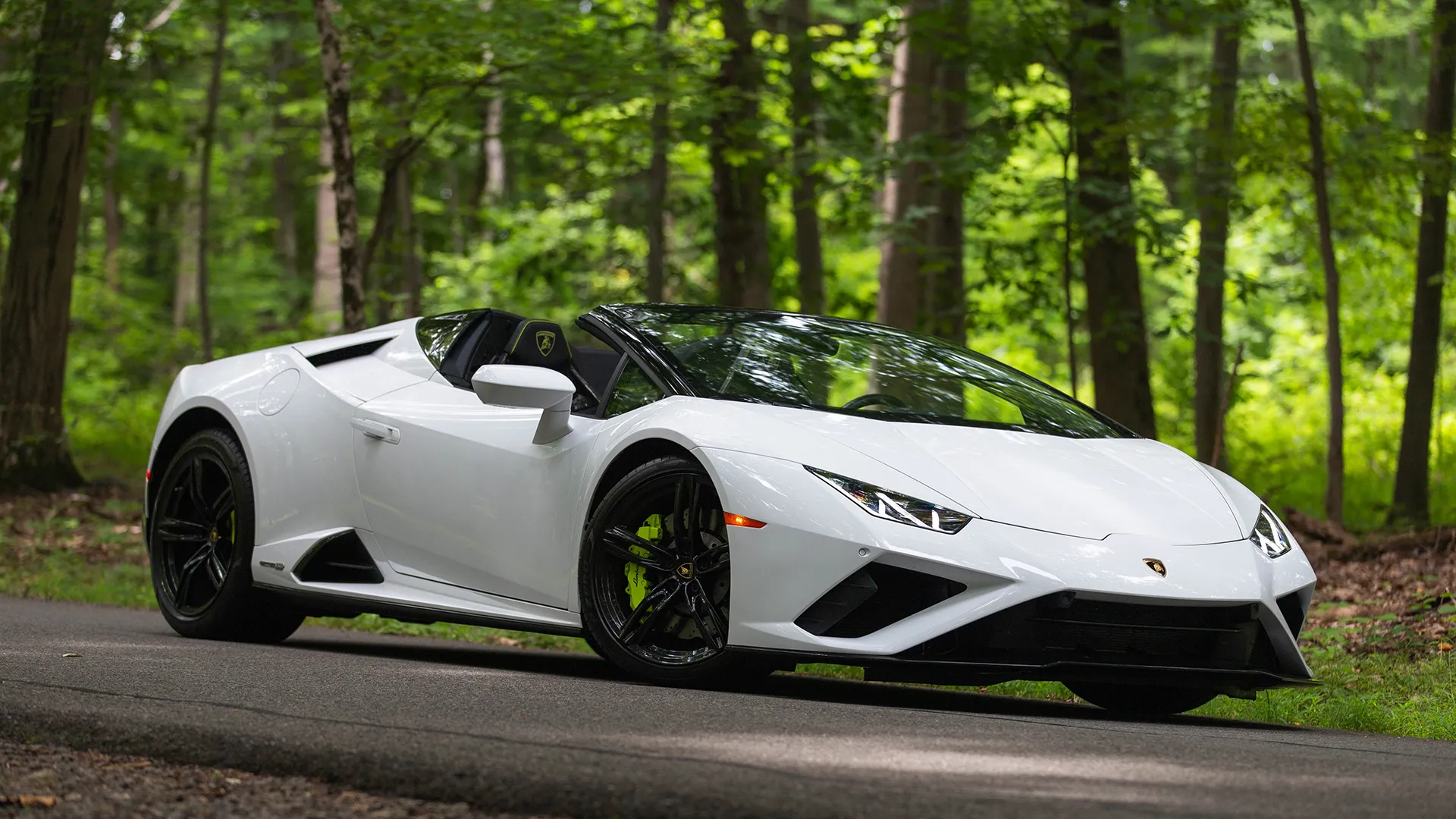
8. Lamborghini
Few names evoke images of exotic supercars quite like Lamborghini. The company is famous for powerful engines, dramatic styling, and fierce competition with Ferrari. Behind the name is the story of a determined entrepreneur whose path to automotive fame began far from the world of high-performance sports cars.
Ferruccio Lamborghini was born in 1916 in northern Italy. After World War II, he built a successful business manufacturing agricultural tractors. The company prospered, making Ferruccio one of Italy’s wealthiest industrialists.
As his fortune grew, Lamborghini developed a passion for luxury automobiles. He owned several high-end sports cars, including Ferraris. According to automotive legend, he became frustrated with certain aspects of Ferrari ownership, particularly issues involving reliability and drivability.
Rather than simply complain, Ferruccio decided to create his own sports car company. In 1963, he founded Automobili Lamborghini, using his family surname as the brand’s identity. The decision reflected confidence in both his engineering knowledge and business abilities.
The Lamborghini name quickly gained credibility as the company introduced vehicles capable of competing directly with established Italian sports car manufacturers. Models such as the Miura helped transform the brand into a symbol of performance and innovation.
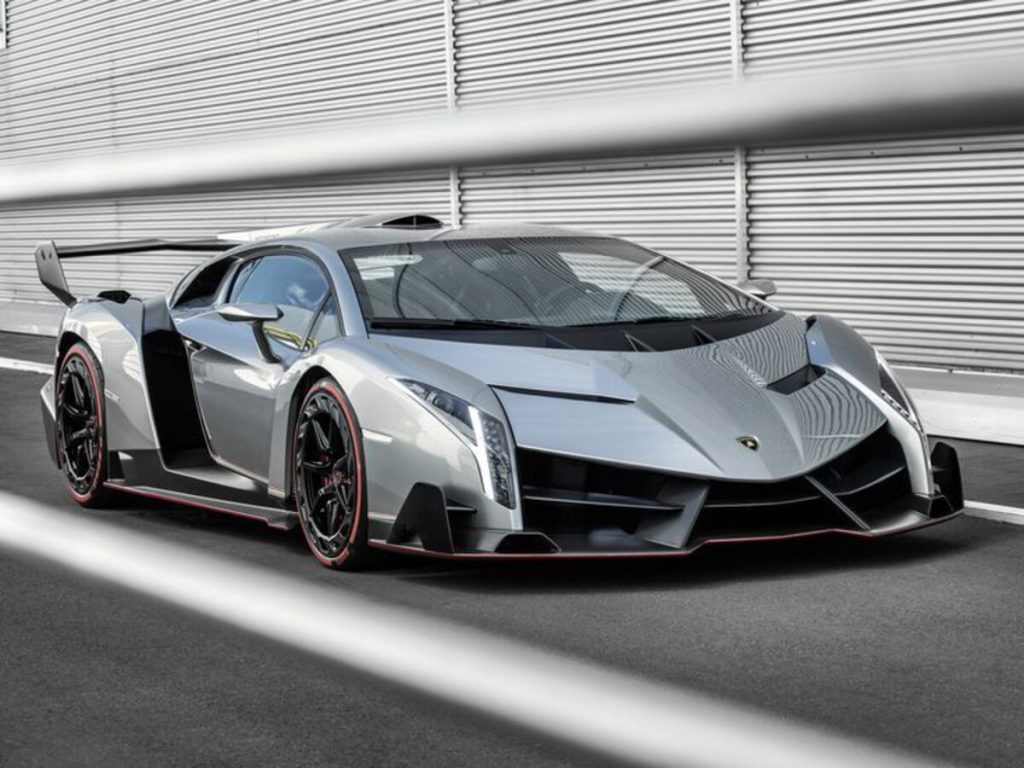
The company also embraced imagery connected to Ferruccio’s zodiac sign, Taurus. This fascination with bulls influenced the brand’s logo and many future model names. As a result, Lamborghini developed a strong visual identity that complemented its aggressive vehicles.
Unlike some automakers whose names were selected through committees or corporate mergers, Lamborghini’s identity remains deeply personal. Every vehicle carries the surname of the man who founded the company and challenged some of the biggest names in the automotive world.
The story behind the name is ultimately one of ambition. Ferruccio Lamborghini took the reputation he had earned in one industry and used it to build a completely different kind of automotive legend.
9. Mazda
Among major automakers, Mazda has one of the most intriguing naming stories because its identity combines elements of ancient mythology and the surname of its founder. The result is a brand name that carries both cultural and personal significance.
The company was originally founded by Jujiro Matsuda, a Japanese industrialist whose leadership helped transform the business from a cork manufacturing enterprise into a machinery and vehicle producer.
As the company expanded into automobile production during the early twentieth century, executives began searching for a name that could represent its ambitions on a global stage.
The chosen name, Mazda, was inspired partly by Ahura Mazda, the supreme deity in the ancient Persian religion of Zoroastrianism. Ahura Mazda is associated with wisdom, intelligence, and harmony, qualities that company leaders believed reflected their vision for the future.
At the same time, the name also echoed the pronunciation of founder Jujiro Matsuda’s surname. This connection allowed the company to honor its leader while creating a brand identity that felt international and distinctive.
The combination was remarkably effective. Mazda sounded modern, memorable, and easy to pronounce in many different languages. Unlike some Japanese company names that were difficult for foreign consumers to say correctly, Mazda adapted naturally to global markets.
As the company grew, the name became linked to innovation and engineering creativity. Mazda earned a reputation for pursuing unconventional solutions, most notably through its long commitment to rotary engine technology.
That willingness to take a different path aligned well with a brand name associated with wisdom and forward thinking.
Another reason the name remains fascinating is that it bridges multiple cultures. It connects Japanese industrial history with ancient Persian mythology in a way few automotive brands can match.
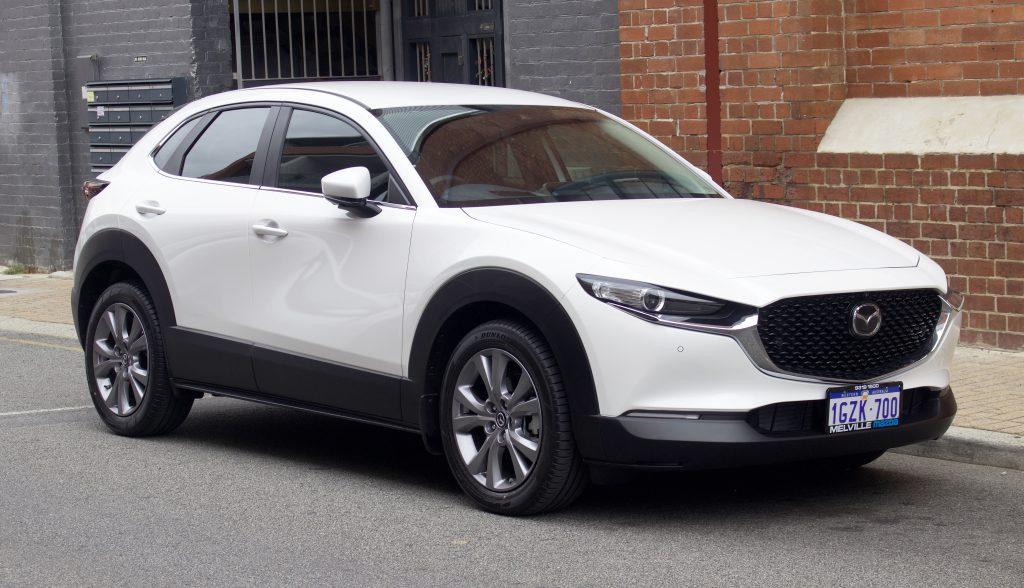
Today, Mazda is recognized worldwide for stylish vehicles and engaging driving dynamics. Yet behind the familiar badge lies a unique story that combines mythology, business strategy, and respect for the company’s founder. Few automotive names have such a diverse and meaningful heritage.
10. Ford
No discussion of automotive names would be complete without Ford. Unlike some brands with complex origins involving translations, mythology, or mergers, Ford’s name comes directly from its founder, Henry Ford. Yet the story behind that simple name is one of the most influential in industrial history.
Henry Ford did not invent the automobile, but he transformed the way automobiles were built and sold. Born in Michigan in 1863, Ford developed a fascination with machinery at an early age. He worked as an engineer and mechanic before turning his attention toward motorized transportation.
After several business ventures and failed attempts, Ford founded the Ford Motor Company in 1903. Rather than creating an elaborate brand identity, he placed his surname on the company. The decision reflected confidence in his products and his personal reputation.
At the time, many businesses carried the names of their founders. What made Ford different was the scale of success that followed. The introduction of the Model T revolutionized personal transportation, while the moving assembly line changed manufacturing forever.
As millions of vehicles were produced and sold around the world, the Ford name became synonymous with accessibility and industrial innovation. What started as a family surname evolved into one of the most recognized brands in history.
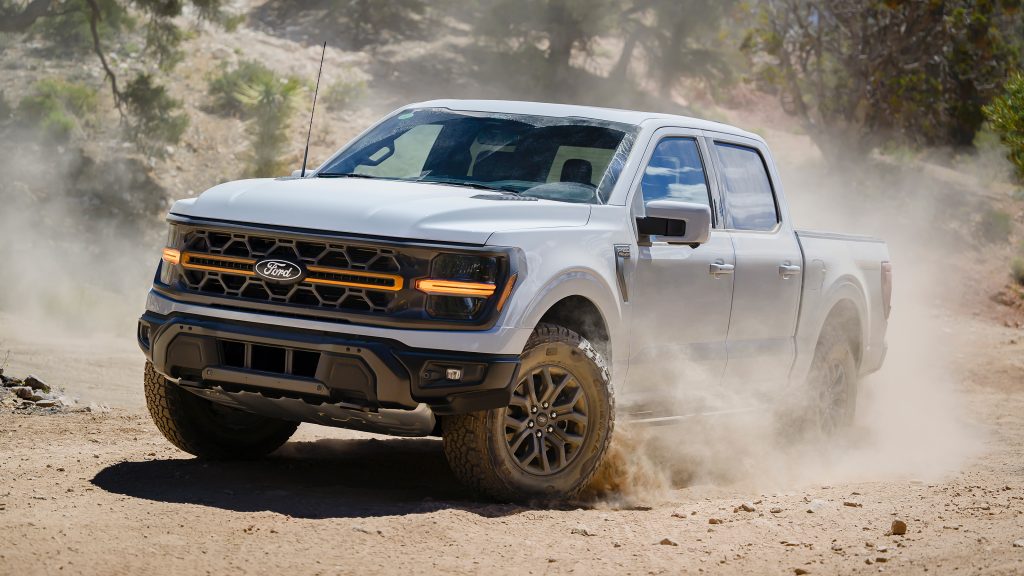
The simplicity of the name contributed to its strength. It was easy to remember, easy to pronounce, and directly connected to the man responsible for the company’s vision. Even today, more than a century after the company was founded, that connection remains intact.
Ford’s story demonstrates that a company name does not need to be complicated to become iconic. Sometimes, a surname backed by determination, innovation, and consistent execution is enough to create a global legacy.
From assembly lines to modern electric vehicles, the Ford name continues to represent a significant chapter in automotive history. Few names have had a greater impact on the industry or on transportation itself.
Also Read: 9 Hidden Features in Kia Models Owners Never Discover