
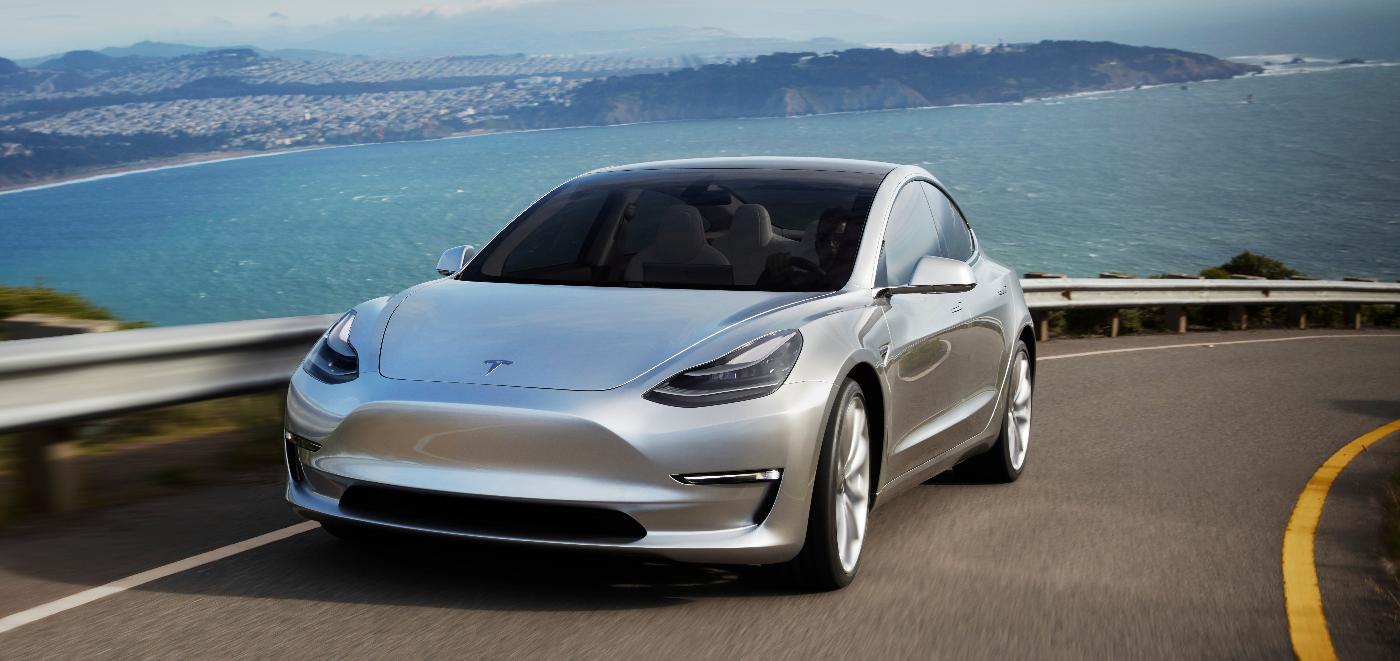
Urban commuting in the United States has changed significantly over the past decade, driven by rising fuel costs, increased traffic congestion, growing environmental awareness, and rapid improvements in vehicle electrification and hybrid technology.
Short daily city travel, often between a few miles and up to around 20 miles, places very specific demands on vehicles. Urban driving is different from highway travel because it involves frequent stops, periods of idling at traffic lights, maneuvering into tight parking spaces, and handling traffic that is often unpredictable.
Because of this, fuel efficiency, compact design, low maintenance costs, and smooth low-speed performance become far more important than high top speed or long range capability alone.
Modern consumers in the US are increasingly looking for vehicles that reduce their total cost of ownership while still offering comfort, reliability, and smart technology. Electric vehicles and hybrids have become especially attractive because they significantly reduce fuel expenses and, in many cases, require less maintenance than traditional internal combustion engines.
Additionally, city-friendly design features such as regenerative braking, compact dimensions, advanced driver assistance systems, and smartphone integration are now considered essential rather than optional.
Another important factor is sustainability. Many US cities are implementing stricter emissions regulations and encouraging the adoption of low-emission transportation.
This shift is pushing automakers to design vehicles that are not only efficient but also environmentally responsible. As charging infrastructure expands and battery technology improves, electric and hybrid vehicles are becoming practical even for people who do not want to rely heavily on gasoline.
This article explores eight highly efficient vehicles that are particularly well-suited for short city commutes in the United States. Each vehicle has been selected based on its fuel economy or electric efficiency, ease of driving in urban environments, affordability in its category, and practicality for daily short-distance travel.
The list includes a mix of fully electric cars, hybrid models, and compact fuel-efficient vehicles that have proven reliability and strong user satisfaction.
The goal is to help commuters understand which vehicles deliver the best balance of efficiency, comfort, and convenience for everyday city driving. Whether someone is a student, a working professional, or someone simply looking to reduce transportation costs, these vehicles represent some of the most practical choices available today in the US market.
Also Read: IIHS Dings BMW i4 for Weak Headlights and AEB System
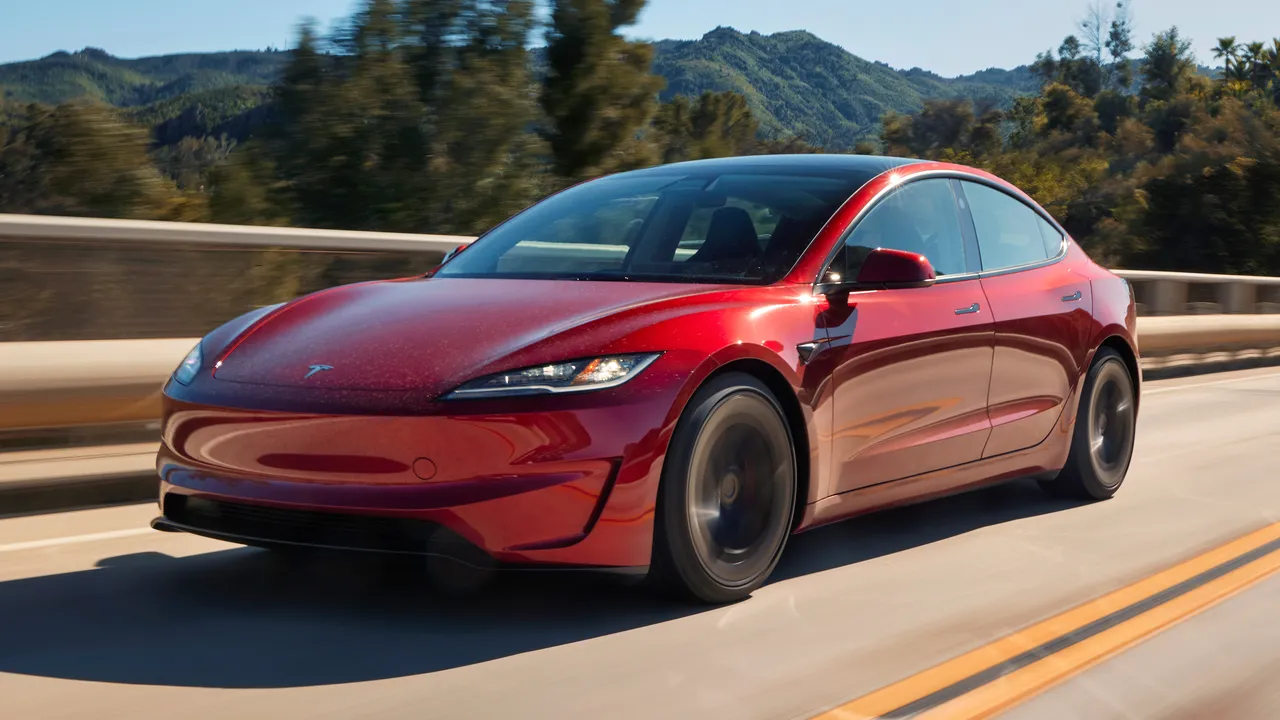
- Powertrain: Single motor RWD or dual motor AWD electric system
- Horsepower: ~271 hp to ~510 hp (Performance variant)
- Torque: ~310 lb-ft to ~486 lb-ft
- Length: 184.8 inches
- Width: 72.8 inches (without mirrors)
1. Tesla Model 3
The Tesla Model 3 is widely recognized as one of the most efficient electric sedans for city commuting in the United States, and its popularity continues to grow due to its blend of performance, technology, and low operating costs.
In urban driving conditions, where speeds are low and traffic is stop-and-go, the Model 3 demonstrates its strengths through instant torque delivery and smooth acceleration.
This makes it particularly effective for short commutes where responsiveness and efficiency matter more than long-distance cruising capability. The electric drivetrain eliminates fuel consumption entirely, which significantly reduces daily commuting expenses for most users.
One of the most important advantages of the Model 3 in city environments is its energy recovery system. Regenerative braking plays a major role in improving efficiency during frequent stops, which is common in urban traffic in US cities.
Instead of wasting kinetic energy as heat, the system converts it back into stored battery energy, extending range and reducing charging frequency. Over time, this contributes to a lower cost of ownership and better energy utilization compared to conventional gasoline vehicles.
The compact sedan design also enhances its suitability for city use. Parking in crowded urban areas such as New York, Los Angeles, or Chicago can be challenging, but the Model 3’s relatively small footprint compared to SUVs makes maneuvering much easier. Its advanced camera system and driver assistance features help reduce stress in tight parking situations and heavy traffic conditions. These features are especially valuable for drivers who navigate congested streets daily.
Interior simplicity is another defining characteristic. The centralized touchscreen interface replaces traditional controls, creating a minimalist cabin environment that reduces distraction and improves ease of use.
For short commutes, this streamlined design helps drivers focus more on traffic conditions and less on vehicle controls. Over-the-air software updates also ensure that the system continues improving without requiring physical upgrades.
The Tesla Model 3 is one of the most complete urban commuting vehicles available today, combining efficiency, technology, and ease of use in a way that is highly optimized for modern US city driving.
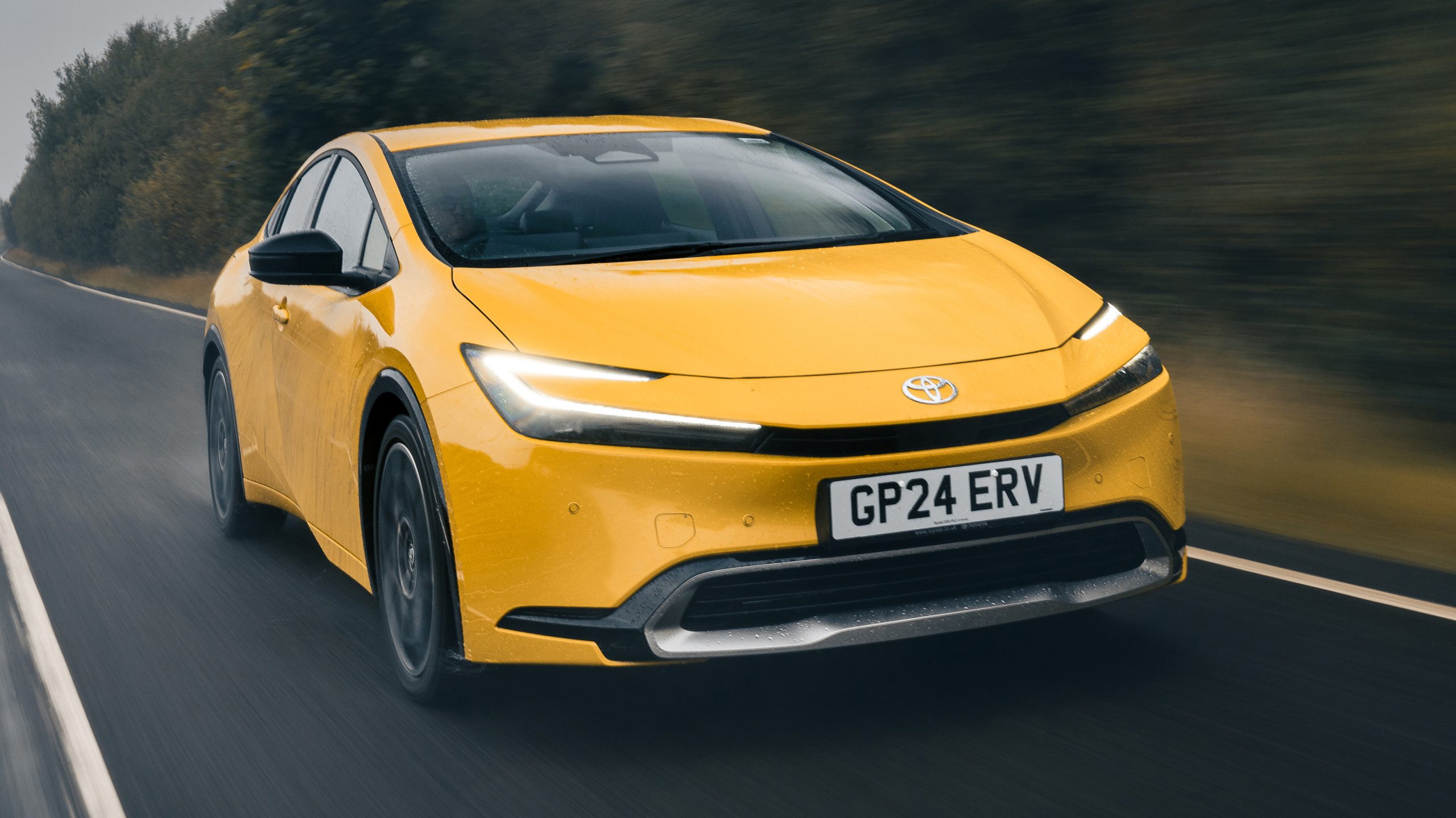
- Engine: 2.0L 4-cylinder hybrid (Atkinson cycle)
- Horsepower: ~194 hp (FWD) / ~196 hp (AWD-e)
- Torque: Engine + electric combined output (not a single fixed torque figure; engine approx. 139 lb-ft)
- Length: 181.1 inches
- Width: 70.2 inches
2. Toyota Prius
The Toyota Prius has earned its reputation as the most iconic hybrid vehicle for efficient urban commuting in the United States. Its hybrid system is specifically engineered to excel in stop-and-go traffic, where traditional gasoline engines typically struggle.
By seamlessly switching between electric motor assistance and gasoline power, the Prius ensures that fuel consumption remains consistently low during short city commutes. This makes it especially attractive for drivers who prioritize cost savings and reliability over performance.
In dense urban environments, the Prius frequently operates in electric-only mode at low speeds, which significantly reduces fuel usage. This feature is particularly beneficial in areas with heavy congestion, where vehicles spend a large portion of their time idling or moving slowly.
The regenerative braking system further enhances efficiency by capturing energy that would otherwise be lost during braking, contributing to improved fuel economy over time.
Another important advantage of the Prius is its long-standing reputation for durability. Toyota has engineered the Prius to be extremely reliable, with many owners reporting high mileage performance with minimal mechanical issues.
This reliability is a key factor for city commuters who depend on their vehicles daily and cannot afford frequent maintenance disruptions. Lower maintenance costs also make it one of the most economical long-term commuting options.
The interior design of the Prius has evolved significantly in recent generations, offering more comfort, better materials, and improved technology integration. Modern infotainment systems, smartphone connectivity, and driver assistance features make it a practical choice for everyday commuting. Its seating position is slightly elevated compared to traditional sedans, improving visibility in traffic and enhancing driver confidence in busy city conditions.
The Toyota Prius remains one of the most trusted and efficient hybrid vehicles for urban commuting in the US, offering a proven balance of fuel economy, reliability, and practicality.
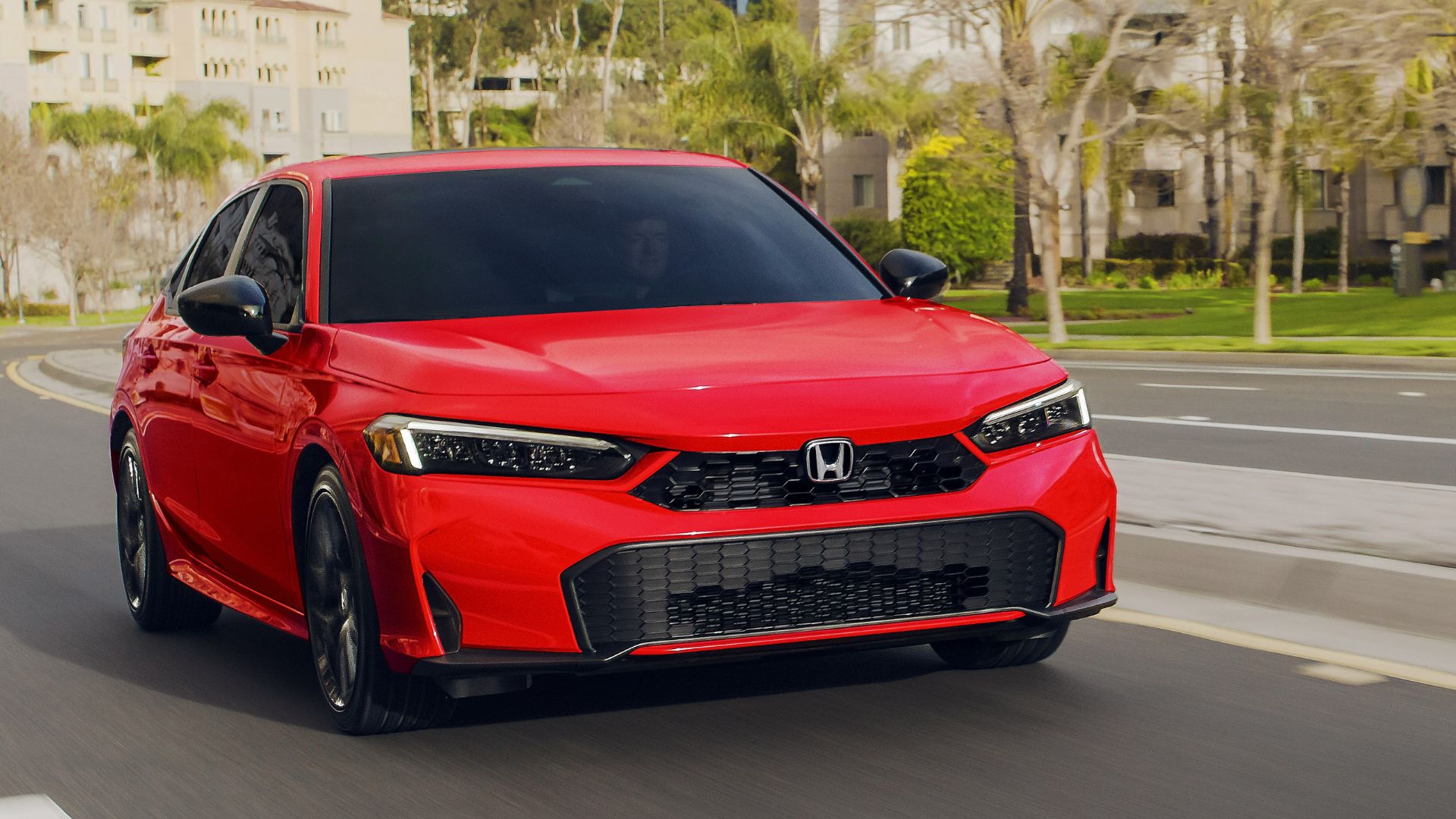
- Engine: 2.0L Atkinson-cycle 4-cylinder hybrid system
- Horsepower: ~200 hp combined system output
- Torque: ~232 lb-ft combined system torque
- Length: ~184.0 inches (sedan)
- Width: ~70.9 inches
3. Honda Civic Hybrid
The Honda Civic Hybrid stands out as a well-balanced option for US city commuters who want a mix of efficiency, comfort, and familiar driving dynamics.
Unlike fully electric vehicles, it maintains a traditional refueling experience while still delivering significant fuel savings through hybrid technology. This makes it a practical transition vehicle for drivers who are not yet ready to fully adopt electric mobility but still want improved efficiency for daily commuting.
In short-distance city driving, the Civic Hybrid uses its electric motor extensively at lower speeds, which helps reduce fuel consumption during frequent stops. This is especially beneficial in congested traffic conditions where gasoline engines tend to be less efficient.
The transition between electric and gasoline power is smooth, ensuring a consistent and comfortable driving experience without noticeable interruptions.
The Civic Hybrid also offers strong handling characteristics, which is one of its key advantages over many other hybrid vehicles. Its suspension and steering are tuned to provide a responsive driving experience, making it easy to navigate narrow streets, sharp turns, and tight parking spaces. For urban drivers who value driving engagement, this is an important factor that enhances everyday usability.
Inside the cabin, the Civic Hybrid focuses on practicality and comfort. The layout is clean and user-friendly, with intuitive controls and supportive seating designed for longer daily commutes. Noise insulation improvements in newer models also make city driving more pleasant by reducing road and engine noise in stop-and-go traffic.
The Honda Civic Hybrid delivers a strong combination of efficiency and driving enjoyment, making it a versatile choice for commuters in US cities who want balance rather than extremes.

- Powertrain: Single motor RWD or dual motor AWD electric system
- Horsepower: ~225 hp (RWD) to ~320 hp (AWD)
- Torque: ~258 lb-ft (RWD) to ~446 lb-ft (AWD)
- Length: ~191.1 inches
- Width: ~74.0 inches
4. Hyundai Ioniq 6
The Hyundai Ioniq 6 is designed with a strong focus on aerodynamic efficiency, which plays a crucial role in maximizing electric range and reducing energy consumption.
Its sleek, streamlined shape allows it to cut through air resistance more effectively than many traditional sedans, making it especially efficient in both city and mixed driving conditions. For short urban commutes, this efficiency translates into fewer charging cycles and lower energy costs over time.
The electric drivetrain in the Ioniq 6 is engineered for smooth and consistent performance in stop-and-go traffic. Unlike combustion engine vehicles, it does not suffer from efficiency losses during idling, which is common in congested US city traffic. Instead, it maintains steady energy usage while regenerative braking helps recover energy during frequent stops, further improving efficiency.
Comfort is another area where the Ioniq 6 excels. The interior is designed with a futuristic and spacious layout, offering a flat floor and open cabin feel typical of modern electric platforms. This makes it comfortable for both drivers and passengers during short daily commutes, especially in urban environments where comfort during traffic delays becomes important.
Fast charging capability is one of its most practical features for city users. Even if a driver does not have access to home charging, the ability to quickly recharge at public charging stations makes it highly convenient. This flexibility ensures that the vehicle remains usable even in dense urban areas where charging infrastructure is still developing.
The Hyundai Ioniq 6 represents a forward-looking urban commuter vehicle that combines design efficiency, electric performance, and modern comfort in a way that is highly suitable for US city driving.
Also Read: 10 Best Vehicles for Rural Gravel Roads
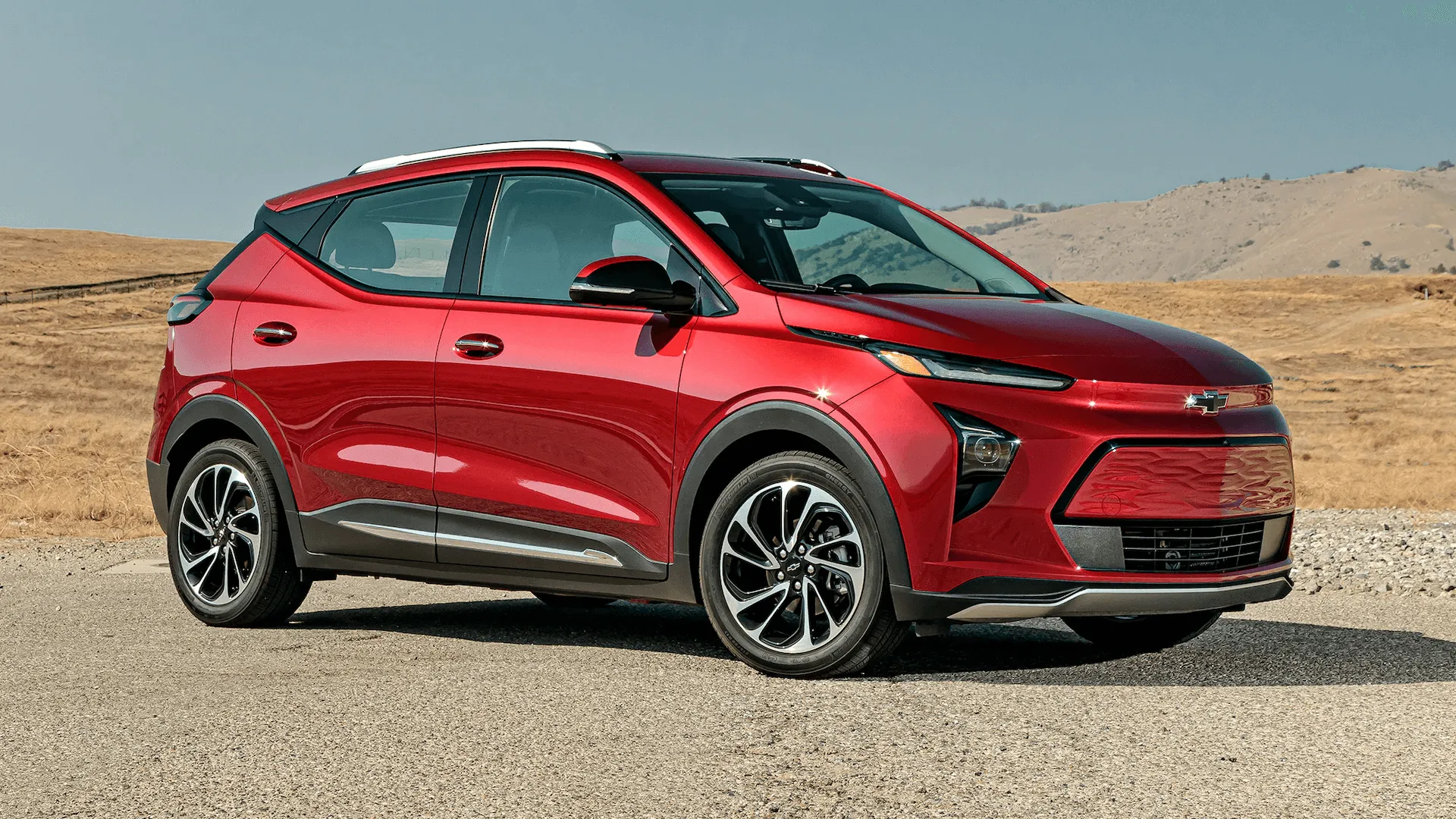
- Powertrain: Single motor front wheel drive electric system
- Horsepower: ~200 hp
- Torque: ~266 lb-ft
- Length: 169.5 inches
- Width: 69.7 inches
5. Chevrolet Bolt EUV
The Chevrolet Bolt EUV is one of the most accessible electric vehicles in the United States, making it a strong option for budget-conscious urban commuters.
Its affordability does not compromise its practicality, as it still offers a fully electric driving experience with low operating costs and minimal maintenance requirements. For short city commutes, this makes it one of the most cost-effective transportation solutions available today.
In stop-and-go traffic conditions, the Bolt EUV performs efficiently due to its instant electric torque delivery. This allows smooth acceleration from traffic lights and easy maneuverability in congested streets. The regenerative braking system enhances its efficiency by recovering energy during frequent braking, which is common in urban driving environments.
Despite its compact size, the Bolt EUV offers a surprisingly spacious interior. This makes it comfortable for daily commuting, even for drivers who spend extended time in traffic. The higher seating position compared to traditional sedans improves visibility, which is a major advantage in dense city traffic where awareness of surrounding vehicles is critical.
Technology integration is another important strength. The Bolt EUV includes modern infotainment features, smartphone connectivity, and driver assistance systems that improve safety and convenience. These features are especially useful in city environments where constant attention and quick decision-making are required.
The Chevrolet Bolt EUV provides an affordable and practical entry point into electric commuting, making it an excellent choice for US city drivers who want efficiency without a high purchase price.
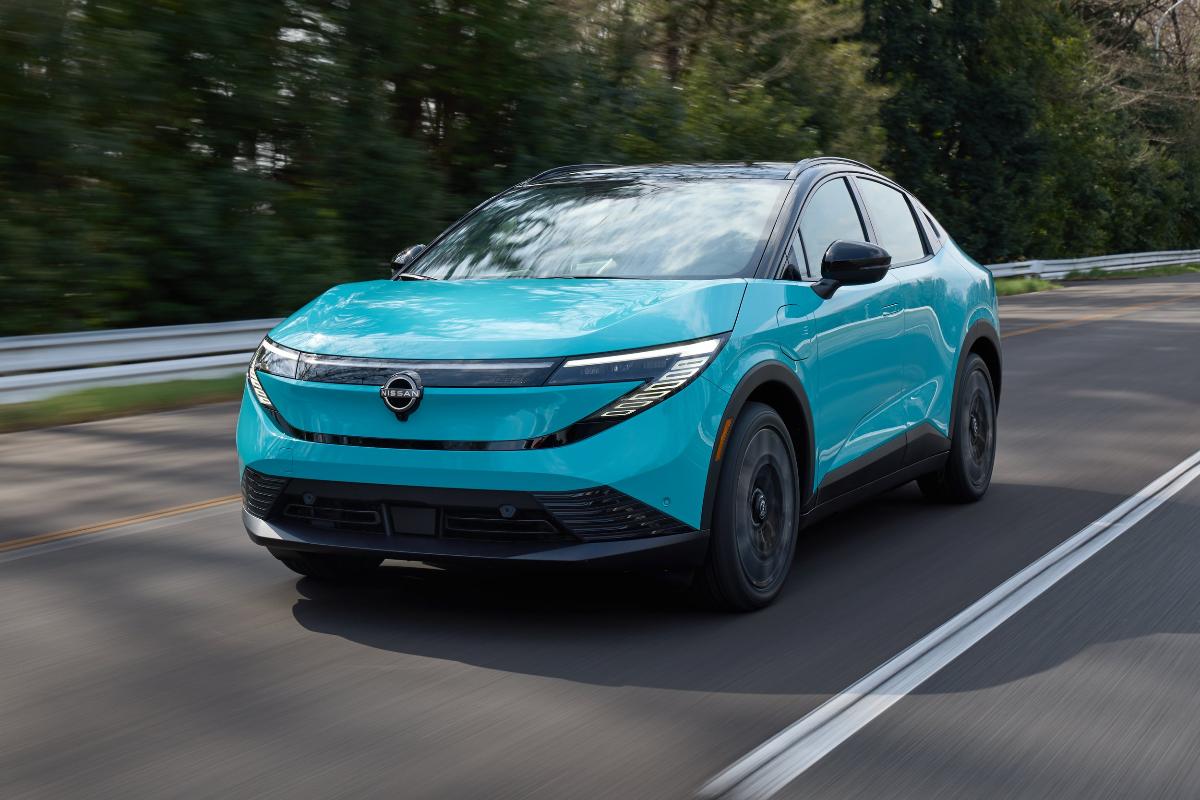
- Powertrain: Single motor front wheel drive electric system
- Horsepower: ~147 hp (standard) to ~214 hp (Leaf Plus)
- Torque: ~236 lb-ft to ~250 lb-ft
- Length: 176.4 inches
- Width: 70.5 inches
6. Nissan Leaf
The Nissan Leaf remains one of the most historically important and widely recognized electric vehicles in the United States, especially for drivers seeking a simple and affordable entry into electric mobility.
It has been on the market for years, and its long-term presence has helped establish trust among urban commuters who want predictable performance without the complexity or higher cost of premium electric vehicles. For short city commutes, the Leaf delivers exactly what is needed: efficient electric driving, low maintenance, and easy usability.
In urban traffic conditions, the Leaf performs smoothly due to its fully electric drivetrain, which eliminates gear shifting and engine lag entirely.
This results in a very smooth and comfortable experience in stop-and-go traffic, especially in heavily congested US cities where frequent braking and acceleration are unavoidable. The immediate delivery of torque makes the vehicle feel responsive even at low speeds. This is particularly useful when merging into traffic or handling tight intersections.
One of the key strengths of the Nissan Leaf is its simplicity. Unlike more advanced EVs that come with complex interfaces and extensive digital systems, the Leaf focuses on straightforward usability.
This makes it particularly appealing to first-time electric vehicle owners who may not want a steep learning curve. The controls are intuitive, the driving experience is predictable, and the vehicle behavior is easy to understand in everyday commuting scenarios.
Another important factor is cost efficiency. The Leaf is typically priced lower than many other electric vehicles, making it accessible to a wider range of buyers. Combined with reduced fuel costs and minimal maintenance requirements, it becomes an economically strong option for city residents who want to reduce long-term transportation expenses. Brake wear is also reduced due to regenerative braking, further lowering maintenance costs over time.
The Nissan Leaf continues to be a dependable, budget-friendly electric commuter that prioritizes practicality and simplicity, making it highly suitable for short city commutes in the United States.
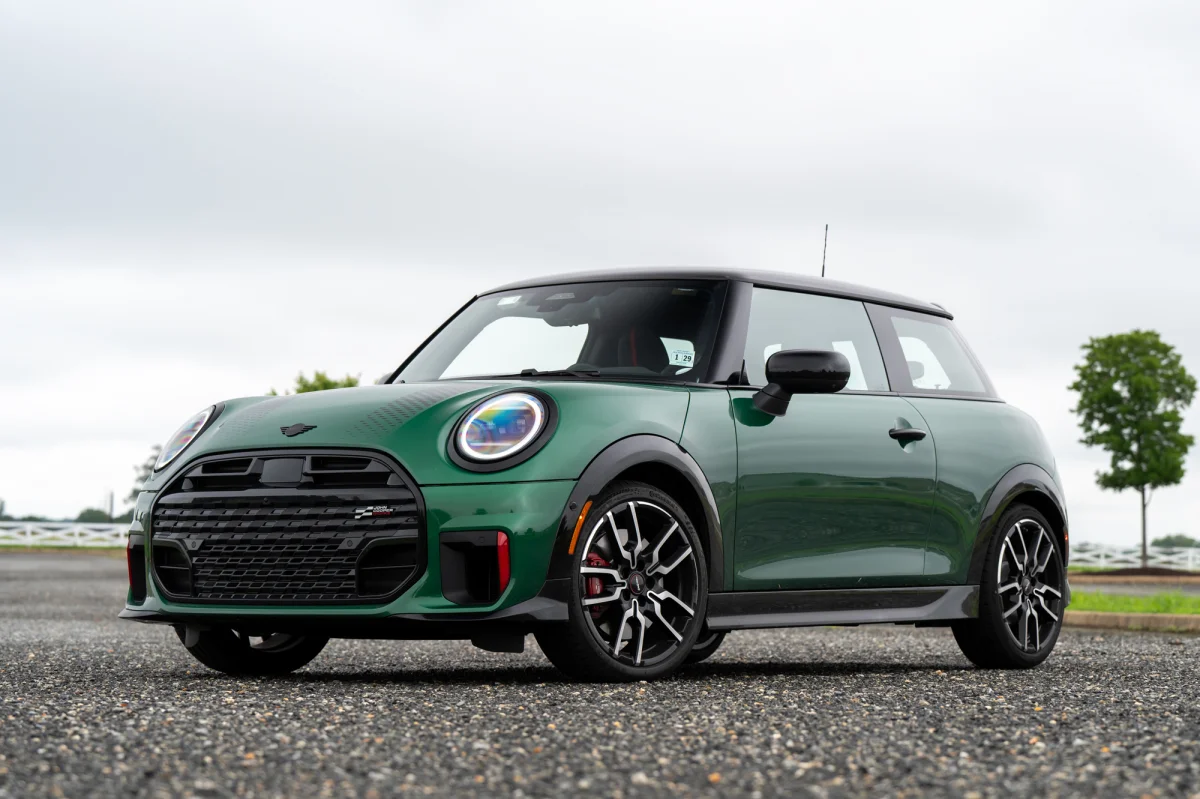
- Powertrain: Single motor front wheel drive electric system
- Horsepower: ~181 hp
- Torque: ~199 lb-ft
- Length: 152.5 inches
- Width: 68.0 inches
7. Mini Cooper SE
The Mini Cooper SE brings a unique personality to the electric vehicle segment by combining compact design, sporty handling, and full electric efficiency. It is especially well-suited for dense urban environments in the United States, where space is limited, and maneuverability is essential.
Its small footprint allows it to navigate narrow streets, tight parking spots, and crowded urban neighborhoods with exceptional ease.
In short city commutes, the Mini Cooper SE stands out due to its engaging driving dynamics. Unlike many compact EVs that focus purely on efficiency, this model emphasizes driving enjoyment as well.
The instant torque from its electric motor provides quick acceleration, making it fun and responsive in stop-and-go traffic. This can make daily commuting less monotonous, especially for drivers who spend significant time in urban congestion.
The compact size of the Mini Cooper SE is one of its biggest practical advantages. Parking in busy US cities can often be stressful and time-consuming, but this vehicle significantly reduces that challenge. Whether it is parallel parking on crowded streets or fitting into small urban parking garages, the Mini’s dimensions make it one of the easiest vehicles to manage in tight spaces.
Inside the cabin, the Mini Cooper SE maintains its signature design identity while incorporating modern digital features. The circular infotainment display, high-quality materials, and customizable interior lighting create a distinctive driving environment. Even though it is compact, the layout is designed to maximize usability for daily commuting needs, ensuring that essential controls remain accessible and intuitive.
The Mini Cooper SE is ideal for urban commuters who want a compact electric vehicle that is not only efficient but also enjoyable to drive, offering a rare combination of practicality and personality in the US city driving.
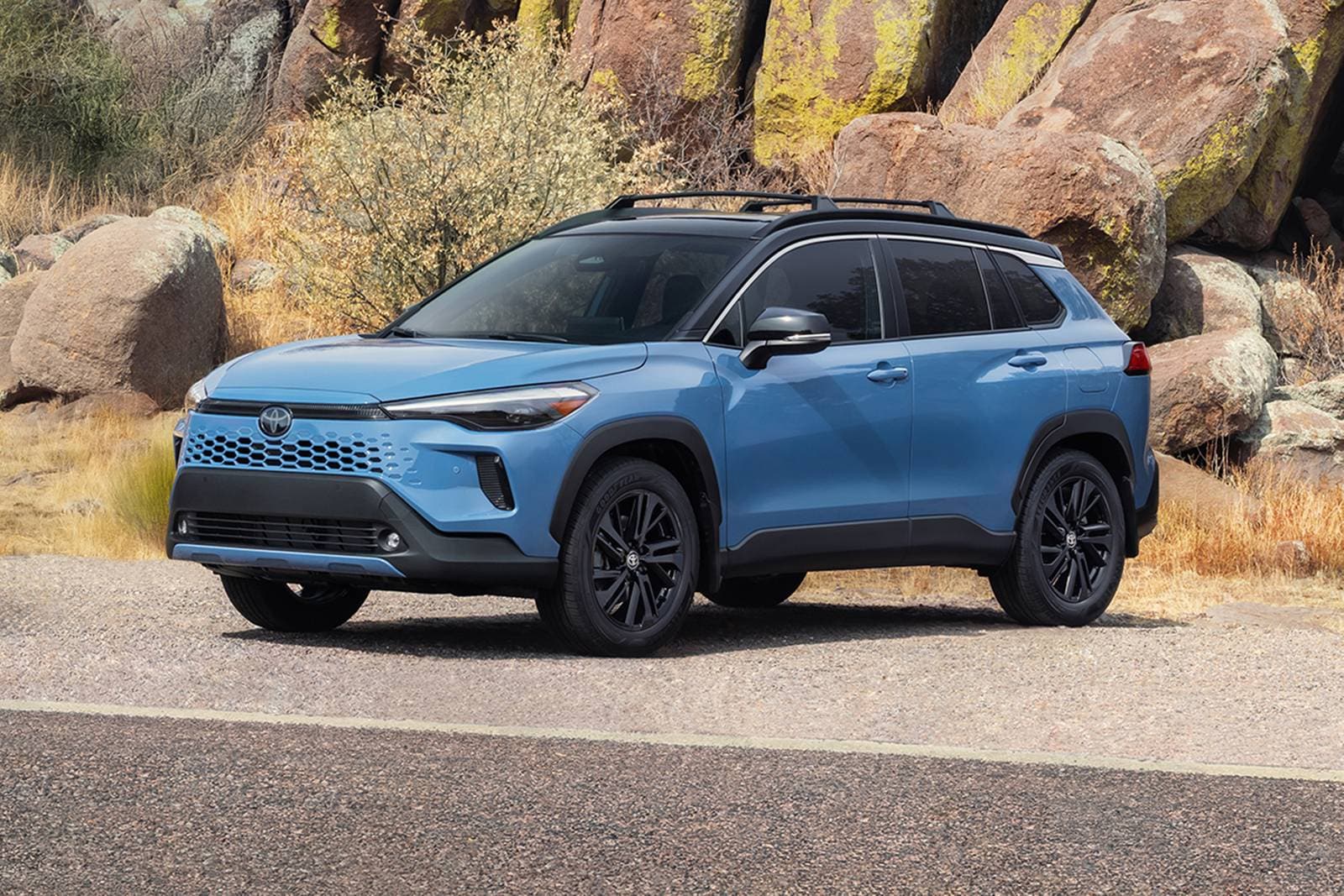
- Engine: 1.8L 4-cylinder hybrid system (Atkinson cycle)
- Horsepower: ~138 hp combined output
- Torque: Engine + electric assist (not a single fixed combined torque figure; engine approx. 105 lb-ft)
- Length: ~182.5 inches
- Width: ~70.1 inches
8. Toyota Corolla Hybrid
The Toyota Corolla Hybrid is one of the most practical and widely trusted compact hybrid vehicles available for US city commuters. Building on the long-standing reputation of the Corolla nameplate, this hybrid version enhances fuel efficiency while maintaining the simplicity, reliability, and affordability that have made it one of the best-selling cars in automotive history.
It is especially well-suited for short urban commutes where consistency and low operating costs are more important than performance or luxury.
In city driving conditions, the Corolla Hybrid excels due to its efficient hybrid powertrain, which frequently uses the electric motor at lower speeds. This reduces fuel consumption significantly during stop-and-go traffic, which is common in most US metropolitan areas.
The transition between electric and gasoline power is smooth and almost unnoticeable, allowing drivers to focus on traffic conditions rather than vehicle behavior.
One of its strongest advantages is long-term reliability. Toyota has engineered the Corolla Hybrid to be durable and low maintenance, which is a major advantage for city drivers who rely on their vehicles daily. Many owners choose the Corolla specifically because of its reputation for longevity and low repair costs, making it a financially safe choice over time.
Comfort and usability are also important strengths. The interior layout is simple, clean, and designed for ease of use. Controls are logically placed, seating is comfortable for daily commuting, and the compact size makes it easy to maneuver through tight city streets and parking areas. For new drivers or those who prioritize stress-free commuting, this simplicity is highly valuable.
The Toyota Corolla Hybrid delivers a balanced combination of efficiency, dependability, and practicality, making it one of the most sensible and cost-effective choices for short city commutes in the United States.
