
Motorcycle enthusiasts often talk about power, handling, styling, and sound, but vibration is another characteristic that can significantly affect the riding experience. While some riders appreciate a certain amount of mechanical feedback from the engine, excessive vibration can quickly turn an enjoyable journey into an uncomfortable one.
On certain motorcycles, the vibrations transmitted through the handlebars, footpegs, and seat become so intense during longer rides that riders report numb hands, tingling fingers, and fatigue.
Engine design plays a major role in determining how much vibration a motorcycle produces. Large single-cylinder engines, older V-twins, and certain parallel-twin configurations naturally generate more vibration than smoother inline-four or well-balanced boxer engines.
Manufacturers often use counterbalancers, rubber-mounted engines, and advanced engineering techniques to reduce unwanted shaking, but some motorcycles still retain a raw mechanical character that allows substantial vibration to reach the rider.
For short trips around town, these vibrations may not be a major concern. However, during extended highway rides or daily commuting, constant exposure can become tiring.
Riders may find themselves adjusting their grip frequently, shaking out their hands at stoplights, or taking breaks simply to restore comfort and circulation. In extreme cases, prolonged vibration can contribute to hand numbness and discomfort that lingers even after the ride is finished.
Interestingly, some of the motorcycles known for heavy vibration remain popular despite this trait. Many owners accept the trade-off because they value the bike’s unique personality, distinctive engine character, or classic appeal. In some cases, the vibrations are considered part of the motorcycle’s identity rather than a flaw.
The motorcycles on this list have developed reputations for transmitting noticeable engine vibration to their riders.
While modern versions may be smoother than their predecessors, they are still frequently mentioned by enthusiasts as bikes that can leave hands tingling after enough time in the saddle. These machines deliver plenty of character, but comfort is not always their strongest attribute.
Also Read: The 5.7L V8 Tundra Excels Beyond 300,000 Miles
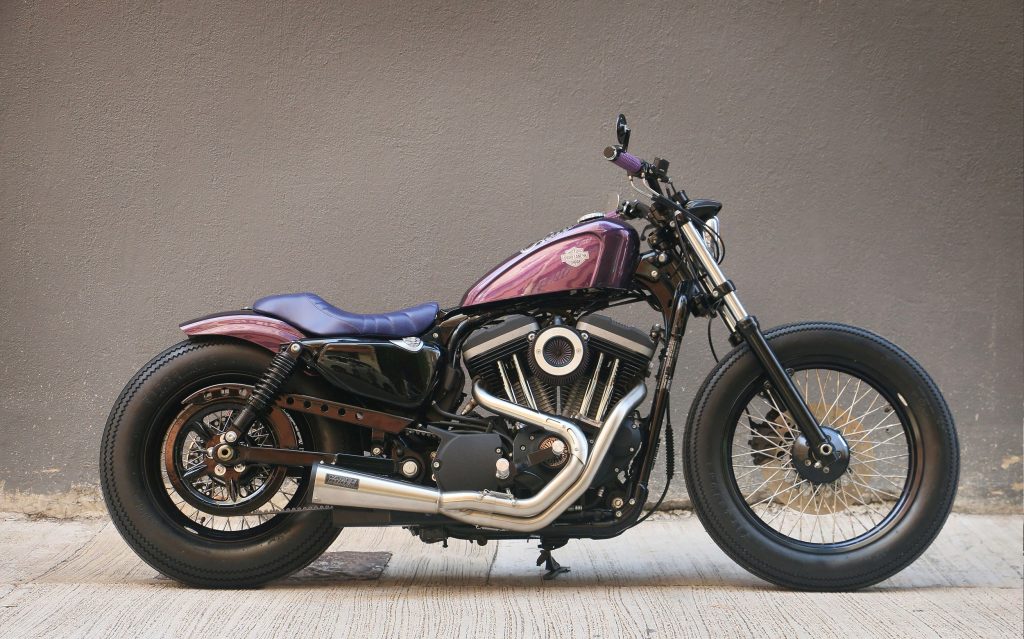
1. Harley-Davidson Sportster 883
Few motorcycles have a reputation for vibration quite like the Harley-Davidson Sportster 883. For decades, this motorcycle has represented an entry point into Harley ownership, offering classic American styling and the unmistakable feel of a traditional V-twin engine.
That same engine character, however, is also responsible for the substantial vibration many riders experience.
Rather than focusing on isolating mechanical movement like many modern motorcycles, the Sportster is built to transmit a more direct sense of what the engine is doing. When it is idling, the V-twin’s motion is clearly visible beneath the rider, with noticeable shaking carried into the handlebars, mirrors, and controls as the engine runs.
Once underway, some of the harsher vibrations begin to smooth out, but they never completely disappear. Around certain engine speeds, particularly during highway cruising, riders frequently report tingling sensations in their hands after extended periods.
Long-distance journeys can become physically tiring because of the constant vibration transmitted through the handlebars.
Interestingly, many owners consider this characteristic part of the motorcycle’s appeal. The Sportster feels mechanical, alive, and distinct from smoother modern motorcycles. Riders seeking a raw experience often appreciate this connection even if it comes with reduced comfort.
The rigid nature of the engine’s feedback also contributes to the bike’s personality. Every throttle input produces an immediate sensation through the controls, creating a riding experience that feels engaging and traditional. However, those sensitive to vibration may find themselves wishing for additional isolation during longer rides.
Aftermarket solutions such as heavier bar-end weights, padded grips, and upgraded handlebars are common among owners hoping to reduce fatigue. These modifications can help, but they rarely eliminate the characteristic.
Notorious for its hand-numbing vibration, the Sportster 883 nevertheless remains one of Harley-Davidson’s most recognizable models. Its enduring popularity proves that for many riders, raw heritage and distinctive character easily outweigh a bumpy ride.
Specifications
- Engine: 883cc Air-Cooled V-Twin
- Torque: 54 lb-ft
- Horsepower: 50 hp
- Length/Width: 86.2 inches / 34.3 inches
2. Royal Enfield Classic 500
The Royal Enfield Classic 500 approaches motorcycling from a completely different perspective than most modern machines. Rather than focusing on refinement and technological sophistication, it celebrates old-school design and traditional riding sensations. As a result, vibration is not merely present; it is one of the motorcycle’s defining traits.
At first glance, the Classic 500 appears timeless. Its retro styling, spoked wheels, and vintage-inspired details create the impression of a motorcycle from another era. Once the engine starts, that impression becomes even stronger. The large single-cylinder engine produces a distinctive thump accompanied by noticeable vibration throughout the motorcycle.
Single-cylinder engines naturally generate more vibration than many multi-cylinder designs, and the Classic 500 is a prime example. At lower speeds, riders feel a steady pulse through the handlebars and footpegs. As engine speed increases, the vibrations become more pronounced and can eventually lead to hand fatigue during longer journeys.
The motorcycle’s relaxed performance encourages leisurely riding, which helps minimize some of the discomfort. Riders who stay within the bike’s comfort zone often find the vibrations manageable. Problems tend to arise when maintaining higher speeds for extended periods, particularly on highways.
Many owners describe the experience as charming rather than irritating. The vibrations create a sense of mechanical involvement that modern motorcycles often lack. Every combustion cycle feels tangible, reminding riders of the machine’s traditional roots.
Comfort can vary significantly depending on riding style and expectations. Those transitioning from smooth touring motorcycles may be surprised by the amount of vibration present. Riders familiar with vintage motorcycles, however, often consider it entirely normal.
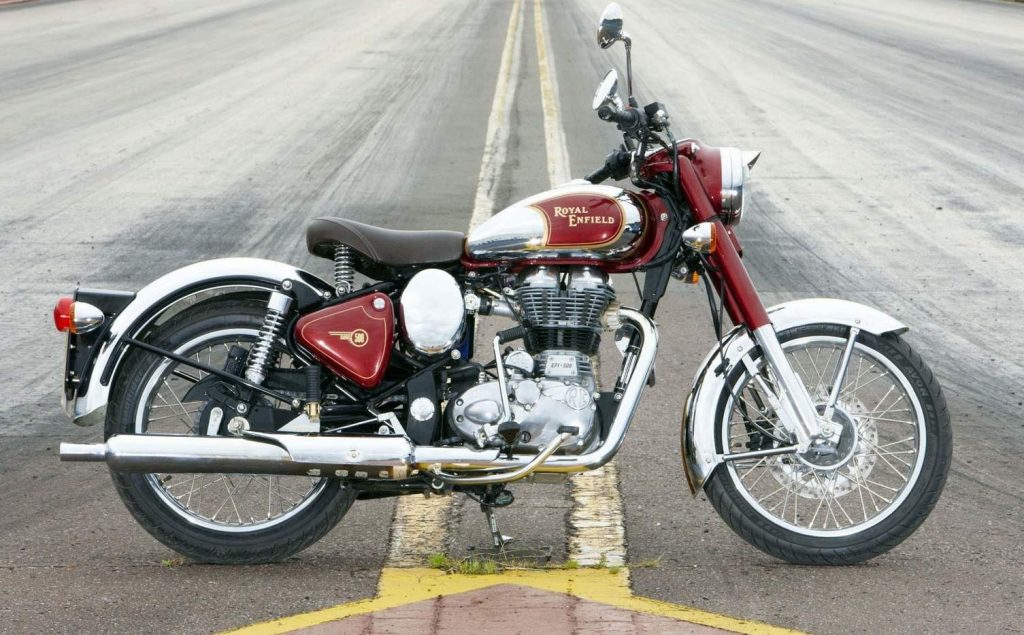
Even though Royal Enfield eventually replaced the Classic 500 with newer and smoother models, the motorcycle remains memorable for its distinctive character. It delivers an authentic old-school riding experience, complete with the hand-numbing vibrations that have become part of its legend.
Specifications
- Engine: 499cc Air-Cooled Single-Cylinder
- Torque: 30 lb-ft
- Horsepower: 27 hp
- Length/Width: 84.6 inches / 31.5 inches
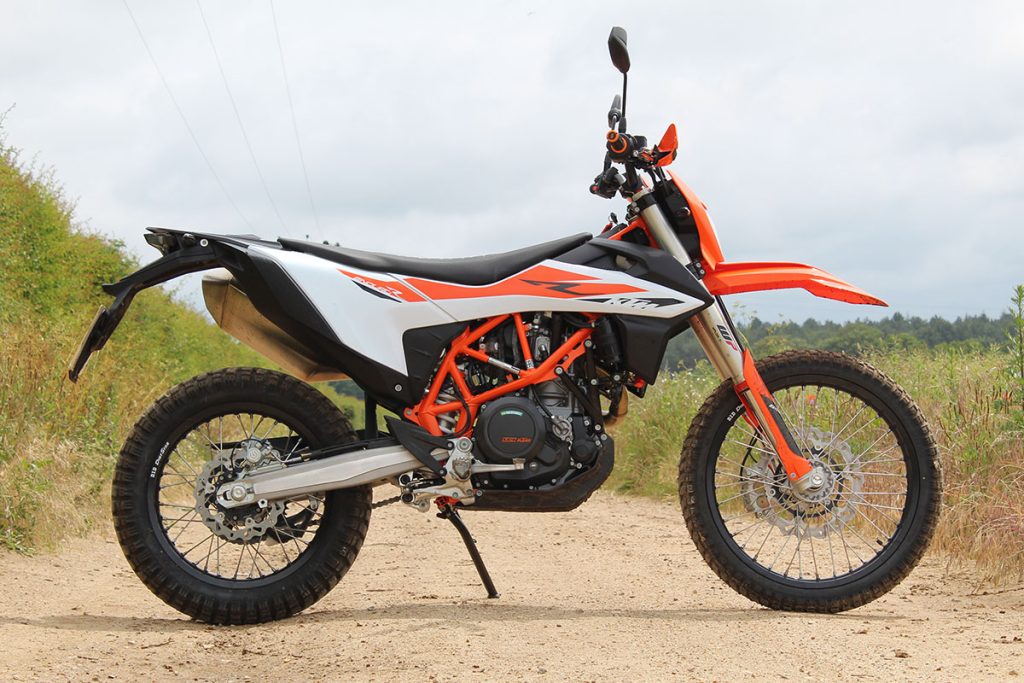
3. KTM 690 Enduro R
Adventure motorcycles are often expected to balance performance, comfort, and versatility. The KTM 690 Enduro R focuses heavily on performance, sometimes at the expense of refinement.
Built around one of the largest production single-cylinder engines available, this motorcycle delivers impressive power but also produces enough vibration to become a common topic among owners.
The 690 Enduro R was designed for riders who enjoy tackling challenging terrain while maintaining the ability to travel on public roads. Its lightweight chassis and powerful engine create an exciting riding experience.
However, that same engine transmits a significant amount of vibration through the motorcycle, especially during extended pavement riding.
At lower speeds, riders often notice a constant buzz through the handlebars and footpegs. The sensation is not necessarily unpleasant at first because it reinforces the motorcycle’s aggressive personality. As mileage accumulates, though, the vibration can become tiring.
Highway travel tends to highlight the issue even more. Sustained engine speeds create a steady stream of vibration that many riders describe as fatiguing. Hands and fingers may begin tingling after prolonged periods, particularly for those wearing thinner gloves or maintaining a firm grip on the bars.
What makes the situation interesting is that many owners willingly accept this compromise. The motorcycle offers exceptional off-road capability, rapid acceleration, and a lightweight feel that few competitors can match. Riders often view the vibration as the price paid for having such a powerful single-cylinder machine.
Various aftermarket accessories are commonly installed to improve comfort. Softer grips, bar dampers, and weighted handlebar inserts can reduce some of the harshness, although they rarely eliminate it.
The KTM 690 Enduro R remains one of the most exciting dual-sport motorcycles available. Riders seeking refinement may look elsewhere, but enthusiasts who prioritize performance often accept the vibrations as part of the package.
Specifications
- Engine: 693cc Liquid-Cooled Single-Cylinder
- Torque: 54 lb-ft
- Horsepower: 74 hp
- Length/Width: 88.8 inches / 35.8 inches
4. Harley-Davidson Dyna Street Bob
Among Harley-Davidson enthusiasts, the Dyna Street Bob developed a reputation for delivering a raw riding experience that many considered more authentic than some of the company’s smoother models. That authenticity came with a noticeable side effect: substantial vibration.
The motorcycle’s rubber-mounted V-twin engine helped reduce some shaking compared with older Harley designs, yet it never completely isolated the rider from the engine’s character. At idle, the bike rocks noticeably, creating a visual and physical reminder of the large-displacement twin-cylinder powerplant.
Many riders actually enjoy this behavior when the motorcycle is stationary. The issue becomes more apparent during long rides, particularly at cruising speeds, where vibrations can continuously travel through the handlebars and into the rider’s hands.
Instead of aiming for the plush isolation typical of touring motorcycles, the Street Bob is designed with a minimalist approach. This closer, more exposed riding position allows engine vibrations to come through more freely into the controls, so every pulse of the motor is more directly felt and the rider stays closely connected to the machine’s behavior.
For shorter rides through town, the vibrations add personality and help distinguish the bike from smoother competitors. During longer highway journeys, however, some owners report hand fatigue and numbness after several hours in the saddle.
The handlebars themselves often contribute to the sensation. Depending on the chosen riding position and grip pressure, vibration can become more noticeable over time. Riders frequently experiment with aftermarket grips and ergonomic modifications in an effort to improve comfort.
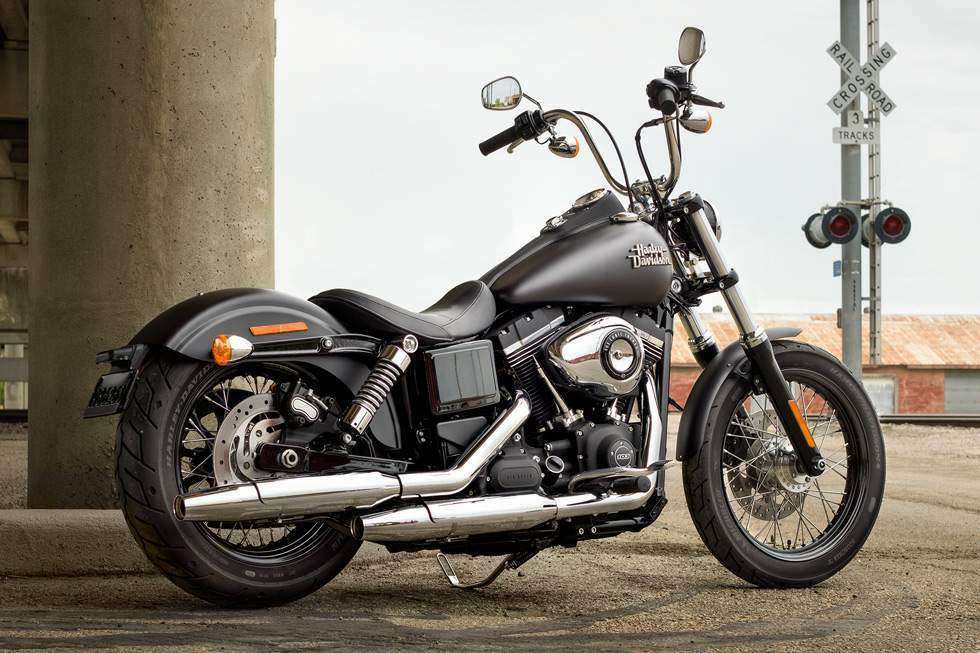
For riders who value raw character over smooth refinement, the Dyna Street Bob is a natural choice. Despite its unpolished quirks, it remains highly regarded within the Harley community for its blend of classic styling, strong torque, and unmistakable engine feel.
The motorcycle may not be the smoothest machine on the road, but it delivers an experience that many enthusiasts find uniquely satisfying, even if it occasionally leaves their hands tingling after a long day of riding.
Specifications
- Engine: 1690cc Air-Cooled V-Twin
- Torque: 93 lb-ft
- Horsepower: 77 hp
- Length/Width: 92.8 inches / 37.4 inches
5. Suzuki DR650S
Not every motorcycle famous for vibration is a high-performance machine. The Suzuki DR650S has earned its reputation through decades of dependable service, simple engineering, and versatility. Riders love it for its reliability and ability to travel almost anywhere, but comfort at highway speeds is not always among its strongest qualities.
The source of the vibration is easy to identify. A large 644cc single-cylinder engine sits at the heart of the DR650S, producing the kind of mechanical pulse that has long defined dual-sport motorcycles. Around town and on dirt trails, these vibrations rarely become a major concern. In fact, many riders barely notice them while riding over rough terrain.
The story changes when the motorcycle spends hours on pavement. At higher speeds, the steady vibration flowing through the handlebars becomes increasingly noticeable. Riders often describe a buzzing sensation that gradually builds during long highway stretches. After enough miles, fingers can start tingling, and hands may feel numb.
Part of the issue comes from the motorcycle’s design priorities. The DR650S was built to be durable, lightweight, and easy to maintain. Advanced vibration-reduction technology was never a primary focus. The result is a machine that feels honest and mechanical but less refined than many modern alternatives.
Some owners attempt to reduce the discomfort through aftermarket modifications. Heavier handlebar weights, softer grips, and upgraded handlebars are common additions. These changes can improve comfort, although the motorcycle’s fundamental character remains unchanged.
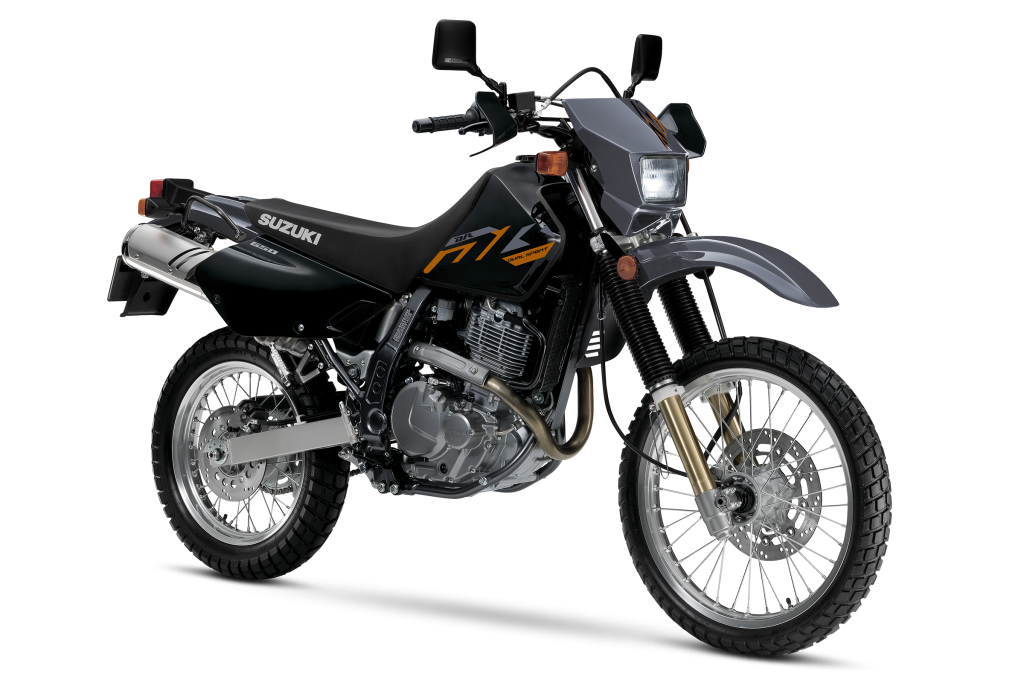
Interestingly, many riders consider the vibration a small price to pay. The DR650S continues to attract enthusiasts because of its reliability, affordability, and ability to tackle both highways and trails.
While it may leave riders shaking out their hands after a long ride, the Suzuki DR650S remains one of the most respected dual-sport motorcycles ever produced.
Specifications
- Engine: 644cc Air-Cooled Single-Cylinder
- Torque: 40 lb-ft
- Horsepower: 43 hp
- Length/Width: 88.8 inches / 34.8 inches
6. Yamaha SR400
The Yamaha SR400 feels like a motorcycle transported directly from another era. In a market dominated by advanced electronics and sophisticated engine designs, the SR400 stayed remarkably faithful to traditional motorcycling. That commitment to simplicity included preserving many of the vibrations that modern engineers often work hard to eliminate.
One glance at the motorcycle reveals its vintage inspiration. The classic fuel tank, simple instrumentation, and air-cooled single-cylinder engine create an unmistakably retro appearance. Once the engine comes to life, riders quickly discover that the old-school experience extends beyond styling.
The 399cc single-cylinder engine produces a rhythmic pulse that is felt throughout the motorcycle. At lower speeds, many riders find the sensation charming. The vibrations create a strong sense of connection between rider and machine, making every ride feel engaging and mechanical.
As speed increases, however, the vibration becomes more prominent. The handlebars transmit a steady buzz that can gradually affect rider comfort. During extended journeys, especially on faster roads, some owners report hand numbness and fatigue developing over time.
Many modern motorcycles isolate riders from mechanical feedback, the SR400 embraces it. Every combustion event can be felt through the controls, reinforcing the motorcycle’s traditional personality. This quality attracts enthusiasts who appreciate authenticity and simplicity.
The motorcycle’s relatively modest power output encourages relaxed riding rather than aggressive acceleration. Staying within its preferred pace helps keep vibrations manageable, which is one reason many owners enjoy using it for leisurely rides rather than long-distance touring.
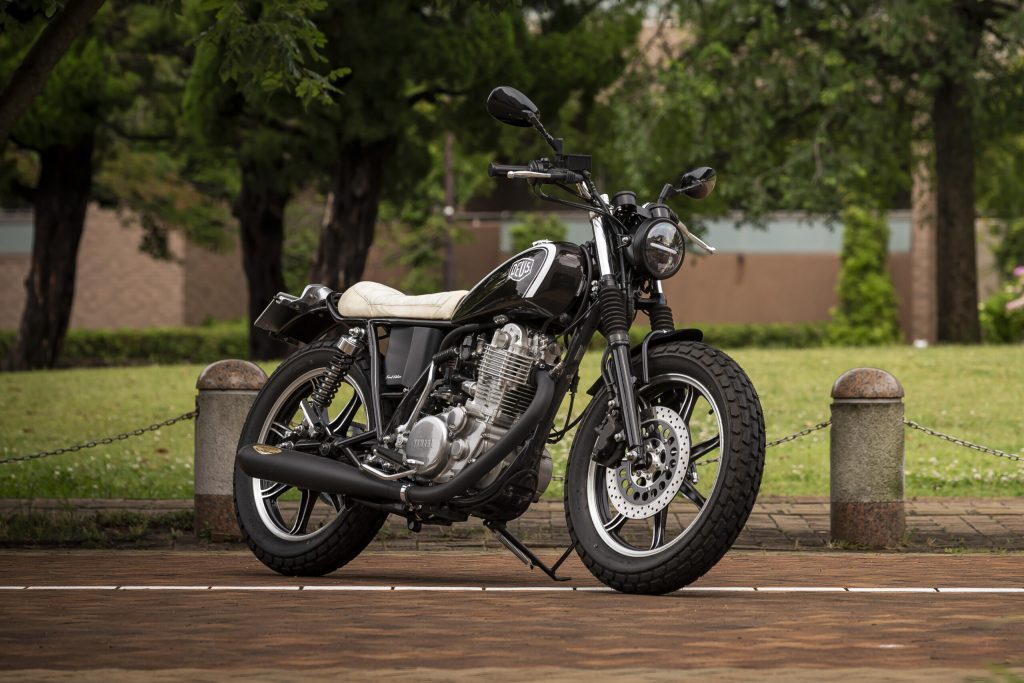
Rather than a deterrent, the vibration of the SR400 is celebrated as a hallmark of its vintage charm by riders who prioritize a pure, classic motorcycling experience. This unique perspective has helped the quirky machine maintain a fiercely loyal following.
The Yamaha SR400 may not provide luxury-level refinement, but it offers something many modern motorcycles cannot: a direct and unmistakable connection to motorcycling’s past.
Specifications
- Engine: 399cc Air-Cooled Single-Cylinder
- Torque: 20 lb-ft
- Horsepower: 23 hp
- Length/Width: 81.9 inches / 28.9 inches
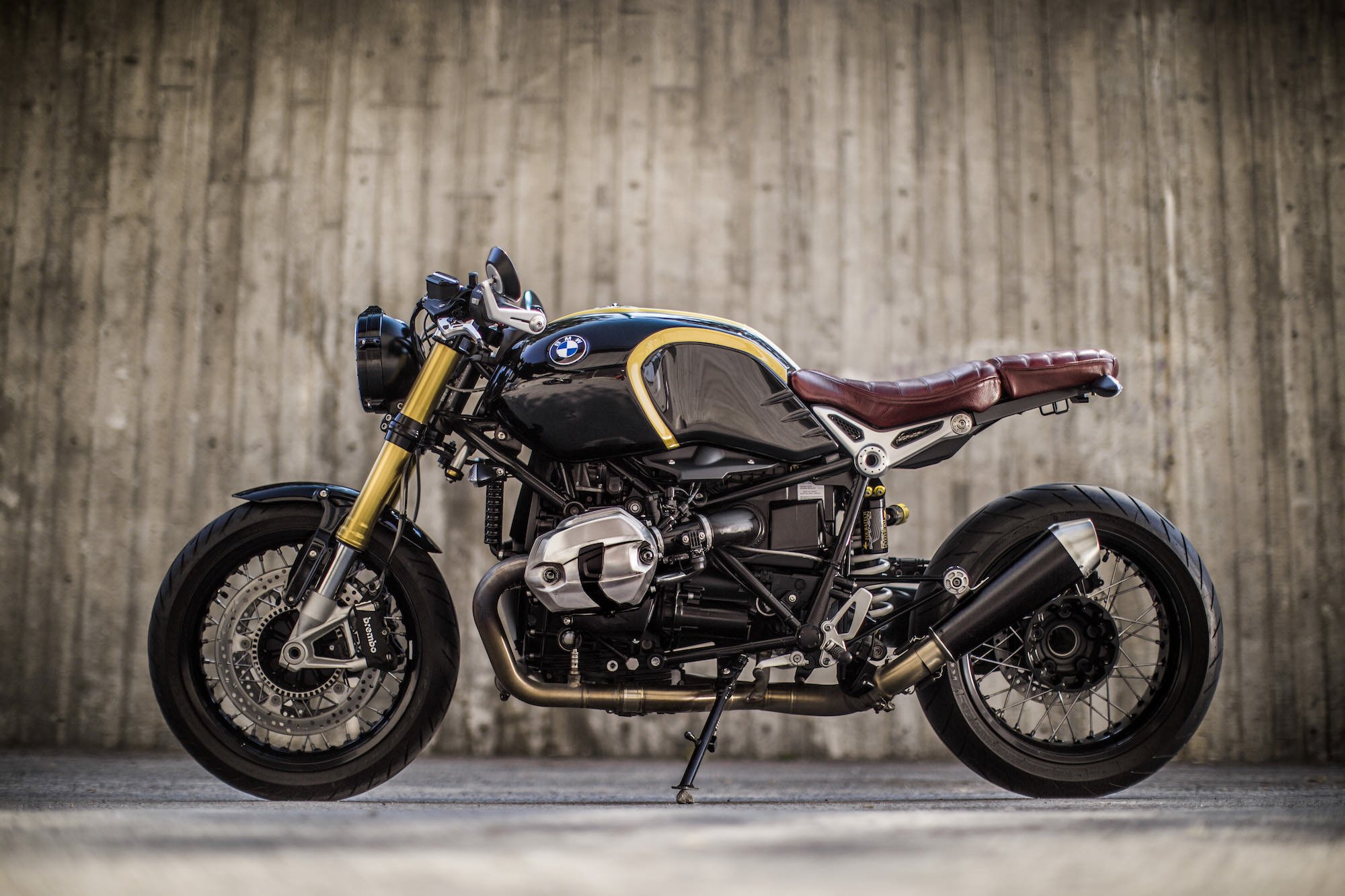
7. BMW R nineT
The BMW R nineT occupies a unique place in the motorcycle world. It combines classic styling cues with modern engineering, creating a machine that appeals to riders who appreciate heritage without completely sacrificing contemporary performance.
Compared to most modern motorcycles in its price range, the R nineT transmits a surprising amount of vibration to the rider. It’s an unexpected characteristic for a bike of this level of sophistication, trading a perfectly smooth ride for a bit more mechanical feedback.
The motorcycle’s most distinctive element is its boxer twin engine. BMW uses a horizontally opposed layout, where the cylinders sit on opposite sides of the bike and extend outward, rather than being arranged in an inline or V-shaped configuration.
This layout creates a distinctive riding character that owners often celebrate. It also produces noticeable mechanical movement that can be felt through the handlebars, footpegs, and seat.
Even before the motorcycle starts moving, riders notice the boxer engine’s personality. A quick twist of the throttle while stationary causes the bike to rock slightly from side to side. This trait has been part of BMW boxer motorcycles for generations and remains one of their most recognizable characteristics.
Once on the road, the vibrations become more subtle but never disappear completely. Around certain engine speeds, especially during extended highway riding, a steady buzz can develop through the handlebars.
Riders covering long distances frequently mention hand tingling after spending several hours maintaining consistent cruising speeds.
What makes the R nineT interesting is that these vibrations are not necessarily viewed as a weakness by its target audience. Many owners actively seek motorcycles with character, and the boxer engine provides exactly that. The mechanical feedback helps create a sense of involvement that some smoother motorcycles lack.
The bike’s riding position can also influence how vibration is perceived. With the rider positioned relatively upright, much of the engine’s feedback travels directly through the bars. Grip pressure plays a role as well, as riders who hold the handlebars tightly often notice the sensation more quickly.
BMW has certainly made efforts to keep the motorcycle comfortable, but it has intentionally avoided removing all of the engine’s personality. The result is a motorcycle that feels alive and engaging rather than completely isolated from the rider.
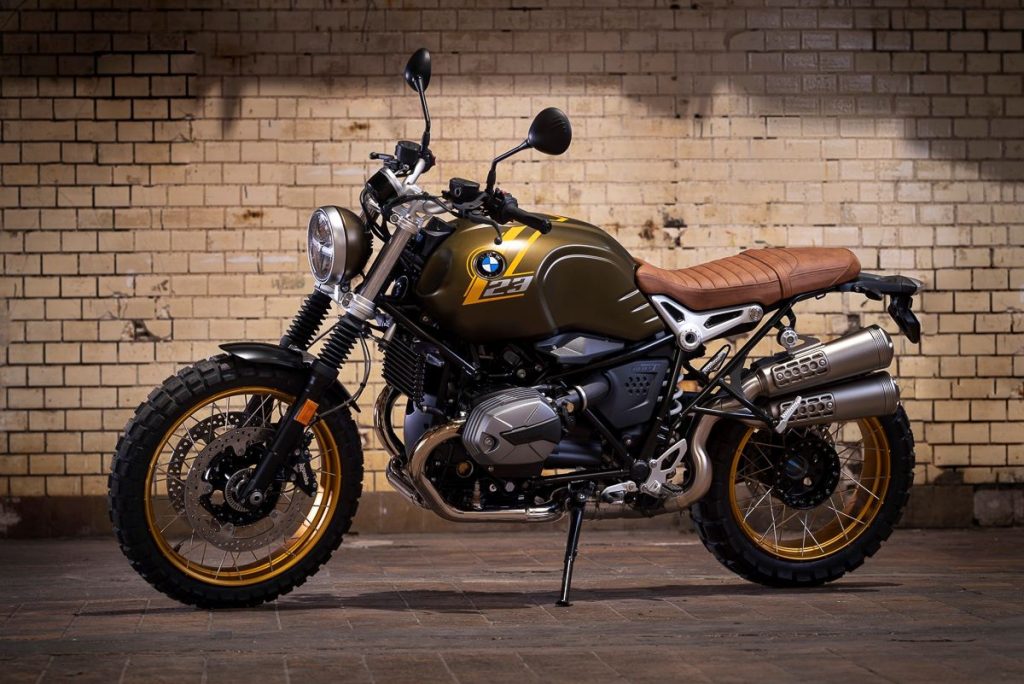
For enthusiasts who value heritage and mechanical character, the BMW R nineT offers an appealing experience. Those seeking absolute smoothness may look elsewhere, but riders who appreciate a motorcycle with a strong personality often find the vibrations to be part of the bike’s charm rather than a reason to avoid it.
Specifications
- Engine: 1170cc Air/Oil-Cooled Boxer Twin
- Torque: 85 lb-ft
- Horsepower: 109 hp
- Length/Width: 87.4 inches / 38.1 inches
8. Indian Scout Bobber
The Indian Scout Bobber is frequently praised for its aggressive styling, strong performance, and distinctive presence on the road. While its liquid-cooled V-twin engine is smoother than many traditional cruisers, riders often report that the motorcycle still produces enough vibration during long journeys to cause fatigue and occasional hand numbness.
The Scout Bobber moves away from the comfort-focused approach seen in many cruisers and instead follows a stripped-down philosophy. Because of its riding position, the rider sits in close contact with the machine, which naturally amplifies engine feedback. As a result, every acceleration, gear change, and throttle input is felt as a direct expression of the motorcycle’s mechanical behavior.
One reason the vibrations become noticeable is the motorcycle’s rigid, minimalist design. The reduced amount of cushioning and fewer comfort-focused features mean that more of the engine’s natural pulse reaches the rider. During short rides, this creates an engaging experience that many owners genuinely enjoy.
The situation changes during longer highway trips. Sustained cruising speeds can generate a constant buzz through the handlebars, particularly when the engine remains within specific RPM ranges for extended periods. Riders frequently describe the sensation as manageable at first but increasingly tiring after several hours on the road.
The Scout Bobber’s low-slung riding position can also contribute to fatigue. Because riders tend to place more weight on their hands compared with certain touring motorcycles, vibrations transferred through the handlebars become more noticeable as mileage increases.
Combined with wind pressure at highway speeds, the effect can lead to tingling fingers and numb palms.
Interestingly, many owners are willing to accept this trade-off because of the motorcycle’s performance. The powerful V-twin engine delivers strong acceleration and an exciting riding experience that helps offset some of the comfort compromises. For many enthusiasts, the motorcycle’s personality outweighs its shortcomings.
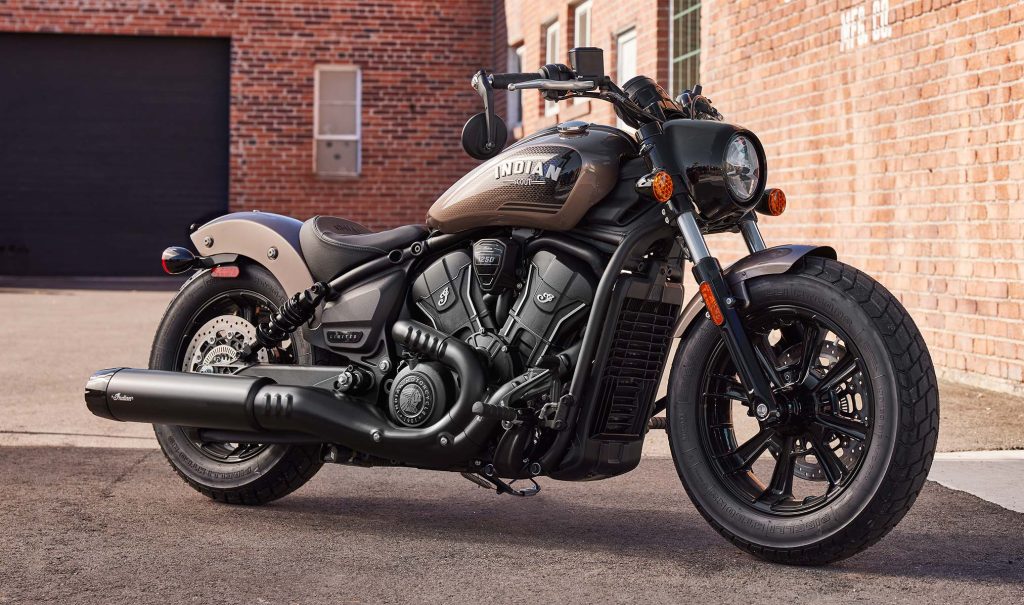
Aftermarket solutions are common within the Scout Bobber community. Riders frequently install upgraded grips, vibration-dampening bar ends, and more comfortable handlebars in an effort to reduce fatigue on longer rides.
The Indian Scout Bobber remains one of the most visually striking cruisers available. It delivers style, performance, and character in abundance, even if those qualities sometimes come accompanied by enough vibration to leave riders shaking out their hands after a full day in the saddle.
Specifications
- Engine: 1133cc Liquid-Cooled V-Twin
- Torque: 72 lb-ft
- Horsepower: 100 hp
- Length/Width: 90.6 inches / 36.2 inches
9. Kawasaki KLR650
The Kawasaki KLR650 has earned legendary status among adventure riders for one simple reason: it can go almost anywhere. From cross-country highway journeys to remote dirt roads, the KLR650 has spent decades proving itself as a durable and dependable companion.
Yet alongside its reputation for toughness comes another well-known characteristic that riders frequently discuss: vibration.
At the center of the motorcycle sits a large single-cylinder engine. Single-cylinder motorcycles have many advantages, including simplicity, low maintenance costs, and strong low-end torque. Unfortunately, smoothness is rarely at the top of that list.
The KLR650 produces a steady stream of vibrations that travel throughout the chassis and eventually reach the rider.
At lower speeds, particularly on trails or secondary roads, the vibrations feel like part of the bike’s rugged personality. Riders often accept them without complaint because the motorcycle performs the tasks it was designed for exceptionally well.
The engine’s pulse reinforces the feeling that the KLR is a machine built for adventure rather than luxury.
Long highway stretches tell a different story. Sustained cruising speeds can cause vibrations to become increasingly noticeable through the handlebars and footpegs.
Riders covering hundreds of miles in a day often report tingling fingers, numb palms, and hand fatigue by the end of the journey. The sensation is not necessarily severe at first, but it accumulates over time.
The motorcycle’s upright riding position can amplify the issue. Because riders spend so much time gripping the handlebars while sitting in a neutral posture, the vibrations have a direct path into the hands. Many owners learn to loosen their grip periodically or change hand positions during longer rides.
Because it can travel almost anywhere without complaint, riders willingly compromise on comfort when it comes to the KLR650. Despite its vibrating traits, the bike maintains an enormous following thanks to its bulletproof reliability, affordability, and multi-terrain capability.
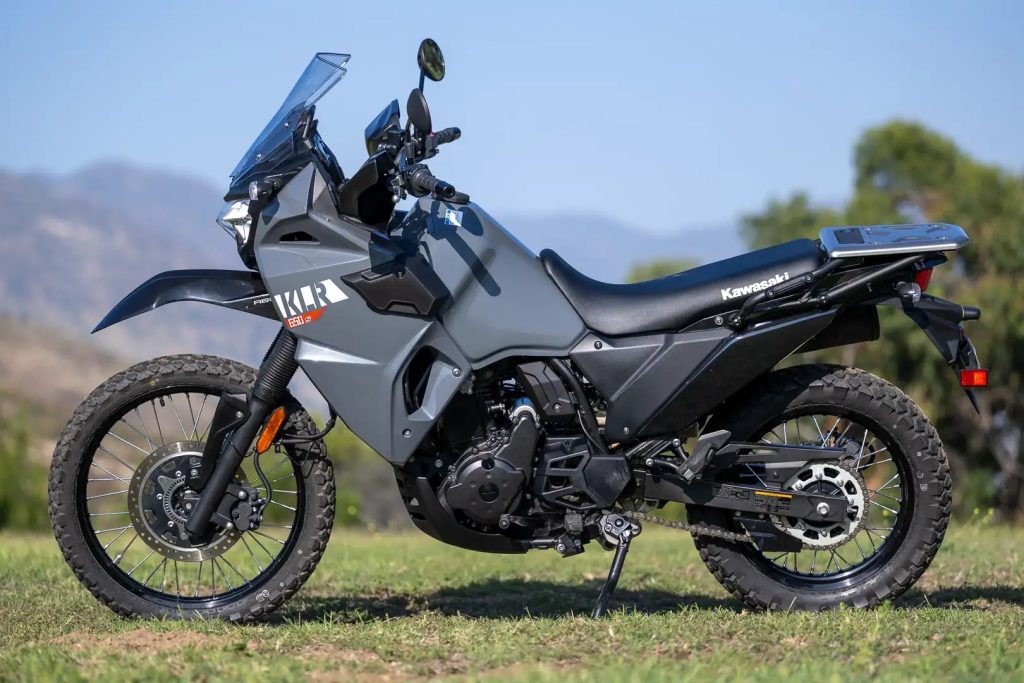
Numerous aftermarket products have been developed specifically for KLR owners seeking greater comfort. Padded grips, heavier bar-end weights, and upgraded handlebars are among the most common modifications.
The Kawasaki KLR650 may not be the smoothest adventure bike available, but it has built a loyal following by offering durability and versatility in abundance. For many riders, a little hand numbness is a small price to pay for the freedom the motorcycle provides.
Specifications
- Engine: 652cc Liquid-Cooled Single-Cylinder
- Torque: 39 lb-ft
- Horsepower: 40 hp
- Length/Width: 89.8 inches / 37.8 inches
10. Harley-Davidson Fat Bob
The Harley-Davidson Fat Bob is a motorcycle that makes its presence known the moment the engine starts. Everything about the bike is bold, from its muscular styling and wide tires to its large Milwaukee-Eight V-twin engine. Along with that commanding character comes a level of vibration that many riders immediately recognize.
Motorcycles engineered to isolate every mechanical sensation, the Fat Bob allows riders to feel the engine working beneath them. At idle, there is a noticeable pulse throughout the motorcycle.
The handlebars tremble gently, the mirrors vibrate slightly, and the rider receives constant reminders that a large-displacement V-twin is powering the machine.
Once underway, some of the roughness smooths out, but the engine never becomes completely silent or invisible. Instead, the Fat Bob continues delivering a steady stream of feedback through the controls. This connection between rider and machine is exactly what many Harley enthusiasts enjoy.
The challenge appears during longer rides. Extended highway travel can expose riders to continuous vibration through the handlebars. While the Milwaukee-Eight engine is smoother than several earlier Harley powerplants, enough vibration remains to create hand fatigue after hours of cruising.
Some riders report tingling fingers, while others find themselves frequently adjusting their grip to stay comfortable.
The motorcycle’s aggressive riding position can make the issue more noticeable. Compared with larger touring Harleys designed specifically for long-distance comfort, the Fat Bob places more emphasis on style and performance. As a result, less attention is devoted to isolating the rider from every vibration generated by the engine.
Yet few owners purchase a Fat Bob expecting a perfectly refined experience. The motorcycle’s appeal comes from its strong acceleration, distinctive sound, and unmistakable personality. Riders often view the vibrations as an essential part of that package rather than an inconvenience.
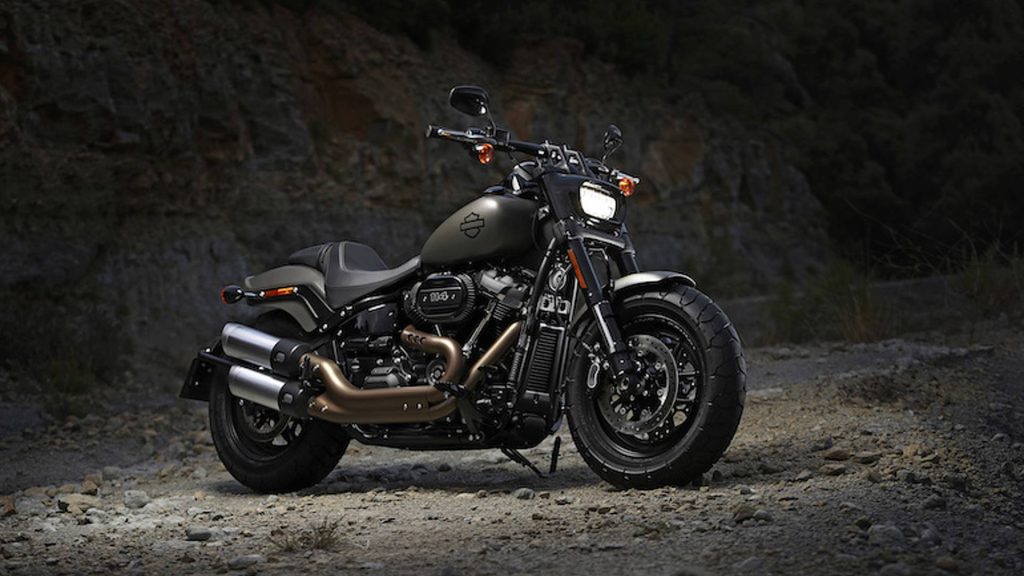
A thriving aftermarket exists for owners seeking additional comfort. Softer grips, vibration-dampening handlebars, and ergonomic upgrades can reduce fatigue significantly during long rides.
The Harley-Davidson Fat Bob remains one of the most charismatic cruisers on the road. It offers plenty of power, striking design, and a riding experience filled with character, even if that character occasionally leaves hands buzzing after a full day in the saddle.
Specifications
- Engine: 1868cc Air/Oil-Cooled V-Twin
- Torque: 118 lb-ft
- Horsepower: 102 hp
- Length/Width: 92.1 inches / 36.6 inches
Also Read: 10 Jet-Powered Cars – Ranked
