
Engine longevity has become one of the most important factors for vehicle buyers. While horsepower figures, technology packages, and exterior styling often dominate headlines, many owners ultimately judge a vehicle by how long it can continue running without major mechanical failures.
An engine that survives beyond 250,000 miles on routine maintenance represents something increasingly rare in the modern automotive world. It demonstrates a level of engineering durability that separates truly exceptional power plants from average ones.
Reaching a quarter-million miles is not simply a matter of luck. It requires an engine designed with robust internal components, efficient cooling systems, proper lubrication, and tolerances capable of handling years of daily use. Some engines achieve this milestone because they are relatively simple.
Others manage it through meticulous engineering and manufacturing quality. Regardless of the approach, the result is the same: decades of dependable service.
Many of the engines that have earned legendary reputations among mechanics and long-term owners are not necessarily the most powerful or technologically advanced. In fact, several became famous because they avoided unnecessary complexity.
They focused on reliability first and performance second, creating power plants capable of surviving countless commutes, road trips, and harsh operating conditions.
Another common characteristic among these engines is their ability to thrive on ordinary maintenance schedules. Regular oil changes, timely fluid replacements, and basic preventative care are often enough to keep them running strong well beyond the mileage where many competitors begin experiencing costly issues.
The engines featured in this list have repeatedly demonstrated their ability to surpass 250,000 miles without requiring extensive rebuilding or extraordinary attention. Their reputations have been earned through millions of real-world miles accumulated by owners across multiple generations of vehicles.
Some powered sedans; others found homes in trucks and SUVs, but all share one trait that matters most to long-term owners: remarkable durability.
These are eight engines that have consistently proven capable of crossing the 250,000-mile mark while relying on little more than standard maintenance and responsible ownership.
Also Read: 10 Best Cars for San Francisco’s Steep Hills
1. Toyota 2UZ-FE 4.7-Liter V8
Some engines gain legendary status through racing victories or impressive performance numbers. The Toyota 2UZ-FE earned its reputation in a very different way.
It became famous because it simply refused to quit. Found in vehicles such as the Toyota Land Cruiser, Toyota Tundra, Toyota Sequoia, and Lexus GX470, this V8 has become one of the most respected long-life engines ever produced.
The 2UZ-FE was engineered during an era when durability often took precedence over efficiency. Toyota equipped the engine with a cast-iron block rather than a lighter aluminum design. While this increased weight, it also created a foundation capable of withstanding tremendous stress over hundreds of thousands of miles.
Owners frequently report mileage figures that would seem unrealistic for many modern engines. Stories of 300,000-mile Land Cruisers and 400,000-mile Tundras powered by the original engine are remarkably common. Mechanics who specialize in Toyota trucks often consider the 2UZ-FE one of the least troublesome V8s they encounter.
Part of its success comes from conservative tuning. Toyota never attempted to extract excessive horsepower from the engine. Instead, engineers prioritized smooth power delivery, dependable torque, and long-term reliability. Because internal components are rarely pushed to their limits, wear occurs gradually rather than rapidly.
Heat management also plays a significant role in the engine’s longevity. The cooling system is highly effective, helping prevent the overheating problems that shorten the lifespan of many power plants.
Combined with strong lubrication characteristics, the engine remains remarkably resilient even under heavy towing and off-road use. Unlike some modern engines packed with complex technologies, the 2UZ-FE remains relatively straightforward.
That simplicity reduces the number of potential failure points while making maintenance easier and more affordable. Another advantage is the engine’s tolerance for real-world abuse. Owners who occasionally miss service intervals often discover that the engine continues running reliably despite less-than-perfect maintenance habits.
That does not mean neglect is recommended, but it demonstrates the substantial durability built into the design.
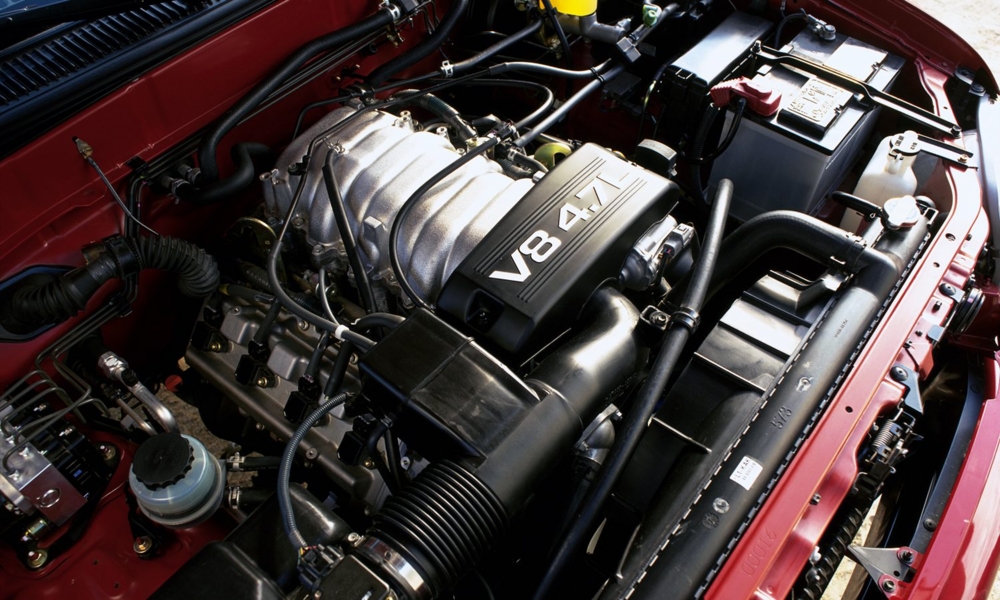
For drivers seeking an engine capable of surviving decades of use with little drama, few powerplants can match the proven track record of Toyota’s legendary 2UZ-FE V8.
Specifications
- Engine: 4.7L Naturally Aspirated V8
- Torque: 320 lb-ft
- Horsepower: 271 hp
- Length/Width: Approx. 28.5 inches / 29.5 inches
2. Honda K24 2.4-Liter Inline Four
While large truck engines often dominate discussions about longevity, the Honda K24 proves that exceptional durability is not limited to heavy-duty applications. This four-cylinder engine has powered everything from family sedans to compact SUVs, earning widespread admiration from enthusiasts, mechanics, and everyday drivers alike.
The K24’s story begins with Honda’s reputation for engineering efficiency. Rather than relying on oversized components or excessive displacement, Honda focused on precision manufacturing and intelligent design. The result was an engine that delivered strong performance while maintaining remarkable reliability.
One of the most impressive aspects of the K24 is its versatility. It appeared in vehicles with vastly different missions, including the Honda Accord, CR-V, Element, and Acura TSX. Despite these varied applications, the engine consistently demonstrated an ability to accumulate extraordinary mileage with minimal mechanical drama.
Many long-term owners describe a similar experience. Oil changes, spark plugs, filters, and routine inspections account for the majority of maintenance performed throughout the engine’s life.
Internal failures are surprisingly uncommon when basic service schedules are followed. Unlike the truck-focused V8 before it, the K24’s reputation stems from efficiency and balance.
It provides enough power to keep vehicles responsive while maintaining fuel economy figures that remain competitive even years after production. This balance contributes to lower operating costs over the vehicle’s lifespan.
The engine’s timing chain design also helps enhance durability. Chains typically last much longer than traditional timing belts, reducing one of the major maintenance concerns associated with high-mileage ownership. Owners who reach 250,000 miles often do so without encountering significant timing-system issues.
Honda’s VTEC technology receives considerable attention, but its contribution extends beyond performance. By helping optimize engine operation under varying conditions, the system reduces unnecessary stress and supports long-term reliability. Another factor frequently mentioned by mechanics is the K24’s tolerance for high mileage.
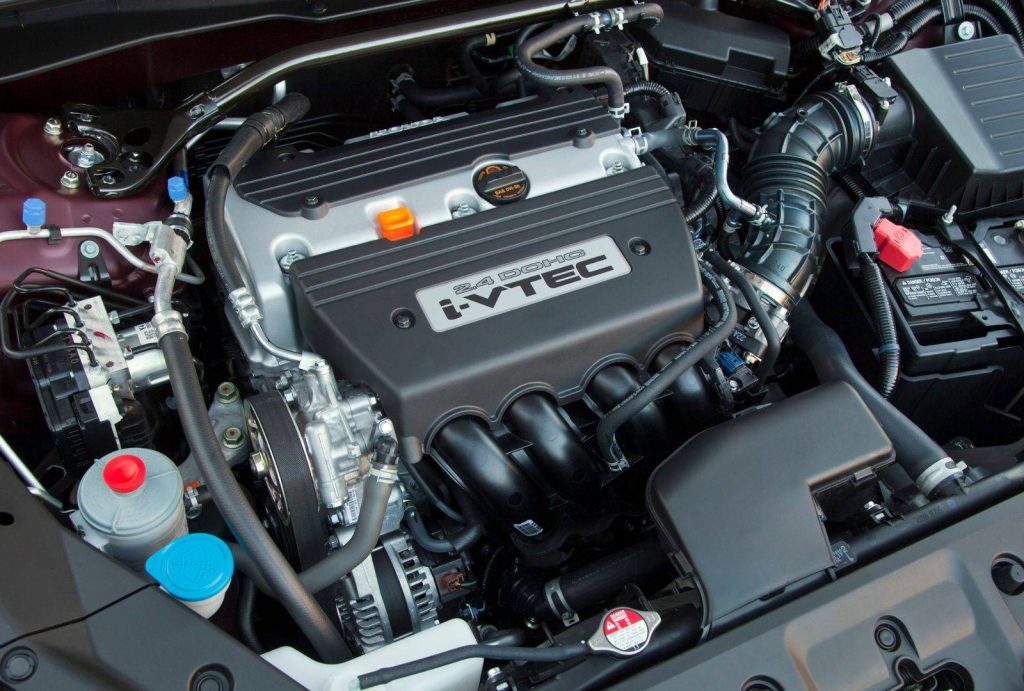
Even after years of service, many examples continue running smoothly with strong compression and minimal oil consumption. Such characteristics are rarely accidental. They reflect careful engineering choices made during development.
The K24 may not possess the imposing presence of a large V8, but its track record speaks for itself. For countless owners, this engine has delivered hundreds of thousands of dependable miles while requiring little more than routine maintenance and common-sense care.
Specifications
- Engine: 2.4L Naturally Aspirated Inline 4
- Torque: 161 lb-ft
- Horsepower: 190 hp
- Length/Width: Approx. 24.0 inches / 26.0 inches
3. Lexus/Toyota 1UZ-FE 4.0-Liter V8
Luxury engines are not usually associated with extreme longevity. Many are remembered for delivering smooth performance and refined driving manners, but few develop a reputation for surviving several decades of use without major mechanical work.
The Lexus and Toyota 1UZ-FE stand as remarkable exceptions. Introduced during Toyota’s ambitious push into the luxury market, this V8 quickly established itself as one of the most overengineered powerplants ever placed in a production vehicle.
Engineers approached the project with an unusual philosophy. Rather than merely building a competitive luxury engine, Toyota sought to create one that could outperform established European rivals in both refinement and durability. The resulting 1UZ-FE became the heart of vehicles such as the Lexus LS400, Toyota Celsior, Lexus SC400, and Lexus GS400.
One reason the engine enjoys such a strong reputation is the extraordinary attention given to its construction. Aluminum was used extensively to reduce weight, yet durability remained a primary concern. Internal components were engineered with exceptionally tight tolerances, contributing to smooth operation and long-term reliability.
Many owners describe the engine using the same phrase: “bulletproof.” That reputation did not emerge from marketing campaigns. It came from decades of real-world service in which countless examples accumulated mileage figures exceeding 250,000, 300,000, and even 400,000 miles without requiring internal repairs.
Interestingly, the 1UZ-FE achieved this durability while delivering a level of refinement uncommon among engines of its era. Idle quality is exceptionally smooth, power delivery remains linear, and vibration levels are impressively low.
Even after years of use, many examples retain these characteristics. Unlike truck-oriented engines that rely on rugged simplicity, the 1UZ-FE demonstrates that sophisticated engineering can also produce remarkable longevity.
Routine oil changes, cooling system maintenance, and periodic inspections are often sufficient to keep the engine operating reliably for decades. Another factor contributing to its longevity is conservative stress management.
Toyota never pushed the engine to extreme output levels from the factory. By maintaining reasonable power figures, engineers ensured that critical internal components remained well within their operational limits.
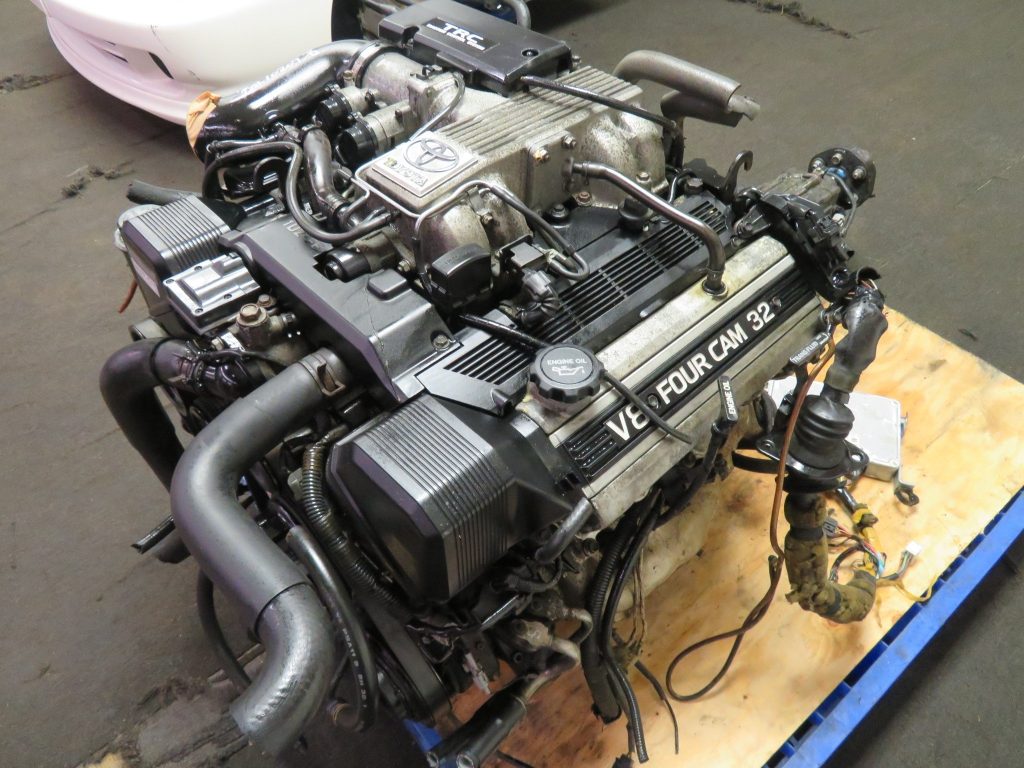
For enthusiasts seeking an example of automotive engineering excellence, the 1UZ-FE remains one of the finest examples ever produced. It combines luxury-car refinement with durability levels that rival many heavy-duty truck engines, creating a legacy that continues to impress mechanics and owners around the world.
Specifications
- Engine: 4.0L Naturally Aspirated V8
- Torque: 260 lb-ft
- Horsepower: 250 hp
- Length/Width: Approx. 27.5 inches / 29.0 inches
4. Chevrolet 5.3-Liter Vortec V8
Walk through a used truck lot in North America, and there is a good chance you will encounter several vehicles powered by Chevrolet’s 5.3-liter Vortec V8. Its widespread presence is no coincidence.
This engine became a cornerstone of General Motors’ truck lineup and earned a reputation for durability that continues to make it a favorite among owners who accumulate serious mileage.
The Vortec’s success story differs significantly from that of the Lexus V8. Rather than spending its life in luxury sedans, this engine was designed to perform demanding work.
Towing trailers, hauling equipment, carrying heavy loads, and enduring harsh weather conditions became part of its daily routine. Despite those challenges, many examples routinely surpass the 250,000-mile mark.
Part of the engine’s appeal comes from its balance between capability and simplicity. It produces substantial torque while avoiding unnecessary complexity.
This combination allows the engine to handle demanding tasks without becoming excessively difficult or expensive to maintain. Owners often discover that the engine develops a certain predictability as mileage accumulates.
Minor maintenance items occasionally require attention, but catastrophic failures are relatively uncommon compared with many competing truck engines. Mechanics appreciate this consistency because it makes long-term ownership less stressful.
The Vortec platform also benefits from massive parts availability. Because General Motors installed the engine in millions of trucks and SUVs, replacement components remain easy to find.
This accessibility helps keep maintenance costs manageable and encourages owners to keep their vehicles on the road for extended periods. Another noteworthy characteristic is the engine’s adaptability.
Whether installed in a work truck, family SUV, or fleet vehicle, the 5.3-liter V8 consistently demonstrates an ability to withstand demanding operating conditions.
High-mileage examples are frequently found still performing regular duties years after many competitors have been retired. Unlike some engines that require meticulous care, the Vortec often tolerates imperfect ownership better than expected.
While routine maintenance remains important, the engine has developed a reputation for resilience that appeals to truck owners who use their vehicles extensively.
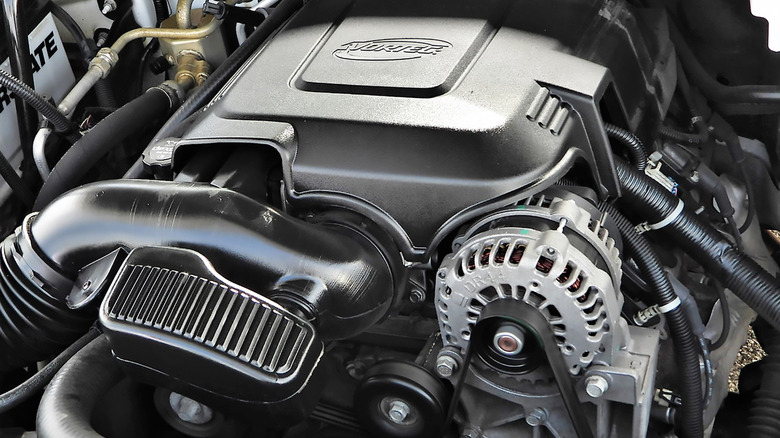
The sound of a healthy Vortec V8 has become familiar across North America. It powers construction sites, farms, road trips, and daily commutes with equal confidence. Few engines have served such a diverse range of purposes while maintaining such a strong record for longevity.
For truck buyers focused on long-term dependability, the Chevrolet 5.3-liter Vortec remains one of the most proven engines of the modern era.
Specifications
- Engine: 5.3L Naturally Aspirated V8
- Torque: 335 lb-ft
- Horsepower: 295 hp
- Length/Width: Approx. 29.0 inches / 30.0 inches
5. Toyota 22RE 2.4-Liter Inline Four
If there were a hall of fame dedicated exclusively to engine durability, the Toyota 22RE would occupy a prominent position. Unlike many power plants that earned their reputation through impressive horsepower figures or advanced technology, the 22RE became legendary because it could survive conditions that would shorten the life of most engines.
Decades after production ended, mechanics still speak about it with a level of respect rarely given to four-cylinder engines.
The 22RE-powered vehicles, such as the Toyota Pickup and Toyota 4Runner, during an era when reliability was often considered more important than outright performance.
Toyota’s engineers focused on creating an engine that owners could depend upon regardless of climate, terrain, or workload. The result was a remarkably simple yet incredibly robust design.
One of the defining characteristics of the 22RE is its straightforward construction. There are no complicated systems designed to maximize output or chase the latest engineering trend. Instead, the engine relies on proven fundamentals. That simplicity dramatically reduces the number of components that can fail over time.
Owners frequently share stories that sound almost unbelievable. Trucks equipped with the 22RE have accumulated 300,000, 400,000, and sometimes even 500,000 miles while remaining mechanically sound.
In many cases, these vehicles continue operating in rural areas, construction environments, and off-road settings where reliability is far more important than speed.
The engine’s durability becomes even more impressive when considering how it is often used. Many examples spent years hauling equipment, tackling rough trails, or enduring harsh weather conditions. Despite this demanding service, the engine consistently demonstrated an ability to keep running with little more than routine maintenance.
Performance was never the primary objective. Compared with modern engines, acceleration feels modest. Yet owners rarely complain because the 22RE delivers exactly what they value most: dependability. The confidence that comes from knowing the engine will start every morning often outweighs any desire for additional horsepower.
Another reason the engine remains highly regarded is its ease of repair. Even decades later, parts availability remains strong, and many repairs can be completed without specialized equipment. This practicality has helped countless examples remain on the road long after many contemporaries disappeared.
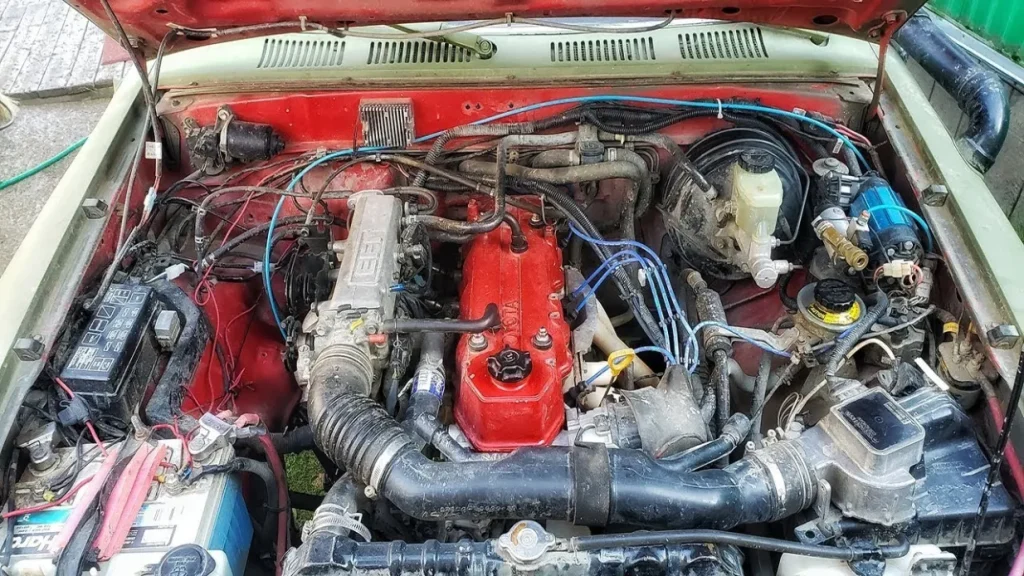
The Toyota 22RE serves as a reminder that longevity does not require complexity. Through careful engineering and a focus on durability, Toyota created an engine capable of achieving mileage figures that continue to impress enthusiasts and mechanics alike.
Specifications
- Engine: 2.4L Naturally Aspirated Inline 4
- Torque: 140 lb-ft
- Horsepower: 116 hp
- Length/Width: Approx. 25.0 inches / 24.5 inches
6. Cummins 5.9-Liter 12-Valve Turbo Diesel
Mention long-lasting engines in a gathering of truck enthusiasts, and the Cummins 5.9-liter 12-valve diesel is almost guaranteed to enter the conversation.
Few engines have achieved such a legendary status among owners who routinely measure vehicle life not in years but in hundreds of thousands of miles.
For many, crossing 250,000 miles is merely the beginning of the engine’s story. Unlike the naturally aspirated Toyota engine discussed previously, the Cummins was designed for serious work from the outset.
Introduced in Dodge Ram trucks during the late 1980s and 1990s, the engine quickly earned a reputation for delivering immense durability under demanding conditions.
Farmers, contractors, ranchers, and long-haul drivers all discovered that this diesel could handle workloads that pushed many gasoline engines beyond their comfort zone.
A major contributor to its longevity is the engine’s heavy-duty construction. Virtually every component was engineered with durability in mind. The block, crankshaft, connecting rods, and internal hardware were built to withstand years of sustained stress.
This robust design allows the engine to accumulate mileage figures that would be extraordinary for most passenger-vehicle powerplants.
What makes the 12-valve version particularly admired is its mechanical simplicity. Unlike modern diesel engines that rely heavily on electronics and emissions-related hardware, the classic Cummins uses a relatively straightforward fuel system.
Fewer electronic components mean fewer potential failure points, which contributes significantly to long-term reliability.
The engine’s reputation is supported by countless real-world examples. It is not uncommon to encounter trucks with 400,000 or 500,000 miles still operating with their original engine. Some have exceeded one million miles with proper care and periodic maintenance. Such numbers help explain why used trucks equipped with this engine remain highly desirable.
Torque delivery plays an important role in its appeal. The Cummins generates substantial low-end pulling power, allowing it to tow heavy loads without excessive strain. Because the engine does not need to work as hard to perform demanding tasks, internal wear often progresses more slowly.
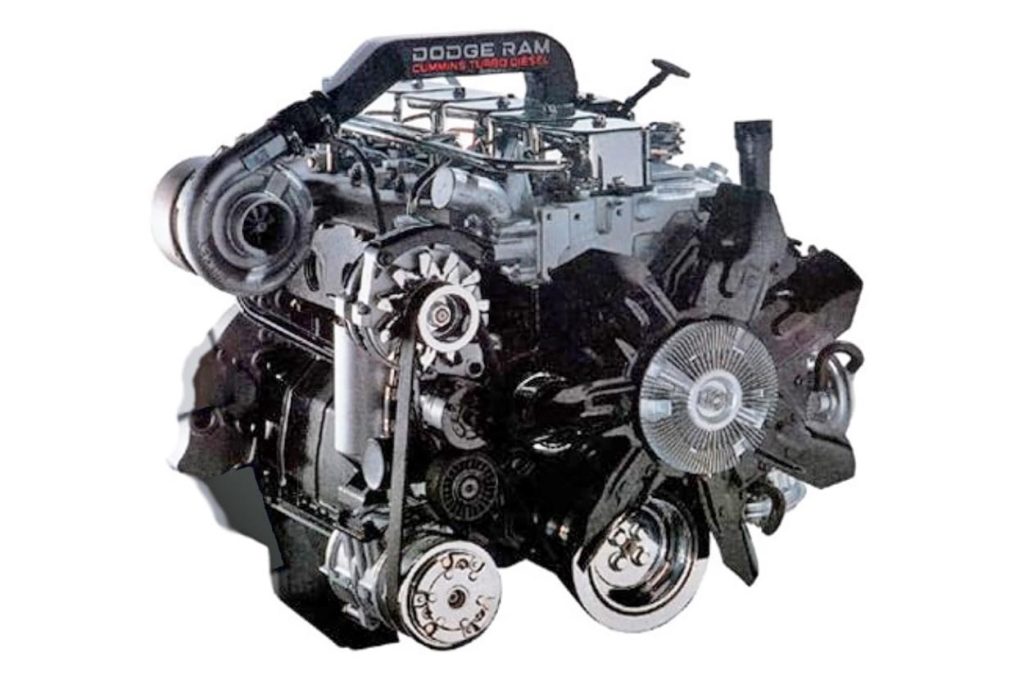
Owners frequently describe the engine as an investment rather than a simple mechanical component. While other parts of the truck may eventually require replacement, the engine often remains capable of continuing service long after the surrounding vehicle shows its age.
The Cummins 5.9-liter 12-valve represents one of the clearest examples of engineering focused on endurance. Its reputation for crossing 250,000 miles is impressive, but the fact that many examples travel far beyond that milestone is what truly cements its legendary status.
Specifications
- Engine: 5.9L Turbocharged Inline 6 Diesel
- Torque: 420 lb-ft
- Horsepower: 215 hp
- Length/Width: Approx. 40.0 inches / 28.0 inches
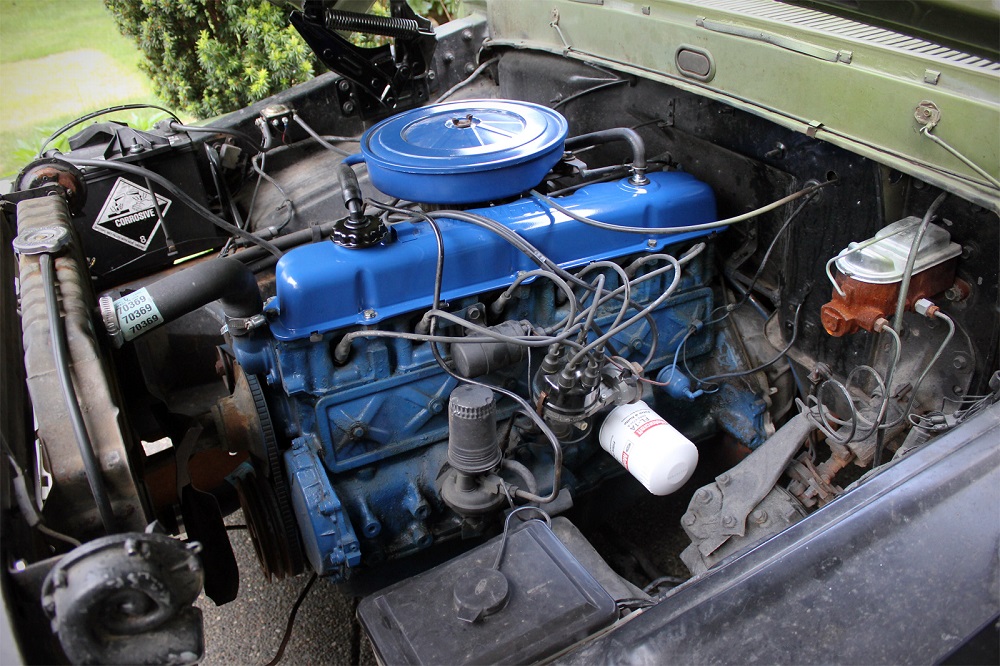
7. Ford 300 Inline Six
Some engines become famous because they power iconic sports cars. Others earn recognition through technological innovation. The Ford 300 Inline Six achieved its legendary reputation through sheer toughness.
For decades, it served as one of the most dependable workhorse engines available in North America, becoming a favorite among farmers, contractors, utility companies, and truck owners who valued reliability above everything else.
Introduced during the 1960s, the 300 cubic-inch inline-six was never designed to win drag races or produce eye-catching horsepower figures.
Its mission was much simpler: provide dependable power day after day, year after year. Ford succeeded so thoroughly that the engine remained in production for more than three decades.
One glance at the engine’s design reveals why it developed such an impressive reputation. The long inline-six configuration emphasizes durability and low-speed torque rather than high-revving performance.
Internal components were engineered to handle constant workloads, allowing the engine to endure abuse that would challenge many competitors. Unlike some power plants that require meticulous care, the Ford 300 became known for its ability to keep running under less-than-perfect conditions.
Owners often tell stories of trucks that spent years on farms, construction sites, and remote work locations while receiving only basic maintenance. Despite those demanding circumstances, the engine continued operating reliably.
The secret lies partly in its simplicity. There are a few complicated systems to create unexpected problems. Maintenance tasks are generally straightforward, making the engine approachable for both professional mechanics and do-it-yourself owners. This ease of service helped countless trucks remain operational for decades.
Torque is another reason the engine became so respected. While horsepower figures remained modest, the abundant low-end pulling power made it ideal for hauling loads and towing trailers. Drivers rarely needed to push the engine hard, which reduced stress and contributed to its extraordinary lifespan.
Many examples have comfortably exceeded 250,000 miles, while others crossed 400,000 miles without requiring major internal repairs. In some cases, owners retired the vehicle before the engine showed signs of serious wear. Such stories are common enough that they have become part of the engine’s mythology.
Even today, decades after production ended, enthusiasts actively seek vehicles equipped with the Ford 300. The reason is simple.
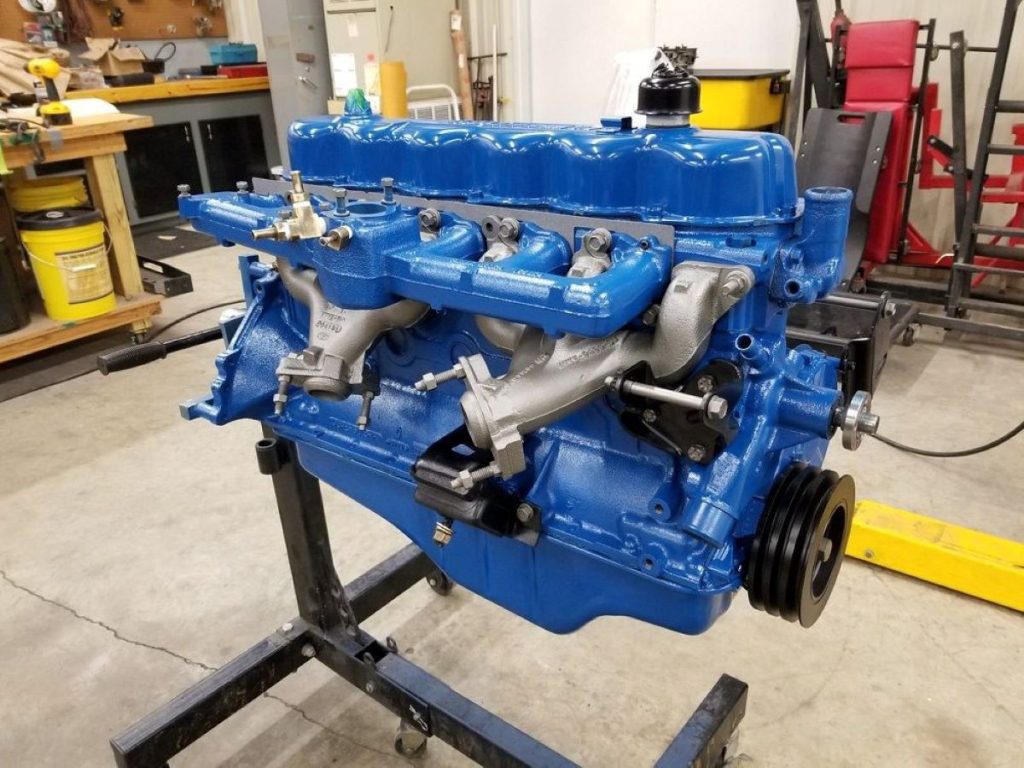
Few engines have demonstrated such a consistent ability to deliver reliable service over an extended period. It remains one of the finest examples of an engine built to work tirelessly without demanding constant attention.
Specifications
- Engine: 4.9L Naturally Aspirated Inline 6
- Torque: 283 lb-ft
- Horsepower: 150 hp
- Length/Width: Approx. 38.0 inches / 24.0 inches
8. Toyota 1GR-FE 4.0-Liter V6
The final engine on this list represents a more modern approach to durability. While several earlier entries earned their reputation through old-school simplicity, Toyota’s 1GR-FE demonstrates that contemporary engineering can also achieve remarkable longevity.
Introduced in the early 2000s, this V6 quickly became one of the most respected engines in Toyota’s truck and SUV lineup.
Drivers encounter the 1GR-FE in vehicles that are often expected to endure demanding conditions. Models such as the Toyota Tacoma, Toyota 4Runner, Toyota FJ Cruiser, and Toyota Land Cruiser Prado frequently spend their lives towing, off-roading, commuting, and traveling long distances. Despite these varied responsibilities, the engine has consistently demonstrated exceptional reliability.
What makes the 1GR-FE particularly impressive is its balance of capability and endurance. Unlike older truck engines that sacrificed performance in favor of durability, this V6 delivers strong power while maintaining a reputation for long-term dependability.
Owners receive modern driving characteristics without giving up the longevity traditionally associated with Toyota trucks.
The engine’s robust construction plays a major role in its success. Toyota engineered the powerplant to handle significant workloads while maintaining stable operating temperatures and effective lubrication. These factors help reduce internal wear over hundreds of thousands of miles.
A recurring theme among long-term owners is predictability. The engine rarely surprises drivers with major mechanical failures when maintenance schedules are followed. Oil changes, cooling system service, spark plug replacement, and other routine procedures are often sufficient to keep the engine performing well far beyond the quarter-million-mile mark.
Off-road enthusiasts have contributed significantly to the engine’s reputation. Many vehicles equipped with the 1GR-FE operate in harsh environments involving dust, mud, steep inclines, and extreme temperatures. Yet stories of engines surpassing 300,000 miles remain common throughout the Toyota community.
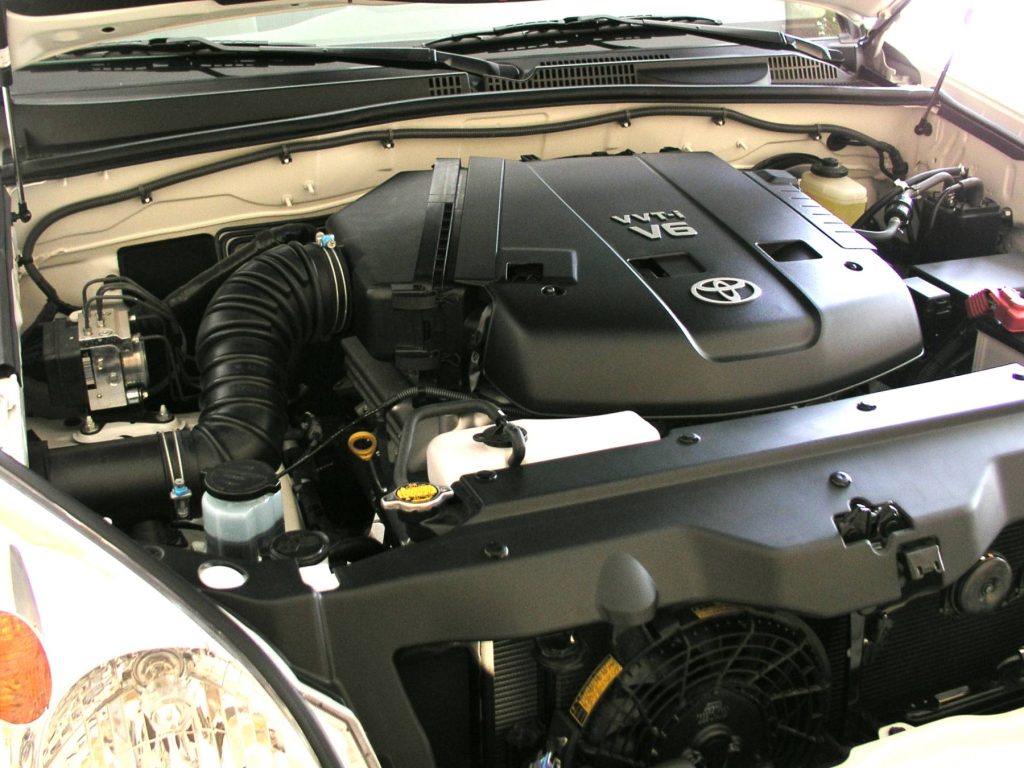
Another advantage is the engine’s versatility. It performs equally well as a daily commuter powerplant and as a companion for outdoor adventures. That flexibility broadens its appeal while showcasing the durability built into its design.
The 1GR-FE serves as proof that longevity is not limited to engines from previous generations. Through careful engineering and Toyota’s longstanding commitment to reliability, this V6 has earned a place among the most durable modern engines ever produced.
Specifications
- Engine: 4.0L Naturally Aspirated V6
- Torque: 278 lb-ft
- Horsepower: 270 hp
- Length/Width: Approx. 28.0 inches / 27.0 inches
Also Read: 10 Jet-Powered Cars – Ranked
