
High-speed driving is one of the most demanding real-world tests for any vehicle. Once a car crosses 80 miles per hour, even small mechanical imperfections become noticeable. Drivers often report vibrations through the steering wheel, seat, or floor at these speeds, which can reduce comfort and raise concerns about safety.
While modern vehicles are designed to remain stable at highway speeds, several factors can still lead to vibration issues, including tire imbalance, wheel alignment problems, worn suspension components, drivetrain wear, and improper maintenance.
It is important to understand that no car is designed to vibrate at high speed under normal conditions. However, certain models are more frequently reported by owners to develop vibration symptoms when driven above 80 mph, especially as they age or when maintenance is neglected.
These reports do not mean the vehicles are inherently unsafe, but rather that they may be more sensitive to wear in tires, bushings, or steering components. Driving habits, road quality, and service history play a major role in whether these issues appear.
In many cases, vibrations begin subtly and worsen over time. A slight steering wheel shake at 70 to 80 mph can develop into a noticeable shudder at higher speeds if the root cause is not addressed.
Common culprits include unbalanced tires, bent rims, uneven tire wear, or misaligned wheels. In rear wheel drive or all wheel drive vehicles, driveshaft imbalance or worn universal joints can also contribute. Even engine or transmission mounts can transmit vibration into the cabin under load.
This article explores 10 popular cars that are commonly discussed in relation to high-speed vibration complaints above 80 mph. Each section explains why these issues may occur, what systems are typically involved, and how owners can address or prevent them.
The goal is not to criticize these vehicles, but to provide a clear, SEO friendly guide for drivers who want to understand high-speed stability and improve their driving experience.
Whether you own a compact sedan, a luxury car, or an SUV, understanding vibration behavior at highway speeds is essential for safety and comfort. Let us break down the most commonly discussed models and the real mechanical reasons behind these high-speed sensations.
Also Read: 5 Land Rover Models Worth the Risk VS 5 To Avoid
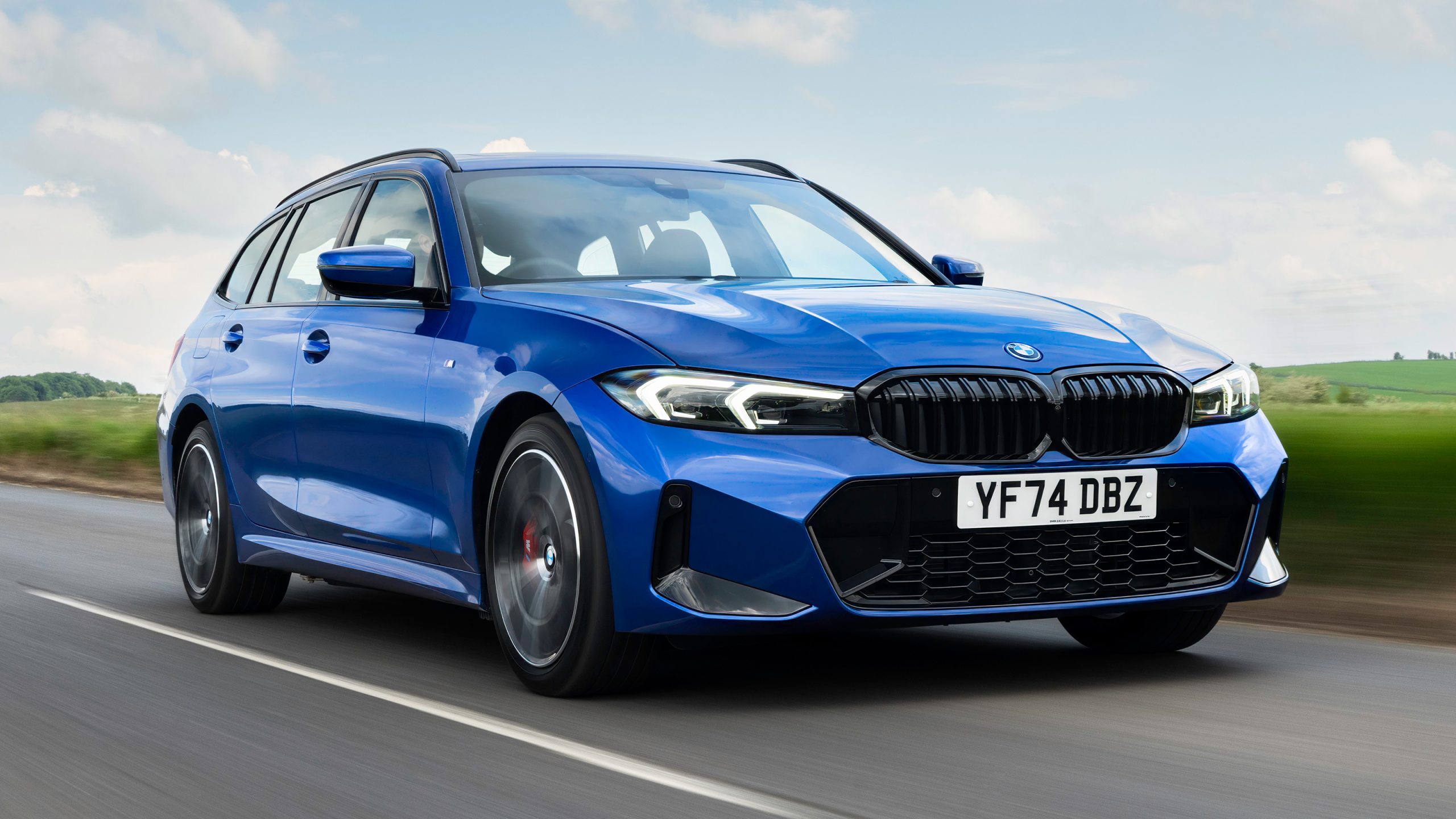
- Engine: 2.0L turbocharged inline 4 (base engine, varies by variant)
- Horsepower: ~255 hp
- Torque: ~400 Nm
- Length: ~4,713 mm
- Width: ~1,827 mm
1. BMW 3 Series- High Speed Vibration Issues
The BMW 3 Series is widely regarded as one of the most balanced sport sedans in the world, offering precise steering, Rear Wheel Drive dynamics, and strong highway stability when properly maintained. However, when vibrations appear above 80 mph, they tend to be more noticeable in this car because of its performance-oriented chassis tuning.
The steering system is highly responsive, which means even small imperfections in tires or suspension components can be felt directly through the steering wheel. Drivers often describe this as a fine shaking or pulsing sensation that becomes more obvious during sustained highway cruising or overtaking at high speed.
One of the most common reasons for vibration in the BMW 3 Series is wheel and tire imbalance. Because the vehicle is designed for dynamic handling, it uses a stiff suspension geometry that does not absorb imperfections as much as softer, comfort-oriented cars.
This means that even a slight imbalance in wheel weight distribution can create noticeable vibration at speeds above 80 mph. Run flat tires, which are often factory-fitted on many BMW models, can also exaggerate this effect because they have stiffer sidewalls, reducing their ability to absorb road irregularities smoothly.
When this happens, small amounts of play are introduced into the suspension system, which become amplified at higher speeds. This can result in a floating sensation or rhythmic vibration that increases gradually as speed rises above highway limits.
Drivetrain components are also a known source of vibration in Rear Wheel Drive versions of the 3 Series. The driveshaft, flex disc, and center support bearing all play a role in transferring power smoothly from the engine to the rear wheels.
If any of these components become worn or slightly misaligned, they can produce a vibration that becomes more noticeable under load at higher speeds. This type of vibration often feels like a deep resonance through the floor of the car rather than just the steering wheel.
Regular maintenance is the key to preventing these issues in the BMW 3 Series. Proper wheel balancing, timely tire replacement, and routine suspension inspections significantly reduce the chances of vibration at high speed.
When maintained correctly, the 3 Series remains one of the most stable and engaging sedans on highways, capable of delivering smooth performance well beyond 80 mph without any noticeable vibration.
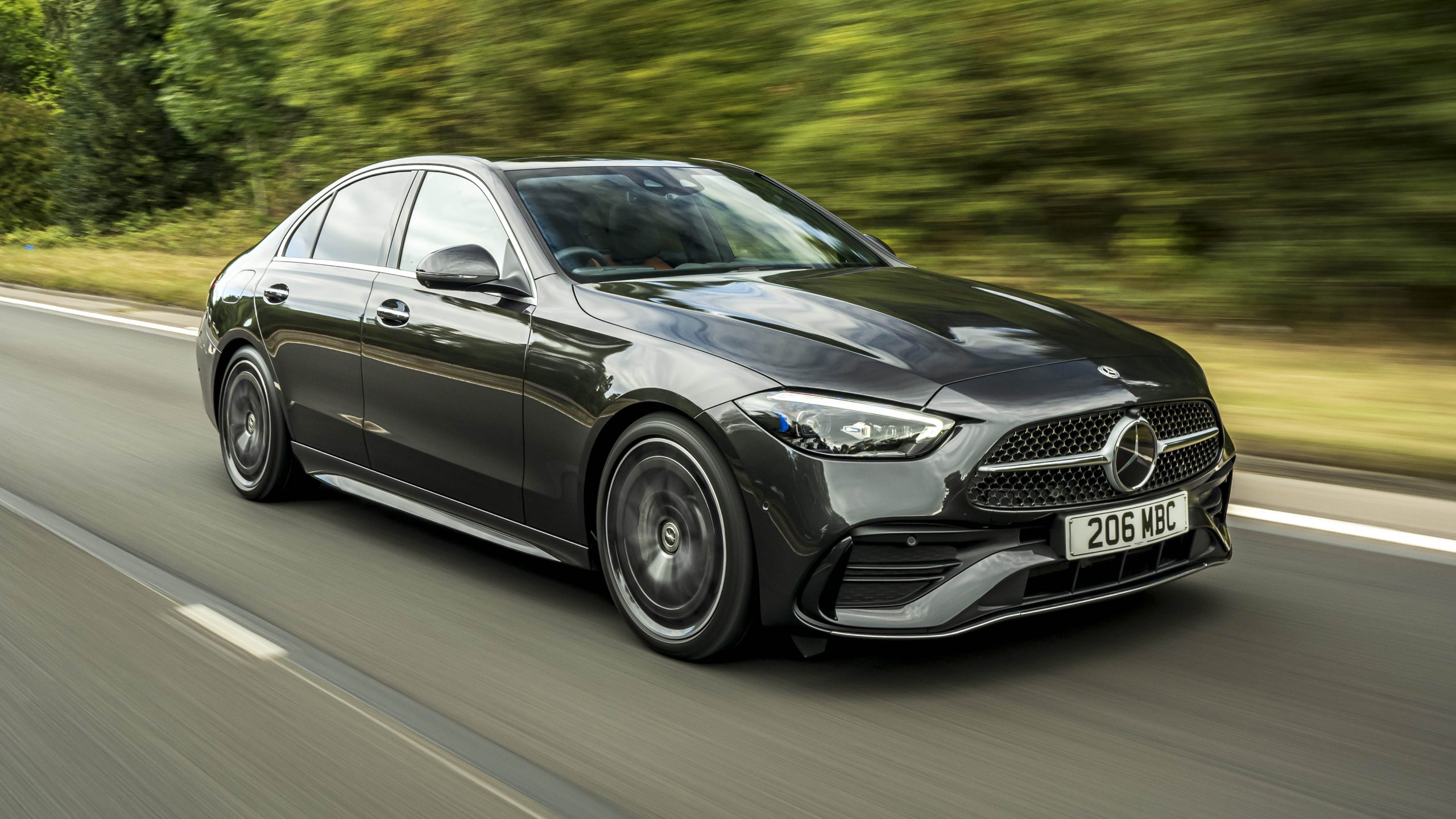
- Engine: 1.5L to 2.0L turbocharged inline 4 (varies by model)
- Horsepower: ~201 to 255 hp (higher in AMG variants)
- Torque: ~300 to 400 Nm
- Length: ~4,751 mm
- Width: ~1,820 mm
2. Mercedes-Benz C-Class- Vibration at Highway Speeds
The Mercedes-Benz C-Class is designed with a strong focus on comfort, refinement, and luxury driving experience. Under normal conditions, it delivers a smooth and quiet ride even at high speeds.
However, when vibration issues occur above 80 mph, they are often more noticeable because the vehicle is engineered to isolate the cabin from road feedback. Any disruption in this isolation system becomes immediately apparent to the driver and passengers, especially during long highway journeys.
Wheel alignment issues are another major contributor. When the alignment angles, such as toe, camber, and caster, are not within factory specifications, the tires do not maintain even contact with the road surface.
At lower speeds, this may not be noticeable, but at higher speeds above 80 mph, the imbalance becomes amplified. The driver may experience a slight pull in one direction along with vibration that increases with speed. This is often mistaken for suspension failure, but in many cases, it is purely an alignment issue.
Suspension components in the Mercedes C-Class are designed to prioritize comfort, using soft bushings and finely tuned damping systems.
However, these components naturally wear over time, especially in vehicles driven on uneven or rough roads. When control arm bushings or stabilizer links wear out, they allow excessive movement in the suspension geometry. This small instability becomes magnified at higher speeds, resulting in vibration that is felt through the chassis and steering system.
In addition to tires and suspension, engine and transmission mounts can also play a significant role. These mounts are responsible for isolating engine vibration from the cabin.
When they wear out or crack, the engine movement is no longer properly absorbed, and vibrations can travel into the vehicle body. This is often more noticeable during acceleration at highway speeds, giving the impression of speed-related vibration even when the root cause is mechanical wear in the mounting system.
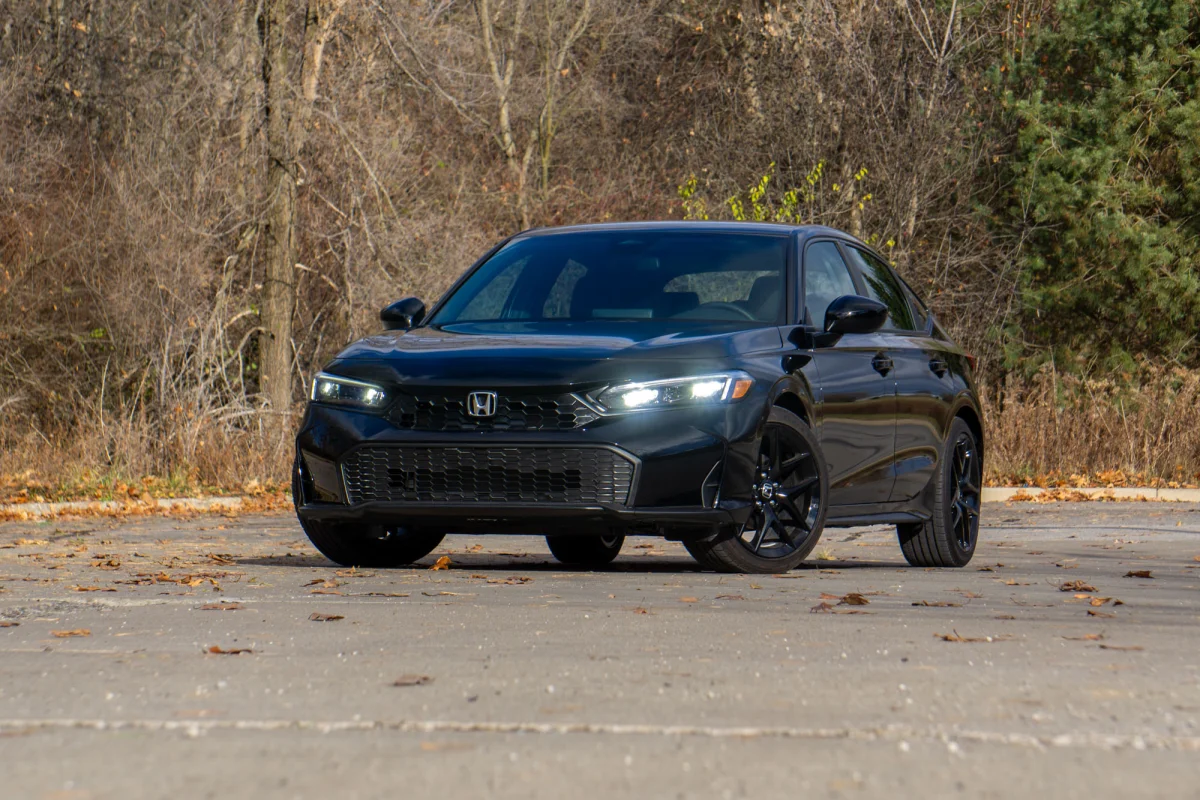
- Engine: 2.0L naturally aspirated or 1.5L turbocharged inline 4
- Horsepower: ~158 to 180 hp
- Torque: ~187 to 240 Nm
- Length: ~4,549 mm
- Width: ~1,801 mm
3. Honda Civic- High Speed Steering Vibration
The Honda Civic is one of the most widely used compact cars globally, known for its fuel efficiency, reliability, and low maintenance costs. While it generally performs well at highway speeds, vibration issues above 80 mph can occur, especially in older models or vehicles that have not been maintained regularly.
Because the Civic is lightweight compared to larger sedans, it tends to transmit road imperfections more directly to the steering wheel and cabin.
The most common cause of vibration in the Honda Civic is tire imbalance. Even a small weight difference in a wheel can create noticeable shaking at high speeds due to the vehicle’s lower mass.
This is especially true on highways where speeds exceed 80 mph consistently. If the tires are not balanced properly or if they wear unevenly, the steering wheel may begin to shake, creating discomfort during long-distance driving.
Suspension wear is also common in higher-mileage Civics. Components such as struts, lower ball joints, and tie rod ends gradually wear out over time. When this happens, the wheels lose some of their precise alignment and stability, leading to vibration at highway speeds. This wear is often gradual, meaning drivers may not notice it until it becomes more pronounced above 80 mph.
Finally, wheel alignment plays a crucial role in maintaining stability. If the alignment is off, even slightly, the vehicle may feel unstable at higher speeds and produce vibration through the steering wheel. Regular alignment checks combined with tire balancing and suspension inspections are essential to keeping the Honda Civic smooth and stable on highways.
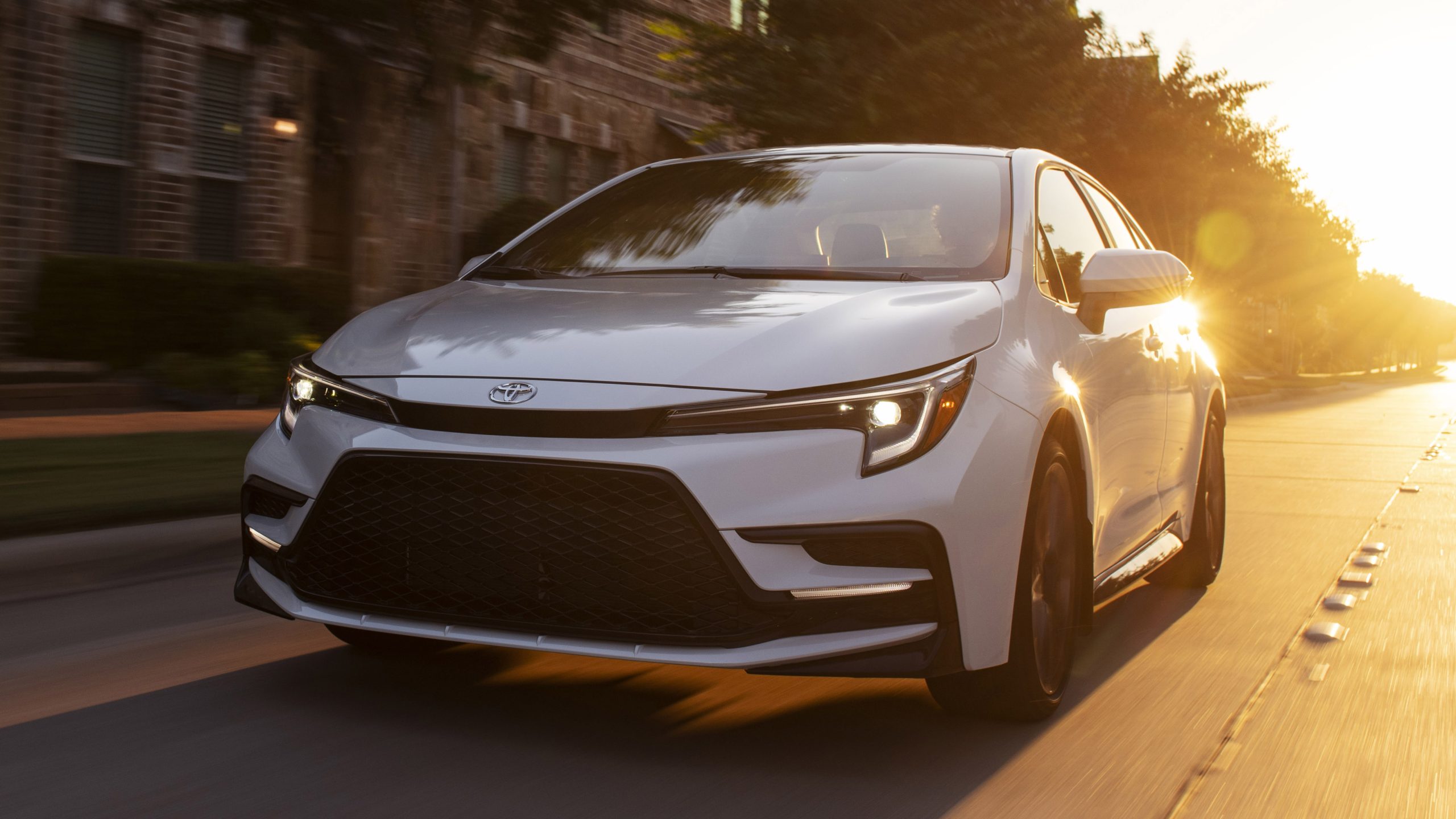
- Engine: 1.8L or 2.0L inline 4 (naturally aspirated)
- Horsepower: ~139 to 169 hp
- Torque: ~172 to 205 Nm
- Length: ~4,630 mm
- Width: ~1,780 mm
4. Toyota Corolla- Highway Speed Vibration Complaints
The Toyota Corolla is known worldwide for its durability, fuel efficiency, and long-term reliability. It is generally considered one of the most stable compact sedans for everyday driving. However, like all vehicles, it can develop vibration issues at highway speeds above 80 mph, particularly in older models or those with neglected maintenance schedules.
Tire imbalance is the most frequent cause of vibration in the Corolla. Because the vehicle is designed for comfort and efficiency rather than sporty performance, it tends to expose imperfections in tire quality more easily.
If the tires are not balanced correctly or if they wear unevenly over time, vibrations can become noticeable at higher speeds. Even small differences in tire pressure can contribute to this issue, especially during long highway drives.
Wheel alignment problems are another major factor. When the alignment is off, the tires do not maintain consistent contact with the road surface. This leads to instability in steering behavior and can cause vibration through the steering wheel at speeds above 80 mph. Over time, misalignment can also accelerate tire wear, making the vibration issue even worse if not corrected early.
In some rare cases, drivetrain-related issues such as CV joint wear in Front Wheel Drive versions can also lead to vibration. This is usually more noticeable during acceleration at highway speeds rather than constant cruising.
However, with regular servicing and preventive maintenance, most of these issues can be avoided, allowing the Corolla to maintain its reputation for smooth and reliable performance.
- Engine: 1.0L EcoBoost or 2.0L inline 4 (varies by market)
- Horsepower: ~123 to 160 hp
- Torque: ~170 to 270 Nm
- Length: ~4,378 mm
- Width: ~1,825 mm
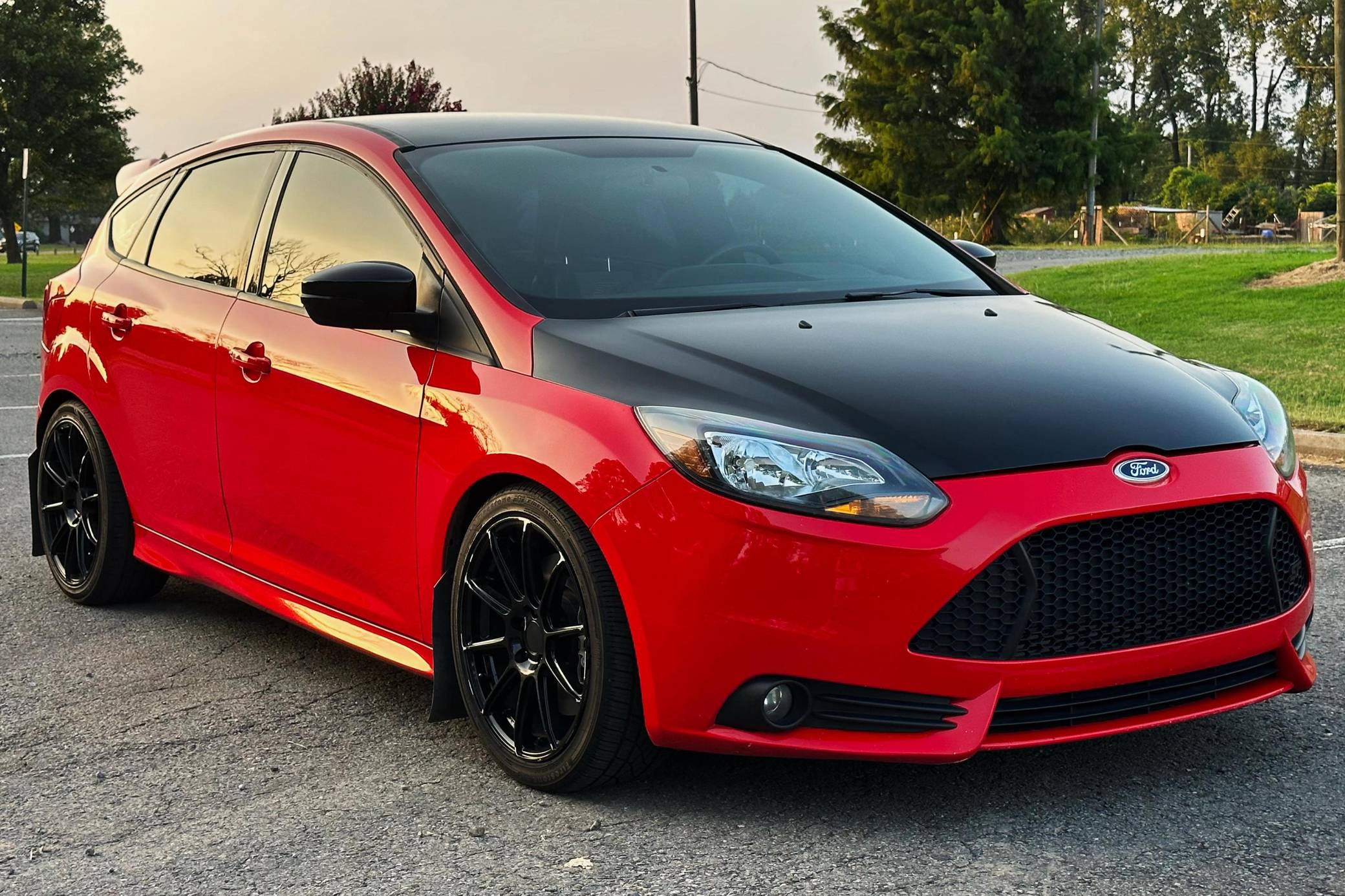
5. Ford Focus- High Speed Vibration Problems
The Ford Focus has been a popular compact car in many markets, known for its affordability and agile handling. However, certain model years, especially older or higher mileage versions, have been associated with vibration complaints at speeds above 80 mph. These vibrations can range from mild steering wheel shake to more noticeable cabin shaking, depending on the condition of the vehicle.
Wheel and tire imbalance is one of the most common causes of vibration in the Ford Focus. The vehicle is relatively lightweight, which makes it more sensitive to uneven tire weight distribution. At higher speeds, even a small imbalance can create noticeable shaking in the steering wheel. Poor-quality tires or uneven tread wear can further increase the intensity of vibration, especially during highway driving.
In some versions of the Ford Focus, transmission-related vibrations have also been reported. Automatic and dual clutch transmission systems can sometimes produce shuddering sensations under steady high-speed conditions. This may feel similar to wheel vibration, but it is actually caused by internal transmission behavior rather than external mechanical imbalance.
Suspension wear is another important factor. Components such as control arm bushings, struts, and tie rods gradually wear out over time, especially in vehicles exposed to rough road conditions. When these parts lose their structural integrity, they allow small amounts of unwanted movement in the wheels, which becomes more noticeable at highway speeds above 80 mph.
Wheel alignment issues are common in vehicles that frequently drive over potholes or uneven roads. Misalignment can cause the vehicle to pull slightly and produce vibration at higher speeds. Regular maintenance, including tire rotation, wheel balancing, and alignment checks, is essential for keeping the Ford Focus stable and comfortable during highway driving.
- Engine: 1.5L turbo or 2.0L turbo inline 4
- Horsepower: ~160 to 250 hp
- Torque: ~250 to 350 Nm
- Length: ~4,923 mm
- Width: ~1,854 mm
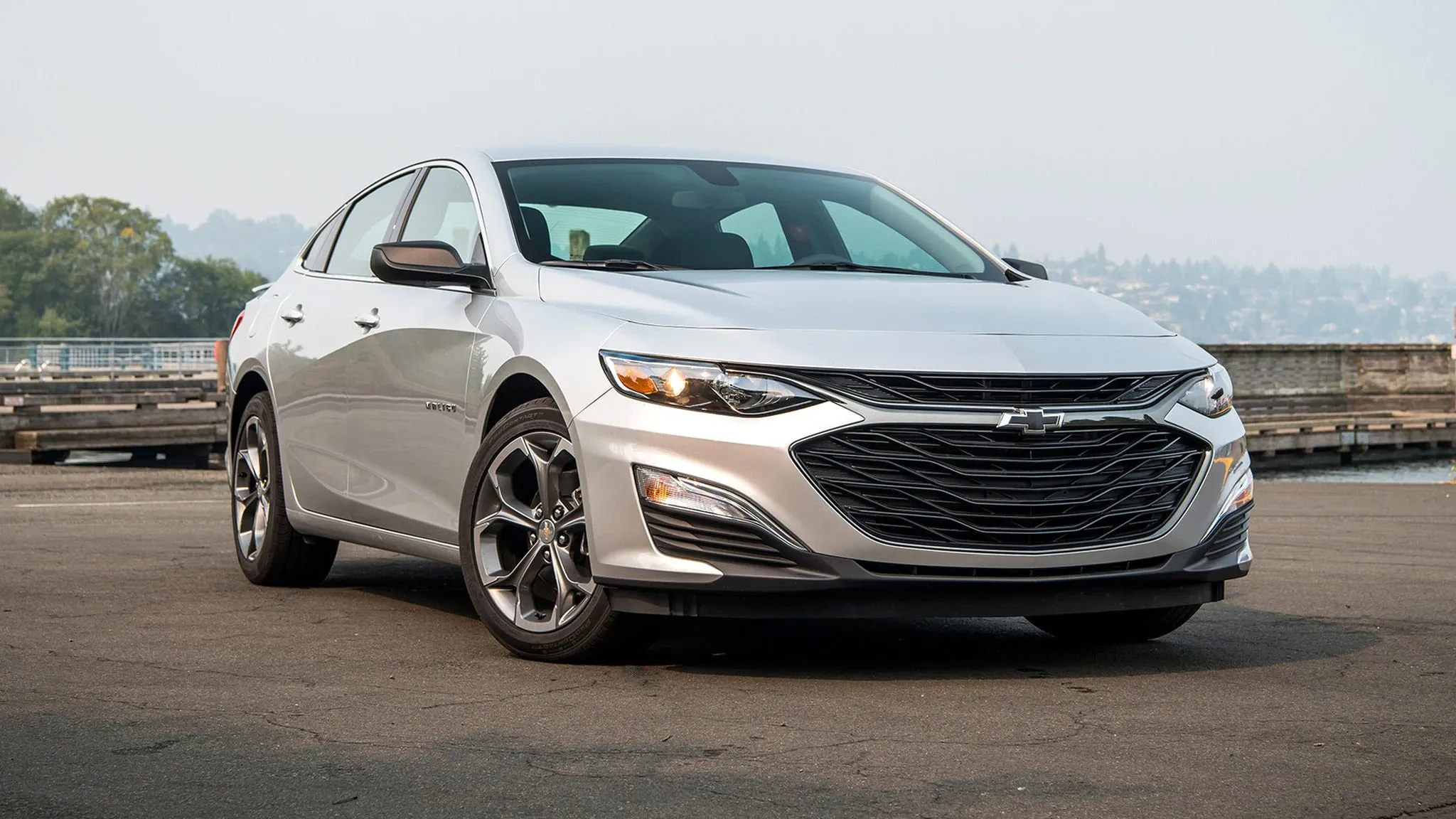
6. Chevrolet Malibu- High Speed Stability Concerns
The Chevrolet Malibu is a midsize sedan designed primarily for comfort, smooth cruising, and fuel-efficient highway driving. Under normal conditions, it delivers a stable and quiet ride even at higher speeds.
However, some drivers report vibrations above 80 mph, especially in older models or vehicles that have not been maintained regularly. These vibrations can appear as steering wheel shake, seat vibration, or a general sense of instability at highway speeds.
One of the most common causes of vibration in the Malibu is tire imbalance. Because the vehicle is tuned for comfort, its suspension tends to isolate road noise, but this also means that uneven tire wear or improper balancing becomes more noticeable at higher speeds. Even a slight difference in wheel weight distribution can create a rhythmic vibration that becomes more pronounced once the car exceeds highway speeds.
Wheel alignment issues also play a significant role in stability concerns. When alignment angles such as toe and camber are not correctly adjusted, the tires do not maintain proper road contact. This leads to uneven force distribution across the wheels, which becomes especially noticeable above 80 mph. Drivers may feel the vehicle pulling slightly to one side, along with vibration through the steering wheel.
Suspension wear is another important factor in the Chevrolet Malibu. Components such as struts, control arm bushings, and stabilizer links are designed to provide comfort but gradually degrade over time.
When these parts wear out, they allow excessive movement in the suspension system. At high speeds, this small instability becomes amplified, leading to noticeable vibration and reduced ride confidence.
In some cases, engine and transmission mounts can also contribute to vibration. When these mounts wear out, they fail to properly isolate engine movement from the chassis. As a result, vibrations from the engine can transfer into the cabin, especially during acceleration or when maintaining high speeds on highways. Regular inspection and timely replacement of worn components typically resolve most vibration issues in the Malibu.
- Engine: 2.5L inline 4 or 2.0L VC-Turbo
- Horsepower: ~188 to 248 hp
- Torque: ~244 to 370 Nm
- Length: ~4,900 mm
- Width: ~1,850 mm
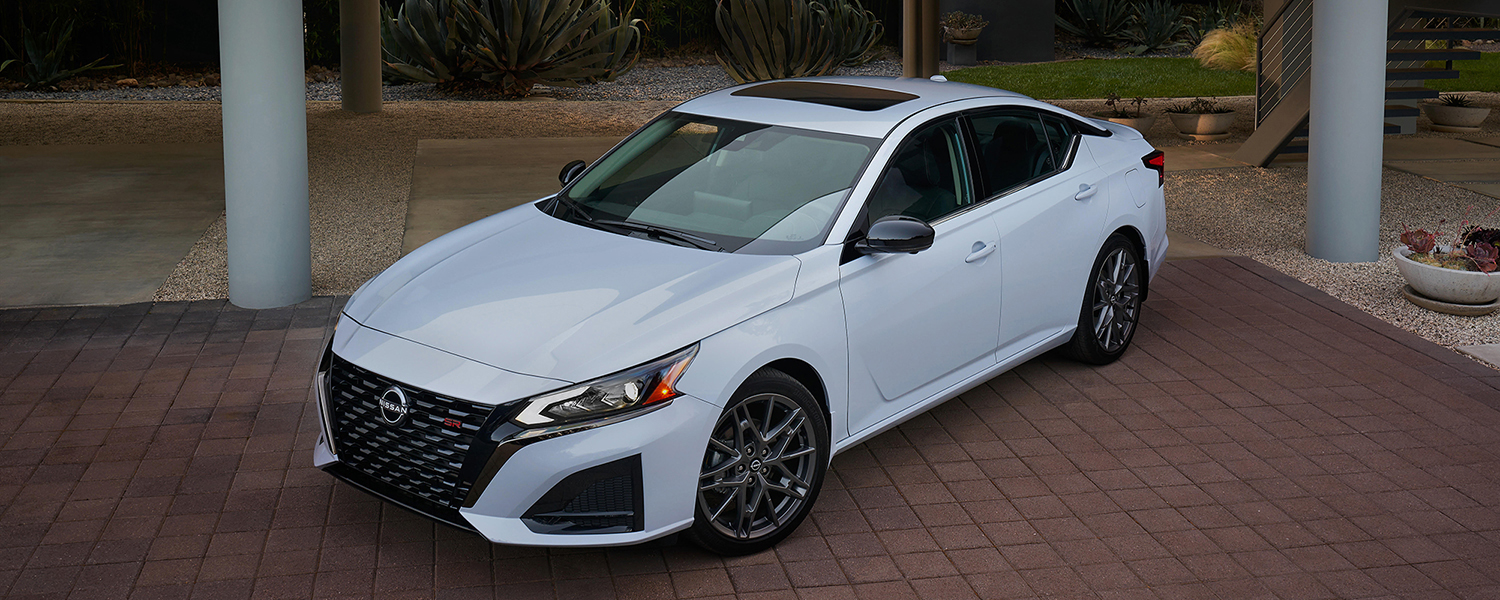
7. Nissan Altima- High Speed Vibration Reports
The Nissan Altima is one of the most popular midsize sedans in many global markets, known for its comfortable ride, modern features, and fuel efficiency. While it generally performs well on highways, some models experience vibration complaints above 80 mph. These issues are often intermittent and linked more to maintenance conditions than fundamental design flaws.
Tire imbalance is the most frequently reported cause of vibration in the Altima. If tires are not rotated regularly or if they wear unevenly, they can create a shaking sensation at higher speeds. The Altima’s suspension is designed to prioritize comfort, which means it can sometimes amplify the effects of uneven tires during highway driving.
Another contributing factor is the continuously variable transmission, commonly known as CVT. In some situations, the CVT may produce a shuddering sensation during steady acceleration or constant speed cruising. While this is not always a mechanical fault, it can feel similar to vibration caused by wheel or suspension issues, making diagnosis more complex for drivers.
Suspension wear is also a key factor in older Altima models. Components such as control arm bushings, ball joints, and struts gradually wear out over time, especially in vehicles driven on rough or uneven roads. When these parts degrade, they introduce small amounts of instability into the suspension system, which becomes more noticeable at highway speeds above 80 mph.
Proper maintenance is essential for preventing vibration issues in the Nissan Altima. Regular tire rotation, wheel balancing, alignment checks, and timely transmission servicing help ensure smooth highway performance. When these maintenance steps are followed consistently, the Altima remains a comfortable and stable vehicle even at high speeds.
- Engine: 2.0L inline 4 or 1.6L turbo (sport trims)
- Horsepower: ~147 to 201 hp
- Torque: ~179 to 265 Nm
- Length: ~4,675 mm
- Width: ~1,825 mm
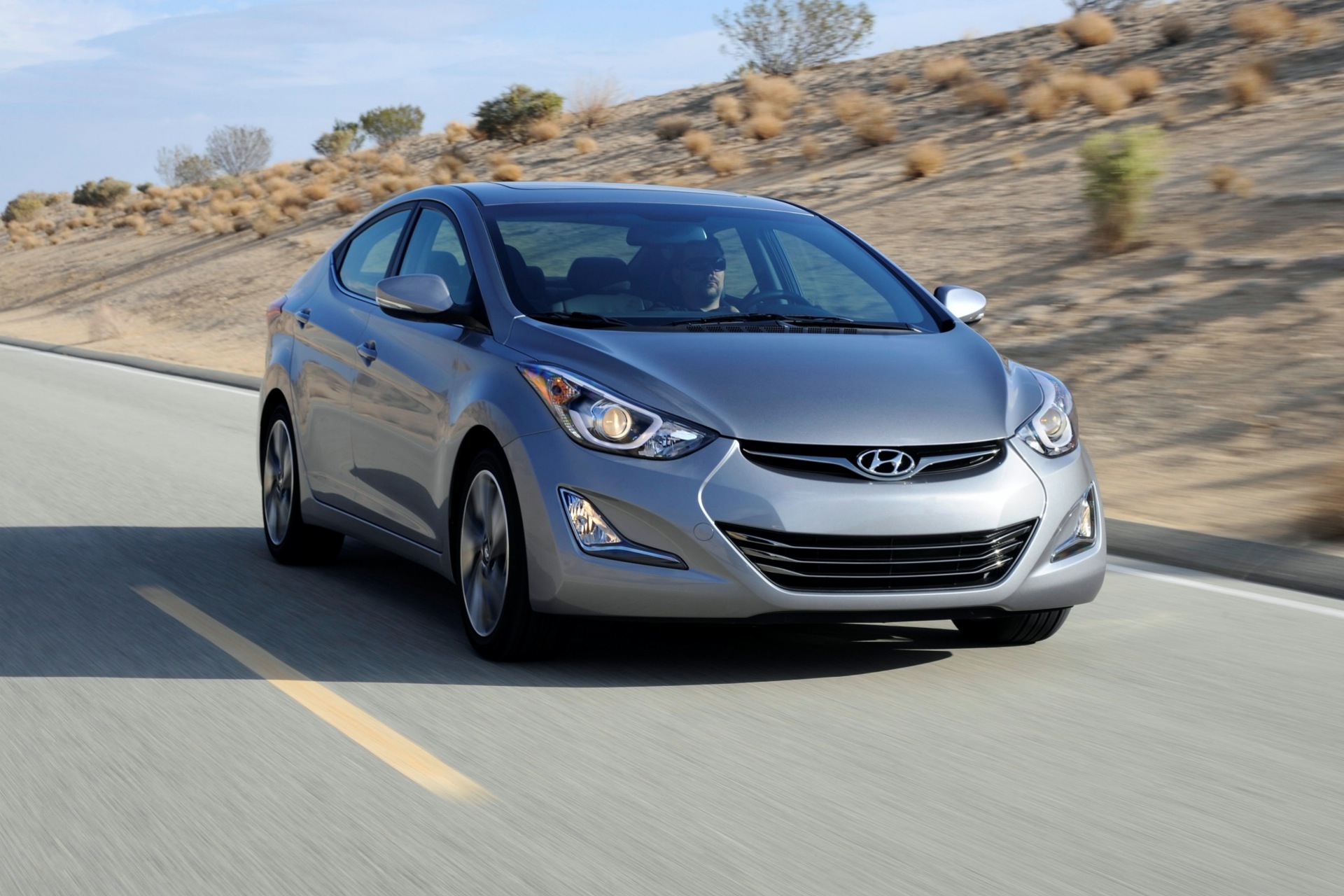
8. Hyundai Elantra- High Speed Vibration Issues
The Hyundai Elantra is a compact sedan known for its affordability, efficiency, and strong value proposition in the automotive market. It is widely used for daily commuting and highway driving. However, some owners report vibration issues at higher speeds, particularly in older models or vehicles with high mileage and limited maintenance history.
Tire imbalance is the most common cause of vibration in the Elantra. Because it is a lightweight vehicle, even minor inconsistencies in wheel balance can become noticeable at highway speeds above 80 mph. Uneven tire wear or low-quality tires can further intensify the vibration, especially during long-distance travel on smooth highways.
Wheel alignment problems also contribute significantly to stability issues. When alignment is not within factory specifications, the tires do not maintain uniform contact with the road surface. This leads to steering instability and vibration that becomes more pronounced as speed increases. Drivers may notice the steering wheel shaking slightly or the vehicle feeling less stable at higher speeds.
Suspension wear is another factor that develops over time. Components such as struts, lower control arms, and stabilizer links gradually lose their effectiveness due to wear and road stress. When this happens, the suspension system allows more movement than intended, which can create vibration during high-speed driving.
In some cases, engine mounts can also contribute to vibration in the Hyundai Elantra. When these mounts deteriorate, they fail to properly isolate engine movement, allowing vibrations to transfer into the cabin. Regular servicing, including tire maintenance and suspension inspections, is essential to maintaining smooth and stable highway performance in the Elantra.
- Engine: 1.5L turbo or 2.0L turbo inline 4
- Horsepower: ~158 to 228 hp
- Torque: ~250 to 350 Nm
- Length: ~4,702 mm
- Width: ~1,799 mm
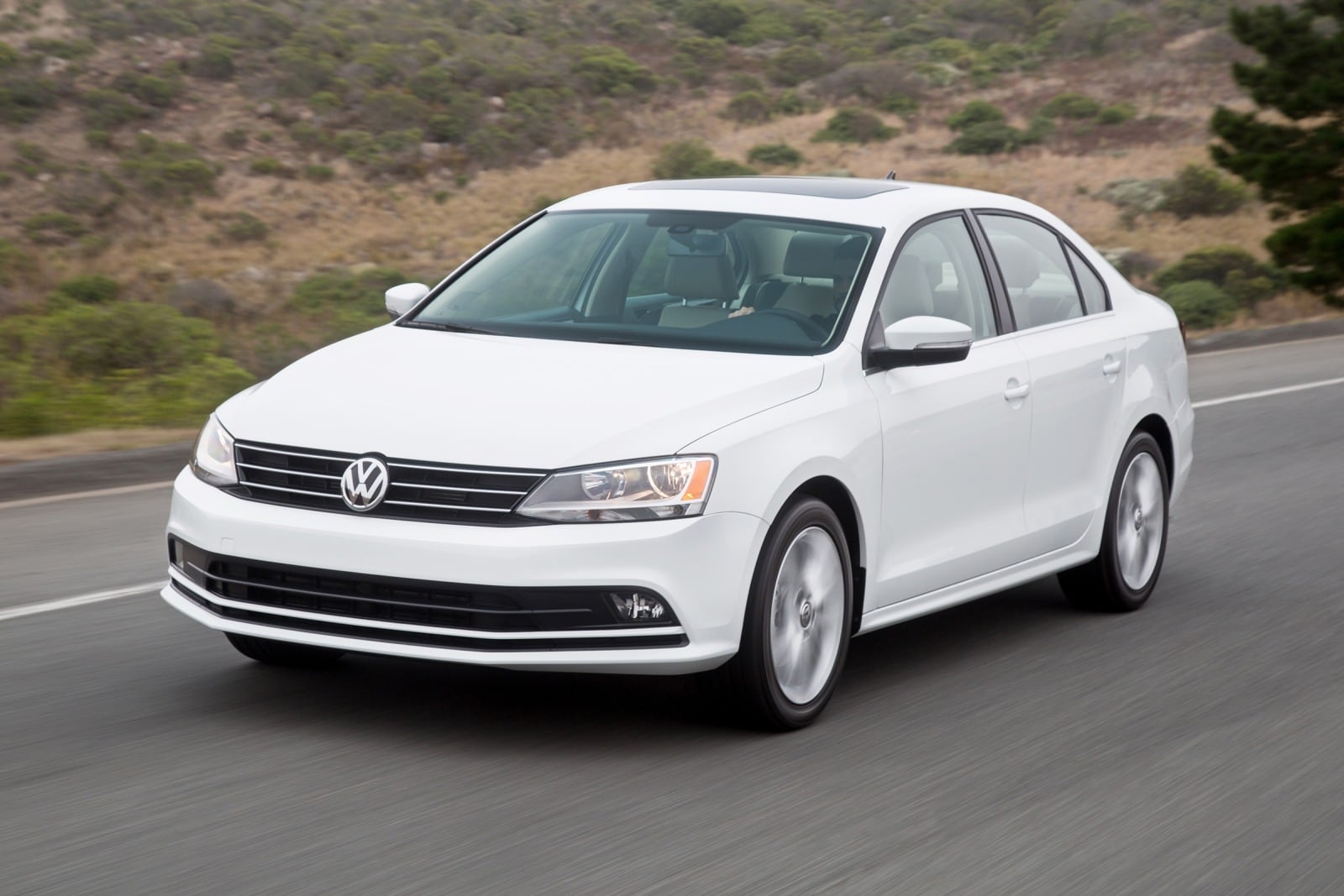
9. Volkswagen Jetta- High Speed Vibration Complaints
The Volkswagen Jetta is known for its solid build quality, stable handling, and European driving dynamics. It generally performs well at highway speeds, but certain models have been associated with vibration complaints above 80 mph, particularly in older or heavily used vehicles. These vibrations can affect steering comfort and driving confidence.
Tire and wheel imbalance is the most common cause of vibration in the Jetta. The vehicle is sensitive to tire quality and wear patterns, meaning even small irregularities can become noticeable at higher speeds. Uneven tread wear or improper wheel balancing, can create a consistent shaking sensation that becomes more obvious during highway driving.
Suspension wear also plays a major role in vibration issues. Over time, components such as bushings, struts, and control arms wear out due to road stress and mileage accumulation. When these parts lose their structural integrity, they allow unwanted movement in the wheels, which leads to instability and vibration at high speeds.
Drivetrain components in some turbocharged Jetta models can also contribute to vibration. Engine mounts and transmission mounts are designed to reduce vibration transfer, but when they degrade, they allow engine movement to be felt inside the cabin. This is especially noticeable during acceleration at highway speeds.
Routine maintenance is essential for preventing vibration in the Volkswagen Jetta. Regular tire rotation, wheel balancing, alignment checks, and inspection of suspension components ensure that the vehicle maintains its intended stability and smooth driving characteristics even at higher speeds.

- Engine: 3.6L V6 / 5.7L V8 (varies by variant)
- Horsepower: ~293 to 357 hp (higher in performance trims)
- Torque: ~352 to 529 Nm
- Length: ~4,914 mm
- Width: ~1,969 mm
10. Jeep Grand Cherokee- High Speed Vibration Issues
The Jeep Grand Cherokee is a popular midsize SUV known for its off-road capability, strong engine performance, and comfortable highway driving. However, due to its size, weight, and drivetrain complexity, it can experience vibration issues at speeds above 80 mph if not properly maintained. These vibrations are often more noticeable compared to smaller vehicles.
Tire imbalance is one of the primary causes of vibration in the Grand Cherokee. The SUV uses larger and heavier tires, which means any imbalance is amplified at higher speeds. Even a small difference in wheel weight distribution can lead to noticeable shaking in the steering wheel or cabin during highway driving.
Driveshaft and drivetrain issues are also more common in SUVs like the Grand Cherokee. A worn or unbalanced driveshaft can create a deep vibration that increases with speed. This type of vibration is often felt through the floor of the vehicle and may become more pronounced during acceleration or when maintaining constant highway speeds.
Suspension wear is another important factor. Components such as ball joints, control arms, and bushings are subjected to higher stress due to the vehicle’s weight and off-road capability. Over time, this wear can lead to instability in wheel alignment and cause vibration at highway speeds above 80 mph.
Because the Jeep Grand Cherokee is designed for both on-road comfort and off-road durability, it requires consistent maintenance to maintain smooth performance. Regular tire balancing, suspension inspections, and drivetrain servicing help ensure that the SUV remains stable, comfortable, and vibration-free during highway driving.
