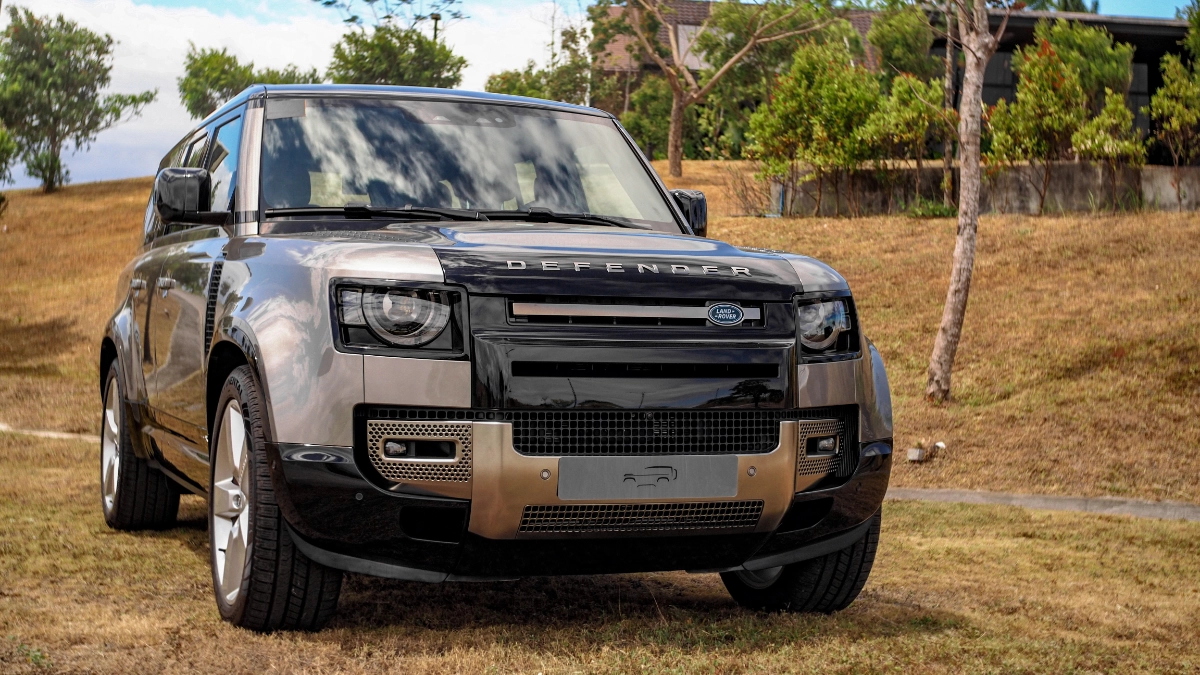
Land Rover occupies a fascinating place in the automotive industry. Few brands can match its combination of luxury, prestige, off-road capability, and unmistakable design. For decades, Land Rover vehicles have attracted buyers who want more than simple transportation.
They want adventure, refinement, commanding road presence, and the ability to tackle terrain that would stop many competitors in their tracks. From rugged explorers to premium family SUVs, the brand has built a loyal following around the world.
At the same time, Land Rover’s reputation has always come with an important caveat. Reliability concerns and high maintenance costs have followed many models throughout the company’s history.
Owners often accept these risks because the vehicles offer qualities that are difficult to find elsewhere. The driving experience, luxurious interiors, advanced four-wheel drive systems, and iconic styling frequently outweigh potential ownership challenges for dedicated enthusiasts.
This creates an interesting divide within the lineup. Some Land Rover models justify the risk because they deliver a unique blend of capability and luxury that few rivals can replicate.
These vehicles have earned loyal fan bases and continue to be highly sought after despite concerns about long-term maintenance. For many buyers, the rewards of ownership are substantial enough to make the risks worthwhile.
However, not every Land Rover deserves the same level of confidence. Certain models have developed reputations for expensive repairs, recurring mechanical issues, or ownership costs that exceed even the expectations associated with a luxury SUV.
In some cases, buyers are better served by choosing a different Land Rover model or considering alternatives from competing brands.
This article examines both sides of the equation. First, we will look at five Land Rover models that are worth taking a chance on because they offer exceptional capability, luxury, and character. Then we will examine five models that buyers may want to avoid due to significant concerns regarding reliability, maintenance, or value.
Understanding which Land Rovers deserve consideration and which ones require caution can help prospective owners make informed decisions. A carefully chosen Land Rover can provide years of enjoyment and versatility, while the wrong choice can quickly become an expensive lesson.
Also Read: 5 Best Hybrids vs 5 Best EVs for 2026
5 Land Rover Models Worth the Risk
Buying a Land Rover is rarely a purely logical decision. These vehicles appeal to emotion just as much as practicality. Owners are often drawn to their distinctive styling, commanding driving position, luxurious interiors, and unmatched off-road credentials.
While reliability concerns are frequently part of the conversation, there are certain Land Rover models that offer enough strengths to justify accepting those risks.
The vehicles in this section have earned their place because they provide something special. Some are among the most capable off-road vehicles ever produced, while others blend luxury and versatility in a way that few competitors can match.
These models continue to attract buyers because their strengths remain compelling even when maintenance costs are taken into account.
What makes these Land Rovers worth considering is their ability to deliver experiences that many other vehicles simply cannot.
Whether it is traversing difficult terrain, transporting families in exceptional comfort, or combining prestige with genuine capability, these SUVs stand out in their respective segments. They represent the best of what Land Rover has historically offered.
Another reason these vehicles deserve attention is their enduring appeal. Many have retained strong enthusiast followings, and some continue to command impressive prices on the used market. Buyers recognize that while ownership may require a larger maintenance budget, the rewards often outweigh the drawbacks.
The following models showcase Land Rover at its strongest. They are vehicles that continue to justify their existence through capability, luxury, and character. For buyers willing to accept the responsibilities that come with owning a premium British SUV, these are among the Land Rovers’ most deserving of consideration.
1. Land Rover Defender 110
The Defender 110 has become one of the most respected names in the SUV world because it succeeds where many vehicles fail. It combines authentic off-road capability with modern comfort, creating a package that appeals to both adventurers and everyday drivers. This balance is a major reason why it deserves a place among Land Rover models worth the risk.
Unlike many modern SUVs that focus primarily on appearance, the Defender was designed with genuine capability in mind. Its advanced four-wheel drive systems, terrain management technology, and durable construction allow it to tackle challenging environments with confidence.
Whether tackling rocky trails, muddy tracks, or snowy roads, the vehicle feels prepared for conditions that would intimidate many competitors.
What makes the modern Defender particularly impressive is its ability to remain comfortable while delivering such capability. The interior is spacious and thoughtfully designed, offering premium materials alongside practical features. Families appreciate the generous passenger room, while outdoor enthusiasts value the vehicle’s versatility.
Another factor supporting its recommendation is the way it blends heritage with modern engineering. The Defender name carries decades of history, yet the latest generation avoids feeling trapped in the past. Instead, it embraces contemporary technology while preserving the rugged character that made the original famous.
Driving on pavement reveals another strength. Many serious off-road vehicles sacrifice ride quality and refinement, but the Defender remains composed during daily commuting and long-distance travel. This dual-purpose nature significantly broadens its appeal.
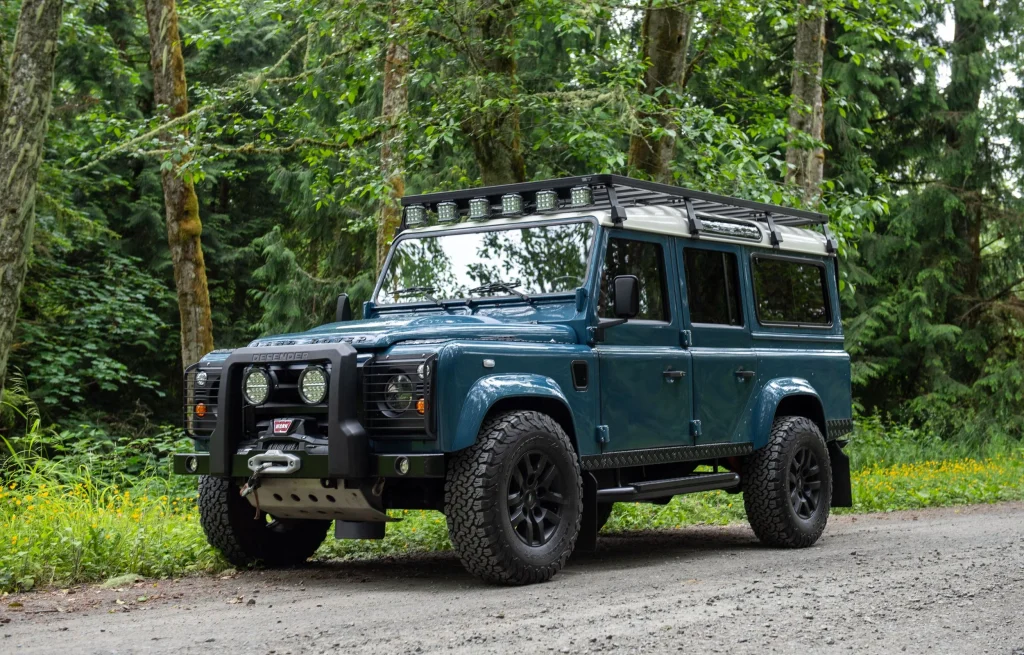
Buyers considering a Defender understand that maintenance costs may be higher than those associated with mainstream SUVs. However, the vehicle offers a level of capability, prestige, and personality that few alternatives can match.
For people seeking an SUV that can handle both urban life and genuine adventure, the Defender 110 remains one of Land Rover’s strongest achievements.
Specifications
- Engine: 3.0L Turbocharged Inline 6
- Torque: 550 Nm
- Horsepower: 395 hp
- Length/Width: 5018 mm / 2008 mm
2. Range Rover Sport
Some SUVs focus entirely on luxury, while others prioritize performance. The Range Rover Sport attempts to deliver both, and in many respects, it succeeds remarkably well. This versatility is precisely why it remains one of the Land Rover models worth taking a chance on despite the brand’s reputation for expensive ownership.
One of the first things drivers notice is the vehicle’s balance between comfort and athleticism. Large luxury SUVs often feel cumbersome, but the Range Rover Sport responds with surprising agility. Steering is precise for a vehicle of its size, and the suspension system helps maintain composure through corners while still delivering a comfortable ride.
Luxury remains a central part of the experience. The cabin features premium materials, sophisticated technology, and seating designed for long-distance comfort. Every major touchpoint reflects the vehicle’s premium positioning, creating an environment that feels genuinely upscale.
Performance is another reason for its popularity. Depending on the powertrain selected, acceleration can be impressively strong. The vehicle feels confident during highway merging, overtaking, and spirited driving. This capability appeals to buyers who want luxury without sacrificing responsiveness.
Unlike many luxury crossovers, the Range Rover Sport retains serious off-road ability. Advanced terrain systems allow it to handle difficult conditions that would challenge most competitors. This capability provides an extra layer of versatility that many owners appreciate, even if they rarely venture off pavement.
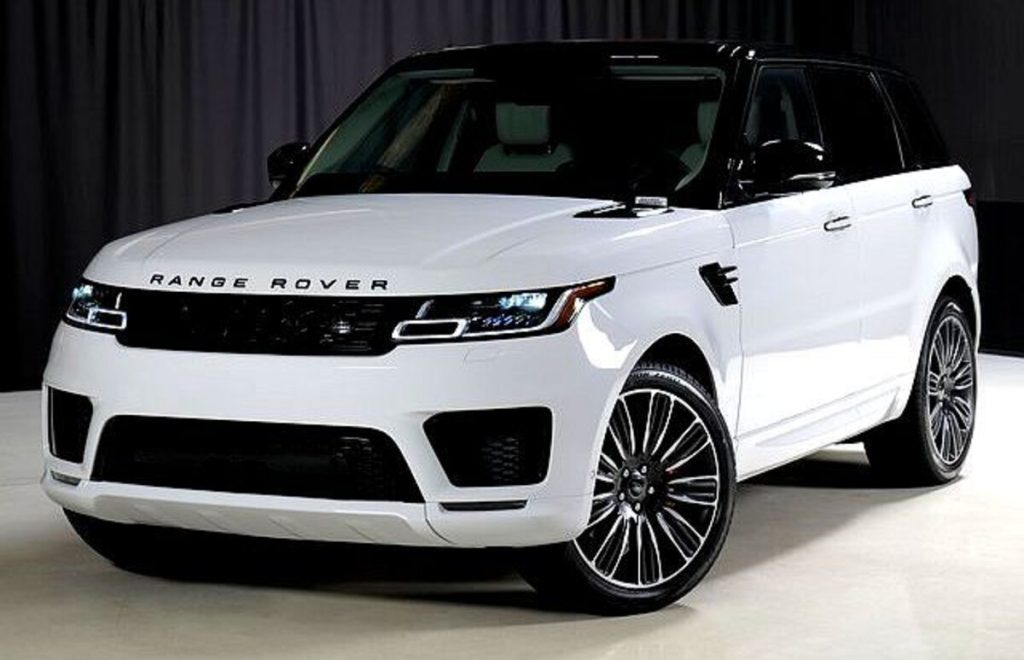
The vehicle’s strong road presence also contributes to its appeal. Few SUVs project the same combination of sophistication and capability. Whether arriving at a business meeting or heading into the countryside, the Range Rover Sport feels appropriate in either setting.
Ownership requires a willingness to budget for maintenance and repairs, but the rewards are substantial. Few luxury SUVs combine performance, comfort, prestige, and genuine off-road capability as effectively. For buyers seeking an SUV with multiple talents, the Range Rover Sport remains a compelling choice.
Specifications
- Engine: 3.0L Turbocharged Inline 6
- Torque: 550 Nm
- Horsepower: 395 hp
- Length/Width: 4946 mm / 2047 mm
3. Land Rover Discovery
Not every SUV needs to be a performance machine or a rugged off-road icon to earn recognition. The Land Rover Discovery takes a different approach by focusing on versatility.
It is one of those rare vehicles that can comfortably transport a large family, tow substantial loads, tackle rough terrain, and still provide a premium driving experience. That broad range of abilities is exactly why it belongs among the Land Rover models worth the risk.
A major strength of the Discovery is its practicality. Many luxury SUVs offer impressive features but fall short when it comes to everyday usability. The Discovery excels in this area thanks to its spacious interior and flexible seating arrangement.
Families frequently appreciate the available third row, which provides room for additional passengers without sacrificing too much comfort.
Long journeys are where the vehicle truly shines. The cabin is designed with comfort in mind, featuring supportive seating and a quiet atmosphere that reduces fatigue during extended drives. Whether crossing a city or traveling across a country, the Discovery feels composed and accommodating.
Its capability extends well beyond paved roads. Land Rover equipped the Discovery with advanced off-road systems that allow it to handle challenging conditions with confidence.
Mud, snow, gravel, and uneven terrain are all situations where the vehicle demonstrates its engineering strengths. Owners who enjoy outdoor activities often find this versatility particularly appealing.
Towing capability is another factor that contributes to its reputation. Many families require a vehicle capable of pulling trailers, boats, or recreational equipment. The Discovery performs these tasks with ease while maintaining stability and comfort.
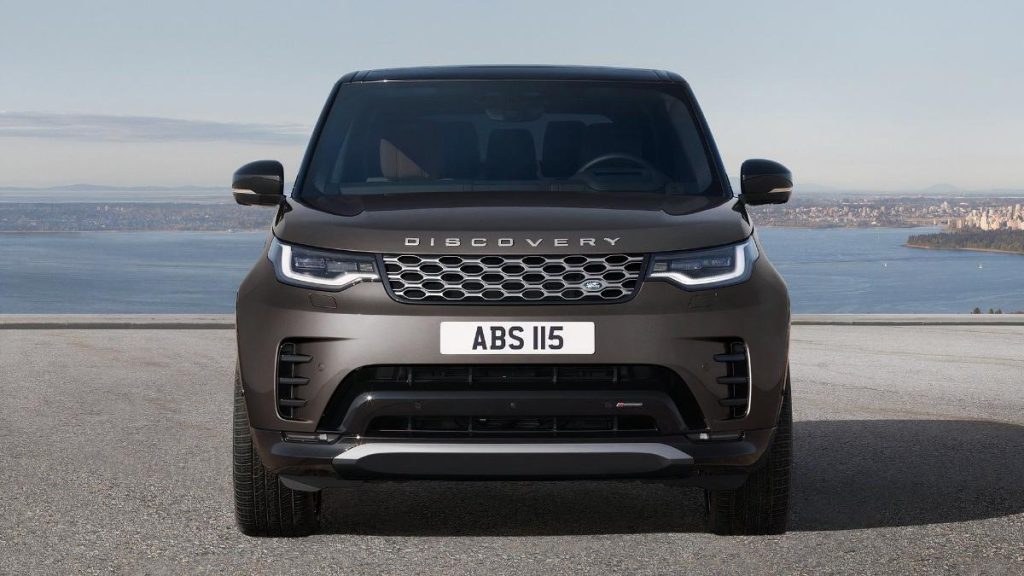
Unlike some luxury SUVs that prioritize image above substance, the Discovery delivers genuine functionality. It may not receive as much attention as the Defender or Range Rover, but its combination of practicality, capability, and refinement makes it one of the most useful vehicles in the Land Rover lineup.
Buyers must still consider potential maintenance expenses, yet the Discovery rewards ownership with a level of versatility that few competitors can match. For drivers seeking one vehicle capable of handling nearly every situation, it remains a strong choice.
Specifications
- Engine: 3.0L Turbocharged Inline 6
- Torque: 650 Nm
- Horsepower: 355 hp
- Length/Width: 4956 mm / 2073 mm
4. Range Rover Velar
The Range Rover Velar entered the market with a very specific mission. It was designed to attract buyers who wanted the prestige of a Range Rover while placing a greater emphasis on modern styling and road-focused refinement. The result is one of the most visually striking vehicles Land Rover has produced in recent years.
Appearance alone is not enough to earn a recommendation, but the Velar offers much more than an attractive design. The vehicle presents a clean and contemporary look that remains distinctive even in a crowded luxury SUV segment. Flush door handles, sleek proportions, and minimalist details help create a premium image that continues to draw attention.
Step inside, and the design philosophy continues. The cabin embraces simplicity in a way that feels modern and sophisticated. High-quality materials, elegant surfaces, and advanced technology create an environment that feels upscale without appearing cluttered. Buyers who value interior design often place the Velar near the top of their shopping lists for this reason.
On the road, the Velar focuses heavily on comfort and refinement. The suspension absorbs imperfections effectively, creating a relaxed driving experience.
Noise levels remain low, allowing conversations and long-distance travel to take place without distraction. This smooth character makes the vehicle particularly appealing for daily commuting and highway journeys.
While style is a major selling point, the Velar still retains the capability expected from the brand. Advanced all-wheel-drive systems and terrain management features ensure it can handle conditions beyond what many luxury crossovers attempt. This added versatility separates it from competitors that focus solely on urban environments.
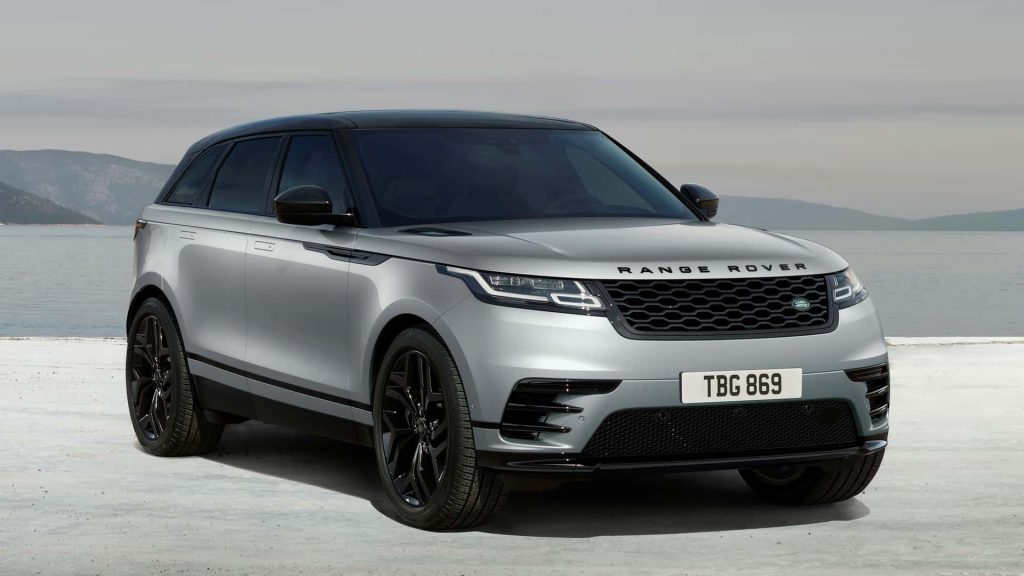
The Velar is not necessarily the most rugged Land Rover available, nor is it the largest. Instead, its appeal comes from the way it combines luxury, design, and practicality into a cohesive package. Buyers willing to accept the ownership risks associated with the brand often find the Velar’s unique character worth the investment.
Specifications
- Engine: 3.0L Turbocharged Inline 6
- Torque: 550 Nm
- Horsepower: 395 hp
- Length/Width: 4797 mm / 2041 mm
5. Range Rover
When people think of Land Rover, the vehicle that often comes to mind first is the Range Rover. It has served as the brand’s flagship model for decades and remains one of the most recognizable luxury SUVs in the world.
Despite concerns about maintenance costs and long-term reliability, the Range Rover continues to attract buyers because it delivers an experience that very few vehicles can replicate.
The appeal begins with luxury. The Range Rover has consistently set high standards for interior comfort, offering premium materials, advanced technology, and exceptional attention to detail.
From the seating to the cabin insulation, every aspect is designed to create a relaxing environment. Long-distance travel feels effortless, which is one reason many owners remain loyal to the model.
Beyond comfort, the Range Rover possesses remarkable versatility. It can function as an executive vehicle during the week and a capable off-road machine on the weekend. This dual nature is a defining characteristic.
While many luxury SUVs avoid challenging terrain, the Range Rover embraces it through sophisticated four-wheel-drive systems and advanced suspension technology.
Another reason it remains worth considering is its prestige. The vehicle carries a level of status that few competitors can match. Its presence on the road communicates luxury and capability without relying on excessive styling elements.
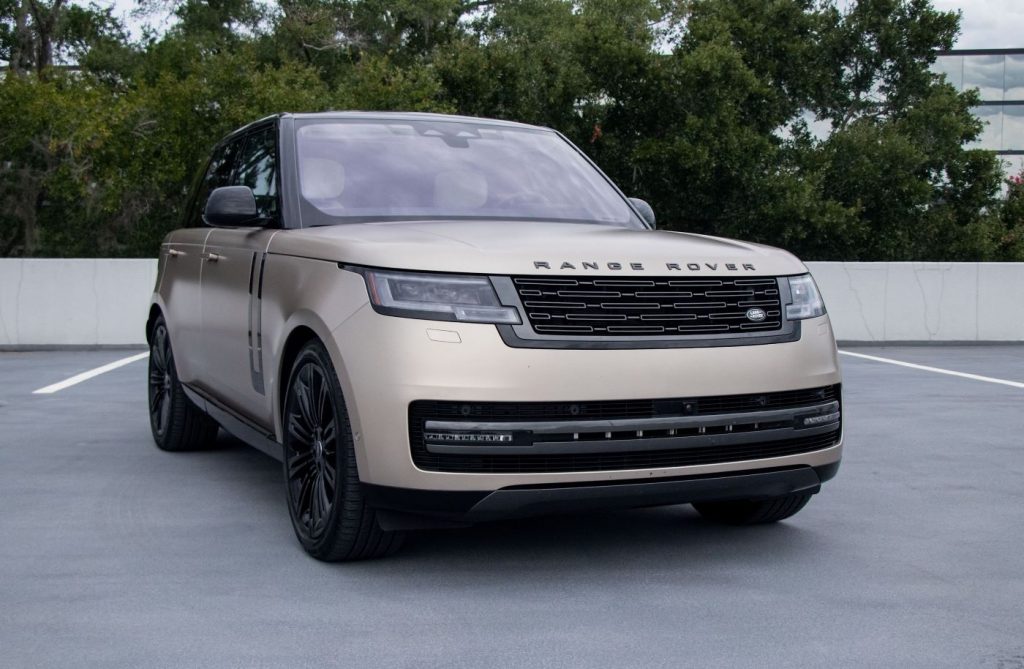
The ownership experience can be expensive, especially as the vehicle ages. Repairs and maintenance often cost more than those associated with mainstream SUVs. However, buyers who understand these realities frequently feel the benefits outweigh the drawbacks.
The Range Rover remains a symbol of what Land Rover does best. It blends luxury, technology, capability, and comfort into a package that continues to stand apart from many rivals. For those willing to accept the risks, it remains one of the most rewarding vehicles the brand has ever produced.
Specifications
- Engine: 3.0L Turbocharged Inline 6
- Torque: 550 Nm
- Horsepower: 395 hp
- Length/Width: 5052 mm / 2047 mm
5 Land Rover Models To Avoid
Land Rover vehicles are admired for their luxury, off-road capability, and distinctive design, but not every model has delivered the ownership experience buyers expect.
Some have developed reputations for costly repairs, recurring reliability concerns, or maintenance requirements that exceed even the expectations associated with premium SUVs. While the Land Rover badge carries prestige, it does not guarantee that every model is a wise purchase.
The vehicles in this section are not necessarily bad SUVs. Many offer comfortable interiors, strong performance, and impressive capability. The problem is that their weaknesses can overshadow their strengths, especially for used-car buyers.
Expensive suspension repairs, electronic issues, engine concerns, and high operating costs have affected some models more than others.
A low purchase price can sometimes make these vehicles look attractive on the used market. However, buyers often discover that maintenance costs remain similar to when the vehicle was new. What appears to be a bargain can quickly become an expensive ownership experience.
The following Land Rover models deserve careful consideration before purchase. Their issues do not mean every example should be avoided, but they do mean buyers should research thoroughly and inspect any potential purchase carefully.
Understanding these concerns can help prevent costly mistakes and lead to a more satisfying ownership experience.
1. Land Rover Freelander
The Freelander was created to attract buyers who wanted a smaller and more affordable Land Rover. While the idea was promising, the execution left much to be desired. Over time, the model developed a reputation for reliability concerns that continue to affect its standing in the used market.
One of the most common complaints involves mechanical durability. Owners frequently reported issues involving driveline components, cooling systems, and various electrical features. These problems often appeared unexpectedly and could become expensive to repair relative to the vehicle’s value.
The Freelander also struggled to match the capability expected from the Land Rover name. While it offered decent all-weather performance, it lacked the rugged character and confidence that made larger Land Rover products famous. Buyers expecting a true off-road machine were often disappointed.
Interior quality represented another weakness. Compared with rivals from the same era, the cabin felt less refined and less durable. As vehicles aged, wear and tear became increasingly noticeable, reducing the sense of quality that luxury SUV buyers typically expect.
Another issue involves value. While used examples can be found at low prices, ownership costs often make them difficult to justify. Repair bills can accumulate quickly, especially if maintenance has been neglected by previous owners.
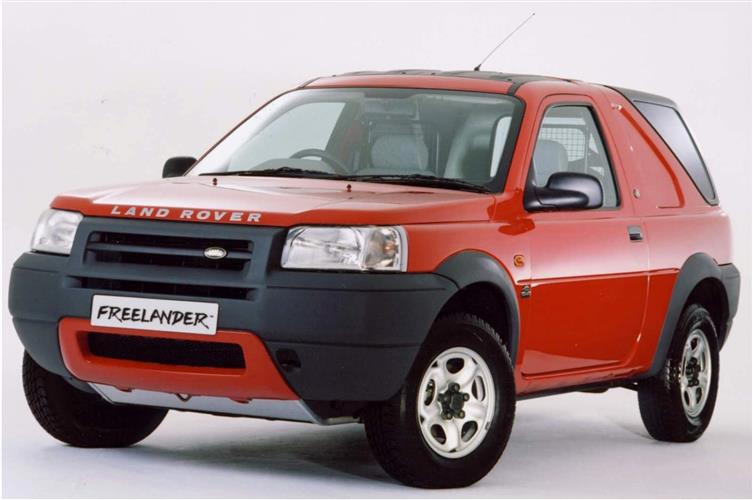
The Freelander deserves recognition for expanding Land Rover’s reach into the compact SUV segment, but its reliability record makes it difficult to recommend today. Buyers looking for an affordable Land Rover are usually better served by considering other models within the brand’s lineup.
Specifications
- Engine: 2.5L V6
- Torque: 240 Nm
- Horsepower: 177 hp
- Length/Width: 4382 mm / 1806 mm
2. Range Rover Evoque (Early Models)
The Range Rover Evoque arrived with considerable excitement. Its bold styling, compact dimensions, and premium image attracted buyers who wanted a fashionable luxury SUV.
Sales were strong, and the vehicle quickly became one of Land Rover’s most recognizable products. Unfortunately, some early examples developed issues that make them harder to recommend today.
The biggest concern involves reliability. Owners reported a variety of electronic problems ranging from infotainment glitches to sensor-related faults. While not every vehicle experienced these issues, they occurred frequently enough to affect the model’s reputation.
Certain powertrains also generated complaints regarding long-term durability. Maintenance costs could rise quickly once warranty coverage expires, particularly when electronic systems require diagnosis and repair.
The Evoque’s attractive design remains one of its strongest qualities. Even years after its launch, the vehicle still looks modern and upscale. However, style alone cannot compensate for potential ownership headaches.
Practicality is another area where some buyers felt disappointed. Rear-seat space and cargo capacity were less generous than those of any competitors, limiting the vehicle’s usefulness for growing families.
The Evoque performs well in urban environments and offers a premium driving experience when functioning properly. The challenge is that early models sometimes require more attention than buyers anticipate. For shoppers determined to purchase one, a thorough inspection and complete service history are essential.
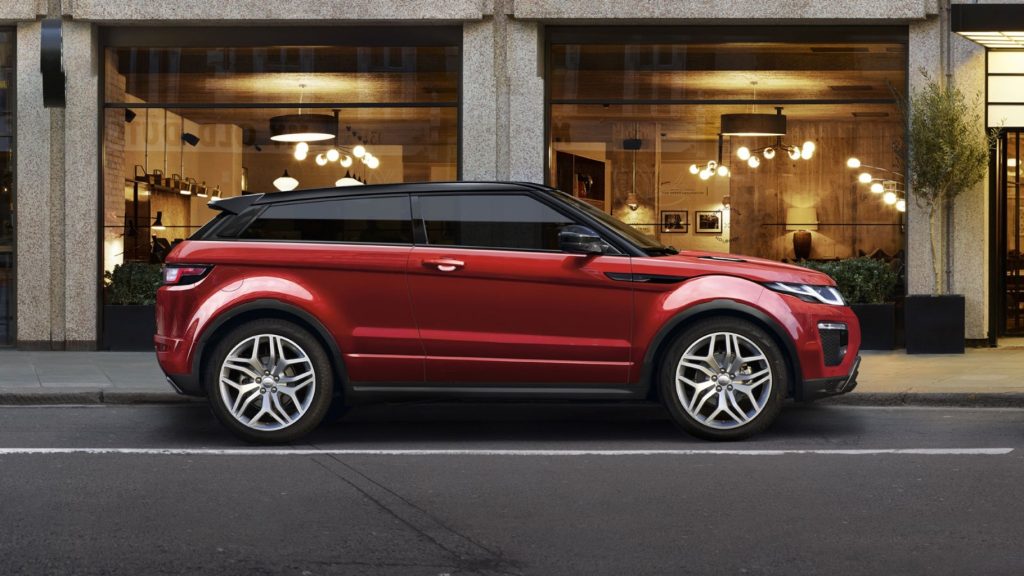
Although later versions improved in several areas, the earliest Evoque models remain vehicles that should be approached carefully. Their combination of electronic concerns and potentially high repair costs makes them riskier purchases than many competing luxury crossovers.
Specifications
- Engine: 2.0L Turbocharged Inline 4
- Torque: 340 Nm
- Horsepower: 240 hp
- Length/Width: 4371 mm / 1904 mm
3. Land Rover Discovery 3 (LR3)
The Discovery 3, known as the LR3 in some markets, introduced impressive technology and excellent off-road capability. When new, it received praise for combining comfort, practicality, and genuine all-terrain performance. However, as these vehicles aged, ownership became increasingly complicated due to a variety of reliability concerns.
One of the most significant issues involves the air suspension system. While it provides a comfortable ride and impressive off-road flexibility, repairs can be expensive when components fail. Compressors, sensors, and air struts often require attention as mileage increases.
Electrical problems are another common complaint. Owners have reported faults involving dashboard warnings, electronic modules, and various convenience features. Diagnosing these issues can be time-consuming and costly.
The Discovery 3 remains highly capable off-road and offers a spacious interior that works well for families. Its commanding driving position and versatile seating arrangement continue to attract enthusiasts looking for adventure-ready transportation.
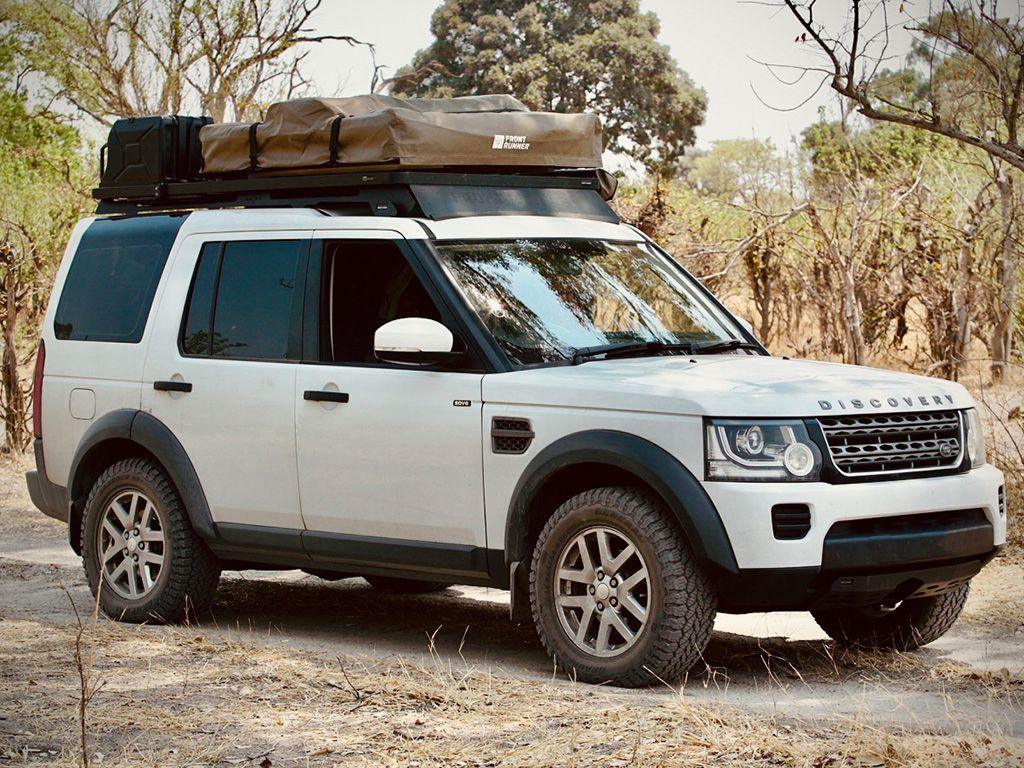
Unfortunately, maintenance demands can outweigh these strengths for many buyers. A neglected example can quickly generate repair bills that exceed the vehicle’s purchase price.
For those seeking a used Land Rover, there are often better choices available. The Discovery 3’s combination of aging technology and potentially expensive repairs makes it a model that requires careful inspection and a healthy maintenance budget.
Specifications
- Engine: 4.4L V8
- Torque: 425 Nm
- Horsepower: 300 hp
- Length/Width: 4835 mm / 1915 mm
4. Range Rover Sport (First Generation)
The first-generation Range Rover Sport brought performance and luxury together in a package that immediately appealed to buyers. It looked stylish, offered strong engine options, and carried the prestige of the Range Rover name. However, beneath its attractive exterior were several ownership concerns that continue to affect its reputation.
One recurring issue involves suspension components. Many models were equipped with sophisticated air suspension systems that delivered impressive comfort but often became expensive to maintain as the vehicles aged. Repairs involving compressors and air springs can quickly become costly.
The vehicle’s weight also contributes to higher wear on brakes, tires, and suspension parts. Owners frequently discover that routine maintenance costs are higher than expected.
Mechanical reliability varies depending on the engine, but certain versions have developed reputations for cooling system and electrical problems. These issues may not affect every vehicle, but they occur often enough to warrant caution.
The driving experience remains enjoyable, and the cabin still feels luxurious by modern standards. Buyers are often attracted by affordable used-market prices, only to realize later that repair expenses remain consistent with a premium SUV.
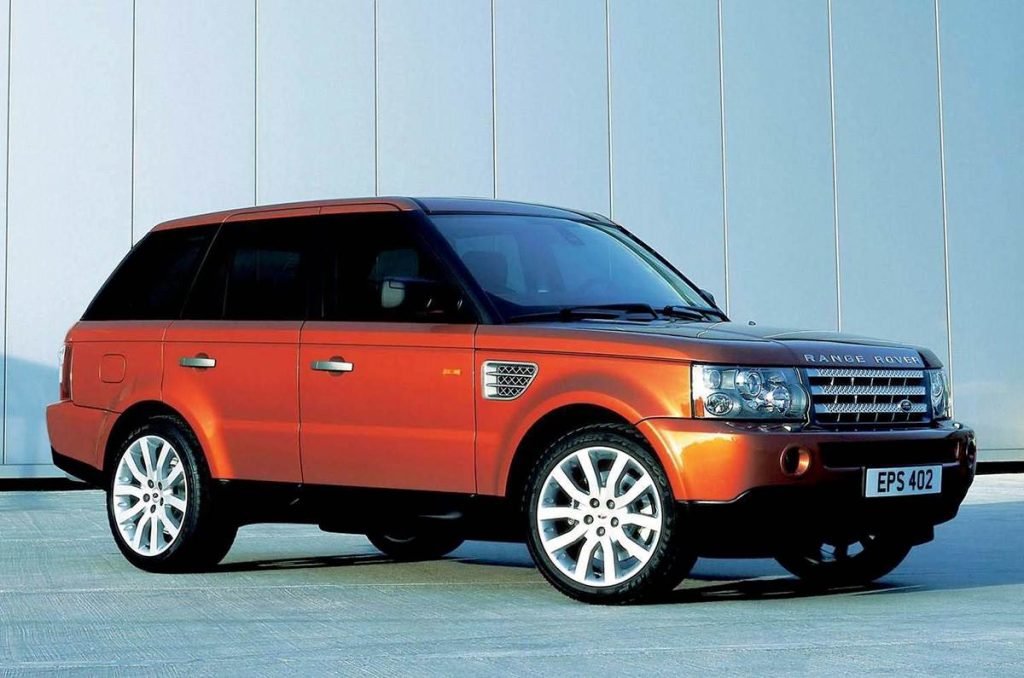
For enthusiasts willing to invest in maintenance, the first-generation Range Rover Sport can still be rewarding. For most buyers seeking dependable luxury transportation, however, it presents more risk than many alternatives.
Specifications
- Engine: 4.4L V8
- Torque: 425 Nm
- Horsepower: 300 hp
- Length/Width: 4788 mm / 1928 mm
5. Range Rover L322 (Early Years)
The L322-generation Range Rover is often regarded as one of the most elegant luxury SUVs Land Rover has ever produced. Its design aged gracefully, its interior felt genuinely premium, and its road presence remains impressive even today. Despite these strengths, early examples are among the riskiest Land Rovers to own.
A major concern is complexity. The vehicle introduced numerous advanced systems, including sophisticated electronics, air suspension, and luxury features that were impressive at the time. As these systems age, failures become increasingly common and expensive to repair.
Electrical issues are frequently reported by owners. Problems involving sensors, control modules, and convenience features can be difficult to diagnose and costly to fix. Suspension repairs can also place a significant strain on ownership budgets.
Engine reliability varies depending on the powertrain, but maintenance costs remain high across the board. Even routine service work is typically more expensive than what buyers encounter with mainstream SUVs.
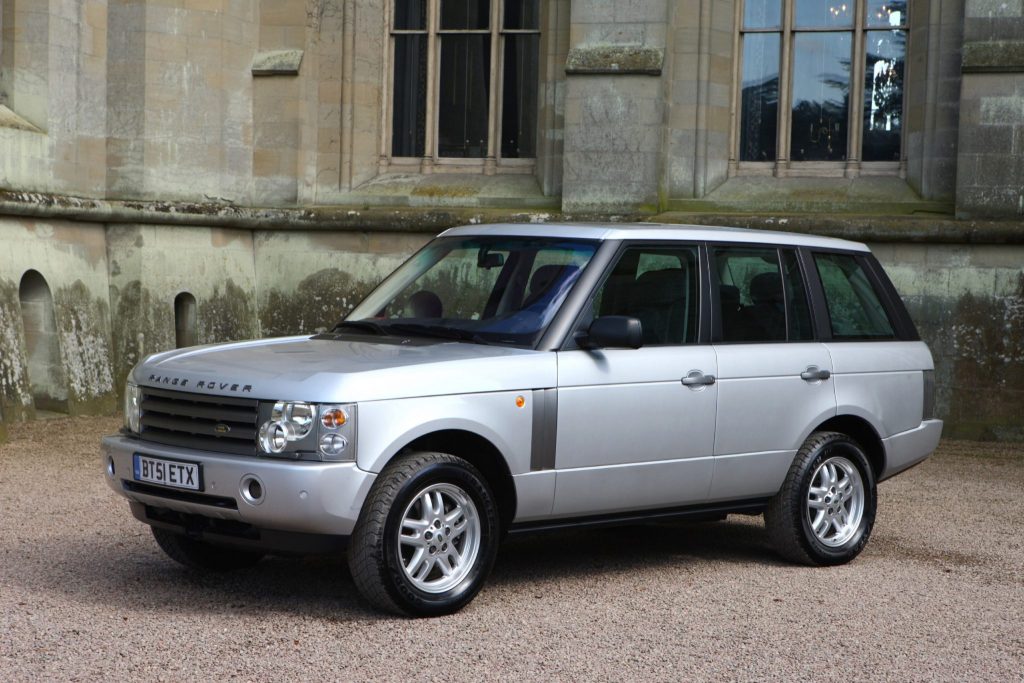
The attraction of the L322 is understandable. It offers outstanding comfort, a refined driving experience, and classic Range Rover styling that still turns heads. However, these strengths come with substantial financial risks.
Buyers often see a luxury SUV available at a surprisingly affordable price and assume they have found a bargain. In reality, ownership costs can quickly exceed expectations. Unless there is a detailed maintenance history and evidence of major repairs being completed, the early L322 is usually best avoided.
Specifications
- Engine: 4.4L V8
- Torque: 440 Nm
- Horsepower: 282 hp
- Length/Width: 4950 mm / 1956 mm