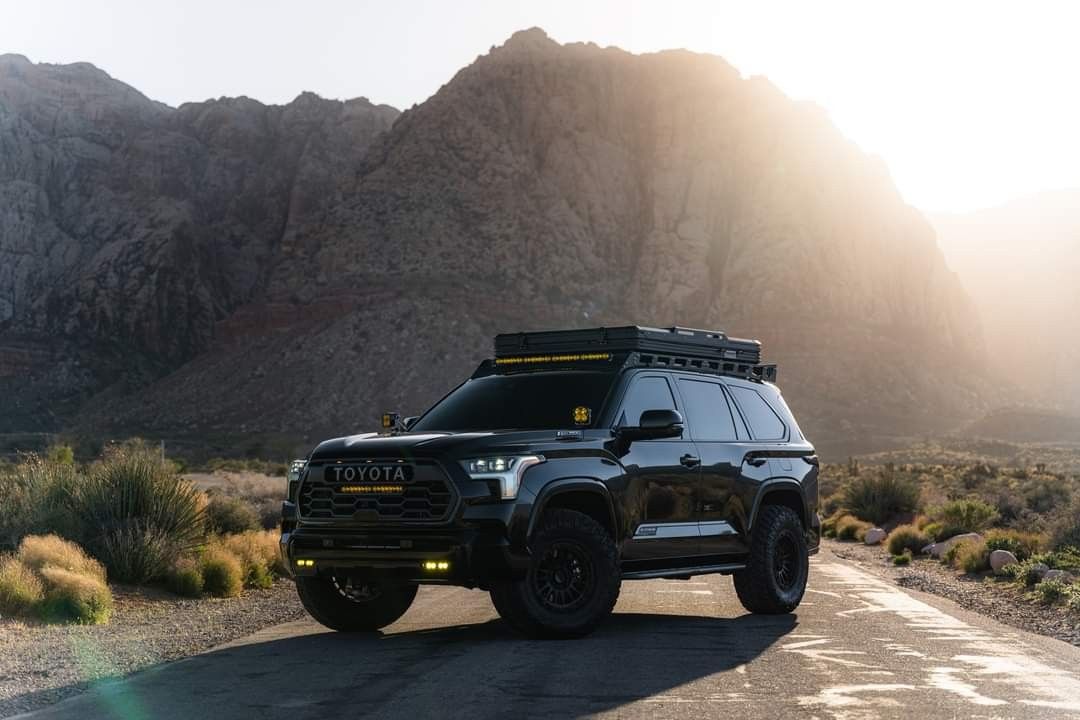
The modern automotive industry operates on a cycle of calculated obsolescence. Flashy digital dashboards, complex electronic driver aids, and lease cycles designed to expire after thirty-six months have turned the family SUV into something resembling a smartphone on wheels.
It is a machine engineered to be consumed, depreciated, and discarded. Yet, amidst this landscape of disposable engineering stands an outlier that defies the spreadsheet logic of corporate accountants. According to comprehensive industry data tracking vehicular longevity, the Toyota Sequoia possesses a staggering thirty-nine point one percent probability of reaching two hundred and fifty thousand miles.
To put that figure into perspective, the average vehicle on the road has a mere four point eight percent chance of surviving to that same automotive milestone. When a vehicle is nearly eight times more likely than the industry average to cross a quarter-million miles, it ceases to be a mere consumer good.
It becomes a mechanical anomaly. For families and enthusiasts looking at long-term ownership, this metric changes the math entirely, transforming a standard purchasing decision into an investment in generational durability that leaves rival full-size options looking remarkably fragile.
The Competitive SUV Hierarchy
The full-size SUV segment is a high-stakes battlefield dominated by domestic heavyweights, yet none match this specific benchmark of endurance. While the Chevrolet Tahoe, GMC Yukon, and Ford Expedition command massive market share through fleet sales and aggressive styling, their statistical survival rates to a quarter-million miles lag significantly behind Toyota.
The Ford Expedition sits at roughly nineteen point nine percent, while the Chevrolet Tahoe hovers around four point four percent for the same distance milestone. Even luxury icons like the Cadillac Escalade or European unibody alternatives fail to register in this tier of extreme durability, often sidelined early by compounding electronic failures and prohibitive air suspension repair costs.
Nissan’s Armada offers a rugged body-on-frame architecture, yet its long-term reliability metrics remain firmly in the middle of the pack. The Sequoia occupies a unique position in this hierarchy, bridging the gap between utilitarian workhorses and bulletproof luxury cruisers.
It proves that heavy-duty capability does not require a compromise in long-term engineering integrity. By outlasting its direct competition by such significant margins, it exposes the structural and mechanical compromises hidden beneath the leather seating and chrome trim of its contemporary rivals.
ALSO READ: Toyota RAV4 vs Honda CR-V Comparison – Which Compact SUV Is Better?
The Over-Engineered DNA
To understand how a vehicle achieves a thirty-nine percent survival rate at a mileage milestone where most cars are rusting in scrap yards, one must look beneath the sheet metal.
For nearly fifteen years, the second-generation Sequoia relied on the legendary three-UR-FE five-point-seven-litre V8 engine. This power plant was not designed for maximum efficiency; it was designed to survive worst-case scenarios.
Featuring a massive cast-iron crankshaft, forged connecting rods, and an under-stressed compression ratio, the three-UR-FE operated well within its structural limits even when towing maximum loads.
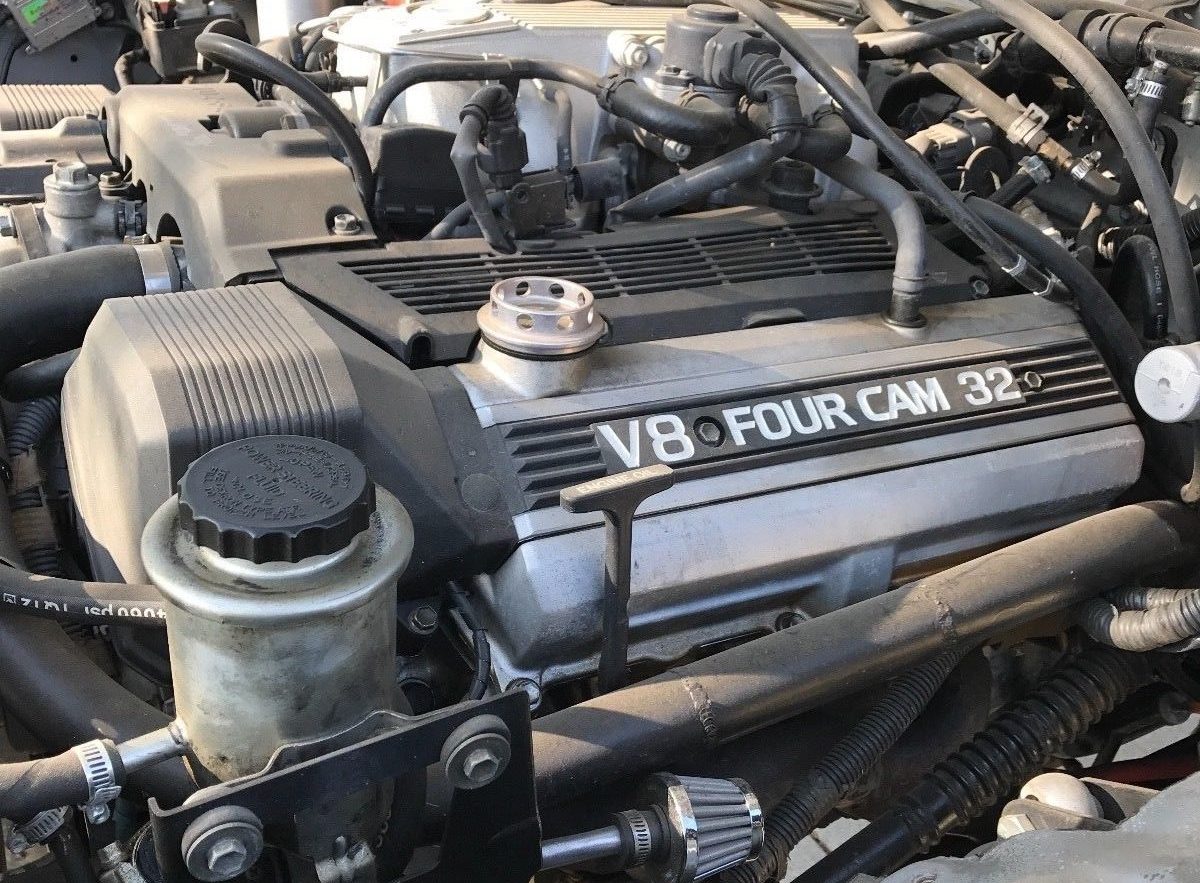
The engine used a dual independent variable valve timing system that was simple enough to avoid the catastrophic failures common in domestic cylinder-deactivation setups. Furthermore, Toyota paired this V8 with an Aisin six-speed automatic transmission featuring oversized fluid coolers, ensuring that thermal breakdown, the primary killer of automatic gearboxes, was virtually eliminated.
The shift to the third-generation Sequoia introduced the i-FORCE MAX twin-turbo 3.4-liter V6 hybrid powertrain. While purists initially worried about the added complexity of turbochargers and electric motors, Toyota engineered this system around commercial-grade durability standards.
The electric motor-generator is sandwiched directly between the engine and a ten-speed automatic transmission, providing instant torque that reduces mechanical stress on the internal combustion components during initial acceleration.
The engine block features dual water jackets to optimize cooling across the cylinders, preventing the hot spots that plague lesser turbocharged designs. Additionally, the fully boxed steel frame, shared with the global Land Cruiser three hundred series and the Tundra, utilizes high-strength steel with reinforced crossmembers. This frame resists the torsional twisting that eventually fatigues the bodies and suspensions of unibody crossovers and lighter-duty trucks over hundreds of thousands of miles.
The Financial Math of the 250K-Mile Lifecycle
From an economic perspective, purchasing a vehicle that survives for a quarter-million miles rewrites the rules of vehicle depreciation and total cost of ownership.
The standard American consumer replaces their vehicle every six to seven years, meaning that over a fifteen-year period, an average household will purchase and finance two to three different SUVs. Each transaction incurs new sales taxes, dealer fees, registration costs, and the steepest portion of the vehicle’s depreciation curve.
Consider the baseline math of owning a full-size SUV over a twenty-five-year or two hundred and fifty thousand mile horizon.
First come the three consecutive standard SUVs priced at sixty-five thousand dollars each, replaced every eighty-three thousand miles. Total capital expenditure equals one hundred and ninety-five thousand dollars, minus diminishing trade-in values.
Second, is one Toyota Sequoia purchased at seventy-five thousand dollars and driven for the full two hundred and fifty thousand miles. Total capital expenditure equals seventy-five thousand dollars.
By eliminating the middle replacement cycles, the Sequoia owner avoids two separate rounds of peak depreciation, which typically claims forty to fifty percent of a vehicle’s value within the first three years of ownership. Even when factoring in routine high-mileage maintenance such as suspension refreshes, fluid flushes, and eventual wear-and-tear items, the cost-per-mile metric of the Sequoia plummets dramatically after year ten. This financial resilience is reflected in the used market, where older Sequoias command a significant pricing premium over comparable domestic rivals, acting less like a depreciating liability and more like a store of mechanical value.
Fleet Data vs. Garage Queens
The statistics gathered by automotive researchers are not based on pristine vehicles kept in climate-controlled garages; they are drawn from real-world usage patterns. Large body-on-frame SUVs are inherently subjected to some of the harshest operating conditions possible. They serve as multi-child family haulers, heavy boat toilers, long-distance winter road-trippers, and high-utilization fleet vehicles.
The reason the Sequoia thrives under these conditions while unibody crossovers suffer from premature chassis fatigue comes down to component scaling. Because the Sequoia shares its architectural bones with commercial-grade platforms designed for global markets where roads are poorly maintained or non-existent, every ball joint, wheel bearing, and control arm is physically larger and thicker than what is found on standard passenger vehicles.
In fleet applications, a vehicle that breaks down represents lost revenue. The high presence of high-mileage Sequoias in shuttle services, mountain guiding companies, and long-distance transport fleets confirms that its thirty-nine percent survival rate is earned through daily endurance.
When a vehicle can survive hundreds of power cycles, extreme temperature swings from sub-zero winters to blistering desert summers, and thousands of hours of engine idling without suffering terminal engine or transmission failure, it proves that its longevity is a product of deliberate design choices rather than luck.
Can Turbo-Hybrids Match Legacy Iron?
The transition from a naturally aspirated 5.7-litre V8 to a sophisticated twin-turbo hybrid V6 has sparked intense debate among car enthusiasts and reliability purists. The old V8 was characterised by its simplicity; there were no turbo wastegates to fail, no intercoolers to leak, and no high-voltage battery packs to degrade over time. It was a known quantity that could achieve three hundred thousand miles with little more than oil changes and spark plugs.
However, Toyota’s approach to hybridisation differs fundamentally from brands that use electric drivetrains purely for fuel economy compliance. The nickel-metal hydride battery used in the current i-FORCE MAX system is chosen specifically for its proven thermal stability and long-term durability over newer lithium-ion chemistries in high-load applications.
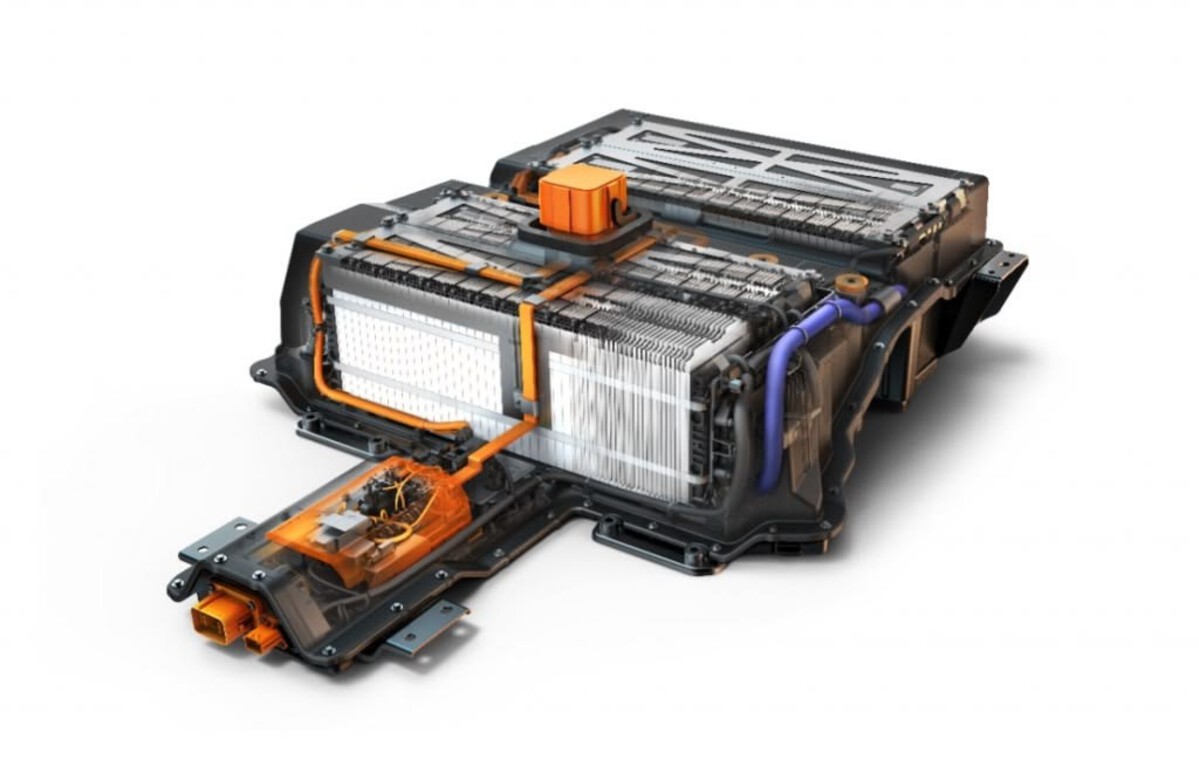
By using the electric motor to fill in the lower end of the power band, the twin turbochargers do not need to run excessive boost pressures to move the heavy SUV from a dead stop.
This reduction in peak boost pressures minimises the thermal and mechanical strain on the pistons and cylinder heads. Furthermore, the modern ten-speed transmission allows the engine to remain in its most efficient operating rpm range, preventing the high-revving stress that accelerates internal engine wear.
While time will ultimately write the final chapter on the third-generation platform, early data and shared architecture platforms indicate that Toyota has applied its traditional validation testing to these advanced components, aiming to preserve that signature thirty-nine percent survival metric.
ALSO READ: 10 Toyota Truck Ranked by Long-Term Value
Maintenance Blueprint: Reaching the Odometer Promised Land
While engineering provides the foundation for an SUV to reach two hundred and fifty thousand miles, achieving this milestone requires a proactive approach to preventative maintenance. No machine can overcome the neglect of an owner who treats oil changes as optional suggestions. For a Sequoia to cross into the quarter-million-mile club, ownership must follow a strict mechanical regimen.
There are a few essential maintenance Intervals for longevity, like engine oil and filter, which are replaced every five thousand miles using high-quality full synthetic oil, ignoring extended ten thousand mile manufacturer recommendations to prevent varnish buildup.
The transmission and driveline fluids should be exchanged for the automatic transmission, transfer case, and front/rear differentials every fifty thousand miles, particularly if towing.
Also, the cooling system refresh should be a complete coolant flush and thermostat replacement every one hundred thousand miles to ensure optimal heat dissipation across the engine block.
The spark plugs and ignition need to be replaced, like the iridium plugs, and inspection of ignition coils every ninety thousand miles to maintain optimal combustion efficiency.
Beyond the powertrain, rust prevention remains a critical factor for owners living in the northern rust belt. While the mechanical components may easily outlast twenty-five years of operation, road salt can prematurely compromise the steel frame if left untreated. Utilizing annual oil-based undercoating treatments protects the fully boxed frame rails from structural oxidation.
Additionally, replacing suspension bushings, shock absorbers, and upper/lower control arms around the one hundred and fifty thousand mile mark ensures the vehicle retains its tracking and ride quality, allowing the chassis to match the indefinite lifespan of the drivetrain.
Beyond the Horizon: When a Tool Becomes an Heirloom
When an automobile possesses the capability to operate reliably for a quarter of a century and hundreds of thousands of miles, its relationship with its owner undergoes a fundamental transformation. It ceases to be a transactional consumer product or a fleeting status symbol to be updated with the next model year.
Instead, a vehicle engineered to this standard becomes an heirloom, a dependable tool that accompanies a family through changing life stages, cross-country moves, and decades of shared experiences. In an era where sustainability is often marketed through short-lived electric vehicles and rapid replacement cycles, the ultimate form of environmental and financial responsibility is simply building something that lasts.
The Toyota Sequoia has earned a reputation for exceptional durability, showing how thoughtful engineering and robust construction can deliver remarkable longevity. Built to withstand years of demanding use, it remains a dependable full-size SUV that continues to perform long after many vehicles have reached the end of their service lives.