
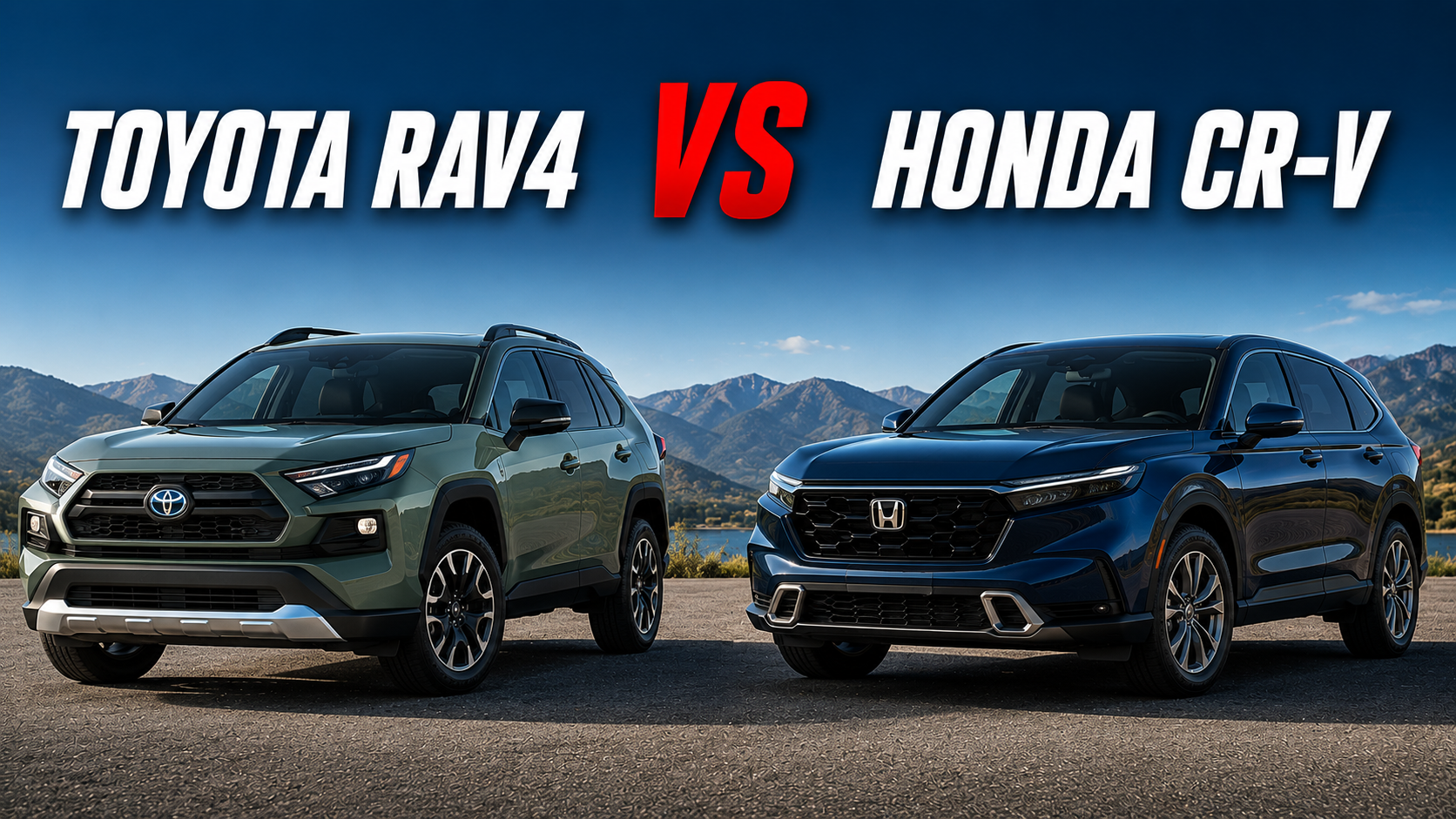
Compact SUVs have become the default choice for millions of buyers because they offer a combination of practicality, efficiency, comfort, and affordability that few other vehicle segments can match. Among the dozens of options available today, two names consistently rise to the top of shopping lists: the Toyota RAV4 and the Honda CR-V.
These vehicles have spent decades battling for dominance in one of the most competitive automotive segments. Both have earned reputations for reliability, strong resale value, family-friendly interiors, and low ownership costs.
For many buyers, choosing between them becomes one of the toughest decisions in the entire market because neither vehicle has any major weaknesses.
The RAV4 enters the contest as Toyota’s best-selling SUV and one of the best-selling vehicles in America. Its rugged styling, extensive trim lineup, excellent hybrid options, and reputation for durability have helped it maintain enormous popularity.
Toyota also offers specialized versions such as the Woodland Edition and the powerful RAV4 Prime plug-in hybrid, giving buyers more choices than ever.
Honda takes a slightly different approach with the CR-V. The latest generation focuses heavily on interior comfort, passenger space, ride quality, and refinement.
While previous CR-V models were known primarily for practicality, the newest version feels significantly more upscale and mature. Honda has also expanded its hybrid offerings, making efficiency a key part of the CR-V lineup.
The challenge for shoppers is that both SUVs perform exceptionally well in the areas that matter most. They offer spacious cabins, advanced safety technology, impressive fuel economy, and strong long-term dependability. Small differences often become the deciding factors.
To determine which compact SUV deserves your money, we’ll compare these segment leaders across ten critical categories, including design, interior quality, performance, practicality, efficiency, reliability, pricing, and ownership experience.
A winner will be declared after each section before we crown the full champion. Let’s begin with the category that shapes first impressions.
Also Read: Chevy Corvette vs Ford Mustang Comparison—Which American Sports Car Wins?
Exterior Design and Road Presence
A walk through any parking lot reveals how dramatically the compact SUV segment has evolved. Practical transportation is no longer enough. Buyers now expect crossovers to project personality and style.
Toyota embraced that trend with the current RAV4. Sharp body lines, angular wheel arches, aggressive front-end styling, and a more rugged stance give the SUV a tougher appearance than many rivals. Even base trims look adventurous, while models such as the TRD Off-Road and Woodland Edition reinforce the vehicle’s outdoorsy image.
The RAV4 measures approximately 180.9 inches in length and rides on a 105.9-inch wheelbase. Ground clearance ranges from 8.4 to 8.6 inches, depending on trim, helping create a more capable-looking profile. Honda moved in a different direction.
The latest CR-V adopts a cleaner and more sophisticated design language. Longer proportions, a broader grille, and smoother body surfacing create an upscale appearance that resembles larger SUVs in Honda’s lineup. Rather than appearing rugged, the CR-V focuses on refinement.
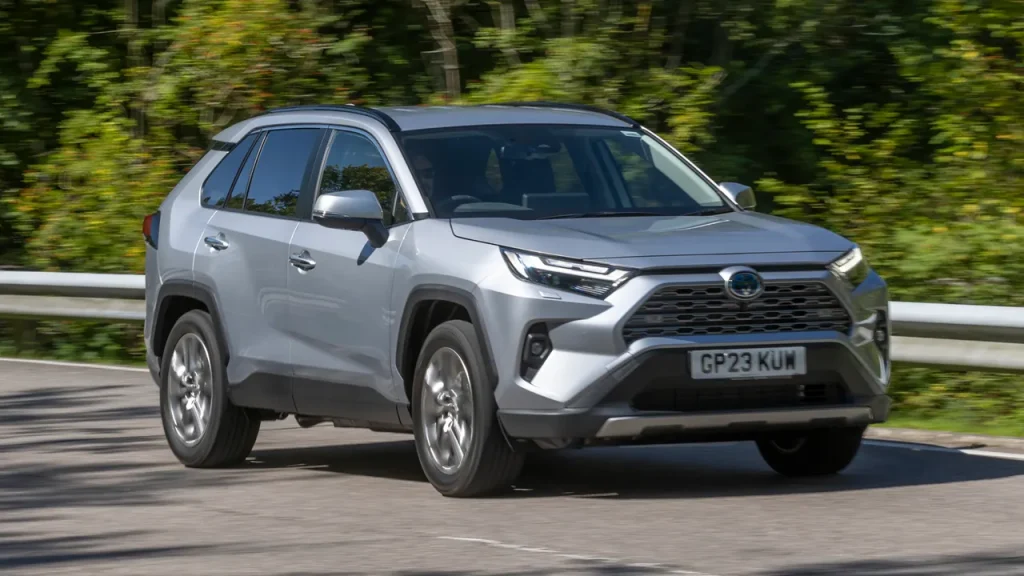
At approximately 184.8 inches long, the CR-V is nearly four inches longer than the RAV4. The larger dimensions contribute to a more substantial presence on the road.
Visual preference plays a major role here. Buyers who enjoy adventurous styling often gravitate toward the Toyota, while those seeking a more premium appearance tend to prefer the Honda. The RAV4 stands out more in traffic thanks to its distinctive shape and aggressive details.
Winner: Toyota RAV4
Bold styling and a rugged personality help the RAV4 make a stronger first impression.
Interior Design and Technology
Opening the doors reveals one of the biggest differences between these two SUVs. Honda devoted considerable attention to cabin refinement when redesigning the CR-V. The result is one of the most attractive interiors in the segment.
A clean dashboard layout, high-quality materials, honeycomb air-vent design, and thoughtful ergonomics create an environment that feels more expensive than its price suggests.
Soft-touch materials appear throughout much of the cabin, and panel fitment is excellent. Front-seat comfort also ranks among the best in the class.
Toyota’s interior remains functional and durable, but it lacks some of the polish found in the Honda. The dashboard design prioritizes usability over elegance, and certain plastics feel less premium than those used in the CR-V.
Technology is competitive in both vehicles. The latest CR-V offers a 7-inch or available 9-inch touchscreen with wireless Apple CarPlay and Android Auto.
The RAV4 counters with an 8-inch standard display and an available 10.5-inch touchscreen. Toyota’s updated infotainment system is significantly better than previous versions and feels modern and responsive. Passenger space strongly favors Honda.
The CR-V provides approximately:
- 41.3 inches of front legroom
- 41 inches of rear legroom
The RAV4 offers:
- 41 inches of front legroom
- 37.8 inches of rear legroom
Rear passengers immediately notice the difference. Families transporting adults in the second row will appreciate the additional room provided by the Honda.
Interior Space Comparison
| Measurement | Honda CR-V | Toyota RAV4 |
|---|---|---|
| Front Legroom | 41.3 in | 41.0 in |
| Rear Legroom | 41.0 in | 37.8 in |
| Standard Touchscreen | 7 in | 8 in |
| Largest Available Screen | 9 in | 10.5 in |
A more premium interior and greater passenger space secure the victory.
Winner: Honda CR-V
Superior cabin quality and class-leading rear-seat room give the CR-V a clear advantage.
Powertrains and Performance
Strong fuel economy remains important in this segment, but buyers also expect adequate acceleration for merging, passing, and carrying passengers. Toyota offers several powertrain choices.
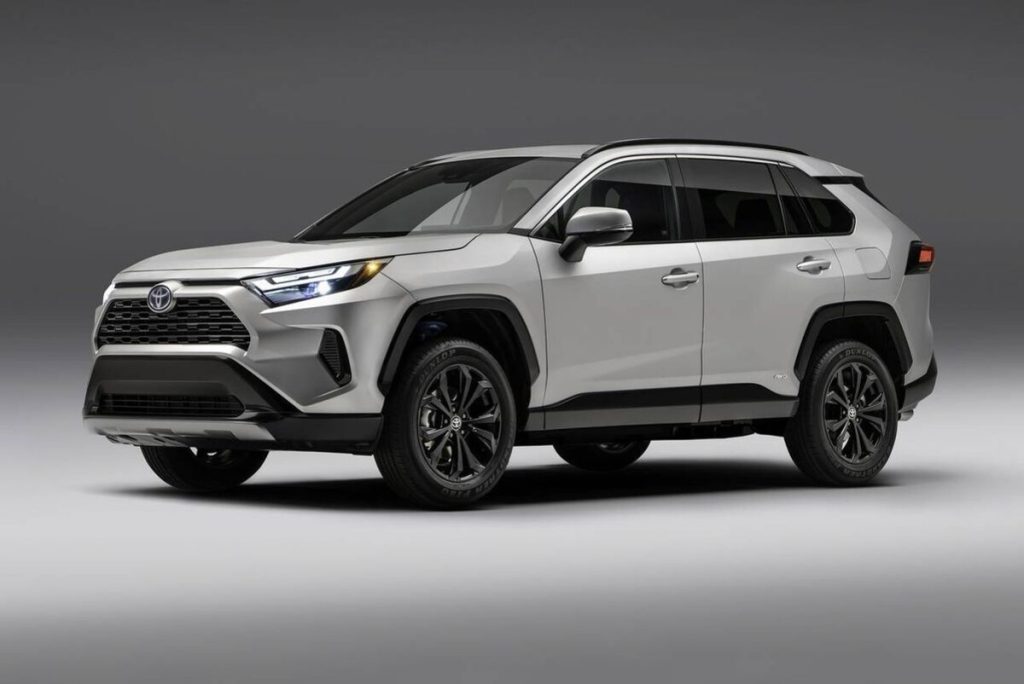
The standard RAV4 uses a 2.5-liter four-cylinder producing 203 horsepower and 184 lb-ft of torque. Power is delivered through an eight-speed automatic transmission.
Hybrid models combine a gasoline engine with electric motors to generate 219 horsepower while significantly improving efficiency.
The headline-grabbing option is the RAV4 Prime plug-in hybrid. Total output reaches an impressive 302 horsepower, making it one of the quickest vehicles in the entire segment. Toyota estimates a 0-60 mph time of approximately 5.7 seconds. Honda simplifies the lineup.
Most CR-V models rely on a turbocharged 1.5-liter four-cylinder producing 190 horsepower and 179 lb-ft of torque. Hybrid variants generate 204 horsepower through a combination of gasoline and electric power.
Acceleration remains competitive, but the CR-V lacks a direct competitor to the RAV4 Prime.
Powertrain Comparison
| Model | Horsepower | Torque |
|---|---|---|
| RAV4 2.5L | 203 hp | 184 lb-ft |
| RAV4 Hybrid | 219 hp | 163 lb-ft |
| RAV4 Prime | 302 hp | 288 lb-ft |
| CR-V 1.5T | 190 hp | 179 lb-ft |
| CR-V Hybrid | 204 hp | 247 lb-ft |
Toyota’s broader powertrain range creates more flexibility for buyers.
The RAV4 Prime alone changes the outcome of this category. Few compact SUVs combine efficiency and performance as effectively.
Winner: Toyota RAV4
A 302-horsepower plug-in hybrid and multiple drivetrain options give Toyota the performance advantage.
Cargo Space and Practicality
A compact SUV can have impressive performance figures and attractive styling, but daily usability remains one of the primary reasons buyers choose this segment. Grocery runs, family vacations, sports equipment, strollers, luggage, and home-improvement supplies all test how practical a vehicle really is.
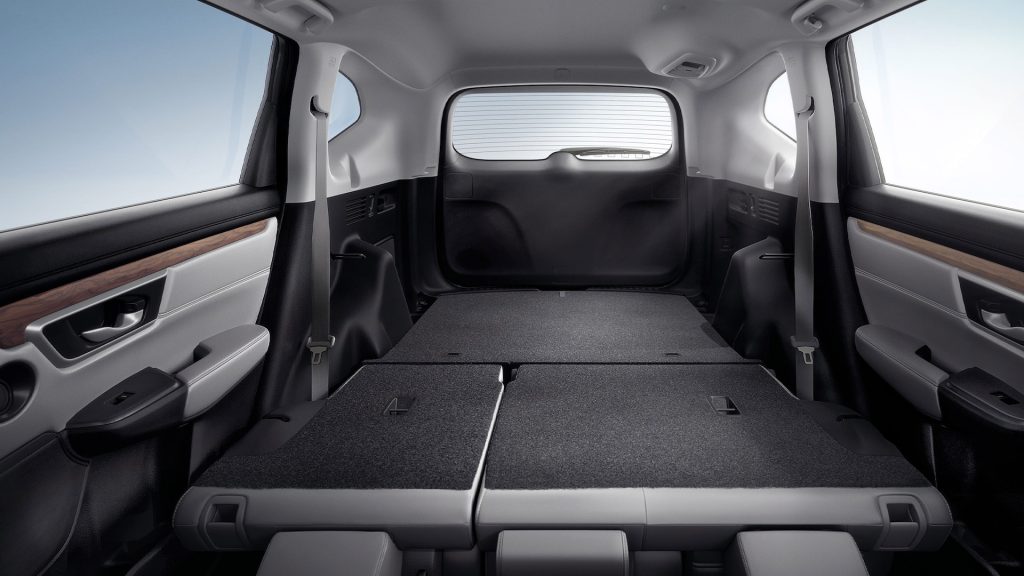
Honda clearly prioritized interior packaging when developing the latest CR-V. The longer wheelbase and larger full footprint translate into one of the most spacious cabins in the segment. Rear passengers enjoy exceptional legroom, while the cargo area offers impressive flexibility for families.
Behind the second row, the CR-V provides approximately 39.3 cubic feet of cargo space. Folding the rear seats expands capacity to around 76.5 cubic feet. The RAV4 remains highly practical but falls slightly short of those figures.
Toyota’s SUV offers approximately 37.6 cubic feet of cargo space behind the rear seats and up to 69.8 cubic feet with the second row folded.
The difference becomes noticeable during longer trips. The Honda can accommodate larger suitcases, bulkier items, and additional gear without requiring passengers to sacrifice seating space.
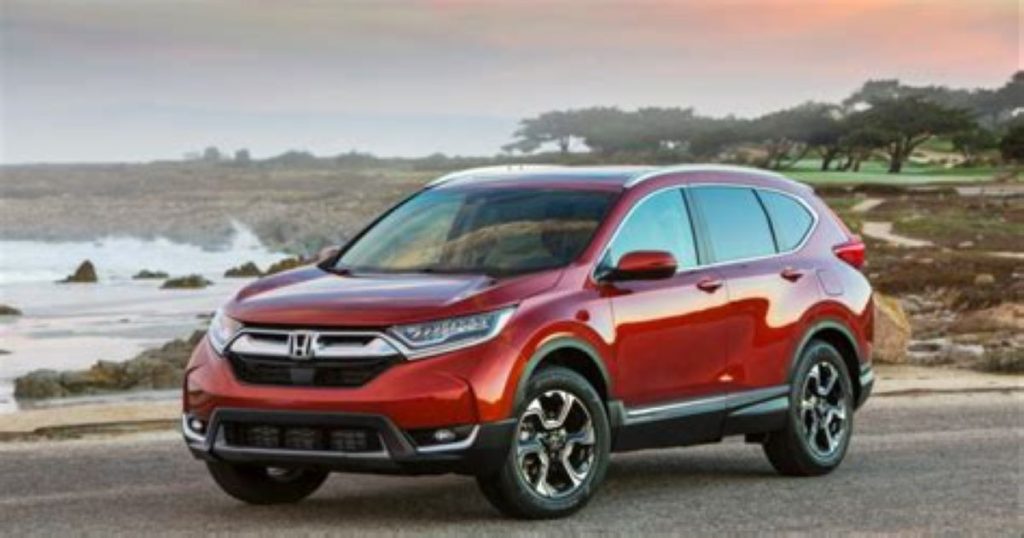
Loading cargo is also easier thanks to the CR-V’s wide opening and low cargo floor. Storage solutions throughout the cabin further strengthen Honda’s position. Large door pockets, a spacious center console, and thoughtfully placed storage bins make it easier to organize everyday items.
Toyota counters with durable materials and practical cargo management features, but Honda’s larger dimensions simply create more usable space.
Cargo Capacity Comparison
| Measurement | Honda CR-V | Toyota RAV4 |
|---|---|---|
| Cargo Space Behind Rear Seats | 39.3 cu-ft | 37.6 cu-ft |
| Maximum Cargo Capacity | 76.5 cu-ft | 69.8 cu-ft |
| Rear Legroom | 41.0 in | 37.8 in |
| Passenger Volume | 106 cu-ft | 98.9 cu-ft |
Families who regularly carry passengers and cargo will appreciate the Honda’s roomier layout.
Winner: Honda CR-V
More passenger room and significantly greater cargo capacity make the CR-V the more practical choice.
Ride Quality and Daily Driving
Daily driving is where small differences between vehicles become most apparent. The CR-V excels in this area.
Honda’s suspension tuning delivers an excellent balance between comfort and control. Rough pavement, expansion joints, and potholes are absorbed smoothly, creating a refined driving experience that feels closer to a midsize SUV than a compact crossover.
Road noise is also impressively controlled. Wind and tire noise remain subdued at highway speeds, helping the cabin feel quieter during long trips.
Steering response is predictable and natural. The CR-V doesn’t pretend to be sporty, but it feels composed and confidence-inspiring in everyday driving situations. Toyota takes a slightly firmer approach.
The RAV4’s suspension tuning contributes to a more rugged personality, particularly in trims designed for light off-road use. While ride quality remains comfortable, impacts from rough pavement are transmitted into the cabin more noticeably than in the Honda.
Noise isolation is another area where the Toyota trails slightly. Highway driving introduces more wind and road noise compared with the CR-V.
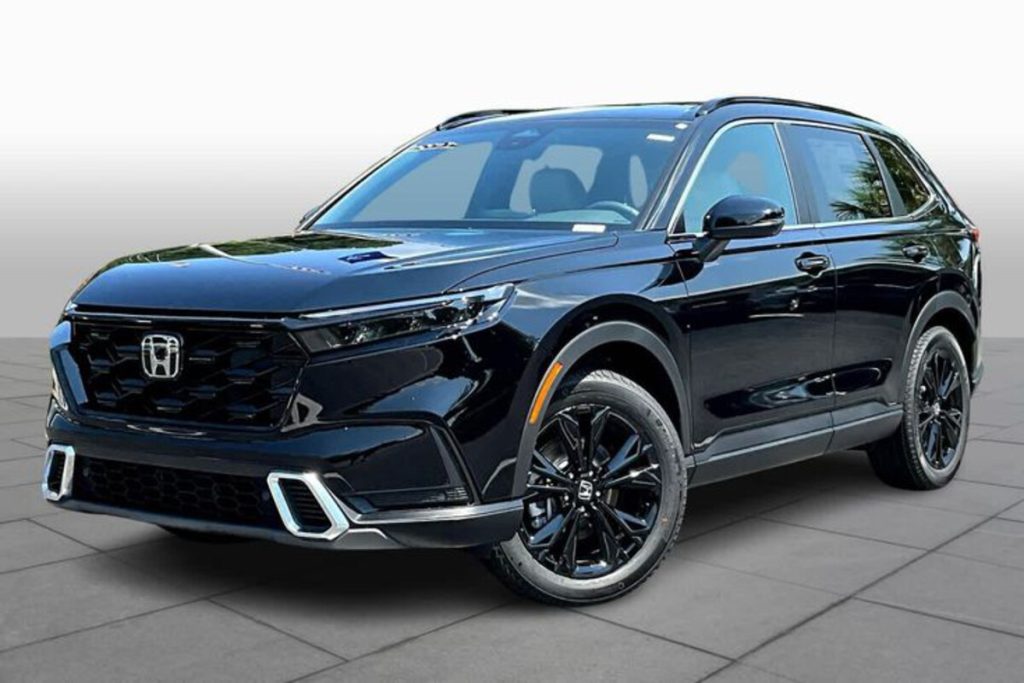
Neither SUV is unpleasant to drive. Both offer excellent visibility, easy maneuverability, and comfortable seating positions.
Hours behind the wheel reveal why so many reviewers praise the Honda’s refinement. It simply feels more polished in everyday use.
Winner: Honda CR-V
A smoother ride, quieter cabin, and more refined driving character make the CR-V a better daily driver.
Fuel Economy
Efficiency plays a major role in compact SUV purchasing decisions, especially as fuel prices continue to fluctuate.
Toyota has built much of its modern reputation around hybrid technology, and the RAV4 demonstrates why.
The standard gasoline-powered RAV4 achieves approximately:
- 27 MPG city
- 35 MPG highway
- 30 MPG combined
Hybrid models improve those numbers dramatically.
The RAV4 Hybrid delivers:
- 41 MPG city
- 38 MPG highway
- 39 MPG combined
The RAV4 Prime plug-in hybrid goes even further, offering:
- 42 miles of electric-only driving range
- 94 MPGe combined
Honda’s fuel economy figures are also impressive.
The standard turbocharged CR-V returns approximately:
- 28 MPG city
- 34 MPG highway
- 30 MPG combined
Hybrid variants achieve:
- 43 MPG city
- 36 MPG highway
- 40 MPG combined
At first glance, the CR-V Hybrid’s 40 MPG combined rating slightly edges the RAV4 Hybrid’s 39 MPG figure. The presence of the RAV4 Prime changes the equation.
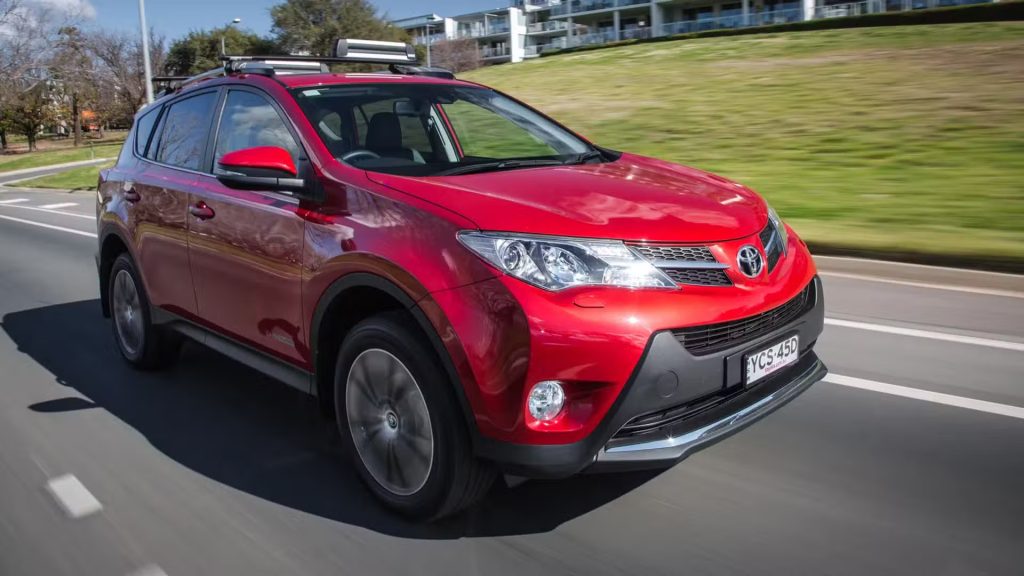
A buyer who regularly charges the battery can complete many daily commutes without using gasoline at all. The 42-mile electric range significantly reduces fuel consumption and ownership costs.
Fuel Economy Comparison
| Model | City MPG | Highway MPG | Combined MPG |
|---|---|---|---|
| RAV4 Gas | 27 | 35 | 30 |
| RAV4 Hybrid | 41 | 38 | 39 |
| RAV4 Prime | 94 MPGe | 94 MPGe | 94 MPGe |
| CR-V Gas | 28 | 34 | 30 |
| CR-V Hybrid | 43 | 36 | 40 |
The CR-V Hybrid deserves recognition for its excellent efficiency, but Toyota’s plug-in hybrid option provides an advantage Honda currently cannot match.
Winner: Toyota RAV4
The RAV4 Prime’s electric driving capability pushes Toyota ahead in the efficiency category.
Safety and Driver Assistance Technology
Advanced safety features have become expected equipment in modern family SUVs. Both manufacturers have strong reputations in this area, and both vehicles earn excellent crash-test ratings.
Toyota equips the RAV4 with Toyota Safety Sense 2.5, which includes:
- Adaptive cruise control
- Lane departure warning
- Lane tracing assist
- Automatic emergency braking
- Road sign assist
- Automatic high beams
Honda responds with Honda Sensing, offering:
- Adaptive cruise control
- Lane-keeping assist
- Collision mitigation braking
- Road departure mitigation
- Traffic sign recognition
- Traffic jam assist
Feature availability is similar, but execution differs slightly. Honda’s driver-assistance systems generally operate more smoothly and naturally. Adaptive cruise control reacts less abruptly, lane-centring functions feel more refined, and full integration is impressive.
The CR-V also earns praise for visibility. Thin roof pillars and large windows improve driver awareness in crowded urban environments.
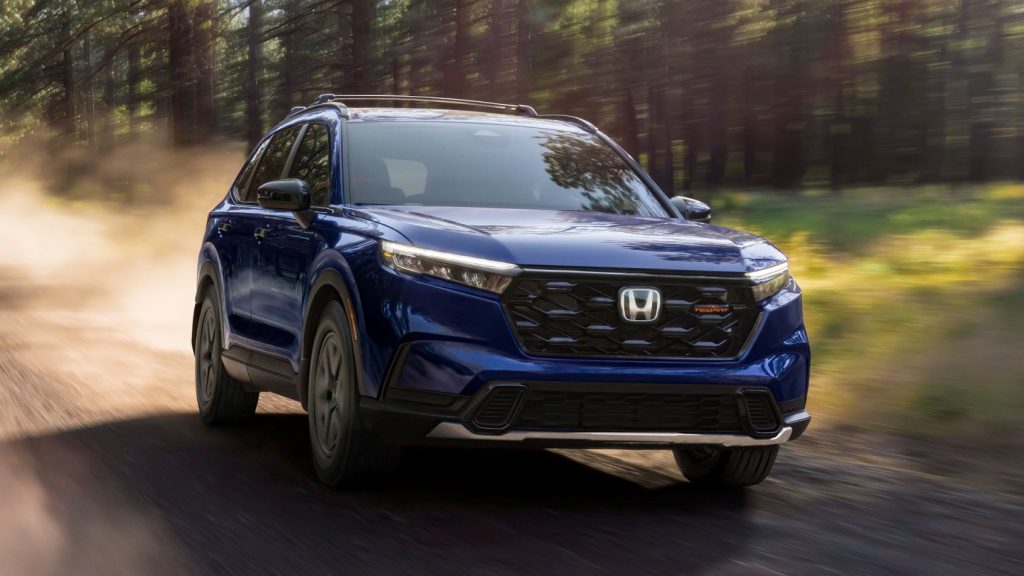
Crash-test performance remains excellent for both SUVs, making this one of the closest categories in the comparison. Honda’s slightly more polished driver-assistance calibration earns a narrow victory.
Winner: Honda CR-V
More refined safety-system operation gives Honda a slight edge.
Towing Capability
Most compact SUV buyers won’t tow frequently, but capability still matters for small trailers, boats, motorcycles, and recreational equipment. The RAV4 performs surprisingly well here.
Gasoline-powered models can tow up to 1,500 pounds. Adventure-oriented trims such as the Adventure and TRD Off-Road increase capacity substantially to 3,500 pounds.
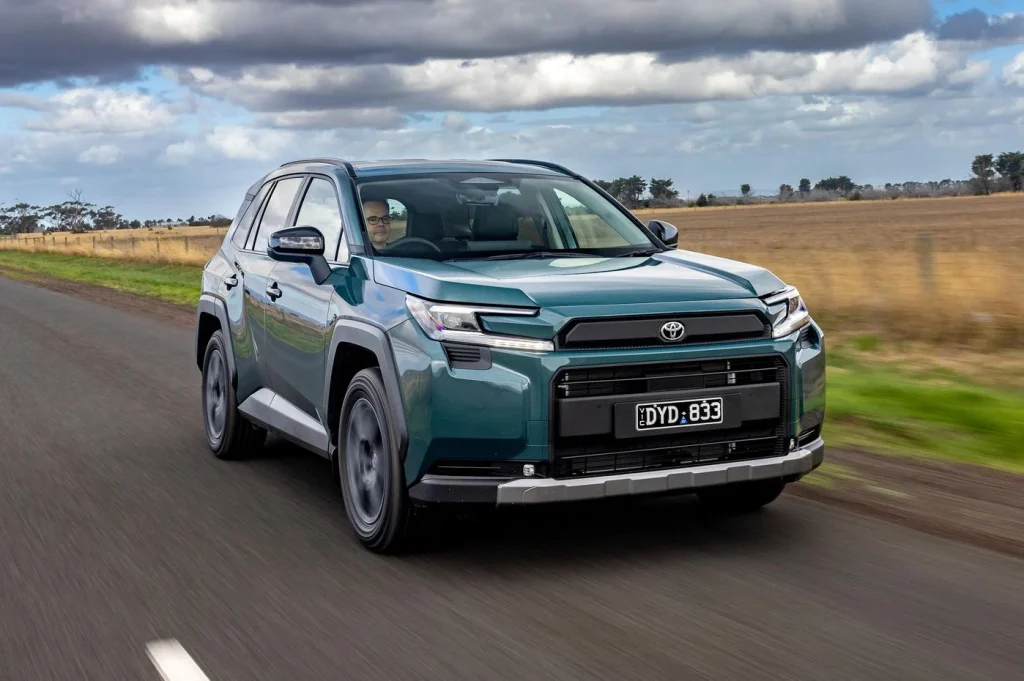
The RAV4 Prime also achieves a respectable 2,500-pound rating. Honda takes a more conservative approach. Most CR-V models are rated to tow up to 1,500 pounds regardless of trim level.
That figure is adequate for lightweight trailers and small recreational gear, but it limits versatility compared with Toyota’s higher-capacity models.
Buyers planning to tow camping equipment or small boats will appreciate the additional capability available from the RAV4 lineup.
Towing Comparison
| Model | Maximum Towing Capacity |
|---|---|
| RAV4 Standard | 1,500 lbs |
| RAV4 Adventure/TRD Off-Road | 3,500 lbs |
| RAV4 Prime | 2,500 lbs |
| Honda CR-V | 1,500 lbs |
Toyota offers significantly more flexibility for buyers who tow regularly.
Winner: Toyota RAV4
Higher towing capacities across multiple trims give the RAV4 a clear advantage.
Reliability, Resale Value, and Ownership Experience
Few categories matter more in the compact SUV segment than long-term dependability. Buyers often keep these vehicles for years, and many expect them to remain reliable well beyond 100,000 miles.
Toyota has built an industry-wide reputation around reliability, and the RAV4 continues that tradition. The naturally aspirated 2.5-liter four-cylinder engine has proven itself across multiple Toyota models, while the company’s hybrid system is regarded as one of the most dependable electrified powertrains on the market.
Maintenance costs also tend to remain predictable. Routine service is straightforward, parts are widely available, and Toyota’s extensive dealer network makes ownership relatively hassle-free.
Honda has an equally strong reputation in many areas. The CR-V has consistently ranked among the most reliable compact SUVs for decades. Owners frequently report high-mileage examples exceeding 200,000 miles with proper maintenance.
The latest CR-V benefits from improved refinement and strong build quality, helping maintain Honda’s standing as one of the most trusted brands in the segment.
Resale value creates a particularly interesting battle. The RAV4 consistently ranks among the strongest vehicles in its class for value retention. Depending on trim and market conditions, five-year resale value often falls in the 60% to 68% range.
The CR-V performs exceptionally well, too, typically retaining between 58% and 65% of its value over the same period.
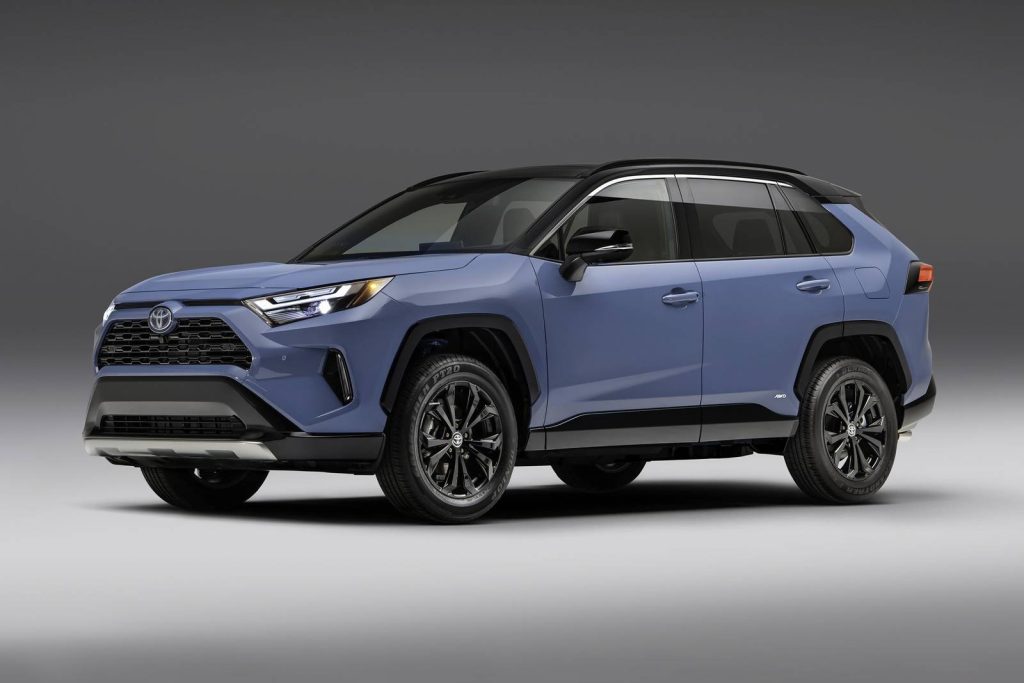
To illustrate the difference, a $40,000 RAV4 retaining 65% of its value would still be worth around $26,000 after five years. A CR-V retaining 60% would be worth approximately $24,000.
The gap isn’t enormous, but it exists. Toyota’s hybrid expertise, strong resale values, and proven reliability record give it a narrow advantage.
Resale Value Comparison
| Category | Toyota RAV4 | Honda CR-V |
|---|---|---|
| Estimated 5-Year Value Retention | 60-68% | 58-65% |
| Reliability Reputation | Excellent | Excellent |
| Hybrid Experience | Industry-Leading | Strong |
| Maintenance Costs | Low | Low |
Winner: Toyota RAV4
Outstanding resale value and Toyota’s long-established reliability reputation secure the win.
Pricing and Value
Competitive pricing has played a major role in the success of both SUVs. Toyota starts the RAV4 lineup at approximately $29,000 for entry-level gasoline models. Hybrid trims generally begin around $32,000, while the RAV4 Prime starts near the mid-$40,000 range.
Honda positions the CR-V slightly higher. Most CR-V models start around $31,000, while hybrid trims generally begin in the mid-$30,000 range.
Comparing sticker prices alone suggests Toyota offers the better bargain. The value discussion becomes more nuanced when equipment levels enter the conversation.
Honda packs impressive refinement into even lower trims. Cabin quality, ride comfort, passenger space, and full driving experience often feel closer to a midsize SUV than a compact crossover.
Toyota counters with broader trim diversity. Buyers can choose from traditional gasoline models, hybrids, plug-in hybrids, off-road-oriented trims, and premium variants.
That variety allows shoppers to select a version that closely matches their needs without paying for unnecessary features.
Fuel savings also strengthen Toyota’s value proposition. Hybrid and plug-in hybrid models can significantly reduce operating expenses over time.
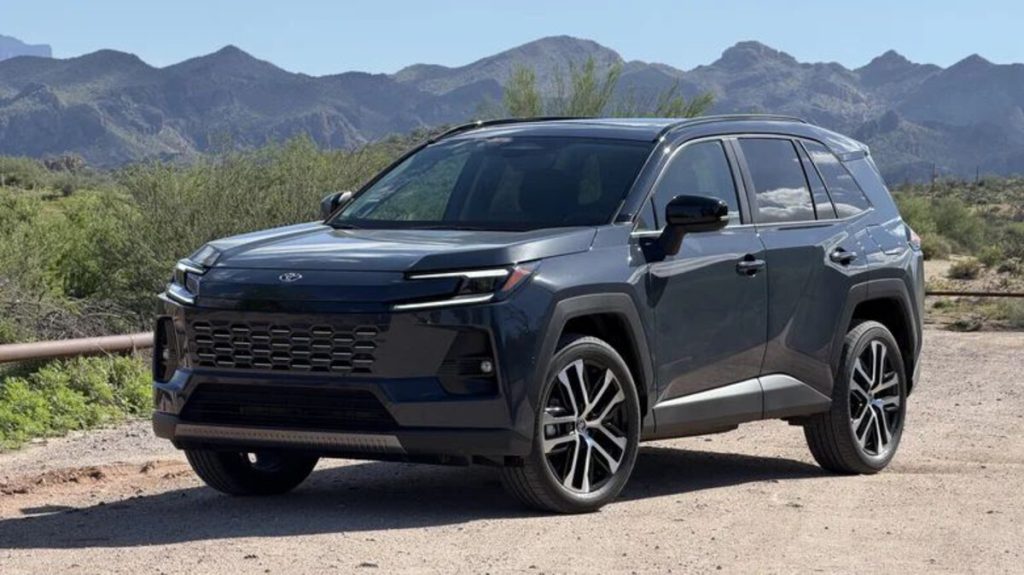
The CR-V delivers excellent value, but Toyota’s wider range of configurations and stronger resale value give it a slight advantage.
Starting MSRP Comparison
| Model | Approximate Starting Price |
|---|---|
| Toyota RAV4 LE | $29,000 |
| Honda CR-V LX | $31,000 |
| RAV4 Hybrid | $32,000+ |
| CR-V Hybrid | $35,000+ |
| RAV4 Prime | $44,000+ |
Winner: Toyota RAV4
Lower entry pricing, stronger resale value, and a broader trim lineup improve long-term value.
Final Verdict
Shoppers comparing the Toyota RAV4 and Honda CR-V are choosing between two of the best compact SUVs available today.
Honda focused heavily on comfort, refinement, and passenger space when developing the latest CR-V. Those efforts are immediately noticeable from behind the wheel. The cabin feels more upscale, rear-seat accommodations are among the best in the class, and ride quality rivals larger and more expensive SUVs.
Several categories highlight those strengths. Interior quality, passenger room, ride comfort, and driver-assistance refinement all favor the Honda. Toyota answers with a broader range of capabilities.
The RAV4 offers more powertrain choices, stronger towing capacity, better resale value, excellent hybrid technology, and one of the most impressive plug-in hybrid systems in the segment. Buyers can choose anything from an affordable gasoline model to a 302-horsepower RAV4 Prime capable of traveling approximately 42 miles on electricity alone.
Practicality remains strong in both vehicles, but Toyota’s combination of efficiency, versatility, and long-term value creates a compelling package.
The category score reveals just how competitive this comparison is. Honda dominates areas related to comfort and refinement.
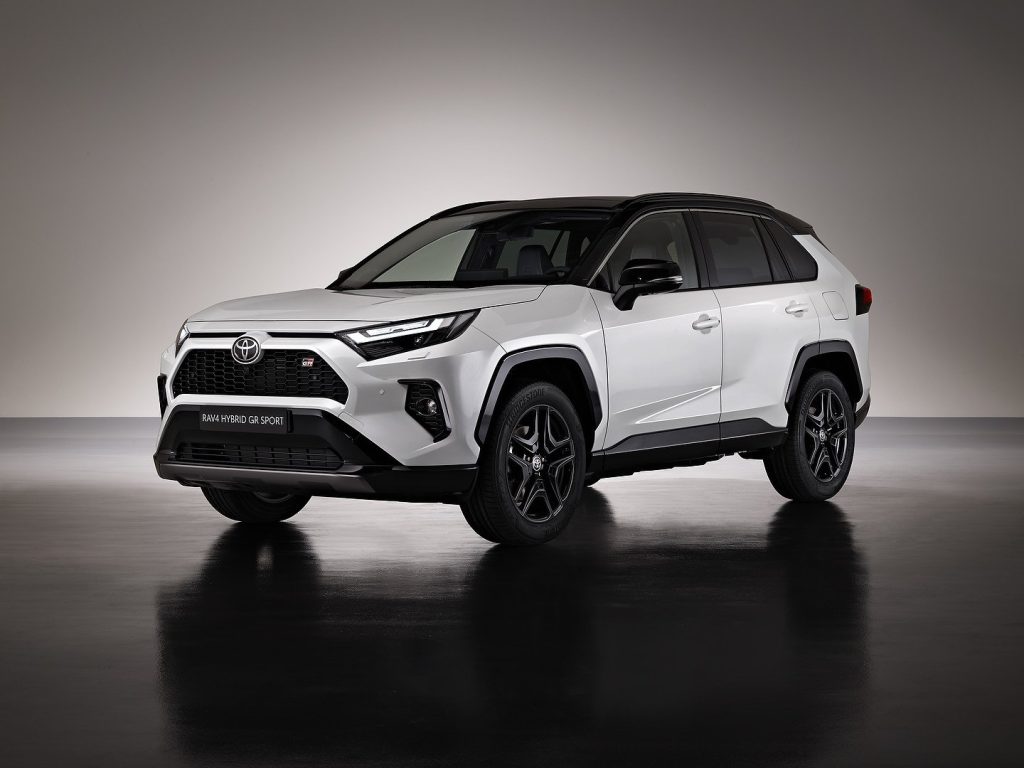
Toyota wins categories tied to capability, ownership costs, efficiency, and long-term value. Neither choice is wrong.
Families prioritizing interior comfort, rear-seat space, and daily driving refinement may find the CR-V more appealing.
Buyers seeking stronger full versatility, superior hybrid technology, and better long-term value will likely gravitate toward the RAV4.
Winner: Toyota RAV4
Excellent reliability, outstanding hybrid options, stronger resale value, and greater versatility help the RAV4 secure a narrow victory.
Toyota RAV4 vs Honda CR-V Winner Comparison Table
| Category | Winner | The Edge |
|---|---|---|
| Exterior Design and Road Presence | Toyota RAV4 | Rugged styling creates a stronger and more distinctive appearance |
| Interior Design and Technology | Honda CR-V | Better materials and significantly more rear-seat space |
| Powertrains and Performance | Toyota RAV4 | RAV4 Prime delivers segment-leading power and versatility |
| Cargo Space and Practicality | Honda CR-V | Larger cargo area and roomier passenger accommodations |
| Ride Quality and Daily Driving | Honda CR-V | Smoother ride and quieter cabin during everyday use |
| Fuel Economy | Toyota RAV4 | The plug-in hybrid option dramatically improves efficiency |
| Safety and Driver Assistance Technology | Honda CR-V | Driver-assistance systems operate more naturally and smoothly |
| Towing Capability | Toyota RAV4 | Up to 3,500 pounds of towing capacity available |
| Reliability, Resale Value, and Ownership Experience | Toyota RAV4 | Stronger resale values and proven hybrid dependability |
| Pricing and Value | Toyota RAV4 | Lower starting price and better long-term ownership value |
| Final Verdict | Toyota RAV4 | Better blend of efficiency, capability, and ownership value |
A spacious interior and refined road manners make the CR-V one of the segment’s strongest contenders, but the RAV4’s broader powertrain lineup, exceptional hybrid technology, stronger resale value, and greater versatility allow it to edge ahead in one of the closest compact SUV battles on the market.
Also Read: Jeep Wrangler vs Ford Bronco Comparison – Which Off-Roader Is Better?
