
Vehicle ownership in the United States reflects transportation needs as well as income, geography, and lifestyle patterns. The number of vehicles per household is influenced by factors such as population density, access to public transportation, commuting distance, and employment structure.
In suburban and rural areas, multiple vehicles are often necessary for daily life due to long travel distances and limited transit options. Families commonly rely on separate vehicles for work, school, and other activities, especially in households with multiple drivers.
Higher income levels also contribute to increased vehicle ownership, with many households owning additional SUVs, trucks, or recreational vehicles. In regions where outdoor activities are popular, extra vehicles are often used for travel and recreation.
Vehicle ownership patterns highlight how geography and economic conditions shape mobility across the United States, with personal vehicles remaining essential in many regions.
ALSO READ: 10 Best Dash Cams That Can Lower Your Insurance Liability in an Accident
1. Wyoming
Wyoming consistently ranks highest in the United States for vehicles per household due to a combination of geography, population distribution, and lifestyle needs. As the least populated state in the country, it spans vast areas of mountains, plains, and rural land where communities are widely separated. This makes travel between essential services such as work, healthcare, education, and shopping heavily dependent on personal transportation.
Public transportation is extremely limited outside a few urban centers like Cheyenne and Casper. With few reliable shared transit options, residents rely almost entirely on private vehicles for daily mobility. In many households, multiple vehicles are necessary so that working adults can commute independently and manage different schedules efficiently.
Cultural and lifestyle factors also contribute to high vehicle ownership. Wyoming has a strong outdoor recreation culture, with activities such as hunting, fishing, camping, and off-road driving being common. These often require specialized vehicles like pickup trucks, SUVs, and trailers, increasing the number of vehicles per household.
Seasonal weather conditions further reinforce this trend, as residents often maintain additional vehicles for reliability during harsh winters. Combined with economic independence and low population density, these factors make multiple vehicle ownership a practical necessity across the state.

2. Montana
Montana’s high vehicle ownership rates are strongly shaped by its geography, economy, and lifestyle. The state has vast mountain ranges, open plains, and one of the lowest population densities in the United States, meaning residents often live far from towns, services, and even neighbors. As a result, personal vehicles are the primary form of transportation for most households.
Public transportation is limited outside a few cities, such as Billings, Missoula, and Bozeman, and even there, it is not extensive enough to replace private cars. This forces families to rely on their own vehicles for commuting, errands, and daily travel. Many households keep multiple vehicles so different family members can travel independently.
Montana’s economy also contributes to this trend. Industries such as agriculture, forestry, mining, and tourism require heavy-duty transportation and frequent long-distance travel. Ranching and farming households often own several pickup trucks for work, alongside regular passenger cars for personal use.
Outdoor recreation is another major factor. Activities like hunting, fishing, skiing, and camping require reliable SUVs or trucks capable of handling rough terrain and changing weather conditions. Harsh winters further increase the need for all-wheel or four-wheel drive vehicles.
Montana’s combination of rural geography, work demands, and outdoor lifestyle makes multiple vehicle ownership a practical necessity rather than a luxury.
3. North Dakota
North Dakota’s high ranking in vehicles per household is closely tied to its strong energy sector and rural population distribution.
The state has a relatively small population spread across wide agricultural plains, which creates a transportation environment heavily dependent on personal vehicles. Residents frequently travel long distances between towns, workplaces, and essential services. This geographic reality makes owning more than one vehicle a practical requirement for many households.
A significant contributor to vehicle ownership in North Dakota is the oil and gas industry, particularly in the western part of the state. Workers in this sector often commute between remote drilling sites, temporary housing, and industrial facilities.
These commutes can span long distances and require reliable, durable transportation. As a result, many households maintain multiple vehicles, including trucks and SUVs, to accommodate demanding work schedules and rugged terrain conditions.
The state’s climate also plays an important role in shaping transportation needs. North Dakota experiences some of the harshest winter conditions in the United States, with heavy snowfall, ice, and extreme cold temperatures.
These conditions often require specialized vehicles equipped for winter driving, such as all-wheel drive or four-wheel drive systems. Many households therefore own multiple vehicles to ensure reliability during different seasons, reducing the risk of being stranded during severe weather.
Public transportation options in North Dakota are limited and concentrated primarily in larger cities such as Fargo and Bismarck. Outside these areas, residents rely almost entirely on personal vehicles for commuting, education, and daily errands. This lack of transit infrastructure reinforces the need for households to maintain more than one vehicle, especially when multiple family members need transportation at the same time.
Finally, North Dakota’s culture of self-reliance and practical living supports high vehicle ownership rates. Vehicles are viewed as essential tools for both work and personal life, particularly in rural communities. Combined with economic activity in energy production and agriculture, this cultural mindset ensures that vehicles per household remain among the highest in the nation.
4. South Dakota
South Dakota’s vehicle ownership patterns are strongly influenced by its agricultural economy and rural settlement structure. Much of the state consists of farmland, ranches, and small towns separated by long distances.
This means that residents frequently need to travel significant distances for employment, education, healthcare, and commerce. As a result, households often maintain multiple vehicles to ensure flexibility and reliability in daily transportation.
Agriculture is one of the most important sectors in South Dakota, and it directly contributes to high vehicle ownership rates. Farming and ranching operations depend heavily on trucks, tractors, and utility vehicles for transporting equipment, livestock, and supplies.
Many households own at least one dedicated work vehicle in addition to standard passenger cars. In rural communities, these vehicles are essential for maintaining productivity and managing large agricultural properties.
The limited availability of public transportation outside urban centers further increases reliance on private vehicles. While cities such as Sioux Falls and Rapid City offer some transit options, most of the state lacks comprehensive public transportation networks. This means that households cannot depend on buses or trains for routine travel. Instead, personal vehicles are necessary for almost all forms of mobility, from school commutes to shopping trips.
South Dakota’s tourism industry also contributes to vehicle demand. The state attracts visitors to destinations such as the Black Hills and Mount Rushmore, creating economic activity that relies on transportation services.
Residents working in tourism-related businesses often require vehicles for travel between job sites, hotels, and recreational areas. Additionally, personal travel to tourist destinations further reinforces the need for reliable vehicles.
Cultural and economic factors combine to make vehicle ownership a central part of life in South Dakota. The affordability of vehicles relative to income levels, along with the necessity of long-distance travel, ensures that many households maintain more than one vehicle.
This combination of agricultural dependence, geographic spread, and limited transit infrastructure keeps South Dakota among the top states for vehicles per household.

5. Idaho
Idaho has experienced rapid population growth in recent years, particularly in suburban areas, yet it continues to maintain strong rural characteristics that influence vehicle ownership patterns. The state’s geography includes mountains, forests, farmland, and widely dispersed communities.
This distribution means that residents often rely on personal vehicles for almost all forms of transportation. As a result, many households own multiple vehicles to accommodate work schedules, school commutes, and recreational activities.
One of the most important factors contributing to Idaho’s high vehicle ownership is commuting distance. As suburban development expands around cities such as Boise, many residents live farther from employment centers.
This creates daily travel demands that often require separate vehicles for each working adult in a household. In families with multiple income earners, it is common for each person to have their own car to maintain flexible schedules.
Agriculture remains an important part of Idaho’s economy, particularly in rural regions. Farming operations often require trucks and utility vehicles for transporting crops, livestock, and equipment.
These work vehicles are typically owned in addition to personal cars, increasing the total number of vehicles per household. Even nonagricultural households in rural areas often rely on pickup trucks due to terrain and transportation needs.
Outdoor recreation also plays a significant role in shaping vehicle ownership in Idaho. The state is known for activities such as skiing, hiking, fishing, and camping. Many of these activities require travel to remote areas with limited infrastructure, making SUVs and trucks highly desirable. Families often own additional recreational vehicles, such as trailers or off-road capable trucks, to support these lifestyles.
Idaho’s combination of affordability, population growth, and limited public transit outside urban centers reinforces the importance of personal transportation. While cities are expanding transit options, most of the state still depends heavily on private vehicles.
This blend of economic growth, rural geography, and lifestyle preferences ensures that Idaho remains one of the leading states in vehicles per household in the United States.
ALSO READ: Top 6 Best Dash Cams to Enhance Safety and Capture Critical Moments
6. Utah
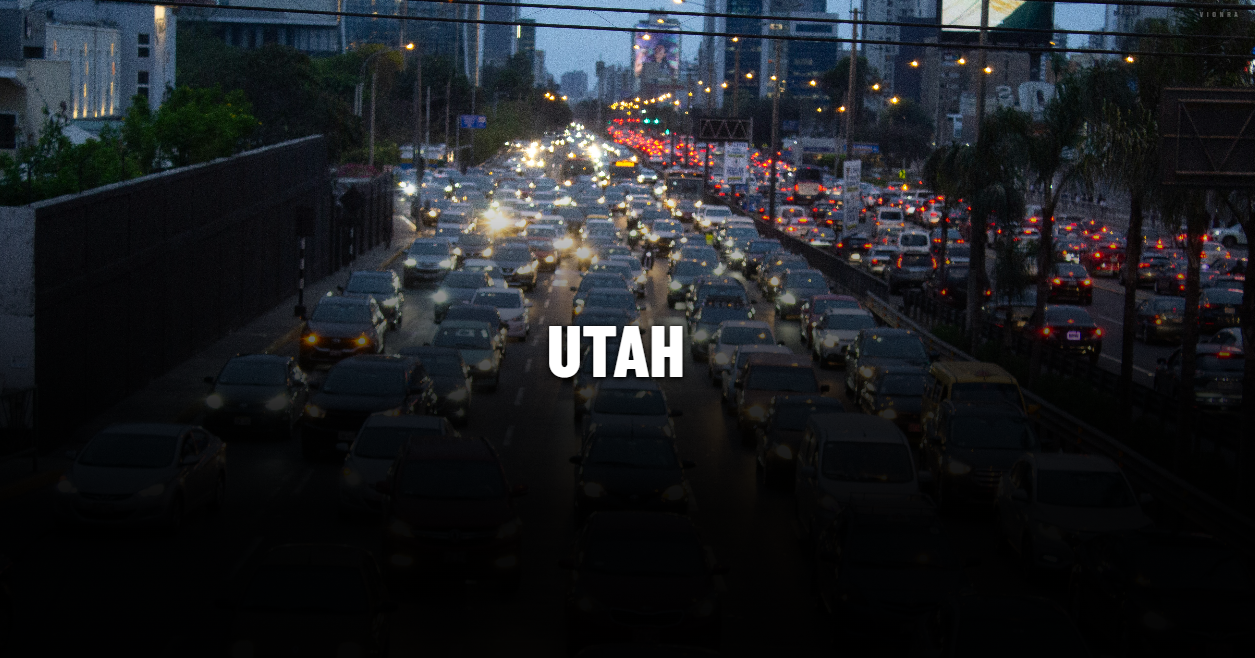
Utah stands out as a rapidly growing state where vehicle ownership per household remains high due to a combination of suburban expansion, family size, and commuting patterns. The state has experienced consistent population growth, especially along the Wasatch Front, where cities such as Salt Lake City, Provo, and Ogden have expanded significantly.
As residential areas spread outward, commuting distances have increased, making personal vehicles a primary necessity for daily travel. Many households therefore, rely on multiple vehicles to accommodate work schedules, school routines, and family activities spread across different locations.
The state’s economy also contributes to high vehicle usage. While Utah has developed a strong technology sector, known as the Silicon Slopes region, many residents still commute long distances between suburban neighborhoods and urban employment centers.
Public transportation systems such as light rail and buses exist, but they do not fully meet the transportation demands of a rapidly growing population spread across a large metropolitan area. As a result, private vehicles remain the most flexible and widely used transportation option.
Utah’s economic prosperity and relatively high rates of home ownership support the ability of households to maintain multiple vehicles. With growing suburban developments and limited dependence on centralized transit systems, personal transportation continues to play a central role in daily life. These combined factors ensure that Utah remains among the leading states in vehicles per household.

7. Nebraska
Nebraska’s high ranking in vehicles per household is strongly tied to its agricultural economy and widely distributed rural population. Much of the state is composed of farmland, small towns, and open plains where communities are separated by long distances.
This geographic layout makes personal vehicles essential for almost all aspects of life, including commuting to work, attending school, and accessing healthcare or retail services. As a result, households often maintain multiple vehicles to manage daily transportation needs efficiently.
Agriculture plays a dominant role in Nebraska’s economy, and it directly influences vehicle ownership patterns. Farming operations require a wide range of vehicles, including pickup trucks, utility vehicles, and specialized transport equipment.
These work vehicles are often owned in addition to standard passenger cars, increasing the total number of vehicles per household. In rural farming communities, it is common for multiple trucks to be associated with a single household due to the scale of agricultural activities.
Another important factor is the distance between towns and employment centers. Even within relatively populated regions of Nebraska, commuting distances can be significant.
Many residents travel 20 to 50 miles or more for work each day, especially when living in smaller towns outside major cities like Omaha and Lincoln. In households with multiple working adults, separate vehicles are often necessary to accommodate different schedules and destinations.
Public transportation availability outside urban centers is limited, which reinforces reliance on private vehicles. While cities such as Omaha offer bus systems and some public transit infrastructure, these services do not extend effectively into rural regions. This lack of connectivity means that residents must depend heavily on personal transportation for both routine and emergency travel needs.
Nebraska’s relatively affordable cost of living makes vehicle ownership more accessible for many households. Compared to states with higher living expenses, residents may find it easier to maintain more than one vehicle.
Combined with cultural expectations around independence and mobility, these economic and geographic conditions ensure that Nebraska remains one of the top states in vehicles per household.

8. Kansas
Kansas ranks among the U.S. states with the highest vehicles per household, largely due to its geography and economy. The state is dominated by vast agricultural land, small towns, and rural communities spread across long distances, making personal transportation essential for daily life. As a result, many households maintain multiple vehicles to handle commuting, errands, and family responsibilities efficiently.
Agriculture is a major driver of this trend. Farming and ranching operations require pickup trucks and utility vehicles for hauling equipment, transporting crops, and managing livestock. These work vehicles are often used alongside regular passenger cars, increasing the total number of vehicles owned per household, especially in rural areas where self-sufficiency is important.
Long commuting distances also contribute significantly. Many residents travel from smaller towns to larger cities such as Wichita, Topeka, or Kansas City for work, and households with multiple working adults often need separate vehicles to support differing schedules. Limited public transportation outside urban centers further reinforces reliance on private cars for all forms of mobility, including school runs, healthcare visits, and shopping.
Cultural attitudes also play a role, as vehicles are widely viewed as essential tools for independence and economic productivity. Combined with affordable vehicle ownership and the necessity of long-distance travel, Kansas consistently maintains one of the highest vehicle-per-household rates in the country.

9. Oklahoma
Oklahoma presents a diverse transportation industry that blends urban development with extensive rural regions, leading to high vehicle ownership per household. While cities such as Oklahoma City and Tulsa offer urban amenities and some public transportation, a significant portion of the state remains rural.
In these areas, residents depend heavily on personal vehicles for daily mobility. Households often own multiple vehicles to accommodate varying work schedules, family needs, and long-distance travel requirements.
The state’s economy plays a major role in shaping vehicle ownership patterns. Oklahoma has strong energy, agriculture, and manufacturing sectors, all of which rely on transportation-intensive operations.
Workers in the oil and gas industries, for example, often travel between drilling sites, facilities, and remote locations. These demands frequently require durable vehicles such as trucks and SUVs, contributing to higher household vehicle counts.
Suburban expansion around major cities has also increased commuting distances in recent years. As residential developments expand outward, many residents live farther from central business districts.
This results in daily commutes that often require private vehicles due to limited public transit coverage. In households with multiple workers, owning more than one vehicle is often necessary to maintain flexibility and avoid scheduling conflicts.
Cultural preferences also influence vehicle ownership in Oklahoma. Many residents prefer larger vehicles such as pickup trucks and SUVs, which are well-suited for both urban and rural driving conditions.
These vehicles are valued for their versatility, allowing families to use them for commuting, recreation, and work-related activities. This preference contributes to a higher average number of vehicles per household.
The combination of affordable living costs and widespread dependence on personal transportation ensures that vehicle ownership remains high across the state. With limited public transit outside metropolitan areas and strong economic reliance on mobility, Oklahoma continues to rank among the top states in vehicles per household.
10. Iowa
Iowa completes the list of states with the highest vehicles per household, largely due to its strong agricultural foundation and widespread rural communities. The state is dominated by farmland, small towns, and open countryside, where residents often live far from major commercial centers.
This geographic structure makes personal vehicles essential for daily life, as public transportation options are limited outside larger cities. Households frequently maintain multiple vehicles to manage work, school, and household responsibilities efficiently.
Agriculture is the backbone of Iowa’s economy, and it heavily influences transportation needs. Farming operations require trucks, tractors, and utility vehicles for transporting crops, equipment, and livestock. These work vehicles are typically owned in addition to standard passenger cars, significantly increasing the total number of vehicles per household. In rural farming communities, it is common for families to rely on multiple trucks for both agricultural and personal use.
Commuting distances also play a major role in vehicle ownership. Many Iowa residents travel long distances between home and work, especially those living in smaller towns who commute to larger cities such as Des Moines, Cedar Rapids, or Davenport.
In households with multiple working adults, separate vehicles are often necessary to accommodate different job locations and schedules. This reliance on commuting further increases the demand for personal vehicles.
Public transportation infrastructure in Iowa is limited outside urban areas, which reinforces dependence on private cars and trucks. While cities offer some bus services, they do not extend effectively into rural regions. This lack of transit coverage means that residents must rely on personal vehicles for nearly all daily activities, including shopping, healthcare visits, and social travel.
Iowa’s relatively affordable cost of living makes vehicle ownership accessible for many households. Combined with cultural norms that emphasize independence and practicality, vehicles are considered essential assets rather than luxury items. These factors together ensure that Iowa consistently ranks among the top states in vehicles per household.
