
Pickup trucks occupy a unique place in American automotive culture. While sedans, hatchbacks, sport utility vehicles, and crossovers dominate many urban markets, trucks continue to reign supreme in several states across the United States. Their popularity is not simply a matter of preference.
It is often tied to geography, industry, lifestyle, climate, and economic activity. In states where agriculture, energy production, construction, mining, forestry, and outdoor recreation play major roles, pickup trucks provide the utility and durability that residents require for both work and daily transportation.
Modern trucks have evolved significantly over the past two decades, combining impressive towing and hauling capabilities with advanced technology, premium interiors, and safety features that rival those of luxury vehicles.
The rise of the modern pickup truck has transformed the segment from a work-focused tool into a versatile vehicle capable of serving families, business owners, contractors, and adventure enthusiasts alike.
Full-size trucks have become especially popular because they offer spacious cabins, powerful engines, off-road capability, and the flexibility to transport equipment, trailers, and recreational gear. As a result, many buyers who once would have chosen a traditional sedan now view trucks as practical all-around vehicles.
Vehicle registration and sales data consistently show that certain states maintain an especially strong preference for pickups. These states often feature large rural populations, extensive road networks, demanding weather conditions, and industries that rely heavily on transportation and equipment movement. In these markets, trucks frequently outsell every other body style, demonstrating their importance to local economies and lifestyles.
Understanding where trucks dominate provides valuable insight into regional consumer behavior and the factors that shape vehicle purchasing decisions. From the oil fields of Texas to the agricultural communities of the Great Plains, truck ownership reflects more than transportation needs.
It represents a way of life that values capability, reliability, and versatility. The following eight states stand out as places where pickup trucks consistently outperform all other vehicle body styles, making them some of the strongest truck markets in America.
ALSO READ: 10 Best Dash Cams That Can Lower Your Insurance Liability in an Accident
1. Texas
Texas stands at the very top of the United States when it comes to pickup truck dominance, and this is not just a cultural stereotype but a consistent reality reflected in vehicle registration and sales patterns. The sheer geographic size of the state plays a major role, as Texans often travel long distances between cities, job sites, ranches, and rural communities.
In such an environment, pickup trucks provide a level of versatility that smaller passenger vehicles struggle to match. Whether it is hauling construction equipment across Houston’s expanding suburbs or towing livestock trailers across wide-open ranch land in West Texas, trucks are deeply embedded in everyday transportation needs.
The demand is reinforced by the fact that many parts of the state still operate with a strong rural and semi-rural identity, where practicality matters more than fuel economy or compact design.
The energy sector is one of the most powerful drivers of truck dominance in Texas. Oil and gas operations in regions such as the Permian Basin require workers to navigate rough terrain, unpaved roads, and isolated drilling sites. These jobs often involve transporting heavy tools, safety equipment, and industrial materials, making full-size pickups an operational necessity rather than a luxury.
Companies frequently maintain large fleets of trucks because reliability and towing capability are essential in high-demand environments. Even outside industrial fleets, individual workers in the energy sector prefer owning personal trucks that can handle both professional and personal demands seamlessly, reinforcing the cycle of high truck ownership.
Agriculture and ranching also form a foundational pillar of Texas’s truck culture. The state is home to thousands of cattle ranches and farms that rely on pickup trucks for daily operations. Farmers use them to haul feed, transport irrigation supplies, move fencing materials, and tow trailers loaded with livestock or equipment.
Unlike in urban regions where vehicles are often limited to commuting, in rural Texas, a single truck may serve multiple roles throughout the day, functioning as a workhorse, family vehicle, and transport solution all in one. This multifunctional utility makes trucks indispensable in agricultural communities where efficiency directly impacts productivity and profitability.
Beyond work requirements, lifestyle and culture significantly strengthen truck dominance in Texas. Outdoor activities such as hunting, fishing, camping, and boating are widely popular across the state, and pickup trucks are the preferred vehicles for transporting gear and accessing remote areas.
Many Texans also take pride in vehicle customization, modifying trucks with lift kits, off-road tires, and towing enhancements that reflect personal identity as much as functional needs. The popularity of truck-centric events, dealerships, and even social media communities further cements the vehicle type as a cultural symbol.
This blend of necessity, identity, and versatility ensures that trucks remain the undisputed leader in Texas automotive preferences.
2. Wyoming
Wyoming is one of the most truck-dependent states in the United States, and its vehicle industry is heavily shaped by geography, population density, and economic structure. With the lowest population in the country and vast expanses of undeveloped land, transportation needs in Wyoming are fundamentally different from those in urbanized states.
Residents frequently travel long distances between towns, job sites, and essential services, often on highways that cut through open plains or rugged mountainous regions. In this environment, pickup trucks offer reliability, stability, and endurance that align perfectly with daily driving demands.
The state’s economy is strongly rooted in natural resource industries, including energy production, mining, and agriculture. Workers in these fields depend heavily on pickup trucks to reach remote locations and transport equipment under demanding conditions. In the energy sector, particularly coal, oil, and natural gas, job sites are often located far from paved infrastructure.
Trucks equipped with Four Wheel Drive systems are essential for handling uneven terrain, dirt roads, and weather-affected routes. Their ability to carry heavy tools and tow industrial trailers makes pickups a practical necessity rather than a lifestyle choice.
Ranching is another central factor in Wyoming’s truck dominance. Large cattle ranches span thousands of acres, requiring vehicles that can move quickly across vast properties while carrying supplies and supporting livestock operations.
Pickup trucks serve as mobile workstations for ranchers, enabling them to handle fencing repairs, feed distribution, veterinary transport, and herd management. Unlike smaller vehicles, trucks can operate effectively in mud, snow, and uneven ground, which are common across Wyoming’s rural areas. This reliability ensures that they remain the backbone of agricultural transportation.
Weather conditions also heavily influence vehicle preferences in Wyoming. The state experiences long, harsh winters with heavy snowfall, freezing temperatures, and strong winds that can make driving extremely challenging.
Pickup trucks with all-wheel or Four Wheel Drive systems provide critical traction and stability during these months, reducing the risk of accidents and improving accessibility. In many rural communities, owning a capable truck is not just a convenience but a safety requirement for winter travel. This necessity significantly contributes to their widespread adoption.
Outdoor recreation further reinforces Wyoming’s truck culture. The state is known for its world-class hunting, fishing, camping, and backcountry exploration opportunities. Residents frequently travel into remote wilderness areas that require vehicles capable of handling rough roads and carrying specialized equipment.
Pickup trucks are ideal for towing boats, carrying camping gear, or transporting hunting supplies. This blend of professional necessity and recreational utility ensures that trucks remain the dominant vehicle type across the state.
3. North Dakota
North Dakota’s strong reliance on pickup trucks is closely tied to its rapidly evolving energy sector and deeply rooted agricultural economy. Over the past decade, the state has experienced significant growth in oil production, particularly in regions like the Bakken formation.
This boom has led to increased demand for durable and reliable vehicles capable of operating in demanding industrial environments. Workers often travel between remote drilling sites, carrying tools, equipment, and safety gear across long distances. Pickup trucks provide the rugged performance and towing capacity necessary to support these operations efficiently.
Agriculture remains equally important in shaping North Dakota’s vehicle preferences. The state is one of the leading producers of wheat, corn, soybeans, and other crops in the United States. Farming operations often require constant transportation of supplies, harvested goods, fertilizers, and machinery parts.
Pickup trucks serve as essential tools for farmers, enabling them to move quickly between fields and support time-sensitive agricultural activities. Their cargo space and towing ability make them far more practical than standard passenger vehicles in rural farming environments.
North Dakota’s climate plays a major role in reinforcing truck dominance. Winters are long, cold, and severe, with heavy snowfall and icy roads that can last for months. In these conditions, vehicles with high ground clearance and Four Wheel Drive systems are significantly safer and more reliable.
Pickup trucks are well-suited to handle snow-covered highways and rural gravel roads, making them a preferred choice for both personal and professional transportation. The ability to maintain mobility during harsh weather is a key reason why trucks outperform other body styles in the state.
The state’s low population density further contributes to the popularity of trucks. Many residents live in small towns or rural areas where services, schools, and workplaces are spread far apart.
Long commutes are common, and vehicles must be capable of handling varied road conditions. Pickup trucks offer comfort for long drives while maintaining the strength needed for work-related tasks. This combination of practicality and durability makes them ideal for North Dakota’s transportation.
In addition to work and weather factors, lifestyle preferences also play a role. Outdoor activities such as hunting, fishing, and camping are widely enjoyed across the state. Pickup trucks provide the storage, towing capacity, and off-road capability needed for these pursuits. Whether transporting recreational trailers or accessing remote natural areas, trucks remain the most practical and widely used vehicle type in North Dakota.
4. South Dakota
South Dakota’s vehicle market is heavily shaped by its agricultural backbone, rural geography, and seasonal climate variations, all of which strongly favor pickup trucks over other body styles. Farming is one of the state’s primary economic drivers, and agricultural operations depend extensively on reliable transportation.
Pickup trucks are used daily to transport livestock feed, repair equipment, haul trailers, and manage fieldwork across large rural properties. Their durability and versatility make them essential tools for maintaining productivity in an industry that operates on tight seasonal schedules.
The rural nature of South Dakota means that residents frequently travel long distances between farms, towns, and service centers. In many areas, paved infrastructure is limited, and gravel roads are common. Pickup trucks are well-suited to these conditions due to their higher ground clearance, robust suspension systems, and ability to handle uneven terrain. This makes them more practical than sedans or compact vehicles, especially for residents living outside urban centers.
Weather conditions further strengthen the preference for trucks. South Dakota experiences harsh winters with heavy snow, strong winds, and freezing temperatures that can make driving difficult. Pickup trucks equipped with Four Wheel Drive systems offer better control and stability in these conditions. Their ability to navigate snow-covered roads ensures year-round mobility, which is crucial for both personal travel and agricultural operations.
Construction and small business activity also contribute to truck demand. Contractors, electricians, plumbers, and other tradespeople frequently rely on pickup trucks to transport tools and materials between job sites.
The cargo capacity and towing ability of trucks make them highly efficient for professional use, reducing the need for additional transportation equipment. This practicality has helped cement their dominance in both commercial and private sectors.
Outdoor recreation is another important influence in South Dakota’s truck culture. Activities such as hunting, fishing, camping, and boating are widely popular, and pickup trucks are ideal for transporting gear and accessing remote natural areas. Whether heading to the Black Hills or exploring rural areas, trucks provide the reliability and versatility needed for recreational lifestyles.
ALSO READ: Top 6 Best Dash Cams to Enhance Safety and Capture Critical Moments
5. Montana
Montana’s strong preference for pickup trucks is deeply connected to its rugged geography, agricultural economy, and outdoor-oriented culture. The state features vast open plains, mountainous regions, and remote rural communities, all of which create transportation challenges that favor capable and durable vehicles.
Pickup trucks are widely used because they can handle a variety of terrain types while offering the power needed for both work and recreation.
Ranching is one of Montana’s most important industries, and it plays a central role in shaping vehicle demand. Large ranches require vehicles that can travel long distances across uneven land while carrying equipment, supplies, and livestock-related materials.
Pickup trucks function as essential work vehicles in these environments, enabling ranchers to manage fencing, feed distribution, and animal care efficiently. Their ability to operate in harsh weather and rugged terrain makes them indispensable to daily operations.
Agriculture also significantly contributes to truck usage across the state. Farmers rely on pickups for transporting harvested crops, equipment, and materials needed throughout the farming cycle. Their flexibility allows them to serve multiple roles, reducing the need for specialized vehicles in rural operations. This versatility is particularly valuable in areas where resources and infrastructure may be limited.
Montana’s geography and climate further reinforce the dominance of pickup trucks. Winters can be severe, especially in mountainous regions where snow accumulation and icy roads are common. Four Wheel Drive trucks provide stability and control in these conditions, ensuring that residents can travel safely throughout the year. Additionally, rural road networks often include unpaved or gravel surfaces where trucks perform significantly better than smaller vehicles.
Outdoor recreation is a defining feature of life in Montana, and it strongly influences vehicle preferences. Activities such as hunting, fishing, hiking, skiing, camping, and boating are widely enjoyed.
Pickup trucks are ideal for transporting recreational gear and accessing remote natural areas that are not easily reachable by standard passenger vehicles. This combination of practicality, durability, and lifestyle compatibility ensures that trucks remain the dominant vehicle type in the state.
6. Alaska
Alaska stands apart from every other U.S. state when it comes to transportation needs, and pickup trucks dominate largely because of the extreme environment and geographic isolation that define daily life. The state’s vast size, combined with its extremely low population density, means that residents often travel long distances between towns, work sites, and essential services.
Roads can be limited or poorly maintained in remote areas, and many communities are accessible only through rugged highways or seasonal routes. In such conditions, pickup trucks are not just practical choices but essential tools for mobility, offering reliability and endurance in environments where standard passenger vehicles often struggle.
The harsh climate in Alaska plays one of the most important roles in shaping vehicle preferences. Winters are long, severe, and characterized by heavy snowfall, freezing temperatures, and icy road conditions that can persist for months. In these environments, Four Wheel Drive pickup trucks provide the traction and stability necessary for safe travel.
High ground clearance allows drivers to navigate deep snow and uneven terrain, while powerful engines ensure dependable performance even in extreme cold. For many residents, owning a truck is a necessity for maintaining year-round access to work, supplies, and emergency services.
Alaska’s economy is heavily influenced by industries such as fishing, oil and gas extraction, construction, and transportation logistics, all of which depend on rugged vehicles. Workers in these sectors frequently operate in remote and challenging environments where heavy equipment must be transported across long distances.
Pickup trucks are ideal for carrying tools, towing trailers, and supporting field operations in isolated areas. In oil fields and fishing regions, trucks are often used as mobile work platforms, enabling crews to move efficiently between sites without relying on specialized transport systems.
The state’s strong culture of outdoor recreation further strengthens truck dominance. Hunting, fishing, camping, snowmobiling, and wilderness exploration are deeply embedded in Alaskan life. Residents regularly travel into remote wilderness regions where access roads may be unpaved or completely undeveloped.
Pickup trucks allow individuals to carry essential gear such as boats, hunting equipment, and camping supplies while also providing the towing capacity needed for trailers and recreational vehicles. This combination of utility and adaptability makes trucks the most practical choice for both work and leisure in Alaska.
Additionally, the self-reliance and independence associated with Alaskan culture contribute to the popularity of pickup trucks. Many residents value vehicles that can handle unpredictable conditions without requiring constant external support.
Trucks symbolize resilience, capability, and preparedness, aligning closely with the lifestyle demands of the state. This cultural and practical alignment ensures that pickup trucks remain the dominant vehicle type across Alaska.
7. Oklahoma
Oklahoma’s strong preference for pickup trucks is closely tied to its diverse economic base, which includes agriculture, energy production, manufacturing, and transportation.
Each of these industries relies heavily on vehicles that can handle demanding workloads, making pickup trucks a natural fit for both commercial and personal use. The state’s mix of rural and semi-urban communities further reinforces this trend, as many residents require vehicles capable of handling both everyday commuting and heavy-duty tasks.
The oil and natural gas industry is one of the most significant contributors to truck dominance in Oklahoma. Workers in this sector often travel between drilling sites, refineries, and remote operational areas where roads may be unpaved or poorly maintained.
Pickup trucks provide the durability, towing capacity, and off-road capability needed to support these demanding conditions. Many energy companies also maintain large fleets of trucks for operational efficiency, further increasing their presence across the state. For individual workers, owning a pickup is often essential for both job requirements and personal transportation needs.
Agriculture remains a cornerstone of Oklahoma’s economy, and it plays a major role in shaping vehicle preferences. Farmers and ranchers rely on pickup trucks for daily operations such as transporting livestock feed, hauling equipment, repairing fences, and moving trailers.
The versatility of trucks allows them to function as multi-purpose tools that support a wide range of agricultural activities. In rural farming communities, a single truck often serves as the primary vehicle for both work and personal use, reinforcing its importance in everyday life.
Oklahoma’s geography and infrastructure also contribute to the popularity of trucks. Many areas of the state are rural, with long distances between towns and limited public transportation options.
Roads in these regions may include gravel or uneven surfaces, making trucks a more practical choice due to their durability and ground clearance. Additionally, pickup trucks provide comfort and reliability for long drives, which are common for residents who commute between rural and urban areas for work or services.
Recreational activities also support truck ownership across Oklahoma. Hunting, fishing, camping, and boating are widely enjoyed throughout the state, and pickup trucks are ideal for transporting gear and accessing remote outdoor locations.
Their towing capacity allows residents to bring trailers, boats, and recreational vehicles, enhancing their ability to participate in outdoor lifestyles. This combination of work utility and recreational versatility ensures that trucks remain the preferred vehicle type in Oklahoma.
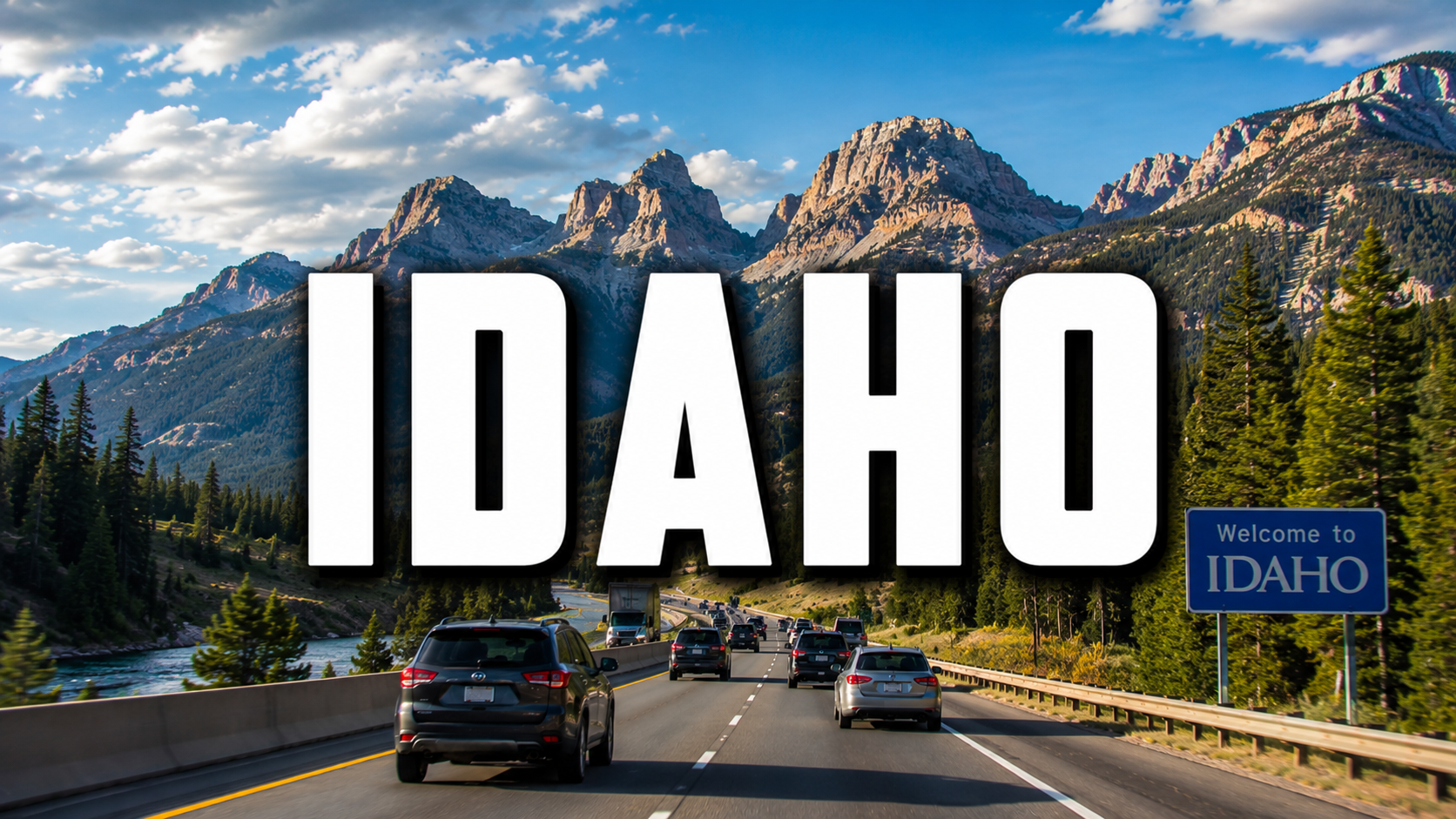
8. Idaho
Idaho has experienced a steady rise in pickup truck dominance, driven by a combination of agricultural strength, construction growth, outdoor recreation, and diverse terrain. The state’s economy is heavily influenced by farming, and agricultural operations rely extensively on durable and versatile vehicles.
Pickup trucks are used daily to transport equipment, move harvested crops, deliver supplies, and support a wide range of farming activities. Their ability to handle heavy loads and operate across uneven rural terrain makes them indispensable in Idaho’s agricultural regions.
The construction industry also plays a significant role in increasing truck demand across the state. As Idaho continues to grow in population and infrastructure development, contractors and tradespeople rely on pickup trucks to transport tools, materials, and equipment between job sites.
The cargo capacity and towing ability of modern trucks make them highly efficient for professional use, reducing the need for additional support vehicles. This practicality has made pickups the standard choice for many businesses and skilled workers.
Idaho’s geography is another key factor in truck dominance. The state features a mix of mountains, valleys, forests, and rural plains, creating varied driving conditions that favor capable vehicles.
Winters can bring heavy snowfall in many regions, while rural roads may remain unpaved or partially developed. Pickup trucks equipped with Four Wheel Drive systems provide stability, traction, and confidence in these challenging environments. Their ability to handle both on-road and off-road conditions makes them ideal for year-round use.
Outdoor recreation is deeply embedded in Idaho’s lifestyle and culture, further strengthening the popularity of pickup trucks. Activities such as hunting, fishing, camping, hiking, boating, and off-road exploration are widely practiced across the state.
Pickup trucks allow residents to transport recreational gear, tow trailers, and access remote natural areas that are not easily reachable by smaller vehicles. This versatility enhances their appeal among outdoor enthusiasts who require reliable transportation for adventure-based lifestyles.
Additionally, Idaho’s population growth in recent years has contributed to increased vehicle demand, with trucks continuing to outperform other body styles.
As more people move into suburban and rural areas, the need for practical, multi-purpose vehicles increases. Pickup trucks offer a combination of comfort, capability, and durability that aligns well with the evolving transportation needs of Idaho residents, ensuring their continued dominance in the state’s automotive market.
