
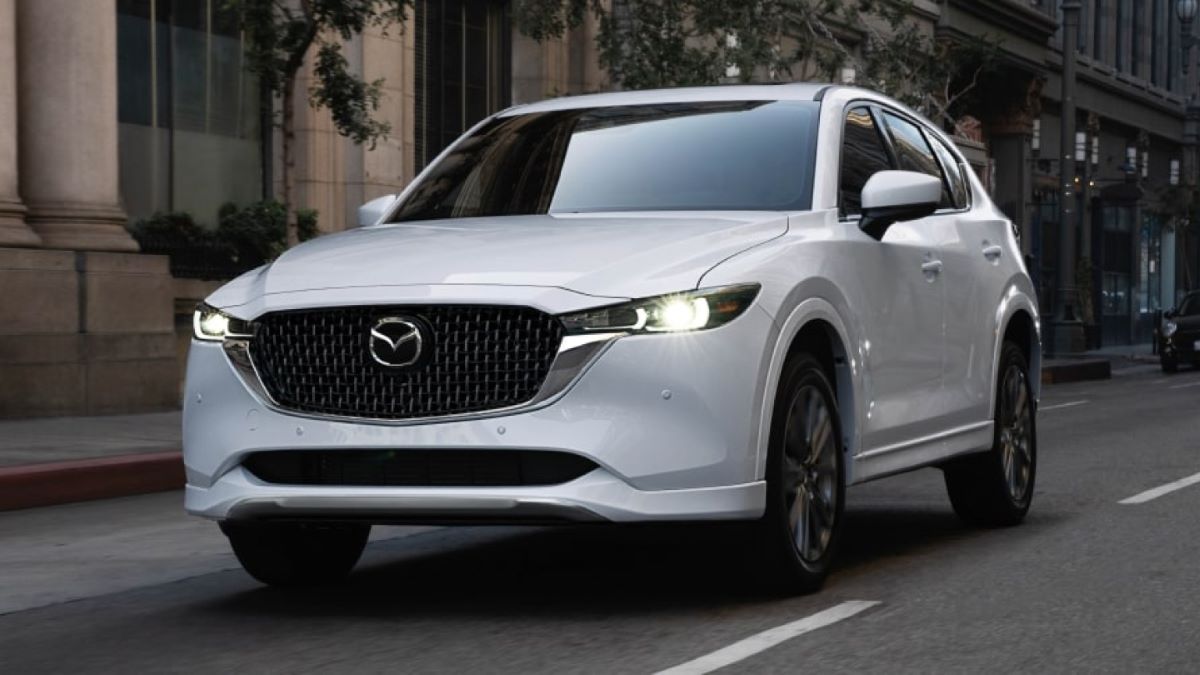
The Mazda CX-5 has long been one of the brand’s most important vehicles, helping transform Mazda from a niche automaker into a serious competitor in the crowded compact SUV segment.
More than a decade after the model first arrived, the company’s global bestseller is entering a new generation with updated technology, revised powertrain options, and a renewed focus on the qualities that made it successful in the first place.
The redesign arrives at a critical moment for Mazda. Compact SUVs remain one of the most competitive categories in the automotive industry, with established rivals such as the Toyota RAV4, Honda CR-V, Hyundai Tucson, and Kia Sportage constantly raising the bar.
Rather than dramatically reinventing the CX-5, Mazda appears to have chosen a more measured approach, refining a proven formula while introducing improvements that align with modern buyer expectations.
Early details suggest the automaker has focused on technology, comfort, efficiency, and everyday usability without abandoning the premium feel that has helped distinguish the CX-5 from many competitors.
For Mazda, the challenge was not creating an entirely new identity. It was enhancing a vehicle that already enjoys a strong reputation among consumers and reviewers alike.
Also Read: Consumer Reports Names The Ford F-150: A Top Pick For 2026
Building on a Successful Foundation
The CX-5 has been one of Mazda’s most important products since its debut. Over the years, the SUV earned praise for combining attractive styling, engaging driving dynamics, and upscale interior design at a price point accessible to mainstream buyers.
While many competitors emphasized practicality above all else, Mazda often positioned the CX-5 as the choice for drivers who wanted a more refined experience. That formula has proven remarkably successful.
The CX-5 consistently ranks among Mazda’s best-selling vehicles worldwide and remains a cornerstone of the company’s lineup. Given that success, it is not surprising that the new generation focuses on evolution rather than revolution.
Mazda appears determined to preserve the characteristics customers already appreciate while addressing areas where rivals have gained an advantage. The result is a redesign that feels familiar yet noticeably more modern.
Larger Screens Reflect Changing Expectations
Perhaps the most obvious update comes inside the cabin. As vehicles increasingly function as digital devices on wheels, consumers have come to expect larger displays and more advanced infotainment systems. Many competing compact SUVs now feature expansive screens that dominate the dashboard, making older systems feel outdated by comparison.
The new CX-5 addresses that trend with a significantly larger infotainment display. Early reports indicate that Mazda has expanded screen size while improving functionality and responsiveness. The update brings the SUV more in line with current market expectations and reflects the growing importance of digital interfaces in purchasing decisions.
Technology is no longer viewed as a luxury feature reserved for premium vehicles. Buyers now expect seamless smartphone integration, intuitive menus, and quick access to vehicle functions regardless of price point.
Mazda’s decision to prioritize infotainment improvements suggests the company recognizes how influential these features have become. For many customers, the screen is one of the first things they notice when entering a vehicle.
Updated Powertrains Aim for Greater Efficiency
Technology is not the only area receiving attention. The new-generation CX-5 also introduces updated powertrain choices designed to improve performance and efficiency.
While Mazda has not abandoned its commitment to internal combustion engines, the company continues adapting its lineup to meet evolving consumer expectations and regulatory requirements.
Powertrain updates have become increasingly important as buyers seek vehicles that deliver strong fuel economy without sacrificing everyday usability.
Mazda has traditionally emphasized a balance between efficiency and driving enjoyment, often avoiding the strategy of chasing headline horsepower figures. The latest CX-5 appears to continue that philosophy.
Rather than focusing solely on raw performance, the updated engines are expected to provide smoother operation, improved refinement, and better efficiency.
Those improvements may not generate the same excitement as a dramatic horsepower increase, but they often have a greater impact on daily ownership experiences.
For many buyers, reducing fuel costs and improving comfort are more valuable than achieving marginal gains in acceleration.
Maintaining Mazda’s Driver-Focused Character
One of the biggest reasons for the CX-5’s success has been its driving experience. While many compact SUVs prioritize practicality above all else, Mazda has consistently attempted to make its vehicles more engaging from behind the wheel. Automotive reviewers frequently praise the CX-5 for its steering feel, chassis balance, and full responsiveness.
The new generation appears committed to preserving those qualities. Mazda’s engineers understand that driving dynamics remain one of the model’s key differentiators. In a segment where many vehicles deliver similar levels of practicality, creating a more enjoyable driving experience can help attract buyers seeking something beyond basic transportation.
Maintaining that character will be particularly important as competitors continue improving their own products. The CX-5’s reputation as one of the more rewarding compact SUVs to drive has become a valuable part of its identity.
Design Evolution Rather Than Revolution
Mazda’s design language has earned widespread praise during the past decade, and the new CX-5 continues that tradition.
The latest generation introduces updates that modernize the SUV’s appearance without abandoning the elegant styling themes associated with recent Mazda models. The full shape remains recognizable, but revised exterior elements help create a cleaner and more contemporary look.
This approach reflects a broader trend among successful automotive redesigns. Manufacturers are often reluctant to dramatically alter vehicles with strong sales records, preferring instead to refine existing designs.
Consumers who already appreciate the CX-5’s appearance are unlikely to feel alienated, while new buyers benefit from a fresher presentation.
The strategy allows Mazda to maintain visual continuity while keeping the model competitive in a rapidly evolving market.
It is a careful balancing act, but one that many successful redesigns have employed effectively.
Technology Becomes a Competitive Necessity
The importance of the CX-5’s technology upgrades extends beyond convenience. The compact SUV segment has become increasingly crowded with vehicles offering advanced connectivity, digital displays, and driver-assistance systems.
Buyers who once focused primarily on reliability and fuel economy now place greater emphasis on software features and user experience. Automakers that fail to keep pace risk losing ground to competitors.
Mazda’s latest updates indicate that the company recognizes those changing priorities. By introducing a larger infotainment screen and enhancing digital functionality, the CX-5 becomes better equipped to compete with newer rivals.
The improvements also align with broader industry trends, where technology increasingly influences both consumer perception and purchasing decisions. What was once considered optional has become expected.
A Critical Model for Mazda’s Future
Few vehicles carry as much importance for Mazda as the CX-5. The SUV has played a central role in the company’s growth and remains one of its most recognizable products. Any redesign, therefore, carries significant weight, particularly in a market where consumer expectations continue rising.
The challenge was finding ways to modernize the vehicle without compromising the characteristics that made it successful.
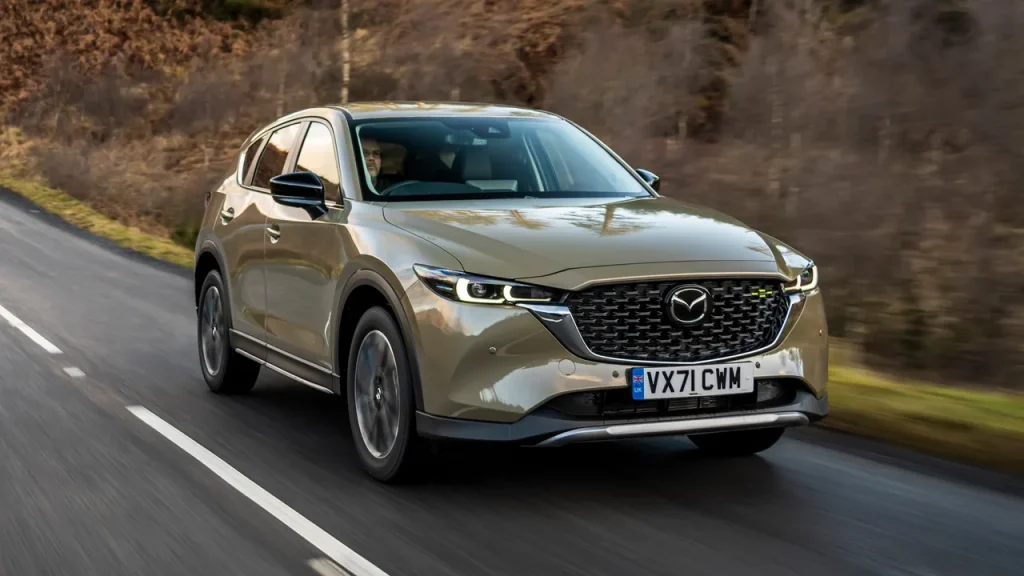
Early indications suggest Mazda has taken a thoughtful approach. Instead of chasing radical changes, the company has focused on targeted improvements in technology, efficiency, comfort, and usability.
Those enhancements should help ensure the CX-5 remains competitive as the segment continues evolving.
Keeping a Proven Formula Alive
The new-generation Mazda CX-5 demonstrates that successful redesigns do not always require dramatic transformations.
By retaining the qualities that earned the SUV a loyal following while introducing meaningful upgrades, Mazda appears to have positioned its bestseller for another strong chapter.
The larger infotainment display addresses one of the most visible areas where expectations have changed, while updated powertrain choices aim to improve efficiency and refinement.
At the same time, the company has preserved the driver-focused character and upscale feel that helped distinguish the CX-5 from countless competitors.
In an era where many automakers are racing toward electrification and increasingly digital experiences, Mazda’s approach remains refreshingly balanced. The new CX-5 embraces modern technology without losing sight of the fundamentals that matter most to everyday drivers.
For a vehicle that has become the face of the Mazda brand in many markets, that may be exactly the right strategy.
Also Read: Why Did One Million Americans Stop Shopping for New Cars?
