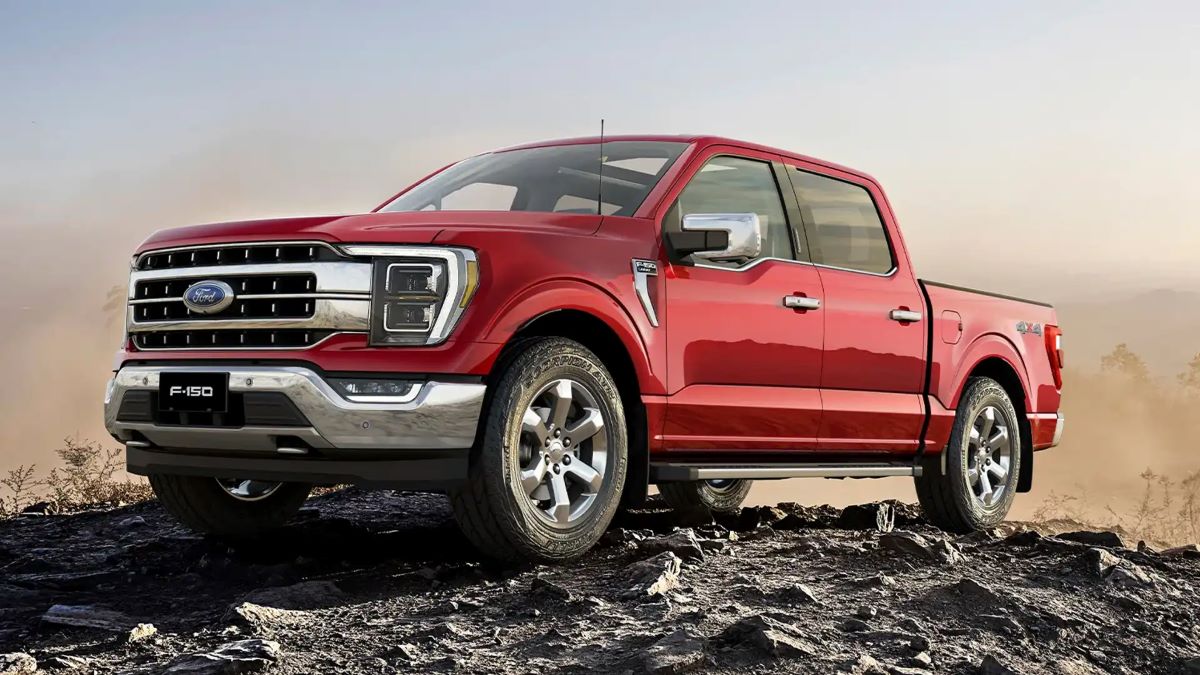
The Ford F-150 has spent decades at the center of the American pickup truck market. As one of the best-selling vehicles in automotive history, it has built a reputation for capability, versatility, and innovation that few competitors can match.
Contractors, farmers, business owners, outdoor enthusiasts, and everyday families have all relied on the F-150 for transportation and work, helping it become a defining symbol of the full-size truck segment.
Despite its immense popularity, not every F-150 model year has delivered the same ownership experience. Some years earned praise for durability, strong powertrains, and low operating costs. Others became known for recurring mechanical problems, expensive repairs, or troublesome new technologies that failed to meet expectations.
Because the truck has been continuously developed across multiple generations, buyers considering a used F-150 often discover that choosing the right year can make a significant difference in long-term satisfaction.
The challenge is that the F-150 has been offered with a wide variety of engines, transmissions, body styles, and equipment packages.
Certain model years introduced major redesigns that transformed the truck’s capabilities, while others served as transitional periods where early-production issues occasionally surfaced.
Understanding which years stand out for positive reasons and which are best approached with caution can save buyers considerable time and money.
Strong F-150 model years tend to share several traits. Proven engines, refined transmissions, solid build quality, and years of engineering improvements usually combine to create dependable ownership experiences.
Less successful years often coincide with major changes, unresolved reliability concerns, or widespread complaints that affect a large number of owners.
This list highlights six noteworthy Ford F-150 model years, including three of the best and three of the worst. The goal is not to criticize the truck itself, which remains one of the industry’s most important vehicles, but to identify the years that most clearly stand apart.
Whether shopping for a used pickup or simply curious about the F-150’s history, these model years reveal how dramatically ownership experiences can vary within the same legendary nameplate.
Also Read: 10 Bikes That Vibrate So Much They Cause Numb Hands
1. Best Year: 2020 Ford F-150
By the time the 2020 Ford F-150 reached dealerships, the thirteenth-generation truck had benefited from years of refinement.
Earlier updates, customer feedback, and engineering improvements had addressed many of the issues that typically affect vehicles during the early stages of a generation. The result was one of the most balanced and dependable F-150s produced in recent memory.
One of the strongest aspects of the 2020 model was the maturity of its powertrain lineup. Buyers could choose from several engines, including the popular 5.0-liter V8, the efficient EcoBoost V6 options, and Ford’s diesel offering.
These engines had already accumulated substantial real-world mileage across previous model years, allowing Ford to refine software calibrations, component durability, and complete performance.
The truck’s aluminum-intensive body structure had also reached a point where many early concerns had faded. When Ford first introduced the aluminum body design, some buyers questioned repair costs and long-term durability.
Years of ownership data helped demonstrate that the approach could deliver weight savings and improved efficiency without compromising strength.
Interior quality represented another notable improvement. The cabin felt refined, controls were intuitive, and technology systems generally operated with fewer complaints than earlier versions.
For owners who spent long hours behind the wheel, the truck offered a comfortable environment that balanced work-focused functionality with everyday usability.
Towing and hauling performance remained among the best in the segment. Ford’s extensive experience building trucks allowed the F-150 to excel in demanding conditions while maintaining respectable ride quality during daily commuting. This versatility contributed heavily to owner satisfaction.
Reliability reports from owners frequently highlighted the truck’s consistency. While no vehicle is completely immune to problems, the 2020 F-150 avoided many of the widespread concerns that affected less successful model years. Routine maintenance remained relatively straightforward, and repair frequencies generally stayed within acceptable limits.
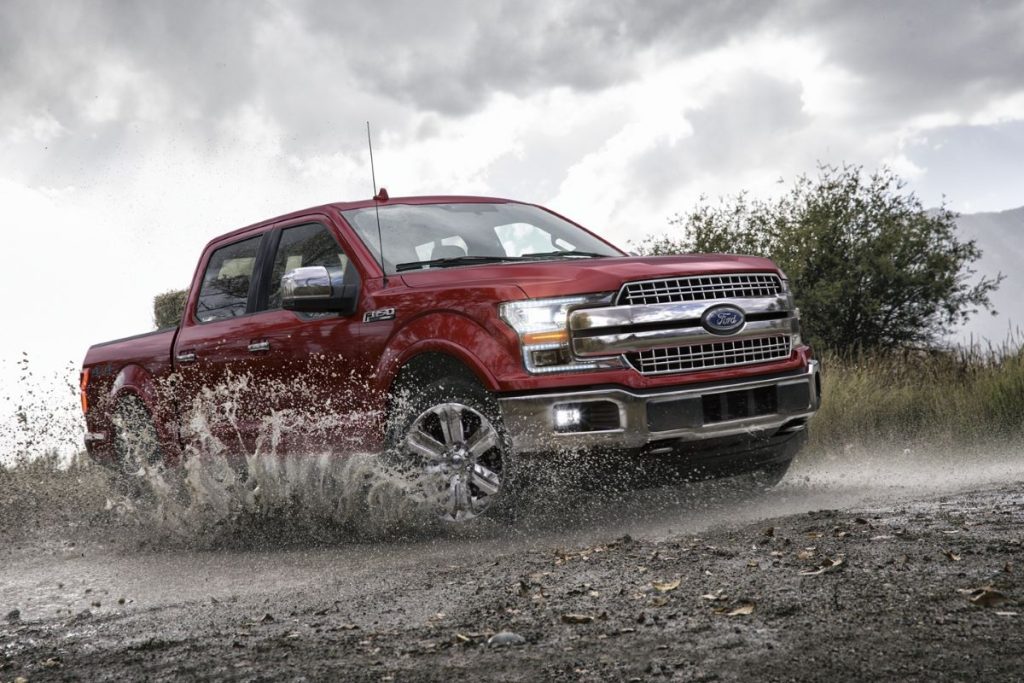
Another factor supporting the truck’s reputation is resale value. Strong demand in the used market reflects buyer confidence, and the 2020 model continues to attract interest from shoppers seeking a capable and dependable full-size pickup.
For many enthusiasts and truck buyers, the 2020 F-150 represents the sweet spot between modern technology and proven engineering. It offers the benefits of a mature platform without the uncertainty that can accompany a major redesign.
Specifications
- Engine: 5.0-liter naturally aspirated V8
- Torque: 410 lb-ft
- Horsepower: 395 hp
- Length/Width: 231.9 in / 79.9 in
2. Worst Year: 2004 Ford F-150
The 2004 Ford F-150 arrived with enormous expectations. It introduced a completely redesigned platform that brought significant improvements in ride quality, safety, and refinement.
While the truck ultimately helped shape the future of the F-Series lineup, the first year of this generation experienced enough issues to earn a place among the less desirable F-150 model years.
Major redesigns often present challenges because thousands of new components and systems enter production simultaneously. The 2004 F-150 was no exception. Although many owners enjoyed positive experiences, others encountered problems that highlighted the risks associated with purchasing a first-year redesign.
Engine-related complaints appeared in various forms, including ignition system concerns and issues affecting long-term reliability. While not every truck experienced these problems, they occurred frequently enough to influence the model year’s reputation among used-truck buyers.
Electrical issues also became a source of frustration for some owners. Modern vehicles rely heavily on wiring, sensors, and control modules, and the transition to a new platform occasionally produces unexpected complications. Diagnosing these problems could become time-consuming and expensive, depending on the specific issue involved.
Build quality inconsistencies represented another challenge. During the launch phase of a new generation, manufacturing processes often require additional refinement. Certain owners reported concerns involving interior components, fit-and-finish details, and other quality-related matters that were improved in subsequent years.
The truck still offered notable strengths. Its redesigned chassis delivered a smoother ride than many competitors, and the spacious interior represented a significant advancement over the outgoing model. However, those positives were sometimes overshadowed by reliability concerns that became more apparent as trucks accumulated mileage.
From a used-vehicle perspective, the 2004 model requires careful inspection. Maintenance history becomes especially important because well-maintained examples can still provide useful service. Nevertheless, buyers generally find more dependable options among later years of the same generation.
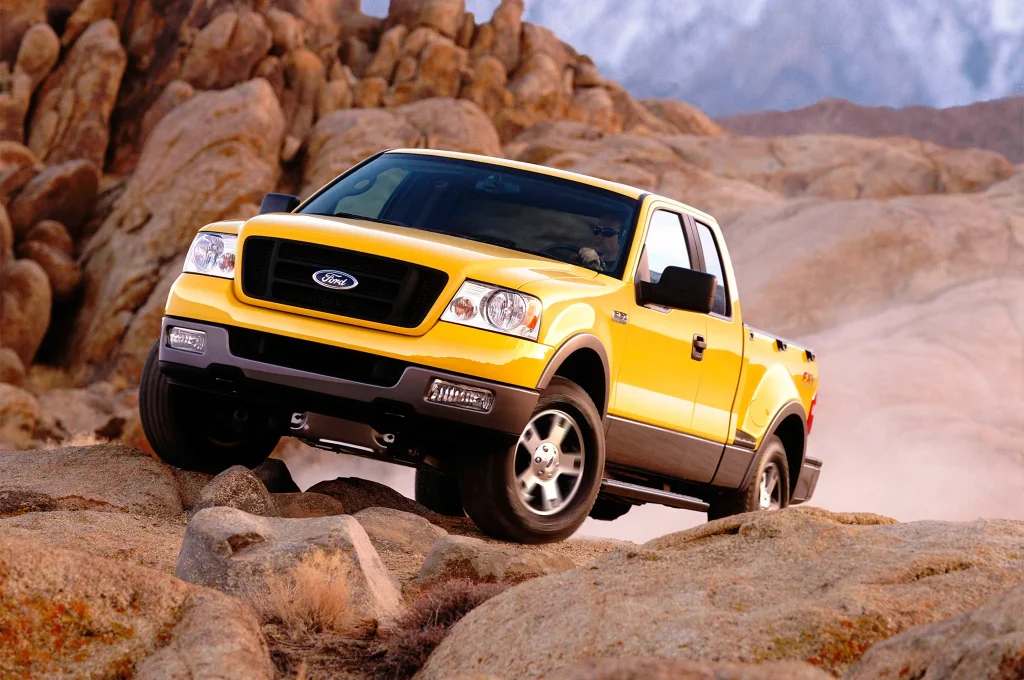
The 2004 F-150 serves as a reminder that even successful vehicle generations can experience growing pains during their introduction. Ford addressed many of these issues in later production years, but the first-year model remains one that prospective buyers often approach with greater caution than its successors.
Specifications
- Engine: 5.4-liter Triton V8
- Torque: 365 lb-ft
- Horsepower: 300 hp
- Length/Width: 211.0 in / 78.9 in
3. Best Year: 2018 Ford F-150
The 2018 Ford F-150 occupies an interesting place in the truck’s history because it combined the advantages of an established generation with a significant mid-cycle update.
Rather than introducing a completely new platform, Ford focused on refining what already worked while addressing areas that could be improved. That strategy helped create one of the strongest F-150 model years for buyers seeking reliability, capability, and modern technology.
A major reason the 2018 model stands out is the breadth of its powertrain lineup. Ford offered several engines, ranging from practical V6 options to the well-known 5.0-liter V8.
The company also introduced updates to its EcoBoost engines, improving efficiency and performance while building upon years of development experience. By this stage, many early concerns associated with turbocharged truck engines had been addressed through ongoing engineering improvements.
One of the truck’s most significant upgrades was the 10-speed automatic transmission. While newer technology can sometimes create uncertainty, the transmission delivered smoother operation, improved towing performance, and better fuel economy than many competing trucks.
For drivers who regularly hauled trailers or carried heavy loads, the additional gear ratios helped the truck stay within its optimal power range. Unlike first-year redesigns that often encounter unexpected issues, the 2018 F-150 benefited from a mature aluminum-body platform.
Ford had several years to refine manufacturing processes, repair procedures, and component durability. As a result, owners generally reported fewer structural or quality-related concerns than skeptics initially feared when aluminum construction was introduced.
The cabin also contributed to the truck’s popularity. Materials felt durable, controls were easy to understand, and available technology features enhanced convenience without overwhelming users.
Whether configured as a work truck or a premium family vehicle, the F-150 maintained a strong balance between functionality and comfort.
Towing capability remained among the segment’s best. Ford’s extensive experience in the truck market allowed engineers to optimize payload and towing performance while preserving ride quality. This versatility helped broaden the truck’s appeal across a wide range of buyers.
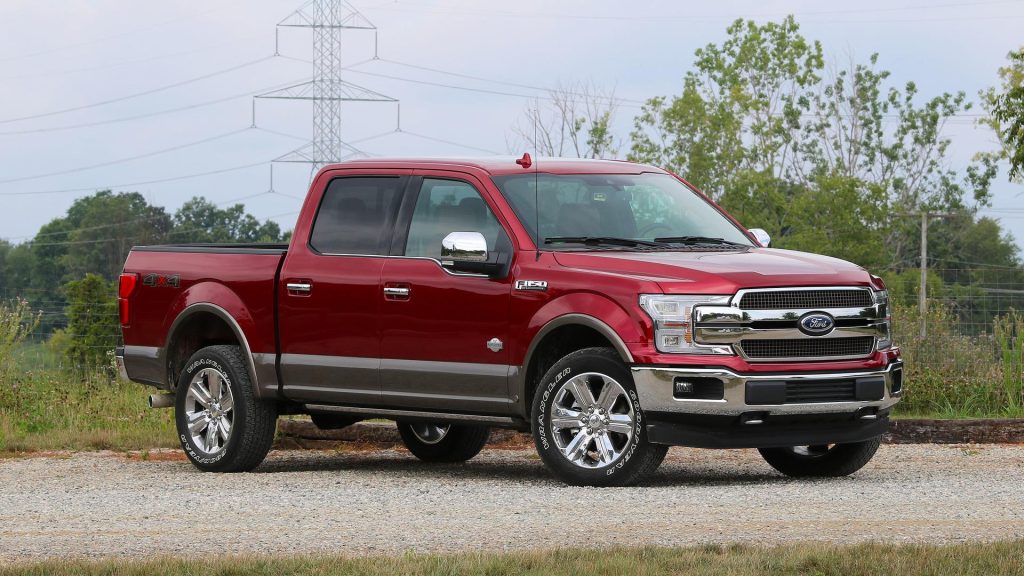
Another strength of the 2018 model is owner confidence. Reliability surveys and long-term ownership reports generally paint a positive picture, particularly when routine maintenance schedules are followed. The truck’s strong resale values provide additional evidence of market trust.
For buyers seeking a modern F-150 without venturing into newer generations, the 2018 model represents an attractive combination of proven engineering, strong capability, and refined design. It remains one of the most respected years in the truck’s recent history.
Specifications
- Engine: 5.0-liter naturally aspirated V8
- Torque: 400 lb-ft
- Horsepower: 395 hp
- Length/Width: 231.9 in / 79.9 in
4. Worst Year: 2010 Ford F-150
The 2010 Ford F-150 arrived during a period when the truck remained highly competitive in terms of capability and comfort. On paper, it appeared to offer everything buyers expected from a full-size pickup.
However, as ownership experiences accumulated, certain issues emerged that prevented this model year from earning the same reputation as some of its stronger counterparts. Unlike the 2004 model, the 2010 F-150 was not burdened by the challenges of an all-new redesign.
Instead, many concerns centered on specific mechanical components and long-term durability issues that became more apparent as trucks aged.
One of the most discussed topics involved the 5.4-liter Triton V8. While capable of producing solid performance, the engine developed a reputation for issues related to cam phasers, timing components, and other valvetrain-related concerns.
Repairs could become expensive, particularly once the mileage increased. Not every truck experienced these problems, but they occurred frequently enough to influence buyer perceptions.
Owners also reported occasional electrical issues that ranged from minor annoyances to more involved diagnostic challenges. Modern trucks contain extensive electronic systems, and even seemingly small malfunctions can become frustrating when they affect daily usability.
Another factor affecting the model year’s reputation was maintenance sensitivity. Trucks that received consistent service often performed reasonably well, while neglected examples sometimes developed costly problems more quickly than expected.
This created greater variability in ownership experiences compared with some of the F-150’s most dependable years.
Despite these concerns, the truck still offered genuine strengths. Ride quality remained impressive for the segment, the interior was spacious, and towing capability met the expectations of most buyers. Many owners successfully accumulated substantial mileage without major issues.
The challenge lies in the used-truck market. Prospective buyers considering a 2010 model must pay close attention to maintenance records and mechanical condition. Evidence of proper servicing can significantly improve the likelihood of a positive ownership experience.
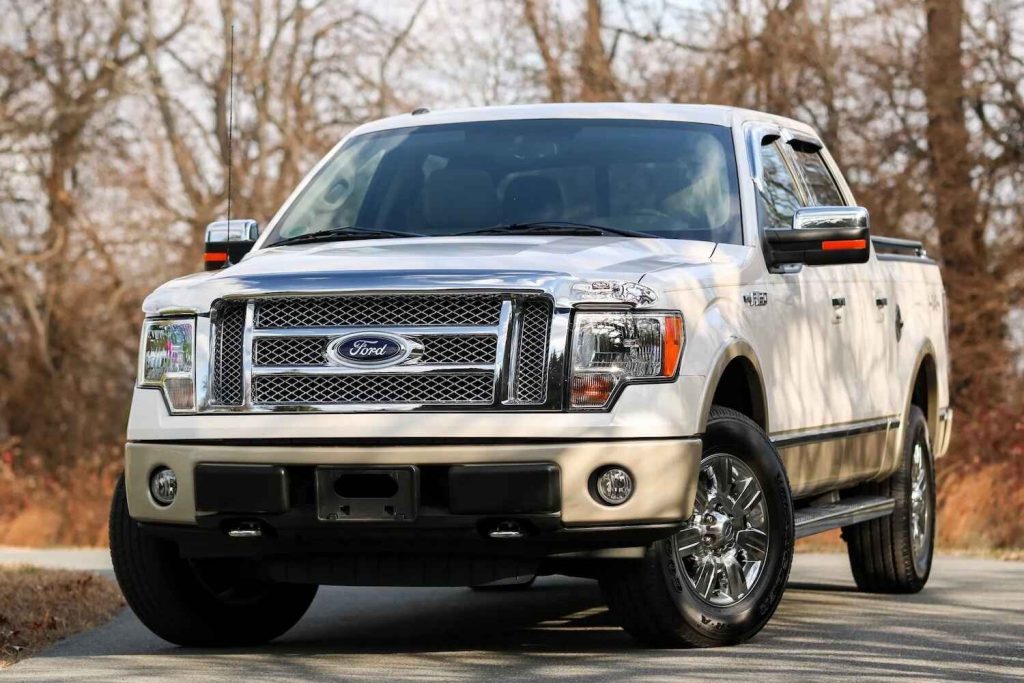
From a broader historical perspective, the 2010 F-150 occupies an awkward middle ground. It was not a catastrophic failure, nor was it among the truck’s finest years. Instead, it became known for several recurring issues that prevented it from matching the durability and owner satisfaction associated with the best F-150 model years.
For shoppers prioritizing long-term reliability, later refinements and alternative model years generally offer a safer path. The 2010 truck remains capable, but it requires more careful evaluation than some of the stronger entries in the F-Series timeline.
Specifications
- Engine: 5.4-liter Triton V8
- Torque: 365 lb-ft
- Horsepower: 320 hp
- Length/Width: 231.7 in / 78.9 in
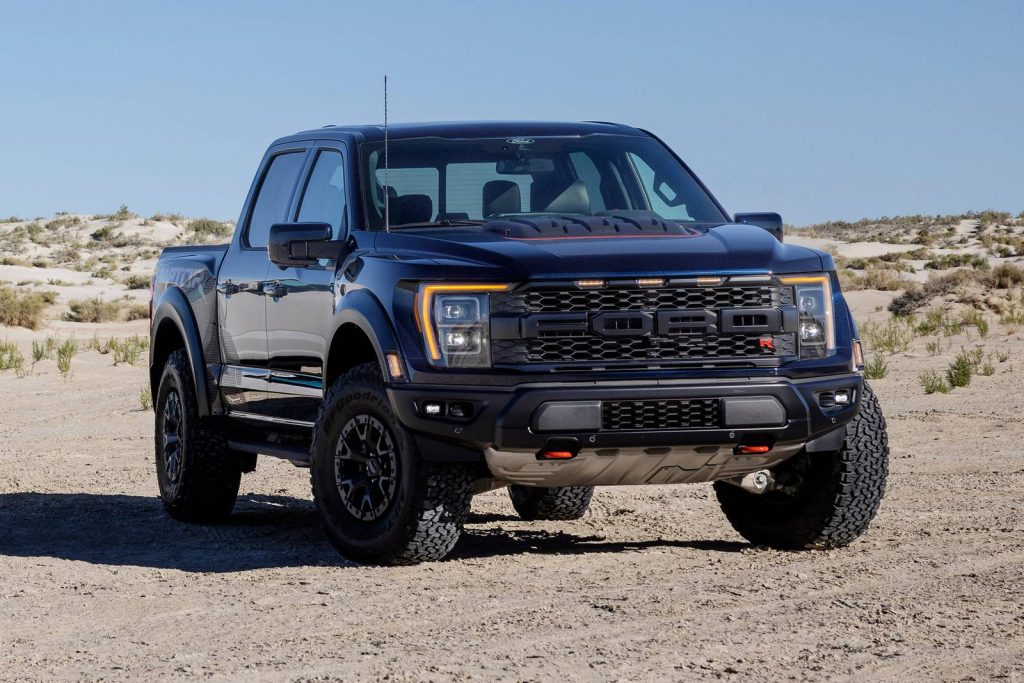
5. Best Year: 2023 Ford F-150
The 2023 Ford F-150 demonstrates what can happen when a manufacturer takes an already successful formula and continues refining it through years of customer feedback, engineering updates, and production experience.
By this point, the fourteenth-generation F-150 had moved beyond its launch period and matured into one of the most complete trucks Ford had ever produced. For many buyers, it represents one of the strongest combinations of capability, reliability, technology, and everyday usability in the truck’s long history.
One of the key reasons the 2023 model earns recognition among the best F-150 years is the diversity and maturity of its powertrain lineup.
Buyers could choose from naturally aspirated V6 engines, EcoBoost turbocharged options, the legendary 5.0-liter V8, the PowerBoost hybrid system, and high-performance variants depending on their needs.
What made the lineup particularly appealing was that most of these engines had already undergone years of refinement before reaching the 2023 model year.
Ford’s PowerBoost hybrid deserves special attention. Hybrid technology in pickup trucks was once viewed with skepticism, especially among traditional truck buyers. However, the PowerBoost system proved that electrification could enhance capability rather than compromise it.
Strong torque output, impressive towing performance, and useful fuel economy gains helped it establish credibility in a market that values practical results above marketing claims.
The truck’s cabin represented another major strength. Ford successfully transformed the F-150 into a vehicle capable of serving as both a work tool and a family vehicle.
Higher trims offered luxury-level materials, advanced infotainment systems, and a comfortable environment suitable for long-distance travel. At the same time, work-oriented versions retained the durability expected by commercial users.
Technology integration also improved substantially. Earlier generations occasionally faced criticism regarding software glitches or electronic complexity.
By 2023, Ford had refined many of these systems, resulting in a more polished user experience. Driver-assistance features, connectivity tools, and productivity-focused technologies generally worked with greater consistency than in previous years.
The truck’s reputation benefited from strong owner satisfaction as well. Many owners reported positive long-term experiences, praising reliability, towing stability, and everyday comfort.
The 10-speed automatic transmission, while controversial during its early years, had received enough refinement to become a more dependable and predictable component. Another factor supporting the 2023 model’s standing is resale value.
Strong demand in both new and used markets reflects confidence in the truck’s capabilities and durability. Vehicles that maintain value often do so because buyers trust their long-term performance.
The 2023 F-150 succeeds because it avoids major weaknesses. It combines proven engineering, advanced technology, impressive capability, and mature production quality in a package that appeals to a broad range of buyers.
Whether used for work, recreation, towing, or daily commuting, it represents one of the most complete and dependable F-150s ever built.
Specifications
- Engine: 5.0-liter naturally aspirated V8
- Torque: 410 lb-ft
- Horsepower: 400 hp
- Length/Width: 231.7 in / 79.9 in
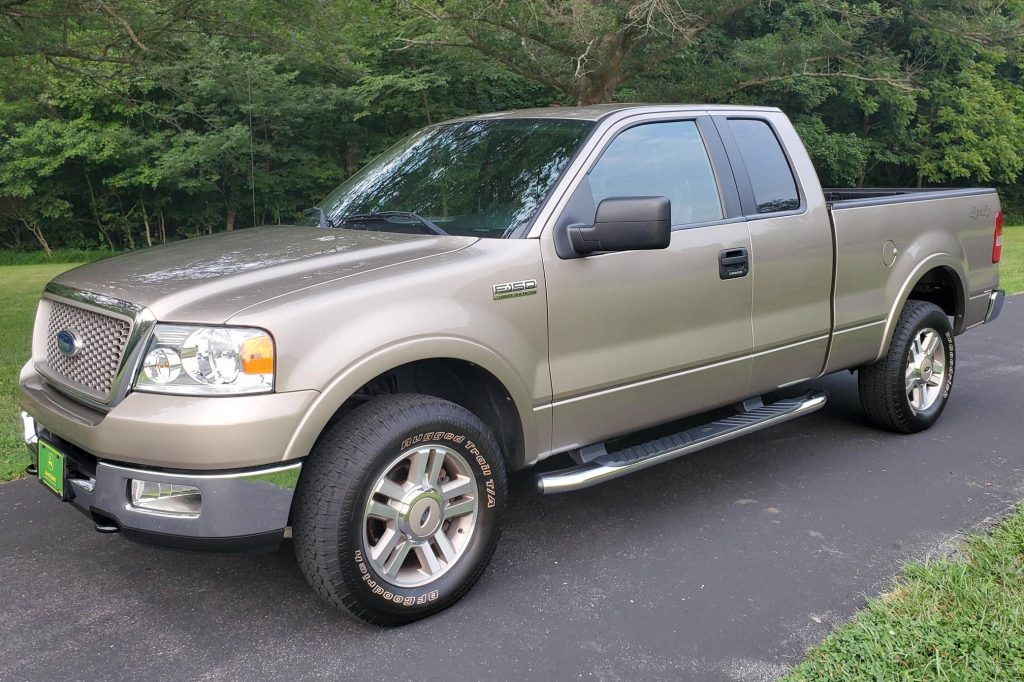
6. Worst Year: 2005 Ford F-150
The 2005 Ford F-150 followed the major redesign introduced a year earlier. In theory, the second year of production should have benefited from lessons learned during the launch period.
While Ford addressed some concerns from the 2004 model, enough issues persisted to make the 2005 truck one of the less desirable years in the F-150’s extensive history.
One reason the 2005 model continues to attract caution among used-truck buyers is the number of complaints related to engine performance and reliability. The 5.4-liter Triton V8 remained a popular choice because of its strong towing capability and respectable power output.
However, this engine also became associated with several recurring concerns that affected ownership satisfaction.
Spark plug issues became particularly well known, creating repair situations that could be both frustrating and expensive. Unlike problems that appear immediately after purchase, many of the 2005 model’s most notable concerns emerged as mileage accumulated.
This made the truck seem dependable during its early years while creating challenges later in life. Owners who expected the durability traditionally associated with full-size pickups sometimes found themselves facing unexpected repair bills.
Electrical problems also contributed to the model year’s reputation. While not every truck experienced significant issues, enough reports surfaced to raise concerns among prospective buyers.
Electrical faults can be especially frustrating because symptoms often appear intermittently, making diagnosis more difficult than straightforward mechanical failures.
Build-quality inconsistencies represented another area of concern. Some owners reported issues involving interior components, window regulators, and various accessories.
Individually, these problems might seem minor, but collectively they affect perceptions of long-term durability. A truck intended for years of dependable service needs to perform consistently across all major systems, not just its powertrain.
The 2005 F-150 still possessed many strengths. The redesigned chassis delivered a comfortable ride, the cabin was spacious, and towing capabilities remained competitive. Ford clearly succeeded in making the truck more refined than earlier generations. Unfortunately, refinement alone could not offset reliability concerns.
Maintenance history becomes especially important when evaluating a 2005 example today. Trucks that received meticulous care and timely repairs can still provide useful service. However, buyers must approach these vehicles with greater caution than they would some of the strongest F-150 years.
From a historical standpoint, the 2005 model serves as a reminder that even highly successful vehicle lines occasionally experience difficult periods.
Ford eventually addressed many of the issues that affected these trucks, and later model years benefited from continued development. Nevertheless, the 2005 F-150 remains one of the years most frequently cited when discussing versions of the truck that require scrutiny before purchase.
Specifications
- Engine: 5.4-liter Triton V8
- Torque: 365 lb-ft
- Horsepower: 300 hp
- Length/Width: 211.0 in / 78.9 in
Also Read: 10 Cars Easiest to Parallel Park in New York City