

Few driving skills are tested more frequently in New York City than parallel parking. Whether searching for a space in Manhattan, moving through crowded streets in Brooklyn, or squeezing into a narrow opening in Queens, the ability to park quickly and accurately can save both time and frustration.
In a city where parking spots are often measured in inches rather than feet, vehicle size and maneuverability matter just as much as driver skill.
Not every car is equally suited to urban parking. Large SUVs and full-size trucks may provide impressive cargo capacity and passenger space, but they can become a headache when trying to fit into tight curbside openings.
Compact dimensions, excellent visibility, responsive steering, and tight turning circles often prove far more valuable than sheer power in New York’s densely packed neighborhoods.
Technology has also changed the parking experience dramatically. Modern vehicles increasingly feature rearview cameras, parking sensors, surround-view systems, and automated parking assistance.
These tools can help drivers position their vehicles more precisely while reducing the stress that often accompanies parking in crowded urban areas. Even so, a vehicle’s physical size remains one of the biggest factors determining how easy it is to maneuver into a difficult spot.
Another important consideration is visibility. Cars with large windows, thin roof pillars, and well-designed mirrors allow drivers to better judge distances from nearby vehicles. Combined with compact proportions, these traits make parking significantly less intimidating, especially for drivers who regularly encounter tight spaces.
The best cars for parallel parking in New York City strike a careful balance between practicality and maneuverability. They provide enough interior room for daily life while remaining compact enough to fit comfortably into spaces that larger vehicles would have to pass by.
The following vehicles stand out for their ability to handle one of the most common challenges faced by city drivers, making them excellent choices for anyone who spends a significant amount of time moving through New York’s crowded streets.
Also Read: Tesla Model X Lost 61% Value in 5 Years
1. Mini Cooper Hardtop
There is a reason the Mini Cooper has maintained its popularity in crowded cities around the world for decades.
Long before advanced parking sensors and automated steering systems became common, the Mini earned a reputation for fitting into places that seemed impossible for other vehicles. New York City remains one of the environments where its compact dimensions shine brightest.
The first thing drivers notice is the car’s remarkably short length. Finding a parking space large enough for a Mini is often much easier than finding one suitable for a midsize sedan or SUV. Spots that might appear unusable to other drivers can suddenly become viable opportunities when you’re behind the wheel of a Mini Cooper.
Steering response also plays a major role in its parking-friendly character. The vehicle changes direction quickly and precisely, allowing drivers to make small corrections while backing into tight spaces. In busy neighborhoods where traffic continues moving around parked vehicles, this agility becomes especially valuable.
Visibility contributes to the experience as well. The upright seating position provides a clear view of surrounding traffic and nearby obstacles. Drivers can judge distances more confidently while maneuvering close to curbs or neighboring vehicles.
Another advantage comes from the Mini’s personality. Parking a large vehicle often feels like a chore requiring constant attention. The Mini transforms the process into something closer to a game because of how effortlessly it responds to steering inputs.
Many owners find themselves feeling more relaxed when searching for parking compared to drivers of larger vehicles.
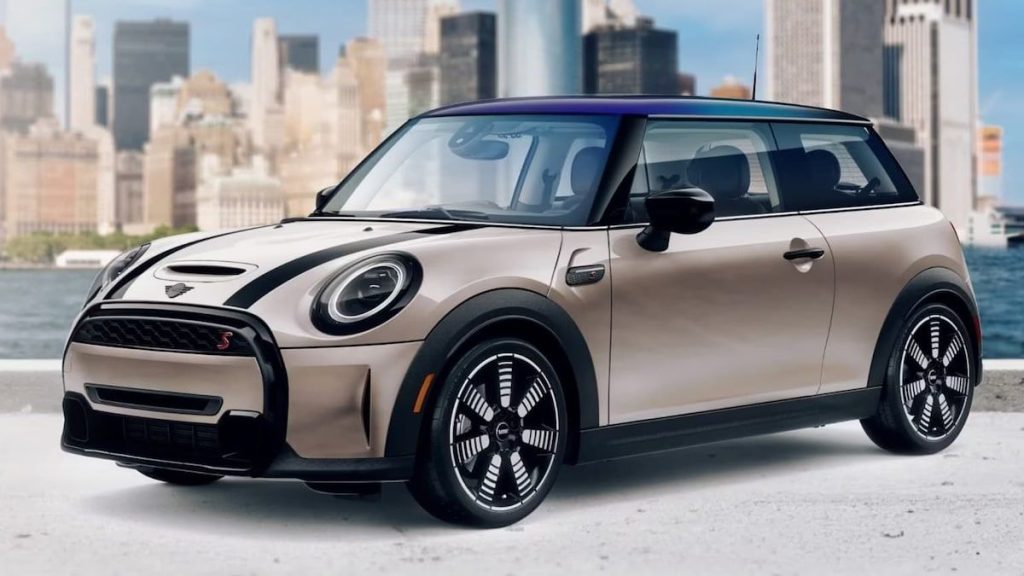
Despite its small footprint, the interior remains surprisingly practical. Front-seat occupants enjoy generous space, and the hatchback design allows for useful cargo flexibility. Urban residents who prioritize maneuverability rarely feel as though they are sacrificing too much utility.
New York drivers face parking challenges every day, and few vehicles address those challenges as effectively as the Mini Cooper Hardtop. Its combination of compact size, responsive handling, and excellent maneuverability makes it one of the easiest cars to place into tight curbside spaces.
Specifications
- Engine: 2.0-liter Turbocharged Four-Cylinder
- Torque: 221 lb-ft
- Horsepower: 201 hp
- Length/Width: 152.8 inches / 68.0 inches
2. Honda Fit
Some vehicles excel because of advanced technology, while others succeed through intelligent design. The Honda Fit belongs firmly in the second category. Although no longer sold new in the United States, it remains one of the smartest urban cars ever produced and continues to be a favorite among city drivers.
The Fit’s greatest strength begins with its proportions. Engineers managed to create a vehicle that occupies very little road space while maximizing interior room. From the outside, it appears compact enough for crowded city environments. Inside, however, it feels much larger than expected.
Parallel parking benefits directly from those compact dimensions. Drivers can identify parking opportunities that larger vehicles must ignore. The short front and rear overhangs make it easier to judge distances when backing into narrow spaces, reducing uncertainty during the maneuver.
One feature that often goes unnoticed is the vehicle’s outstanding visibility. Large windows surround the cabin, creating an airy feeling while providing excellent sightlines. Drivers can clearly see approaching traffic, nearby vehicles, and curb positions without relying heavily on cameras or sensors.
The steering system has also been tuned for city use. Low-speed maneuvers require minimal effort, allowing quick adjustments while positioning the car. Combined with a tight turning radius, the Fit feels exceptionally nimble on crowded streets.
Its hatchback configuration further enhances practicality. Many compact vehicles sacrifice cargo capacity in pursuit of smaller dimensions, but the Honda Fit manages to provide both. The famous Magic Seat system allows owners to configure the interior in several useful ways, accommodating larger items when necessary.
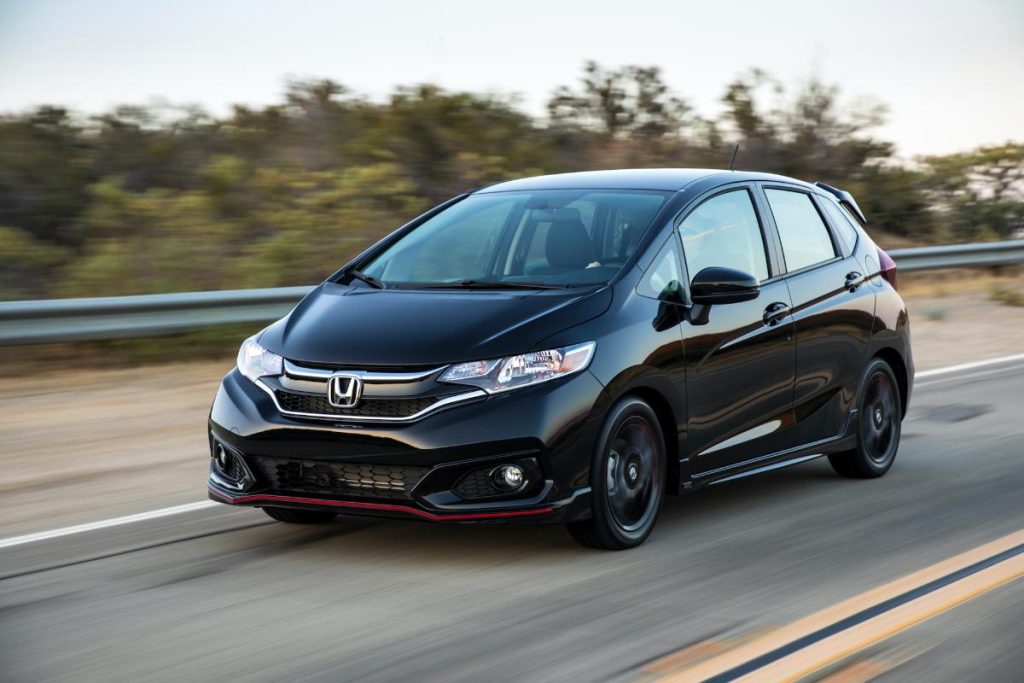
Reliability is another factor that contributes to its popularity. City driving often places significant demands on vehicles through constant stopping, turning, and parking. The Fit developed a reputation for handling those demands with minimal drama over many years of ownership.
For New Yorkers seeking a vehicle that prioritizes maneuverability without abandoning practicality, the Honda Fit remains one of the finest examples of efficient urban transportation ever built.
Specifications
- Engine: 1.5-liter Naturally Aspirated Four-Cylinder
- Torque: 114 lb-ft
- Horsepower: 130 hp
- Length/Width: 161.4 inches / 67.0 inches
3. Fiat 500
If New York City parking spaces could choose their ideal vehicle, many would probably select the Fiat 500. Designed with crowded European streets in mind, this tiny hatchback feels perfectly at home in environments where every inch matters.
While larger vehicles circle the block searching for openings, the Fiat often slips into spaces others barely consider.
What immediately separates the 500 from most modern cars is its footprint. Many vehicles have grown significantly over the years, but the Fiat remains refreshingly compact. This characteristic becomes a major advantage in neighborhoods where available parking is scarce and spaces are unusually tight.
Parallel parking often comes down to confidence. Drivers need to know exactly where the corners of their vehicle are located. The Fiat helps by providing dimensions that are easy to judge from the driver’s seat. Its short nose and minimal rear overhang reduce guesswork during low-speed maneuvers.
Another interesting benefit is its light steering feel. Turning the wheel requires little effort, allowing drivers to make quick corrections while backing into a spot. In dense traffic situations where other motorists are waiting, this responsiveness can reduce stress considerably.
The Fiat’s upright design contributes to urban usability. Visibility toward the front corners is good, helping drivers position the vehicle accurately when parking close to curbs or other cars. The compact body also makes it easier to move through narrow side streets than it would be in larger vehicles, improving ease of use in dense urban environments. Fiat
Although the cabin is smaller than many competitors, it remains practical for city residents who prioritize maneuverability above maximum cargo capacity. Daily errands, commuting, and short trips are handled comfortably.
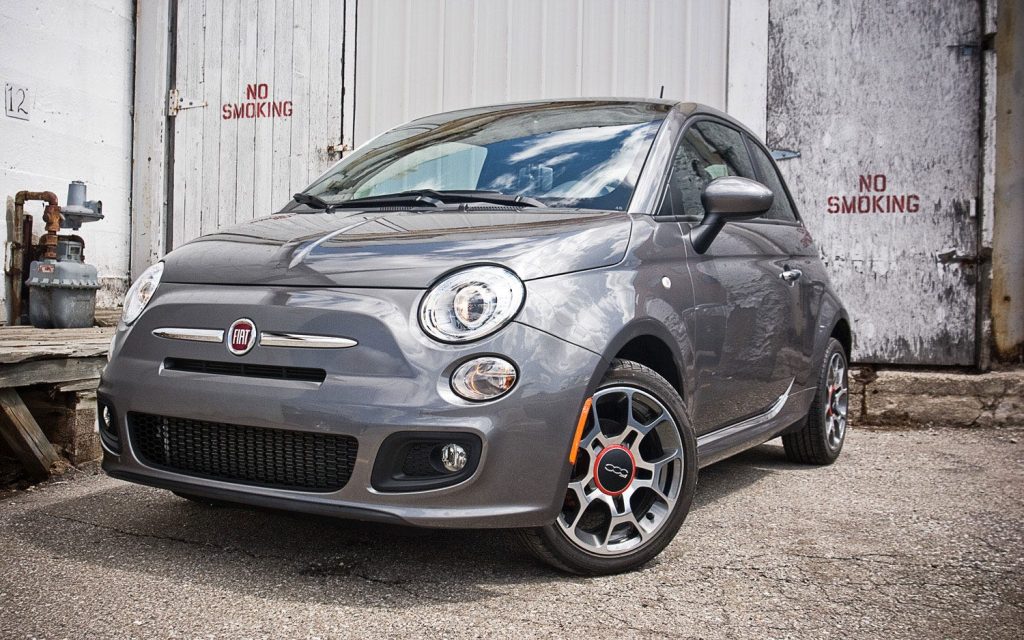
Another appealing aspect is efficiency. Smaller vehicles tend to consume less fuel and are easier to maneuver through traffic. These qualities complement city life, where frequent stops and slow speeds are common.
For drivers whose primary concern is finding parking quickly and fitting into spaces that larger vehicles must abandon, the Fiat 500 delivers a level of convenience that few modern cars can match.
Specifications
- Engine: 1.4-liter Naturally Aspirated Four-Cylinder
- Torque: 98 lb-ft
- Horsepower: 135 hp
- Length/Width: 139.6 inches / 64.1 inches
4. Chevrolet Bolt EV
Electric vehicles are often praised for efficiency and technology, but the Chevrolet Bolt EV deserves recognition for another reason: it is exceptionally easy to park. Its combination of compact dimensions, outstanding visibility, and modern driver assistance features makes it a strong candidate for city life.
While many EVs emphasize bold styling and oversized dimensions, the Bolt takes a more practical approach to size. Its compact length makes it easier for drivers to fit into parking spaces that larger crossovers and sedans would struggle to use.
One of the biggest advantages comes from the vehicle’s upgraded seating position. Drivers sit higher than they would in many compact cars, providing a clearer view of surrounding traffic and nearby obstacles. This perspective can be particularly useful when backing into narrow spaces between larger vehicles.
Technology plays an important role here. Depending on trim level, the Bolt offers features such as a high-definition rearview camera, parking sensors, and advanced driver assistance systems. These tools provide valuable information while maneuvering in crowded urban environments.
The instant response characteristic of electric powertrains also helps. Parking maneuvers require delicate control, and the Bolt’s electric motor responds smoothly to small throttle inputs. Drivers can move the vehicle with precision rather than dealing with delayed reactions or abrupt acceleration.
The vehicle surprises many people with its spaciousness. Clever packaging allows passengers to enjoy a generous room despite the compact exterior dimensions. This balance between interior comfort and exterior maneuverability is one reason the Bolt has attracted so many urban drivers.
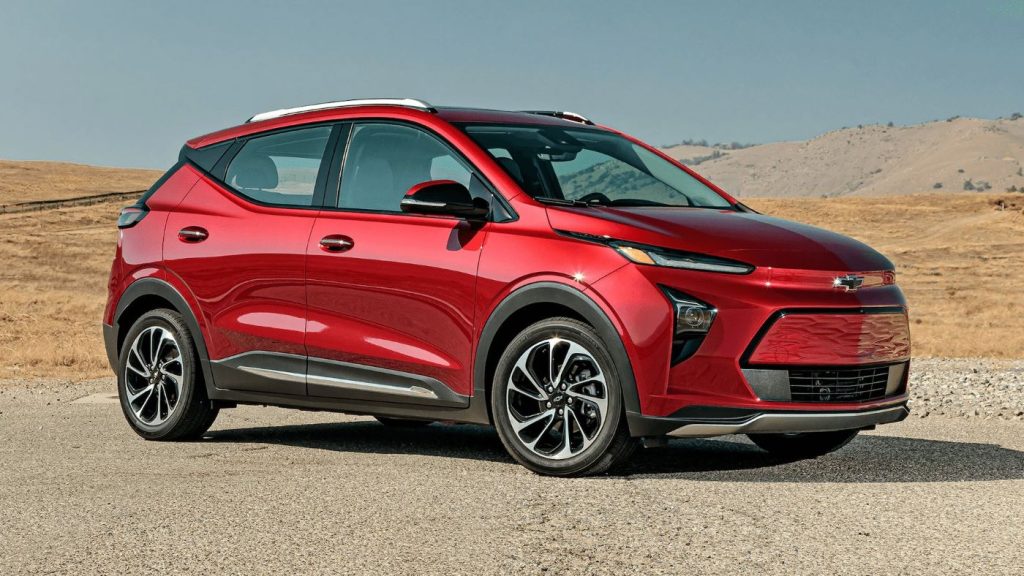
Another practical benefit is the hatchback design. Groceries, luggage, and daily necessities fit easily into the cargo area, making the car useful beyond simple commuting duties.
The Chevrolet Bolt EV demonstrates that city-friendly dimensions and modern technology can work together exceptionally well. For drivers regularly hunting for parking in New York City, its compact size and precision make everyday parking significantly less stressful.
Specifications
- Engine: Single Electric Motor
- Torque: 266 lb-ft
- Horsepower: 200 hp
- Length/Width: 163.2 inches / 69.5 inches
5. Mazda MX-5 Miata
Parallel parking in New York City can sometimes feel like a competitive sport. Drivers scan both sides of the street, hoping to find a space large enough before someone else claims it. In those moments, the Mazda MX-5 Miata possesses a distinct advantage. Its compact footprint allows it to fit into places that many sedans and SUVs simply cannot use.
The Miata was created with agility as a primary objective, and that philosophy benefits parking just as much as spirited driving. The vehicle’s short wheelbase and compact dimensions make it remarkably easy to position.
Drivers rarely need multiple corrections when backing into a space because the car responds quickly to steering inputs.
Another factor that helps is visibility. Sitting low to the ground provides an excellent sense of where the vehicle’s corners are located. Drivers can accurately judge distances to curbs and neighboring cars, reducing the uncertainty often associated with tight parking situations.
Weight also contributes to the experience. Because the Miata is relatively light, steering feels precise and responsive at low speeds. Maneuvering through crowded streets or adjusting position during a parking attempt requires minimal effort.
The Mazda MX-5 Miata proves that a sports car doesn’t have to be impractical for everyday use. With its compact size, it handles tight city streets with ease and makes parking in confined spaces far less stressful than it is in larger vehicles, all while still delivering a performance-focused driving experience.
The car’s turning radius deserves recognition as well. Tight U-turns and low-speed directional changes are completed with ease, helping drivers reposition quickly when approaching a difficult space.
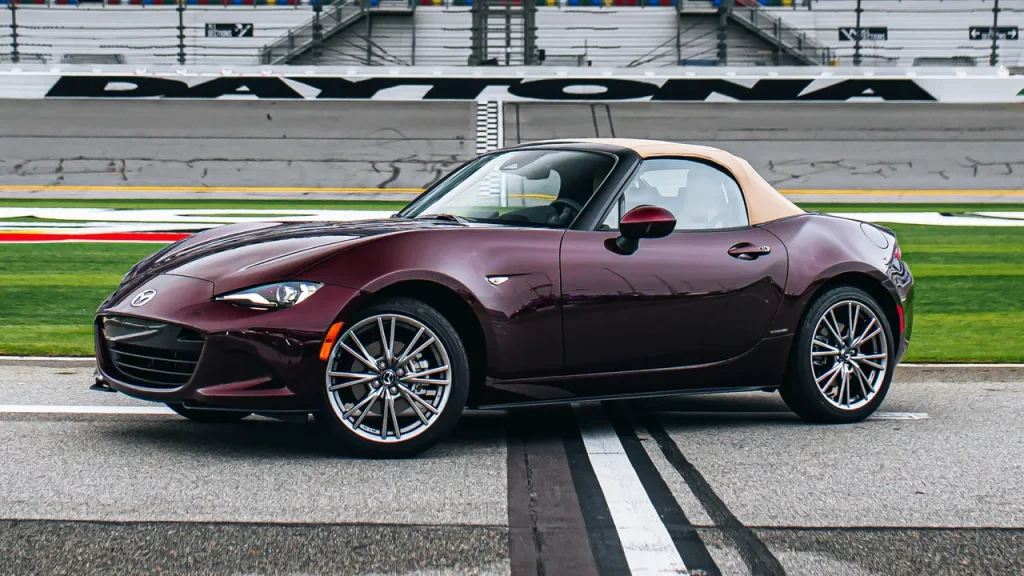
For New Yorkers who value maneuverability above maximum cargo capacity, the Miata offers a unique combination of driving enjoyment and parking convenience. It proves that a sports car can be one of the most city-friendly vehicles available.
Specifications
- Engine: 2.0-liter Naturally Aspirated Four-Cylinder
- Torque: 151 lb-ft
- Horsepower: 181 hp
- Length/Width: 154.1 inches / 68.3 inches
6. Kia Soul
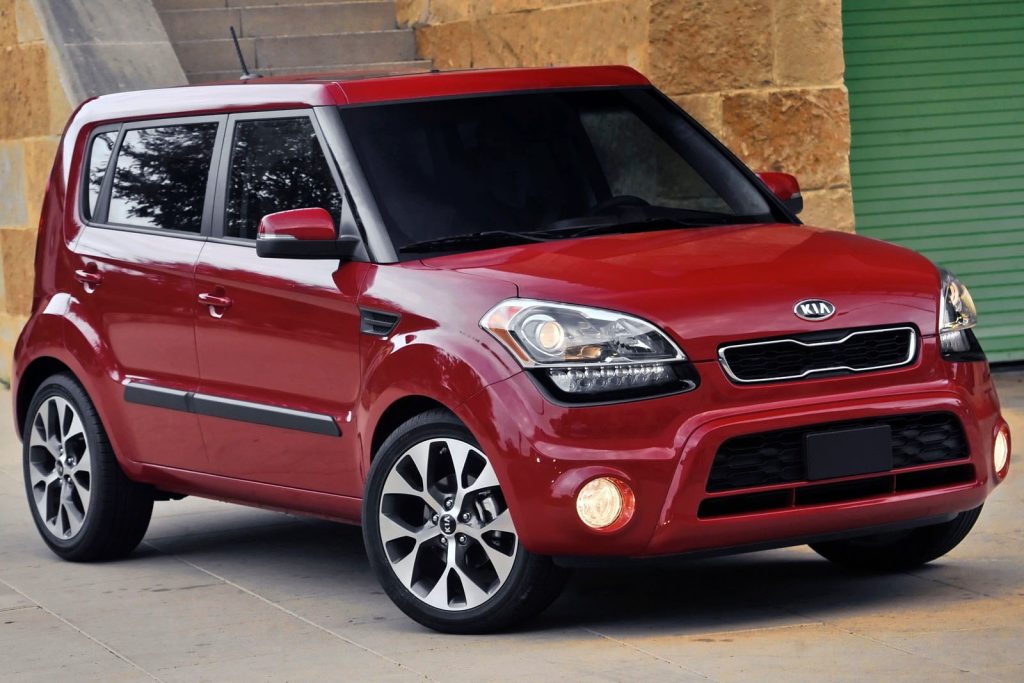
The Kia Soul takes a completely different approach to urban driving. Rather than relying on extremely small dimensions, it uses smart packaging and excellent visibility to make parking easier. This strategy has helped the Soul become a popular choice among drivers who need practicality without giving up maneuverability.
At first glance, its boxy shape appears unconventional. That design, however, serves an important purpose. The squared-off body makes it easier to judge where the vehicle ends, which is particularly useful when backing into a parking space. Drivers often feel more confident because the corners are clearly defined.
Large windows surround the cabin and create exceptional outward visibility. In crowded urban environments, seeing approaching traffic and nearby obstacles can make parking much less stressful. The Soul excels in this area compared with many modern vehicles that have thicker roof pillars and smaller glass areas.
Another strength lies in its steering characteristics. Low-speed maneuvering feels light and predictable, allowing drivers to make precise adjustments without constant effort. This becomes especially valuable when parking between closely spaced vehicles.
The soul’s relatively short length provides another advantage. It is compact enough for city use yet spacious enough to accommodate passengers and cargo comfortably. Many urban drivers appreciate having usable interior space without dealing with the challenges of a larger SUV.
Technology further improves the experience. Available parking sensors, rearview cameras, and driver assistance features help drivers monitor their surroundings while maneuvering into difficult spaces.
The Kia Soul demonstrates that practicality and parking friendliness can coexist successfully. Its distinctive design, generous visibility, and city-sized dimensions make it one of the easiest vehicles to manage on New York City’s crowded streets.
Specifications
- Engine: 2.0-liter Naturally Aspirated Four-Cylinder
- Torque: 132 lb-ft
- Horsepower: 147 hp
- Length/Width: 165.2 inches / 70.9 inches
7. Toyota Prius
The Toyota Prius has spent years building a reputation for efficiency, but one of its less discussed strengths is how well it adapts to crowded urban environments.
In New York City, where parking availability can influence an entire commute, the Prius offers several characteristics that make parallel parking noticeably easier.
Compared with bulky crossovers that often feel unwieldy on narrow streets, the Toyota Prius offers more compact dimensions that make it easier to maneuver in tight urban spaces.
Drivers benefit from a body that is compact enough for city parking while still providing ample room for passengers and cargo. This balance is one reason the model has become a favorite among urban commuters and rideshare drivers.
A major advantage comes from the vehicle’s visibility. The driving position provides a clear view of the road ahead, while large mirrors help drivers monitor surrounding traffic. During parking maneuvers, this awareness allows more precise positioning and reduces the need for repeated adjustments.
The Prius also excels in low-speed control. Its hybrid powertrain delivers smooth and predictable responses, which is particularly useful when backing into a space. Sudden movements can make parking difficult, but the Prius responds gently to driver inputs, helping create a more controlled experience.
Technology contributes significantly as well. Modern versions offer parking sensors, rearview cameras, and driver-assistance features that help identify obstacles and improve confidence. These systems are especially helpful when maneuvering between tightly parked vehicles.
Practicality remains another important factor. Despite its city-friendly dimensions, the hatchback design allows owners to carry groceries, luggage, and daily necessities without difficulty. Drivers gain convenience without sacrificing maneuverability.
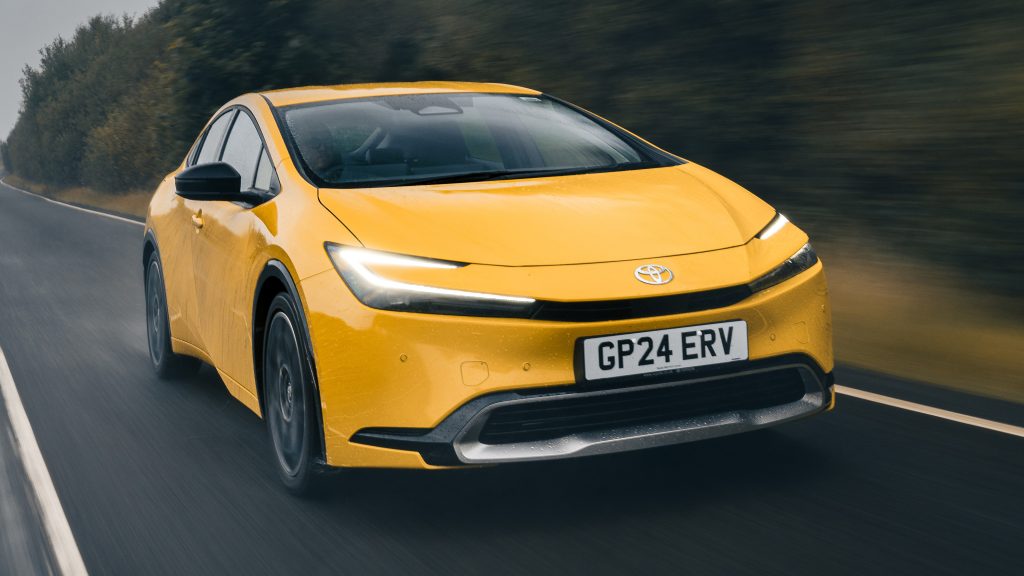
For people who spend their days moving through crowded streets and constantly searching for parking, the Toyota Prius delivers a thoughtful blend of efficiency, usability, and urban friendliness. It is a vehicle designed to make daily city life less complicated.
Specifications
- Engine: 2.0-liter Hybrid Four-Cylinder
- Torque: 139 lb-ft
- Horsepower: 194 hp
- Length/Width: 181.1 inches / 70.2 inches
8. Nissan Versa
Not every great city car needs premium features or advanced technology. Sometimes simplicity is the key to success, and the Nissan Versa demonstrates that principle exceptionally well. As one of the most affordable sedans available, it offers dimensions and driving characteristics that make parallel parking surprisingly straightforward.
One reason the Versa performs well in urban environments is its straightforward design. Drivers can easily understand the vehicle’s proportions, making it less intimidating when approaching a tight parking space. The compact body allows it to fit comfortably into areas that would challenge larger sedans.
The steering system has been tuned with ease of use in mind. At low speeds, wheel inputs require little effort, allowing smooth corrections during parking maneuvers. This characteristic helps reduce stress when trying to fit into a space with limited room on either side.
Visibility is another strong point. Thin roof pillars and a well-designed greenhouse provide good outward sightlines. Drivers can monitor nearby vehicles and curbs more effectively, which improves confidence while parking.
Where the Versa truly surprises people is the interior space. Although compact externally, it provides enough room for passengers and everyday tasks. This means owners do not need to sacrifice practicality to gain easier parking capability.
Modern safety features further enhance the experience. Depending on trim level, drivers may benefit from rear automatic braking, parking assistance technologies, and helpful camera systems that simplify low-speed maneuvers.
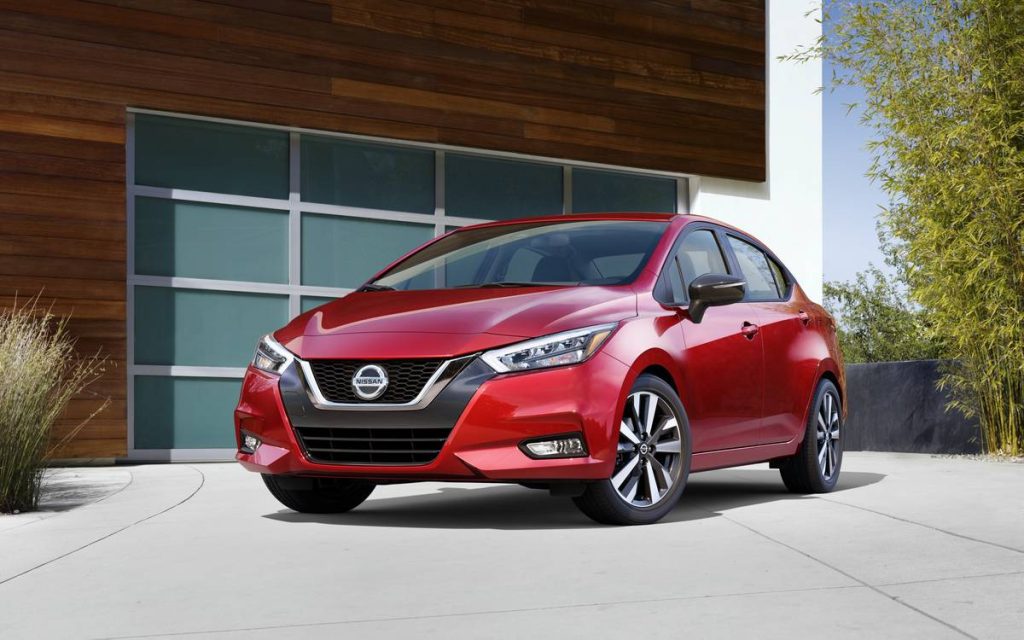
The Nissan Versa proves that an affordable vehicle can still excel in a demanding urban setting. Its manageable size, user-friendly controls, and practical interior make it an excellent companion for New York City’s crowded streets and limited parking opportunities.
Specifications
- Engine: 1.6-liter Naturally Aspirated Four-Cylinder
- Torque: 114 lb-ft
- Horsepower: 122 hp
- Length/Width: 177.0 inches / 68.5 inches
9. Hyundai Venue
Finding a parking space in New York City is often only half the challenge. The real test begins when a driver has to maneuver into a gap that appears barely large enough for a vehicle. This is where the Hyundai Venue excels.
Designed as one of the smallest SUVs on the market, it combines the upgraded driving position many people want with dimensions that are remarkably friendly to crowded urban environments.
The Venue is particularly well suited for urban driving thanks to its compact footprint. While larger crossovers can be cumbersome in tight spaces and congested streets, the Venue remains easy to maneuver. Its relatively short dimensions also make parking far less stressful, allowing drivers to fit into spaces that many larger SUVs would have to pass by.
When a space opens up between two parked cars, the vehicle’s proportions often make the maneuver much less intimidating.
Visibility plays a major role in its success. The vehicle’s upright shape and generous glass area provide a clear view of surrounding traffic and nearby obstacles. Drivers can easily judge distances while reversing, helping them position the vehicle accurately without repeated corrections.
The steering system further enhances maneuverability. Low-speed inputs feel light and precise, allowing the Venue to change direction quickly when entering a parking space. In crowded neighborhoods where traffic continues moving behind you, this responsiveness can be particularly valuable.
Technology adds another layer of convenience. Depending on trim level, the Venue offers rearview cameras, parking assistance features, and driver aids that help monitor surroundings. These systems make tight parking situations feel more manageable, especially for less experienced drivers.
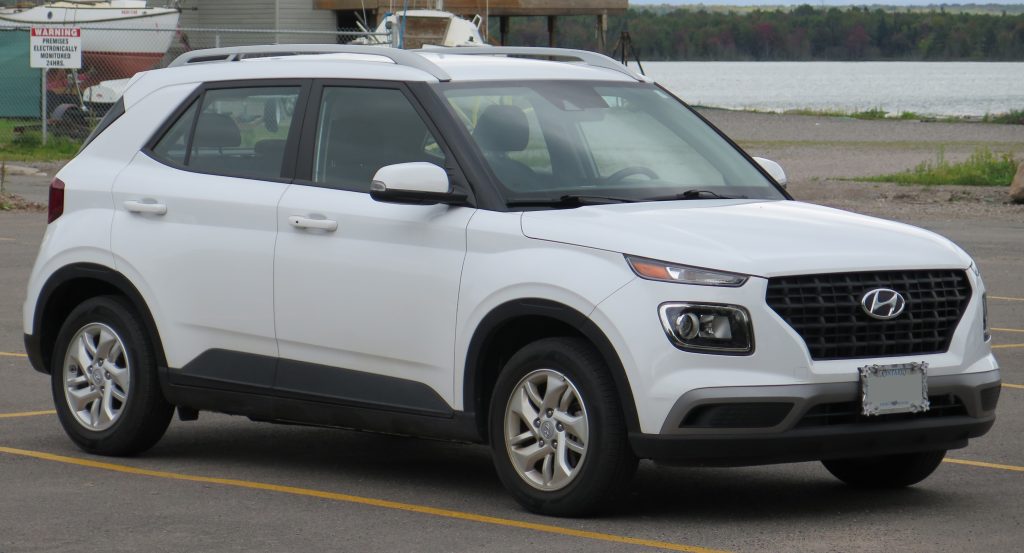
Practicality remains one of the venue’s strongest qualities. Despite its compact footprint, the cabin offers comfortable seating and useful cargo space for groceries, shopping bags, and daily essentials. This combination of usability and maneuverability makes it a strong fit for city life.
For drivers who want SUV styling without the parking difficulties often associated with larger utility vehicles, the Hyundai Venue delivers an excellent compromise. It offers confidence, visibility, and city-friendly dimensions that make parallel parking far less stressful in one of the world’s most crowded urban environments.
Specifications
- Engine: 1.6-liter Naturally Aspirated Four-Cylinder
- Torque: 113 lb-ft
- Horsepower: 121 hp
- Length/Width: 159.1 inches / 69.7 inches
10. Smart Fortwo
When discussing vehicles that are easy to parallel park, it is impossible to ignore the Smart Fortwo. Few modern cars have been designed with urban maneuverability as such a central priority. In many ways, it feels purpose-built for cities where parking spaces are scarce and every available inch matters.
The most obvious advantage is size. The Smart Fortwo is dramatically shorter than nearly every other vehicle on the road. This allows it to fit into parking spaces that would be completely unusable for conventional sedans, hatchbacks, or SUVs. Drivers often find opportunities that others simply drive past without considering.
Its compact dimensions also make positioning incredibly simple. Because the vehicle occupies such a small footprint, drivers have more room to work with when backing into a space. Minor steering corrections are usually all that is required to align the vehicle properly.
Another standout characteristic is its exceptional turning radius. The Fortwo can change direction in surprisingly tight areas, allowing drivers to maneuver through congested streets with remarkable ease. This agility becomes especially useful when parking on crowded blocks where traffic and pedestrians create additional challenges.
Visibility contributes significantly to driver confidence. The upright seating position provides a commanding view of the surroundings, while the short body makes it easy to understand exactly where the vehicle begins and ends. This reduces guesswork during parking maneuvers.
Although small, the Smart Fortwo still serves the needs of many city residents. Its compact cabin accommodates two occupants comfortably, and the cargo area is sufficient for daily errands, shopping trips, and commuting needs.
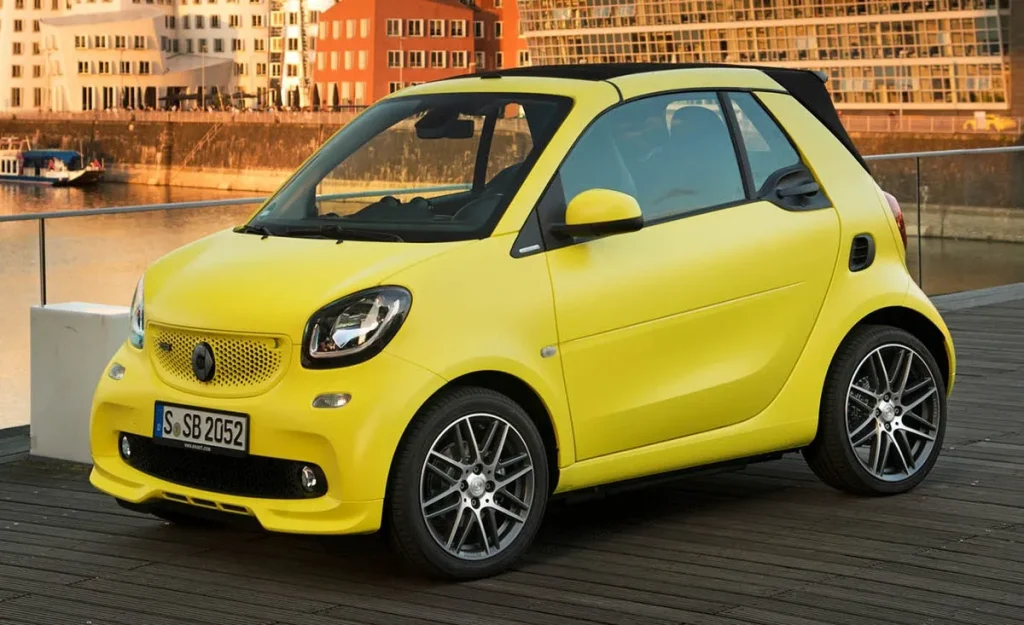
For urban drivers who prioritize parking convenience above all else, few vehicles come close to matching what the Smart Fortwo offers. It transforms one of New York City’s most frustrating tasks into something considerably easier and often much faster.
Specifications
- Engine: 0.9-liter Turbocharged Three-Cylinder
- Torque: 100 lb-ft
- Horsepower: 89 hp
- Length/Width: 106.1 inches / 65.5 inches
Also Read: 10 Jet-Powered Cars – Ranked
