
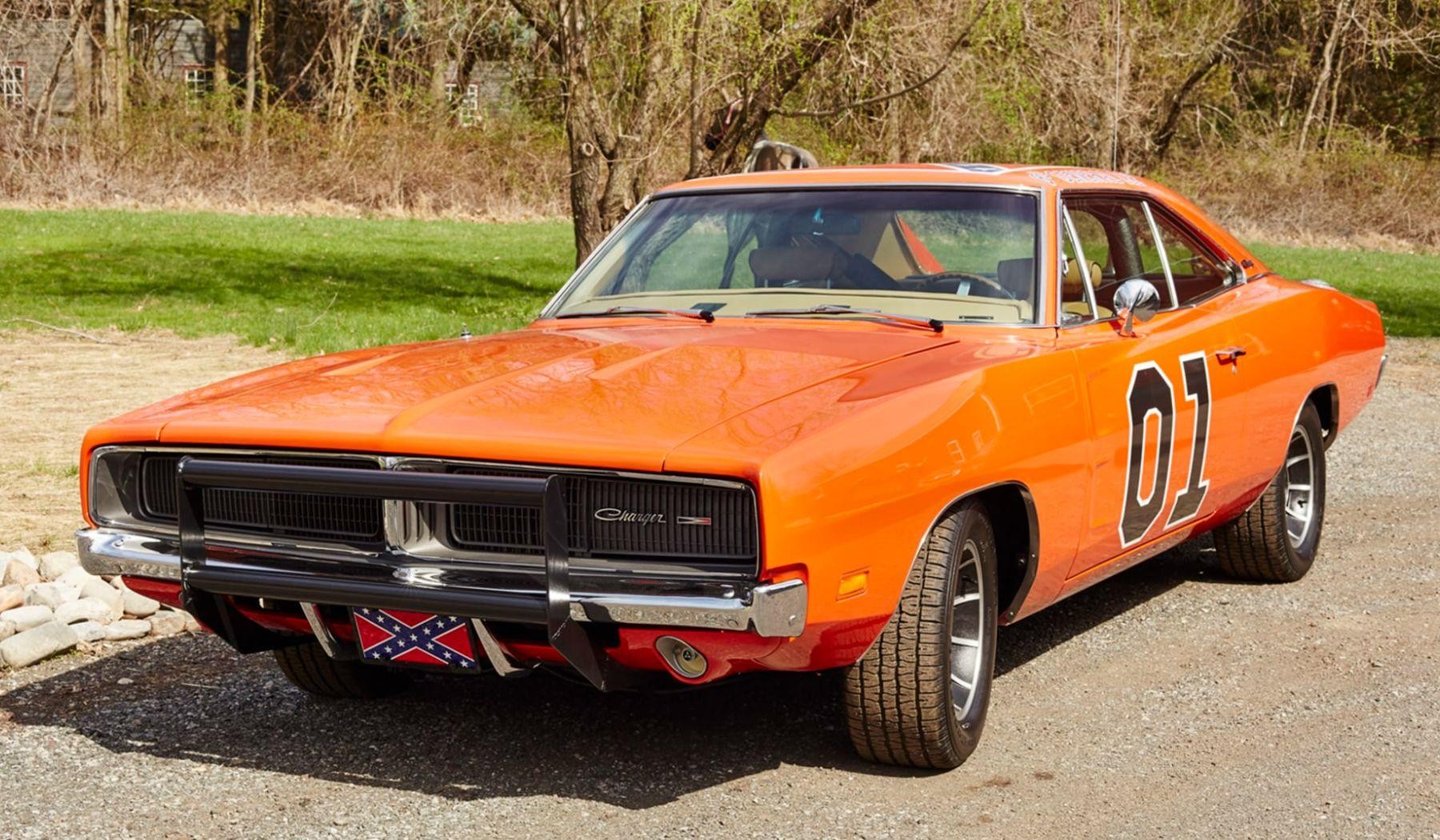
Performance has always been about more than numbers. Enthusiasts often debate horsepower figures, quarter-mile times, top speeds, and lap records, but the emotional side of driving cannot be measured with a stopwatch. This reality becomes especially clear when comparing a traditional V8-powered Dodge Charger with a modern electric performance sedan.
On paper, many electric vehicles can outperform classic muscle cars in straight-line acceleration. Instant torque, advanced traction systems, and sophisticated power management allow electric cars to launch harder and reach impressive speeds with remarkable consistency.
Yet despite these undeniable advantages, many enthusiasts still find themselves drawn toward the thunderous roar of a naturally aspirated or supercharged V8 Charger. The attraction goes beyond performance statistics and enters the realm of emotion, identity, and sensory experience.
The V8 Charger represents a chapter of automotive culture that has been built over generations. Its deep exhaust note, engine vibrations, mechanical character, and aggressive personality create a driving experience that feels alive.
Drivers often describe these cars as having a soul, not because they are objectively superior machines, but because they communicate with the person behind the wheel in ways that extend beyond acceleration figures. Every startup, every gear change, and every burst of throttle creates a connection that many enthusiasts cherish. The experience becomes a conversation between driver and machine.
Electric vehicles, by contrast, prioritize efficiency, technological advancement, and outright speed. Their silent operation and instant acceleration are engineering achievements that deserve recognition. In many situations, an EV Charger or electric performance sedan will outperform a V8 muscle car.
However, winning a race and winning a driver’s heart are not always the same thing. The emotional appeal of a V8 often outweighs the practical advantages of electric performance for those who value automotive passion above pure efficiency.
This debate is not really about which vehicle is faster. It is about what makes driving meaningful. While electric vehicles may dominate acceleration contests and set new performance benchmarks, the V8 Charger continues to represent an experience that resonates deeply with enthusiasts.
For many drivers, the sound of a roaring V8, the feel of mechanical power, and the cultural significance of American muscle create a level of enjoyment that no acceleration number can replace.
ALSO READ: 10 Best Dash Cams That Can Lower Your Insurance Liability in an Accident
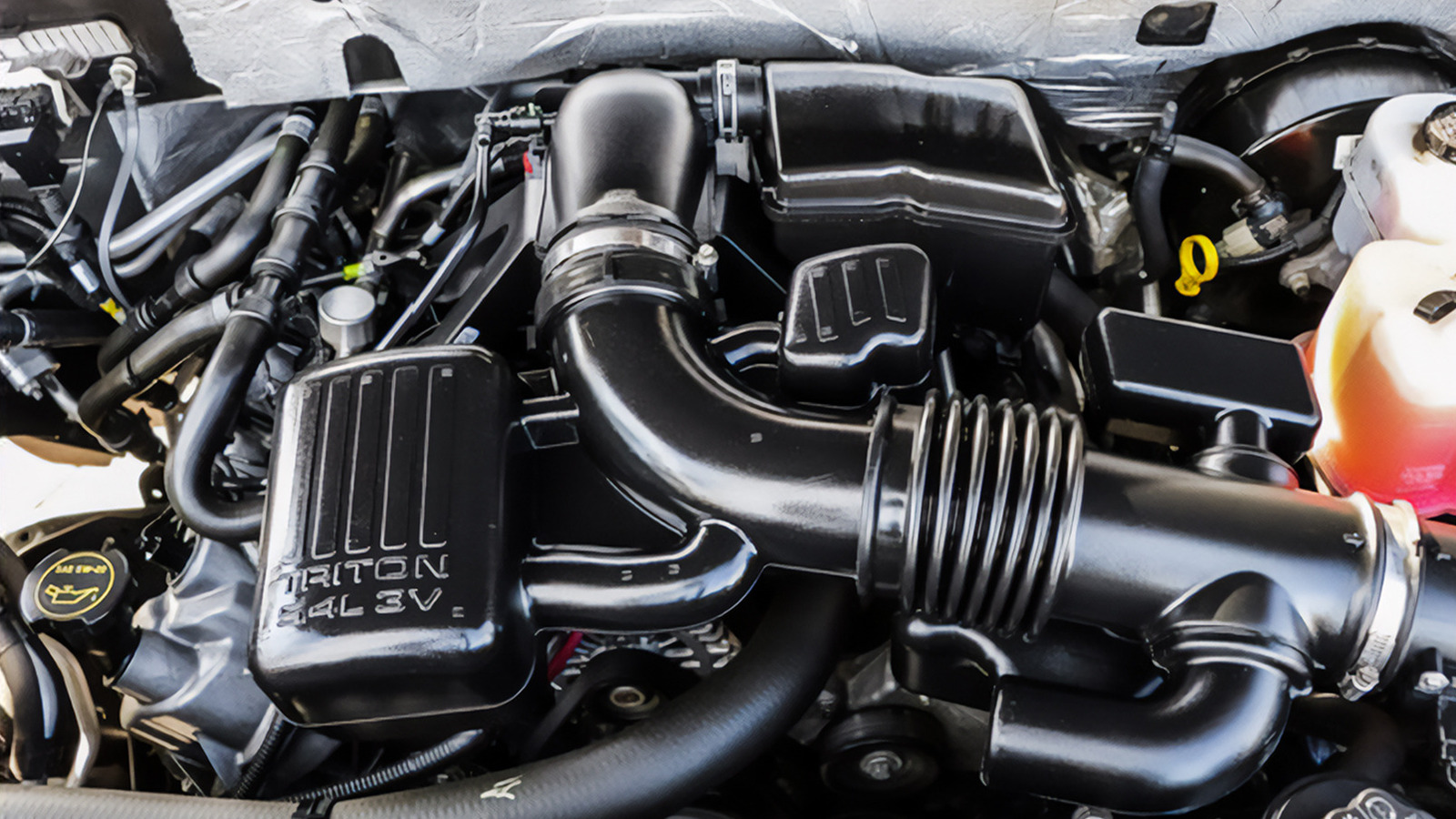
The Sound of a V8 Creates an Emotional Experience
One of the most powerful arguments in favor of a V8 Charger is its sound. The deep rumble at idle, the growl under acceleration, and the thunderous roar at full throttle create a soundtrack that has defined muscle car culture for decades. Sound is one of the most important sensory elements in driving, and a V8 engine delivers an experience that immediately captures attention. Even before the vehicle starts moving, the engine announces its presence with authority.
The relationship between sound and emotion is deeply rooted in human psychology. Certain sounds create excitement, anticipation, and even nostalgia.
A V8 exhaust note often reminds enthusiasts of classic racing events, legendary muscle cars, and memorable automotive experiences. The sound itself becomes part of the enjoyment. Drivers do not simply hear the engine; they feel connected to it.
Electric vehicles are remarkably quiet by design. While this contributes to comfort and efficiency, it removes a sensory layer that many enthusiasts consider essential. Artificial sounds can be added through speakers, but they rarely replicate the authenticity of a combustion engine. A digitally generated soundtrack may imitate a performance vehicle, yet enthusiasts often recognize the difference immediately.
The emotional response generated by a V8 cannot be quantified on a performance chart. A faster acceleration time may impress people for a moment, but a great engine note can create lasting memories. Enthusiasts frequently remember how a car sounded long after they forget specific performance figures.
This emotional connection explains why people gather at car shows, racing events, and automotive meetups simply to hear powerful engines. The sound becomes a form of entertainment, expression, and identity. In that sense, a V8 Charger offers something that goes beyond transportation and enters the world of passion.
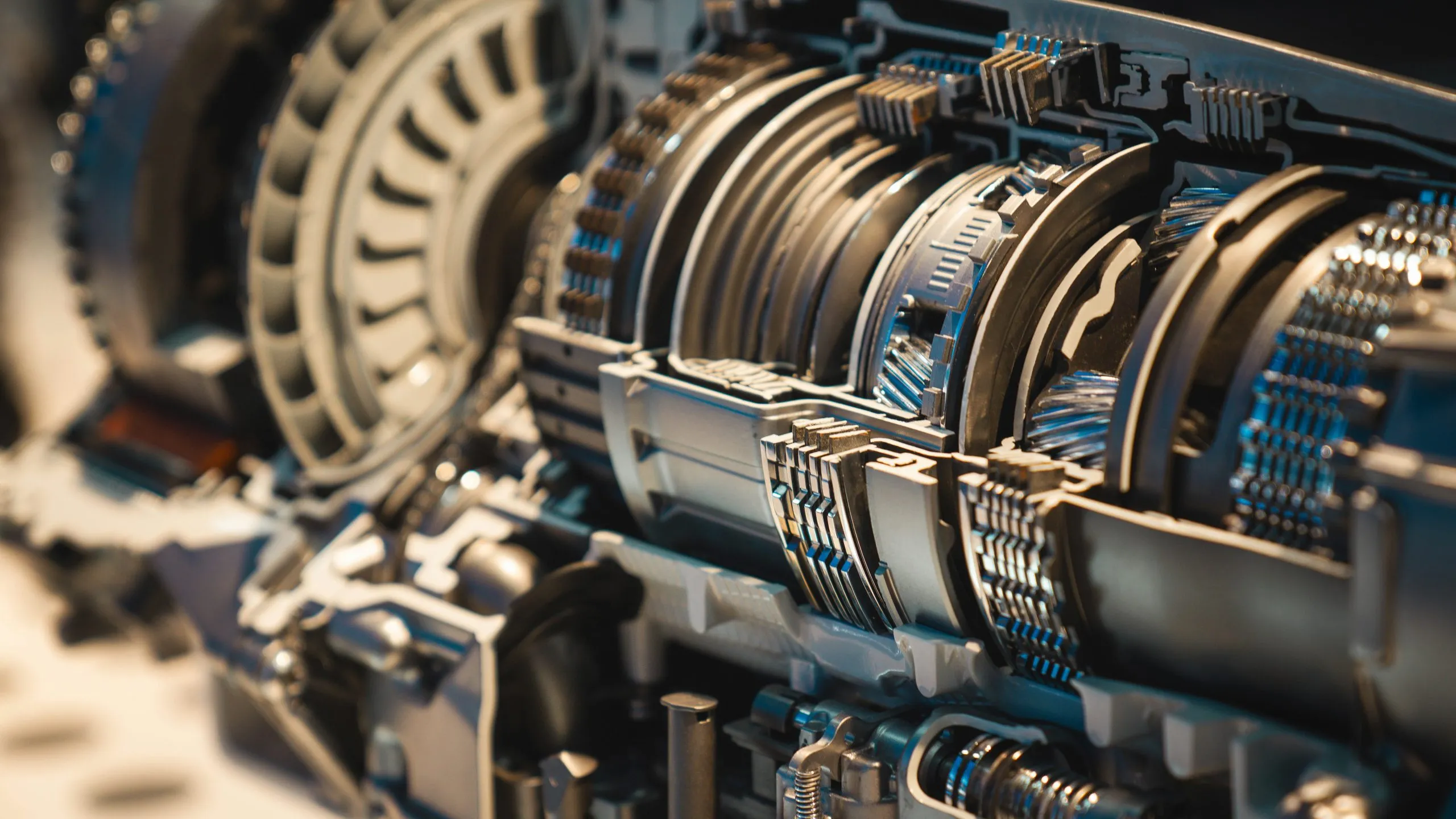
Mechanical Character Matters More Than Raw Speed
Modern electric performance vehicles are engineering marvels. Their ability to deliver instant torque and rapid acceleration is undeniable. Yet many enthusiasts argue that speed alone does not define an engaging driving experience. Mechanical character often matters more than raw numbers.
A V8 Charger provides feedback through vibrations, engine response, transmission shifts, and exhaust notes. Every action feels connected to a physical process occurring beneath the hood. Drivers experience the engine building power, the transmission selecting gears, and the vehicle responding dynamically to throttle inputs. This mechanical interaction creates a sense of involvement.
Electric vehicles often deliver power in a smooth and seamless manner. While this is technologically impressive, some enthusiasts find it less engaging. The absence of gear changes, engine noise, and traditional mechanical feedback can make the driving experience feel detached despite incredible performance capabilities.
The concept of character is difficult to define because it is largely emotional. Two vehicles may produce identical acceleration times, yet one may feel significantly more exciting due to the sensations it provides. Character emerges from imperfections, mechanical complexity, and personality traits that distinguish one vehicle from another.
Muscle cars have always embraced character over perfection. Their appeal comes from feeling powerful, dramatic, and memorable rather than clinically efficient. A V8 Charger embodies this philosophy by prioritizing emotional engagement alongside performance.
For many enthusiasts, driving is not about achieving the fastest possible acceleration. It is about enjoying every moment behind the wheel. Mechanical character transforms a simple drive into an experience, and that experience often leaves a stronger impression than any performance statistic.
ALSO READ: Top 6 Best Dash Cams to Enhance Safety and Capture Critical Moments
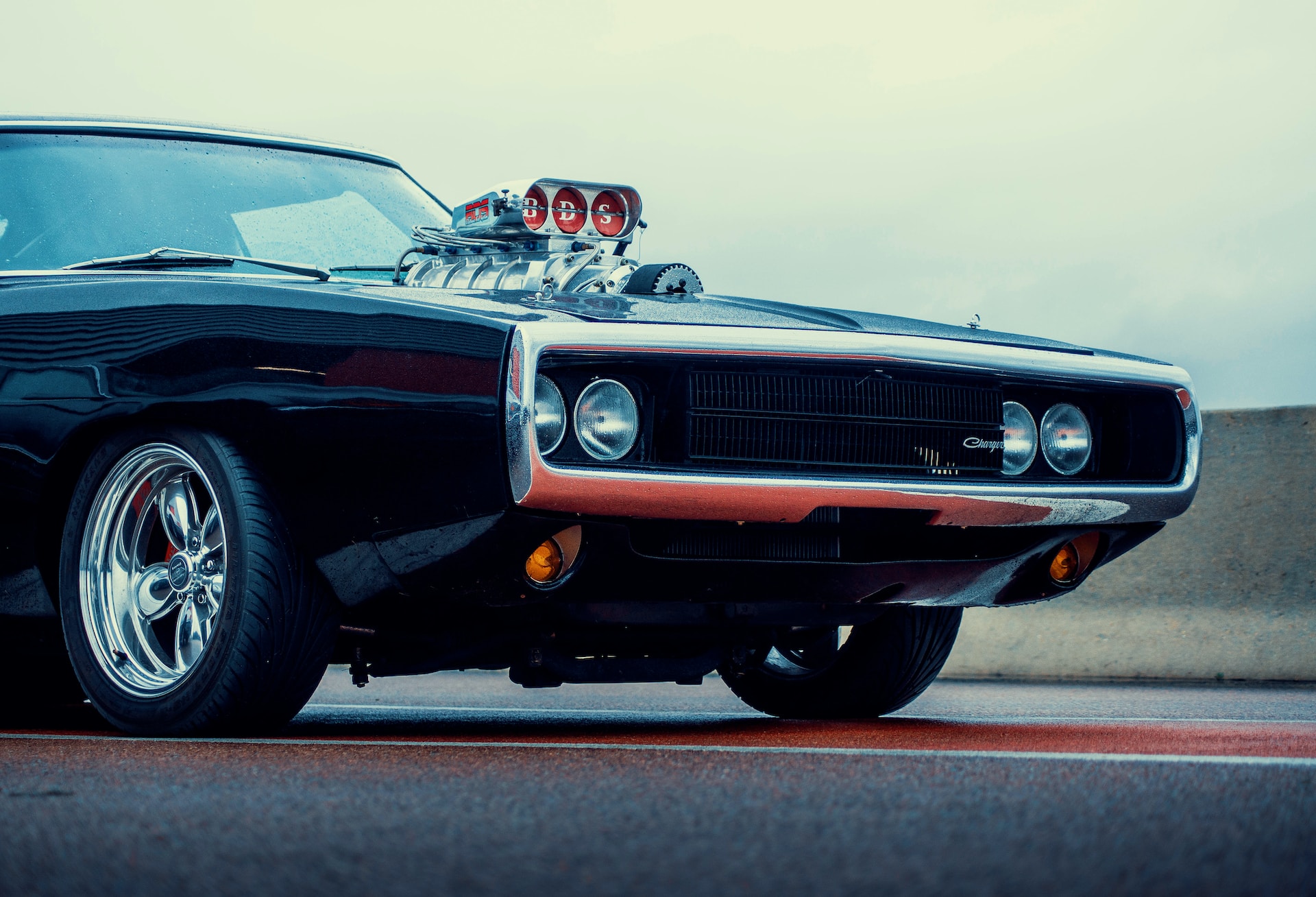
The Legacy of American Muscle Cars Cannot Be Ignored
The Dodge Charger occupies a special place in automotive history. For decades, the Charger name has been associated with power, aggression, and American performance culture. This legacy contributes significantly to its appeal.
Muscle cars emerged during an era when manufacturers competed to build increasingly powerful vehicles. Large displacement V8 engines became symbols of freedom, individuality, and performance. The Charger evolved into one of the most recognizable names in this movement, earning a loyal following among enthusiasts.
Automotive culture is shaped by stories, memories, and traditions. Many enthusiasts grew up watching muscle cars in films, television shows, racing events, and family garages. The V8 Charger represents a continuation of those experiences. Owning one often feels like participating in a larger cultural narrative.
Electric performance vehicles may represent the future of transportation, but they do not yet possess the same historical significance. They are building their own legacy, but that process takes time. Cultural icons are not created overnight. They emerge through decades of influence and emotional connection.
The Charger’s heritage adds depth to the ownership experience. Drivers are not simply purchasing a vehicle; they are becoming part of a tradition that spans generations. That sense of continuity strengthens the emotional bond between enthusiasts and their cars.
For many people, preserving automotive heritage matters as much as embracing new technology. The V8 Charger serves as a reminder of an era when engine sound, displacement, and mechanical power defined performance. That legacy continues to attract enthusiasts around the world.
