
Predicting automotive success is one of the most difficult tasks in the global car industry. Every year, manufacturers invest billions of dollars into research, engineering, marketing, and production, hoping their newest vehicle will resonate with buyers.
Analysts create sales forecasts based on market trends, consumer preferences, economic conditions, and historical performance. Yet despite all this planning, some vehicles achieve something remarkable. They shatter expectations and outperform even the most optimistic projections during their first year on sale.
When a car dramatically exceeds sales forecasts, it often signals more than just a successful product launch. It can reveal a major shift in consumer behavior, introduce a new vehicle segment, or redefine what buyers expect from a modern automobile. In some cases, these unexpected hits rescue struggling manufacturers and transform entire companies.
In others, they create long waiting lists, force factories to increase production, and inspire competitors to develop similar models. The automotive industry is filled with examples of vehicles that were expected to perform reasonably well but instead became instant sensations.
Several factors can contribute to this kind of success. Innovative technology, attractive pricing, distinctive styling, fuel efficiency, reliability, and strong brand recognition all play important roles.
Sometimes timing is equally important. A vehicle may arrive at precisely the right moment when consumer demand aligns perfectly with its strengths. Other times, a car succeeds because it challenges conventional wisdom and offers something buyers did not even realize they wanted.
The impact of these surprise successes extends far beyond sales numbers. They influence design trends, alter corporate strategies, and shape future generations of vehicles.
Some become cultural icons, while others establish entirely new categories that continue to thrive decades later. Their first-year performance often serves as a benchmark for automotive success and demonstrates the importance of understanding consumer needs.
This article explores ten remarkable cars that outsold virtually every sales forecast during their debut year. From revolutionary compact cars to groundbreaking electric vehicles and game-changing sport utility vehicles, these models exceeded expectations and left a lasting mark on automotive history.
Their stories illustrate how innovation, timing, and consumer enthusiasm can combine to create extraordinary success in one of the world’s most competitive industries.
Also Read: Tesla Model X Lost 61% Value in 5 Years
- Engine: 2.8L inline-6 (base) / 4.3L V8 options available
- Horsepower: 101 hp (inline-6 base)
- Torque: ~176 Nm (approx)
- Length: ~4613 mm
- Width: ~1732 mm
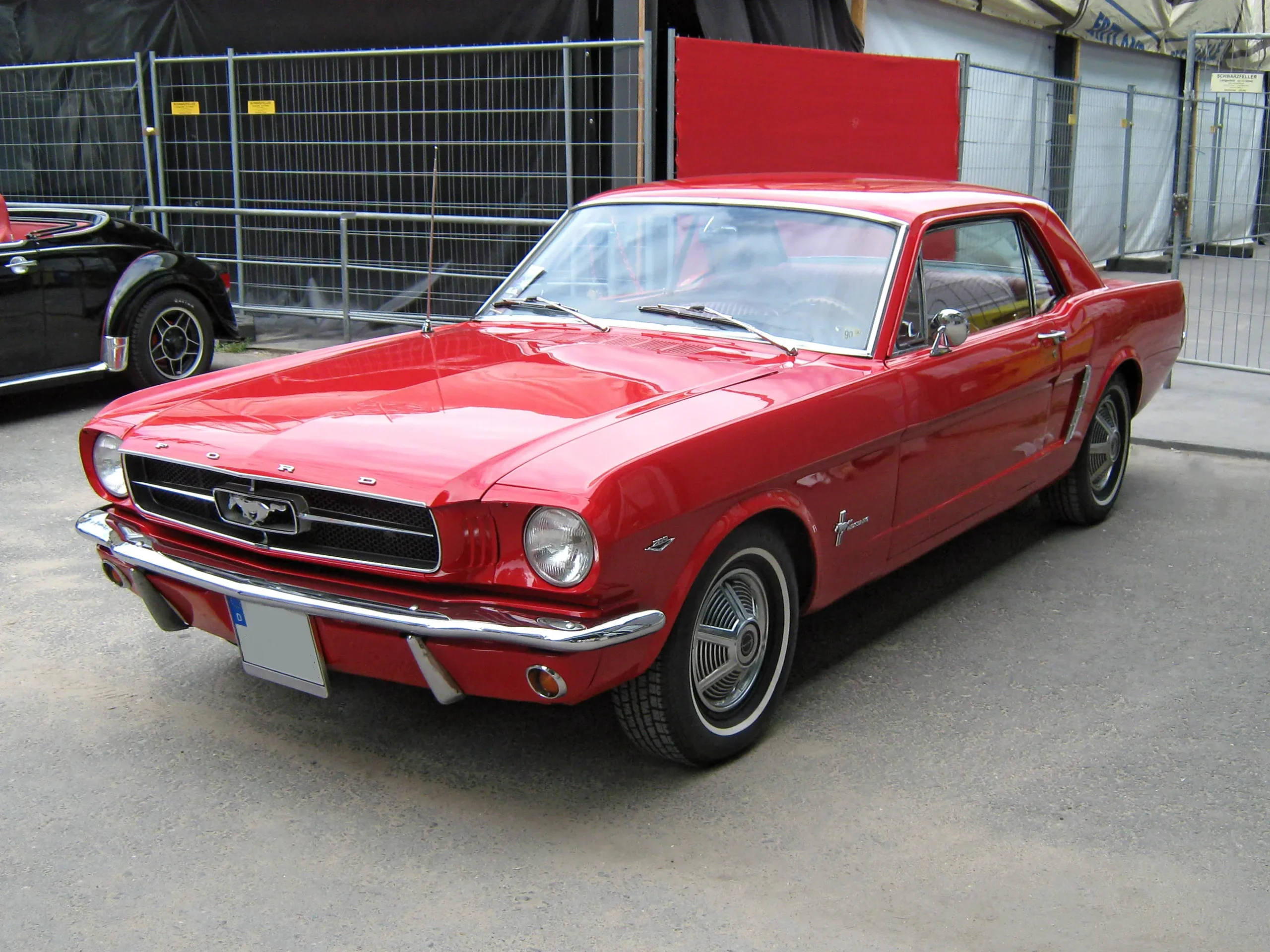
1. Ford Mustang (1964)
The Ford Mustang arrived at a moment when the American automotive market was undergoing a subtle but important transformation. Younger buyers were beginning to seek vehicles that reflected individuality and personal expression rather than simply transportation.
Ford recognized this cultural shift early and developed a car that combined sporty styling with mass market affordability. However, even with strong internal optimism, the company did not fully anticipate the overwhelming reaction that would follow its launch.
From the moment the Mustang was introduced, public interest surged beyond expectations. The car made its debut at the 1964 World’s Fair while also arriving at dealerships, generating a wave of national attention.
Crowds gathered at showrooms in numbers rarely seen for an automobile, and many dealers reported immediate deposits before customers even test drove the vehicle. This level of excitement was unusual for the industry at the time and demonstrated how effectively the Mustang captured consumer imagination.
One of the key reasons for its success was customization. Buyers could choose from multiple engine options, transmission types, interior finishes, and exterior designs.
This flexibility allowed the Mustang to appeal to a wide demographic, from budget-conscious young drivers to performance enthusiasts. Ford effectively created a vehicle that felt personalized even at the point of purchase, which was a relatively new concept in the automotive industry.
Another important factor was the pricing strategy. The Mustang was positioned as an affordable sports-inspired car, making it accessible to a much larger audience than traditional performance vehicles. This approach significantly widened its market reach and allowed Ford to attract customers who had never previously considered owning a sporty coupe. The combination of affordability and style proved to be a powerful formula.
By the end of its first year, the Mustang had sold well over 400,000 units, far exceeding all internal projections. The demand was so strong that Ford struggled to keep up with production.
The vehicle’s success not only created the “pony car” segment but also redefined how automakers thought about niche markets. It proved that emotional appeal, when combined with smart engineering and pricing, could generate extraordinary commercial success.
- Engine: 1.2L air-cooled flat-4
- Horsepower: 36 hp
- Torque: ~80 Nm
- Length: ~4070 mm
- Width: ~1540 mm
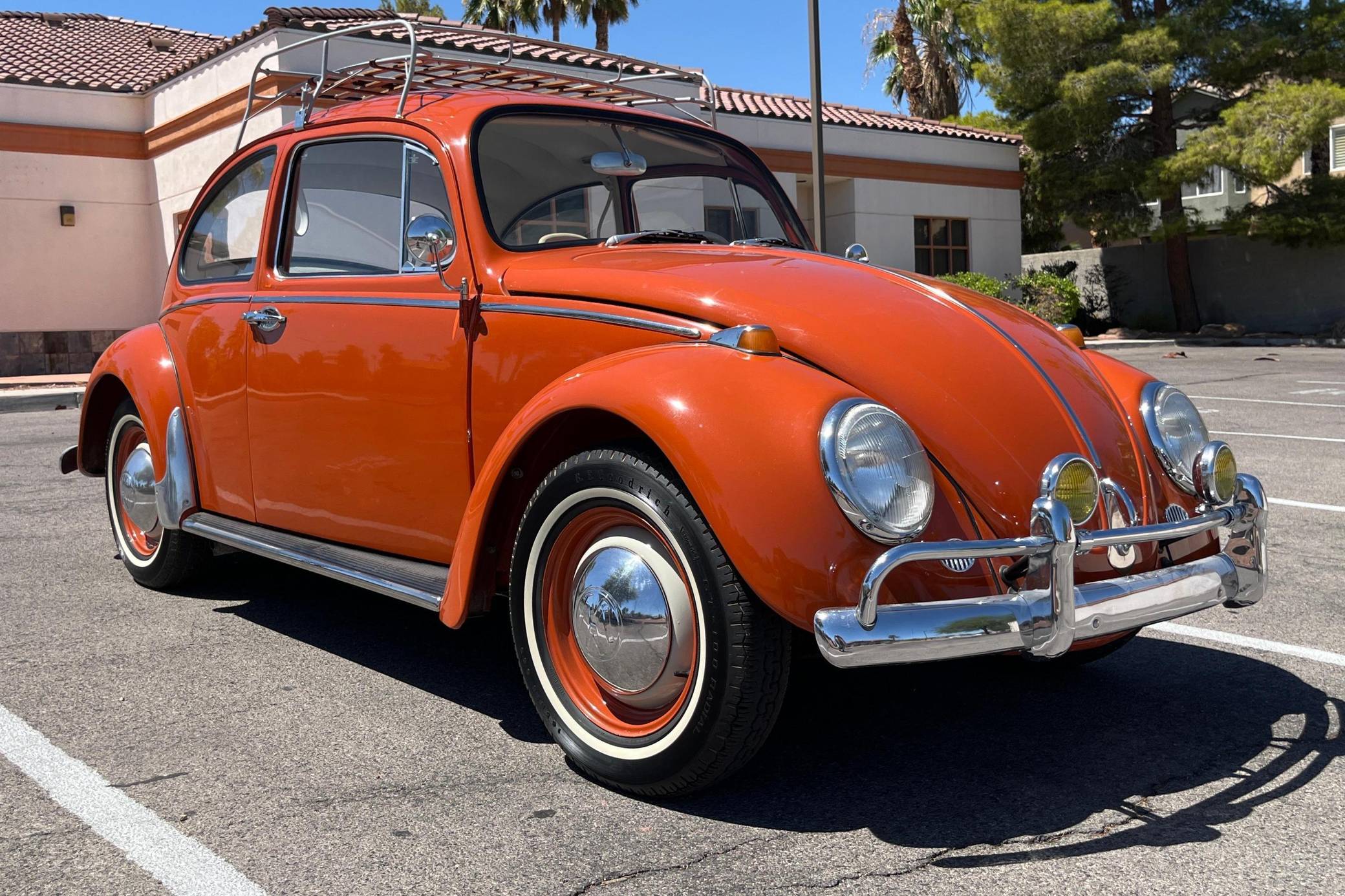
2. Volkswagen Beetle
The Volkswagen Beetle represents one of the most unusual and enduring success stories in automotive history. Originally designed in the 1930s and later mass-produced after World War II, the Beetle slowly expanded beyond Europe before becoming a global phenomenon.
While its success eventually became legendary, early expectations in several markets were modest due to its unconventional design and small size.
At a time when most cars emphasized power, size, and luxury features, the Beetle took a radically different approach. Its compact shape, rear-mounted engine, and simple mechanical structure made it stand out in ways that were both intriguing and controversial.
Many analysts initially doubted whether mainstream consumers would embrace such a minimalistic design, especially in regions accustomed to larger vehicles.
However, the Beetle’s engineering simplicity turned into one of its greatest strengths. It was easy to maintain, inexpensive to repair, and highly fuel-efficient. These characteristics became increasingly valuable as consumers began prioritizing affordability and practicality over status symbols. The car’s reputation for durability also contributed significantly to its growing popularity.
Marketing played an equally important role in its success. Volkswagen launched advertising campaigns that were honest, humorous, and self-aware. Instead of exaggerating features, the company highlighted simplicity and reliability.
This refreshing approach resonated with consumers and built a strong sense of trust around the brand. It also helped the Beetle stand apart in a crowded automotive marketplace.
As demand grew, the Beetle consistently outperformed early sales forecasts by wide margins. Its success demonstrated that consumer preferences were shifting and that practical, well-engineered vehicles could achieve global dominance even without luxury positioning. Over time, the Beetle became one of the most recognizable cars in history, influencing automotive design philosophy and proving that unconventional ideas can achieve extraordinary results when they meet real consumer needs.
- Engine: 1.5L hybrid petrol + electric motor
- Horsepower: 70 hp combined
- Torque: ~110 Nm (combined system estimate)
- Length: ~4275 mm
- Width: ~1695 mm
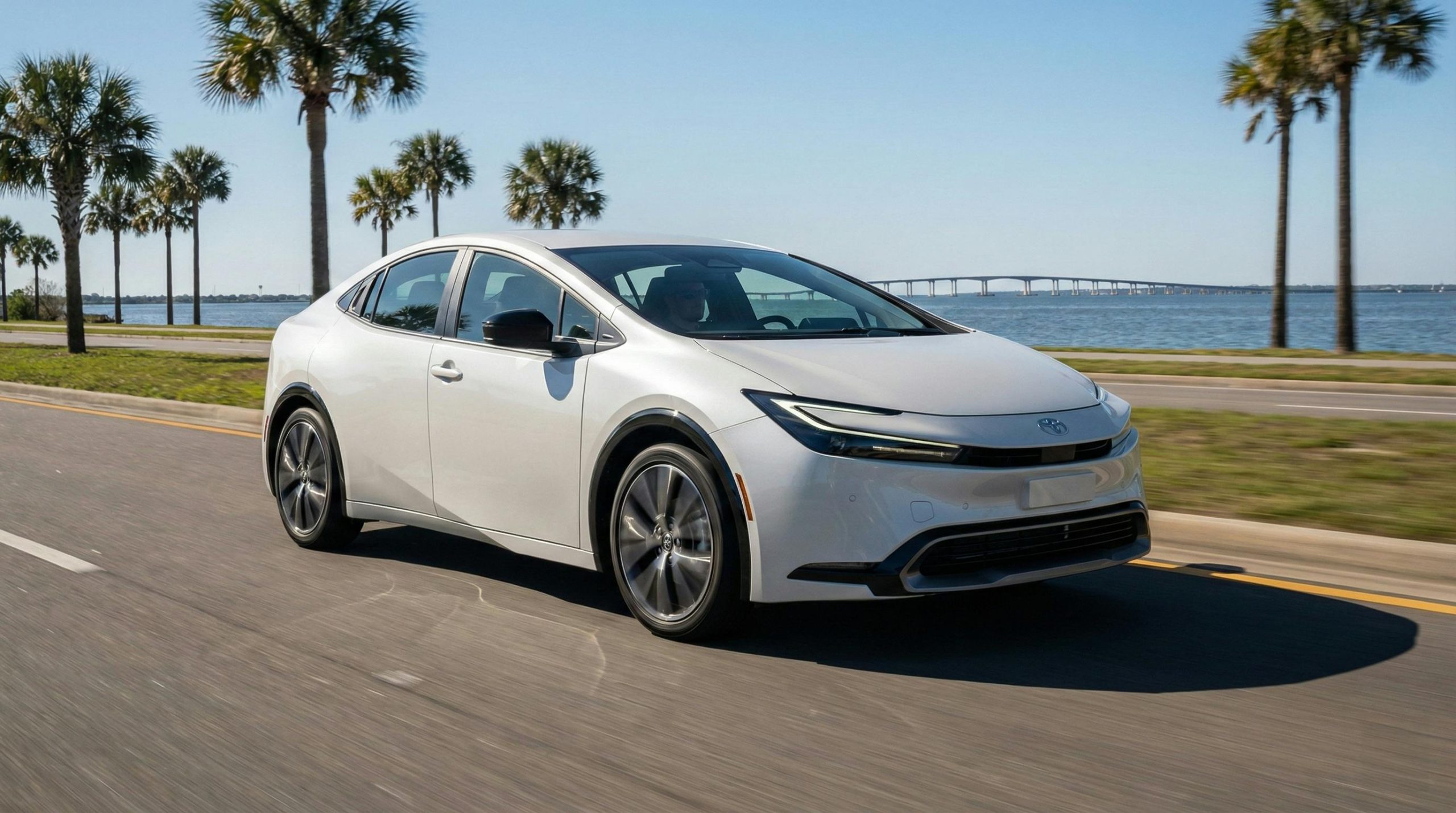
3. Toyota Prius
When the Toyota Prius was first introduced, hybrid vehicles were still considered experimental technology. Most automotive companies viewed hybrid systems as niche solutions with uncertain long-term demand. Forecasts for the Prius reflected this skepticism, with expectations that it would appeal mainly to environmentally conscious early adopters rather than the broader public.
Toyota, however, saw a different future. Rising fuel prices and increasing environmental awareness suggested that efficiency could become a major selling point.
The Prius was designed to address both concerns by combining a gasoline engine with an electric motor to maximize fuel economy without sacrificing convenience. This balance made it significantly more practical than fully electric alternatives available at the time.
One of the most important aspects of the Prius was its accessibility. Unlike experimental vehicles that required specialized infrastructure, the Prius could be driven and refueled like a conventional car. This eliminated one of the biggest barriers to adoption and made it appealing to everyday consumers. Buyers did not need to change their habits, which greatly expanded its potential market.
Early owners quickly became advocates for the vehicle. Many praised its low running costs, smooth driving experience, and innovative technology. Word of mouth played a critical role in driving demand, as positive experiences encouraged others to consider hybrid ownership. This organic growth exceeded Toyota’s conservative projections and created strong momentum in the marketplace.
The Prius became a breakthrough product, proving that hybrid technology could succeed at scale. Its first-year performance exceeded expectations and paved the way for widespread electrification across the automotive industry. It also established Toyota as a leader in sustainable innovation, influencing competitors to accelerate their own hybrid and electric vehicle programs.
- Engine: 2.0L inline-4 (B20B/B20Z)
- Horsepower: 126 hp
- Torque: ~180 Nm
- Length: ~4510 mm
- Width: ~1780 mm
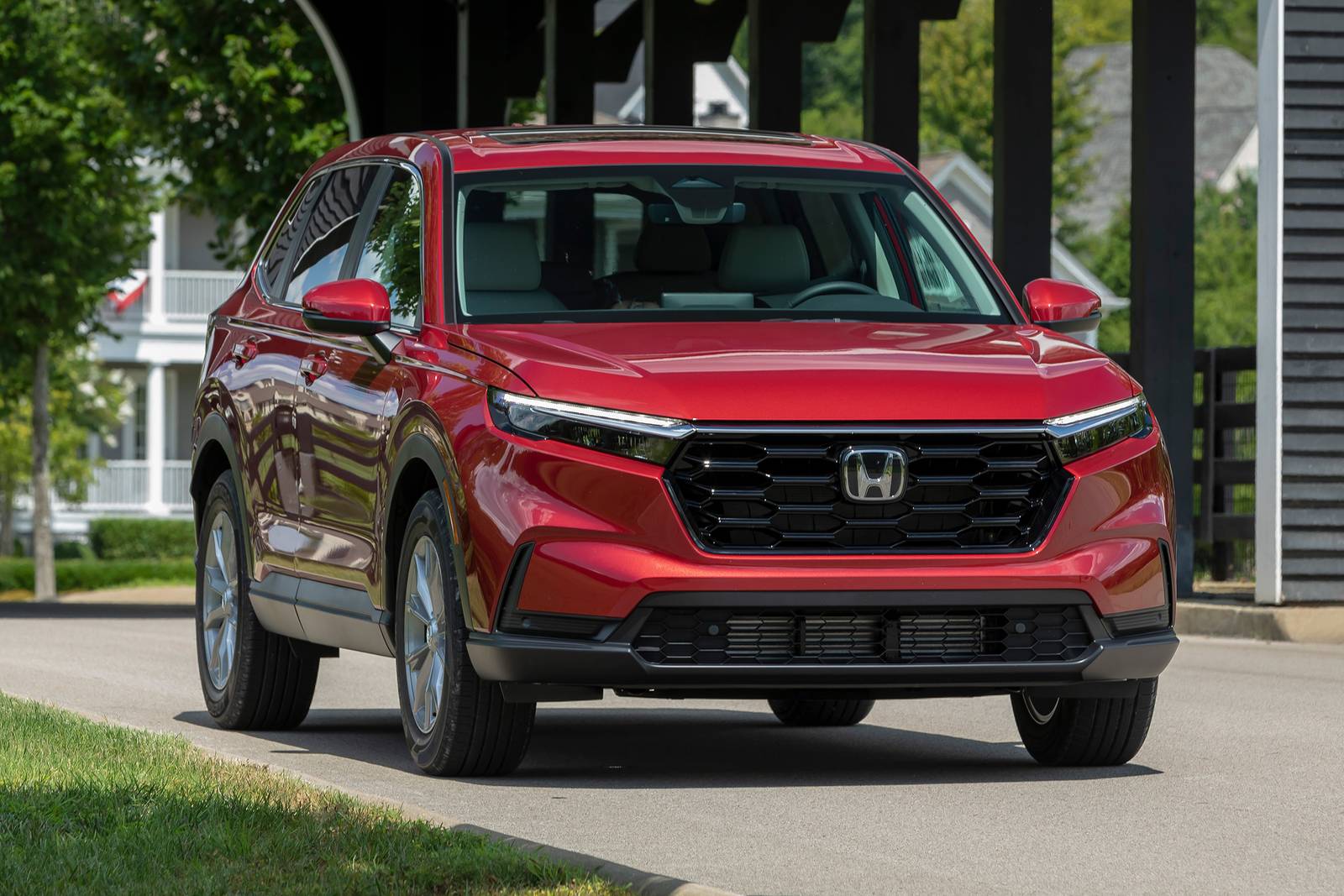
4. Honda CR-V
The Honda CR-V entered the market at a time when the compact SUV segment was still in its early stages of development. Most forecasts for the vehicle were cautious, as consumer preference was still heavily weighted toward sedans and larger traditional SUVs.
However, Honda identified a growing interest in practical, fuel-efficient vehicles with higher seating positions and flexible interiors.
The CR-V was designed with versatility in mind. It combined the comfort of a passenger car with the utility of a small SUV, offering features such as foldable rear seats and ample cargo space. This made it appealing to families, commuters, and urban drivers who wanted more practicality without the bulk of a full-size SUV.
One of the key factors behind its success was its driving experience. Unlike many SUVs of the time, the CR-V was easy to handle, fuel-efficient, and comfortable in urban environments. This helped it attract buyers who previously avoided larger vehicles due to concerns about maneuverability and operating costs.
Consumer response exceeded expectations almost immediately. Demand quickly outpaced supply in several regions, forcing Honda to adjust production plans. The vehicle’s reputation for reliability further strengthened its appeal, as buyers associated the brand with long term dependability.
The CR-V’s strong first-year performance helped establish the compact SUV segment as a major force in the automotive industry. It demonstrated that consumers were ready for vehicles that blended practicality, efficiency, and comfort, influencing nearly every major manufacturer to enter the segment.
Also Read: Why One Million Americans Stopped Shopping for New Cars?
- Engine: Dual motor electric (or single motor RWD, depending on variant)
- Horsepower: ~283 hp (approx early RWD version)
- Torque: ~420 Nm (approx)
- Length: ~4694 mm
- Width: ~1849 mm
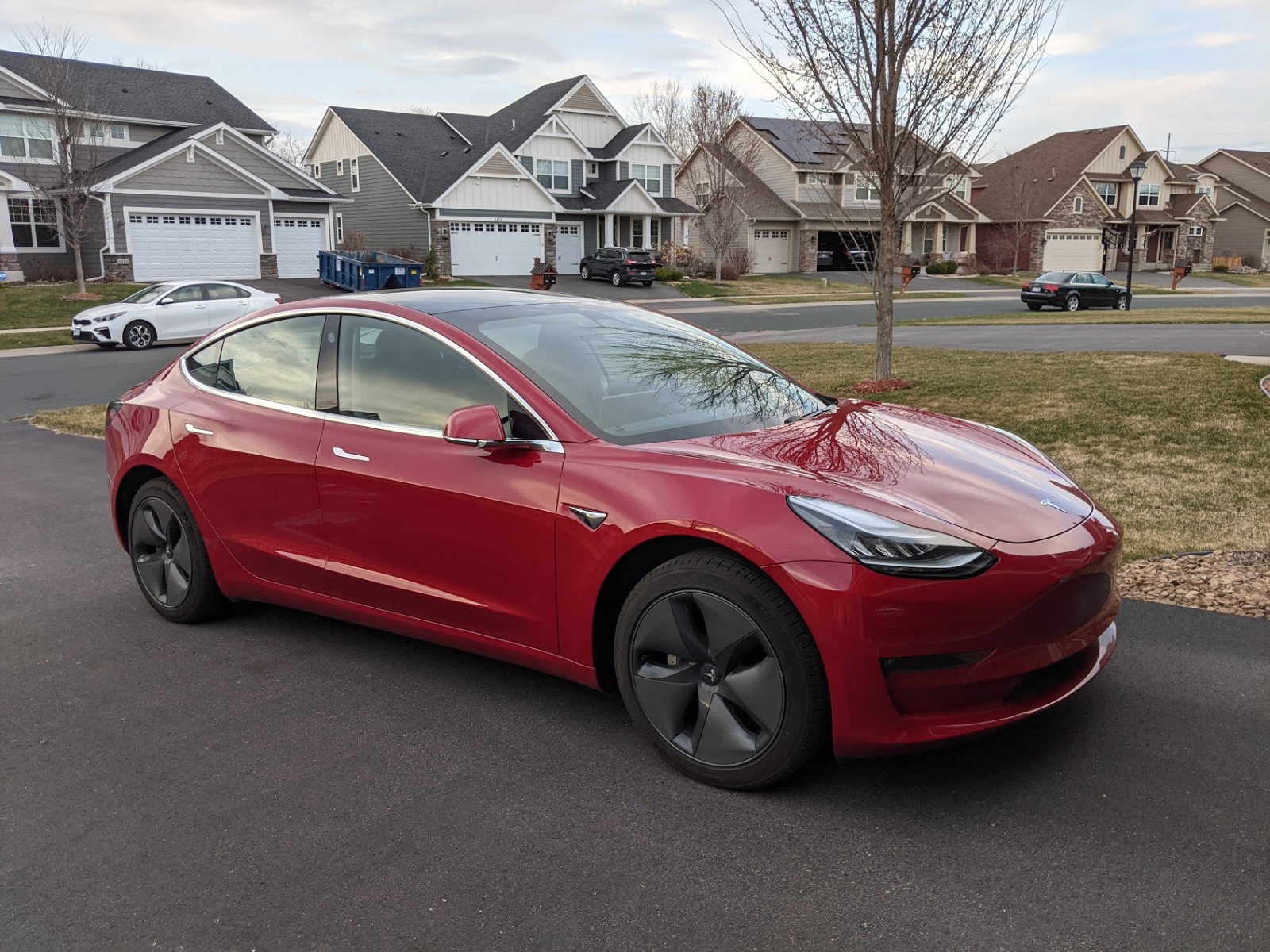
5. Tesla Model 3
The Tesla Model 3 represents one of the most dramatic examples of a vehicle exceeding sales forecasts in modern automotive history. When it was announced, expectations were high but tempered by concerns about production scalability, pricing, and market readiness for electric vehicles at mass adoption levels.
Pre-orders for the Model 3 quickly surpassed expectations, signaling unprecedented consumer interest in an affordable electric vehicle. Unlike earlier electric models that catered to niche markets, the Model 3 was designed to reach mainstream buyers. This positioning significantly expanded its potential audience.
One of the defining aspects of the Model 3’s success was its technological appeal. Features such as long-range capability, advanced software integration, and over-the-air updates differentiated it from traditional vehicles. Buyers were not just purchasing transportation but also a software-driven driving experience that could improve over time.
Despite early production challenges, demand remained extremely strong. Waiting lists grew rapidly, and global interest continued to rise. The combination of brand reputation, innovation, and environmental appeal helped push sales far beyond initial projections.
The Model 3 transformed the electric vehicle market. Its first year performance proved that mass market EV adoption was possible and profitable, reshaping industry expectations and accelerating the global shift toward electrification.
- Engine: 4.0L inline-6 (base)
- Horsepower: 190 hp
- Torque: ~305 Nm
- Length: ~4470 mm
- Width: ~1760 mm
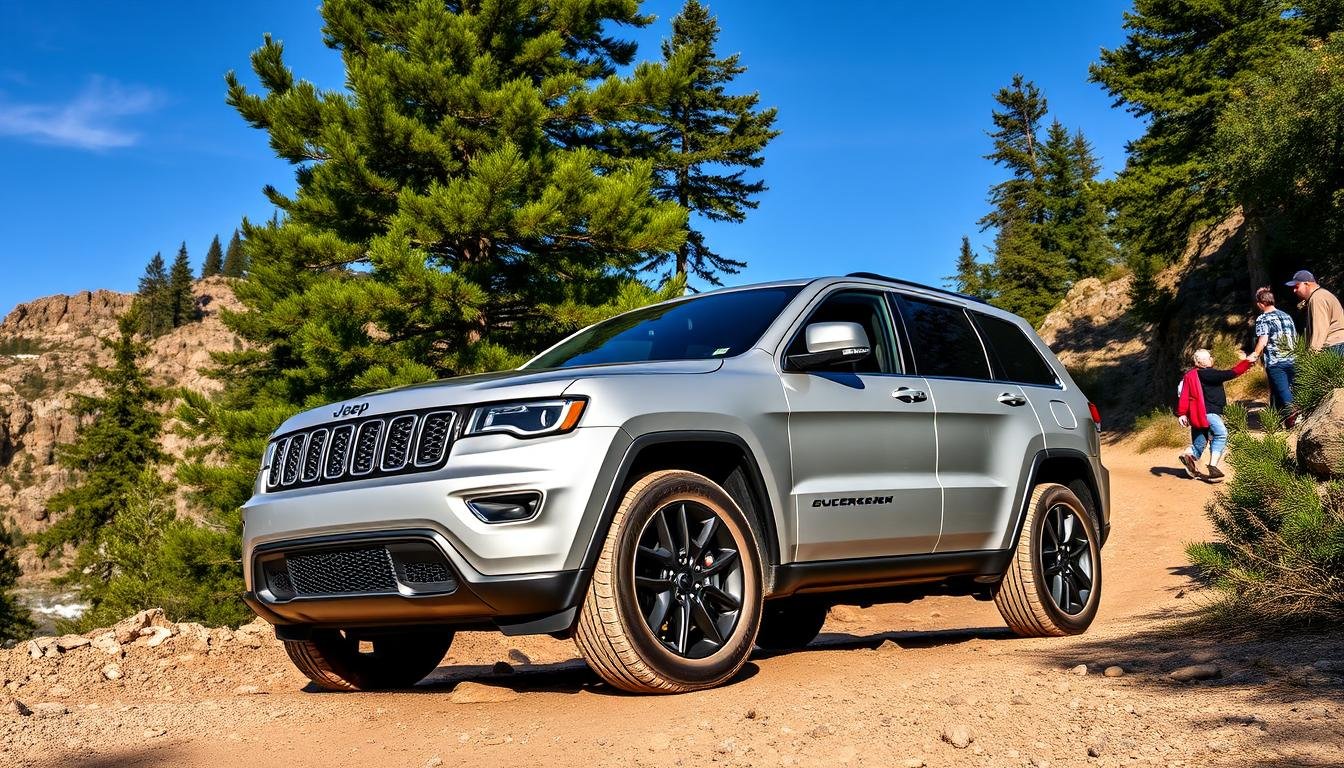
6. Jeep Grand Cherokee
The Jeep Grand Cherokee made a powerful entrance into the automotive market during the early 1990s, a period when SUVs were still evolving from purely rugged off-road machines into more refined family vehicles.
Forecasts for the Grand Cherokee were conservative because the SUV segment itself was not yet fully mainstream in terms of urban family adoption. Many analysts believed demand would remain limited to traditional Jeep enthusiasts and off-road drivers.
However, Jeep took a bold step by designing the Grand Cherokee to appeal to both utility-focused buyers and everyday consumers. It combined strong off-road capability with a level of comfort and interior refinement that was unusual for SUVs at the time. This dual identity allowed it to bridge two different markets, which significantly expanded its potential customer base.
A defining moment for the Grand Cherokee’s success was its dramatic public debut. Jeep famously drove the vehicle through a glass wall at an auto show to demonstrate its durability and capability.
This bold marketing approach captured public attention and reinforced the idea that the SUV was both rugged and modern. It helped create immediate buzz and demand before widespread dealership availability.
Once launched, the Grand Cherokee quickly exceeded production forecasts. Buyers responded strongly to its combination of luxury features, powerful performance, and traditional Jeep toughness. Families appreciated its comfort, while adventure-oriented drivers valued its off-road capability. This broad appeal created demand far beyond what analysts had predicted.
The Grand Cherokee’s first year of success played a major role in redefining the SUV market. It helped shift SUVs from niche utility vehicles into mainstream family transportation options, influencing competitors to develop more refined and comfortable SUV models in the years that followed.
- Engine: 3.0L inline-6 petrol (base model)
- Horsepower: 231 hp
- Torque: ~300 Nm
- Length: ~4667 mm
- Width: ~1872 mm
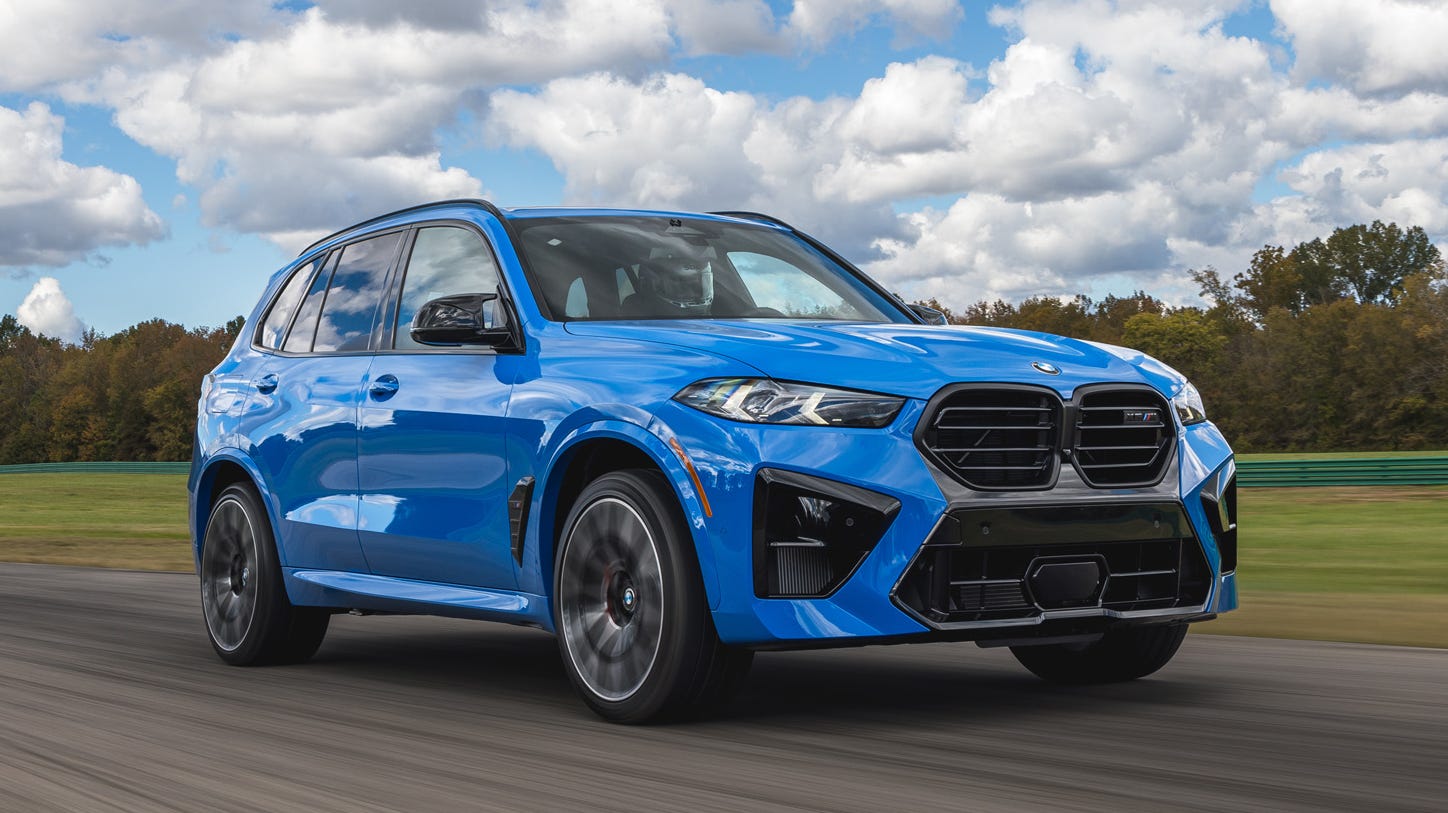
7. BMW X5
The BMW X5 entered the automotive world at a time when luxury SUVs were still a relatively new concept. BMW was primarily known for performance-oriented sedans, and many industry experts questioned whether the brand could successfully translate its driving dynamics into a larger SUV platform. Early forecasts were cautious, with expectations of moderate demand from niche luxury buyers.
Despite skepticism, BMW positioned the X5 as a “Sports Activity Vehicle” rather than a traditional SUV. This branding emphasized driving performance and handling rather than rugged off-road capability. It was a strategic move that differentiated the X5 from competitors and aligned it with BMW’s core brand identity.
The design of the X5 also contributed to its strong market reception. It offered premium interiors, advanced technology, and a driving experience that felt closer to a sports sedan than a traditional SUV. This made it highly appealing to urban professionals who wanted both luxury and versatility in a single vehicle.
Consumer response exceeded expectations quickly after launch. Demand was strong across Europe and North America, with buyers attracted to the combination of performance, prestige, and practicality. The vehicle’s success was particularly among customers transitioning from sedans to SUVs for the first time.
The X5’s first year of performance helped establish the luxury SUV segment as a major category within the automotive industry. It encouraged other premium manufacturers to enter the space and demonstrated that SUVs could deliver both luxury and driving enjoyment without compromise.
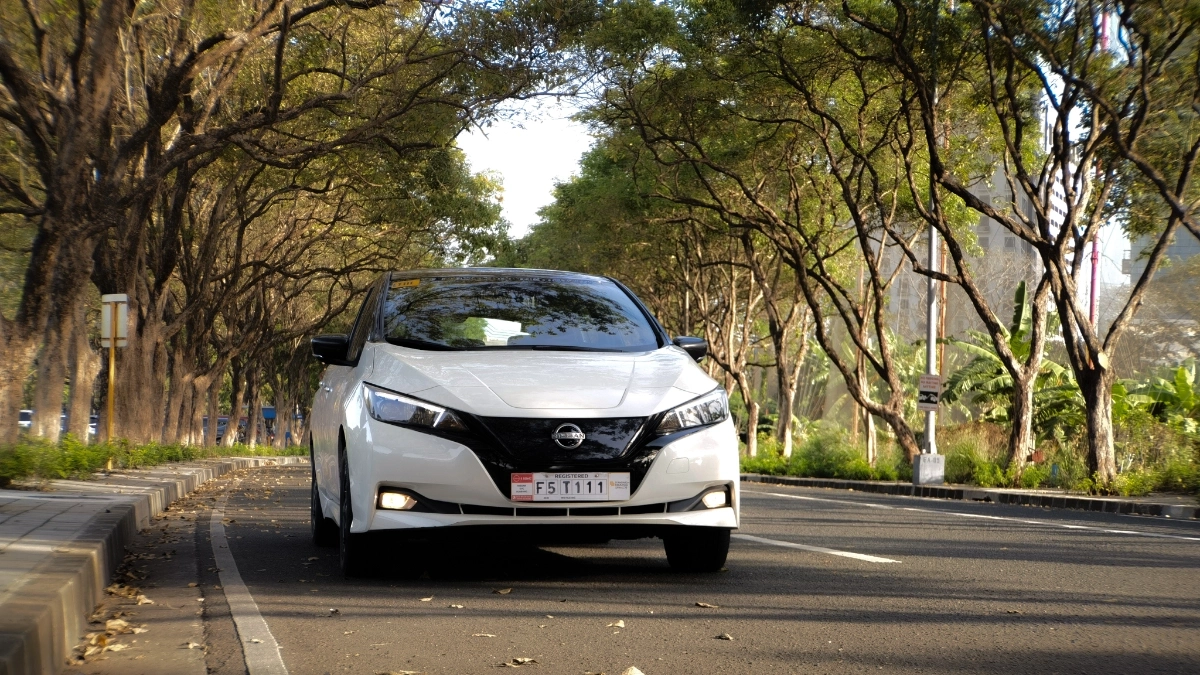
- Engine: Electric motor (EM61 type)
- Horsepower: 107 hp
- Torque: 280 Nm
- Length: ~4445 mm
- Width: ~1770 mm
8. Nissan Leaf
The Nissan Leaf was one of the first fully electric vehicles designed specifically for mass market adoption. When it was introduced, many analysts were uncertain whether consumers would accept an electric vehicle without a traditional gasoline backup. Forecasts reflected concerns about charging infrastructure, driving range, and practicality.
Nissan designed the Leaf to address these concerns by focusing on affordability and everyday usability. It was intended as a practical city car rather than a long-distance travel vehicle. This clear positioning helped set realistic expectations for buyers while still offering a meaningful alternative to gasoline-powered cars.
One of the most important factors behind its success was timing. Rising environmental awareness and government incentives for electric vehicles created favorable conditions for adoption. Many early buyers were motivated by both economic benefits and environmental responsibility, which helped drive initial demand beyond expectations.
The Leaf’s quiet operation, low running costs, and ease of charging made it attractive to urban commuters. While its range limitations were a concern for some buyers, many found that it met their daily driving needs without issue. This helped normalize the idea of electric vehicle ownership.
In its first year, the Nissan Leaf surpassed many sales forecasts and became a symbol of early mass market electrification. It proved that fully electric vehicles could achieve commercial success and helped pave the way for future EV development across the global automotive industry.
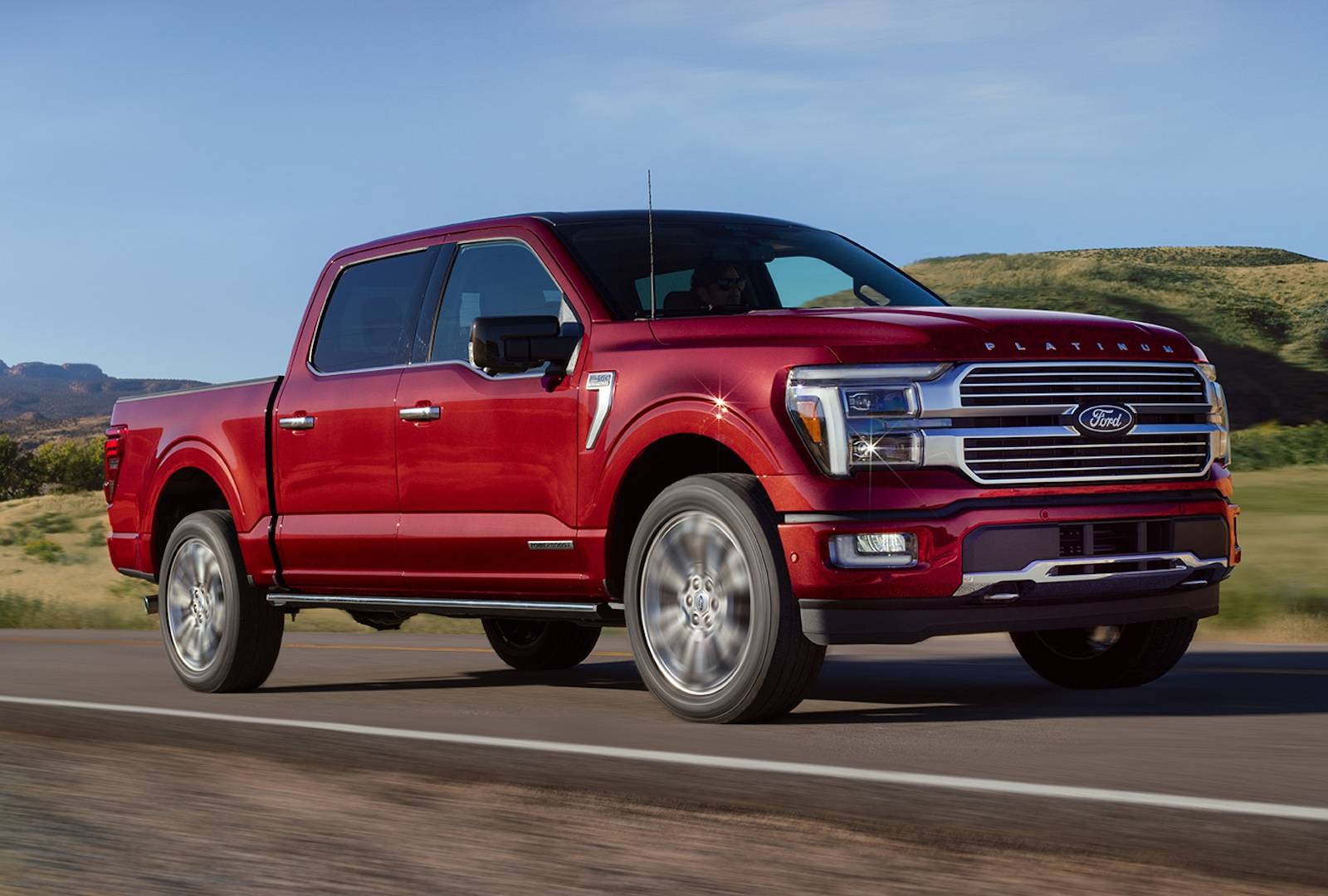
- Engine: 3.5L V6 (base EcoBoost in many trims)
- Horsepower: 365 hp
- Torque: ~570 Nm
- Length: ~5310 mm
- Width: ~2030 mm
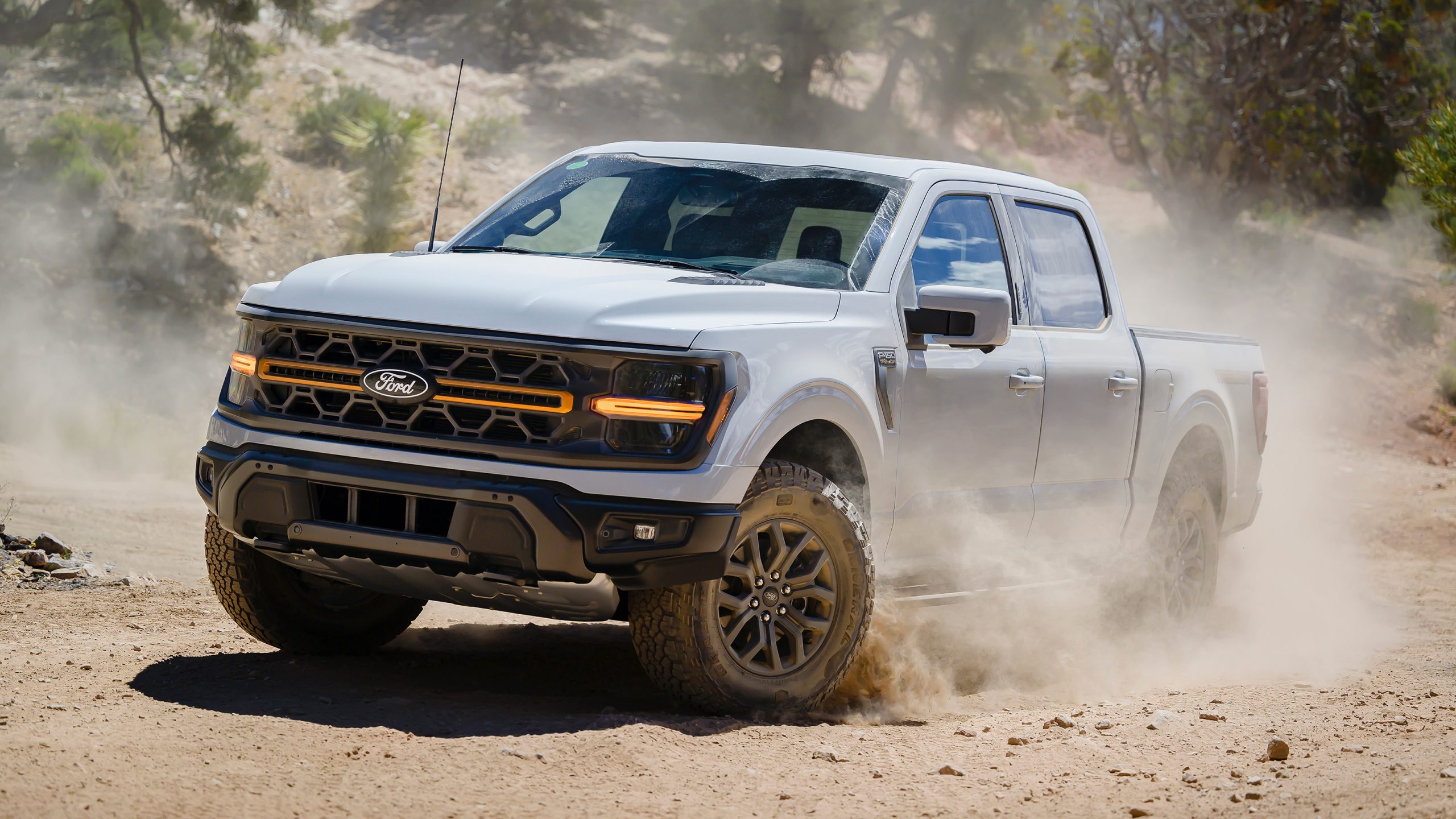
9. Ford F-150
The Ford F-150 has long been one of the best-selling vehicles in the world, but certain generational updates dramatically exceeded even Ford’s internal expectations. During key redesign periods, especially when new technology or aluminum body construction was introduced, demand surged far beyond projected levels.
The F-150’s success is rooted in its versatility. It serves a wide range of customers, including commercial users, rural drivers, and everyday families. This broad market appeal makes it one of the most consistently high-performing vehicles in terms of sales volume.
When major updates were introduced, particularly improvements in fuel efficiency, towing capability, and technology integration, consumer interest spiked significantly. Buyers were drawn to the combination of durability and modern features, which strengthened the truck’s appeal beyond traditional pickup audiences.
Marketing and brand loyalty also played a significant role. Many F-150 customers are repeat buyers, and strong trust in the Ford brand contributed to the rapid adoption of new models. This loyalty often results in faster-than-expected sales growth during launch periods.
The F-150’s performance during its strongest launch cycles reinforced its position as a cornerstone of the automotive market. It consistently exceeded forecasts and demonstrated the enduring demand for full-size pickup trucks in North America.
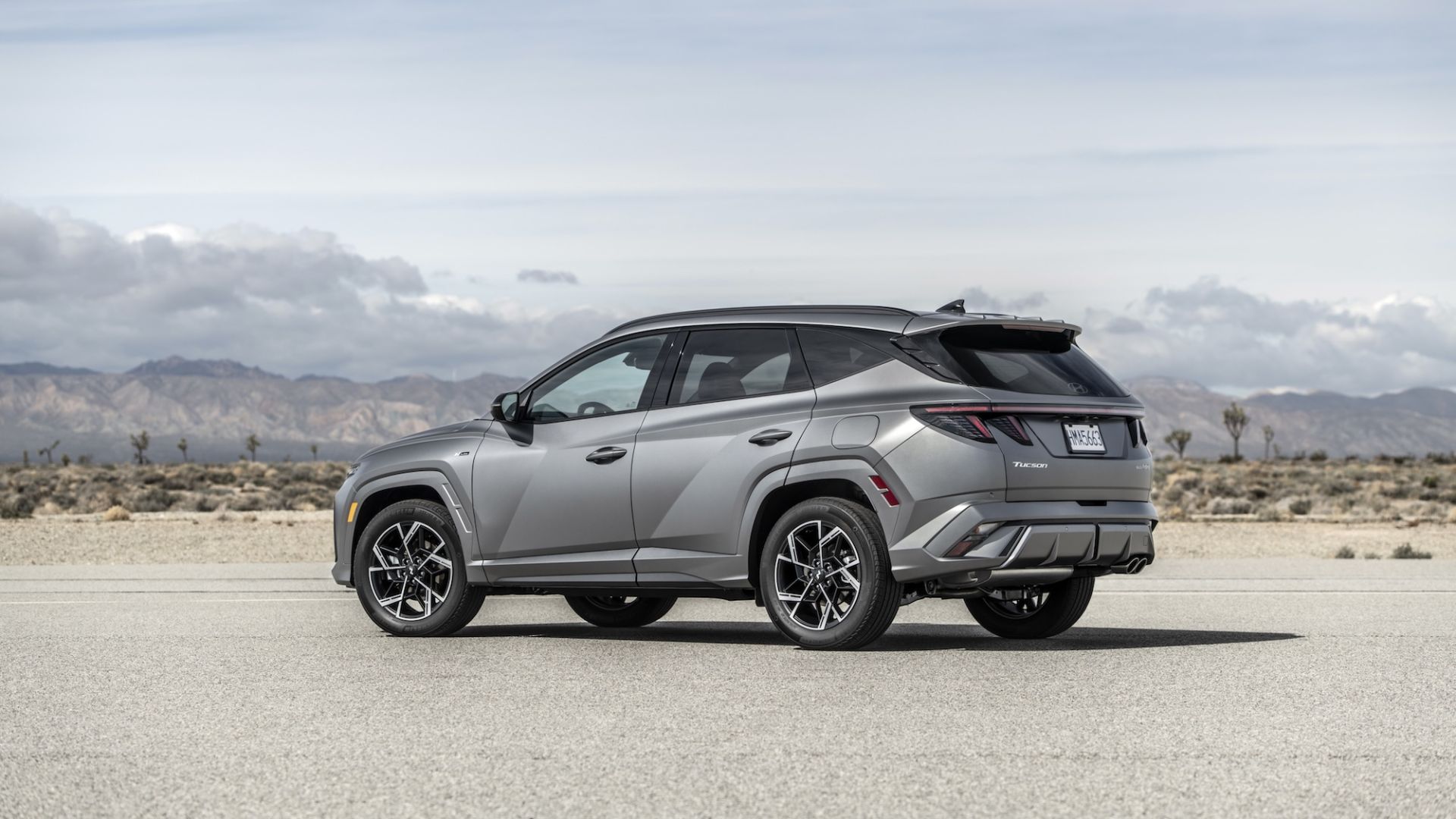
- Engine: 2.0L inline-4 petrol
- Horsepower: 140 hp
- Torque: ~184 Nm
- Length: ~4320 mm
- Width: ~1830 mm
10. Hyundai Tucson
The Hyundai Tucson has evolved significantly over time, but certain generational launches far exceeded initial sales forecasts due to dramatic improvements in design, technology, and value positioning. Early expectations for newer Tucson models were moderate, especially in highly competitive SUV markets.
Hyundai focused heavily on redesigning the Tucson to appeal to global buyers. This included bold exterior styling, improved interior quality, and advanced safety and infotainment systems. These upgrades positioned the vehicle as a strong competitor in the compact SUV segment.
Consumer response was stronger than expected, particularly in markets where Hyundai had previously been seen as a budget-oriented brand. The Tucson helped shift perceptions by offering features and quality that rivaled more expensive competitors at a lower price point.
Another key factor was the rapid growth of SUV demand worldwide. As more consumers shifted away from sedans, the Tucson was well-positioned to benefit from this trend. Its balance of practicality, efficiency, and affordability made it an attractive option for a wide range of buyers.
In its strongest launch cycles, the Hyundai Tucson exceeded sales forecasts significantly, reinforcing Hyundai’s rise as a major global automotive manufacturer and demonstrating how product evolution can transform brand perception and market performance.
