
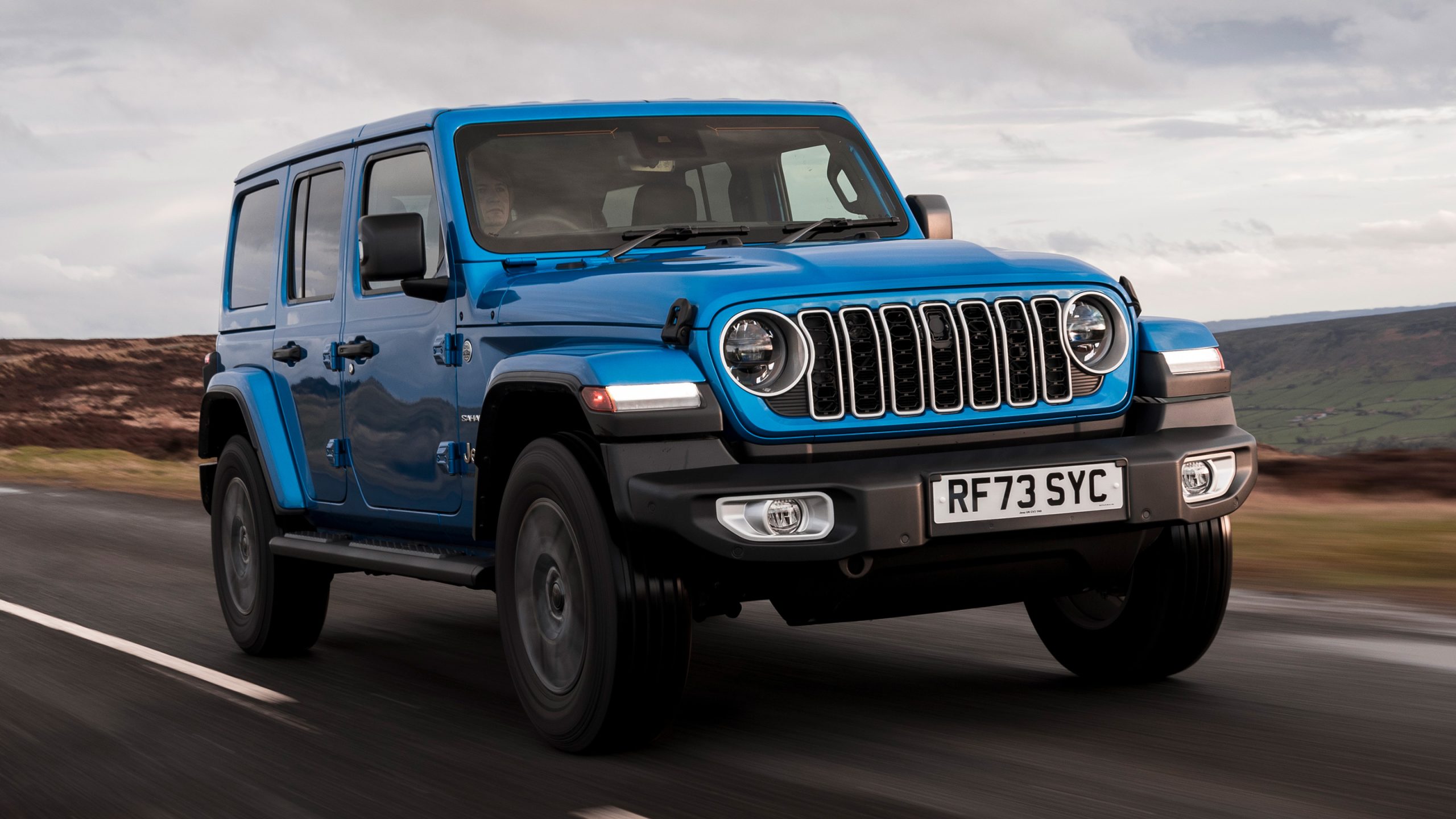
The Jeep Wrangler has maintained its rugged identity for decades, remaining one of the few SUVs to retain features such as body-on-frame construction, solid axles, removable doors, and serious off-road capability. This commitment has earned it a loyal owner community and strong resale value. However, not all Wrangler model years offer the same ownership experience.
Some stand out for combining durability, reliability, and trail performance, making them highly sought after in the used market. Others have been affected by redesign-related issues, mechanical problems, or quality concerns that impact long-term satisfaction. Because used Wranglers often command premium prices, understanding which years excel and which require caution is essential for buyers.
Also Read: 5 Acura Models Worth the Price vs 5 to Skip
5 Best Jeep Wrangler Years
The best Wranglers are not always the newest or the most powerful. In many cases, the strongest years are those where Jeep successfully combined proven engineering with years of continuous refinement. These models represent the Wrangler at its most dependable and capable.
1. 2018 Jeep Wrangler JK
The final year of a successful generation often becomes one of the safest purchases in the used market, and the 2018 Jeep Wrangler JK is a prime example. By the time this model reached dealerships, Jeep had spent more than a decade refining the JK platform, addressing weaknesses and improving durability along the way.
Unlike first-year models that sometimes struggle with unexpected issues, the 2018 JK benefited from years of accumulated knowledge. Manufacturing processes had matured, common problems were largely understood, and owners received a vehicle that represented the most polished version of the generation.
One reason the 2018 JK remains popular is its balance between modern convenience and traditional Wrangler character. It retains the rugged design elements enthusiasts love while offering enough comfort and technology to function as a practical daily driver. The removable roof and doors continue to provide a driving experience few vehicles can match.
The 3.6-liter Pentastar V6 deserves much of the credit for the model’s strong reputation. By 2018, the engine had already established itself as a dependable powerplant capable of delivering solid performance both on and off the pavement. Parts availability and widespread mechanic familiarity further strengthen its appeal.
Off-road capability remains exactly what buyers expect from a Wrangler. Solid axles, generous ground clearance, and extensive aftermarket support make the JK an outstanding platform for trail use. Whether left stock or heavily modified, it performs with confidence in challenging terrain.
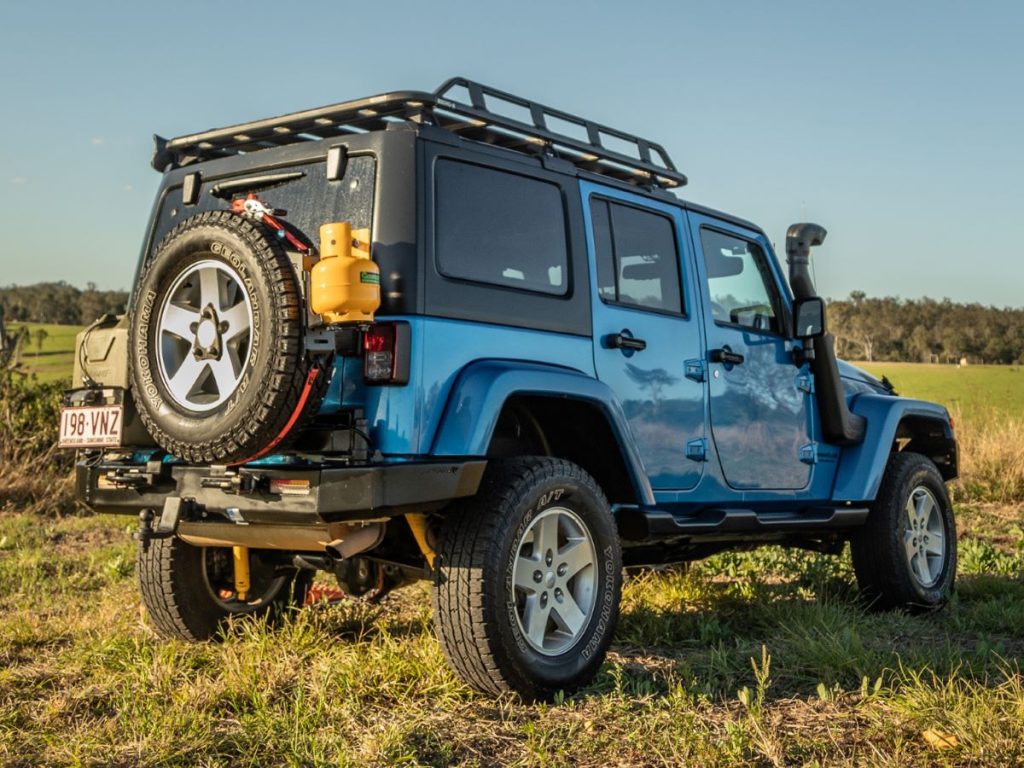
The 2018 JK represents the advantage of buying at the end of a generation rather than the beginning. Years of refinement transformed it into one of the most dependable Wranglers Jeep has produced.
Specifications
- Engine: 3.6L V6
- Torque: 260 lb ft
- Horsepower: 285 hp
- Length/Width: 184.9 in / 73.7 in
2. 2006 Jeep Wrangler TJ
Few Wranglers have earned the level of respect enjoyed by the 2006 model. As the final year of the TJ generation, it arrived after years of continuous refinement, giving buyers one of the most polished and dependable versions of the platform. This maturity helped establish its reputation as a standout choice among Jeep enthusiasts.
At the heart of its appeal is the renowned 4.0-liter inline-six engine. Celebrated for durability and mechanical simplicity, the engine has demonstrated an ability to deliver reliable performance for hundreds of thousands of miles when properly maintained. Its long-term dependability remains a major reason buyers continue to seek out the 2006 model.
Ride quality also benefited from the TJ generation’s coil-spring suspension design. Compared with earlier Wranglers, the vehicle offered improved comfort and better road manners while preserving the off-road capability that defines the nameplate. This balance made it more practical for everyday use.
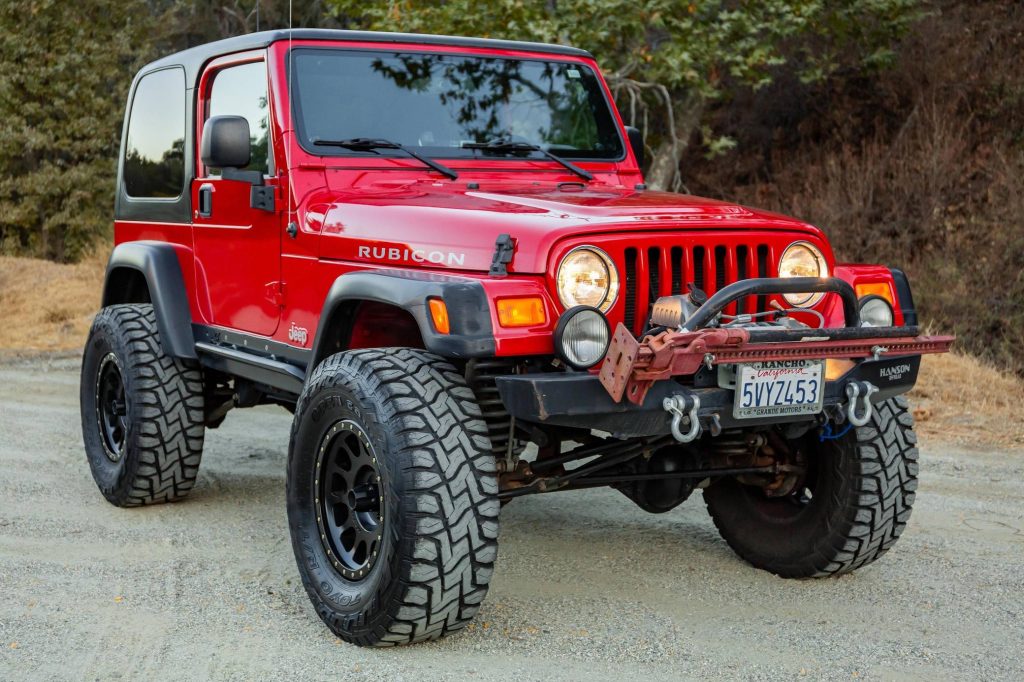
Owners frequently praise the model’s straightforward engineering. With relatively few electronic systems, maintenance and repairs are generally simpler than on newer Wranglers, making it especially attractive to those who prefer working on their own vehicles.
Another advantage is the enormous aftermarket support available for the TJ platform. From suspension kits to off-road accessories, customization options are nearly endless. Combined with strong reliability, genuine trail capability, and enduring demand, the 2006 Wrangler TJ remains one of the most respected and desirable Wranglers ever produced.
Specifications
- Engine: 4.0L Inline 6
- Torque: 235 lb ft
- Horsepower: 190 hp
- Length/Width: 154.9 in / 66.7 in
3. 2021 Jeep Wrangler JL
Few Wranglers have managed to balance rugged capability and everyday usability as effectively as the 2021 Jeep Wrangler JL. By this point, the generation had benefited from several years of development, allowing Jeep to refine the platform while preserving the characteristics that made the Wrangler famous among enthusiasts.
A major reason for the model’s popularity is its improved road manners. Compared with older Wranglers, the 2021 version feels more composed on the highway, offering a smoother ride, fewer compromises, and greater comfort behind the wheel. These improvements made it easier to use as a daily driver.
Modern features also played an important role in expanding the Wrangler’s appeal. Updated infotainment technology, enhanced connectivity options, and additional safety systems helped bring the SUV in line with contemporary expectations without diminishing its distinctive personality.
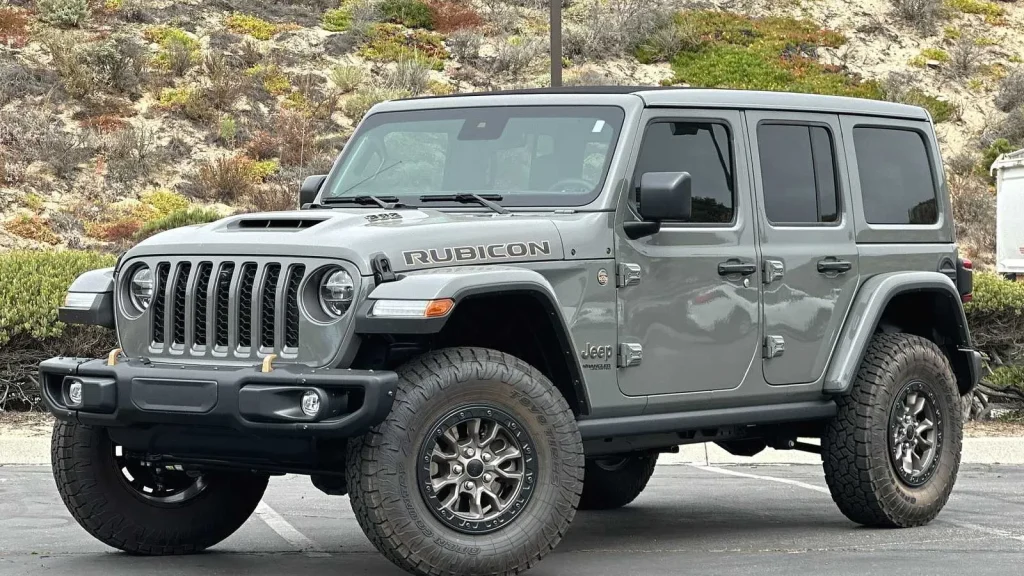
Flexibility became another strength. Jeep offered multiple engine choices, including conventional gasoline powerplants, turbocharged alternatives, and a diesel option. This variety allowed buyers to select a configuration that matched their priorities, whether they focused on performance, efficiency, or towing capability.
Despite the added refinement, the Wrangler never abandoned its core mission. Rubicon models continued to offer exceptional trail performance through features such as locking differentials, disconnecting sway bars, and advanced four-wheel-drive systems. The result was a highly capable SUV that combined adventure-ready credentials with greater comfort and practicality than many of its predecessors.
Specifications
- Engine: 3.6L V6
- Torque: 260 lb ft
- Horsepower: 285 hp
- Length/Width: 188.4 in / 73.8 in
4. 1995 Jeep Wrangler YJ
The final year of the YJ generation represents a fascinating chapter in Wrangler history. While the square headlights introduced during the YJ era initially divided Jeep enthusiasts, time has transformed the 1995 model into a highly respected and increasingly collectible off-roader.
One reason for its enduring appeal is durability. The YJ was built during a period when utility mattered more than luxury, resulting in a vehicle that feels remarkably straightforward by modern standards. There are fewer electronic systems to malfunction, fewer sensors to diagnose, and fewer expensive components to replace.
The available 4.0-liter inline-six engine remains one of the generation’s biggest strengths. Owners and mechanics alike continue to praise its longevity, torque delivery, and ability to withstand years of demanding use. Even high-mileage examples often remain dependable when properly maintained.
The driving experience is unapologetically old school. Steering requires more effort, ride quality is firmer, and road noise is plentiful. Yet those characteristics are part of what attracts enthusiasts. The vehicle feels connected to its environment in a way that many modern SUVs simply do not.
Collectors have also begun taking notice. As clean examples become harder to find, values have remained surprisingly strong. Buyers seeking a classic Jeep often gravitate toward the final YJ years because they benefit from years of production improvements while retaining vintage appeal.
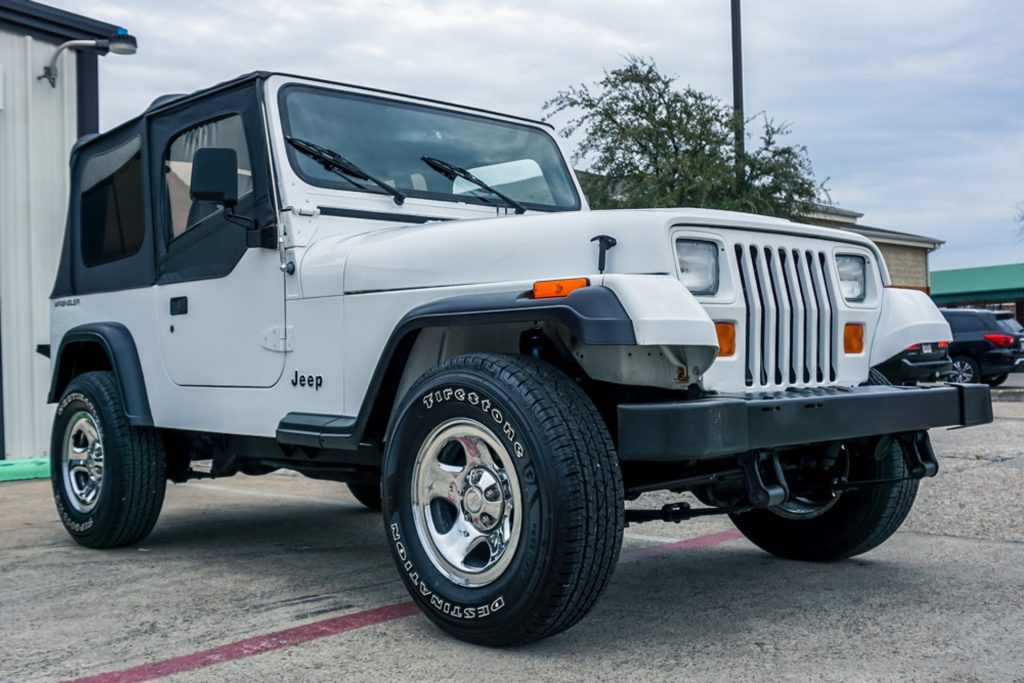
Off-road capability remains impressive despite the vehicle’s age. Short overhangs, solid axles, and lightweight construction allow the YJ to navigate challenging terrain with ease. Its mechanical simplicity also makes trail repairs easier than on newer vehicles.
The 1995 Wrangler is not for everyone. It demands more involvement from its driver than modern SUVs. For enthusiasts seeking a classic Jeep experience, however, that involvement is precisely what makes it special.
Specifications
- Engine: 4.0L Inline 6
- Torque: 220 lb ft
- Horsepower: 180 hp
- Length/Width: 151.9 in / 66.0 in
5. 2015 Jeep Wrangler JK
Not every great Wrangler year is defined by a major redesign or a groundbreaking feature. Sometimes a model earns its reputation by delivering exactly what buyers expect year after year with minimal drama. The 2015 Jeep Wrangler JK falls squarely into that category.
By the middle of the JK generation’s production run, Jeep had already addressed many of the issues that affected earlier examples. The platform had matured, manufacturing quality had improved, and owners benefited from a vehicle that felt thoroughly developed rather than experimental.
The 3.6-liter Pentastar V6 had become a familiar and trusted component by this point. It offered a substantial improvement over the older 3.8-liter engine found in earlier JK models, providing stronger acceleration, better efficiency, and a more refined driving experience.
Combined with available automatic and manual transmissions, the powertrain gave buyers flexibility without introducing major reliability concerns.
Versatility is a major factor behind the 2015 Wrangler’s enduring appeal. Whether serving as a daily driver on busy roads or tackling challenging off-road adventures on weekends, the JK delivers a balance of rugged capability and practical comfort.
The aftermarket community further strengthens its appeal. Lift kits, wheels, bumpers, lighting systems, suspension upgrades, and countless accessories remain widely available. Owners can customize the vehicle extensively without struggling to find compatible components.
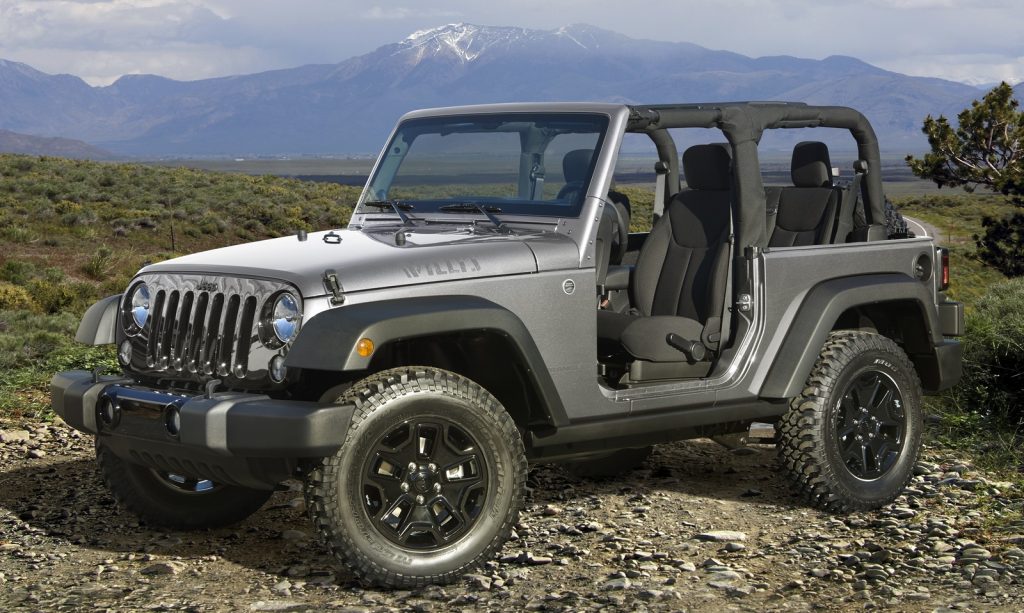
Special editions introduced throughout the JK era also helped keep the lineup fresh. Whether buyers preferred a basic Sport model or a heavily equipped Rubicon, there was a configuration capable of meeting nearly any off-road or lifestyle requirement.
The 2015 Wrangler represents the value of maturity. It arrived after years of continuous improvement, delivering the rugged personality enthusiasts wanted while avoiding many of the issues that affected earlier versions of the generation.
Specifications
- Engine: 3.6L V6
- Torque: 260 lb ft
- Horsepower: 285 hp
- Length/Width: 184.9 in / 73.7 in
5 Jeep Wrangler Years With Major Issues
The Jeep Wrangler is known for exceptional off-road capability, and many owners accept its compromises in exchange for that performance. However, some model years experienced enough mechanical, electrical, or reliability issues to earn cautionary reputations. These problems often appeared during major redesigns or periods of significant engineering changes, leading to higher repair costs and reduced owner confidence.
While many examples continue to provide dependable service, the likelihood of encountering known issues is greater than in stronger model years. Maintenance history is especially important when shopping for used. Given the Wrangler’s consistently high resale values, buyers should carefully weigh potential risks against better alternatives within the lineup.
1. 2007 Jeep Wrangler JK
The launch of the JK generation represented one of the most significant moments in Wrangler history. Jeep introduced a larger platform, a four-door Unlimited model, improved comfort, and broader mainstream appeal.
While those changes ultimately proved successful, the first model year experienced enough challenges to make it one of the least desirable Wranglers for used buyers.
First-year production vehicles often encounter unexpected problems, and the 2007 Wrangler was no exception. Owners reported a variety of concerns involving electrical systems, transmission behavior, and build quality.
Individually, many of these issues were manageable. Collectively, they created a level of inconsistency that contrasted sharply with the Wrangler’s rugged reputation.
The 3.8-liter V6 engine became one of the most criticized aspects of the vehicle. While capable of providing adequate performance, it lacked the durability reputation of Jeep’s legendary 4.0-liter inline-six and often felt underpowered given the Wrangler’s increased size and weight.
Oil consumption complaints also surfaced with greater frequency than many owners expected. Combined with modest fuel economy, these concerns reduced enthusiasm for the powertrain among long-term owners.
Another recurring criticism involved interior quality. Jeep made strides toward improving comfort, but some early JK models exhibited rattles, water leaks, and trim-related complaints that affected owner satisfaction.
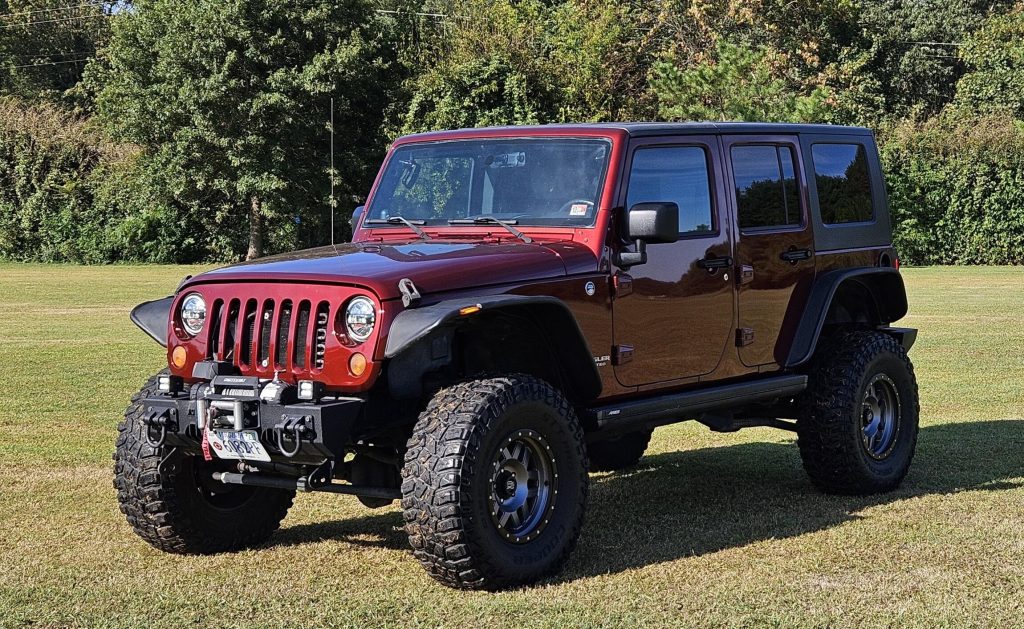
The 2007 Wrangler deserves credit for helping expand the model’s popularity. Unfortunately, buyers interested in the JK generation are usually better served by later examples that benefited from years of refinement and problem resolution.
Specifications
- Engine: 3.8L V6
- Torque: 237 lb ft
- Horsepower: 202 hp
- Length/Width: 173.4 in / 73.7 in
2. 2008 Jeep Wrangler JK
The second year of a new generation is often expected to resolve many of the concerns associated with a first-year model. In the case of the 2008 Jeep Wrangler JK, that improvement was only partial.
While some issues from 2007 were addressed, enough complaints persisted to keep the 2008 model among the more problematic years in Wrangler history.
The most significant criticism continued to revolve around the 3.8-liter V6 engine. Although reliable enough for many owners, the engine struggled to provide the performance expected from a vehicle that had grown larger and heavier than its predecessor. Highway merging, steep grades, and fully loaded driving conditions often highlighted its limitations.
Oil consumption remained another commonly reported concern. Some owners experienced noticeable oil usage between service intervals, creating frustration and raising long-term durability questions. While not every vehicle suffered from the issue, it appeared frequently enough to affect the model year’s reputation.
Water leaks also became a recurring discussion point. Removable roofs and doors are central to the Wrangler experience, but certain 2008 models developed leaks around seals and roof panels. For owners living in wet climates, these issues could become particularly annoying over time.
Interior quality represented another weak area. Hard plastics and basic materials were expected in a Wrangler, but some owners reported premature wear, rattles, and fit-and-finish concerns that seemed excessive even by the model’s utilitarian standards.
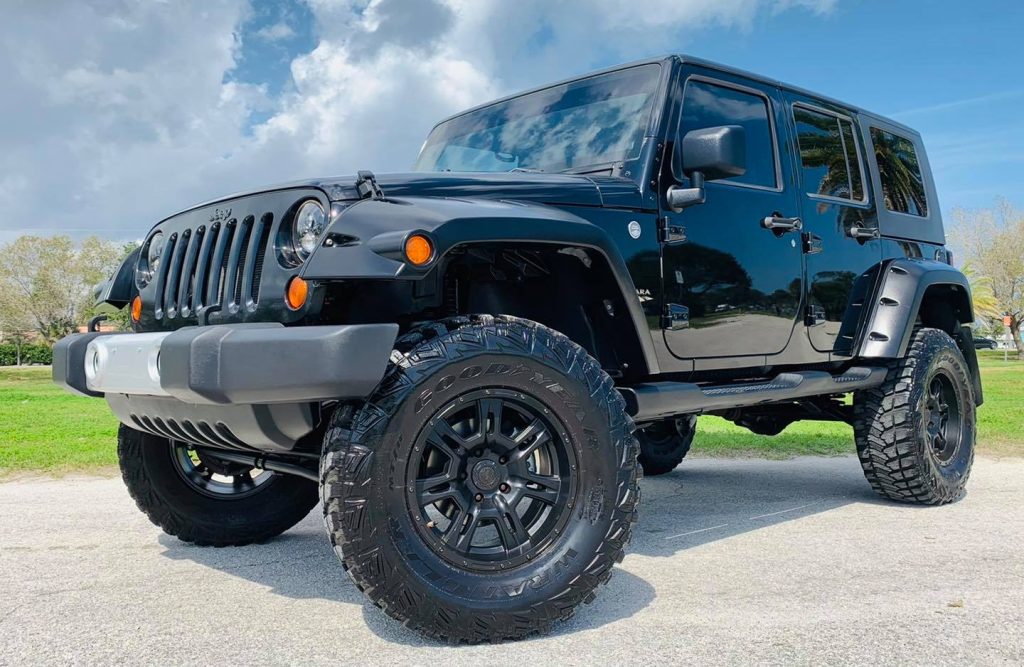
The 2008 Wrangler remained an exceptionally capable off-road vehicle. Its trail performance, aftermarket support, and iconic design continued to attract buyers. The challenge was that later JK models offered those same advantages while eliminating many of the frustrations associated with the early years of the generation.
As a result, buyers interested in a JK Wrangler are often better served by waiting for a newer model year rather than taking a chance on one of the earliest examples.
Specifications
- Engine: 3.8L V6
- Torque: 237 lb ft
- Horsepower: 202 hp
- Length/Width: 173.4 in / 73.7 in
3. 2012 Jeep Wrangler JK
Jeep gave the Wrangler JK a significant boost in 2012 with the arrival of the 3.6-liter Pentastar V6. The engine delivered better power, improved efficiency, and a more refined driving experience than the 3.8-liter unit it replaced. However, several first-year issues with the new powertrain kept the model from becoming one of the strongest Wrangler years.
The most notable issue involved cylinder head failures in some Pentastar-equipped vehicles. Owners reported symptoms such as engine misfires, rough operation, and check-engine lights, with repairs sometimes becoming costly. Although Jeep eventually addressed the problem, it remains one of the most commonly discussed drawbacks of the 2012 model year.
Electrical issues also appeared more frequently than expected. Complaints involving sensors, warning lights, and other electronic systems contributed to concerns about long-term reliability. While many of these problems were relatively minor, they added to owner frustration.
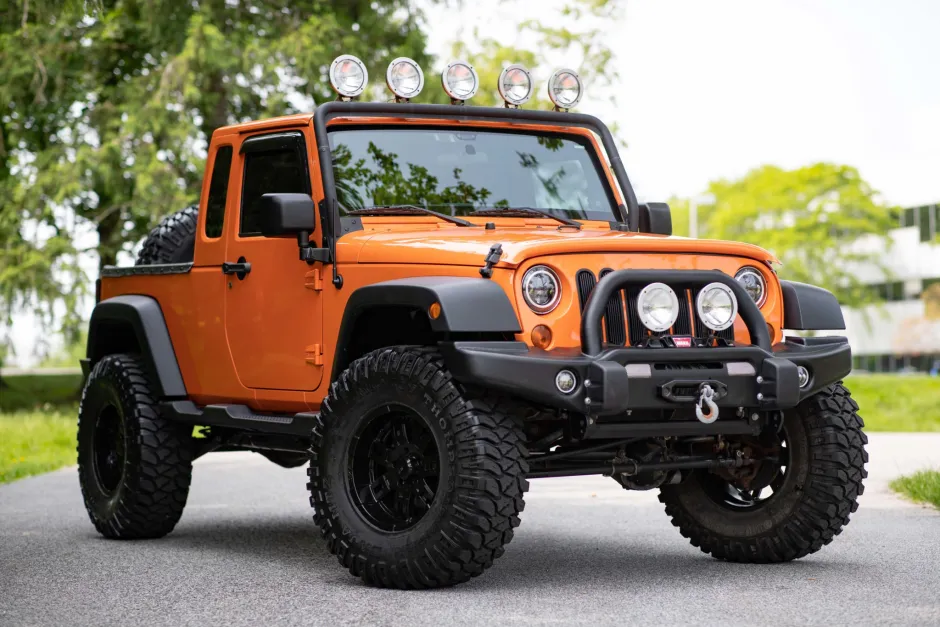
Some buyers also reported build-quality concerns, including premature interior wear and occasional problems with roof components and weather sealing. These issues were not widespread but occurred often enough to attract attention.
Despite its drawbacks, the 2012 Wrangler introduced improvements that helped make later JK models highly successful. However, buyers seeking a Pentastar-powered Wrangler are often better served by later model years that offer the same benefits with fewer first-year complications.
Specifications
- Engine: 3.6L V6
- Torque: 260 lb ft
- Horsepower: 285 hp
- Length/Width: 184.9 in / 73.7 in
4. 2018 Jeep Wrangler JL
The 2018 Jeep Wrangler JL marked the beginning of a new generation and introduced some of the most significant changes in the model’s history. Jeep improved ride comfort, technology, refinement, and everyday usability, helping the Wrangler appeal to a broader audience while maintaining its legendary off-road capability. However, as the first year of a major redesign, it also experienced several issues that affected its reputation.
One of the most common complaints involved steering performance. Many owners reported vague handling at highway speeds, often requiring constant corrections to keep the vehicle traveling straight. Electrical problems also surfaced, including faulty sensors, warning-light issues, infotainment malfunctions, and accessory failures. The increased reliance on technology compared with earlier Wranglers contributed to these concerns.
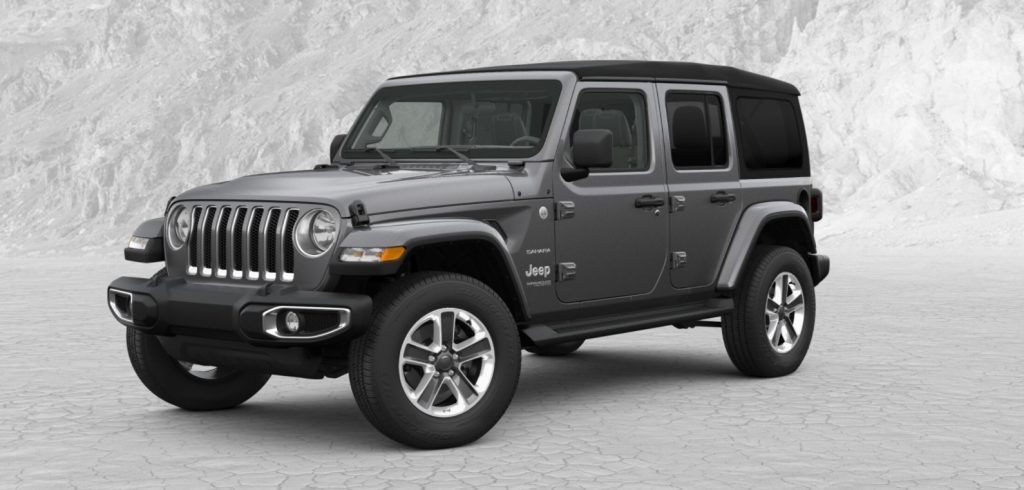
New powertrain options introduced additional complications. Some owners encountered software-related problems, while others reported issues involving the start-stop system and auxiliary battery. These faults could be frustrating because they were sometimes difficult to diagnose and repair.
Build quality concerns further affected owner satisfaction, with reports of water leaks, loose trim pieces, and inconsistent fit and finish. Despite these shortcomings, the 2018 JL remained highly capable off-road and represented a major advancement for the Wrangler. Still, later JL models benefited from additional refinement, making them a more dependable choice for many used-vehicle buyers.
Specifications
- Engine: 3.6L V6
- Torque: 260 lb ft
- Horsepower: 285 hp
- Length/Width: 188.4 in / 73.8 in
5. 2011 Jeep Wrangler JK
The 2011 Jeep Wrangler JK arrived during a transitional period for the generation. Jeep introduced a significantly improved interior that addressed many complaints about cabin quality, but the vehicle still relied on the aging 3.8-liter V6 that had already generated criticism among owners.
The result was a model year that offered meaningful improvements while continuing to carry some of the generation’s most persistent weaknesses.
The engine remained the biggest issue. By 2011, competitors had begun offering more efficient and more powerful powertrains, making the Wrangler’s V6 feel increasingly outdated.
Acceleration was modest, fuel economy was disappointing, and the engine often struggled when paired with larger tires or additional off-road equipment.
Oil consumption complaints continued to appear in owner reports. While many examples delivered years of reliable service, the frequency of these concerns was higher than many buyers expected from a vehicle known for rugged dependability.
The Wrangler’s ride and handling characteristics also remained a point of contention. Enthusiasts appreciated the solid-axle design because of its off-road benefits, but some owners found the vehicle tiring during extended highway travel. Wind noise, steering behavior, and ride quality lagged behind many modern SUVs.
Another factor affecting the 2011 model’s reputation is timing. Buyers could purchase a 2012 Wrangler with the far more capable Pentastar V6, making the 2011 version feel outdated almost immediately after leaving showrooms.
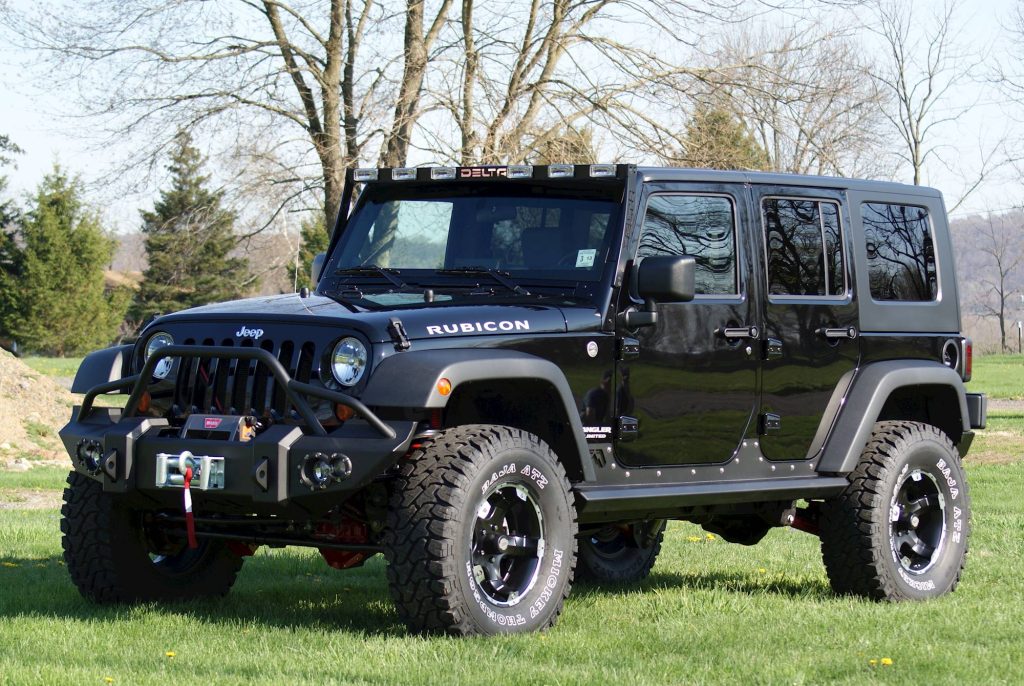
The 2011 Wrangler was not a terrible vehicle, and many continue to provide dependable service today. The challenge is that it arrived just before one of the generation’s most important upgrades, making it difficult to recommend when better alternatives exist only a year away.
Specifications
- Engine: 3.8L V6
- Torque: 237 lb ft
- Horsepower: 202 hp
- Length/Width: 184.4 in / 73.7 in
Also Read: 5 Chevy Models Worth Buying vs 5 to Avoid
