
For automotive enthusiasts, few projects are as rewarding as rebuilding an engine. Whether the goal is restoring a classic vehicle, extending the life of a daily driver, or building a reliable powerplant for performance applications, engine rebuilding remains one of the most cost effective ways to keep a vehicle on the road.
However, not all engines are created equal when it comes to rebuild expenses. Some engines are famous for their simplicity, widespread parts availability, and forgiving designs, while others can quickly become expensive due to complex engineering, scarce components, or specialized labor requirements.
The cost of rebuilding an engine depends on several factors. Parts availability plays a major role because engines produced in large numbers often benefit from a massive aftermarket industry. Labor costs can also vary significantly depending on how complicated the engine is to disassemble and reassemble.
Pushrod engines with simple layouts generally require less time and fewer specialized tools compared to modern overhead cam designs packed with electronic systems. Machine work such as cylinder boring, crankshaft polishing, and cylinder head resurfacing also contributes to the final bill, although some engines are easier and cheaper for machine shops to service than others.
Another important factor is durability. Engines with strong blocks, robust internals, and straightforward designs often need fewer replacement components during a rebuild. This can dramatically reduce costs while improving long term reliability.
Many of the engines on this list have earned legendary reputations not only because they perform well but also because they can be refreshed without draining a project budget. In many cases, rebuild kits are widely available, technical information is abundant, and replacement parts can be sourced from numerous suppliers.
This ranking focuses on engines that combine affordability, accessibility, and practicality. The engines included are popular among hobbyists, mechanics, restorers, and performance builders because rebuilding them typically costs less than rebuilding more complicated alternatives.
While exact prices vary by region, machine shop rates, and component choices, these engines consistently rank among the least expensive to restore. From classic American V8s to dependable four cylinder workhorses, these powerplants have proven that maintaining an engine does not always require spending a fortune.
Also Read: 10 SUVs That Are Just Tall Hatchbacks
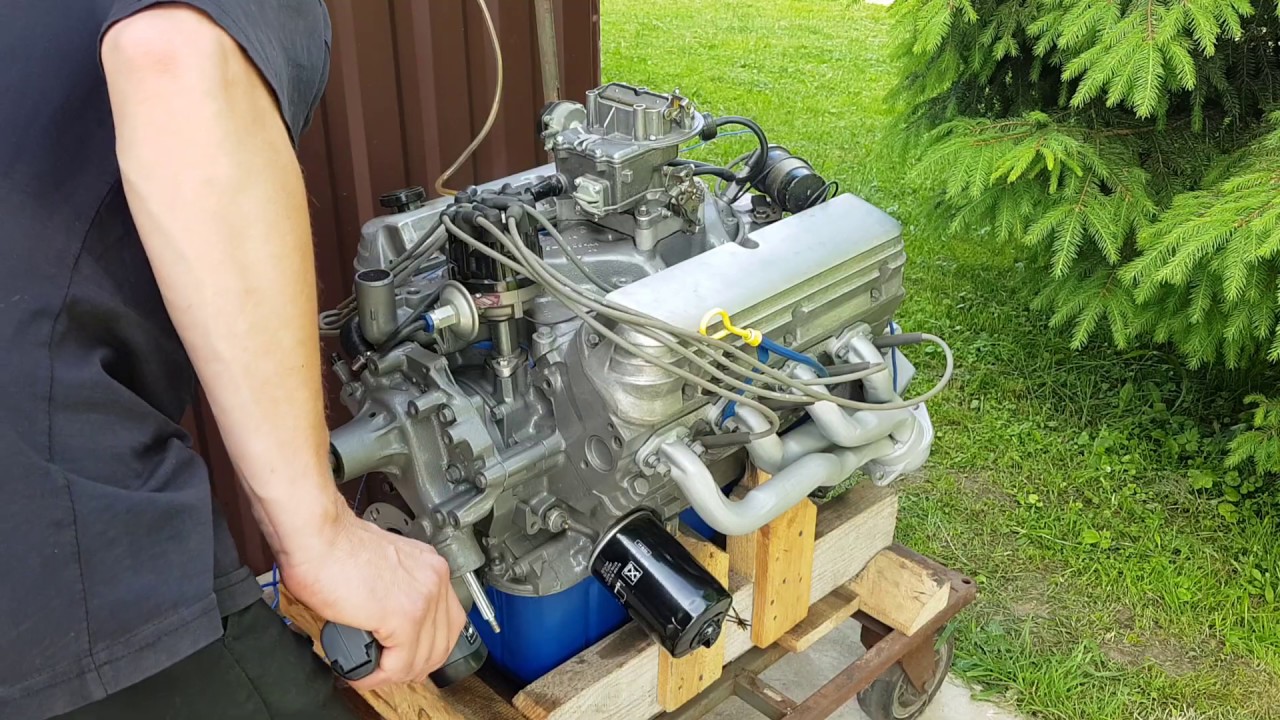
10. Ford 302 Windsor V8
The Ford 302 Windsor has long been considered one of the most accessible V8 engines for budget minded rebuilders. Produced in massive quantities across several decades, it powered everything from performance cars like the Mustang to trucks and daily drivers.
This wide usage means that parts availability remains extremely strong even today, which is one of the biggest reasons rebuilding costs stay relatively low compared to more modern or rare engines.
One of the key cost saving advantages of the 302 Windsor is its simple pushrod design. Unlike overhead cam engines that require complex timing systems and multiple camshafts, the Windsor uses a straightforward valvetrain that is easier to disassemble, inspect, and reassemble. This reduces labor time significantly, which is often one of the largest expenses in any engine rebuild project.
Another important factor is the strong aftermarket ecosystem. Because this engine has been popular among hot rodders and restorers for decades, nearly every internal component is available from multiple manufacturers. This competition helps keep prices low for essential parts like pistons, bearings, camshafts, and gasket sets. Even performance upgrades are relatively affordable compared to newer engines.
Machine shop familiarity also helps reduce rebuild costs. Most engine rebuild shops have decades of experience working on the 302 Windsor, which means machining processes such as cylinder boring, crankshaft polishing, and deck resurfacing are routine. This familiarity reduces diagnostic time and minimizes unexpected complications that could increase costs.
The Ford 302 Windsor remains one of the most cost effective V8 engines to rebuild due to its combination of simplicity, parts availability, and long standing popularity. It continues to be a favorite for budget performance builds and classic restorations.
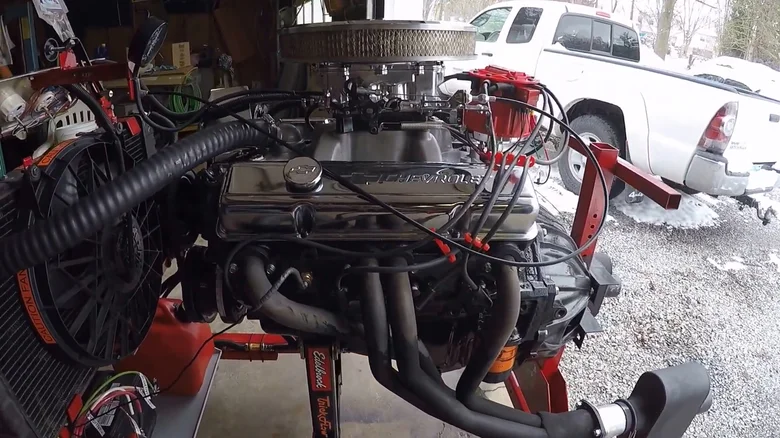
9. Chevrolet 305 Small Block V8
The Chevrolet 305 Small Block is often overshadowed by its more powerful sibling, the 350, but it remains a very budget friendly option for engine rebuilding. Produced in huge numbers throughout the 1970s and 1980s, it shares many components with other small block Chevrolet engines, which greatly improves affordability and availability of parts.
One of the main reasons the 305 is inexpensive to rebuild is its shared architecture with the 350 platform. Many internal components are interchangeable, meaning builders can source parts from a wide aftermarket network. This shared design reduces manufacturing costs and ensures that replacement parts remain widely available at competitive prices.
The engine’s pushrod configuration also contributes to lower rebuild costs. With fewer moving parts than modern overhead cam engines, the 305 is easier to disassemble and reassemble. This simplicity reduces labor time and makes it more approachable for both professional mechanics and DIY enthusiasts.
Machine work on the 305 is generally straightforward due to its widespread use. Most machine shops are highly familiar with the engine’s specifications and common wear patterns. This familiarity helps streamline processes such as cylinder boring, crankshaft grinding, and head resurfacing, keeping labor costs predictable.
Despite its modest performance output, the Chevrolet 305 remains a solid and economical choice for rebuilding. Its affordability, shared components, and simplicity make it a practical option for those looking to restore or maintain a classic V8 engine without excessive expense.
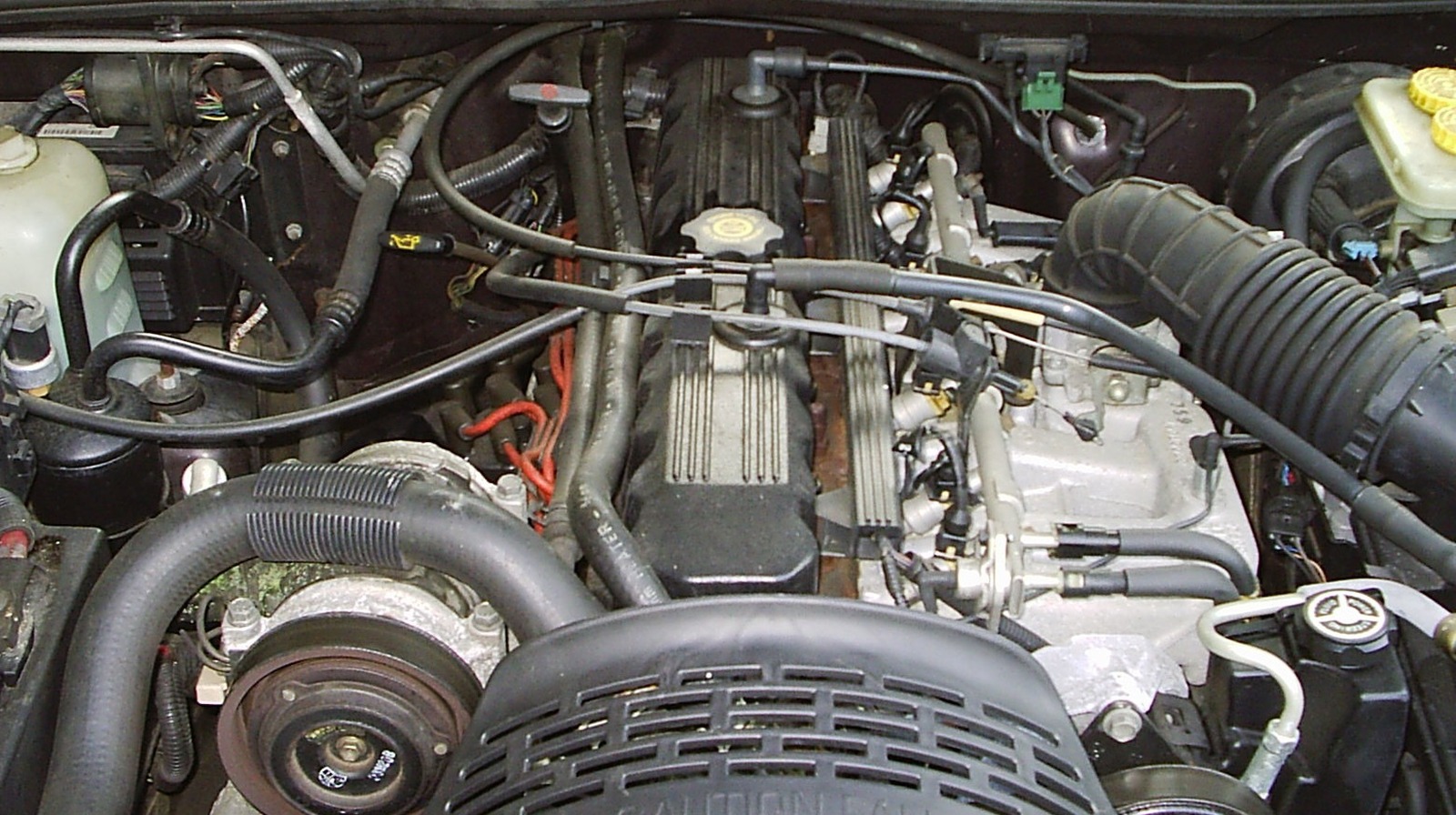
8. Jeep 4.0 Inline Six
The Jeep 4.0 inline six is widely regarded as one of the most durable and reliable engines ever produced for SUVs and off road vehicles. Its reputation for long service life means many engines reach extremely high mileage before requiring a rebuild, which helps reduce ownership and maintenance costs.
One of the major advantages of the 4.0 is its straightforward inline six layout. This design makes the engine more accessible than many V shaped engines, allowing easier access to components during disassembly and reassembly. The reduced complexity translates directly into lower labor costs during a rebuild.
Parts availability is another strong advantage for this engine. Due to its widespread use in Jeep models over many years, aftermarket support remains strong. Rebuild kits, replacement sensors, and internal components are widely available, and competitive pricing helps keep costs reasonable.
The engine’s robust construction also contributes to lower rebuild expenses. The cast iron block and durable internals are known for surviving harsh conditions, including off road use and heavy workloads. As a result, rebuilds often require fewer replacement parts compared to weaker engine designs.
The Jeep 4.0 remains one of the most cost effective engines to rebuild thanks to its durability, simplicity, and strong parts availability. It continues to be a top choice for off road enthusiasts and long term vehicle owners.
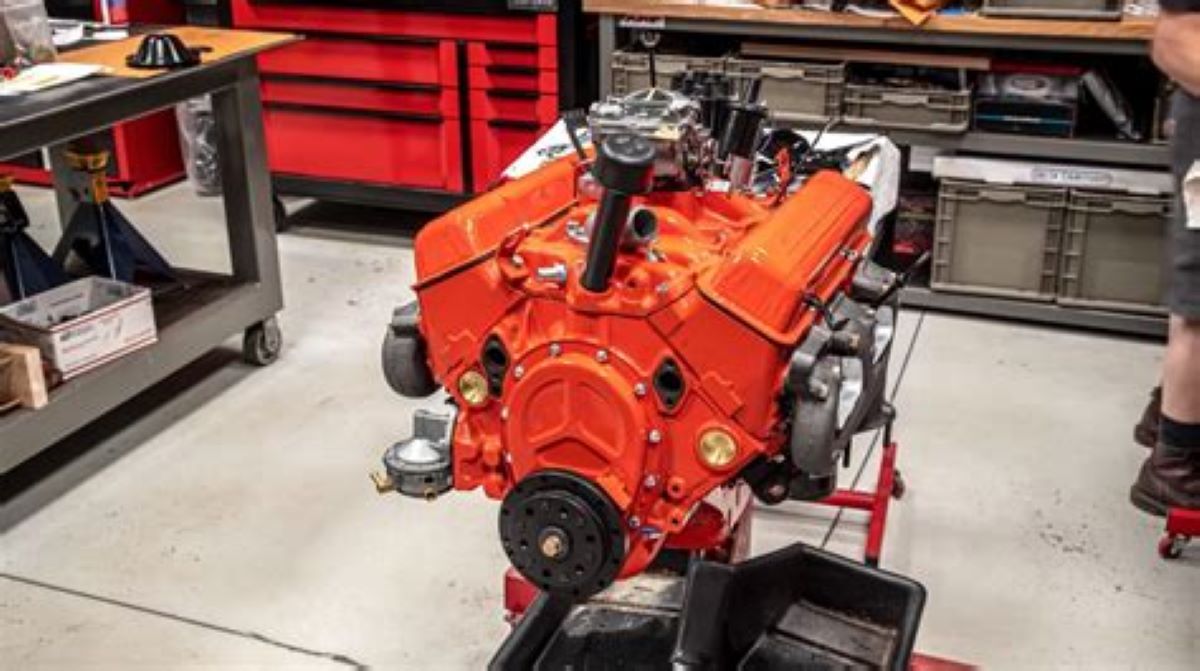
7. Chevrolet 350 Small Block V8
The Chevrolet 350 Small Block is one of the most iconic and widely used V8 engines ever produced. Its massive production numbers and long service life across multiple vehicle types make it one of the easiest engines to source parts for, which significantly reduces rebuild costs.
One of the biggest cost advantages of the 350 is the extremely competitive aftermarket industry surrounding it. Nearly every internal and external component is produced by multiple manufacturers, creating price competition that benefits consumers. This ensures that rebuild kits remain affordable and widely available.
The engine’s simple pushrod design also plays a major role in reducing rebuild expenses. With fewer complex systems compared to modern engines, the 350 is easier to work on, requiring less specialized labor and reducing total rebuild time.
Machine shops are highly experienced with this engine due to its popularity. This familiarity allows for efficient machining processes such as boring, honing, and crankshaft work. Because the engine is so common, rebuild procedures are standardized, which helps control labor costs.
The Chevrolet 350 remains one of the most cost effective V8 engines to rebuild. Its combination of performance potential, simplicity, and unmatched parts availability ensures it remains a top choice for both restorations and performance builds.
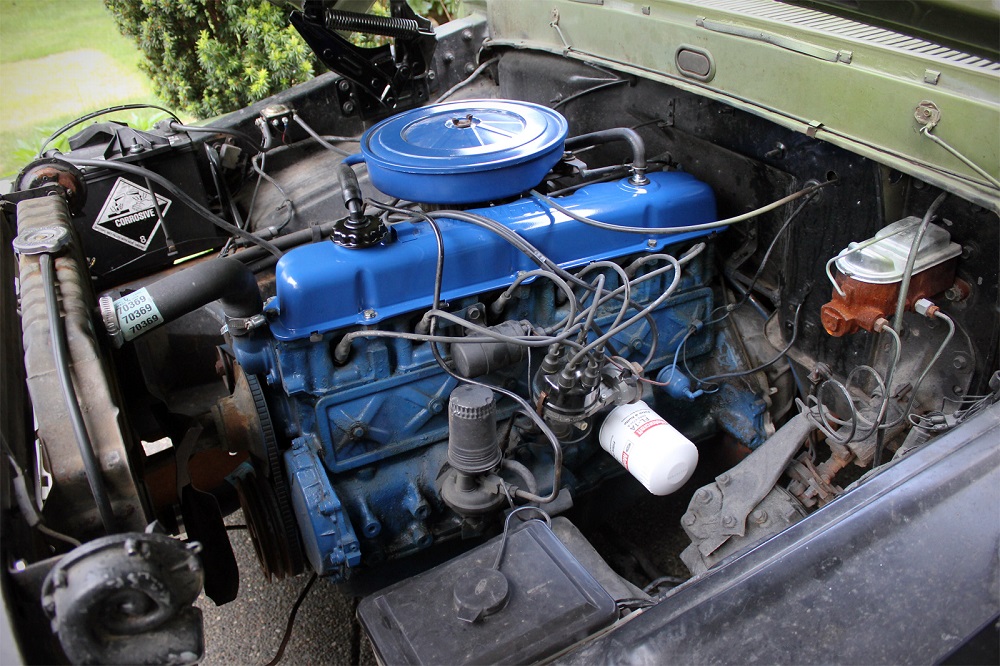
6. Ford 300 Inline Six
The Ford 300 inline six is legendary for its durability and workhorse capabilities. Originally designed for trucks and heavy duty applications, it became known for its ability to handle extreme workloads and high mileage without major failures, making it one of the most reliable engines Ford ever produced.
One of the key reasons the Ford 300 is inexpensive to rebuild is its simple inline six configuration. This design provides excellent accessibility to all major components, reducing labor time during both disassembly and assembly. Mechanics can easily reach critical parts, which simplifies the entire rebuild process.
Parts availability remains strong due to the engine’s long production history and widespread use in commercial and consumer vehicles. Many aftermarket suppliers continue to support the platform with affordable rebuild kits, ensuring that essential components remain easy to source.
Another factor that keeps costs low is the engine’s inherent durability. Many Ford 300 engines require only minimal machining during rebuilds because internal components are often still in usable condition even after extensive service life. This reduces both parts replacement costs and machining expenses.
The Ford 300 inline six remains one of the most economical engines to rebuild. Its combination of rugged construction, simple design, and strong parts availability makes it a favorite among truck owners and budget conscious rebuilders.
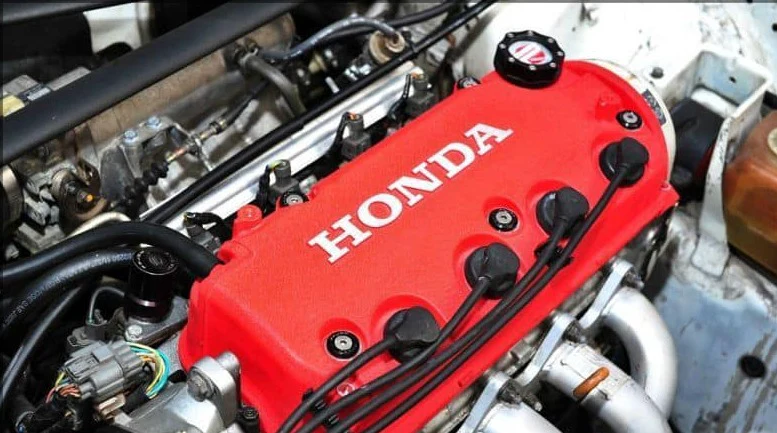
5. Honda D Series Four Cylinder
The Honda D Series engine is widely recognized as one of the most affordable modern engines to rebuild. Found in many generations of the Honda Civic and related compact models, it has earned a strong reputation for reliability, fuel efficiency, and long service life.
Its widespread use across global markets means replacement parts are easy to source and competitively priced, which is a major factor in keeping rebuild costs low.
One of the biggest advantages of the D Series is its relatively simple engineering compared to more modern engines. While it does use overhead cam technology, it avoids overly complex systems such as direct injection or advanced variable valve timing in most versions.
This makes the engine easier to disassemble and rebuild, reducing labor costs significantly compared to newer, more complicated powertrains.
Parts availability is another major strength. Because millions of these engines were produced, aftermarket support is extremely strong. Rebuild kits including pistons, rings, bearings, gaskets, and timing components are widely available from multiple manufacturers. This competition helps keep prices low and gives rebuilders flexible options depending on budget and performance goals.
Machine shop costs are also relatively low due to the engine’s small size and lightweight construction. Less material needs to be machined compared to larger engines, which reduces both time and cost. Many shops are also highly familiar with Honda engines, making the machining process efficient and predictable.
The Honda D Series remains one of the most budget friendly modern engines to rebuild. Its combination of simplicity, strong parts availability, and efficient design makes it a popular choice for economical rebuild projects and daily driver restorations.
Also Read: IIHS Dings BMW i4 for Weak Headlights and AEB System</a
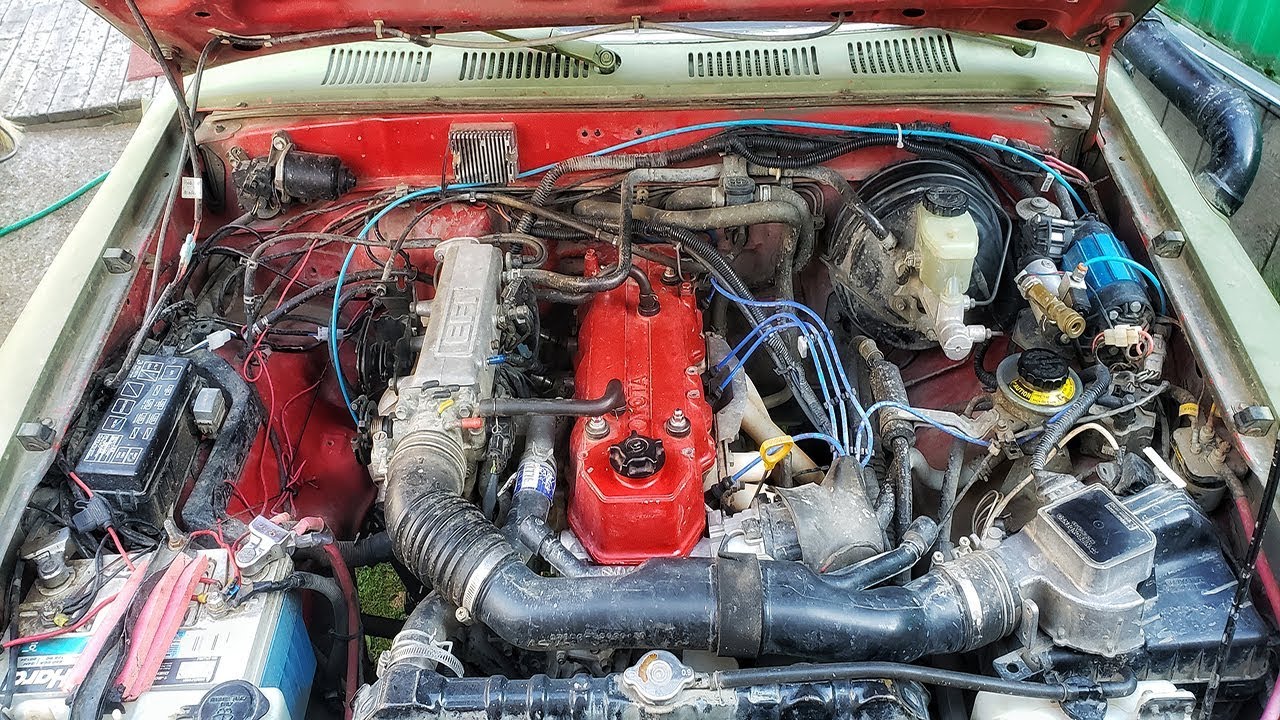
4. Toyota 22R Four Cylinder
The Toyota 22R engine is widely considered one of the most durable and dependable four cylinder engines ever produced. It powered Toyota pickups and SUVs for many years and built a legendary reputation for reliability under harsh conditions. Because of its long service life and widespread use, it remains a favorite among off road enthusiasts and restorers.
One of the main reasons the 22R is inexpensive to rebuild is its simple overhead cam design. Unlike more modern multi cam engines, the 22R uses a straightforward layout that reduces mechanical complexity. This simplicity makes it easier to disassemble, inspect, and rebuild, which helps reduce labor costs significantly.
Parts availability is excellent for the 22R due to its global popularity. Aftermarket manufacturers continue to produce high quality rebuild kits and replacement components at competitive prices. This ensures that even full engine rebuilds remain relatively affordable compared to more modern Toyota engines.
Another cost saving factor is the engine’s exceptional durability. Many 22R engines require only basic refurbishment during rebuilds because internal components are often still in good condition even after high mileage use. This reduces the need for extensive part replacement and lowers rebuild expenses.
Toyota 22R remains one of the most cost effective engines to rebuild thanks to its simplicity, reliability, and strong aftermarket support. It continues to be a top choice for off road vehicles and long term dependability.
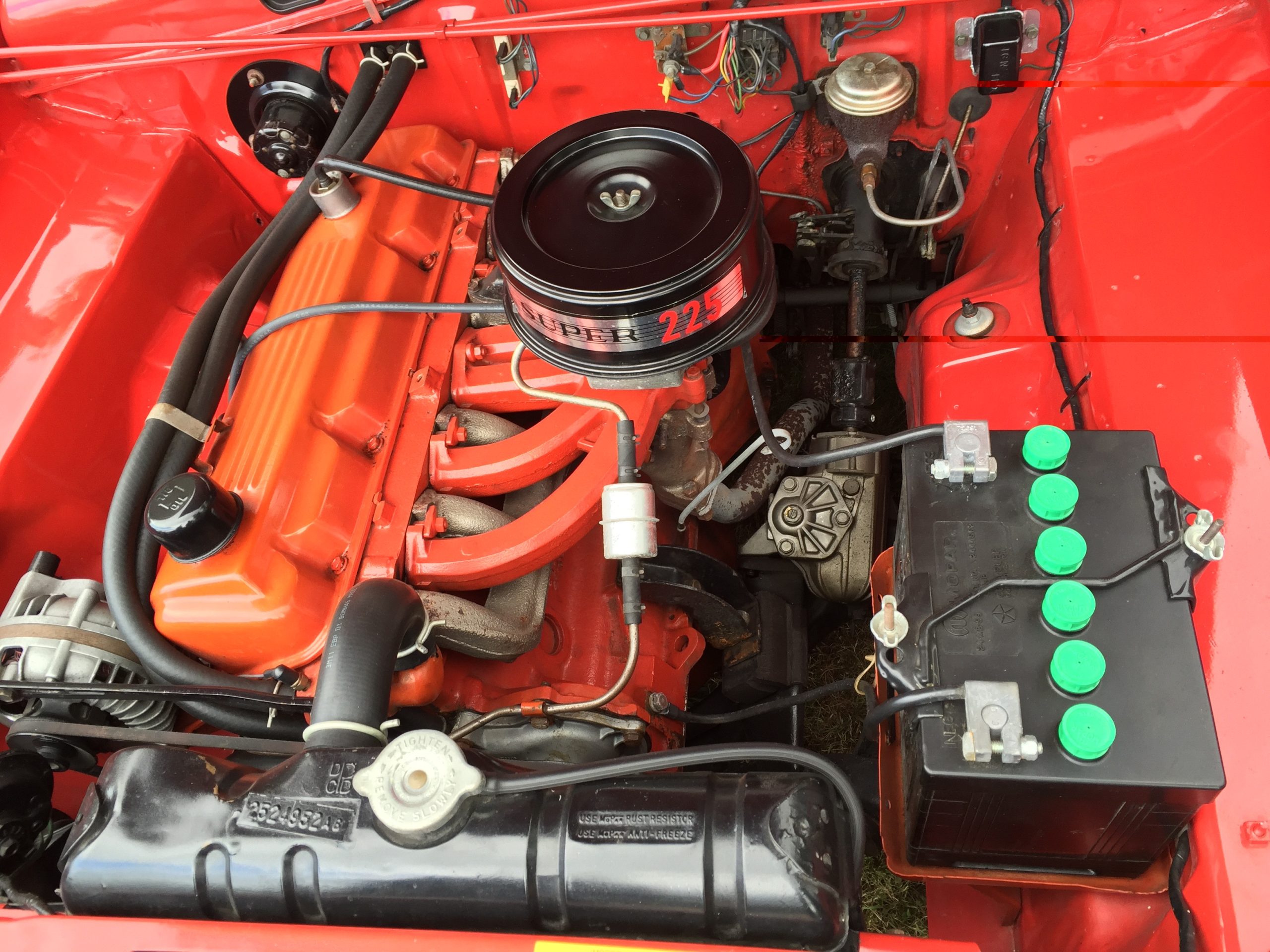
3. Chrysler Slant Six
The Chrysler Slant Six is one of the most legendary engines in automotive history, known for its unusual angled design and exceptional durability. Introduced in the late 1950s, it powered a wide range of Chrysler vehicles for decades and gained a reputation for surviving extreme abuse and high mileage conditions.
One of the biggest reasons the Slant Six is inexpensive to rebuild is its extremely simple pushrod design. The engine has fewer moving parts compared to modern engines, which reduces complexity during both disassembly and assembly. This simplicity also lowers the likelihood of costly errors during the rebuild process.
Parts availability, while not as widespread as Chevrolet engines, remains strong due to dedicated restoration markets. Enthusiasts and specialty suppliers continue to manufacture rebuild kits and replacement components, ensuring that most necessary parts are still accessible at reasonable prices.
The engine’s robust construction also contributes to lower rebuild costs. The Slant Six was designed with durability in mind, meaning many engines can be rebuilt using standard machining and minimal internal replacement. Strong blocks and durable internals often survive decades of use without catastrophic failure.
The Chrysler Slant Six remains a cost effective engine to rebuild due to its simplicity, toughness, and dedicated aftermarket support. It continues to be a popular choice among classic car restorers seeking reliability on a budget.
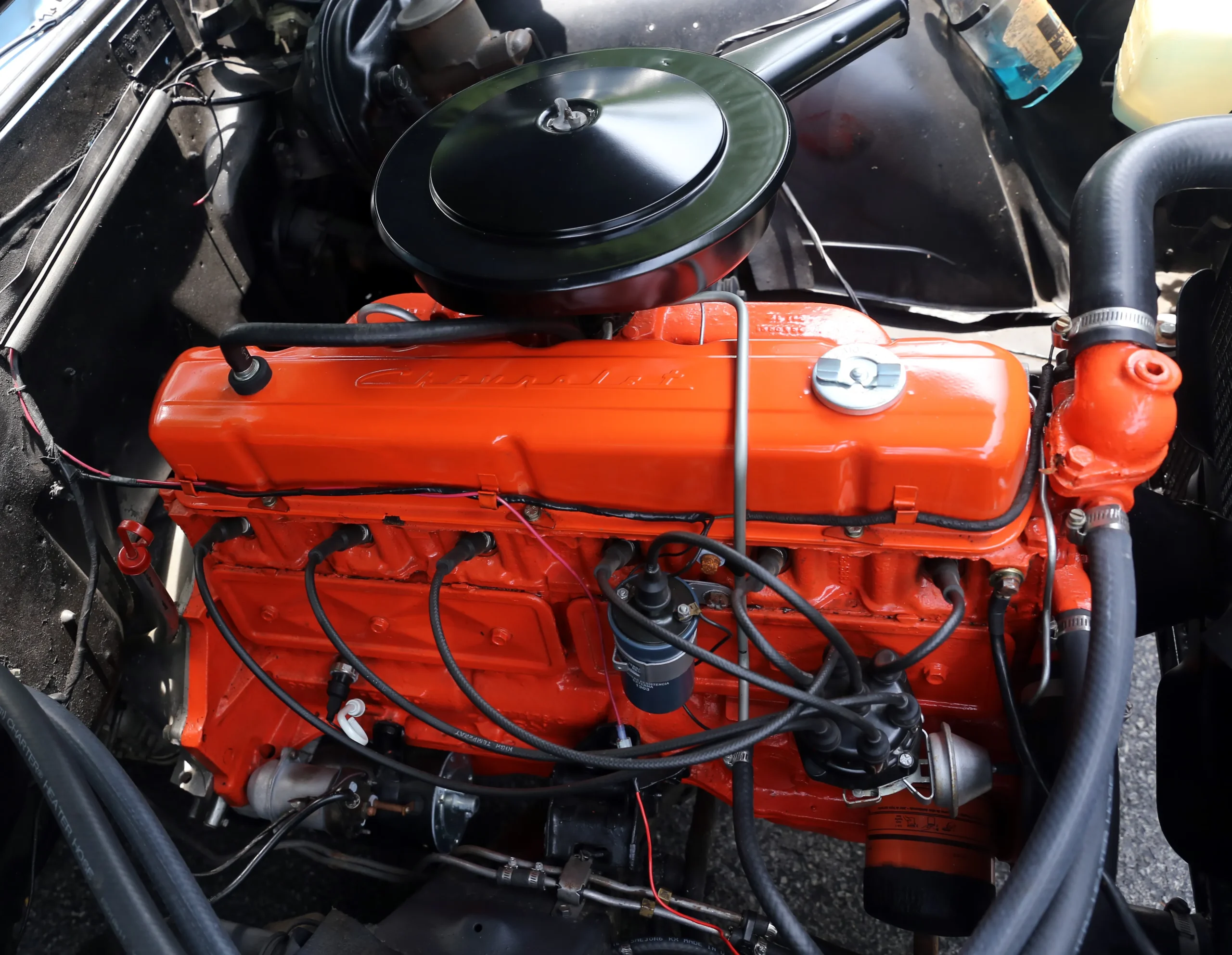
2. Chevrolet 250 Inline Six
The Chevrolet 250 inline six is a highly respected engine known for its reliability, simplicity, and ease of maintenance. It was widely used across Chevrolet cars and trucks for many years, making it one of the most accessible engines for rebuilding projects today.
One of the main reasons for its low rebuild cost is its straightforward inline six configuration. This design allows excellent access to engine components, reducing labor time significantly during disassembly and reassembly. Mechanics appreciate the simplicity, which helps keep rebuild projects efficient and affordable.
Parts availability is another major advantage. Because of its widespread historical use, many aftermarket manufacturers still produce rebuild kits and replacement parts. This competition helps maintain low pricing and ensures that rebuilders have multiple sourcing options.
Machine work on the 250 is typically straightforward. The engine’s simple and durable design means most machine shops are familiar with its requirements, including boring, honing, and crankshaft resurfacing. This familiarity reduces diagnostic time and keeps labor costs predictable.
The Chevrolet 250 remains one of the most cost-effective engines to rebuild. Its combination of simplicity, availability, and durability makes it a practical choice for restorations and budget builds.
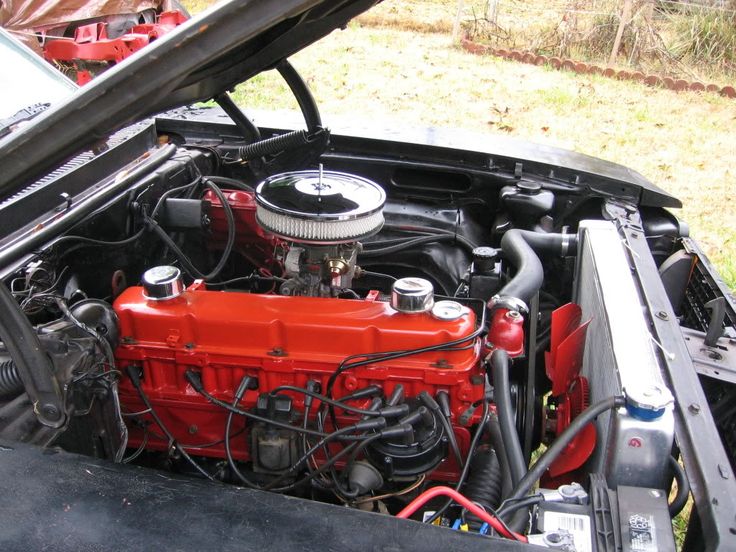
1. Chevrolet 230 Inline Six
The Chevrolet 230 inline six takes the top position as the cheapest engine to rebuild due to its outstanding simplicity and strong aftermarket support. It was widely used in Chevrolet vehicles during the 1960s and 1970s, making it a common and well understood engine among mechanics and restorers.
One of the key advantages of the 230 is its extremely simple inline six design. This layout provides excellent access to all major components, making teardown and reassembly significantly easier compared to V engines or modern complex designs. This reduces labor time and rebuild costs.
Parts availability is strong despite the engine’s age. Many suppliers still produce full rebuild kits, including pistons, bearings, gaskets, and timing components. Because of steady demand from restoration projects, prices remain competitive and relatively affordable.
Machine shop requirements are generally minimal. The engine’s durable construction means many rebuilds involve standard machining rather than extensive repairs. This helps reduce both times spent in the shop and total project cost.
The Chevrolet 230 stands out as the most budget friendly engine to rebuild. Its simplicity, durability, and strong support network make it an ideal choice for anyone looking to complete a cost-effective engine restoration project.
