
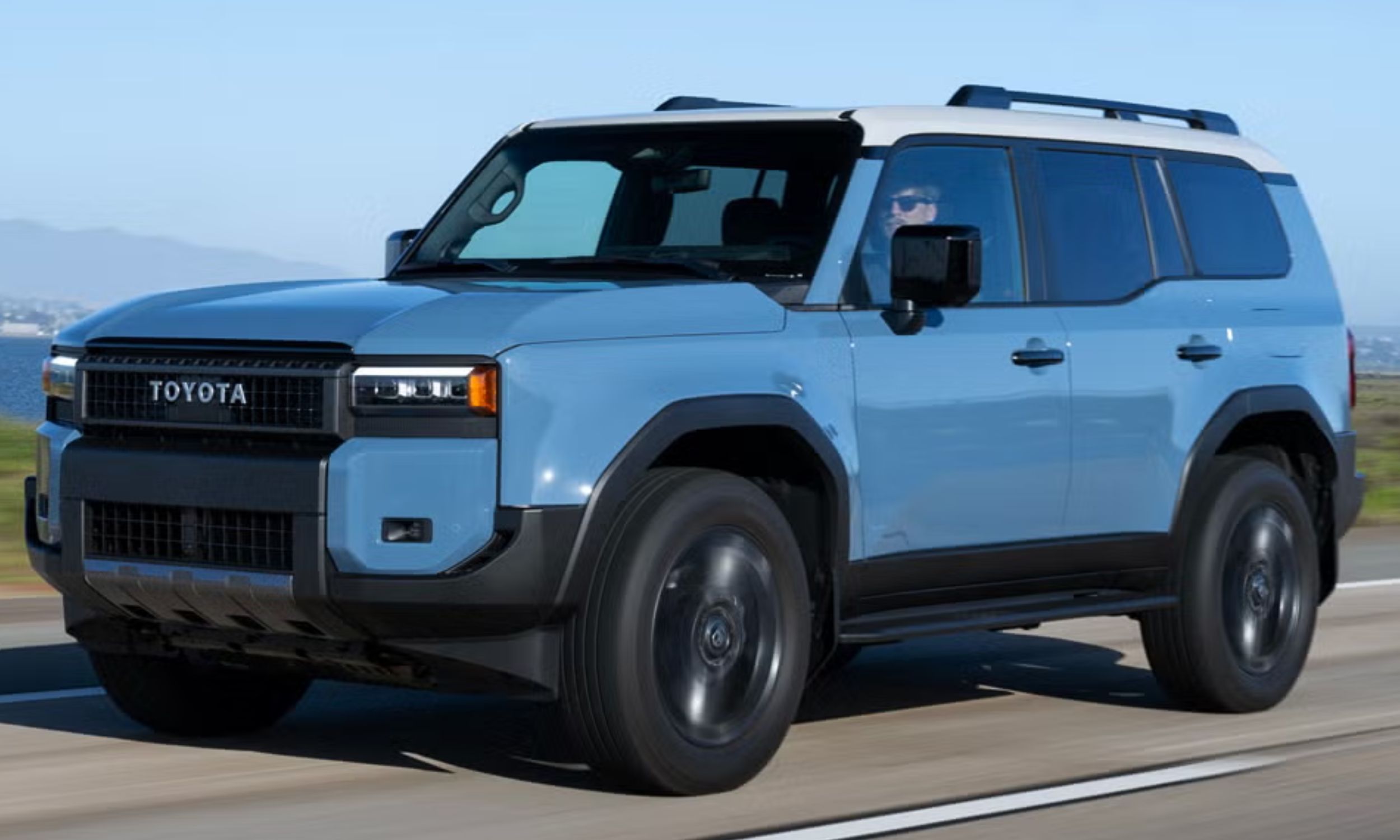
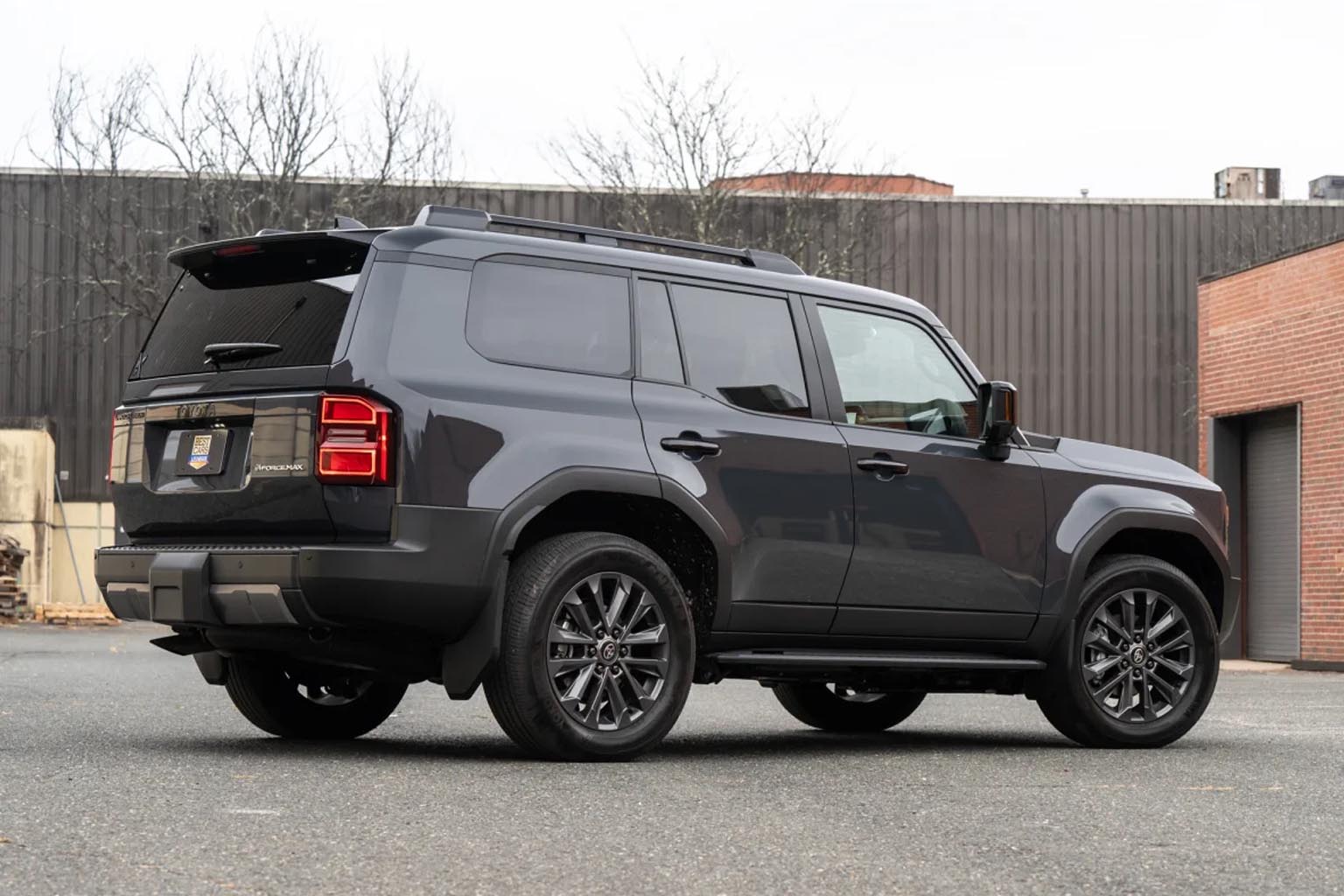
A familiar shape returns with a different kind of intelligence underneath. The 2026 Toyota Land Cruiser arrives with a retro-inspired body that echoes earlier generations, yet the experience inside feels carefully reworked for modern driving demands.
At first glance, it presents itself as a rugged SUV built for trails, long highway runs, and demanding weather conditions. Spend a little time with it, and small surprises begin to surface in places most drivers would never think to check. Toyota designed this model with attention to hidden utility, subtle engineering shortcuts, and practical ideas that support both everyday driving and remote travel.
Instead of loud tech displays or flashy gimmicks, many of the clever additions sit quietly behind panels, inside storage areas, and within the vehicle’s electronic systems. These details often go unnoticed during a quick walkaround, yet they change how the SUV performs in real situations.
From concealed cooling systems that preserve drinks during long drives to modular lighting components designed for field repairs, the Land Cruiser carries thoughtful solutions built into its structure. Even the off-road systems include layered automation that reacts before drivers fully register changing ground conditions. Small design decisions, such as hidden QR access points and automatic cleaning mechanisms for cameras, show how much planning went into daily usability.
This page focuses on ten of those lesser-known features. Some features support comfort, others support recovery situations, and a few simply reveal playful details hidden inside the design.
1. Cabin Cool Box That Works Like a Portable Fridge
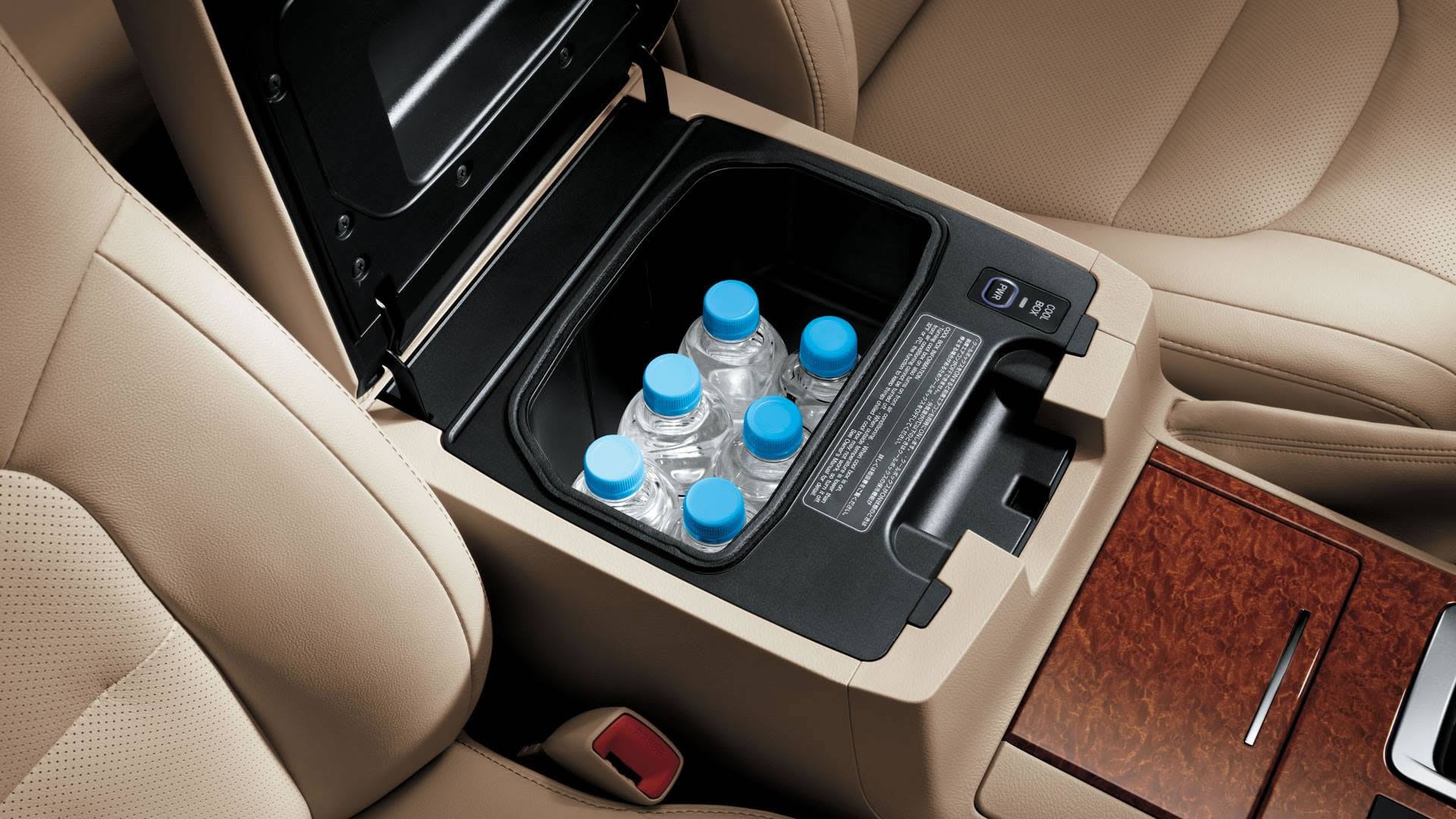
What looks like a regular storage bin between the front seats actually hides a clever cooling feature. At first, it seems like any standard armrest compartment you would find in most SUVs. Open it up, though, and you will notice a small button labeled “Cool Box.” Once pressed, it activates a system that channels cold air from the vehicle’s air conditioning directly into that compartment.
Instead of just cooling the cabin, this setup turns the storage space into a mini fridge. Drinks, snacks, or even items that need steady cooling stay noticeably colder than the rest of the interior. It does not rely on ice or separate cooling units. Everything runs through the vehicle’s existing climate system, which makes it simple and efficient.
This becomes especially useful during long drives or road trips. You can keep beverages cold for hours without needing to stop and buy more. The cooler works even better when the cabin temperature is set lower, since it draws from the same chilled air supply.
Moisture is also managed well. The interior materials resist water buildup, and hidden drainage channels prevent any liquid from collecting inside. That keeps the compartment clean and easy to maintain. For camping or extended travel, it adds real convenience.
Instead of carrying a bulky cooler, you already have a built-in solution that saves space and effort. What makes it even better is how subtle it is. Nothing about the console gives it away until you actually use it.

2. Modular Headlight System Built for Field Replacement
Front headlights on most modern SUVs are usually buried behind complicated bumper designs, making even simple replacements time-consuming and tool-heavy. The 2026 Toyota Land Cruiser takes a different path by using a modular setup that makes access much easier when damage happens.
Instead of forcing you to remove multiple panels, the headlight units are mounted on specially designed brackets that can be reached through service points near the wheel wells and upper grille. This cuts down the effort required, which becomes especially useful when you are far from a repair shop.
Off-road driving often exposes vehicles to rough conditions like rocks, branches, and uneven ground, where damage is more likely. In those situations, having a system that can be handled with basic tools makes a real difference. The Land Cruiser allows you to remove and replace a damaged headlight using simple equipment you might already carry.
The electrical connections are also designed with convenience in mind. Quick-release connectors prevent wiring damage during removal, while built-in alignment guides help position the new unit correctly without needing adjustments afterward. This means less downtime and a faster return to the road.
Durability adds another layer of practicality. Reinforced materials around the headlight housing help absorb impacts, protecting internal components even if the outer lens cracks. In some cases, this allows partial fixes instead of full replacements.
This approach reflects a focus on real-world usability, giving drivers a lighting system that is easier to service when it matters most.
Also Read: Toyota Camry vs Honda Accord Hybrid: Which Sedan Is Worth More at the Same Price?
3. Subtle Heritage Markings Hidden Across Interior Panels
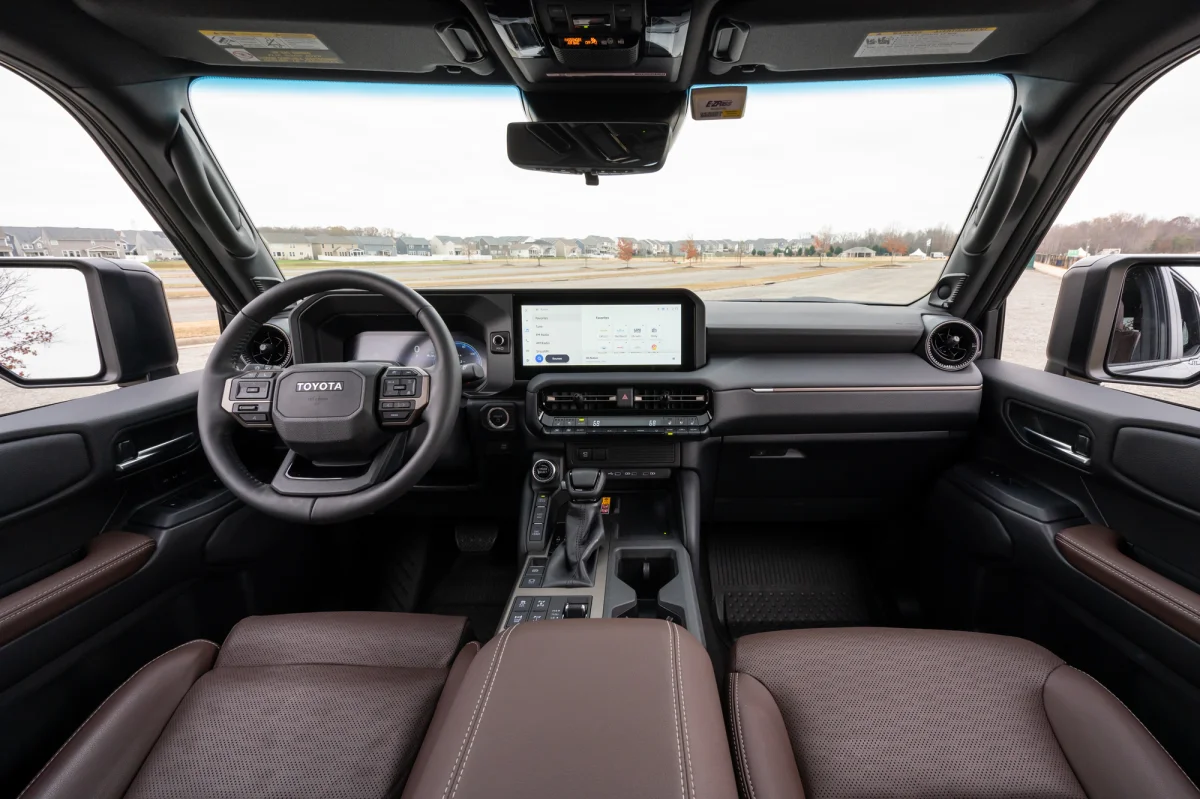
At first glance, the cabin surfaces of the 2026 Toyota Land Cruiser appear clean and minimal, with textured plastics and soft-touch materials arranged for durability and comfort. Closer inspection reveals small embossed shapes embedded into various interior and exterior trim pieces. These markings are not immediately visible unless light hits them from specific angles.
The silhouettes reference earlier generations of Toyota off-road vehicles, subtly placed along window trim edges, cargo panel liners, and even near the lower sections of the windshield frame. Each outline reflects a past design era, serving as a quiet connection between older models and the current generation.
Rather than using logos or written references, designers chose abstract outlines. This keeps the cabin visually clean while still preserving historical acknowledgment. The shapes are small enough to avoid drawing attention during normal use but detailed enough for enthusiasts to identify when noticed.
These markings appear in multiple areas. Door sill plates carry faint impressions, while rear cargo side panels include molded patterns that repeat across both sides of the vehicle. Even some hidden storage compartments include faint embossing along interior corners.
Material choice plays a role in how visible these details appear. Matte finishes reduce reflection, making the silhouettes harder to notice under standard lighting conditions. However, direct flashlight exposure or angled sunlight reveals them clearly.
Beyond visual appeal, the markings also serve a production purpose. Certain embossed sections reinforce panel rigidity without adding extra weight. This means the design element doubles as structural support in select areas. For drivers using the 2026 Toyota Land Cruiser in daily or recreational settings, these details often remain unnoticed until time is spent inspecting the cabin closely.
They do not change driving behavior, yet they add an additional layer of character to interior surfaces that would otherwise remain plain.
4. High-Capacity Power Inverter Hidden in Cargo Wall
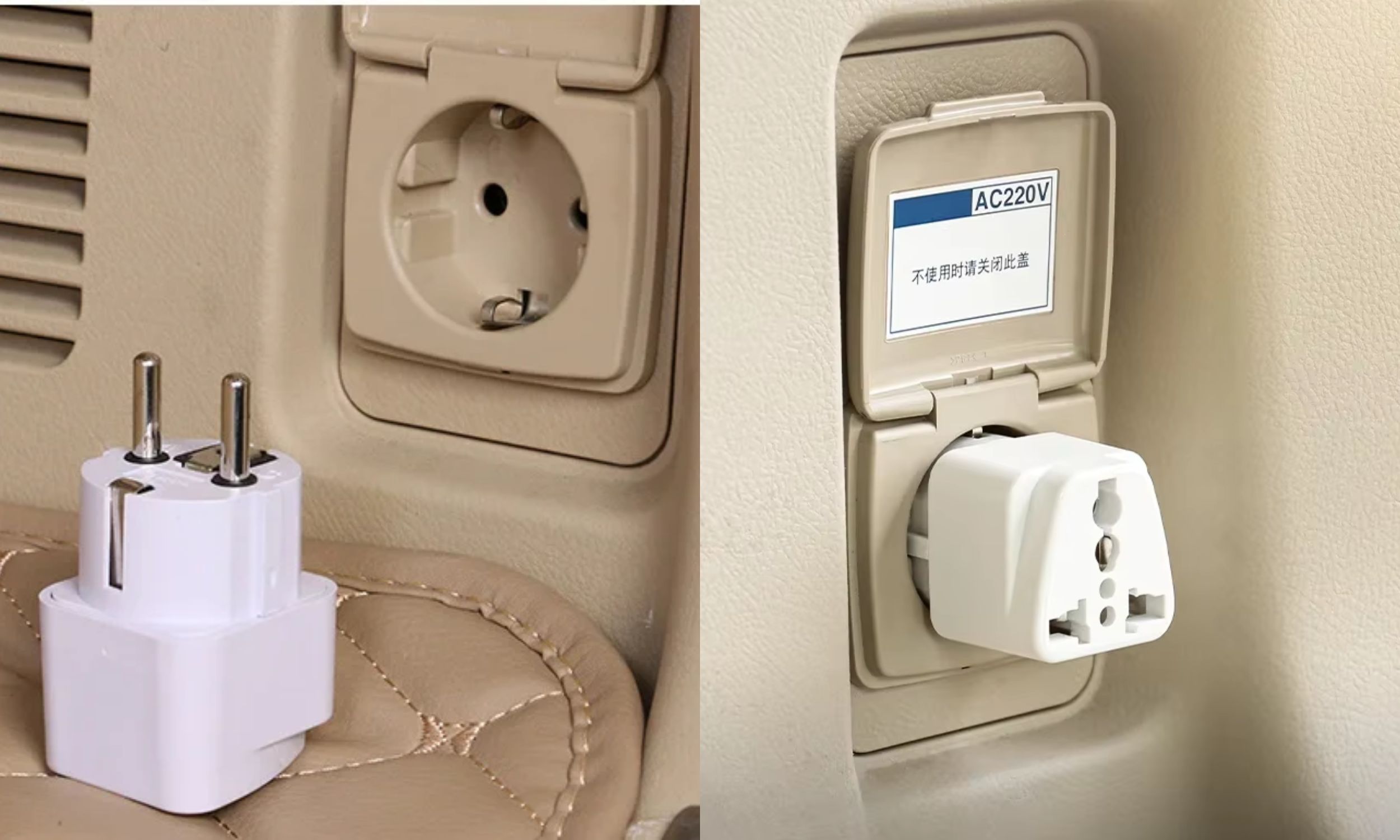
Inside the rear cargo compartment of the 2026 Toyota Land Cruiser, a concealed power outlet sits flush against a side panel. At first glance, it resembles a standard household socket, but its output capability tells a different story. This built-in inverter delivers up to 2,400 watts of electrical power.
That level of output supports devices far beyond typical vehicle charging systems. Portable cooking equipment, electric tools, and outdoor appliances can operate directly from the vehicle without external generators. The socket remains hidden behind a protective cover that blends into the interior trim when not in use.
The electrical system draws energy from the vehicle’s hybrid architecture, distributing load through managed circuits designed to maintain stability. Power delivery adjusts automatically based on demand, preventing overload situations during simultaneous device use.
Thermal control systems monitor heat levels around the inverter module. Vent channels built into surrounding panels allow airflow circulation, preventing overheating during extended operation. These vents remain invisible unless the cargo lining is partially removed.
Travelers who rely on equipment during outdoor stays benefit from this setup. Devices such as electric kettles, compact fridges, or charging stations operate without requiring separate generators. That reduces equipment load during travel preparation.
The placement of the outlet inside the cargo area keeps cables organized and away from passenger seating zones. This also helps maintain a clean cabin layout when multiple devices are connected. Unlike portable power banks that require recharging cycles and additional storage, this system integrates directly into the vehicle’s electrical architecture. It becomes part of the driving system rather than an accessory.
5. Hidden QR Code Access Points for Technical Guides
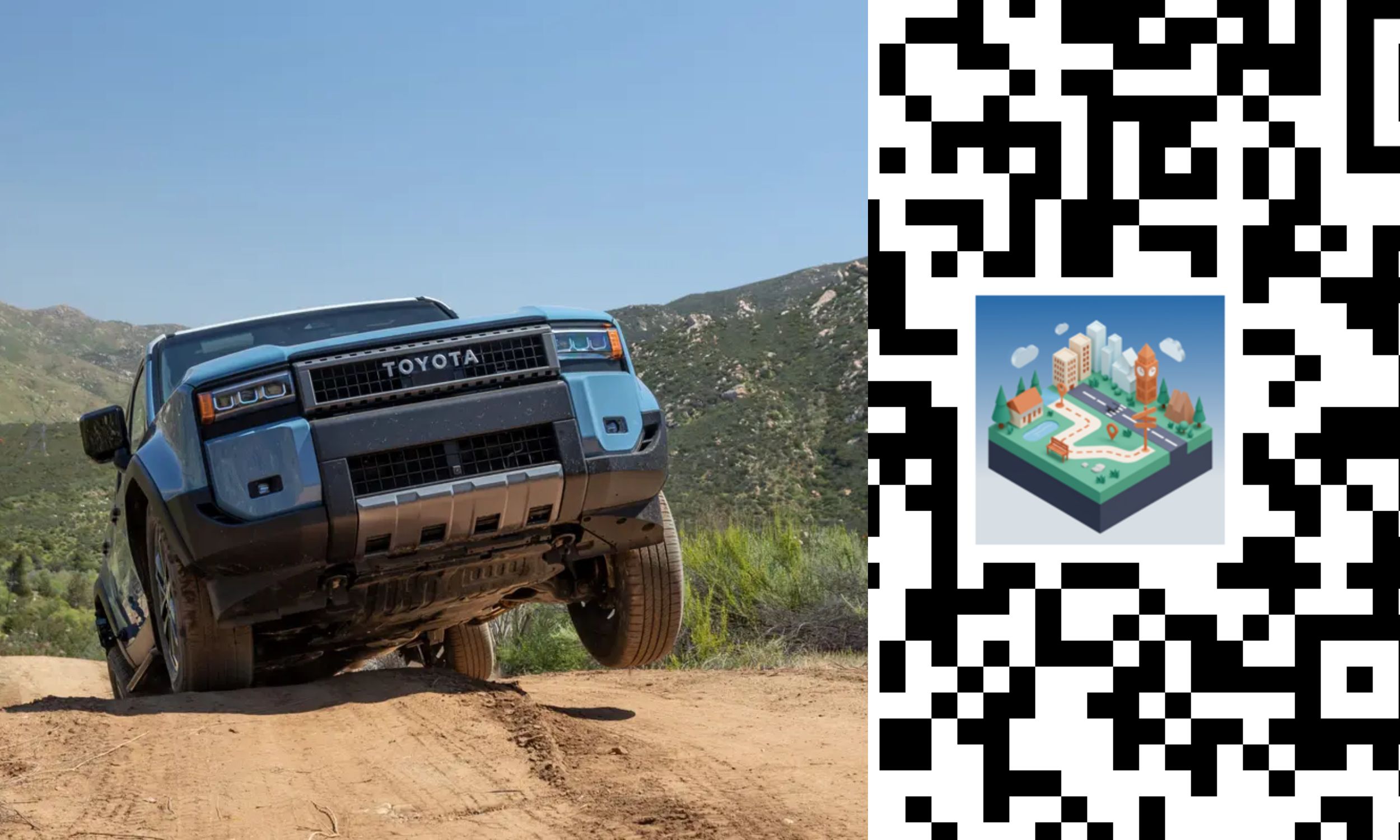
Small QR markings appear in unexpected locations across the 2026 Toyota Land Cruiser. These are not placed on visible dashboard surfaces but instead appear under the fuel door, inside engine cover panels, and within maintenance access areas.
Scanning these codes using a smartphone opens official Toyota digital reference pages. These pages include diagrams for fuse layouts, recovery point locations, and service instructions designed for roadside use. Instead of searching manuals or printed guides, drivers gain direct access through these embedded markers.
The system supports situations where quick reference becomes necessary. Electrical troubleshooting, for example, often requires fuse identification. Instead of guessing panel layouts, users can scan a nearby code and receive visual guidance instantly.
Engine bay markings provide similar support. Some codes link to cooling system diagrams or belt routing references. This reduces dependency on external documentation during maintenance or repair scenarios. Material protection ensures the QR markings remain readable even under dirt exposure. They are etched or molded rather than printed, allowing them to remain functional after exposure to dust, oil, or moisture.
These access points also serve as training aids for new owners. Rather than memorizing technical layouts, drivers can rely on digital references stored within Toyota’s official system. The placement strategy keeps these codes hidden from casual view while still ensuring accessibility when needed. They are part of a quiet support network embedded throughout the vehicle.
6. Camera Cleaning System That Activates Without Driver Input
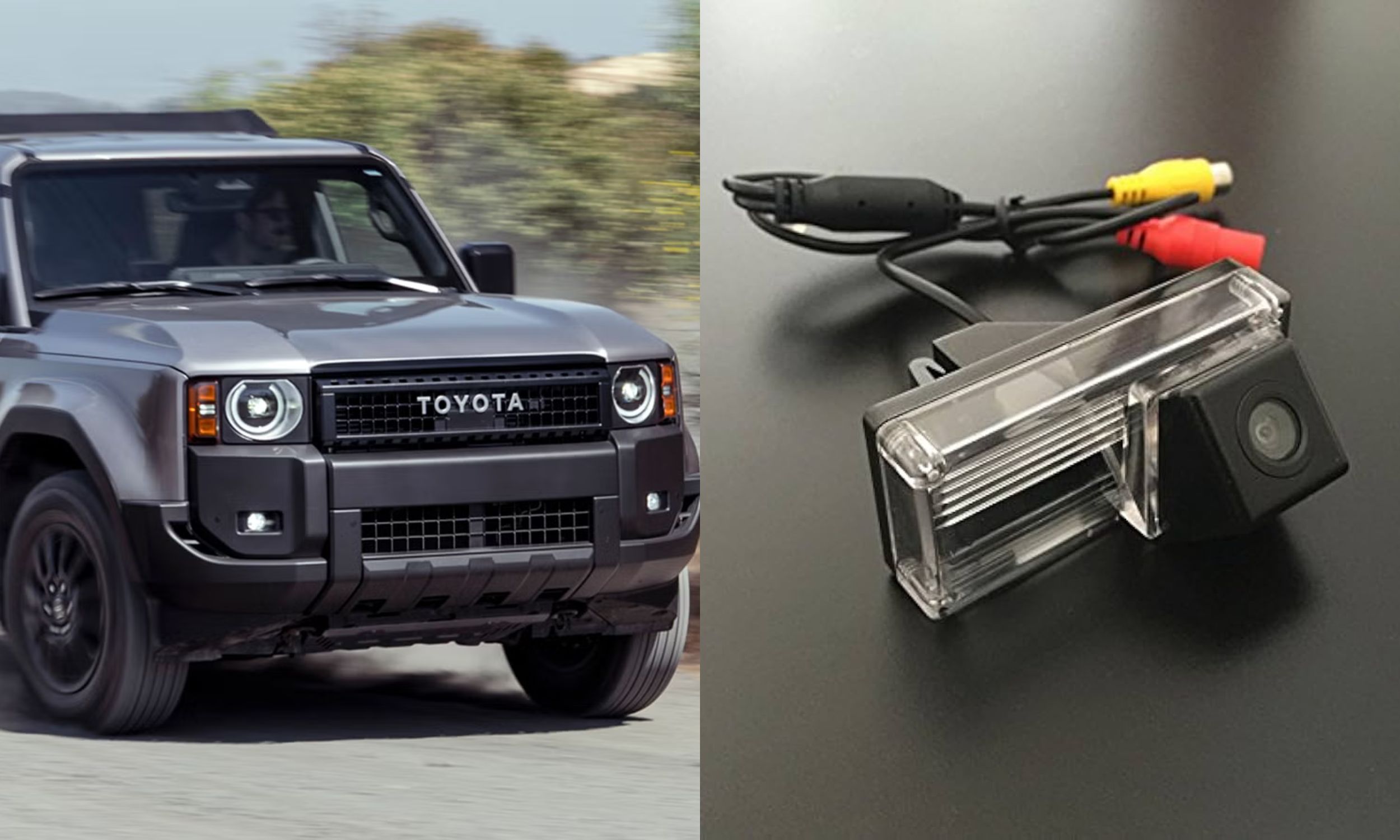
A muddy trail can turn even advanced driver-assist screens into blurry guesswork. On this model, the multi-angle viewing system receives a built-in cleaning response that works without requiring manual commands. When rear washer fluid is triggered, a concealed nozzle near the camera housing releases a focused water spray aimed directly at the lens surface.
This action happens automatically as part of the washer sequence. No separate button sits on the dashboard for camera cleaning, which keeps the interface uncluttered. Dirt, dust, and splashes from wet ground conditions often coat exterior cameras within seconds of off-road driving. Instead of forcing the driver to stop and wipe the lens, the system clears visibility in real time.
Camera placement at the rear, front grille, and side mirrors benefits from similar protection. Each location includes small integrated spray channels positioned to target lens surfaces without affecting surrounding body panels. Fluid routing connects to the main washer reservoir, so no additional maintenance containers are required.
Lens housings include angled edges that help water runoff after each cleaning cycle. That reduces streaking and prevents repeated dirt buildup in the same area. The system works in coordination with the vehicle’s display interface, refreshing camera feed clarity shortly after activation.
During low-speed maneuvering on uneven ground, visibility can change rapidly. Rocks, mud, and vegetation often interfere with external sensors. The automatic spray function helps maintain usable camera feeds without interrupting driving rhythm.
Material choice around camera frames also supports durability. Impact-resistant plastic surrounds each unit, shielding internal electronics from debris. Even after repeated exposure to harsh conditions, cleaning performance remains stable due to the sealed nozzle design.
Drivers using vehicles like the 2026 Toyota Land Cruiser during long-distance off-road travel often rely heavily on camera feeds for positioning. This system reduces manual maintenance interruptions, allowing continued focus on driving conditions rather than external cleaning tasks.
7. Electronic Stabilizer Release System for Suspension Flex Control
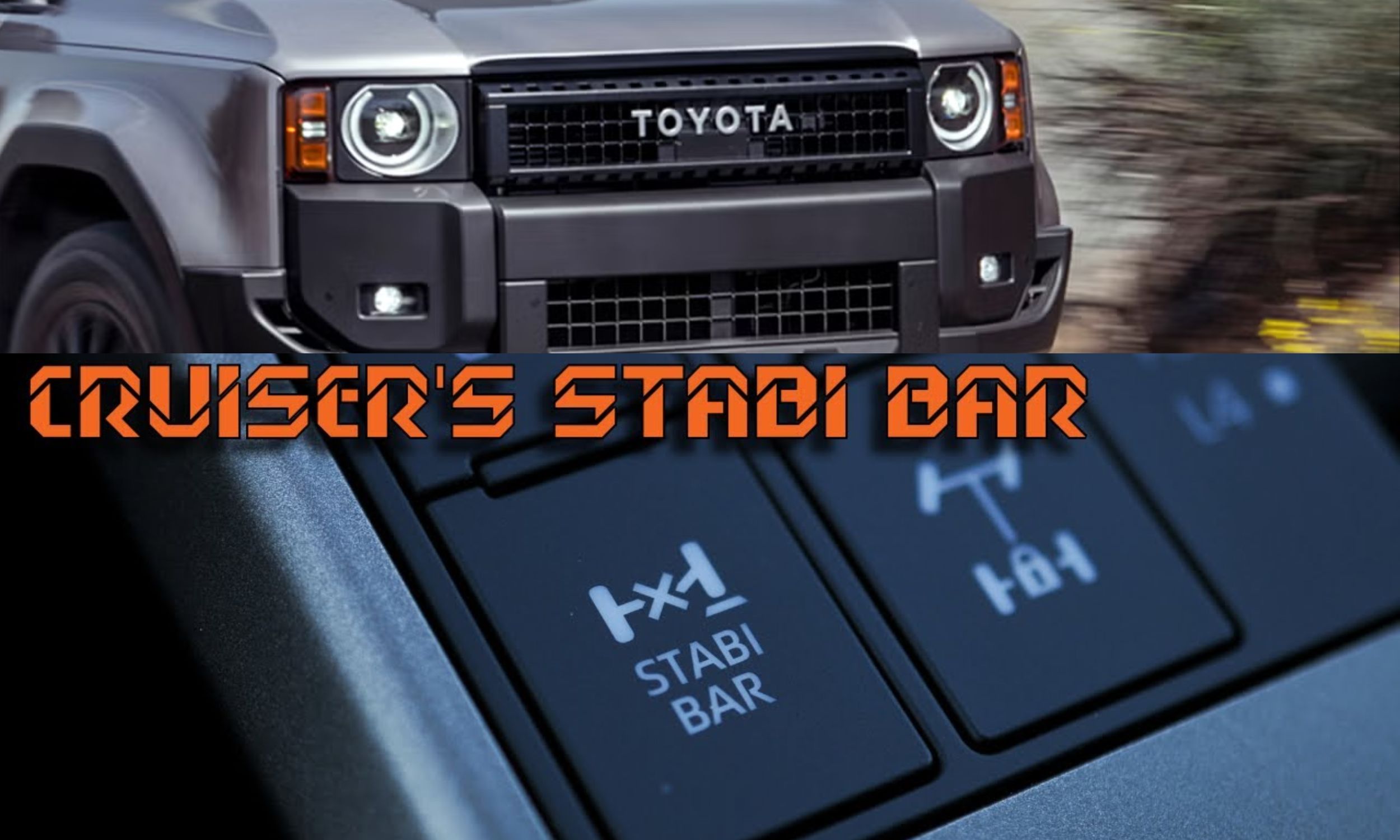
When driving on rough ground, suspension behavior becomes far more important than it is on smooth roads. This SUV includes an electronic stabilizer bar system, labeled “SDM,” located near the lower control area. With a simple press, it changes how the front stabilizer bar connects to the wheels.
During normal driving, the stabilizer bar keeps the vehicle steady by reducing body lean when turning. Once off-road mode is needed, activating the system loosens that connection, allowing each front wheel to move more freely. This added flexibility helps the tires stay in contact with uneven surfaces like rocks, dips, or deep ruts, improving traction where it matters most.
Instead of requiring manual adjustments, the system works through electronic actuators. That means drivers can control it from inside the cabin without tools or stepping outside. As soon as it is activated, the suspension begins to adjust, allowing better wheel movement across challenging ground.
Built-in sensors constantly track wheel position, vehicle angle, and how the tires interact with the surface. If the road becomes smooth again, the system can reconnect automatically or with driver input. This makes it easy to switch between off-road capability and everyday driving stability.
The hardware itself is designed for repeated use, with strong joints that handle frequent engagement. Even when disconnected, damping systems continue working to keep movement controlled. For drivers tackling uneven paths, this feature allows quick adjustments without stopping, helping maintain grip and steady forward progress.
8. Battery Cooling Channels Integrated Beneath Rear Seating Area
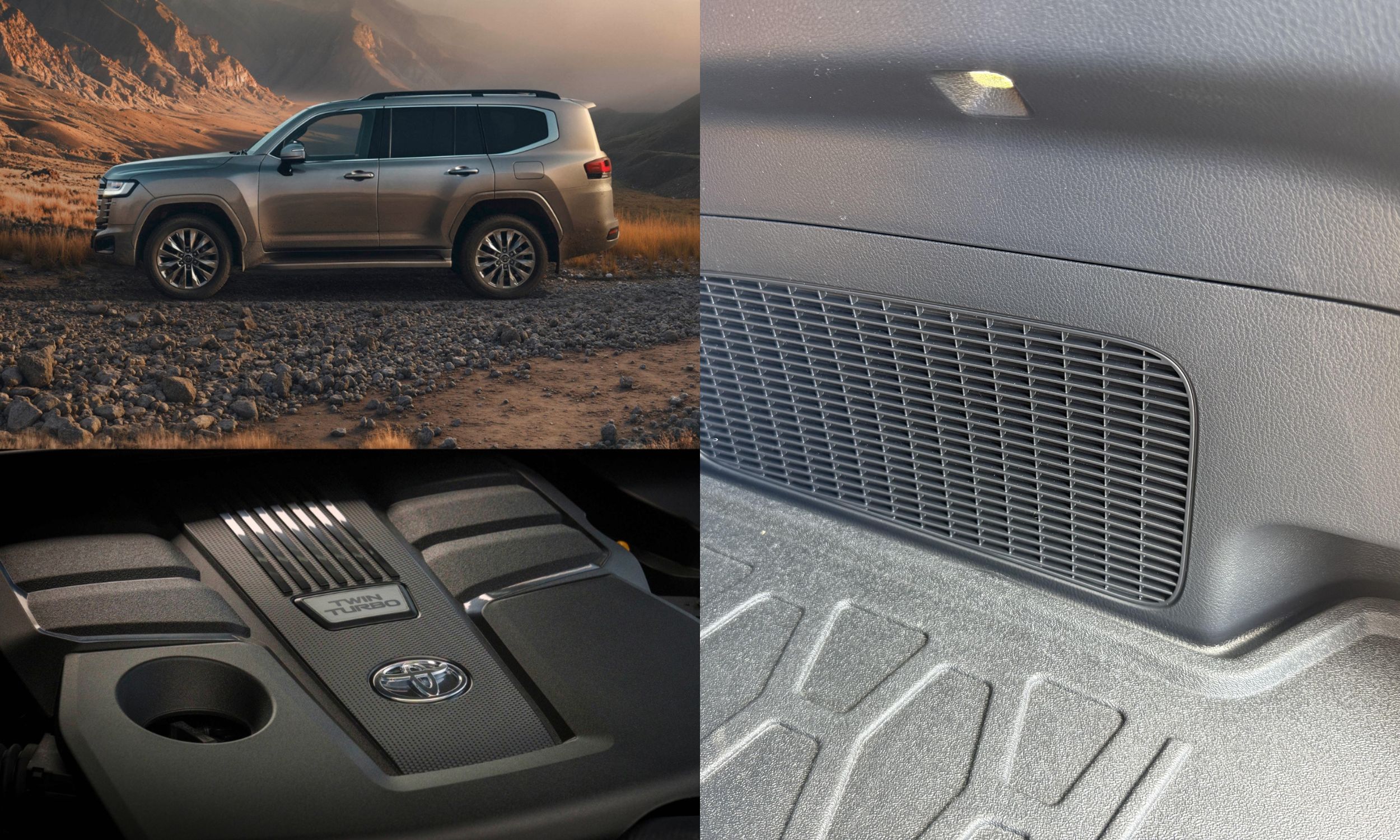
Hybrid systems rely on temperature stability to maintain performance during long drives and load-heavy conditions. In this model, the i-Force Max battery pack sits beneath the rear seating section, supported by concealed airflow channels that draw cabin air through hidden intake vents.
These vents are integrated into lower trim panels rather than exposed ducts. Air passes through mesh-covered openings, traveling across the battery housing before exiting through the rear channel routes. This continuous airflow regulates heat buildup without consuming cargo space.
Cooling efficiency depends on cabin temperature management. When interior air conditioning runs, cooler air naturally assists battery regulation. During warmer conditions, airflow increases automatically through fan-assisted circulation.
Noise levels remain low because airflow pathways are insulated with sound-dampening materials. Passengers do not hear active cooling operations during normal driving. This creates a quiet environment even during extended uphill travel or towing scenarios.
Battery placement beneath the seating allows weight distribution closer to the vehicle center. Cooling channels are routed around structural supports without interfering with seating comfort or legroom. Thermal sensors embedded within the battery module continuously measure heat levels.
If thresholds rise, airflow intensity increases without requiring driver interaction. That prevents performance reduction during sustained power demand. Dust protection is built into the intake mesh layers. Fine filtration prevents debris from entering cooling ducts, which is important for vehicles exposed to gravel roads or dry environments.
This system supports long-term battery health by maintaining consistent operating temperatures. Instead of relying on visible external cooling structures, the design integrates airflow into existing interior architecture.

9. Split Rear Access Door with Hidden Upper Glass Release
Cargo access receives a dual-function layout that supports both full and partial opening modes. A concealed button positioned beneath the rear license plate trim allows the upper glass section of the tailgate to open independently from the main door.
This design supports quick access to cargo space without requiring full rear hatch movement. Grocery bags, small equipment, or personal items can be placed into the cargo area through the glass opening without unloading the entire rear structure.
Electric actuators control the glass movement, ensuring smooth upward motion once activated. Rubber sealing maintains interior protection when closed, preventing dust and moisture entry. Full tailgate opening remains available for larger cargo loading. In that mode, the entire rear assembly lifts to provide maximum access space. Both systems operate independently, giving flexibility based on load size.
Structural reinforcement around the glass section ensures stability even during frequent use. Hinges are designed to handle repeated cycles without misalignment. Safety sensors prevent accidental closure when objects are detected beneath the opening path.
This dual-access system reduces unnecessary energy use during short stops. Instead of engaging the full lift mechanism, drivers can use the upper glass function for quick retrieval. Lighting near the cargo threshold activates automatically when either mode is engaged, improving visibility during nighttime loading.
Vehicles such as the 2026 Toyota Land Cruiser often serve both daily transport and outdoor utility roles. This split access design supports both use cases without requiring manual adjustments or external modifications.
Also Read: Toyota RAV4 vs Honda CR-V Comparison – Which Compact SUV Is Better?
10. Predictive Torque Distribution with Automatic Center Lock Logic
A smart all-wheel-drive system constantly manages how power is shared between the wheels, working quietly in the background through the vehicle’s central controls. While there is a manual lock option for tougher conditions like snow or mud, the system is designed to handle most situations on its own without driver input.
Using a network of sensors, it keeps track of things like wheel grip, vehicle angle, throttle use, and road surface conditions. Instead of waiting for traction to be lost, it reacts early by adjusting power distribution before slipping becomes noticeable. This proactive approach helps the vehicle stay steady even when the surface suddenly changes.
When an uneven grip is detected, the system begins shifting power across the axles in advance. That means less delay between detecting a problem and correcting it. Rather than reacting after wheels spin, it prepares ahead of time to keep everything moving smoothly.
Drivers can still take control when needed by activating the lock feature, which evenly distributes power to all wheels for maximum traction. This is especially helpful in deep mud or snow where consistent power is required. Electronic differentials handle these adjustments quickly through clutch-based systems that respond in milliseconds.
At the same time, built-in cooling and lubrication systems keep everything running safely during extended use. As a result, the vehicle maintains steady traction across different surfaces like gravel, sand, or wet roads, creating a smooth and confident driving experience.
