
The Chevrolet Tahoe is a well-known full-size SUV valued for its spacious interior, strong towing ability, comfortable ride, and durable truck-based design. Since its debut in the 1990s, it has evolved through several generations, gaining improvements in safety, efficiency, infotainment, and general refinement.
However, reliability has varied across model years due to redesigns, technology changes, and manufacturing differences. Some years are praised for dependable engines and long-term durability, while others are known for costly issues like transmission, electrical, and engine problems.
For used buyers, knowing the most reliable and problematic Tahoe years is essential. This guide compares the best and worst model years to help buyers make informed decisions and avoid expensive ownership mistakes.
Also Read: 10 SUVs That Are Just Tall Hatchbacks
5 Best Chevy Tahoe Years
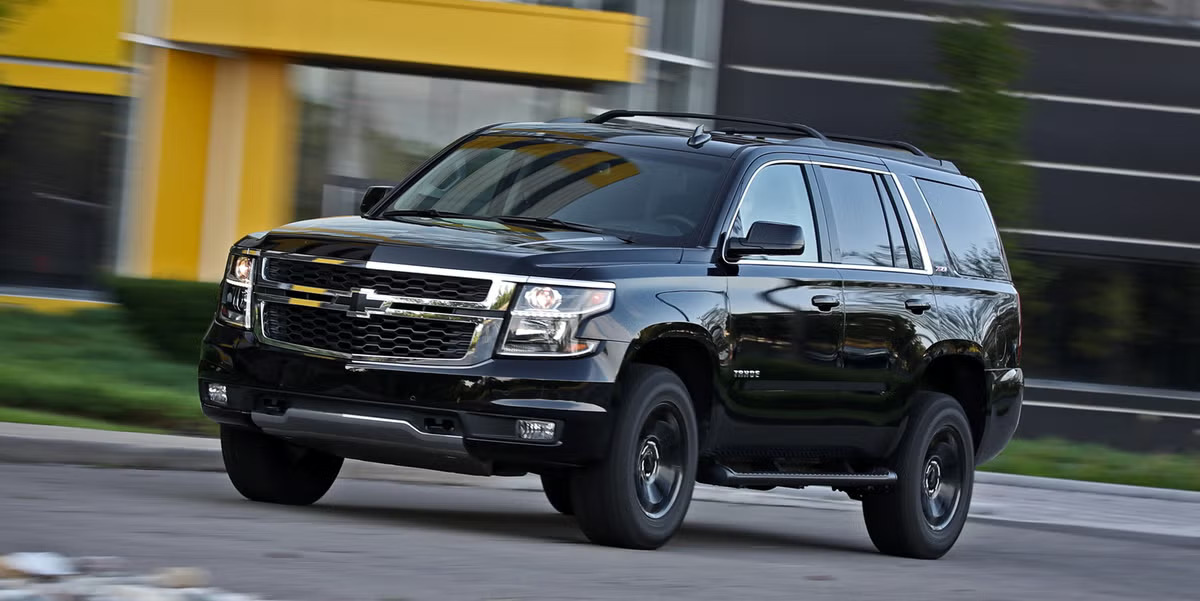
- Engine: 5.3L EcoTec3 V8
- Horsepower: 355 hp
- Torque: 383 lb-ft
- Length: 204.0 in (5179 mm)
- Width: 80.5 in (2045 mm)
1. 2017 Chevrolet Tahoe
A well-refined full-size SUV from the fourth-generation lineup is often highlighted as a strong choice in the used market due to the improvements made after its initial redesign phase. By 2017, many early production flaws had already been addressed, resulting in a more stable and dependable driving experience that appeals to buyers seeking both modern features and long-term reliability.
Power comes from a 5.3-liter V8 engine that delivers steady performance across a wide range of driving conditions. It handles highway cruising, daily commuting, and towing duties with ease, while pairing with a six-speed automatic transmission known for its durability and relatively straightforward maintenance requirements. With proper care, high mileage use is commonly achievable without major mechanical issues.
Reliability is further enhanced through improved electronic systems and software tuning compared to earlier versions in the same generation. Drivers experience fewer infotainment glitches and reduced sensor-related problems, which helps lower the risk of unexpected repair costs and strengthens ownership confidence.
Comfort is another major strength, with a spacious and quiet cabin designed for long-distance travel. Strong sound insulation reduces road noise, while supportive seating across all three rows makes it suitable for families. The flexible cargo area also adds practicality for road trips and heavy loading needs.
Ownership costs remain manageable thanks to widely available parts and a maintenance profile that most independent mechanics are familiar with. Routine servicing is generally straightforward and affordable, making long-term upkeep less burdensome compared to more complex or luxury-oriented SUVs.
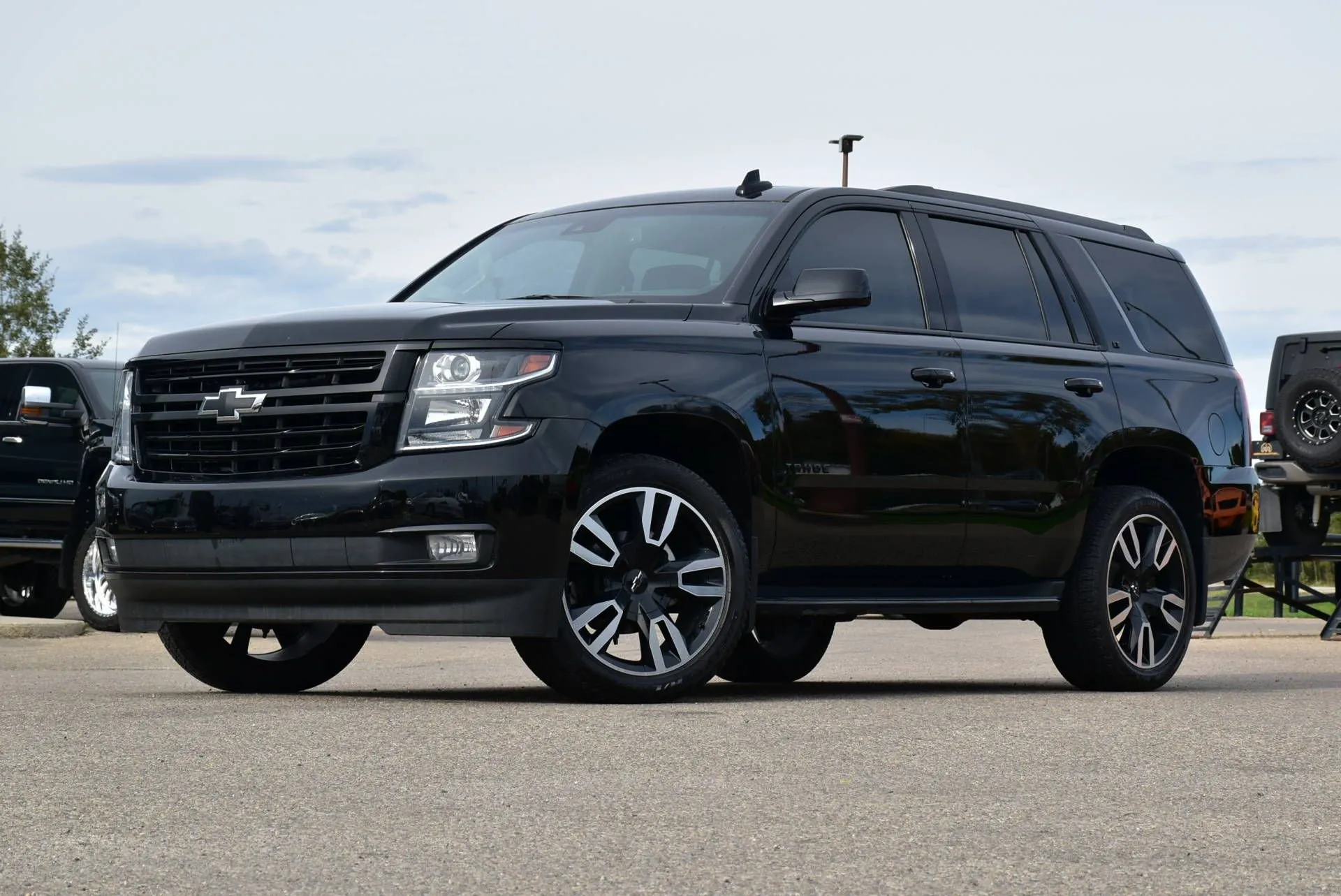
- Engine: 5.3L EcoTec3 V8
- Horsepower: 355 hp
- Torque: 383 lb-ft
- Length: 204.0 in (5179 mm)
- Width: 80.5 in (2045 mm)
2. 2019 Chevrolet Tahoe
As a late-cycle version of the fourth-generation full-size SUV, this model reflects years of gradual refinement and stands out as one of the most polished entries in its lineup. Most of the early mechanical and electronic issues had already been addressed by this point, resulting in a more consistent and dependable ownership experience and reducing the uncertainty often associated with newly redesigned models.
Performance is anchored by a 5.3-liter V8 engine that is known for its durability and strong output. Updated calibration improves throttle response and efficiency, while maintaining the engine’s well-established reputation for long-term reliability. It remains especially capable in towing scenarios, handling trailers and recreational loads with ease when properly maintained.
Driving refinement also improves through a more polished transmission setup. Gear changes feel smoother and more controlled, reducing harshness during acceleration and helping to limit long-term drivetrain stress. This contributes to both improved comfort on the road and reduced wear over extended mileage.
Cabin quality takes a noticeable step forward, with upgraded materials and a more modern layout that enhances usability. The infotainment system is more stable and responsive than earlier versions, while seating remains spacious and comfortable for families. The first and second rows are particularly accommodating, with the third row suitable for shorter trips.
Ride quality is another strong point, with suspension tuning that balances comfort and stability. It absorbs road imperfections well while still maintaining control during highway driving and towing situations. This makes it suitable for both everyday commuting and long-distance travel.
Long-term ownership confidence is strengthened by improved manufacturing consistency and fewer early-life issues. Combined with proven mechanical durability, this results in a predictable and relatively low-risk option for buyers seeking a dependable used full-size SUV.
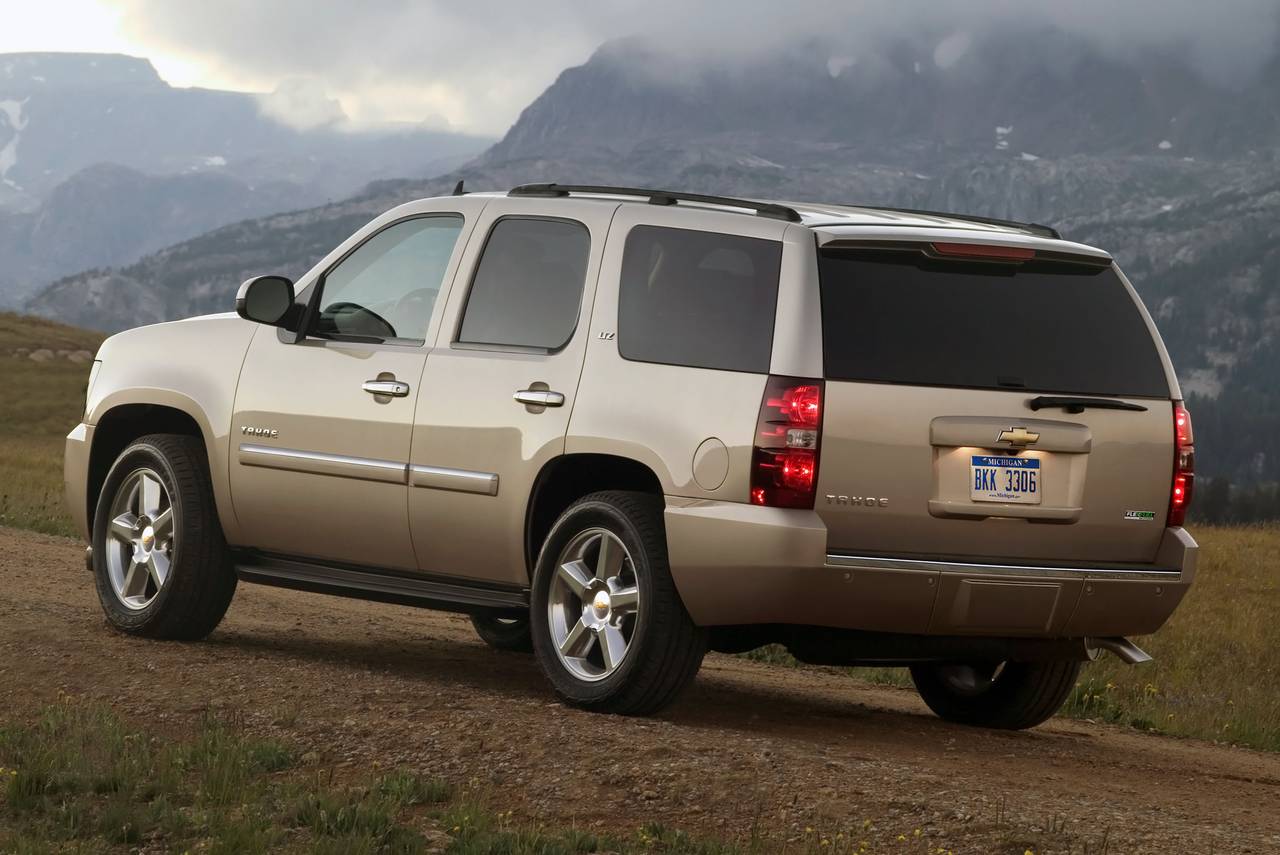
- Engine: 5.3L Vortec V8
- Horsepower: 320 hp
- Torque: 335 lb-ft
- Length: 202.0 in (5131 mm)
- Width: 79.0 in (2007 mm)
3. 2013 Chevrolet Tahoe
A third-generation full-size SUV from this era is often praised for prioritizing durability and simplicity over technological complexity. This approach results in a vehicle that is easier to maintain and less prone to the electronic issues commonly found in more modern, software-heavy designs.
Under the hood, a 5.3-liter Vortec V8 engine serves as the foundation of its reliability. This engine has earned a reputation for long service life and consistent performance when properly cared for. Its relatively simple mechanical layout also makes it easier for technicians to diagnose issues and complete repairs without excessive labor costs.
One of its defining strengths is the reduced presence of advanced electronics. While it still includes basic modern conveniences, it avoids the extensive sensor systems and deeply integrated infotainment setups seen in newer SUVs. This lowers the likelihood of failures related to screens, sensors, or software malfunctions, which can be expensive to fix.
Structural toughness is another key advantage thanks to its body-on-frame construction. This traditional SUV design enhances its ability to handle towing, hauling, and rough driving conditions while maintaining long-term structural integrity. It is well-suited for heavy-duty use and continues to be favored as a practical workhorse.
Inside, the focus is on space and function rather than luxury features. The cabin provides generous seating capacity and flexible cargo arrangements, making it suitable for families and utility-focused use. While the design feels dated compared to newer interiors, it remains durable and practical over time.
Maintenance and repair costs are generally lower due to widely available parts and strong familiarity among independent mechanics. This accessibility helps keep long-term ownership manageable, reinforcing its reputation as a dependable and cost-effective used SUV choice.
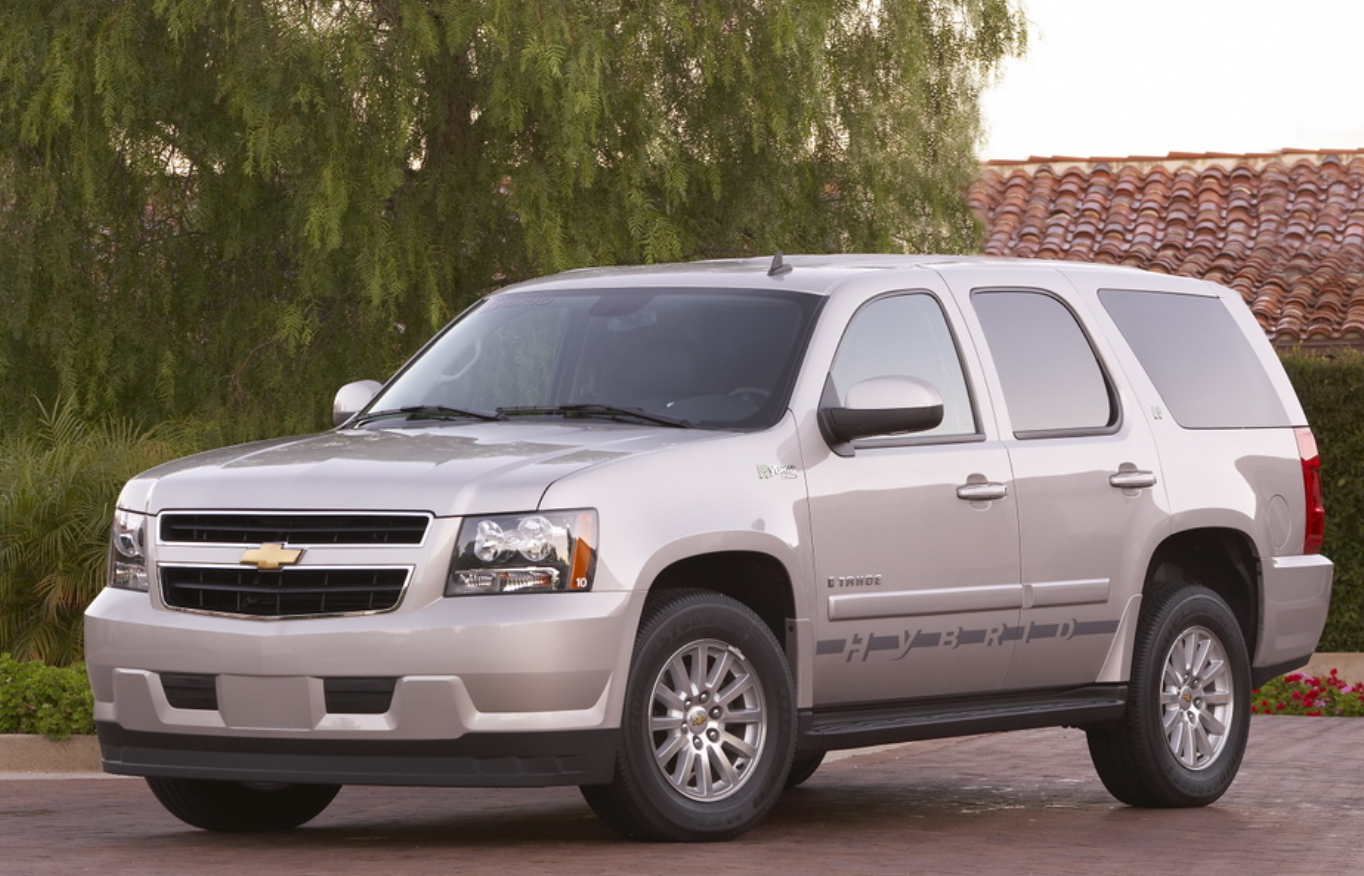
- Engine: 5.3L Vortec V8
- Horsepower: 320 hp
- Torque: 340 lb-ft
- Length: 202.0 in (5131 mm)
- Width: 79.0 in (2007 mm)
4. 2009 Chevrolet Tahoe
Among refreshed second-generation full-size SUVs, the 2009 model year is frequently regarded as one of the most balanced and dependable examples. It reflects several years of engineering updates and real-world refinement, resulting in improved consistency compared with earlier versions in the same generation.
At its core is a 5.3-liter V8 engine that delivers steady power for towing, highway cruising, and everyday driving. This engine has proven its long-term durability, with many examples still operating reliably today. Its lifespan is closely tied to regular maintenance, particularly oil changes and transmission servicing, which help preserve performance over high mileage.
Another advantage lies in its relatively straightforward electronic system design. While it includes essential features for its era, it avoids the heavy software integration seen in later models. This simplicity reduces the risk of costly electrical issues and makes troubleshooting and repairs more manageable for technicians.
Comfort is a notable strength as well, with a suspension setup designed to prioritize a smooth and stable ride. It performs well on long-distance journeys, offering a composed driving experience that remains consistent when key suspension components are kept in good condition.
Practicality inside the cabin adds to its appeal, with a spacious layout and flexible seating configurations that support both passenger comfort and cargo needs. Although interior materials are more functional than premium, they are built for durability and long-term use.
Ownership costs are generally reasonable thanks to strong parts availability and widespread mechanical familiarity among independent repair shops. This helps keep maintenance predictable, making it an appealing option for buyers focused on long-term affordability.
- Engine options:
- 5.3L V8
- 6.2L V8
- 3.0L Duramax diesel I6
- Horsepower:
- 355 hp (5.3L)
- 420 hp (6.2L)
- 277 hp (diesel)
- Torque:
- 383 lb-ft (5.3L)
- 460 lb-ft (6.2L)
- 460 lb-ft (diesel)
- Length: 210.7 in (5352 mm)
- Width: 81.0 in (2057 mm)
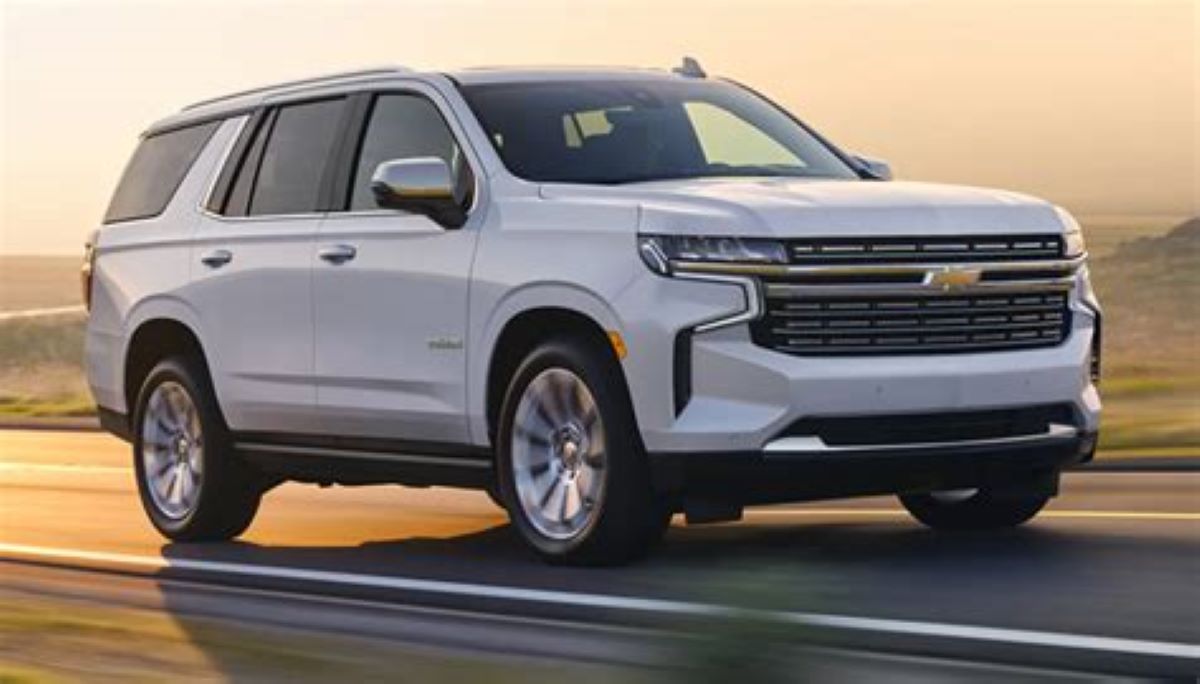
5. 2021 Chevrolet Tahoe
The 2021 Chevrolet Tahoe represents a major turning point for the nameplate, introducing a completely redesigned platform that significantly improves interior space, ride quality, and versatility. This generation shift is one of the most important in Tahoe’s history, as it addresses long-standing limitations in third row comfort and cargo capacity.
One of the most significant improvements is the introduction of an independent rear suspension system. This change dramatically enhances ride comfort and handling stability, especially on rough or uneven roads. It also increases interior space, particularly in the third row, making the Tahoe more comfortable for adult passengers than previous generations.
The 2021 model also offers updated engine options that improve both performance and efficiency. The 5.3-liter V8 remains a reliable choice, while the available diesel engine option provides excellent fuel economy and strong towing capability. These powertrains are designed to handle heavy use while maintaining long-term durability when serviced properly.
Inside the cabin, the 2021 Tahoe feels significantly more modern compared with older models. It features a redesigned dashboard, improved digital displays, and upgraded infotainment systems. The increased interior space is immediately noticeable, especially in terms of legroom and cargo capacity, making it one of the most practical full-size SUVs available in its class.
Safety technology is also a major strength. The 2021 model includes a wide range of driver assistance features such as lane keeping assistance, forward collision alert, and improved braking systems. These features contribute to both safety and driver confidence, especially on long highway trips.
While long-term reliability data is still developing, early performance suggests that the 2021 Tahoe has avoided many of the major issues that typically affect first-year redesigns. This makes it a strong option for buyers seeking modern features combined with improved comfort and practicality.
Also Read: IIHS Dings BMW i4 for Weak Headlights and AEB System
5 Chevy Tahoe Years With Costly Repairs
- Engine: 5.3L Vortec V8 (Active Fuel Management)
- Horsepower: 320 hp
- Torque: 340 lb-ft
- Length: 202.0 in (5131 mm)
- Width: 79.0 in (2007 mm)
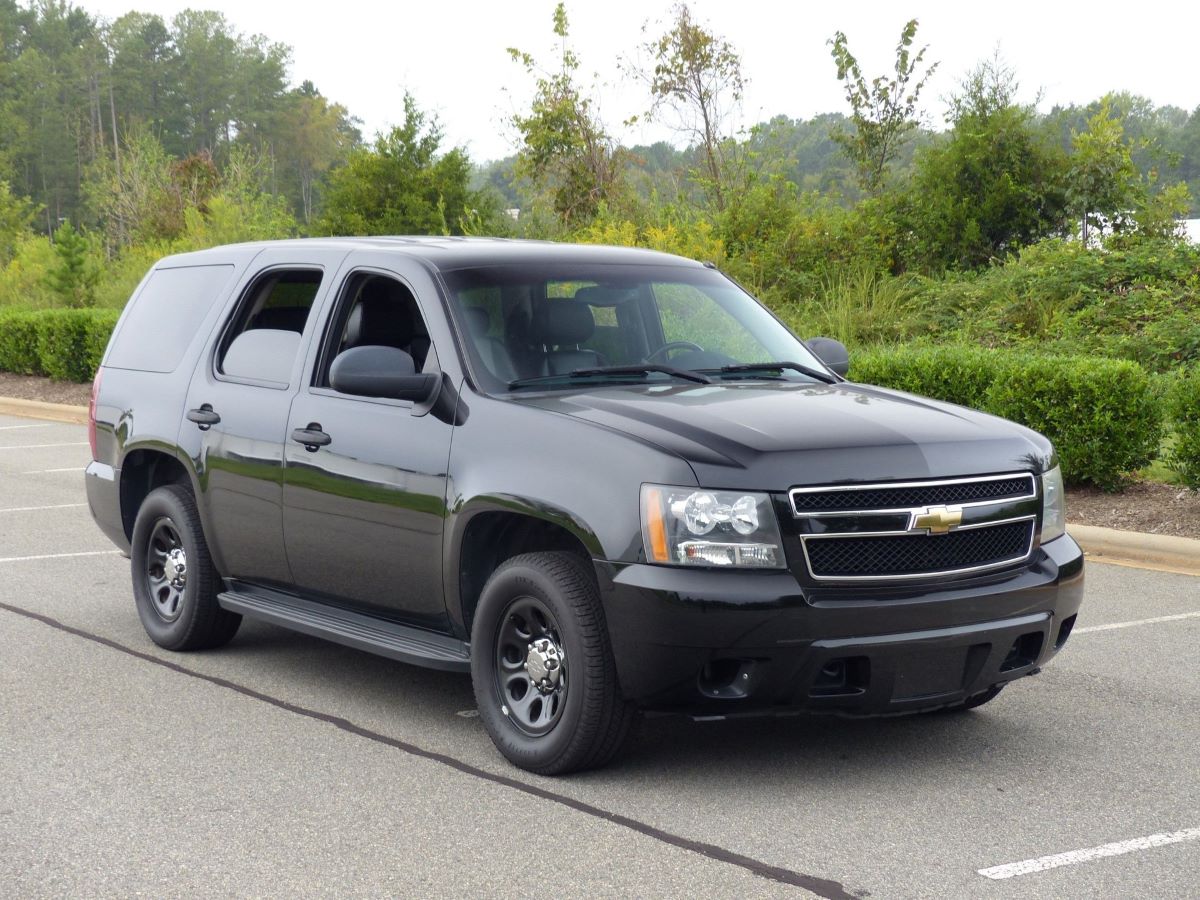
1. 2007 Chevrolet Tahoe
The 2007 Chevrolet Tahoe marks the first year of a major redesign, and while it introduced a more modern platform and updated styling, it also carried several early production problems that impacted long-term reliability. As with many first-year redesigns, engineering refinements were still in progress, resulting in a higher likelihood of mechanical and electrical issues.
A commonly reported concern is excessive oil consumption, often associated with the Active Fuel Management system. This fuel-saving technology deactivates cylinders under light load, but in practice, it has been linked to increased oil usage and accelerated engine wear. Some owners find themselves needing to frequently top off oil between service intervals, which can become problematic if not closely monitored.
Transmission reliability is another weak point. With higher mileage, some vehicles develop harsh shifting, slipping gears, or even complete transmission failure. Given the size and weight of the SUV, repairs or replacements can be costly and represent a significant portion of long-term ownership expenses, especially for vehicles used in towing or heavy-duty conditions without strict maintenance routines.
Electrical system consistency is also an issue, with reports of dashboard malfunctions, sensor failures, and intermittent glitches. These problems can be difficult to trace due to the interconnected nature of modern vehicle electronics, where a single fault may trigger multiple warning indicators.
Interior durability has also drawn criticism, particularly dashboard cracking caused by heat exposure and material aging. This not only affects appearance but can also reduce resale value and lead to expensive interior repairs.
Although it still offers strong capability and performance, the combination of engine, transmission, electrical, and interior concerns makes this model year a higher-risk option for used SUV buyers.
- Engine: 5.3L EcoTec3 V8
- Horsepower: 355 hp
- Torque: 383 lb-ft
- Length: 204.0 in (5179 mm)
- Width: 80.5 in (2045 mm)
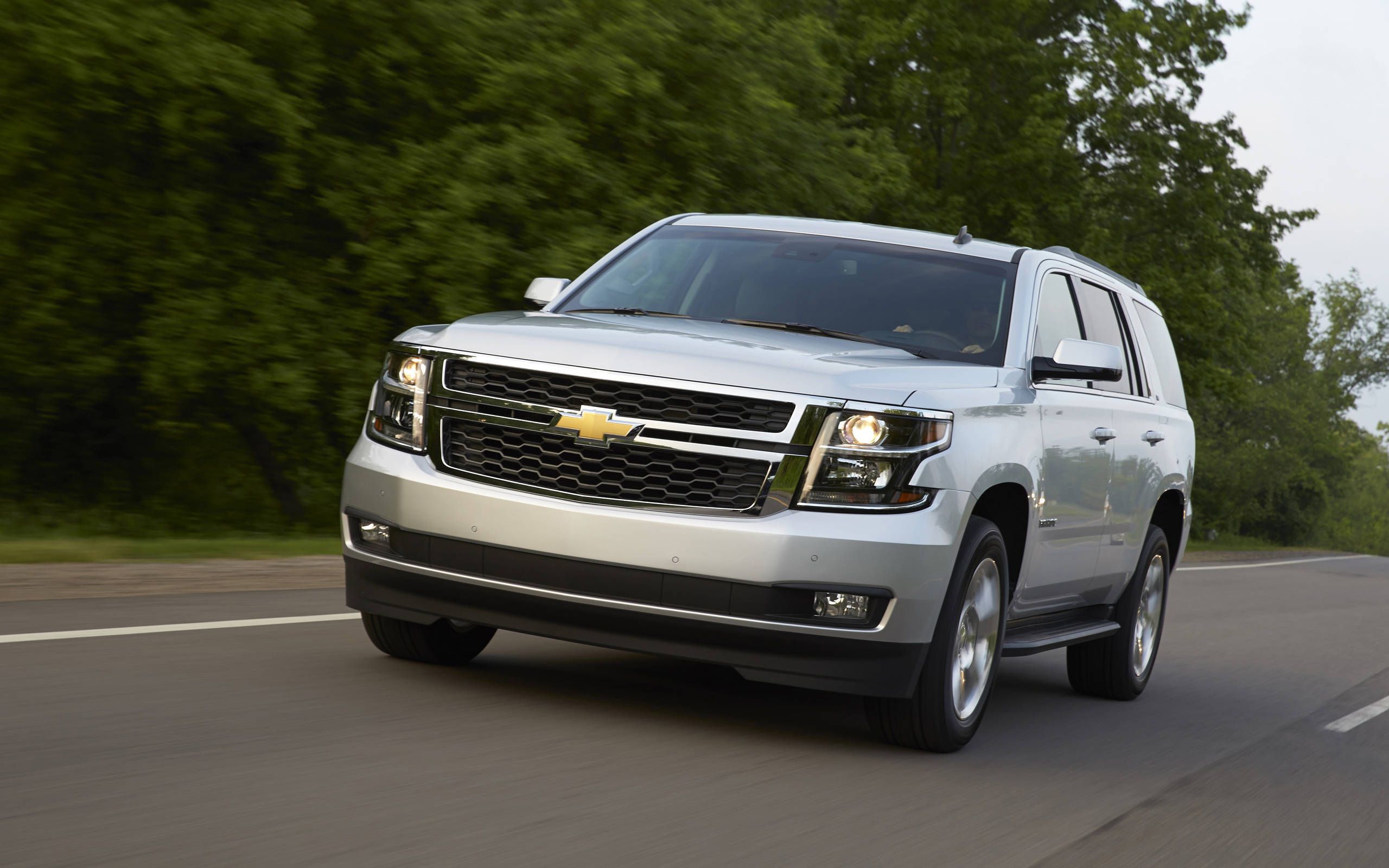
2. 2015 Chevrolet Tahoe
The 2015 Chevrolet Tahoe is part of the early production phase of the fourth-generation redesign, a period often associated with higher risk as manufacturers work through initial refinement challenges. Although it introduced a more modern platform, updated styling, and improved technology, the added complexity also contributed to a range of reliability concerns.
Electrical systems and infotainment functions are among the most frequently criticized areas. Many owners reported touchscreen glitches, frozen displays, and unresponsive controls. While software updates resolved some issues, others required hardware replacement, which can be costly due to the integrated nature of modern dashboard systems.
Transmission performance is another point of inconsistency. Some vehicles experience rough or delayed shifting, hesitation during gear changes, and occasional vibration under acceleration. These symptoms do not affect every unit, but the uneven performance makes long-term reliability less predictable compared to later, more refined model years in the same generation.
Climate control reliability also raises concerns, particularly with the air conditioning system. Failures involving compressors or refrigerant components have been reported, and repairs can be expensive due to labor requirements and part costs. In hotter regions, this issue becomes especially inconvenient and may recur if underlying problems are not fully corrected.
Despite these drawbacks, the 2015 model still offers solid capability and comfort typical of the Tahoe nameplate. However, its position as an early-generation vehicle means it is more likely to face unexpected repairs compared with more mature versions like 2017 or 2019, which benefited from additional refinement and improved system stability.
- Engine: 5.3L Vortec V8
- Horsepower: 285 hp
- Torque: 325 lb-ft
- Length: 198.9 in (5052 mm)
- Width: 78.9 in (2004 mm)
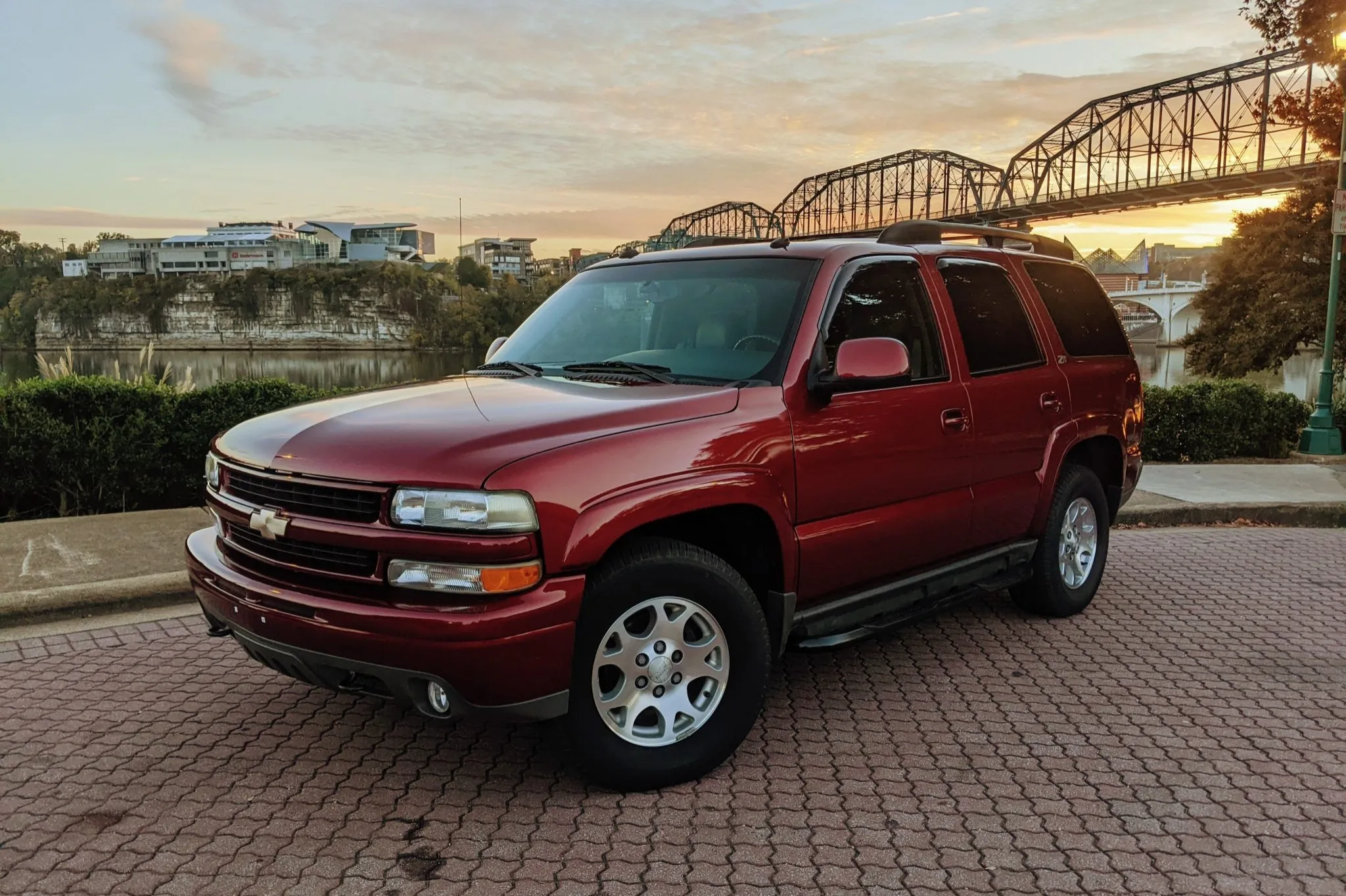
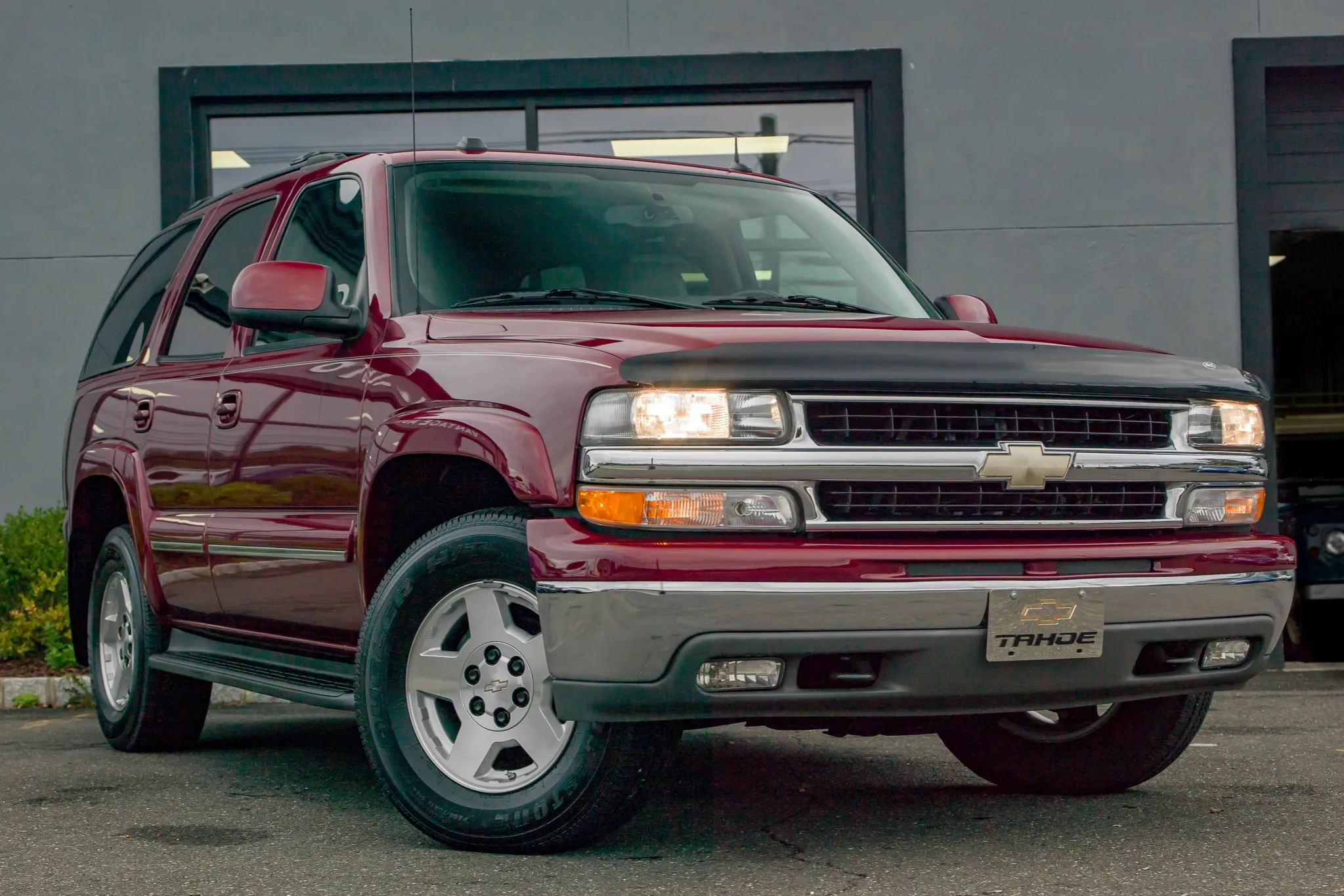
3. 2003 Chevrolet Tahoe
The 2003 Chevrolet Tahoe is part of the second generation and has developed a reputation for aging-related reliability problems, particularly in its electrical systems and transmission components. While many examples still operate today, they often require significant maintenance to remain dependable.
One of the most widely documented issues is instrument cluster failure. Many owners report malfunctioning gauges, including inaccurate speedometers, fuel readings, and temperature displays. In some cases, the entire cluster stops functioning. While repair kits exist, the issue can be recurring and frustrating for long-term ownership.
Transmission wear is another major concern, especially in higher-mileage vehicles. Symptoms may include delayed shifting, slipping gears, or complete transmission breakdown. Given the age of these vehicles, transmission rebuilds or replacements are common, and these repairs can quickly exceed the market value of the SUV itself.
Electrical system problems are also prevalent in this model year. Issues such as faulty wiring connections, sensor failures, and intermittent electrical malfunctions are frequently reported. These problems can be difficult to diagnose and may require multiple repair attempts before resolution.
Suspension components also tend to wear out due to age and usage. Ball joints, bushings, and shocks often require replacement, especially in vehicles that have been driven extensively or used for towing. While these are expected maintenance items in older SUVs, the cumulative cost can be significant.
Despite its strong engine platform, the 2003 Tahoe requires careful maintenance and inspection to avoid ongoing repair expenses, making it less desirable for buyers seeking low-cost ownership.
- Engine: 5.3L Vortec V8
- Horsepower: 295 hp
- Torque: 330 lb-ft
- Length: 198.9 in (5052 mm)
- Width: 78.9 in (2004 mm)
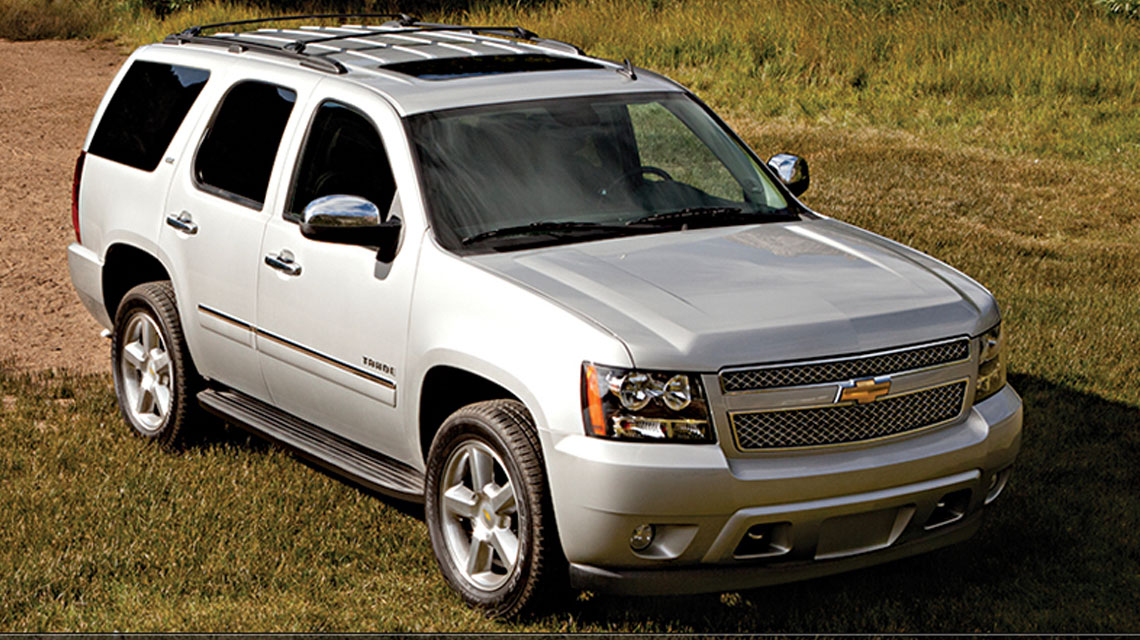
4. 2004 Chevrolet Tahoe
The 2004 Chevrolet Tahoe shares many of the same structural and mechanical characteristics as the 2003 model, which means it also inherits several of the same long-term reliability concerns. As these vehicles continue to age, certain issues become more pronounced, particularly those related to electronics, transmission performance, and suspension wear.
Instrument cluster failure remains one of the most common complaints. Drivers often experience erratic or non-functioning gauges, which can impact driving safety and confidence. While repairs are possible, the recurrence of the issue makes it an ongoing concern for many owners.
Transmission durability is another weak point. With higher mileage, some vehicles begin to exhibit slipping, hard shifting, or complete transmission failure. These repairs are not only expensive but also complex, requiring significant labor and specialized expertise.
Suspension wear is also more noticeable in the 2004 model year due to age and usage. Components such as control arms, shocks, and bushings often require replacement. While these repairs are typical for older SUVs, they become more frequent and costly as the vehicle ages beyond 15 to 20 years.
Because of these combined issues, the 2004 Tahoe is often considered a higher-maintenance option, especially for buyers seeking a reliable daily driver.
- Engine: 5.3L Vortec V8 (Active Fuel Management)
- Horsepower: 320 hp
- Torque: 335 lb-ft
- Length: 202.0 in (5131 mm)
- Width: 79.0 in (2007 mm)
5. 2012 Chevrolet Tahoe
The 2012 Chevrolet Tahoe is frequently criticized for engine-related issues, particularly those associated with the Active Fuel Management system. While the intention behind this technology was to improve fuel economy by shutting down cylinders under light load, it introduced long-term reliability concerns in some vehicles.
One of the most significant problems is excessive oil consumption. Some owners report needing to add oil frequently between scheduled oil changes, which can indicate internal engine wear or design-related issues. If left unchecked, low oil levels can lead to severe engine damage, including lifter failure or even complete engine breakdown.
Lifter and valve train problems are also commonly associated with this model year. Symptoms may include ticking noises from the engine, rough performance, or misfires. Repairs often require extensive labor, as accessing internal engine components is time-consuming and costly.
Another concern is the long-term durability of the Active Fuel Management system itself. In some cases, components related to cylinder deactivation can fail, leading to reduced performance or triggering engine warning lights. These issues may require specialized repairs that are not inexpensive.
Despite offering strong performance and capability, the 2012 Tahoe’s engine-related concerns make it a riskier choice for buyers prioritizing long-term dependability and low maintenance costs.
