
The automotive industry is constantly evolving, with manufacturers regularly introducing new technology, styling updates, safety systems, and interior improvements. Despite this trend, a handful of vehicles have retained a remarkably consistent design for decades. Their distinctive shapes and proportions remain instantly recognizable across generations, turning them into automotive icons.
This lasting appeal stems from successful original designs that manufacturers chose to refine rather than replace. Customer loyalty also plays a major role, as many buyers value familiarity and heritage.
While modern safety, engineering, and performance requirements continue to evolve, these vehicles preserve key styling elements that define their identity. The following eight cars demonstrate how timeless design can remain relevant for decades while adapting to changing automotive standards.
Also Read: 10 SUVs That Are Just Tall Hatchbacks
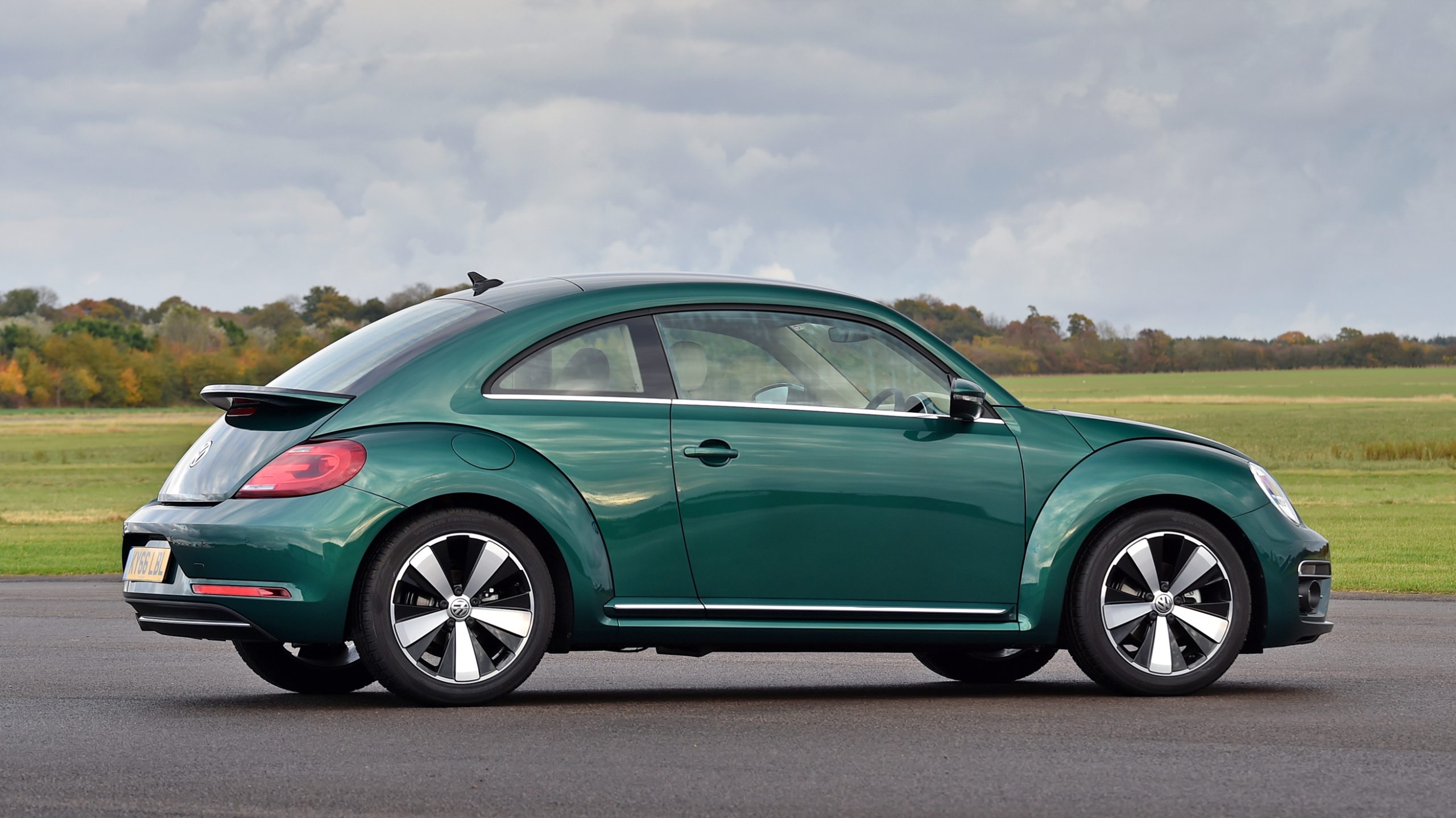
- Engine: 2.0L TSI turbocharged petrol (Final Edition)
- Horsepower: 174 hp
- Torque: 250 Nm
- Length: 4,278 mm
- Width: 1,808 mm
1. Volkswagen Beetle
The Volkswagen Beetle remains one of the most enduring examples of automotive design consistency. Originally developed as an affordable and practical vehicle for mass transportation, its distinctive rounded shape was driven by function rather than styling trends. This purpose-focused approach gave the Beetle a timeless appearance that remained recognizable for generations.
Over time, the Beetle evolved from a simple economy car into a global cultural icon associated with freedom, accessibility, and individuality. Because of this strong emotional connection, Volkswagen preserved many of its defining features, including the curved roofline, circular headlights, and compact proportions. These elements became essential parts of the car’s identity, making major design changes undesirable.
The Beetle’s longevity was also supported by the effectiveness of its original shape. Its rounded body offered respectable aerodynamic efficiency for its era while maintaining a unique visual character. Instead of introducing radical redesigns, Volkswagen refined details such as lighting, bumpers, interior technology, and comfort features while retaining the familiar silhouette.
Even modern interpretations stayed closely connected to the original model through retro-inspired styling cues. By balancing heritage with contemporary engineering, the Beetle demonstrated how a vehicle can remain relevant without abandoning its roots. Its decades-long design continuity highlights the lasting value of a shape that successfully combines functionality, emotional appeal, and unmistakable identity.
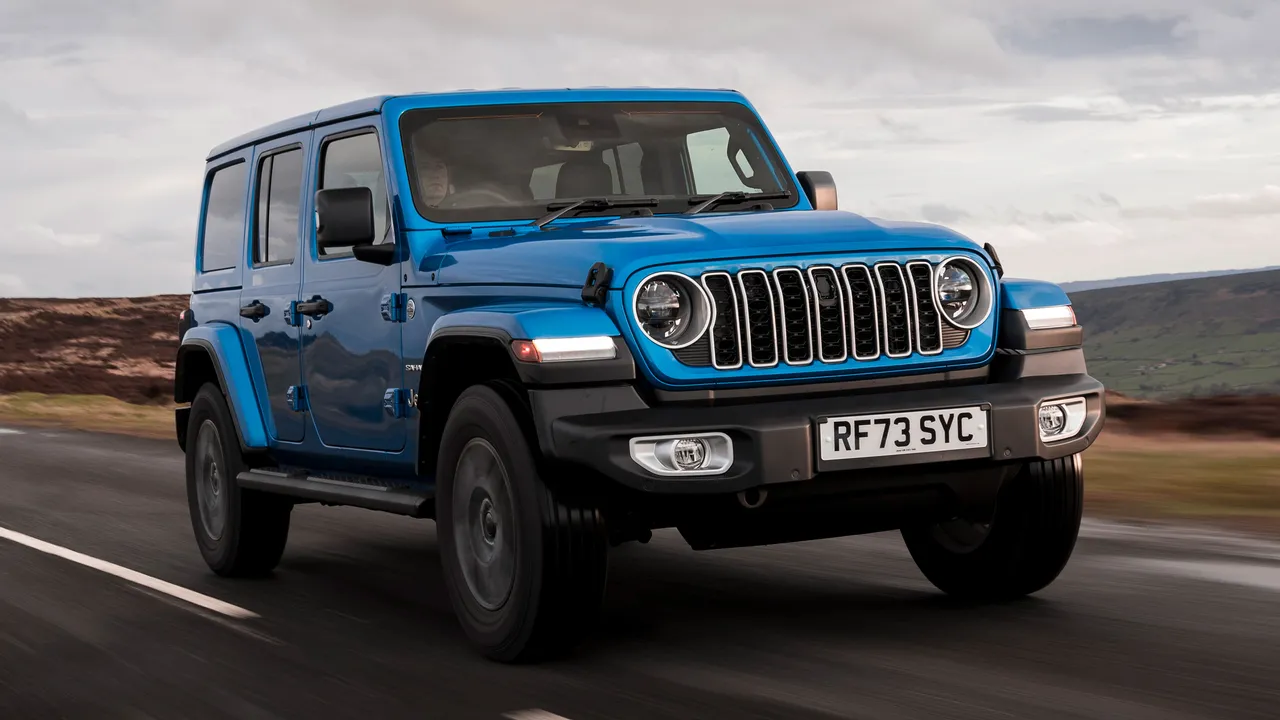
- Engine: 2.0L turbo petrol (commonly used modern variant)
- Horsepower: 270 hp
- Torque: 400 Nm
- Length: 4,334 mm (2-door) to 4,785 mm (4-door)
- Width: 1,875 mm
2. Jeep Wrangler
Few vehicles have remained as visually consistent as the Jeep Wrangler, largely because its design is dictated by purpose. The boxy body, upright stance, and rugged proportions were originally developed to tackle challenging terrain, providing excellent visibility, durability, and off-road capability. These practical advantages have allowed the Wrangler’s core appearance to remain largely unchanged for decades.
Its enduring popularity is also tied to the strong image it has built among drivers. Widely associated with outdoor adventure and exploration, the Wrangler has become an automotive icon whose appearance is instantly recognizable around the world. Owners often value this heritage, encouraging Jeep to preserve the vehicle’s traditional styling rather than pursue dramatic redesigns.
Beneath the familiar exterior, however, the Wrangler has continuously evolved. Successive generations have introduced improved safety systems, more efficient powertrains, advanced suspension technology, and modern infotainment features. These upgrades help the vehicle meet current expectations while maintaining the character that enthusiasts appreciate.
The Wrangler’s modular construction further supports its design continuity. Features such as removable doors, detachable roof panels, and fold-down windshields require a specific structural layout, limiting major styling changes. This combination of functional design, cultural significance, and engineering practicality has helped preserve its identity across generations. The result is a vehicle that successfully blends modern technology with a timeless appearance, proving that consistency can be one of the strongest elements of automotive design.
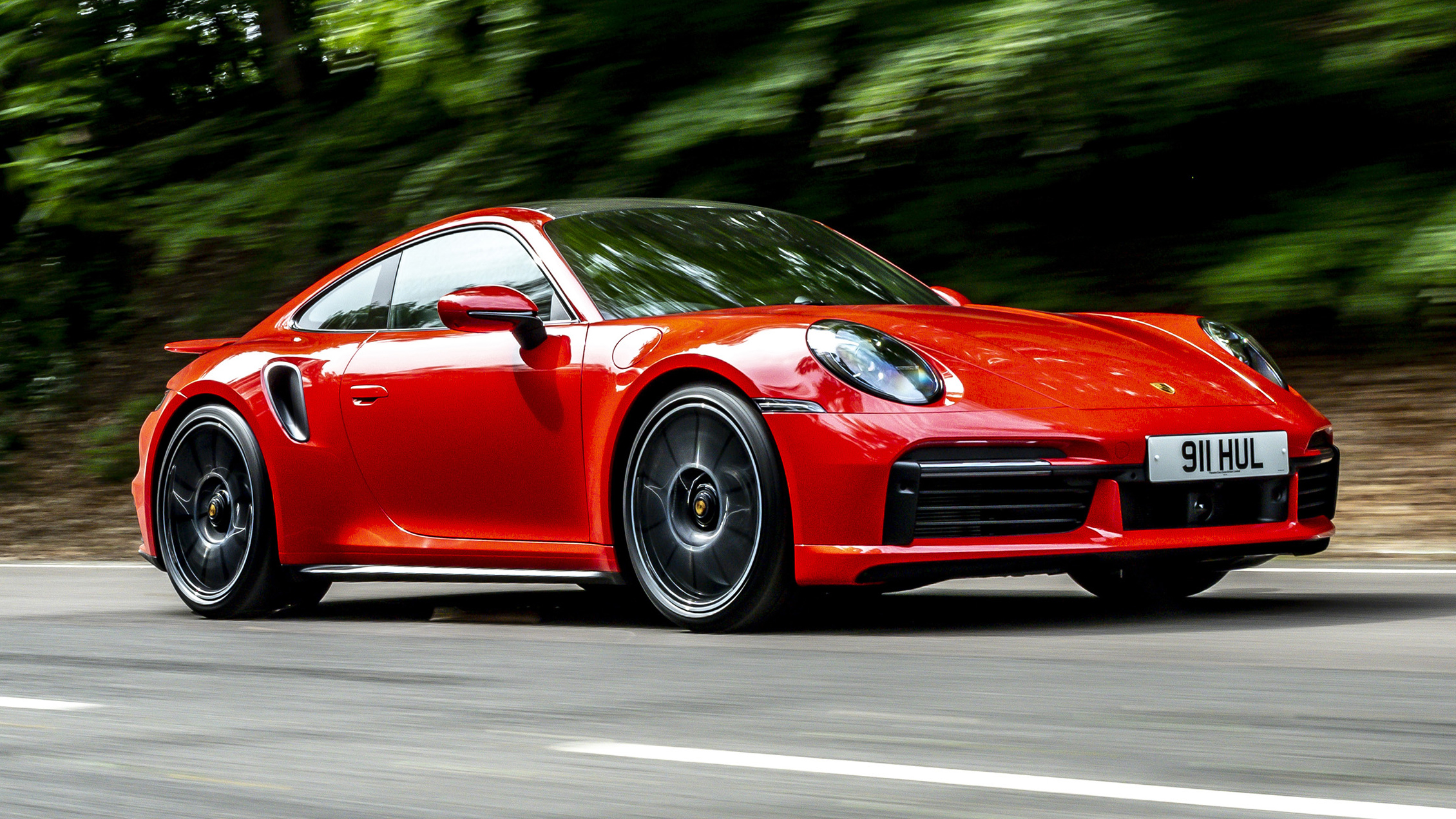
- Engine: 3.0L twin-turbo flat-six
- Horsepower: 379 hp to 640 hp (variant dependent)
- Torque: 450 Nm to 800 Nm
- Length: ~4,519 mm
- Width: ~1,852 mm
3. Porsche 911
Consistency has been one of the defining strengths of the Porsche 911 since its introduction. Rather than undergoing dramatic redesigns, the sports car has evolved through a series of careful refinements that preserve its unmistakable character. This approach stems largely from its unique rear-engine architecture, which naturally dictates the model’s signature proportions, including its curved roofline, compact nose, and sloping rear section.
Porsche has long regarded the 911 as a continuation of a legacy rather than a completely new product with each generation. As a result, updates typically focus on improving performance, aerodynamics, and technology while maintaining the design elements that enthusiasts instantly recognize. Modern versions feature more advanced lighting, improved airflow management, and sharper styling details, yet they remain visually connected to earlier models.
The loyalty of 911 owners has also contributed to its enduring appearance. Many buyers appreciate the model’s rich heritage and expect each generation to retain the qualities that made previous versions iconic. Significant styling departures could weaken that connection, making gradual evolution the preferred strategy.
This philosophy has allowed the 911 to remain relevant in an increasingly competitive sports car market. By blending modern engineering with a familiar design language, Porsche has created a vehicle that feels contemporary without abandoning its roots. Its decades-long success demonstrates how preserving a strong identity can be just as important as pursuing innovation.
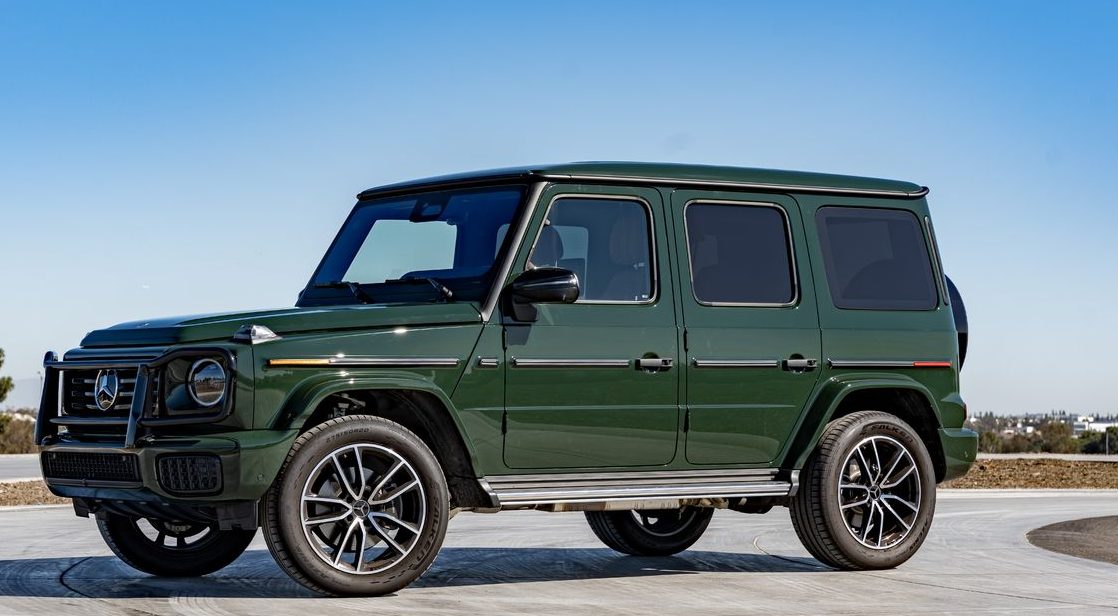
- Engine: 4.0L V8 biturbo (AMG G63 variant)
- Horsepower: 577 hp
- Torque: 850 Nm
- Length: ~4,819 mm
- Width: ~1,968 mm
4. Mercedes-Benz G-Class
The Mercedes-Benz G-Class has one of the most recognizable silhouettes in the luxury SUV segment, defined by its rigid boxy shape and upright stance. Originally developed as a military utility vehicle, its design prioritized durability, simplicity, and structural strength.
These foundational principles resulted in a body shape that has remained largely unchanged for decades because it continues to serve its original functional purpose effectively.
As the G-Class transitioned into a luxury vehicle, its exterior design became a symbol of heritage and authenticity. Instead of replacing its rugged appearance with modern aerodynamic styling, Mercedes chose to preserve its original form. This decision created a unique contrast where a vehicle designed for harsh environments became a status symbol in urban luxury markets while still retaining its utilitarian identity.
Inside the vehicle, however, the transformation has been dramatic. Modern versions feature premium leather interiors, advanced digital dashboards, and high-end comfort systems. This duality between exterior ruggedness and interior luxury is a defining characteristic of the G-Class. It allows the vehicle to maintain its heritage appeal while meeting modern expectations for comfort and technology.
Another key reason for its unchanged exterior is structural integrity. The boxy frame provides exceptional rigidity, which contributes to off-road performance and durability. Changing this shape would compromise the very qualities that made the G-Class successful in the first place. Therefore, design consistency is not just aesthetic but also engineering-driven.
The Mercedes G-Class stands as proof that, in certain cases, evolution does not require visual reinvention. Instead, it requires careful preservation of identity while upgrading everything beneath the surface.
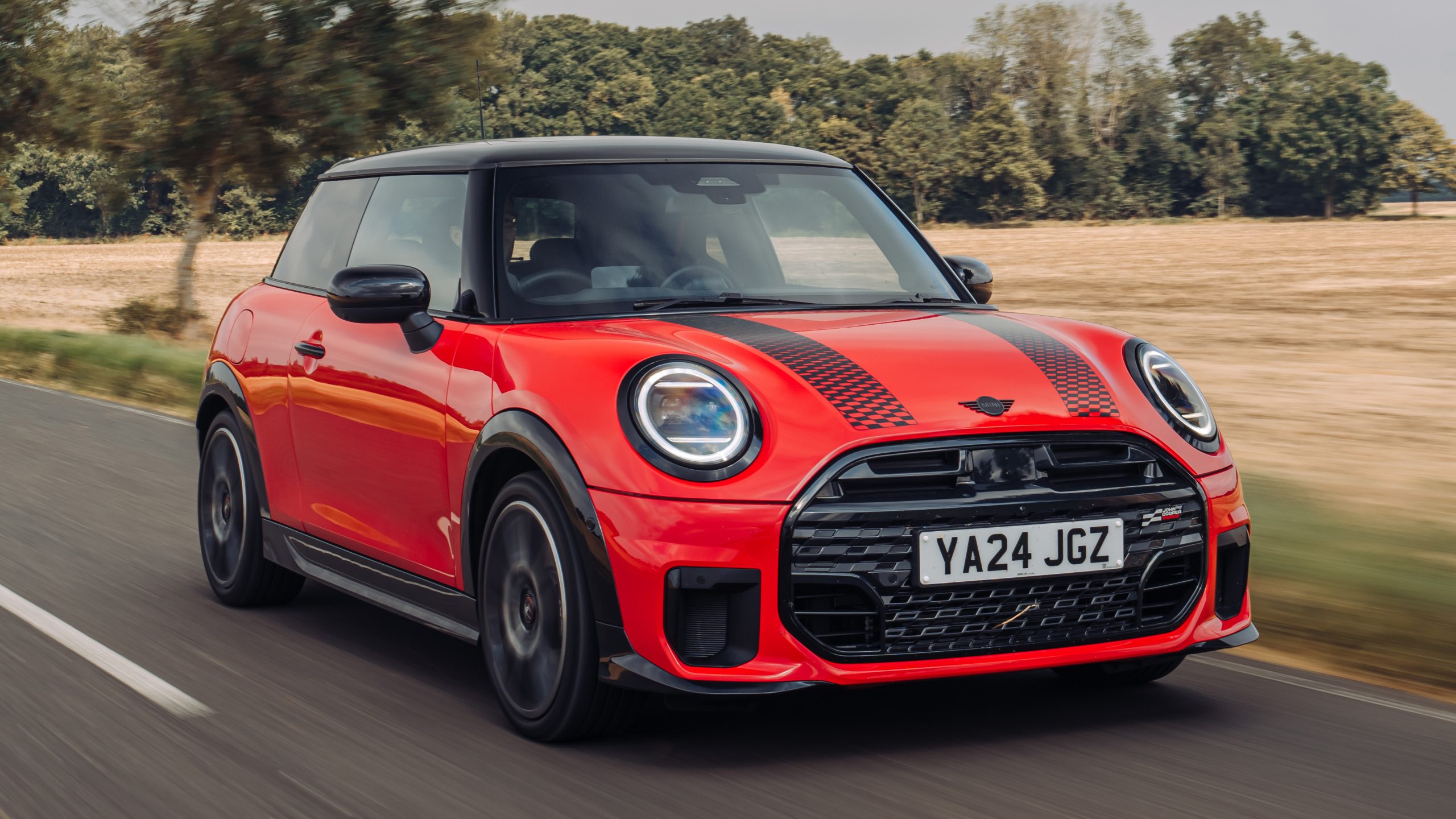
- Engine: 1.5L 3-cylinder turbo petrol
- Horsepower: 136 hp
- Torque: 220 Nm
- Length: ~3,863 mm
- Width: ~1,727 mm
5. Mini Cooper: Compact Design with Lasting Personality
The Mini Cooper is one of the most iconic compact cars ever created, known for its distinctive proportions and playful design language. Its small footprint, wide stance, and circular design elements were originally developed to maximize interior space while minimizing external size. This efficient packaging created a design so effective that it remained relevant across decades with only subtle refinements.
The Mini’s design consistency is closely tied to its cultural identity. It represents urban driving, British automotive heritage, and a sense of fun in mobility. These associations have made its shape more than just a functional design, turning it into a brand symbol. As a result, major visual changes would risk breaking the emotional connection that drivers have with the car.
Even in modern versions, the Mini retains its signature circular headlights, contrasting roof colors, and compact body proportions. While the platform underneath has evolved significantly to meet modern safety and performance standards, the exterior remains a carefully modernized version of the original concept. This ensures that the vehicle remains instantly recognizable even in new generations.
Another reason for its consistent design is its urban efficiency. The compact shape is ideal for city environments, parking ease, and maneuverability. Since these needs have not changed significantly over time, the core design remains functionally relevant. This functional stability reinforces the visual stability of the car.
The Mini Cooper demonstrates how a vehicle can evolve technologically while preserving its identity. Its near-unchanged appearance across decades proves that strong design language can become timeless when it aligns perfectly with purpose and culture.
Also Read: IIHS Dings BMW i4 for Weak Headlights and AEB System
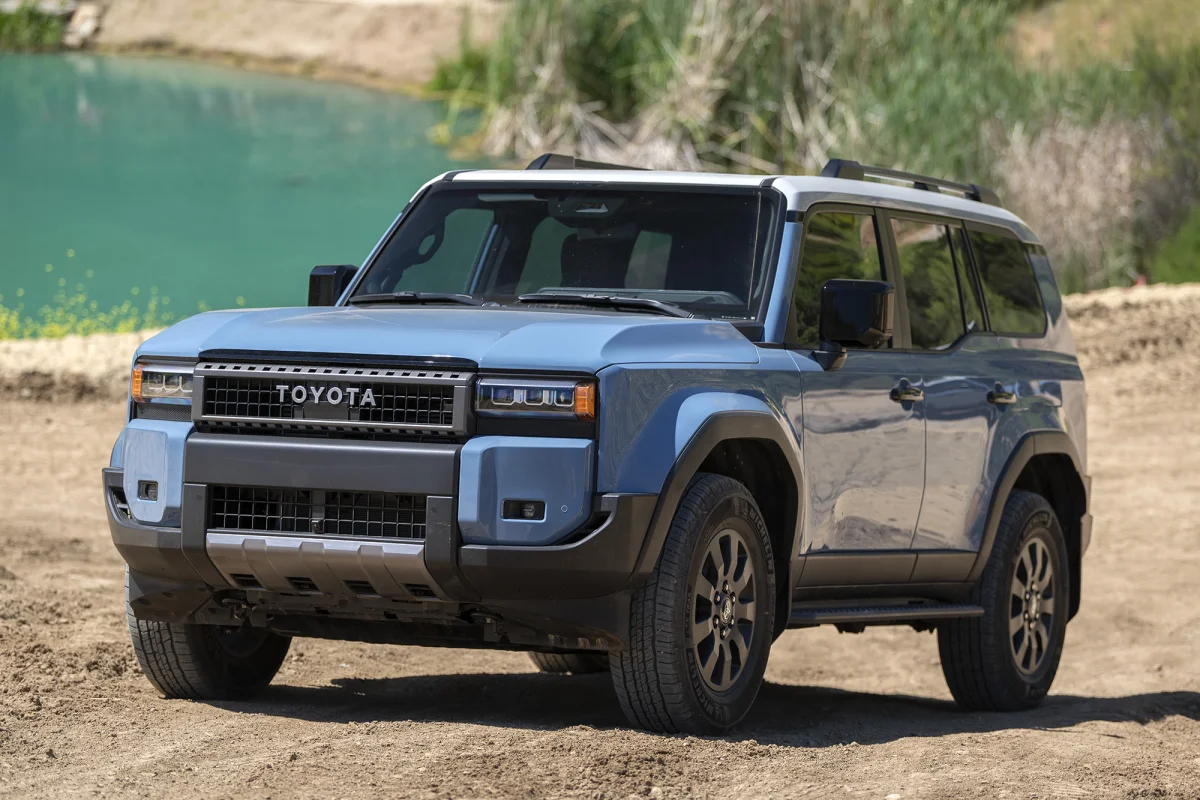
- Engine: 3.3L twin-turbo V6 diesel (Land Cruiser 300)
- Horsepower: 309 hp
- Torque: 700 Nm
- Length: ~4,950 mm
- Width: ~1,980 mm
6. Toyota Land Cruiser: Built for Endurance and Familiarity
The Toyota Land Cruiser has built its reputation on one core principle: absolute reliability in the harshest conditions on Earth. From deserts and mountains to remote rural regions and conflict zones, this vehicle has proven itself as a dependable machine where failure is not an option.
This mission-driven purpose has had a direct impact on its design language. Unlike vehicles that constantly chase styling trends, the Land Cruiser prioritizes a form that supports strength, durability, and mechanical simplicity. Its boxy structure, high ground clearance, and solid proportions are not just aesthetic choices but essential engineering decisions that allow it to function in extreme environments.
One of the key reasons the Land Cruiser’s design has remained so consistent over decades is its global utility role. It is used by governments, humanitarian organizations, military units, and rural communities where roads may not exist at all. In such environments, familiarity is extremely valuable.
A driver in a remote region benefits more from a vehicle that behaves and looks predictably than one that constantly changes its structure. Because of this, Toyota has intentionally preserved its core silhouette while upgrading everything beneath the surface. The result is a vehicle that feels familiar across generations, even as its internal technology evolves dramatically.
Another important factor is engineering durability. The Land Cruiser is designed with a body-on-frame architecture, which naturally supports a robust, squared design. This structural approach makes it easier to repair, modify, and maintain in areas with limited access to advanced service facilities.
Changing the external shape significantly would require rethinking this entire mechanical philosophy. Therefore, the visual consistency is closely tied to mechanical practicality. The design is not frozen out of nostalgia but preserved because it works in real-world conditions better than many modern alternatives.
Despite its rugged roots, modern versions of the Land Cruiser have introduced significant advancements in comfort, safety, and technology. Interiors now include advanced infotainment systems, improved seating ergonomics, and enhanced driver assistance features.
However, these upgrades are carefully integrated without disrupting the exterior identity. This balance ensures that the vehicle can serve both traditional utility markets and modern luxury SUV buyers without losing its essence.
The Toyota Land Cruiser represents one of the strongest examples of design continuity in the automotive world. Its nearly unchanged appearance across decades is a result of functional necessity, global trust, and engineering consistency. It proves that when a design is perfectly aligned with its purpose, there is no need for dramatic visual reinvention.
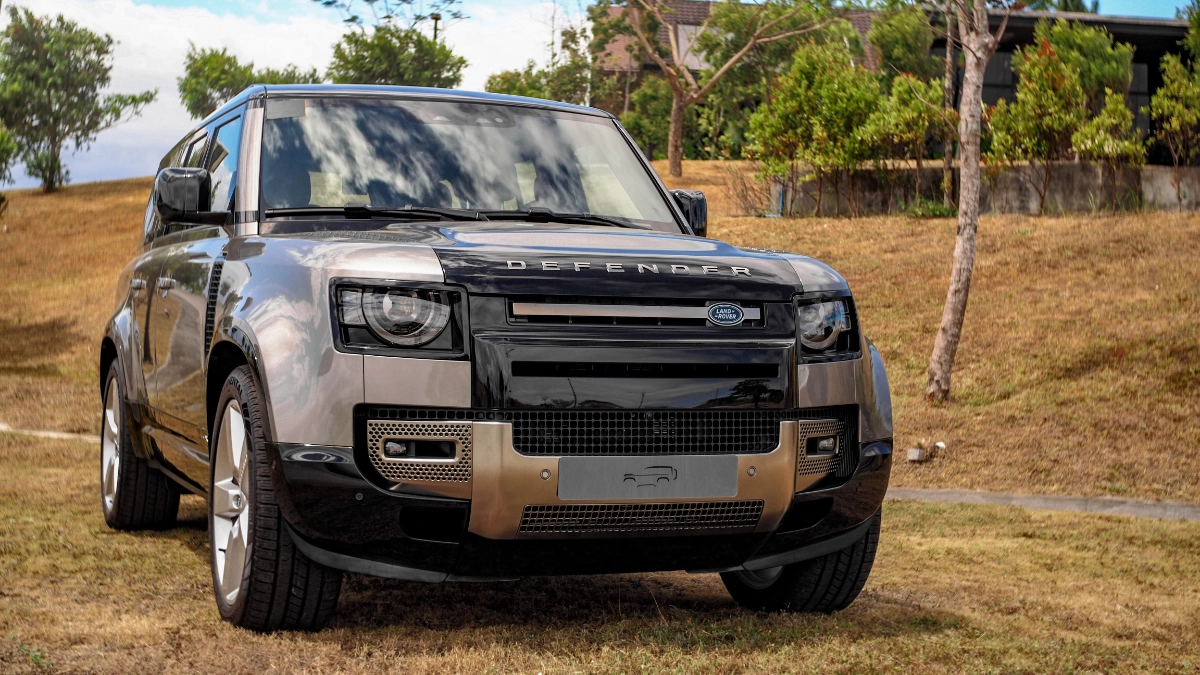
- Engine: 2.0L turbo petrol (P300 variant)
- Horsepower: 296 hp
- Torque: 400 Nm
- Length: ~4,758 mm (110 version)
- Width: ~1,996 mm
7. Land Rover Defender: Heritage Through Hard Edges
The Land Rover Defender is one of the most recognizable off-road vehicles ever created, and its design language is rooted deeply in practicality. Originally developed for agricultural and industrial use in post war Britain, the Defender was designed to be simple, repairable, and capable of surviving in remote and rugged environments.
This origin shaped its iconic boxy silhouette, flat panels, and exposed structural elements. Unlike modern SUVs that prioritize aerodynamic curves, the Defender was built with function as the primary design driver, and that foundation has remained visible throughout its evolution.
One of the most defining aspects of the Defender’s consistency is its connection to heritage. Over time, it became a symbol of exploration, adventure, and resilience. Whether used in deserts, mountains, or rural farmlands, the vehicle’s shape communicated reliability without needing explanation.
Because of this strong association, designers were extremely cautious about altering its appearance. Any radical redesign would risk breaking the emotional link between the vehicle and its long-standing reputation. As a result, even modern interpretations continue to reflect the original geometric simplicity that defined its early generations.
The Defender’s design also benefits from its modular and utilitarian structure. Features such as flat glass surfaces, vertical body panels, and simple mechanical assemblies were originally chosen to make repairs easier in field conditions. These elements are not just aesthetic markers but practical solutions to real-world problems.
This means that the vehicle’s shape is inherently resistant to drastic change. Instead of redesigning the entire form, engineers focus on improving materials, safety systems, and chassis performance while keeping the recognizable exterior intact.
In its modern form, the Defender has undergone a significant transformation in terms of comfort and technology. It now includes advanced infotainment systems, luxury interior finishes, and improved ride quality that aligns it more closely with premium SUVs.
However, this modernization has been deliberately balanced with its traditional exterior identity. The boxy silhouette, upright stance, and rugged visual cues remain intact, ensuring that the vehicle continues to represent its heritage even in urban luxury environments.
The Land Rover Defender stands as a powerful example of how functional design can evolve without losing its identity. Its consistent appearance across decades demonstrates that when a vehicle becomes a symbol of capability and endurance, preserving its original form is not a limitation but a strategic design choice.
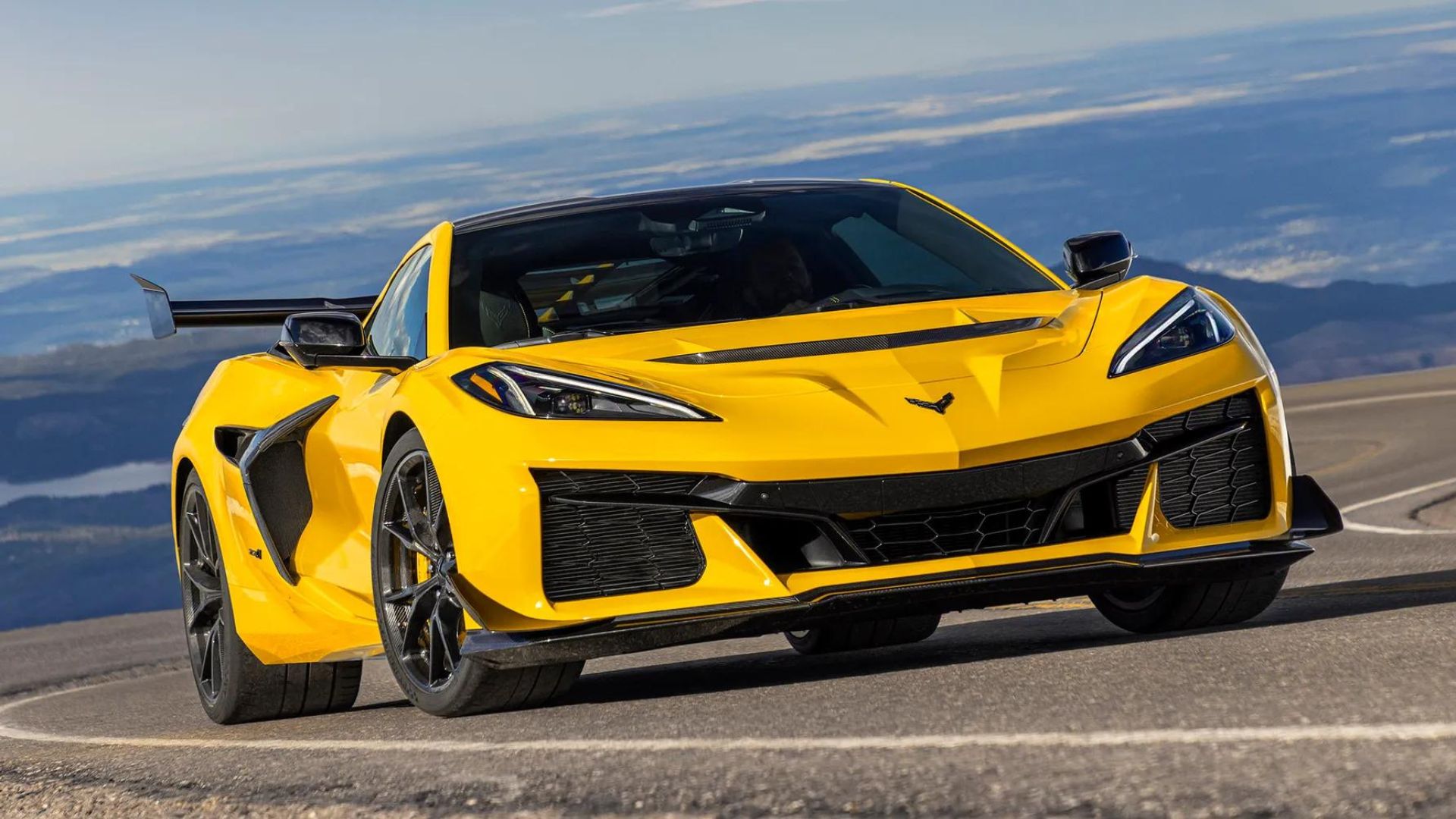
- Engine: 6.2L V8 (LT2, naturally aspirated)
- Horsepower: 495 hp
- Torque: 637 Nm
- Length: ~4,630 mm
- Width: ~1,933 mm
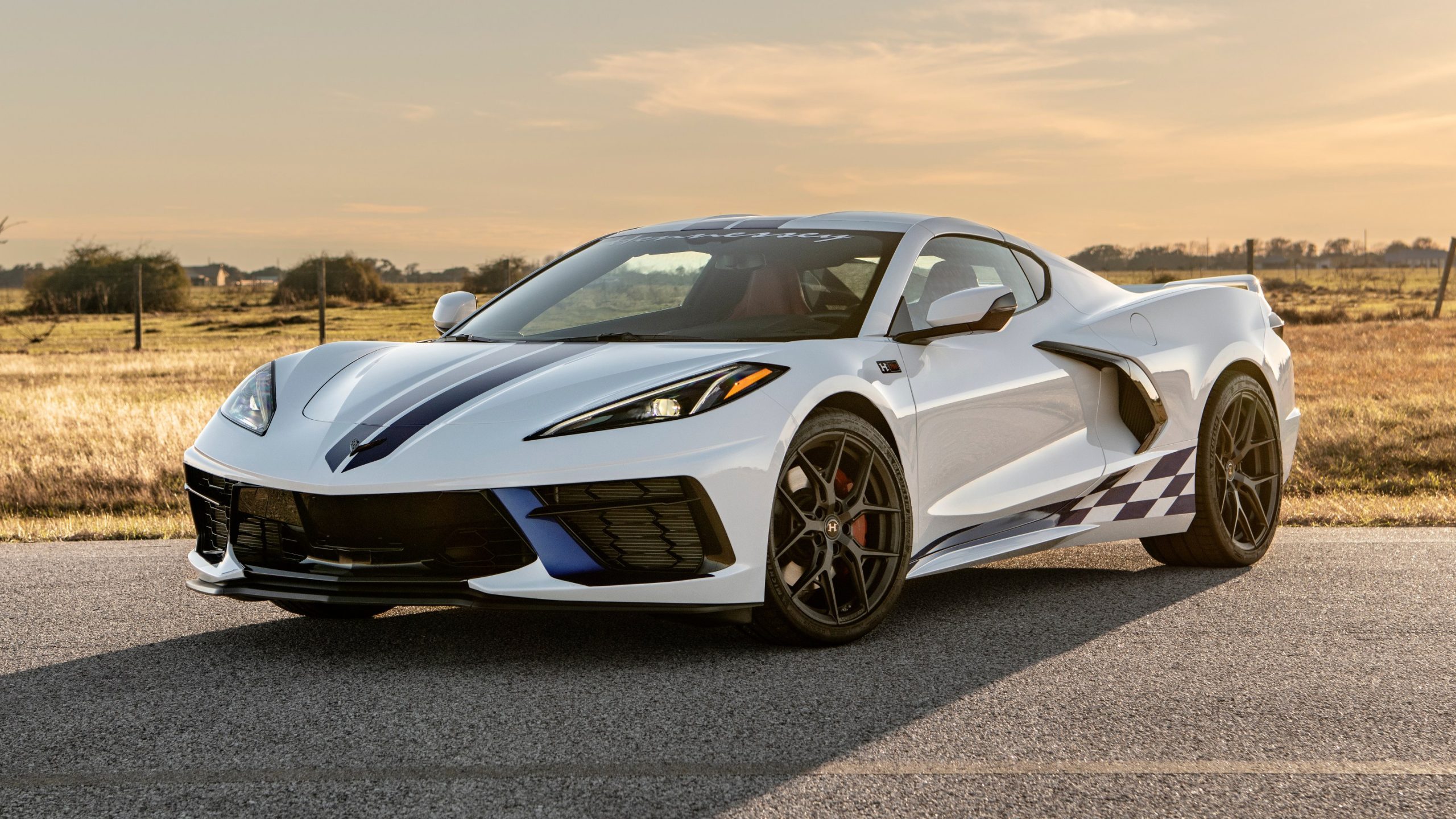
8. Chevrolet Corvette: American Sports Car Identity
The Chevrolet Corvette is one of the most iconic sports cars in automotive history, representing American performance, speed, and engineering ambition. Since its introduction, it has maintained a strong visual identity characterized by a low stance, aggressive proportions, and aerodynamic shaping.
While it has evolved significantly over time, its core design philosophy has always focused on performance-oriented aesthetics. This ensures that even across multiple generations, the Corvette remains instantly recognizable as a high-performance American sports car.
A key reason for its visual continuity is its role as a cultural icon. The Corvette is not just a vehicle but a symbol of American automotive engineering. It represents freedom, speed, and innovation, and its design must reflect those values consistently.
Because of this, Chevrolet has carefully preserved its core proportions even when introducing new technologies or shifting engineering layouts. Each generation builds upon the previous one, refining performance while maintaining a familiar identity that enthusiasts can immediately connect with.
One of the most significant changes in Corvette history was the transition to a mid-engine layout in its newer generation models. This shift dramatically improved handling, balance, and performance capabilities. However, even with this major mechanical transformation, designers ensured that the visual identity remained consistent.
The long, aggressive stance, wide rear proportions, and aerodynamic curves were all retained in a way that still reflects the Corvette lineage. This demonstrates how engineering innovation can coexist with design continuity when handled carefully.
Another factor contributing to its consistent identity is its global recognition. The Corvette is one of the most well-known sports cars worldwide, and its design plays a crucial role in maintaining that recognition.
Radical changes could risk alienating long-time fans and weakening its brand identity. Instead, Chevrolet opts for evolutionary design updates, refining details like lighting, airflow channels, and surface sculpting while keeping the shape familiar and cohesive across generations.
The Chevrolet Corvette ultimately shows that even performance-driven vehicles can maintain long-term visual consistency. Its design evolution is a careful balance between innovation and tradition, proving that a sports car can remain modern and competitive without abandoning the identity that made it legendary in the first place.
