
The global automotive industry is undergoing one of its most significant transformations in decades, and the latest market data suggests the transition is accelerating faster than many traditional manufacturers anticipated.
Across several major automotive markets, demand for conventional gasoline-powered passenger vehicles has weakened considerably during the first half of 2026.
Industry data from China, the world’s largest automotive market, shows passenger vehicle sales declining for eight consecutive months, with traditional gasoline vehicles experiencing some of the steepest losses as consumers increasingly migrate toward electrified alternatives.
The trend is sending shockwaves through boardrooms from Detroit to Tokyo and forcing automakers to rethink product strategies, manufacturing investments, and software partnerships.
While internal combustion engines are far from disappearing, the latest figures suggest the global market is entering a period where growth increasingly comes from electric, hybrid, and software-defined vehicles rather than traditional gas-powered models.
Also Read: 8 Beginner Motorcycles Ranked Worst To Best
The World’s Largest Auto Market Is Changing Rapidly
Much of the industry’s attention remains focused on China because of its enormous influence on global vehicle production and sales.
Reuters recently reported that Chinese passenger-car sales fell for an eighth consecutive month in May, with gasoline vehicle demand continuing to weaken amid higher fuel costs and changing consumer preferences.
At the same time, electrified vehicles accounted for more than 62 percent of new vehicle sales, illustrating how dramatically the market has shifted in a relatively short period. The scale of the transition is difficult to overstate.
China now represents the largest EV market in the world, and the International Energy Agency notes that more than 13 million electric vehicles were sold there during 2025, accounting for nearly 55 percent of new-car sales.
For automakers that once relied heavily on gasoline-powered vehicles for growth, the implications are substantial. Companies that fail to adapt risk losing relevance in one of the industry’s most important regions.
EV Growth Continues Despite Regional Differences
The global shift away from conventional gasoline vehicles is not occurring at the same pace everywhere, but the broader direction remains clear.
According to the International Energy Agency’s Global EV Outlook 2026, electric vehicle sales surpassed 20 million units globally in 2025 and represented approximately 25 percent of all new vehicle sales. The agency projects continued growth as more markets expand, charging infrastructure, and introduce affordable electric models.
Europe remains one of the strongest regions for EV adoption. The IEA reported that electric vehicle sales across Europe increased by roughly 30 percent in 2025, reaching more than four million units. In countries such as Norway, electric vehicles now account for nearly all new-car sales.
Emerging markets are also beginning to play a larger role. Countries including Thailand, Indonesia, Vietnam, and Turkey have experienced rapid increases in EV adoption, often driven by competitive pricing from Chinese manufacturers and government incentives.
The result is a global market where gasoline-powered vehicles face mounting pressure from multiple directions.
U.S. Automakers Are Adjusting Their Strategies
American manufacturers are watching these developments closely. Although EV adoption in the United States has progressed more slowly than in China and parts of Europe, market conditions are evolving quickly. Established automakers increasingly understand that maintaining a competitive edge in the years ahead will depend on far more than advancements in engine technology alone.
Software has become just as important. Vehicles are evolving into rolling technology platforms that receive updates, add features remotely, and generate recurring revenue through connected services.
Automakers are therefore investing heavily in software-defined vehicle architectures and partnerships with technology companies.
Volkswagen’s recent collaborations with Chinese EV startup Xpeng illustrate the industry’s broader direction, as legacy manufacturers seek faster access to advanced software capabilities and digital ecosystems.
American automakers are pursuing similar strategies. General Motors, Ford, and Stellantis have all increased investments in software development, connected vehicle services, and next-generation electrical architectures designed to support future mobility platforms.
Production Lines Are Being Reconfigured
The transition extends far beyond product development. Manufacturing facilities worldwide are being retooled to accommodate changing demand patterns.
Automakers that once allocated most factory capacity to conventional internal combustion vehicles are increasingly dedicating production resources to electrified vehicles, hybrid systems, batteries, and software-integrated platforms.
The shift is not always straightforward. Some manufacturers have encountered slower-than-expected EV demand in certain regions, particularly North America, leading them to adopt more flexible strategies involving hybrids and range-extended electric vehicles.
Nevertheless, a few major manufacturers are abandoning electrification entirely. Instead, many are broadening their approaches while maintaining long-term commitments to software-enabled and electrified vehicle portfolios.
Hybrids Are Emerging as a Transitional Winner
One interesting development is the growing popularity of hybrid vehicles. The Wall Street Journal recently reported that U.S. hybrid sales increased 33 percent year-over-year as consumers sought better fuel economy without fully committing to electric vehicles.
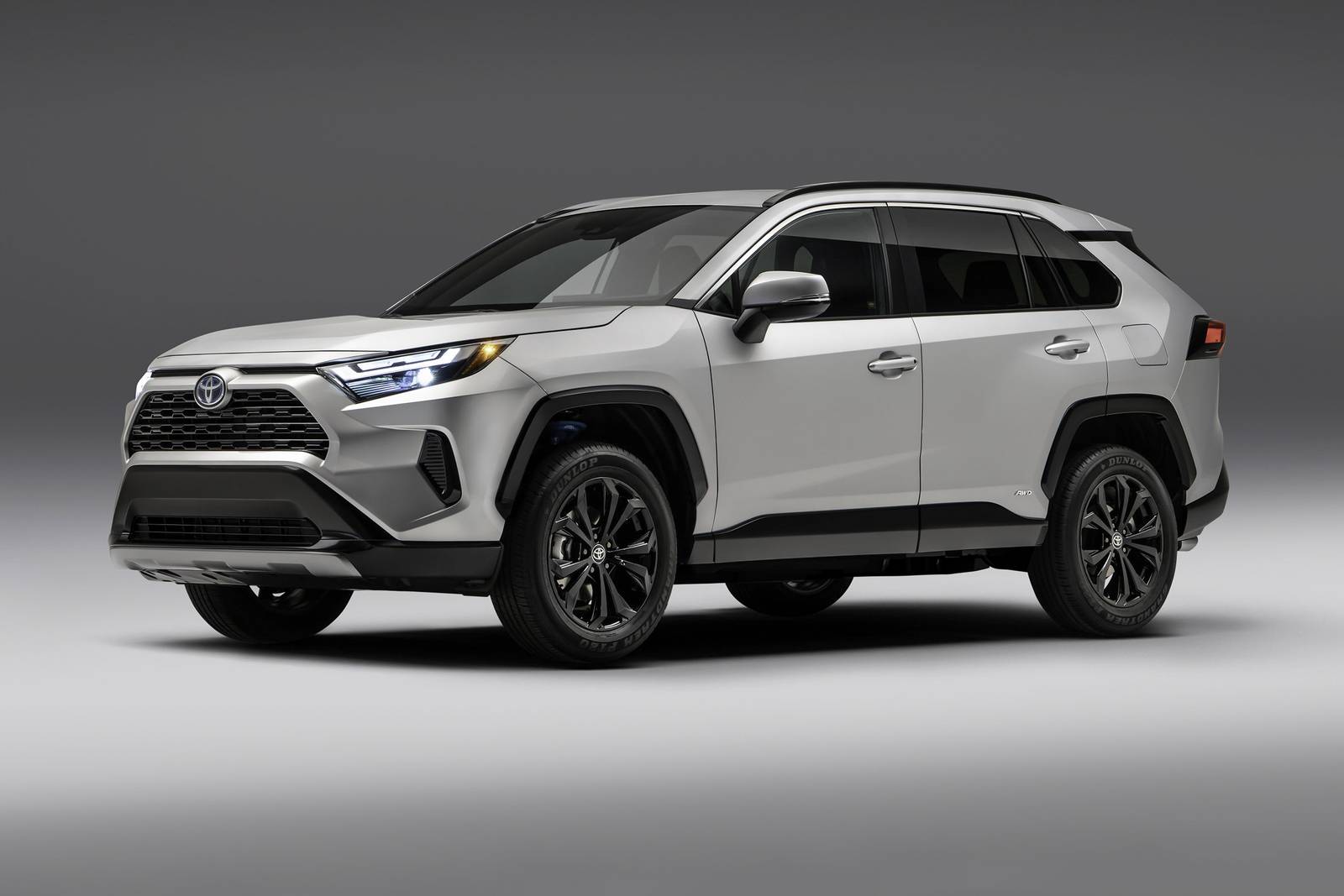
Models such as the Toyota RAV4 Hybrid and other electrified crossovers are attracting buyers who want lower operating costs while avoiding charging concerns.
This trend is influencing product planning decisions throughout the industry. Rather than viewing the future as a simple choice between gasoline and fully electric vehicles, manufacturers increasingly see hybrids as a critical bridge technology.
That perspective helps explain why companies, including Honda, Toyota, Hyundai, and others, continue expanding hybrid offerings even as they invest heavily in EV development.
For many consumers, hybrids provide a practical middle ground during a period of rapid technological change.
Chinese Automakers Continue Expanding Globally
Another factor accelerating the industry’s transformation is the growing influence of Chinese manufacturers.
Chinese automakers have become major exporters of electric vehicles and are expanding aggressively into international markets. Recent export data shows Chinese vehicle shipments rising sharply, supported by strong demand for electrified products across Latin America, Asia, Europe, and Australia.
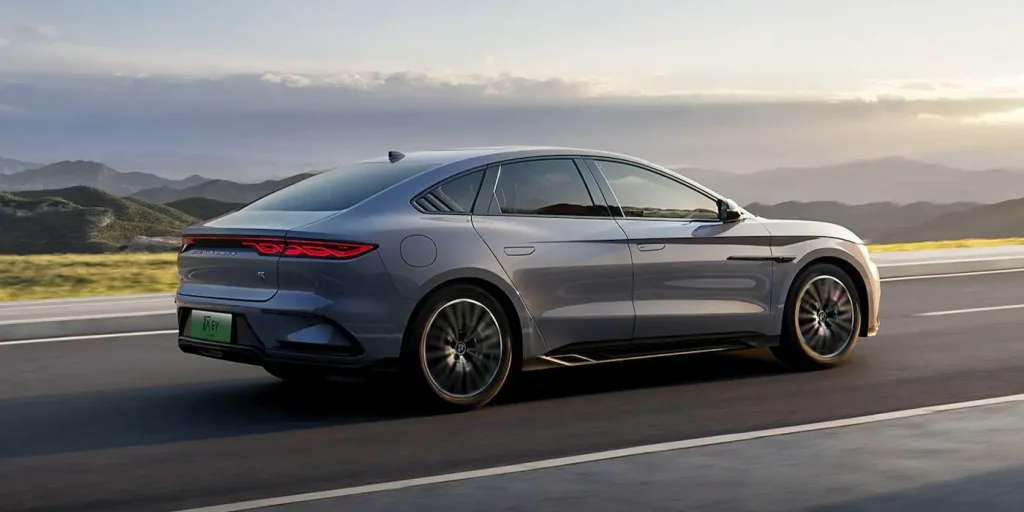
Brands such as BYD have emerged as formidable global competitors. Their ability to combine competitive pricing, advanced battery technology, and software-focused vehicle architectures is placing additional pressure on established manufacturers.
As a result, traditional automakers are being forced to innovate more rapidly than they might have otherwise.
A Structural Shift Rather Than a Temporary Slowdown
The most important takeaway from current market data is that the industry’s transformation appears increasingly structural rather than cyclical.
Gasoline-powered vehicles will remain an important part of the automotive landscape for years to come, particularly in markets where charging infrastructure remains limited. However, growth opportunities are increasingly concentrated in electrified and software-driven products.
The International Energy Agency estimates that electric vehicles will continue expanding their share of global sales, while software capabilities become a key differentiator between competing brands.
For automakers, the challenge is no longer deciding whether to participate in this transition. The challenge is determining how quickly they can adapt.
As demand for traditional gasoline vehicles weakens across major international markets and software becomes a defining component of vehicle value, manufacturers are finding themselves in a race not only to electrify their lineups but also to reinvent themselves as technology companies.
The companies that navigate that transition successfully are likely to define the next era of the automotive industry.
Also Read: Top 10 Hybrid SUVs With Best Fuel Economy
