
Owning an SUV no longer means frequent fuel stops like it once did. Modern buyers now expect space, comfort, and strong fuel savings in everyday driving. Hybrid systems make that possible by combining electric power with gasoline engines to extend mileage far beyond older setups.
From 2025 to 2026, automakers have improved hybrid technology in clear ways. Power delivery feels smoother, acceleration responds better, and fuel use keeps dropping even in larger SUVs that used to struggle with efficiency. These improvements show up in both city traffic and highway travel.
Different brands take different approaches. Some build smaller, city-friendly SUVs focused on efficiency, while others design larger family models that still manage impressive fuel economy. This variety gives drivers more choices without giving up comfort or space.
Across compact crossovers and three-row SUVs, hybrid systems help maintain strong efficiency while keeping driving practical and comfortable. These vehicles represent how far hybrid engineering has come, delivering better fuel savings without changing the natural feel of everyday driving.
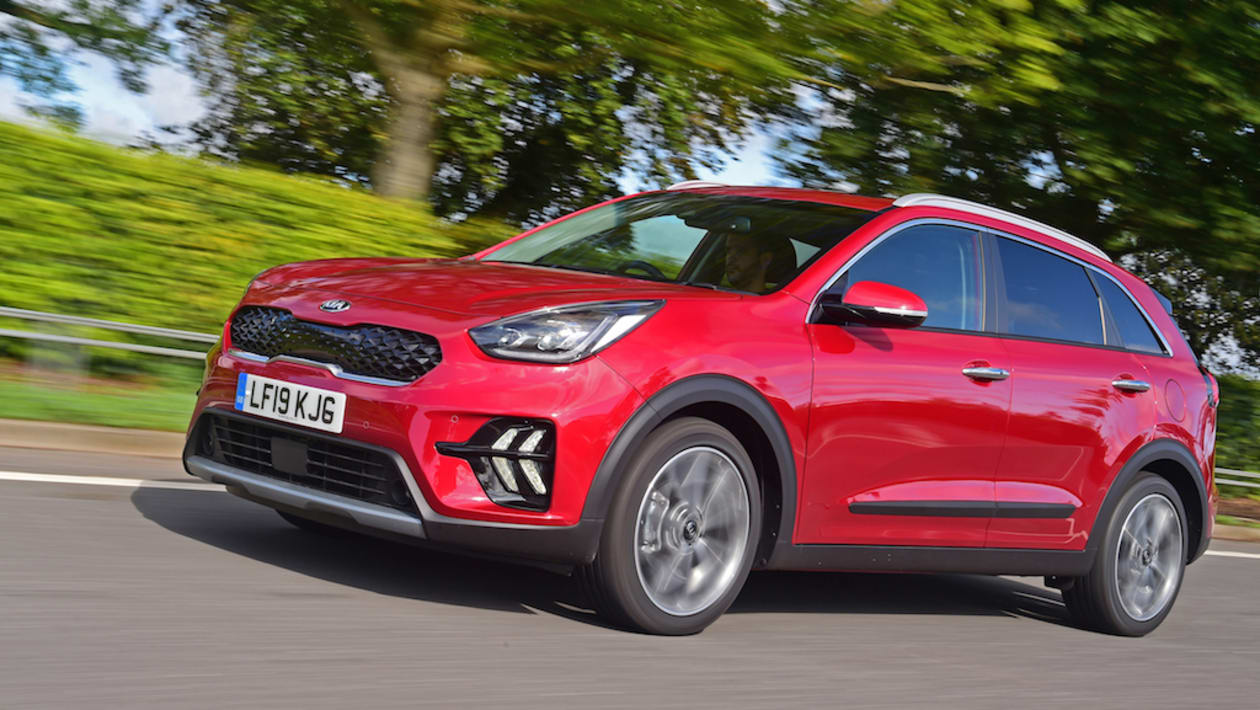
1. Kia Niro Hybrid
Fuel Economy: 53 MPG Combined (53 City / 54 Highway)
- Engine: 1.6L 4-cylinder Hybrid
- Horsepower: 139 hp
- Torque: 195 lb-ft
- Size: 174.0 inches Long x 71.7 inches Wide
Urban commuting places heavy demand on fuel systems, especially in stop-and-go conditions where efficiency often drops in traditional engines. This model approaches that challenge through a compact body structure paired with a 1.6L 4-cylinder hybrid setup producing 139 horsepower and 195 lb-ft of torque. Its size, measuring 174.0 inches in length and 71.7 inches in width, contributes directly to reduced energy demand during acceleration and braking cycles.
Fuel consumption stands out at 53 MPG combined, supported by a balance between electric assist and gasoline output. City driving benefits from frequent electric-only operation at lower speeds, which reduces engine load during traffic-heavy conditions. Highway efficiency remains steady due to aerodynamic shaping and controlled engine RPM management.
Inside the cabin, space usage feels intentional rather than oversized. Seating layout prioritizes comfort for short to medium trips, while cargo space supports daily errands without unnecessary bulk. Materials inside lean toward durable surfaces designed for repeated use rather than luxury excess, keeping weight lower across the vehicle.
Driving behavior feels light due to the hybrid system’s instant torque assistance. Acceleration does not rely solely on engine revs, which helps maintain a smoother response in traffic conditions. Regenerative braking captures energy during deceleration, feeding it back into the battery system for reuse during low-speed travel.
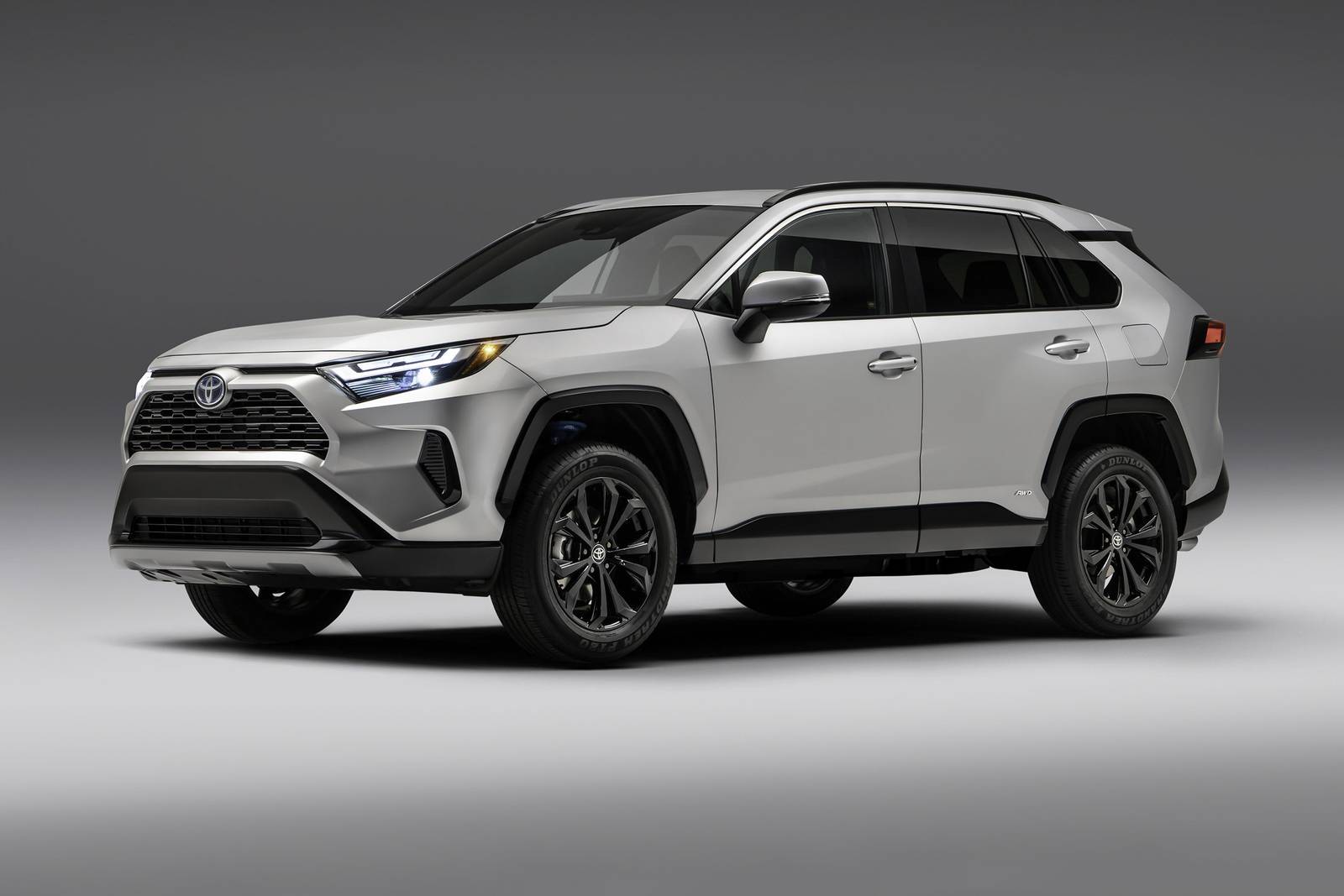
2. Toyota RAV4 Hybrid
Fuel Economy: 41 MPG Combined (41 City / 38 Highway)
- Engine: 2.5L 4-cylinder Hybrid
- Horsepower: 219 hp
- Torque: 163 lb-ft
- Size: 180.9 inches Long x 73.0 inches Wide
A familiar shape in the compact SUV segment, this hybrid configuration uses a 2.5L 4-cylinder engine combined with electric assistance to produce 219 horsepower and 163 lb-ft of torque. That output places it in a comfortable middle ground between efficiency and usable acceleration.
Fuel economy reaches 41 MPG combined, with city ratings slightly higher due to electric motor support during low-speed operation. Highway travel remains stable, helped by a continuously variable transmission system that keeps engine load consistent during long drives.
Exterior proportions measure 180.9 inches in length and 73.0 inches in width, giving it enough interior room for passengers and cargo without sacrificing maneuverability. Roofline design supports airflow control, reducing drag during highway travel.
Inside, the seating arrangement prioritizes comfort across both front and rear rows. Cargo capacity supports family trips, grocery runs, and luggage transport without requiring seat adjustments. Hybrid battery placement does not interfere with storage space, which keeps usability intact.
Driving feels leans toward steady control rather than aggressive acceleration. Electric torque fills in during low-speed starts, while gasoline power supports higher speed cruising. This combination reduces strain on the engine during repeated acceleration cycles in urban environments.
Safety systems integrate with hybrid operation by adjusting energy use during braking and acceleration. Regenerative braking assists in energy recovery while maintaining predictable stopping behavior. Long-term reliability plays a strong role in this model’s popularity.
Also Read: 8 Used Hybrids That Save More Than They Cost To Own
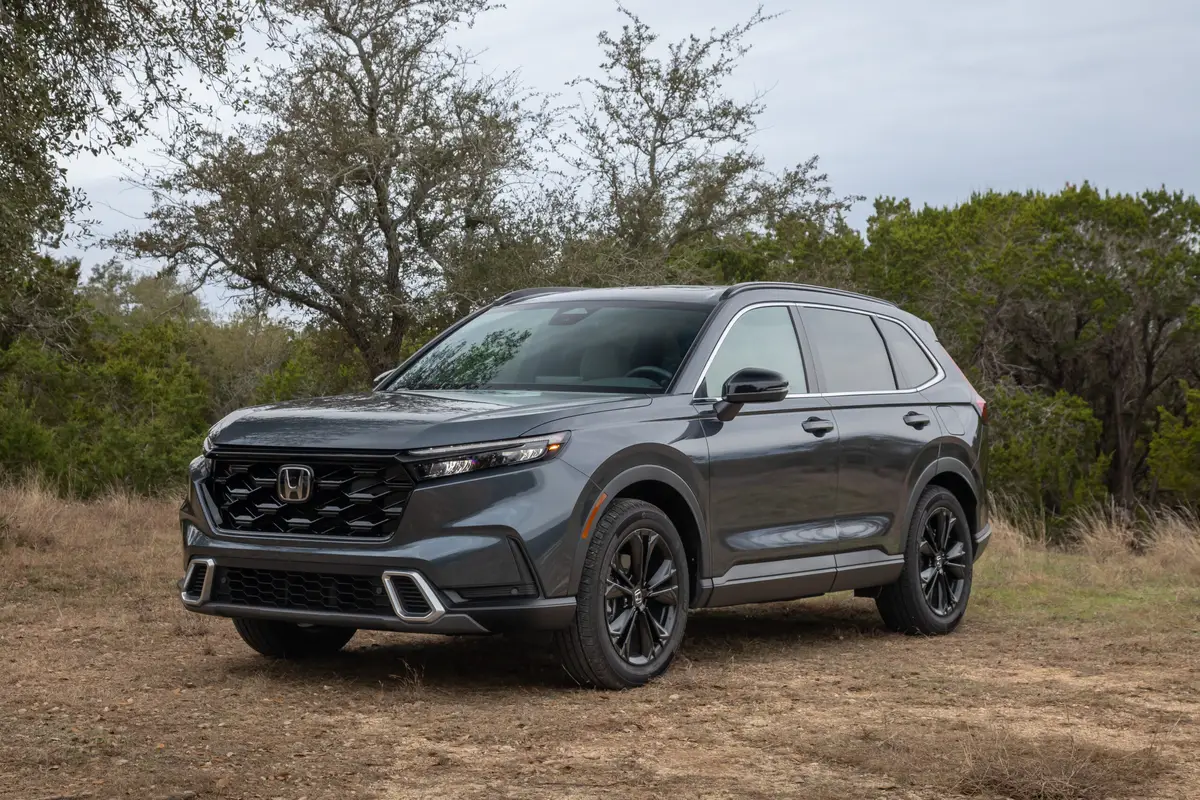
3. Honda CR-V Hybrid
Fuel Economy: 40 MPG Combined (43 City / 36 Highway)
- Engine: 2.0L 4-cylinder Hybrid
- Horsepower: 204 hp
- Torque: 247 lb-ft
- Size: 184.8 inches Long x 73.5 inches Wide
Smooth, quiet movement defines this SUV’s hybrid setup, where a 2.0L four-cylinder system works alongside electric assistance to produce 204 horsepower and 247 lb-ft of torque. The first thing you notice is how quickly it gets going from a stop, since the electric motor kicks in right away and removes the need for hard engine revving.
Fuel consumption sits around 40 MPG combined, helped mostly by how often the vehicle runs on electric power at low speeds. In daily city traffic, the gasoline engine stays off more than you’d expect, stepping in only when extra power is needed. That balance keeps fuel use low during routine commuting and short trips.
Size-wise, it stretches 184.8 inches long and 73.5 inches wide, giving it enough interior room without making it difficult to handle in tighter spaces. Rear seating offers good comfort for passengers, especially on longer drives where legroom really matters.
Inside the cabin, everything is built for durability and daily use. Storage spaces are spread out in practical spots like door pockets, a center console bin, and a rear cargo area that can adjust depending on what you’re carrying. On the road, the drive feels steady and well-controlled.
Power delivery comes in smoothly as electric and gasoline systems blend without sudden changes. Steering stays stable at highway speeds but remains light enough for easy city driving. At slower speeds, engine noise fades out often because electric driving takes over. Combined with suspension tuning that softens bumps, the ride stays calm and comfortable for both short errands and longer journeys.
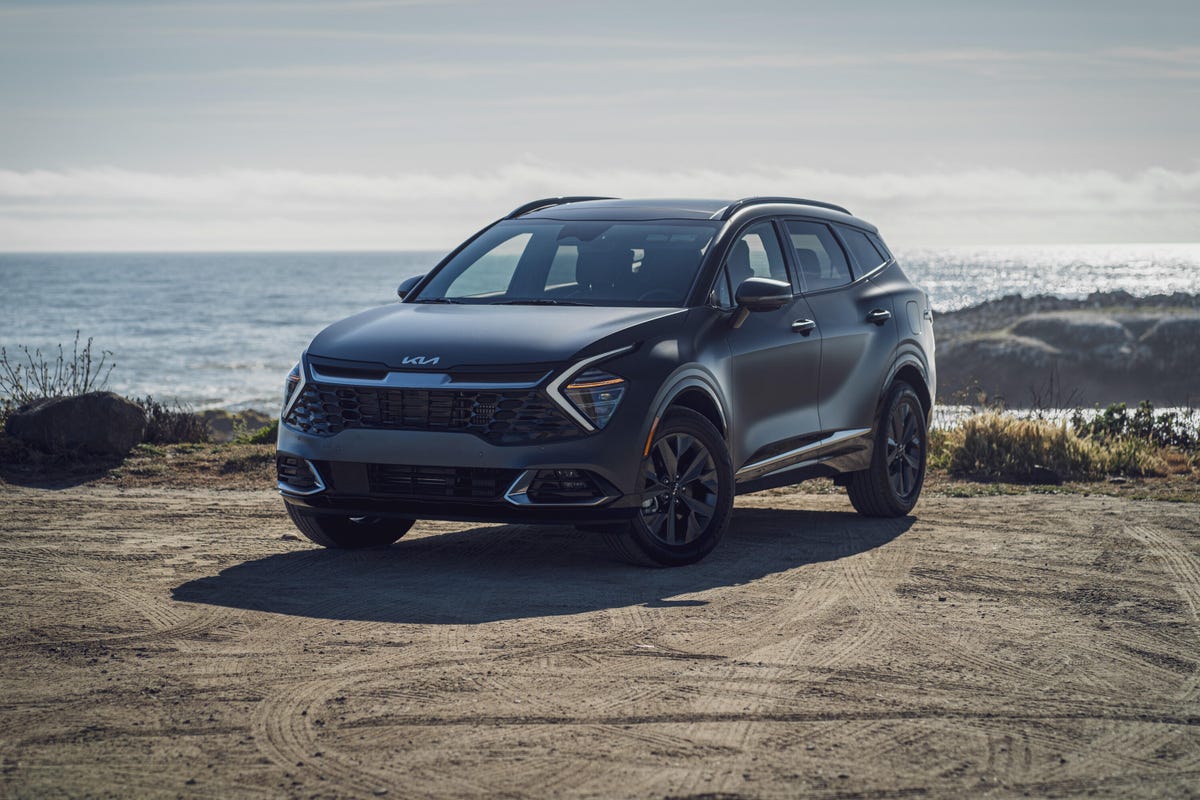
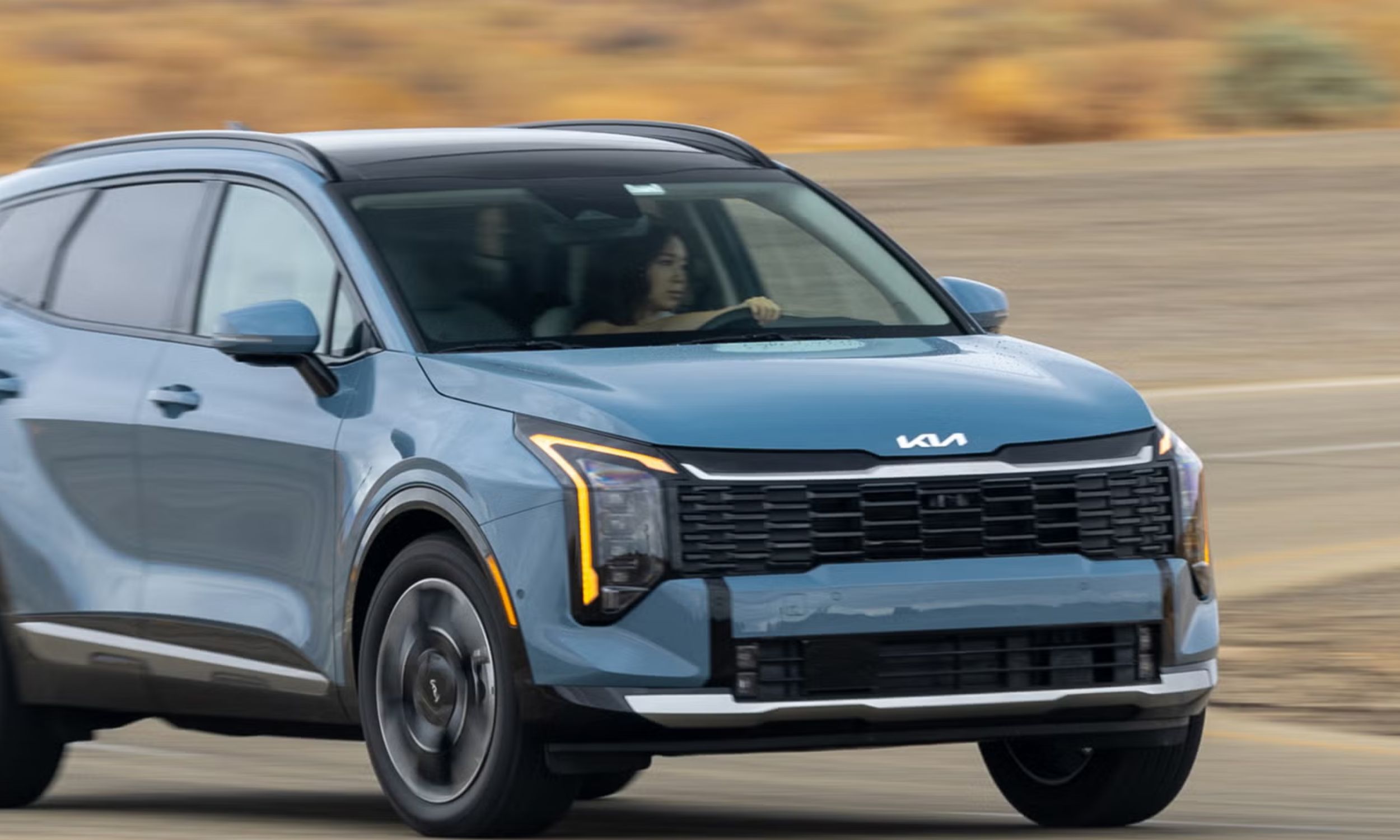
4. Kia Sportage Hybrid
Fuel Economy: 43 MPG Combined (42 City / 44 Highway)
(Note: Front-wheel-drive models get the highest mileage; all-wheel-drive models drop slightly to 38 MPG)
- Engine: 1.6L Turbocharged 4-cylinder Hybrid
- Horsepower: 227 hp
- Torque: 258 lb-ft
- Size: 183.5 inches Long x 73.4 inches Wide
Power comes on smoothly and confidently in this SUV thanks to a 1.6L turbocharged four-cylinder hybrid system that delivers 227 horsepower and 258 lb-ft of torque. That level of output places it near the stronger end of the compact hybrid SUV category, especially useful when quick acceleration is needed for highway merging or passing slower vehicles.
Fuel consumption depends a bit on drivetrain choice. Front-wheel-drive models deliver around 43 MPG combined, while all-wheel-drive versions sit closer to 38 MPG. Even with that difference, efficiency stays steady across daily driving because the hybrid system continuously balances electric assistance with gasoline power in both city traffic and highway cruising.
Size-wise, it stretches about 183.5 inches long and 73.4 inches wide, giving it a stable stance on the road while still leaving enough space inside for passengers and luggage. The body shape is designed to move cleanly through air, which helps reduce drag and supports better fuel use at higher speeds.
Inside, everything is arranged with simplicity and ease of use in mind. Controls are placed where they are easy to reach, and the seating setup supports comfort for both short errands and longer drives. Rear passengers get solid legroom, while the cargo area adjusts easily for groceries, travel bags, or outdoor gear.
On the road, the hybrid system feels responsive because the electric motor helps with early acceleration before the engine fully kicks in. This removes hesitation when pressing the accelerator, making city driving and highway entry feel smoother and more controlled.
Gear changes are tuned to feel almost unnoticeable, keeping power delivery steady rather than jerky. The suspension also helps maintain comfort by smoothing out bumps and rough patches, so passengers feel less impact from uneven roads during everyday travel.
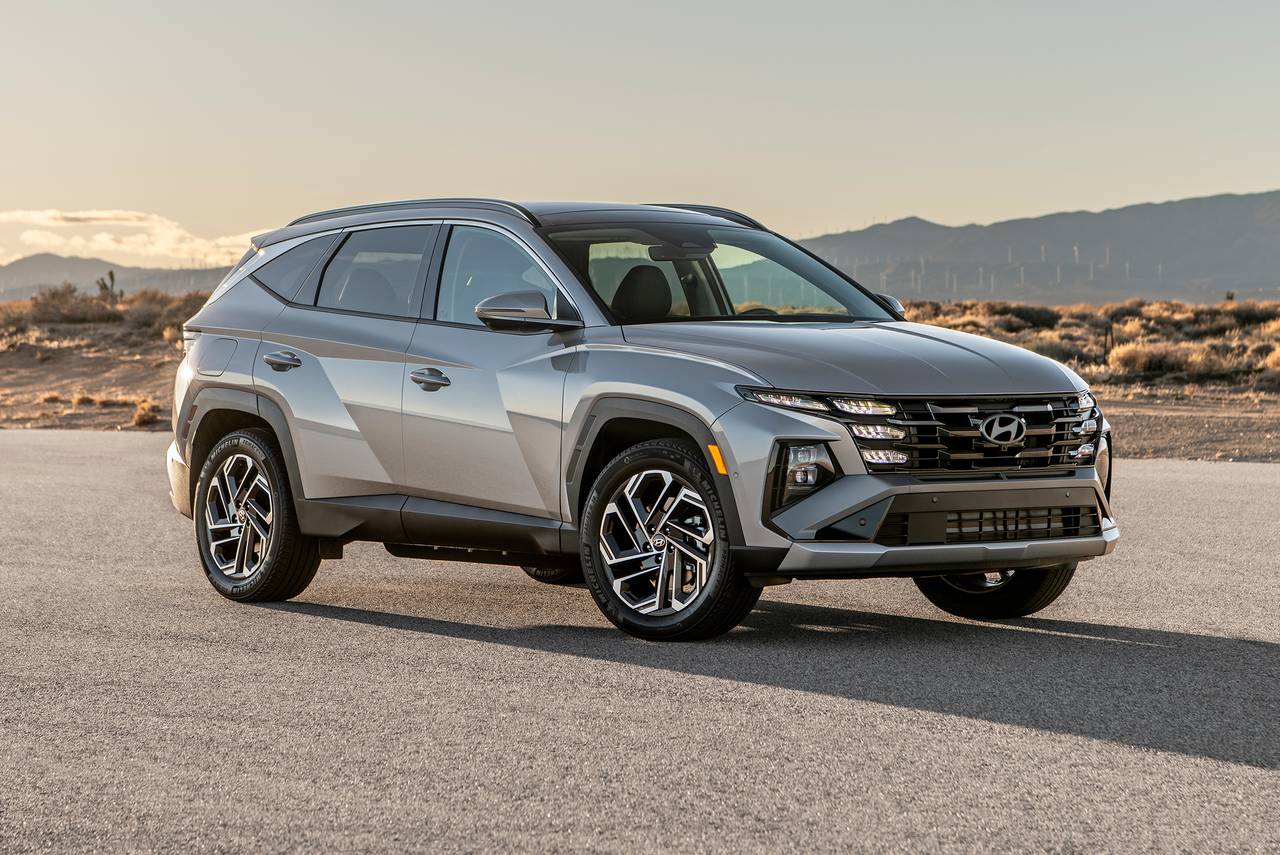
5. Hyundai Tucson Hybrid
Fuel Economy: 38 MPG Combined (38 City / 38 Highway)
- Engine: 1.6L Turbocharged 4-cylinder Hybrid
- Horsepower: 231 hp
- Torque: 258 lb-ft
- Size: 182.3 inches Long x 73.4 inches Wide
A 1.6L turbocharged hybrid setup sits under the hood of this SUV, delivering 231 horsepower and 258 lb-ft of torque. The result is a drive that feels steady and controlled, whether you are easing through city traffic or holding speed on the highway. Power comes in smoothly without sudden surges, which helps the vehicle feel composed in different situations.
Fuel consumption averages around 38 MPG combined, with city and highway figures staying close to each other. That consistency comes from how the system balances electric assistance with gasoline power. At lower speeds, the electric motor does more of the work, which cuts down fuel use. As speed increases, the gasoline engine takes over more of the load while still working alongside the electric unit to maintain efficiency.
The SUV measures 182.3 inches long and 73.4 inches wide, giving it a solid and stable presence on the road. Its exterior design uses sharp lines and shaped surfaces that help guide air more smoothly around the body, reducing drag and improving efficiency during travel.
Inside, the cabin is arranged with comfort in mind. Seats are shaped to support longer drives without causing discomfort, and controls are positioned for easy reach. Storage areas are placed throughout the cabin, while the cargo space offers enough room for everyday items like bags, luggage, or gear without feeling restricted.
Energy recovery is handled through regenerative braking, which captures power during slowing and stores it in the battery. The suspension smooths out rough surfaces, and driver assistance features work quietly in the background to keep acceleration and braking transitions smooth and predictable.
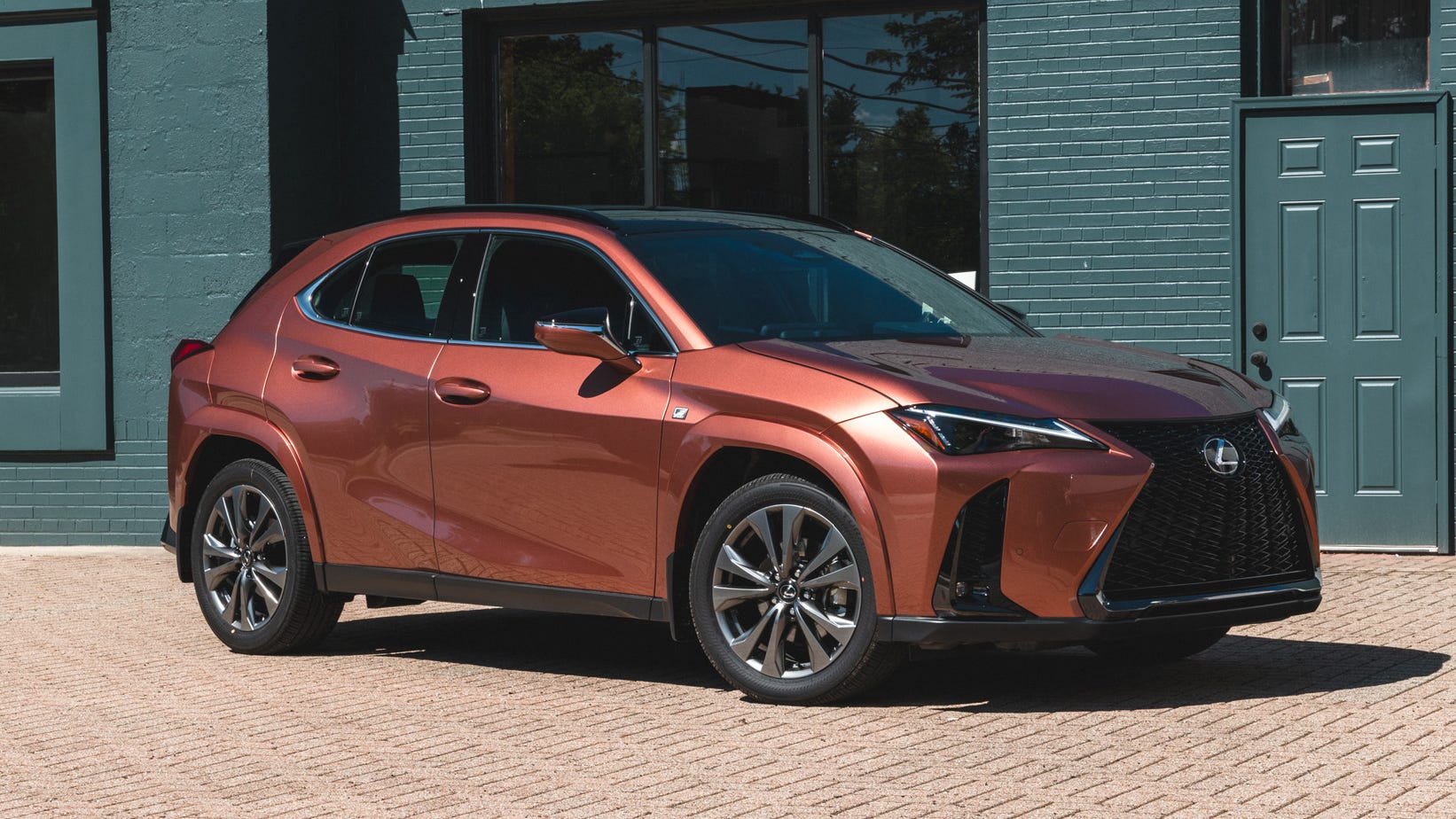
6. Lexus UX 300h
Fuel Economy: 43 MPG Combined (45 City / 41 Highway)
- Engine: 2.0L 4-cylinder Hybrid
- Horsepower: 196 hp
- Torque: 139 lb-ft
- Size: 176.9 inches Long x 72.4 inches Wide
Luxury and fuel savings rarely share the same spotlight, yet this compact SUV manages to place both in a balanced position. A 2.0L 4-cylinder hybrid system produces 196 horsepower and 139 lb-ft of torque, tuned for smooth acceleration rather than aggressive output. Power delivery feels measured, with electric assistance handling early movement before the gasoline engine joins at higher speeds.
Fuel consumption reaches 43 MPG combined, with city driving rated slightly higher at 45 MPG. That city advantage comes from frequent electric-only operation during low-speed travel, especially in traffic-heavy environments. Highway use maintains stable efficiency through controlled engine RPM behavior and aerodynamic shaping that reduces resistance.
Dimensions sit at 176.9 inches in length and 72.4 inches in width, placing it in a compact category suited for urban driving. Despite its size, the interior layout prioritizes comfort for both front and rear passengers. Seat positioning supports longer trips without fatigue, while cabin insulation reduces external noise intrusion during electric driving phases.
Regenerative braking plays a strong role in energy recovery. Each stop or slowdown sends energy back into the battery system, extending electric assistance during repeated acceleration cycles. This reduces fuel dependency during dense traffic conditions.
Steering response feels precise, designed for tighter streets and parking areas. Suspension tuning focuses on comfort rather than stiffness, allowing smoother handling over uneven road surfaces. Hybrid transitions remain subtle, with minimal disruption during engine activation.
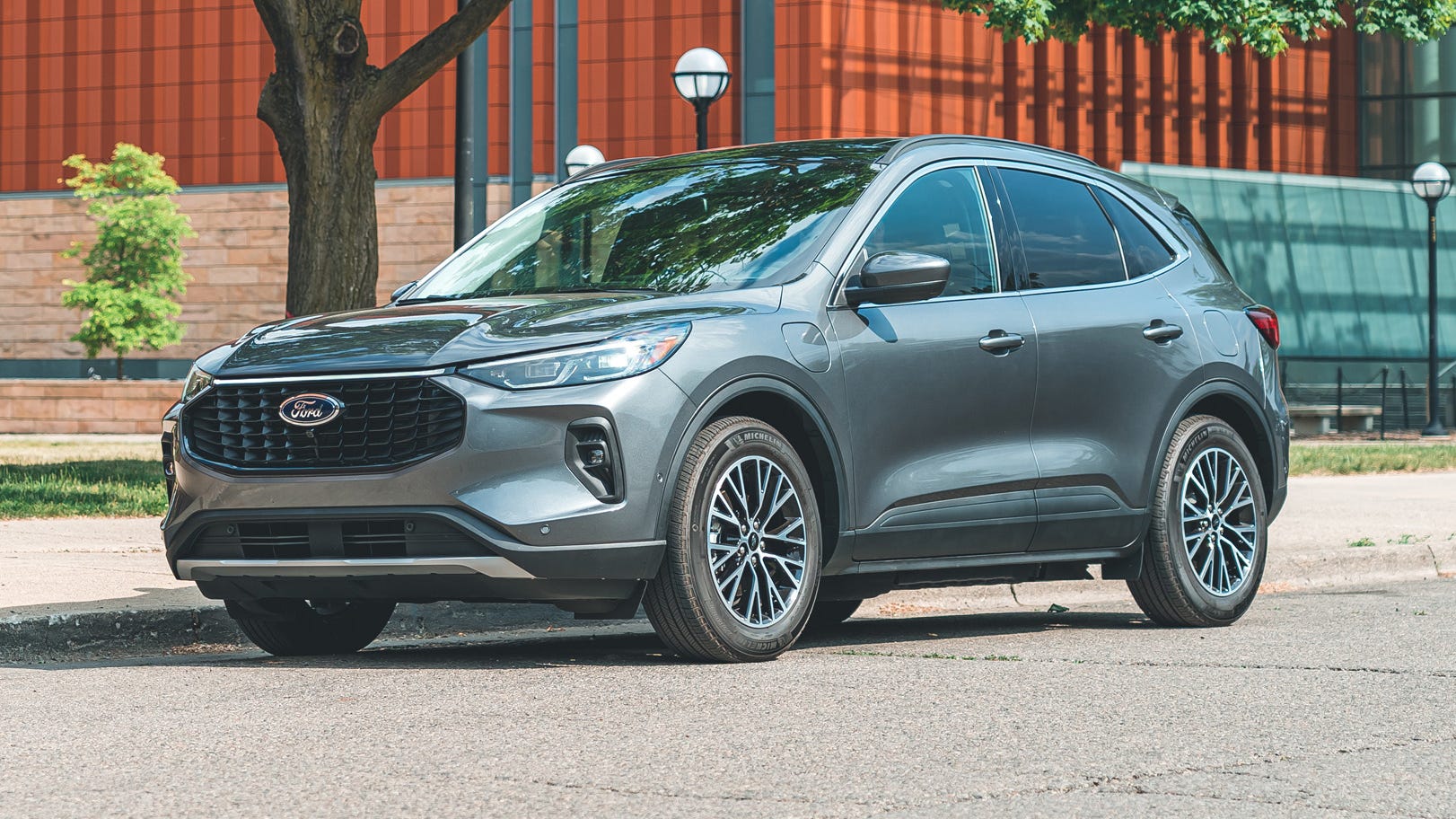
7. Ford Escape Hybrid
Fuel Economy: 39 MPG Combined (42 City / 36 Highway)
- Engine: 2.5L 4-cylinder Hybrid
- Horsepower: 192 hp
- Torque: 155 lb-ft
- Size: 180.1 inches Long x 74.1 inches Wide
A 2.5L 4-cylinder hybrid system powers this SUV, producing 192 horsepower and 155 lb-ft of torque. Power delivery focuses on steady acceleration rather than rapid bursts, making it suitable for mixed driving conditions that include city streets and highway routes.
Fuel efficiency reaches 39 MPG combined, supported by a system that prioritizes electric operation during low-speed driving. City travel benefits most from this setup, as electric motor assistance reduces engine load during frequent stops.
Exterior proportions measure 180.1 inches in length and 74.1 inches in width. This creates a stable driving footprint that supports both passenger comfort and cargo flexibility. Aerodynamic shaping reduces drag, assisting fuel efficiency during sustained highway driving.
Interior layout centers on usability. Seating arrangement supports passengers with generous legroom, while cargo space adjusts for daily use or longer trips. Foldable rear seats increase storage capacity when needed. Hybrid operation blends electric and gasoline power through a continuously managed system that adjusts output based on driving demand.
This reduces unnecessary fuel use during low-speed movement and stabilizes consumption during highway cruising. Regenerative braking captures energy during deceleration, storing it in the battery system for later use. This helps extend electric assistance during stop-and-go traffic.
Ride quality leans toward comfort, with suspension tuned to absorb uneven road surfaces without transferring harsh movement into the cabin. Steering remains predictable, supporting both urban driving and highway lane control. Driver assistance systems integrate with hybrid controls to maintain smooth transitions between power sources, ensuring consistent performance across different driving conditions.
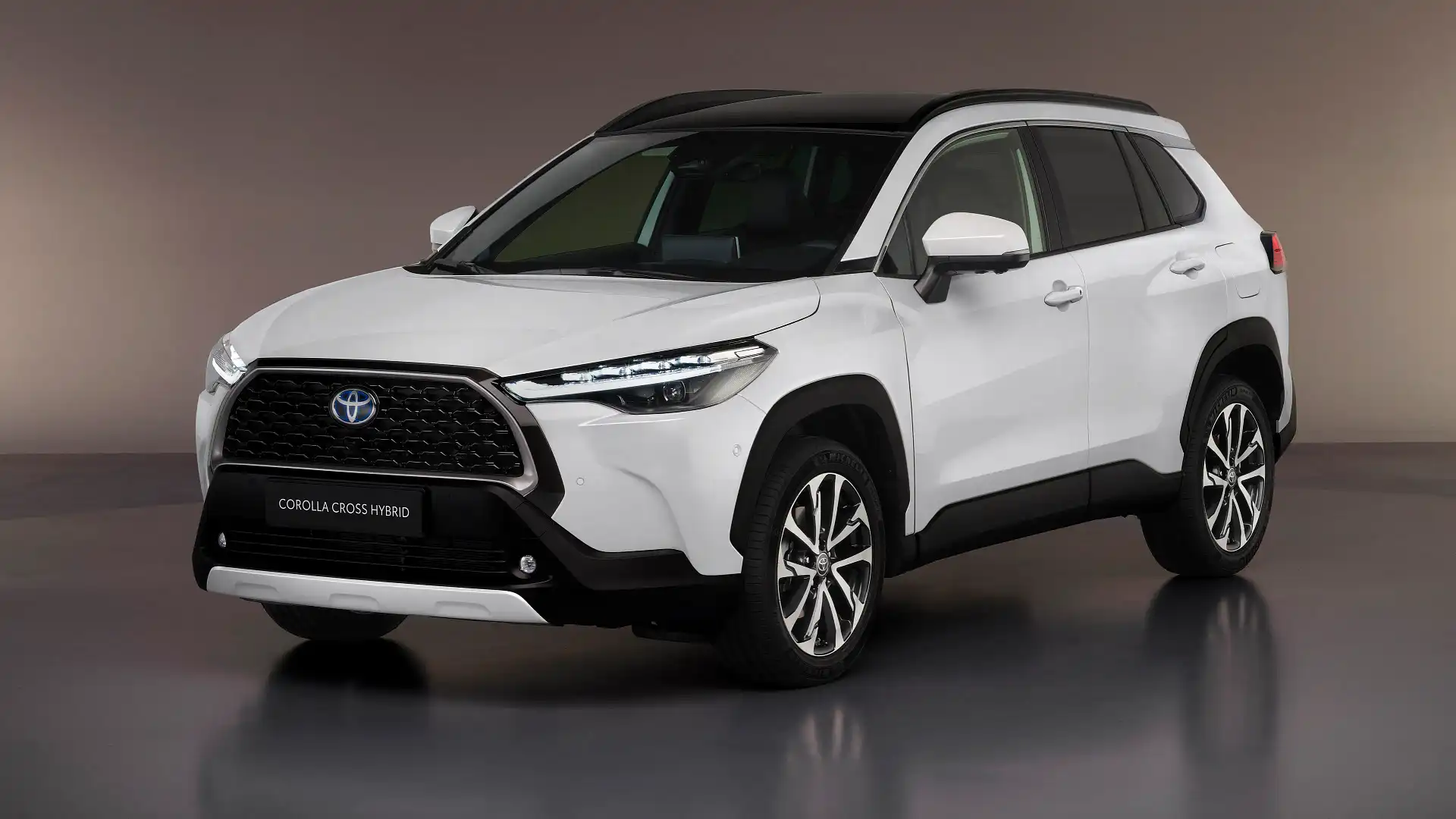
8. Toyota Corolla Cross Hybrid
Fuel Economy: 42 MPG Combined (45 City / 38 Highway)
- Engine: 2.0L 4-cylinder Hybrid
- Horsepower: 196 hp
- Torque: 139 lb-ft
- Size: 176.1 inches Long x 71.9 inches Wide
City driving often calls for something that feels light on its feet, easy to park, and kind on fuel. This compact SUV delivers that balance with a 2.0L 4-cylinder hybrid system producing 196 horsepower and 139 lb-ft of torque. It is not built for aggressive performance, but for steady, confident movement through everyday traffic. Electric assistance steps in often at lower speeds, letting the vehicle roll smoothly through stop-and-go conditions without leaning heavily on the gasoline engine.
Fuel efficiency lands around 42 MPG combined, with a slight edge in city use since electric power handles many short trips. On highways, consumption stays steady because the engine holds a consistent rhythm rather than constantly changing output.
Measuring 176.1 inches in length and 71.9 inches in width, the vehicle fits comfortably into tight parking spots, narrow streets, and crowded garages. Despite the compact size, the cabin still offers practical space for passengers, along with enough cargo room for groceries, work gear, or weekend bags.
Inside, the design leans toward simple durability. Seats are shaped for daily comfort, and storage spaces are placed where they are easy to reach, making small-item organization straightforward during commutes or errands. Hybrid operation runs quietly and smoothly in the background, shifting between electric and gasoline power depending on speed and load.
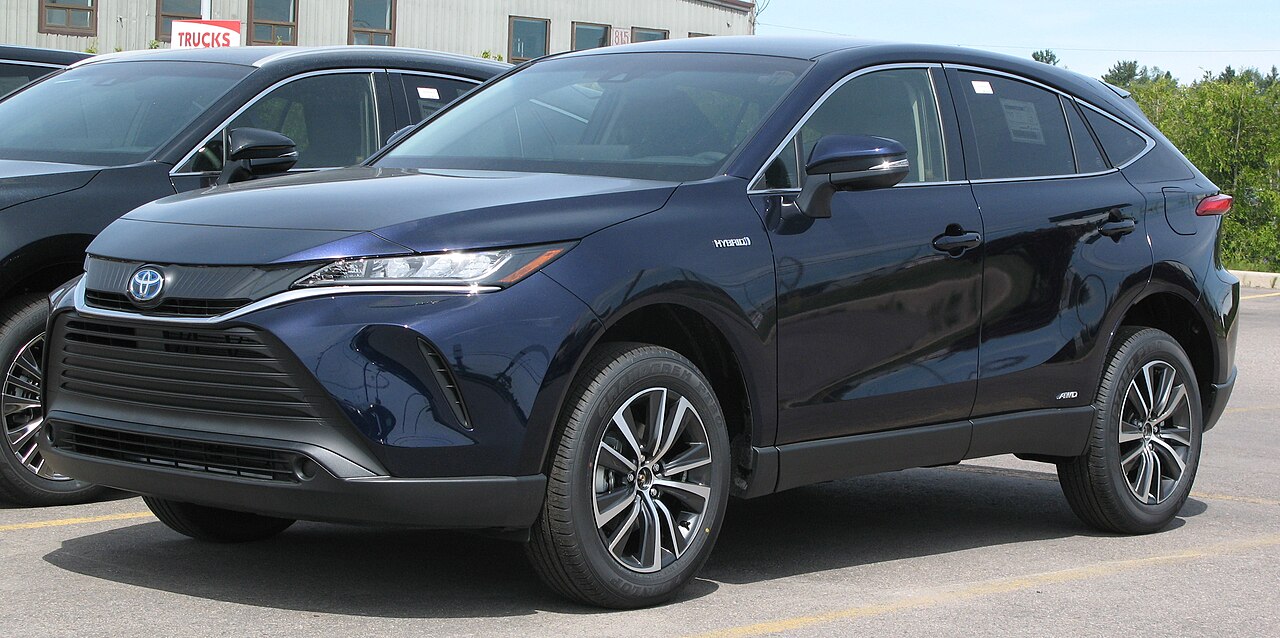
9. Toyota Venza
Fuel Economy: 39 MPG Combined (40 City / 37 Highway)
- Engine: 2.5L 4-cylinder Hybrid
- Horsepower: 219 hp
- Torque: 163 lb-ft
- Size: 186.6 inches Long x 73.0 inches Wide
A relaxed, smooth-driving character defines this midsize hybrid SUV, thanks to a 2.5L four-cylinder hybrid system producing 219 horsepower and 163 lb-ft of torque. Rather than focusing on sharp bursts of speed, the power delivery is tuned for gradual, predictable acceleration that feels easygoing in everyday use, whether stuck in traffic or cruising on open roads.
Fuel efficiency lands at about 39 MPG combined, supported by a hybrid setup that balances electric and gasoline power depending on driving conditions. At low speeds, the electric motor does more of the work, which reduces fuel consumption during stop-and-go city driving and short commutes.
Measuring 186.6 inches in length and 73.0 inches in width, the SUV offers a stable driving stance without feeling oversized in tighter streets or parking areas. The exterior design also helps air move more cleanly over the body, improving efficiency during longer highway trips.
Inside, comfort takes priority. The seating is shaped for longer journeys, and cabin materials help reduce road noise and vibration. Rear passengers get generous legroom along with steady airflow from the climate system, keeping the ride comfortable even on extended drives.
Suspension tuning helps smooth out uneven road surfaces, keeping the ride calm and composed. Highway stability remains strong, making long trips less tiring. Cargo space is also practical for daily needs, easily handling groceries, luggage, or work gear, while foldable rear seats add extra flexibility when more room is required.
Also Read: 8 Hybrids That Cost Less To Own Than Gas Rivals
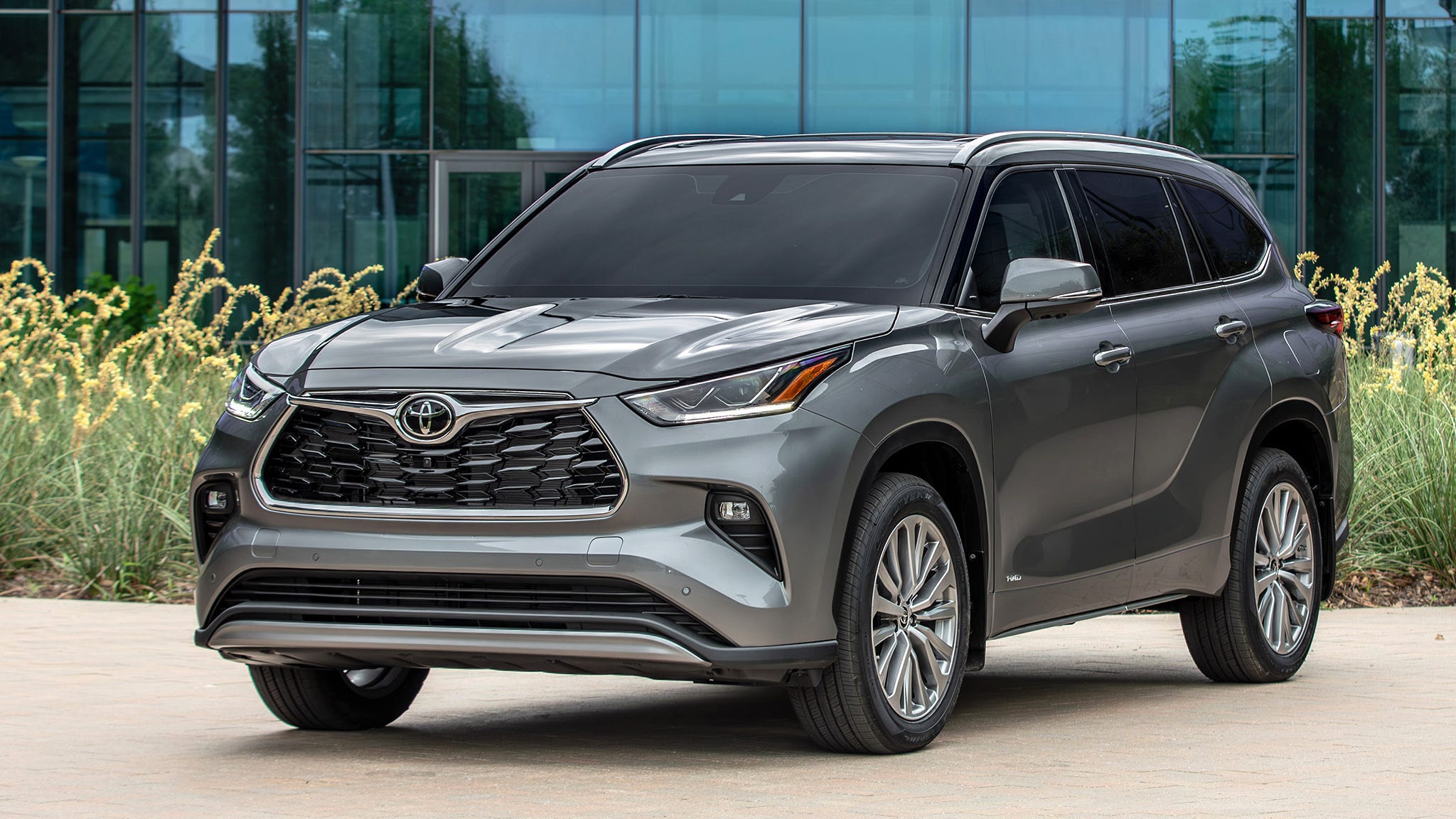
10. Toyota Highlander Hybrid
Fuel Economy: 36 MPG Combined (36 City / 35 Highway)
- Engine: 2.5L 4-cylinder Hybrid
- Horsepower: 243 hp
- Torque: 175 lb-ft
- Size: 194.9 inches Long x 76.0 inches Wide
Built with families in mind, this three-row SUV uses a 2.5L four-cylinder hybrid system that produces 243 horsepower and 175 lb-ft of torque. Despite its larger size, it delivers power in a smooth and controlled way, making it comfortable whether fully loaded with passengers or cruising on the highway.
Fuel economy is rated at 36 MPG combined, which is impressive for a vehicle in this class. Efficiency remains steady in both city and highway driving, thanks to the hybrid system constantly assisting where needed. With a length of 194.9 inches and a width of 76.0 inches, the SUV offers a roomy interior that comfortably fits passengers across all three rows.
Second-row seating provides enough space for adults, while the third row works well for kids or shorter trips. The hybrid system automatically switches between electric and gasoline power depending on driving conditions. Electric power handles slower speeds, while the engine steps in for higher speeds, with electric support improving efficiency.
Regenerative braking helps capture energy during stops, storing it in the battery for later use. This is especially useful in traffic, where frequent braking happens. The suspension is tuned to keep the ride stable and comfortable, even when the vehicle is carrying a full load.
Cargo space is flexible, with foldable rear seats allowing for more storage when needed. This makes road trips easier by accommodating luggage and larger items. Inside, sound insulation reduces outside noise, creating a quiet and relaxed cabin for all passengers.
